
Tshirt Company for Fit-Focused Private-Label Apparel
Partner with a tshirt company for OEM, ODM and private-label production from 100 units, with fit-focused XS–3XL development and global export support.
Featured Products for tshirt company Development
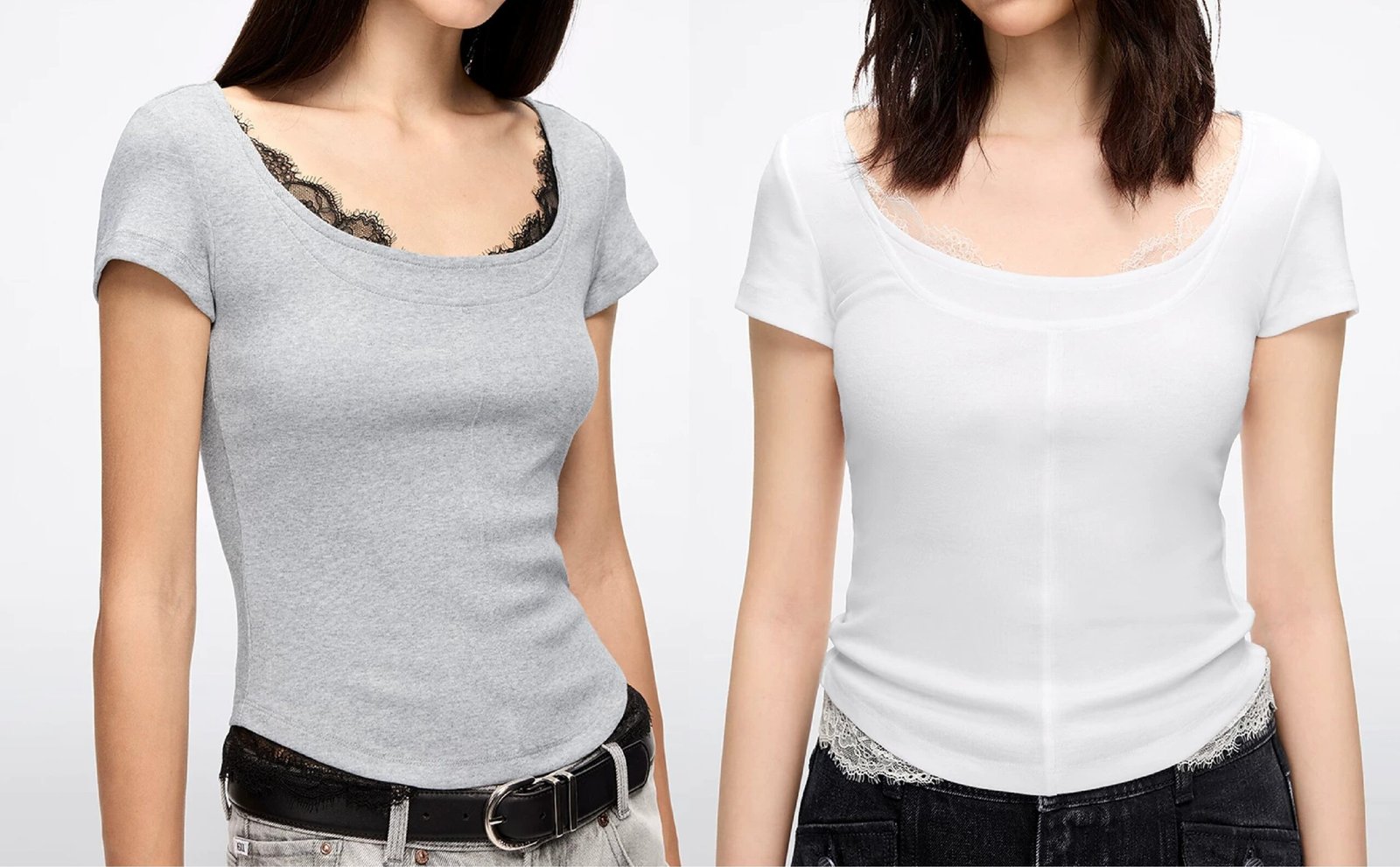


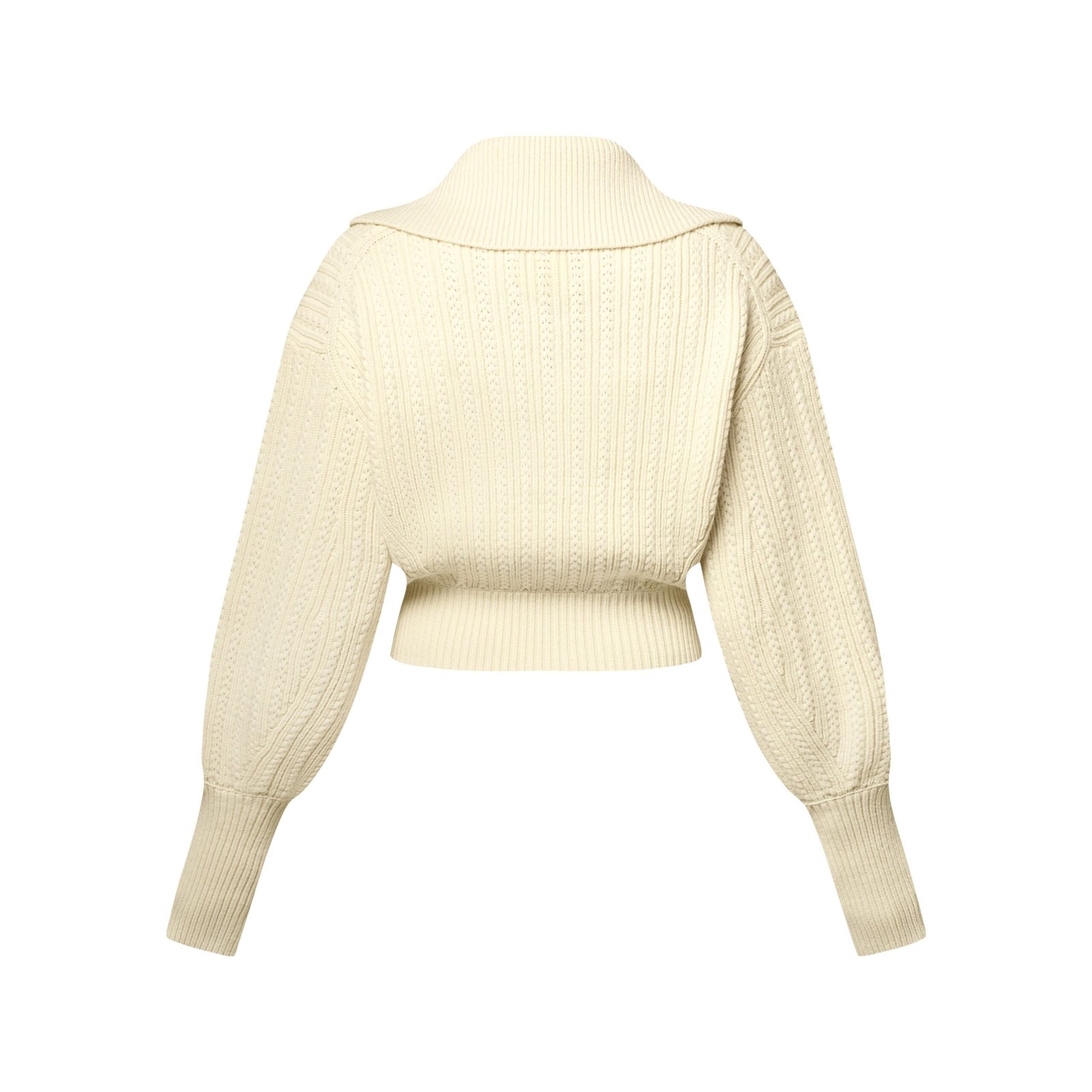


Related Product Catalogue and Quotation





Why Global Brands Choose Our tshirt company
From first samples to repeat bulk orders, JUNSHEEN combines low-MOQ development, fit expertise, in-house finishing and export-ready production.
100-Unit MOQ Launches
Start capsule collections from 100 units per style and color, with practical support for testing demand before scaling.
OEM and ODM Support
Bring a tech pack, sketch, reference garment or concept; our team develops production-ready specifications, fabrics, patterns and samples.
Fit Grading XS–3XL
Pattern makers refine proportions, mobility and grading increments for normal, extended-size, plus-size and modern oversized fits.
Integrated Decoration
Coordinate embroidery, screen printing, washes, labels, trims and branded packaging through one accountable apparel manufacturing supply chain.
Scalable Global Production
Rely on 200+ skilled workers, 80,000+ monthly units and export support for dependable repeat orders and growing international programs.
Core Apparel Categories We Manufacture
Develop fit-focused casualwear, denim, knitwear and outerwear programs from 100 units per style and color, with scalable global production support.

Custom Hoodies
Custom hoodies developed in fleece, French terry or heavyweight cotton blends, with fit refinement from XS to 3XL. Choose dropped shoulders, rib specifications, pouch pockets, lined hoods, embroidery, screen printing, custom labels and branded packaging.
Request a Quote
Custom T-Shirts
Custom T-shirts produced in combed cotton, Pima cotton, organic cotton or blended jersey. We support weight, neck rib, silhouette and size-grade decisions, plus screen print, DTG, DTF, embroidery and wash treatments for private-label custom tshirt programs.
Request a Quote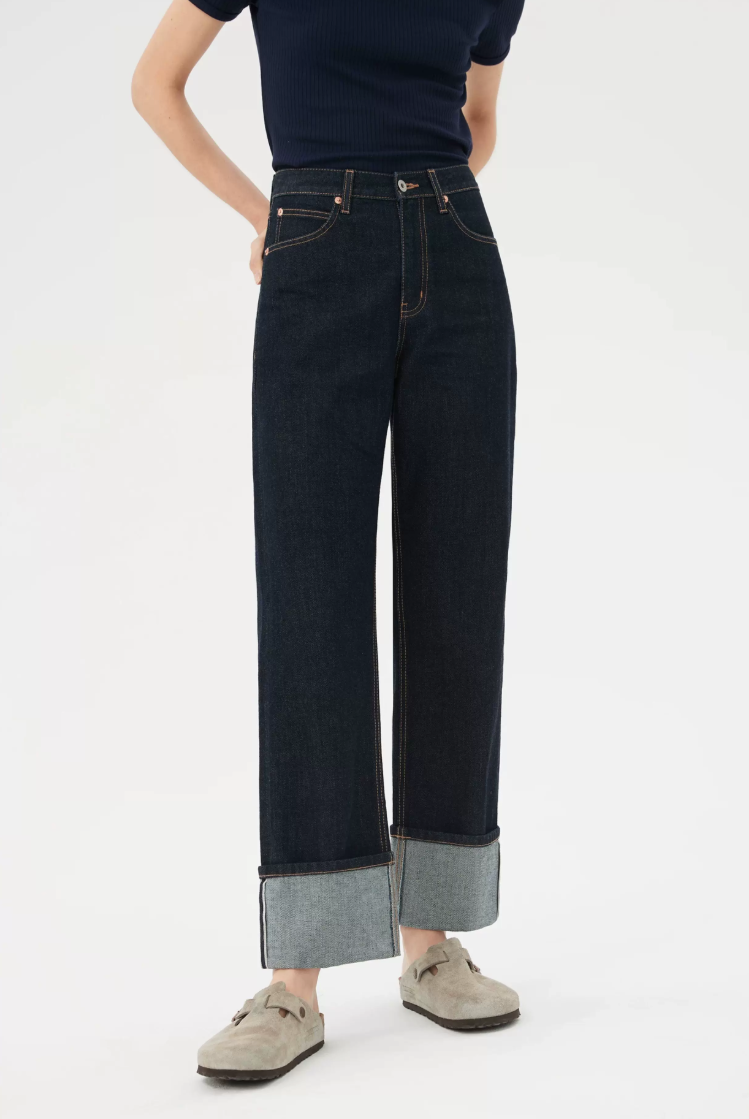
Custom Jeans
Custom jeans manufactured in rigid, stretch and comfort-stretch denim, with support for fit blocks, rises, washes, hardware and grading. Develop straight, wide-leg, slim, relaxed or oversized styles with measured approvals before bulk production.
Request a Quote
Custom Sweaters
For turtle neck sweater bulk programs, Junsheen develops knit gauges, yarn blends, neck heights and body proportions suited to your target market. Sampling confirms hand feel, stretch recovery and consistent XS–3XL grading before scalable production.
Request a Quote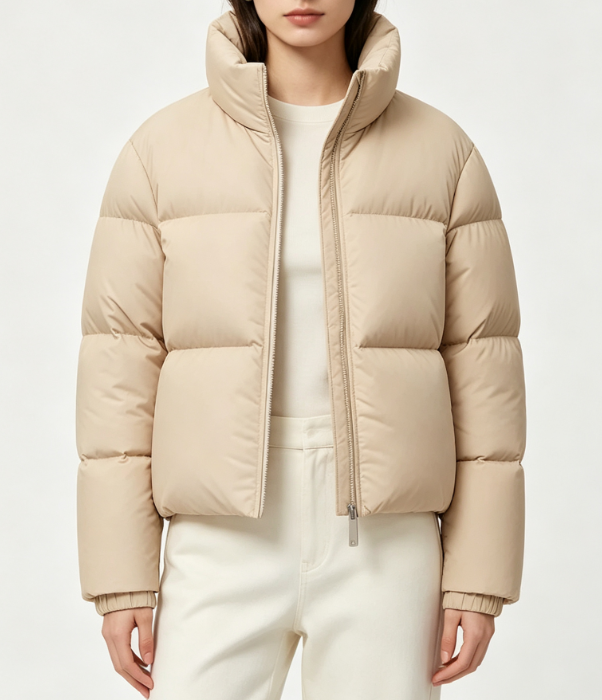
Custom Jackets
Custom jean jacket programs combine denim sourcing, cut-and-sew construction, hardware selection and finishing control. Develop cropped, oversized, fitted or workwear silhouettes with custom buttons, patches, embroidery, print details and enzyme, stone or acid washes.
Request a Quote
Custom Sweatshirts & Crewnecks
Custom crewneck hoodie and sweatshirt programs cover brushed fleece, French terry and jersey constructions. We refine shoulder balance, rib recovery, sleeve length and body shape, then add printing, embroidery, patches, labels and packaging for complete private-label delivery.
Request a Quote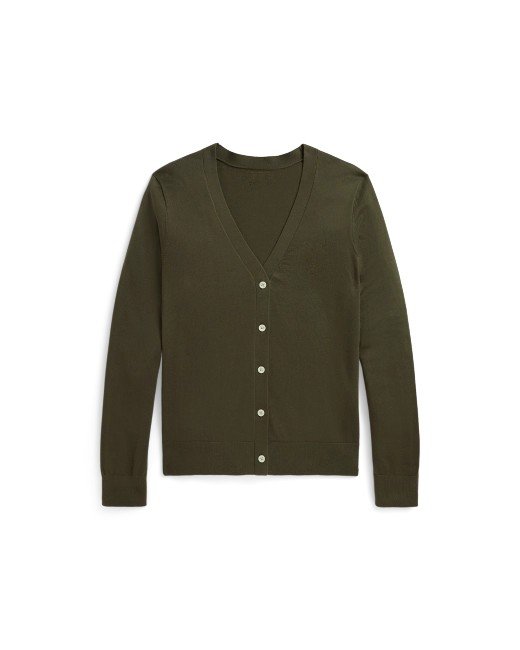
Custom Cardigans
Custom cardigans developed in cotton, wool, blended and recycled yarn options. We manage gauge, stitch structure, button or zipper selection, placket stability and size grading for fitted, relaxed and oversized knitwear collections.
Request a Quote
Custom Puffer & Down Jackets
Custom puffer jacket production includes shell fabric, insulation, quilt layout, lining, zippers, snaps and branded trims. We support lightweight, cropped, longline and oversized outerwear while checking construction, measurements and packed-goods quality.
Request a Quote
Custom Denim Shorts
Custom jean shorts developed in rigid or stretch denim with fit-specific rises, inseams, hem finishes and pocket proportions. Select raw hems, cuffed hems, distressing, embroidery, patches, washes and branded hardware for men’s or women’s programs.
Request a Quote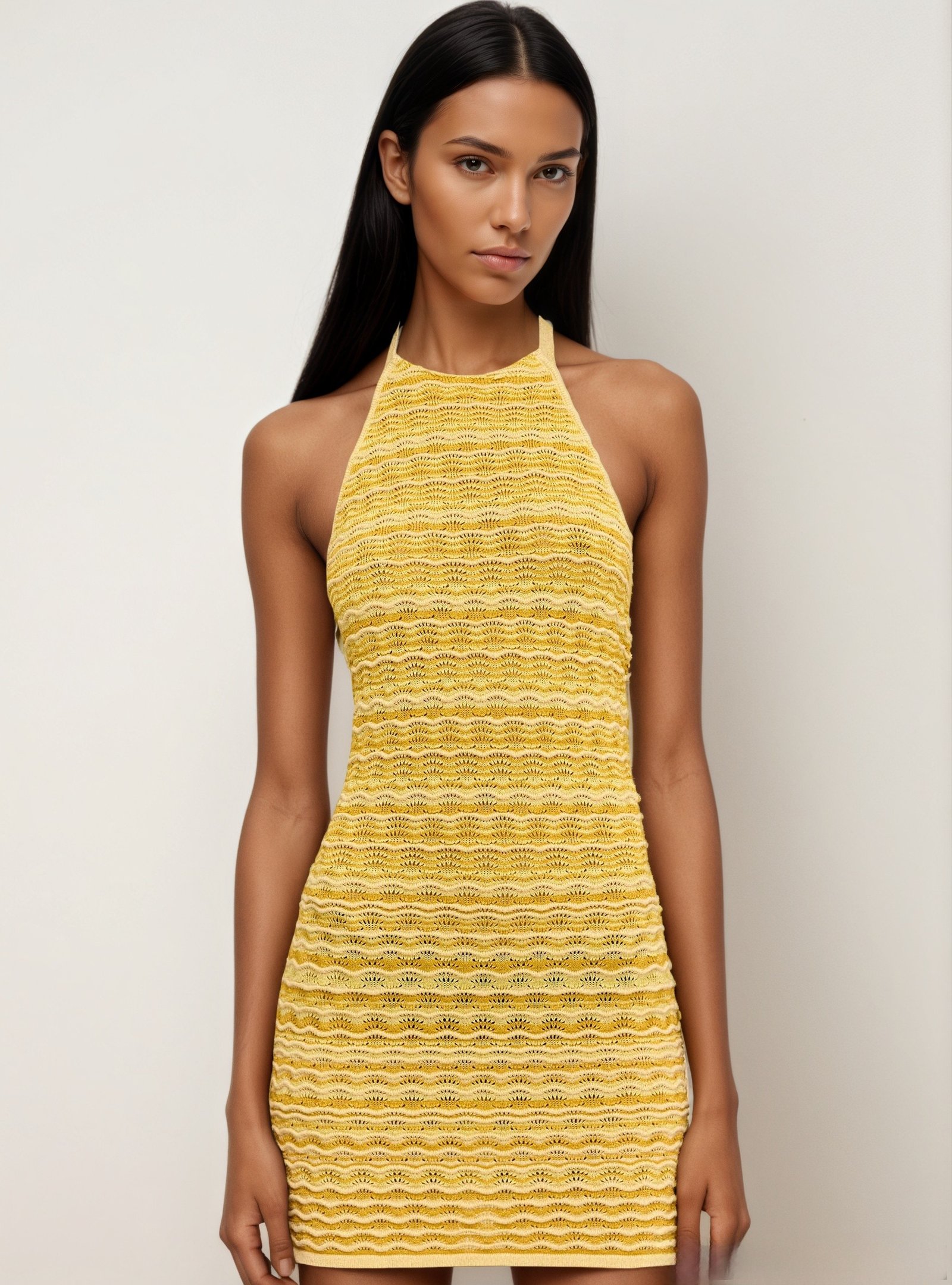
Custom Sweater Dresses
Custom sweater dresses built with yarn, gauge and stitch recommendations matched to drape, warmth and target price. Pattern makers refine length, shoulder balance, waist shaping and mobility across normal, extended-size and oversized fit ranges.
Request a Quote
Custom Denim Sets
Mens denim suits wholesale programs can include coordinated denim jackets, overshirts, jeans and tailored separates. Junsheen manages fabric consistency, wash matching, fit approvals, branded trims and bulk quality control for cohesive set production.
Request a Quote
Custom Polo Shirts
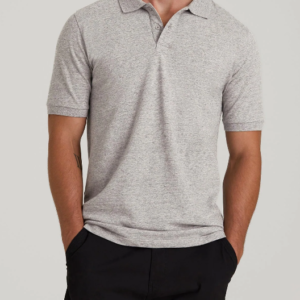
Custom polo shirts produced in piqué, jersey and performance knit fabrics, with collar, placket, cuff and fit specifications tailored to your brand. Add embroidery, screen printing, contrast details, custom buttons and labels from low-MOQ launches onward.
Request a Quote
Custom Sweatpants
Custom sweatpants manufactured in fleece, French terry and performance knit options, with jogger, straight-leg, wide-leg or relaxed fits. We develop waistband, drawcord, pocket, cuff and grading details, then apply decoration and private-label finishing.
Request a Quote
Custom Shorts
Custom shorts produced in jersey, fleece, twill, woven and denim fabrics for casual, athleisure and coordinated-set programs. Define inseam, rise, waistband, pockets and trim details, with XS–3XL fit development and production from 100 units per style and color.
Request a Quote
Custom Pullovers
Custom pullovers developed across knitwear, fleece and woven outerwear constructions. We support quarter-zip, half-zip, hoodless and mock-neck styles with practical fabric, closure, fit and decoration specifications that carry cleanly from sampling into repeat bulk orders.
Request a QuoteTshirt Company Fabrics for Fit, Feel & Performance

Cotton Jersey
Soft, breathable cotton jersey is a core choice for custom T-shirts, polos and lightweight casualwear. Available in combed, Pima and blended constructions, it offers a smooth hand feel and flexible weight selection.

French Terry
French terry combines a clean face with unbrushed loopback texture for premium hoodies, sweatshirts and shorts. Its midweight structure provides breathable warmth, dependable shape retention and a refined casual hand feel.

Brushed Fleece
Brushed fleece delivers a plush interior and warmer, softer feel for cold-weather hoodies, joggers and outer layers. Weight, fiber blend and anti-pilling finishing can be specified to support durable repeat wear.

Stretch Denim
Stretch denim supports jeans, denim sets, skirts and fitted casualwear with authentic texture and improved mobility. Junsheen can recommend fabric weight, recovery and wash treatment for your desired silhouette and finish.

Cotton Twill
Cotton twill offers a durable diagonal weave suited to overshirts, workwear, trousers, jackets and structured shorts. Its crisp hand feel, abrasion resistance and broad weight range support both utility and fashion-led designs.

Performance Knits
Performance knits provide stretch, moisture management and resilient recovery for active-inspired apparel and modern fitted basics. Recycled fiber options can be incorporated while balancing breathability, opacity, garment weight and target pricing.
Tshirt Company Decoration, Printing and Finishing Options

Custom Embroidery
Flat, 3D puff, chain-stitch and applique embroidery create dimensional logos with clean detail and durable stitch definition for T-shirts, polos, hoodies, jackets and knitwear.

Screen Printing
Plastisol, water-based, puff, flocking, silicone, high-density, foil and discharge screen prints deliver bold color, controlled texture and wash-resistant artwork for branded casualwear.

Digital Garment Printing
DTG and DTF printing reproduce detailed artwork, gradients and short-run designs with flexible hand feel, making them practical for samples, capsules and graphic-led apparel programs.

Dye Sublimation
Dye sublimation infuses vivid all-over graphics into compatible performance fabrics, producing lightweight color that will not crack, peel or add surface weight to the garment.

Garment Washes
Enzyme, acid, stone and garment-dye washes develop lived-in color, softer hand feel and distinctive character while helping fashion brands achieve a considered premium finish.

Surface Finishing
Softening, anti-pilling, brushing and napping treatments refine comfort, warmth and fabric appearance, supporting consistent wear performance across repeat bulk production orders.
Custom Trims, Labels and Private-Label Accessories

Woven Brand Labels
Custom woven main labels, size labels, and wash-care labels establish a consistent brand signature inside tees, hoodies, denim, knitwear, and outerwear while supporting clear fiber-content and care information.

Custom Hang Tags
Branded hang tags can communicate your tshirt company story, sizing, product details, and retail positioning at first touch. Choose custom shapes, stocks, finishes, strings, and barcode-ready layouts for wholesale or direct sales.

Logo Snap Buttons
Custom buttons and snaps add functional branding to polos, jackets, denim sets, overshirts, and outerwear. Junsheen can coordinate finishes, logo treatments, colors, and placements with your garment construction and trim package.

Custom Zipper Hardware
Select branded zipper pulls, metal or nylon zipper options, and coordinated zipper tape for jackets, hoodies, pants, and bags. Hardware choices are reviewed for appearance, durability, garment weight, and target price.

Drawcords And Tipping
Upgrade hoodies, sweatpants, shorts, and waist-adjustable styles with custom drawcords, dipped tips, metal aglets, silicone ends, or contrast color treatments that reinforce your collection’s visual identity and intended wear level.
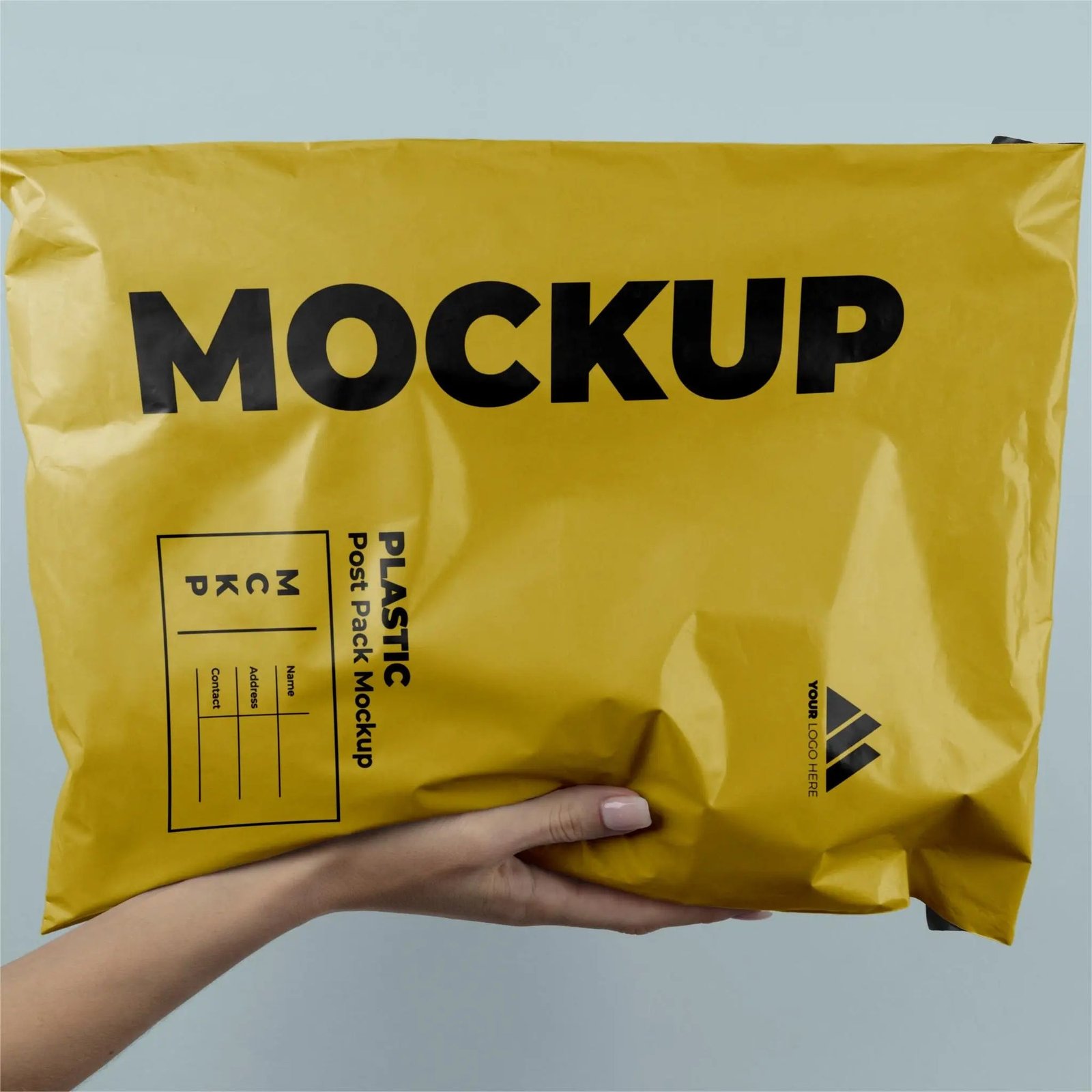
Patches And Packaging
Add embroidered, woven, leather-look, or silicone patches, then complete delivery with branded polybags, boxes, tissue, stickers, and inserts. These details help create a retail-ready unboxing experience for global distribution.
Your Dongguan Tshirt Company Partner
JUNSHEEN began in 2010 in Humen, Dongguan, one of China’s established garment-production hubs. We help global fashion brands, emerging labels and sourcing teams turn concepts into production-ready custom apparel through responsive OEM, ODM, private-label and product-development support.
With more than 200 skilled workers and monthly capacity exceeding 80,000 units, our integrated team manages cut-and-sew, knitting, fabric sourcing, sampling, decoration, finishing, labeling, packaging and export coordination. Low MOQs from 100 units per style and color make it practical to launch capsules and scale proven programs.
What distinguishes JUNSHEEN as a tshirt company partner is fit-led development. From XS to 3XL, including extended-size, plus-size and oversized collections, we refine patterns and grading for proportion, comfort and consistency—then retain production records to make repeat orders smoother for more than 2,000 fashion-brand clients.

Tshirt Company Capabilities, Explained
Fit-First Pattern Development
JUNSHEEN develops T-shirts from XS through 3XL with pattern adjustments that respect shoulder balance, body length, sleeve proportion, mobility and grading increments. This gives your tshirt company program more consistent fits across regular, oversized and extended-size ranges.
- XS–3XL, plus-size and oversized grading
- Pattern making from tech packs, sketches or samples
- Prototype, size-set and pre-production approvals
- Fit refinements before bulk cutting

Integrated Product Development
From an initial concept to production-ready specifications, one team manages fabric selection, construction details, trims, costing and sampling. JUNSHEEN helps brands turn a T-shirt idea into a commercially viable style without fragmenting development across multiple suppliers.
- Fabric and weight recommendations by target market
- Cut-and-sew and knitwear production support
- Low MOQ from 100 units per style and color
- OEM, ODM and private-label workflows

Decoration With Production Control
Keep branding details aligned with garment construction through in-house embroidery, printing, washing and finishing coordination. JUNSHEEN evaluates artwork, placement, fabric compatibility and wash effects early, helping prevent avoidable quality issues when your order moves to bulk production.
- Screen print, DTG, DTF and specialty effects
- Flat, puff, chain-stitch and logo embroidery
- Garment dye, acid wash and softening options
- Custom labels, patches, trims and packaging

Reliable Repeat-Order Systems
JUNSHEEN retains approved patterns, graded size sets and material records to make repeat production faster and more consistent. With 200+ skilled workers and 80,000+ monthly units of capacity, your tshirt company can scale proven styles with clearer production control.
- Retained technical records for repeat styles
- Incoming, in-line and final quality inspections
- Scalable support from capsule runs to bulk programs
- Global export coordination for ongoing orders

Why Choose This tshirt company Instead of a Typical Supplier?
Built for fit-led product development, dependable quality control, and scalable global apparel production.
← 左右滑动查看 →
Tshirt Company Production Process
A clear, fit-focused workflow for moving custom apparel from feasibility review to shipment.
Review Requirements
Share your tech pack, sketch, reference garment, or idea. Our team confirms feasibility, fit requirements, MOQ, target cost, and production direction.
Source Materials and Trims
We recommend fabrics, colors, labels, hardware, and decoration methods based on hand feel, durability, garment performance, brand positioning, and budget.
Develop Samples and Fit
Pattern makers create prototypes and graded XS–3XL size sets, refining proportions, measurements, mobility, and construction before pre-production approval.
Produce and Decorate
After approval, our tshirt company team manages bulk cutting, sewing, knitting, printing, embroidery, washing, finishing, and private-label trim application.
Inspect, Pack, and Ship
Quality control checks fabric, construction, measurements, decoration, and packed goods. We complete branded packing and coordinate global export shipment for your order.
Work With a Tshirt Company Built for Growth
Move from concept to repeat production with clear development, fit review, sampling and scalable manufacturing support.
Send Your Product Brief
Share a tech pack, sketch, reference garment or mood board. Our team reviews construction, fit goals, fabrics, decoration and manufacturability.
Confirm Specifications and Quote
Select materials, trims, sizes, branding and quantities. Receive a clear quotation for OEM, ODM or private-label production from 100 units per style and color.
Approve Fit and Samples
Review prototype and size-set samples before bulk approval. Pattern makers refine XS–3XL grading, proportions, measurements, finishes and branding details.
Launch Controlled Bulk Production
We source approved materials, manage cut-and-sew or knit production, inspect construction and decoration, then pack finished goods for global shipment.
Reorder With Greater Consistency
Retained patterns, graded size sets and material records help your tshirt company program repeat efficiently as seasonal demand and order volumes grow.
Custom Clothing Manufacturer Credentials and Compliance Documents



What Brands Achieve With Our tshirt company
JUNSHEEN helped us take our first heavyweight tee capsule from sketch to bulk with just 100 units per color. The graded XS–3XL fit was approved after one size-set revision, and the collection sold through in six weeks.
Our previous supplier treated extended sizing as a simple scale-up. JUNSHEEN rebuilt the patterns for our 2XL and 3XL tees, reducing fit-related returns by 28% across the first replenishment order of 1,800 units.
We needed matching embroidered T-shirts and hoodies for 14 retail doors. JUNSHEEN managed fabric, labels, embroidery, packing, and export in one program. Quality stayed consistent through three repeat orders totaling more than 9,000 pieces.
tshirt company FAQ for OEM Buyers
Clear answers on MOQs, samples, production planning, fit development, payments and global delivery.
What is the minimum order quantity for a tshirt company order?
Can your tshirt company make samples before bulk production?
How long does a custom T-shirt order take from sample to shipment?
How does size grading work for XS through 3XL?
What information does a tshirt company need to provide an accurate quote?
What payment terms does JUNSHEEN offer for new apparel buyers?
Can you protect our designs and private-label information?
Does JUNSHEEN arrange international shipping for apparel orders?
The Complete Buyer’s Guide to tshirt company
Use this decision framework to assess tshirt company capabilities, compare fabrics and customization methods, set realistic budgets, and avoid sourcing mistakes that undermine fit, quality, compliance, or delivery.
1. What Is a tshirt company?
Five business models are routinely called a tshirt company in B2B sourcing, but they do different jobs. A brand owner sets the product and sells it; a printer decorates supplied blanks; a private-label supplier may offer ready-made blanks with labels changed; and a trading company coordinates factories without necessarily owning production. Two production routes matter most for original apparel: OEM makes an approved specification, while ODM also helps convert an idea, sketch, or reference garment into a production-ready style. A capable OEM/ODM partner can review tech packs, source 160–240 GSM jersey, make patterns and graded size sets, match Pantone colors, build samples, arrange screen print or embroidery, inspect measurements and packed goods, then manage export delivery. 100 units per style and color is a practical low-MOQ threshold for a capsule program, while repeat bulk orders require tighter material, fit, and quality control. Buyers needing only logos on existing blank tees should use a printer; buyers seeking a stocked, fast private-label item should use a private-label supplier; buyers developing a distinct fit, fabric, and construction should choose a direct OEM/ODM manufacturer. Founded in 2010, Junsheen fits the latter role by combining development, cut-and-sew production, decoration, quality control, packaging, and export support.
2. The Evolution of tshirt company Manufacturing
1913 marked the U.S. Navy’s adoption of the crew-neck cotton undershirt, a simple garment later absorbed by workwear, sportswear and youth culture. By the 1950s, screen printing turned the T-shirt into promotional apparel, while ring-spun cotton, tubular knitting and standardized size runs made volume production more efficient. 1970s fashion and music markets pushed the category beyond one-color basics: buyers began specifying garment weight, fit, wash effects, Pantone-matched artwork and branded labels. A modern tshirt company must now translate a sketch or reference sample into a production-ready pattern, then validate shoulder balance, body length and grading through prototype and size-set sampling rather than merely scaling one base size. 100-unit-per-style-and-color programs reflect a major sourcing shift toward capsule drops, test launches and private-label replenishment instead of only large promotional orders. DTG, DTF and short-run heat transfer complement screen printing when artwork changes frequently; reliable factories still match the decoration method to quantity, fabric composition and expected wash performance. 2026 buyers also expect material records, traceable supplier communication, faster sample feedback and dependable export coordination alongside price. For a global brand, supplier reliability means clear fabric approvals, documented measurements, in-line and final inspection, retained patterns and graded size sets, and realistic lead-time commitments that can support repeat orders as demand grows.
3. Types of tshirt company Partners
Six supplier models serve very different risk, cash-flow, and control needs. Match the tshirt company partner to your ownership rights, customization target, order volume, launch timing, and required gross margin before requesting samples.
| Partner Model | Design Ownership | Customization And MOQ | Speed And Best Use |
|---|---|---|---|
| Cut-and-sew OEM | Buyer-owned | Deep; often 100+ units/style-color | Slower; proprietary brand programs |
| ODM manufacturer | Shared or negotiated | Moderate; supplier base reduces MOQ | Faster; adapted proven styles |
| Private-label wholesaler | Supplier-owned | Light; 50-300 pieces typical | Fast; retail-ready capsules |
| Print-on-demand | Buyer artwork | Low garment control; 1 unit | Fastest; demand testing |
| Full-package producer | Contract-defined | Deep; project MOQ varies | Managed; lean brand teams |
| Sourcing agent | Buyer or factory-defined | Depends on selected factory | Flexible; multi-factory sourcing |
Factory-Led Models
100-unit runs often suit cut-and-sew OEM factories when you own the tech pack, artwork, and specifications. They offer the deepest control over fit, fabric, trims, and construction, but sampling and approvals take longer. ODM manufacturers start with supplier-developed blocks or styles, then adapt colorways, fabrics, labels, and details. This shortens development, although design exclusivity must be agreed in writing.
Inventory And On-Demand Models
1-piece print-on-demand programs remove inventory exposure and can launch within days after artwork approval. Unit costs are high, print and garment choices are narrower, and margins usually suit testing rather than wholesale. 50-300-piece private-label wholesale orders use existing blanks or finished styles with relabeling and limited decoration. They are fast, but buyers rarely own the underlying pattern or can alter core fit.
Managed Supply Models
2-4 coordinated vendors may be managed by a full-package producer, covering development, sourcing, production, packing, and export. It reduces internal workload but requires clear ownership of patterns, materials, and approval gates. Sourcing agents compare factories and negotiate locally, often charging a commission or embedding a margin. They are useful for factory discovery and inspections, but the buyer should verify who contracts, pays, and controls quality.
4. tshirt company Fabric and Material Choices
A tshirt company should lock fiber content, knit construction, GSM, finish, and certification before approving color or artwork. Those variables determine hand feel, drape, shrinkage risk, print behavior, durability, and the price ceiling customers will accept.
| Material | Best Use | Key Trade-Off |
|---|---|---|
| Ring-spun cotton | Core retail tees | Soft hand; moderate shrinkage |
| Organic cotton | Premium essentials | Higher cost; verify certification |
| Recycled blend | Sustainability-led programs | Strength and color vary |
| Polyester | Activewear or sublimation | Durable; less natural hand |
| Modal blend | Drapey fashion tees | Soft; test shrinkage |
Choose Fibers By Positioning
100% ring-spun cotton gives a familiar soft hand, breathable wear, and dependable screen-print results; combed yarn reduces short-fiber fuzz. Organic cotton can support a premium story when transaction certificates are available. Recycled cotton blends usually need virgin fiber or polyester support to retain strength.
Match Knit And Weight

Jersey at 150–180 GSM suits promotional or warm-weather tees, while 180–220 GSM is a versatile retail range with better opacity. Rib knit adds stretch and recovery for collars or fitted bodies. Heavyweight 240–300 GSM jersey creates structure for oversized and streetwear silhouettes, but raises material, sewing, and freight cost.
Specify Performance And Finish
Polyester improves color retention, abrasion resistance, and moisture management, especially for sublimation; it can feel less natural and may retain odor. Viscose or modal improves softness and drape in fashion blends, but requires controlled shrinkage testing. Enzyme washing softens cotton, while anti-pilling finishes help preserve brushed or blended surfaces.
Verify Documentation And Sampling
OEKO-TEX Standard 100 addresses tested harmful substances, while GOTS applies stricter organic textile processing requirements. Ask suppliers which certificate covers the exact mill, fabric lot, and finished garment. Three wash cycles on a production-representative sample reveal shrinkage, twist, color change, and print cracking before bulk approval. Record GSM tolerance, composition, finish, and acceptable shrinkage in the tech pack.
5. Customization and Decoration Options
At a 100-unit starting program, decoration should be chosen with fabric, color count, and reorder plan in mind. JUNSHEEN can combine printing, embroidery, washes, and private-label trims, but each process needs production-ready artwork and approval samples.
| Method | Artwork And Setup | Durability | Best Volume |
|---|---|---|---|
| Screen print | Vector separations; screen setup | High when cured correctly | 100+ units |
| DTG | 300 dpi raster; minimal setup | Good; cotton preferred | Samples to short runs |
| DTF or heat transfer | Transparent PNG/vector; film setup | Good; test stretch and peel | Small to mid runs |
| Embroidery or applique | Digitized stitch file; setup charge | Very high | 100+ units |
| Garment dye or wash | Lab dip and wash sample | Permanent, shade varies | 100+ units |
Print Method Selection

Pantone-separated screen print is economical for repeat artwork and 2–6 spot colors, while DTG suits detailed, short-run cotton graphics. DTF and heat transfer handle multicolor logos without screens, but large solid areas can feel less breathable. 300 dpi artwork at final print size, transparent backgrounds, and vector logos for spot colors reduce revision risk. Sample any metallic, puff, silicone, foil, discharge, or high-density effect before bulk approval.
Texture And Garment Effects
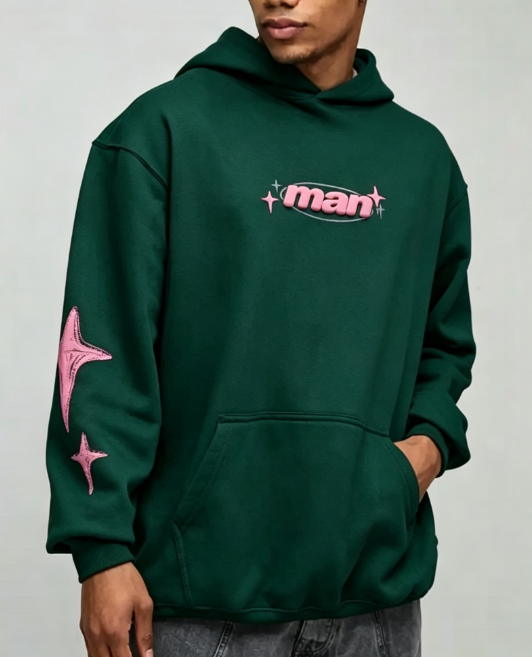
3D puff embroidery, chain stitch, applique, and patches add dimension, but fine lettering and dense stitch files can distort lightweight jersey. Embroidery needs a digitized file; test backing, placement, and puckering on the actual garment weight. 180–320 GSM cotton jersey, fleece, and French terry can also be garment dyed, acid washed, enzyme washed, brushed, or napped. Washes change shade and shrinkage, so approve a washed size sample and color standard first.
Branding Components
1 neck print, woven main label, size label, wash-care label, hangtag, and branded polybag create a complete private-label presentation. Confirm label fiber content, country-of-origin text, care symbols, barcode placement, and carton marks before production.
6. tshirt company Construction Quality Checks
180–220 GSM jersey can look similar at first inspection yet perform very differently after washing. A dependable tshirt company controls material, construction, fit, and test points against an approved sample—not visual appearance alone.
Fabric And Shrinkage Control
30/1 ring-spun combed cotton generally gives a cleaner, softer face than coarser open-end yarn; confirm yarn type, fiber content, and approved GSM tolerance in the tech pack. 3–5% dimensional shrinkage after the specified wash is a practical target for many cotton jerseys. Test length, chest, torque, pilling, and dry/wet crocking on finished samples, especially for dark shades and garment dye.
- State GSM tolerance, such as ±5%.
- Specify wash method and drying temperature.
- Match Pantone approval to bulk lab dips.
Seams, Collar, And Reinforcement
8–10 stitches per inch is a common starting benchmark for jersey seams, subject to fabric weight and seam type. Inspect whether overlock seams lie flat, hems are even, and thread tension avoids skipped stitches or seam puckering. 1:1 rib should match the body shade and recover after repeated stretching. Require shoulder-to-shoulder tape or equivalent reinforcement where the design calls for it, and check side seams remain straight after laundering.
- Stretch collar, then check recovery.
- Inspect shoulder tape continuity.
- Compare rib color under daylight.
Grading And Final Measurement
XS–3XL grading needs deliberate changes to body width, length, shoulder, sleeve, and neck measurements; enlarging one base pattern creates unstable proportions. Approve a graded size set when extended sizing or oversized fit is central to the line. ±1 cm is a typical measurement tolerance for many finished T-shirt points, but set tighter or looser limits by point and style. During pre-shipment inspection, measure packed goods against the approved spec and record defects by size, color, and carton.
- Measure after the specified wash.
- Check chest, length, shoulder, sleeve, and neck.
- Use an approved sample as the reference.
7. How to Choose a tshirt company
Choose a tshirt company by testing its evidence, not its catalogue. A credible partner can show comparable garments, explain production constraints, and document how it controls fit, color, decoration, packing, and shipment.
| Evaluation Area | Evidence To Request | Question That Tests Capability |
|---|---|---|
| Product fit | Comparable samples and spec sheets | Can you grade XS through 3XL without simply enlarging patterns? |
| Quality | Inspection records and defect examples | Who approves corrective action before packing? |
| Transparency | Factory video and capacity plan | What work is subcontracted, if any? |
| Shipping | Packing list and export process | Which Incoterm and documents will apply? |
Match Relevant Experience
3 comparable production examples are more useful than a broad product list. Request close-up photos, fabric specifications, measurement charts, wash-test results, and references for the intended weight, print method, and fit. 1 direct question reveals depth: ‘Which construction risks did this style create, and how did you prevent them?’ Specific answers on shrinkage, collar recovery, seam torque, or print registration signal practical experience.
Test Development Support
1 approved sample should precede bulk commitment. Ask for the sampling calendar, revision policy, size-set process, Pantone approval method, and whether pattern, grading, and materials are retained for reorders. 100 units per style and color can suit a capsule, but confirm whether that MOQ changes by fabric, dye lot, print placement, or label package. Junsheen can support development from a tech pack, reference garment, or concept.
Verify Factory Controls
4 checkpoints—incoming fabric, in-line sewing, measurement and final packing—should be traceable. Request an inspection checklist, AQL practice, defect photos, compliance documents relevant to your market, and a live factory walkthrough. 200-plus workers and monthly capacity above 80,000 units describe scale, not availability. Ask what capacity is reserved during your production window and who owns corrective-action decisions.
Confirm Commercial Execution
3 operational details determine whether an order lands correctly: named account contact, written quotation scope, and shipping documentation. Confirm Incoterm, destination handling, carton markings, lead time from approval, balance timing, and export support. 1 first-order payment structure may require full prepayment; staged terms can change after a stable relationship. Keep every approval, revision, and payment milestone in writing.
8. Common tshirt company Sourcing Mistakes
Eight recurring errors turn an apparently competitive tshirt company quote into delayed launches, inconsistent replenishment, or unplanned cash exposure. Procurement teams should document specifications, approvals, commercial terms, and calendar assumptions before issuing a purchase order.
Price-Only Supplier Selection
A US$0.40 lower unit quote can disappear through weaker fabric, higher defect rates, or missing trims and export charges. Compare like-for-like specifications, inspection standards, payment terms, and total landed cost—not quoted price alone.
Incomplete Sample Approval
One approved prototype without wash testing, measurement tolerances, or decoration review can create a bulk garment that behaves differently after laundering. Approve a sealed pre-production sample with graded measurements, color standard, print or embroidery placement, and test results.
Unclear Specifications And Materials
A tech pack that says ‘heavy cotton’ or ‘black’ leaves mills and factories to interpret weight, yarn, shrinkage, and shade. Specify GSM, composition, Pantone reference, construction, tolerances, labeling, packaging, and required fabric tests. Two stock-dye lots can vary visibly, especially across months or suppliers. Reserve bulk fabric where practical and require a lab dip or shade band for every repeat color.
Commercial And Calendar Gaps
A factory lead time excludes fabric booking, sampling revisions, inspection failures, freight, duty, and customs clearance. Build a critical-path calendar with approval gates and a realistic buffer before requesting delivery. Three missing contract clauses—quality acceptance, late-delivery remedies, and intellectual-property ownership—can leave disputes unresolved. Use a signed purchase agreement that defines specifications, Incoterms, payment milestones, inspection rights, and change control.
9. Steps to Launch Your T-Shirt Brand
A launch-ready T-shirt starts with a defined customer, price band, and sales channel—not a logo. Work backward from the target shelf price, delivery date, and initial MOQ so every development decision has a commercial reason.
Define The Customer And Gap
3 competitor references are enough to map retail price, GSM, fit, color range, and decoration placement. Write a one-page brief naming the wearer, use case, target retail price, and three non-negotiable product cues. 1 decision gate: do not request samples until the brief identifies a clear gap your customer will recognize.
Specify Fabric And Fit
180–220 GSM ring-spun jersey suits many premium everyday tees, while 240–280 GSM supports a heavier oversized silhouette. Select fiber blend, shrinkage expectation, Pantone colors, neck rib, and fit block before costing. XS–3XL grading needs proportion review, not simple enlargement. Approve measurements and wash-performance expectations on a size set before bulk fabric is committed.
Build And Test The Sample
1 complete tech pack should state construction, measurement tolerances, artwork files, label locations, packaging, and approved trims. A capable tshirt company can then flag manufacturability issues before sampling. 2 sample rounds are common: a first prototype tests pattern and materials, then a revised approval sample confirms production details. Do not book bulk until fit, color, print or embroidery, and wash test are signed off.
Book Production And Launch
100 units per style and color can support a controlled capsule, but reserve production only after the approved sample, final purchase order, and delivery window align. Confirm inspection points for fabric, in-line measurements, decoration, and packed goods. 30–45 days before the planned launch, lock cartons, hang tags, freight method, product photography, inventory allocation, and ecommerce copy. Keep graded patterns and material records for faster repeat orders.
10. tshirt company Pricing and Cost
100 units per style and color is a practical starting point for many OEM programs, but an indicative EXW price only becomes usable after fabric, GSM, color count, artwork, size range, labels, and packing are approved. The ranges below assume a short-sleeve cotton jersey T-shirt with standard sewing and a single production run; they exclude sampling, duty, freight, and local delivery. 180–220 GSM ring-spun cotton usually costs materially more than lightweight open-end jersey, while heavyweight 240–280 GSM bodies, flatlock seams, specialty washes, YKK components, woven labels, custom polybags, and multi-location decoration add cost. Screen-print setup is spread across volume, whereas DTG, DTF, embroidery, puff, silicone, or high-density effects can raise the unit price; final quotes should follow an approved tech pack, Pantone artwork, graded measurements, and packaging specification.
| Program and Quantity | Indicative EXW Unit Price | Typical Bulk Lead Time | Cost Scope |
|---|---|---|---|
| Blank standard jersey, 100–299 units | US$4.50–8.50 | 20–30 days | 160–180 GSM, stock fabric, basic label |
| Customized jersey, 300–999 units | US$6.50–13.00 | 25–35 days | 180–220 GSM, screen print, private label |
| Customized jersey, 1,000–2,999 units | US$5.25–10.50 | 30–40 days | Better print amortization, custom packing |
| Premium construction, 300–999 units | US$12.00–24.00 | 35–50 days | 240–280 GSM, wash, embroidery or specialty trims |
Start Your tshirt Company Program With JUNSHEEN
Send your tech pack, sketch, or product idea for a tailored quote and sampling plan built around your fit, fabric, and MOQ needs.