
Custom Embroidered Tshirt OEM From 100 Units
Launch custom embroidered tshirt programs with OEM, ODM and private-label support, fit-focused XS–3XL development, and scalable global production.
Featured Products for custom embroidered tshirt Development



Related Product Catalogue and Quotation





Why Brands Source Custom Embroidered Tshirts From JUNSHEEN
Fit-focused development, in-house decoration, and dependable scale for private-label apparel programs worldwide.
100-Unit MOQ
Launch capsule collections from 100 units per style and color, with practical support for emerging labels and established programs.
In-House Embroidery
Produce flat, 3D puff, chain-stitch, applique, patch, and logo embroidery with closer control over placement, detail, and consistency.
XS–3XL Fit Development
Refine patterns and grading for normal, extended, plus-size, and oversized silhouettes instead of simply enlarging a base size.
Scalable Production Capacity
Rely on 200+ skilled workers and monthly capacity exceeding 80,000 units as successful embroidered apparel programs grow.
Complete Private Labeling
Coordinate labels, hang tags, trims, packaging, printing, washing, and finishing through one apparel manufacturing supply chain.
Global Export Support
Move approved bulk orders confidently with quality control, export coordination, and experience serving more than 2,000 fashion-brand clients.
Custom Casualwear OEM Programs
Develop fit-focused shirts, denim, knitwear and outerwear from 100 units per style and color, with integrated materials, decoration and private-label support.
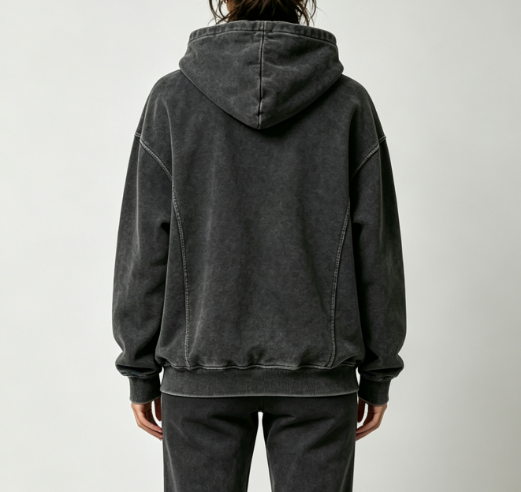
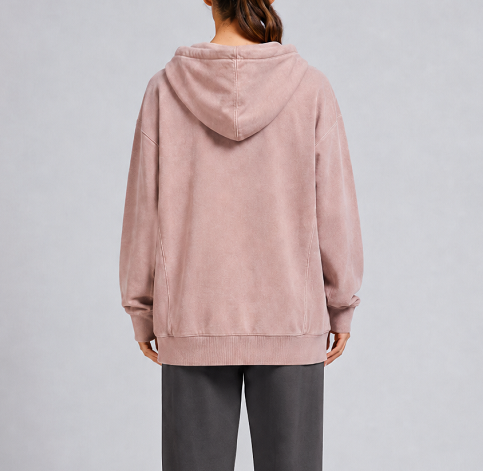
Custom Hoodies
Develop custom hoodies in fleece, French terry or heavyweight jersey with custom fits, graded XS–3XL sizing, embroidered or printed branding, specialty washes, rib trims, drawcords and private labels. Start from a tech pack, reference sample or concept.
Request a Quote
Custom T-Shirts
Produce custom T-shirts in cotton, combed jersey, Pima cotton or performance blends, with fabric weight, neck construction, silhouette and print method selected for your price point. Pattern development supports regular, oversized, extended-size and plus-size fits.
Request a Quote
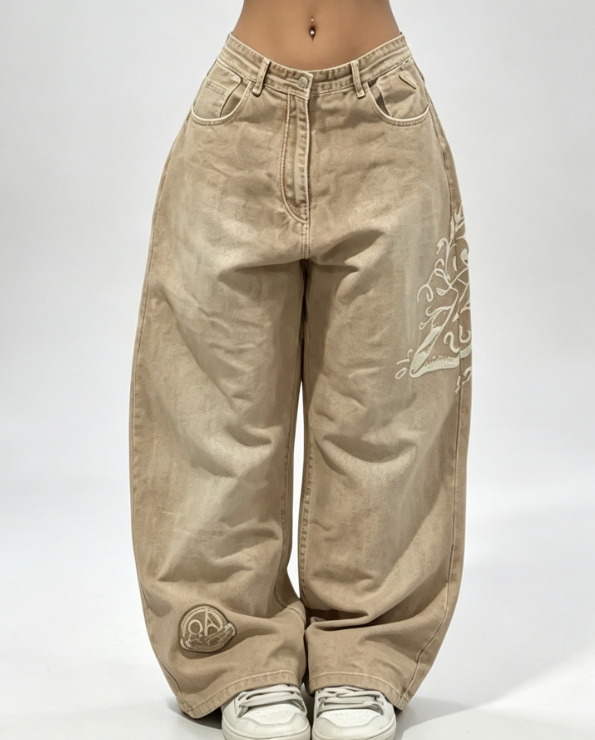
Custom Jeans
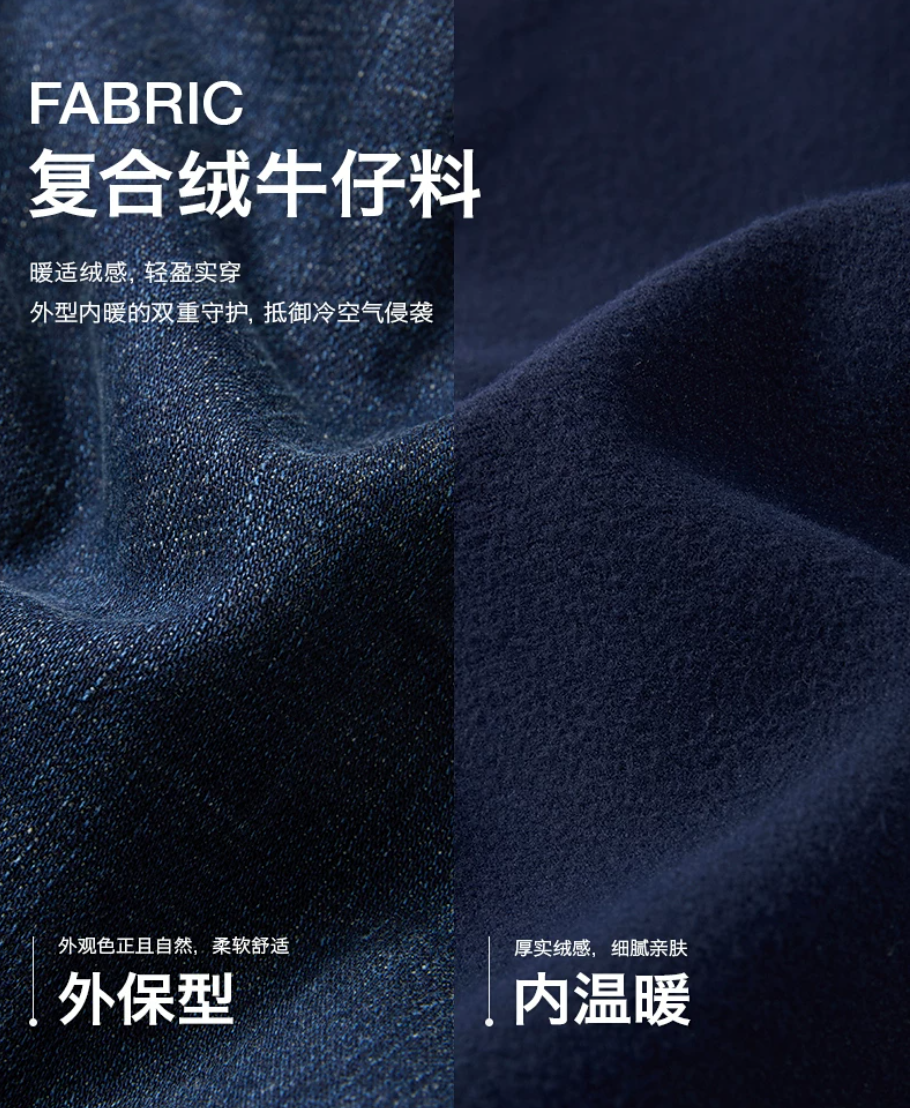
Build custom jeans using rigid, stretch or recycled denim, with support for fit blocks, rise, leg shape, wash development, distressing, hardware and branded trims. Junsheen manages pattern grading, sample revisions and bulk quality control for consistent denim production.
Request a Quote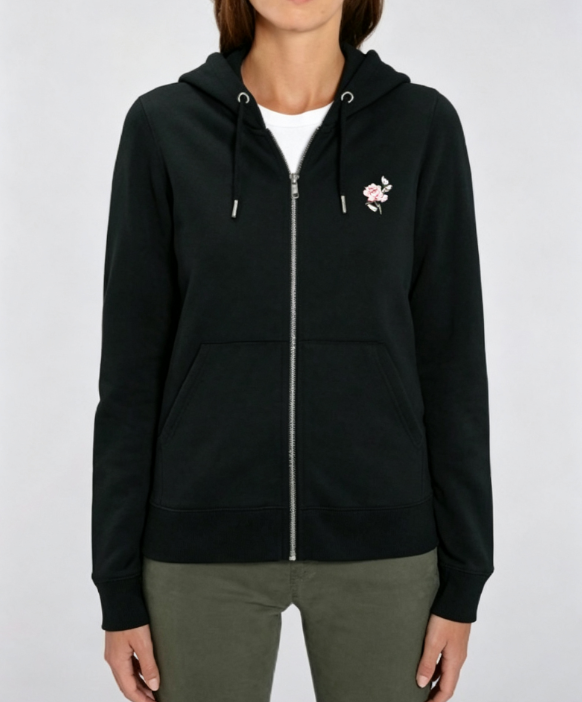
Custom Sweaters
Source turtle neck sweater bulk programs in knit constructions suited to your target hand feel, warmth and price. Develop rib necklines, gauge, yarn blends, silhouettes and graded XS–3XL sizing, then confirm samples before production.
Request a Quote
Custom Jackets
Produce custom jean jackets in denim weights and washes matched to your collection. Development covers fit, seam construction, pockets, collar shape, hardware, embroidery, patches, printed details and private-label finishing from sample through bulk delivery.
Request a Quote
Custom Sweatshirts & Crewnecks
Create custom crewneck hoodie and sweatshirt programs with fleece or French terry, tailored rib specifications, fit options and decoration planned for production. Choose embroidery, screen print, puff effects, garment dye or washes, with low MOQs from 100 units per style and color.
Request a Quote
Custom Cardigans
Develop custom cardigans in knit gauges, yarn blends and closures that suit your collection. Junsheen supports button and zipper sourcing, cable or jacquard details, knit trims, pattern grading and branded labels for retail-ready production.
Request a Quote
Custom Puffer & Down Jackets
Produce custom puffer jackets with shell fabric, insulation, quilting layout, lining, pocket construction and hardware specified for your market. Sampling verifies volume, mobility and fit before bulk production, including custom labels, reflective details and packaging.
Request a Quote
Custom Denim Shorts
Make custom jean shorts with denim weight, inseam, rise, leg opening and wash treatment developed to your fit standard. Add distressed details, raw hems, embroidery, patches, branded hardware and graded sizing for women’s, men’s or unisex programs.
Request a Quote
Custom Sweater Dresses
Develop custom sweater dresses with yarn, gauge, length, neckline and body shaping aligned to your intended silhouette. Pattern and size grading address proportion, stretch recovery and mobility across XS–3XL, while labels and trims are prepared for private-label launch.
Request a Quote
Custom Denim Sets
Build mens denim suits wholesale programs with coordinated denim jackets and jeans, consistent washes and scalable size runs. Junsheen manages fabric matching, fit development, branded hardware, labels and packing for wholesale-ready sets from low-MOQ launches to bulk orders.
Request a Quote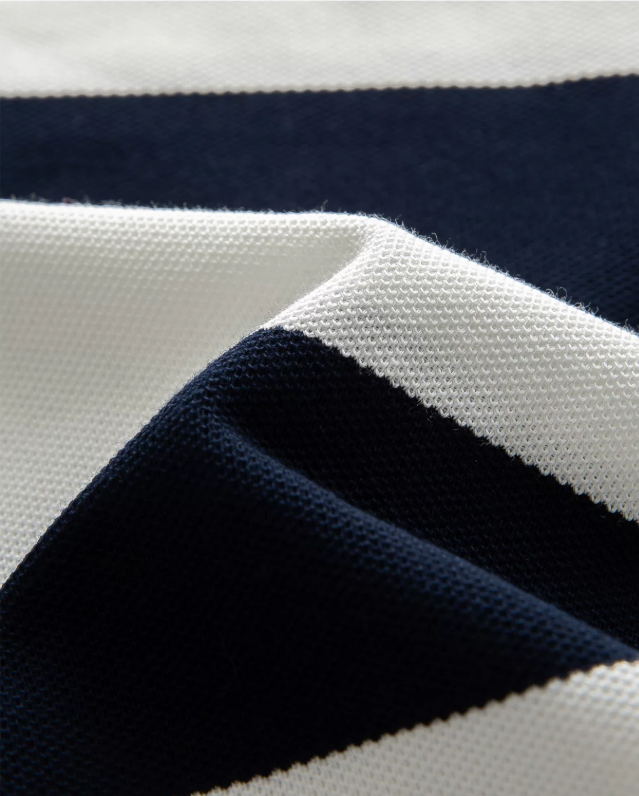
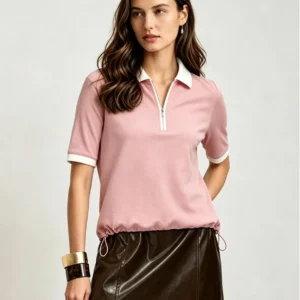
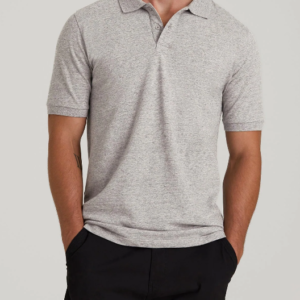
Custom Polo Shirts
Produce custom polo shirts in pique, jersey or performance knit fabrics with collar construction, plackets, cuffs and logo placement engineered for repeatable production. Options include embroidery, contrast trims, custom buttons, graded fits and private-label packaging.
Request a Quote
Custom Sweatpants
Develop custom sweatpants in fleece, French terry or jersey with fit blocks for regular, oversized and extended-size programs. Specify waistband, cuffs, pockets, drawcords, embroidery, printing and garment washes, then approve samples before bulk manufacturing.
Request a Quote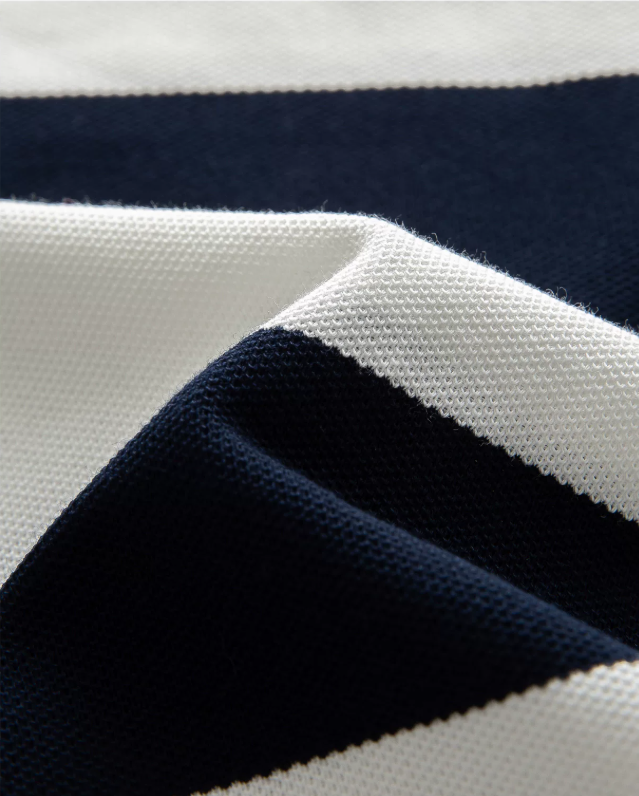
Custom Shorts
Produce custom shorts in woven, jersey, fleece, twill or performance fabrics for casual, active or resort collections. Development includes inseam, rise, pockets, waist construction, trims and decoration, with fit-focused grading from XS through 3XL.
Request a Quote
Custom Pullovers
Develop custom pullovers in fleece, French terry, jersey or knit constructions with neckline, sleeve, pocket and fit details matched to your collection. Add embroidery, screen printing, washes, labels and packaging through one integrated OEM production process.
Request a QuoteMaterials for Custom Embroidered T-Shirts

Combed Cotton Jersey
Soft, smooth, and breathable, combed cotton jersey suits premium everyday logo tees. Its refined surface supports crisp embroidery placement, while 180–220 gsm weights provide dependable coverage, comfort, and wash durability.

Heavyweight Cotton Jersey
Dense heavyweight cotton jersey creates a structured, substantial hand for elevated streetwear and oversized silhouettes. Typically 240–300 gsm, it stabilizes embroidered logos well and helps the garment retain shape through repeated wear.

Cotton Spandex Jersey
Cotton spandex jersey adds gentle stretch and recovery for fitted tees, women’s programs, and active casualwear. A soft cotton face maintains comfort, while 3–8% elastane improves mobility without compromising embroidery placement.

Organic Cotton Jersey
Organic cotton jersey offers a natural, breathable hand for responsibly positioned private-label collections. Available in light to heavyweight constructions, it can be sourced for smooth embroidery areas while supporting material traceability requirements.

Cotton Polyester Blend
Cotton polyester jersey balances a familiar soft feel with added resilience for uniforms, promotional programs, and repeat orders. The blended construction improves color retention, drying performance, and shape stability at practical production weights.
Custom Embroidered Tshirt Decoration Techniques

Flat Embroidery
Clean, detailed stitching for logos, lettering and small artwork. Flat embroidery creates a polished, durable surface that holds its shape through repeated wear and washing on premium branded T-shirts.

3D Puff Embroidery
Raised foam-backed stitching gives selected logo areas bold dimension and tactile impact. This technique is ideal for simplified graphics, varsity-inspired branding and statement placements that need stronger visual depth.

Chain Stitch Embroidery
Looped thread construction delivers a textured, heritage-inspired finish with expressive movement. Chain stitch suits oversized lettering, decorative motifs and fashion-led custom embroidered tshirt collections seeking a crafted appearance.

Screen Print Effects
Plastisol, water-based, puff, flocking, silicone and high-density inks expand artwork options beyond stitching. Screen printing provides strong color coverage, scalable consistency and durable results for larger graphics or detailed designs.

Garment Wash Finishing
Enzyme, acid, garment-dye and softening washes refine hand feel and visual character after decoration. Controlled finishing can create a worn-in, washed or elevated premium look while supporting consistent bulk production.
Private-Label Trims for Custom Embroidered Tshirt Programs

Woven Brand Labels
Add custom woven main labels, size labels, and wash-care labels to custom embroidered tshirt programs. Junsheen coordinates placement, material, folding style, and production so every garment carries consistent private-label identification.

Custom Embroidered Patches
Use embroidered, chenille, applique, or silicone patches for chest logos, sleeve badges, hem details, and limited-edition branding. Patches create dimensional identity while complementing direct embroidery across tees, polos, sweatshirts, and outerwear.

Drawcords and Tipping
Specify branded drawcords, contrast tipping, metal aglets, silicone ends, and woven tape for hoodies or layered capsule pieces. These coordinated details extend your custom embroidered tshirt identity into matching fleece and outerwear programs.

Custom Zippers Snaps
Select branded zipper pulls, zipper tapes, snap buttons, and metal hardware for jackets, polos, overshirts, and packaging-ready sets. Junsheen sources components that suit your target cost, finish, durability, and visual direction.

Hangtags and Packaging
Complete each order with custom hangtags, barcode stickers, polybags, tissue paper, woven seals, and branded cartons. Packaging can be matched to your retail requirements and export-ready packing specifications for a polished delivery experience.
Custom Embroidered Tshirt Manufacturing Since 2010
Based in Humen Town, Dongguan, JUNSHEEN has helped fashion brands turn custom embroidered tshirt concepts into production-ready collections since 2010. Our mission is straightforward: give emerging labels and established sourcing teams one accountable partner for OEM, ODM, private-label development and dependable global delivery.
More than 200 skilled workers support cut-and-sew, knitting, embroidery, printing, finishing, labeling and packing under one coordinated supply chain. With capacity above 80,000 units monthly and low MOQs from 100 units per style and color, we can support focused capsule launches as well as scalable repeat programs.
What distinguishes JUNSHEEN is a fit-first partnership approach. We develop and grade patterns from XS to 3XL, including extended-size, plus-size and modern oversized fits, refining proportions rather than simply enlarging a base size. Clear development support, retained production records and disciplined quality control help protect consistency as your brand grows.

Custom Embroidered Tshirt Fit-First Production
Fit Beyond Base Grading
For every custom embroidered tshirt program, Junsheen develops XS–3XL patterns with proportion-aware shoulder balance, body length, sleeve shape, mobility, and grading increments. This fit-first approach supports normal, extended-size, plus-size, and oversized collections without relying on simple pattern enlargement.
- Pattern making from tech packs, sketches, or reference garments
- XS–3XL grading refined for intended silhouettes
- Prototype and size-set review before bulk approval
- Manufacturability guidance to reduce sampling revisions
Embroidery Built Into Production
Our in-house team plans logo placement, stitch density, backing, thread colors, and garment compatibility before production begins. Flat, 3D puff, chain stitch, applique, patches, and sequins are executed with practical testing to protect fabric hand feel, shape, and repeatable visual quality.
- Flat, 3D puff, chain stitch, and applique options
- Placement and stitch-density testing on selected fabrics
- Thread, backing, and patch recommendations
- In-line inspection for decoration quality

Private Label, Fully Integrated
Turn approved embroidered garments into a complete branded product through coordinated labels, hang tags, trims, and packaging. Junsheen manages these details within one OEM and private-label workflow, helping sourcing teams keep branding specifications aligned with fabric, fit, decoration, and final packed presentation.
- Woven, leather, main, size, and care labels
- Custom hang tags, bags, and branded packaging
- Buttons, zippers, drawstrings, and other trims
- One coordinated specification set for production

Consistent Repeat-Order Control
After approval, Junsheen retains patterns, graded size sets, material records, and decoration specifications to support faster, more consistent repeats. Incoming fabric checks, in-line measurement control, embroidery inspection, and final packed-goods review help protect approved standards as orders scale from 100-unit launches to bulk programs.
- Retained records for approved production details
- Incoming, in-line, and final quality inspections
- 100-unit MOQ per style and color
- 80,000+ monthly units of scalable capacity

Why Choose JUNSHEEN for Custom Embroidered Tshirt Production
One integrated OEM partner for fit development, embroidery, private labeling, and scalable global fulfillment.
← 左右滑动查看 →
Custom Embroidered Tshirt Production Process
A controlled OEM workflow that moves your embroidered apparel from feasibility review to export-ready delivery.
Review Feasibility and Specs
JUNSHEEN reviews your tech pack, artwork, reference sample, target fit, quantities, MOQ, decoration requirements, and cost objectives before development begins.
Source Fabrics and Trims
Our team recommends jersey weights, colors, backing, threads, labels, and packaging based on hand feel, embroidery performance, durability, wash requirements, and budget.
Develop Patterns and Samples
Pattern makers build and grade fit-focused XS–3XL specifications, then produce prototype samples for embroidery placement, construction, measurements, and approval review.
Approve Production and Materials
After sample confirmation, we lock approved patterns, size sets, materials, decoration files, and production details for a clear, repeatable bulk-order standard.
Produce and Inspect Bulk
Skilled teams manage cutting, sewing, embroidery, finishing, and multi-stage checks covering fabric, measurements, construction, logo quality, appearance, and packed goods.
Pack and Ship Globally
Approved custom embroidered tshirt orders receive private-label packing support, export documentation, and coordinated global shipping for reliable delivery to your destination.
Start Your Custom Embroidered Tshirt Order
Move from concept to approved bulk delivery with one coordinated JUNSHEEN manufacturing team.
Send Your Design Details
Share a tech pack, sketch, reference garment, logo artwork, size range, target quantity, and preferred fabric so our team can review feasibility.
Confirm Materials and Quotation
We recommend suitable jersey, trims, embroidery methods, and fit specifications, then provide a clear quotation for your custom embroidered tshirt program from 100 units.
Approve Your Development Sample
Review the prototype for fit, measurements, fabric hand feel, embroidery placement, and construction. Our pattern team refines XS–3XL grading before bulk approval.
Authorize Bulk Production
Confirm the pre-production sample, labels, packaging, and final order details. JUNSHEEN manages in-line quality checks across embroidery, sewing, finishing, and packing.
Receive Export-Ready Goods
Final inspections verify measurements, decoration, and packed quantities before shipment. Your completed embroidered T-shirts are prepared for reliable global delivery and repeat-order consistency.
Custom Clothing Manufacturer Credentials and Compliance Documents



Custom Embroidered Tshirt Production Results
JUNSHEEN turned our reference tee into a production-ready custom embroidered tshirt program in two sample rounds. Their team corrected the shoulder balance across XS–3XL, and our first 300-unit launch achieved a 96% sell-through in eight weeks.
We needed 120 embroidered tees for a retail capsule, with branded labels and individual packaging. The embroidery stayed consistent across all units, and the order shipped on schedule. We reordered 600 units in three additional colors the following season.
The fit work made the difference for our oversized program. JUNSHEEN refined the grading instead of scaling one base pattern, which cut our size-related returns by 18% after launch. We now run repeat custom embroidered tshirt orders every quarter.
Custom Embroidered Tshirt FAQ
Clear answers on MOQ, sampling, decoration, delivery, payment, shipping and confidential production support.
What is the MOQ for a custom embroidered tshirt order?
Can you make a sample before producing custom embroidered tshirts in bulk?
How long does custom embroidered tshirt production take?
Which embroidery options can you use on T-shirts?
Can you help with fit, sizing and oversized custom embroidered tshirt patterns?
What payment terms do you offer for OEM apparel orders?
Do you ship custom embroidered tshirt orders internationally?
How do you protect my designs, logos and product information?
The Complete Buyer’s Guide to custom embroidered tshirt
Use this practical framework to compare embroidery-ready fabrics, construction and decoration choices, evaluate OEM suppliers, plan a 100-unit launch, and avoid costly sampling, pricing, quality-control and production mistakes.
1. What Is a custom embroidered tshirt?
100 units per style and color is a practical starting point for a custom embroidered tshirt OEM program at JUNSHEEN. The product pairs a knitted T-shirt body—typically cotton, combed jersey, or a cotton blend—with stitched artwork such as a chest logo, monogram, sleeve motif, appliqué, or sewn-on patch. 2 decoration methods create very different results: embroidery builds a raised, thread-based surface, while screen print or DTG places ink on the fabric. Embroidery is usually selected for small-to-medium artwork, durable branding, and a more premium hand; large, dense designs can make a lightweight tee feel stiff, add production time, and raise unit cost. 2010 is the year Dongguan Junsheen Clothing began supporting OEM and private-label apparel development, including branded casualwear from 100-unit capsule runs to repeat bulk orders. Buyers commonly use embroidered tees for retail collections, staff uniforms, merchandise, resortwear, club programs, and elevated basics; the deciding question is whether the intended logo scale, wear comfort, brand position, and budget justify stitching rather than print.
2. Evolution of custom embroidered tshirt Design
2010 marked a useful dividing line for many apparel buyers: embroidery was no longer reserved for work uniforms, golf polos, and large promotional runs. Streetwear labels and retail capsules began using small chest marks, sleeve emblems, and tonal motifs to make a custom embroidered tshirt feel like a garment rather than an advertising item. 12- to 15-needle commercial machines and digital embroidery files made small, repeatable artwork far easier to develop across colors and placements. Combined with OEM programs starting around 100 units per style and color, independent labels could sample a stitched logo, refine density and backing, then place a production order without committing to legacy promotional quantities. 100-unit accessibility has raised the standard rather than lowered it: buyers now expect clean registration, stable knit fabric, soft backing, and thread choices that survive laundering without puckering. A 180- to 240-GSM ring-spun cotton jersey, restrained stitch count, and accurate Pantone thread direction generally support a more premium hand feel than oversized, dense logos. They also increasingly ask for material records, approved samples, inspection checkpoints, and documented production origins so decoration quality is traceable from development through packed goods.
3. Types of custom embroidered tshirt
Six specification families let buyers align silhouette, decoration scale, and selling channel before sampling. Start with the placement that carries the logo or artwork, then test it on the intended size range and garment weight.
Left-Chest Logo Tees

A 5–9 cm left-chest embroidery suits staff merch, premium basics, and repeat corporate programs. Its restrained visual effect keeps stitch counts manageable; it best serves labels needing a clean, scalable core tee.
Oversized Graphic Tees

A 20–30 cm embroidered graphic on an oversized tee creates a tactile streetwear focal point. Dense fills can exceed 15,000 stitches and stiffen lightweight jersey, so this higher-complexity style suits limited drops and higher retail margins.
Pocket And Sleeve Details
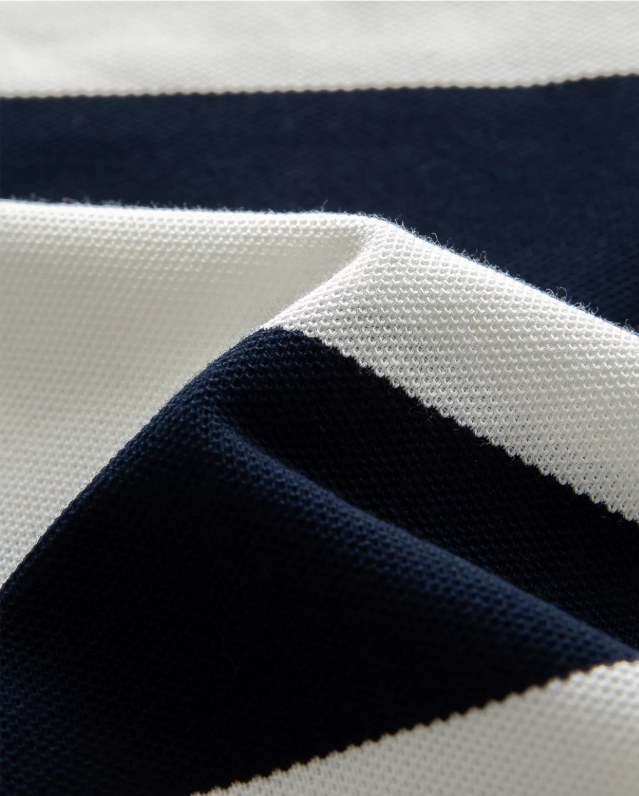
A 4–8 cm pocket, cuff, or sleeve motif adds a close-range detail without dominating the front. Curved sleeve panels and finished pockets require precise hooping, making this a strong option for contemporary capsules and hospitality uniforms.
Appliqué And Patch Styles
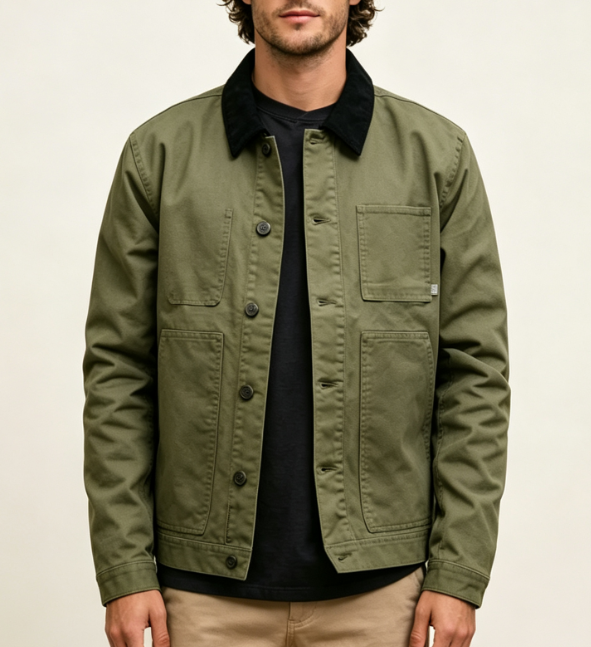
A 6–15 cm appliqué or embroidered patch builds dimension while reducing dense fill stitches. Edge stitching and patch placement add operations, but the format works well for varsity, heritage, music-merch, and retail programs needing bold branding.
Large-Back And Uniform Tees
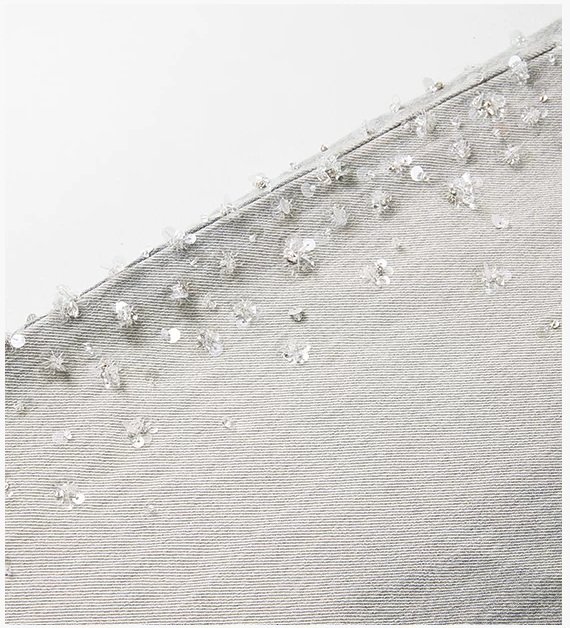
A 25–35 cm back placement delivers visibility for events, workwear, and team uniforms, while an all-over embroidery concept needs carefully spaced motifs. Large areas raise hooping time and distortion risk; choose stable fabric and reserve complex coverage for premium runs.
4. Fabrics for custom embroidered tshirt
180–220 GSM combed cotton jersey is the dependable starting point for a custom embroidered tshirt: its smoother ring-spun face supports clean stitch definition. Fabric choice must be set before digitizing because density, recovery and shrinkage change puckering risk.
| Fabric | Typical GSM | Embroidery Behavior | Best Use |
|---|---|---|---|
| Combed cotton jersey | 180–220 | Smooth; stable with backing | Everyday premium tees |
| Heavyweight cotton | 240–300 | Firm; handles dense fills | Streetwear, cooler climates |
| Cotton-poly blend | 180–240 | Low shrinkage; stable hooping | Uniforms, value retail |
| Recycled blend | 180–230 | Verify surface lot by lot | Sustainability-led capsules |
| Stretch/performance knit | 160–220 | Recovery needs testing | Activewear, light logos |
Knit Stability And Hooping
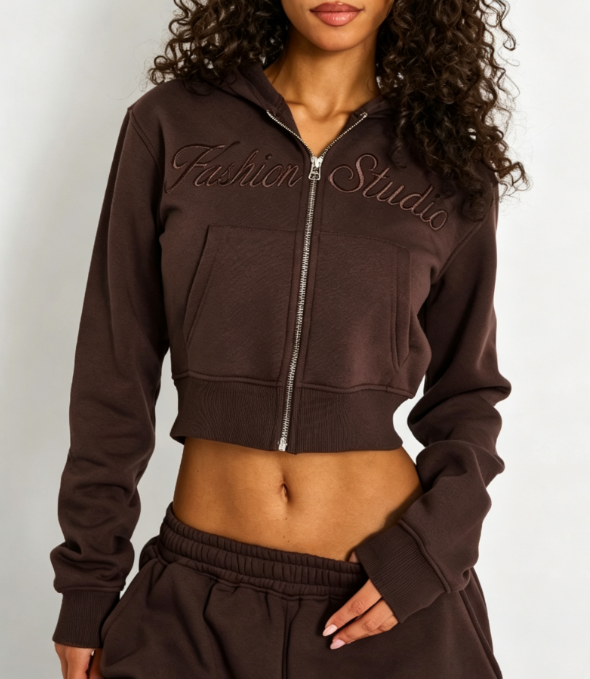
5–8% pre-shrinkage allowance is common for untreated cotton jersey; confirm wash testing before approving a size set. A cutaway stabilizer and moderate hoop tension prevent distorted knit loops. 240 GSM and above resists needle pull better than lightweight jersey, particularly under filled logos. Avoid over-tight hooping, which can leave permanent hoop marks on dark or brushed surfaces.
- Use ring-spun, combed faces for fine lettering
- Test embroidery after one wash and tumble cycle
- Match backing weight to logo stitch density
Fiber Choices By Positioning

100% cotton gives breathable comfort and a premium natural hand, while cotton-poly blends improve dimensional stability and drying speed. Recycled fibers require supplier confirmation of blend consistency and surface quality across dye lots. 2–5% elastane improves recovery but makes hooping less forgiving; performance knits suit activewear only when a sample confirms stitch stability. Dense chest badges generally need firmer, heavier bases than small line logos.
Sampling Specifications
3 sample checks—flat, worn and washed—reveal whether the embroidery tunnels, puckers or distorts the body. Specify finished GSM, composition tolerance, shrinkage method and approved backing on the tech pack. 100-unit-per-style-and-color production can begin after Junsheen confirms fabric availability, pattern requirements and the approved sample. Retain the material record for consistent repeat orders.
5. custom embroidered tshirt Decoration Options
Digitizing converts logo artwork into stitch commands, so it should be approved before sampling a custom embroidered tshirt. Junsheen can match thread to Pantone references, but a sewn strike-off remains the reliable check for color, coverage, and hand feel.
| Technique | Texture And Logo Fit | Density And Durability | Setup And Cost |
|---|---|---|---|
| Flat embroidery | Clean, low-profile logos | Moderate density; durable | Digitizing; mid-range cost |
| 3D puff | Bold simple shapes | High profile; durable | Foam setup; higher cost |
| Appliqué or patch | Large graphic or badge | Low stitch coverage; durable | Extra material and attachment |
| Chenille or metallic | Varsity or premium accents | Special handling; abrasion-sensitive | Special thread; higher cost |
| Print plus embroidery | Detailed, multi-color art | Low stitch count; durable when tested | Two processes; efficient for large art |
Choose The Embroidery Build

Flat embroidery suits letterforms, line art, and small chest logos; moderate stitch density keeps knit jersey from puckering. 3D puff adds raised dimension but needs bold, open shapes and foam-compatible digitizing. Appliqué, woven patches, embroidered patches, chenille, and metallic thread create stronger texture or vintage character. Chenille works best on larger collegiate-style motifs, while metallic thread needs slower production and careful abrasion testing.
Compare Technique Tradeoffs
2–4 mm lettering is usually the practical lower limit for clean embroidery, depending on fabric and thread. Dense fills increase thread consumption, production time, stiffness, and cost; reducing unnecessary underlay often improves drape.
Control Placement And Support

3–5 mm placement tolerance is a sensible target for most chest embroidery, measured from stable garment landmarks. Artwork should show finished dimensions, location, thread colors, and whether a patch edge requires a merrowed or satin border. One backing choice cannot suit every fabric: cut-away stabilizer supports stretch jersey, tear-away suits stable woven fabric, and water-soluble topping controls loops on textured knits. A sample should confirm that backing does not distort the garment after washing.
Use Mixed Decoration Strategically

50 mm or larger photographic, gradient, and large solid-fill artwork often becomes heavy and expensive when fully embroidered. Combine screen print, DTG, or DTF for broad color areas with embroidery for outlines, names, or premium focal details. One approved production sample should verify registration between print and stitches, especially on stretchy tees. This mixed approach preserves readable detail while avoiding excessive stitch count and a rigid chest panel.
6. custom embroidered tshirt Construction Quality
180–240 GSM jersey gives most logo placements a stable base; lighter knits need tighter process control. On a custom embroidered tshirt, construction and stitch settings must be approved together, not as separate sample checks.
Fabric And Neckline Stability
2–3% residual shrinkage after washing is a practical target for cotton jersey, provided the supplier’s test method is documented. Compare fabric weight across sample panels and confirm pre-shrinking before cutting. 1×1 or 2×1 collar rib should recover cleanly after repeated stretching and lie flat without waviness. Inspect neckline symmetry, shoulder-tape coverage, and even overlock seams at both shoulder joins.
- Weigh cut swatches from body and sleeves
- Stretch collar rib 10 times; check recovery
- Measure neck opening before and after wash
Embroidery Support And Tension
120–160 GSM lightweight knits are especially prone to puckering because needle penetration and dense stitches pull the fabric surface. Match stabilizer weight, hoop pressure, and design density to the jersey rather than using one default backing. 40-weight polyester thread should run with balanced top and bobbin tension, producing smooth fills without loops, loose stitches, or visible backing edges. Test the inside face against bare skin for scratchiness and trim backing only where it will not weaken the embroidery.
- No puckering beyond the embroidery edge
- No thread nests, skipped stitches, or shine marks
- Backing remains smooth after flexing
Sample And Shipment Checks
3 wash-and-dry cycles on an approved sample reveal issues that a fresh garment can hide. Check logo position against the specification, stitch coverage, neckline shape, seam twisting, and colorfastness after each cycle. AQL sampling should include measurements, decoration appearance, and packed-goods review before shipment. Require the factory to compare bulk pieces with the sealed approval sample, including fabric hand feel and collar recovery.
- Measure logo placement from fixed seam points
- Check shoulder seams for skipped or uneven stitches
- Confirm no puckering, shrink distortion, or thread breakage
7. How to Choose a Manufacturer
Choose a custom embroidered tshirt supplier on demonstrated control of development and production, not the lowest quote. A 100-unit MOQ can suit a launch only if the factory can repeat approved standards as volume grows.
Verify Category Experience

Ask for recent embroidered jersey or pique samples matching your fabric weight, placement, and stitch density. Request close-up photos, measurement reports, and comparable order quantities—not only a portfolio image.
- Which similar garments were produced recently?
- What is the achievable MOQ per color?
- Can the factory grade XS–3XL consistently?
Audit Embroidery And Sampling

Confirm machine count, hoop sizes, thread brands, and daily capacity before approving artwork. Ask whether digitizing is in-house; outsourced digitizing can work, but revisions, ownership, and sew-out approval must be defined. Request a pre-production sample after a stitched strike-off. Check backing, puckering, thread tension, placement tolerance, wash performance, and the approved digitized file.
- How many heads are available per shift?
- Who approves each sew-out?
- What is the sample-to-bulk lead time?
Check Supply Chain Controls
Ask for fabric swatches, composition records, color-lab results, and trim specifications before bulk booking. For compliance claims, request current OEKO-TEX, GOTS, WRAP, or BSCI documentation where applicable rather than accepting a logo on a quotation. Verify incoming-fabric, in-line, measurement, decoration, and final-packed-goods inspections. A capable partner should retain patterns, graded size sets, and material records for repeat orders.
- What inspection points and AQL standard apply?
- How are defects isolated and reworked?
- Can Pantone and lot records be supplied?
Test Communication And Scale
Set written milestones for feasibility, sourcing, sample approval, bulk production, final inspection, and export booking. Typical sampling takes 7–21 days and bulk may take 25–45 days after approvals, but confirm the factory’s current schedule in writing. Ask for a named contact, weekly status format, shipping options, carton specifications, and export documents. Compare response quality and evidence supplied before committing beyond the first 100-unit run.
- Who owns timeline updates?
- Which courier, air, and sea options exist?
- What documents accompany shipment?
8. Common Buyer Mistakes to Avoid
Remote approvals turn small omissions into bulk-production risk. Use this checklist before releasing a 100-unit custom embroidered tshirt order: confirm fabric, embroidery engineering, test results, commercial scope, and signed specifications.
Match Fabric To Embroidery
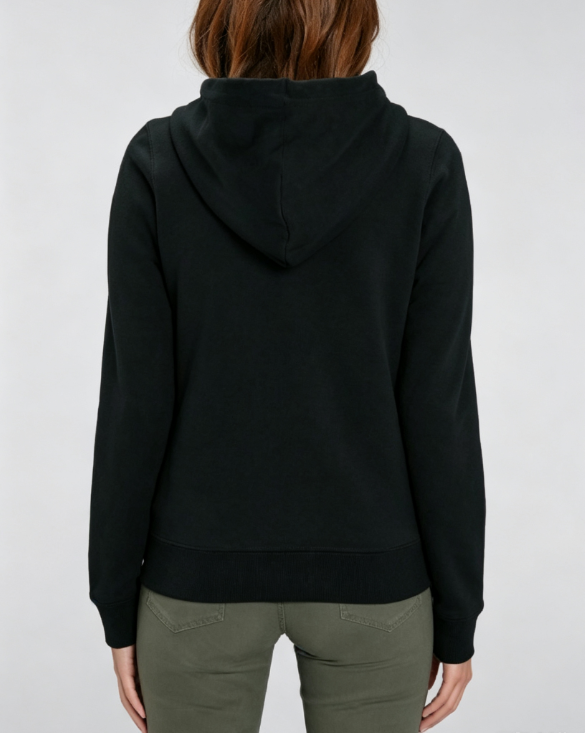
160 GSM jersey can pucker beneath dense logos, distort after washing, and show backing through light colors. Specify a fabric trial—often 180–220 GSM ring-spun cotton or a stable blend—and review the embroidery on the actual production fabric.
Prepare Production-Ready Artwork

1 artwork file is not automatically embroidery-ready: digitizing determines stitch direction, underlay, pull compensation, and thread changes. Request a sew-out, approved digitized file, and stitch-count estimate before pricing; avoid oversized dense fills that create stiffness or hoop marks.
Test Comfort And Durability

2 wash cycles can expose shrinkage, color bleeding, thread abrasion, or edge curling missed in a first sample. Approve a washed sample and require suitable cutaway, tearaway, or soft backing; inspect inside comfort against bare skin.
Close The Approval Gaps
3 incomplete quotes can omit digitizing, backing, labels, packing, freight terms, and sampling, making a low unit price misleading. Compare like-for-like scopes, then sign measurement tolerances, graded size chart, Pantone or physical color approval, placement, and final sample before bulk release.
9. Steps to Launch Your Brand
For a first 100-unit OEM run, freeze the target customer, retail price, and margin before development begins. A custom embroidered tshirt launch moves fastest when each approval is a decision gate, not an informal revision.
Define The Product Brief

100 units per style and color is enough to test one clear customer and price tier. Specify silhouette, size range, color count, and a 180–240 GSM jersey or another fabric direction. 1 approved brief should include a measurement chart, Pantone references, and intended retail price. Send a tech pack, sketch, reference garment, or mood board for feasibility review and quotation.
Lock Artwork And Placement

300 DPI artwork or editable AI, PDF, or SVG files reduce digitizing errors. Mark logo width, placement from neck or side seam, thread colors, and whether flat, 3D puff, chain stitch, or applique is required. 1 digitized embroidery file must be approved before sampling. Review stitch density, backing, small-letter legibility, and puckering on the chosen fabric.
Approve Sample Performance
2 fit checks—before and after washing—catch shrinkage, twist, and embroidery distortion early. Test the prototype on the intended wearer and measure critical points against the approved spec. 1 sealed sample becomes the bulk reference after fabric, thread, labels, and construction are signed off. Record wash method, acceptable tolerance, and any approved deviations.
Release Bulk And Reorder Plan
100-unit purchase orders should state delivery terms, approved sample date, packaging, and final QC standard. Confirm main labels, size labels, wash-care labels, hang tags, polybags, carton marks, and inspection checkpoints before cutting. 30 days before delivery, reserve replenishment materials if the launch may repeat. Retained patterns, graded size sets, and material records help keep later colorways and restocks consistent.
10. custom embroidered tshirt Pricing and Costs
100 units per style and color is a practical starting point for a custom embroidered tshirt program at Junsheen; the approved fabric, pattern, size range, decoration file and packaging determine the final quote. Treat early figures as planning ranges, not a substitute for a signed specification and pre-production sample. 5,000 stitches is a useful costing benchmark: a left-chest logo commonly runs 3,000–8,000 stitches, while large back artwork, puff embroidery, appliqué and multiple placements add machine time, thread changes and rejection risk. Digitizing is normally a one-time setup cost per artwork, while samples may require separate pattern, garment and courier charges. 10–25 production days after approval is a typical planning window for standard materials, excluding sampling and transit; custom-dyed fabric, wash tests or complex trims extend it. Request every supplier price the same GSM, Pantone colors, stitch count, placements, label set, packed unit, Incoterm and destination so landed-cost comparisons protect the intended retail margin.
| Order quantity | Indicative unit-cost direction | Key quote assumptions | Production planning |
|---|---|---|---|
| 100–299 units | Highest unit cost | 180–240 GSM tee; one 5,000-stitch chest logo | 10–25 days after approval |
| 300–999 units | Lower setup allocation | One to two thread-color changes; standard labels | 10–25 days after approval |
| 1,000+ units | Best scale efficiency | Shared fabric buy; disciplined size and color mix | Confirm capacity and ship window |
| Setup items | Quoted separately | Digitizing, sample garment, special packaging and freight | Before bulk confirmation |
Start Your Custom Embroidered Tshirt Project
Send your tech pack, reference garment, or idea for fit-focused development and a tailored OEM quotation from JUNSHEEN.