
Tshirt Supplier for Fit-Focused Custom Apparel
JUNSHEEN is your one-stop tshirt supplier for OEM, ODM and private-label production from 100 units per style and color.
Featured Products for tshirt supplier Development
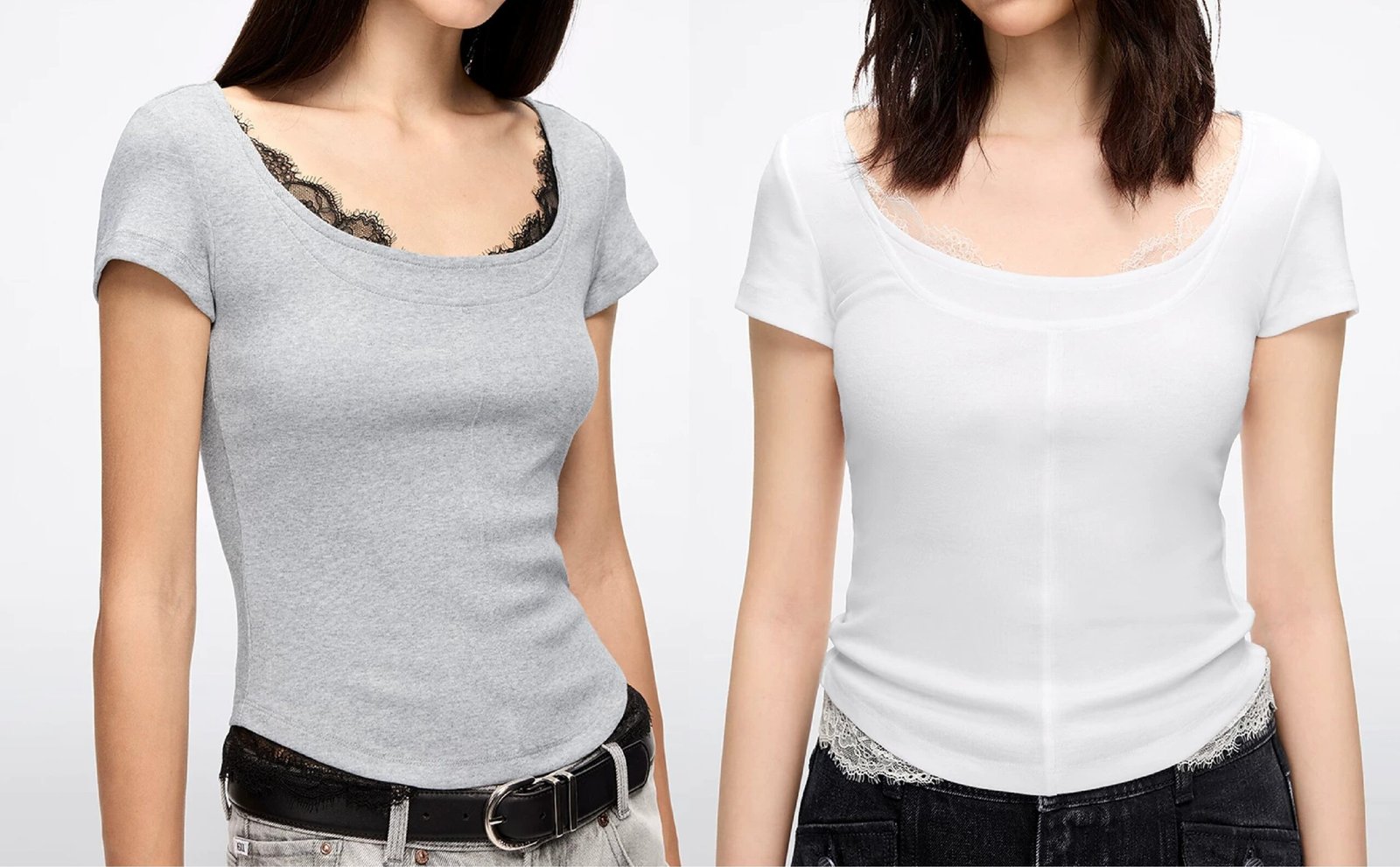


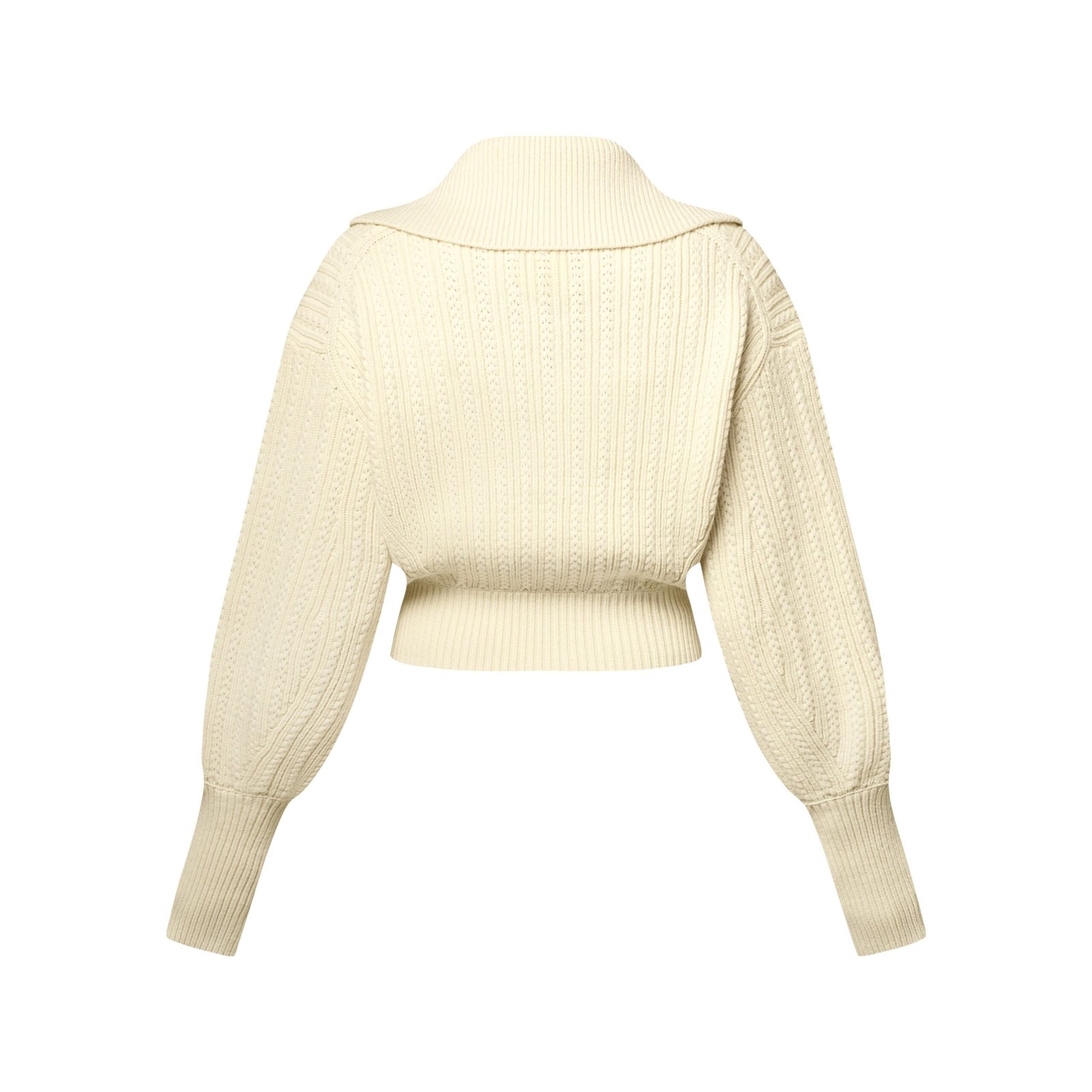


Tshirt Supplier Catalogue and Quotation





Why Brands Choose JUNSHEEN as Their Tshirt Supplier
From first sample to global delivery, JUNSHEEN combines low-MOQ flexibility with fit-led development and dependable production scale.
100-Unit Starting MOQ
Launch capsule collections from 100 units per style and color, with production flexibility for new labels and established programs.
XS–3XL Fit Development
Pattern makers refine proportions, mobility and grading across normal, extended-size, plus-size and modern oversized apparel ranges.
Integrated Product Development
Turn tech packs, sketches or references into production-ready garments with fabric sourcing, pattern making, sampling and specification support.
In-House Decoration Options
Add embroidery, screen printing, DTG, DTF, washes, labels, trims and branded packaging through one coordinated manufacturing partner.
Scalable Factory Capacity
More than 200 skilled workers and 80,000-plus monthly units support reliable growth from focused launches to recurring bulk orders.
Global Export Support
Work with a responsive tshirt supplier experienced in quality control, packed-goods inspection and shipping apparel programs worldwide.
OEM Apparel Categories Built to Scale
From capsule collections to repeat bulk programs, develop fit-focused casualwear, denim, knitwear and outerwear with 100-unit MOQs per style and color.

Custom Hoodies
Develop custom hoodies in fleece, French terry or jersey with fit specifications from XS to 3XL. Add embroidery, screen prints, washes, custom drawstrings, labels and packaging while keeping patterns and material records ready for repeat production.
Request a Quote
Custom T-Shirts
Produce custom T-shirts from combed cotton, Pima cotton, organic options and blended jersey. Junsheen supports oversized, regular and extended-size fits, plus screen printing, DTG, DTF, embroidery, garment dye and private-label finishing.
Request a Quote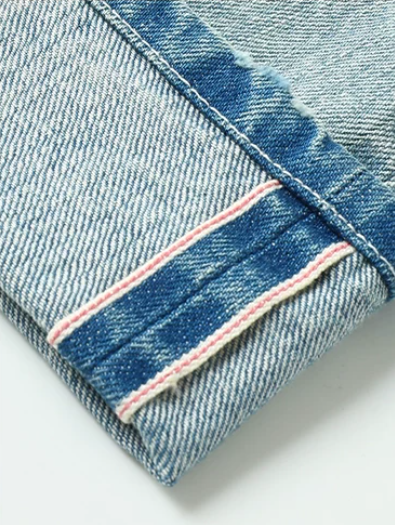
Custom Jeans
Build custom jeans in rigid or stretch denim with refined rise, leg shape and grading across the full size range. Fabric sourcing, wash development, distressing, hardware, labels and fit samples are managed within one denim production workflow.
Request a Quote
Custom Sweaters
Source turtle neck sweaters in bulk and other custom sweater styles across knit constructions, yarn blends and gauges. Development covers neck shape, body proportion, sleeve balance, rib trims, size grading, labels and approval samples before production.
Request a Quote
Custom Jackets
Manufacture custom jean jackets and other woven jacket programs with denim, twill or stretch-denim options. Develop silhouettes, pocket placement, seams, washes, custom buttons, patches and branded trims for retail, wholesale or private-label collections.
Request a Quote
Custom Sweatshirts & Crewnecks
Create custom crewneck hoodie and sweatshirt programs in fleece, French terry and jersey. Pattern makers support regular, oversized and plus-size proportions, while in-house decoration and finishing handle embroidery, prints, brushing, washes and labels.
Request a Quote
Custom Cardigans
Develop custom cardigans in selected yarns and knit structures, with support for gauge, button specification, plackets, ribbing and grading. Samples help confirm drape, hand feel and fit before bulk production for fashion or wholesale programs.
Request a Quote
Custom Puffer & Down Jackets
Produce custom puffer jackets with development support for shell fabrics, insulation, quilting layouts, linings, closures and branded details. The team reviews construction and sizing early to help balance warmth, mobility, target cost and production feasibility.
Request a Quote
Custom Denim Shorts
Make custom jean shorts in rigid or stretch denim with tailored inseams, rises, hem treatments and size grading. Add washes, distressing, embroidery, printed details, patches and branded hardware for seasonal denim assortments.
Request a Quote
Custom Sweater Dresses
Develop custom sweater dresses with knit construction, yarn selection and grading planned for the intended silhouette. The team refines body length, stretch recovery, neckline, sleeves and proportion across XS–3XL before approving bulk materials.
Request a Quote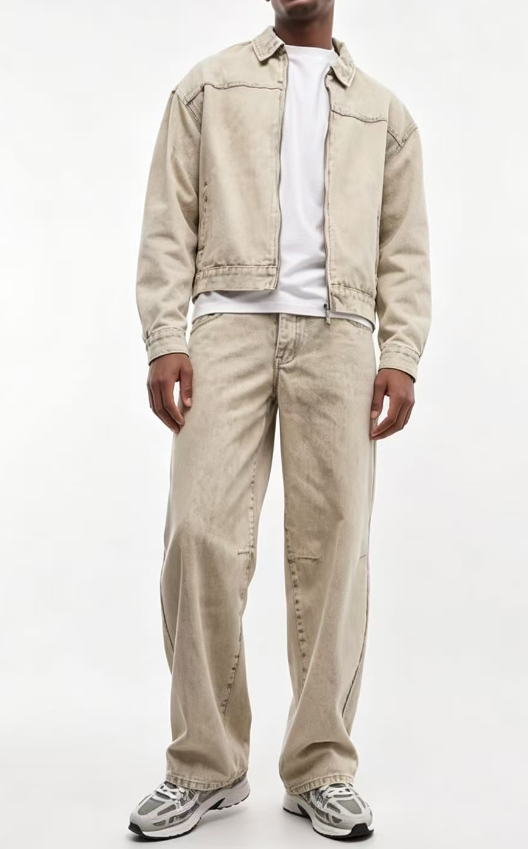
Custom Denim Sets
Produce men’s denim suits for wholesale programs, including coordinated denim jackets, overshirts and jeans. Maintain consistent fabric, wash, color and fit across pieces, with bulk capacity suited to repeat orders and multi-market distribution.
Request a Quote
Custom Polo Shirts
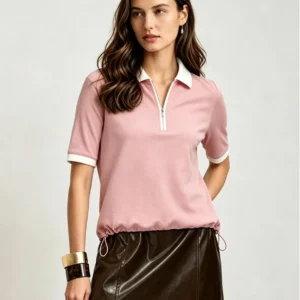
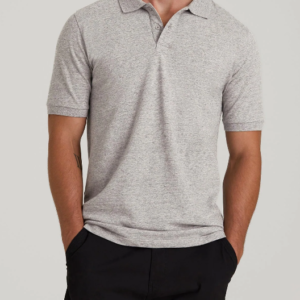
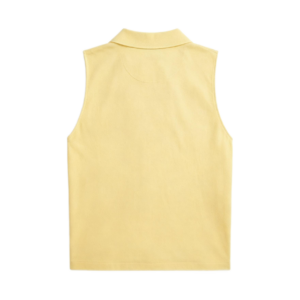
Manufacture custom polo shirts in piqué, jersey or performance-knit fabrics with selected collars, plackets, cuffs and logo applications. Fit development, color matching, embroidery, printing and private-label trims are coordinated from sample through shipment.
Request a Quote
Custom Sweatpants
Create custom sweatpants in fleece, French terry or jersey with considered rise, leg shape, waistband and cuff proportions. Support regular, oversized and extended-size grading, then complete branding with prints, embroidery, labels and custom drawcords.
Request a Quote
Custom Shorts
Develop custom shorts in jersey, fleece, twill, woven or performance-knit fabrics for casualwear and active-inspired collections. Specify length, pockets, waist construction and trims, with sampling to verify mobility, fit and wash performance before bulk production.
Request a Quote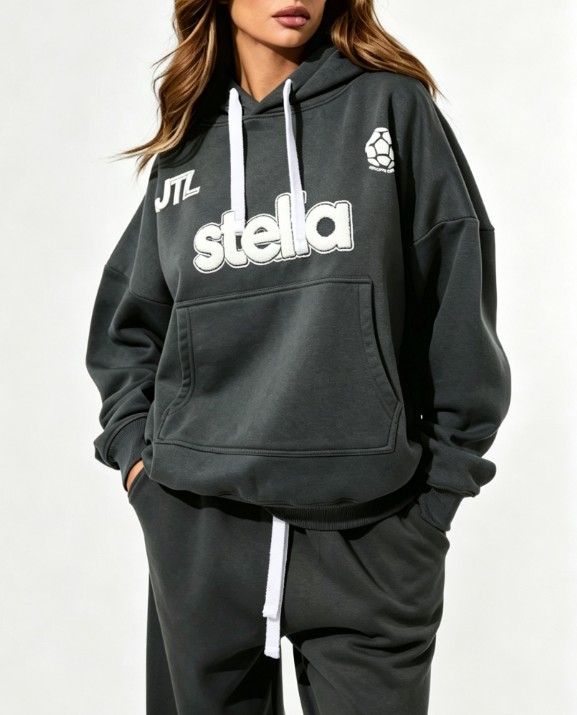
Custom Pullovers
Produce custom pullovers in knit, fleece, French terry or jersey constructions for seasonal layering programs. Junsheen supports fabric selection, fit grading, neck and cuff details, decoration, washing and private-label finishing from 100 units per style and color.
Request a QuoteMaterials for Your Custom Apparel Program

Cotton Jersey
A breathable, soft-touch staple for custom T-shirts, polos, and lightweight casualwear. Available in combed, Pima, organic, and blended constructions, with weights selected for smooth drape, opacity, and dependable everyday wear.

French Terry
A comfortable loopback fabric suited to premium hoodies, sweatshirts, shorts, and coordinated sets. Its absorbent interior and medium-to-heavy weight provide structure without the brushed warmth of fleece, making it adaptable across seasons.

Denim Fabrics
Durable cotton and stretch-denim options for jeans, denim jackets, shorts, and matching sets. Fabric weight, stretch recovery, and wash response can be specified to achieve rigid vintage character, modern comfort, or a softer broken-in hand.

Cotton Twill
A tightly woven fabric for overshirts, workwear-inspired jackets, trousers, caps, and utility details. Its diagonal weave gives a crisp, durable hand feel, while weight and stretch content can be adjusted for structure and mobility.

Performance Knits
Technical knit fabrics designed for active casualwear, fitted tops, leggings, and layered outerwear. Moisture management, four-way stretch, recovery, and breathable weight can be tailored to support movement while maintaining a clean branded silhouette.

Recycled Blends
Recycled cotton, polyester, and blended options for brands pursuing lower-impact apparel programs. Suitable for jersey, fleece, woven, and knit constructions, these materials balance sustainability goals with practical weight, durability, and color consistency.
Tshirt Supplier Decoration and Finishing Options

Custom Embroidery
Flat, 3D puff, chain-stitch and applique embroidery add dimensional logo detail to tees, hoodies and outerwear. Carefully matched backing, thread and stitch density create a durable premium finish that holds its definition through repeat wear.

Screen Printing
Plastisol, water-based, puff, flocking, silicone, high-density, foil and discharge screen printing translate bold artwork into lasting garment graphics. Our team recommends ink systems according to fabric composition, color, hand feel and the desired visual impact.

Digital Print Methods
DTG, DTF, heat transfer and dye sublimation support detailed multicolor artwork, small runs and complex photographic designs. Process selection is matched to garment fabric and placement so prints remain clear, flexible and commercially production-ready.

Garment Washes
Enzyme, acid, stone and garment-dye washes create lived-in color, softened hand feel and individual character. Controlled wash testing helps preserve construction, print quality and target measurements while delivering the intended vintage or fashion effect.

Surface Finishing
Softening, anti-pilling, brushing and napping refine fabric touch, warmth and long-term appearance. JUNSHEEN applies finishing treatments after reviewing the fabric weight, garment use and brand standard, helping each piece feel intentional and durable.
Custom Trims, Labels and Packaging

Woven Brand Labels
Add custom woven, leather or printed main labels, size labels and wash-care labels to tees, hoodies, denim and outerwear for a consistent private-label identity across every size and production run.

Custom Hang Tags
Create branded hang tags with your logo, product information, barcodes or care messaging for retail-ready apparel. Options can be matched to your paper stock, finish, string and attachment requirements.

Buttons and Snaps
Specify custom buttons, metal snaps and branded hardware for polos, denim, jackets and outerwear. JUNSHEEN helps align finish, color, logo treatment and durability with the garment’s construction and intended use.

Zippers and Pullers
Choose dependable zippers, custom pullers and branded zipper details for hoodies, jackets, pants and outerwear. Hardware can be selected for smooth operation, garment weight and a polished finished appearance.

Drawstrings and Ribbing
Customize drawstrings, aglets, cord tipping and rib trims for hoodies, sweatpants and knit casualwear. These details help reinforce color direction, improve garment recovery and make core silhouettes feel distinctly yours.
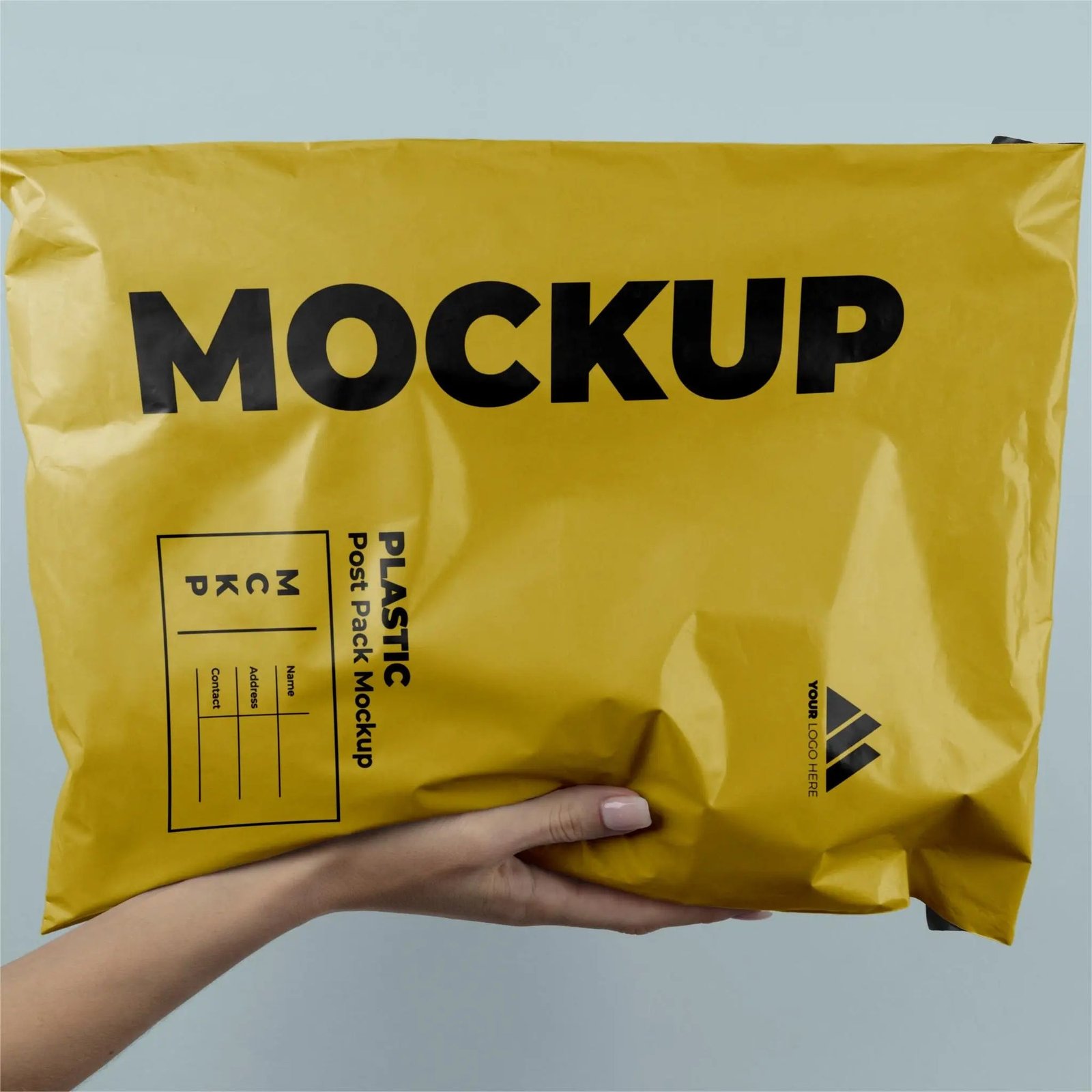
Branded Packaging
Finish your order with branded polybags, cartons, tissue, stickers or insert cards prepared for wholesale, retail or direct fulfillment. Packaging specifications can be coordinated with labels and hang tags for a unified presentation.
About JUNSHEEN, Your Tshirt Supplier
Founded in 2010 in Humen Town, Dongguan, JUNSHEEN is a tshirt supplier and one-stop apparel manufacturing partner for brands building custom casualwear. We combine OEM, ODM, private-label and product-development support to turn tech packs, sketches and product ideas into production-ready garments.
Our 200+ skilled workers support monthly capacity above 80,000 units across cut-and-sew, knitwear, denim and outerwear programs. From 100 units per style and color, we help emerging labels launch confidently while giving established sourcing teams dependable capacity for ongoing global production.
More than 2,000 fashion-brand clients have chosen JUNSHEEN for fit-focused XS–3XL development, integrated decoration and finishing, and clear export support. Based in one of China’s leading garment clusters, our team manages the technical details that help collections fit consistently and scale smoothly.

Tshirt Supplier for Fit-First Development and Integrated Production
XS–3XL Fit Engineering
As a fit-focused tshirt supplier, JUNSHEEN develops normal, extended, plus-size and modern oversized silhouettes from XS through 3XL. Our pattern makers refine proportion and movement across the full size set instead of simply scaling up a base pattern.
- Shoulder, sleeve, body and rise proportions reviewed by size
- Grading increments built for consistent fit across XS–3XL
- Size-set samples available before bulk approval
- Fewer avoidable fit revisions during development

Development From Any Starting Point
Bring a finished tech pack, sketch, reference garment, mood board or early product idea. JUNSHEEN turns it into a production-ready apparel specification with practical guidance on construction, fabrics, trims, measurements and manufacturability before sampling begins.
- Tech-pack and specification review
- Fabric, trim and construction recommendations
- Pattern making and prototype sampling
- Clear quotations for 100-unit MOQ programs

Cut-and-Sew and Knitwear Expertise
One integrated production partner supports custom T-shirts, hoodies, denim, outerwear, sweatpants and sweater programs. Cut-and-sew and knitting capabilities help brands develop coordinated casualwear collections while maintaining dependable construction, material selection and scalable production control.
- Jersey, fleece, French terry, denim and woven production
- Sweaters, cardigans and pullovers in knit constructions
- 100+ unit MOQ per style and color
- 80,000+ units monthly capacity for growing programs

In-House Decoration and Finishing
Keep branding details aligned with garment development through in-house embroidery, printing, washes, labels, trims and packaging. JUNSHEEN helps match each decoration method to the fabric, artwork, target cost and desired hand feel for a more consistent finished product.
- Screen print, DTG, DTF, puff and specialty effects
- Flat, 3D, chain-stitch and patch embroidery
- Garment dye, acid wash, brushing and softening
- Custom labels, hang tags, hardware and branded packaging

Why Choose JUNSHEEN as Your Tshirt Supplier
Evidence-led manufacturing support from first sample through scalable repeat production.
← 左右滑动查看 →
From Fabric Sourcing to Global Shipping
A controlled OEM workflow that moves your apparel program from feasibility review to export-ready delivery with clear technical checkpoints.
Review Design Feasibility
Our team reviews your tech pack, sketch, reference garment, or concept, confirming construction, fit requirements, target cost, MOQ, and production viability.
Source Fabrics and Trims
We recommend fabrics, colors, labels, and trims based on hand feel, weight, durability, wash performance, decoration needs, and your target market.
Develop Samples and Fit
Pattern makers create samples and grade fit-focused XS–3XL size sets, refining proportions, measurements, mobility, and details before pre-production approval.
Build Bulk Production
After approval, our tshirt supplier team coordinates cut-and-sew production, knitting, printing, embroidery, washing, private labels, and branded packaging.
Inspect Pack and Export
Multi-stage checks cover fabric, construction, measurements, fit, decoration, and packed goods before final packing, balance settlement, and global shipping coordination.
Start Your Tshirt Supplier Order with Confidence
From your first concept to global delivery, JUNSHEEN keeps development, approvals and production clear at every stage.
Send Your Product Brief
Share a tech pack, sketch, reference garment or mood board. Our team reviews specifications, fit goals, fabrics, decoration and the 100-unit MOQ per style and color.
Confirm Materials and Quote
Select fabrics, trims, labels and finishes with our sourcing team. We provide a clear quotation, production feasibility feedback and recommended construction details before sampling begins.
Approve Your Development Sample
Review prototype samples, measurements, fit and decoration. Pattern makers refine XS–3XL, plus-size or oversized grading, then prepare size sets and pre-production details for approval.
Launch Bulk Production
After approval, JUNSHEEN manages bulk cutting, sewing, knitting, finishing and quality control. Final inspections cover construction, measurements, decoration and packed goods before global shipment.
Custom Clothing Manufacturer Credentials and Compliance Documents



What Global Fashion Clients Say About Our Tshirt Supplier Partnership
JUNSHEEN refined our oversized tee grading from XS to 3XL without losing the intended shoulder balance. We approved the second size set and reduced fit-related revisions by 40% before bulk production.
Our first capsule required three sampling rounds across heavyweight T-shirts and fleece. The team responded to each measurement change within 48 hours, helping us launch 6 weeks earlier than our original production schedule.
We started with 120 units per color, then scaled to 4,800 units across repeat orders. Measurements, wash finish, labels and packing stayed consistent, which made replenishment far easier for our retail team.
Tshirt Supplier FAQ for OEM Buyers
Clear answers on minimums, development, payment, shipping, and private-label protection.
What is your minimum order quantity as a tshirt supplier?
Can a tshirt supplier develop my design from a sketch or reference garment?
How long do samples and bulk orders take?
Do you offer extended sizing and oversized T-shirt fits?
How does payment work with a tshirt supplier for a first order?
Can you protect my patterns, logos, labels, and brand details?
Does your tshirt supplier ship internationally?
Can you provide custom printing, embroidery, labels, and packaging?
The Complete Buyer’s Guide to tshirt supplier
Use this practical framework to evaluate tshirt supplier capabilities, fabrics, customization, quality controls, MOQs, pricing, and lead times—while avoiding sourcing mistakes that delay launches or weaken your brand.
1. What Is a tshirt supplier?
100 units per style and color is a practical low-MOQ threshold for a custom program, but a tshirt supplier is more than a source of blank garments. It is the accountable commercial partner that translates a brief or tech pack into approved materials, samples, bulk goods and shipment-ready cartons. 2010 is the founding year of Dongguan Junsheen Clothing Co., Ltd., a Humen-based manufacturer that combines development and production. A trading company typically coordinates third-party factories and adds a service margin; a factory controls cutting, sewing and production execution; an OEM partner builds to the buyer’s specifications; and an ODM partner can also develop patterns, fits and product solutions from a concept or reference. 6 linked stages should be visible in a capable 100-unit program: feasibility review, fabric and trim sourcing, pattern and sample development, pre-production approval, bulk manufacture with in-line checks, and final inspection plus export dispatch. For a branded capsule, choose an OEM/ODM factory partner with low-MOQ experience—not merely a blank-stock wholesaler—when you need custom fit, Pantone color control, labels, decoration, graded sizing and retained production records for repeat orders.
2. How tshirt supplier Services Evolved
1950s mass-market T-shirt programs were built around wholesale blanks, open-end cotton and long production runs: buyers chose stock colors, then added a basic screen print. That model kept unit cost low but gave brands little control over fabric weight, collar recovery, fit blocks or labeling. 1990s private-label and OEM workflows moved development upstream, making a tech pack, Pantone approval, custom neck label and graded pattern part of the order rather than afterthoughts. Digital decoration methods—DTG, DTF and heat transfer—also made short runs, artwork testing and replenishment more practical than committing every design to a large screen-print run. 100-unit MOQ programs now reflect a buyer expectation that a tshirt supplier can develop a brand-specific garment before scale: ring-spun jersey at 180–260 GSM, a chosen rib neck, shoulder tape, wash treatment and fit from XS through 3XL. Responsible sourcing has added document review for material claims and factory compliance—such as OEKO-TEX, GOTS, WRAP or BSCI where applicable—while faster sampling and clear approval records reduce the risk of repeating generic-garment mistakes in bulk.
3. Types of tshirt supplier Partners
Six supplier models serve very different risk profiles, from selling a 1-unit printed tee to approving a 100-unit custom run. Match the model to your required fit control, inventory commitment, and speed—not only its quoted price.
| Model | Ideal Use | Customization | MOQ And Quality Control |
|---|---|---|---|
| Blank wholesaler | Fast retail basics | Low | Low; limited control |
| Print-on-demand | Graphic tests | Low to medium | 1 unit; vendor controlled |
| Sourcing agent | New overseas buyer | Variable | Factory dependent; indirect control |
| Trading company | Multi-category buying | Medium | Variable; indirect control |
| Cut-and-sew OEM | Established specifications | High | Often 100+; direct control |
| Full-service ODM | New label development | High | Usually higher; shared control |
Low-Commitment Supply
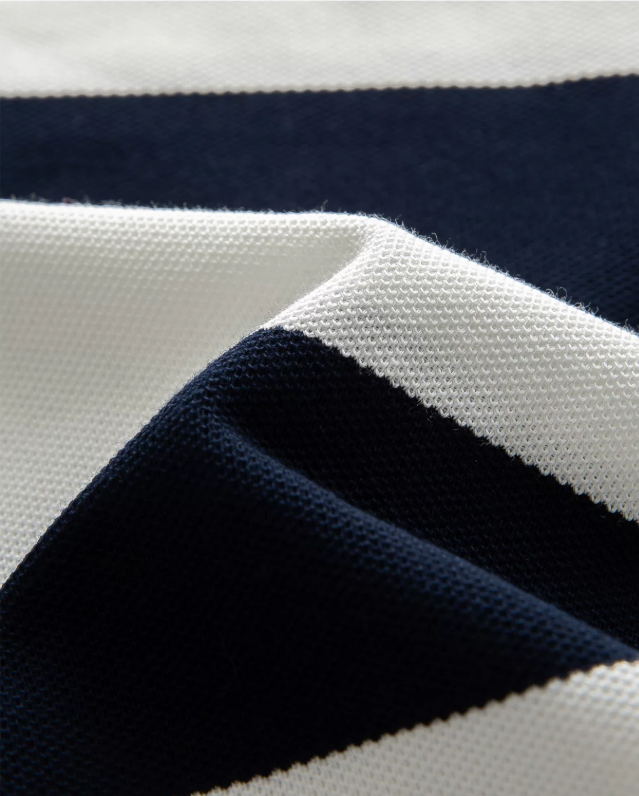
Blank wholesalers provide ready-made tees, usually in fixed colors and standard size charts; they suit retailers needing immediate replenishment. Print-on-demand vendors add one-off fulfillment, but fabric, fit, and print consistency remain largely outside the brand’s control.
- Best for testing graphics or small retail drops
- Customization usually stops at print placement
- No inventory commitment can reduce margin control
Development-Led Partners
Cut-and-sew OEM factories build to a tech pack, so brands control measurements, fabric, trims, and inspection points; 100-unit-per-style-and-color programs can suit focused launches. Full-service ODM partners also develop patterns and materials from a sketch or reference, reducing technical workload while requiring clear approvals.
- Use OEM when specifications are production-ready
- Use ODM when development support is needed
- Approve samples before committing bulk materials
4. tshirt supplier Fabric and Material Options
160–280 GSM is the practical range for most T-shirt programs, but fiber and knit structure determine whether that weight feels crisp, soft, fluid, or dense. A capable tshirt supplier should match fabric behavior to fit, decoration, wash target, and selling price.
| Fabric | Typical GSM | Best Use | Key Effect |
|---|---|---|---|
| Ring-spun cotton jersey | 160–220 | Casualwear, premium basics | Soft hand; good print surface |
| Combed organic cotton | 180–220 | Premium basics | Smooth face; higher material cost |
| Cotton-poly jersey | 160–200 | Everyday, active styles | Less shrinkage; durable |
| Polyester performance knit | 140–180 | Sportswear | Fast drying; sublimation-ready |
| Heavy cotton jersey | 220–280 | Oversized styles | Structured drape; higher cost |
| Interlock or rib | 180–260 | Premium tees, trims | Stable body or stretch |
Fiber Choices And Tradeoffs
100% ring-spun cotton offers a softer, cleaner surface than open-end cotton and usually prints sharply, but it needs controlled shrinkage testing. Combed cotton further removes short fibers for smoother premium basics. Organic cotton can support a certified material story when transaction documentation is available; it may cost more than conventional cotton. Recycled cotton and recycled polyester reduce virgin-fiber content, though recycled blends can alter strength, color consistency, and hand feel.
- Choose long-staple cotton for softer premium jerseys
- Use cotton-poly for lower shrinkage and stronger shape retention
- Specify recycled claims only with supporting certification records
Knit Structure And Weight

140–180 GSM single jersey suits lightweight casualwear, while 200–240 GSM jersey gives oversized silhouettes more body. Interlock is denser and more stable than single jersey; rib adds stretch for neckbands and fitted styles.
Application-Focused Selection

180 GSM cotton jersey is a reliable starting point for casual graphic tees and water-based or plastisol printing. For sportswear, polyester or cotton-poly blends dry faster and resist shape loss, but dye-sublimation requires high polyester content. 220–280 GSM cotton jersey supports modern oversized styles and a more substantial retail feel. Request swatches, wash tests, and a finished sample before approving bulk fabric, because GSM alone does not predict shrinkage, pilling, or print adhesion.
5. Customization and Decoration Options
100-unit capsule orders need customization choices that remain technically repeatable in bulk. A capable tshirt supplier should translate fit, pattern, neckline, sleeves, Pantone color, labels, packaging, and trims into approved production specifications.
| Method | Best Design | Durability | Setup And Volume |
|---|---|---|---|
| Screen print | Bold spot-color art | High | Screens; efficient for repeat bulk |
| DTG | Detailed cotton artwork | Medium-high | Low setup; short runs |
| DTF | Multicolor small runs | High | Low setup; flexible quantities |
| Heat transfer | Names and complex graphics | Medium-high | Low setup; short runs |
| Embroidery | Logos and dimensional marks | High | Digitizing; low to bulk |
| Puff print | Raised simple graphics | High | Screen setup; bulk-friendly |
| Discharge | Soft dark-cotton prints | High | Screen setup; bulk-friendly |
| Woven application | Patches and labels | High | Sampling; low to bulk |
Build The Garment Specification

XS–3XL grading should adjust shoulder width, body length, sleeve balance, and chest ease rather than merely enlarging one base pattern. 1 tech pack should state fabric weight, Pantone references, neckline rib width, stitch details, label positions, trim finish, and fold or polybag requirements.
- Fit block and graded measurement chart
- Crew, V-neck, mock neck, or polo collar
- Set-in, raglan, drop-shoulder, or capped sleeve
- Woven labels, hang tags, drawcords, and custom packaging
Match Decoration To Artwork
300-dpi artwork at final print size reduces avoidable interpretation errors; vector AI, PDF, or SVG files are preferred for logos and separations. 1 physical strike-off or decorated sample should confirm scale, color, hand feel, placement, and wash behavior before bulk approval.
Approve Before Bulk Production

2 checkpoints—pre-production sample and approved size or decoration reference—should be signed off before cutting or printing the full order. 100-unit runs can suit DTF, DTG, transfers, or embroidery; screen-print setup becomes more efficient as quantities and repeat colors rise.
- Approve Pantone and print placement
- Check thread, patch, and label samples
- Retain approved artwork and strike-off
- Confirm packed-garment presentation
6. Construction Details That Signal Quality
180–240 GSM may describe a midweight tee, but construction determines whether it still looks deliberate after ten washes. A capable tshirt supplier should approve measurable tolerances before bulk cutting, not judge a sample by hand feel alone.
Yarn And Weight Control
30/1 ring-spun cotton usually produces a smoother, less hairy surface than open-end yarn at comparable weight. Confirm fabric GSM tolerance, commonly ±5%, because excess variation changes opacity, drape, and decoration results. 2–5% residual shrinkage after the specified wash is a practical target to document by fabric and color. Require wash-tested results rather than assuming compacted or pre-shrunk fabric will perform consistently.
Neck And Seam Durability
1×1 rib collars need recovery after stretching; a weak rib or mismatched collar weight creates a wavy neckline that customers notice immediately. Check neck tape placement, clean shoulder joins, and even coverstitching. 10–12 stitches per inch is a useful starting reference for stable seams, though fabric weight and stitch type matter. Side seams should hang straight, while hems should remain flat without tunneling or skipped stitches.
Sample Inspection Checklist
±1 cm across critical measurements is a common tolerance for many adult tees, but brands should set their own spec by size and construction. Inspect a washed sample in every approved color, since dyeing can affect shrinkage and hand feel. 3–4 wash cycles can reveal collar distortion, seam torque, cracking decoration, and hem twisting before a repeat order turns into returns. Record findings against the approved sample and retain the graded measurement chart.
- Verify GSM, yarn surface, and wash shrinkage
- Stretch collar rib and inspect recovery
- Check neck tape, shoulder seams, and stitch consistency
- Measure chest, length, sleeve, and neck opening
- Test colorfastness for wash and rubbing
7. How to Choose a tshirt supplier
A capable tshirt supplier should be judged against the product you will actually reorder, not a generic factory presentation. Score development control, repeatable quality, commercial fit, and documented export readiness before approving a deposit.
| Decision Area | Request Before Ordering | Acceptable Evidence |
|---|---|---|
| MOQ flexibility | MOQ by style, color, and fabric | Written 100-unit or quoted threshold |
| Capacity | Monthly output and peak-season plan | Production schedule and line photos |
| Ethics and environment | Audit and material claims | Current certificate or audit report |
| Logistics | Incoterm and destination support | Export documents and freight quotation |
Verify Category Capability
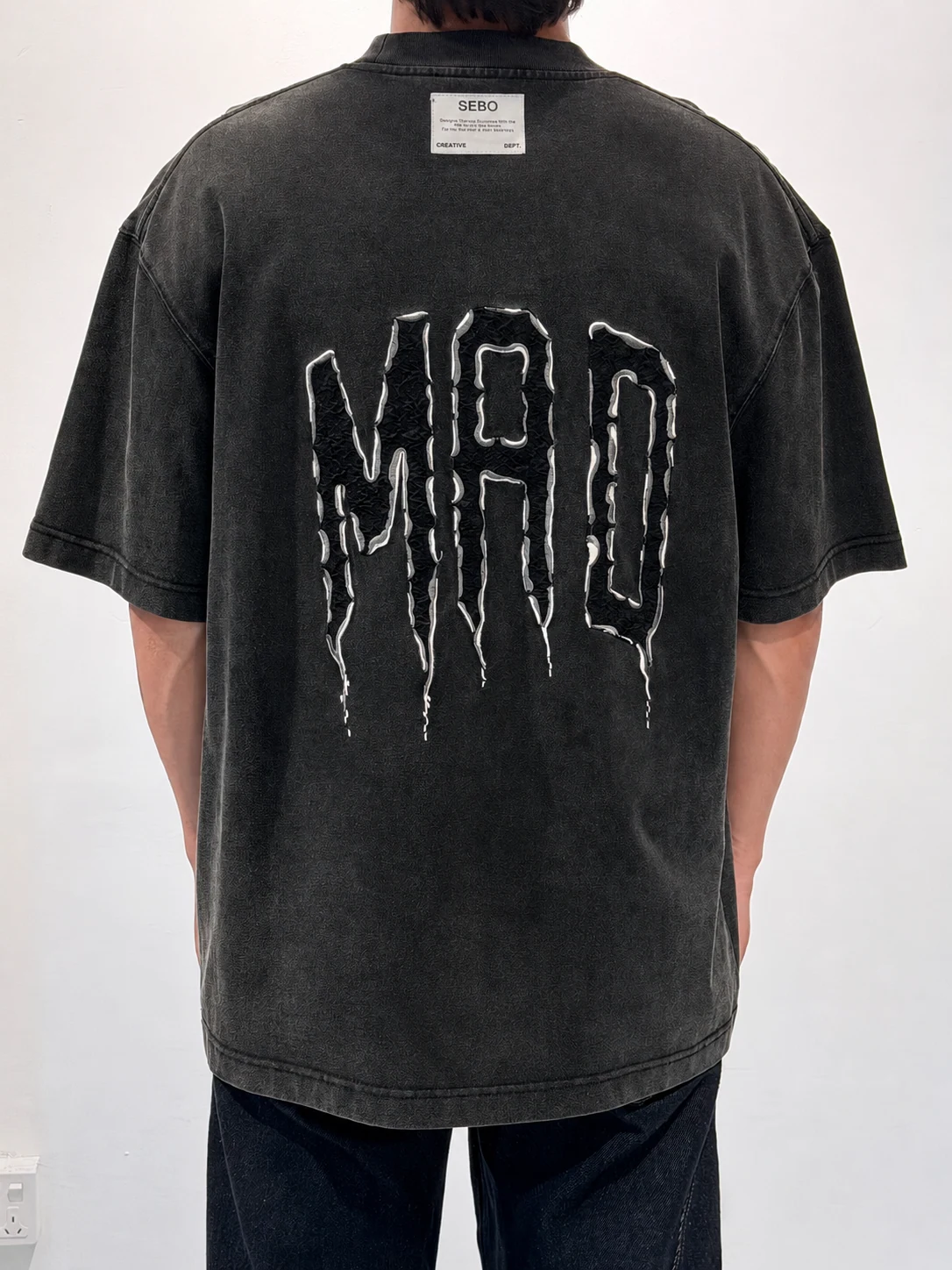
Request 3–5 recent T-shirt references matching your target: heavyweight jersey, garment dye, oversized fit, or specialty print. Ask for factory photos, measurement sheets, and a comparable finished sample—not only digital mockups.
- Cut-and-sew and knit jersey experience
- XS–3XL graded size-set evidence
- Pantone and artwork approval workflow
Test Development And Quality
Ask for a dated sampling plan showing prototype, fit sample, size set, and pre-production sample milestones. Confirm who answers fit comments, how revisions are logged, and which checks cover fabric shrinkage, measurements, print adhesion, and packed goods.
- Fabric swatches with GSM and composition
- Wash-test or shrinkage records
- In-line and final inspection report
- Reference garment returned with comments
Confirm Commercial Readiness
Request a written quotation that separates fabric, decoration, trims, packaging, freight terms, sample charges, and MOQ by style and color. Verify export destinations, payment milestones, production capacity, shipping options, and evidence for any claimed WRAP, BSCI, GOTS, or OEKO-TEX status.
- Business license and factory address
- Audit or certification copies with validity dates
- Incoterm, balance-before-shipment, and delay policy
- Named logistics contact and export documentation support
8. Common tshirt supplier Sourcing Mistakes
Two supplier quotes can differ by 15–30% because fabric, print coverage, inspection, and freight assumptions are excluded. A sourcing team should document every approval and commercial term before releasing a purchase order.
Price-Only Supplier Selection
Three comparable quotations should specify fabric composition, GSM, trims, decoration, packing, and defect handling. The lowest unit price can become the highest landed cost after substitutions or rework. 100-unit programs need a written costed specification and a supplier comparison based on delivered scope, not headline price.
Uncontrolled Materials And Samples
One approved swatch is not approval for bulk fabric: dye lots, shrinkage, weight, and hand feel can change. Require a bulk fabric cutting or lab dip against the signed standard. One pre-production sample should confirm construction, measurements, labels, and decoration before bulk cutting. Skipping it risks replicating an error across the full order.
Incomplete Technical Specifications
Six core fields—measurement chart, tolerance, construction, fabric, trim, and artwork—belong in every tech pack. Missing information forces factory assumptions and creates inconsistent fit or unexpected components. 1–2 cm tolerances should be stated by measurement point and size. Review a graded size set rather than approving only one sample size.
Decoration, Freight, And Timing Gaps

300 GSM fleece and lightweight jersey accept different print and embroidery loads; dense artwork can pucker, bleed, or distort. Confirm artwork size, placement, stitch count, ink system, and wash-test requirements before production. 30–45 days is a common planning allowance after approvals, but fabric development, sampling, holidays, and shipping add time. Confirm Incoterms such as FOB or DDP, the ship-from port, and a backward production calendar.
9. Steps to Launch a T-Shirt Brand
100 units per style and color is a practical starting point for a focused capsule with a capable tshirt supplier. Start by defining the target wearer, retail price, fit attitude, and one clear reason the shirt belongs in their wardrobe.
Define The First Capsule
3 core decisions—customer, price band, and silhouette—should precede artwork. Build a mood board with reference garments, Pantone directions, neckline, sleeve, and intended garment weight. 2 to 3 silhouettes are usually enough for a first drop. Limit each silhouette to one or two colors until demand data justifies broader colorways.
- Choose regular, oversized, or fitted proportions
- Set a target retail price before costing
- Record competitor fabric weights and measurements
Build Production Specifications
1 complete tech pack should list flat sketches, point-of-measure specs, graded sizes, construction, labels, and artwork locations. A reference garment can clarify hand feel, but measurements and tolerances must be written down. 180 to 240 GSM ring-spun cotton jersey suits many premium tees; heavier 240 to 300 GSM jersey supports structured oversized fits. Confirm fabric shrinkage, neck rib recovery, and wash appearance before approving materials.
Sample, Cost, And Approve

2 sample rounds commonly resolve fit, neckline, print scale, and wash behavior before bulk. Test screen-print opacity and placement on the actual fabric, especially for dark garments, pigment dye, or oversized artwork. 100-unit MOQ programs move faster when one body, limited colors, and one or two print placements share materials. Simplify SKUs when added color matching, artwork screens, special washes, or separate size blocks threaten the budget or launch date.
- Approve a sealed pre-production sample
- Confirm packing, hang tags, and carton marks
- Inspect measurements, decoration, and packed goods
10. tshirt supplier Pricing and Cost Drivers
US$4.50–$9.50 per unit is a practical ex-works planning range for a custom OEM T-shirt at 100–299 pieces: it assumes a 180–240 GSM cotton or cotton-blend jersey, standard sewing, one placement print, and ordinary private labeling. A finished tech pack, approved Pantone references, and a pre-production sample reduce quotation revisions, but freight, duty, VAT, and destination delivery are separate variables. 100 units is Junsheen’s starting scale per style and color, while higher quantities spread pattern work, screens, artwork separation, and label setup across more garments. Ring-spun cotton, heavier GSM, oversized grading, contrast panels, flatlock seams, multi-color screen prints, embroidery, custom hangtags, branded packaging, and air freight raise cost; confirm the fabric, decoration, packing, Incoterm, and delivery destination before treating any range as a quote.
| Quantity per style/color | Indicative ex-works unit cost | Typical production lead time | Cost trade-off |
|---|---|---|---|
| 100–299 units | US$4.50–$9.50 | 25–35 days after approvals | Lowest commitment; setup cost remains concentrated |
| 300–499 units | US$3.80–$8.00 | 25–35 days after approvals | Screens and labels spread across more units |
| 500–999 units | US$3.20–$6.80 | 30–40 days after approvals | Better fabric buying and production efficiency |
| 1,000+ units | US$2.80–$5.80 | 35–45 days after approvals | Lowest unit cost; larger inventory exposure |
Ready to Build with a Trusted Tshirt Supplier?
Send your tech pack, sketch, or product idea to JUNSHEEN for sampling, 100-unit MOQ production, and scalable global fulfillment.