Cashmere & Merino Wool Fabric OEM From 100 Units
Develop fit-focused private-label knitwear with cashmere & merino wool fabric, low MOQs, sampling support, and scalable global production.
Featured Products for cashmere & merino wool fabric Development








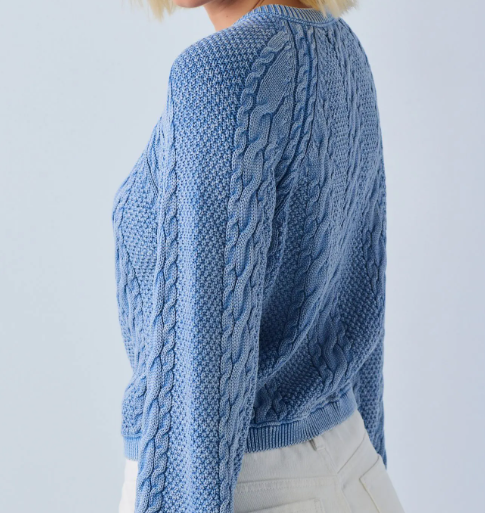
Related Product Catalogue and Quotation

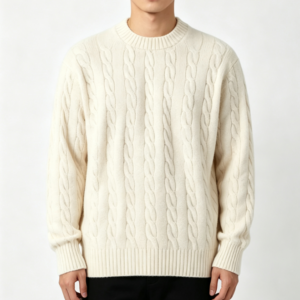
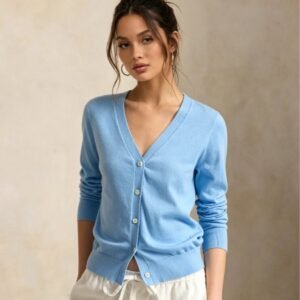


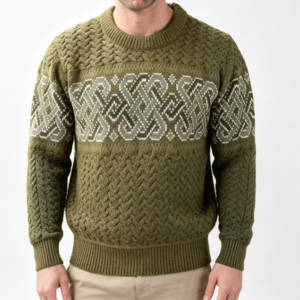


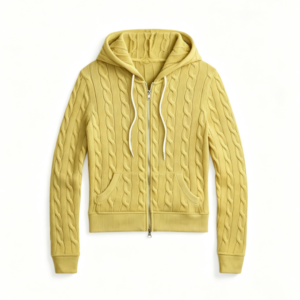
Why Source Cashmere & Merino Wool Fabric With JUNSHEEN
From material selection to export-ready delivery, our integrated team helps brands develop premium wool-blend apparel with dependable fit and scalable production.
100-Unit MOQ
Launch capsule knitwear, sweaters, or outerwear from 100 units per style and color without committing to excessive inventory.
Fit-Focused Grading
Pattern makers refine proportions, mobility, sleeve balance, and grading from XS to 3XL for standard, oversized, and extended-size collections.
Premium Fabric Sourcing
Source cashmere & merino wool fabric blends based on target hand feel, warmth, weight, durability, drape, and commercial cost.
Integrated Branding
Add logo embroidery, custom labels, hang tags, branded trims, packaging, and selected print or finishing details through one manufacturing partner.
Controlled Quality
Our team checks incoming materials, knitwear construction, measurements, fit, decoration, and packed goods to support repeatable bulk production.
Global Export Support
Coordinate production and shipment with an experienced Dongguan team serving fashion brands, retailers, wholesalers, and sourcing teams worldwide.
Cashmere, Merino & Custom Apparel Categories
Develop fit-focused casualwear, denim, outerwear and knitwear from 100 units per style and color, with coordinated development, production and private-label support.
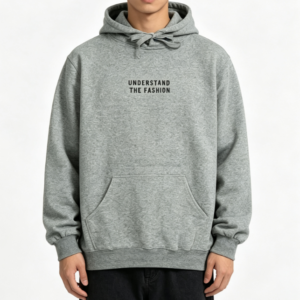
Custom Hoodies
Develop custom hoodies in fleece, French terry or heavyweight jersey, with refined XS–3XL grading, custom rib trims, drawcords, embroidery, screen printing and private-label finishing for capsule drops or repeat programs.
Request a Quote
Custom T-Shirts
Produce custom T-shirts from combed cotton, Pima cotton, organic cotton and blended jersey. Junsheen supports specification review, neck and body-fit development, oversized or extended-size grading, printing, embroidery, labels and packaging.
Request a Quote
Custom Jeans
Build custom jeans in rigid or stretch denim with controlled rise, leg shape and grading across XS–3XL. Options include custom washes, distressing, hardware, leather patches, embroidery, branded labels and bulk-ready quality control.
Request a Quote
Custom Sweaters
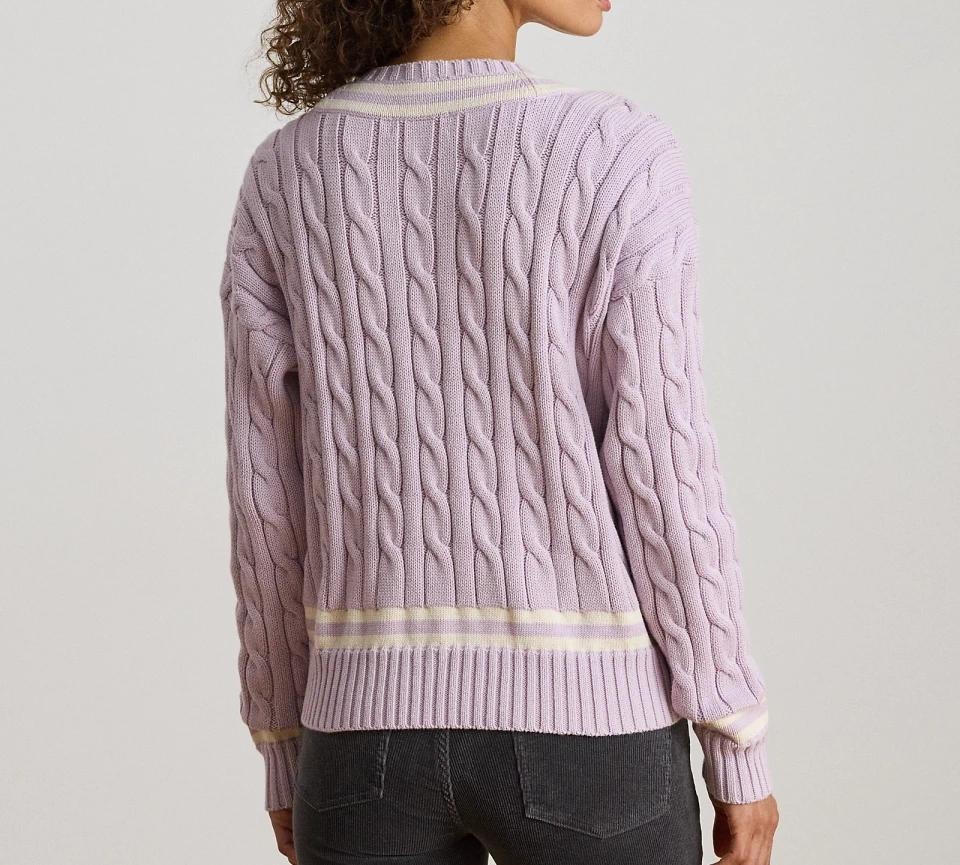
Source and manufacture turtleneck sweaters in cashmere, merino wool, wool blends and other sweater constructions for bulk programs. Development covers gauge, hand feel, neckline structure, fit balance, size grading, labels and coordinated knitwear colorways.
Request a Quote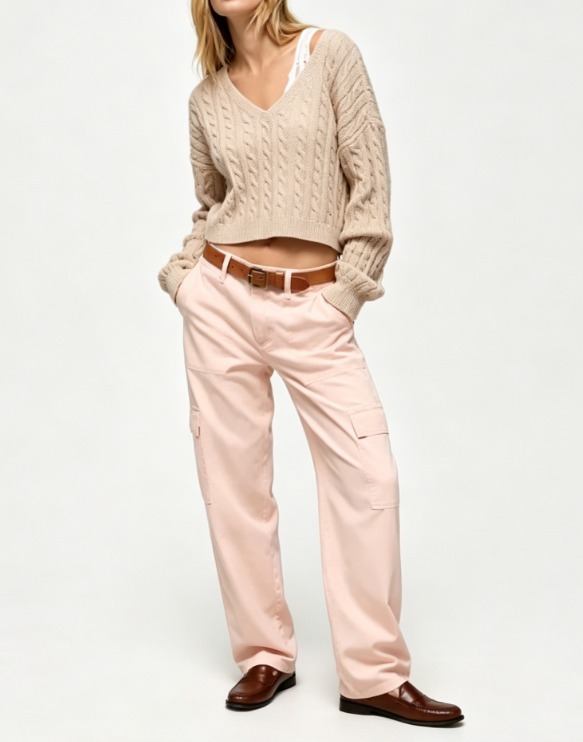
Custom Jackets
Manufacture custom jean jackets in denim and stretch denim with tailored body proportions, wash development and durable construction. Add branded buttons, patches, embroidery, printing, distressing and private-label trims for men’s, women’s or unisex collections.
Request a Quote
Custom Sweatshirts & Crewnecks
Develop custom crewneck hoodies, sweatshirts and crewnecks in fleece, French terry or jersey. Pattern teams refine shoulder, sleeve and body balance for standard, oversized and extended-size fits, then manage decoration and branded finishing.
Request a Quote
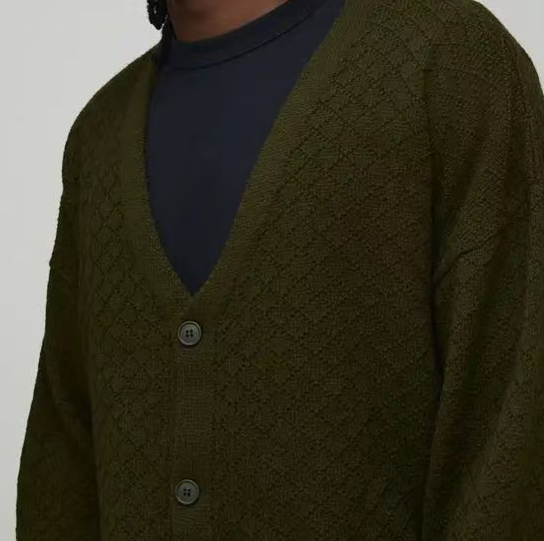
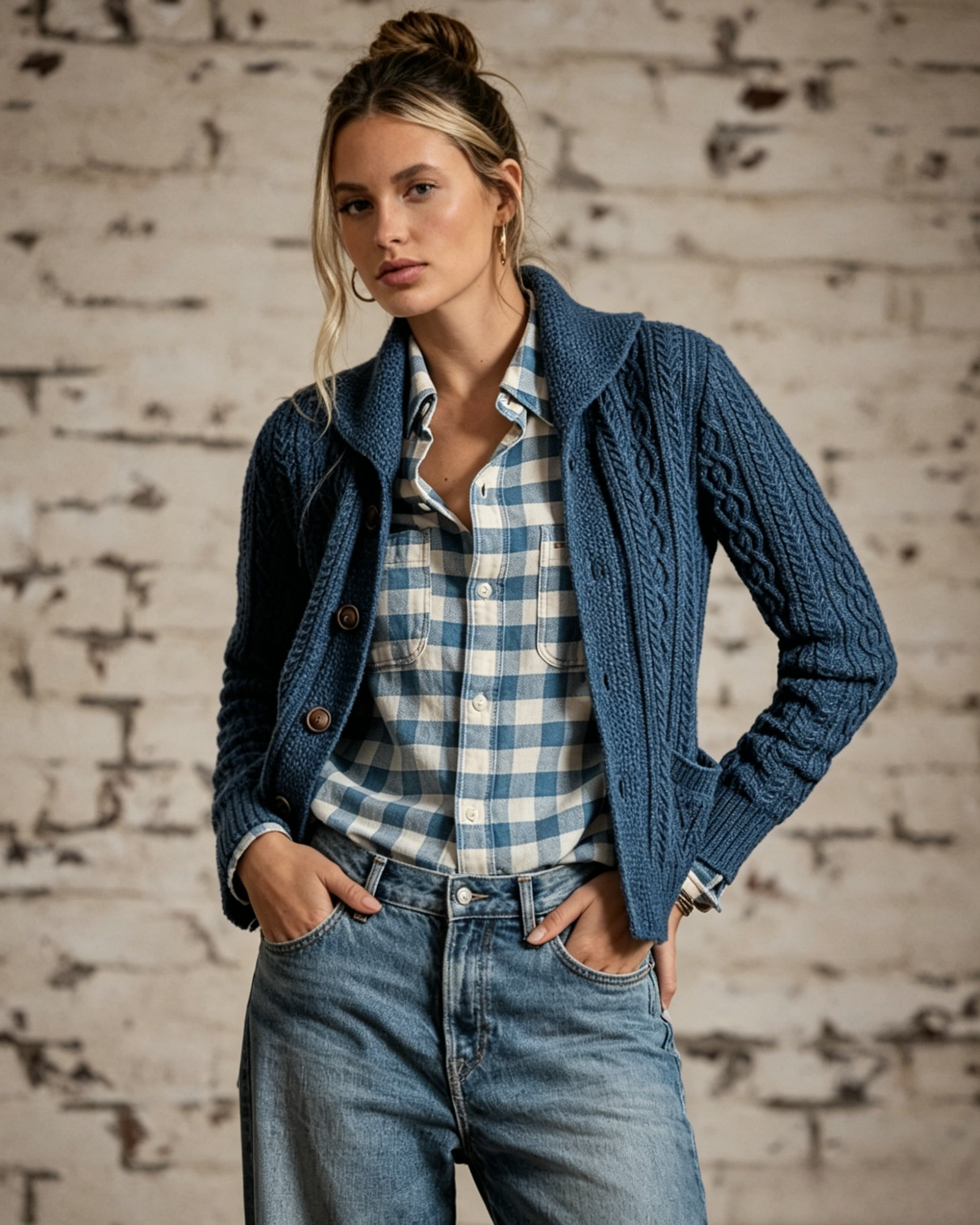
Custom Cardigans
Produce custom cardigans in cashmere, merino, wool blends and knit constructions selected for weight, drape and durability. Support includes button and placket development, size grading, custom labels, knit color matching and coordinated sweater programs.
Request a Quote
Custom Puffer & Down Jackets
Manufacture custom puffer jackets with fabric, insulation, quilting and hardware selected around target warmth, weight and cost. Development includes fit sampling, branded zippers, labels, reflective details, packaging and export-ready final inspection.
Request a Quote
Custom Denim Shorts
Produce custom jean shorts in rigid or stretch denim with controlled inseam, rise and leg opening for men’s, women’s or unisex lines. Washing, distressing, hardware, embroidery, patches and private-label details are managed in one workflow.
Request a Quote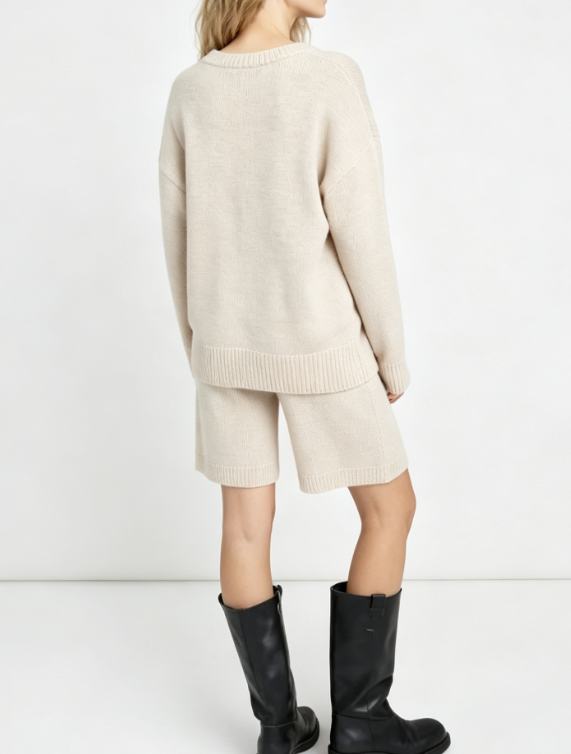
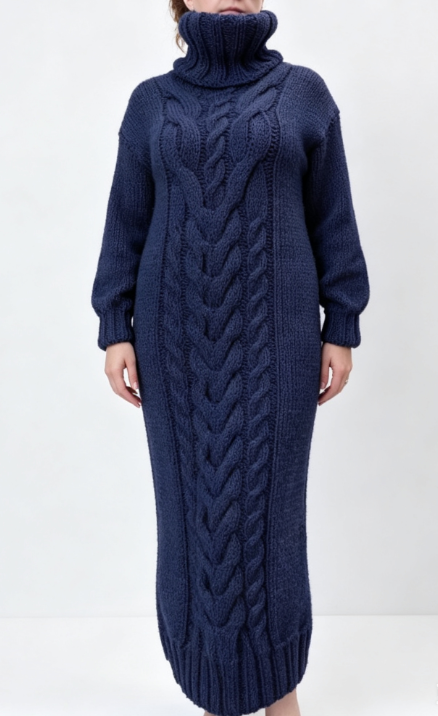
Custom Sweater Dresses
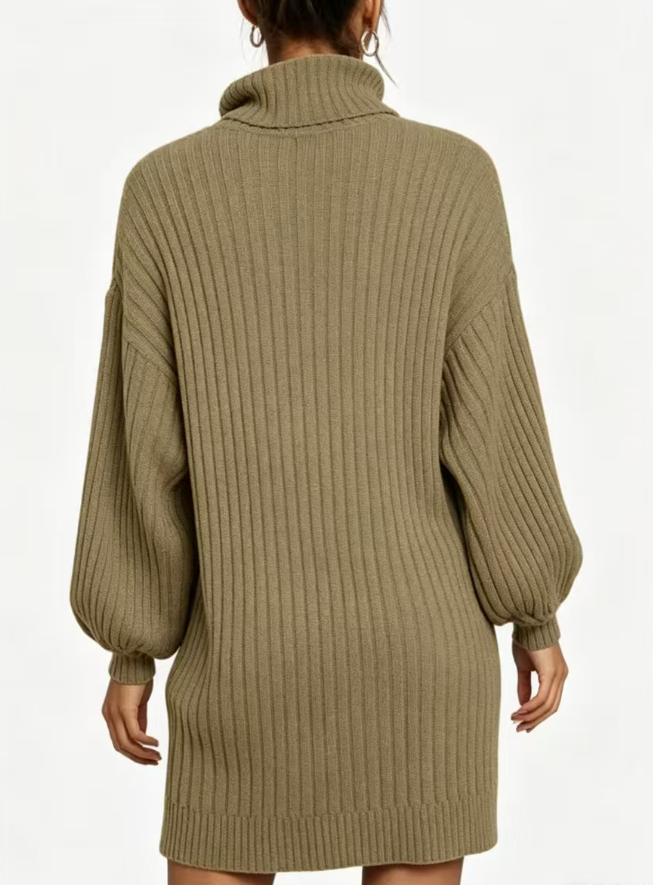
Develop custom sweater dresses in cashmere, merino, wool blends or other knit constructions. Pattern makers refine body length, sleeve balance, shaping and XS–3XL grading, while production supports labels, trims and coordinated seasonal colorways.
Request a Quote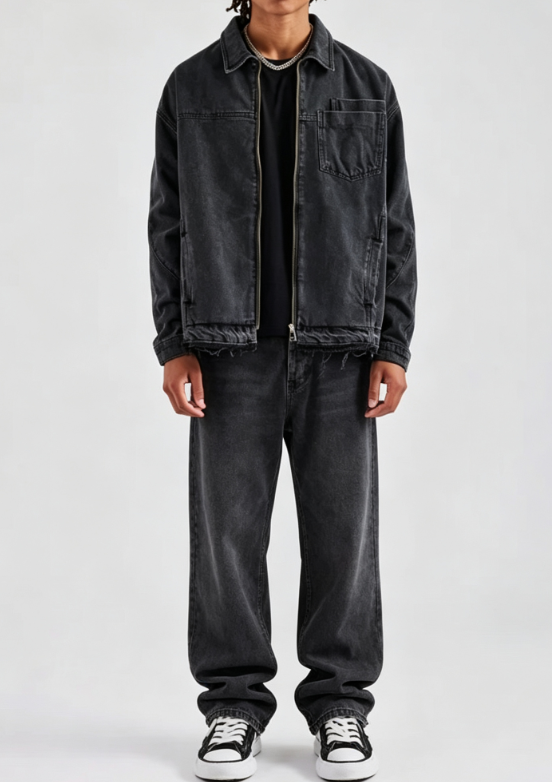
Custom Denim Sets
Manufacture men’s denim suits wholesale, including coordinated denim jackets and jeans developed for consistent wash, shade and fit. Programs can include custom hardware, patches, embroidery, private labels and scalable replenishment production.
Request a Quote
Custom Polo Shirts
Produce custom polo shirts in piqué, jersey or performance knits with collar, placket and sleeve specifications built to your brand standard. Support includes embroidery, printing, color matching, extended-size grading, labels and bulk production.
Request a Quote
Custom Sweatpants
Manufacture custom sweatpants in fleece, French terry or jersey with fit development for rise, taper, cuff and mobility. Add custom waistbands, drawcords, pockets, embroidery, printing, labels and coordinated hoodie or crewneck programs.
Request a Quote
Custom Shorts
Produce custom shorts in jersey, fleece, twill, woven or performance fabrics for casualwear and active-inspired collections. Development covers inseam, waistband, pocket construction, fit grading, decoration, labels and private-label packaging.
Request a Quote
Custom Pullovers
Develop custom pullovers in cashmere, merino wool, wool blends, fleece or knit constructions based on intended hand feel and use. Junsheen supports neckline and fit development, XS–3XL grading, decoration, labels and scalable bulk production.
Request a QuoteCashmere & Merino Wool Fabric Options for Premium Knitwear

Pure Cashmere
Exceptionally soft, lightweight knitwear for premium sweaters, cardigans, and scarves. Fine cashmere fibers create a warm, lofty hand feel with excellent insulation; Junsheen can align yarn count and knit gauge with the intended silhouette.

Merino Wool
Breathable, naturally temperature-regulating wool for refined pullovers, base layers, and versatile knit sets. Its finer fiber diameter delivers a smoother hand feel and reduced itch, while natural elasticity supports shape retention.

Cashmere Merino Blend
A balanced luxury yarn for sweaters, dresses, and elevated loungewear. Cashmere adds softness and warmth, while merino improves resilience and everyday wearability; blend ratios can be selected to suit cost, drape, and hand-feel targets.

Wool Silk Blend
Polished, fluid yarn for lightweight tops, fine-gauge cardigans, and premium layering pieces. Silk adds subtle luster and a smoother touch to wool, creating breathable knitwear with elegant drape and a more refined surface.

Wool Cotton Blend
Comfortable trans-seasonal yarn for casual sweaters, polos, and knit sets. Cotton gives wool a cleaner, drier hand feel and improved warm-weather comfort, while wool retains warmth and dimensional texture in midweight constructions.

Wool Nylon Blend
Durable performance-oriented yarn for outer layers, structured cardigans, and repeat-wear knitwear. Nylon reinforces abrasion resistance and recovery, helping garments maintain shape through use while wool provides warmth, breathability, and natural texture.
Cashmere & Merino Wool Fabric Decoration and Finishing

Fine Logo Embroidery
Precision logo embroidery adds tactile, long-lasting branding to wool-blend garments. Our team recommends suitable backing, thread density and stitch placement to preserve fabric drape while delivering a clean, premium finish.

Chain Stitch Embroidery
Chain stitch creates dimensional, heritage-inspired artwork with a handcrafted character. It is well suited to select wool-blend sweaters, cardigans and outerwear where decorative texture can complement the garment without overwhelming its refined surface.

Low-Impact Screen Printing
Carefully selected screen-print applications deliver sharp logos and controlled color coverage on compatible wool-blend styles. We review fabric composition, stretch and placement before sampling to support adhesion, flexibility and a balanced hand feel.

Custom Patch Application
Woven, embroidered, leather-look and custom patches provide a durable private-label focal point. Placement and attachment methods are assessed during development to maintain garment structure and create a polished branded result.

Softening and Finishing
Finishing treatments can refine surface softness, reduce roughness and improve the finished hand of selected wool-blend garments. Junsheen evaluates wash compatibility during sampling so the intended appearance and garment measurements remain controlled.
Private-Label Accessories for Cashmere & Merino Wool Fabric Apparel

Woven Brand Labels
Custom woven main, size and wash-care labels give cashmere and merino wool garments a polished private-label identity. JUNSHEEN matches label material, fold style, colors and placement to sweaters, cardigans and premium knitwear.

Custom Hang Tags
Branded hang tags communicate collection details, fiber stories, care guidance and retail presentation at the point of sale. Choose custom shapes, finishes, strings and printed information for wholesale-ready wool-blend apparel.

Zippers and Snaps
Select zippers, snap buttons and closures that complement knit jackets, zip cardigans and outerwear layers. We coordinate finishes, pullers, logo options and functional placement to support reliable wear and a consistent brand look.

Drawcords and Tipping
Custom drawcords, metal tips and color-matched tipping add functional detail to wool-blend hoodies, pullovers and casual knitwear. Options are reviewed for hand feel, durability and alignment with your garment specification.

Rib Trim Details
Coordinated rib cuffs, hems, collars and neck trims help maintain shape while giving knitwear a refined finish. Our team aligns yarn blend, gauge, stretch recovery and color to your approved cashmere-merino garment design.
Branded Packaging
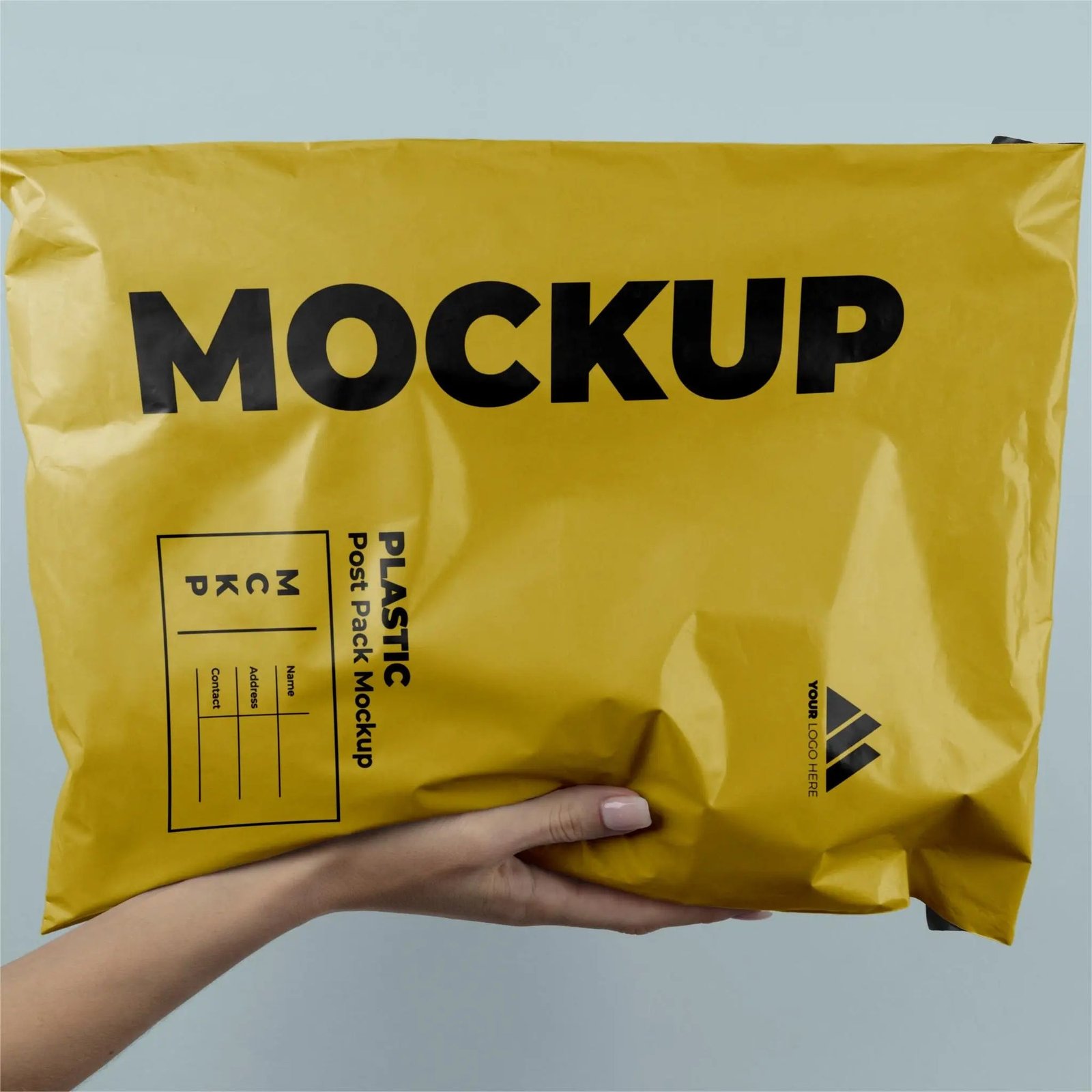
Finish each order with custom polybags, tissue, stickers, inserts or retail-ready boxes carrying your branding. Packaging is specified around garment protection, folding requirements, export handling and the unboxing experience your customers expect.
About JUNSHEEN Cashmere & Merino Wool Fabric
Founded in 2010 in Humen Town, Dongguan, JUNSHEEN helps fashion brands turn premium knitwear concepts into production-ready collections. Our cashmere & merino wool fabric manufacturing support combines OEM, ODM and private-label development with practical sourcing, sampling and export coordination for global brands.
More than 200 skilled workers support cut-and-sew and knitwear production, with monthly capacity exceeding 80,000 units. From 100 units per style and color, we serve emerging labels, retailers and established sourcing teams in markets worldwide with scalable quality control and dependable delivery.
Our difference is a fit-first development process. JUNSHEEN refines patterns and grading from XS to 3XL, including extended-size, plus-size and modern oversized silhouettes, then pairs the approved fit with fabric, trims, decoration, finishing and branded packaging managed through one supply chain.

Cashmere & Merino Wool Fabric Core Capabilities
Fit-Focused XS–3XL Grading
JUNSHEEN develops cashmere and merino knitwear with proportion-led grading from XS through 3XL, refining shoulder balance, sleeve length, body shape and movement instead of simply scaling a base pattern.
- Normal, extended-size, plus-size and oversized fits
- Pattern making, grading and size-set review
- Sampling support to reduce bulk-production revisions

Product Development for Knitwear
Bring a tech pack, sketch, reference garment or early concept. Our development team reviews feasibility, recommends yarns and constructions, builds specifications and prepares production-ready samples for cashmere & merino wool fabric apparel.
- OEM, ODM and private-label development
- Yarn, gauge, hand-feel and cost guidance
- Prototype and pre-production approval support
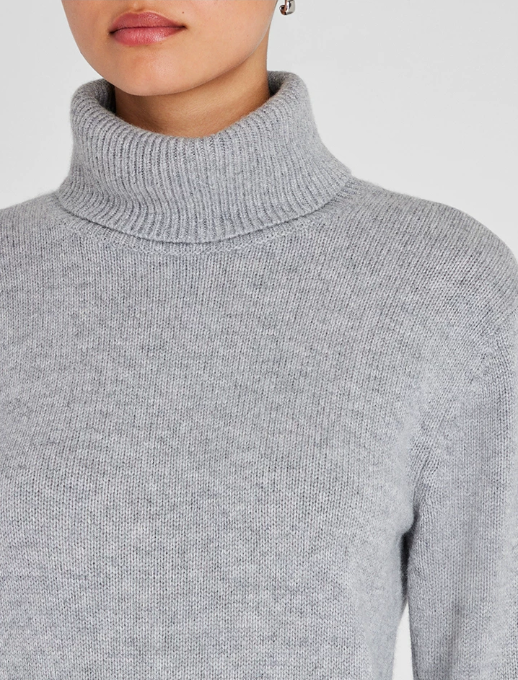
Integrated Production Control
From sourced materials through knitting, assembly, measurement checks and final packing, JUNSHEEN manages critical production stages in one coordinated supply chain for dependable quality and scalable global delivery.
- 200+ skilled workers and 80,000+ monthly units
- Incoming, in-line and final quality inspections
- Low MOQs from 100 units per style and color

Branded Finishing, Ready to Launch
Turn approved knitwear into a complete retail program with custom labels, hang tags, trims, packaging and selected embroidery or finishing details, coordinated to your brand standards before export shipment.
- Woven, leather, main, size and care labels
- Custom buttons, zippers, drawstrings and packaging
- Global export support for growing collections
Why Choose JUNSHEEN for Cashmere & Merino Wool Fabric
Built for dependable sampling, fit approval and repeatable wool-blend production.
← 左右滑动查看 →
Cashmere & Merino Wool Fabric Production Process
A clear, fit-focused workflow for developing premium wool-blend apparel from first review through export-ready delivery.
Review Specs and Feasibility
Our team reviews your tech pack, sketch or reference garment, confirms construction requirements, target cost, 100-unit MOQ and production feasibility.
Source Materials and Trims
We recommend cashmere and merino wool fabric blends, yarns, labels and trims based on hand feel, weight, durability, wash performance and budget.
Develop Patterns and Samples
Pattern makers refine XS–3XL grading, proportions and mobility, then produce prototype samples and size sets for your approval before bulk.
Produce and Finish Bulk
Approved orders move into knitting or cut-and-sew production, with coordinated decoration, washing, finishing and private-label assembly as specified.
Inspect Pack and Ship
Multi-stage quality checks verify materials, construction, measurements, fit and packed goods before branded packaging, final balance and global shipping.
Work With Our Cashmere & Merino Wool Fabric OEM Team
Move from concept to approved production with clear technical review, sampling, quality control and global shipment support.
Send Your Design Brief
Share a tech pack, sketch, reference garment or mood board. Our team reviews knit construction, target fit, materials, branding details and 100-unit MOQ feasibility.
Confirm Materials and Quote
Select cashmere and merino wool fabric options, trims and finishes with our sourcing team. Receive a clear quotation, development guidance and production timeline.
Approve Your Samples
We create patterns, grade XS–3XL when required and produce samples for fit, hand feel and workmanship review before bulk specifications are finalized.
Launch Bulk Production
After approval, JUNSHEEN manages knitting or cut-and-sew production, private-label details, in-line inspections and final quality control across your confirmed order.
Receive Your Finished Order
Finished garments are packed to your requirements and prepared for global shipment. Retained patterns and material records support faster, more consistent repeat programs.
Custom Clothing Manufacturer Credentials and Compliance Documents



Client Results With Cashmere & Merino Wool Fabric
Approved case-study copy pending: document how Junsheen refined the size set from XS to 3XL, reduced sample revisions from [X] to [Y], and supported launch-ready production of [approved quantity] wool-blend pieces.
Approved case-study copy pending: confirm the final cashmere-merino blend, target garment weight, and lead-time result for a [approved quantity]-unit knitwear order before publishing this customer testimonial.
Approved case-study copy pending: capture the measurable repeat-order outcome, including the number of reordered styles, approved quality metrics, and private-label details delivered for the customer’s wool-blend collection.
Cashmere & Merino Wool Fabric OEM FAQ
Clear answers on minimums, sampling, sourcing, quality control, payment and delivery for custom wool-blend apparel programs.
What is the MOQ for cashmere & merino wool fabric apparel?
How long does a cashmere & merino wool fabric sample take?
How much does cashmere & merino wool fabric sampling cost?
Can JUNSHEEN source custom cashmere and merino wool blends?
How do you check quality for wool-blend knitwear orders?
What payment terms do you offer for OEM orders?
Do you ship cashmere & merino wool fabric garments internationally?
How does JUNSHEEN protect my designs and private-label details?
Complete Buyer’s Guide to cashmere & merino wool fabric
Use this decision framework to compare fiber quality, fabric construction, customization possibilities, supplier capabilities, and pricing—while avoiding the sourcing mistakes that compromise consistency, durability, fit, and brand margins.
1. What Is cashmere & merino wool fabric?
Cashmere comes from the fine undercoat of cashmere goats, while merino wool comes from Merino sheep; they are separate animal fibers with different cost, resilience, and surface character. Cashmere is valued for an exceptionally soft, lofty hand and high warmth relative to weight, whereas merino typically offers better elastic recovery and everyday abrasion tolerance. 18.5–19.5 microns is a common fine-merino range, while cashmere is often selected for very fine down fibers; micron alone does not establish garment quality. Buyers should also ask for fiber content, yarn count, ply, knit gauge or woven construction, fabric weight, finishing, and test requirements, because a supplier’s cashmere & merino wool fabric label may describe a pure fiber fabric, a cashmere-merino blend, or wool blended with nylon, silk, viscose, or recycled fibers. 150–350 GSM knit fabrics in this category are commonly developed into pullovers, cardigans, sweater dresses, base layers, scarves, and refined casualwear; woven versions can serve lightweight tailoring, overshirts, and outerwear. Both fibers can buffer humidity and retain warmth while remaining breathable, but the final moisture management, pilling resistance, shape retention, and care profile depend heavily on blend ratio, yarn spinning, stitch density, and finishing.
2. Evolution of Luxury Wool Textiles
Cashmere entered global luxury trade through the fine undercoat collected from goats raised across Mongolia, China and Central Asia; Merino developed from sheep-breeding programs centered in Spain before becoming a major Australian and New Zealand export fiber. By the 19th century, spinning advances made both fibers practical for finer-gauge hosiery, knitwear and tailored layers, turning regional raw materials into internationally recognizable premium categories. Since the 1950s, fully fashioned sweaters and later seamless knit technologies have widened wool’s role from formal knitwear to lightweight polos, base layers and travel apparel. Merino’s natural odor resistance, moisture management and temperature buffering helped performance brands reposition it against synthetics, while cashmere remained a signal of softness, rarity and elevated retail pricing. Today, buyers are expected to verify country or region of origin, fiber content, lot traceability and welfare controls before approving a cashmere & merino wool fabric program. Request transaction certificates where applicable, test reports for pilling, shrinkage and colorfastness, and credible standards such as the Responsible Wool Standard, Good Cashmere Standard, OEKO-TEX Standard 100 or GOTS when the fiber and processing route qualify. For a 100-unit OEM launch, premium positioning depends less on an unqualified ‘cashmere’ claim than on a clear blend declaration, gauge and yarn specification, hand-feel benchmark and documented sourcing story. JUNSHEEN can coordinate swatches, sample garments and supplier records so brands can compare cost, durability and provenance before confirming bulk materials.
3. Types of cashmere & merino wool fabric
Six fiber specifications cover most premium knitwear briefs, but their behavior differs before the first sample is knitted. Compare hand feel with resilience, warmth, and abrasion demands instead of treating every soft yarn as interchangeable.
| Type | Hand Feel | Recovery | Warmth | Best Categories |
|---|---|---|---|---|
| Pure cashmere | Cloud-soft, lofty | Moderate | Very high | Luxury pullovers, scarves |
| Pure merino | Fine, resilient | High | High | Polos, base layers, dresses |
| Cashmere-merino | Soft, balanced | Good | High | Cardigans, premium crews |
| Wool-silk | Smooth, fluid | Moderate | Medium | Fine-gauge tops, dresses |
| Wool-cotton | Dry, casual | Good | Medium | Transitional polos, sweaters |
| Recycled wool | Textured, variable | Moderate | High | Outer layers, heritage knits |
Pure Cashmere And Merino

100% cashmere delivers the softest, loftiest hand and high warmth at low weight; it suits refined pullovers, cardigans, scarves, and limited-run luxury layers. 100% merino offers stronger elastic recovery and better everyday durability, making it the safer choice for fitted sweaters, polo knits, base layers, and frequent-wear dresses.
Cashmere-Merino Luxury Blends

70/30 or 90/10 merino-cashmere blends retain cashmere softness while improving shape recovery and wear resistance. Specify them for premium crewnecks, ribbed cardigans, and travel-oriented knitwear. 10–30% silk adds smoothness, sheen, and drape to wool blends, but reduces the bulky warmth expected from brushed cashmere constructions.
Cotton And Responsible Options

Cotton-wool blends feel cooler, more casual, and less lofty than all-wool yarns; they work well for transitional sweaters, knit polos, and lightweight overshirts. Recycled wool lowers virgin-fiber demand, while responsible-wool specifications should be documented through the selected supplier’s certification scope. Use recycled options where texture and durability matter more than a pristine, ultra-soft surface.
4. cashmere & merino wool fabric Materials
Fiber specifications determine whether cashmere & merino wool fabric reads as lightweight luxury, resilient daily knitwear, or structured outerwear. For sampling, compare fiber, yarn, construction, and finished weight together before approving hand feel.
| Specification | Expected Feel | Performance | Cost Level | Recommended Use |
|---|---|---|---|---|
| 100% cashmere, 15–16.5µ, 2/26 Nm | Cloud-soft, lofty | Warm; lower abrasion resistance | Premium | Luxury sweaters, scarves |
| 100% Merino, 17.5–19.5µ, 14–18 gauge | Smooth, fine | Breathable, elastic | Mid-premium | Base layers, fine cardigans |
| 70/30 cashmere-merino, 2-ply, 7–12 gauge | Soft with spring | Better shape retention | Premium | Sweaters, cardigans |
| Wool-rich woven, 300–550 GSM | Dense, structured | Wind-resistant, durable | Mid to premium | Outerwear |
Fiber Grade And Length

Cashmere at 14.5–16.5 microns feels exceptionally soft, while 16.5–19 microns usually offers better durability and cost control. Staple lengths near 32–38 mm help spinning strength and reduce short-fiber shedding. Merino at 17.5–19.5 microns suits next-to-skin styles; 20.5–23 microns better supports hard-wearing sweaters. Request micron tolerance and fiber-content documentation with bulk swatches.
Blend Ratios And Yarn
A 70/30 cashmere-merino blend balances cashmere softness with merino recovery, while nylon or silk at 5–20% can improve abrasion resistance or sheen. Confirm the percentage by weight, not a marketing blend name. Two-ply 2/26 Nm yarn generally produces a more stable sweater than single-ply yarn. Higher ply improves resilience but adds weight, bulk, and yarn cost.
Construction And Weight

Seven- to 12-gauge knitting suits sweaters and cardigans; 14–18 gauge creates finer base layers and lightweight scarves. Gauge must match yarn count, stitch density, and intended stretch. Knit fabrics commonly run 180–450 GSM, whereas woven wool is often 250–550 GSM for coats and tailored outerwear. Wash testing should confirm shrinkage, pilling, and dimensional recovery.
5. Customization and Branding Options
100-unit programs can carry premium branding when every detail is tested on the approved knit swatch. For cashmere & merino wool fabric, develop color, decoration, and packaging together so the hand feel and fit remain intact.
| Detail | Best Use | Key Risk | Control |
|---|---|---|---|
| Mélange yarn | Depth and heathered color | Lot variation | Approve bulk yarn card |
| Jacquard | Repeating logos | Float snagging | Limit float length |
| Intarsia | Large graphic blocks | Tension imbalance | Sample at production gauge |
| Embroidery | Small brand mark | Distortion and pilling | Use stabilized placement |
Color And Knit Effects

Pantone lab dips should be approved under daylight and store lighting before yarn is committed; wool lots can shift subtly between dye batches. Mélange yarns soften visual variation, while jacquard and intarsia place graphics within the knit rather than on its surface.
- Use yarn-dyed stripes for stable color placement.
- Reserve intarsia for larger, clean-edged motifs.
- Match replacement yarn to the approved bulk lot.
Decoration And Trims

3-8 cm embroidery zones are usually safest on stable plackets, cuffs, or reinforced chest areas. Dense embroidery, oversized patches, and heavy metal hardware can distort fine gauges or create abrasion that accelerates pilling.
- Specify backing and stitch density on samples.
- Keep embroidery away from high-stretch panels.
- Choose smooth zipper tape and low-profile labels.
Fit, Labels, And Packaging

XS-3XL size grading needs separate review for shoulder balance, sleeve length, and body ease; simply enlarging a base pattern weakens premium fit. Soft woven labels, printed care labels, and tissue-packed folding reduce neck irritation, snagging, and compression marks during transit.
- Confirm wash-care symbols for the final fiber blend.
- Test neck labels against bare skin.
- Pack dark colors separately from light shades.
6. Construction Quality for cashmere & merino wool fabric
Construction defects often emerge after the first three washes, not at final inspection. For cashmere & merino wool fabric, longevity depends on yarn preparation, knit structure, controlled finishing, and documented test results before bulk approval.
Yarn And Knit Control

Two approved yarn cones should be checked for fiber blend, color consistency, count, twist direction, and visible contamination before knitting. Uneven twist can create spirality, harsh hand feel, or inconsistent pilling across lots. Seven- to 12-gauge sweater programs require gauge, stitch density, and garment weight to match the approved sample. Buyers should compare measured courses and wales per 10 cm against the production specification.
Assembly And Recovery

Fully fashioned panels should use clean linking at shoulder, side, and armhole joins, with no dropped stitches or excessive seam bulk. High-stress areas, including pocket corners and plackets, need specified reinforcement. Three stretch-and-recovery cycles are a practical rib check for cuffs, necklines, and hems. Measure recovery after relaxation; ribs that stay visibly expanded will shorten the garment’s usable life.
Tests And Approval Evidence
One pre-production sample and one size-set sample should be washed using the agreed care method before bulk release. Record shrinkage, skew, color change, seam appearance, and measurements after drying and conditioning. ISO 12945 pilling results, dimensional-stability reports, fiber-content documentation, and final inspection records give buyers evidence beyond a factory photo. Approve tolerances, wash method, and acceptable pilling grade in writing.
- Approved yarn and fabric swatches
- Washed pre-production garment
- Graded measurement report
- Pilling and shrinkage test reports
7. How to Choose a Wool Manufacturer
A 100-unit MOQ tests more than price: it exposes whether a factory can control yarn, fit, sampling, and inspection without treating a premium wool order as an exception. Compare documented operating systems, not only swatches or a sales quotation.
Verify Development Depth
100 units per style and color is a workable entry point only when the supplier can translate a tech pack, sketch, or reference into patterns, graded size sets, and a production-ready sample. 2 sampling rounds are common for custom knitwear; ask who approves measurements, stitch density, shrinkage testing, and fit changes before bulk authorization.
- Can you grade XS–3XL without simply enlarging patterns?
- Which yarn count, gauge, and stitch construction do you recommend?
- What is the sample timeline and revision cost?
Demand Yarn Traceability
100% cashmere, merino blends, and recycled-wool claims require yarn specifications showing fiber composition, count, origin or spinner, color lot, and test results. Request retained swatches and bulk shade-band approval, because lab dips alone do not prove lot consistency. OEKO-TEX, GOTS, RWS, WRAP, or BSCI documents should be current, scope-specific, and independently verifiable when they are relevant to your claim or market.
- Who is the spinner and what is the yarn composition?
- Can you supply test reports and transaction certificates?
- How are color-lot substitutions approved?
Audit Production Control
80,000-plus monthly units can support repeat programs, but capacity matters only if knitting, linking, washing, decoration, and packing are scheduled against a confirmed critical path. Ask for the standard sample-to-bulk lead time, peak-season cutoff, and named production contact. 4 checkpoints—incoming yarn, in-line measurements, finishing, and packed-goods inspection—should be visible in the quality plan. Confirm whether you may use AQL inspection, receive measurement reports, or appoint a third-party inspector before balance payment.
- What AQL level applies to final inspection?
- Which defects trigger rework or replacement?
- Can an independent inspector access packed goods?
8. Common Wool Sourcing Mistakes
A 100-unit launch can fail commercially when wool specifications are treated as sample details rather than production controls. For cashmere & merino wool fabric, document performance, color, fit, and repeat-order requirements before approving bulk.
Price Without Fiber Proof

A lower quote may conceal a different cashmere percentage, shorter-staple wool, or undisclosed nylon. Require a signed fiber-content specification, yarn count, blend ratio, and testable labeling basis; otherwise retail claims and margin assumptions can unravel.
Untested Sample Approval
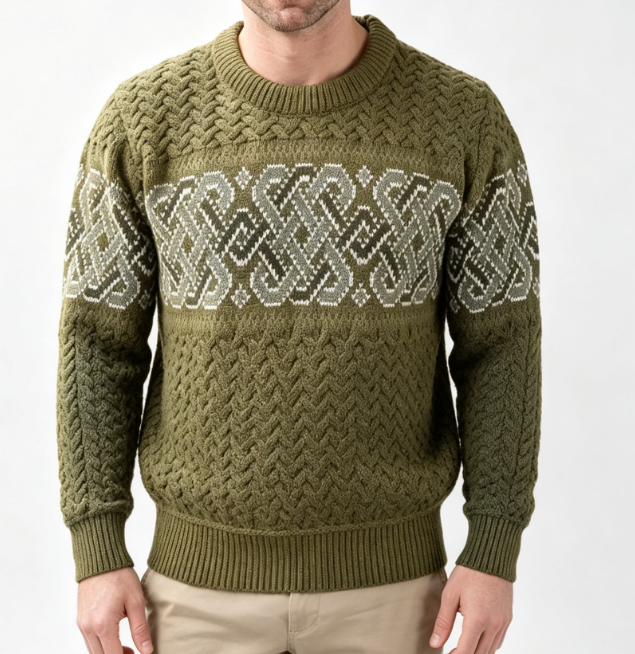
Two wash cycles can reveal shrinkage, torque, color bleed, and early pilling that a showroom sample hides. Approve a washed wear-test sample against agreed standards; missed defects create returns, rework, and delayed launches.
Color And Weight Control

Pantone approval does not eliminate dye-lot variation, especially across replenishment yarn orders. Retain an approved swatch and define acceptable shade range, while specifying GSM with a tolerance; wrong weight changes drape, warmth, and unit cost.
Fit And Reorder Planning
A 1–2 cm measurement tolerance can materially alter sleeve and body balance in graded knitwear. Lock a measurement chart, shrinkage allowance, and size-set approval, then reserve matching yarn or define reorder lead times; otherwise repeat stock may not match the first delivery.
9. Steps to Launch a Wool Collection
A 100-unit style-and-color MOQ lets a new label validate a focused wool capsule before committing to a broad range. Build approvals into the critical path: a late fabric or fit decision can move bulk delivery by weeks.
Define The Product Brief
Week 1 should lock target customer, price point, size range, color count, seasonal delivery date, and intended retail channel. Specify whether the garment needs cashmere softness, merino recovery, machine-wash performance, or a blend that meets margin targets.
- Target retail price and landed-cost ceiling
- XS–3XL grading and fit block
- Planned colors, units, and delivery window
Select Materials And Specifications

Weeks 1–2 should convert the brief into a tech pack with garment measurements, stitch details, gauge or fabric weight, Pantone colors, labels, and packing instructions. Request swatches first; approve hand feel, shade, pilling expectations, and care requirements before reserving bulk yarn or fabric.
- Composition and yarn count
- GSM or knit gauge
- Trim, label, and packaging specs
Sample And Test The Fit
Weeks 3–5 normally cover a prototype and at least one fit revision. Review measured points, shoulder balance, sleeve length, mobility, and grading rather than approving from photos alone. Seven to fourteen days of wear testing can reveal seam stress, itch, stretching, shrinkage, and surface pilling. Approve corrections in writing and confirm the final bill of materials before the pre-production sample.
Release Bulk And Inspect
Weeks 6–10 typically include pre-production approval, bulk knitting or cutting, construction, finishing, and packing; complex yarn sourcing or multiple colors can extend the schedule. The pre-production sample is the final gate for color, measurements, decoration, labels, and wash appearance. 100% of packed goods should undergo final checks for count, workmanship, measurements, labeling, and carton marks before balance payment and shipment. Retain approved samples, patterns, graded size sets, and material records to streamline repeat orders.
10. cashmere & merino wool fabric Pricing
100 units per style and color is a practical entry point for a custom program, but a confirmed yarn quote is essential before retail pricing. The ranges below are planning figures in USD for finished knitwear; custom cut-and-sew wool garments require a separate consumption and construction calculation. 2 factors move most quotations first: fiber grade and cashmere percentage. Longer-staple, finer cashmere, extra-fine merino, tighter gauges, heavier GSM, fully fashioned shaping, intarsia, embroidery, special washes, multiple Pantone colors, and branded packaging all increase yarn loss, labor, or minimum commitments. 7–14 days is a typical development window after yarn, swatch, and specifications are approved; bulk timing begins only after sample approval and deposit. Ask the factory to separate sample charges, yarn-dye or color-lab costs, trims, labels, packaging, freight, and duties so an apparent unit-price saving does not shift cost elsewhere.
| Quantity per style/color | Indicative finished unit price, USD | Development or setup | Typical bulk lead time |
|---|---|---|---|
| 100–199 units | Merino blend $28–55; cashmere blend $48–95 | Sample $150–400; yarn/color setup may apply | 35–55 days |
| 200–499 units | Merino blend $23–45; cashmere blend $40–78 | Sample often creditable; labels $50–150 | 30–45 days |
| 500+ units | Merino blend $18–38; cashmere blend $32–68 | Color and packaging amortize more efficiently | 25–40 days |
Develop Your Cashmere & Merino Wool Fabric Collection
Send your tech pack or product idea for fit-focused sampling, private-label development and scalable production from 100 units per style and color.