Private Label Jackets From 100 Units
Develop private label jackets with fit-focused XS–3XL grading, custom fabrics, trims, decoration, and dependable global production.
Featured Products for private label jackets Development
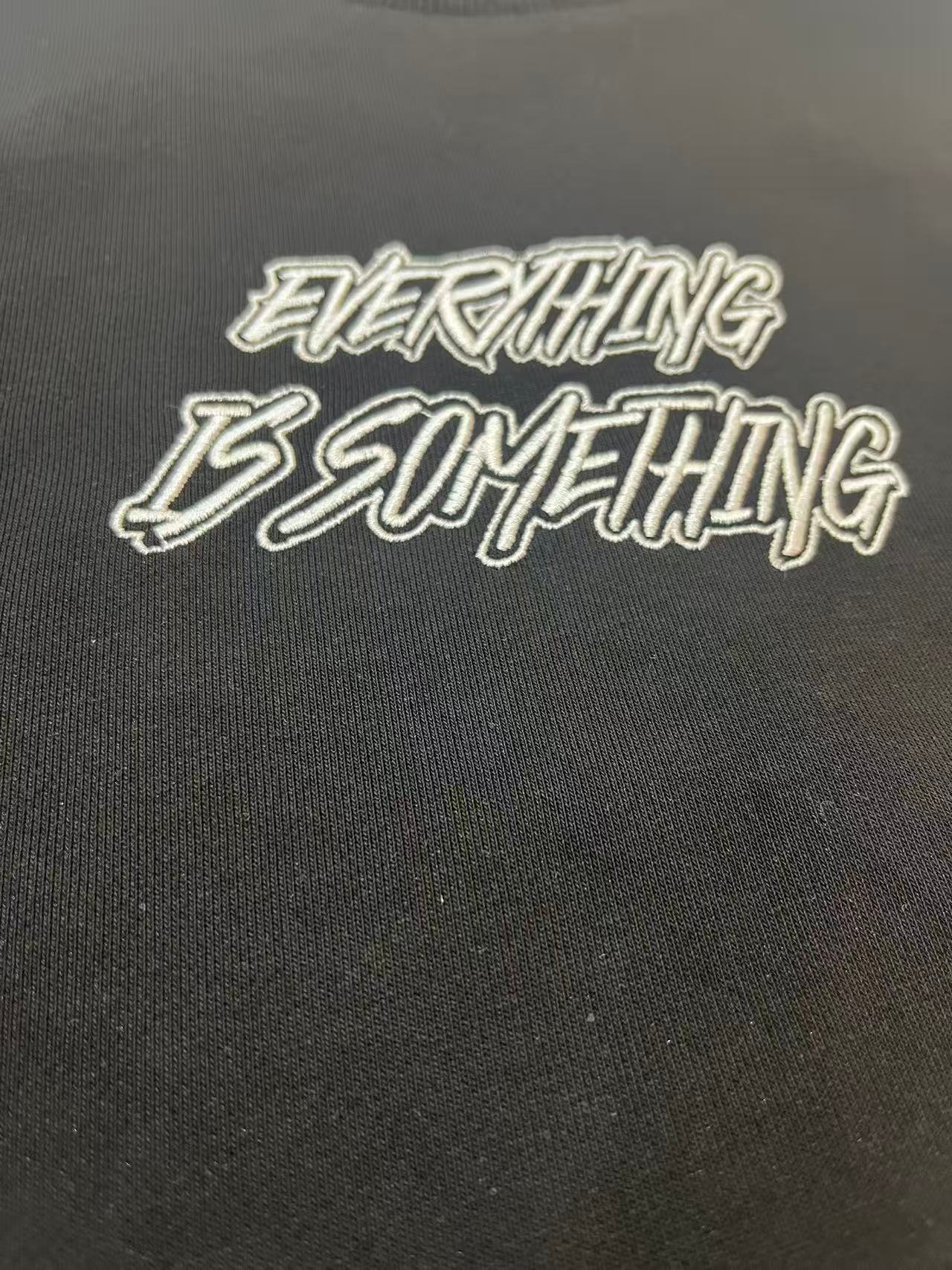


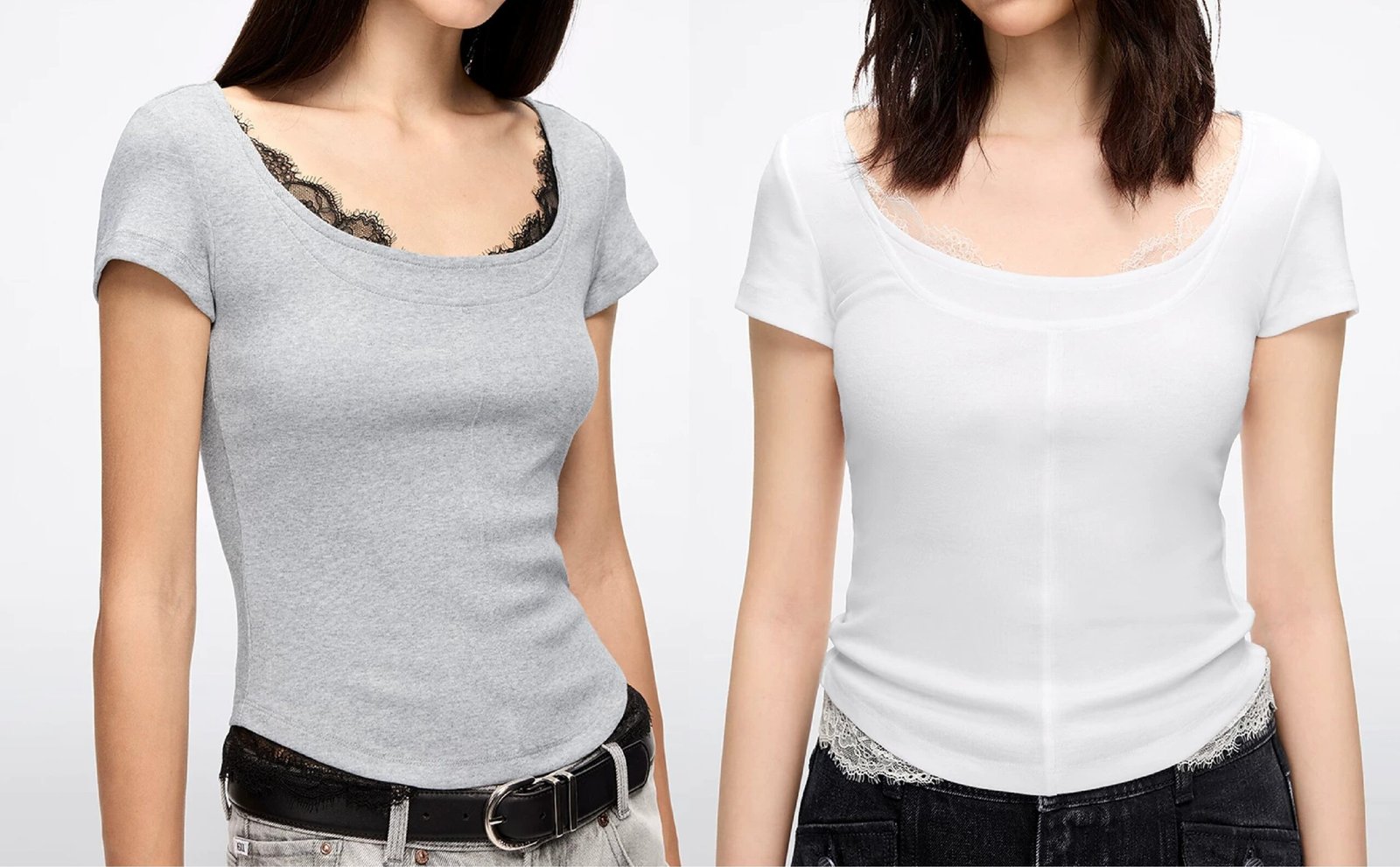


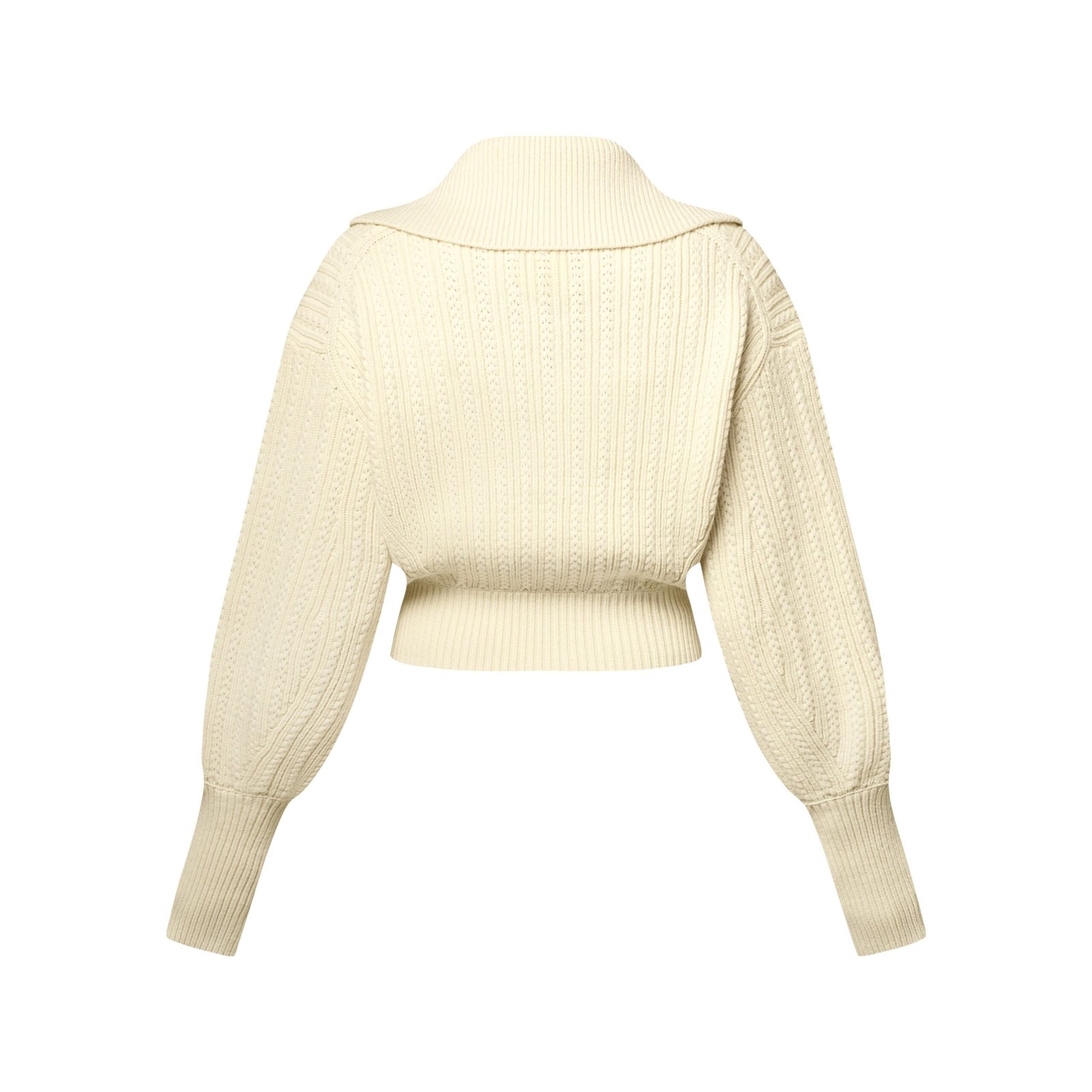


Related Product Catalogue and Quotation


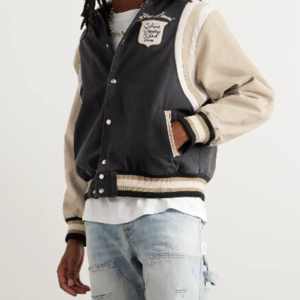

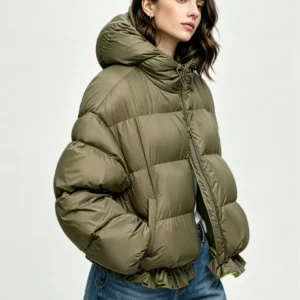


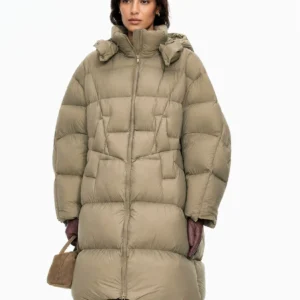


Why Brands Source Private Label Jackets From JUNSHEEN
Develop, customize, and scale jacket programs with a fit-focused manufacturing partner built for global fashion brands.
100-Unit Starting MOQ
Launch capsule collections from 100 units per style and color, with practical support for emerging labels and tested new concepts.
Fit-First XS–3XL Grading
Pattern makers refine proportions, mobility, sleeves, and grading increments for normal, oversized, extended-size, and plus-size jacket fits.
Integrated Branding Details
Add embroidery, printing, washes, custom labels, zippers, snaps, patches, trims, and branded packaging through one coordinated production supply chain.
Scalable Production Capacity
Work with 200+ skilled workers and monthly capacity above 80,000 units as successful jacket programs grow beyond initial launches.
Global Export Support
Receive clear production coordination, quality control, final packing checks, and export support for jacket orders shipping to worldwide markets.
Private-Label Jackets & Outerwear Programs
Develop coordinated casualwear and outerwear programs with fit-led sampling, low-MOQ production, and scalable private-label finishing.

Custom Hoodies
Custom hoodies developed in fleece or French terry, with oversized, standard, and extended-size grading from XS–3XL. Choose custom weights, rib trims, drawcords, pockets, embroidery, screen printing, labels, and branded packaging from a 100-unit MOQ per style and color.
Request a Quote
Custom T-Shirts
Custom T-shirts produced in cotton, Pima cotton, organic cotton, combed jersey, or performance blends. Junsheen supports fit development, fabric-weight selection, neck construction, print placement, garment washes, and private-label details for capsule drops and repeat wholesale programs.
Request a Quote
Custom Jeans
Custom jeans manufactured in rigid, stretch, and comfort-stretch denim with fit refinement across the full size range. Programs can include custom washes, distressing, hardware, pocket construction, embroidery, labels, and graded patterns built for men’s, women’s, oversized, or plus-size collections.
Request a Quote
Custom Sweaters
Custom sweaters and bulk turtleneck sweater programs developed in knit constructions selected for gauge, hand feel, warmth, and recovery. The team supports yarn sourcing, knit sampling, collar development, size grading, trims, labels, and repeat production for retail or wholesale assortments.
Request a Quote
Custom Jackets
Custom jean jackets and other jacket styles produced through cut-and-sew development, from reference garment or tech pack to approved bulk order. Specify denim weight, lining, closures, pockets, washes, embroidery, patches, branded hardware, and fit grading for XS–3XL.
Request a Quote
Custom Sweatshirts & Crewnecks
Custom sweatshirts and crewnecks developed in fleece or French terry with crewneck, hooded, cropped, oversized, and relaxed silhouettes. Production includes rib specifications, pattern development, screen printing, embroidery, washes, labels, and packaging for private-label programs.
Request a Quote
Custom Cardigans
Custom cardigans produced in suitable knit constructions with attention to button plackets, neckline shape, pocket placement, rib finish, and size consistency. Junsheen can source yarns, develop samples, apply custom labels and trims, and scale approved styles into ongoing production.
Request a Quote
Custom Puffer & Down Jackets
Custom puffer and down jacket programs developed with shell fabric, insulation, quilting, lining, hood, pocket, and closure requirements reviewed before sampling. Choose synthetic or down-fill options, branded trims, reflective details, embroidery, and graded fits for colder-weather collections.
Request a Quote
Custom Denim Shorts
Custom jean shorts produced in rigid or stretch denim with specified rise, inseam, hem treatment, pocket shape, and wash direction. Junsheen handles pattern grading, distressing, garment finishing, hardware, labels, and scalable production from 100 units per style and color.
Request a Quote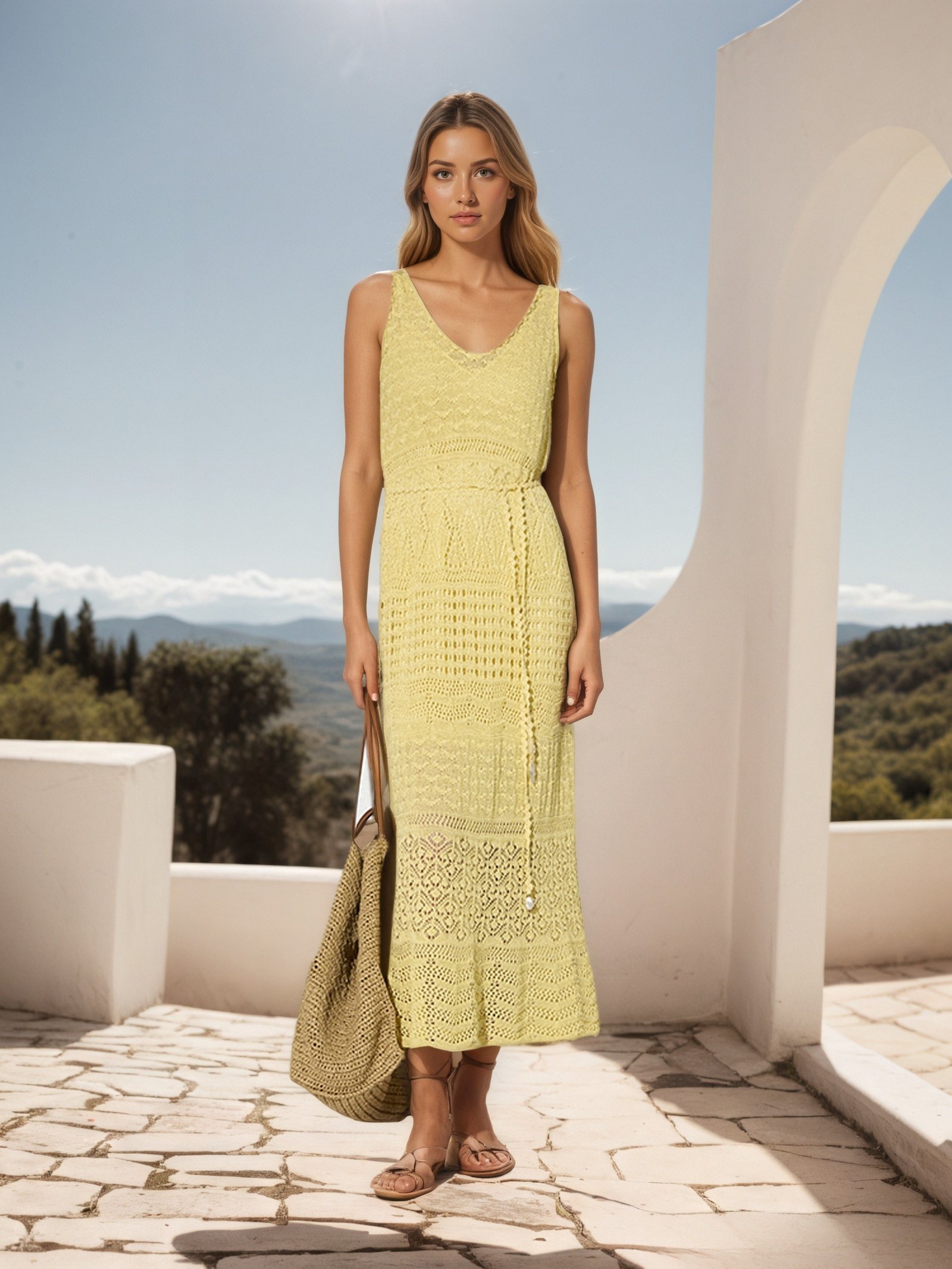
Custom Sweater Dresses
Custom sweater dresses developed in knit constructions that balance body shape, stretch, drape, and wear durability. The team supports neckline, sleeve, length, rib, and belt details, plus fit-focused grading for normal, extended, and plus-size ranges through XS–3XL.
Request a Quote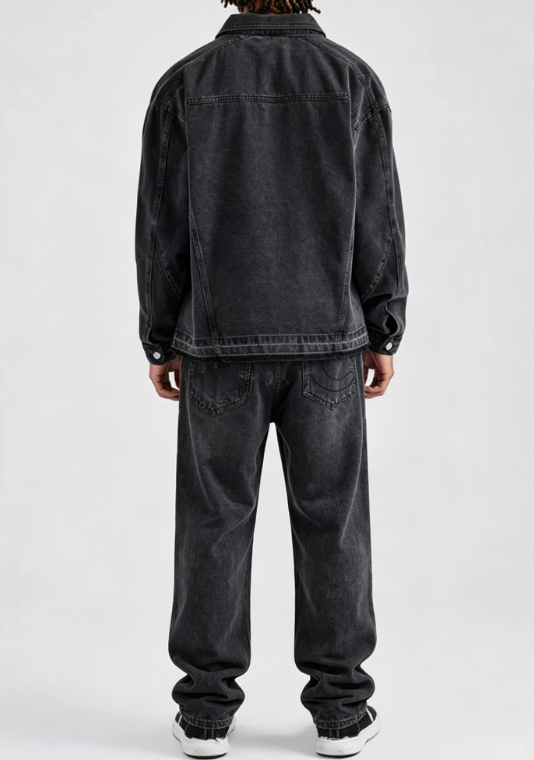
Custom Denim Sets
Men’s denim suits and coordinated denim sets manufactured with matched fabric, wash, color, and fit standards across jackets, overshirts, jeans, and shorts. Junsheen supports wholesale-ready assortments with consistent hardware, trim packages, branding, and repeat-order records.
Request a Quote
Custom Polo Shirts
Custom polo shirts produced in piqué, jersey, performance knits, or blended fabrics according to target hand feel and use. Programs include collar and placket development, embroidery, printing, contrast trims, size grading, care labels, and branded packaging for uniform or retail orders.
Request a Quote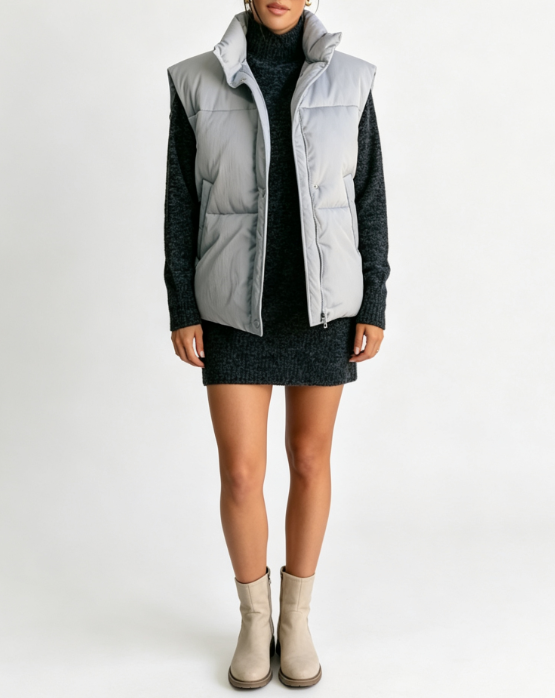
Custom Sweatpants
Custom sweatpants developed in fleece, French terry, jersey, or performance knits with jogger, straight-leg, relaxed, or oversized fits. Specify waistband construction, drawcords, cuff treatment, pockets, prints, embroidery, washes, labels, and size grading through XS–3XL.
Request a Quote
Custom Shorts
Custom shorts manufactured in jersey, fleece, twill, denim, or performance fabrics for casual, active, and fashion collections. Junsheen develops inseam, rise, pocket, waistband, and trim specifications, then manages decoration, finishing, labeling, and bulk quality control.
Request a Quote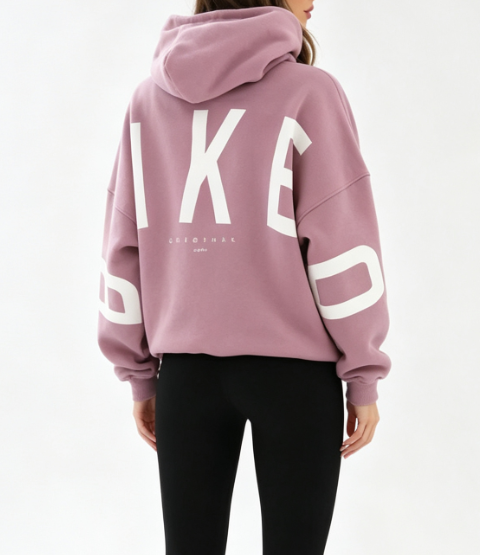
Custom Pullovers
Custom pullovers developed as knit, fleece, French terry, or woven styles based on target season and silhouette. Production support covers pattern making, fabric or yarn sourcing, neckline and zipper details, embroidery or printing, garment finishing, private labels, and export-ready packaging.
Request a QuoteMaterials for Private Label Jackets

Stretch Denim
A durable cotton-denim blend with controlled stretch and a substantial hand, ideal for trucker jackets, denim overshirts, and coordinated sets. It supports enzyme, stone, acid, and garment-dye wash treatments.

Cotton Twill
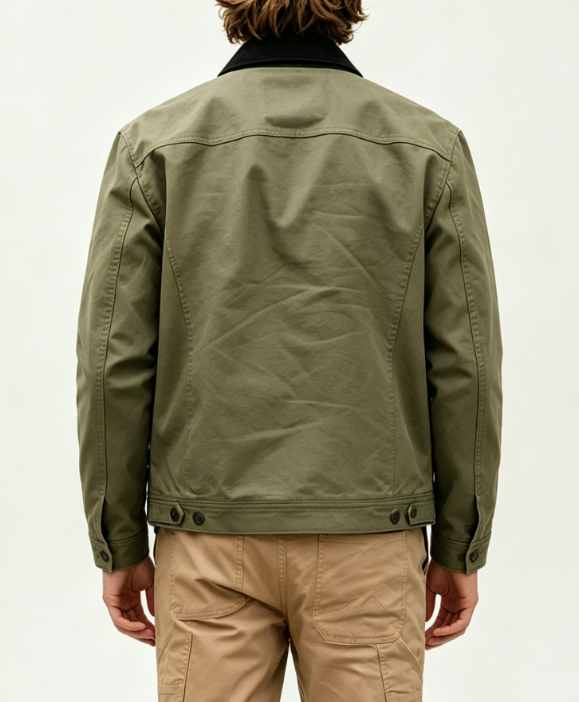
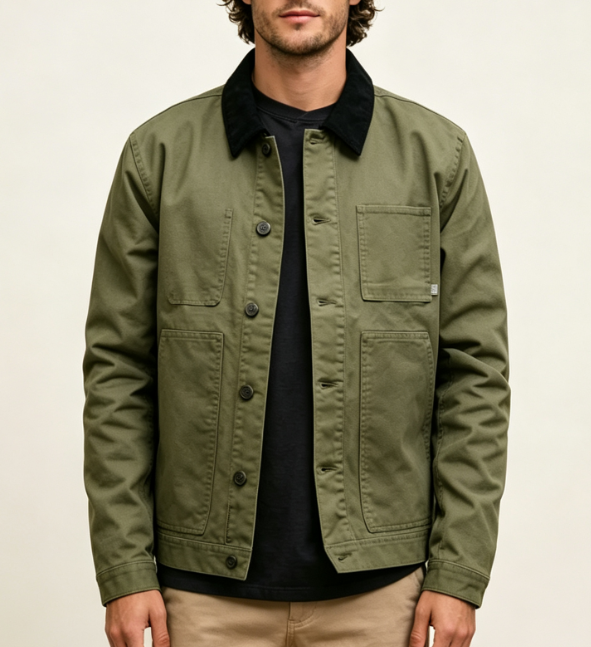
Structured and hard-wearing with a clean, matte surface, cotton twill suits workwear jackets, chore coats, and utility styles. Its diagonal weave improves abrasion resistance while maintaining dependable shape retention.

Performance Woven
Lightweight, smooth performance woven fabric is suited to active jackets, windbreakers, and travel outerwear. Available with mechanical stretch, water-repellent finishes, and quick-drying performance for movement-focused collections.

Brushed Fleece
Soft and warm with a plush brushed interior, fleece works well for zip jackets, varsity layers, and cold-weather casualwear. Weight can be specified for insulation, while anti-pilling finishing supports repeat wash performance.

Nylon Shell
Crisp, lightweight nylon delivers dependable wind resistance for puffer jackets, coach jackets, and technical outerwear. It can be paired with quilted insulation, water-repellent coating, and contrasting lining constructions.

Wool Blend
A refined, warm fabric with natural texture and tailored drape, wool blends suit bomber jackets, overshirts, and elevated outerwear. Blend ratios can balance insulation, durability, softness, and easier care requirements.
Private Label Jackets: Decoration & Finishing Options

Logo Embroidery
Flat, 3D puff, chain-stitch and applique embroidery add dimensional brand marks to jacket chests, sleeves and backs. Stabilized placement and quality thread selection help retain clean definition and long-wearing durability.

Screen Printing
Plastisol, water-based, puff, silicone, high-density, foil and discharge screen prints create bold graphics across woven, denim and casual jackets. Process selection is matched to fabric weight, artwork detail and intended wash performance.

Custom Patch Application
Woven, embroidered, leather-look and custom logo patches give private label jackets a tactile, premium identity. JUNSHEEN can coordinate patch development, placement, stitching and complementary trims for a cohesive branded finish.

Garment Dyeing
Garment dye and tie-dye processes create rich, lived-in color variation after construction. Sample approval helps brands control shade, hand feel and panel consistency before committing materials and production quantities.

Washed Finishing
Enzyme, stone, acid and softening washes develop character in denim and casual outerwear while refining the hand feel. Anti-pilling, brushing and napping options can further support comfort, texture and repeat wear.
Custom Trims, Labels & Packaging for Private Label Jackets

Custom Zippers
Specify metal, nylon, waterproof, or contrast zippers for center fronts, pockets, and sleeves. Custom pullers and logo details give private label jackets a polished, recognizable finish while matching your target cost and use case.

Branded Snap Buttons
Add logo snap buttons to varsity jackets, denim layers, utility styles, and detachable components. We can coordinate finishes, colors, and placements with your fabric, hardware, and overall brand direction.

Drawcord Tipping
Use custom drawcords, aglets, and contrast tipping on hooded jackets, waist adjusters, and hems. These small functional details improve adjustability while carrying your color palette and premium brand character.

Woven Labels
Complete necklines and interiors with woven main labels, size labels, and wash-care labels. JUNSHEEN applies clear, durable labeling that supports brand recognition, fit communication, and market-ready compliance requirements.

Custom Patches
Create embroidered, chenille, leather, woven, or rubber patches for chest, sleeve, back, and pocket placements. Patches add dimensional branding to bomber, denim, varsity, workwear, and casual jacket programs.
Retail Packaging
Pair finished jackets with custom hangtags, polybags, tissue paper, barcode stickers, and branded cartons. Coordinated packaging protects goods in transit and presents a consistent private-label experience for wholesale or direct retail.
About JUNSHEEN Private Label Jackets
Founded in 2010 in Humen Town, Dongguan, JUNSHEEN helps fashion brands turn jacket concepts into dependable private-label programs. Our mission is to make product development, sourcing, sampling, production and export support clear and scalable for emerging labels, retailers, wholesalers and established global brands.
With more than 200 skilled workers and monthly capacity above 80,000 units, we support private label jackets from focused capsule launches to repeat bulk orders. Low MOQs from 100 units per style and color give brands a practical route to test demand without giving up professional manufacturing support.
What sets JUNSHEEN apart is a fit-first approach paired with one integrated supply chain. We refine patterns and grading from XS to 3XL, including extended-size, plus-size and oversized fits, then manage fabrics, decoration, washes, labels, trims, packaging and quality control for worldwide delivery.

Private Label Jackets: Fit-First Development Through Bulk Production
Fit That Grades Properly
JUNSHEEN develops private label jackets from XS to 3XL with proportion-aware grading, including extended-size, plus-size and oversized fits. Our pattern makers refine shoulder balance, sleeve length, body ease and mobility instead of merely scaling a base pattern.
- XS–3XL, extended-size and oversized grading
- Fit reviews for shoulders, sleeves and body proportion
- Size sets before bulk approval
- Patterns built for repeatable production

Development From Concept to Sample
Bring a tech pack, sketch, reference garment or early product idea. Our development team reviews feasibility, recommends fabrics and trims, creates production-ready patterns and prototypes, then resolves construction details before your jacket program moves into bulk manufacturing.
- Tech-pack and reference-garment review
- Fabric, lining, fill and trim sourcing
- Pattern making and prototype sampling
- Clear quotation before order confirmation

Decoration Managed In-House
Build recognizable outerwear with coordinated embroidery, printing, washes, labels and hardware. Keeping these stages within one production workflow helps JUNSHEEN control placement, finish quality and branded details across private label jacket samples and bulk orders.
- Logo embroidery, patches and applique
- Screen printing, DTF and heat transfers
- Garment washes and finishing effects
- Custom labels, zippers, snaps and packaging

Records That Support Reorders
Approved patterns, graded size sets and material records are retained to make repeat jacket programs faster and more consistent. From 100-unit capsule launches to scalable global production, JUNSHEEN maintains documented specifications that support dependable replenishment and future colorways.
- Retained patterns and grading files
- Documented approved materials and trims
- Consistent specifications for repeat orders
- 100-unit MOQ with scalable capacity

Why Choose JUNSHEEN for Private Label Jackets
A production partner built for fit accuracy, low-MOQ launches, reliable quality control, and scalable global delivery.
← 左右滑动查看 →
Our Private Label Jackets Production Process
A clear, fit-first workflow that moves your jacket program from feasibility review to inspected, export-ready delivery.
Review Feasibility and Specs
We assess your tech pack, sketch, reference garment or concept, then confirm construction, target fit, MOQ, costing priorities and production feasibility.
Source Fabrics and Trims
Our team recommends jacket fabrics, linings, insulation, zippers, labels and hardware based on hand feel, performance, durability, budget and wash requirements.
Create Patterns and Samples
Pattern makers develop and grade fit-focused XS–3XL patterns, followed by prototype samples for measurement, mobility, construction, decoration and approval review.
Approve Details and Production
After sample approval, we finalize materials, colors, size sets, packaging and production specifications before scheduling your 100-unit or larger bulk order.
Inspect, Pack and Ship
Quality teams check fabric, measurements, stitching, fit, decoration and packed goods, then prepare branded packaging and coordinate global export shipping.
Launch Private Label Jackets With JUNSHEEN
Move from a design concept to approved bulk delivery with a clear, fit-focused production path.
Send Your Design Brief
Share a tech pack, sketch, reference jacket, mood board, target price, size range, and preferred fabrics so our team can assess feasibility.
Review Your Production Plan
Confirm recommended materials, trims, decoration, fit requirements, MOQ, lead time, and quotation for your private label jackets before development begins.
Approve Your Jacket Sample
Review prototype and size-set samples, refine pattern balance and construction details, then approve fabrics, colors, labels, packaging, and final specifications.
Confirm Bulk Production
Place your order from 100 units per style and color; our team manages cutting, sewing, decoration, inspections, and progress throughout production.
Receive Export-Ready Orders
After final quality control and packing approval, we coordinate global shipping support so your jacket collection arrives ready for retail, wholesale, or launch.
Custom Clothing Manufacturer Credentials and Compliance Documents



Private Label Jackets That Earn Repeat Orders
JUNSHEEN adjusted the shoulder balance and sleeve grading across XS–3XL before our second sample. We approved the fit set in 18 days and launched a 240-unit denim jacket capsule without the revision cycle we expected.
Their development team turned our reference jacket into a production-ready tech package, including custom snaps and woven labels. The first 300-unit run matched the approved sample closely, and we reordered two colorways within three months.
We started at the 100-unit MOQ to test a puffer program, then scaled to 1,200 units for the next drop. Communication was responsive, measurements stayed consistent, and our inbound defect rate was below 1%.
Private Label Jackets FAQ
Clear answers on MOQ, sampling, lead times, fit development, payment and global delivery.
What is the MOQ for private label jackets?
How much does it cost to make private label jackets?
Can I order a sample before producing private label jackets in bulk?
How long does private label jacket production take?
Can you develop jacket patterns and grade extended sizes?
What payment terms do you offer for jacket orders?
Do you ship private label jackets internationally?
How do you protect my jacket designs and brand details?
The Complete Buyer’s Guide to private label jackets
Use this practical framework to select jacket styles, materials, customization, quality standards, and a reliable supplier—while avoiding costly MOQ, fit, sampling, pricing, and production mistakes before launch.
1. What Are private label jackets?
100 units per style and color is a practical starting point for private label jackets: a manufacturer produces outerwear sold under the buyer’s own name, while the buyer owns the brand positioning, retail price and customer relationship. The label can specify the silhouette, size range, fabric target, Pantone color, artwork, packaging and approval standards. 3 sourcing models are often confused. Blank wholesale means purchasing a finished, unbranded stock jacket with little control beyond decoration; white label usually means applying your label to an existing supplier design; fully custom OEM outerwear starts from a tech pack, sketch or reference and can include new patterns, grading, material development and construction details. Private labeling sits between simple relabeling and full development, but may use either route depending on the brief. 2010-founded JUNSHEEN supports this model by combining development, sourcing, cut-and-sew production, decoration and private-label finishing in one supply chain. It is the right fit when an emerging label needs a credible first capsule, a retailer needs exclusive store product, a wholesaler needs controlled branding, or an established brand needs repeatable specifications without surrendering its customer relationship. Buyers should retain written approval of labels, trims, graded measurements, artwork and packaging before bulk production.
2. Evolution of Private Label Outerwear
Before the 2000s, private-label outerwear was largely a retailer-controlled basics business: long buying calendars, large seasonal commitments, and limited variation beyond color, logo, and price point. Factories typically received finished specifications, while stores controlled the assortment and carried most inventory risk. By the 2010s, direct-to-consumer labels and social commerce shifted demand toward recognizable silhouettes, differentiated washes, oversized fits, and capsule drops rather than one broad seasonal range. A 100-unit-per-style-and-color starting point, where feasible, lets a brand validate a bomber, denim jacket, puffer, or overshirt before extending proven fits into more colors or size runs. From 2010 onward, digital tech packs, shared Pantone references, measurement charts, and photo-based sample feedback made cross-border development more practical. They do not replace a physical sample: jacket sourcing still depends on approving fabric hand feel, GSM, insulation loft, zipper performance, seam appearance, and graded fit before bulk cutting. Today, faster trend cycles and sustainability requests make sourcing a risk-management decision as much as a design decision. Buyers increasingly ask for recycled fibers, traceable material options, lower-impact washes, durable trims, and packaging choices, then balance those requests against minimums, lead time, target cost, and repeat-order consistency.
3. Types of private label jackets
Nine core categories let buyers match climate, channel, and price architecture before sampling. For private label jackets, begin with one proven silhouette, then add a contrasting seasonal layer.
Heritage And Campus Styles

12–14 oz denim jackets suit denim-led labels and transitional weather; trucker silhouettes need moderate sewing but reward wash effects, patches, and leather labels. 2×2 rib bombers and varsity jackets target streetwear and campus customers for fall; set-in sleeves, rib matching, snaps, and embroidery raise complexity while delivering strong logo placement.
Uniform And Utility Styles
8–10 oz twill workwear jackets fit utility-minded retail and year-round layering; boxy chore silhouettes are comparatively efficient and support woven labels, contrast stitching, and custom buttons. 4-pocket utility jackets serve outdoor-street customers in spring or fall; pocket engineering, bartacks, zippers, and adjustable hardware increase cost but create functional brand signatures. 70–100 gsm coach jackets target events, teams, and promotional programs; their relaxed shape is low-complexity and leaves broad panels for screen print or heat transfer.
Cold And Active Layers

550–700 fill-power puffer programs suit cold-climate markets and premium price points; baffle construction, insulation control, and zipper quality require the highest development attention, while chest branding remains clean. 280–360 gsm fleece jackets serve casual and outdoor customers in fall and winter; easy silhouettes offer dependable embroidery fields, though seam bulk needs control. 50–90 gsm windbreakers suit warm, wet, or travel markets; lightweight packable shapes need careful coating, vent, and zipper choices, with reflective trims reinforcing an active identity.
4. Materials for private label jackets
Material selection sets the jacket’s hand, weather resistance, wash behavior, and price position. For private label jackets, approve shell, lining, insulation, and trim together because a premium shell can be undermined by low-grade components.
| Fabric | Best Use | Typical Weight | Advantages | Limitations | Sourcing Considerations |
|---|---|---|---|---|---|
| Denim | Trucker, workwear | 8–14 oz | Durable, authentic | Heavy; shrinkage | Confirm wash and shade |
| Cotton twill/canvas | Utility jackets | 200–300 GSM | Structured, breathable | Limited rain protection | Check yarn count and abrasion |
| Nylon | Windbreakers | 70–140 GSM | Light, wind resistant | Can feel technical | Specify coating and WR |
| Polyester/recycled | Performance shells | 90–180 GSM | Durable, colorfast | Less breathable | Verify recycled-content records |
| Wool blend | Premium overshirts | 300–500 GSM | Warm, elevated hand | Dry-clean sensitivity | Test pilling and fiber content |
| Fleece | Casual linings | 180–280 GSM | Soft, warm | Can pill | Request anti-pilling test |
Shell Fabric Selection

8–12 oz denim gives structured workwear character; 12–14 oz feels more substantial but needs wash testing for shrinkage and abrasion. 200–300 GSM cotton twill or canvas suits chore and utility styles; nylon and polyester deliver lighter wind and rain shells.
Lining And Insulation
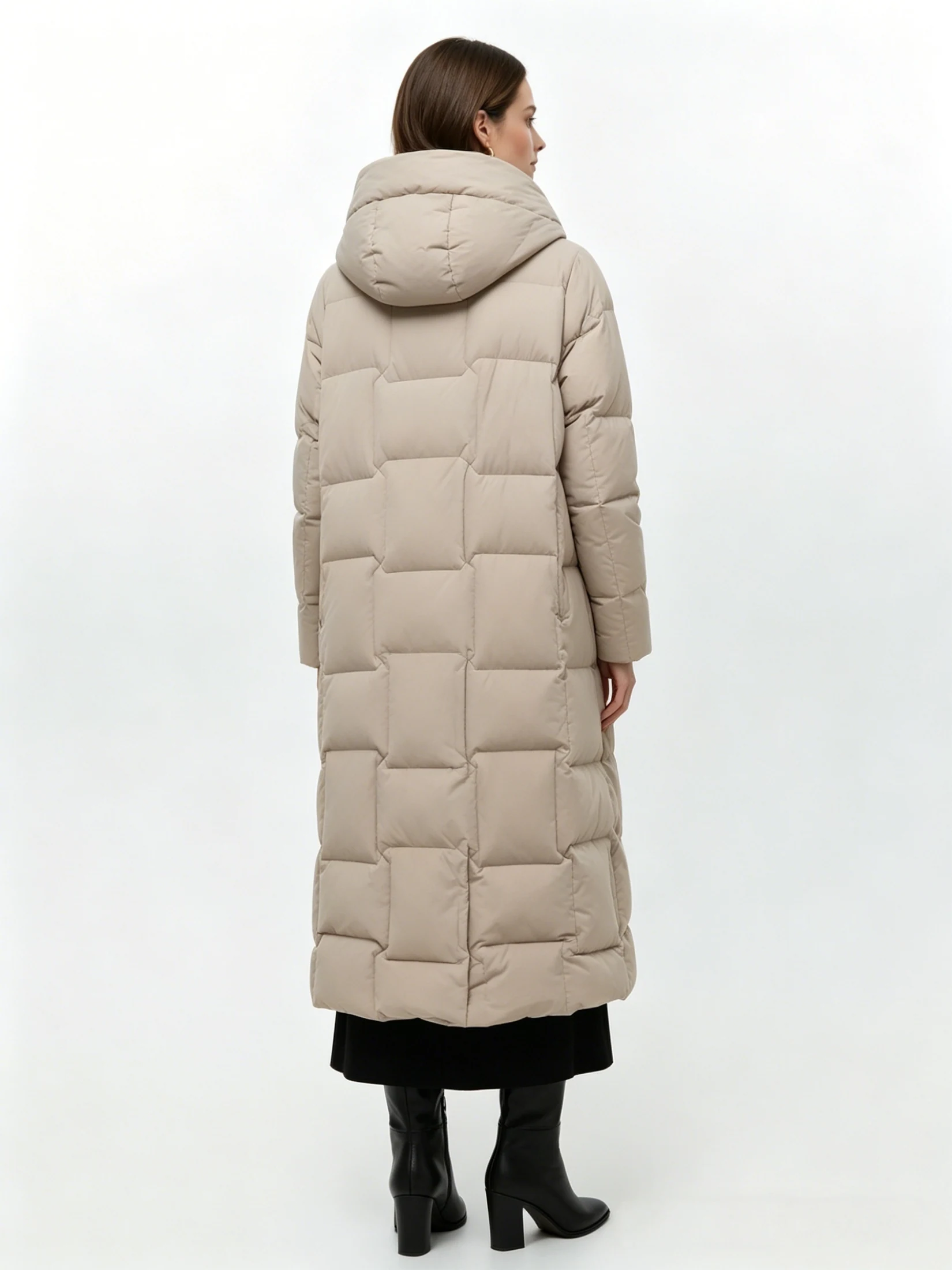
60–100 GSM quilted polyester padding adds light warmth with manageable bulk; 120–200 GSM suits colder programs but raises freight volume. 180–280 GSM fleece lining improves softness, while recycled polyester insulation supports a recycled-content story only when supplier documentation is available.
Value Through Components
2-way zippers, reinforced snaps, and dense rib trims materially affect service life and perceived value; specify pull strength and corrosion expectations. Pantone-approved shell, lining, thread, and trim colors should be checked under consistent lighting before bulk cutting to prevent visible shade mismatch.
5. Customizing private label jackets
A 100-unit style-and-color run benefits most from a clear visual hierarchy: silhouette, color blocking, and one signature trim. For private label jackets, lock those decisions before adding effects that create separate sourcing, sampling, or inspection points.
| Detail | Brand Impact | Cost And Production Consideration |
|---|---|---|
| Color blocking | High | Extra panels increase cutting and sewing time |
| Embroidery or patch | High | Requires placement approval and durability testing |
| Custom zipper pull | Medium-high | Mold tooling may require higher volume |
| Wash effect | Medium | Needs sample approval for shade consistency |
Build The Visual Base

2-3 body panels can create a recognizable color-blocked shell without changing the core block. Pantone-approved shell, lining, and rib colors prevent avoidable shade disputes between sample and bulk.
- Use contrast panels at yokes, sleeves, or side seams.
- Keep first launches to 2-3 colors per style.
- Match seam placement to pocket and embroidery zones.
Select Durable Branding
6-10 cm chest embroidery, sleeve patches, and back screen prints are common placement zones with good visibility. 3D embroidery and woven patches add texture, while transfer prints suit multicolor art but need wash testing.
- Specify artwork size and placement from fixed seam references.
- Request pull, abrasion, and wash checks for patches.
- Use screen print for larger, repeatable graphic areas.
Control Trim And Packaging
1 custom zipper pull or snap finish can elevate a jacket more economically than several complex decoration processes. 100 units is a practical starting point at Junsheen, but custom molds, metal hardware, and special washes can raise minimums and lead time.
- Prioritize woven labels, hang tags, and one custom hardware detail.
- Approve zipper operation and snap strength on samples.
- Use branded polybags or cartons only after fit approval.
6. Jacket Construction Quality Checklist
A pre-production sample should be approved against a written measurement chart, construction notes, and trim specification. For private label jackets, this checklist turns visual impressions into pass-or-fail questions before bulk cutting and final inspection.
Seams And Reinforcement
8–10 stitches per inch is a common starting benchmark for medium-weight woven jackets; inspect for skipped stitches, puckering, and uneven seam allowance. Use flat-felled or bound seams where abrasion and exposed interiors demand greater durability. 3 high-stress areas deserve deliberate reinforcement: pocket corners, underarm joins, and zipper ends. Ask whether bartacks, box-X stitching, or back-tacking are specified on the approved sample.
- Check seam allowance is consistent
- Inspect bartacks at pocket openings
- Compare topstitch spacing on both fronts
Closures And Pockets
20 open-and-close cycles on every sample zipper can reveal snagging, tape waviness, or misaligned teeth before bulk approval. Confirm zipper brand, slider finish, puller shape, stopper position, and snap-setting pressure in the trim sheet. 2 pocket checks prevent frequent returns: verify the opening sits flat and confirm the pocket bag is caught securely into seams. Lined hand pockets should not twist, pull the shell, or expose raw edges.
- Zip smoothly without catching
- Snaps align and hold securely
- Pocket bags lie flat when worn
Lining And Insulation

2–3 quilting checks across each panel help spot insulation migration, thin corners, and missed stitch lines. For padded styles, compare fill placement at shoulders, sleeves, hem, and placket against the approved sample. 1 lining inspection should trace every armhole, hem, and facing attachment. The lining must move freely without ballooning, pulling the shell, or trapping loose threads.
- No visible insulation clumps
- Lining hem is evenly secured
- Sleeves turn right-side-out cleanly
Measurements And Finish
±1 cm is a practical tolerance for many key garment measurements, but brands should set their own tolerances by size and point of measure. Re-measure chest, body length, sleeve length, shoulder, and hem after the required wash test. 3 finish checks should occur under bright light: remove loose threads, inspect stains and shade variation, and test pressing marks. Record wash method, temperature, cycles, and shrinkage results with the sealed approval sample.
- Measure after laundering
- Inspect shade across paired panels
- Verify labels, hangtags, and packing
7. Choosing a private label jackets manufacturer
A 100-unit MOQ can suit a capsule, but it says little about jacket engineering or repeat-order reliability. Compare suppliers against documented capability, communication discipline, and corrective-action support before treating unit price as decisive.
Verify Category Capability
Two comparable jacket samples reveal more than a factory portfolio: inspect seam allowance consistency, lining attachment, zipper setting, pocket construction, and collar balance. Ask for recent tech packs, graded measurement sheets, fit comments, and pre-production sample photos for similar woven, insulated, or denim styles.
Test Development And Sourcing
Three development checkpoints—pattern, prototype, and size set—reduce bulk surprises. Ask who owns pattern corrections, how fit is graded from XS through 3XL, and how revisions are recorded. Two fabric swatches are not enough for approval: request fiber content, GSM, shrinkage, colorfastness, and available compliance documents such as OEKO-TEX, GOTS, BSCI, or WRAP where relevant.
Audit Production Control
80,000 units of monthly capacity matters only when capacity is allocated to your delivery window. Confirm sample and bulk lead times by material, color count, decoration, and season. Ask for the inspection plan covering incoming fabric, in-line measurements, decoration, final packed goods, and the procedure for shortages, defects, or transit claims.
Compare Supplier Evidence
Five evidence categories make quotations comparable. Require written answers rather than verbal assurances, particularly for export documents, packaging specifications, and after-sales response.
- Comparable jacket samples and measurement reports
- MOQ and lead-time assumptions by colorway
- Fabric test reports and compliance certificates
- QC records, defect policy, and corrective-action process
- Export-market references and shipping documentation
8. Common Private Label Jacket Mistakes
A 100-unit minimum makes early decisions unusually consequential: one weak approval can lock cash into slow-moving stock. Before bulk production, buyers should eliminate ambiguity in fit, materials, decoration, assortment, and packing.
Chasing The Lowest Quote
A quote 10–20% below comparable offers can signal omitted testing, weaker trims, or incomplete quality allowances. Compare like-for-like specifications, inspection scope, sample charges, and freight terms before selecting a factory.
Approving Fit Too Early
XS–3XL jackets need graded patterns, not simple enlargement of a medium base size. Review a fitted prototype and size set, then record shoulder, sleeve, chest, hem, and mobility corrections before production.
Leaving Materials Underspecified
One fabric name is insufficient: specify composition, GSM, color standard, shrinkage tolerance, lining, zipper, snaps, and label placement. Request swatches and wash-tested samples so the approved hand feel matches bulk goods.
Testing Decoration Too Late
Three-color artwork can behave differently on nylon, fleece, and garment-dyed cotton. Test print adhesion, embroidery puckering, and wash durability on the final fabric before confirming placement and bulk quantities.
Overbuilding The First Order
Five colors across multiple fits can turn a 100-unit MOQ into unproductive inventory and fragmented approvals. Start with one proven silhouette, limited colors, branded packaging, and a production-ready tech pack covering every approved detail.
9. Launching Your Jacket Brand Step by Step
A 100-unit launch succeeds when each approval gate is closed before the next spend begins. Build the calendar backward from delivery, allowing time for development, revised samples, production, freight, and product photography.
Position The First Range
Three to five jacket styles are usually enough for a first drop; limit each to one or two commercial colors. Define customer, retail price, channel, and target margin before selecting fabrics. One range plan should specify silhouettes, size run, colorways, quantities, and launch date. Keep a core style distinct from fashion-risk pieces so reorders remain practical.
Create Production-Ready Specifications
One complete tech pack per style should include flat sketches, measurements, construction notes, Pantone colors, BOM, artwork placements, labels, and packing instructions. Reference photos alone cannot control bulk consistency. Two approval files matter: a graded measurement chart and a signed sample comment sheet. Lock fabric composition, weight, zipper, lining, and decoration method before requesting final costing.
Sample, Cost, And Place Orders
One factory outreach brief should state MOQ, target ex-factory price, required certifications, delivery country, and desired ship date. At Junsheen, programs can begin from 100 units per style and color, subject to fabric and trim requirements. Two sample rounds are common: a prototype validates construction, then a fit or pre-production sample confirms bulk details. Issue a purchase order only after measurements, materials, labeling, price, payment terms, and delivery terms are approved.
Control Bulk Through Launch
Weekly production updates should track fabric arrival, cutting, sewing, decoration, packing, and inspection status against the critical path. Approve any substitution in writing before it reaches the line. A final inspection should check AQL requirements, measurements, workmanship, labels, cartons, and quantity before balance payment and shipment. Reserve 2–4 weeks after arrival for photography, product pages, inventory receipt, and launch assets.
10. Private Label Jacket Pricing and Costs
100 units per style and color is a practical starting tier for private label jackets; small runs carry higher cutting, material, and setup cost per piece. A comparable quote should name the Incoterm, destination, currency, fabric specification, size range, color count, and whether prices include labels, packing, and inspection. 300 GSM shell fabrics, insulation weight, and construction complexity usually move cost more than a logo alone. Quilting, taped seams, garment dye, acid wash, YKK zippers, custom snaps, embroidery, screen printing, branded packaging, and air versus sea freight should each be priced as separate line items. 4 quote controls reduce surprises: submit one tech pack, a Pantone color reference, measurement chart, and decoration artwork. Ask factories to separate sample charges, pattern and grading, bulk ex-works price, packaging, freight, duties, and any fabric minimum surcharge before comparing offers.
| Order quantity | Indicative unit-price driver | Sample/setup cost | Typical production lead time |
|---|---|---|---|
| 100–299 units | Highest per-piece cost; consolidated fabric and trims matter most | 1–2 prototypes; pattern, grading, and decoration setup may be separate | 25–40 days after approvals |
| 300–999 units | Better fabric utilization and spreading efficiency | Sample cost may be credited against bulk order; confirm in writing | 30–45 days after approvals |
| 1,000+ units | Lower unit cost when colors, materials, and construction are standardized | Bulk testing, custom hardware, and packaging tooling can add cost | 40–60 days after approvals |
Ready to Develop Your Private Label Jackets?
Send your tech pack, reference garment, or product idea for a tailored jacket quote from JUNSHEEN’s fit-focused production team.