Custom Anorak Pullover OEM Manufacturing From 100 Units
Develop fit-focused custom anorak pullovers with one-stop OEM, ODM, and private-label production built to scale for global brands.
Featured Products for custom anorak pullover Development
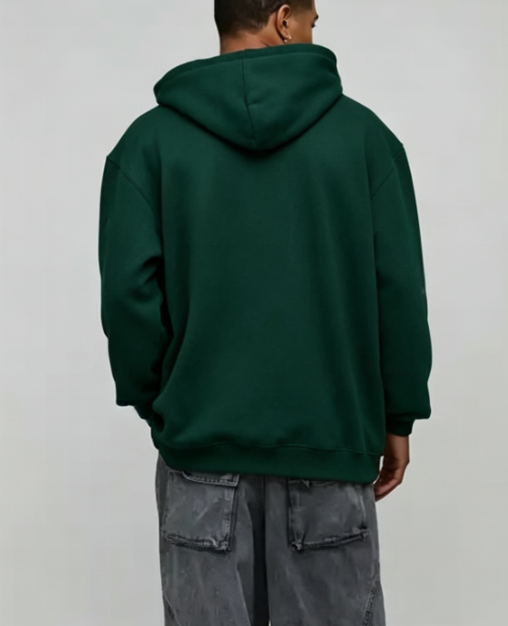
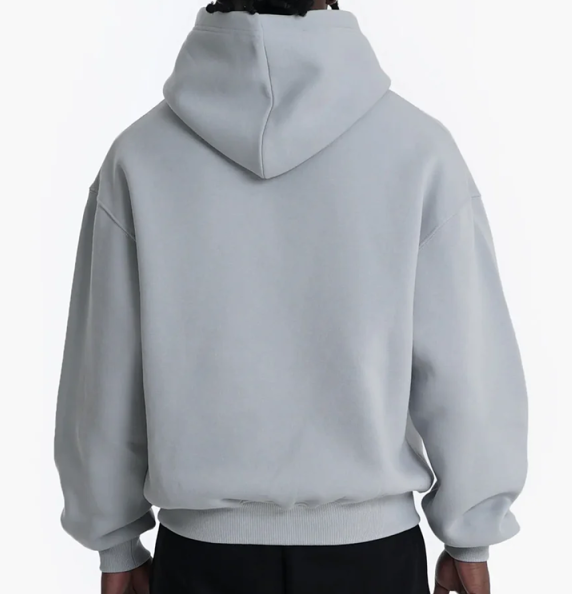


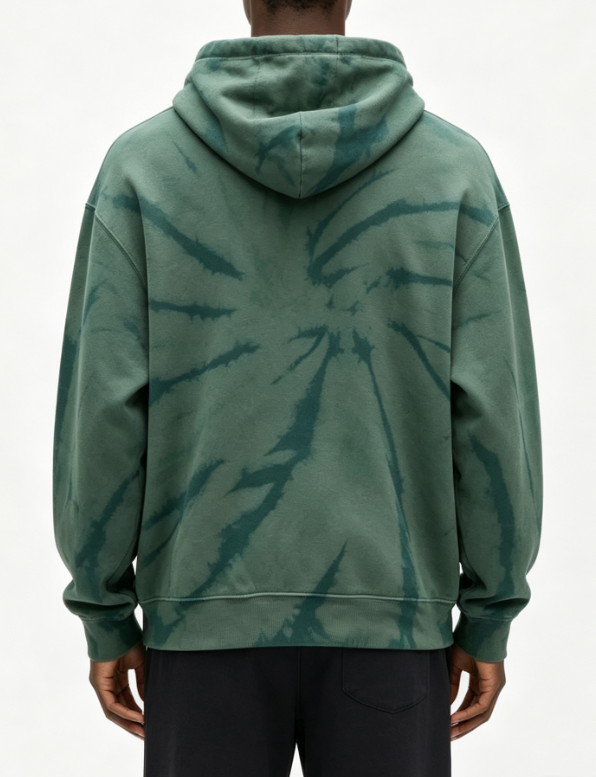
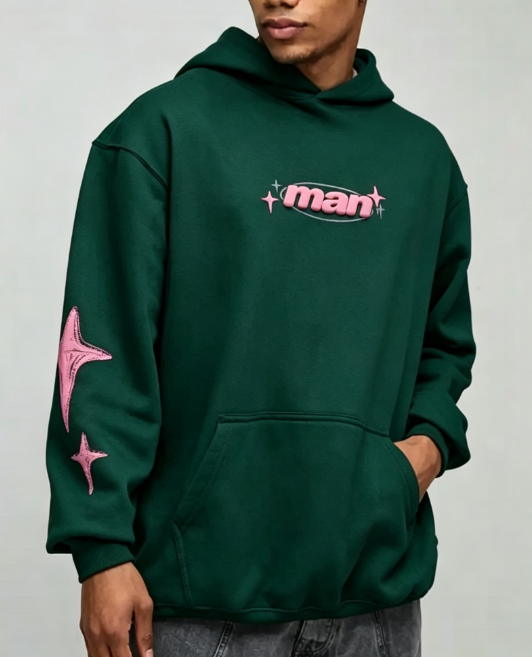

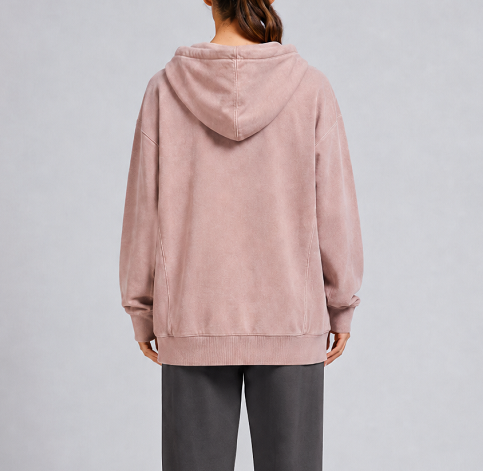

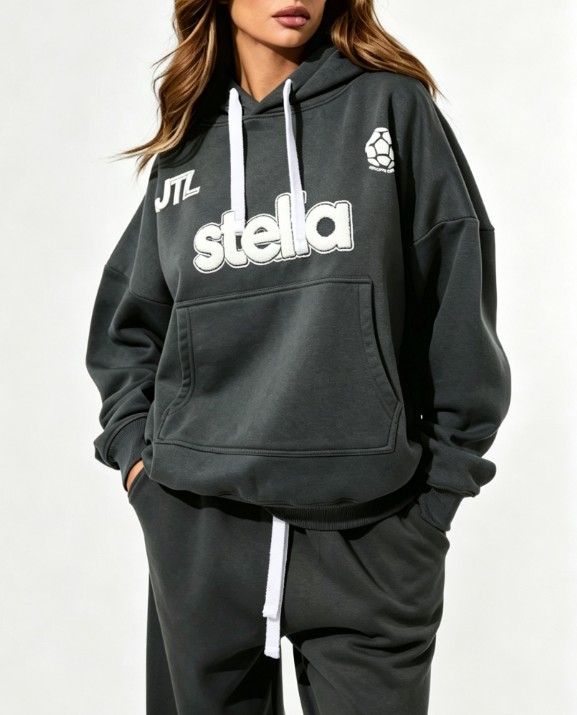


Related Product Catalogue and Quotation





Why Brands Source Custom Anorak Pullovers From JUNSHEEN
One manufacturing partner for low-MOQ development, fit-led sizing, branded details, dependable scale and global delivery.
100-Unit MOQ
Launch custom anorak pullover programs from 100 units per style and color, ideal for capsule collections and measured market testing.
XS–3XL Fit Development
Pattern makers refine proportion, mobility and grading for regular, oversized and extended-size anorak pullovers across the complete size range.
Integrated Decoration
Coordinate logo embroidery, screen printing, patches, heat transfers and garment finishing through one production team for consistent branded execution.
Private-Label Details
Add custom labels, hang tags, zippers, drawcords, snaps, packaging and functional trims that make every outerwear piece distinctly yours.
Scalable Production
More than 200 skilled workers and 80,000-plus monthly units support smooth progression from initial launches to repeat bulk programs.
Global Export Support
From sampling and quality control to final packing and shipping coordination, JUNSHEEN supports fashion brands serving international markets.
Custom Apparel Development, From Anoraks to Denim
Develop fit-consistent casualwear, denim, knitwear and outerwear with low-MOQ production, technical support and scalable global fulfillment.
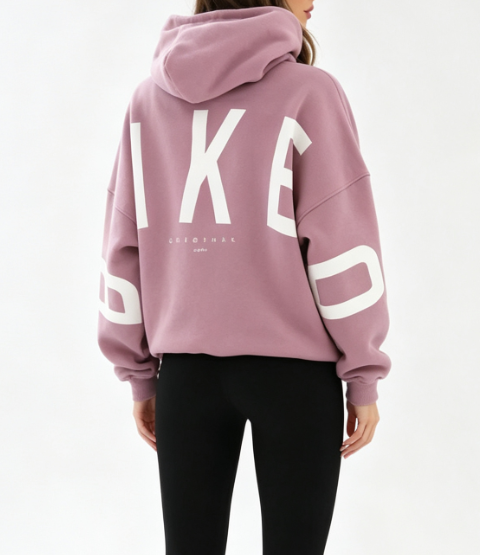
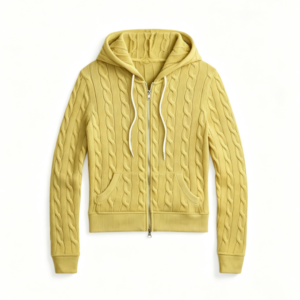
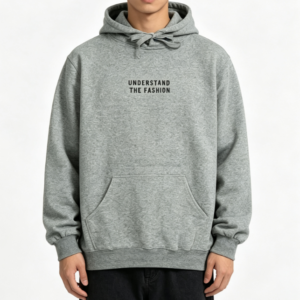
Custom Hoodies
Develop custom hoodies in fleece, French terry or heavyweight jersey, with fit grading from XS–3XL. Choose cut-and-sew details, embroidery or print, custom labels, drawcords, rib trims and washes for capsule or bulk programs starting at 100 units per style and color.
Request a Quote
Custom T-Shirts
Produce custom T-shirts in combed cotton, Pima cotton, organic cotton or blended jersey. Junsheen supports silhouette development, neck and sleeve specifications, extended-size grading, screen printing, DTG, DTF, embroidery, garment dye and private-label finishing.
Request a Quote
Custom Jeans
Build custom jeans with denim or stretch-denim sourcing, fit development and size grading tailored to your target customer. Support includes washes, distressing, custom hardware, branded labels, pockets, stitching specifications and scalable production after sample approval.
Request a Quote
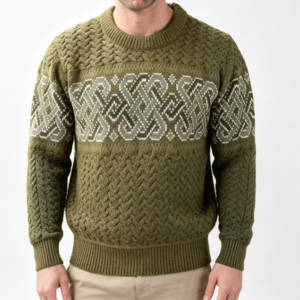
Custom Sweaters
Source turtle neck sweaters in bulk with knit constructions selected for warmth, hand feel, stretch and shape retention. Develop gauges, yarn blends, rib structures and fit across standard, oversized and extended sizes, with branded labels and packaging for wholesale or retail programs.
Request a Quote
Custom Jackets
Create custom jean jackets with denim-weight selection, pattern development and construction details suited to your collection. Options include branded buttons, contrast stitching, patches, embroidery, printing, washed finishes and XS–3XL grading for consistent fit across the size range.
Request a Quote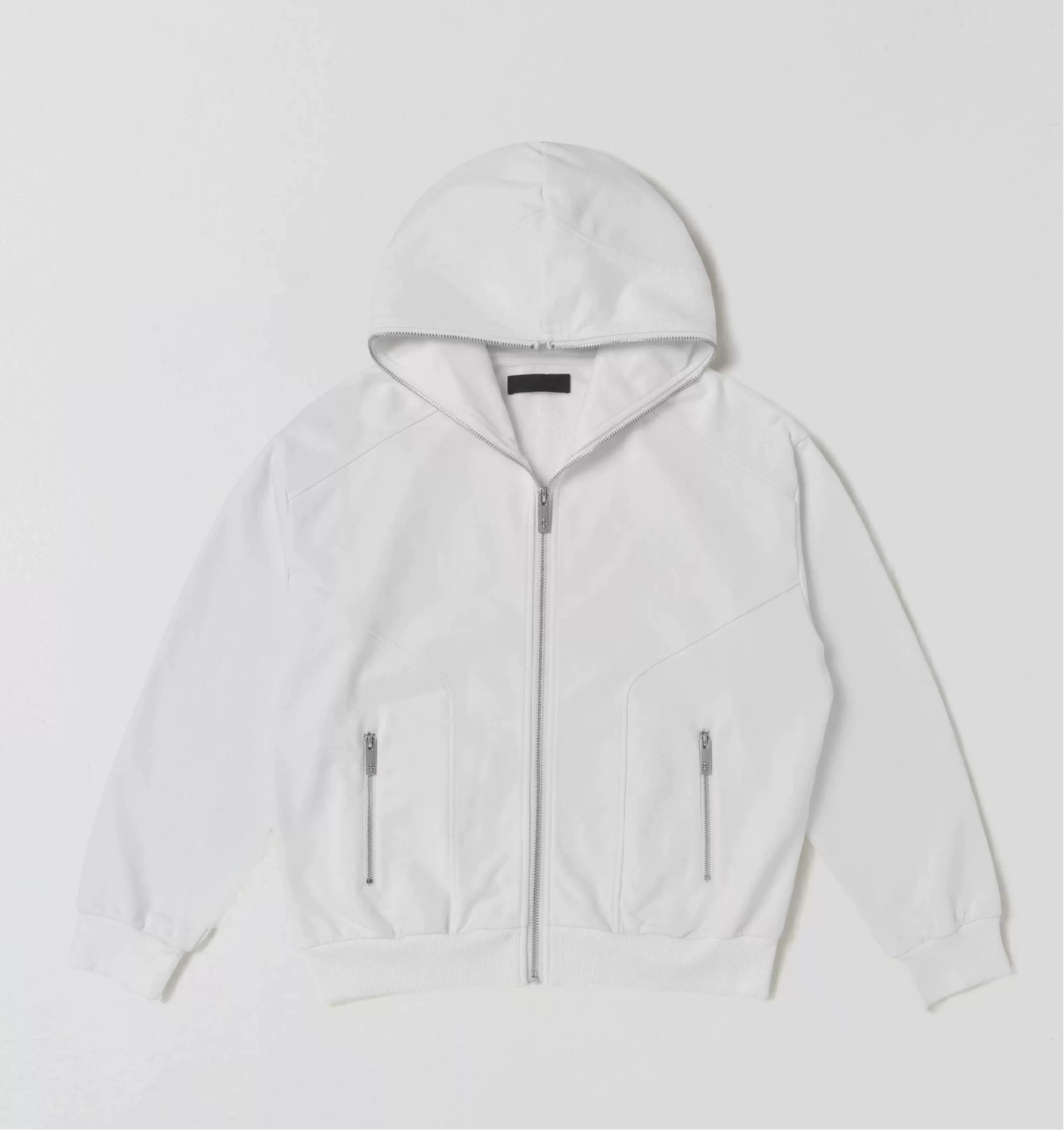
Custom Sweatshirts & Crewnecks
Produce custom crewneck hoodies and sweatshirts in fleece or French terry, with crewneck, relaxed or oversized proportions. Refine body length, shoulder balance and rib specifications, then add embroidery, screen printing, appliqué, labels and packaging for private-label delivery.
Request a Quote
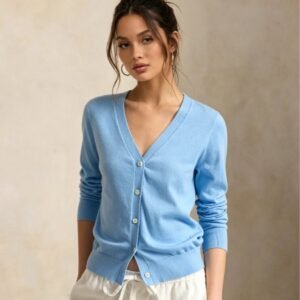
Custom Cardigans
Develop custom cardigans in knit constructions matched to your intended weight, drape and recovery. Junsheen supports yarn sourcing, button or zipper selection, placket and rib details, plus-size grading and branded trims for fashion, wholesale and retail collections.
Request a Quote
Custom Puffer & Down Jackets
Manufacture custom puffer jackets with shell, lining and insulation choices aligned to climate, cost and intended volume. Develop quilting layouts, hood and collar construction, zippers, pockets, reflective details and fit grading before approving bulk outerwear production.
Request a Quote
Custom Denim Shorts
Produce custom jean shorts with denim or stretch-denim options, tailored rises, inseams and leg openings. Support covers pattern development, size grading, washes, distressed effects, branded hardware, labels and packaging for women’s, men’s or unisex assortments.
Request a Quote
Custom Sweater Dresses
Create custom sweater dresses with knit structures engineered for silhouette, coverage, stretch and recovery. Develop body shaping, neckline and sleeve proportions across XS–3XL, then specify yarns, ribbing, labels and packaging for polished private-label programs.
Request a Quote
Custom Denim Sets
Develop men’s denim suits for wholesale programs with coordinated denim jackets and trousers or jeans. Junsheen manages fabric matching, wash consistency, fit development, grading, branded trims and repeatable production records for seasonal reorders and scalable distribution.
Request a Quote
Custom Polo Shirts
Produce custom polo shirts in piqué, jersey or performance knit fabrics, with collar, placket and sleeve specifications built around your fit standard. Add logo embroidery, screen printing, custom buttons, labels and extended-size grading for uniform, retail or private-label use.
Request a Quote
Custom Sweatpants
Manufacture custom sweatpants in fleece, French terry or jersey with refined rises, inseams and leg shapes. Options include elastic or rib cuffs, drawcords, pockets, embroidery, printing, washes and fit-focused XS–3XL grading for matching sets or standalone styles.
Request a Quote
Custom Shorts
Develop custom shorts in woven, jersey, fleece, twill or performance fabrics for casual, active or fashion programs. Define inseam, rise, pocket construction and waistband details, then add prints, embroidery, labels and packaging from 100 units per style and color.
Request a Quote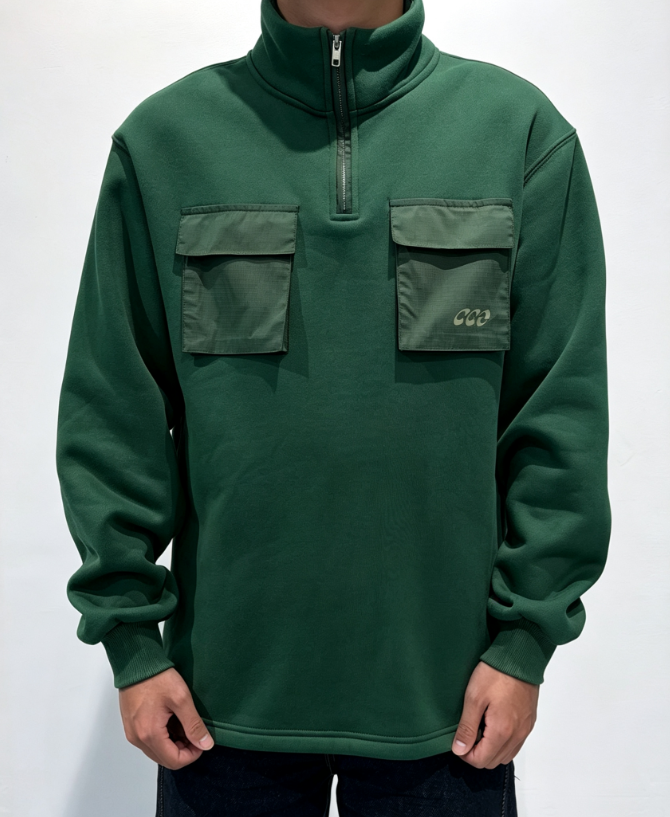
Custom Pullovers
Produce custom pullovers across fleece, French terry, jersey and knit constructions, including anorak-inspired outerwear styles. Junsheen supports zip, snap and pocket details, hood or collar development, decoration, finishing and XS–3XL grading through bulk production.
Request a QuoteMaterials for Custom Anorak Pullovers Built to Perform

Nylon Taslan
A matte, cotton-like woven with a soft dry hand and dependable abrasion resistance. Ideal for casual custom anorak pullovers, it delivers lightweight structure, wind protection and a premium outdoor-inspired appearance.

Polyester Microfiber
Smooth, lightweight and quick-drying, polyester microfiber suits packable anoraks and promotional outerwear. Its tightly woven surface supports wind resistance and clean print results while keeping the garment comfortable for everyday layering.

Ripstop Nylon
Crisp and durable with a subtle grid texture, ripstop nylon is made for utility-led and outdoor custom anorak pullovers. Reinforced yarns help limit tear spread while maintaining a light, packable performance weight.

Coated Woven Shell
A firm, protective shell fabric finished with PU coating or water-repellent treatment for wet-weather use. It provides a structured hand, improved water resistance and reliable protection for commuter, travel and outdoor anoraks.

Stretch Softshell
Soft, flexible and more substantial than a standard shell, stretch softshell works well for active anorak designs. Mechanical or spandex stretch improves mobility, while its brushed inner face adds warmth and comfort.

Recycled Polyester
A versatile recycled woven option for brands developing lower-impact outerwear programs. Available in lightweight plain weaves and performance finishes, it offers durable wear, fast drying and water-repellent treatment compatibility.
Custom Anorak Pullover Decoration & Finishing Options

Logo Embroidery
Flat, 3D puff and chain-stitch embroidery add dimensional branding to custom anorak pullover panels, chest placements and sleeves. Stabilized backing and thread selection help maintain clean, durable results through repeated wear and washing.

Screen Printing
Plastisol, water-based, puff, silicone and high-density screen printing create bold graphics with controlled texture. JUNSHEEN matches ink systems to the shell fabric so prints retain opacity, flexibility and adhesion on lightweight woven anoraks.

Heat Transfer
Heat-transfer graphics deliver crisp logos, detailed multicolor artwork and precise placement without heavy ink buildup. This process is well suited to technical-looking custom anorak pullover designs, small runs and hard-to-print panel locations.

Custom Patch Application
Woven, embroidered, silicone and applique patches give anorak pullovers a premium branded finish. Our team can develop patch size, edge treatment and attachment method for secure placement on chest, sleeve or pocket panels.

Garment Finishing
Softening, enzyme washing, brushing and anti-pilling treatments refine hand feel and everyday performance. We review fabric construction and finish compatibility before sampling to help your anorak maintain its intended appearance, comfort and durability.
Custom Trims, Labels & Functional Accessories

Coil Zippers
Specify front, pocket, and side-entry coil zippers for dependable weather protection and daily wear. Choose custom zipper pulls, color-matched tape, and branded hardware to align function with your anorak’s design language.

Snap Buttons
Add snap buttons at storm flaps, cuffs, pockets, and adjustable hems for quick closure and a cleaner outerwear finish. JUNSHEEN can coordinate matte, glossy, rubberized, or logo-branded snap options with your fabric and trims.

Drawcord Systems
Use adjustable drawcords with cord locks and tipped ends at the hood and hem to refine coverage, shape, and fit. Select contrast colors, tonal cords, or branded tips for a more distinctive custom anorak pullover.

Reflective Details
Integrate reflective piping, heat-transfer logos, zipper pulls, or panel accents to improve low-light visibility without compromising the garment’s aesthetic. These details work especially well for performance-inspired, commuter, and outdoor anorak programs.

Woven Labels
Build recognizable private-label identity through custom woven main labels, size labels, wash-care labels, and hem flags. JUNSHEEN coordinates label placement and construction details during sampling so branding remains consistent through bulk production.
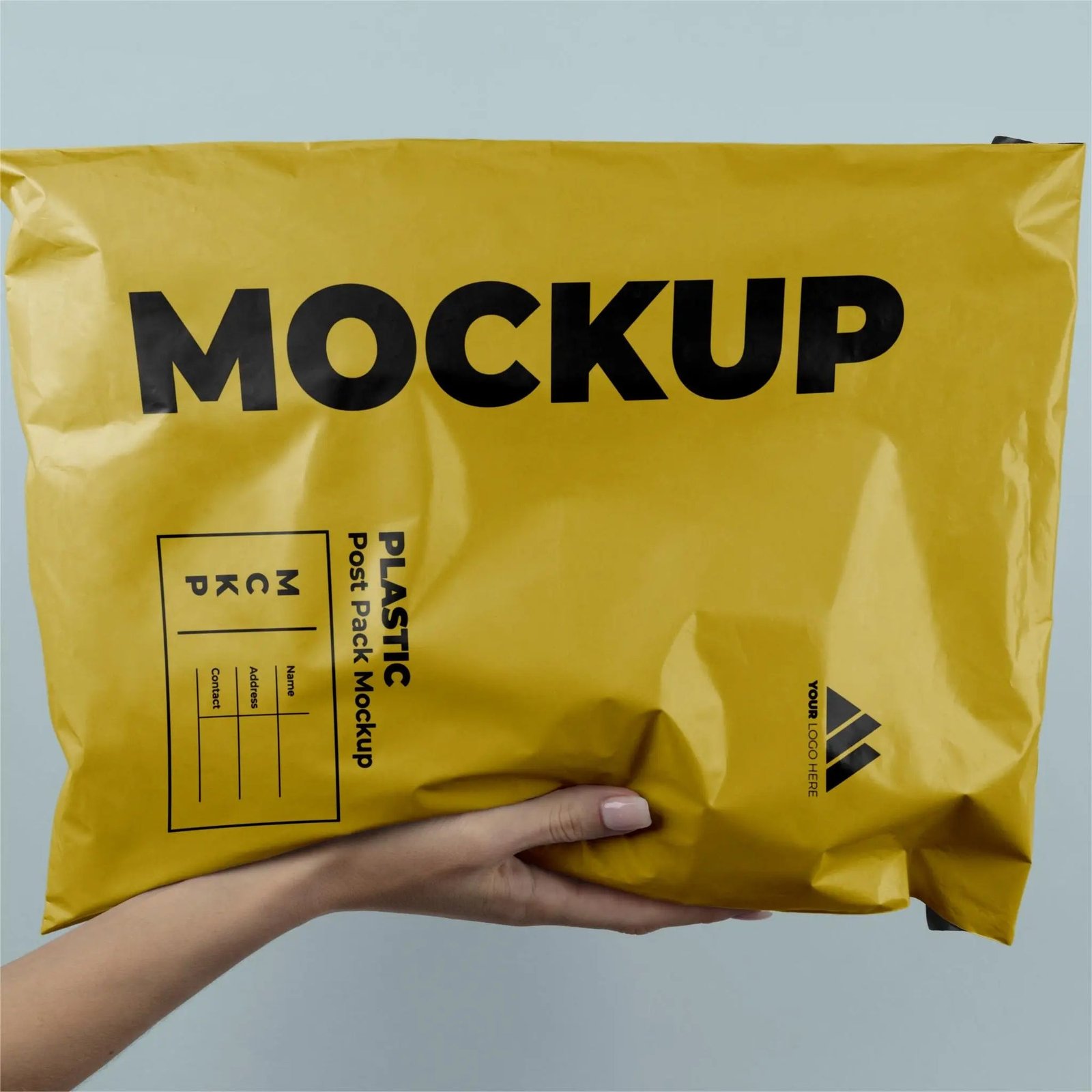
Branded Packaging
Finish each order with custom hangtags, polybags, tissue paper, barcode stickers, and export-ready cartons. Branded packaging helps your custom anorak pullover arrive retail-ready while supporting clear inventory handling for wholesale and direct-to-consumer programs.
About JUNSHEEN Custom Anorak Pullover Manufacturing
Founded in 2010 in Humen Town, Dongguan, JUNSHEEN helps fashion brands turn custom anorak pullover concepts into production-ready outerwear. Our one-stop OEM, ODM and private-label team supports global labels from development and fabric sourcing through sampling, bulk production and export.
With 200+ skilled workers and monthly capacity above 80,000 units, we support capsule launches from 100 units per style and color as well as scalable repeat programs. Cut-and-sew production, decoration, finishing, custom trims, labels and packaging are coordinated within one dependable supply chain.
Our fit-first approach sets JUNSHEEN apart. We develop XS–3XL, extended-size, plus-size and oversized patterns by refining proportion, mobility and grading rather than simply enlarging a base size, helping worldwide brands create anorak pullovers that wear consistently across their intended size range.

Deep OEM Capabilities for Custom Anorak Pullovers
Fit Engineering That Moves
JUNSHEEN engineers each custom anorak pullover for its intended silhouette and wear conditions, refining shoulder balance, sleeve reach, body length, hood volume and mobility. XS–3XL grading is developed deliberately to support standard, oversized and extended-size programs without relying on simple scale-ups.
- Pattern development from tech packs, sketches or reference garments
- Fit-focused XS–3XL grading, including plus-size and oversized blocks
- Prototype, size-set and pre-production sample review
- Construction adjustments for layering, movement and intended use

Purpose-Built Fabric and Trims
Source the shell, lining and functional components around your target hand feel, weather protection, price point and decoration method. Our supplier network supports woven outerwear fabrics, performance knits and recycled options, with swatches and sample garments available before bulk material approval.
- Fabric recommendations based on weight, drape, durability and wash performance
- Options for water-resistant shells, linings, mesh and lightweight layers
- Custom zippers, snaps, drawcords, stoppers, reflective details and pockets
- Branded labels, hang tags and packaging coordinated in one program
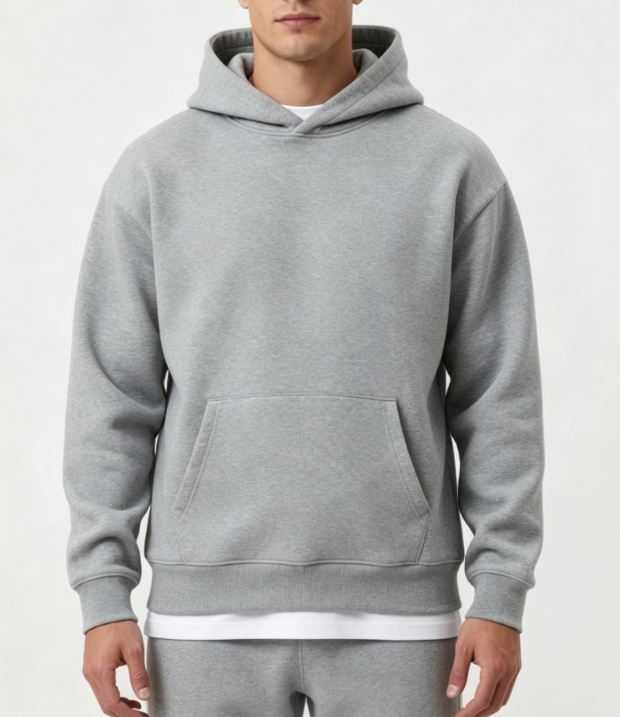
Decoration and Finishing In-House
Build a recognizable custom anorak pullover with controlled decoration and finishing options managed within one production workflow. Our team evaluates artwork placement, substrate compatibility and durability before production, helping maintain consistent logos, special effects and branded details across the order.
- Logo embroidery, 3D puff embroidery, patches and applique
- Screen printing, silicone, high-density, DTF and heat-transfer options
- Garment dye, softening, enzyme washes and anti-pilling finishes
- Artwork and placement review before sample approval

Quality Control Built Into Production
From incoming materials through final packed goods, JUNSHEEN checks construction, measurements, fit, decoration and finishing against approved specifications. With 200+ skilled workers and capacity above 80,000 units monthly, we combine low-MOQ development from 100 units with scalable production control.
- Incoming-fabric, in-line and final inspection checkpoints
- Measurement and fit verification against approved graded specifications
- Decoration, trim and packed-goods checks before shipment
- Retained patterns and material records for consistent repeat orders

Custom Anorak Pullover Manufacturing That Scales With Your Brand
Compare fit-led development, integrated production, and repeat-order consistency for your next outerwear program.
← 左右滑动查看 →
Custom Anorak Pullover Production Process
A clear OEM workflow that turns your concept into quality-controlled, export-ready outerwear.
Feasibility and Specification Review
JUNSHEEN reviews your tech pack, sketch, reference garment, target price, sizing, functional details, MOQ and production requirements before confirming a workable development path.
Fabric and Trim Sourcing
Our team recommends shell fabrics, linings, coatings, zippers, drawcords, labels and packaging based on weather performance, hand feel, durability, cost and brand direction.
Patterning and Fit Development
Pattern makers build and grade custom anorak pullover patterns from XS to 3XL, refining shoulder balance, sleeve mobility, body proportion and oversized or extended-size fit.
Prototype Sampling and Approval
We produce samples for fit, construction, decoration and wash review, then incorporate approved revisions before locking specifications, materials and pre-production requirements.
Bulk Production and Quality Control
Cutting, sewing, decoration and finishing proceed under in-line checks for measurements, construction, fabric quality, functional trims and consistent approved-sample standards.
Packing and Global Shipment
Final goods receive packed-garment inspection, branded packaging and export coordination, with production records retained to support consistent repeat orders as your program scales.
Launch Your Custom Anorak Pullover Project
Move from concept to export-ready production with a clear, fit-focused process built for emerging and established fashion brands.
Submit Your Concept
Share a tech pack, sketch, reference garment, or mood board. Our team reviews construction, sizing, fabrics, trims, decoration, and feasibility for your custom anorak pullover.
Review Quote and Sample
Confirm material options, 100-unit MOQ, pricing, and lead time, then assess prototype samples and fit adjustments across your required XS–3XL or oversized size range.
Approve Production Details
Approve the final sample, graded specifications, colors, labels, packaging, and purchase order. We retain production records to support consistent repeat orders as your program grows.
Receive Quality-Controlled Delivery
JUNSHEEN manages in-line inspections, final measurement and packing checks, then coordinates global export support so your finished anorak pullovers arrive ready for your next launch.
Custom Clothing Manufacturer Credentials and Compliance Documents



Results From Custom Anorak Pullover Programs
JUNSHEEN helped us reduce our sampling cycle from four rounds to two by correcting sleeve mobility and hood proportions early. Our 180-unit custom anorak pullover launch arrived with consistent measurements across XS–3XL.
We reordered 1,200 units after our first capsule, and the fabric weight, embroidery placement, and packed presentation matched the approved sample closely. Their retained patterns made the second production run much faster to approve.
Our team needed a technical outerwear partner that could start at 100 units without compromising the finish. JUNSHEEN delivered branded trims, water-resistant fabric sourcing, and a production-ready sample in 23 days.
Custom Anorak Pullover Manufacturing FAQ
Clear answers on MOQ, sampling, lead times, sizing, customization, payment, shipping and design confidentiality.
What is the MOQ for a custom anorak pullover?
Can you make a custom anorak pullover from my sketch or reference sample?
How long does custom anorak pullover sampling and bulk production take?
Can you develop XS–3XL, plus-size or oversized anorak fits?
What customization options are available for a custom anorak pullover?
What payment terms do you offer for OEM anorak orders?
Do you ship custom anorak pullovers internationally?
How do you protect my custom anorak pullover design and brand details?
The Complete Buyer’s Guide to custom anorak pullover
Use this practical framework to compare custom anorak pullover styles, fabrics, construction, branding options, supplier capabilities, and costs—so you can avoid sampling, fit, compliance, and production mistakes before placing an order.
1. What Is a custom anorak pullover?
1/4-zip or half-zip construction defines a custom anorak pullover: it is hooded outerwear pulled over the head, with an opening that provides ventilation without the full front separation of a jacket. A weather-resistant woven shell, adjustable hood, storm flap, and large kangaroo pocket give the silhouette practical protection and storage. 100% front-opening windbreakers use a full zipper and are easier to layer on or remove; an anorak retains a cleaner, more continuous front panel and typically feels more protective in wind. Parkas are generally longer, insulated cold-weather coats, while hoodies are usually knit fleece or French terry layers rather than shell outerwear designed to shed light rain. 3 collection uses explain the style’s appeal: casual brands can make it a lightweight transitional layer, outdoor labels can specify packable shell performance, and streetwear teams gain a strong canvas for chest logos, back graphics, patches, or color blocking. Uniform buyers also value the controlled silhouette because a custom anorak pullover can keep staff visually consistent while allowing room for movement and seasonal layering. 2010-established Dongguan Junsheen can develop this style from a tech pack, reference garment, sketch, or concept, then coordinate pattern making, fabric sourcing, grading, decoration, sampling, and production. Its 100-unit-per-style-and-color starting point supports capsule launches as well as repeat programs.
2. Evolution of the custom anorak pullover
For centuries, Inuit makers developed hooded pullovers from animal skins to block wind, snow, and sea spray; the defining logic was a protective shell with minimal openings. That origin still matters when sourcing a custom anorak pullover: a half-zip or short placket, adjustable hood, storm flap, and large front pocket should serve weather protection rather than merely decorate the garment. During World War II, military field clothing helped normalize lightweight, layered wind shells, while postwar hiking and sailing wear brought nylon and packable constructions into outdoor markets. Brands now translate that utility into relaxed or oversized silhouettes, articulated sleeves, adjustable hems, ventilation, and zip security pockets, selecting details according to the intended activity and price tier. Since the 1990s, streetwear and fashion labels have recast the anorak as a logo-led capsule piece, pairing technical fabrics with color blocking, embroidered crests, reflective trims, or oversized chest graphics. For current development, specify the layer role first—light 70–120 GSM shell, lined transitional piece, or insulated outer layer—then assess recycled polyester or recycled nylon options, coating performance, trim durability, and decoration placement before sampling.
3. Types of custom anorak pullover
A custom anorak pullover should start with its use case: commuting, travel, winter protection, streetwear, or uniform supply. Select the base category before drafting the tech pack, because fabric, pocket layout, trims, and target cost change together.
| Base Type | Primary Use | Season | Key Trade-Off |
|---|---|---|---|
| Lightweight windbreaker | Commuting and events | Spring–summer | Low weight versus limited weather protection |
| Waterproof shell | Rain protection | Spring–autumn | Technical materials versus higher cost |
| Insulated anorak | Cold-weather wear | Autumn–winter | Warmth versus bulk |
| Packable travel style | Travel and promotions | Spring–summer | Compactness versus thinner hand feel |
| Color-block streetwear | Retail capsules | Year-round | Visual impact versus sewing complexity |
| Workwear or team | Uniform programs | Year-round | Durability versus fashion detailing |
Lightweight And Packable Styles
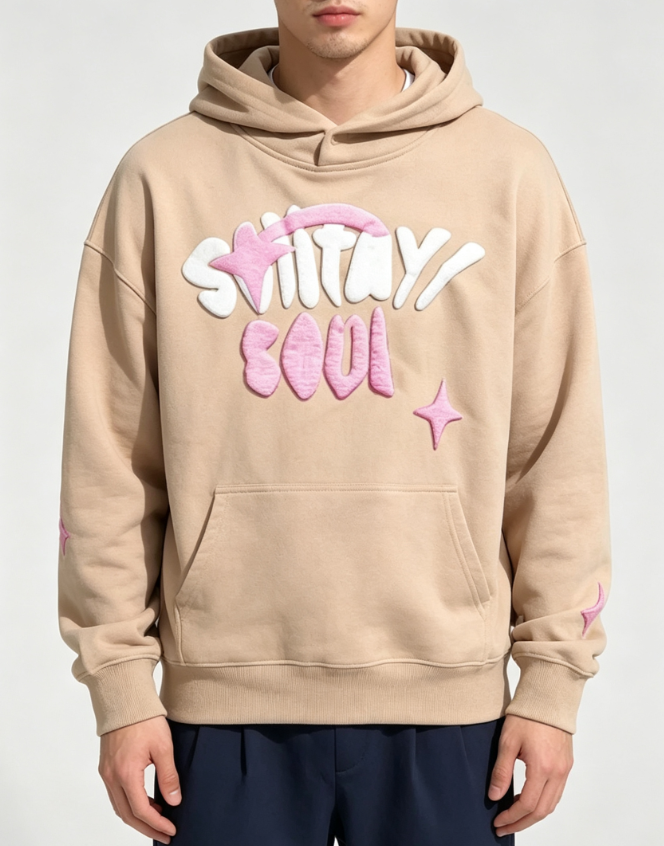
70–120 GSM windbreakers suit spring, summer events, and promotional travel layers; expect unlined nylon or polyester, a half zip, hood, and elasticated cuffs. 150–250 g packable versions add a self-stow pocket or pouch. They reduce luggage volume, but thin fabrics show seam quality and limit insulation.
- Choose ripstop for better tear resistance
- Specify a storm flap only when needed
- Test packed size with finished samples
Waterproof And Winter Shells
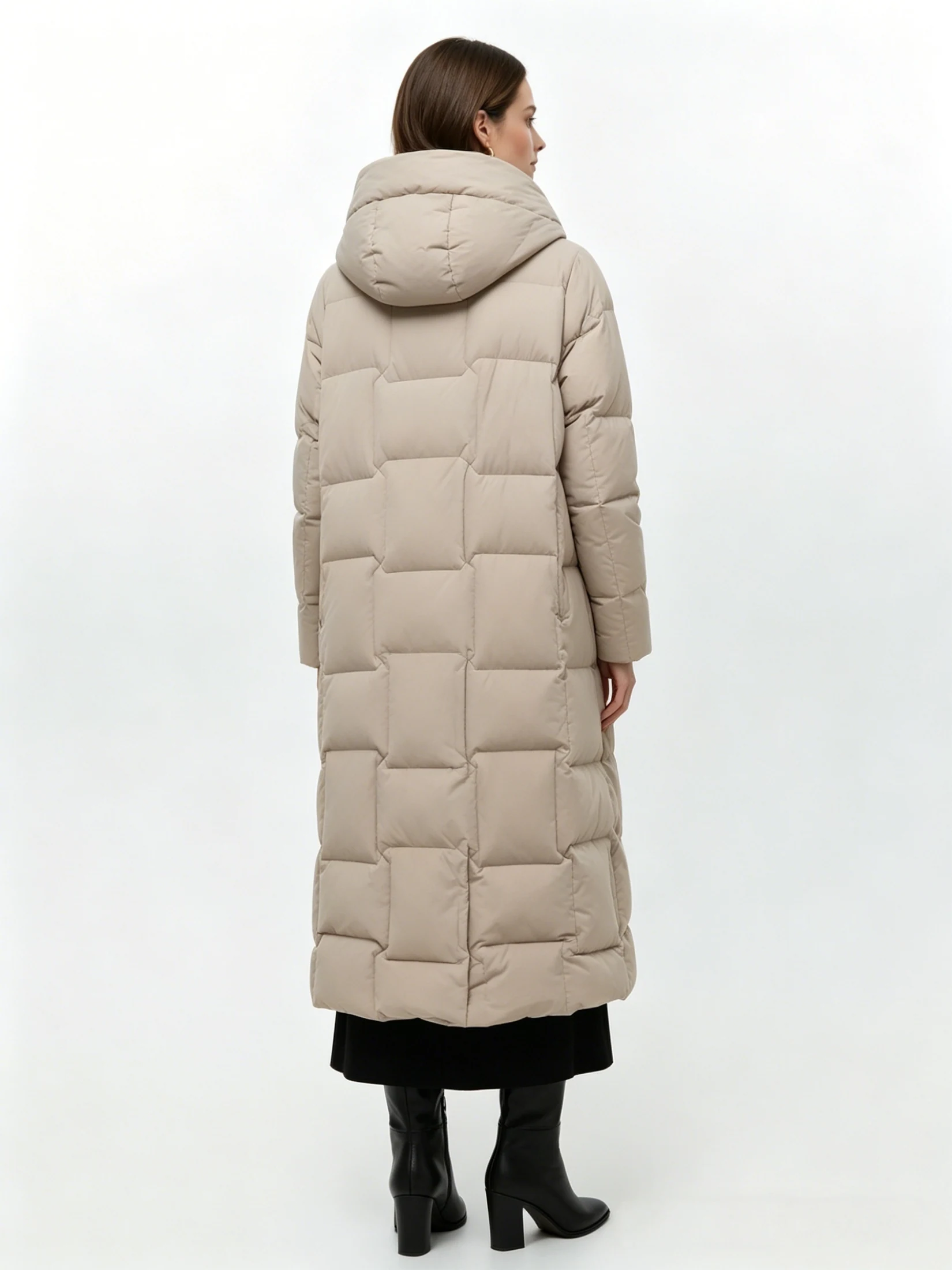
2-layer waterproof shells suit wet-weather outerwear, while insulated anoraks target autumn and winter. Specify taped seams, a coated fabric, hood adjustment, and protected zipper areas for rain programs. 80–150 GSM synthetic insulation adds warmth without down handling. Waterproof ratings and seam tape increase material and labor cost, so confirm the protection level before sourcing.
- Waterproof shell: rain-focused transitional layer
- Insulated anorak: cold-weather volume driver
- Check breathability alongside water resistance
Streetwear And Team Programs

2–4 Pantone color-block panels create a streetwear-led anorak with strong retail visibility. Contrast yokes, oversized pockets, reflective piping, and embroidered logos add impact but require tighter panel matching. Workwear and team versions prioritize durable twill, hi-vis details, identity placement, and repeatability. Keep colorways and decoration locations controlled to simplify reorders across sizes.
- Streetwear: visual panels and fashion proportions
- Teamwear: durable fabric and clear identification
- Use graded artwork placement for extended sizes
4. custom anorak pullover Materials and Fabrics
75–240 GSM shell selection determines whether a custom anorak pullover feels like a light wind layer or a cold-weather outer shell. Specify performance by end use: water resistance, waterproofing, breathability, abrasion, noise and hand feel are separate requirements.
| Fabric | Typical GSM | Best Use | Key Tradeoff |
|---|---|---|---|
| Polyester | 75–120 | Packable rain-resistant shell | Economical; less premium hand |
| Taslan nylon | 100–160 | Urban and outdoor shell | Durable, softer; higher cost |
| Ripstop nylon | 70–140 | Trail and utility anorak | Tear-resistant; crisper noise |
| Softshell | 220–320 | Cool, active conditions | Stretch and warmth; bulky |
| Cotton blend | 160–240 | Lifestyle outerwear | Quiet hand; slower drying |
Shell Fabric Selection

75–120 GSM polyester is economical, colorfast and suitable for lightweight packable styles; recycled polyester offers a lower-impact fiber route when certification documentation is required. 100–160 GSM nylon, taslan and ripstop improve tear or abrasion resistance. Taslan has a softer, less shiny hand; ripstop suits trail use, while nylon can sound crisper in motion.
Coatings And Membranes
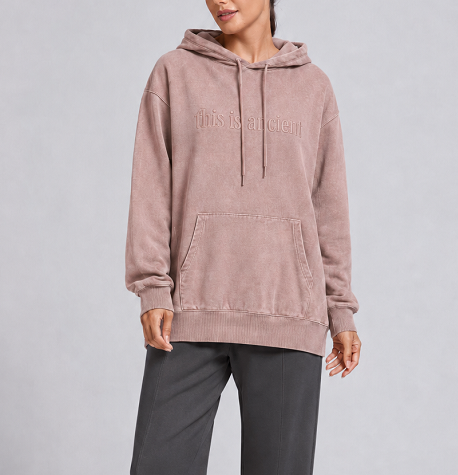
600–1,500 mm hydrostatic-head PU coatings typically provide shower resistance, not reliable prolonged-rain waterproofing. A coating can reduce air permeability and make a light shell feel warmer. 5,000 mm-plus waterproof specifications need matching seam construction and testing; a membrane may improve waterproof-breathable performance but adds cost and requires clear care labeling.
Lining, Insulation And Trims

60–110 GSM mesh lining supports airflow in humid climates, while 180–260 GSM fleece lining adds warmth and a quiet, soft interior. Synthetic insulation around 60–120 GSM suits transitional cold; heavier fills suit colder conditions. 30–60 GSM pocketing, reinforced placket fabric and durable cord, zipper and hook-and-loop choices should be tested against repeated opening, abrasion and wash cycles.
5. custom anorak pullover Customization Options
Three development choices—fit, construction layout, and identity trims—should be approved together for a custom anorak pullover. Junsheen can develop sizes XS through 3XL with pattern adjustments rather than simple proportional enlargement.
| Method | Best Placement | Durability | Artwork Limits | Fabric Compatibility |
|---|---|---|---|---|
| Embroidery | Chest, sleeve, patch | High | Fine text needs simplification | Twill, fleece, stable woven |
| Screen Printing | Back panel, large chest | Medium-high | Flat colors and clean separations | Cotton blends, uncoated woven |
| Heat Transfer | Chest, sleeve, small logos | Medium | Avoid excessive detail on seams | Smooth shell fabrics |
| Woven Patch | Chest, pocket, sleeve | High | Small logos and text | Twill, denim, heavier woven |
| Reflective Transfer | Yoke, panels, piping | Medium | Simple shapes preferred | Smooth technical woven |
Silhouette And Functional Layout

Two silhouette directions dominate: a relaxed oversized shell for layering or a cleaner regular fit for everyday wear. Shoulder width, body length, sleeve pitch, and hem circumference should be set before grading. Three panel decisions create visible identity: color blocking, curved or straight contrast panels, and contrast zippers. Specify hood depth, drawcord exits, elastic or tab cuffs, and kangaroo, welt, zip, or flap pocket layouts on the tech pack.
Private Label Finishing

Four branded touchpoints—main label, size label, wash-care label, and hangtag—make the garment retail-ready. Woven labels suit neck seams; heat-transferred care labels reduce bulk in lightweight shells. Two packaging layers are typical: an individual polybag for protection and a branded mailer or carton presentation. Confirm barcode position, folding method, and any recycled-packaging requirement before bulk packing.
Outerwear Decoration Selection

Four decoration methods address different artwork and wear requirements. Test every application after washing and flexing, especially on coated, water-repellent, or lightweight woven fabrics. One placement rule prevents failures: keep decoration clear of zipper teeth, pocket openings, drawcord channels, and high-abrasion backpack zones. Reflective details work best on panels, piping, or rear yokes where visibility is unobstructed.
6. Key Anorak Construction Quality Elements
A production-ready custom anorak pullover relies on construction choices that remain hidden until rain, repeated wear, or a loaded pocket exposes them. Inspect approved samples under tension, with hardware operated repeatedly and all adjustment points set to their limits.
Seams And Stress Points
A 10–12 mm seam allowance gives most light woven shells enough security for clean overlocking and stable topstitching. Check stitch density is even, with no skipped stitches, puckering, loose thread tails, or seam grin when the body is stretched. Four to six bar tacks should secure pocket corners, zipper bases, side splits, and cord exits where applicable. Pull each point firmly by hand; distortion, cracked coating, or exposed needle holes signals a durability or weather-protection risk.
Front Closure And Pockets
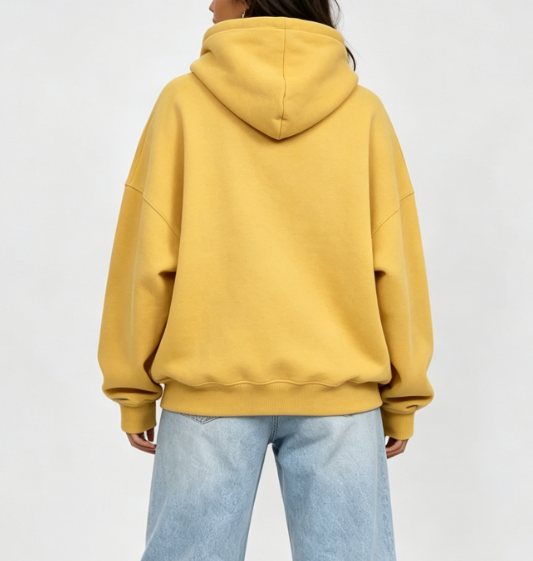
A branded coil or molded zipper should run smoothly through at least 20 open-close cycles without catching the shell or lining. Inspect zipper tape alignment, a soft zipper garage at the chin, and storm-flap coverage that lies flat without rolling. Two-layer pocket bags or reinforced pocket mouths resist sagging when phones and keys are carried. Test pocket openings while wearing the garment; uneven placement affects both comfort and the finished silhouette.
Hood And Adjustment Systems

A three-panel hood generally gives more crown shape and peripheral coverage than a shallow two-panel hood. Check that the brim, chin height, and face opening stay balanced when the hood is cinched. Two cord exits need reinforced eyelets or welts, securely anchored cord locks, and smooth drawcord travel. Stretch elastic cuffs and hem several times; recovery should be even, with no twisting, popping stitches, or exposed elastic.
Lining And Weather Barriers
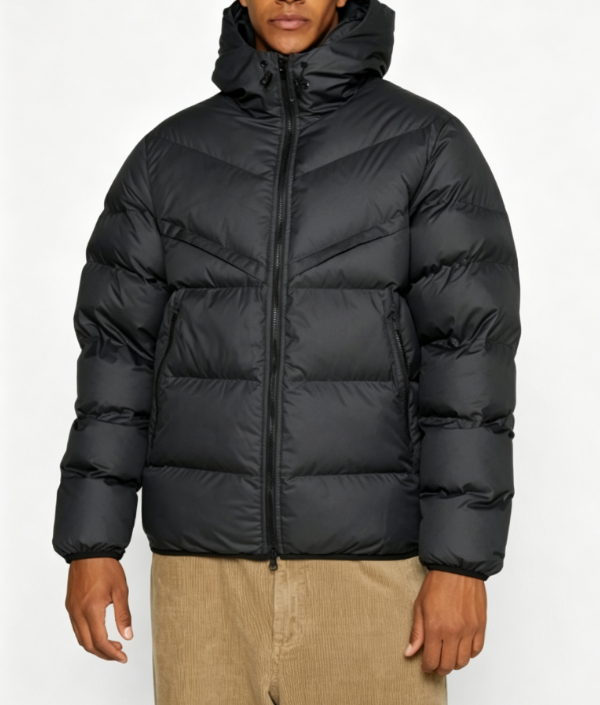
A mesh, taffeta, or partial lining must be caught securely at neck, armhole, hem, and zipper areas without restricting movement. Turn the sample inside out to find loose attachment stitches, lining pulls, and trapped seam allowances. Seam tape should fully cover critical stitched seams, especially hood, shoulder, and zipper-adjacent areas on waterproof shells. Spray-test the finished sample for leakage and inspect the durable water-repellent finish for beading after light abrasion.
7. Choosing a custom anorak pullover Manufacturer
Select a custom anorak pullover manufacturer on proven outerwear controls, not only a low quote. Request evidence that connects pattern development, waterproof material handling, inspection discipline, capacity, and export execution to your specific program.
Verify Relevant Outerwear Work

Ask for 3 recent anorak or technical-jacket samples, including close-ups of plackets, pocket bags, seam sealing, cord exits, and lining. A factory should explain its construction sequence and identify failure risks before quoting. Request a worn and washed sample in your intended fabric weight. Compare measurements, hood shape, zipper behavior, puckering, and pocket symmetry against the approved specification.
Assess Development And MOQ
Confirm the MOQ by style, color, fabric, and decoration—not a single headline number. Junsheen can support programs from 100 units per style and color, but custom fabric, dyeing, or specialized hardware can raise practical minimums. Ask for the sample calendar, revision allowance, graded size-set process, and pre-production approval gate. Review a pattern-measurement sheet and fit comments, not photographs alone.
Check Materials And Quality

Request fabric specifications showing composition, GSM, coating or DWR finish, shrinkage, colorfastness, and test method. For regulated markets, ask which compliance documents, test reports, and restricted-substance declarations can accompany the bulk lot. Require in-line and final inspection records covering measurements, seams, decoration, hardware, and packed-goods count. Clarify the AQL standard, rework procedure, and who approves any substitution.
- Fabric swatch and bulk-lot reference
- Test report and compliance declaration
- Inspection report with defect photos
- Trim specification and zipper brand
Validate Delivery Capability
Confirm monthly capacity, critical-path lead time, and whether cutting, sewing, finishing, and packing are controlled in-house or subcontracted. Junsheen employs more than 200 workers and supports monthly capacity above 80,000 units; your booking still needs a dated production slot. Ask for export destinations, Incoterm options, carton markings, and shipping documents. Name one bilingual contact responsible for sample comments, approvals, and weekly status updates.
8. Common custom anorak pullover Buying Mistakes
Most preventable failures begin before a pattern is cut: a reference image cannot define performance, fit, or acceptable variation. Treat each custom anorak pullover as a specification package, then approve evidence before bulk release.
Copying Images, Not Specifications

A 360-degree reference may hide seam sealing, zipper gauge, pocket depth, hood adjustment, and ventilation. The result is a lookalike garment that fails the intended use. 100-unit programs should include a tech pack with measurements, construction callouts, fabric performance targets, and Pantone references. Ask the factory to flag manufacturability gaps before sampling.
Misreading Fabric Performance

140 GSM nylon can look technical yet provide little rain protection without a tested coating or laminate. Water-resistant fabric repels light exposure; waterproof performance requires a stated hydrostatic-head target and compatible seam construction. 250-300 GSM fleece may also make a shell fit too tight over a midlayer. Request swatches, wash testing, and a layered wear test before fabric lock.
Approving Decoration Without Tests

1 large silicone print can crack, bleed, or distort after washing if its ink system and cure are unsuitable for the shell. Embroidery can also pucker lightweight woven fabric. 3 checks prevent expensive rework: test decoration on production fabric, wash the sample, and inspect stretch or puckering. Approve placement dimensions and artwork colors in writing.
Leaving Fit And Tolerances Open
2 cm of uncontrolled chest variation changes an oversized anorak noticeably across a graded size run. Missing tolerance standards turn subjective fit debates into bulk claims. XS-3XL grading should state finished-garment measurements, tolerance by point, and intended layering allowance. Review a size set on representative wearers rather than approving one sample only.
Ignoring Color And Preproduction Controls
3 colors can multiply fabric minimums, trim matching, print screens, and inspection complexity beyond a nominal 100-unit MOQ. Skipping pre-production approval risks repeating every unresolved sample issue at bulk scale. Confirm MOQ by color and size, material availability, and delivery path before placing the order. Sign off a final PP sample that matches approved fabric, trims, measurements, decoration, and packaging.
9. Launching Your custom anorak pullover Line
A 100-unit-per-style-and-color launch can move quickly when each approval is gated before the next spend. Start with customer evidence, then give the supplier complete technical inputs rather than a visual reference alone.
Research And Design Brief
Two weeks of customer interviews, competitor price checks, and return-review analysis should define the wearer, climate, target retail price, and required features. One approved brief should state silhouette, colorways, size range, target ex-factory cost, launch date, and comparable garments; pause if the margin cannot support the specification.
- Target customer and use case
- Competitor price and feature benchmark
- Planned size curve and sales channels
Technical Package And Materials

One production-ready tech pack should include graded measurements, construction callouts, Pantone colors, stitch details, zipper specifications, label placements, and packaging instructions. Three fabric swatches or more let the team compare hand feel, weight, water resistance, shrinkage, and color matching before bulk reservation; name the exact shell, lining, and trim options.
- Front, back, and detail artwork
- Vector logo files and print dimensions
- Fabric composition, GSM, and finish
Sample And Test Gates
One prototype should confirm pocket position, hood volume, sleeve balance, and decoration scale before grading. Fit it on the intended size model and record every measurement change. Three wash cycles provide an early check on shrinkage, seam distortion, color loss, and print durability. Revise the pattern or material only after written sample feedback consolidates all decisions.
- Approve prototype construction
- Approve graded size set
- Approve wash-test results
Pre-Production To Delivery
One pre-production sample must match the approved fabric, trims, artwork, measurements, and packing method before cutting begins. Suppliers need final quantity by color and size, shipping destination, carton marks, and inspection standard. At least two control points—inline inspection and final packed-goods inspection—should verify measurements, sewing, decoration, and count accuracy. Release the balance and delivery booking only after the final report is accepted.
- Signed pre-production approval
- Inline measurement and workmanship check
- Final AQL or agreed inspection report
10. custom anorak pullover Pricing and Cost
100 units is Junsheen’s practical starting point per style and color, but anorak cost is driven by the approved specification rather than MOQ alone. The indicative ranges below assume a midweight woven shell, standard pullover construction, one logo application, and packed ex-works goods. 15–35 days is a common bulk-production window after sample, materials, artwork, and pre-production details are approved; sampling commonly takes 7–14 days. Final quotes require confirmed fabric composition and GSM, lining or insulation, seam-sealing scope, color-block panels, zipper specification, decoration, packaging, destination, and freight method.
| Quantity tier | Indicative unit price | Sample/development | Typical bulk lead time |
|---|---|---|---|
| 100–299 units | US$24–38 | US$80–180 per style | 25–35 days |
| 300–499 units | US$20–32 | US$80–180 per style | 20–30 days |
| 500–999 units | US$17–28 | US$80–180 per style | 20–30 days |
| 1,000+ units | US$14–24 | Often credited by agreement | 18–28 days |
Ready to Develop Your Custom Anorak Pullover?
Send your tech pack, sketch, or reference garment for fit-focused development, 100-unit MOQ pricing, and dependable OEM production.