
Apparel Fabric & Material Sourcing for Fit-Ready Production
Source proven materials and develop XS–3XL apparel with 100-unit MOQs, integrated sampling, manufacturing, and global delivery support.
Featured Products for apparel fabric & material sourcing Development

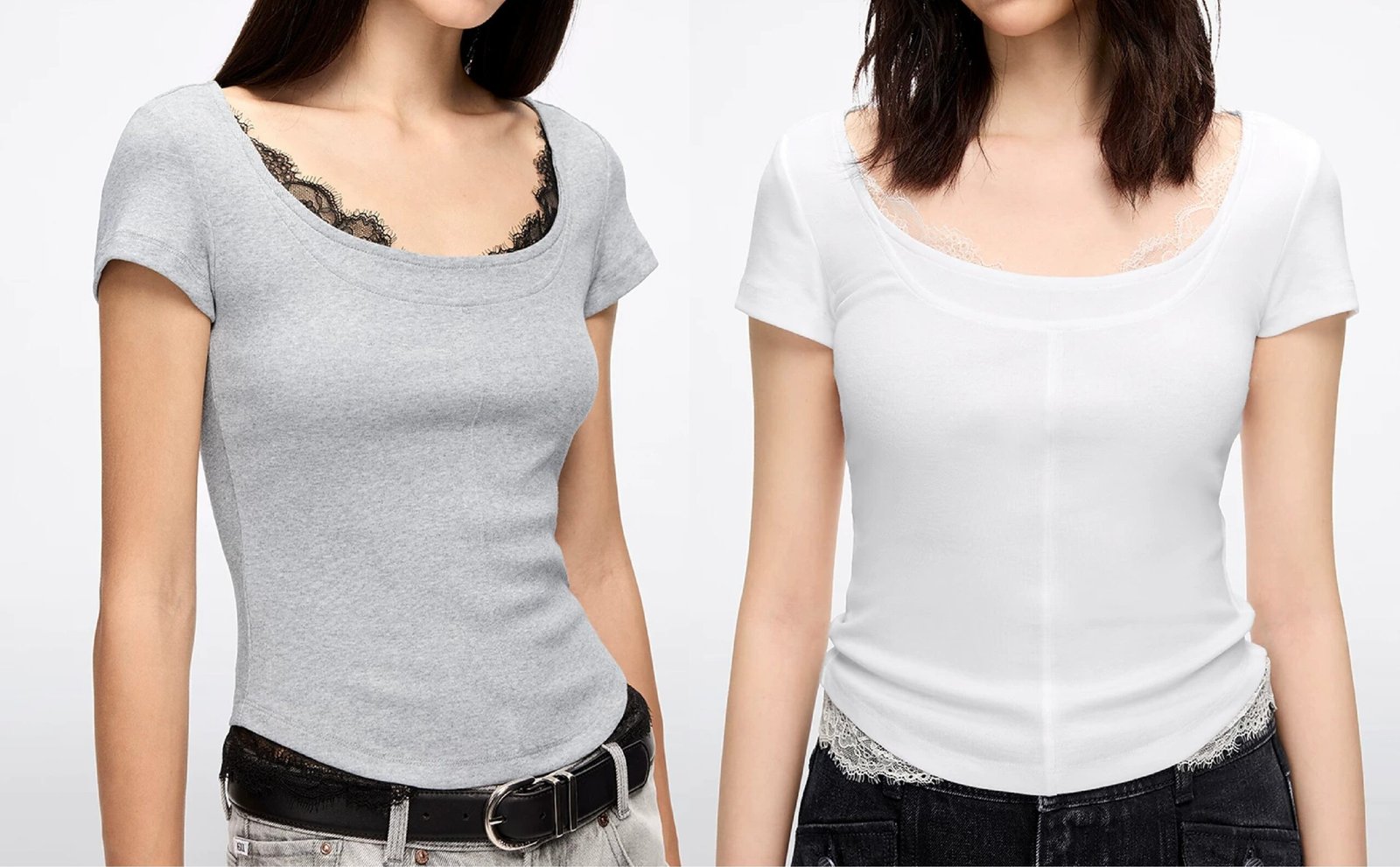


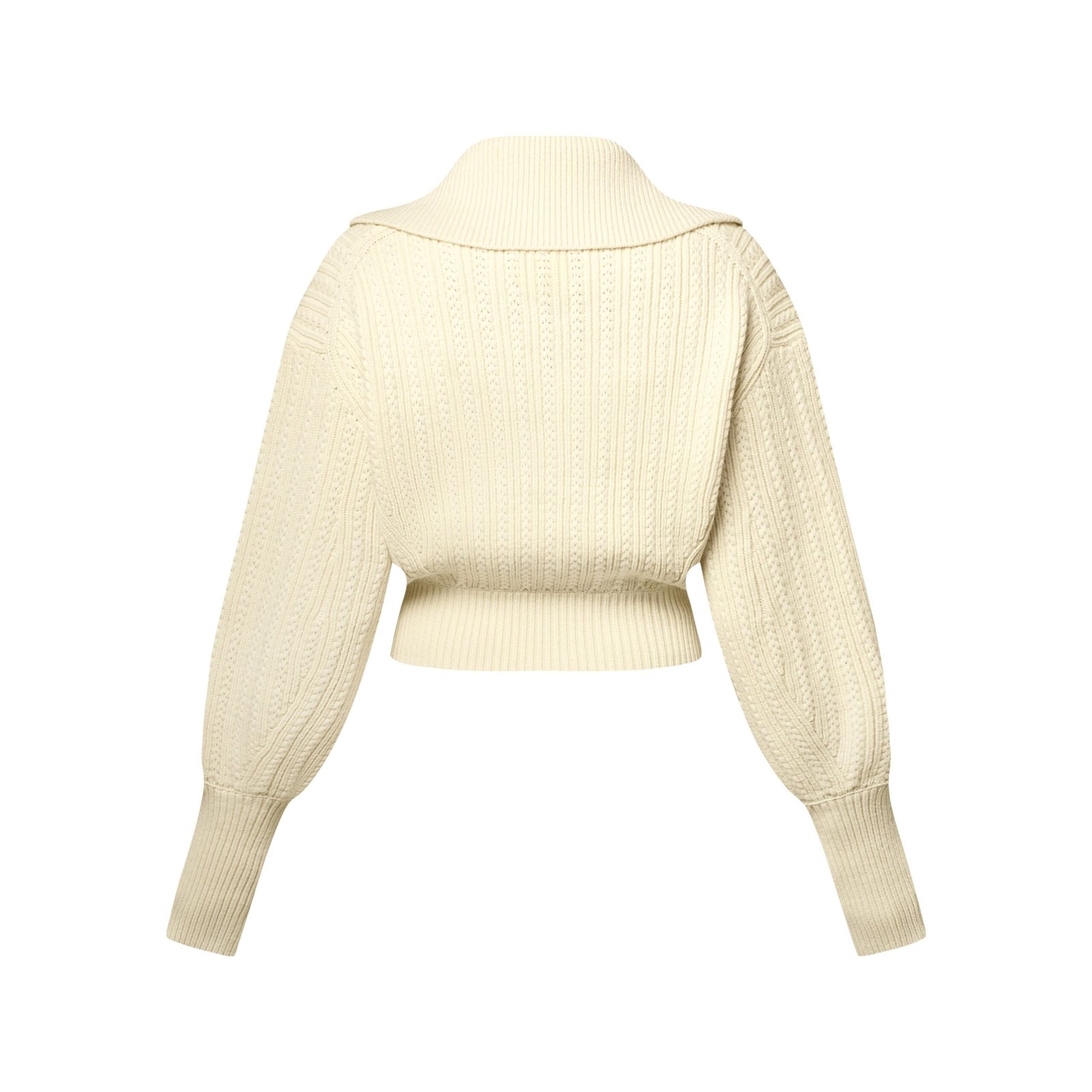


Related Product Catalogue and Quotation





Why Global Brands Choose JUNSHEEN for Apparel Fabric & Material Sourcing
Material selection, fit development, decoration and scalable production coordinated through one experienced apparel manufacturing partner.
100-Unit MOQ Flexibility
Launch capsule collections from 100 units per style and color while retaining access to production-ready fabric and trim sourcing.
Swatches Before Commitment
Review fabric swatches and sample garments to confirm hand feel, color, weight and wash performance before bulk material approval.
Fit-Aware Material Guidance
Recommendations account for drape, stretch, recovery and garment weight to support refined XS–3XL, plus-size and oversized fits.
Integrated Decoration Options
Coordinate sourced materials with in-house embroidery, printing, washes, labels and trims for a consistent finished-garment result.
Scalable Global Production
Move from development to repeat bulk programs with 200+ skilled workers, 80,000+ monthly units and export support worldwide.
Fabric Sourcing for Every Apparel Program
Source performance, cost, hand feel, and production consistency across casualwear, denim, knitwear, outerwear, and extended-size collections.
Cotton & Organic Cotton
Source organic cotton fabric in suitable weights and constructions for T-shirts, polos, jersey sets, and casualwear. We assess hand feel, shrinkage, durability, color, and target cost, then provide swatches and sample-garment options before bulk approval.
Request a Quote
Fleece & French Terry
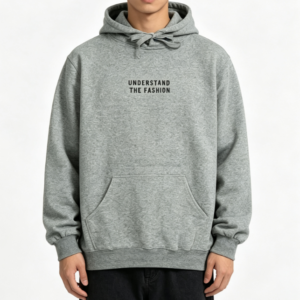
Specify custom fleece fabric and French terry for hoodies, sweatshirts, sweatpants, and coordinated sets. Options are selected around GSM, brushed or loopback surface, stretch, recovery, anti-pilling performance, wash results, and decoration requirements.
Request a Quote
Denim Fabric (by Weight / oz)
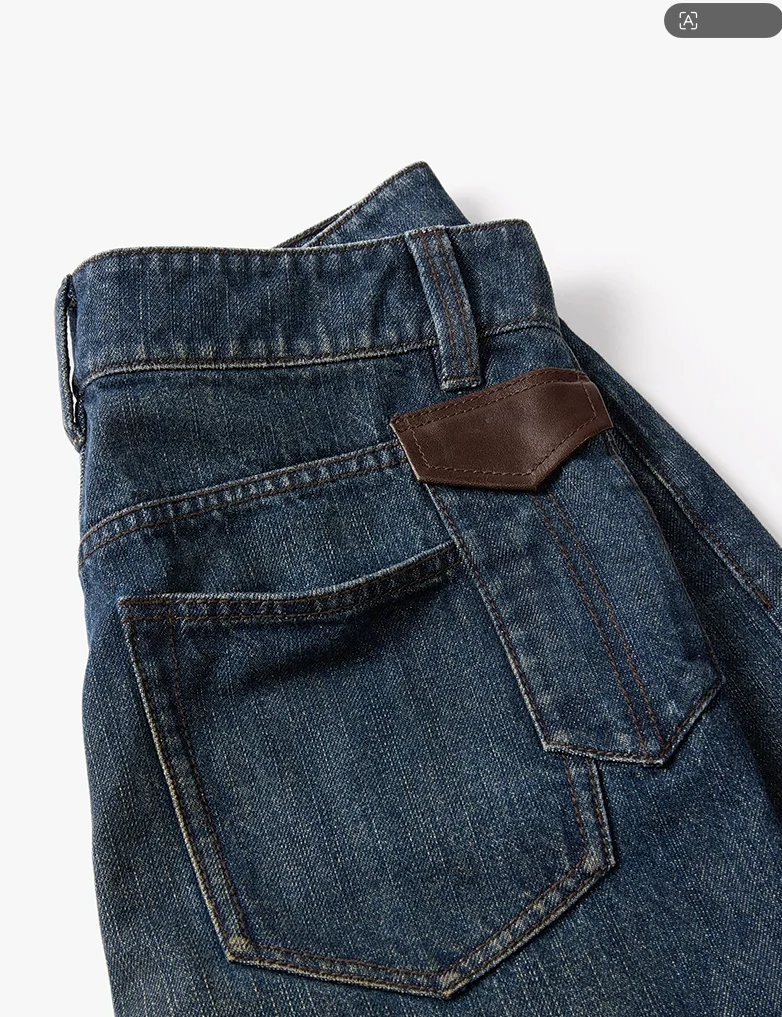
Purchase denim fabric wholesale through a sourcing process matched to your silhouette and wash direction. We guide fabric weight by oz, stretch content, weave, color, abrasion response, and shrinkage for jeans, denim jackets, shorts, and sets.
Request a Quote
Knit Yarns (Acrylic & Cotton Blends)
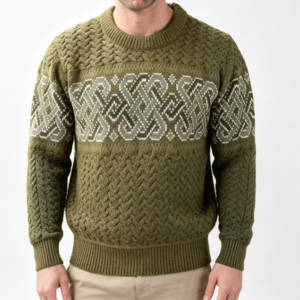
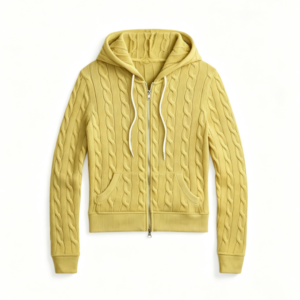
Develop sweaters, cardigans, pullovers, and knit dresses with custom knit yarn in acrylic, cotton, and blended constructions. Yarn selection considers gauge, softness, weight, pilling resistance, stretch, stitch definition, color matching, and intended retail position.
Request a Quote
Cashmere & Merino Wool
Select cashmere and merino wool fabric and yarn options for elevated knitwear and layering pieces. We review fiber blend, gauge, warmth, softness, durability, care needs, and target cost before sampling sweaters, cardigans, and premium pullovers.
Request a Quote
Recycled & Sustainable Fabrics
Work with a sustainable fabric supplier network for recycled fibers and lower-impact material options. Recommendations balance verified composition, hand feel, durability, dyeing and wash performance, available certifications, lead time, and the requirements of your product program.
Request a Quote
Down & Padding Fill
Source down and padding fill for puffer jackets, vests, and insulated outerwear. We match fill type, weight, loft, warmth, bulk, shell compatibility, quilting construction, and target climate use to achieve a reliable finished garment.
Request a QuoteApparel Fabric & Material Sourcing, Developed for Your Collection

Cotton Jersey
A soft, breathable knit for premium T-shirts, polos and lightweight layers. Available in combed, Pima and blended qualities, with weights selected to balance smooth hand feel, recovery and everyday durability.

French Terry
A versatile loopback knit with a smooth face and absorbent interior, ideal for hoodies, sweatshirts and coordinated sets. Midweight constructions provide comfortable drape while retaining structure through repeat wear and washing.

Brushed Fleece
Warm, plush fleece for hoodies, joggers and cold-weather casualwear. Its brushed reverse delivers a soft hand feel, while heavier weights support insulation, shape retention and dependable print or embroidery results.

Stretch Denim
Durable denim with controlled stretch for jeans, jackets, skirts and denim sets. Cotton-rich constructions can be specified by weight, wash response and recovery to achieve comfortable movement without losing the intended silhouette.

Performance Knits
Technical knits for active-inspired tops, fitted layers and performance casualwear. Moisture-management, stretch and recovery options help support mobility, while fabric weight and surface texture can be tailored to the product brief.

Recycled Blends
Recycled cotton and polyester blend options for brands prioritizing lower-impact material choices. Suitable for jersey, fleece and woven programs, these fabrics can be developed around target weight, hand feel, durability and available documentation.
Apparel Fabric & Material Sourcing With Production-Ready Finishing

Logo Embroidery
Flat, 3D puff, chain-stitch and applique embroidery create dimensional branding with strong stitch definition and dependable wear resistance. We assess fabric weight, backing and placement to keep embroidered areas stable and refined.

Screen Print
Plastisol, water-based, puff, flocking, silicone, high-density, foil and discharge screen printing support bold graphics across jersey, fleece and woven garments. Ink and curing methods are selected for opacity, stretch, softness and wash durability.

DTG DTF Printing
DTG and DTF printing reproduce detailed artwork, gradients and small-run designs with efficient setup. Our team recommends the best route by fabric composition, color, placement and target hand feel before sampling and bulk approval.

Dye Sublimation
Dye sublimation permanently infuses full-color graphics into compatible polyester performance fabrics. The result is a lightweight, breathable finish with vivid coverage that resists cracking, peeling and fading through repeated wear and washing.

Garment Washing
Enzyme, acid, stone and garment-dye washes develop softness, depth and distinctive vintage character for denim and casualwear. Controlled sample testing helps align color variation, shrinkage, texture and wash performance before production.

Fabric Finishing
Softening, anti-pilling, brushing and napping finishes refine surface texture, warmth and long-term appearance. We coordinate finishing with fabric sourcing and fit development so the final garment performs as intended across XS–3XL.
Custom Trims, Labels and Packaging

Drawcords & Tipping
Custom drawcords, aglets and contrast tipping add a considered finish to hoodies, sweatpants and outerwear. Select materials, thicknesses, colors and logo details that complement your fabric weight and brand direction.

Zippers & Snaps
Specify branded zipper pulls, metal snaps, coated hardware or practical closures for denim, jackets and utility styles. JUNSHEEN coordinates components for reliable function, visual consistency and production-ready placement.

Woven Brand Labels
Woven main labels, size tabs and hem labels establish a recognizable private-label identity. We help match label construction, fold style, yarn color and placement to the garment silhouette and intended retail presentation.

Wash-Care Labels
Custom wash-care labels provide fiber content, care instructions, size and origin details for your target market. They are prepared to suit garment construction while supporting clear, durable information through repeated washing.

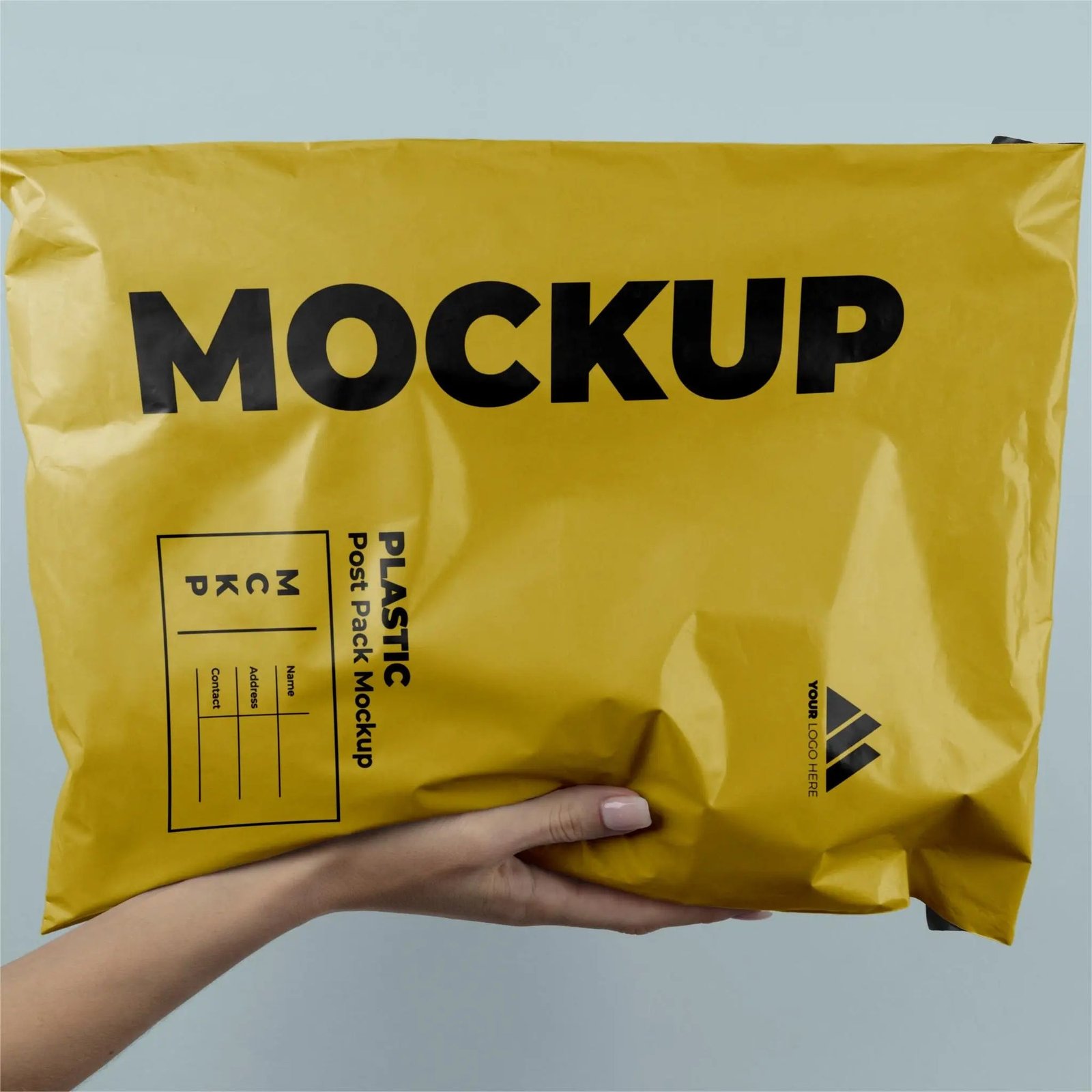
Branded Packaging
Complete the product experience with custom hang tags, polybags, tissue, boxes and packaging inserts. JUNSHEEN aligns packaging components with your labeling program to help finished garments arrive retail-ready for global distribution.
About JUNSHEEN Apparel Manufacturing
Founded in 2010 in Humen Town, Dongguan, JUNSHEEN helps fashion brands turn ideas into production-ready casualwear, denim, outerwear and knitwear. Our one-stop OEM, ODM and private-label operation brings apparel fabric & material sourcing, product development, pattern making, sampling and export support into one responsive supply chain.
With more than 200 skilled workers and monthly capacity above 80,000 units, we support capsule launches from 100 units per style and color through scalable repeat programs. Our team coordinates cut-and-sew, knitting, embroidery, printing, washing, labels, trims, packaging and quality control for global brands and growing labels.
What sets JUNSHEEN apart is fit-focused development from XS to 3XL, including extended-size, plus-size and modern oversized grading. We recommend materials around hand feel, weight, drape, durability and wash performance, then retain patterns and material records to make repeat orders faster and more consistent.

Deep Expertise in Apparel Fabric & Material Sourcing
Purpose-Led Material Selection
JUNSHEEN matches fabric to the garment’s target price, weight, hand feel, drape, stretch, durability and wash performance. Our supplier network supports cotton, denim, fleece, French terry, performance knits, wool, suiting and recycled options for commercially viable development.
- Swatches and sample garments before bulk approval
- Material guidance for casualwear, denim, knitwear and outerwear
- Options aligned with sustainability and performance goals

Fit Starts With the Pattern
Material decisions work alongside fit-focused pattern development from XS through 3XL. Rather than scaling one base pattern, our team refines proportions, mobility, sleeve length, rise and grading increments to help normal, extended-size, plus-size and oversized styles wear consistently.
- Pattern making and graded size-set development
- Fit review for movement and body proportion
- Sampling support from tech pack, sketch or reference garment

Decoration and Finish Under Control
Keep fabric character, branding and garment finishing aligned within one production supply chain. JUNSHEEN manages embroidery, print effects, washing, softening, garment dye, labels, trims and packaging, helping sourcing teams avoid disconnects between material selection and finished-garment execution.
- Embroidery, screen printing, DTG, DTF and heat transfer
- Acid wash, stone wash, brushing and anti-pilling finishes
- Private-label labels, hardware, drawstrings and branded packaging

Records That Support Repeatability
Approved patterns, graded size sets and material records are retained to make reorders faster and more consistent. Incoming-fabric, in-line and final inspections reinforce the approved standard as programs move from 100-unit launches to scalable bulk production for global brands.
- Retained specifications for repeat-order consistency
- Quality checks for fabric, measurements, fit and decoration
- Scalable support from low-MOQ capsules to ongoing programs

Why Choose JUNSHEEN for Apparel Fabric & Material Sourcing
One integrated manufacturing partner from material selection and fit development through inspection and repeat production.
← 左右滑动查看 →
Apparel Fabric & Material Sourcing, From Feasibility to Global Delivery
A clear production path that keeps material, fit, decoration and quality decisions aligned from your first brief through shipment.
Review Brief and Feasibility
We assess your tech pack, sketch or reference garment, confirm manufacturability, fit requirements, target quantities, and the most practical development route.
Source Fabrics and Trims
Our supplier network matches fabrics, weights, colors, trims and sustainable options to your target cost, hand feel, durability, stretch and wash performance.
Develop Patterns and Samples
Pattern makers build and grade fit-focused XS–3XL size sets, then produce prototype samples and swatches for construction, material and approval review.
Cut Sew and Decorate
Approved materials move into cutting, sewing, knitting and in-house decoration, including embroidery, printing, washing and finishing specified for your product program.
Inspect Pack and Ship
Teams verify fabric, measurements, fit, construction, decoration and packed goods before applying private labels, packaging orders and arranging global export shipping.
Start Apparel Fabric & Material Sourcing With Our Team
Move from initial concept to approved bulk production with clear technical guidance, sample review, and fit-focused material decisions.
Send Your Product Brief
Share a tech pack, sketch, reference garment, mood board, or product idea. Our team reviews construction, fit requirements, target cost, and your 100-unit MOQ goals.
Review Material Recommendations
Evaluate apparel fabric & material sourcing options selected for weight, hand feel, stretch, durability, wash performance, drape, sustainability, and your intended garment category.
Approve Quote and Samples
Confirm the quotation, swatches, prototype, and graded fit details from XS through 3XL. Refine patterns, trims, decoration, and finishes before production approval.
Launch Bulk Production
Approve the final pre-production sample, then rely on Junsheen for controlled cutting, sewing, decoration, quality inspections, packaging, and global export support as volumes scale.
Custom Clothing Manufacturer Credentials and Compliance Documents



Global Results From Apparel Fabric & Material Sourcing
JUNSHEEN helped us compare four French terry options and finalize a 420 GSM fabric that held its shape after wash testing. We approved our hoodie sample in two rounds and launched a 300-unit capsule on schedule.
Their team corrected the grading across XS–3XL instead of scaling up our original pattern. Fit-related returns on our first 600-unit denim program fell by 28%, and the repeat order used the same approved fabric and measurements without delays.
We needed an affordable recycled jersey with a premium hand feel for a 100-unit color launch. JUNSHEEN sent swatches quickly, matched our print requirements, and delivered samples in time for our buyer presentation, which secured two retail commitments.
Apparel Fabric & Material Sourcing FAQs
Clear answers on minimums, sampling, payments, shipping, swatches, and confidential production support.
What is the MOQ for apparel fabric & material sourcing with JUNSHEEN?
Can I order fabric swatches before approving bulk production?
How long does apparel fabric & material sourcing and sample development take?
How much does a custom apparel sample cost?
Can JUNSHEEN source sustainable, organic, or recycled apparel materials?
What payment terms do you offer for new apparel sourcing orders?
Do you ship finished garments internationally?
How do you protect my designs and sourcing information?
The Complete Guide to apparel fabric & material sourcing
Use a practical decision framework to match fabrics, trims, and production methods to your collection, evaluate supplier capabilities, compare costs and quality criteria, and avoid sourcing mistakes that delay launches or erode margins.
1. What Is Apparel Fabric & Material Sourcing?
100-unit capsule orders still require apparel fabric & material sourcing: the disciplined process of selecting, validating, buying, and controlling every production input before cutting begins. It covers shell fabric, linings, rib, pocketing, interlinings, threads, zippers, buttons, labels, hang tags, polybags, cartons, and their approved specifications. 180–220 GSM ring-spun cotton jersey, 320–400 GSM French terry, or stretch denim with a defined elastane percentage will change fit, drape, recovery, shrinkage, comfort, and decoration results. The brand normally owns the target customer, retail price, desired hand feel, color direction, and required claims; its development team and manufacturer translate those choices into construction, supplier, test, yield, and cost decisions. Pantone approval, lab-dip review, shrinkage and colorfastness testing, and component checks against standards such as OEKO-TEX or GOTS, when applicable, should occur before bulk commitment. Early validation protects margin by exposing fabric minimums, wastage, trim costs, and lead-time constraints before a quotation becomes an order. 2–6 weeks is a common window for fabric sampling or lab-dip confirmation, while custom dyeing and specialized trims may need longer. Managing approved swatches, supplier references, shade bands, purchase quantities, and replacement options makes delivery more reliable and helps a repeat order match the original production standard.
2. How Apparel Fabric Sourcing Has Evolved
2010 marked the point when online sourcing platforms and faster international logistics made fabric procurement less dependent on local mills and seasonal wholesale calendars. Buyers could compare cotton jersey, French terry, denim, twill, and performance knits across regions, but still needed physical swatches and wash testing to confirm hand feel, shrinkage, colorfastness, and usable yield. 100-unit development runs now let emerging labels test a colorway or fit without committing to traditional bulk fabric volumes. Digital tech packs, Pantone references, online swatch approvals, and prototype samples shorten decision cycles, while production teams still verify lot-to-lot shade, GSM, stretch recovery, and decoration compatibility before bulk cutting. OEKO-TEX, GOTS, recycled-content claims, and fiber-origin records have shifted apparel fabric & material sourcing from a price-and-color exercise toward documented risk management. A recycled polyester or organic cotton option should be evaluated alongside certification scope, lead time, minimums, durability, and the actual garment use case—not selected from a claim alone. 80,000-plus monthly-unit capacity at a supplier is useful only when its sourcing process remains transparent at capsule scale. Modern buyers expect clear material alternatives, realistic replenishment timing, retained fabric records, and flexibility to move from a 100-unit launch to repeat production without re-solving every technical detail.
3. Types of Apparel Fabric & Material Sourcing
100-unit capsule orders usually favor available materials, while mill programs reward planned volume. In apparel fabric & material sourcing, select the route before sampling so material approvals, color decisions, and delivery dates remain realistic.
| Route | MOQ | Color Control | Best Fit |
|---|---|---|---|
| Stock fabric | Low; available yardage | Existing lots | Fast capsules |
| Mill program | 500–3,000 m/color | Pantone lab dips | Planned volume |
| Supplier-nominated | Varies by supplier | Approved shade bands | Brands needing guidance |
| Customer-supplied | One usable roll | Buyer-controlled | Specialty materials |
| Integrated sourcing | From 100 units/style-color | Coordinated approvals | New labels |
Stock And Nominated Fabrics
100–300 units per color can often use stock jersey, fleece, denim, or twill; availability and lot continuity are the main constraints. 2–4 week material release is typical when a manufacturer nominates proven suppliers. Request shade bands, fiber content, GSM, width, and remaining-yardage confirmation before approval.
Made-To-Order Mill Programs
500–3,000 meters per color is a common mill-program threshold, depending on construction and yarn. Buyers gain custom Pantone dyeing, weight, finish, and blend control. 4–8 weeks is a practical planning range after lab-dip approval. Lab dips and bulk shade bands reduce color risk, but minimums and delayed approvals can affect launch dates.
Customer-Supplied And Integrated Routes
1 approved roll may be enough for customer-supplied fabric, but the buyer carries freight, defects, shrinkage, and replenishment risk. Send test yardage first and confirm usable width. 100-unit programs benefit from integrated manufacturer sourcing when one team coordinates suppliers, sampling, and bulk records. It suits buyers needing faster feasibility feedback without managing separate mills.
4. Apparel Fabric & Material Sourcing by Fabric Type
Fabric selection should begin with the garment’s required weight, recovery, wash result, and selling season. In apparel fabric & material sourcing, fiber content alone is insufficient: construction and finishing determine how a sample wears after laundering.
| Material | Structure | Typical GSM | Key Use |
|---|---|---|---|
| Cotton | Jersey or woven | 160–300 | Tees, shirting |
| Polyester | Knit or woven | 140–260 | Activewear, shells |
| Cotton-poly blend | Jersey, fleece | 220–360 | Sweats, uniforms |
| Denim | Twill woven | 340–475 | Jeans, jackets |
| Fleece | Brushed knit | 280–400 | Hoodies, joggers |
| Jersey | Single knit | 160–220 | T-shirts |
| Rib | Rib knit | 180–320 | Fitted tops, trims |
| Twill | Diagonal woven | 220–360 | Pants, overshirts |
| Canvas | Plain woven | 280–450 | Workwear, bags |
| Nylon | Woven shell | 70–200 | Outerwear |
| Performance knit | Synthetic stretch knit | 180–280 | Activewear, base layers |
Core Fabric Comparison
100% cotton offers breathable softness but commonly needs shrinkage testing; polyester improves abrasion resistance and fast drying. Blends such as 60/40 cotton-poly balance handfeel, cost, and easier care.
Match Structure To Product

180–220 GSM jersey suits T-shirts, while 280–360 GSM French terry suits premium sweatshirts. Rib adds stretch at necks, cuffs, and fitted tops; brushed fleece increases warmth but can pill if finishing is weak. 10–14 oz denim, twill, and canvas provide woven structure for jeans, jackets, workwear, and bags. Stretch denim should be wash-tested because elastane recovery and shade change can vary by finish.
Outerwear And Performance Choices
70–200 GSM nylon and polyester shells are practical for lightweight jackets when paired with suitable lining and seam construction. Performance knits may add spandex for mobility, but recovery testing matters for extended-size garments. 3–8% elastane is a common starting range for close-fitting products, not a universal specification. Confirm stretch direction, return, pilling, colorfastness, and care instructions on the approved bulk fabric.
5. Customization, Trims, and Decoration Options
At the fabric approval stage, lock the decoration route, color standard, trims, and packaging together. Apparel fabric & material sourcing affects ink adhesion, dye uptake, wash behavior, minimums, and the final unit cost.
| Option | Best Material Match | Buyer Watchpoint | Cost Effect |
|---|---|---|---|
| Screen print | Cotton jersey, fleece | Fine detail needs artwork separation | Low at volume |
| DTG | High-cotton smooth jersey | Less economical for large runs | Higher per print |
| Heat transfer | Polyester, blends, stretch panels | Test peel and wash durability | Moderate |
| Embroidery | Stable fleece, twill, denim | Dense stitches can pucker knits | Setup plus stitch count |
| Custom wash | Cotton, denim | Shade and shrinkage approval | Added processing |
Match Decoration To Fabric

150–280 GSM cotton jersey accepts water-based, plastisol, DTG, and DTF prints well; fleece needs a smooth face for fine artwork. Stretch denim and rib require stretch-compatible ink or transfers to prevent cracking. 3D embroidery, applique, and heavy patches can distort lightweight knits. Approve an embellished sample after washing, especially on brushed fleece, garment-dyed cotton, and washed denim.
Control Color And Wash Effects

Pantone references guide custom dyeing, but lot-to-lot variation remains possible in cotton, denim, and reactive dyes. Keep an approved lab dip, shade-band tolerance, and bulk cutting reference before production. Garment dye, enzyme wash, acid wash, and stone wash create character but can alter measurement, seam twist, and trim shade. Dye labels, drawcords, rib, thread, and zipper tape together only when their fiber content supports the same process.
Specify Branding Components

100-unit programs can use woven labels, printed care labels, hangtags, custom buttons, zippers, patches, and branded packaging, although custom hardware often carries higher minimums. State logo size, placement, material, finish, and attachment method in the tech pack. YKK-style zipper specifications should include tooth type, tape color, puller finish, and length. Request pre-production approval for logo scale and legibility before bulk purchasing.
6. Construction Quality Checks Before Bulk Production
Before bulk approval, lock measurable acceptance criteria against the approved sample, not visual impressions. For apparel fabric & material sourcing, a signed wash-test and construction record prevents costly disputes after cutting begins.
Verify Fabric Performance
180–320 GSM casualwear fabrics should carry an agreed tolerance, commonly ±5%, plus a shade-band approval for every dye lot. 3 wash cycles should confirm dimensional change, pilling, colorfastness, and stretch recovery under the stated care method.
- Record GSM, composition, width, and lot number
- Attach approved shade bands to the bulk order
- Specify wash temperature, drying method, and pass criteria
Specify Construction Standards
8–12 stitches per inch is a useful starting point for many jersey seams, while stress points need appropriate reinforcement rather than arbitrary density. 10–15% seam-strength and stretch allowances should be evaluated on active seams such as armholes, rises, and pocket joins.
- Name seam type: overlock, coverstitch, flatlock, or lockstitch
- Mark bartacks, tape, and reinforcement locations
- State acceptable skipped stitches and seam twisting
Convert Results Into Approval
±1 cm measurement tolerance is typical for many core points of measure, but critical dimensions such as inseam or neck opening may require tighter limits. 100% approval depends on matching the approved sample, annotated tech pack, and signed checklist before production release.
- Add tolerances beside every point of measure
- Write sample comments as corrective actions
- Require photos and wash-test results with approval
7. Choosing an Apparel Fabric & Material Sourcing Partner
A capable apparel fabric & material sourcing partner links fabric decisions to the garment category, target price, and production calendar. Evaluate its evidence before approving a swatch, not after a bulk-color problem appears.
Verify Category And Mill Depth

100-unit programs need suppliers that can source compatible stock fabrics without treating every color as a mill-development project. Ask which mills support jersey, French terry, denim, performance knits, or wool, and whether the supplier can provide mill specifications, composition, GSM, width, and shrinkage data. 3 swatches per candidate fabric should include approved color, hand-feel reference, and test status. Request OEKO-TEX, GOTS, recycled-content, or other compliance documents when your market or claim requires them.
Test Sampling And Control
7 to 14 days is a practical sampling target once materials and specifications are confirmed; unusually firm promises without fabric availability are a warning sign. Ask how incoming fabric, shade bands, shrinkage, measurements, decoration, and final packed goods are inspected. 200 skilled workers and capacity above 80,000 units monthly can support scale, but capacity alone is not control. Require a pre-production sample, graded measurement chart, and written approval record before bulk cutting.
Confirm Commercial Execution
3 questions reveal operating discipline: Can you reserve bulk fabric after sample approval? What changes if a dye lot fails? Who owns export documents and shipment handoff? 30% to 100% deposits can be normal depending on order history, but balances should be tied to defined pre-shipment checks. Red flags include unnamed mills, unavailable swatches, missing test records, changing MOQs, and answers that avoid dates or accountability.
- Confirm MOQ by style, color, and fabric.
- Request a sample-to-bulk shade-control process.
- Name one contact for production and shipping.
8. Common Apparel Fabric & Material Sourcing Mistakes
A PO locks in more than a fabric price: it fixes performance, color, decoration compatibility, availability, and timing. In apparel fabric & material sourcing, preventable omissions usually surface after sampling, when corrections cost the most.
Price-Only Selection
A $0.20-per-yard saving can disappear through shrinkage, pilling, poor recovery, or rework. Compare landed cost and test results, not quotations alone, before approving a mill or stock fabric.
Missing Fabric Specifications
A 280 GSM cotton-poly fleece behaves differently from a 320 GSM version, and a 95/5 jersey differs materially from 100% cotton. Specify composition, GSM tolerance, construction, usable width, stretch, and shrinkage limits on the PO.
Screen-Only Color Approval
A monitor cannot confirm dye-lot variation, metamerism, or color change under retail lighting. Approve physical lab dips against a Pantone reference and retain the signed standard before bulk dyeing.
Skipping Wash And Decoration Tests

A screen print can crack, bleed, or distort after laundering; pigment-dyed and dark denim styles can also crock. Test the actual fabric, print or embroidery, and wash method through the required care cycles before PO placement.
Ignoring Supply And Timing
A stock fabric may be unavailable when a repeat order is needed, while custom dyeing adds weeks and minimums. Confirm replenishment status, dye-lot policy, fabric MOQ, and production lead time for every colorway before committing.
Separating Material From Decoration
A lightweight jersey may not support dense embroidery, and silicone or high-density prints require an appropriate surface and stability. Share artwork, placement, and decoration method during material selection, then approve a complete production sample.
9. Steps to Source and Launch Your Collection
A 100-unit style-and-color MOQ lets emerging labels validate a focused launch, but decisions should be staged before fabric is committed. Start with the retail target, margin, delivery window, and a clear approval owner.
Set the Commercial Brief
A 2.5–3.0x wholesale-to-retail multiple is a useful starting check; work backward to a landed-cost ceiling before requesting fabrics. Define target customer, channel, launch date, quantity by color and size curve. A complete pack includes flats, measurements, construction notes, Pantone references, BOM, artwork, label copy, packaging, and target ex-factory price.
- Target retail price and landed-cost ceiling
- 100-unit quantity split by style and color
- Size range and grading requirements
- Required delivery date and destination
Validate Materials And Cost
Three to five fabric swatches reveal hand feel, weight, stretch, recovery, opacity, and wash behavior faster than a spreadsheet. Submit a material brief stating composition, GSM, finish, color standard, performance needs, and accepted substitutes. A supplier quotation should separate fabric, trims, decoration, sampling, packaging, freight terms, MOQ, and lead time. Lock the fabric quality, supplier, colorway, and price basis only after swatch approval.
Approve Samples In Sequence
One prototype confirms construction and visual direction; it is not the final fit authority. Review it against the tech pack, then issue consolidated comments with annotated photos and revised measurements. A fit sample locks balance, ease, sleeve length, rise, and grading approach. Approve lab dips against Pantone or an approved standard before bulk dyeing; approve a pre-production sample with final fabric, trims, decoration, labels, and packaging.
Release Bulk With Controls
A signed pre-production approval releases bulk; changes afterward can affect cost, timing, and consistency. Keep one dated approval file covering specifications, color, artwork, measurements, and tolerance limits. Incoming fabric checks, in-line measurement reviews, decoration checks, and final packed-goods inspection should occur before shipment. Reserve time for rework and confirm carton marks, shipping mode, consignee data, and final balance before dispatch.
10. Apparel Fabric & Material Sourcing Pricing
100 units per style and color is a practical starting point for a capsule, but it rarely delivers the lowest unit cost. Landed garment cost begins with fabric yield: a 400 GSM fleece hoodie uses materially more fabric than a 180 GSM ring-spun jersey T-shirt, while fiber content, dyeing, washes, shrinkage allowance and usable width change consumption and price. 3 cost groups require separate review: materials, make-and-trim, and logistics. Custom labels, YKK zippers, Pantone-matched rib, embroidery, screen-print color count, sampling revisions, packaging, freight method, duties and destination can each move the delivered unit cost; a shorter production window may also require expedited material allocation or shipping. 2 approved inputs are essential before a dependable quote: a finalized tech pack or reference sample, and confirmed fabric, color, size range, decoration, packaging and delivery destination. For apparel fabric & material sourcing, request the quote by quantity tier and ask whether sample charges, testing, freight and duties are included or listed separately.
| Order quantity | Unit-cost direction | Typical production tradeoff |
|---|---|---|
| 100–299 units | Highest; development and material minimums spread across fewer units | Best for validation; allow sampling plus 3–6 weeks after approvals |
| 300–999 units | Moderates as fabric and trim purchasing improves | More color or size flexibility; normal material booking remains important |
| 1,000+ units | Lowest relative unit cost when specifications are stable | Better efficiency, but longer planning protects fabric availability and shipment dates |
Start Your Apparel Fabric & Material Sourcing Project
Send your tech pack or product idea for fabric sourcing, fit-ready sampling, and scalable OEM production from 100 units per style and color.