
DTG & DTF Printing for Custom Apparel
Launch detailed, durable printed apparel with DTG & DTF printing, fit-focused development, and 100-unit MOQs for global fashion brands.
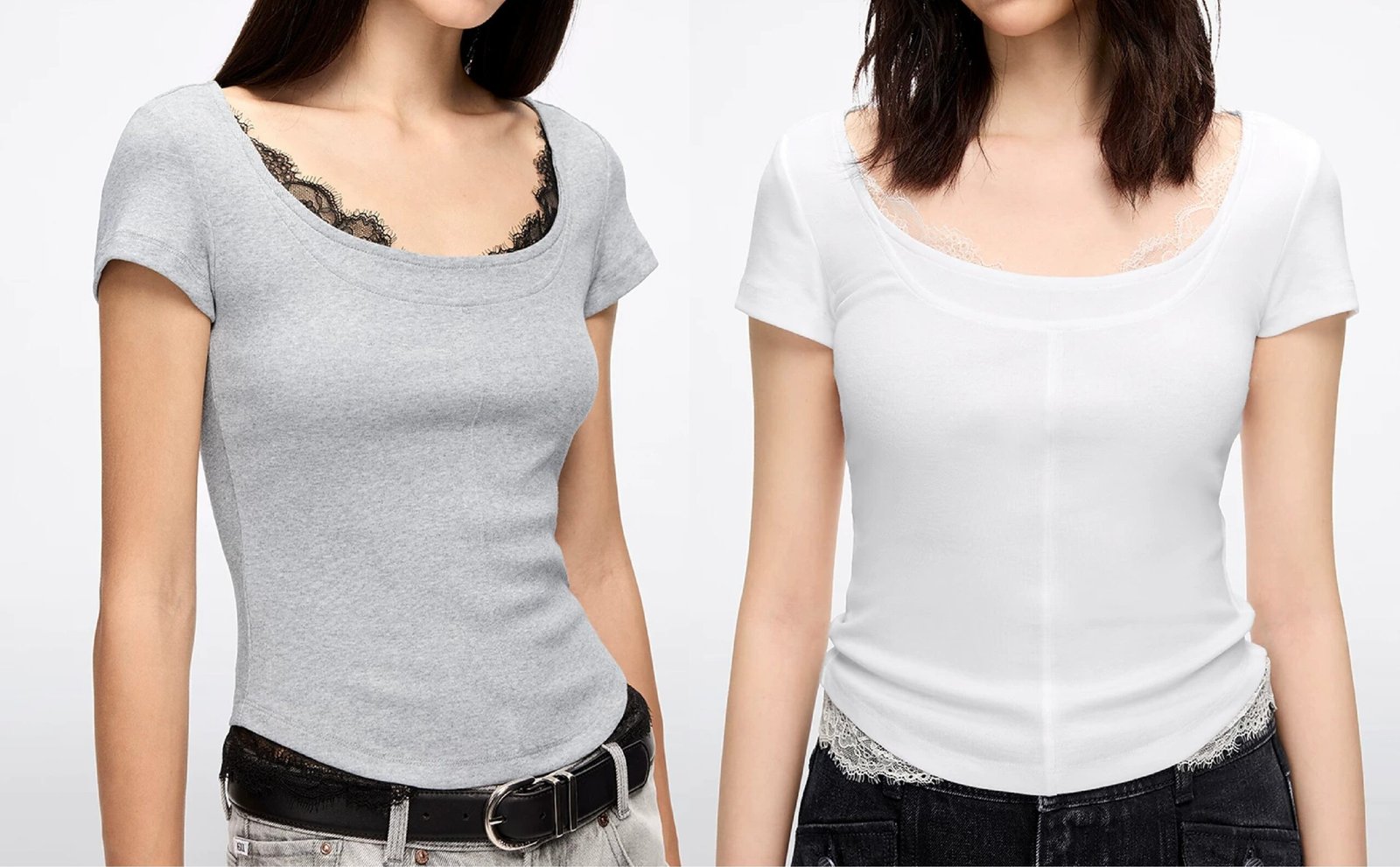
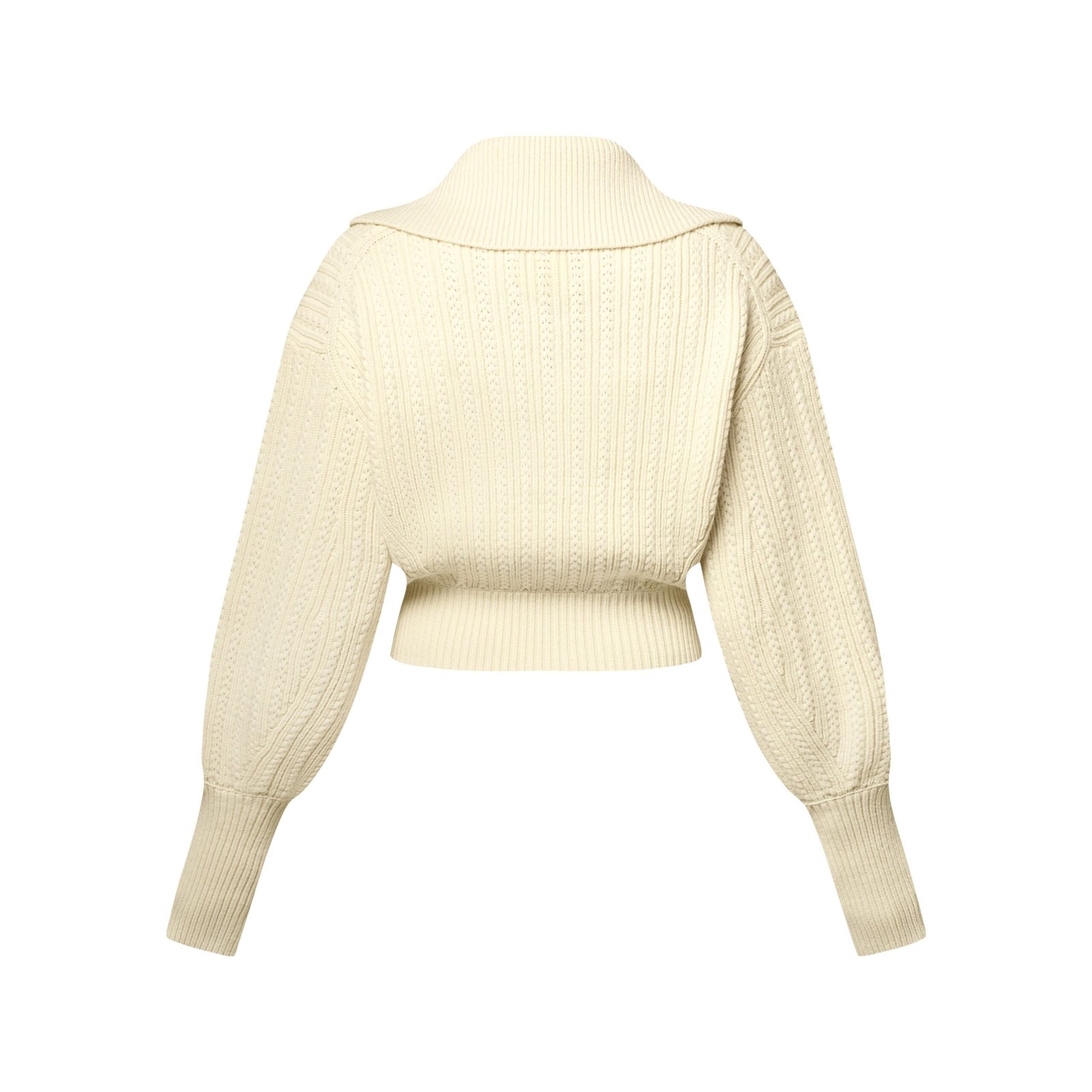
Featured Products for dtg & dtf printing Development




Related Product Catalogue and Quotation



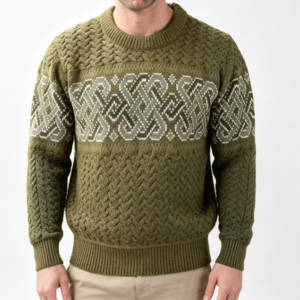


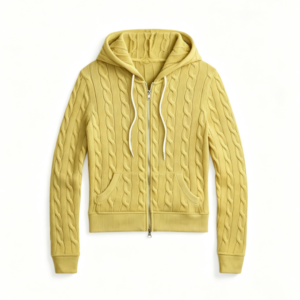
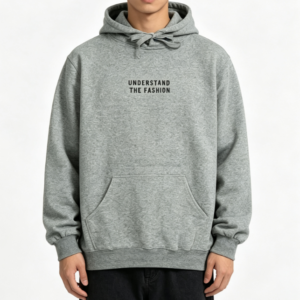
Why Brands Choose Our DTG & DTF Printing Production
A fit-focused, low-MOQ production partner for printed casualwear that can scale with your collection.
100-Unit Starting MOQ
Launch capsule collections from 100 units per style and color, then scale into repeat bulk programs as demand grows.
Fabric-Aware Decoration
We match DTG and DTF methods to fabric weight, stretch, hand feel, wash performance, artwork detail, and target cost.
Fit-First Size Development
Pattern makers refine XS–3XL, extended-size, plus-size, and oversized proportions for consistent comfort, balance, mobility, and grading.
Complete Private Labeling
Add custom labels, hang tags, patches, trims, packaging, embroidery, washes, and finishing through one coordinated apparel supply chain.
Responsive Production Scale
Work with 200+ skilled workers, 80,000+ monthly units of capacity, and global export support for dependable delivery.
DTG & DTF Printing for Custom Apparel
Choose the right digital print method for branded hoodies, detailed graphics, flexible order volumes and production-ready garment programs.

DTG (Direct-to-Garment)
Custom DTG hoodies are suited to full-color artwork, fine detail and soft-hand prints on cotton-rich fleece. Junsheen supports hoodie development from fabric and fit selection through sampling, print testing, labels and low-MOQ production from 100 units per style and color.
Request a Quote
DTF Transfer Printing
Custom DTF hoodies provide a practical option for vivid logos and graphic placements across cotton, blends and performance fabrics. Transfers can support multicolor artwork and repeatable placement, while Junsheen coordinates garment sourcing, fit grading, application testing, private labels and export-ready bulk production.
Request a QuoteMaterials for DTG & DTF Printing

Combed Cotton
Soft, breathable, and smooth against the skin, combed cotton suits premium T-shirts and everyday casualwear. Its clean surface supports sharp DTG detail and dependable DTF adhesion, with weights selected from lightweight to heavyweight jersey.

Cotton Jersey
Flexible cotton jersey delivers a familiar soft hand and easy drape for tees, long sleeves, and fitted basics. Available in varied GSM weights and stretch blends, it provides a stable print surface for vibrant DTG and DTF graphics.

French Terry
French terry combines a smooth face with soft looped backing for hoodies, sweatshirts, and matching sets. Midweight construction offers breathable comfort and a print-ready exterior suited to detailed DTG artwork or durable DTF transfers.

Brushed Fleece
Brushed fleece has a warm, plush interior and substantial feel for cold-weather hoodies, joggers, and outer layers. Its heavier weight supports premium casualwear, while the smoother face helps maintain consistent DTF and DTG print results.

Stretch Denim
Stretch denim brings structured texture, durable wear, and controlled comfort to jeans, jackets, shorts, and denim sets. Cotton-rich constructions with elastane support movement; DTF transfers are especially practical for bold graphics and logo placement.

Performance Knits
Performance knits offer moisture management, recovery, and a smooth technical hand for activewear and lightweight layers. Polyester-rich or blended fabrics can be matched to the decoration method, with DTF providing flexible, durable color application.
DTG & DTF Printing and Decoration Techniques

DTG Printing
Direct-to-garment printing applies detailed full-color artwork directly to cotton-rich garments, making it ideal for soft hand feel, gradients and small-run branded tees with photographic or complex graphic designs.

DTF Transfers
DTF transfers create vivid, flexible graphics that adhere reliably across cotton, blends and many performance fabrics. This versatile option supports fine detail, strong color coverage and placement flexibility for mixed garment programs.

Screen Printing
Screen printing delivers durable, saturated color for bold logos and repeatable artwork. It is well suited to larger production runs, with plastisol and water-based ink options plus puff, foil and high-density effects.

Heat Transfer
Heat transfer decoration applies pre-produced graphics with precise placement and clean edges. It works well for names, numbers, small logos and multi-material garments where consistent registration and short production runs matter.

Dye Sublimation
Dye sublimation bonds color into compatible polyester fabrics rather than layering ink on top. The result is lightweight, breathable all-over artwork with excellent wash durability for performance apparel and promotional styles.

Embroidery Effects
Flat, 3D puff, chain-stitch and applique embroidery add dimension and premium texture to apparel. Junsheen can combine embroidered logos, patches and specialty print effects for distinctive private-label collections.
DTG & DTF Printing With Branded Trims

Woven Brand Labels
Custom woven main, size, and wash-care labels give DTG & DTF printed hoodies, tees, knitwear, and outerwear a consistent private-label finish from sample approval through repeat bulk orders.


Zippers and Snaps
Specify branded zippers, metal snaps, buttons, and pullers for jackets, denim, polos, and outerwear. Junsheen coordinates hardware selection for durability, function, and a cohesive garment design.

Drawcords and Tipping
Add custom drawcords, aglets, cord tipping, and color-matched finishes to hoodies, sweatpants, and shorts. These details create a more considered look while supporting your chosen fit and fabric weight.

Patches and Rib Trims
Use embroidered patches, silicone badges, applique, and custom rib trims to add texture beyond print. Ideal for varsity-inspired casualwear, premium fleece, knitwear, and branded capsule collections.
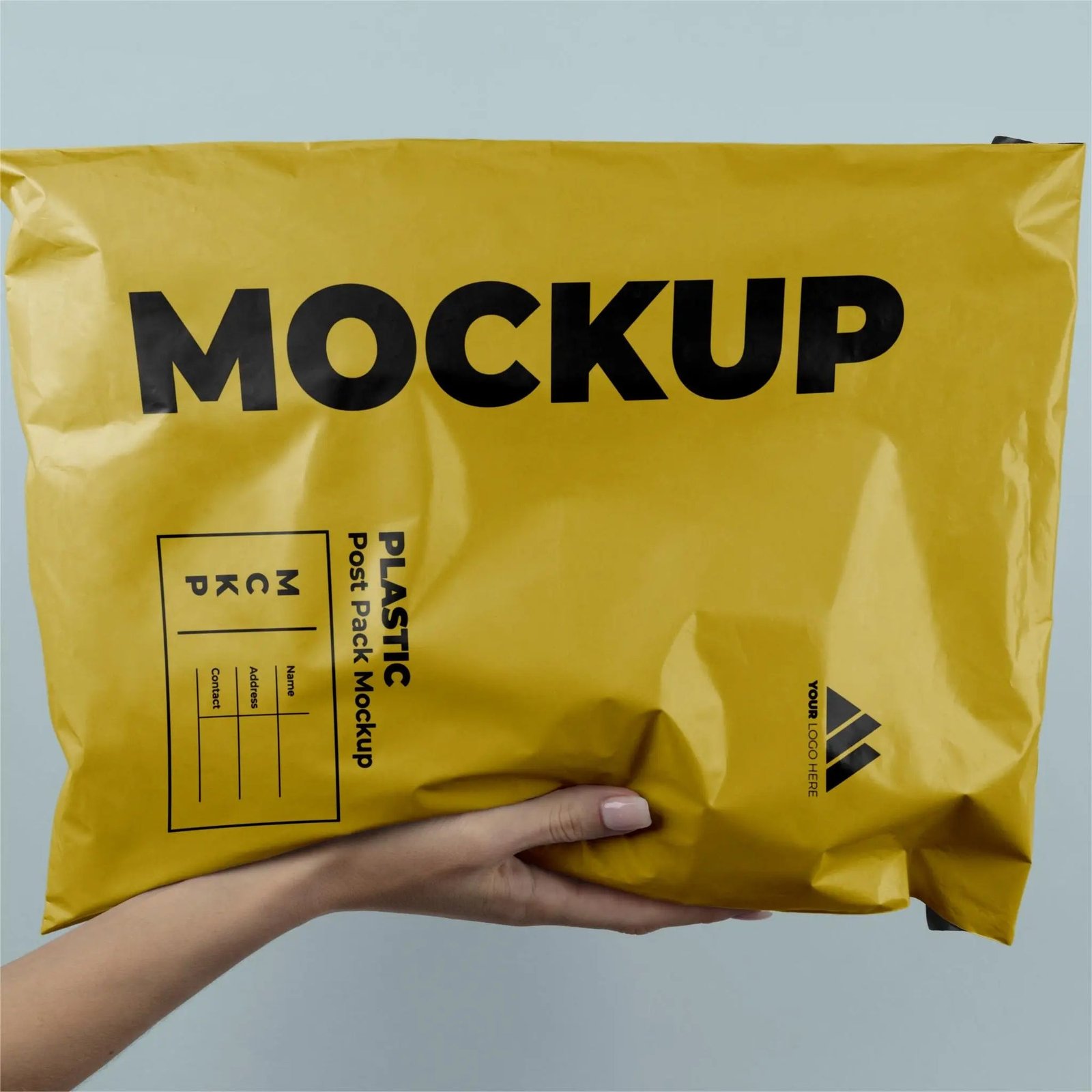
Branded Packaging Sets
Finish orders with custom polybags, mailers, tissue, sticker seals, carton marks, and inserts. Packaging is coordinated with labels and hang tags to support organized fulfillment and a polished unboxing experience.
About Junsheen Apparel Manufacturing
Founded in 2010 in Humen, Dongguan, JUNSHEEN helps fashion brands turn custom apparel concepts into production-ready collections. Our one-stop OEM, ODM and private-label team supports DTG & DTF printing alongside cut-and-sew development, fabric sourcing, sampling, decoration, packaging and global export coordination.
With 200+ skilled workers and monthly capacity exceeding 80,000 units, we serve emerging labels, retailers, wholesalers and established brands worldwide. Flexible production starts at 100 units per style and color, making it practical to launch focused printed capsules and scale proven designs into ongoing programs.
What sets JUNSHEEN apart is a fit-first manufacturing approach from XS to 3XL, including extended-size, plus-size and oversized grading. We combine technical pattern development with dependable quality control, in-house finishing and responsive production planning so branded printed apparel remains consistent from first sample through repeat orders.

Reliable DTG & DTF Printing Capabilities
Fit-Focused XS–3XL Development
JUNSHEEN develops printed apparel around real fit requirements, from standard sizes to extended-size, plus-size and oversized programs. Our pattern team refines proportions, mobility and grading increments before printing moves into approved bulk production.
- Pattern making and size grading from XS to 3XL
- Balanced shoulders, sleeves, rises and body proportions
- Prototype samples and size sets for approval
- Fewer fit revisions before bulk production

Decoration Chosen for the Garment
DTG & DTF printing is selected according to artwork detail, fabric composition, order quantity and desired hand feel. Our team can also compare screen printing, embroidery and specialty effects to help each design achieve the intended commercial result.
- DTG and DTF for detailed full-color artwork
- Screen printing, puff, foil and high-density effects
- Embroidery, patches and applique options
- Fabric and wash-performance guidance

Cut-and-Sew Production Under One Roof
More than a print supplier, JUNSHEEN manages cut-and-sew development, fabric sourcing, knitting, decoration, washing, labels and packaging in one coordinated apparel supply chain. Brands can launch complete custom programs from 100 units per style and color.
- OEM, ODM and private-label support
- Casualwear, denim, outerwear and knitwear capability
- Custom fabrics, trims, labels and packaging
- Low MOQ with scalable monthly capacity

Repeat Orders Built for Consistency
Retained patterns, graded size sets and material records help JUNSHEEN reproduce approved dtg & dtf printing programs with greater speed and consistency. Incoming, in-line and final inspections verify measurements, construction, decoration and packed goods before export.
- Approved specifications retained for reorders
- Fabric, fit and decoration quality checks
- 200+ skilled workers and 80,000+ monthly units
- Global shipping support for growing brands
Why Choose Junsheen for DTG & DTF Printing
Evidence-led production support from sampling and fit grading through quality control and export.
← 左右滑动查看 →
Our DTG & DTF Printing Production Process
A clear, fit-focused workflow for custom apparel programs from 100 units per style and color through scalable global production.
Review Your Project
Share a tech pack, sketch, reference garment, or idea. Our team confirms feasibility, decoration requirements, fit targets, MOQ, and preliminary production direction.
Source Fabrics and Trims
We recommend fabrics, labels, packaging, and print-ready garment options based on hand feel, durability, color, target cost, and intended market positioning.
Develop Patterns and Samples
Pattern makers refine XS–3XL grading and garment proportions, then create prototypes to review construction, print placement, colors, measurements, and overall fit.
Approve Details and Production
After sample and quotation approval, we lock specifications, materials, artwork, and delivery requirements before scheduling cut-and-sew, DTG, DTF, or complementary decoration.
Produce, Inspect, and Ship
Our 200+ skilled workers manage bulk production, in-line checks, final measurement and print inspections, branded packing, export documentation, and global shipment coordination.
How to Start DTG & DTF Printing With Our OEM Team
Move from a product concept to production-ready custom apparel with clear technical review, sampling, approval, and scalable manufacturing support.
Send Your Product Brief
Share a tech pack, sketch, reference garment, mood board, logo files, target quantities, and preferred DTG or DTF printing effects with our development team.
Review Feasibility and Quote
We assess construction, fabrics, print artwork, sizing, trims, and 100-unit MOQ requirements, then recommend practical options and provide a detailed quotation.
Develop and Sample
Our team creates patterns, sources materials, prepares print tests, and produces a prototype or size set for fit, hand feel, color, and decoration review.
Approve Production Details
Confirm the sample, graded XS–3XL specifications, print placement, labels, packaging, and final materials before we lock production records for your approved order.
Produce and Ship Globally
We manage bulk cutting, DTG & DTF printing, assembly, in-line inspections, final quality control, packing, and export coordination for dependable delivery worldwide.
Custom Clothing Manufacturer Credentials and Compliance Documents




DTG & DTF Printing Results for Fashion Brands
Junsheen turned our artwork revisions into approved samples in 12 days. The DTF colors stayed consistent across 240 heavyweight hoodies, and their size-set feedback helped us launch XS–3XL with fewer fit questions from customers.
We started with 100 printed tees in two colorways, then repeated the program at 1,800 units. The production files, wash tests, and packing standards were retained, so our second run moved from approval to shipment without rebuilding the process.
The team matched the soft hand feel we wanted for a premium streetwear drop while keeping fine DTG detail legible. Our sample approval took one round instead of the usual three, and the 600-piece launch arrived ready for retail allocation.
DTG & DTF Printing FAQ for Custom Apparel Orders
Clear answers on MOQs, sampling, production planning, payment, shipping and brand protection from JUNSHEEN.
What is the MOQ for dtg & dtf printing custom apparel?
How do I choose between dtg & dtf printing for my design?
Can I order a sample before starting dtg & dtf printing bulk production?
How long does custom printed apparel production take?
Can you help prepare artwork for dtg & dtf printing?
What payment terms do you offer for custom apparel orders?
Do you ship printed apparel internationally and protect our designs?
The Complete Buyer’s Guide to dtg & dtf printing
Use this practical decision framework to compare dtg & dtf printing, match methods to garments and order volumes, evaluate supplier capabilities, control quality, and avoid sourcing mistakes before placing production.
1. What Is dtg & dtf printing?
DTG, or direct-to-garment, prints water-based textile ink directly onto a finished garment with an inkjet printer. The workflow typically includes artwork preparation, pretreatment for dark garments, white and CMYK ink printing, then heat curing so the ink bonds into the fibers. It is relevant when a brand needs photographic detail, gradients, or small runs of multicolor cotton-jersey graphics without screen setup. DTF, or direct-to-film, prints the design onto a coated PET film, applies hot-melt adhesive powder, cures the print, and heat-transfers it onto the garment. The transferred graphic sits as a flexible ink-and-adhesive layer rather than printing directly into the fabric, making it useful across cotton, polyester, blends, fleece, nylon-compatible outerwear, and many finished garment colors. 100-unit capsule orders often make dtg & dtf printing practical because both methods handle full-color artwork without charging separately for each screen color. Buyers should still approve a production sample: artwork resolution, fine lines, white underbase, fabric texture, stretch, and wash testing all affect the final hand feel and durability.
2. The Evolution of Digital Apparel Printing
1960s–1990s screen printing remained the default for apparel because it produces durable, opaque color at volume, but every ink color normally required a separate screen, setup, registration and cleanup. A six-color chest graphic could be economical for thousands of units yet inefficient for a 100-unit launch, especially when artwork changed between colorways. 2004 marked the commercial arrival of early direct-to-garment inkjet systems, which applied CMYK inks directly to cotton-rich garments without creating screens. Early DTG output was limited by slow print speeds, inconsistent white ink on dark garments and variable wash durability, so pretreatment control and fabric selection became critical production steps. 2010s advances in circulating white-ink systems, automated pretreatment, RIP software and color-management profiles made detailed artwork, photographic gradients and small repeat orders more reliable. Better RIP workflows also reduced common failures such as weak underbases, muddy shadows and inconsistent logo colors across garment sizes. 2020s DTF transfer-film technology expanded digital decoration to cotton, polyester blends, fleece and many difficult garment constructions by printing onto PET film, applying hot-melt powder adhesive, then curing and heat-pressing the transfer. For today’s 100-unit custom-production decision, screen printing still suits stable high-volume graphics, while DTG and DTF let brands test complex art, controlled colorways and capsule demand before committing to larger runs.
3. Types of dtg & dtf printing
DTG and DTF variants differ most in garment color, fiber content, stretch, and how the transfer is applied. For dtg & dtf printing, buyers should match the process to artwork complexity and the intended reorder model.
Light And Dark DTG
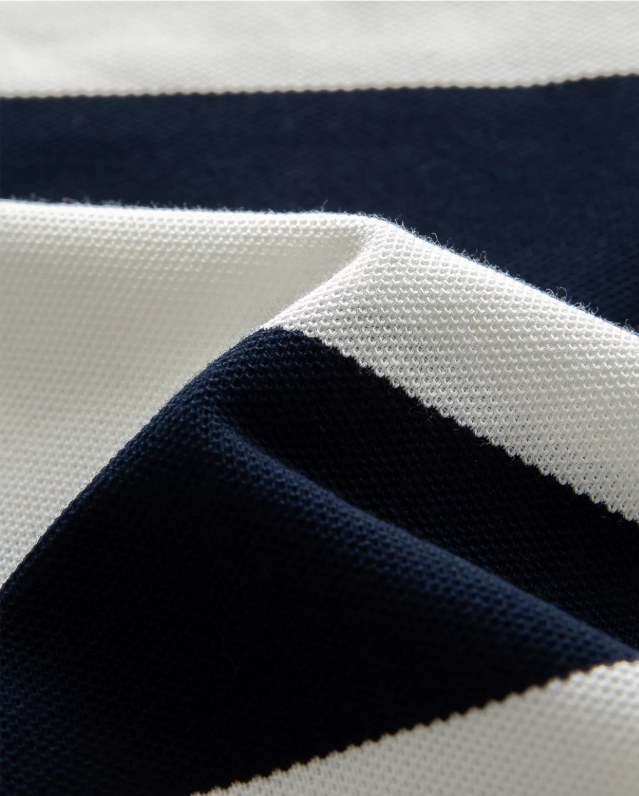
Light-garment DTG prints directly onto pale, cotton-rich blanks without a white underbase, giving a soft, low-profile hand for detailed artwork and short runs. Dark-garment DTG adds a cured white underbase before CMYK ink, improving opacity but making pretreatment consistency and wash testing essential. Ask whether the supplier tests artwork on the actual garment color and provides a 5–10 wash sample.
DTF Film Variants
Cotton-focused DTF suits detailed logos, small mixed-color orders, and awkward placements where direct printing is impractical; its finish is typically smoother and more film-like than DTG. Stretch or performance-fabric DTF uses elastic film and adhesive for polyester blends, activewear, or rib areas. Ask for stretch-recovery, dye-migration, and 40°C wash-test results before approving bulk.
Gang Sheets And Ready Transfers
Gang-sheet transfers combine multiple logos or sizes on one film sheet, reducing setup waste for 100-unit capsule programs and repeat branding. Heat-applied ready transfers are preprinted, then pressed onto garments after production; they support inventory flexibility but require controlled temperature, pressure, and peel timing. Ask for sheet dimensions, minimum line weight, press settings, and replacement-transfer policy.
4. Fabrics for dtg & dtf printing
100% ring-spun cotton remains the most predictable DTG base because ink penetrates its absorbent face. Fabric choice for dtg & dtf printing must also account for color, knit structure, weight, stretch, and finishing chemistry.
| Fabric | Usual Safer Method | Key Watchpoint |
|---|---|---|
| Cotton jersey | DTG | Smooth, absorbent face |
| Cotton-rich blend | DTG or DTF | Lower cotton reduces DTG vibrancy |
| Fleece | DTF or DTG | Lint and brushing reduce detail |
| Denim | DTF | Texture and seam variation |
| Nylon | DTF | Coatings require adhesion testing |
| Performance fabric | DTF | Stretch and dye migration |
Fabric Comparison
160–220 GSM cotton jersey gives DTG a soft hand and reliable detail; cotton-rich blends also work well. Polyester, nylon, and most performance knits usually favor DTF for stronger opacity and adhesion. 280–360 GSM fleece needs a smooth, low-lint face, while brushed surfaces can obscure fine lines. Denim and textured slub knits should receive DTF strike-offs because seams, ridges, and uneven faces affect transfer contact.
Choose By Fiber And Surface
50/50 cotton-polyester can accept DTG, but results vary with the cotton percentage and dye migration risk. Tri-blends often produce a deliberately vintage, lower-opacity DTG look; use DTF when solid coverage is required. 100% polyester requires a low-temperature DTF process and migration testing, especially on red, navy, and black goods. WR or silicone softeners can block adhesion, so request untreated test panels or confirm finishing before bulk approval.
- Cotton jersey: DTG for soft, breathable prints
- Polyester: DTF with dye-migration testing
- Nylon: DTF after adhesion testing
- Performance knits: DTF on smooth, stable faces
Control Weight And Wash Results
180–240 GSM smooth jersey provides a stable print field; very lightweight knits can distort under curing. High-stretch elastane fabrics need DTF films selected for recovery, since rigid transfers can crack when worn. 3–5 pre-production wash cycles should test cracking, edge lift, fading, and color migration. Junsheen can review swatches and sample garments so the approved fabric, print method, and curing settings carry into bulk production.
5. dtg & dtf printing Customization Options
A 100-unit style-and-color program can still carry multiple placements, personalization, and retail-ready trims. For dtg & dtf printing, specify artwork, garment color, print location, variant quantities, and packaging together before sampling.
Artwork And Color Files
300 DPI artwork at final print size is the practical starting point; supply transparent PNG files for DTG or DTF, plus vector AI, PDF, or SVG files for spot-color logos. Pantone references set expectations for branded colors, but digital inks, fabric shade, pretreatment, and underbase can shift the finished result. Approve a physical strike-off for gradients, photography, and critical colors.
- Provide transparent backgrounds and flattened final artwork
- Mark intended print dimensions in inches or centimeters
- Flag neon, metallic, and exact Pantone requirements
Placement And Personalization
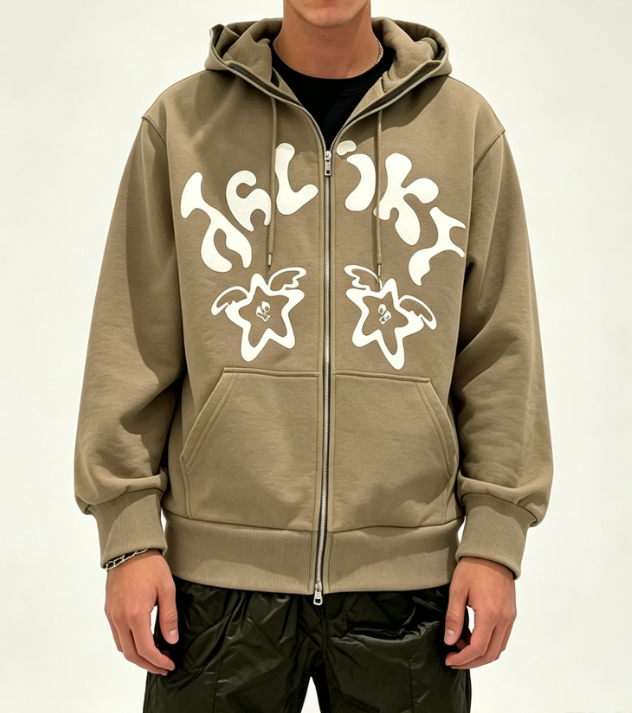
1-inch placement tolerance is a sensible production allowance on chest, sleeve, back, and oversized prints; measure from stable landmarks such as the high-point shoulder or center back neck. 100-unit runs can divide into low-volume colorways, front-and-back combinations, sleeve logos, and individual names or numbers when the variable-data list is supplied in a clean spreadsheet.
- Left chest and full-back graphics
- Oversized front or wraparound placements
- Sleeve prints, names, and player numbers
Labels, Finishing, And Packs

2 label zones—neck and side seam—should be planned with print method, garment construction, and care requirements in mind. Printed neck labels suit soft jersey; woven main labels add a more structured private-label finish. JUNSHEEN can coordinate branded hang tags, polybags, size stickers, folding instructions, and carton marks with approved artwork. Mixed decoration, such as a DTF full-color graphic with puff screen-print lettering or embroidered chest logo, works best when each technique has a distinct visual job.
- Neck labels and wash-care labels
- Hang tags and branded polybags
- Carton marks for wholesale receiving
6. Quality Elements in Printed Apparel
Premium dtg & dtf printing depends on repeatable inputs, not merely a sharp artwork file. Approve a pre-production sample on the exact fabric, color, print size, and finish planned for bulk.
Ink And Transfer Controls
100% cotton DTG requires even pretreatment and opaque white-ink coverage; streaks, halos, or uneven underbase texture signal an unstable process. 75–90°C film peeling conditions, powder grade, transfer pressure, and curing time must follow the supplier’s specification. Record settings by fabric and colorway so reorders match.
- Check white underbase at edges and fine details.
- Match approved Pantone targets under consistent lighting.
- Confirm artwork registration around seams and panels.
Feel, Durability, And Migration
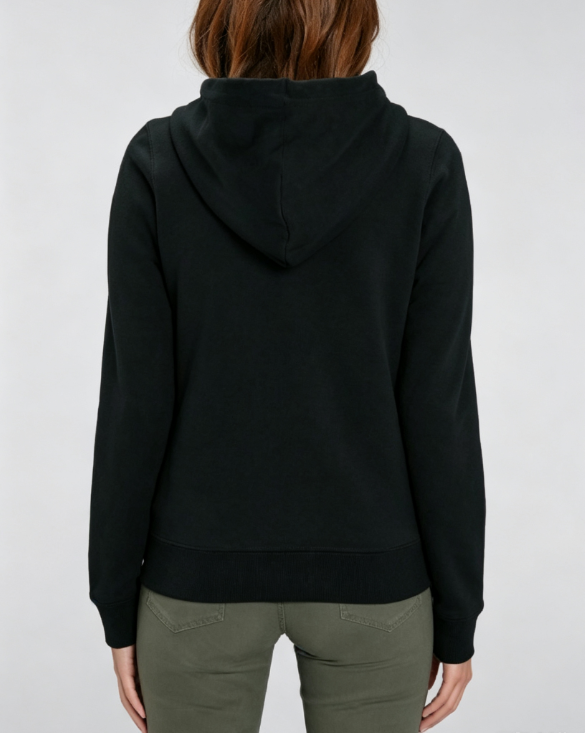
1 finished transfer should flex with the garment rather than feel like a stiff plaque. Excess powder or over-curing increases hand feel and can make large chest prints uncomfortable. 40°C wash testing should assess cracking, peeling, color loss, and edge lift after multiple cycles. Polyester and dark dyed fabrics require migration testing because sublimated dye can discolor light inks.
- Stretch the print across its widest dimension.
- Inspect peeled corners and fine-line adhesion.
- Compare washed samples with the sealed approval sample.
Buyer Approval Checklist
3 checkpoints—pre-production, in-line, and final packing—catch different failures. Junsheen can retain approved patterns, material records, and samples to support repeat-order consistency. AQL acceptance levels and sample quantities should be agreed before bulk begins. Inspect garments under daylight-equivalent lighting and after a full cure period.
- Verify garment color, measurements, placement, and registration.
- Check print opacity, hand feel, cracking, and peeling.
- Confirm wash-test result, labels, packing, and carton count.
7. Choosing a dtg & dtf printing Manufacturer
100-unit programs require more than a printer: they require a supplier that can control fabric, artwork, fit, and packing from sample through export. For dtg & dtf printing, evaluate repeatability before comparing quoted unit prices.
Verify Fabric And Print Experience
160–280 GSM ring-spun jersey, French terry, fleece, and blended fabrics each accept inks and transfers differently; ask for comparable production samples. Request the supplier’s recommended pretreatment, print method, curing approach, and wash-test result for your exact fiber blend.
- Which fabrics have you printed repeatedly?
- Can you supply swatches before sampling?
- What wash-test cycle and pass criteria apply?
Control Sampling And Color
1 approved pre-production sample should match the bulk artwork file, placement tolerance, Pantone target, garment color, and size specification. Ask whether artwork cleanup, white-underbase settings, color proofs, and approval photos are documented before the production release.
- Who checks raster resolution and transparencies?
- How are Pantone deviations approved?
- What placement tolerance is used?
Test Operational Reliability
7–21 days is a common sampling window, while bulk lead time depends on fabric availability, decoration load, and final approvals. Request written QC records covering incoming fabric, measurements, print adhesion, packed-goods inspection, compliance documents, export terms, and shipment tracking.
- What is the confirmed MOQ by style and color?
- Can you share a QC inspection template?
- Which compliance certificates cover selected materials?
- Who owns daily production communication?
8. Common dtg & dtf printing Buying Mistakes
100-unit capsule orders leave little margin for avoidable reprints or delayed launches. Before approving dtg & dtf printing bulk production, buyers should turn price, artwork, garment, testing, placement, timing, and reorder requirements into signed specifications.
Price And Artwork Shortcuts
1 low quote can exclude artwork cleanup, white underbase, color matching, or test prints. Supply 300-DPI artwork at final size, separate spot colors where required, and compare like-for-like quotations before approving bulk.
- Avoid hairline details and unsupported transparency
- Confirm print dimensions and ink-color count
- Request a preflight report for every design
Garment And Sample Mismatches

180 GSM ring-spun cotton and brushed polyester fleece accept ink differently, especially with DTG pretreatment or DTF adhesion. Match the decoration method to the exact fabric, color, finish, and stretch level; approve a physical sample rather than a digital mockup. 3 wash cycles should check cracking, edge lift, shrinkage, hand feel, and color change. Review samples under daylight and specified retail lighting, then retain the approved standard for bulk QC.
Specifications, Timing, And Reorders
2 cm of placement ambiguity can create visibly inconsistent chest prints across a run. Provide measured reference points from neck, side seam, or center front, plus a placement diagram and tolerances. 14–28 days is a common production-planning range after approval, but fabric sourcing, sampling, and shipping add time. Lock Pantone targets, approved fabric lots, artwork files, size specifications, and wash-test records for repeat orders.
- Build sampling and transit time into launch dates
- Store approved print and garment standards
- Reconfirm material availability before reordering
9. Launching a Custom Apparel Collection
A 100-unit opening run is most useful when it tests one clear customer, one proven silhouette, and a tightly controlled decoration plan. Build decisions in approval order so artwork, fit, and inventory do not change after bulk materials are committed.
Define The First Drop
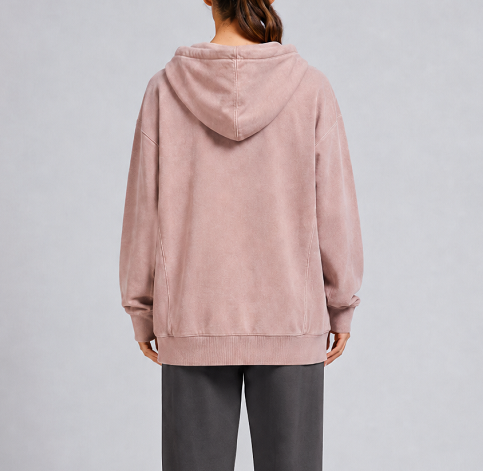
One target customer should determine the garment, price band, and fit before artwork begins. Start with one hoodie, T-shirt, or sweatshirt silhouette and specify fabric weight, intended use, and XS–3XL grading. Two colorways are usually easier to launch than five because each additional color divides the size run and raises material complexity.
- Name the customer and selling climate
- Select one core silhouette
- Set retail price before costing
Lock Artwork And Brief
One production brief should include Pantone references, print dimensions, placement measurements, garment color, artwork files, labels, packaging, and tolerances. For dtg & dtf printing, approve the final artwork at actual print size rather than judging only a screen preview. Three files prevent common confusion: editable artwork, a placement sheet, and a tech pack or measurement specification.
Sample Before Bulk Approval
One prototype exposes fit, hand feel, print adhesion, color, and wash-performance issues before production. Revise the sample only against documented comments, then approve a sealed reference or pre-production sample. Two wash checks—after initial curing and after repeated laundering—are especially useful for digitally printed garments.
Build A Reorderable Size Run
A 100-unit MOQ can be split across one style and limited colors when the size curve reflects expected demand. Keep the first run concentrated in core sizes; avoid equal quantities from XS through 3XL unless sales data supports it. After delivery, retain approved patterns, graded size sets, fabric codes, print files, Pantones, and inspection records. Those records make reorders faster and reduce avoidable sampling changes.
- Inspect measurements and decoration before packing
- Track sales by color and size
- Reorder proven units before expanding variants
10. dtg & dtf printing Pricing and Costs
100 units per style and color is a practical starting tier for custom cut-and-sew programs; at this volume, a DTG or DTF quote is driven more by garment and handling than by ink alone. Ask whether the unit price includes the blank or sewn garment, pretreatment, pressing, individual bagging, labels, and export carton packing. 12 × 16 inches is a common full-front print area, and larger artwork, two-sided placement, white underbase ink, or dark garments increase machine time and consumables. Polyester blends, ribbed knits, fleece with a high pile, water-repellent surfaces, and finished or garment-dyed goods may require tests, alternative films, or extra process steps. 7–21 calendar days is a typical bulk-production window after artwork, strike-off, materials, and size specifications are approved; sampling commonly adds 5–10 days. Compare quotations against the same Pantone intent, garment GSM, size ratio, print dimensions, placement count, packing specification, freight basis, duty exposure, and payment terms—then assess total landed cost rather than the lowest ex-factory figure.
| Order tier | Likely cost pattern | Setup or sample allowance | Typical lead time |
|---|---|---|---|
| 100–299 units | Highest unit cost; garment base, full-color coverage, white ink, and multiple placements matter most | Artwork preparation and print strike-off may be charged separately | Sample 5–10 days; bulk 14–21 days |
| 300–999 units | Improved garment and handling efficiency; repeat placements still add labor | Confirm whether preproduction sample cost credits against bulk | Bulk 10–18 days after approvals |
| 1,000+ units | Better material purchasing and batch efficiency; special finishes can offset savings | Request approved strike-off and wash-test requirements in writing | Bulk 7–15 days, subject to material availability |
Start Your DTG & DTF Printing Project
Send your tech pack, reference garment, or product idea for a tailored quotation and 100-unit MOQ production plan from Junsheen.