
Custom Jean Jackets From 100 Units
Launch fit-focused custom jean jackets with OEM, ODM and private-label development from XS to 3XL, backed by scalable global production.
Featured Products for custom jean jackets Development




Related Product Catalogue and Quotation




Why Brands Choose JUNSHEEN for Custom Jean Jackets
From first sample to global delivery, JUNSHEEN combines low-MOQ denim development with dependable, scalable production support.
100-Unit MOQ
Launch capsule collections or test new washes with minimums from 100 units per style and color.
Fit-Focused Development
Refine patterns, proportions and graded sizes from XS to 3XL for regular, oversized and extended-size denim jackets.
Integrated Decoration
Add logo embroidery, patches, printing, custom hardware and garment washes through one coordinated production team.
Denim Sourcing Expertise
Select denim, stretch denim, weights and finishes around your target cost, hand feel, durability and design direction.
Measured Quality Control
Inspect fabric, construction, measurements, decoration and packed goods to protect approved fit and finish standards.
Global Export Support
Scale from samples to bulk orders with export coordination backed by 200+ skilled workers and 80,000 monthly units.
Custom Jean Jackets and OEM Denim Programs
Develop fit-focused casualwear and denim programs from 100 units per style and color, with private-label details, sampling support, and scalable production.

Custom Hoodies
Custom hoodies developed in fleece, French terry, or jersey for capsule launches, creator merchandise, and private-label collections. Junsheen supports custom patterns, XS–3XL grading, embroidery, screen printing, washes, labels, and branded packaging from sample through bulk production.
Request a Quote
Custom T-Shirts
Custom T-shirts for retail basics, promotional programs, and fashion collections, built in cotton, Pima cotton, organic cotton, or blended jersey. Choose garment weight, fit, neck construction, printing, embroidery, washes, labels, and packaging with low MOQs from 100 units per style and color.
Request a Quote
Custom Jeans
Custom jeans produced in rigid or stretch denim with fit development across XS–3XL, including extended-size and oversized grading. Specify washes, rises, leg shapes, pockets, hardware, embroidery, patches, labels, and packaging for private-label denim programs or wholesale replenishment.
Request a Quote
Custom Sweaters
Turtleneck sweaters for bulk programs and private-label knitwear ranges, developed with yarn, gauge, silhouette, and finishing selected around target cost and hand feel. Junsheen supports size grading, rib details, labels, sampling, and scalable production for seasonal retail orders.
Request a Quote
Custom Jackets
Custom jean jackets and woven outerwear developed for denim capsules, branded teams, and private-label retail. Select denim weight, wash treatment, construction, pockets, trims, patches, embroidery, and fit specifications, then approve samples before moving into bulk production.
Request a Quote
Custom Sweatshirts & Crewnecks
Custom crewneck hoodies, sweatshirts, and crewnecks made in fleece or French terry for merchandise, uniform programs, and casual collections. Development covers fit, rib construction, decoration, garment dye or washes, labels, and graded size sets from XS through 3XL.
Request a Quote
Custom Cardigans
Custom cardigans produced as fine-gauge or heavier knitwear for layered seasonal collections. Define yarn blend, gauge, buttons, plackets, pockets, rib trims, fit, labels, and packaging, with sample approval and scalable production for private-label or wholesale programs.
Request a Quote
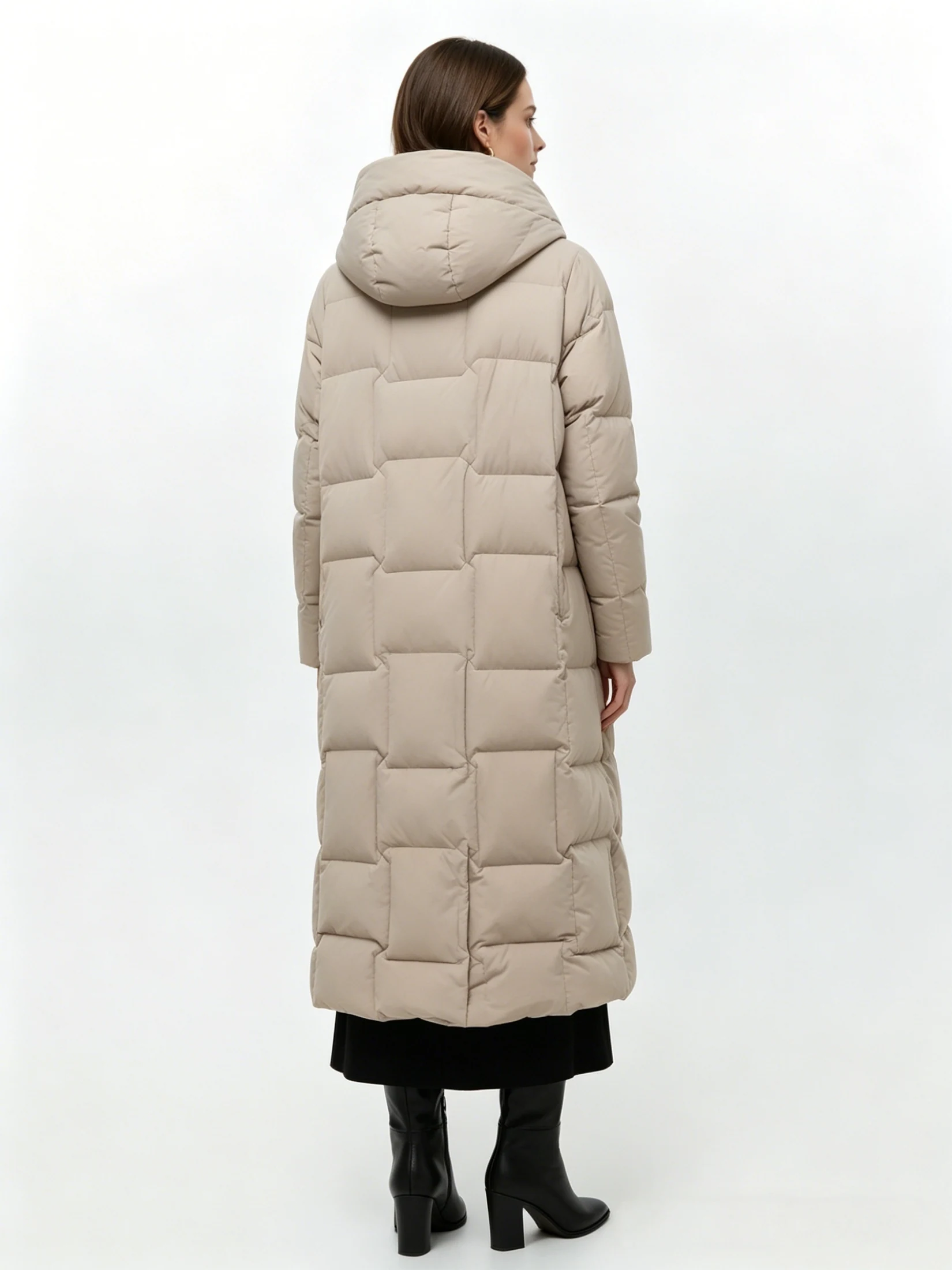
Custom Puffer & Down Jackets
Custom puffer jackets and down-style outerwear developed around insulation, shell fabric, quilting, fit, and target climate. Junsheen supports custom panels, zippers, snaps, reflective details, embroidery, labels, and packaging for branded outerwear launches and repeat orders.
Request a Quote
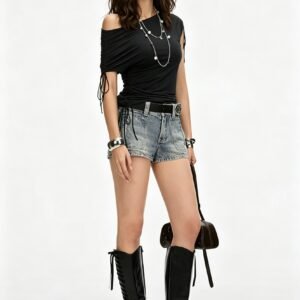
Custom Denim Shorts
Custom jean shorts made in rigid or stretch denim with tailored rises, inseams, hem finishes, pocket details, and wash effects. Suitable for summer capsules, private-label retail, and wholesale programs requiring consistent grading, branded hardware, labels, and pre-production approval.
Request a Quote
Custom Sweater Dresses
Custom sweater dresses developed in knit constructions that balance drape, coverage, stretch, and recovery. Specify yarn, gauge, neckline, length, sleeve shape, rib details, and size grading for XS–3XL, with labels and packaging ready for private-label retail.
Request a Quote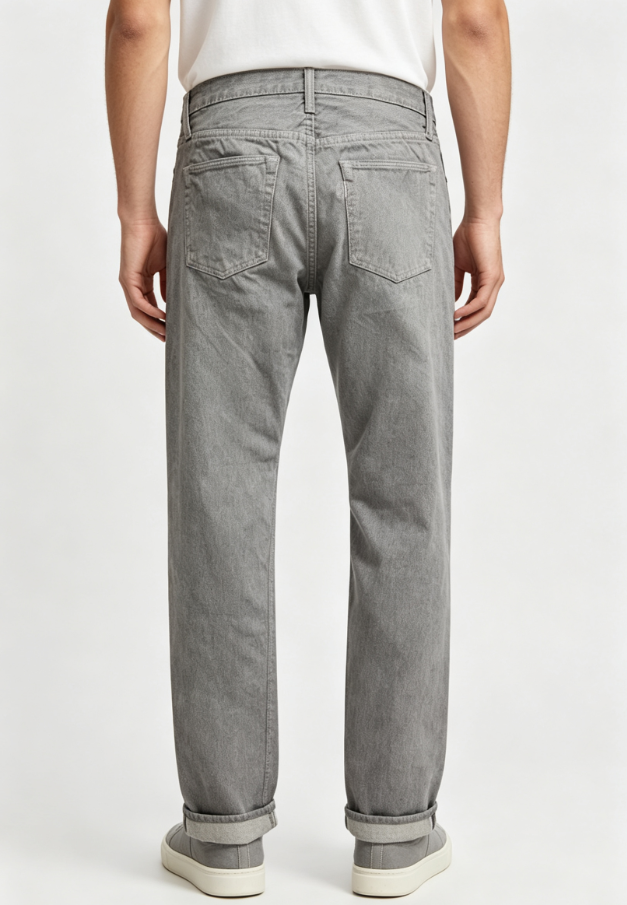
Custom Denim Sets
Men’s denim suits for wholesale and coordinated denim programs, including matching jackets and jeans with consistent fabric, wash, and trim specifications. Junsheen manages pattern development, fit approval, hardware, decoration, labels, and bulk production for retail-ready sets.
Request a Quote
Custom Polo Shirts
Custom polo shirts for uniforms, corporate merchandise, golf-inspired collections, and private-label basics. Select pique or jersey fabric, collar construction, plackets, buttons, embroidery, printing, fit, grading, labels, and packaging based on your target market and price point.
Request a Quote
Custom Sweatpants
Custom sweatpants developed in fleece, French terry, or performance knits for coordinated sets, team merchandise, and casualwear lines. Choose rise, leg shape, cuffs, pockets, drawstrings, decoration, washes, labels, and XS–3XL grading before confirming bulk production.
Request a Quote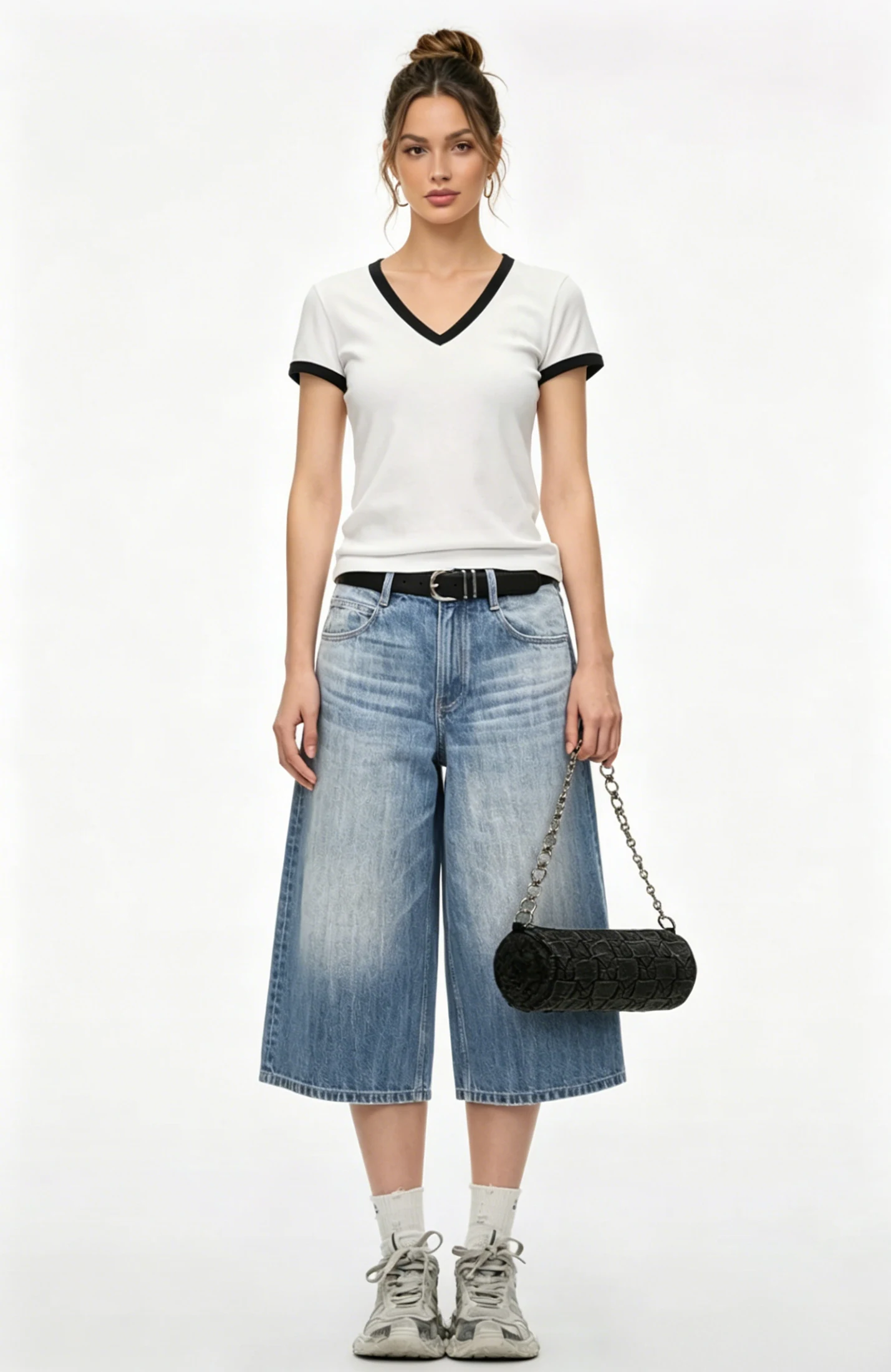
Custom Shorts
Custom shorts produced in jersey, fleece, twill, denim, or performance fabrics for warm-weather collections and branded programs. Junsheen supports custom inseams, waistband construction, pockets, trims, printing, embroidery, labels, and fit-focused grading for repeatable production.
Request a Quote
Custom Pullovers
Custom pullovers developed as knitwear, fleece, French terry, or lightweight layering styles. Define fabric or yarn, neckline, fit, rib trims, decoration, washes, labels, and packaging, with product-development support for capsule launches through ongoing wholesale supply.
Request a QuoteMaterials for Custom Jean Jackets

Rigid Cotton Denim
A structured, authentic denim with a dry-to-soft hand feel that develops character through washing. Ideal for classic trucker jackets, it typically ranges from 10 to 14 oz for dependable shape retention.

Stretch Denim
Cotton denim blended with elastane for comfortable movement and closer body shaping. Well suited to fitted or extended-size custom jean jackets, with controlled stretch recovery that helps maintain the intended silhouette after wear.

Cotton Blend Denim
Cotton blended with polyester or other fibers creates a durable, more cost-controlled fabric with a consistent hand feel. A practical choice for branded jacket programs requiring reliable color retention, strength, and repeatable bulk production.

Cotton Twill
A smooth, diagonal-weave fabric with a clean hand and lighter visual profile than traditional denim. Used for utility-inspired jackets and seasonal layers, cotton twill offers stable construction and adaptable garment-dye finishing.

Recycled Denim
Denim incorporating recycled cotton or recycled polyester for collections with material-conscious goals. It can deliver a substantial, textured hand feel while helping support sustainability messaging; composition, weight, and wash performance are confirmed during sampling.
Custom Jean Jackets: Decoration and Garment-Wash Techniques

Logo Embroidery
Flat, 3D puff, chain-stitch and applique embroidery add dimensional logos or artwork to custom jean jackets. Dense stitching is engineered for clean definition, reliable wear and a premium tactile finish.

Screen Printing
Plastisol, water-based, puff, foil and high-density screen prints create bold graphics across denim panels. Junsheen matches ink systems and curing methods to the fabric for opaque color, sharp detail and lasting adhesion.

Custom Patch Application
Woven, embroidered, chenille, leather-look and branded patches create flexible placement options for chest, sleeve and back details. Secure attachment methods deliver a layered, heritage-inspired finish that holds up through repeat wear.

DTG and DTF
DTG and DTF transfers reproduce detailed artwork, gradients and small-run graphics with accurate color. These methods suit custom jean jackets requiring intricate visuals, controlled placement and efficient sampling before bulk approval.

Denim Wash Finishing
Enzyme, acid and stone washes soften denim and build distinctive faded character. Controlled finishing can enhance vintage contrast, surface texture and hand feel while maintaining the garment’s intended construction and branded appearance.
Custom Jean Jackets Trims and Private-Label Accessories

Custom Metal Buttons
Add logo-engraved shank buttons, tack buttons or antique-finish hardware to custom jean jackets for durable front closures and a signature branded denim look.

Branded Snap Fasteners
Use custom snaps on cuffs, pockets and adjustable tabs to improve function while carrying your logo, chosen finish and color direction across the jacket.

Custom Zipper Pulls
Specify metal or nylon zippers with branded pullers for front openings, chest pockets or detachable details, matched to your jacket weight, wash and hardware finish.

Woven Brand Labels
Create woven main labels, size labels and wash-care labels that give every jacket clear brand identity, accurate fit information and retail-ready compliance details.

Custom Hang Tags
Finish custom jean jackets with branded hang tags, strings and barcode-ready information cards for wholesale presentation, retail display and a more complete unboxing experience.
Branded Packaging Sets
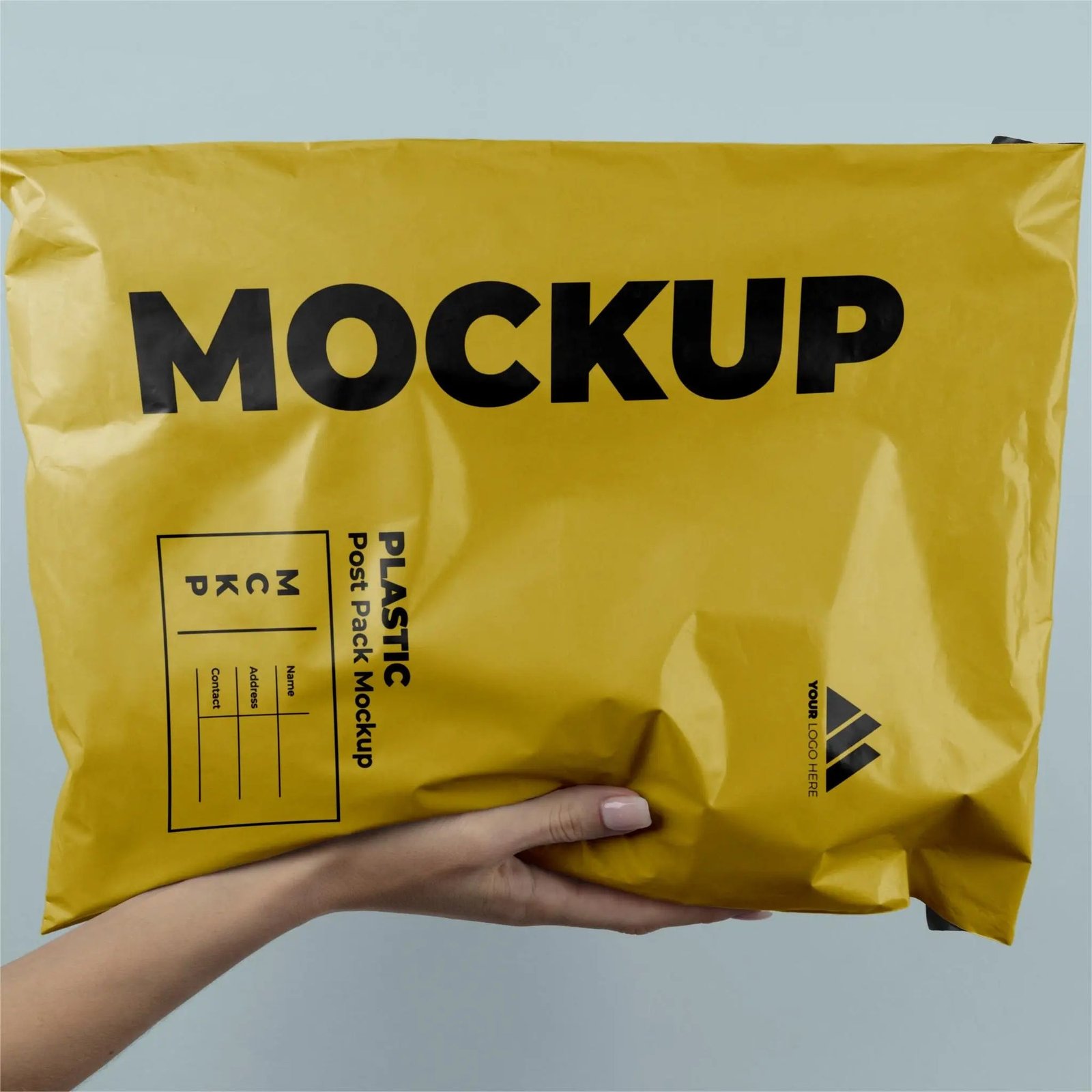
Coordinate polybags, tissue paper, sticker seals and shipping cartons with your private-label program to protect finished jackets and present a consistent brand experience globally.
About JUNSHEEN Custom Jean Jackets
Founded in 2010 in Humen Town, Dongguan, JUNSHEEN helps fashion brands turn denim concepts into production-ready custom jean jackets. Our one-stop OEM, ODM and private-label team supports development from tech packs, sketches and reference garments through sampling, bulk production and export.
With 200+ skilled workers and monthly capacity above 80,000 units, we serve 2,000+ fashion-brand clients worldwide. Programs can begin at 100 units per style and color, then scale into repeat denim outerwear orders with in-house decoration, washing, labels, trims, packaging and quality control.
Our difference is a fit-first approach. Rather than simply enlarging a base pattern, JUNSHEEN refines proportions, shoulder balance, sleeve length and grading from XS to 3XL, including extended-size, plus-size and modern oversized custom jean jackets designed for dependable repeat production.

Custom Jean Jackets Built for Fit, Detail and Repeatability
Fit-First XS–3XL Grading
JUNSHEEN develops custom jean jackets from XS through 3XL with proportion-led pattern grading, not simple size enlargement. Pattern makers refine shoulder balance, sleeve length, body ease and mobility across the full size range before bulk approval.
- Normal, extended-size, plus-size and oversized fits
- Pattern making from tech packs, references or sketches
- Size sets for fit review before production
- Grading increments tailored to your target customer

Denim Developed for Your Brief
Select denim around the jacket’s intended weight, structure, stretch, wash result and price point. Our sourcing team can coordinate swatches and sample garments, helping brands choose fabrics that support the silhouette, finish and durability their collection requires.
- Rigid, stretch and blended denim options
- Fabric weights matched to jacket construction
- Swatches and sample review before bulk booking
- Material guidance for hand feel and wash performance
Decoration and Finishing In-House
Build a recognizable denim outerwear program with integrated embroidery, printing, patches, trims and garment washes. Managing these processes within one production workflow helps protect design details, clarify approvals and keep custom jean jackets consistent from sample to packed goods.
- Flat, 3D and chain-stitch embroidery
- Screen print, DTF, DTG and heat-transfer options
- Acid wash, stone wash, enzyme wash and garment dye
- Custom labels, buttons, snaps, zippers and packaging

Records That Support Reorders
Approved patterns, graded size sets and material records are retained to make repeat custom jean jackets faster and more consistent. Combined with in-line and final inspections, this creates a dependable production base for capsule launches, replenishment and scaling wholesale programs.
- Retained pattern and grading specifications
- Documented approved materials and trims
- Measurement, construction and final packed-goods checks
- Scalable production from 100 units per style and color

Why Choose JUNSHEEN for Custom Jean Jackets?
A fit-focused, production-ready partner for denim programs from first sample to global delivery.
← 左右滑动查看 →
Custom Jean Jackets Production Process
A fit-focused OEM workflow that moves your denim outerwear concept from feasibility review to export-ready delivery.
Review Project Feasibility
We review your tech pack, sketch or reference jacket, confirm construction, target fit, decoration requirements, 100-unit MOQ and production feasibility.
Source Denim and Trims
Our team recommends denim weight, stretch, wash potential and components, then coordinates swatches, custom buttons, labels, zippers and packaging details.
Develop Patterns and Samples
Pattern makers build and grade fit-focused XS–3XL patterns, refine proportions and produce prototype samples for measurements, wash effects and approval.
Cut, Sew and Decorate
After approval, we cut and sew your jackets, then apply embroidery, printing, patches, washes or finishing under controlled production standards.
Inspect, Pack and Ship
Quality teams check fabric, construction, measurements, fit, decoration and packed goods before branded packing, final balance clearance and global export dispatch.
Start Your Custom Jean Jackets Project
Move from concept to export-ready denim outerwear with a clear, fit-focused production path.
Send Your Design Brief
Share a tech pack, sketch, reference jacket, mood board, or product idea with target quantities, sizes, fabric preferences, decoration requirements, and destination market.
Review Feasibility and Quote
Our team reviews construction, denim weight, washes, trims, grading, and branding details, then recommends production-ready options and prepares a clear quotation from 100 units per style and color.
Approve Development Samples
Confirm fabric swatches, prototype samples, measurements, fit, wash effects, embroidery, printing, labels, and packaging before approving the final size set and pre-production details.
Confirm Bulk Production
After order confirmation, JUNSHEEN manages material sourcing, cut-and-sew production, in-line inspections, decoration, finishing, and final quality control for consistent custom jean jackets.
Arrange Global Shipment
We pack approved goods with your private-label requirements, settle final shipment details, and support export coordination for delivery to your warehouse, retailer, or distribution partner.
Custom Clothing Manufacturer Credentials and Compliance Documents



Custom Jean Jackets: Fashion Brand Results and Client Stories
JUNSHEEN helped us turn our denim jacket concept into a 120-piece launch without forcing a high starting quantity. The revised sample improved sleeve balance and the final size run gave our team a much clearer fit standard for future drops.
Our first custom jean jacket sample needed cleaner logo placement and stronger wash consistency. After the development review, the second sample was approved with fewer internal revisions, which kept our seasonal launch schedule moving on time.
We began with a 100-unit private-label jacket program and returned for a repeat order after the initial delivery. JUNSHEEN kept our labels, measurements and trim details organized, making the re-order process far more efficient for our sourcing team.
Custom Jean Jackets FAQ
Clear answers on MOQ, sampling, development, payment, shipping and confidentiality for OEM denim outerwear programs.
What is the MOQ for custom jean jackets?
How long does a custom jean jacket sample take?
How much does a custom jean jacket sample cost?
Can you make custom jean jackets from a tech pack or just an idea?
Do you protect my custom jean jacket designs and brand information?
What payment terms do you offer for custom jean jackets?
Can JUNSHEEN ship custom jean jackets internationally?
Can I add custom labels, patches, embroidery or wash effects?
The Complete Buyer’s Guide to custom jean jackets
Use this decision framework to select silhouettes, denim, decoration, construction standards, and OEM suppliers for custom jean jackets—while avoiding costly sampling, pricing, quality-control, and production-planning mistakes.
1. What Are custom jean jackets?
100 units per style and color is a practical low-MOQ starting point for custom jean jackets at a factory such as JUNSHEEN. For B2B buying, the term covers four distinct offers: a ready-made blank bought wholesale, a private-label blank with the buyer’s labels and packaging, an OEM jacket made to the buyer’s specification, and a fully bespoke style developed from an idea or reference. 3 core specification layers separate an OEM program from a blank purchase: the base denim and wash, the garment’s pattern and construction, and its brand presentation. Buyers can specify fabric weight, cotton/stretch composition, Pantone-approved thread or trim colors, wash treatment, pocket placement, seams, embroidery or prints, buttons, labels, hang tags, polybags and cartons; a tech pack turns those choices into measurable production instructions. 1 prototype sample should be reviewed before bulk approval, followed by fit or size-set samples when grading matters. Emerging labels commonly start with a capsule, while retailers, wholesalers, influencers and established brands may require repeatable branded programs; the right route depends on whether speed, customization depth, minimum order quantity, target cost or fit control is the priority.
2. The Evolution of Denim Jackets
1880s workwear denim jackets grew from the same hard-wearing cotton twill culture that made riveted jeans standard jobsite clothing. Their short bodies, button fronts and practical pockets later moved beyond rail, ranch and factory use because indigo denim softened visibly with wear and developed a personal finish. 1950s youth culture made the jacket a symbol of rebellion, then 1970s punk, 1980s acid wash and 1990s oversized styling turned it into a recurring fashion canvas. Each cycle changed proportions and finishing more than the core product: trucker shapes remain dependable, while cropped, boxy, shacket and exaggerated-shoulder versions are better treated as trend-led buys. 2020s merchandising favors vintage character with clearer material accountability. Sourcing teams should specify wash targets, recycled-content documentation where applicable, and abrasion or chemical-reduction requirements early; a vintage look can be achieved through enzyme, stone or laser-supported processes, but hand feel, shade variation and yield must be approved on samples. 100-unit-per-style-and-color programs make custom jean jackets practical for private-label capsules, influencer drops and regional tests, while retained patterns and wash standards support repeat orders. A stable core fit in two or three proven washes can carry replenishment, with limited seasonal colors or silhouettes layered on top.
3. Types of custom jean jackets
Seven core silhouettes let buyers build a focused custom jean jackets range rather than repeating one block. Select the block first, because shoulder geometry, body length, lining, and grading drive fabric yield and sampling complexity.
Trucker And Fitted Blocks

The classic trucker targets broad unisex and heritage-denim demand across spring and fall. A straight body, chest pockets, waistband tabs, and felled seams require precise pocket placement but moderate material use. A fitted block serves womenswear and sharper retail edits. Princess seams, bust ease, shorter back lengths, and narrow sleeves add pattern pieces and fitting rounds.
Oversized And Cropped Shapes
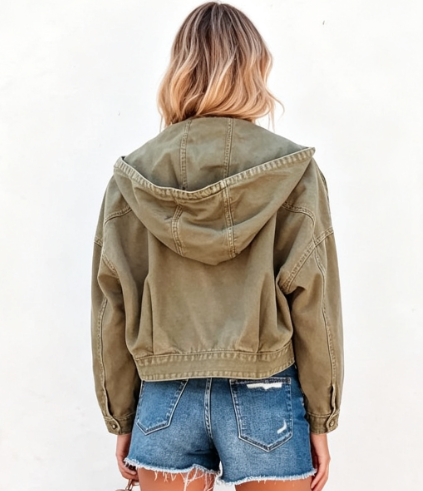
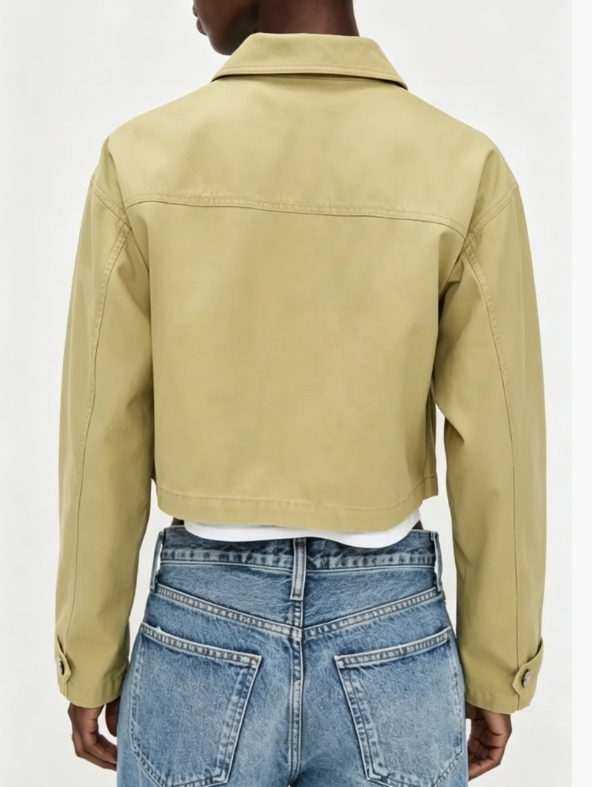
Oversized jackets suit streetwear, layering, and gender-inclusive assortments in cool-weather drops. Dropped shoulders, enlarged armholes, and longer sleeves increase denim consumption and must preserve mobility. Cropped styles work with high-rise bottoms and fashion capsules. A shortened body changes pocket scale, hem balance, and size-grade proportions more than fabric cost.
Sherpa And Workwear Jackets

Sherpa-lined jackets are cold-season hero products with higher labor and material costs. Lining attachment, sleeve insulation, bulk at seams, and wash compatibility need approval before production. Workwear jackets target utility-led retail and wholesale programs. Patch pockets, action pleats, reinforced bar tacks, and heavier hardware increase sewing operations.
Extended-Size Programs

XS through 3XL programs need deliberate grading rather than enlarged samples. Shoulder balance, sleeve length, bicep ease, hem sweep, and pocket placement should be reviewed on a size set. 100-unit-per-style-and-color production can support a capsule test when sizes are rationalized. Extended-size options broaden the merchandising offer, while extra fabric yield and additional grading raise cost.
4. Materials for custom jean jackets
12–14 oz denim is the practical starting point for most custom jean jackets, balancing structure, sewability, and wash potential. Confirm composition, finished weight, shrinkage allowance, and shade approval before bulk fabric is committed.
| Finished Weight | Best Use | Material Notes |
|---|---|---|
| 10–11 oz | Spring overshirt | Soft, easier layering |
| 12–14 oz | Core trucker jacket | Balanced durability and structure |
| 15–16 oz | Workwear outerwear | Rigid hand, high abrasion resistance |
Denim Composition Choices
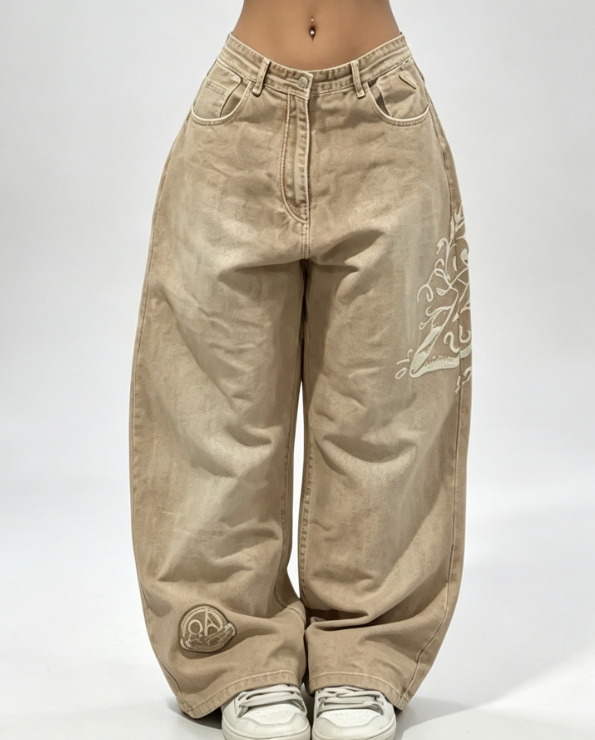
100% cotton rigid denim delivers the crispest silhouette and develops pronounced abrasion and fading through stone or enzyme washes. 1–3% elastane comfort-stretch denim improves reach and recovery, but excessive stretch can soften seams and reduce vintage character.
- Ring-spun cotton: cleaner surface and stronger hand
- Recycled blends: verify fiber content and shade consistency
- Organic cotton: request applicable transaction documentation
Weight And End Use

10–11 oz denim suits lighter overshirts and layered spring styles, while 12–14 oz supports core trucker jackets. 15–16 oz denim creates a workwear-led outer layer; allow more robust needles, seam testing, and longer break-in expectations.
Supporting Components

100% cotton pocketing withstands daily abrasion; lighter pocket bags can show through pale or heavily washed denim. YKK-grade zippers, metal shank buttons, rivets, and bartacks should match the wash process, because acid and stone washes can alter hardware finishes.
- Quilted lining adds cold-weather utility
- Polyfill insulation needs controlled quilting placement
- Prewashed labels reduce later puckering
5. Customizing custom jean jackets
Three approval points—art scale, placement, and wash behavior—should be locked before a denim sample is signed off. For custom jean jackets, decoration choices affect both the visual hierarchy and the repeatability of bulk production.
| Option | Typical Placement | Durability And Limits | Approval/Cost Impact |
|---|---|---|---|
| Embroidery | Chest, back, sleeve | High durability; fine text needs testing | Stitch file and sew-out; higher stitch counts cost more |
| Screen print | Back, chest, sleeve | Flexible coverage; wash-test ink adhesion | Color separations and screens add setup |
| Patch or appliqué | Chest, back, sleeve | Strong dimension; edge attachment matters | Approve material, stitch line, and placement |
| Laser or distressing | Front panels, sleeves | Permanent effect; artwork detail is limited by denim | Placement trial needed; adds processing time |
| Custom hardware | Front closure, cuffs | Durable when specified; molds need lead time | Finish sample or mold approval increases setup |
Decoration Placement Planning

Two high-visibility zones—the back panel and left chest—suit artwork that must read at distance; sleeves and cuffs suit smaller repeat details. Submit vector art, Pantone references, and placement measurements before sampling. One physical sample should confirm thread tension, ink adhesion, and whether a wash alters contrast. Large back embroidery or multi-location printing typically requires longer machine time and a higher unit cost.
- Back panel: statement embroidery or screen print
- Left chest: logo, patch, or monogram
- Sleeves: limited-color graphics or appliqué
Finishes And Surface Effects

Three wash families—enzyme, stone, and acid wash—change color depth and hand feel, so approve them on the chosen denim lot. Distressing, laser fading, and whiskers need marked placement artwork because each effect can expose seam or pocket variations. Two sample stages are prudent when combining washes with prints or patches: approve decoration first, then the finished wash sample. This reduces surprises in abrasion, color shift, and patch edge lift.
Branding Components

Four trim points—main label, size label, hangtag, and packaging—make a private-label jacket retail-ready without crowding the garment. Woven labels and neck prints need approved artwork, color references, dimensions, and care-content review. One hardware specification should name finish, logo method, size, and attachment point for every button, snap, zipper, or leather patch. Custom molds and plated hardware raise setup cost and should be approved before bulk ordering.
6. Construction Quality for Denim Jackets
Two sample stages—prototype and pre-production—should prove a jacket before cutting bulk. For custom jean jackets, construction quality is visible in balanced fit, repeatable stitching, secure hardware, controlled washing, and measurable inspection standards.
Pattern Balance And Seams
Three fit checkpoints—shoulder pitch, sleeve rotation, and hem level—prevent a jacket from twisting or pulling after wash. Specify finished measurement tolerances by point of measure, typically ±0.5 cm for critical widths and lengths. Two seam choices deserve callouts: flat-felled seams for durable yokes and sleeves, plus double-needle topstitching on major panels. State seam allowance, thread color, and stitch density; 8–10 stitches per inch is a common denim reference.
Reinforcement And Hardware
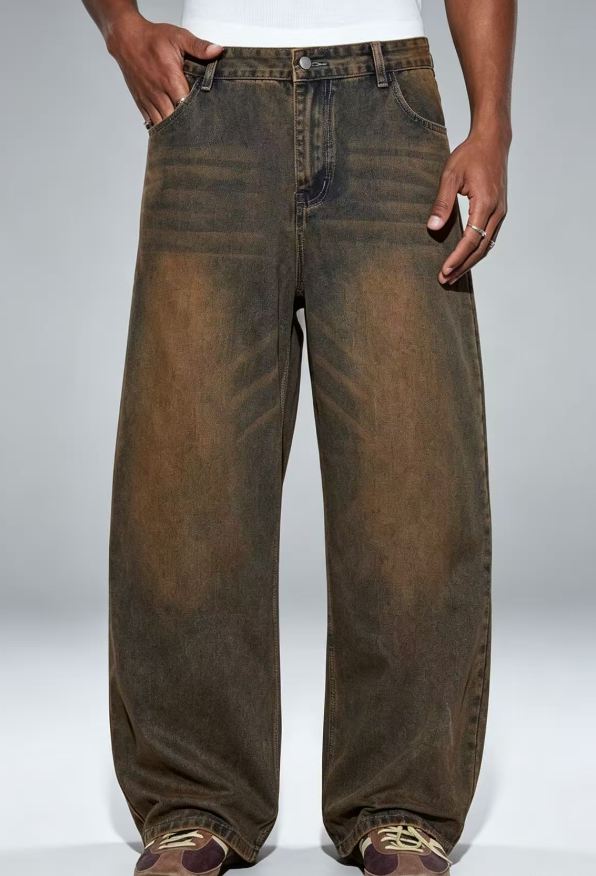
Four stress zones—pocket corners, sleeve plackets, side-seam openings, and waistband ends—need bartacks or specified reinforcement. Mark bartack length, color, and exact location on the tech pack rather than leaving them to factory judgment. Each metal button, snap, rivet, and zipper must be approved by material, finish, logo artwork, and pull test requirement. Inspect pre-production samples for centered attachment, smooth operation, and no sharp backs or fabric damage.
Alignment, Wash, And Final QC

Two pocket measurements—top-edge level and center-front distance—make misalignment easy to catch. Include placement tolerances, topstitch gauge, and a reference photo showing pocket angles, collar points, and placket overlap. One approved wash standard should define shade, abrasion, hand feel, shrinkage, and contrast. After wash testing, inspect measurements, seam puckering, loose threads, skipped stitches, hardware security, decoration, labeling, and packed-garment appearance against the approved sample.
7. Choosing a custom jean jackets Manufacturer
A manufacturer choice should be tested against the exact jacket, wash, order size, and delivery market—not a generic capability deck. For custom jean jackets, validate development depth before comparing quoted unit prices.
Verify Denim Development

10-ounce rigid denim and 12-ounce stretch denim behave differently through patterning, sewing, and washing. Ask to review comparable jackets, measurement specs, and pre-production samples. 100-unit programs need clear color-and-size splits. Confirm whether the MOQ applies per style, color, wash, or total order.
- Which denim weights and stretch ratios have you produced?
- Can you create patterns, grading, and a size set?
- What sample revisions are included before approval?
Audit Materials And Washing
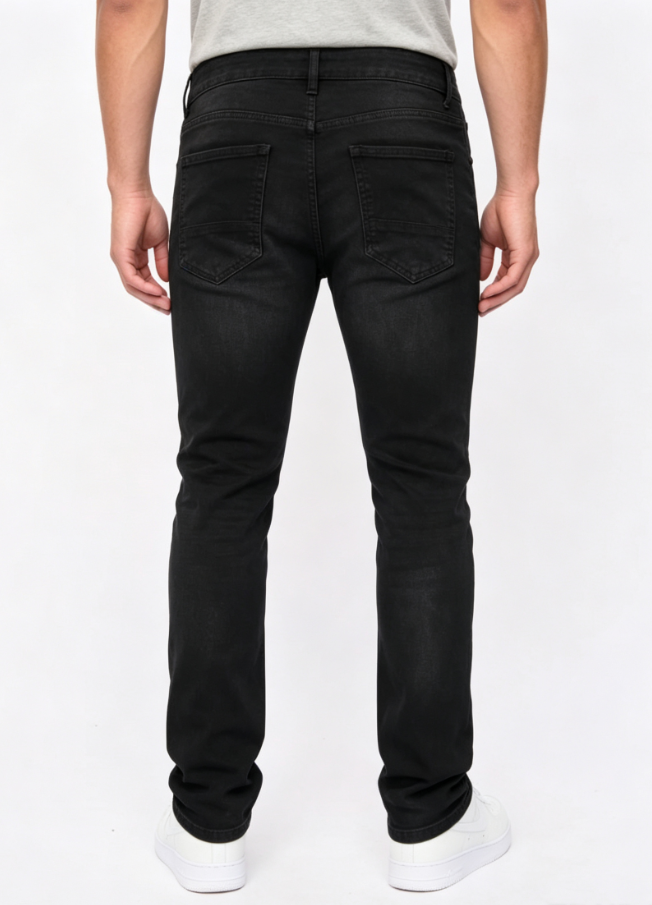
8-to-14-ounce denim is common for jackets, but shrinkage, shade variation, and hand feel must be approved before bulk cutting. Request fabric composition, weight tolerance, and wash-test results. Acid, enzyme, stone, and garment-dye finishes require controlled recipes and lot tracking. Ask who manages the wash house and how shade bands are approved.
- Can you provide fabric swatches and bulk lot approval?
- Are wash recipes and shade standards retained?
- How are backstaining and hardware corrosion checked?
Check Production Controls
A supplier should inspect incoming denim, in-line construction, measurements, decoration, and packed goods. Request the AQL level, measurement tolerance, rework process, and final inspection report format. 200-plus workers and 80,000-plus monthly units indicate potential scale, but confirm capacity reserved for your delivery window. Ask for realistic sample, bulk, and export milestones.
- Which AQL standard and defect classification apply?
- Who owns daily production communication?
- Which export documents and shipping terms are supported?
Confirm Compliance And References
OEKO-TEX, GOTS, WRAP, and BSCI requirements apply only when documented for the relevant facility or material. Request current certificates, audit scope, and traceability records rather than accepting logo claims. Two recent client references can reveal response speed, fit consistency, and repeat-order performance. Speak with brands whose order size and product complexity resemble yours.
- May we verify current compliance documents?
- Can we contact comparable overseas clients?
- What happens if bulk differs from the approved sample?
8. Common custom jean jackets Buying Mistakes
Most avoidable denim-jacket delays begin before sampling: the brief, fabric choice and approval standard were incomplete. Procurement teams should turn every visual decision into a measurable specification before comparing suppliers.
Specify The Reference Garment
One reference photo cannot define measurements, seam allowances, pocket placement or hardware. Convert it into a tech pack with flat sketches, Pantone colors, point-of-measure tolerances and a bill of materials. 100-unit capsule orders still need a written construction brief. Record collar shape, chest-pocket dimensions, stitch density, button finish and intended fit before requesting a quote.
Test Denim And Washes

10–14 oz denim can look similar on a screen yet differ sharply in shrinkage, stretch recovery and abrasion response. Approve swatches and a washed sample from the exact mill lot when possible. Acid, enzyme and stone washes create acceptable shade variation between garments. Set a wash standard, acceptable range and measurement tolerances after laundering before bulk approval.
Protect Fit And Production Time
XS–3XL grading cannot be produced by enlarging a single base pattern. Review a size chart and fit sample for shoulder balance, sleeve length, body sweep and mobility across the intended range. Two sample-review rounds are often safer than approving a first prototype under deadline pressure. Limit decoration combinations, allow time for strike-offs, and compare quotes only against matching fabric weight, wash, trims, quantity and packing.
9. Launching a Custom Denim Jacket Line
A 100-unit launch needs decisions locked before bulk fabric is cut. For custom jean jackets, the brand owns the market brief and approvals; the manufacturer converts them into patterns, samples, controlled production, and shipment readiness.
Set The Commercial Brief
One target customer, retail price, and margin determine the workable fabric, trim, and wash budget. The brand should specify channel, competitor references, intended size range, colorways, and launch date before requesting a quote.
Build The Development Pack

One usable tech pack includes front and back flats, point-of-measure chart, bill of materials, Pantone colors, artwork placements, wash reference, and label copy. Junsheen can review feasibility, source denim and trims, make patterns, grade sizes, and flag construction risks.
Approve Samples And Fit
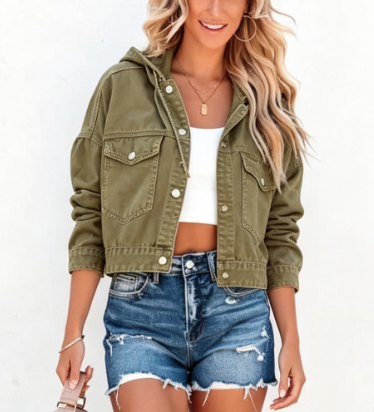
Two gates prevent expensive bulk corrections: approve the development sample, then approve the pre-production sample made in bulk-intended materials. The brand must sign off on fit, measurements, wash, shade, hardware, decoration, and care-label content; Junsheen records the approved standard.
Release Bulk And Delivery
100-unit programs need a confirmed size ratio, carton marks, hang tags, folding method, and delivery address before production release. Junsheen performs incoming, in-line, measurement, decoration, and final-packed inspections while the brand confirms the production calendar and balance-before-shipment timing.
10. custom jean jackets Pricing and Lead Times
100 units per style and color is JUNSHEEN’s practical starting point for a capsule run; the lowest quote usually suits a standard denim fabric, one wash, limited trims, and simple private labeling. Sampling, pattern refinement, and specialty wash tests should be quoted separately before bulk approval. 2–6 weeks is a realistic bulk-production planning range after fabric, fit sample, and pre-production details are approved; development samples and custom-dyed or heavily washed denim can add time. Confirm whether the stated schedule covers ex-factory completion only or freight, customs clearance, and final delivery. 3 variables deserve line-by-line comparison: fabric weight and stretch, wash/decorative treatment, and packaging or shipping terms. Extended sizing through 3XL, branded hardware, leather labels, embroidery, multiple colors, and air freight can raise landed cost; request like-for-like quotations using the same tech pack, quantity, Incoterm, carton specification, and destination.
| Order quantity | Indicative unit-price position | Typical extra charges | Expected planning range |
|---|---|---|---|
| 100–299 units | Highest unit cost; suitable for validation | Sample, pattern, wash or embroidery setup | Sample approval plus 2–6 weeks bulk |
| 300–999 units | Improved fabric and trim purchasing efficiency | Custom hardware, labels, complex wash testing | 2–6 weeks after approvals |
| 1,000+ units | Best unit-cost leverage when specifications are stable | Color, size-set, packaging, and freight remain separate variables | Confirm factory schedule and shipping transit separately |
Start Your Custom Jean Jacket Sample Today
Send your tech pack, sketch, or reference garment for a tailored OEM quotation and fit-focused production plan from JUNSHEEN.