
Bulk Womens Knitwear OEM From 100 Units
Develop fit-focused bulk womens knitwear from XS–3XL with OEM, ODM and private-label support.
Featured Products for bulk womens knitwear Development


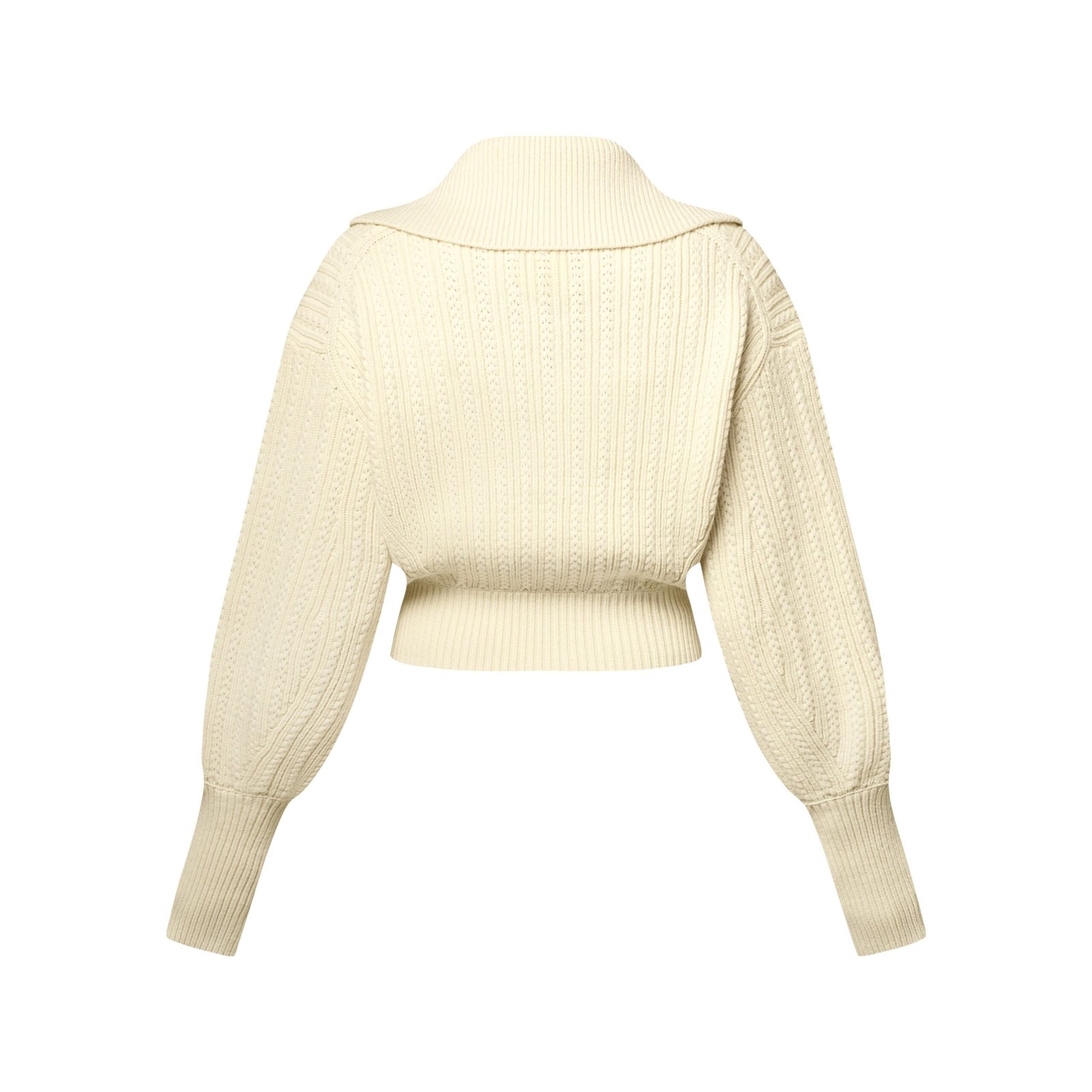


Related Product Catalogue and Quotation

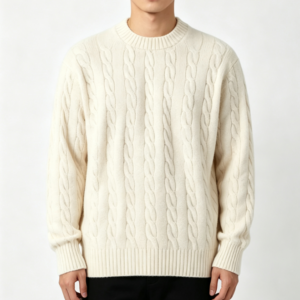


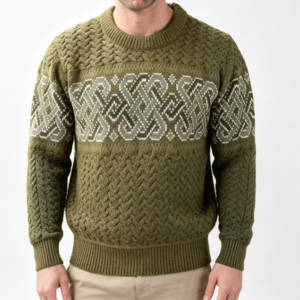
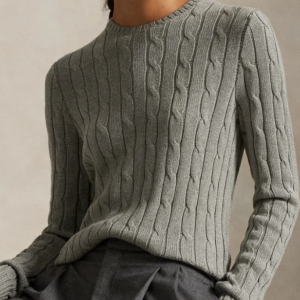


Why Brands Source Bulk Womens Knitwear From JUNSHEEN
One integrated OEM and private-label partner for fit-led knitwear development, dependable quality control, and scalable global production.
100-Unit Starting MOQ
Launch capsule collections or test new colors with low minimums from 100 units per style and color.
Fit-First XS–3XL Grading
Pattern makers refine proportions, mobility, sleeve length, and grading increments for regular, plus-size, and oversized womenswear.
Integrated Product Development
Move from tech pack, sketch, or reference garment through yarn selection, sampling, size sets, and production-ready specifications.
Custom Branding Details
Add logo embroidery, patches, labels, hang tags, custom trims, packaging, and selected print or finishing treatments in-house.
Multi-Stage Quality Control
Fabric, measurements, construction, decoration, fit, and packed goods are checked throughout production before global shipment.
Scalable Global Production
Rely on 200+ skilled workers and 80,000+ monthly units for repeat bulk womens knitwear programs and growing demand.
Bulk Knitwear and Casualwear Production
From fit development to finishing, Junsheen produces custom apparel programs with scalable manufacturing, low 100-unit MOQs, and XS–3XL grading support.

Custom Hoodies
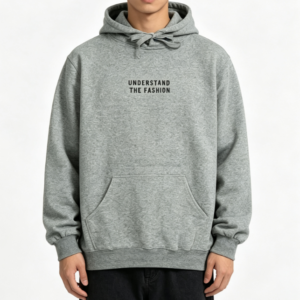
Custom hoodies developed in fleece, French terry, and heavyweight jersey, with options for oversized fits, kangaroo pockets, rib trims, embroidery, screen printing, custom labels, and branded packaging. Start from a tech pack, reference garment, or product concept.
Request a Quote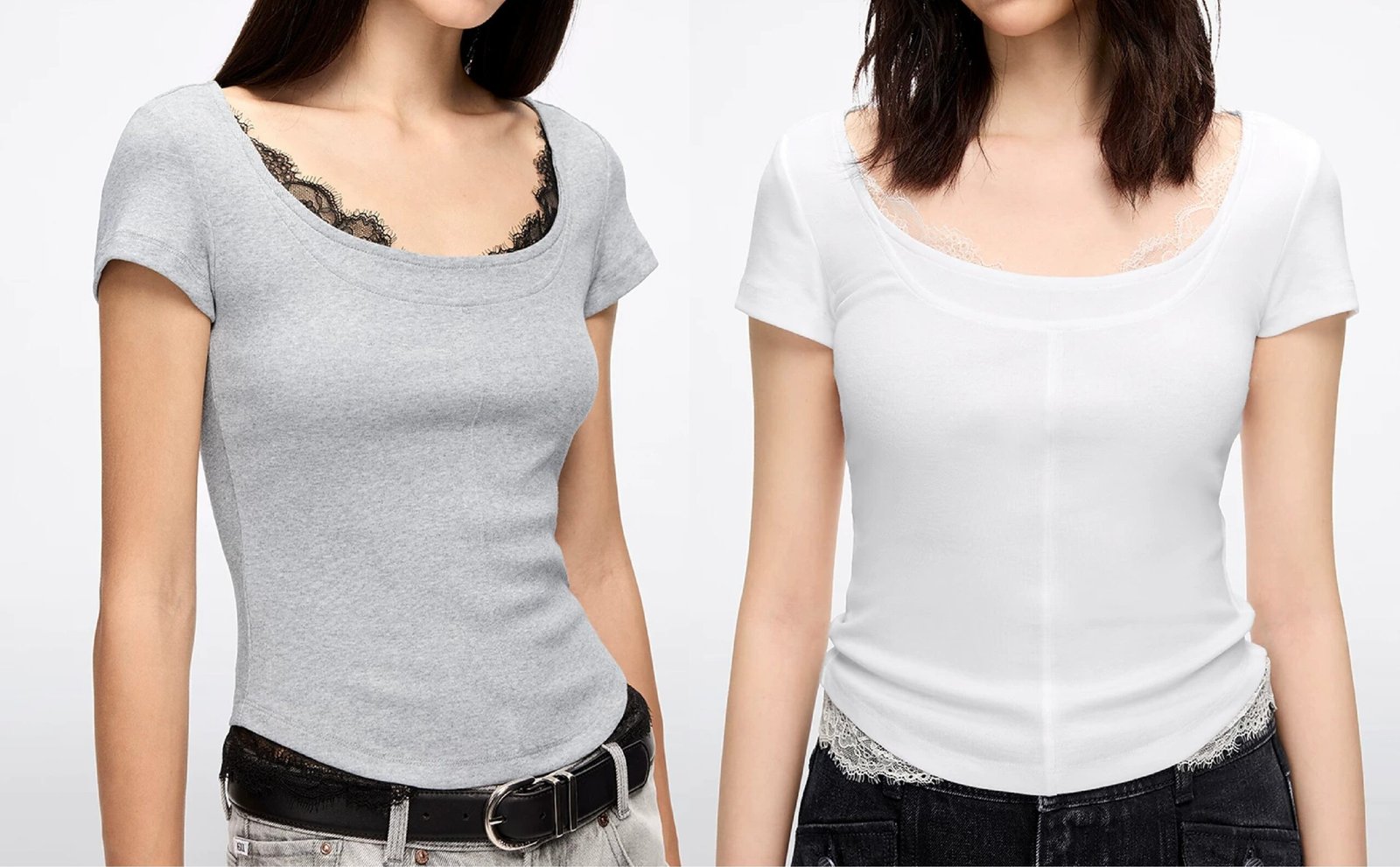
Custom T-Shirts
Custom T-shirts produced in cotton, combed jersey, Pima cotton, blended fabrics, and performance knits. Junsheen supports fit refinement from XS–3XL, fabric-weight selection, screen printing, DTG, DTF, embroidery, washes, labels, and low-MOQ capsule production.
Request a Quote
Custom Jeans
Custom jeans developed in rigid or stretch denim with brand-specific rises, leg shapes, washes, hardware, and grading. Pattern makers refine waist, hip, thigh, inseam, and mobility across the size range before bulk production and final quality inspection.
Request a Quote
Custom Sweaters
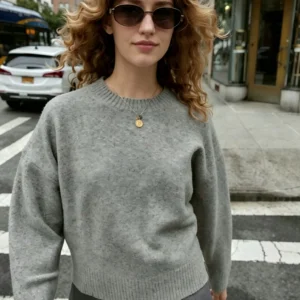
Turtleneck sweaters and other bulk sweater styles manufactured in selected knit constructions, yarn blends, gauges, and weights. Development covers neckline shape, body proportion, sleeve balance, rib details, fit grading, labels, and packaging for retail-ready programs.
Request a Quote
Custom Jackets
Custom jean jackets produced in denim and stretch denim with defined silhouettes, pocket layouts, closures, washes, distressing, patches, embroidery, and branded hardware. Sampling confirms construction, wash appearance, measurements, and fit before scalable bulk production.
Request a Quote
Custom Sweatshirts & Crewnecks
Custom sweatshirts and crewnecks made in fleece, French terry, and jersey with standard, relaxed, oversized, or extended-size fits. Choose rib specifications, neckline construction, decoration methods, garment washes, labels, and packaging aligned to your collection.
Request a Quote
Custom Cardigans
Custom cardigans developed with appropriate yarns, knit gauges, button or zipper closures, plackets, pockets, rib finishes, and size grading. Junsheen supports sampling to validate drape, shape retention, fit, trim details, and production specifications.
Request a Quote
Custom Puffer & Down Jackets
Custom puffer jackets and down-style outerwear developed around shell fabric, insulation, quilting layout, lining, zippers, pockets, hoods, and reflective or branded details. The team reviews construction and fit during sampling before bulk production.
Request a Quote
Custom Denim Shorts
Custom jean shorts produced in rigid or stretch denim with selected inseams, rises, hem treatments, pockets, washes, distressing, and hardware. Graded patterns help maintain proportion and movement from standard through extended-size ranges.
Request a Quote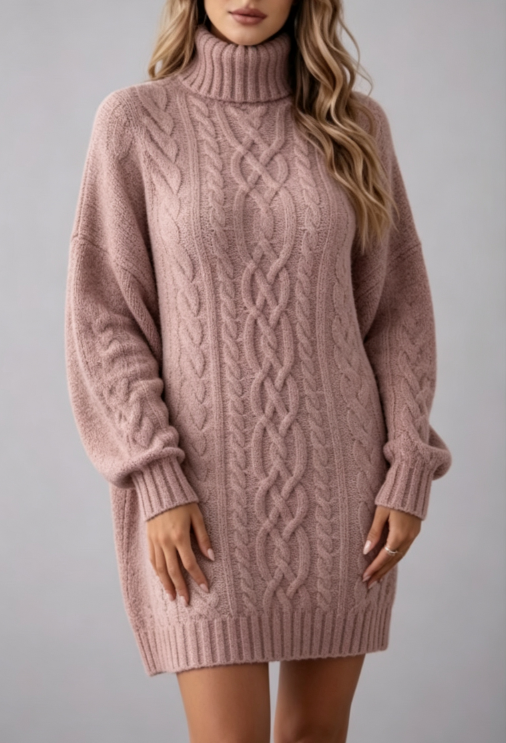
Custom Sweater Dresses
Custom sweater dresses developed for target length, neckline, yarn choice, knit gauge, body shaping, sleeve proportion, and stretch recovery. Sampling helps brands confirm drape, opacity, fit, and consistent grading before committing to bulk quantities.
Request a Quote
Custom Denim Sets
Men’s denim suits and coordinated denim sets produced with matched fabric, wash, color, and construction standards across jackets, overshirts, jeans, and shorts. Junsheen manages patterns, trims, decoration, sampling, and bulk quality control for wholesale programs.
Request a Quote
Custom Polo Shirts
Custom polo shirts made in pique, jersey, and performance knits with specified collars, plackets, cuffs, buttons, embroidery, printing, and fit grading. Suitable for fashion collections, retail uniforms, promotional programs, and private-label apparel lines.
Request a Quote
Custom Sweatpants
Custom sweatpants developed in fleece, French terry, and jersey with tapered, straight-leg, relaxed, or oversized silhouettes. Production options include elastic or drawstring waists, pockets, rib cuffs, printing, embroidery, washes, labels, and coordinated set development.
Request a Quote
Custom Shorts
Custom shorts produced in jersey, fleece, twill, denim, and woven fabrics for casualwear and coordinated collections. Specify inseam, rise, waistband, pockets, closures, finishing, decoration, labels, and grading to support your target fit and price point.
Request a Quote
Custom Pullovers
Custom pullovers developed across knitwear, fleece, French terry, and jersey constructions, including quarter-zip, half-zip, and standard styles. Junsheen supports fabric or yarn selection, fit development, trims, decoration, finishing, private labels, and production-ready sampling.
Request a QuoteBulk Womens Knitwear Materials We Support

Cotton Yarn
Breathable, soft cotton yarn suits everyday pullovers, cardigans and lightweight sweater dresses. Its natural hand feel and reliable moisture absorption make it a strong option for trans-seasonal knitwear, with gauge and ply adjusted for weight.

Merino Wool
Fine merino wool delivers a smooth, warm hand for elevated sweaters, fitted tops and layering cardigans. Naturally temperature regulating and resilient, it can be developed in fine gauges for refined silhouettes or heavier constructions for cold-weather programs.

Cashmere Blend
Cashmere-blend yarn creates a soft, luxurious surface for premium pullovers, wrap cardigans and giftable seasonal knitwear. Blending cashmere with wool, cotton or nylon helps balance warmth, durability and target cost while preserving a plush hand feel.

Viscose Nylon Blend
Viscose and nylon blends offer a fluid, smooth hand for ribbed dresses, fitted tops and polished lightweight sweaters. Viscose adds drape and softness, while nylon improves recovery and durability in body-conscious or high-wear knit constructions.

Recycled Polyester Yarn
Recycled polyester yarn supports durable sweaters, textured knits and easy-care layering styles with consistent color performance. It can provide light weight, shape retention and quick drying, making it practical for commercial programs requiring dependable repeat production.
Bulk Womens Knitwear Decoration and Finishing Options

Logo Embroidery
Flat, 3D and puff embroidery add dimensional logos, monograms or small motifs to suitable knitwear panels. Our team reviews stitch density, backing and placement to preserve the garment’s drape, stretch and long-term wear performance.

Custom Patch Application
Woven, embroidered, leather-look and applique patches create tactile branding for cardigans, pullovers and sweater outerwear. We match patch materials and attachment methods to knit gauge, helping prevent distortion, puckering or edge lift through repeated wear.

Knitwear Print Methods
Screen print, heat transfer, DTF and specialty effects can add clear artwork to compatible sweater constructions. JUNSHEEN tests adhesion, opacity and stretch before bulk production, balancing visual impact with the fabric’s hand feel and recovery.

Garment Dyeing
Garment dyeing delivers rich, lived-in color variation after construction for selected cotton and blended knitwear. Controlled dye recipes help create a distinctive washed character while keeping color consistency and measurement stability under close review.

Softening and Anti-Pilling
Softening, enzyme washing and anti-pilling treatments refine hand feel and help knitwear maintain a cleaner appearance over time. We recommend finishes according to fiber content, intended wash performance and the premium feel your collection requires.
Bulk Womens Knitwear Accessories That Build Your Brand

Woven Brand Labels
Custom woven main labels, size tabs, and care labels provide clear brand identification inside sweaters, cardigans, and knit dresses while supporting consistent XS–3XL sizing and fiber-care communication.

Custom Hang Tags
Branded hang tags can carry your logo, collection story, barcode, pricing, garment care, or sustainability messaging. They are supplied ready to attach for wholesale, retail, and direct-to-consumer knitwear programs.

Logo Buttons
Choose custom buttons in resin, metal, horn-look, shell-look, or covered finishes for cardigan plackets, polo knits, and sweater dresses. Button options are matched to yarn weight, garment mood, and target price.

Branded Zippers
Custom zipper pulls, tape colors, and logo details add a polished functional finish to knit zip cardigans, hooded sweaters, and outer-knit layers. JUNSHEEN coordinates zipper specifications during sampling and bulk production.

Drawcord Tipping
Add custom drawcords, metal aglets, logo tips, and coordinated cord colors to knit hoodies and casual pullovers. These details reinforce collection identity while maintaining practical adjustability and durable wear.
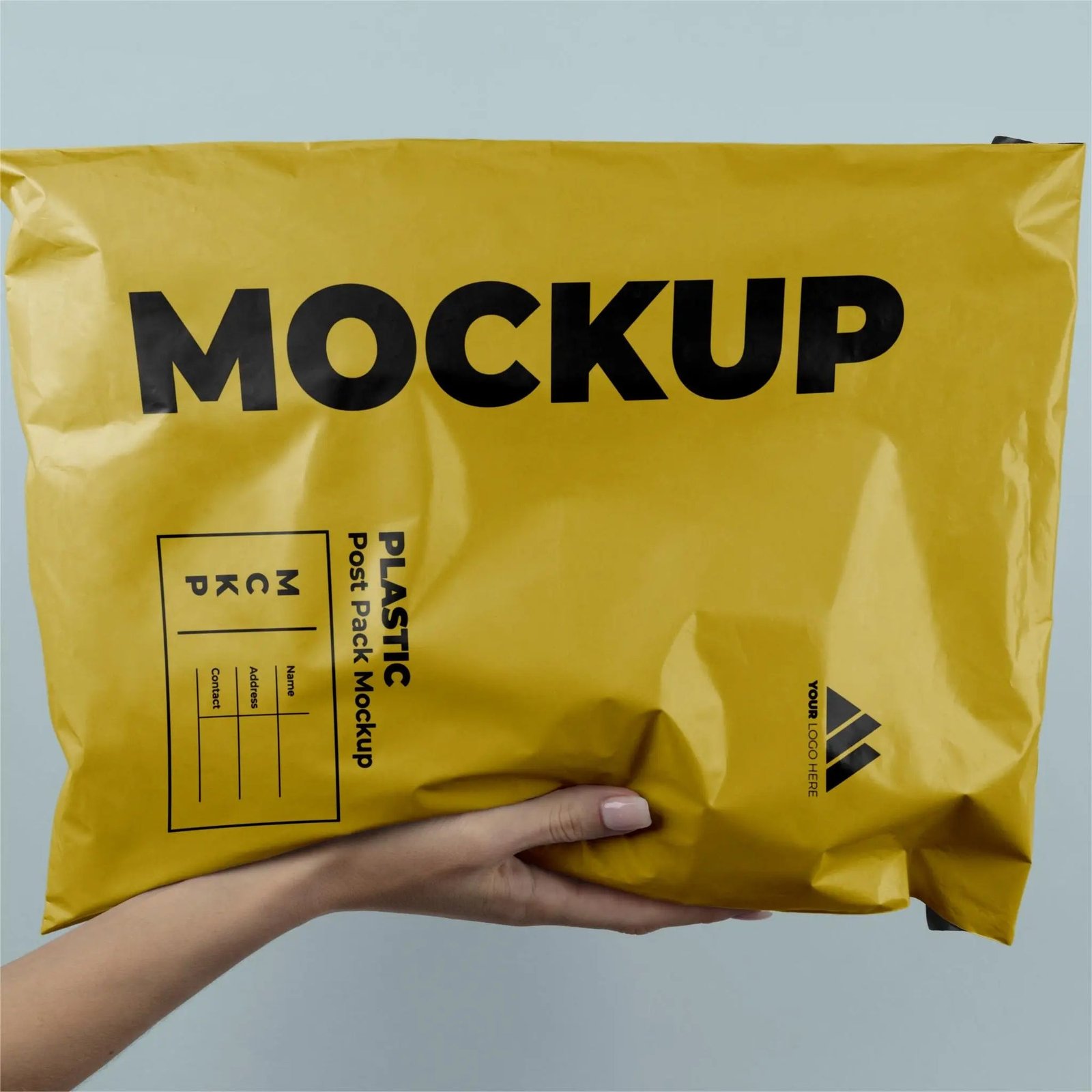
Retail Packaging
Complete your private-label program with branded polybags, tissue, stickers, carton marks, and insert cards. Packaging is planned to protect folded knitwear in export transit and create a cohesive unboxing experience.
About JUNSHEEN Knitwear Manufacturing
Founded in 2010 in Humen Town, Dongguan, JUNSHEEN helps fashion brands turn knitwear concepts into production-ready collections. We support bulk womens knitwear programs with OEM, ODM, private-label, wholesale, and product-development services, beginning from a tech pack, sketch, reference garment, or early product idea.
Our one-stop apparel supply chain combines knitting capability with fabric sourcing, pattern making, XS–3XL grading, sampling, decoration, finishing, labels, packaging, quality control, and export coordination. With more than 200 skilled workers and monthly capacity above 80,000 units, we can support 100-unit capsule launches through scalable repeat orders.
What distinguishes JUNSHEEN is fit-focused development and practical manufacturing support. Our team refines proportion, comfort, mobility, and grading for normal, extended, plus-size, and oversized fits, helping global brands and sourcing teams reduce revisions and build reliable womens knitwear programs for long-term growth.

Bulk Womens Knitwear, Developed Fit First
XS–3XL Grading That Fits
Our pattern makers develop womens knitwear with proportion-specific grading from XS through 3XL, refining shoulder balance, sleeve length, body shape and ease instead of merely enlarging a base size. This creates more consistent normal, plus-size and oversized fits across the range.
- Fit review for normal, extended-size and oversized silhouettes
- Size-set development before bulk approval
- Measurement and mobility checks across key sizes

From Concept to Production
Bring a finished tech pack, sketch, reference garment, mood board or early product idea. JUNSHEEN translates it into production-ready bulk womens knitwear through specification review, construction recommendations, pattern making, prototype sampling and clear pre-production approvals.
- Tech-pack and manufacturability review
- Custom patterns, knit constructions and samples
- Practical guidance on cost, construction and lead times

Materials Matched to Your Brief
Our sourcing team recommends yarns and knit materials around the intended hand feel, gauge, drape, durability, stretch, wash performance and target cost. Review swatches and sample garments before confirming materials for your 100-unit or scalable bulk program.
- Cotton, wool, blends and recycled options
- Material selection aligned with your price target
- Swatch and sample review before bulk commitment

Private Label, Fully Integrated
Keep development and finishing under one manufacturing partner. JUNSHEEN combines knitting capability with embroidery, printing, washes, labels, trims, packaging, quality control and export support, helping brands move from approved sample to retail-ready knitwear with fewer handoffs.
- Custom labels, hang tags and branded packaging
- Embroidery, printing and garment-finishing options
- Quality checks from materials through packed goods

Why Choose JUNSHEEN for Bulk Womens Knitwear
Concrete production advantages for brands that need dependable knitwear development, low-MOQ flexibility, and scalable global delivery.
← 左右滑动查看 →
Bulk Womens Knitwear Production Process
A clear, fit-focused workflow that takes your knitwear program from feasibility review to export-ready delivery.
Review Design Feasibility
Our team reviews your tech pack, sketch, or reference sample, confirming construction, target fit, grading needs, MOQ, and production requirements.
Source Yarn and Materials
We recommend yarns, fabrics, rib trims, labels, and packaging based on hand feel, gauge, cost targets, durability, wash performance, and brand direction.
Develop Patterns and Samples
Pattern makers build XS–3XL size specifications and knitwear samples, refining proportions, measurements, stitch details, and finishing before approval.
Confirm Bulk Production Details
After sample approval, we finalize quotation, colorways, graded size sets, materials, private-label details, production schedule, and pre-production requirements.
Produce and Inspect Orders
Skilled teams manage bulk knitting, cut-and-sew operations, decoration, finishing, and multi-stage quality checks for construction, measurements, appearance, and packing accuracy.
Pack and Ship Globally
Approved bulk womens knitwear is labeled, packed, and prepared for export, with shipping support to help your order reach its destination reliably.
How to Work With Our Bulk Womens Knitwear OEM Team
Move from concept to scalable production with a clear, fit-focused development workflow.
Submit Your Concept
Send a tech pack, sketch, reference sample, mood board, or product idea. Share target quantities, size range, fabric direction, branding, and destination market.
Review Feasibility and Sample
Our team reviews construction, yarns, fit, grading, trims, and decoration options, then develops a prototype and size-set samples for your approval.
Approve Production Details
Confirm quotation, 100-unit MOQ requirements, approved sample, materials, graded specifications, labels, packaging, and delivery plan before releasing the pre-production order.
Launch Bulk Production
JUNSHEEN manages knitting, assembly, finishing, inspections, packing, and export support, with quality checks covering measurements, fit, workmanship, and packed goods.
Custom Clothing Manufacturer Credentials and Compliance Documents


Bulk Womens Knitwear Client Results
JUNSHEEN helped us correct the shoulder balance and sleeve grading across XS–3XL before bulk approval. We reduced our sampling cycle from four rounds to two and launched our 1,200-unit cardigan program on schedule.
We started with 100 units per color for a rib-knit dress capsule, then reordered within eight weeks. The yarn recommendations and wash testing gave us a better hand feel, and returns for fit ran 18% lower than our previous collection.
Our sourcing team needed a supplier that could manage knitwear, labels, packaging, and export in one workflow. JUNSHEEN scaled our first 600-piece order to 3,000 units across three styles while keeping measurements and color standards consistent.
Bulk Womens Knitwear FAQ
Clear answers on MOQ, sampling, production, labeling, payment, shipping and confidentiality for your knitwear program.
What is the MOQ for bulk womens knitwear at JUNSHEEN?
Can I order bulk womens knitwear from a sketch or reference sample?
How long does bulk womens knitwear sampling and production take?
Do you offer private labels and custom packaging for knitwear orders?
Can JUNSHEEN develop plus-size and oversized womens knitwear?
What payment terms apply to a first bulk knitwear order?
How do you protect designs and intellectual property?
Do you arrange international shipping for womens knitwear orders?
The Complete Buyer’s Guide to bulk womens knitwear
Use this practical framework to select bulk womens knitwear styles, materials, customization options, and reliable OEM suppliers—while evaluating costs, quality controls, minimums, and the sourcing mistakes that can delay a successful collection launch.
1. What Is bulk womens knitwear?
100 units per style and color is a practical starting point for bulk womens knitwear when a brand needs a production run rather than individual retail pieces. The order may cover sweaters, cardigans, pullovers, knit dresses, vests, or matching sets for labels, boutiques, wholesalers, retailers, and sourcing teams. 2 buying models must be separated: ready-stock wholesale supplies pre-made garments with limited changes, while private-label and OEM manufacturing produce a defined product under the buyer’s brand. In an OEM order, the buyer is purchasing development control—approved specifications, graded sizing, selected yarn and color, trims, labels, finishing standards, and repeatable production records—not only finished units. 3 early knitwear decisions determine whether bulk production can meet the intended hand feel, fit, cost, and delivery plan: fiber blend, yarn count and gauge; silhouette and size grading; and washing, brushing, anti-pilling, or other finishing. Junsheen can develop normal, extended, plus-size, and oversized fits from XS through 3XL, then scale an approved sample into ongoing bulk programs with inspection of materials, construction, measurements, decoration, and packed goods.
2. The Evolution of Women’s Knitwear
Hand knitting began as practical workwear: stitches trapped air for warmth, while gauge, fiber twist, and finishing determined longevity. Industrial flat knitting later made repeatable panels possible, but it also split supplier capability between basic cut-and-sew sweater assembly and technically controlled fully fashioned production. The 1980s and 1990s turned women’s knitwear into a fashion category with finer gauges, intarsia, engineered stripes, rib structures, and coordinated sweater sets. Today’s demand favors seasonless layers—cardigans, vests, lightweight pullovers, and matching sets—that can be merchandised across several delivery windows rather than only as winter product. 100-unit OEM runs now let emerging labels test a colorway or fit before committing to a bulk program, especially when inclusive sizing from XS to 3XL requires revised proportions instead of simple enlargement. Digital pattern review and sample approvals can shorten iteration, but they do not replace physical checks for hand feel, stretch recovery, measurements, and wash behavior. 3 factors explain why knitwear suppliers vary so widely: available machine gauges, programmers’ ability to convert a design into workable stitch structures, and control over yarn, linking, washing, and measurement tolerances. Brands seeking differentiation should assess these production details alongside silhouettes, color, trims, and branding.
3. Types of bulk womens knitwear
Six core categories let buyers balance evergreen replenishment with seasonal fashion drops. For bulk womens knitwear, silhouette complexity, yarn choice, gauge, color count, and trims determine whether a 100-unit program is commercially practical.
Sweaters And Pullovers
12-gauge crewnecks, V-necks, turtlenecks, and relaxed drop-shoulder pullovers anchor autumn and winter assortments. Fit must control shoulder width, sleeve pitch, body ease, and rib recovery; cables, intarsia, and multiple yarn colors raise labor, MOQ pressure, and cost.
Cardigans
3 silhouettes—button-front, cropped, and longline—support layering and transitional-season sales. Plackets, button quality, pocket construction, and a clean neckline affect sampling time and unit cost, especially across extended-size grading.
Knit Tops And Polos
14- to 18-gauge fitted tops, polos, shells, and collared styles suit spring capsules and year-round basics. Stretch targets, neckline stability, and close-body fit require size-set approval; contrast collars and engineered stripes increase setup complexity.
Dresses And Skirts
2-piece options including rib dresses, sweater dresses, A-line skirts, and pencil skirts create coordinated merchandising. Length, hip ease, opacity, and waistband recovery are critical; fully fashioned shaping or jacquard panels add cost versus simple rib programs.
Matching Sets
2-piece knit sets pair a cardigan, top, pullover, skirt, or wide-leg pant for higher basket-value stories. Shared yarn dye lots and matched gauges protect color consistency, while separate size ratios and two patterns influence planning quantities.
Cold-Weather Accessories
3 accessory families—beanies, scarves, and gloves—extend winter collections with lower fit risk. Rib depth, pom-poms, embroidery, lining, and multi-color jacquards affect knitting time and cost; accessories can help consolidate color-yarn minimums.
4. Materials for bulk womens knitwear
12-gauge and 7-gauge choices can turn the same silhouette into a lightweight layering piece or a winter statement. For bulk womens knitwear, composition, yarn count, weight, recovery and pilling target should be locked before sampling.
| Material | Typical Gauge Or Weight | Benefits | Limitations | Best End Use |
|---|---|---|---|---|
| Cotton | 12–16 gauge | Breathable, matte | May grow | Spring pullovers |
| Wool blend | 5–12 gauge | Warm, resilient | Care sensitive | Winter cardigans |
| Cashmere blend | 12–16 gauge | Soft, premium | Fuzzing risk | Elevated basics |
| Viscose/modal | 14–18 gauge | Drape, cool hand | Wet weakness | Fine tops |
| Acrylic/polyester | 5–12 gauge | Affordable, durable | Lower breathability | Value sweaters |
| Recycled fibers | 7–14 gauge | Lower-impact story | Variable consistency | Conscious capsules |
Cotton
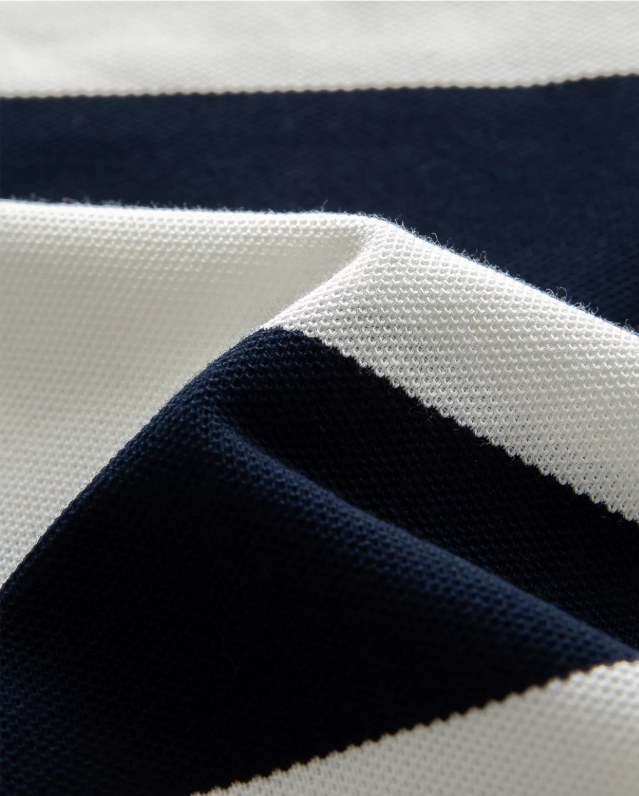
100% cotton offers breathable, low-static comfort and a matte hand. Ring-spun yarn feels smoother than open-end, but can grow unless rib recovery and wash testing are specified.
Wool And Wool Blends

30–80% wool blends deliver warmth, resilience and a premium surface. Specify shrinkage limits, anti-moth storage guidance and a softener or mercerized fiber when next-to-skin itch is a risk.
Cashmere Blends

5–20% cashmere adds softness and elevated positioning without full-cashmere cost. Longer fibers and tighter twist reduce fuzzing, yet gentle washing remains essential.
Viscose And Modal
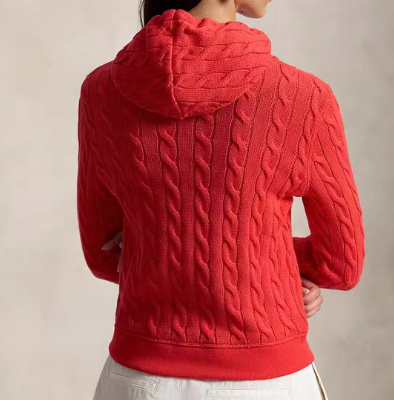
70–100% viscose or modal creates fluid drape, cool touch and saturated color. Blending with nylon improves strength because cellulosic yarn can lose stability when wet.
Synthetic And Recycled Fibers

Acrylic or polyester blends provide color retention, warmth and economical machine care. Recycled content needs traceable certification and pilling tests; excessive acrylic can feel less breathable.
5. Customizing bulk womens knitwear
A 100-unit-per-style-and-color starting point lets brands customize bulk womens knitwear without committing to a broad first run. Lock construction, color, artwork, and branding in the sample before releasing bulk materials.
| Customization | Best For | Complexity Impact |
|---|---|---|
| Solid dyed yarn | Fast capsule colors | Lowest |
| Yarn-dyed stripes | Repeat programs | Moderate |
| Jacquard artwork | Detailed motifs | High |
| Intarsia artwork | Large color blocks | Highest |
Choose Knit Construction

3-gauge to 12-gauge machines create visibly different weight, density, and surface character; finer gauges suit lightweight pullovers, while lower gauges suit chunkier cardigans. Rib, jersey, cable, Milano, and pointelle stitches should be specified on the tech pack.
- State gauge, stitch map, yarn composition, and finished measurements.
- Approve a hand-feel swatch before full garment sampling.
Plan Color And Artwork

Pantone references, yarn shade cards, and approved lab dips reduce color drift between development and repeat production. Yarn-dyed stripes, jacquard, and intarsia require mapped artwork with exact colors, dimensions, and placement; intarsia generally adds setup, lead time, and MOQ pressure.
- Supply editable vector artwork and a repeat scale.
- Approve strike-offs for logos, stripes, and multicolor motifs.
Finish Private-Label Details
2 to 5 branded components can be coordinated at sampling: woven main labels, size labels, wash-care labels, hang tags, and custom polybags. Embroidery, appliqué patches, custom buttons, and individually printed packaging add supplier coordination, so prioritize them after fit and yarn approval.
- Confirm label copy, fiber content, country-of-origin, and care symbols.
- Keep a signed pre-production sample as the bulk reference.
6. Knitwear Construction and Quality Checks
Premium knitwear is controlled at the machine, linking and finishing stages, not judged only by a showroom sample. For bulk womens knitwear, approve measurable standards before yarn is committed and inspect against them after finishing.
Gauge And Stitch Density
7GG to 12GG suits many women’s sweaters; higher gauges create a finer surface but need adequate yarn strength. Approve the gauge, stitch length, finished GSM and a measured swatch before production.
Linking And Seam Quality
Fully fashioned panels should be linked cleanly, with no dropped stitches, open joins or bulky seam ridges. Check side seams, armholes and underarms under light tension, then turn garments inside out.
Ribs And Stable Edges
1×1 and 2×2 ribs must recover after repeated stretch rather than remain wavy. Test necklines, cuffs, hems and shoulder seams for balanced tension, secure tape or reinforcement where specified.
Shaping, Fit And Wash Tests
XS through 3XL require graded shaping at the shoulder, bust, waist, sleeve and armhole; simply enlarging a base size distorts balance. Junsheen can retain approved patterns and graded size sets for repeat programs. Before bulk approval, wash-test samples for shrinkage, spirality or twisting, color transfer and pilling; compare post-wash measurements to tolerances. Final inspection should verify measurements, stitch defects, seam strength, color consistency, labels and packed quantity.
- Confirm approved yarn, gauge, stitch length and measurement tolerances.
- Inspect rib recovery, neckline shape and shoulder stability.
- Wash-test each colorway and record results before release.
7. Choosing a Knitwear Manufacturer
For bulk womens knitwear, supplier selection should begin with verifiable capability, not a catalogue. International buyers need evidence that the factory can reproduce approved fit, yarn quality, color, and delivery timing at the intended volume.
Relevant Knitwear Experience
Request 3–5 recent sweater or cardigan samples matching your gauge, silhouette, and finishing level. Compare seam stability, rib recovery, hand feel, and wash appearance against your reference garment.
Machinery And Capacity
Ask for the machine gauge range, linking capability, monthly output, and production-line photos. A credible supplier explains whether fully fashioned panels, cut-and-sew knits, or both suit the design.
Sampling And Technical Support
Require a dated sampling path covering pattern review, yarn swatches, prototype, size set, and pre-production sample. A complete tech pack should identify measurements, stitch construction, Pantone colors, trims, labels, and tolerances.
MOQ, Materials, And Compliance
Confirm MOQ by style, color, and yarn before development; 100 units may work for a focused capsule but depends on construction. Request fiber-content records, colorfastness or pilling test reports when relevant, and current factory credentials such as BSCI, WRAP, OEKO-TEX, or GOTS if claimed.
Communication, QC, And Shipping
Set one written critical-path timeline with approval dates, bulk start, in-line inspection, final inspection, and shipment. Ask who issues measurement reports, handles AQL decisions, books freight, and communicates delays before placing a deposit.
8. Common bulk womens knitwear Mistakes
Before paying a deposit, convert every aesthetic choice into measurable yarn, fit, color, testing, delivery, and packing requirements. In bulk womens knitwear, a low unit quote can quickly become rework, claims, or unusable inventory when those controls are absent.
Buying Yarn On Price

100% acrylic may meet a target cost yet pill, lose shape, or feel unlike the approved hand. Request fiber content, yarn count, twist, anti-pilling standard, and a knitted swatch before committing.
Skipping Wash Testing
3 wash cycles can expose shrinkage, spirality, color bleeding, and seam distortion missed in a new sample. Approve measurements and appearance after the agreed care method, not only at first fitting.
Leaving Specs Ambiguous
XS–3XL requires a measurement chart, grading increments, tolerance ranges, and clear points of measure. Send a tech pack with stitch details, labels, artwork placement, and a signed size-set approval.
Missing Gauge And Color Controls
7GG, 12GG, and 16GG create materially different weight, density, and visual coverage. Specify gauge, stitch density, Pantone reference, lab dip approval, and acceptable shade variation before bulk dyeing.
Setting Unrealistic Orders
100 units per style and color can suit a capsule, but multiple colors and complex trims raise development and material risk. Confirm sampling, yarn booking, production, inspection, and freight milestones against the launch date.
Ignoring Packing And Imports
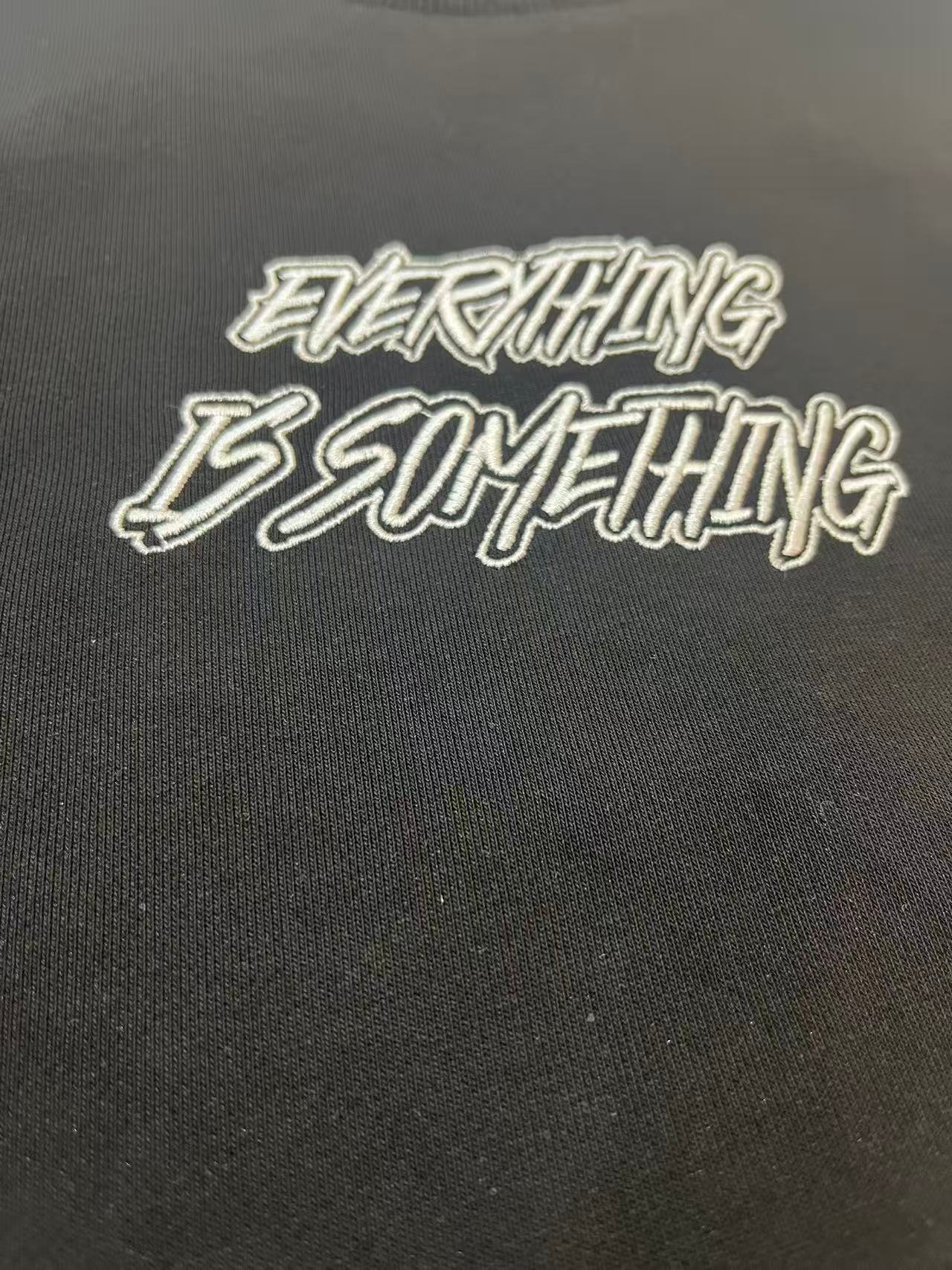
1 polybag specification, carton mark, barcode, country-of-origin label, and shipping mark should be approved before production. Confirm destination labeling, fiber-content rules, HS classification, and importer documentation with the responsible party.
9. Steps to Launch a Knitwear Collection
100-unit style-and-color MOQ can make a capsule launch workable, but the brief must lock commercial and technical decisions before yarn is ordered. A controlled sequence creates comparable samples, measurable approvals, and repeat-order records.
Define Customer And Price Tier
Two buyer decisions—target customer and retail price—set silhouette, fiber, and finish. Define size range, sales channel, and planned gross margin before requesting quotes. Three competitor benchmarks reveal price gaps and acceptable quality. Build a 6–12 SKU opening assortment around proven wardrobe needs.
Select Styles And Materials
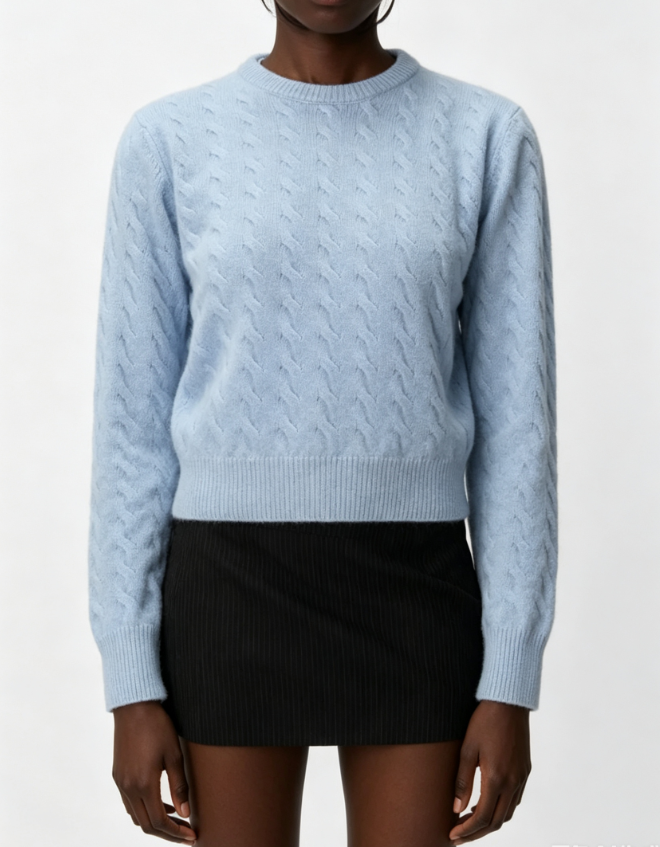
Three core shapes, such as a cardigan, pullover, and sweater dress, reduce development risk. Choose yarn composition, gauge, stitch, and trims for each style. 160–280 GSM knitwear suits many midweight programs, while yarn swatches confirm hand feel, recovery, pilling, and wash behavior.
Build The Technical Brief
One tech pack should specify front and back flats, measurements, construction, labels, packaging, and tolerances. Include stitch references, gauge, fiber content, and approved Pantone colors. Two sample rounds are common: a development sample followed by a corrected fit sample. Record every change in a dated comment sheet.
Approve Fit And Color

One graded size set from XS through 3XL verifies shoulder balance, body length, sleeve proportion, and grading increments. Approve measurements against a signed specification sheet. Pantone-approved lab dips or knit-downs prevent color interpretation disputes. Test wash shrinkage, colorfastness, seam appearance, and pilling before bulk release.
Control Production And Reorders
100 units per style and color can start an OEM program when materials and specifications are confirmed. Issue a purchase order with quantity, ex-factory date, payment milestones, and final packing instructions. Two inspection points—in-line and final packed goods—catch measurement, construction, and labeling errors. Track 30-, 60-, and 90-day sell-through by size and color to refine repeat orders.
10. bulk womens knitwear Pricing and Cost
100 units is Junsheen’s practical starting point per style and color for a capsule program, but an approved tech pack, yarn specification, gauge, measurements, artwork, trims and packing standard are required before a binding quotation. The ranges below are indicative USD ex-works planning figures for standard women’s pullovers or cardigans; complex intarsia, wool-rich yarns and retail-ready packing can move the cost materially. 7–14 days is a typical development-sample window after materials and specifications are confirmed, while a sample charge covers pattern work, yarn sourcing, knitting trials and courier-ready approval pieces rather than production pricing. Bulk timing normally begins after sample and pre-production approval; freight, duties and destination testing should be budgeted separately.
- Cost rises with yarn composition, gauge, stitch density, fully fashioned shaping, intarsia, embroidery, labels, special trims, testing and branded packaging.
- Ask for both ex-works and delivered-cost scenarios, with freight shown separately and price assumptions locked to the approved specification.
| Quantity tier | Indicative unit price | Typical bulk lead time | Planning assumptions |
|---|---|---|---|
| 100–199 units | US$18–32 | 30–45 days | Cotton/acrylic blend, 7–12 gauge, simple solid-color construction |
| 200–499 units | US$14–27 | 30–45 days | Standard rib, jacquard accent or basic embroidery; shared yarn availability |
| 500–999 units | US$11–23 | 35–50 days | Better yarn utilization; custom labels and individual polybags included |
| 1,000+ units | US$9–20 | 40–60 days | Stable specification; pricing improves with fewer colors and repeatable stitches |
Start Your Bulk Womens Knitwear Sampling Project
Send your tech pack, reference garment or idea to JUNSHEEN for fit-focused development, 100-unit MOQ production and a tailored quote.