
Plus Size T Shirt Manufacturer for Better-Fitting OEM Programs
JUNSHEEN develops XS–3XL T-shirts with refined grading, 100-unit MOQs, private labeling, and global production support.
Featured Products for plus size t shirt manufacturer Development






Related Product Catalogue and Quotation





Why Brands Choose JUNSHEEN as Their Plus Size T Shirt Manufacturer
Fit-led development, flexible order quantities, and integrated production support for extended-size T-shirt programs.
Fit-Aware Size Grading
Patterns are refined from XS to 3XL for shoulder balance, sleeve length, body proportion, mobility, and consistent extended-size fit.
100-Unit Starting MOQ
Launch a capsule from 100 units per style and color, then scale confidently into repeat and bulk production programs.
One-Stop Development
From tech pack review and fabric sourcing to samples, size sets, labels, and packaging, one team manages every detail.
Custom Decoration Options
Add branded impact with screen printing, DTG, DTF, embroidery, patches, garment dyeing, washes, and specialty finishing.
Export-Ready Production
200+ skilled workers, 80,000+ monthly units, quality inspections, and global shipping support keep programs production-ready at every scale.
Plus-Size Casualwear Manufacturing
Fit-focused OEM, ODM and private-label production from XS to 3XL, starting at 100 units per style and color.

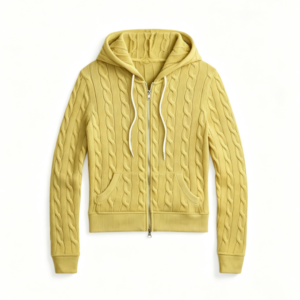
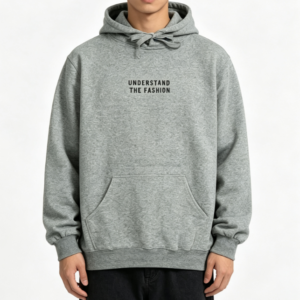
Custom Hoodies
Custom hoodies developed in fleece, French terry, jersey, or performance knits. We refine body length, shoulder balance, hood shape, sleeve proportion, and grading for XS–3XL, then add embroidery, printing, labels, trims, and branded packaging.
Request a Quote
Custom T-Shirts
Custom T-shirts built from your tech pack, reference, or concept in cotton, Pima cotton, organic cotton, blends, and weighted jersey. Pattern makers manage neckline, shoulder, body, sleeve, and extended-size grading for consistent fit across size runs.
Request a Quote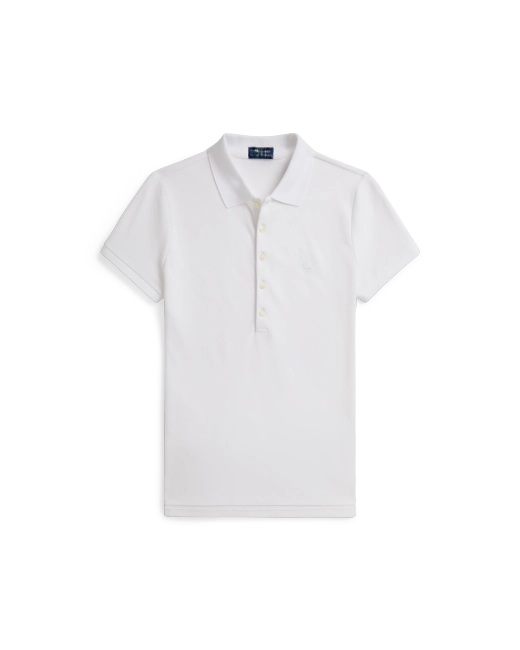
Custom Jeans
Custom jeans produced in rigid, stretch, and comfort-stretch denim with fit development for different rises, leg shapes, and body proportions. We support wash testing, hardware, branded trims, grading from XS–3XL, and scalable bulk programs.
Request a Quote
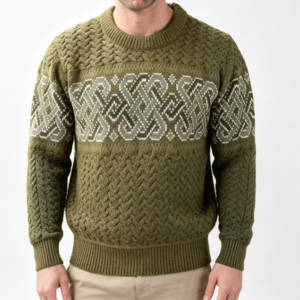
Custom Sweaters
Turtle neck sweater bulk production in knitted constructions selected for gauge, hand feel, recovery, and durability. We develop neck height, body length, sleeve shape, and size grading, with options for wool blends, cotton, recycled yarns, labels, and packaging.
Request a Quote
Custom Jackets
Custom jean jackets developed in denim, stretch denim, twill, and lined constructions. Our team reviews paneling, ease, shoulder mobility, closures, washes, and pocket placement, then applies branded buttons, patches, embroidery, labels, and size grading.
Request a Quote
Custom Sweatshirts & Crewnecks
Custom crewneck hoodie and sweatshirt programs produced in fleece, French terry, brushed jersey, or heavyweight cotton blends. We control rib recovery, neckline, shoulder shape, body proportions, and decoration placement for normal, oversized, and extended-size fits.
Request a Quote
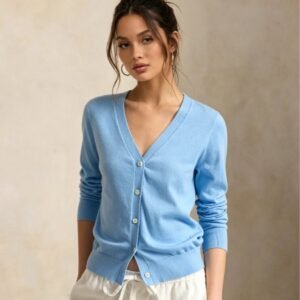
Custom Cardigans
Custom cardigans manufactured in cotton, wool, blended, and recycled yarn options. We develop gauge, stitch structure, placket stability, button placement, sleeve length, and grading, then complete each style with custom labels, buttons, hang tags, and packaging.
Request a Quote
Custom Puffer & Down Jackets
Custom puffer jackets produced with specified shell fabrics, insulation, lining, quilting, hardware, and functional details. Development addresses volume, mobility, body coverage, sleeve length, and extended-size grading, with quality checks for construction, measurements, and packed goods.
Request a Quote
Custom Denim Shorts
Custom jean shorts developed in rigid or stretch denim for target inseams, rises, leg openings, and wash effects. We refine grading and fit through sampling, then add custom hardware, pockets, labels, patches, embroidery, and branded finishing.
Request a Quote
Custom Sweater Dresses
Custom sweater dresses developed in knitted constructions for controlled drape, coverage, stretch, and recovery. Pattern and knit development address neckline, body length, waist shaping, sleeve proportion, and XS–3XL grading for regular, plus-size, and oversized ranges.
Request a Quote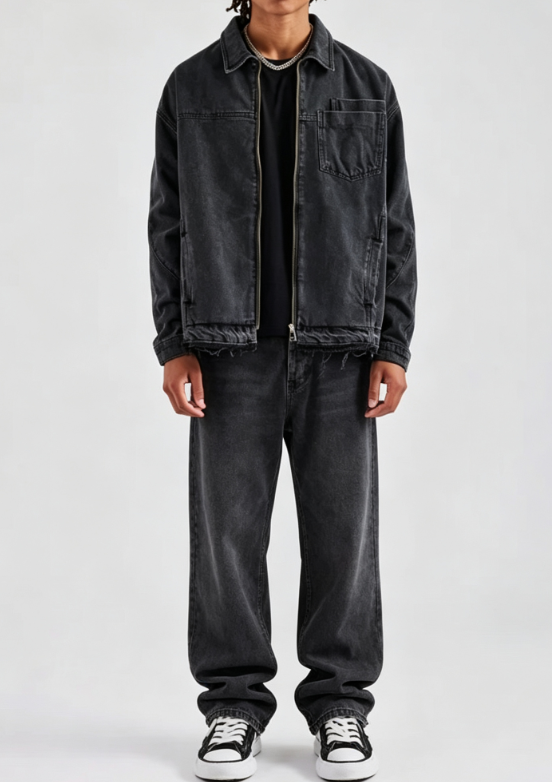
Custom Denim Sets
Men’s denim suits wholesale programs combine coordinated denim jackets, shirts, jeans, or tailored separates. We align fabric weight, wash, shade, trims, and fit across the set, with low-MOQ development available before ongoing wholesale or retail production.
Request a Quote
Custom Polo Shirts
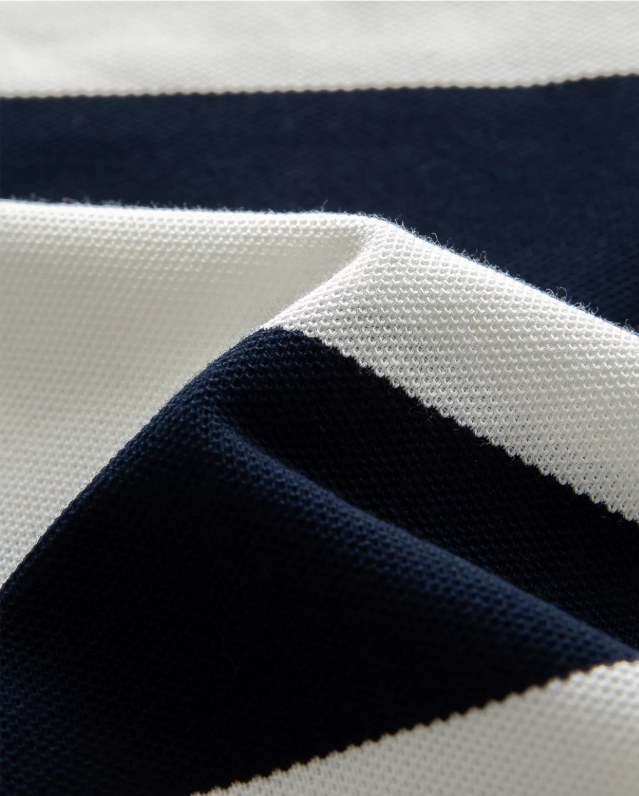
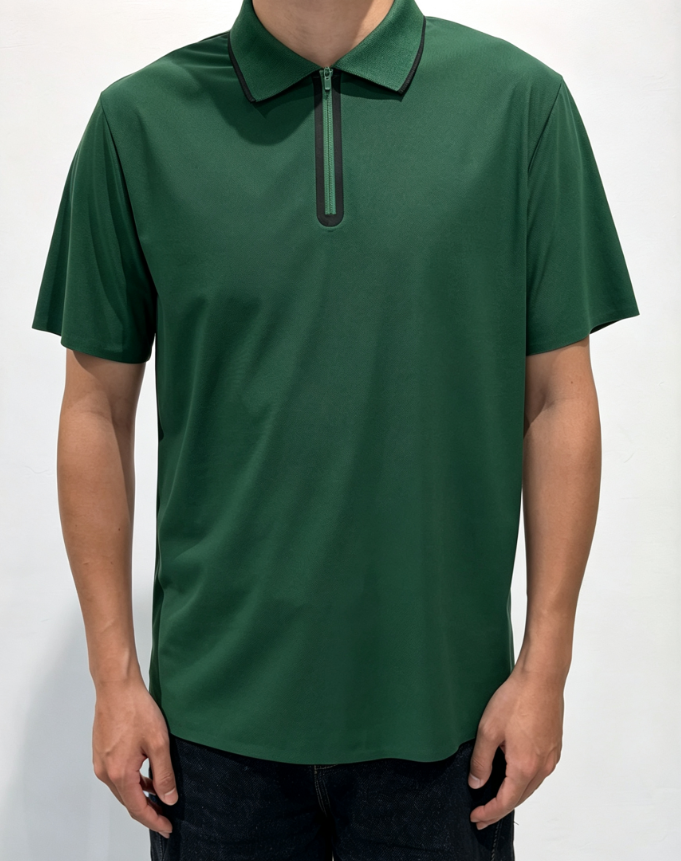
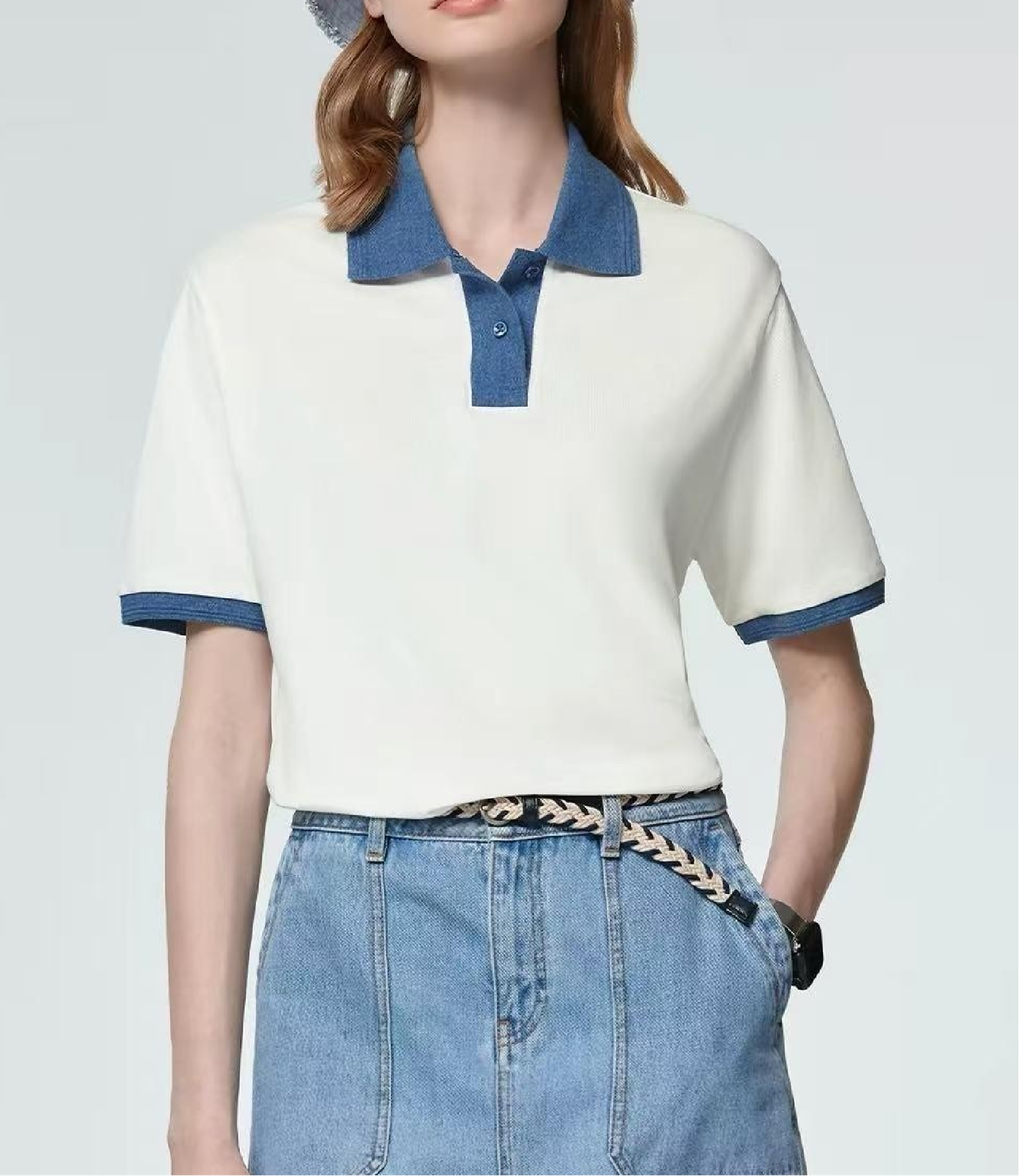
Custom polo shirts manufactured in piqué, jersey, performance knits, and cotton blends. We develop collar structure, placket, cuff recovery, body length, and size grading, with embroidery, printed details, custom buttons, labels, and packaging available.
Request a Quote
Custom Sweatpants
Custom sweatpants produced in fleece, French terry, jersey, and performance fabrics. We develop rise, inseam, leg shape, waistband stability, pocket construction, and grading for XS–3XL, with options for embroidery, printing, drawstrings, labels, and washes.
Request a Quote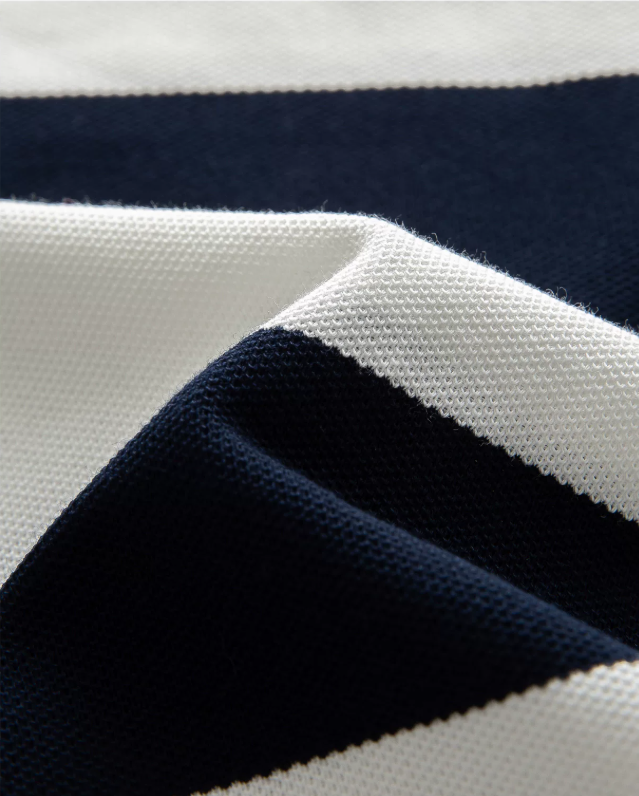
Custom Shorts
Custom shorts made in jersey, fleece, twill, denim, woven, and performance fabrics. Development covers inseam, rise, pocket layout, waistband construction, mobility, and fit across regular, oversized, and extended sizes, from samples through bulk production.
Request a Quote
Custom Pullovers
Custom pullovers manufactured in jersey, fleece, French terry, woven, and knit constructions. We support crew, quarter-zip, mock-neck, and hoodless styles, refining fit, closures, rib trims, decoration, and XS–3XL grading before production.
Request a QuoteMaterials for Comfortable, Durable Extended-Size Tees

Combed Cotton Jersey
A smooth, breathable everyday jersey for core plus-size tees, with a soft hand feel and dependable wash performance. Available in versatile midweights, it offers comfortable drape and a clean surface for printing.

Pima Cotton Jersey
Premium long-staple cotton jersey with an exceptionally soft, refined hand and durable fibers. Ideal for elevated essentials, its smooth surface, breathable feel, and resilient appearance support repeated wear and laundering.

Cotton Spandex Jersey
Cotton-rich jersey blended with elastane for added stretch and shape recovery. A strong choice for fitted or body-skimming extended-size tees, helping necklines, sleeves, and body panels retain their intended proportions.

Heavyweight Cotton Jersey
Dense cotton jersey designed for structured oversized and streetwear-inspired tees. Its substantial weight creates a more defined silhouette, while the durable hand feel holds up well through garment washing and regular wear.

Modal Cotton Blend
A soft, fluid blend with a silky hand feel and enhanced drape for premium casual tees. Its lightweight-to-midweight construction suits relaxed fits that need comfort, breathability, and a polished fall on the body.

Recycled Performance Knit
A resilient knit option for active-casual and moisture-conscious T-shirts, offering stretch, quick-dry performance, and reliable recovery. Junsheen can balance recycled fiber content, weight, and hand feel to match your brand requirements.
Plus Size T Shirt Manufacturer Decoration and Finishing Options

Screen Printing
Plastisol, water-based, puff, silicone, high-density, foil, and discharge screen prints deliver bold color, defined detail, and dependable wash durability for branded plus-size tees.

DTG and DTF
Direct-to-garment and direct-to-film printing reproduce detailed artwork, gradients, and small color runs with a soft hand feel or flexible transfer finish selected for the garment fabric.

Logo Embroidery
Flat, 3D puff, chain-stitch, and applique embroidery add dimensional branding with strong stitch definition. We place and reinforce designs for balanced appearance across graded XS–3XL sizes.

Garment Dyeing
Garment dye, tie-dye, and acid-wash treatments create rich, lived-in color variation after construction. Sampling helps confirm shade, shrinkage, and hand feel before bulk production.

Wash Finishing
Enzyme washes, softening, anti-pilling treatments, brushing, and napping refine softness, surface character, and long-term wear performance while supporting a consistent premium casualwear finish.
Private-Label Trims and Accessories

Woven Brand Labels
Custom woven main, size, and wash-care labels give each tee a polished retail identity. JUNSHEEN can match your artwork, label placement, fiber-content requirements, and extended-size labeling across the full XS–3XL range.

Custom Hang Tags
Branded hang tags communicate your story, sizing, care guidance, and product details at retail. Choose custom shapes, stocks, finishes, strings, and barcode-ready layouts that support wholesale presentation and direct-to-consumer fulfillment.

Drawcord and Tipping
Add custom drawcords, metal or plastic tips, and color-matched finishes to coordinating hoodies, sweatpants, and outerwear. These details help extend a plus-size T-shirt collection into a cohesive private-label casualwear program.

Snap Buttons
Custom snaps create functional closures for polos, overshirts, jackets, and layered casualwear. Select branded caps, finishes, colors, and placement suited to your garment design while maintaining reliable performance through repeated wear and washing.

Custom Logo Patches
Embroidery, applique, woven, leather, and silicone patches add dimensional branding to tees, denim, sweatshirts, and outerwear. JUNSHEEN advises on patch material, scale, placement, and attachment method for your intended fabric and wash effect.
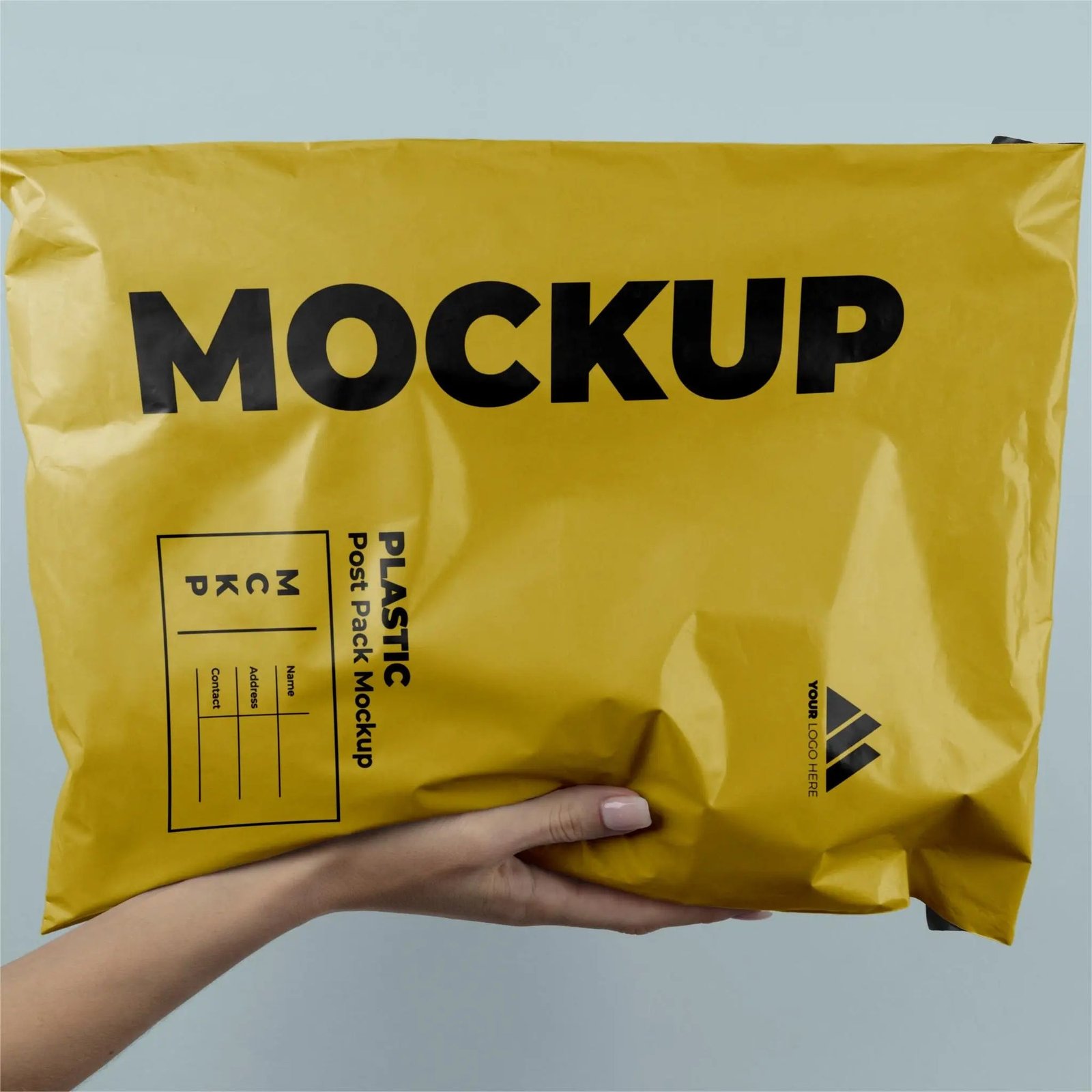
Branded Packaging
Finish production with custom polybags, tissue, stickers, cartons, inserts, and shipping marks. Packaging can be organized to your retail, wholesale, or export requirements, helping products arrive protected and ready for your preferred fulfillment workflow.
About Your Plus Size T Shirt Manufacturer
Founded in 2010 in Humen Town, Dongguan, JUNSHEEN helps global fashion brands turn plus-size T-shirt concepts into production-ready private-label programs. Our mission is straightforward: combine responsive development, dependable manufacturing, and fit-first engineering so every size feels intentionally designed.
With 200+ skilled workers and monthly capacity above 80,000 units, we support capsule launches from 100 units per style and color through scalable bulk production. Our integrated team manages OEM, ODM, fabric sourcing, cut-and-sew, printing, embroidery, washing, labels, packaging, quality control, and export support.
What sets JUNSHEEN apart as a plus size t shirt manufacturer is how we approach fit. Rather than simply enlarging a base pattern, we refine proportions, shoulder balance, sleeve length, mobility, and grading increments from XS to 3XL, helping brands achieve consistency across extended-size collections.

Plus Size T Shirt Manufacturer Capabilities for Better-Fitting Programs
Purpose-Built Pattern Development
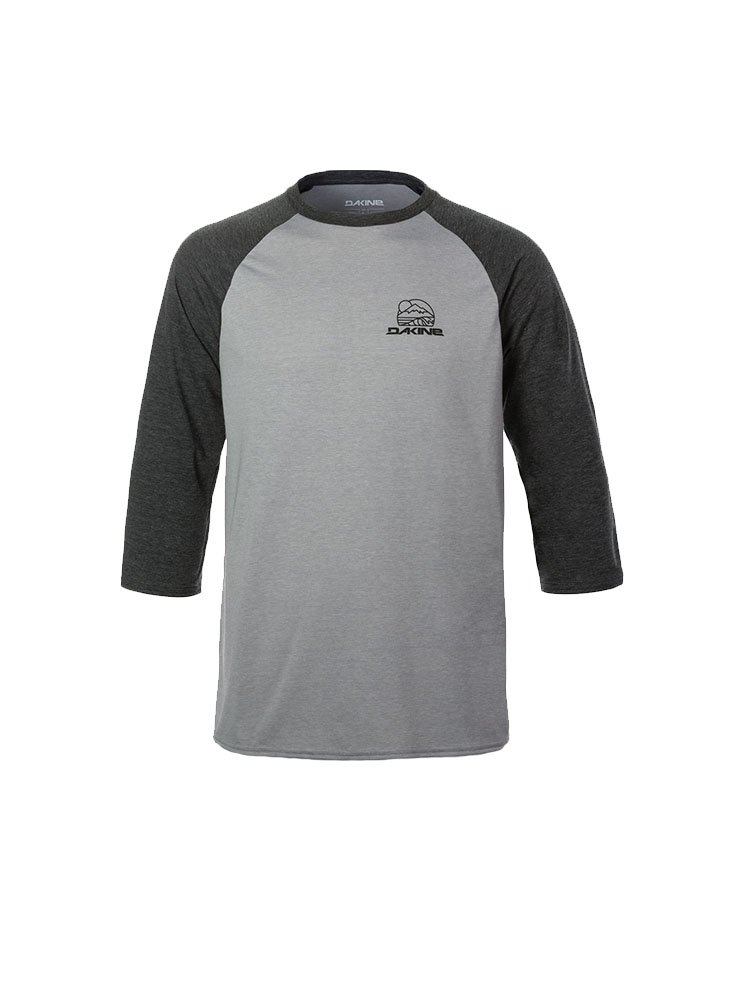
JUNSHEEN develops extended-size T-shirt patterns from the start, refining shoulder balance, body length, sleeve proportion, and ease for wearability. As a plus size t shirt manufacturer, we avoid relying on simple size enlargement that can compromise fit consistency.
- XS–3XL pattern development and size grading
- Fit review for proportion, mobility, and balance
- Prototype and size-set sampling before bulk approval
- Pattern records retained for repeat orders
Materials Matched to Wear
Fabric recommendations consider the hand feel, recovery, weight, drape, durability, and wash performance your customer expects. Our sourcing team helps brands choose cotton, blends, performance knits, or sustainable options that support comfortable extended-size T-shirts at the target cost.
- Cotton, combed jersey, Pima cotton, and blends
- Weight and drape matched to the intended silhouette
- Stretch and recovery assessed for lasting shape
- Swatches and sample garments available for review

Integrated Branding and Finishing
Keep decoration, finishing, labels, trims, and packaging within one coordinated production flow. JUNSHEEN applies screen printing, DTG, DTF, embroidery, washes, and private-label components with specifications checked against the approved sample before production begins.
- Screen print, DTG, DTF, transfer, and embroidery
- Puff, silicone, foil, and high-density effects
- Garment dye, acid wash, softening, and anti-pilling
- Custom labels, hang tags, and branded packaging

Scalable Quality Control
From a 100-unit launch to ongoing bulk orders, Junsheen controls fabric, construction, measurements, decoration, and packed goods throughout production. More than 200 skilled workers and monthly capacity above 80,000 units support reliable scaling without losing approved fit and finish standards.
- Low MOQ from 100 units per style and color
- Incoming, in-line, measurement, and final inspections
- Cut-and-sew and knitwear capability in one supply chain
- Global export support for growing brand programs

Why Choose JUNSHEEN as Your Plus Size T Shirt Manufacturer
Compare fit-first product development and scalable, integrated production with the limitations common among typical apparel suppliers.
← 左右滑动查看 →
Plus Size T Shirt Manufacturer Production Process
A fit-first, managed workflow for extended-size T-shirt programs, from feasibility review to export-ready delivery.
Review Your Product Brief
Share a tech pack, sketch, reference garment, or concept. Our team confirms feasibility, target pricing, 100-unit MOQ, construction details, and timeline.
Source Fabrics and Trims
We recommend jersey weights, stretch, hand feel, and durable trims based on your fit goals, target market, decoration method, and budget.
Create Patterns and Grades
Pattern makers develop XS–3XL size sets with refined shoulder balance, body proportion, sleeve length, mobility, and grading increments for consistent extended-size fit.
Approve Samples and Size Sets
Review prototype samples, fabric swatches, decoration, measurements, and size sets. We incorporate approved revisions before locking production specifications and materials.
Produce and Inspect Bulk
Our 200+ skilled workers manage cut-and-sew production, printing or embroidery, finishing, and in-line checks for construction, measurements, appearance, and consistency.
Pack and Ship Globally
Final packed-goods inspections confirm labels, packaging, quantities, and presentation. We prepare export-ready orders and coordinate global shipping support for your delivery plan.
How to Work with Your Plus Size T Shirt Manufacturer
Move from concept to fit-approved bulk production with one coordinated JUNSHEEN team.
Submit Your Product Brief
Send a tech pack, sketch, reference garment, mood board, or concept. Our team reviews construction, target fit, quantity, fabric needs, and decoration requirements.
Confirm Specifications and Quotation
Refine XS–3XL grading, measurements, materials, trims, lead times, and 100-unit MOQ details. Receive a clear quotation and manufacturability recommendations before development begins.
Approve Samples and Size Sets
Review prototype samples, fabric swatches, decoration, and graded fit. Pattern makers adjust proportions, mobility, and measurement increments until your extended-size standards are approved.
Launch Controlled Bulk Production
After pre-production approval, JUNSHEEN manages cutting, sewing, printing, finishing, inspections, packing, and export coordination for consistent, scalable delivery.
Custom Clothing Manufacturer Credentials and Compliance Documents




Client Results with a Plus Size T Shirt Manufacturer
JUNSHEEN rebuilt our extended-size grading instead of scaling up the core block. After two sample rounds, our XS–3XL tee launch cut fit-related returns by 18% in its first season.
We started with 120 units per color and needed a soft heavyweight jersey that held its shape. The approved size set matched bulk measurements, and our repeat order grew to 2,400 units within six months.
Their team caught a sleeve-balance issue during sampling and resolved it before production. The final 1,800-piece run passed our incoming inspection with 98.7% first-pass acceptance across three size ranges.
Plus Size T Shirt Manufacturer FAQ
Clear answers on MOQs, fit development, sampling, production, payment and global delivery for extended-size T-shirt programs.
What is the minimum order quantity for a plus size t shirt manufacturer?
How does a plus size t shirt manufacturer develop accurate XS–3XL fits?
Can a plus size t shirt manufacturer make samples from my tech pack or reference garment?
What lead times should I expect for custom plus-size T-shirts?
Can I order private-label printing, embroidery and packaging with my T-shirts?
What payment terms does JUNSHEEN offer for new apparel orders?
Do you ship plus-size T-shirt orders internationally?
How do you protect my designs and product information?
Complete Buyer’s Guide: plus size t shirt manufacturer
Use this decision framework to evaluate fit expertise, fabric, construction, customization, MOQ, pricing, and supplier reliability—while avoiding common sourcing mistakes that undermine comfort, consistency, and margins.
1. What Is a plus size t shirt manufacturer?
Since 2010, a plus size t shirt manufacturer has supplied brands with production-ready extended-size tees through OEM, private-label, and wholesale programs. Its role spans reviewing a tech pack or reference, sourcing fabric and trims, making patterns and samples, producing branded goods, and controlling measurements before export. XS through 3XL is not a scaling exercise: genuine extended-size grading adjusts shoulder balance, chest and sweep distribution, sleeve length, armhole shape, neck opening, and ease at each size. Simply enlarging a standard pattern can create dropped shoulders, restrictive sleeves, distorted graphics, and inconsistent body length—even when the finished measurements appear to follow a size chart. 100 units per style and color can suit a capsule launch, while repeat bulk programs need retained patterns, graded size sets, material records, and repeatable inspection points. Buyers include emerging labels, independent designers, retailers, wholesalers, influencers, and established brands; the core sourcing test is whether the supplier can develop and validate fit across the complete size range, not merely offer larger labels on a standard blank.
2. Evolution of Extended-Size T-Shirt Production
2010 marked the founding of JUNSHEEN, but extended-size T-shirts were already shifting beyond a narrow basic offering toward fashion-led jersey, graphics, washes, oversized silhouettes, and coordinated casualwear. That change raised the standard from simply offering larger labels to delivering proportion, comfort, and visual intent across the full size run. 3D body scanning, expanded anthropometric datasets, and digital patternmaking now let developers assess shoulder slope, chest-to-waist balance, sleeve circumference, body length, and ease before cutting repeated physical samples. A capable plus size t shirt manufacturer uses those inputs to build graded patterns rather than scaling one straight-size block, then verifies the result through fit samples and size sets. 100-unit production starting points have also made extended sizing more accessible to direct-to-consumer labels testing focused capsules before committing to bulk replenishment. Modern suppliers therefore need both capacity and technical fit knowledge: pattern corrections, consistent grading increments, fabric recovery checks, measurement control, and retained production records are what turn inclusive sizing into a repeatable commercial program.
3. Types of plus size t shirt manufacturer
Five supplier models serve different risk levels. A plus size t shirt manufacturer should be selected by the fit ownership, development input, MOQ, and replenishment speed your sales plan requires.
| Model | Control | Development | MOQ / Speed | Best Fit |
|---|---|---|---|---|
| Full-package OEM/ODM | High | Patterns, grading, sourcing | Often 100+; sample-led | Growing labels |
| Cut-and-sew specialist | High | Fit-led construction | Moderate; slower | Fashion brands |
| Private-label blanks | Low–medium | Decoration only | Low; fast stock | Retailers |
| Print on demand | Low | Artwork only | 1+; fast dispatch | Market tests |
| Trading company | Medium | Varies by supplier | Varies | Multi-category buyers |
Full-Package OEM And ODM
100-unit style-and-color runs can suit a launch when a factory manages patterns, grading, sourcing, sampling, production, and packing. XS–3XL grading needs deliberate shoulder, chest, sleeve, and length adjustments; ODM adds ready development direction, while OEM follows an approved specification.
Specialists And Blank Programs
2 routes reduce development work: cut-and-sew specialists build proprietary blocks, while private-label blank suppliers apply labels or decoration to stocked garments. 24–72-hour blank turnaround is possible after inventory confirmation, but stock fits, colors, and fabric weights limit differentiation and size consistency.
On-Demand And Trading Partners
1-unit print-on-demand programs minimize inventory exposure and suit testing artwork, but unit cost and print placement control are weaker. 2-party trading companies can consolidate sourcing, yet buyers should confirm the producing factory, measurement approvals, inspection responsibility, and communication path.
4. Materials for Plus-Size T-Shirts
160–180 GSM jersey suits lightweight everyday tees, while 200–240 GSM improves opacity and drape in extended sizes. A plus size t shirt manufacturer should match knit, fiber, and recovery to climate, decoration, and the intended silhouette before sampling.
| Material | Typical GSM | Best Use | Decoration And Retention |
|---|---|---|---|
| Cotton jersey | 160–200 | Warm-climate basics | Screen print; moderate shrinkage control |
| Combed cotton | 180–220 | Soft premium tees | DTG or screen print; stable hand |
| Organic cotton | 180–220 | Certified-conscious lines | Water-based print; verify certification |
| Cotton-spandex | 180–220 | Fitted tees | DTF; strong recovery |
| Polyester blend | 150–190 | Active travel tees | Sublimation; fast drying |
| Heavyweight cotton | 220–260 | Oversized cool-weather | Embroidery; structured fit |
Choose Knit Structure First

Single jersey provides a smooth face, breathable looped back, and efficient screen-print surface for core tees. Ring-spun yarn feels softer and cleaner than open-end yarn. 180–220 GSM single jersey is a practical range for most relaxed fits; heavier constructions reduce show-through but feel warmer. Check opacity under stretch across the chest and back.
Control Stretch And Recovery

5–8% elastane in cotton-spandex helps necklines, sleeves, and fitted bodies return after wear. Four-way recovery matters more than raw stretch when a tee must retain shape through laundering. 3–5% shrinkage allowance is commonly built into cotton patterns, then verified after the agreed wash test. Pre-shrunk or compacted fabric reduces uncertainty, not the need for testing.
Match Fiber To End Use

100% combed cotton gives a soft hand and strong print base; organic cotton requires verified certification scope when sustainability claims are used. Polyester blends dry faster and suit active or travel programs, but can retain odor and alter discharge-print results. 240 GSM heavyweight cotton creates a structured, premium oversized look and supports embroidery well. Its warmth and slower drying should suit the destination climate.
5. Customization and Decoration Options
A 100-unit style-and-color program can still carry a distinct private-label identity when specifications are locked before sampling. For extended sizes, customization must include the graded pattern—not only the artwork and trims.
| Method | Artwork Compatibility | Minimums | Durability | Placement Limits | Cost |
|---|---|---|---|---|---|
| Screen print | Spot colors, bold graphics | Best at 100+ | High | Flat panels | Low at volume |
| DTG | Full-color detailed art | Low | Medium-high | Mostly front/back | Higher per unit |
| DTF | Detailed multicolor logos | Low | High | Avoid heavy stretch zones | Medium |
| Embroidery | Logos, text, badges | Low-medium | Very high | Small-to-medium areas | Higher stitch count |
| Heat transfer | Names, numbers, small logos | Low | Medium | Flat, low-stretch zones | Medium |
| Appliqué | Letters, patches, layered graphics | Low-medium | High | Limited by seam bulk | Medium-high |
Build The Product Specification

XS–3XL programs need silhouette, body length, shoulder shape, neckline, sleeve length, hem, and color standards recorded in the tech pack. Pantone references prevent avoidable shade disputes. Three label layers—main, size, and wash-care—should match fiber content and market rules. Add hang tags, polybags, folding instructions, and carton marks before pre-production approval.
- Choose crew, V-neck, boxy, oversized, or fitted blocks
- Approve grading increments across the full size set
- Specify woven labels, heat-seal labels, or leather patches
Match Decoration To Artwork

6 decoration routes suit different artwork, order sizes, and garment zones. Request strike-offs on the final fabric because texture, stretch, and dark dye lots change the result.
6. Construction Quality for Extended Sizes
XS–3XL T-shirts need engineering beyond a scaled-up base block. A dependable plus size t shirt manufacturer controls pattern balance, seam performance, and measurement variation before bulk cutting.
Pattern Balance And Mobility
XS–3XL grading should adjust shoulder width, body length, sleeve pitch, chest ease, and armhole depth independently. Simply enlarging every dimension can create dropped shoulders, restricted reach, or a front hem that rides up. 2–3 sample wearers should raise arms, sit, and wash-test the garment before approval. Review side seams for twisting and confirm the shoulder seam sits consistently on the intended shoulder point.
Seams, Ribs, And Stress Points
1×1 neck rib with adequate elastane recovery should return after repeated stretch and laundering. Buyers should inspect neckline waviness, coverstitch consistency, and whether the rib-to-neck opening ratio remains stable across sizes. 3-thread or 4-thread overlock side seams require balanced tension, while high-stress points benefit from bartacks or reinforcement. Check underarm joins, shoulder seams, side-seam hem ends, and label attachments for skipped stitches or seam grin.
- Check neck rib recovery after wash.
- Inspect stitch tension inside and outside.
- Verify reinforced underarm and hem points.
Measurements And QC Records
±1–2 cm garment tolerances are common only when applied by measurement point and agreed before production. Require a graded measurement chart covering chest, sweep, body length, sleeve length, armhole, and neck opening for every size. 100% pre-shipment measurement is not always practical, but the QC report should identify sample size, quantity checked, pass/fail results, defects, and corrective action. Compare the sealed size set, wash-test result, and final inspection record against the approved specification.
7. Choosing a plus size t shirt manufacturer
A capable plus size t shirt manufacturer proves extended-size expertise through graded samples, not a broad size label. Compare suppliers on the documents and production controls that protect fit, delivery, and repeatability.
| Vetting Area | Evidence To Request | Decision Signal |
|---|---|---|
| Fit and grading | Size set, grade rules, wash results | Extended sizes are engineered |
| Quality system | Inspection records, tolerance policy | Controls are documented |
| Capacity and MOQ | Monthly capacity, MOQ by color | Launch and reorders fit |
| Export transparency | Lead-time plan, quote inclusions | Cost and delivery are clear |
Verify Extended-Size Development
XS–3XL capability should include size-specific measurement charts, grade rules, and fit notes. Ask to see a completed extended-size sample or size set, not only a standard XL pattern. Two sample rounds are common before bulk approval. Check shoulder balance, sleeve opening, body length, shrinkage allowance, and measurement tolerances after washing.
Test Technical Transparency
A 24–48 hour feasibility response should identify fabric, construction, decoration, and costing assumptions. Vague answers on GSM, shrinkage, print method, or critical measurements signal avoidable sampling risk. One written approval trail should cover tech-pack revisions, pattern ownership, graded files, Pantone references, and pre-production samples. Confirm whether your patterns and specifications remain available for repeat orders.
- Which measurements carry the tightest tolerance?
- Who owns approved patterns and grade rules?
- What changes trigger a new sample charge?
- Which certifications apply to this factory or fabric?
Confirm Production Readiness
100-unit MOQ programs suit capsule launches, while capacity must still support replenishment. Request realistic sample, bulk, inspection, and shipping lead times by fabric and decoration method. Four checkpoints—fabric receipt, in-line sewing, measurement audit, and final packing inspection—provide stronger evidence than a generic quality claim. Confirm export documents, destination experience, payment milestones, and the balance-before-shipment policy.
- What is MOQ by style, color, and size?
- What defect standard and rework process apply?
- Can you share recent export destination examples?
- What is included or excluded in the quoted unit price?
8. Common Plus-Size Sourcing Mistakes
A plus size t shirt manufacturer can prevent most costly delays before bulk production begins. The recurring failures are technical: an unsuitable block, incomplete testing, unclear approval criteria, or a schedule that leaves no room for correction.
Starting With Straight-Size Blocks
XS-to-3XL grading is not a simple percentage enlargement. Reusing a straight-size block can distort shoulder balance, armhole depth, body length, and mobility; require an extended-size block and review the grade rule between every approved size.
Approving Too Few Sizes
Two sample sizes, typically a base size and the largest planned size, expose fit failures that one sample cannot. Approving only one size can move costly corrections into bulk production; request a size set with measured garment specifications before release.
Treating Price As The Decision
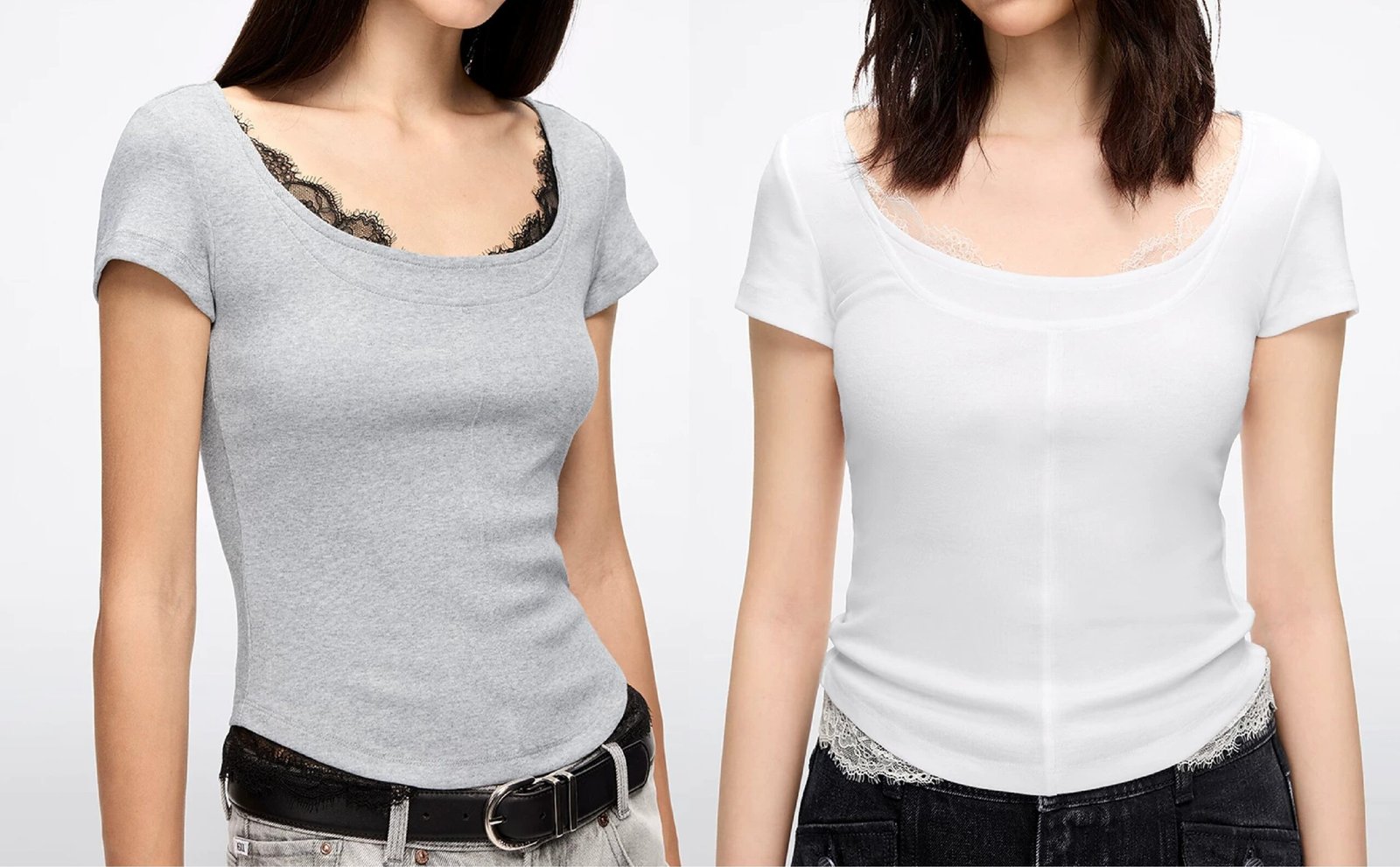
180–220 GSM jersey may cost more than lightweight open-end cotton, but fabric weight, shrinkage, and recovery govern the delivered fit. Selecting the lowest quotation can sacrifice consistent fabric, sewing time, or inspection; compare like-for-like specifications and retain approved swatches.
Leaving Controls Unwritten

3–5% wash shrinkage and poor stretch recovery can change chest width and length after laundering. Specify wash testing, point-of-measure tolerances, decoration placement from seams, and final AQL inspection rules; vague specs, oversized prints, and unrealistic sampling-to-bulk timelines create avoidable rework.
9. Launching a Plus-Size T-Shirt Brand
A first plus-size T-shirt launch should prove fit and demand before it expands colors or silhouettes. A capable plus size t shirt manufacturer can turn research into graded specifications, samples, and a controlled first production run.
Define The First Customer
3 competitor audits reveal price points, size gaps, reviews, and return complaints. Interview 10–20 intended customers about preferred body length, sleeve coverage, neckline, and fabric weight. 2 launch silhouettes are usually enough: one regular fit and one relaxed or oversized fit. Limit the first drop to 2 colors so development cash stays focused on fit.
Build A Size-First Tech Pack
XS–3XL grading should use body measurements and garment measurements, not proportional enlargement. Specify chest, sweep, body length, sleeve opening, shoulder slope, tolerance, stitch type, label placement, and Pantone artwork. 1 base sample and a full size set expose balance issues early. Record approved measurements and pattern revisions so repeat orders use the same production standard.
Approve Materials And Artwork

180–220 GSM combed ring-spun cotton jersey is a practical starting range for a substantial everyday tee. Wash-test shrinkage, torque, colorfastness, pilling, and print adhesion before bulk fabric is committed. 1 approved strike-off should confirm Pantone color, artwork scale, placement, and hand feel. Keep decoration restrained on the pilot run to avoid adding variables to fit testing.
Pilot, Content, And Reorders
100 units per style and color can support a focused capsule where demand is uncertain. Allocate units by researched size demand rather than equal quantities, and hold a small reserve for exchanges or seeding. 2–3 weeks before delivery, photograph each fit on varied bodies and publish garment measurements with care guidance. Track sell-through by size, returns, and fit comments; reorder only proven colors and adjust the retained graded set.
10. Plus Size T-Shirt Pricing and Costs
100 units is a practical starting MOQ for a plus size t shirt manufacturer, but an accurate quote requires a finalized specification and graded size range. At this tier, pattern work, fabric booking, print screens, labels, and packing preparation are spread across fewer garments, so unit costs are highest. 180–220 GSM ring-spun cotton jersey is a common baseline for premium casual tees; heavier 240–280 GSM fabric, organic or OEKO-TEX-certified materials, and stretch blends raise material cost. An extended-size mix also uses more fabric per garment, especially from 2XL through 3XL, while refined grading helps avoid expensive fit corrections later. 3 cost decisions should be separated in every quotation: one-time development, per-unit manufacturing, and freight. Screen printing becomes more economical at higher volumes, whereas DTG or DTF may suit small runs; Pantone matching, neck labels, hang tags, custom polybags, folding, and carton requirements add separately. 7–21 days is a typical sampling window after specifications and materials are confirmed, followed by roughly 20–35 days for bulk production depending on capacity, fabric availability, and decoration complexity. Request FOB and delivered-freight options separately, since destination, shipment mode, duties, and carton volume can materially change landed cost.
| Order quantity | Estimated unit-price drivers | Typical setup costs | Indicative bulk lead time |
|---|---|---|---|
| 100 units/style-color | Highest fabric and labor allocation; size mix and print method matter most | Pattern/grading, sample, screens, labels | 25–35 days |
| 300–500 units/style-color | Better fabric yield and decoration efficiency | Screens and development spread over more units | 20–30 days |
| 1,000+ units/style-color | Volume purchasing and longer production runs reduce unit cost | Custom packaging or new trims may remain separate | 20–30 days |
Start Your Plus Size T Shirt Manufacturing Project
Send your tech pack, reference garment, or idea to JUNSHEEN for fit-focused sampling, transparent pricing, and scalable bulk production.