
Puff Print Hoodie Manufacturer for OEM and Private Label
JUNSHEEN is a puff print hoodie manufacturer delivering fit-focused custom hoodies, raised-print development, and scalable global production for fashion brands.
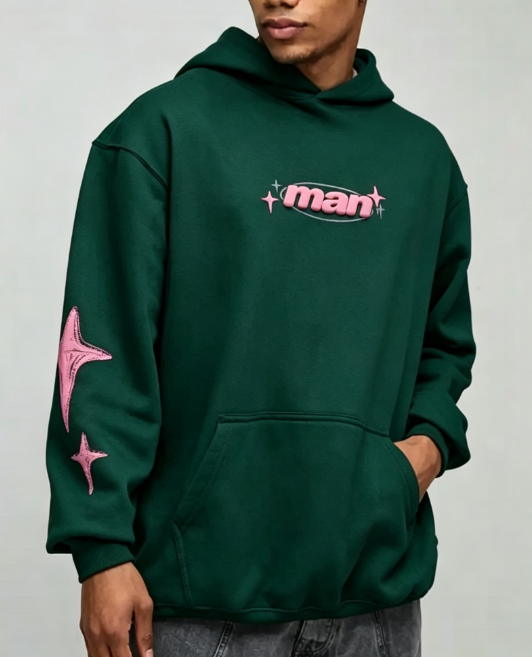
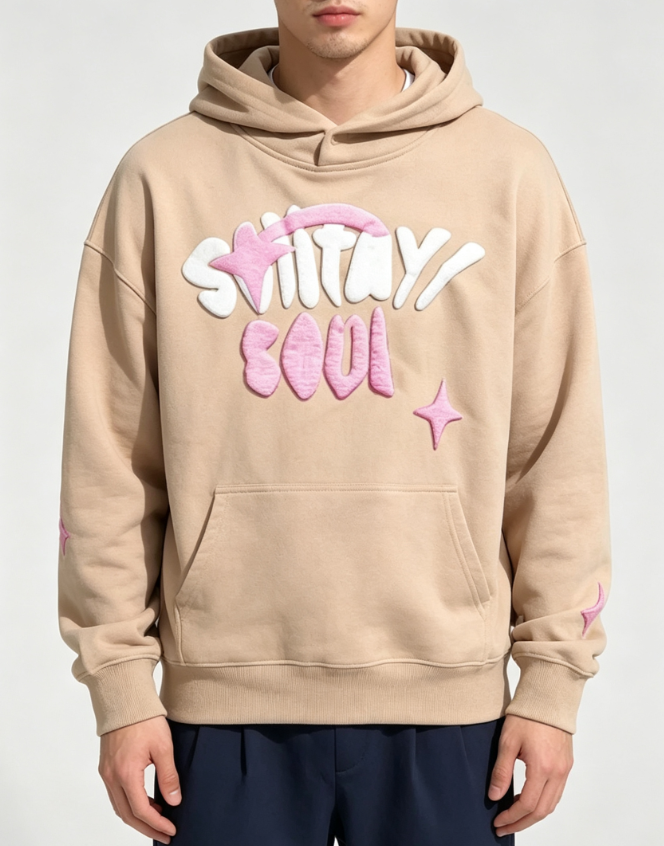
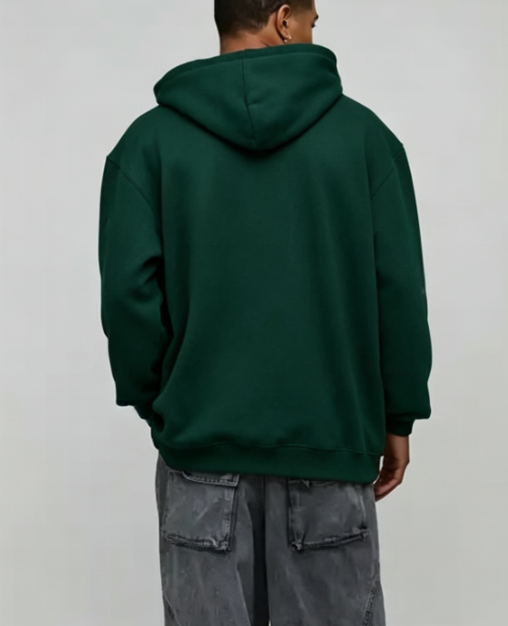
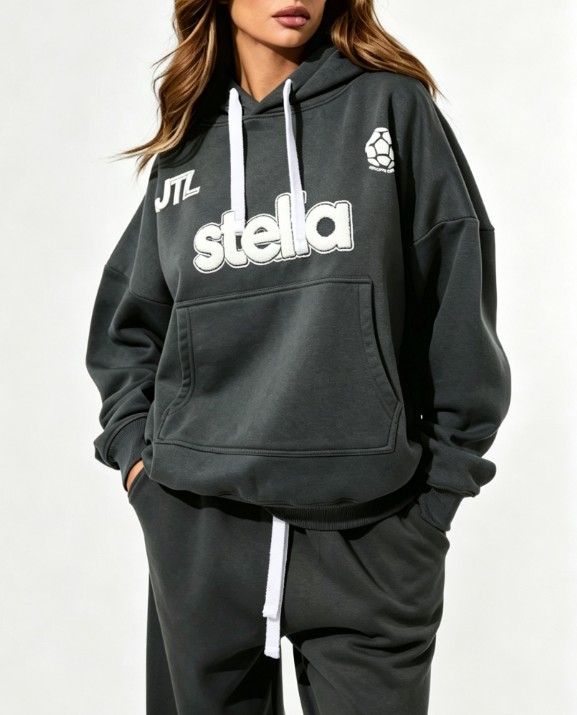
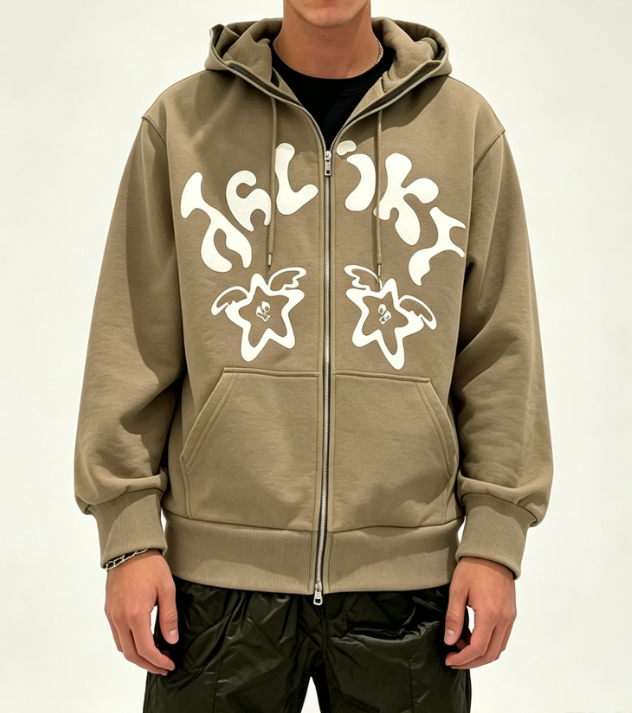
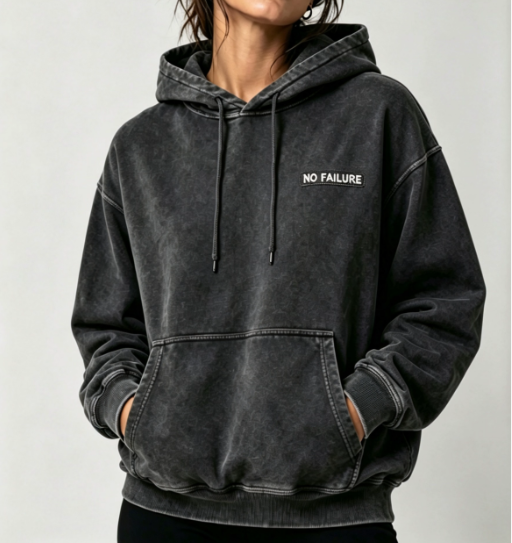
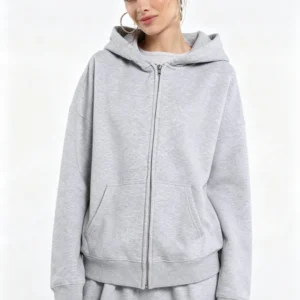
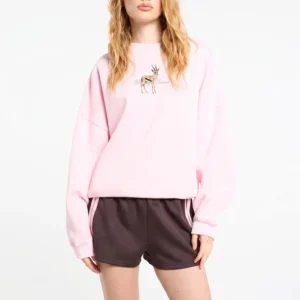
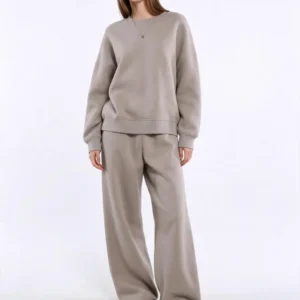
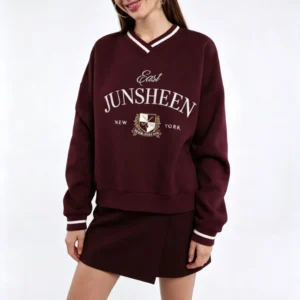
Featured Products for puff print hoodie manufacturer Development







Related Product Catalogue and Quotation




Why Brands Choose JUNSHEEN as Their Puff Print Hoodie Manufacturer
From capsule drops to repeat bulk programs, we combine technical puff printing, fit development, and dependable global production in one supply chain.
100-Unit MOQ
Launch a colorway or test a capsule with production starting at 100 units per style and color.
Fit-Focused XS–3XL
Our pattern team refines proportions and grading across regular, oversized, extended-size, and plus-size hoodie fits.
Integrated Puff Printing
Coordinate raised puff effects, screen printing, embroidery, labels, and finishing through one accountable production team.
Fabric Matched to Print
Select fleece, French terry, and blends for the right hand feel, weight, durability, and puff-print performance.
Scalable Export Production
With 200+ skilled workers and 80,000+ monthly units, we support repeat orders and global delivery programs.
OEM to Private Label
Bring a tech pack, sketch, or reference garment; we handle development, sampling, trims, packaging, and quality control.
Puff Print Hoodie Manufacturing by Product Type
Core casualwear, denim, knitwear and outerwear programs for capsule launches, private-label collections and repeat bulk production.

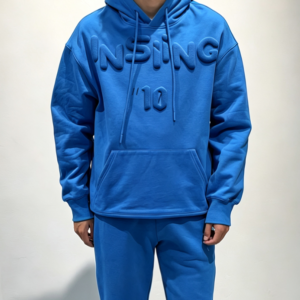
Custom Hoodies
Custom hoodies developed in fleece or French terry, with fit-focused XS–3XL grading and low MOQs from 100 units per style and color. Choose puff print, screen print, embroidery, custom labels, washes and branded packaging for private-label hoodie ranges.
Request a Quote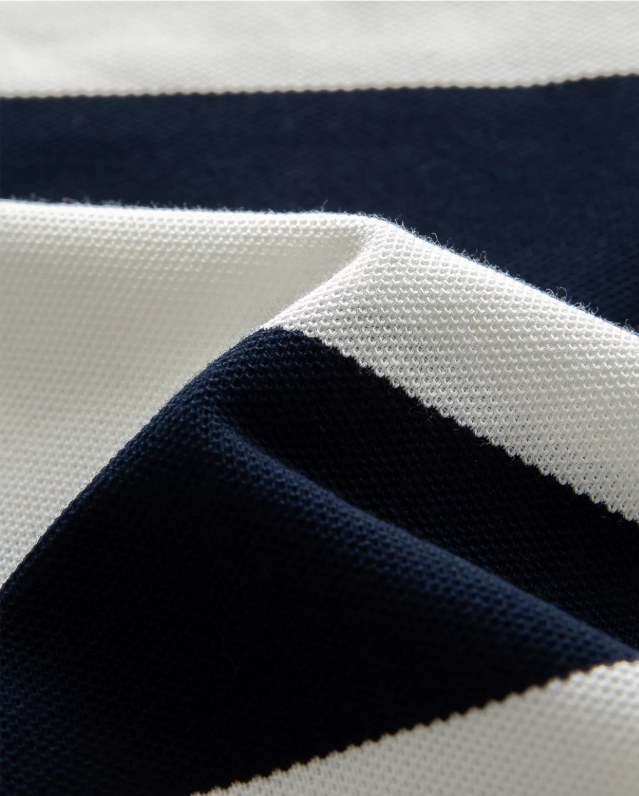
Custom T-Shirts
Custom T-shirts produced in cotton, combed jersey, Pima cotton and blended fabrics for merchandise, essentials and layered casualwear. Junsheen supports custom tshirt development from tech packs or references, including necklines, weights, size grading, prints, embroidery and private labels.
Request a Quote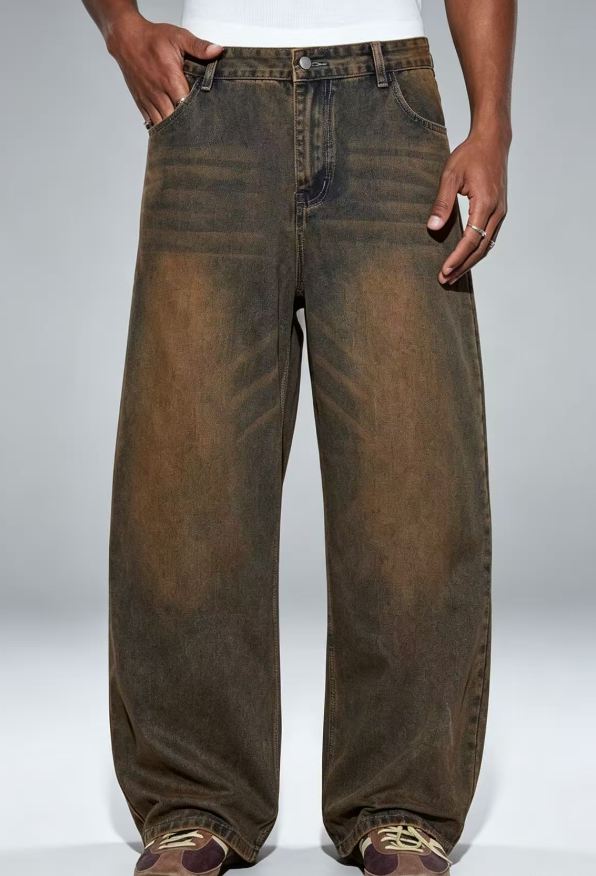
Custom Jeans
Custom jeans made in rigid or stretch denim with support for pattern development, fit refinement, washes and branded hardware. Programs can include straight, wide-leg, relaxed and oversized silhouettes, with custom labels, rivets, buttons, embroidery and repeat bulk production.
Request a Quote
Custom Sweaters
Custom sweaters for turtle neck sweater bulk programs, crew styles and textured knitwear collections. Junsheen develops yarn, gauge, stitch and fit specifications for XS–3XL size sets, then manages labels, trims, sampling and scalable production for private-label ranges.
Request a Quote
Custom Jackets
Custom jackets include custom jean jacket development in denim, twill and woven constructions. Support covers pattern making, fit adjustments, lining, closures, pockets, washes, embroidery, patches and branded trims for coordinated outerwear capsules and bulk replenishment.
Request a Quote
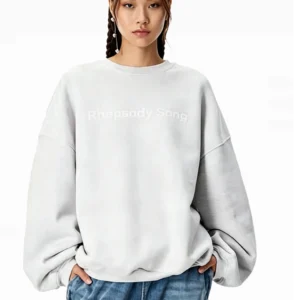
Custom Sweatshirts & Crewnecks
Custom sweatshirts and crewnecks produced in fleece or French terry for branded essentials and seasonal drops. A custom crewneck hoodie program can specify fabric weight, rib construction, oversized or standard fit, puff printing, embroidery, garment washes and private-label finishing.
Request a Quote
Custom Cardigans
Custom cardigans developed in knit constructions with defined yarn blends, gauges, buttons, pockets and rib details. Junsheen supports fitted, relaxed and oversized silhouettes, grading from XS–3XL, plus custom labels and packaging for retail-ready private-label collections.
Request a Quote
Custom Puffer & Down Jackets
Custom puffer and down jackets built for branded outerwear programs, including shell fabric, insulation, quilting, linings, pockets, zippers and reflective details. Junsheen supports custom puffer jacket sampling, fit review, logo decoration and scalable bulk production.
Request a Quote
Custom Denim Shorts
Custom denim shorts produced in rigid or stretch denim with tailored rises, inseams, hems and wash treatments. Develop custom jean shorts for men’s, women’s or unisex collections with distressed details, embroidery, patches, branded hardware and coordinated denim programs.
Request a Quote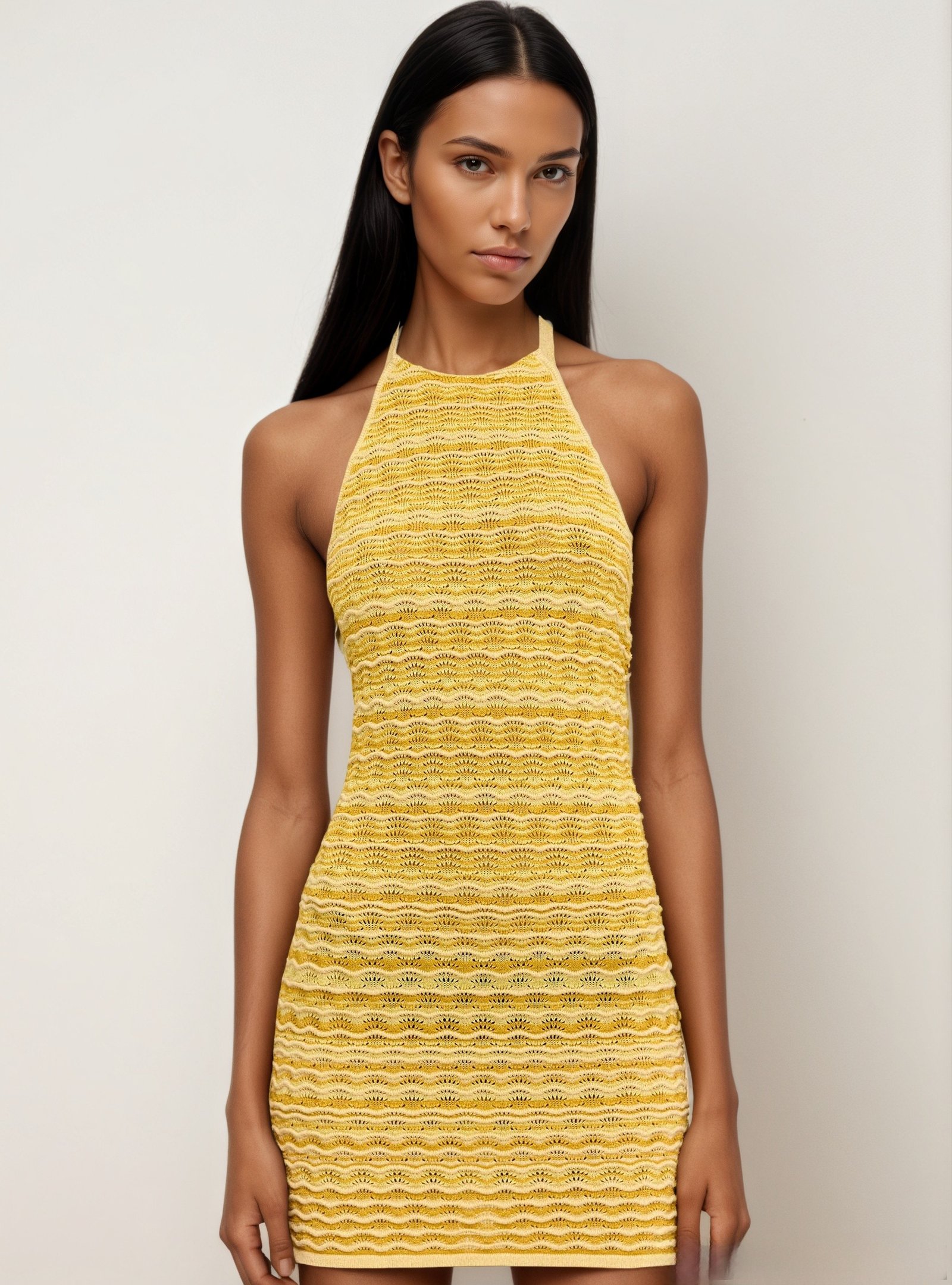
Custom Sweater Dresses
Custom sweater dresses developed in sweater knits with controlled gauge, yarn selection, length and body proportion. Pattern and grading support helps maintain fit through XS–3XL, while custom necklines, belts, buttons, labels and packaging prepare styles for private-label sale.
Request a Quote
Custom Denim Sets
Custom denim sets developed as coordinated jackets, jeans, shirts or overshirts for mens denim suits wholesale and branded capsule programs. Junsheen aligns denim weight, washes, trims, fit blocks and decoration across pieces, supporting sampling through repeat bulk orders.
Request a Quote
Custom Polo Shirts
Custom polo shirts made in pique, jersey or performance knits for uniforms, retail basics and elevated casualwear. Specify collar construction, plackets, buttons, contrast details, embroidery, printing and size grading, with low-MOQ private-label production available.
Request a Quote
Custom Sweatpants
Custom sweatpants produced in fleece, French terry or performance knits for matching sets and standalone bottoms. Development includes rise, leg shape, waistband, pockets, cuff options and XS–3XL grading, with screen printing, embroidery, labels and packaging handled in one supply chain.
Request a Quote
Custom Shorts
Custom shorts developed in jersey, fleece, twill, denim or woven fabrics for seasonal casualwear programs. Junsheen supports inseam, pocket, waistband and fit specifications, plus custom printing, embroidery, washes, trims and low-MOQ production for capsule launches.
Request a Quote
Custom Pullovers
Custom pullovers developed in knit, fleece and French terry constructions for layered casualwear collections. Choose quarter-zip, half-zip, mock-neck or standard styles, then refine fit, fabric weight, rib details, decoration, labels and packaging for private-label bulk programs.
Request a QuoteMaterials Built for Raised Puff Print Performance

Combed Cotton Fleece
Soft, warm, and substantial for premium everyday hoodies. Combed cotton fleece commonly runs 280–420 GSM, offering a smooth face that helps puff ink expand cleanly while maintaining durable, comfortable wear.

French Terry Cotton
Breathable with loopback texture inside, French terry suits transitional-weight hoodies and elevated streetwear. Available around 280–360 GSM, its stable outer face supports defined puff print placement without an overly heavy hand.

Cotton Jersey Knit
Smooth, flexible, and lighter in hand for lightweight hoodies, cropped styles, and layering pieces. Typically 220–280 GSM, cotton jersey provides a clean print surface while retaining comfortable natural stretch.

Cotton Polyester Blend
A practical balance of cotton softness and polyester resilience for repeat-wear programs. Blended fleece can improve shape retention and color consistency, while its stable surface helps preserve raised puff print definition through laundering.

Recycled Blend Fleece
A responsible option for brands developing lower-impact hoodie lines. Recycled polyester blended with cotton delivers a soft brushed feel, dependable warmth, and a print-ready face engineered for consistent puff ink coverage.

Heavyweight Cotton Fleece
Dense, structured fleece for oversized, luxury streetwear, and cold-weather hoodie programs. At 400 GSM and above, it creates a premium weight and stable foundation for bold, high-build puff prints with strong visual impact.
Puff Print Hoodie Manufacturer Decoration Techniques

Puff Screen Printing
Specialty puff ink expands during curing to create a soft, elevated logo or graphic with bold dimension. Junsheen controls screen setup, ink deposit and curing for a durable raised finish on fleece and French terry hoodies.

High-Density Printing
High-density ink is layered to form sharp, structured artwork with a substantial 3D profile. It delivers clean edges, fine logo definition and a firm premium feel for fashion-led graphics that need more precision than conventional puff.

Logo Embroidery
Flat or 3D puff embroidery stitches logos directly into the garment for tactile, long-wearing brand recognition. Our team matches thread, backing and stitch density to the hoodie fabric, placement and desired dimensional effect.

DTF Printing
Direct-to-film printing transfers detailed, full-color artwork onto hoodies with reliable color reproduction and flexible coverage. It suits small logos, complex illustrations and multicolor designs where screen separation or embroidery is less practical.

Heat Transfer
Heat-transfer graphics apply cleanly to targeted placements, including sleeves, chest marks and name or number details. This process supports crisp branding, metallic or specialty effects and consistent application across custom private-label hoodie runs.
Puff Print Hoodie Manufacturer Accessories, Labels and Packaging

Drawcords and Tipping
Choose cotton, flat, round, reflective or contrast drawcords with custom metal, silicone or dipped tips. Matched drawcords sharpen hood styling, reinforce brand colors and support a considered premium finish.

Custom Zippers
Add branded zipper pullers, metal teeth, nylon coil or waterproof zipper options for zip-up puff print hoodies. We match zipper weight, color and placement to fabric bulk, wash requirements and intended use.

Woven Brand Labels
Create woven main labels, size labels and wash-care labels with your logo, size system and compliance details. Labels are positioned and stitched to suit neckline comfort, garment construction and private-label presentation.

Premium Hang Tags
Develop custom hang tags with your logo, product story, barcode and care messaging. Select card stock, finish, shape, string and fastening details that give wholesale orders and direct-to-consumer launches a polished retail-ready appearance.

Rib Cuffs and Hems
Specify rib trims for cuffs, waistbands and neck finishing in coordinated colors and recovery levels. Proper rib selection helps puff print hoodies maintain shape, improves wear comfort and supports oversized or fit-focused proportions.
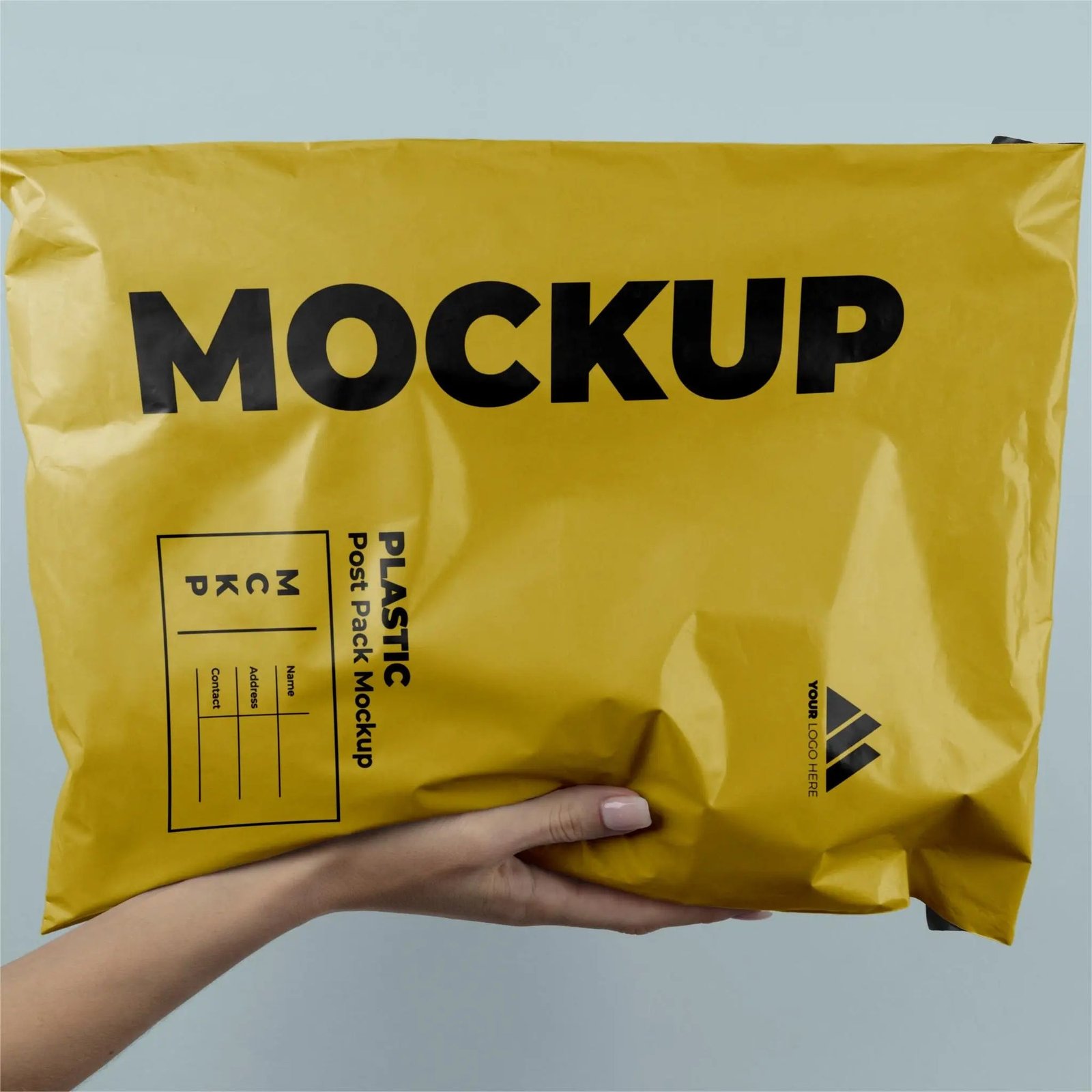
Branded Packaging
Finish each order with custom polybags, tissue, stickers, inserts, size markers or mailer-ready packaging. JUNSHEEN coordinates packing specifications to protect decorated garments in export transit and deliver a consistent unboxing experience.
About JUNSHEEN, Your Puff Print Hoodie Manufacturer
Founded in 2010 in Humen Town, Dongguan, JUNSHEEN helps fashion brands turn custom casualwear ideas into production-ready garments. As a puff print hoodie manufacturer, we combine OEM, ODM and private-label development with hands-on guidance from concept and fabric selection through sampling, bulk production and export.
Our 200+ skilled workers support monthly production capacity above 80,000 units across cut-and-sew apparel, knitwear, denim and outerwear. Brands can launch puff print hoodie programs from 100 units per style and color, then scale into repeat bulk orders with printing, embroidery, washing, trims, labels and packaging coordinated in one supply chain.
What distinguishes JUNSHEEN is fit-focused development from XS to 3XL, including extended-size, plus-size and oversized grading. We retain patterns, graded size sets and material records to improve repeat-order consistency, bringing dependable manufacturing support to more than 2,000 fashion-brand clients worldwide.

Puff Print Hoodie Manufacturer Capabilities Built for Fit and Scale
Fit-First Hoodie Development
JUNSHEEN develops puff print hoodies from XS to 3XL with proportion-aware patterns for standard, oversized and extended-size fits. Our team reviews specifications, fabric weight, rib recovery and intended silhouette before sampling, helping brands avoid costly fit revisions later.
- Pattern making and grading from XS–3XL
- Oversized and plus-size proportions refined by size
- Tech-pack, sketch and reference-garment development
- Prototype, size-set and pre-production approvals
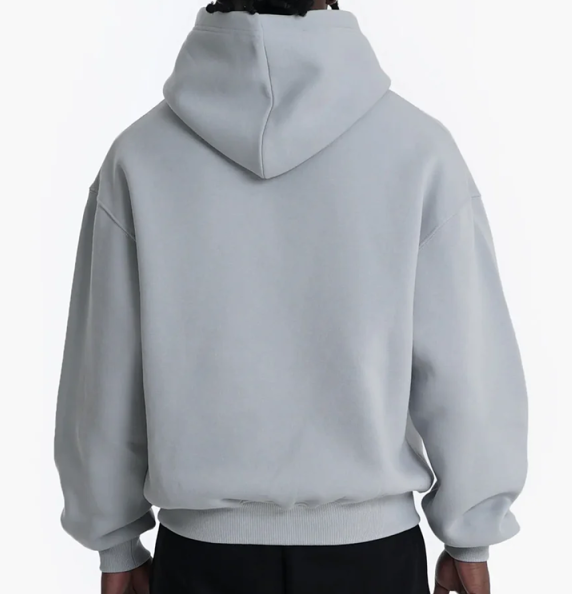
Controlled Puff Print Execution
As a puff print hoodie manufacturer, JUNSHEEN aligns artwork, ink behavior and garment construction to achieve a clean raised effect. We test print placement, coverage and curing performance against the selected fleece or French terry before bulk production begins.
- Puff, silicone, high-density and screen-print options
- Artwork review for line weight and raised detail
- Fabric-specific print and curing trials
- Placement checks across graded hoodie sizes

One Integrated Production Team
Cut-and-sew production, decoration, washing, labels, trims and packaging are coordinated within one manufacturing workflow. This gives sourcing teams clearer accountability from fabric approval through final packing, while supporting 100-unit MOQ capsule launches and scalable repeat programs.
- Low MOQ from 100 units per style and color
- In-house printing, embroidery and finishing coordination
- Custom labels, drawcords, patches and branded packaging
- 200+ skilled workers and 80,000+ monthly capacity

Repeat Orders Stay Consistent
JUNSHEEN retains approved patterns, graded size sets and material records to support dependable replenishment. For fashion brands working across global markets, that documentation helps keep fit, puff-print appearance and construction standards aligned as colorways or volumes expand.
- Approved pattern and measurement records retained
- Bulk inspections for fabric, construction and decoration
- Material and trim consistency checks before production
- Global export support for ongoing brand programs

Why Choose JUNSHEEN as Your Puff Print Hoodie Manufacturer
Evidence-led production support from development through global delivery.
← 左右滑动查看 →
Puff Print Hoodie Manufacturer Production Process
A controlled workflow that turns your hoodie concept into consistent, shipment-ready private-label production.
Feasibility and Specification Review
We review your tech pack, artwork, target fit, quantities, budget and delivery needs, then identify practical construction, decoration and sourcing requirements.
Fabric and Trim Sourcing
Our team recommends fleece or French terry, ribbing, drawcords, labels and packaging based on weight, hand feel, puff-print performance and target cost.
Patterning and Sample Approval
Pattern makers develop and grade fit-focused XS–3XL hoodie patterns, produce samples and refine measurements, proportions and print placement before bulk approval.
Puff Print Production Setup
We prepare screens, test ink expansion and cure settings, then confirm raised-print definition, color accuracy, adhesion and wash durability on approved garments.
In-Line Quality Control
During cutting, sewing and decoration, inspectors check measurements, seam construction, print consistency, garment appearance and packed-goods requirements against approved standards.
Packing and Global Shipment
We complete branded labels and packaging, conduct final inspection, arrange export documentation and coordinate worldwide shipment for your finished hoodie order.
Work with Our Puff Print Hoodie Manufacturer Team
Move from concept to approved bulk production with clear development milestones, fit-focused sampling and scalable OEM support.
Share Your Design Brief
Send a tech pack, sketch, reference garment or mood board. Our team reviews hoodie construction, puff print placement, target fabric, sizing and feasibility.
Confirm Specifications and Quote
Align on materials, colors, decoration, private-label details, XS–3XL grading, quantities and delivery needs. Receive a clear quotation for your 100-unit MOQ or larger program.
Approve Your Development Sample
We create patterns, source materials and produce a sample for your review. Refine fit, hand feel, print height and branding details before approval.
Launch Controlled Bulk Production
After pre-production approval, our factory manages cutting, puff printing, sewing, inspections, packing and export coordination for consistent, production-ready hoodies.
Custom Clothing Manufacturer Credentials and Compliance Documents




Customer Results from Our Puff Print Hoodie Manufacturer Programs
JUNSHEEN turned our reference artwork into an approved puff-print hoodie sample in two rounds. Their team corrected the sleeve balance across XS–3XL, and our first 300-unit launch sold through faster than our previous fleece drop.
The raised print stayed crisp after our wash testing, and the measurements were consistent across all 12 sampled sizes. We reordered 1,200 hoodies with the same fabric, color, and logo placement without reopening development.
We started at the 100-unit MOQ for a limited release, then scaled to 2,500 units across two colorways. Clear approvals, reliable production timing, and branded labels made JUNSHEEN a practical long-term supplier for us.
Puff Print Hoodie Manufacturer FAQ
Clear answers on MOQ, sampling, timelines, payment, shipping, intellectual property, and fit development for custom hoodie programs.
What is the MOQ for a puff print hoodie manufacturer?
Can a puff print hoodie manufacturer make samples before bulk production?
How long does puff print hoodie sampling and bulk production take?
How does JUNSHEEN protect my hoodie designs and artwork?
Can you develop oversized and plus-size puff print hoodies from XS to 3XL?
What payment terms does your puff print hoodie manufacturer program offer?
Can JUNSHEEN ship custom puff print hoodies internationally?
Can you handle labels, packaging, and other private-label details?
Complete Buyer’s Guide to puff print hoodie manufacturer
Use this practical framework to compare supplier capabilities, fabric and print specifications, quality controls, pricing, and production timelines while avoiding costly sourcing mistakes before placing your custom hoodie order.
1. What Is a Puff Print Hoodie Manufacturer?
2010 is the founding year of Dongguan Junsheen Clothing Co., Ltd., a Humen, Dongguan manufacturer that can take a hoodie from development through shipment. A puff print hoodie manufacturer integrates garment engineering with decoration: it reviews the spec, develops patterns and samples, sources fabric and trims, cuts and sews the garment, then applies expanding puff ink under controlled screen-printing and curing conditions. The result is a production-ready branded hoodie rather than a decorated generic blank. 100 units per style and color is a practical starting point for a capsule program, but the partner’s scope matters more than the order size. A blank-apparel supplier sells pre-made bodies with limited control over fit, fabric, seams, labels, or print placement; a print-only shop normally decorates buyer-supplied or stock garments. A trading company may coordinate factories, whereas a capable manufacturer owns technical communication, sampling, production control, and accountability across the supply chain. 160–400 GSM is a common hoodie-weight range, and fabric choice affects both the hand feel and the final puff effect. Buyers should expect the manufacturer to match French terry or fleece to the design, test ink expansion and adhesion, verify curing, inspect measurements and artwork placement, pack private-label goods, and arrange export documentation and shipping support. At JUNSHEEN, this integrated ownership also includes size grading, quality checks, branded packaging, and retained production records for repeat orders.
2. Evolution of Puff Print Hoodies
1960s specialty screen-print shops helped establish puff additives as a way to create raised graphics without embroidery or applique. The effect later moved from novelty sportswear into logo-led streetwear, where a print that rises roughly 0.5–2 mm gives a simple mark more tactile presence. 1990s and 2000s oversized silhouettes made the detail especially effective on broad chest panels, back graphics, and sleeve hits. On 320–450 GSM brushed fleece or French terry, puff print adds contrast to dense, heavyweight garments while preserving a cleaner surface than sewn-on decoration. 2020s social commerce gave texture a new commercial role: short-form product video can show the print height, shadow, and hand feel in seconds. For a puff print hoodie manufacturer, that makes technique selection part of product storytelling as well as decoration planning—especially for capsule drops, tonal logos, and premium casualwear. 100-unit color-and-style programs can still use puff effects when artwork, Pantone targets, and fabric trials are approved early. The technique remains relevant because it turns a familiar hoodie silhouette into a recognizable branded object without requiring an entirely new garment construction.
3. Types of Puff Print Hoodie Manufacturer Services
Five service models determine who controls the garment before puff ink is applied. A capable puff print hoodie manufacturer should match development depth to the buyer’s budget, launch calendar, and reorder plan.
| Service Model | Pattern And Fabric Control | Best Fit | Speed |
|---|---|---|---|
| OEM | High | Established label | Moderate |
| ODM/private label | Medium | Startup | Fast |
| Cut-and-sew | Highest | Growing label | Slowest |
| Existing blanks | Low | Retail test | Fastest |
| Full package | High | Wholesale program | Moderate |
OEM From Approved Specifications
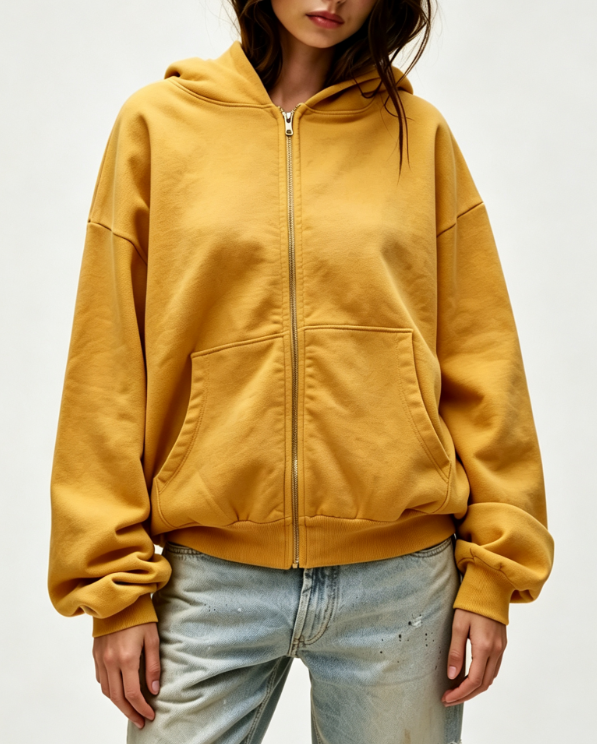
100-unit programs can use buyer-supplied tech packs, graded patterns, Pantone artwork, and trims. OEM gives established labels maximum fabric, fit, branding, and approval control; samples validate construction before bulk.
ODM And Private Label
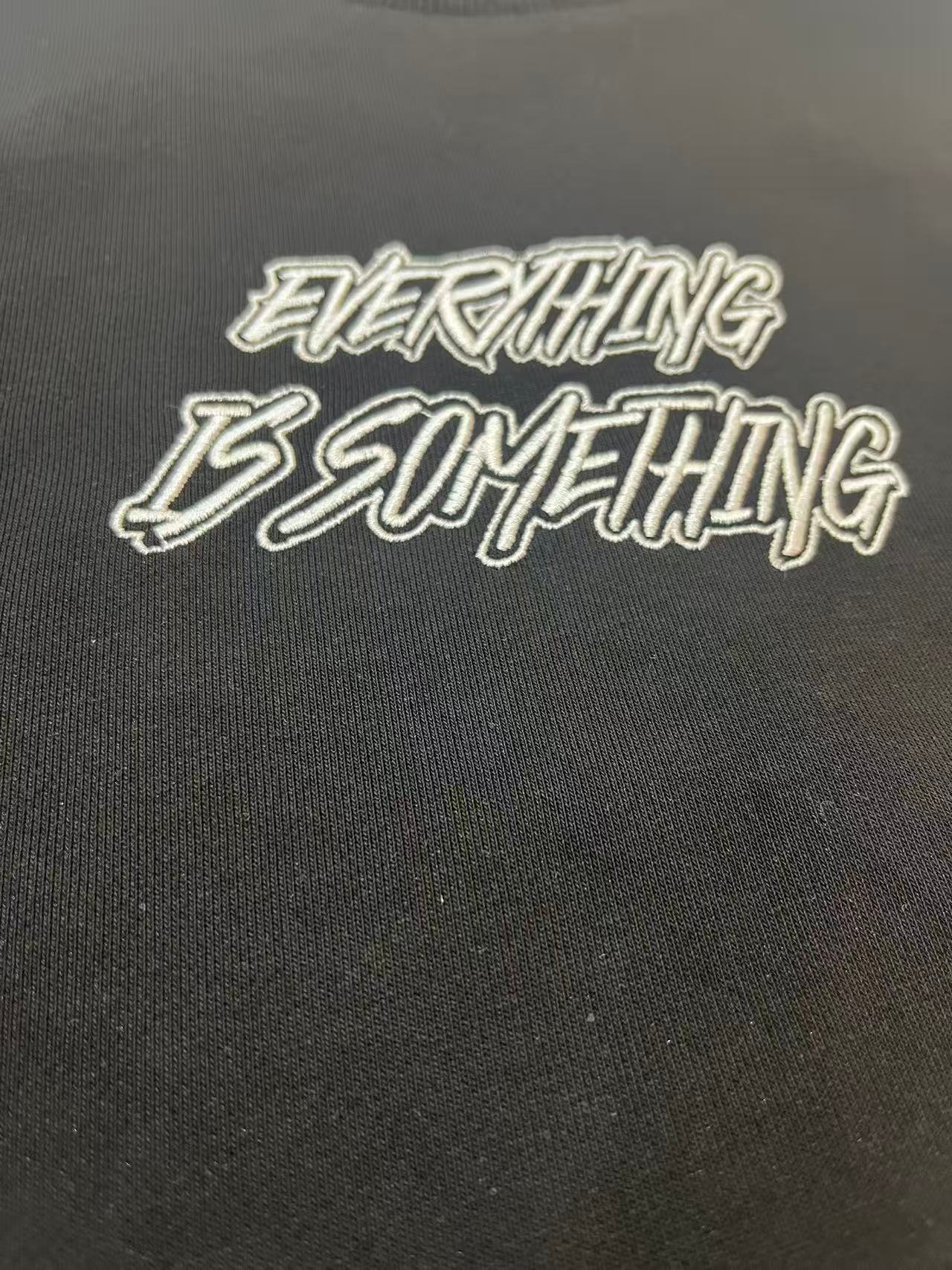
2010-founded Junsheen can adapt proven hoodie blocks, fabrics, and decoration methods into private-label assortments. ODM shortens development for startups; custom labels, hang tags, and puff artwork differentiate the finished product.
Cut-And-Sew Development

XS–3XL development starts with a sketch, reference garment, or technical concept rather than a finished pattern. Cut-and-sew supports proprietary proportions, fabric selection, grading, and fit samples; it suits growing labels building signature products.
Printing On Existing Blanks

1 approved blank hoodie can move fastest when fit and fabric are already accepted. Blank printing limits pattern and fabric control but suits retailers testing graphics, events, and short seasonal capsules.
Full-Package Sourcing
200-plus skilled workers can coordinate development, sourcing, puff printing, labeling, packing, and export support. Full-package service reduces supplier handoffs for wholesale programs and repeat orders, while buyers retain final sample approval.
4. Fabrics for Puff Print Hoodie Manufacturing
Fabric weight, face quality, and shrinkage control determine whether puff ink rises evenly and stays legible after washing. A capable puff print hoodie manufacturer should approve fabric swatches and a washed print sample before bulk fabric is committed.
| Fabric | GSM | Print Stability | Best Use | Sourcing Note |
|---|---|---|---|---|
| Cotton fleece | 280–360 | High with pre-shrink | Premium everyday | Confirm surface smoothness |
| Cotton-poly fleece | 280–380 | Very high | Repeat basics | Check dye migration |
| French terry | 260–330 | High | Trans-seasonal | Loopback adds breathability |
| Brushed fleece | 300–420 | High on smooth face | Cold weather | Inspect face for fuzz |
| Heavyweight fleece | 400–500 | High | Oversized streetwear | Higher freight and fabric cost |
Choose A Stable Print Face
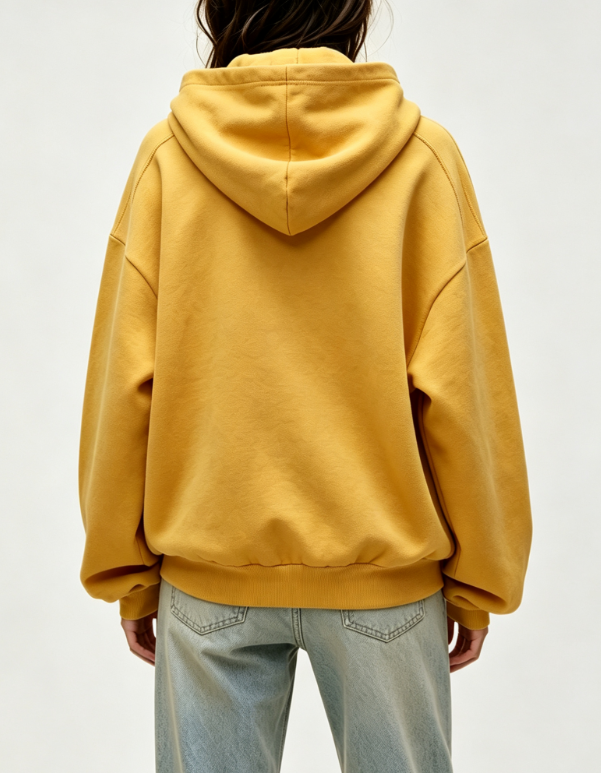
100% cotton fleece at 280–360 GSM gives a soft, premium hand and a smooth enough face for bold puff graphics. Ring-spun yarns usually print more cleanly than coarse open-end yarns. 5–8% residual shrinkage can distort a centered chest print after laundering. Specify pre-shrunk or compacted fabric and test the approved colorway, not only natural fabric.
Match Knit To Wear Season

French terry at 260–330 GSM suits trans-seasonal hoodies because its loopback interior adds breathability without excessive bulk. Its flatter outer face supports controlled ink deposit and sharper edge definition. Brushed fleece at 300–420 GSM delivers higher warmth and a softer interior for cold-weather programs. Brushing occurs inside; a fuzzy exterior should be avoided where fine puff detail is required.
Control Color And Blends

Cotton-poly blends, commonly 80/20 or 65/35, improve dimensional stability and abrasion resistance for repeat programs. Higher polyester content may require adjusted curing to prevent dye migration, especially on dark shades. Pantone-matched black, navy, and saturated reds can make light puff ink highly visible but increase contrast sensitivity. Approve opacity, puff height, and wash appearance on the final dyed lot.
5. Puff Print Hoodie Manufacturer Customization Options
A 100-unit program should specify the full garment before artwork approval. A capable puff print hoodie manufacturer connects fit, base color, decoration, trims, and packaging in one production-ready brief.
| Component | Buyer Specification | Puff Print Impact |
|---|---|---|
| Base color | Pantone or approved lab dip | Contrast and ink opacity |
| Print placement | Dimensions and seam offsets | Avoid ribs, pockets, and hood seams |
| Multi-color artwork | Color count and layer order | Registration tolerance and curing |
| Trim package | Rib, labels, hangtags, packaging | Keeps the product visually coherent |
Silhouette And Fit

Three silhouette choices—regular, modern oversized, and cropped—change body length, shoulder drop, sleeve volume, and print scale. Specify XS–3XL grading rather than enlarging one base size. Two construction choices, pullover or zip-front, also determine hood shape, kangaroo or welt pockets, rib depth, drawcords, and zipper specification. Match these details to the intended retail position.
Artwork And Placement

One artwork file should define final print dimensions, Pantone references, placement from seams, and layer order. Puff ink adds height, so fine lines, tiny type, and dense halftones can lose definition. Two or more puff colors require controlled registration and may need separation from embroidery or flat ink. Approve a cured strike-off after stretch, wash, adhesion, and color tests; large solid puff areas can crack or distort.
Branding And Packout

Four private-label elements—main label, size label, wash-care label, and hangtag—should share the same brand naming, fiber content, and size system. Confirm country-of-origin and care wording for the sales market. One packout specification should state folding method, polybag warning requirements, barcode position, carton ratio, and protective tissue. Branded packaging must accommodate the puff surface without compressing it.
6. Construction and Print Quality Standards
Premium hoodie quality is visible before the first wash: balanced construction, stable dimensions, and a uniform raised print. A capable puff print hoodie manufacturer should document these checkpoints on the approved sample and apply them to final inspection.
| Checkpoint | Sample Requirement | Pre-Shipment Check |
|---|---|---|
| Colorfastness | No unacceptable wash or crocking transfer | Match approved Pantone or lab dip |
| Rib Recovery | Returns close to original width | No permanent waviness |
| Measurement | Approved graded specification | Within stated tolerance |
Stitching And Shape Control

8–10 stitches per inch is a practical target for most fleece hoodie seams; inspect for skipped stitches, roping, open seam ends, and uneven topstitching. 1/4-inch shoulder tape or equivalent reinforcement should stabilize the shoulder seam. Check that the hood sits symmetrically, the center seam is smooth, and pocket corners are bartacked.
- Compare left and right sleeve lengths
- Check rib cuffs recover after five stretches
- Confirm drawcord ends and eyelets are secure
Print Durability Checks
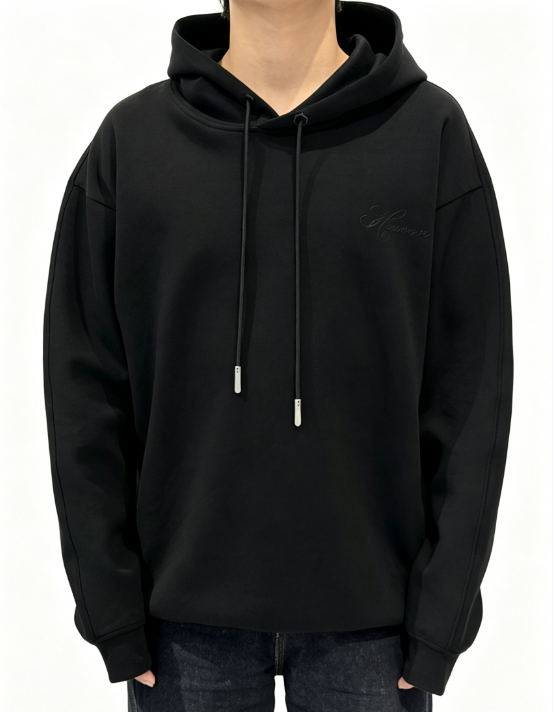
1–2 mm of consistent puff height is more valuable than excessive expansion, which can make a graphic brittle. Inspect edges, fine lines, and large solids under angled light for pinholes or uneven lift. 3 wash cycles at the agreed care temperature should show no lifting, major cracking, tackiness, or color transfer. Test adhesion after 24 hours of curing, not immediately off the press.
- Stretch print gently across the grain
- Rub light and dark fabric against the print
- Compare artwork placement to approved measurements
Sample And Final Tolerances
3–5% residual shrinkage after the specified wash is a common acceptance benchmark, subject to fabric construction and garment-dye processes. Measure body length, chest, sleeve, hood opening, and rib dimensions before and after testing. ±1 cm on critical garment measurements is a workable pre-shipment tolerance for many adult hoodies; record stricter tolerances where fit requires it. Require an approved size-spec sheet and inspect packed goods against it.
7. How to Choose a Puff Print Hoodie Manufacturer
Three proof points—physical samples, documented processes, and repeat-order evidence—matter more than a polished website. A capable puff print hoodie manufacturer should explain exactly who prints, inspects, packs, and exports each order.
| Evaluation Area | Buyer Question | Evidence To Request |
|---|---|---|
| Print control | Who owns puff printing and curing? | Strike-off, process sheet, wash test |
| Quality system | How are defects measured? | AQL plan, inspection report |
| Export readiness | Which markets do you ship to? | Packing list and shipping workflow |
Verify Relevant Portfolio Evidence

Ask for 3 recent hoodie projects matching your fabric weight, print scale, and wash target. Review physical strike-offs under daylight, then compare puff height, edge definition, cracking, and color against the approved Pantone artwork.
- Request unedited sample photos and wash-test results
- Ask for fabric composition and GSM specifications
- Confirm whether each example was made in-house
Map Production Responsibility

Ask whether screen making, puff printing, curing, sewing, and final inspection are in-house or subcontracted. Outsourcing is workable only when the factory identifies the partner, ownership of approvals, and inspection checkpoints in writing.
- Request a production flowchart
- Request print specifications and curing parameters
- Request QC inspection records
Test Sampling And Communication
100-unit starting programs can suit capsule launches, but confirm MOQ by color, fabric, and print placement. Request a dated sampling plan covering pattern approval, print strike-off, size set, pre-production sample, and revision responsibilities.
- Name one daily project contact
- Approve measurement tolerances before bulk
- Confirm response times across time zones
Check Compliance And Delivery
200-plus workers and 80,000-plus monthly units indicate scale, yet capacity must be verified against the supplier’s current production calendar. Request applicable OEKO-TEX, GOTS, BSCI, WRAP, or test reports only when claimed, plus export documents and destination-market experience.
- Ask for realistic bulk lead-time windows
- Request final-inspection and AQL procedures
- Confirm commercial invoice, packing list, and shipping support
8. Common Puff Print Hoodie Sourcing Mistakes
Eight recurring errors create most avoidable puff-print delays, rework, and margin loss. A sourcing team should convert each assumption into a documented approval, test, or contingency before a puff print hoodie manufacturer releases bulk materials.
Chasing The Lowest Quote
Two quotes can differ because one uses 280 GSM open-end fleece while another specifies ring-spun cotton, tighter tolerances, or more print passes. Selecting only on unit price can produce weak hand feel, inconsistent puff height, and late change orders. Three landed-cost lines should be compared before award: garment, decoration, and logistics. Request a specification-matched quotation with defect allowance, packaging, and Incoterms stated separately.
Approving Artwork Without Samples

One digital mockup cannot confirm ink expansion, fine-line loss, or the raised profile after curing. A production sample on the selected garment is the approval point, not a rendered image. Pantone references, artwork dimensions, placement from HPS, and maximum puff height should appear on the print file. Supply vector artwork and approve a strike-off before bulk printing.
Skipping Fabric And Wash Validation

280–400 GSM fleece and French terry react differently to puff additives, heat, shrinkage, and surface texture. Ignoring compatibility can cause cracking, flattening, dye migration, or uneven print edges. Three wash cycles should be tested against the agreed care label before bulk approval. Record shrinkage, puff retention, color bleed, and measurement change in the sample comments.
Leaving Operations To Assumption
XS–3XL grading cannot be created by enlarging one base size; shoulder, body length, and sleeve balance need a graded size set. Missing grading approval causes fit complaints and expensive post-production sorting. Four schedule buffers matter: sample revisions, fabric booking, print capacity, and freight. Confirm a critical path, inspection level, acceptable defect rate, and freight-inclusive landed-cost budget before placing the PO.
9. Steps to Launch a Custom Puff Print Hoodie
Two launch decisions set the calendar: the target customer and the selling window. Build a mood board, price target, color plan, and competitive references before requesting development from a puff print hoodie manufacturer.
Define The Product Brief
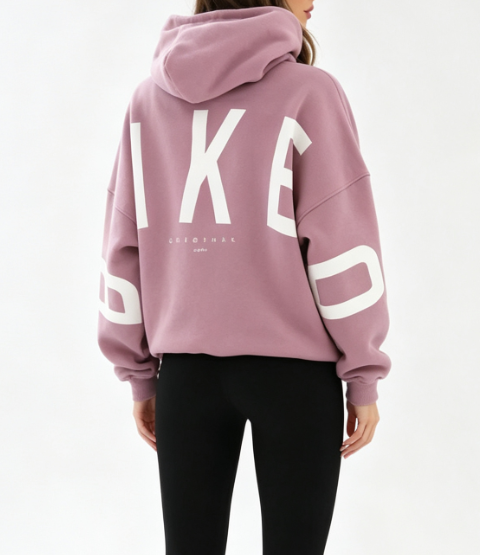
One tech pack should state silhouette, size range, target retail, construction, trims, Pantone colors, and measurement tolerances. Three inputs—reference images, flat sketches, and a bill of materials—let design and purchasing identify cost risks early.
- Confirm intended customer and fit block
- Set launch date and sales channels
- Lock color count before sampling
Choose Materials And Artwork

320–420 GSM French terry or brushed fleece is a common hoodie starting range; select weight after testing hand feel, shrinkage, and print stability. 100% vector artwork, Pantone references, print dimensions, and placement coordinates are needed before screens or film are prepared.
- Request fabric swatches and wash results
- Specify puff height and ink coverage
- Check artwork over seams and pockets
Approve Samples Before Bulk

One prototype should be reviewed on-body and after wash for fit, puckering, cracking, color, and puff recovery. Record every revision in an approved comment sheet rather than relying on chat messages. A full size set is the decision gate for XS–3XL programs. Do not release bulk until grading, chest, body length, sleeve length, and print placement are signed off.
- Measure against the approved spec
- Wash-test the decorated sample
- Approve a sealed production sample
Coordinate Production And Delivery
6–12 weeks is a practical planning allowance from development through delivery, depending on fabric availability, revisions, order size, and freight route. Merchandising should schedule photography only after the approved sample confirms final color and fit. Three inspection stages—incoming fabric, in-line sewing and decoration, and packed-goods checks—reduce late surprises. Confirm labels, hang tags, carton marks, packing ratio, balance payment, and shipping documents before dispatch.
- Align purchase order with approved sample
- Book freight against the launch calendar
- Keep patterns and material records for repeats
10. Puff Print Hoodie Manufacturer Pricing and MOQ
100 units per style and color is JUNSHEEN’s practical starting MOQ for a custom puff print hoodie manufacturer program; sampling, artwork separation, and screen setup are quoted separately because they vary by design. Request a landed-cost comparison that separates ex-factory garment cost, decoration, packaging, freight, duty, and destination charges. 280–500 GSM fabric weight, brushed fleece versus French terry, lined hoods, kangaroo pockets, rib quality, zippers, and custom labels all change the garment-cost base. One-color, limited-coverage puff print is more economical than multi-color, oversized, wraparound artwork; larger runs spread screen and development costs across more units. 7–30 production days is a typical planning range after sample and material approval, excluding transit and customs. Confirm Pantone targets, print coverage, packing method, Incoterm, and delivery address before comparing quotes, since air versus sea freight can materially alter landed cost.
| Quantity tier | Indicative unit-price drivers | Sampling or setup costs | Typical production lead time |
|---|---|---|---|
| 100–199 units | Highest per-unit cost; fabric MOQ and screens spread over fewer pieces | Prototype, size set, artwork separation, screens quoted by design | 20–30 days |
| 200–499 units | Improved fabric and labor efficiency; color count and print area remain major drivers | Setup allocated across more units; repeat screens may be retained | 15–25 days |
| 500–999 units | Better cutting, trim, and print-run efficiency; packaging customization adds cost | Development and screen costs diluted across the order | 12–22 days |
| 1,000+ units | Best production efficiency when fabric, colors, and specifications are consolidated | Confirm bulk material commitment and any new screen charges | 10–20 days |
Partner With a Puff Print Hoodie Manufacturer Today
Send your tech pack, sketch or product idea for feasibility review, sample development and a tailored OEM quotation from JUNSHEEN.