
Custom Woven Labels for Production-Ready Apparel
Build custom woven labels, branded trims, and private-label garments from 100 units per style or color with JUNSHEEN’s integrated OEM support.
Featured Products for custom woven labels Development
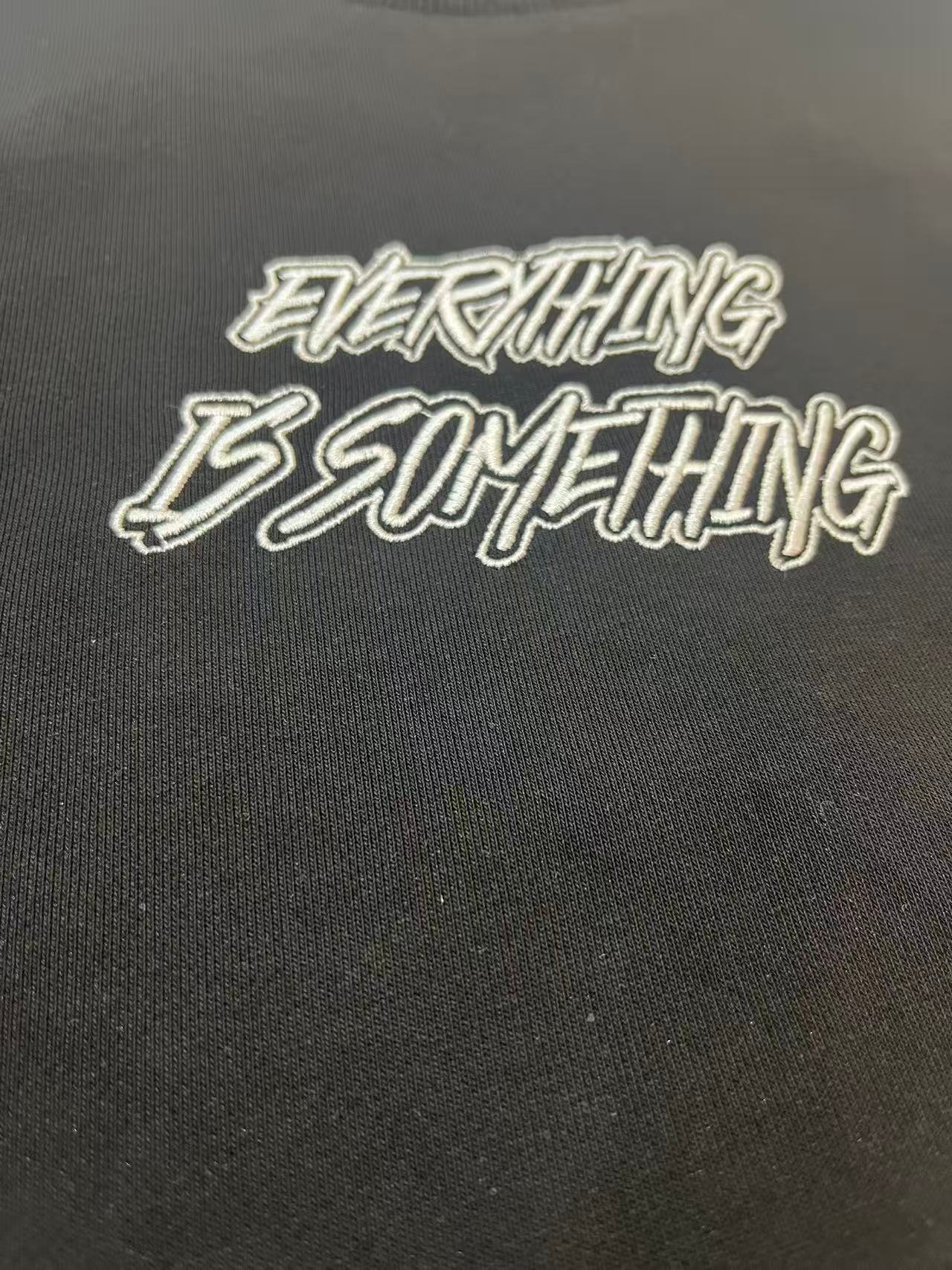


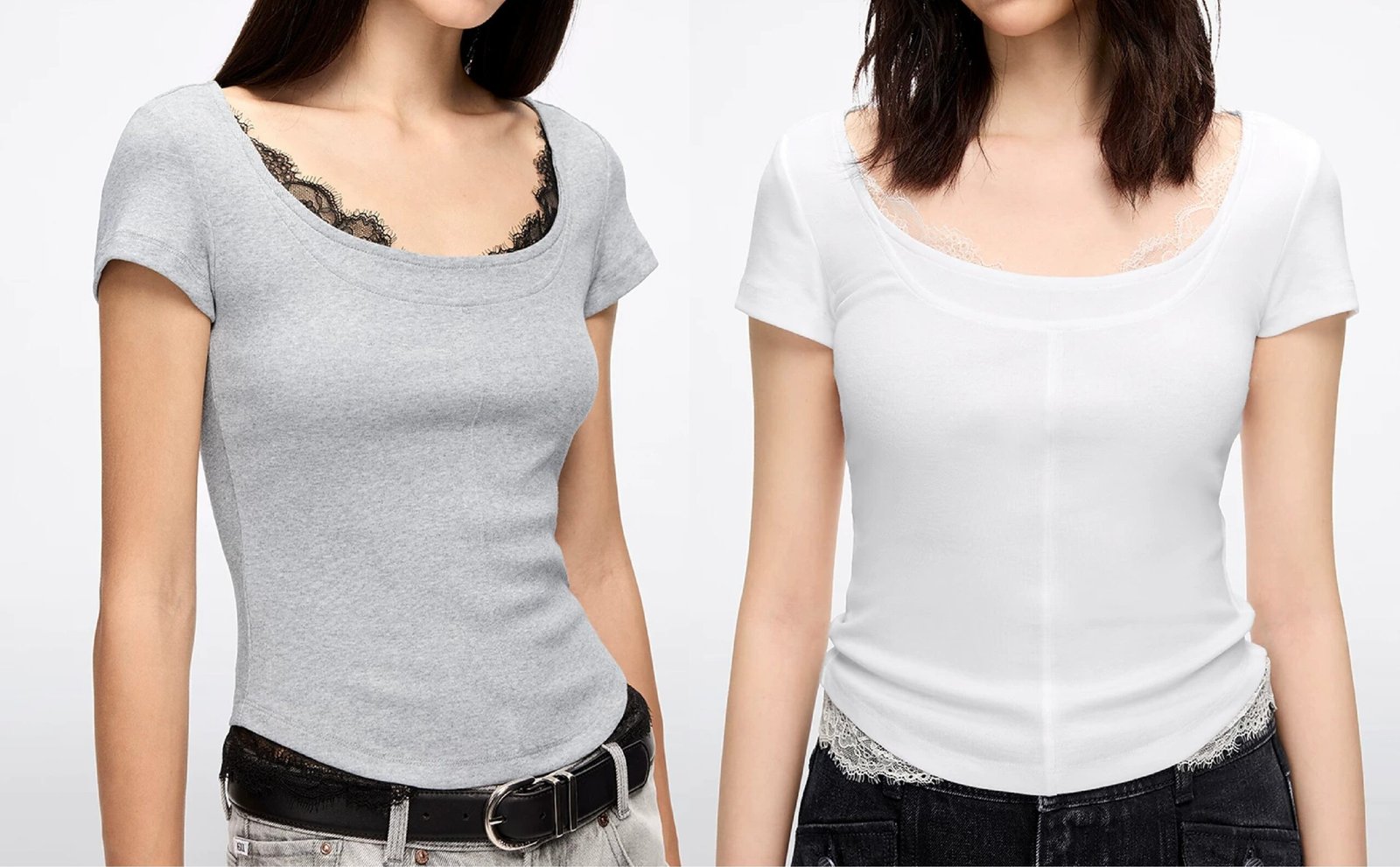


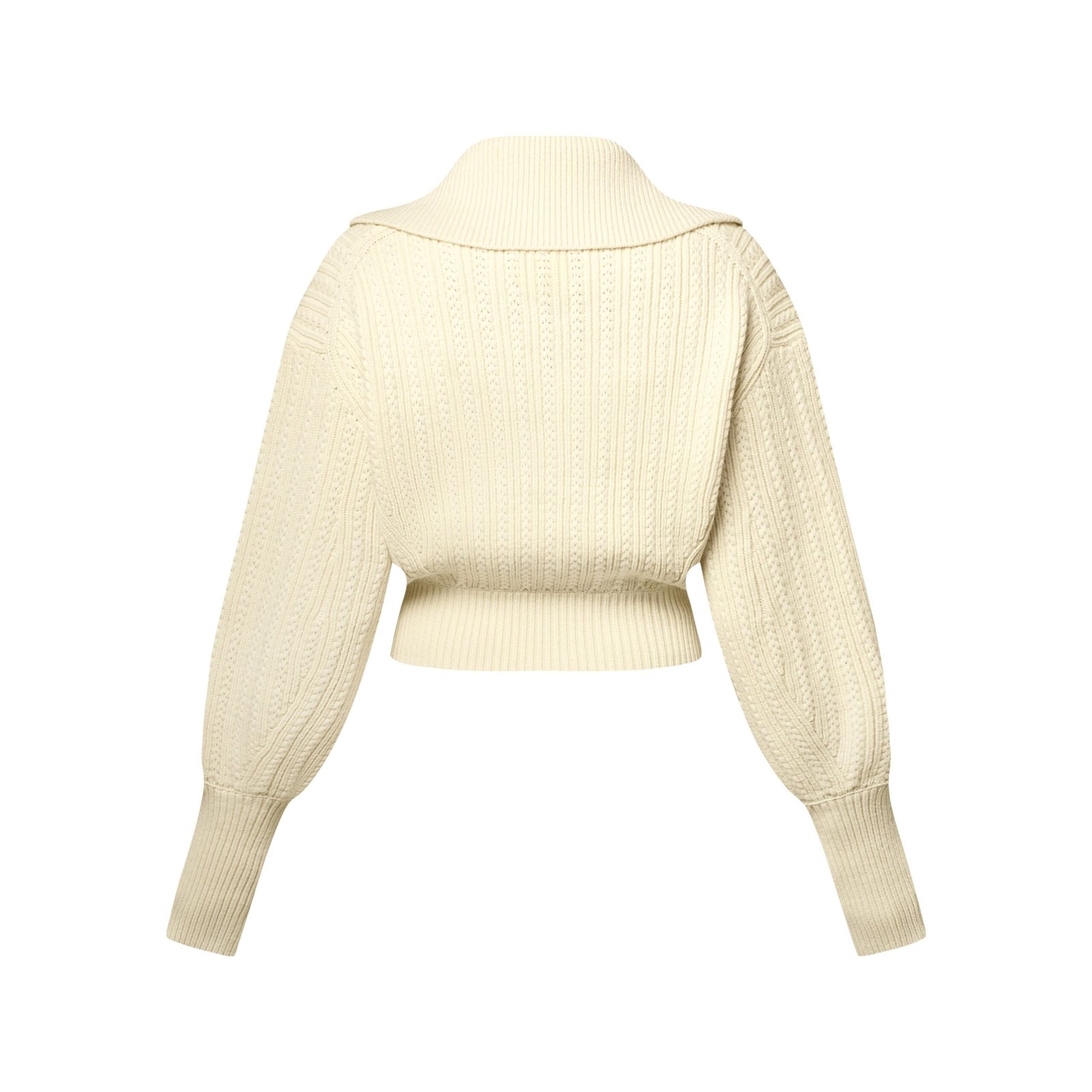


Related Product Catalogue and Quotation





Why Brands Choose Our Custom Woven Labels
Integrated label development and apparel production support for launches, repeat orders, and global scale.
100-Unit MOQ Coordination
Match custom woven labels with capsule apparel orders from 100 units per style and color, keeping launch quantities practical.
Fit-Focused Development
Coordinate labels with XS–3XL, plus-size, and oversized garments developed through refined patterns, grading, and sample approval.
Integrated Trim Programs
Combine woven labels with size labels, wash-care labels, hang tags, patches, hardware, and branded packaging in one supply chain.
Production-Ready Quality Checks
Review materials, label placement, construction, measurements, decoration, and packed goods through in-line and final quality control.
Global Export Support
Move approved private-label orders from Dongguan production to international destinations with responsive coordination for brands and sourcing teams.
Scalable Manufacturing Capacity
Rely on 200+ skilled workers and 80,000+ monthly units for dependable growth from first capsule launches to bulk programs.
Private-Label Apparel Categories
Develop coordinated casualwear, denim, knitwear and outerwear programs with fit-focused patterns, branded woven labels and scalable production from 100 units per style and color.
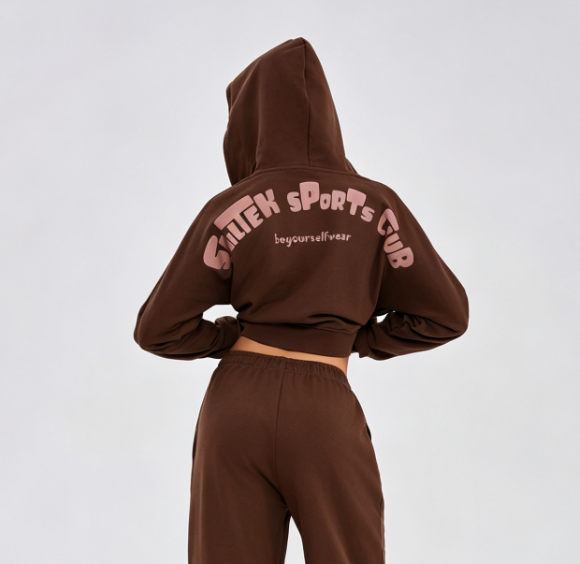
Custom Hoodies
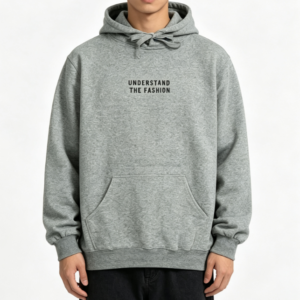
Custom hoodies developed in fleece, French terry or jersey with fit-focused XS–3XL grading. Add woven main and size labels, drawstrings, rib trims, embroidery, screen printing, washes and branded packaging for a complete private-label program.
Request a Quote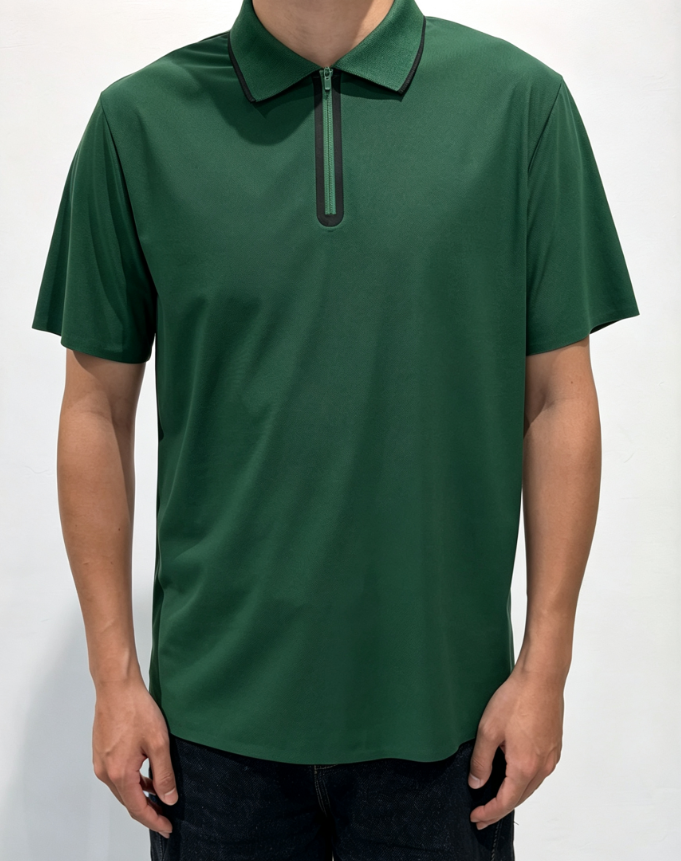
Custom T-Shirts
Custom T-shirts produced in cotton, Pima cotton, organic cotton and blended jersey options. Junsheen supports custom tshirt specifications, pattern development, size grading, screen print or embroidery placement, woven labels, wash-care labels and retail-ready packaging.
Request a Quote
Custom Jeans
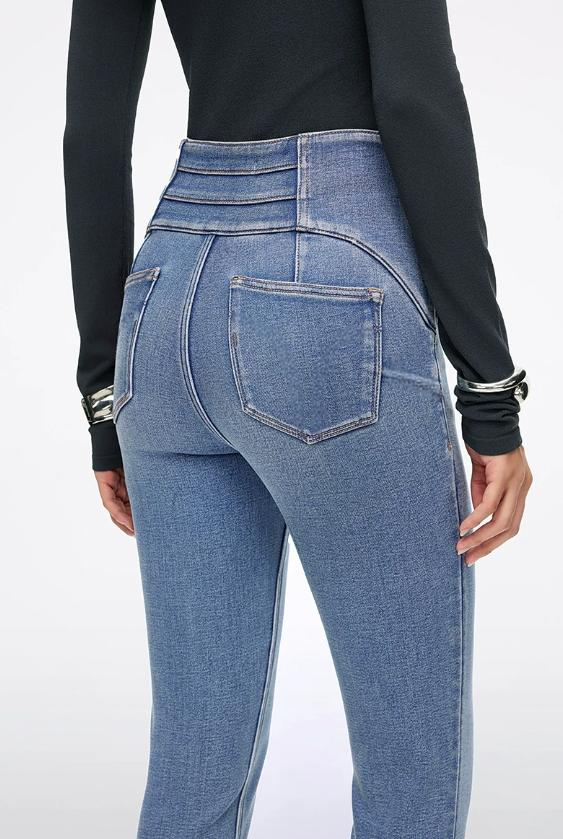
Custom jeans developed in rigid or stretch denim with brand-specific fits, rises, washes and hardware. Our team manages pattern making, grading, pocket details, custom buttons, rivets, leather or woven labels, embroidery, distressing and bulk quality control.
Request a Quote
Custom Sweaters
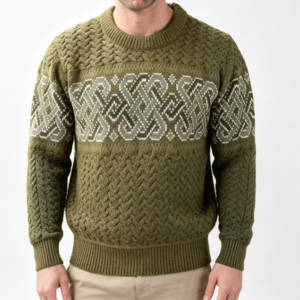
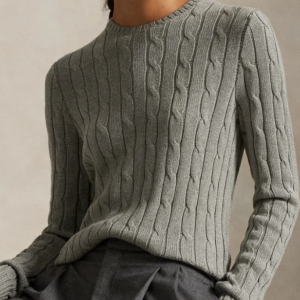
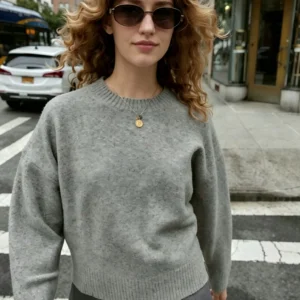
Custom sweaters, including turtle neck sweater bulk programs, are developed across knit constructions, yarn blends and gauges. Define silhouette, neckline, trims and sizing, then coordinate woven labels, care labels, custom hang tags and packaging for wholesale or private-label distribution.
Request a Quote
Custom Jackets
Custom jackets, including custom jean jacket programs, combine cut-and-sew development with denim, twill or woven fabric sourcing. Specify fit, pockets, closures, lining, decoration and wash effects, with custom labels, snaps, zippers and branded packaging integrated in production.
Request a Quote
Custom Sweatshirts & Crewnecks
Custom sweatshirts and crewnecks can be built in fleece, French terry or heavyweight jersey. Whether developing a custom crewneck hoodie silhouette or a classic pullover, Junsheen supports fit grading, rib trims, embroidery, print effects, labels and finishing.
Request a Quote
Custom Cardigans
Custom cardigans are developed with knitwear capability for yarn selection, gauge, button placement, neckline and body proportion. Pattern and size development supports standard, extended-size and oversized programs, finished with woven labels, care labels and custom trims.
Request a Quote
Custom Puffer & Down Jackets
Custom puffer and down jackets are developed around shell fabric, insulation, lining, quilting, fill distribution and functional trims. Junsheen supports custom puffer jacket specifications, branded zippers, labels, reflective details, fit sampling and export-ready packing.
Request a Quote
Custom Denim Shorts
Custom denim shorts can be produced in rigid or stretch denim with selected inseams, rises, hems and wash treatments. Add custom jean shorts details such as branded hardware, pocket embroidery, patches, leather labels, distressing and size-consistent grading.
Request a Quote
Custom Sweater Dresses
Custom sweater dresses combine knitwear development with controlled proportion across the size range. Define yarn, gauge, neckline, length, shaping and trim details, then apply woven labels, care labels, hang tags and packaging for private-label retail programs.
Request a Quote
Custom Denim Sets
Custom denim sets coordinate jackets, jeans, shirts or overshirts within one wash and trim direction. For mens denim suits wholesale and branded collections, Junsheen manages matching fabric, hardware, fit development, graded sizing, labels and bulk production consistency.
Request a Quote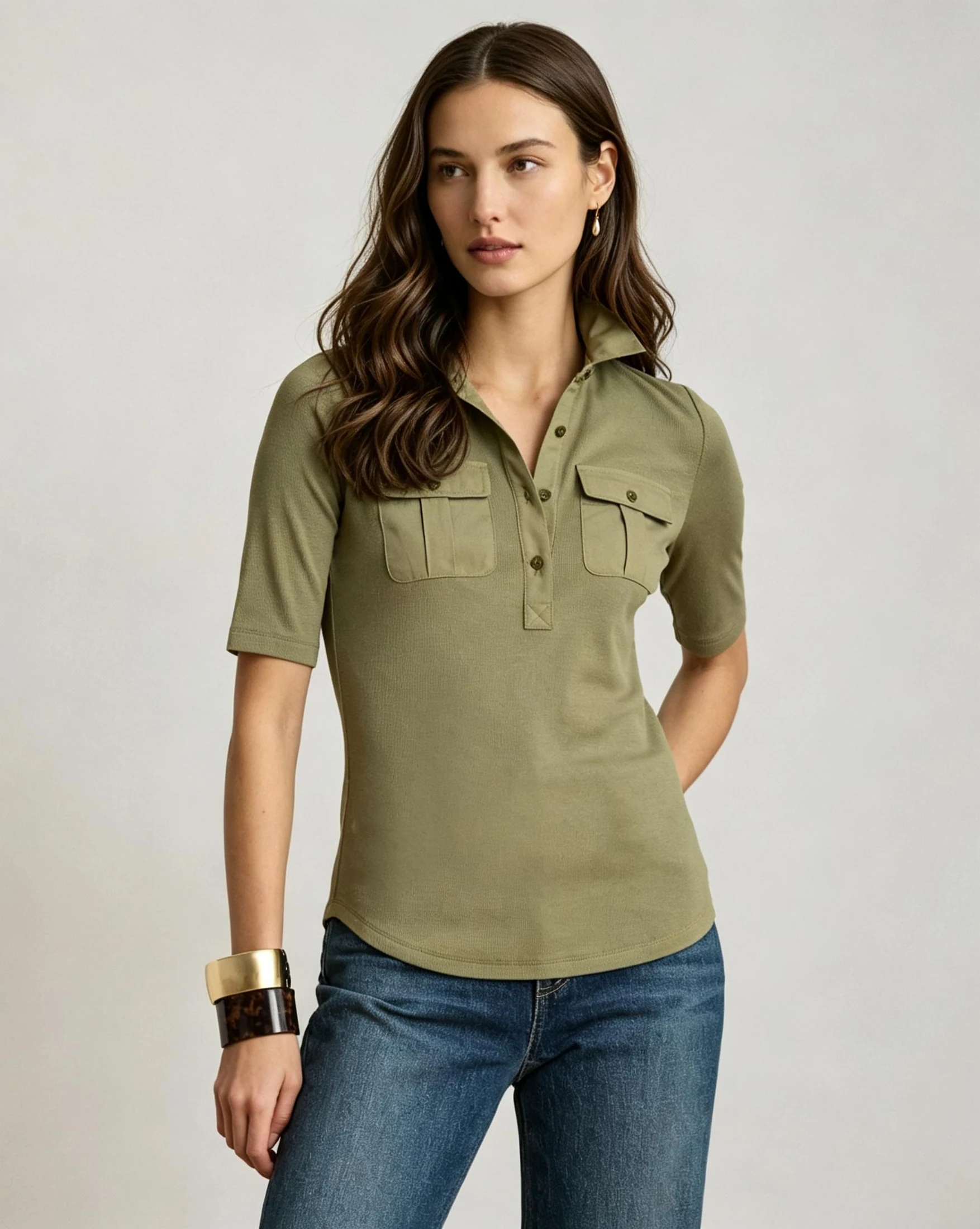
Custom Polo Shirts
Custom polo shirts are developed in piqué, jersey or performance knits with collar, placket and sleeve specifications aligned to your brand. Add embroidered logos, screen printing, contrast trims, woven labels, size labels and packaging for wholesale or retail orders.
Request a Quote
Custom Sweatpants
Custom sweatpants produced in fleece, French terry or jersey can be developed with tapered, straight-leg or oversized fits. Specify waistband construction, drawstrings, pockets, cuffs, washes, prints, embroidery and private-label labels from 100 units per style and color.
Request a Quote
Custom Shorts
Custom shorts cover jersey, fleece, twill, denim and woven constructions for casualwear programs. Develop inseam, rise, pocket layout, elastic or fixed waistbands, trim details and decoration, with fit-focused grading and coordinated woven labels for each size.
Request a Quote
Custom Pullovers
Custom pullovers are developed in knitwear, fleece, French terry or jersey depending on the intended hand feel and construction. Junsheen supports neckline, fit, rib, decoration, wash and labeling requirements, including XS–3XL and oversized size sets.
Request a QuoteMaterials for Custom Woven Labels and Apparel

Damask Polyester
A smooth, high-density label material for refined custom woven labels, offering crisp small text, soft edges, and excellent color definition. Ideal for neck labels, size tabs, and premium fashion garments.

Satin Polyester
Silky and lightweight with a gentle sheen, satin polyester suits wash-care labels and soft next-to-skin applications. Its smooth hand feel reduces irritation while maintaining dependable print clarity through repeated laundering.

Organic Cotton
Natural, breathable organic cotton delivers a soft matte hand feel for heritage-inspired labels and casualwear. It works well with tees, fleece, and knitwear, with absorbent fibers that create a tactile, understated finish.

Cotton Twill
Durable cotton twill has a recognizable diagonal texture and structured hand feel, making it ideal for logo labels, patches, and denim programs. Its woven construction holds shape well for hardworking everyday garments.

Leather Alternatives
PU, microfiber, and recycled leather alternatives create elevated labels for denim, outerwear, and accessories. These materials provide a substantial hand feel, abrasion resistance, and clean debossed or embossed logo presentation.

French Terry Cotton
Soft-faced French terry combines a smooth outer surface with absorbent loop-back texture, suited to hoodies and sweatsets. Available in varied weights, it supports comfortable structure, decoration, and consistent wash performance.
Custom Woven Labels With Decoration & Finishing

Logo Embroidery
Flat, 3D puff, chain-stitch and applique embroidery add dimensional branding beside custom woven labels. Dense stitching, stable backing and placement review help retain a defined logo through regular wear and laundering.

Screen Printing
Plastisol, water-based, puff, silicone, high-density, foil and discharge screen printing create bold graphics that complement label artwork. Ink selection is matched to fabric weight, hand feel and wash-performance expectations.

Digital Printing
DTG, DTF, heat transfer and dye sublimation support detailed artwork, color-rich illustrations and flexible placement. Junsheen reviews print compatibility with the garment fabric and woven-label color system before bulk approval.

Garment Washing
Enzyme, acid, stone and garment-dye washes build worn-in color and texture for denim and casualwear. Labels and trims are selected and tested to suit the intended wash effect and maintain a finished branded appearance.

Surface Finishing
Softening, anti-pilling, brushing and napping refine hand feel, warmth and surface character. Coordinating the finish with custom woven labels, patches and packaging helps every production detail support the intended collection aesthetic.
Custom Woven Labels, Trims & Accessories

Woven Brand Labels
Custom woven labels create a durable, premium brand signature at the neck, side seam, waistband, or hem. Choose woven construction, dimensions, fold style, colors, and placement to suit your garment design.

Size Care Labels
Size labels and wash-care labels provide clear fit, fiber, and care information for retail-ready apparel. We can coordinate label content, sizing systems, print or woven formats, and sewn-in placement across XS–3XL runs.


Zippers And Snaps
Select branded zippers, snap buttons, metal hardware, and closures matched to your jacket, denim, outerwear, or casualwear program. Our team checks function, finish, color, and compatibility during sampling and bulk production.

Drawcords And Tips
Custom drawcords, aglets, eyelets, and cord tips refine hoodies, sweatpants, shorts, and outerwear with a cohesive finish. Match color, material, length, and logo details to support your collection’s intended price point.
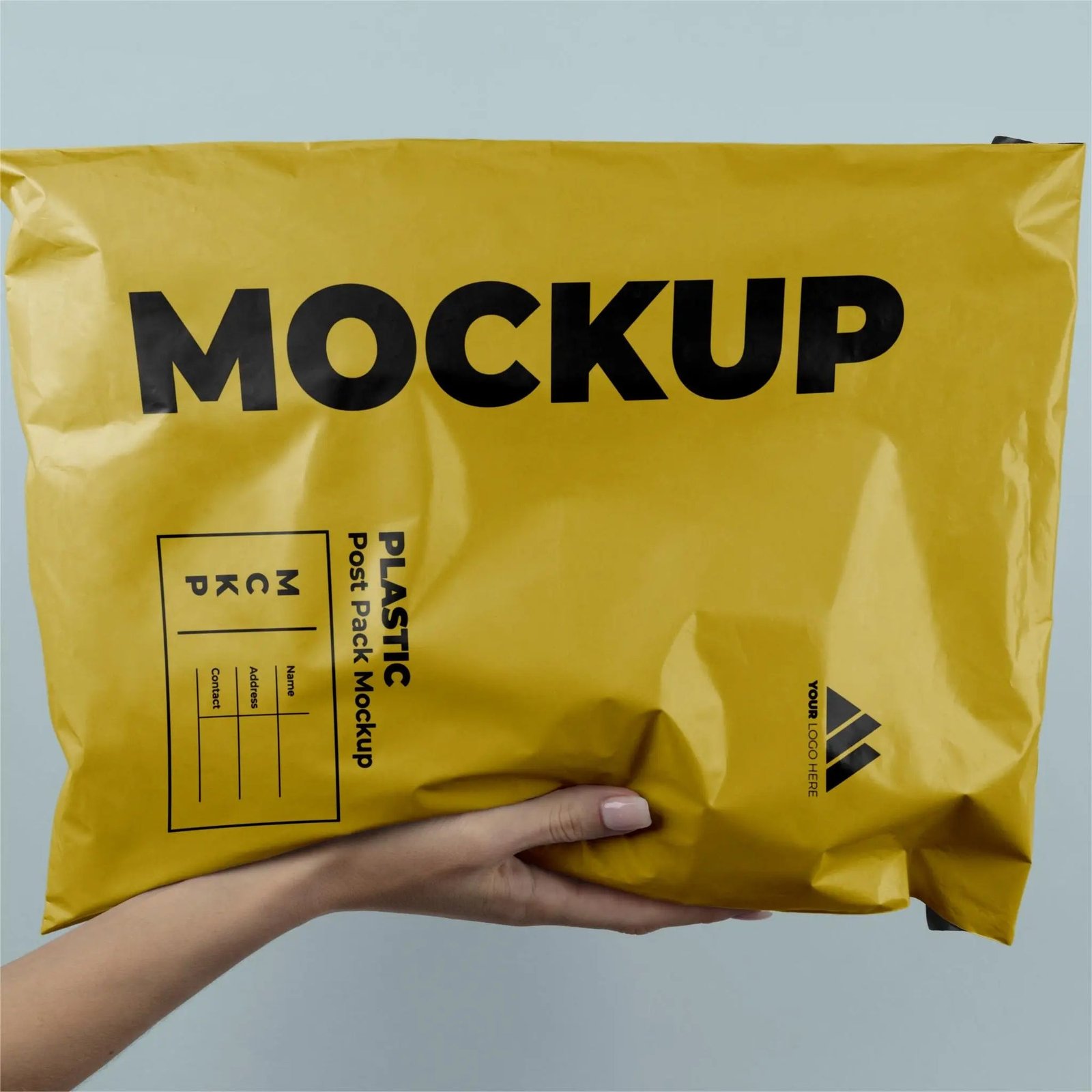
Branded Packaging
Branded packaging completes the private-label experience with custom polybags, tissue, stickers, cartons, and packing inserts. We coordinate packing specifications and export-ready presentation so finished goods arrive organized for retail or fulfillment.
About JUNSHEEN Apparel Manufacturing
Founded in 2010 in Humen Town, Dongguan, JUNSHEEN helps fashion brands turn product ideas into production-ready apparel and custom woven labels. Our one-stop OEM, ODM and private-label team brings together product development, fabric sourcing, fit engineering, trims, packaging and export support for global brands.
With 200+ skilled workers and monthly capacity exceeding 80,000 units, we support capsule launches from 100 units per style and color through scalable bulk programs. Cut-and-sew, knitwear, denim, outerwear, embroidery, printing, washing and label production are coordinated through one dependable manufacturing supply chain.
What sets JUNSHEEN apart is fit-focused development from XS to 3XL and a practical partnership approach. Having served 2,000+ fashion-brand clients worldwide, we retain patterns, graded size sets and material records to make repeat orders clearer, faster and more consistent.

Custom Woven Labels Integrated Into Apparel Production
Label Development Support
JUNSHEEN develops custom woven labels from your artwork, reference sample, or brand direction, aligning yarn color, weave density, fold style, dimensions, and placement with the garment specification before sampling begins.
- Artwork and logo feasibility review
- Damask, satin, and woven construction options
- Straight-cut, center-fold, and end-fold formats
- Main, size, and wash-care label coordination

Pattern and Fit Coordination
Labels are planned alongside pattern development so neck labels, side seams, waistbands, pockets, and outerwear interiors sit correctly across XS–3XL size runs. This reduces placement issues when samples move into bulk production.
- Fit-focused grading from XS to 3XL
- Placement matched to garment construction
- Extended-size and oversized proportion review
- Size-set approval before bulk cutting
Decoration and Trim Integration
Our production team coordinates custom woven labels with embroidery, printing, patches, hang tags, branded hardware, and packaging in one workflow. Your branding details are checked for consistency across casualwear, denim, knitwear, and outerwear programs.
- Embroidery, print, patch, and label alignment
- Custom buttons, zippers, and drawstrings
- Branded hang tags and packaging options
- In-line checks for trim attachment quality

Repeat-Order Production Control
For approved programs, JUNSHEEN retains label specifications, graded patterns, material records, and production references to support reliable reorders. This controlled recordkeeping helps brands maintain branding consistency while scaling from 100-unit launches to ongoing global supply.
- Approved label specifications retained
- Patterns and graded size sets archived
- Material and trim references documented
- Scalable production above 80,000 units monthly

Why Choose JUNSHEEN for Custom Woven Labels
An integrated apparel-and-trim partner built for fit consistency, low-MOQ launches, and scalable global production.
← 左右滑动查看 →
Custom Woven Labels Production Process
From approved trims and fabrics to export-ready packed goods, JUNSHEEN coordinates each production stage under one accountable apparel supply chain.
Source Materials and Trims
We confirm yarns, label construction, fabrics, colors, care-label details, and supporting trims against your approved specifications, cost target, hand feel, and wash-performance requirements.
Cut and Prepare Components
Approved patterns, graded size sets, fabric lots, and custom woven labels move into production preparation, with components checked before cutting begins.
Sew Decorate and Finish
Our team assembles garments and applies labels, embroidery, printing, washing, or finishing according to your tech pack and pre-production approval.
Inspect Fit and Quality
Quality control checks incoming materials, construction, measurements, label placement, decoration, and final appearance to keep bulk goods aligned with approved standards.
Pack and Ship Globally
We complete branded packing, carton checks, export documentation, and shipment coordination, delivering production-ready custom woven labels and apparel to your destination.
How to Order Custom Woven Labels From JUNSHEEN
Move from a label concept or tech pack to production-ready trims with one accountable apparel manufacturing team.
Submit Your Label Brief
Share your artwork, dimensions, fold type, yarn colors, quantity, garment details, tech pack, reference sample, or concept for feasibility review.
Review Specifications and Quote
Our team confirms construction, materials, finishing, fit requirements, MOQ, timeline, and pricing, then recommends practical adjustments before you approve the quotation.
Approve Your Sample
Review a physical custom woven label sample with your garment or reference materials, confirm color, weave detail, placement, and finishing before bulk production.
Confirm Bulk Production
Approve the final sample and order details. JUNSHEEN coordinates labels, trims, packaging, and apparel production with in-line quality control across your program.
Receive Export-Ready Orders
Final inspections verify label accuracy, construction, measurements, decoration, and packed goods before global shipping support delivers your approved order.
Custom Clothing Manufacturer Credentials and Compliance Documents



Custom Woven Labels That Support Repeatable Production
JUNSHEEN turned our label artwork into approved samples in 12 days and matched the color across three denim washes. The first 300-piece run arrived production-ready, so we reordered two additional colorways without reopening trim development.
Their team coordinated our woven main labels, size labels, hang tags, and packaging with the garment sample. We reduced sampling revisions from four rounds to two, and the XS–3XL size set stayed consistent for our 1,200-unit launch.
We started at the 100-unit MOQ to test a capsule, then scaled to 2,500 units across hoodies and tees. The label placement, fold, and branding stayed consistent on every reorder, which made our wholesale deliveries far smoother.
Custom Woven Labels FAQ
Clear answers on minimums, samples, timing, payment, shipping and confidential private-label production.
What is the MOQ for custom woven labels?
Can I order custom woven labels with my apparel production?
Do you provide samples before bulk custom woven labels are made?
How long do custom woven labels take to produce?
Can you help prepare artwork for woven clothing labels?
What payment terms do you offer for label and trim orders?
Do you ship custom woven labels internationally?
How do you protect my logo and private-label designs?
The Complete Buyer’s Guide to custom woven labels
Use this practical framework to select label types, materials, construction details, and suppliers, compare costs and lead times, and avoid specification mistakes that weaken garment branding or delay production.
1. What Are custom woven labels?
100 units per style and color is a practical starting scale at which custom woven labels can give a capsule collection the same recognizable identity as a larger line. A woven label forms lettering and artwork from interlaced warp and weft yarns, creating durable color, texture, and edge definition rather than applying ink onto a surface. 2 trim formats are often confused with woven labels: printed labels use ink on satin, cotton, or synthetic stock, while embroidered patches stitch a design onto a separate backing. Printed care labels suit dense wash instructions and regulatory copy; embroidered patches are intentionally dimensional branding, whereas woven labels are the compact, low-profile choice for neck, side-seam, hem, and waistband identification. 5 functions can be planned together: brand name, size, fiber or care information, origin details, and a consistent visual signature across styles. Specify a woven label when the logo must remain legible through repeated laundering, the garment needs a refined tactile finish, or the brand requires repeatable Pantone-led color and typography across knitwear, denim, outerwear, and casualwear; use a printed format when copy density matters more than texture.
2. The Evolution of Woven Garment Labels
1804 marked the commercial breakthrough of the Jacquard loom, which converted complex repeating motifs into scalable woven production. Apparel labels developed from simple maker marks and provenance tabs into durable identifiers that could carry a mill name, size, fiber message, and care information in a very small space. 1960s ready-to-wear expansion made the label a visible brand trim rather than only a compliance component. Finer damask constructions, higher pick densities, and cleaner edge finishing let buyers reproduce small type, logos, and up to several yarn colors with more consistency than early broad woven tapes. 2026 sourcing teams expect custom woven labels to align with the garment’s price point, comfort standard, and material story. Recycled polyester yarns, softer folded ends, heat-cut or ultrasonic-cut edges, and globally coordinated OEM production help brands specify labels alongside fabrics, decoration, packaging, and 100-unit capsule quantities; a scratchy, fraying, or poorly registered label still signals cost cutting before the customer assesses the garment itself.
3. Types of custom woven labels
Eight label formats cover most private-label programs, but fold style determines where a label can be sewn and how it reads after laundering. Specify the format alongside finished dimensions, fold allowance, placement, and artwork before sampling.
| Format | Typical Placement | Best Use | Visual Effect |
|---|---|---|---|
| Center-fold | Back neck or waistband | Tees, hoodies, knitwear | Looped, premium |
| End-fold | Neck, waistband, yoke | Denim, jackets | Flat, tailored |
| Straight-cut | Hem or exterior panel | Casualwear, denim | Graphic, visible |
| Mitre-fold | Side seam | Outerwear, knitwear | Discreet tab |
Folded Brand Labels

Center-fold labels are stitched into a neckline, waistband, or side seam with both ends captured; they create a tidy loop and suit hoodies, tees, sweaters, and casualwear. End-fold labels have turned-under ends sewn flat at each side, giving a refined, low-profile finish for jackets, denim waistbands, and premium knitwear.
- Center-fold: visible branding on both faces
- End-fold: flat surface, concealed raw edges
- Mitre-fold: angled ends for seam insertion
Flat And Patch Formats

Straight-cut labels are sewn on all four sides or one edge and work well as exterior hem labels, sleeve tabs, and denim pocket branding. Their clean rectangle suits bold logos but needs a soft edge treatment near skin. Woven patches use a larger, denser label panel for chest, pocket, or back-yoke identification. They add a workwear or heritage effect on outerwear, jeans, and structured twill.
Size And Care Labels
Size labels belong at the main-label seam or inside the back neck, while care-content labels normally sit in a side seam. For XS through 3XL programs, keep size coding distinct and confirm it matches graded garment measurements. Care labels should list fiber content, care symbols, country-of-origin requirements, and any required tracking information for the destination market. Soft folded construction reduces irritation in extended-size and close-fitting styles.
4. Materials for custom woven labels
Material selection controls how a custom woven label feels against skin, reproduces artwork, and survives laundering. Specify yarn, weave density, fold construction, and substantiated sustainability documentation together—not as separate decisions.
| Material | Softness And Edges | Color Definition | Wash Durability | Sustainability Claim | Best Use |
|---|---|---|---|---|---|
| Polyester | Medium; soft-cut available | Excellent | Excellent | None by default | Care labels, activewear |
| Recycled polyester | Medium; soft-cut available | Excellent | Excellent | Verify recycled content | Performance and recycled programs |
| Cotton | Soft, matte | Good for simple art | Good; test shrinkage | Organic only with certification | Denim, workwear |
| Damask-style polyester | Soft, fine edge | Excellent for small type | Excellent | Depends on yarn source | Premium neck labels |
| Satin-like weave | Very soft, glossy | Good | Good; test abrasion | Depends on yarn source | Lingerie, lightweight apparel |
Polyester And Recycled Polyester
100% polyester is the standard choice for crisp detail, reliable color, and repeated home laundering. 100% recycled polyester can deliver similar performance when the supplier provides transaction-level recycled-content evidence.
- Use polyester for dense logos and care labels.
- Request recycled-content certification before making claims.
- Match yarn sheen to the garment’s price point.
Cotton And Organic Options

100% cotton yarn gives a matte, natural hand that suits heritage denim, workwear, and organic-minded collections. GOTS claims require certification across the applicable supply chain; ‘organic’ yarn alone does not certify the finished label.
- Choose cotton for low-shine branding.
- Allow simpler artwork than fine damask detail.
- Confirm shrinkage and wash testing on samples.
Damask And Satin Feel
High-density damask-style weaving uses fine polyester yarns to create smooth surfaces and sharper small lettering. Satin-like finishes prioritize a glossy, soft face, but sample testing is essential where label edges contact bare skin.
- Specify end fold or soft-cut edges for neck labels.
- Use damask for small type and detailed logos.
- Approve a washed sample before bulk production.
5. Customizing custom woven labels
Custom woven labels depend on artwork engineered for the loom, not merely a screen-ready logo. At approval, dimensions, ground color, weave density and fold type determine whether the mark reads as premium and can be sewn efficiently.
| Decision | Brand Appearance | Manufacturability |
|---|---|---|
| Label dimensions | Sets logo prominence and readability | Controls seam allowance and placement |
| Ground contrast | Defines hierarchy and legibility | Requires stable thread-color matching |
| Weave density | Sharpens text and detail | May raise cost and limit fine fills |
| Fold and edge | Creates a finished premium profile | Determines sewing method and handling |
Prepare Loom-Ready Artwork
100% vector artwork with Pantone references gives the supplier clean separations for each thread color. Convert type to outlines and supply an actual-size proof before sampling. 1 mm details and very small lettering can fill in or break at standard weave density. Simplify fine strokes, enlarge critical text, and replace photographic gradients with distinct color areas.
- Provide AI, EPS, or vector PDF artwork
- State final label width and height
- Specify Pantone thread-color targets
Specify Weave And Color
High-definition weaving improves letter definition and small logo details, while a denser construction can increase cost and production complexity. Limit thread colors to the colors that preserve recognition; each added color requires a controlled yarn selection. A contrasting ground color creates the strongest visual hierarchy. Metallic yarn adds shine but is less suitable for tiny type or dense, intricate fills.
Choose Edge And Fold Details
Straight labels may use heat-cut or laser-cut edges, with laser cutting useful for precise contours and clean detail. Center fold, end fold and Manhattan fold choices affect sewing placement, visible area and the label’s finished profile. Optional soft backing, adhesive backing or iron-on treatments should match the application method. For sewn apparel labels, retain a clear seam allowance and confirm the fold orientation on the sample.
6. Construction Details That Define Quality
A premium woven label is judged at the hand and at the sewing line, not only in artwork. Approve construction details against the intended garment, attachment method, and care conditions before releasing bulk production.
Weave Density And Edges
50–100 denier yarns and a dense weave generally produce sharper small type, stronger coverage, and less show-through. Compare the approved sample under normal viewing distance; letters, borders, and negative spaces should remain legible without loose floats. 2 edge treatments require separate checks: woven selvedges should be closed and even, while hot-cut edges should be clean without hard, melted beads. Rub the edge across bare skin and stretch it lightly; scratchiness or fraying can make a neck label uncomfortable.
Color And Repeat Control
Pantone references are the practical control point for brand colors, but thread sheen, ground color, and weave density can shift the perceived shade. Review the label beside the approved fabric and logo artwork under consistent lighting, not from a screen alone. 1 repeat error can become obvious across a production run: inspect logos, stripes, and text for centered placement and matching spacing. Request random checks from the beginning, middle, and end of bulk output against the sealed sample.
Folds, Feel, And Attachment
5–10 mm fold tolerances can affect whether a label sits flat in a collar, side seam, or waistband. Measure fold depth, check square corners, and confirm the stitch-free area leaves enough margin for the factory’s seam allowance. 30–40 °C home-laundering tests should confirm that the label stays soft, does not curl excessively, and retains readable color. Verify that needles will not pierce dense logo areas or care text, which protects presentation and reduces attachment failures.
- Check folded labels on the actual garment seam.
- Confirm no sharp corners touch the neck or skin.
- Keep logo and text clear of planned stitch lines.
7. Choosing a custom woven labels Manufacturer
100-unit programs suit capsule brands, but confirm that the minimum applies per design, colorway, and fold type. A qualified custom woven labels supplier should prove trim knowledge before discussing a lowest-unit quote.
Verify Technical Trim Experience
2 artwork files should be requested first: vector logo and Pantone references. Ask whether the factory can advise on damask density, end-fold allowance, cut-edge finishing, and readable type at final label size.
- Which loom method fits the artwork?
- What weave density supports fine lettering?
- Can they supply pre-production samples?
Audit Control And Traceability
3 control points matter: yarn or polyester source, Pantone matching method, and inspection standard. Require a physical strike-off or sewn sample, then approve color, dimensions, fold, edge quality, and count tolerance in writing. 100% final inspection is preferable for small label runs; for larger programs, ask for the sampling plan and defect-handling process. Material records make repeats more reliable when a collection expands.
Compare Total Delivery Risk
7 questions reveal more than price: MOQ basis, sample lead time, bulk lead time, capacity, revision policy, export packing, and courier options. Confirm the production clock starts only after artwork, sample, and payment approvals. 2 suppliers with identical quotes can differ sharply in communication speed and remake responsibility. Choose the partner that documents approvals, provides realistic shipment tracking, and can support repeat orders without changing construction.
8. Common custom woven labels Buying Mistakes
Most label failures are discovered after garments reach customers, when correction means relabeling stock or remaking goods. Treat artwork, construction, compliance, and wash performance as pre-production approvals—not assumptions.
Protect Artwork Legibility
6-point lettering and fine trademark lines can fill in during weaving, especially on damask labels with multiple colors. Submit vector artwork at final label size and approve a woven strike-off, not only a screen proof.
- Set a minimum readable type size with the supplier.
- Simplify gradients, hairlines, and tiny spacing.
- Check both front and reverse sides under normal light.
Match Fold To Placement
2-fold, center-fold, and end-fold labels create different attachment points and bulk. Specify the garment location, seam allowance, folded dimensions, and stitch line so a neck label does not twist or protrude.
Size And Comfort First
20 mm-wide neck labels may be unreadable once care text, fiber content, and size are added. For skin-contact placements, request soft damask edges, ultrasonic or heat-cut finishing, and a sample checked against bare skin.
Verify Colors And Claims
Pantone references reduce ambiguity, but thread substitutions and light conditions still change perceived color. Approve the physical strike-off, define acceptable variation, and require documented evidence before using OEKO-TEX, GOTS, recycled-content, or other sustainability claims.
Test Compliance And Washing
1 approved dry sample does not confirm performance after laundering. Confirm fiber content, care symbols, country-of-origin wording, and market-specific rules; then wash-test sewn samples through the intended care cycle before bulk release.
- Test abrasion, fraying, shrinkage, and color bleeding.
- Photograph labels before and after washing.
- Keep the signed sample and approved artwork revision.
9. Launching Labels for Your Brand
A 100-unit launch can succeed when label decisions are locked alongside the garment’s tech pack, not after bulk fabric is booked. Treat artwork, fold format, care content, packaging, and approval dates as one controlled development path.
Build The Label Brief
1 master artwork file should use vector paths, Pantone references, finished dimensions in millimeters, and a readable color count. 2 format choices should be confirmed before quotation: center fold, end fold, Manhattan fold, straight cut, or die-cut. Specify ground color, damask or satin quality, edge finish, placement, and required care-label content.
Sample With The Garment
1 pre-production label sample should be stitched into the correct seam or neck position on the approved garment sample. 3 checks matter before approval: logo legibility, folded-edge comfort, stitch clearance, and contrast against the garment fabric. Run the intended wash test, then compare shrinkage, fraying, color bleed, and readability against the approved reference.
Release And Inspect Bulk
100-unit capsule orders need a dated approval file that matches the final garment purchase order, packing list, and branded packaging specification. 4 receiving checks should compare cartons, label quantity, placement, fold direction, color, and care information with the approved sample. Reserve extra labels for repairs, replacements, and future replenishment, and retain the approved sample for repeat-order control.
10. Custom Woven Label Pricing and Costs
100 units is a workable MOQ for an early capsule because it lets a brand approve logo scale, Pantone color interpretation, fold position, and garment placement without carrying thousands of trims. It also keeps a revised neck-label or size-label system financially realistic after fit or branding feedback. 2–4 woven colors usually cost less than dense 6–8-color artwork, but quotation should start with finished size, damask or taffeta yarn, weave density, cut method, fold type, edge finish, and total designs. End-fold, center-fold, Manhattan-fold, ultrasonic cutting, heat cutting, and soft recycled yarns each affect material use, machine time, and waste. 7–21 days is a sensible planning range after artwork approval, sample confirmation, and material availability; freight, destination, shipment method, and customs are separate cost variables. Request a landed-cost comparison covering sampling, production, packing, and express versus consolidated freight rather than comparing only the label unit price.
| Quantity tier | Indicative unit price | Setup or sampling cost | Typical production lead time |
|---|---|---|---|
| 100–499 units | US$0.35–1.20 | US$30–80 artwork or sample charge | 10–21 days |
| 500–1,999 units | US$0.18–0.65 | Often credited against bulk order | 7–18 days |
| 2,000+ units | US$0.08–0.35 | Tooling or sampling quoted by design | 7–15 days |
Start Your Custom Woven Labels Project
Send your tech pack, label artwork, or product idea for a tailored quote backed by 100-unit MOQs and private-label expertise.