Jeans Supplier for Fit-Focused Custom Denim
JUNSHEEN is a jeans supplier offering 100-unit MOQs, XS–3XL development, private labeling, and scalable OEM/ODM production for global brands.
Featured Products for jeans supplier Development




Jeans Supplier Catalogue & Quotations






Why Brands Choose JUNSHEEN as Their Jeans Supplier
Flexible development, fit-led denim production, and dependable global delivery from one experienced manufacturing partner.
100-Unit Denim MOQ
Launch capsule collections or test new washes with low minimums from 100 units per style and color.
OEM and ODM Development
Turn tech packs, sketches, reference garments, or ideas into production-ready jeans with practical material and construction guidance.
Fit-Focused XS–3XL Grading
Develop balanced normal, extended-size, plus-size, and oversized denim fits with refined proportions across the complete size range.
Integrated Wash and Decoration
Coordinate embroidery, printing, patches, garment dye, acid wash, stone wash, and finishing within one denim production workflow.
In-Process Quality Control
Verify fabric, construction, measurements, fit, decoration, and packed goods through inspections that protect approved production standards.
Global Export Support
Scale from sampling to bulk orders with 200+ skilled workers, 80,000+ monthly units, and export-ready coordination.
Custom Denim Categories Built for Collection Growth
Develop coordinated denim and casualwear programs with low-MOQ sampling, fit-focused grading, and scalable production from one manufacturing partner.
Custom Hoodies
Develop custom hoodies in fleece or French terry with branded labels, embroidery, screen printing, washes, and fit grading from XS to 3XL. A practical option for brands needing coordinated layering pieces that match a denim capsule’s color, weight, and price targets.
Request a Quote
Custom T-Shirts
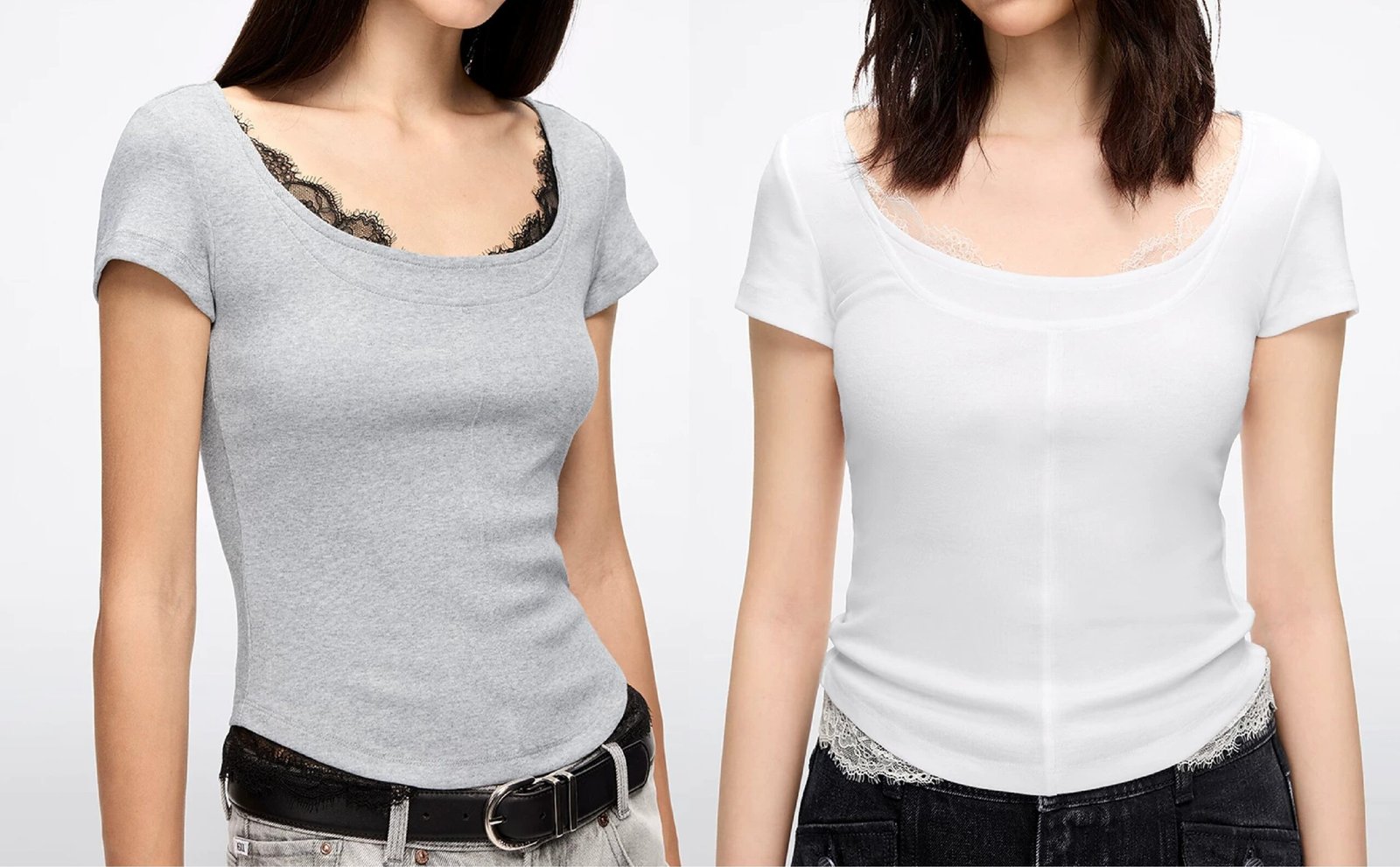
Produce custom T-shirts in cotton jersey, blended fabrics, or heavyweight constructions for graphic collections and everyday core programs. Junsheen supports custom tshirt specifications, neck finishes, prints, embroidery, labels, and size grading to help buyers maintain consistent fit across repeat orders.
Request a Quote
Custom Jeans
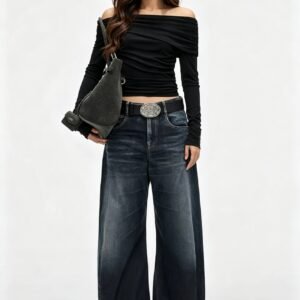
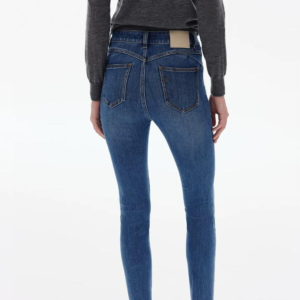
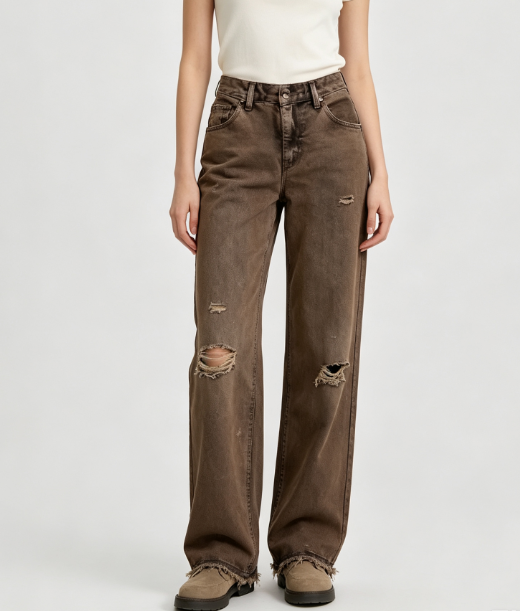
Develop custom jeans in rigid, stretch, or comfort-stretch denim with custom rises, leg shapes, pocket details, washes, hardware, and branded trims. Fit-focused pattern development helps brands reduce sampling revisions and build commercially consistent size runs from XS through 3XL.
Request a Quote
Custom Sweaters
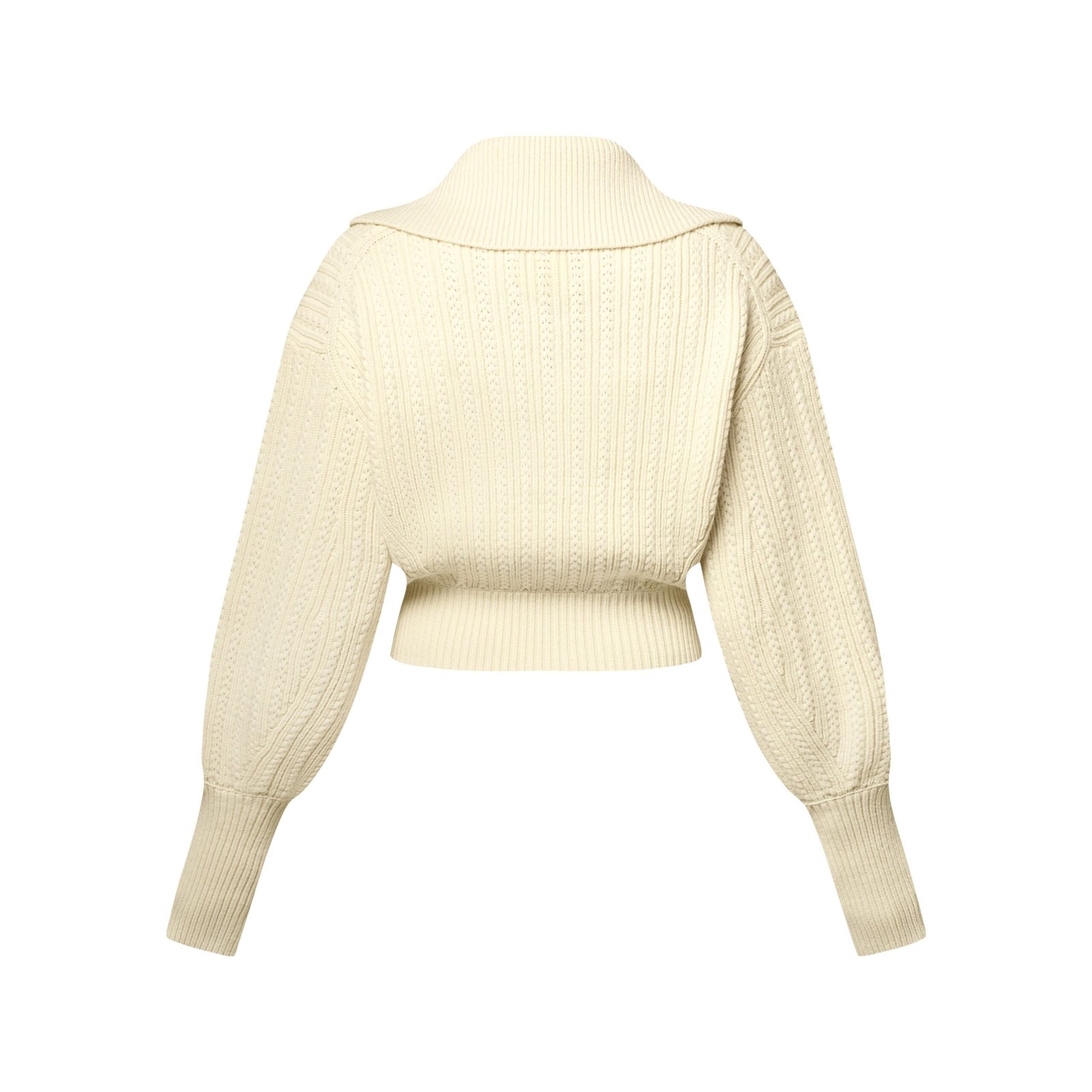
Source and develop turtle neck sweater bulk programs in knit constructions suited to seasonal assortments, private-label collections, and wholesale replenishment. Yarn selection, gauge, rib structure, fit, labels, and packaging can be aligned to target cost, hand feel, and delivery requirements.
Request a Quote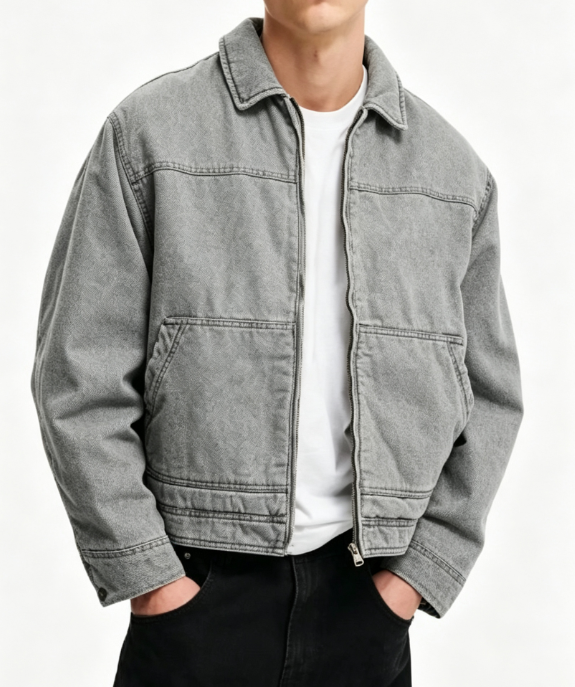
Custom Jackets
Produce custom jean jackets with selected denim weights, silhouettes, washes, hardware, embroidery, patches, and private-label details. From cropped and oversized styles to lined outerwear, development support helps buyers translate reference garments into production-ready specifications.
Request a Quote
Custom Sweatshirts & Crewnecks
Build custom crewneck hoodie and sweatshirt programs in brushed fleece, French terry, or jersey-backed fabrics. Choose crewneck, hooded, oversized, or standard fits, then add printing, embroidery, washes, rib trims, labels, and graded size sets for a cohesive casualwear range.
Request a Quote
Custom Cardigans
Develop custom cardigans in knitted or sweater constructions with defined gauge, yarn blend, button or zip closures, rib details, and branding. This category supports layered assortments that need consistent fit, durable finishing, and clear cost control across colorways.
Request a Quote
Custom Puffer & Down Jackets
Manufacture custom puffer jackets with shell fabric, insulation, lining, quilting, zippers, pockets, reflective details, and branded trims specified for your market. Sampling verifies warmth, mobility, construction, and fit before bulk production, helping buyers manage technical outerwear risk.
Request a Quote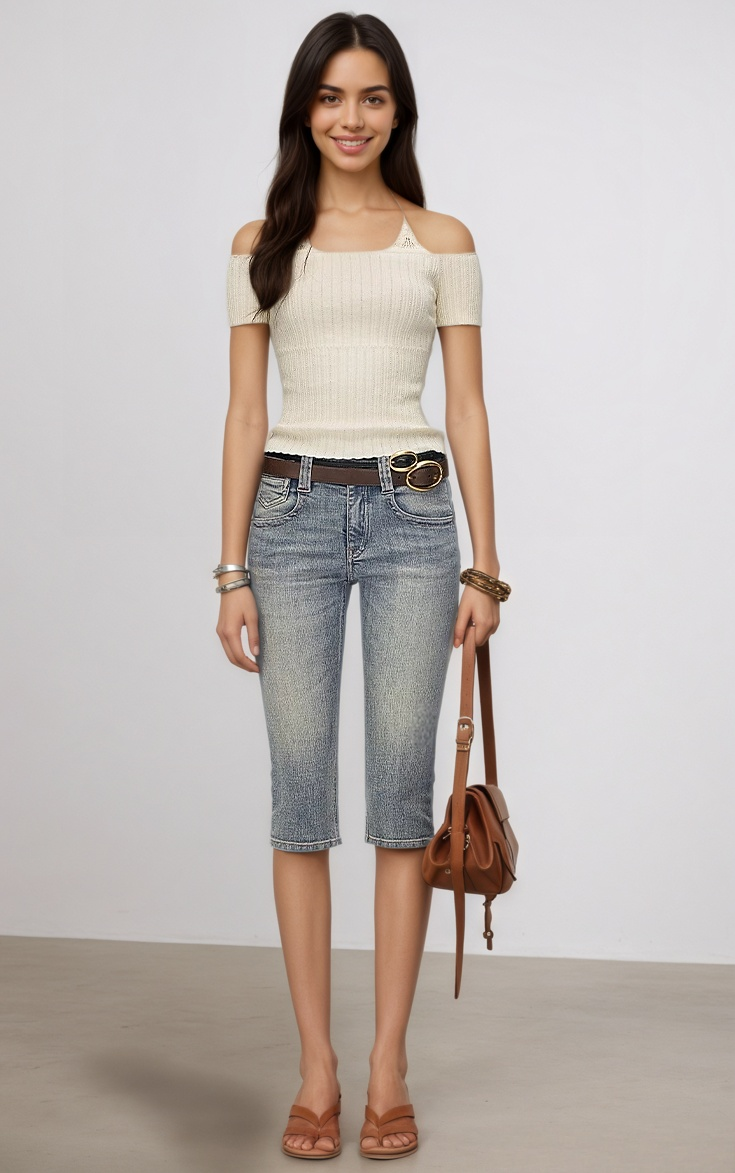
Custom Denim Shorts
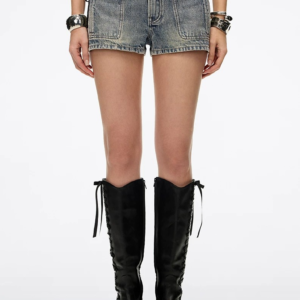
Produce custom jean shorts in rigid or stretch denim with tailored inseams, rises, hems, distressing, washes, pocket treatments, and hardware. Pattern and grading support helps brands deliver shorts that retain proportion and comfort across normal, extended, and plus-size ranges.
Request a Quote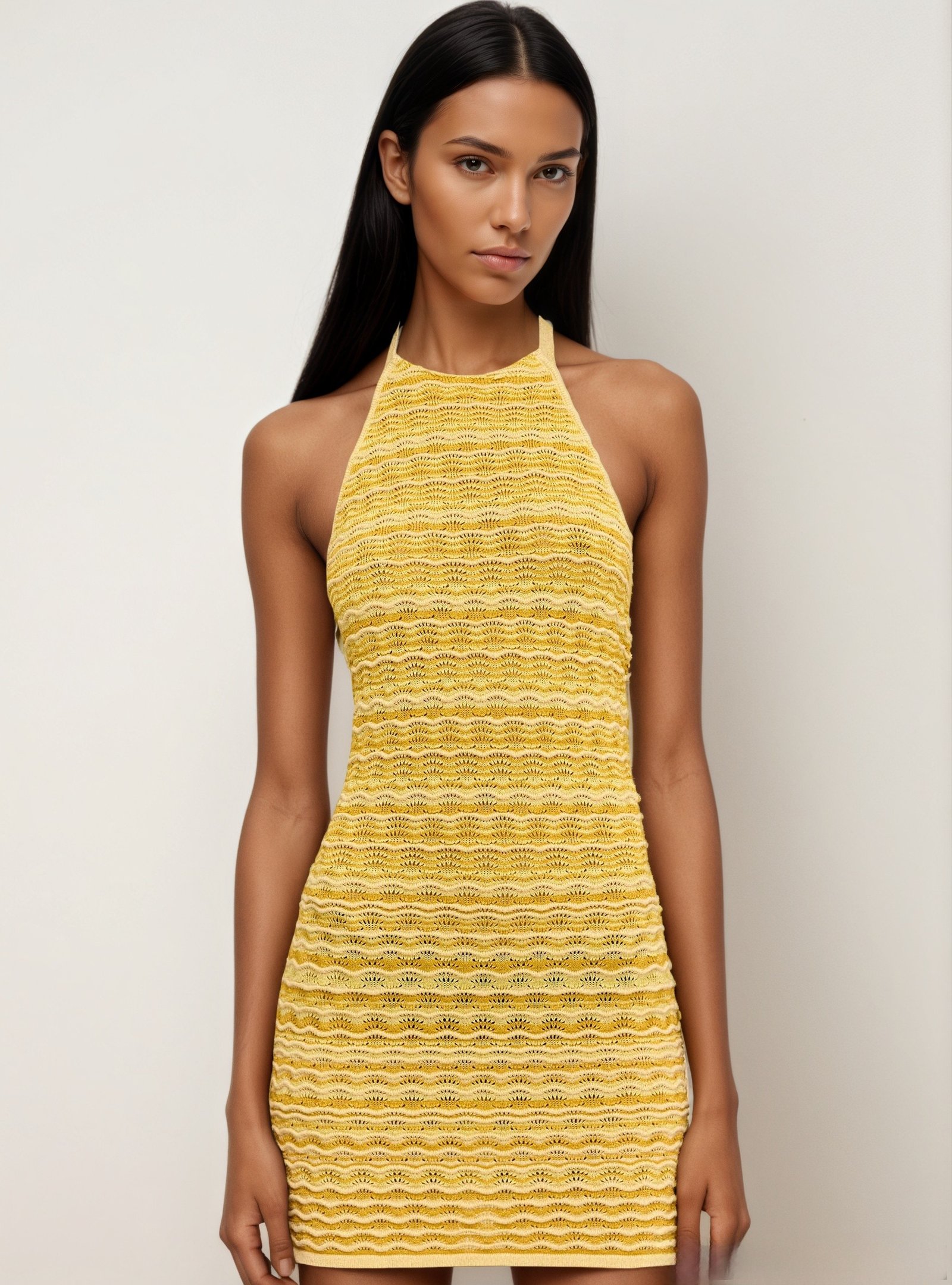
Custom Sweater Dresses
Develop custom sweater dresses with selected yarns, gauges, lengths, necklines, and body shaping for seasonal knitwear collections. Junsheen supports prototype sampling, size grading, labels, and packaging to help buyers confirm silhouette, coverage, and hand feel before bulk approval.
Request a Quote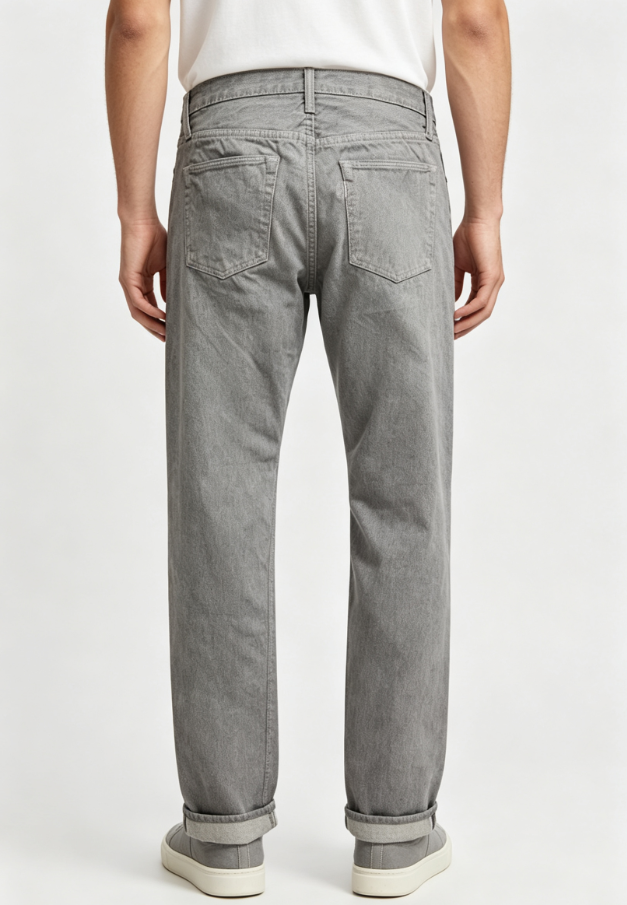
Custom Denim Sets
Create mens denim suits wholesale programs with coordinated denim jackets and jeans or denim tailoring separates. Match fabric, wash, hardware, fit, and branding across pieces, giving wholesalers and retailers a consistent set program suited to repeat purchasing and scalable volume.
Request a Quote
Custom Polo Shirts
Produce custom polo shirts in pique, jersey, performance knit, or blended fabrics with selected collars, plackets, embroidery, prints, labels, and trims. Development support helps brands balance shape retention, comfort, decoration quality, and target wholesale pricing.
Request a Quote
Custom Sweatpants
Manufacture custom sweatpants in fleece, French terry, or jersey with tapered, straight-leg, oversized, or jogger fits. Specify pockets, waistbands, drawstrings, cuffs, prints, embroidery, labels, and washes to create dependable bottoms that coordinate with hoodies and crewnecks.
Request a Quote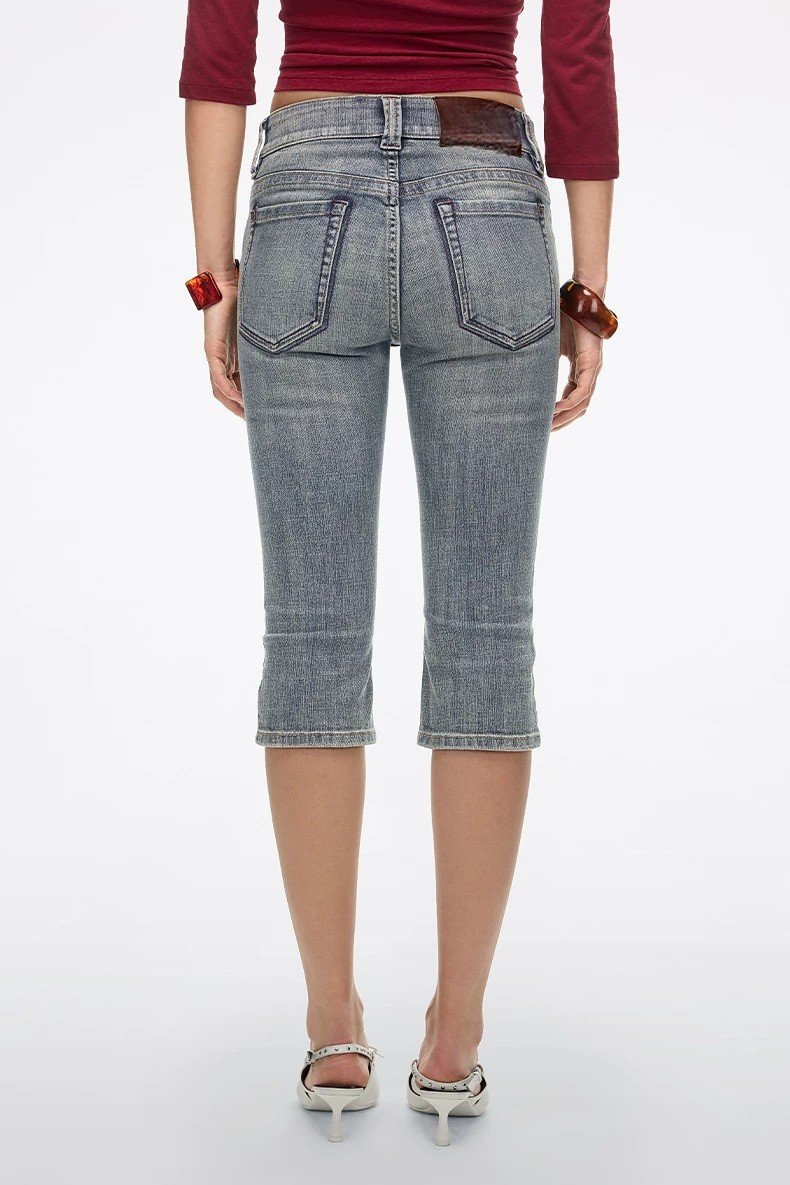
Custom Shorts
Develop custom shorts in jersey, fleece, twill, woven, or performance fabrics for casual, active, and warm-weather programs. Junsheen supports inseam and rise development, pockets, elastic or tailored waists, decoration, labels, and fit grading across your required size range.
Request a Quote
Custom Pullovers
Produce custom pullovers in knit, fleece, French terry, or woven constructions for layering and seasonal merchandising. Select necklines, closures, fabric weight, finishes, embroidery, printing, labels, and packaging while using sampling to confirm fit and construction before bulk production.
Request a QuoteDenim Fabrics for Your Jeans Collection

Rigid Cotton Denim
A structured, authentic denim with a dry hand feel and dependable durability for straight-leg, wide-leg, trucker and vintage-inspired jeans. Available in midweight to heavyweight constructions, it develops distinctive character through washing and wear.

Stretch Denim
Cotton-rich denim blended with elastane for comfortable recovery and easier movement. Ideal for slim, skinny and fitted women’s or men’s jeans, with stretch levels selected to balance body-hugging fit, shape retention and wash performance.

Cotton Blend Denim
Cotton blended with polyester, viscose or Tencel creates a softer hand feel, enhanced drape or added strength. It suits fashion jeans, lightweight denim shirts and contemporary silhouettes where comfort and a refined surface matter.

Recycled Denim Fabrics
Recycled cotton or recycled polyester denim supports lower-impact collections while retaining practical durability and familiar denim texture. Material composition, weight and wash testing are reviewed to ensure the fabric meets your fit, color and performance goals.

Cotton Twill
A smooth, diagonally woven fabric with a cleaner hand feel than traditional denim. Cotton twill works well for colored jeans, utility pants and matching sets, offering reliable abrasion resistance in lightweight to midweight constructions.

Pocketing And Linings
Cotton pocketing, printed pocket bags and lightweight lining fabrics add comfort and functional strength inside denim garments. We match weight, softness and colorfastness to the outer fabric, helping pockets and lined details hold up through wear.
Jeans Supplier Denim Washing, Printing and Decoration Options

Custom Embroidery
Flat, 3D puff and chain-stitch embroidery add dimensional logos, artwork or placement details to jeans and denim jackets. Reinforced stitching and suitable backing help preserve a clean appearance through regular wear and washing.

Screen Print Effects
Plastisol, water-based, puff, flocking, silicone and high-density screen printing create bold graphic finishes on denim. JUNSHEEN selects inks and print methods around fabric weight, stretch and wash requirements for reliable adhesion.

Branded Patch Application
Woven, embroidered, leather-look and custom logo patches create a distinctive private-label signature on pockets, waistbands or jackets. Placement, stitch method and material are matched to the garment construction for a secure, premium result.

Enzyme Wash
Enzyme washing softens denim while reducing surface fuzz and creating a naturally worn hand feel. It is a controlled option for brands seeking comfortable everyday jeans with a cleaner, less abrasive finish.

Stone Acid Wash
Stone and acid wash treatments deliver vintage fading, contrast and character across denim garments. Sampling helps calibrate the wash intensity, shade variation and distressed visual so the final bulk run aligns with your reference.

Garment Dye Finishing
Garment dye, softening and specialty finishing create color depth and a more individual character after construction. These processes help a jeans supplier deliver branded denim with the desired hand feel, tone and lived-in appeal.
Custom Jeans Supplier Trims and Private-Label Accessories

Woven Brand Labels
Custom woven main, size, and wash-care labels give every pair a consistent branded identity. Use them inside waistbands, pockets, and side seams to communicate sizing, care requirements, origin, and premium private-label positioning.

Leather Waist Patches
Add embossed, debossed, printed, or laser-engraved leather and faux-leather patches at the back waistband. These signature details reinforce brand recognition while complementing raw denim, washed jeans, denim shorts, and heritage-inspired collections.

Custom Metal Hardware
Specify branded snap buttons, tack buttons, rivets, eyelets, and metal plaques in finishes that suit your denim wash. Durable hardware supports functional closures while creating a cohesive premium look across jeans and denim sets.

Branded Zipper Closures
Choose zipper styles, puller shapes, tape colors, and logo details for fly fronts, pockets, and utility features. JUNSHEEN sources dependable zipper options to balance smooth operation, garment durability, and your target production cost.

Hang Tags Packaging
Pair custom hang tags, barcode stickers, polybags, tissue paper, and branded cartons with finished jeans for retail-ready delivery. Coordinated packaging helps wholesalers, retailers, and direct-to-consumer brands present a consistent unboxing experience.
Custom Logo Patches
Use embroidered, woven, rubber, leather, or appliqué patches on pockets, waistbands, and legs to add recognizable branding. Patch construction, placement, and edge finishing can be developed during sampling for your intended wash and wear level.
About JUNSHEEN, Your Jeans Supplier
Founded in 2010 in Humen Town, Dongguan, JUNSHEEN helps fashion brands turn denim concepts into production-ready collections. As a fit-first jeans supplier, we unite OEM, ODM, private-label and product-development support under one responsive manufacturing partnership.
Our 200+ skilled workers support monthly capacity above 80,000 units, from 100-unit denim capsule launches to scalable ongoing programs. More than 2,000 fashion-brand clients have relied on our integrated sourcing, cut-and-sew production, washing, decoration, quality control, packaging and global export support.
What distinguishes JUNSHEEN is the way we develop fit before volume. Our team refines patterns and grading from XS to 3XL, including extended-size, plus-size and oversized denim, while retaining approved patterns, size sets and material records to make repeat production faster and more consistent.

Jeans Supplier Capabilities Built for Scale
Fit-First Pattern Development
JUNSHEEN develops jeans from tech packs, sketches or reference garments, refining rise, hip balance, leg shape and mobility before bulk approval. XS–3XL grading is engineered across the full size range, helping brands avoid proportion issues caused by simply enlarging a base pattern.
- Custom patterns for jeans, denim shorts and sets
- XS–3XL, plus-size and oversized grading
- Prototype, size-set and pre-production samples
- Specification review for production-ready construction

Fabric and Wash Development
Source denim with the right weight, stretch, hand feel and wash performance for your target price point. Our team coordinates fabric swatches, test samples and finishing development so indigo tone, fading, softness and garment character are approved before production begins.
- Rigid, stretch and recycled denim options
- Stone, enzyme, acid and garment washes
- Fabric weight and stretch recommendations
- Swatches and wash samples before bulk confirmation

Private-Label Denim Execution
Turn approved denim designs into a complete branded product with coordinated trims, decoration and packaging. JUNSHEEN manages labels, hardware, logo treatments and finishing in one production flow, supporting low-MOQ launches from 100 units per style and color.
- Woven, leather, main and wash-care labels
- Custom buttons, rivets, zippers and hang tags
- Embroidery, patches, printing and logo details
- Branded packaging and export-ready packing

Quality Control Throughout Production
Quality checks are built into every production stage, from incoming fabric through cutting, sewing, washing, measurement and final packing. Retained patterns, graded size sets and material records support consistency for repeat denim orders as your program scales.
- Incoming fabric and trim inspections
- In-line construction and measurement checks
- Wash, decoration and final appearance review
- Final packed-goods inspection before shipping

Why Choose JUNSHEEN as Your Jeans Supplier
A fit-first denim manufacturing partner built for clear development, dependable quality, and scalable global production.
← 左右滑动查看 →
Jeans Supplier Production Process
A clear, fit-focused denim workflow for OEM, private-label and scalable bulk orders.
Feasibility and Fabric Planning
We review your tech pack, reference or concept, confirm construction feasibility, recommend denim weights, stretch, washes, trims and target production requirements.
Pattern and Fit Development
Our pattern team creates or refines jeans blocks, grades XS–3XL, and checks rise, leg shape, mobility and proportions for your target customer.
Sampling and Approval
We produce prototype samples with selected fabrics, hardware, labels and wash effects, then incorporate your feedback before pre-production approval.
Bulk Denim Production
After approval, we source confirmed materials and manage cutting, sewing, embroidery, printing, washing, finishing and private-label assembly for your order.
Inspection, Packing and Shipping
Quality teams inspect measurements, construction, wash consistency and packed goods before branded packaging, export documentation and global shipment coordination.
Work With a Jeans Supplier in Five Clear Steps
Move from a tech pack or concept to shipment with fit-focused denim development, clear approvals and scalable OEM production.
Send Your Denim Brief
Share a tech pack, sketch, reference garment or mood board with target quantities, sizing, wash direction, fabrics, trims and branding requirements.
Review Feasibility and Pricing
Our team assesses construction, fit grading, materials and decoration, then recommends practical specifications and provides a transparent quotation for your denim program.
Approve Development Samples
Review prototype and size-set samples for fit, measurements, wash effects, hardware and labels; refine details before authorizing bulk production.
Confirm Bulk Production
Confirm approved specifications, quantities and materials. JUNSHEEN schedules production from 100 units per style and color, with in-line quality checks.
Arrange Final Inspection and Shipping
We inspect packed goods, settle final shipment details and coordinate global export support so your completed custom jeans reach their intended destination.
Custom Clothing Manufacturer Credentials and Compliance Documents



What Global Fashion Brands Say About Their Jeans Supplier
JUNSHEEN turned our reference jeans into approved samples in two rounds. Their grading team corrected the rise and thigh balance across XS–3XL, cutting our planned fit revisions by 40% before bulk production.
We launched our first private-label denim capsule at 100 units per color without compromising wash consistency. The repeat order arrived with matching measurements and finishing, helping us grow the program to 2,400 units in six months.
Their sampling communication was unusually clear: fabric options, wash approvals, and measurement feedback were all documented. Our production schedule moved from a six-week sampling cycle to four weeks, and our retailer accepted the full delivery.
Jeans Supplier FAQ for OEM Buyers
Clear answers on denim MOQs, development, production, quality, and global delivery.
What is your minimum order quantity for custom jeans?
How do I choose the right jeans supplier for a new brand?
Can your jeans supplier make samples before bulk production?
What are the lead times for custom denim orders?
Can a jeans supplier develop plus-size and oversized denim fits?
How does JUNSHEEN control quality on custom jeans?
What payment terms does your jeans supplier offer?
Do you arrange international shipping and protect my designs?
The Complete Buyer’s Guide to Choosing a jeans supplier
Use this practical framework to compare jeans supplier capabilities, denim quality, customization, pricing, and production readiness—so you can select the right OEM partner, avoid costly sourcing mistakes, and launch confidently.
1. What Is a jeans supplier?
2010 is the year Dongguan Junsheen Clothing Co., Ltd. began operating as an apparel manufacturer in Humen, Dongguan. A jeans supplier is the partner that turns a denim concept or replenishment brief into finished, shipment-ready goods, either by sourcing and coordinating the work or by manufacturing it under an OEM or private-label program. 4 common supplier roles are factory, trading company, private-label vendor, and wholesaler. A factory controls development and production; a trading company coordinates multiple factories; a private-label vendor offers ready bases with branding options; and a wholesaler sells finished stock with limited changes. Buyers should confirm which role applies before comparing price, MOQ, sample timing, and accountability. 100 units per style and color can be a practical direct-factory entry point for a capsule program when the factory accepts low-MOQ work. Direct sourcing suits brands that need custom patterns, washes, fit grading, fabric control, branded trims, and repeatable bulk quality; it is less necessary for buyers who only need immediate stock. 7 operational stages should be clear in a supplier’s scope: specification review, fabric sourcing, prototype sampling, bulk production, quality control, packaging, and export shipping. A capable jeans supplier also retains approved patterns, size sets, and material records so repeat orders do not restart from zero.
2. How jeans supplier Partnerships Evolved
1873 marked the patenting of riveted denim workwear, and early sourcing was built around standardized fabrics, durable seams, repeatable sizing, and large production runs. Buyers mainly selected a mill-and-factory combination for reliability, while fashion differentiation was limited to basic weight, indigo shade, hardware, and pocket details. 1980s fashion denim shifted the partnership from straightforward cut-and-sew purchasing toward product development: fit blocks, stretch blends, washes, distressing, trims, and branded labels became commercial decisions. A capable jeans supplier now needs to translate a reference or tech pack into a repeatable specification, controlling shrinkage, twist, shade variation, and wash results across approved samples and bulk lots. 100-unit style-and-color programs have made denim development accessible to capsule labels, but they also raise the value of disciplined coordination. Buyers increasingly expect digital tech-pack review, faster sample feedback, Pantone-aligned trim decisions, traceable fabric and wash records, and compliance evidence such as OEKO-TEX, GOTS, WRAP, or BSCI where required. The practical test is flexibility without losing control: confirm wash approval, measurement tolerances, critical-path timing, and documentation before committing to a seasonal launch or replenishment program.
3. Types of jeans supplier Models
Six supplier models divide denim sourcing by who owns development, production, and inventory risk. Match the model to your technical resources, cash flow, and launch quantity before requesting a quote from a jeans supplier.
| Model | Best For | Control | MOQ Implication |
|---|---|---|---|
| Direct OEM/ODM | Custom brands | High | Often 100+ per style/color |
| Private label | Fast market tests | Medium | Low to moderate |
| Full package | Lean teams | Medium | Usually higher |
| Wholesaler | Immediate resale | Low | Carton or stock-based |
| Trading company | Remote sourcing | Medium-low | Factory dependent |
| Wash/cut-and-sew specialist | Technical programs | High | Adds separate minimums |
Factory And Private Label
100-unit programs can suit a direct OEM/ODM factory when a brand needs custom patterns, fabrics, and washes. Control is high, but the buyer must approve specs, fit, and samples. 1-stock-base programs make private-label manufacturers faster for new retailers using existing jean blocks. Branding is simple, while silhouette and wash exclusivity are usually limited.
Managed And Inventory Models
1 development brief can be managed by a full-package provider that coordinates design, sourcing, production, and packing. It reduces supplier coordination, but service fees and higher MOQs can reduce flexibility. 1 carton at a time is practical through denim wholesalers for immediate resale. Upfront risk is lower, but there is little control over fit, labels, replenishment, or exclusivity.
Intermediaries And Specialists
2 or more factories can be coordinated by a trading company for buyers without China-based sourcing staff. It simplifies communication, but factory visibility and margins are lower. 1 specialist wash house or cut-and-sew partner can solve a technical gap in an established supply chain. Buyers retain control, yet must manage more vendors and quality handoffs.
4. Denim Materials Your jeans supplier Should Offer
Denim approval starts with a fiber specification and an end-use target, not a wash photo. A capable jeans supplier should provide swatches, mill origin, composition, ounce weight, stretch data, and wash-test samples before bulk fabric is locked.
| Construction | Typical Weight | Best Use | Key Trade-Off |
|---|---|---|---|
| Rigid cotton | 11–16 oz | Straight, workwear, heritage | Strong fades; less initial comfort |
| Stretch cotton | 9–13 oz | Slim, skinny, comfort fits | Mobility; recovery must be tested |
| Cotton-poly blend | 10–13 oz | Value programs, abrasion use | Durable; less natural wash character |
| Selvedge cotton | 12–16 oz | Premium limited runs | Distinctive edge; higher cost |
Match Weight To End Use

8–10 oz denim suits lightweight shirts, summer jeans, and layered silhouettes; 11–13 oz is the versatile core range for most fashion jeans. 14–16 oz rigid denim creates stronger structure and slower break-in for workwear or heritage fits.
Choose Fiber And Stretch

100% cotton rigid denim gives crisp fading, durable seams, and authentic break-in, but less immediate comfort. Ring-spun cotton generally feels smoother than open-end yarn, while organic cotton needs credible transaction documentation when claims will appear on labels. 1–3% elastane improves mobility in skinny, slim, and fitted women’s styles; require recovery testing after repeated extension and washing. Cotton-poly blends can reduce cost and improve abrasion resistance, but may alter hand feel, breathability, and vintage wash character.
Specify Weave And Finish

3×1 right-hand twill is the familiar diagonal weave for mainstream jeans, while left-hand twill can feel softer after washing. Selvedge denim, typically woven on narrow shuttle looms, offers a distinctive edge but raises fabric cost and marker-planning waste. Wash trials should confirm shade loss, shrinkage, skew, hand feel, and stretch recovery. Enzyme, stone, acid, and garment-dye finishes can change both appearance and seam behavior.
Verify Mill Origin
Before approval, request the mill name, country of origin, lot number, fiber percentages, finished width, and test reports. Recycled cotton content can vary by source, so confirm whether the stated percentage is pre- or post-consumer and assess strength through sampling.
5. jeans supplier Customization and Branding Options
At a 100-unit-per-style-and-color starting point, a jeans supplier should lock the decisions that change patterns, wash recipes, or trim sourcing before sampling. Strong branding works best when signature details can be specified, inspected, and repeated across reorders.
| Customization Area | Lock Before Sampling | Budget And Repeatability Impact |
|---|---|---|
| Fit, rise, inseam, pockets | Pattern and graded size set | High impact; retain approved blocks |
| Wash, dye, distressing | Fabric and wash-standard approval | Extra trials; control variation limits |
| Hardware, labels, packaging | Trim artwork and sourcing | Higher tooling or MOQ; standardize core trims |
Fit Blocks And Grading

XS–3XL programs need more than enlarging one base size: confirm waist, hip, thigh, rise, leg opening, inseam, and mobility at the fit stage. Two fit rounds are common before a size set; approve pocket placement and back-yoke proportions on the intended body block before bulk grading.
- Choose straight, wide-leg, flare, slim, or relaxed blocks
- Set high, mid, or low rise early
- Specify finished inseams and tolerances
Wash And Surface Development

3–5 wash trials may be needed for stone wash, enzyme wash, acid wash, garment dye, sanding, whiskers, or controlled distressing on a selected denim weight. Pantone dye targets, wash recipes, abrasion placement, and distress limits require early approval because shade and strength vary by fabric lot and process.
- Request a sealed wash standard
- Define acceptable shade variation
- Place distress artwork on the pattern
Brand Details And Repeatability
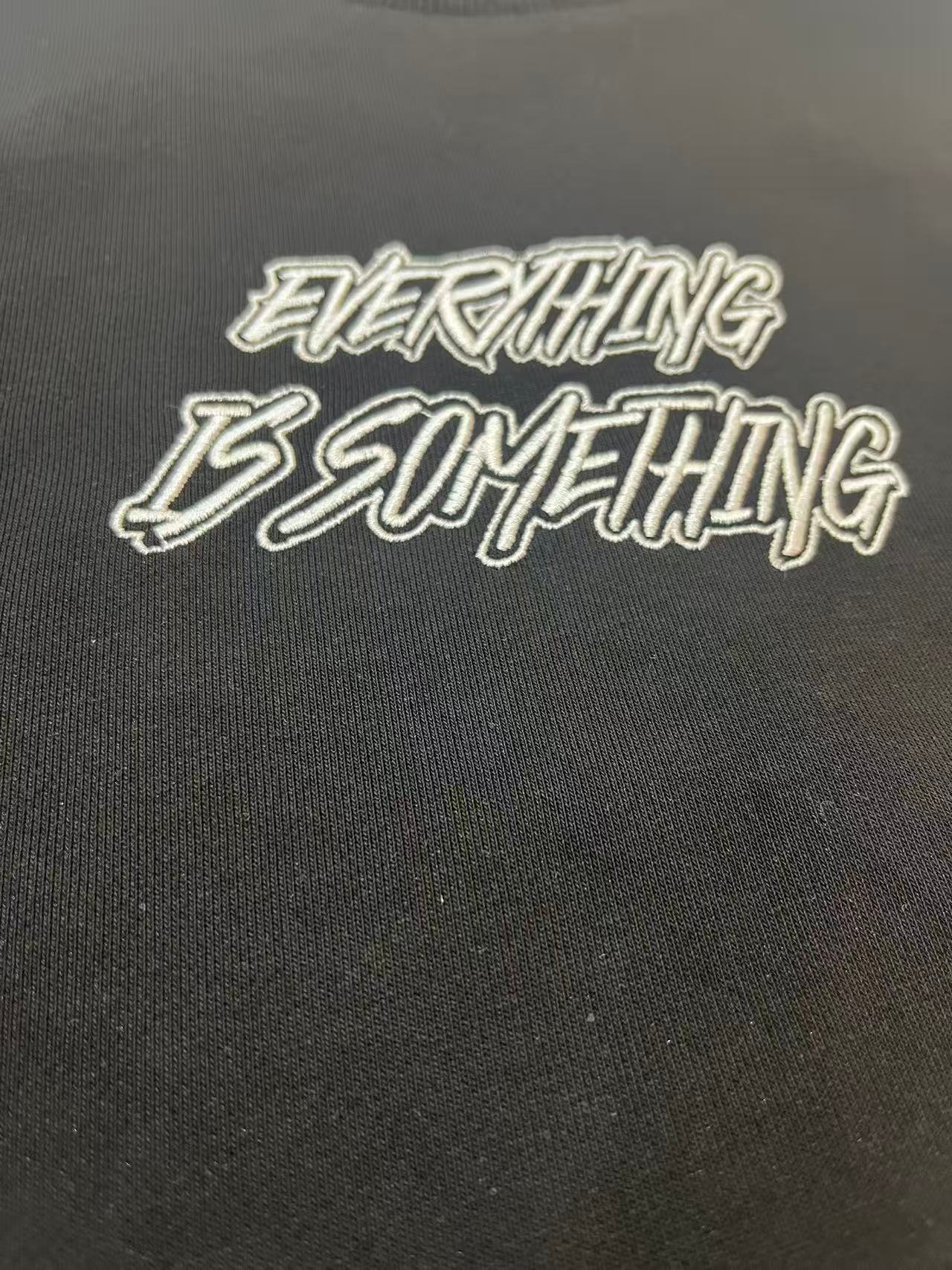
2–4 branded elements usually create a clearer identity than stacking every option: select hardware, leather or woven labels, embroidery, print, patches, and packaging around one signature system. YKK-grade zippers, custom buttons, rivets, labels, and branded cartons need supplier lead time and approval samples; use proven components on core reorders to protect budget and consistency.
- Record hardware finish and logo artwork
- Approve label color and stitch placement
- Keep repeat-order trims standardized
6. Denim Construction Quality Checks
A jeans supplier should assess construction against an approved sample and a signed measurement specification before bulk cutting. Those two references turn subjective comments on fit, wash, and finish into measurable acceptance criteria.
Seams And Stress Points

8–10 stitches per inch is a common starting point for denim seams; the correct count still depends on fabric weight and seam type. Inspect chain-stitch or lockstitch consistency, balanced tension, and no skipped stitches. 5-bar tacks typically reinforce pocket corners, fly ends, belt loops, and crotch stress points. Confirm that bartacks are placed consistently and do not cut through lightweight or stretch denim.
- Check seam allowance is fully caught
- Inspect belt-loop ends for secure attachment
- Pull-test pocket corners and fly base
Hardware And Pocket Alignment
YKK or equivalent zippers should run smoothly, stop securely, and remain centered under the fly. Buttons, rivets, and shanks must sit flush without spinning, sharp edges, or visible distortion on the garment face. 3–5 mm of apparent pocket-placement variation can be obvious on back yokes. Compare pocket angle, spacing, topstitch lines, and rivet location directly against the approved sample.
Measurements And Wash Control

±1 cm is a practical tolerance for many critical adult-denim points, while inseam, waist, rise, thigh, and hem opening should follow the signed spec. Measure garments after the specified wash and conditioning period, not before finishing. 3% or less residual shrinkage is often targeted, but the acceptable result must match the fabric and care-label claim. Test wash lots for shade, abrasion, hand feel, color transfer, and consistent distress placement.
- Measure every size in the pre-production set
- Keep approved wash and trim samples
- Record bulk inspections by size and wash lot
7. How to Choose a jeans supplier
100-unit programs can suit a capsule launch, but MOQ alone does not qualify a jeans supplier. Vet whether its denim development, sampling, inspection, export workflow, and commercial terms match your product and launch calendar.
| Vetting Area | Evidence To Request | Decision Signal |
|---|---|---|
| Denim development | Sample references, test reports | Comparable wash and fit |
| Factory controls | Photos, audit documents, QC records | Traceable inspection process |
| Delivery | Production timeline, export references | Realistic approval-to-shipment plan |
| Commercial terms | Quotation, payment milestones | Clear risk and balance terms |
Verify Denim Capability

3 sample references should show the supplier can execute your target wash, stretch level, fit, and hardware consistently. Request dated factory photos, close-ups of seams and rivets, wash test reports, and samples in comparable denim weights.
- Ask for fabric composition and weight
- Review shrinkage and colorfastness reports
- Check fit across graded sizes
Check Production Readiness
80,000-plus monthly units indicate useful scale only when capacity is allocated and monitored. Request a style-specific production timeline covering fabric booking, approvals, cutting, sewing, wash, final inspection, and shipment.
- Confirm MOQ by style and color
- Name the sample approval deadline
- Identify critical-path materials
Audit Controls And Terms
A 100% final balance before shipment is common, while deposits and terms should be documented in the quotation. Request available audit documents, certification scope, inspection records, export references, and payment milestones before placing an order.
- Ask which inspections are recorded
- Verify destination-market export experience
- Clarify rework and defect handling
8. Common jeans supplier Sourcing Mistakes
Two quotations can show the same unit price while hiding different wash, freight, and rework exposure. A jeans supplier should be assessed against approved specifications, landed cost, and a controlled pre-production path.
Chasing The Lowest Quote
10% lower cutting-and-sewing cost can disappear through weak fabric, inconsistent washes, or expensive corrections. Compare like-for-like quotes by denim weight, trim list, wash recipe, packing, Incoterm, and defect allowance. 100-unit capsule orders need a costed bill of materials, not a headline price. Request sample charges, development fees, payment milestones, freight estimate, and duty assumptions before selecting a factory.
Leaving Specifications Open
1 missing measurement point can create a full size-set failure. Supply a tech pack with graded measurements, Pantone references, construction callouts, artwork files, labels, and approved reference photos. 2 tolerance bands should be agreed before bulk: critical fit points and secondary measurements. Record acceptable wash shrinkage, leg twist, color variation, and decoration placement in the purchase order.
Approving Untested Denim And Washes
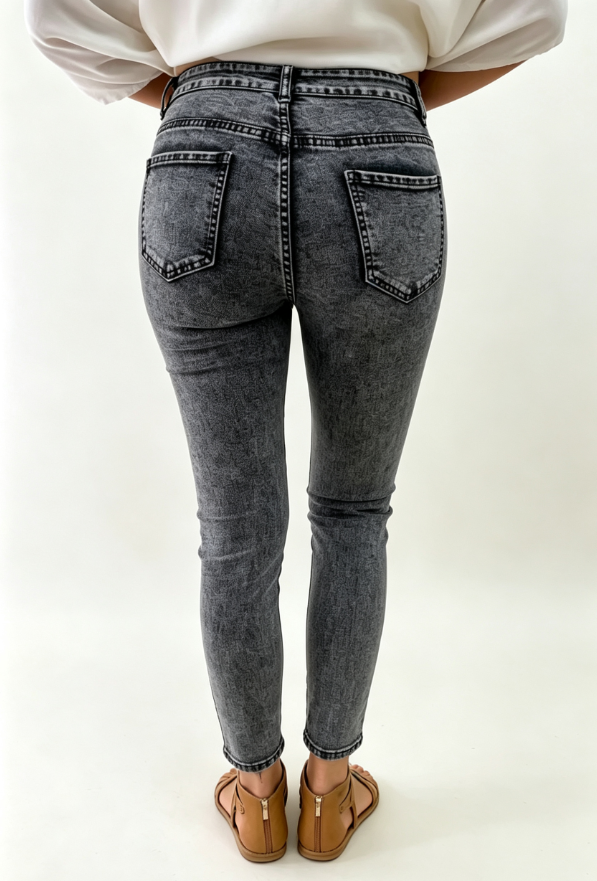
12-ounce stretch denim may behave differently after enzyme, stone, or acid washing. Approve fabric swatches and washed garment samples after testing hand feel, recovery, shrinkage, crocking, and shade. 3 wash lots can show visible shade movement even under one recipe. Set a master wash standard, approve a shade band, and require bulk panels or pilot garments before production.
Misreading MOQ And Timing
100 units per style and color may not mean 100 units split across several washes or shades. Confirm MOQ separately for fabric color, wash, size ratio, trim, and decoration before forecasting inventory. 1 pre-production sample prevents bulk work from starting against an outdated pattern or trim set. Approve it alongside landed-cost freight and duty estimates, then release bulk only after every change is documented.
9. Steps to Launch a Denim Brand
A 100-unit minimum can make a focused denim launch viable, but only after demand, fit, and unit economics are tested. Use staged approvals to keep prototype learning separate from irreversible bulk commitments.
Position The First Capsule
3 competitor price points and 20 customer reviews reveal a practical opening: target wearer, retail band, fit promise, and two hero silhouettes before designing. 1 product brief per style should specify wash, Pantone color, size range, reference photos, target FOB, and intended retail margin. Reject concepts that cannot support the planned channel markup.
Develop And Validate Samples

1 complete tech pack should include graded measurements, construction callouts, stitch types, BOM, artwork placement, and wash standard; a sketch alone is insufficient. 2 sample rounds are common: assess fabric weight, stretch recovery, shrinkage, rise, inseam, and wash appearance in the first; approve a size set before costing bulk.
Release Bulk With Controls
3 gates—approved fit, signed cost, and pre-production sample—should precede a purchase order. Shortlist suppliers by denim capability, MOQ, communication, inspection process, and confirmed delivery window. 80% of preventable launch disruptions are operational: lock labels, hangtags, cartons, barcodes, Incoterms, and freight booking before final inspection. Plan ecommerce photography, inventory receipt, and launch dates around production and transit buffers.
10. jeans supplier Pricing and Lead Times
100 units is a practical starting MOQ for a capsule denim program, but the highest unit cost usually sits here because pattern work, wash testing, cutting setup, and labeling are spread across fewer garments. Treat the ranges below as planning estimates in USD, not a binding quotation. 15-35 days is a common development window from approved specifications to final sample, depending on fabric availability and the number of wash revisions. After sample approval and bulk-material confirmation, allow roughly 30-60 days for production; freight time and customs clearance are additional. 6 quote inputs make comparisons meaningful: style, fabric composition and weight, wash recipe, trims, decoration, and packaging. Ask a jeans supplier for an itemized quote separating development, fabric, wash, trims, CMT, labels, packing, inspection, freight terms, and applicable duties so cost changes remain visible.
| Order tier | Indicative FOB unit price | Sample-to-bulk expectation | Typical cost drivers |
|---|---|---|---|
| 100 units | US$24-42 | 15-35 days sampling; 35-60 days bulk | Custom pattern, premium denim, complex wash |
| 300 units | US$18-32 | 15-30 days sampling; 30-50 days bulk | Fabric yield, hardware, embroidery or print |
| 500 units | US$15-28 | 10-25 days sampling; 30-45 days bulk | Stone/acid wash, distressing, branded trims |
| 1,000+ units | US$12-24 | 10-20 days sampling; 25-40 days bulk | Colorways, packaging, destination and shipping terms |
Start Your Jeans Supplier Sampling Project
Send your tech pack, reference garment, or concept for a fit-focused OEM denim quotation from JUNSHEEN’s production team.