
Custom Puffer Jacket Men’s OEM From 100 Units
Develop custom puffer jacket men’s styles with fit-focused XS–3XL grading, private labeling, and scalable production from JUNSHEEN.
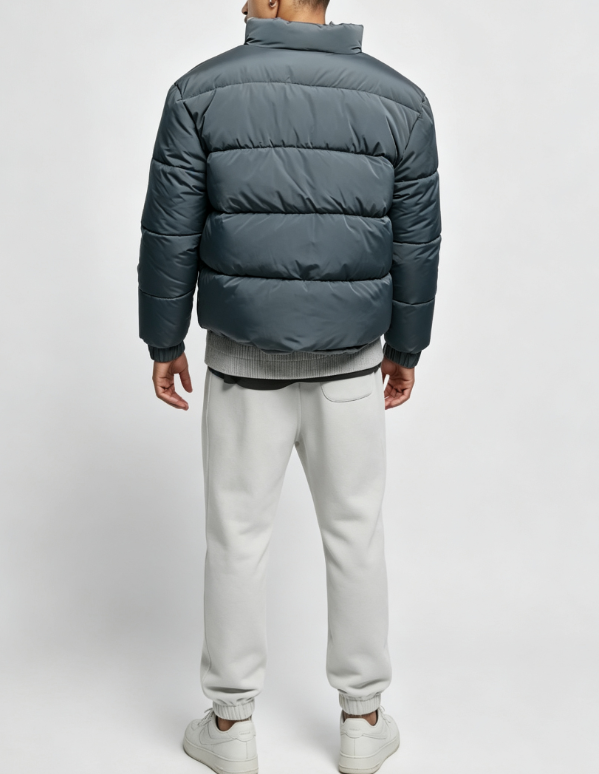
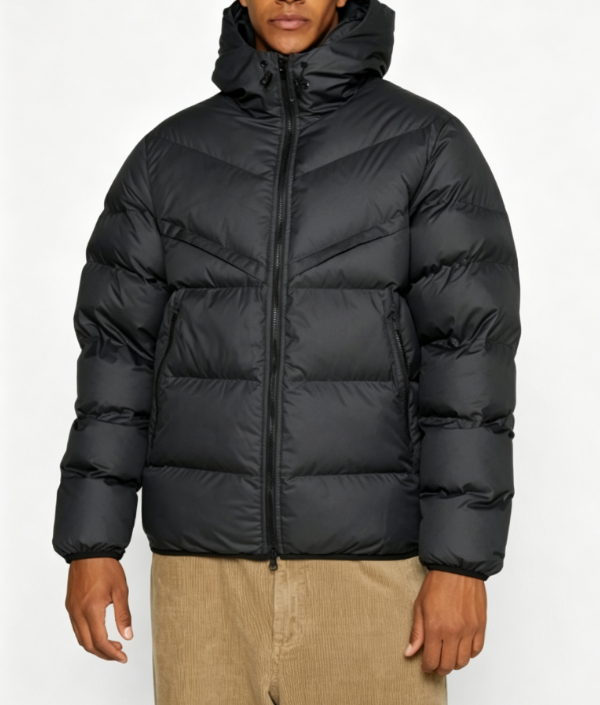
Featured Products for custom puffer jacket men’s Development


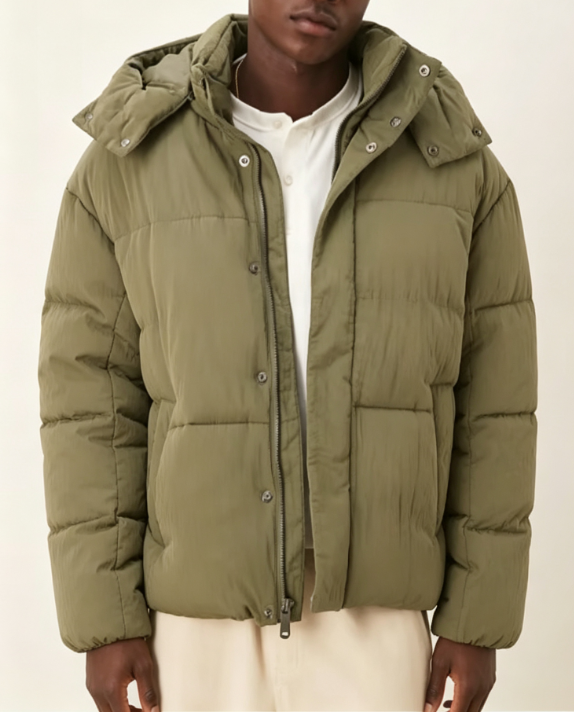
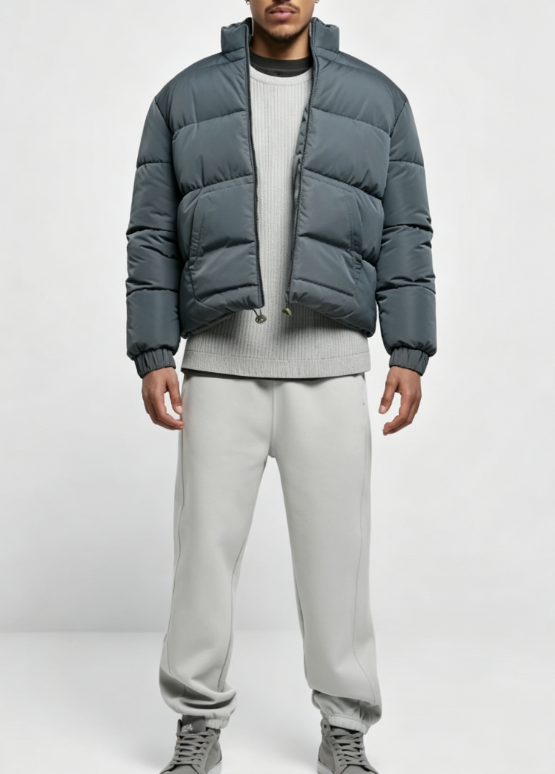

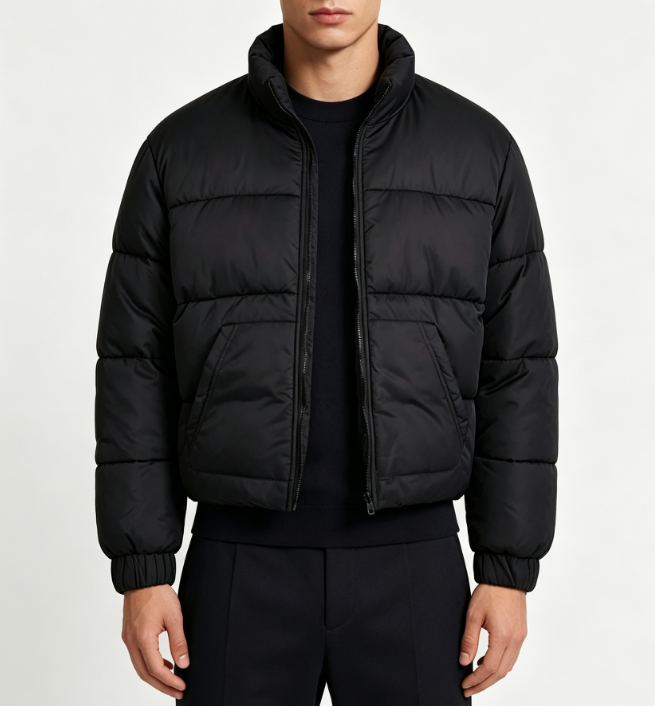
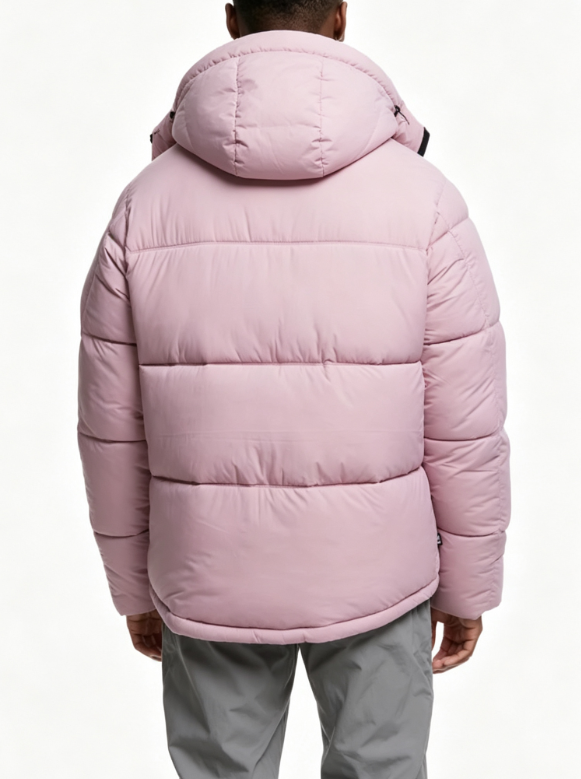




Related Product Catalogue and Quotation




Why Brands Source Custom Puffer Jacket Men’s Programs From Junsheen
From first sample to global shipment, JUNSHEEN combines flexible development, fit control and scalable production for branded outerwear.
100-Unit MOQ
Launch custom puffer jacket men’s capsules from 100 units per style and color, with practical support for growing collections.
Fit-Focused XS–3XL
Pattern makers refine proportions, shoulder balance and grading for standard, extended-size, plus-size and modern oversized puffer fits.
Integrated Branding
Coordinate logo embroidery, prints, custom patches, labels, zippers, trims and branded packaging through one production partner.
Material Sourcing
Select shell fabrics, linings, insulation and performance details around target cost, warmth, hand feel, durability and wash performance.
Scalable Capacity
Move confidently from samples to bulk orders with 200+ skilled workers and monthly capacity exceeding 80,000 apparel units.
Export-Ready Support
Receive coordinated quality control, final packing and global shipping support for fashion brands, retailers and sourcing teams worldwide.
Custom Outerwear and Apparel Manufacturing
Develop fit-focused casualwear, denim, knitwear and outerwear programs from low-MOQ samples through scalable bulk production.

Custom Hoodies
Develop custom hoodies in fleece, French terry, or jersey with refined body and sleeve proportions, branded trims, embroidery, printing, and wash effects. Start from 100 units per style and color for capsule drops or build repeatable bulk programs.
Request a Quote
Custom T-Shirts
Produce custom T-shirts in cotton, combed jersey, blends, or performance knits, with specification review, pattern development, size grading, and decoration support. Select weights, hand feel, neck construction, and print methods that align with your target price and wear standard.
Request a Quote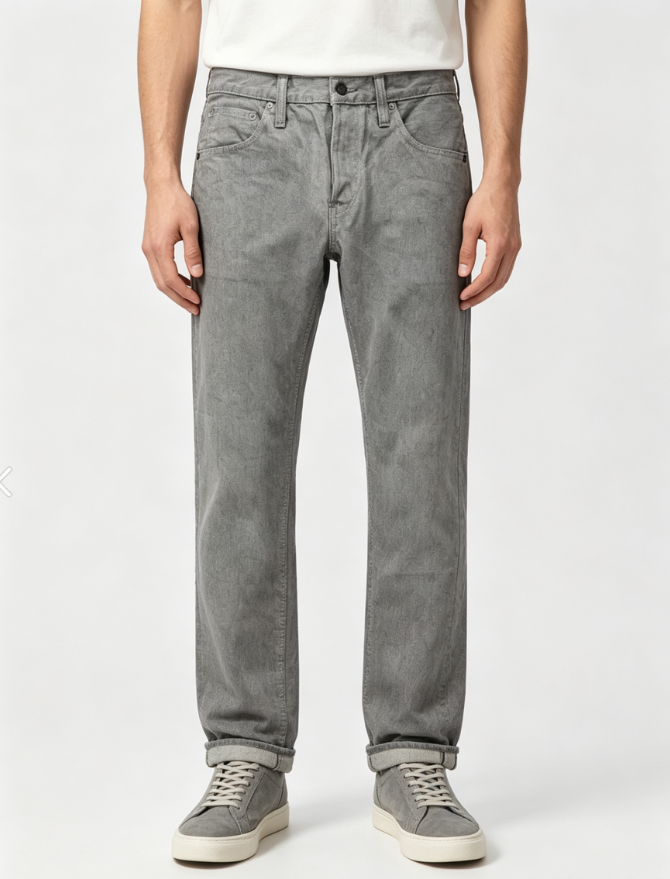
Custom Jeans
Manufacture custom jeans in rigid, stretch, or washed denim with support for fit blocks, rises, leg shapes, pocket details, hardware, labels, and finishing. Pattern makers grade XS–3XL with proportion adjustments to help maintain consistent fit across the size range.
Request a Quote
Custom Sweaters
Source turtle neck sweater bulk programs across sweater constructions, yarn blends, gauges, and neck finishes. Junsheen supports development of fit, rib balance, sleeve shape, labeling, and scalable production for wholesale, retail, and private-label assortments.
Request a Quote
Custom Jackets
Create custom jean jackets with denim sourcing, pattern development, washes, hardware, branded patches, embroidery, and print details handled in one production workflow. Review prototype fit and construction before moving from a 100-unit launch to bulk production.
Request a Quote
Custom Sweatshirts & Crewnecks
Build custom crewneck hoodie and sweatshirt programs with fleece or French terry options, fit-focused grading, rib specifications, logo applications, and garment washes. Development supports contemporary oversized, standard, and extended-size silhouettes from XS through 3XL.
Request a Quote
Custom Cardigans
Develop custom cardigans in knit constructions suited to your target weight, drape, and price point. Define yarn, gauge, button or zipper details, plackets, pockets, labels, and graded sizing before confirming bulk materials and production.
Request a Quote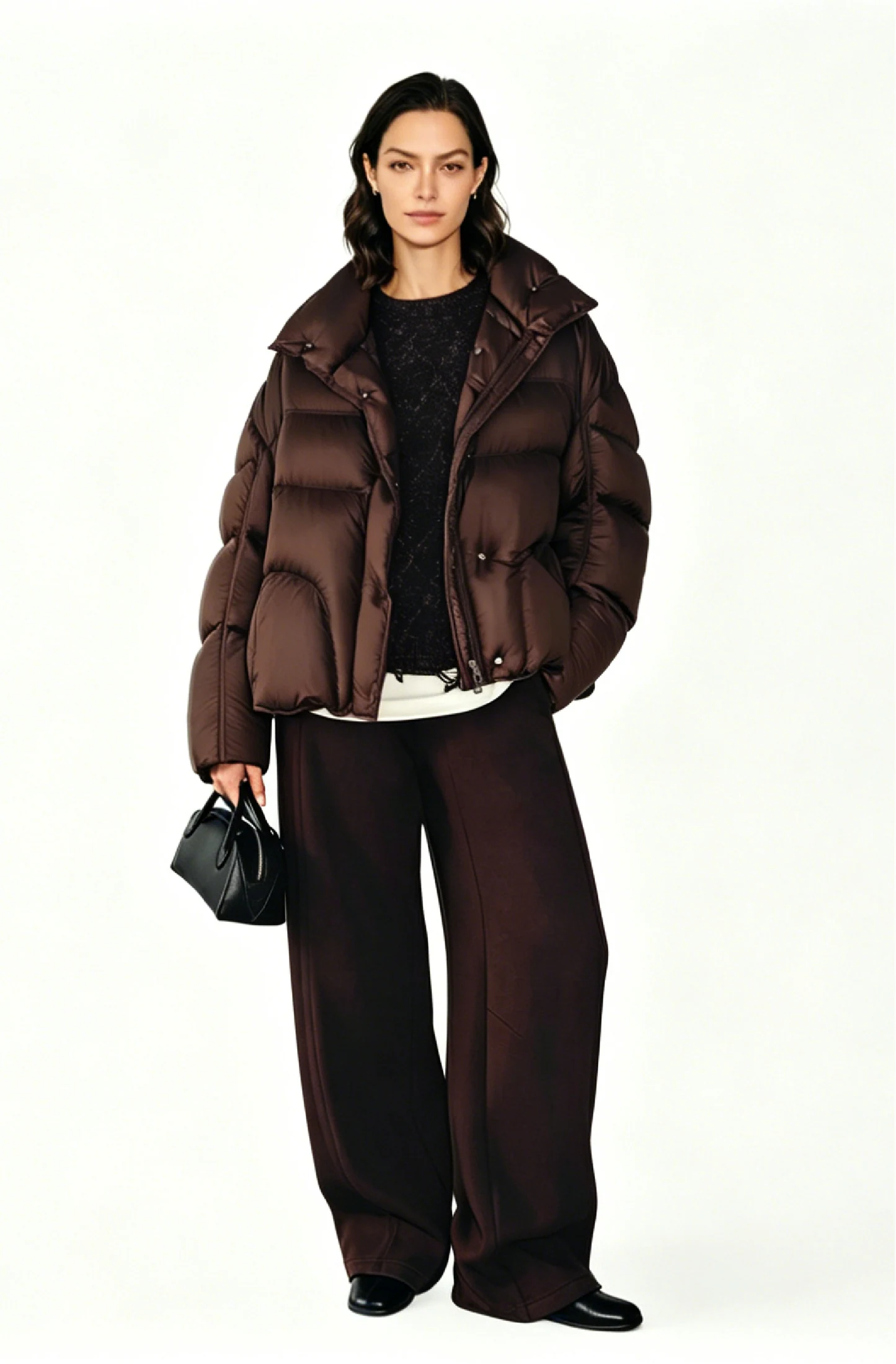
Custom Puffer & Down Jackets
Manufacture custom puffer jackets with shell, lining, insulation, quilting, zipper, pocket, hood, and branding specifications aligned to your market. Junsheen supports sample review, fit correction, trim sourcing, quality control, and scalable OEM production for outerwear programs.
Request a Quote
Custom Denim Shorts
Produce custom jean shorts in rigid or stretch denim with controlled inseams, rises, hem treatments, pocket construction, hardware, washes, and decoration. Fit development helps retain intended proportions across normal, extended, and oversized size ranges.
Request a Quote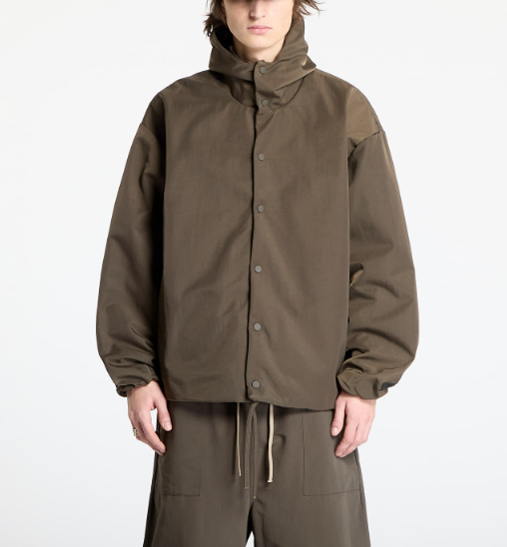
Custom Sweater Dresses
Create custom sweater dresses with yarn and gauge selection, silhouette development, neckline, rib placement, length control, and fit grading. Sampling verifies drape, stretch recovery, and wearability before your private-label or wholesale order enters bulk production.
Request a Quote
Custom Denim Sets
Develop mens denim suits wholesale programs with coordinated denim jackets and bottoms, matched washes, consistent hardware, and scalable size grading. Junsheen manages fabric sourcing, pattern alignment, sampling, labels, packaging, and export support for complete sets.
Request a Quote
Custom Polo Shirts
Manufacture custom polo shirts in pique, jersey, or performance knit fabrics with collar construction, plackets, buttons, embroidery, and branded labels. Define fit and grading early to support consistent wholesale, retail, uniform, or private-label production.
Request a Quote
Custom Sweatpants
Produce custom sweatpants in fleece, French terry, or jersey with fit-specific rises, leg shapes, elastic or cuffed hems, drawcords, pockets, prints, embroidery, and wash effects. Programs can begin at 100 units per style and color.
Request a Quote
Custom Shorts
Develop custom shorts for casualwear, active-inspired, woven, knit, denim, or twill programs. Specify inseam, rise, pocket layout, waistband, closure, fabric weight, decoration, and labels, then confirm fit through prototypes and size-set sampling.
Request a Quote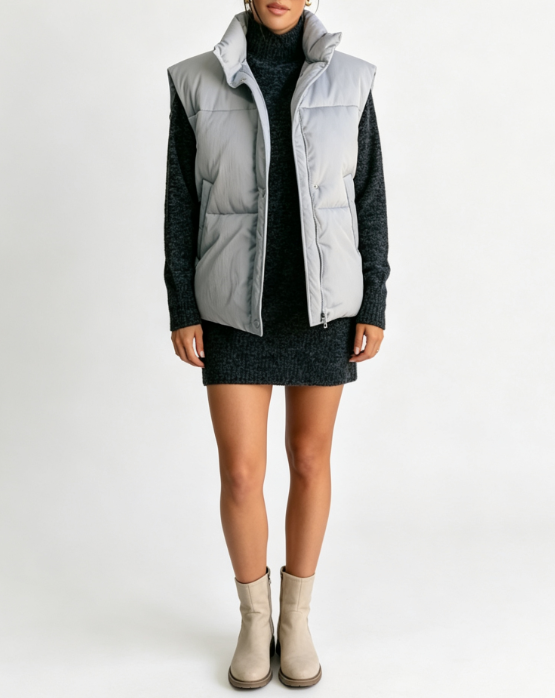
Custom Pullovers
Create custom pullovers across knitwear, fleece, French terry, and jersey constructions with your preferred neckline, silhouette, trims, branding, and finish. Junsheen supports product development, XS–3XL grading, sampling, and reliable bulk production for global brands.
Request a QuoteCustom Puffer Jacket Men’s Shell, Lining and Insulation Materials

Recycled Polyester Shell
A smooth, durable woven shell for everyday and performance-inspired puffers. It can be specified with water-repellent coatings and offers recycled-content options, dependable abrasion resistance, and a clean surface for printing or embroidery.

Nylon Taslan Shell
Nylon Taslan delivers a matte, cotton-like hand feel while retaining lightweight outerwear strength. It suits premium casual puffers and provides strong tear resistance, wind protection, and compatibility with durable water-repellent finishes.

Polyester Taffeta Lining
Lightweight polyester taffeta creates a smooth, easy-on interior for quilted jackets. Commonly used in body and sleeve linings, its low-friction hand feel supports comfortable layering, while its tightly woven construction improves durability.

Recycled Fiber Fill
Recycled polyester fiber fill provides lofted warmth without animal-derived down. It is ideal for brands seeking easy-care insulation, with fill weight customized by climate, desired bulk, and the warmth-to-weight target of each style.

Down Blend Fill
Down and feather blends create a soft, lofty premium puffer profile with excellent warmth for their weight. Junsheen can develop quilt spacing and fill quantities to balance insulation, compression, and a controlled silhouette.
Custom Puffer Jacket Men’s Branding Processes

Logo Embroidery
Flat, 3D puff and chain-stitch embroidery add dimensional brand marks to suitable puffer panels. Placement is planned around baffles and insulation to preserve clean stitching, secure attachment and a premium, long-wearing finish.

Custom Patch Application
Woven, embroidered, chenille, leather-look and rubber patches create a tactile identity for branded outerwear. Junsheen reviews patch size, backing and placement to help maintain a secure bond without compromising the jacket’s silhouette.

Screen Print Graphics
Plastisol, water-based, puff, silicone and high-density screen prints bring bold graphics to compatible shell materials. Artwork and print locations are evaluated around seams and quilt lines for clear coverage, flexible wear and dependable adhesion.

Heat Transfer Logos
DTF, heat-transfer and reflective logo applications suit detailed artwork, small runs and precise chest or sleeve placements. Process settings are matched to the shell fabric so graphics remain crisp while supporting practical wash and wear performance.

Garment Finishing Details
Softening, brushing, anti-pilling treatments and carefully selected finishing details refine the hand feel and appearance of puffer components. JUNSHEEN coordinates compatible options across shell, lining and trims for a cohesive, retail-ready result.
Custom Puffer Jacket Men’s Trims and Brand Accessories

Branded Zippers
Choose durable front, pocket, and sleeve zippers with custom pullers, logo engraving, contrast tape, or color-matched finishes. Selected zipper specifications support smooth daily use while reinforcing a premium custom puffer jacket men’s identity.

Custom Snap Buttons
Add logo snaps to storm flaps, detachable hoods, pockets, and adjustable cuffs. We match finish, size, and placement to the jacket construction, helping your outerwear line achieve reliable closure performance and a cohesive branded look.

Drawcord Tipping
Customize hood and hem drawcords with branded aglets, silicone tips, metal ends, woven tapes, or contrast colors. These details improve adjustability in insulated jackets and create a distinct visual signature for private-label collections.

Woven Labels
Develop main labels, size labels, wash-care labels, and woven logo tabs for clean interior and exterior branding. JUNSHEEN coordinates label materials and placements to complement your puffer jacket fabric, lining, and target market requirements.

Reflective Details
Use reflective piping, heat-transfer logos, zipper pulls, or trim tapes to elevate visibility and technical appeal. Applied strategically on seams, pockets, and back panels, these accents add functional distinction to urban and performance-inspired puffer styles.
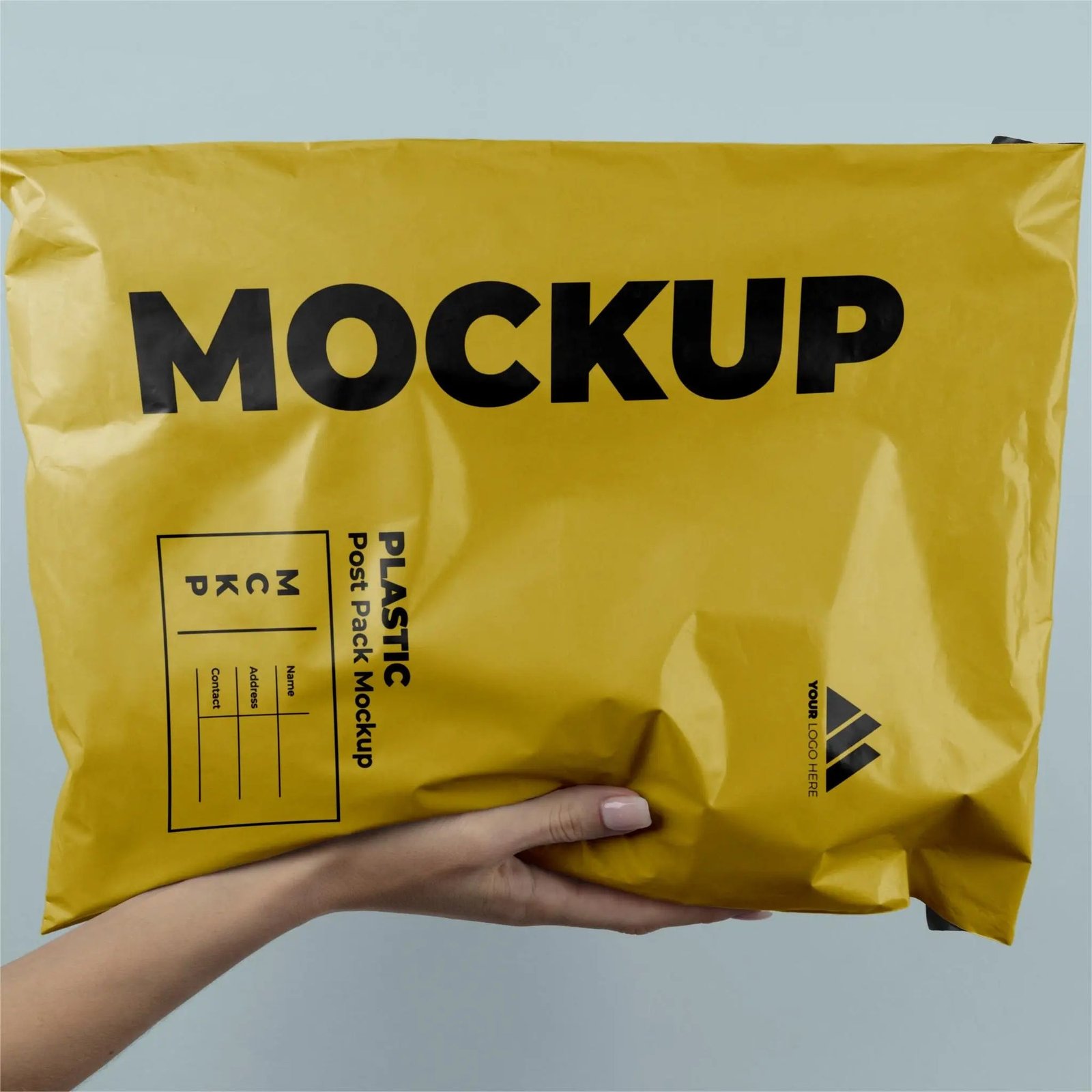
Branded Packaging
Finish each order with custom hangtags, polybags, tissue paper, cartons, and barcode-ready packaging. Coordinated packaging protects garments through export shipping while delivering a polished unboxing experience for wholesale, retail, and direct-to-consumer launches.
About JUNSHEEN Apparel Manufacturing
Founded in 2010 in Humen Town, Dongguan, JUNSHEEN helps fashion brands turn outerwear concepts into production-ready collections. Our one-stop OEM, ODM and private-label team supports custom puffer jacket men’s programs from development and sourcing through sampling, bulk production and export.
With more than 200 skilled workers and monthly capacity above 80,000 units, we combine responsive low-MOQ development with scalable manufacturing. Brands can start from 100 units per style and color, then grow into repeat bulk programs with coordinated cut-and-sew, knitwear, decoration, finishing, labels and packaging.
What distinguishes JUNSHEEN is a fit-first approach backed by practical factory execution. We refine patterns and grading from XS to 3XL, including extended-size, plus-size and oversized fits, while managing fabric, trims, quality control and global shipping for brands worldwide.

Custom Puffer Jacket Men’s Fit, Development and Production
Fit-First XS–3XL Grading
JUNSHEEN develops custom puffer jacket men’s fits from XS through 3XL, including extended-size, plus-size and oversized programs. Pattern makers refine shoulder balance, body length, sleeve mobility and grading increments instead of simply scaling up a base size.
- Normal, oversized and extended-size fit development
- Balanced shoulder, sleeve and body proportions
- Graded size sets reviewed before bulk approval
- Fewer fit revisions across the size range

From Tech Pack to Sample
Send a finished tech pack, sketch, reference jacket or initial concept. Our development team reviews construction feasibility, recommends shell, lining, insulation and trims, then builds patterns and prototype samples for clear technical approval before production.
- Tech-pack review and manufacturability guidance
- Fabric, insulation and trim recommendations
- Pattern making and prototype sampling
- Size-set and pre-production approvals
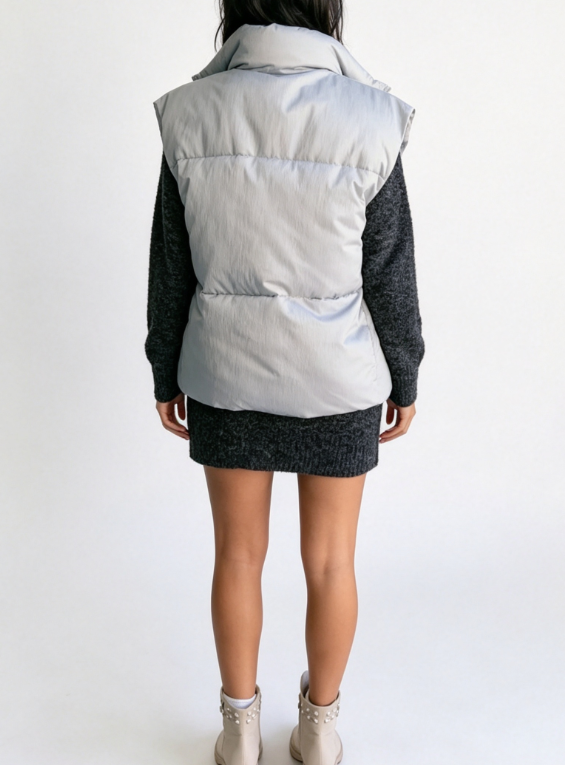
Integrated Sourcing and Branding
Manage your outerwear program through one coordinated supply chain. JUNSHEEN sources performance fabrics and recycled options, while in-house teams handle embroidery, printing, labels, zippers, patches, branded packaging and garment finishing for a consistent finished product.
- Shell, lining and insulation sourcing
- Custom labels, hang tags and packaging
- Embroidery, printing and patch application
- Coordinated trims and finishing control

Scalable Quality-Controlled Production
Launch from 100 units per style and color, then scale into repeat bulk programs with a manufacturer built for global brands. More than 200 skilled workers and 80,000-plus monthly units support in-line inspections, measurement checks and final packed-goods quality control.
- Low MOQ from 100 units per style/color
- 80,000+ units of monthly capacity
- Incoming, in-line and final inspections
- Export-ready support for global delivery

Custom Puffer Jacket Men’s: JUNSHEEN vs. Typical Suppliers
Built for brands that need fit control, low-risk development, and reliable scale.
← 左右滑动查看 →
Custom Puffer Jacket Men’s Production Process
From feasibility review to export-ready packing, JUNSHEEN coordinates each production stage for dependable outerwear development and scalable delivery.
Review Design Feasibility
We assess your tech pack, reference, target price, fit requirements, construction details, and 100-unit MOQ to define a production-ready custom puffer jacket men’s program.
Source Materials and Trims
Our team recommends shell fabrics, linings, insulation, zippers, snaps, labels, and packaging based on warmth, hand feel, durability, branding, and budget targets.
Develop Patterns and Samples
Pattern makers refine proportions and XS–3XL grading, then produce prototype and size-set samples for fit, measurement, insulation placement, and approval before bulk.
Cut and Assemble Bulk
Approved materials move into controlled bulk cutting, quilting, filling, sewing, and in-house decoration, with in-line checks protecting construction consistency throughout production.
Inspect Pack and Ship
We inspect measurements, fit, workmanship, decoration, and packed goods, then apply private-label packaging and coordinate global export shipment for your finished order.
Start Your Custom Puffer Jacket Men’s OEM Project
Move from concept to production with a clear, fit-focused development process built for launches from 100 units per style and color.
Send Your Design Brief
Share a tech pack, sketch, reference garment, mood board, or product idea with target quantities, markets, fit direction, colors, and branding requirements.
Review Feasibility and Quote
Our team evaluates construction, shell, lining, insulation, trims, decoration, XS–3XL grading, MOQ, and lead-time requirements, then provides practical recommendations and quotation.
Approve Development Samples
Confirm fabrics and components, review prototype samples and measurements, then refine fit, branding, and workmanship through size sets or pre-production approval.
Launch Bulk Production
After approval, Junsheen manages material sourcing, production, in-line and final quality checks, branded packing, export coordination, and scalable repeat-order records.
Custom Clothing Manufacturer Credentials and Compliance Documents



Custom Puffer Jacket Men’s Client Results and Case Studies
JUNSHEEN refined our oversized puffer grading across XS–3XL and resolved fit issues in two sample rounds. We approved bulk production 18 days earlier than planned and reordered 600 units after the launch sold through.
Our first custom puffer jacket men’s program started at the 100-unit MOQ, with branded zippers, woven labels, and embroidery handled in one place. The pre-production sample matched our approved specification, so we avoided a costly bulk revision.
The team turned our sketch and mood board into production-ready tech details, then coordinated shell fabric, insulation, packaging, and export. Our collection was launch-ready in 7 weeks, and we placed a 1,200-unit repeat order for the next season.
Custom Puffer Jacket Men’s FAQ
Clear answers on MOQ, sampling, materials, sizing, payment, shipping and confidential development for your outerwear program.
What is the MOQ for custom puffer jacket men’s production?
How long does a custom puffer jacket men’s sample take?
How much does a custom puffer jacket men’s sample cost?
Can you source recycled, water-resistant or premium puffer jacket materials?
Do you offer XS–3XL and plus-size grading for men’s puffer jackets?
What payment terms do you offer for a custom puffer jacket men’s order?
Can JUNSHEEN ship custom puffer jackets internationally?
How do you protect my custom puffer jacket design and brand details?
Complete Buyer’s Guide to custom puffer jacket men’s
Use this decision framework to specify materials, insulation, branding, and construction, evaluate qualified OEM suppliers, compare costs and lead times, and avoid common sampling and production mistakes before placing your order.
1. What Are custom puffer jacket men’s?
100 units per style and color is a practical starting MOQ for custom puffer jacket men’s production: a made-to-order outerwear program built for a brand’s label, fit block, materials, and commercial specification. It is not a blank jacket with a logo added afterward, nor a one-off retail personalization service; the buyer is sourcing a repeatable private-label product for resale. 8 core decisions define the garment: shell fabric and coating, insulation type and fill weight, lining, quilt layout, fit and graded size range, zippers and other trims, branding, and packing. A specification may call for recycled polyester shell, synthetic insulation, a nylon lining, horizontal baffles, a YKK zipper, Pantone-matched zipper pulls, woven main labels, wash-care labels, hang tags, and custom polybags; each choice affects cost, warmth, bulk, lead time, and approval requirements. XS–3XL sizing matters when the target customer includes standard, extended, or modern oversized fits, because sleeve balance, chest ease, body length, and grading must be engineered rather than simply enlarged. The sourcing need is shared by emerging labels launching a capsule, designers converting a concept or tech pack into samples, retailers developing exclusive outerwear, and wholesalers ordering a consistent branded program that can be replenished after bulk approval.
2. Evolution of custom puffer jacket men’s
1936 marked a turning point when Eddie Bauer patented the quilted Skyliner, using stitched compartments to keep down from shifting and creating a practical answer to cold-weather work and recreation. Early puffers prioritized insulation and weather protection, but heavy shells, bulky baffles, and limited color options made them largely functional equipment. 1970s synthetic insulation and lighter nylon or polyester shell fabrics expanded the category beyond expedition use, especially where wet-weather resilience, easier care, and lower cost mattered. Improved calendared fabrics, DWR finishes, recycled polyester fills, and controlled baffle layouts now let an OEM team balance loft, packability, abrasion resistance, and a cleaner branded appearance. 1990s streetwear and luxury collaborations turned the puffer into a visible silhouette rather than a hidden winter layer, driving demand for cropped, oversized, boxy, longline, and color-blocked versions. For a custom puffer jacket men’s program, buyers should define the warmth target, fill type and weight, finished-garment bulk, intended layering room, and logo placement before sampling; a fashionable profile that cannot survive repeated wear, packing, and wash-care expectations is a costly compromise. 2020s responsible sourcing has become part of the product brief, not an afterthought: specify recycled content claims, traceable down where applicable, and substantiated fabric certifications such as OEKO-TEX when required. JUNSHEEN can translate those priorities into patterns, sourced materials, samples, and a production-ready specification from a 100-unit style-and-color launch onward.
3. Types of custom puffer jacket men’s
Three insulation weights and several shell configurations cover most seasonal briefs. For a custom puffer jacket men’s program, select the climate and sales window first, then match silhouette, features, and development risk to the intended customer.
Lightweight Quilted Jackets And Vests

40–80 gsm insulation suits mild autumn, spring, travel, and layering customers. Horizontal quilting, a compact collar, and a regular or cropped silhouette keep the jacket light enough for daily carry. 0 sleeves make a puffer vest a practical entry style for streetwear, golf, and transitional assortments. Its simpler armhole binding reduces sewing complexity, but shell-to-lining color matching and stable pocket placement still require sampling.
Midweight Everyday And Hooded Puffers

100–160 gsm insulation is the most versatile range for urban autumn-to-winter sales. A hip-length regular or relaxed puffer with zip pockets, storm flap, and adjustable hem serves broad retail customers without an extreme cold-weather claim. 1 fixed hood adds perceived protection and a stronger casual silhouette. Hood volume, cord routing, zipper guard clearance, and insulation distribution increase pattern and assembly coordination versus a stand-collar body.
Heavyweight Reversible And Technical Coats
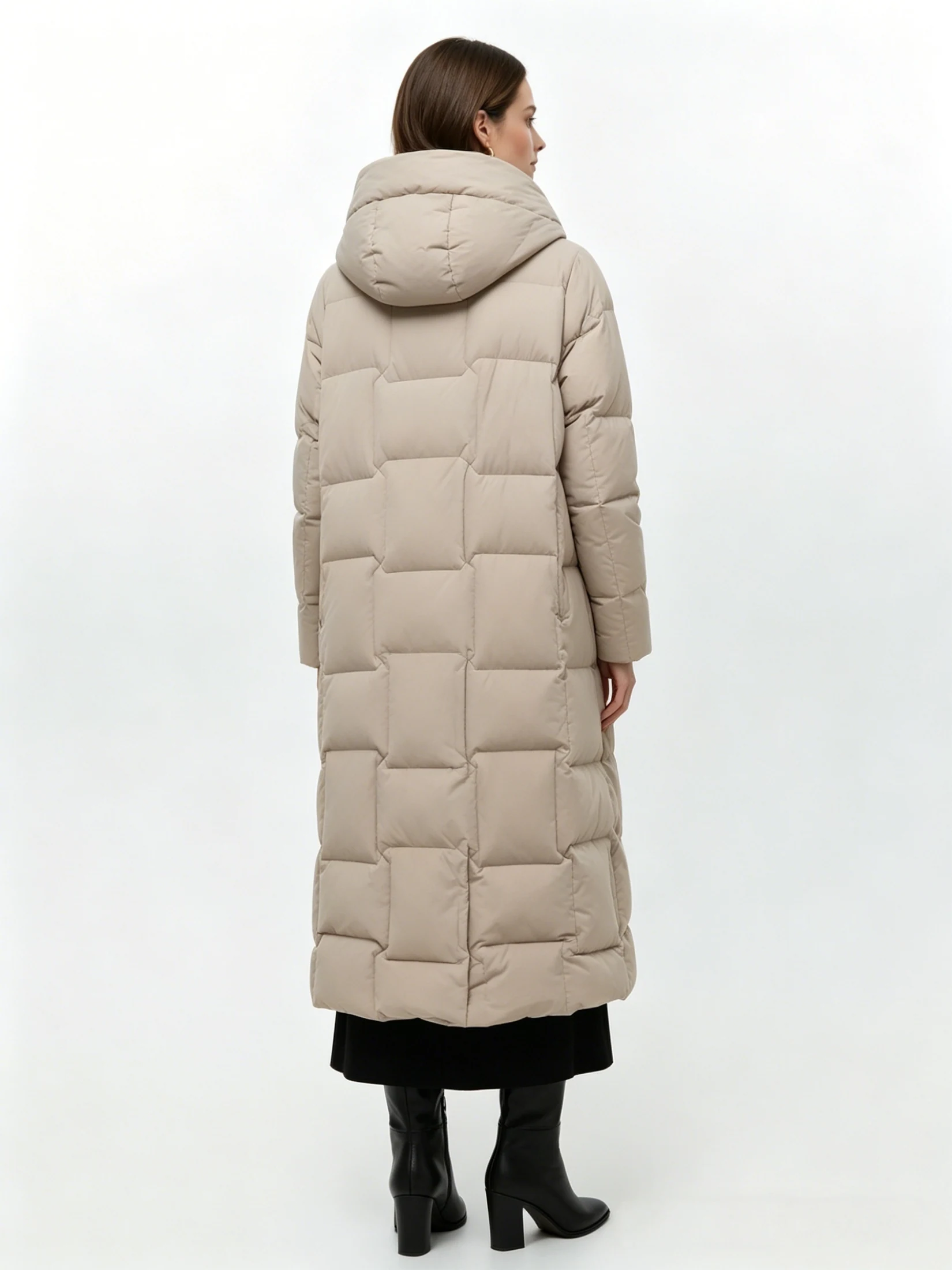
180–300 gsm insulation, longer bodies, and wider baffles target cold-climate commuters and winter-focused labels. Two-way zippers, inner cuffs, storm plackets, and hood adjusters improve utility but add trim cost and inspection points. 2 usable faces make reversible puffers valuable for premium capsules, while coated shells, taped seams, reflective trims, or waterproof zippers define technical versions. Both require early fabric testing because bulk, seam behavior, and decoration placement become less forgiving.
4. Materials for custom puffer jacket men’s
A custom puffer jacket men’s program performs only as well as its material system: shell, lining, fill, and finish must match the climate and retail price. At 100-unit style-and-color runs, approve swatches and a washed sample before bulk material booking.
| Material | Warmth/Weight | Water Resistance | Care And Positioning |
|---|---|---|---|
| Polyester shell | Moderate; 60–110 gsm | Good with DWR/PU | Easy care; value to mid-market |
| Nylon shell | Low weight; high strength | Good with DWR/TPU | Premium technical positioning |
| Cotton blend | Heavier; low inherent warmth | Needs coating | Heritage casual positioning |
| Down fill | Highest warmth-to-weight | Poor when wet | Premium; RDS verification |
| Recycled polyester fill | Medium-high; bulkier than down | Retains warmth damp | Washable; commercial core |
| Synthetic insulation | Medium; stable loft | Retains warmth damp | Technical, easy-care programs |
Shell And Lining Selection

20D–50D polyester is economical, soft, and easy to print; 40D–70D nylon is lighter, crisper, and more abrasion resistant. Use 60–110 gsm shells for light puffers and 110–160 gsm cotton-blend shells for heritage-weight looks. 210T polyester lining is durable and cost-efficient, while nylon taffeta improves slip and a premium hand. Specify recycled content separately for shell and lining, not as a garment-wide claim.
Insulation Tradeoffs

550–700 fill-power down delivers the best warmth-to-weight and compressibility, but needs careful baffle control, dry cleaning guidance, and a higher price point. Recycled polyester fill is washable, broadly available, and suited to commercial outerwear. 80–120 gsm synthetic insulation fits mild-weather layers; 160–240 gsm suits cold-weather puffers. Ask whether stated fill weight is per square meter, per garment, or per panel.
Finishes And Compliance
C0 DWR, PU coating, and TPU lamination address different risks: DWR sheds light rain, PU adds water resistance, and TPU can add breathability. Request hydrostatic-head, spray-test, and wash-retention results rather than relying on finish names. OEKO-TEX Standard 100, RDS for down, GRS for recycled synthetics, and REACH chemical declarations should be verified at material level. Confirm PFAS policy, fiber-content tolerances, country-of-origin records, and test-report validity before approval.
- Confirm shell GSM and finished width.
- Request fill composition and actual fill weight.
- Review colorfastness, pilling, and seam-slippage tests.
5. Customizing custom puffer jacket men’s
A 100-unit MOQ lets a brand translate a reference into a custom puffer jacket men’s capsule without committing to a full bulk program. Lock silhouette and fit first, then specify every visible component in the tech pack.
| Method | Best Placement | Padded-Garment Limit |
|---|---|---|
| Embroidery | Chest or sleeve | Use stable panel; avoid thick baffles |
| Woven patch | Chest, sleeve, hem | Sew before quilting when possible |
| Silicone badge | Chest or sleeve | Keep surface flat and low-profile |
| Screen print | Back yoke or flat panel | Limited over loft and seam crossings |
| Heat transfer | Sleeve or chest | Test adhesion on shell finish |
| Reflective detail | Piping, sleeve, back | Align away from quilting distortion |
Define The Exterior

Three core silhouette choices are cropped, hip-length, and longline; specify chest, body length, shoulder drop, sleeve length, and intended ease. Include normal, oversized, or extended-size grading from XS through 3XL. Two quilting decisions—channel width and stitch direction—change appearance and panel engineering. State Pantone colors for shell, contrast lining, binding, and thread, plus hood shape, detachable option, pocket type, and storm-placket construction.
- Set hood depth, visor, and drawcord exit points
- Name welt, flap, zip, or patch pockets
- Specify zipper finish, snaps, puller, and cord ends
Choose Padded-Garment Branding

Six decoration methods suit different zones because insulation and quilt seams create uneven surfaces. Keep artwork away from baffle stitch lines, zipper tape, and bulky pocket bags; approve placement on a physical sample.
Build A Production-Ready Tech Pack

One tech pack should pair front, back, and detail flats with a bill of materials and measurement chart. List shell, lining, fill, quilting map, color codes, zipper length, snap specification, label positions, hangtag artwork, carton pack ratio, and packaging requirements. Two approval stages—prototype and pre-production sample—catch placement, balance, and grading issues before bulk cutting. Junsheen can review a sketch, reference garment, or finished pack and develop patterns, samples, labels, and branded packaging.
6. Construction Quality for Puffer Jackets
Construction quality separates a merely warm jacket from a product that survives retail handling, wear, and repeat washing. For custom puffer jacket men’s programs, approve workmanship against a signed sample and measurable tolerances before bulk cutting.
Baffles And Fill Control

8–10 stitches per inch is a practical benchmark for clean shell seams; uneven stitch length, skipped stitches, or wandering baffle lines quickly lower perceived value. Each baffle should be evenly filled and closed without cold spots. Shake, compress, and hang the sample for 24 hours to check fill migration, feather leakage, and recovery.
- Check quilt lines against center-front and pocket placement.
- Inspect needle holes and seam ends for fill leakage.
- Compare left and right baffle height visually.
Seams, Lining And Hardware

100% of high-stress points—pocket corners, zipper ends, underarms, and cuff joins—should receive secure back-tacking or reinforcement. Lining seams must lie flat, with no twisted sleeves, exposed raw edges, or trapped shell fabric. A zipper should run smoothly through 20 open-close cycles without wave, snagging, or tape distortion. Test snaps, cord locks, and drawcord ends under normal hand force; specify branded hardware only after function is approved.
- Reinforce pocket openings and bag corners.
- Check collar stand symmetry and cuff rebound.
- Confirm zipper pull, slider, and stop alignment.
Sample Approval Tests
±1 cm is a common tolerance for key body measurements on outerwear, though critical points such as collar opening may need tighter control. Measure finished garments laid flat, then conduct a wear test with intended layering. Before pre-production approval, wash or clean-test the agreed care method and compare shrinkage, seam puckering, color change, and fill clumping against the sealed sample. Review shell, lining, and trim colors under daylight and cool-white retail lighting.
- Record chest, length, sleeve, shoulder, and cuff measurements.
- Photograph leakage, migration, and color results.
- Approve one sealed pre-production sample as the bulk reference.
7. Choosing a custom puffer jacket men’s Manufacturer
100-unit minimums can suit a capsule only when the factory can protect construction quality at small runs. Evaluate proof, process control, and commercial clarity before comparing the lowest quote.
Verify Category Experience
3 recent puffer tech packs, production photos, and measurement reports reveal more than a sales gallery. Ask which fill, baffle, zipper, and hood constructions the factory has produced, and request comparable client references where permitted.
- Request inside and outside construction photos
- Confirm experience with down and synthetic fill
- Review graded size specifications
Test Development And Sourcing

7–14 days is a reasonable target for an initial development response after a complete brief, while sample timing depends on materials and revisions. Ask for fabric swatches, Pantone lab-dip process, zipper specifications such as YKK or equivalent, and a written sample approval path.
- Confirm fabric weight and water-repellent finish
- Specify fill weight and baffle layout
- Approve trims before bulk purchasing
Audit Controls And Compliance
100% final inspection is not a substitute for incoming-fabric and in-line checks. Request QC checklists covering seam strength, fill distribution, measurements, needle detection where applicable, packed-goods review, plus current OEKO-TEX, GOTS, WRAP, BSCI, or equivalent documentation when required.
- Ask for defect-report examples
- Verify corrective-action procedure
- Confirm label and packaging compliance
Confirm Commercial Execution
80,000 units of monthly capacity can support repeat programs, but buyers should confirm available production slots rather than rely on headline capacity. Obtain written MOQs by color, bulk lead time, T/T or PayPal terms, shipping Incoterms, export documents, and the named contact who owns updates.
- Ask for a critical-path calendar
- Confirm pre-shipment balance timing
- Clarify freight booking and customs support
8. Common custom puffer jacket men’s Buying Mistakes
Most preventable puffer-jacket losses begin before the purchase order: vague specifications turn into sample revisions, excess fabric, or an unwearable bulk fit. Lock technical, commercial, and approval decisions before production.
Copying References Without Specifications
A reference jacket shows a silhouette, not its construction. Specify shell composition, GSM, fill type and weight, baffle layout, measurements, seam allowances, and trim placement in a tech pack before sampling.
Choosing Fill Too Early
A 90/10 down blend, polyester batting, and recycled fill differ sharply in warmth, price, care, and minimums. Define selling climate, target retail price, intended layering, and wash requirements before selecting fill weight.
Skipping Fit And Grading
A medium sample can look correct while XL through 3XL develops short sleeves, tight armholes, or distorted body balance. Approve a graded measurement chart and size set; refine proportions rather than simply enlarging the base pattern.
Rushing Branding And Approval
Custom woven labels, molded pulls, Pantone-matched shell fabric, and branded packaging can add weeks and carry separate minimums. Freeze artwork and color standards early, then approve wash, fit, decoration, and packed-garment details against a written checklist.
Buying On Unit Price Alone
The lowest quote may omit fill testing, fabric inspection, measurement control, or export-ready packaging. Compare like-for-like quotations, confirm fabric and color minimums, and review the supplier’s sample process, QC checkpoints, and bulk tolerance policy.
9. Launching custom puffer jacket men’s
A 100-unit launch needs a backward calendar, not a factory-ready date. For fall delivery, reserve 16–24 weeks from approved prototype to retail receipt, with extra time for freight and customs.
Set The Commercial Brief
Week 1 defines the customer, price band, target margin, sales region, color count, and delivery window. The brand owns positioning and retail demand assumptions; Junsheen reviews feasibility, MOQ alignment, and production risks. Two to four core colors usually reduce fabric exposure for a first run. Lock the target ex-factory cost before adding premium zippers, reflective trims, or complex quilting.
- Target retail price and margin
- Planned delivery date and sales channel
- Colorways, sizes, and unit split
Approve Development Gates

Weeks 2–6 cover the design brief, tech pack, quotation, fabric swatches, and prototype. A complete tech pack should specify Pantone colors, shell and lining composition, fill target, measurements, artwork, labels, and packing. Prototype approval is the first hard gate: confirm silhouette, warmth intent, trim function, and measured spec before revisions. Junsheen can develop patterns and graded sizing; the brand must return consolidated written comments promptly. Weeks 6–9 should allow one revision round, a size set, and pre-production approval. Do not release bulk until the approved sample, bill of materials, artwork, labels, and tolerance sheet match.
- Prototype: fit and construction approval
- Size set: grading and mobility approval
- Pre-production sample: bulk release approval
Protect Production And Delivery
Weeks 10–16 typically cover material booking, cutting, sewing, decoration, packing, and final inspection after bulk release. Junsheen checks incoming fabric, in-line construction, measurements, decoration, and packed goods; the buyer should approve shipment documents and balance timing. Add 2–4 weeks of buffer beyond factory completion for ocean freight, customs, warehouse receiving, product photography, and ecommerce setup. Retail readiness requires SKU data, care instructions, size charts, landed-cost review, and sell-through plans before inventory arrives.
- Confirm freight mode and incoterm early
- Keep approved sample and records on file
- Schedule warehouse receipt before launch date
10. custom puffer jacket men’s Pricing and Costs
100 units is JUNSHEEN’s practical starting point for a custom puffer jacket men’s capsule, but it carries the highest development cost per unit because patterns, samples, grading, material booking and factory setup are spread over fewer jackets. Final pricing requires an approved specification: shell composition and GSM, insulation type and fill weight, quilting map, size range, colors, trims, artwork, packaging, test requirements and delivery terms. $18–$38 per unit is a planning range for a straightforward polyester-shell, synthetic-filled program before freight; recycled shells, down fills, bonded constructions, complex baffles and premium hardware move it upward. Shell fabric and insulation usually drive the largest material changes, while quilting complexity, YKK-class zippers, snaps, embroidery or print, branded packaging and required testing add measurable cost. 20–45 days is a typical bulk-production window after pre-production approval and materials are confirmed; sample development, fabric lead time, laboratory testing and freight sit outside or alongside that window. Increasing MOQ improves bulk economics through material utilization, fewer changeovers and amortized development, whereas air freight can outweigh modest factory-price savings on urgent launches.
| Order quantity | Illustrative ex-factory unit price | Typical bulk lead time | Main cost position |
|---|---|---|---|
| 100–299 units | $28–$48 | 30–45 days | Sampling and setup remain concentrated; stock-like shell, synthetic fill, simple quilting help control cost. |
| 300–999 units | $22–$40 | 25–40 days | Better fabric and trim purchasing; custom labels, cartons and moderate decoration become more efficient. |
| 1,000+ units | $18–$34 | 20–35 days | Bulk material utilization improves; complex baffles, premium insulation, testing and freight still vary separately. |
Develop Your Custom Puffer Jacket Men’s Collection
Send your tech pack, sketch or reference garment for fit-focused OEM development, 100-unit MOQs and a clear production quote.