
Custom Embroidered Sweatpants for Brand Growth
Launch custom embroidered sweatpants with 100-unit MOQs, fit-focused XS–3XL development, and one-stop OEM, ODM, and private-label production.
Featured Products for custom embroidered sweatpants Development




Related Product Catalogue and Quotation




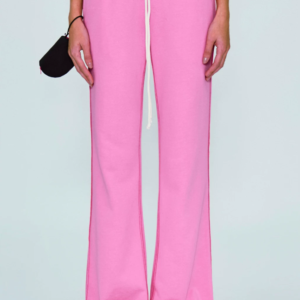

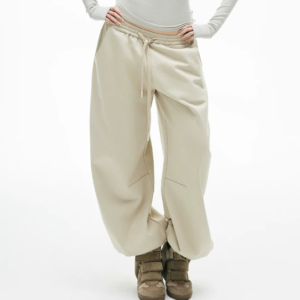
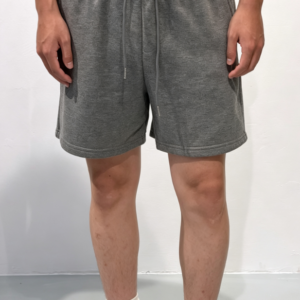
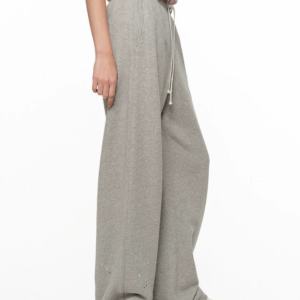
Custom Embroidered Sweatpants Built for Brand Growth
From first samples to repeat bulk orders, JUNSHEEN combines fit development, decoration, private labeling, and export-ready production in one supply chain.
100-Unit MOQ
Launch custom embroidered sweatpants from 100 units per style and color, giving new labels room to test focused capsule collections.
Fit-First XS–3XL
Pattern makers refine rise, leg balance, mobility, and grading for regular, oversized, extended-size, and plus-size sweatpants.
In-House Embroidery
Choose flat, 3D puff, chain stitch, applique, patches, and logo embroidery with coordinated quality control throughout production.
Private-Label Ready
Add custom labels, wash-care tags, drawstrings, hang tags, branded packaging, and trims for a complete retail-ready sweatpants program.
Scalable Production
More than 200 skilled workers and 80,000-plus monthly units support smooth transitions from sample approval to ongoing bulk programs.
Global Export Support
Receive clear production coordination, final inspection, packing support, and worldwide shipping assistance for international brand and sourcing teams.
Custom Casualwear, Denim & Knitwear Manufacturing
From coordinated collections to private-label launches, Junsheen develops fit-focused apparel from 100 units per style and color.
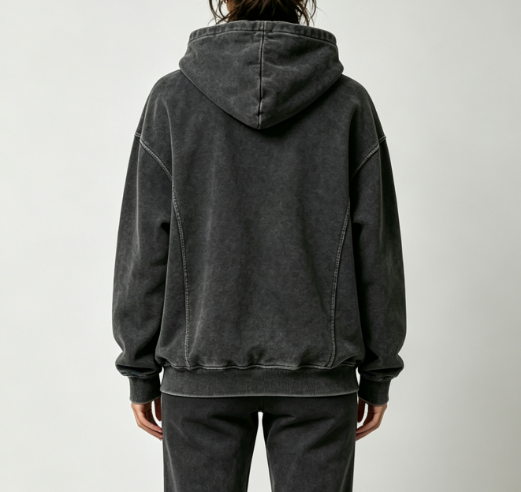
Custom Hoodies
Develop custom hoodies in fleece, French terry, or jersey with your fit block, fabric weight, embroidery, screen print, labels, and packaging. Pattern development and XS–3XL grading support standard, oversized, and extended-size hoodie programs.
Request a Quote
Custom T-Shirts
Produce custom T-shirts from combed cotton, Pima cotton, organic options, and blended jersey. Junsheen supports custom tshirt specifications, neckline and silhouette development, print methods, washes, branded trims, and size grading for launch quantities or repeat bulk orders.
Request a Quote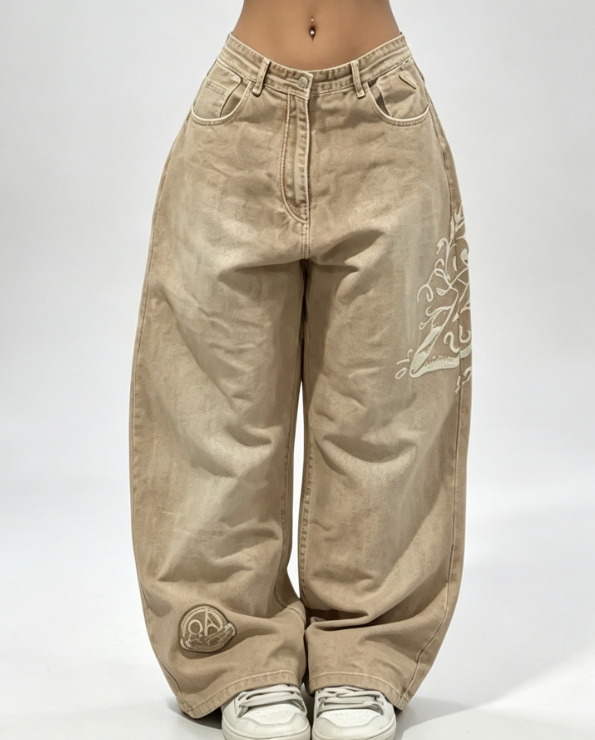
Custom Jeans
Develop custom jeans in rigid or stretch denim with tailored rises, leg shapes, washes, hardware, patches, and branded labels. The team manages pattern making, fit refinement, grading, sampling, and denim finishing for men’s, women’s, and extended-size collections.
Request a Quote
Custom Sweaters
Source turtle neck sweater bulk programs across knit gauges, yarn blends, rib structures, and silhouette options. Junsheen develops sweaters with controlled neck shape, body length, sleeve proportion, grading, labels, and packaging for wholesale or private-label production.
Request a Quote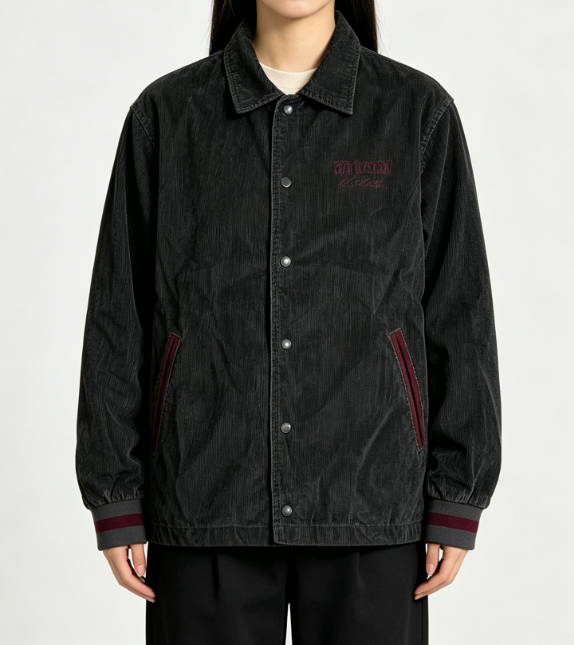
Custom Jackets
Manufacture custom jean jackets and other woven outerwear with denim, twill, or stretch constructions. Options include custom panels, pockets, washes, embroidery, patches, snaps, zippers, labels, and fit development from XS through 3XL.
Request a Quote
Custom Sweatshirts & Crewnecks
Build custom crewneck hoodie and sweatshirt programs in fleece, French terry, and jersey. Junsheen supports crewneck, drop-shoulder, oversized, and standard fits with embroidery, printing, garment washes, rib trims, custom labels, and scalable production.
Request a Quote
Custom Cardigans
Create custom cardigan collections in knit constructions suited to layering, uniforms, retail capsules, or seasonal assortments. Development covers yarn selection, gauge, button plackets, pockets, rib details, body balance, size grading, labels, and private-label packaging.
Request a Quote
Custom Puffer & Down Jackets
Develop custom puffer jackets with selected shell fabrics, insulation, quilting layouts, lining, hoods, pockets, zippers, and reflective details. Junsheen supports sampling, fit review, branded trims, quality control, and global export for seasonal outerwear programs.
Request a Quote
Custom Denim Shorts
Produce custom jean shorts in rigid or stretch denim with your preferred inseam, rise, wash, distressing, hems, pockets, hardware, and branding. Fit-focused grading helps maintain proportion across standard, extended-size, and oversized assortments.
Request a Quote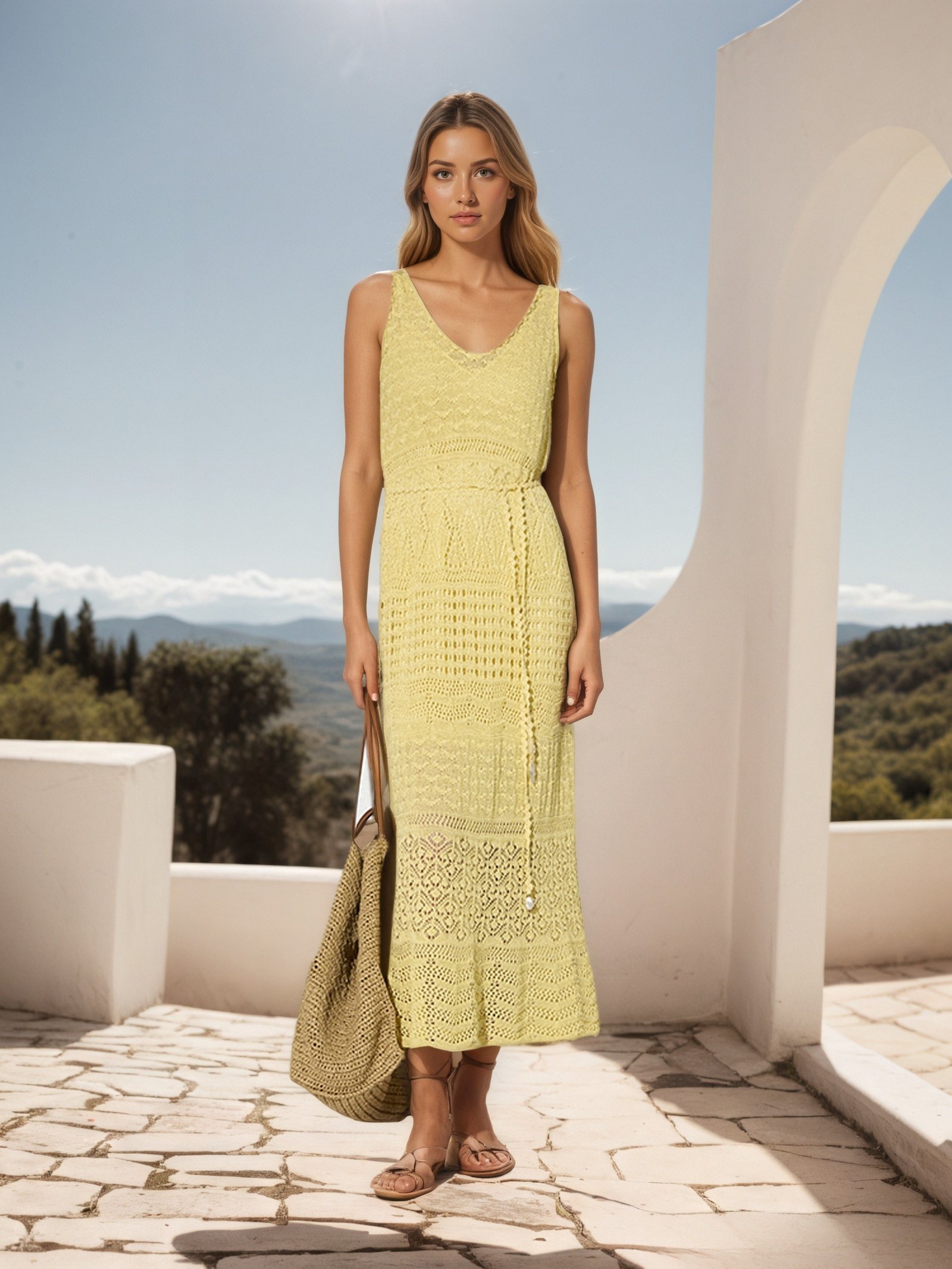
Custom Sweater Dresses
Manufacture custom sweater dresses with defined yarn, gauge, neckline, length, shaping, and rib construction. Junsheen supports body-conscious, relaxed, and oversized silhouettes, with pattern and size-set review to help brands achieve consistent fit across XS–3XL.
Request a Quote
Custom Denim Sets
Develop mens denim suits wholesale programs as coordinated denim sets, including matching jackets, overshirts, jeans, and shorts. Junsheen aligns fabric lots, washes, trims, color, fit, and branded details across every component for a consistent wholesale-ready set.
Request a Quote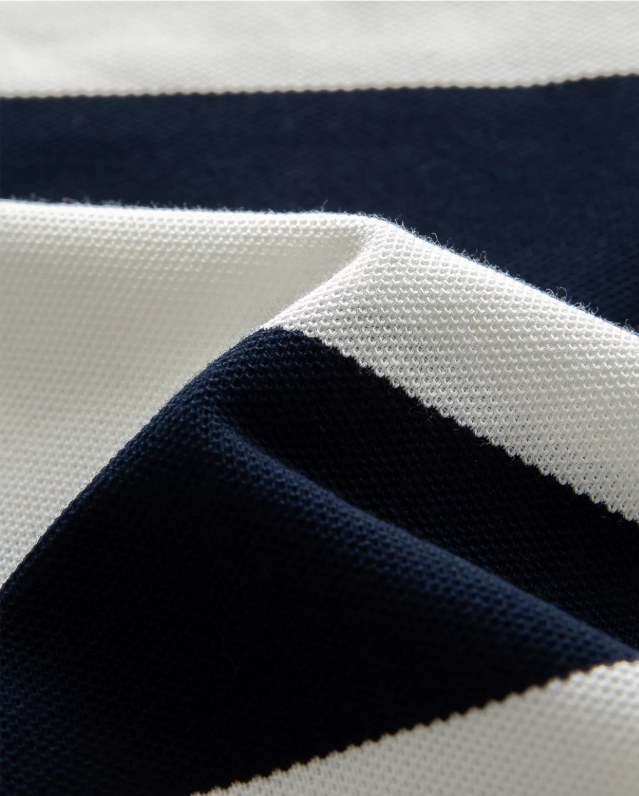
Custom Polo Shirts
Produce custom polo shirts in piqué, jersey, performance knits, or blended fabrics. Options include collar construction, plackets, embroidery, contrast trims, custom buttons, grading, labels, and packaging for branded uniforms, retail collections, and private-label programs.
Request a Quote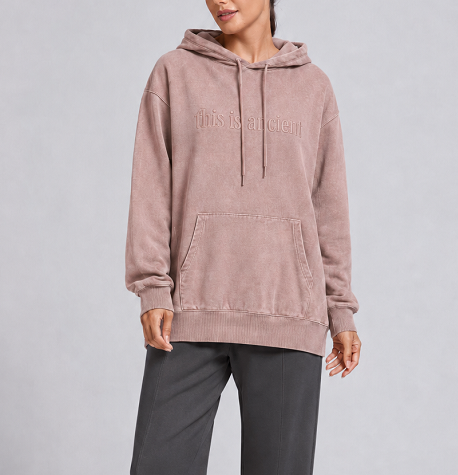
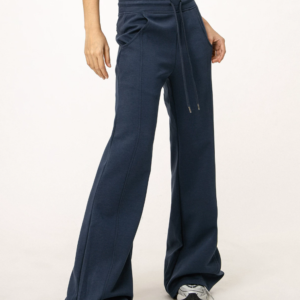
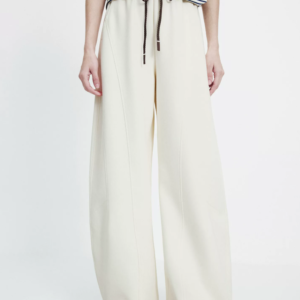
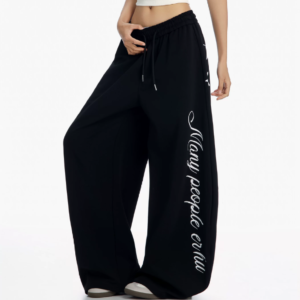
Custom Sweatpants
Manufacture custom sweatpants in fleece, French terry, or jersey with jogger, straight-leg, wide-leg, or oversized fits. Specify waistband construction, pockets, cuffs, drawstrings, embroidery, prints, washes, labels, and coordinated set production from 100 units.
Request a Quote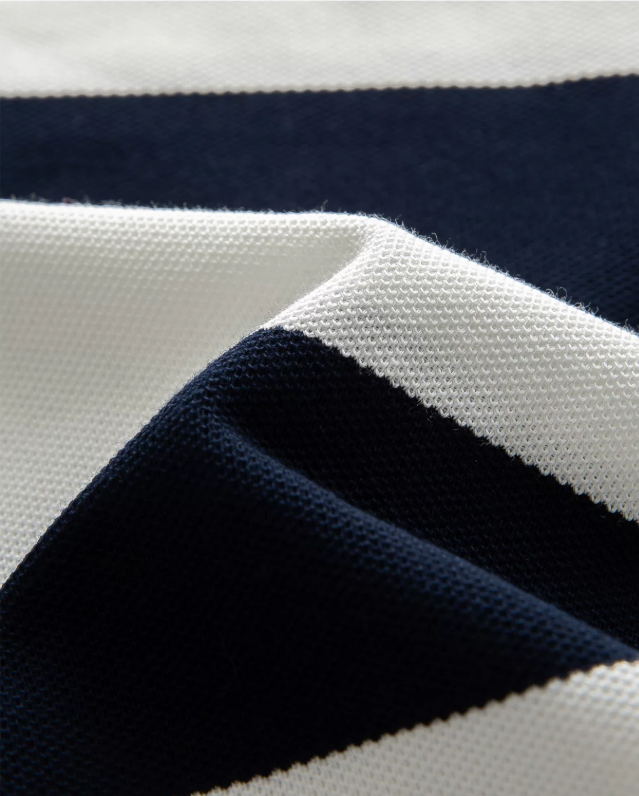
Custom Shorts
Create custom shorts across jersey, fleece, twill, denim, and performance fabrics. Junsheen develops inseams, rises, pocket layouts, waist finishes, printing, embroidery, washes, labels, and grading for casualwear, active-inspired, and coordinated-set collections.
Request a Quote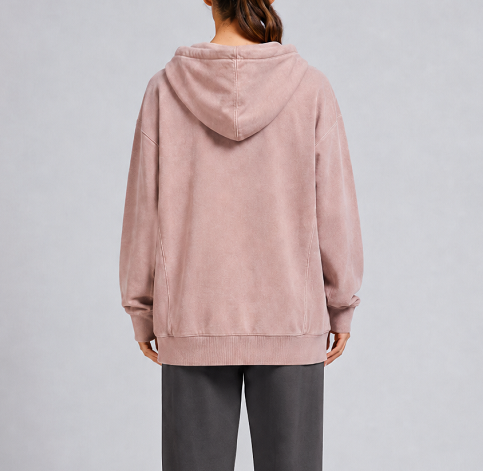
Custom Pullovers
Develop custom pullovers in knit, fleece, French terry, or jersey constructions. From quarter-zip and mock-neck styles to oversized essentials, Junsheen manages fabric selection, pattern making, decoration, fit grading, private labels, and bulk production support.
Request a QuoteCustom Embroidered Sweatpants Fabric Options

Cotton Fleece
Brushed cotton fleece delivers a warm, plush interior for premium fall and winter sweatpants. Available in midweight to heavyweight constructions, its stable surface supports clean logo embroidery and durable everyday wear.

French Terry
French terry offers breathable comfort with soft loopback texture, making it ideal for year-round joggers and elevated casual sets. Typical 280–400 GSM weights provide structure while maintaining a smooth embroidery-ready face.

Organic Cotton
Organic cotton provides a natural, soft hand feel for sustainability-led private-label collections. It can be developed in fleece or terry qualities, with dependable stitch support and comfort-focused performance across graded XS–3XL fits.

Cotton Polyester Blends
Cotton-polyester blends balance a familiar cotton hand with improved shape retention, color consistency and drying performance. They suit repeat-order programs where durable embroidery placement and reduced shrinkage are important commercial requirements.

Recycled Fiber Blends
Recycled cotton and recycled polyester blends help brands build lower-impact sweatpants without sacrificing practical durability. Junsheen can recommend suitable ratios, weights and backing options to protect embroidery quality through regular washing.

Performance Knits
Performance knit fabrics add stretch, moisture management and resilient recovery for active-inspired sweatpants. Selected constructions provide a smooth face and controlled stretch, helping embroidered logos stay aligned during movement and repeated wear.
Custom Embroidered Sweatpants Decoration Techniques

Flat Embroidery
Clean stitched logos and artwork with crisp detail for chest, thigh, pocket, or back placements. Flat embroidery delivers a durable, premium finish suited to repeat bulk programs and branded casualwear.

3D Puff Embroidery
Raised foam-backed stitching adds dimension and strong visual impact to bold logos, lettering, and monograms. It creates a structured, tactile result that helps custom embroidered sweatpants stand out at retail.

Chain Stitch Embroidery
Looped thread construction creates a heritage-inspired, hand-finished appearance for script logos, collegiate graphics, and decorative outlines. Chain stitch brings texture and character while maintaining dependable garment decoration quality.

Appliqué Details
Layered fabric shapes are stitched onto the garment to create oversized letters, color blocking, or dimensional logo treatments. Appliqué adds visual depth and works well with fleece, French terry, and premium streetwear programs.

Custom Logo Patches
Woven, embroidered, leather, and chenille patches provide a flexible branding solution for sweatpants and matching sets. Secure application and carefully selected backing materials support a polished, durable branded finish.

Complementary Print Effects
Screen print, puff, silicone, high-density, DTF, and heat-transfer effects can complement embroidery for multi-texture graphics. Our team reviews placement, fabric weight, and wash performance before bulk production.
Private-Label Details for Custom Embroidered Sweatpants

Custom Drawcords
Add cotton, polyester, flat, round, tipped, or logo-printed drawcords to custom embroidered sweatpants. We match cord weight, color, aglets, and waistband construction to your brand’s intended fit and finish.

Metal Zippers
Specify durable metal, nylon coil, waterproof, or custom-puller zippers for pocket openings and leg details. Our team sources zipper options that complement your fabric weight, embroidery placement, and target price point.

Woven Labels
Create woven main labels, size labels, and side flags with your logo, artwork, fiber content, and country information. Labels can be sewn into waistbands, pockets, side seams, or interior neck-style positions.

Branded Hang Tags
Present your collection professionally with custom hang tags, strings, barcode stickers, and price-ticket formats. JUNSHEEN coordinates material, finish, logo application, and attachment points before final packing for retail-ready delivery.

Custom Patches
Elevate embroidered sweatpants with woven, chenille, leather, rubber, silicone, or embroidered patches. Place them on pockets, hips, knees, or back panels to add durable, recognizable brand identity without overloading the garment.
Wash-Care Labels
Include clear wash-care labels with fiber composition, care instructions, sizing, origin, and required compliance details. We review placement and label format during sampling so your bulk order arrives production-ready for your market.
About JUNSHEEN Custom Embroidered Sweatpants
Founded in 2010 in Humen Town, Dongguan, JUNSHEEN helps fashion brands turn custom embroidered sweatpants concepts into production-ready private-label programs. Our mission is to provide a responsive, technically capable manufacturing partner from initial development through global delivery.
With 200+ skilled workers and monthly capacity above 80,000 units, we support capsule launches from 100 units per style and color as well as scalable repeat orders. Our one-stop supply chain combines pattern making, XS–3XL grading, fabric sourcing, cut-and-sew production, embroidery, quality control, labels, packaging and export support.
What sets JUNSHEEN apart is fit-focused development backed by practical apparel expertise. We refine proportions and grading for standard, extended-size, plus-size and oversized silhouettes, then manage decoration, wash performance and construction details so branded sweatpants arrive consistent, wearable and ready for market.

Custom Embroidered Sweatpants Built for Repeat Production
Fit-Focused Pattern Development
JUNSHEEN develops custom embroidered sweatpants from XS to 3XL with refined rises, leg proportions, waistband balance and grading increments. This fit-first approach supports normal, extended-size, plus-size and oversized programs while helping reduce sampling revisions before bulk approval.
- Pattern making from tech packs, sketches or reference garments
- Size grading for XS–3XL and extended-size assortments
- Prototype, size-set and pre-production sample support
- Manufacturability review before bulk production
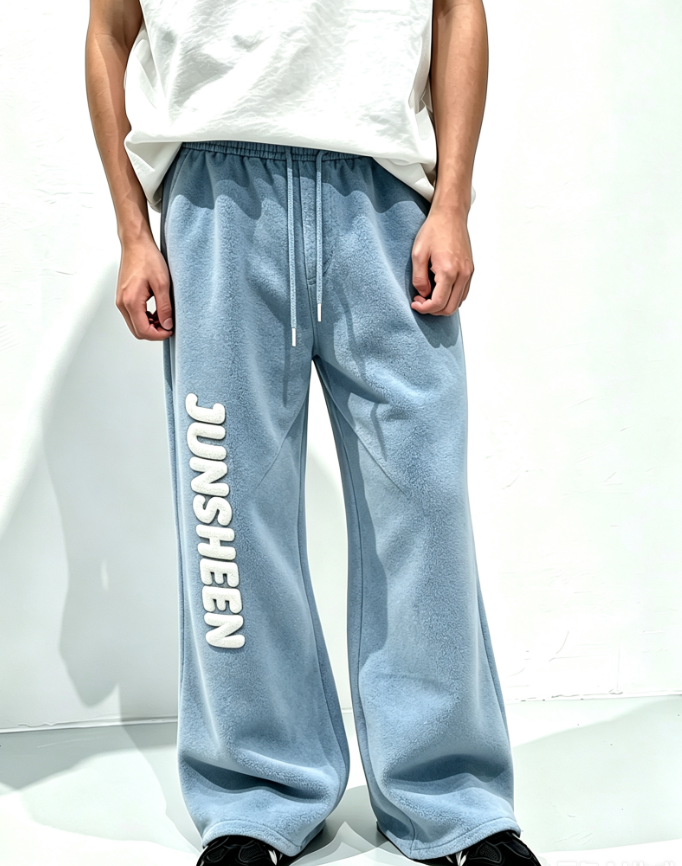
Embroidery That Holds Its Shape
Our team matches embroidery methods, backing, stitch density and placement to your fabric weight and intended wear. Flat, 3D puff, chain stitch, applique and custom patch options are evaluated during sampling to protect hand feel, durability and logo clarity.
- Flat, 3D puff and chain-stitch embroidery
- Applique, sequins, patches and logo applications
- Placement testing for pockets, thighs and legs
- Sampling checks for stitch quality and wash performance

Fabric Sourcing With Purpose
Choose fleece, French terry, jersey and blended constructions based on garment weight, drape, softness, durability and embroidery performance. JUNSHEEN sources materials through its supplier network and provides swatches or sample garments so teams can confirm the right specification before production.
- Fleece, French terry, jersey and cotton blends
- Material recommendations aligned to target cost
- Fabric weight and hand-feel evaluation
- Swatch and sample review before bulk commitment

Controlled Repeat-Order Production
Retained patterns, graded size sets and material records help keep repeat custom embroidered sweatpants programs consistent as volumes grow. With 200+ skilled workers, 80,000+ monthly units of capacity and MOQ from 100 units per style and color, JUNSHEEN supports capsule launches through scalable replenishment.
- Records retained for faster repeat development
- Incoming, in-line and final quality inspections
- Low MOQ from 100 units per style/color
- Global export, packaging and private-label support

Why Brands Choose JUNSHEEN for Custom Embroidered Sweatpants
A fit-focused, production-ready partner for scalable private-label sweatpants programs.
← 左右滑动查看 →
Custom Embroidered Sweatpants Production Process
A fit-focused, production-ready workflow for 100-unit capsule launches through scalable global bulk programs.
Review Your Production Brief
We assess your tech pack, references, target fit, sizing, embroidery placement, MOQ, budget, and delivery requirements before confirming feasibility and development priorities.
Source Fabrics and Trims
Our team recommends fleece, French terry, or other suitable materials, then coordinates swatches, drawstrings, labels, patches, and packaging around your brand requirements.
Build Patterns and Samples
Pattern makers develop and grade fit-focused sweatpants from XS to 3XL, followed by prototype sampling, measurement review, embroidery testing, and approval revisions.
Approve Bulk Production Details
After sample approval, we lock specifications, materials, color standards, decoration files, graded size sets, production quantities, and pre-production requirements for consistent execution.
Inspect, Pack, and Ship
Quality teams check fabric, construction, measurements, embroidery, and packed goods before branded packing and coordinated global export shipment to your destination.
Start Your Custom Embroidered Sweatpants Project
Move from concept to controlled bulk production with a clear, fit-focused development path.
Submit Your Concept
Send a tech pack, sketch, reference garment, or mood board with target quantities, embroidery requirements, size range, and preferred fabric weight.
Review Feasibility
Our team assesses construction, embroidery placement, fabric, trims, fit grading, and 100-unit MOQ requirements, then recommends production-ready refinements.
Approve Samples and Quote
Review prototype samples, size details, materials, decoration quality, pricing, and lead times before confirming specifications and approving your custom manufacturing quotation.
Launch Controlled Production
After approval, JUNSHEEN manages bulk production, in-line inspections, measurement checks, embroidery verification, packing, and global export coordination for your finished order.
Custom Clothing Manufacturer Credentials and Compliance Documents



Custom Embroidered Sweatpants Results for Fashion Brands
JUNSHEEN refined the rise and grading across our XS–3XL size set during sampling. We approved the second sample round and launched a 600-unit custom embroidered sweatpants drop with noticeably fewer fit-related returns.
Our first 120-unit colorway sold through faster than expected, so we reordered two additional colors. The embroidery placement and stitch density matched the approved sample, helping us keep a consistent premium look across 1,080 units.
The team consolidated fabric, puff embroidery, custom labels, and packaging under one production schedule. Our bulk order shipped on time for a retail launch, and measurement checks across 300 pairs stayed within our approved tolerances.
Custom Embroidered Sweatpants FAQ
Clear answers on MOQ, sampling, fit, payment, shipping and confidential production for branded sweatpants programs.
What is the MOQ for custom embroidered sweatpants?
How long does a custom embroidered sweatpants sample take?
How much does a sample cost for custom embroidered sweatpants?
Can you develop sweatpants fits from XS to 3XL?
What embroidery options can you produce?
What payment terms do you offer for OEM sweatpants orders?
Do you ship custom sweatpants internationally?
How do you protect my designs and brand information?
Complete Buyer’s Guide to custom embroidered sweatpants
Use this decision framework to specify custom embroidered sweatpants, compare fabrics and embroidery options, vet OEM suppliers, control costs, and avoid sampling, sizing, quality, and production mistakes before placing a bulk order.
1. What Are Custom Embroidered Sweatpants?
100 units per style and color is a practical starting scale for custom embroidered sweatpants: fleece, French terry, or knit bottoms built with stitched logos, artwork, names, appliqué, or embroidered patches. For B2B buyers, the embroidery becomes part of the garment specification—not an afterthought—covering placement, stitch type, thread colors, backing, size, and approved artwork. OEM production means the supplier makes the sweatpants to the buyer’s tech pack, pattern, measurements, fabric, trims, labels, and packaging; ODM adds development input when the buyer begins with a concept, sketch, or reference. This differs from decorating ready-made blanks, where fit, pocket shape, rise, fabric weight, grading, and private-label details are already fixed. Private-label collections use this control for retail capsules, staff uniforms, team merchandise, influencer drops, and coordinated casualwear programs. 3D puff embroidery is usually preferable to print when a logo needs texture, perceived durability, and a premium tactile finish on a stable area such as the thigh, hip, or pocket. Flat embroidery suits fine linework and smaller marks, while screen print is often more appropriate for large, detailed artwork or broad coverage because dense stitching can add weight, stiffness, and cost. A production-ready brief should identify the Pantone thread direction, artwork dimensions, placement tolerance, and whether the chosen fleece or knit can support the embroidery without puckering.
2. Evolution of Custom Embroidered Sweatpants
1920s athletic training pants established the relaxed, elastic-waist template, but the category moved far beyond gym use as collegiate teamwear, hip-hop and streetwear made sweatpants a visible identity piece. By the 1990s and 2000s, buyers increasingly treated a small embroidered crest, monogram or mascot as a longer-lasting alternative to surface graphics, especially on high-friction areas such as the thigh, hip and back pocket. 2010s luxury-casual collections raised expectations for fabric and silhouette: 320–400 GSM brushed fleece became common for substantial cold-weather sets, while 280–340 GSM French terry suited lighter year-round programs. The shift also made fit a product decision rather than a generic grading exercise; tapered cuffs, balanced rises, relaxed thighs and intentional oversized proportions now need validation across the full size range. 100-unit production runs have made embroidered sweatpants practical for capsule labels, event teams and retailer tests that cannot commit to deep inventory. Current briefs should specify logo dimensions in millimeters, placement from a stable seam or waistband, thread colors matched to Pantone references, and whether the garment will be washed or brushed before embroidery; these details protect placement consistency and the elevated perceived value embroidery is expected to deliver. 3 placement zones remain the most commercially reliable: left thigh for everyday visibility, hip for a quieter premium cue, and back pocket for team or heritage branding. Dense logos require adequate stabilizer and a fabric weight that resists puckering, so the decoration plan should be approved on the actual production fabric rather than only on a digital mockup.
3. Types of Custom Embroidered Sweatpants
Six base silhouettes cover most custom embroidered sweatpants programs, but their embroidery zones and fit risks differ. Select the block before approving artwork, because pocket placement, cuffs, and grading determine usable decoration space.
| Silhouette | Best Customer | Pockets | Cuff Or Hem | Embroidery Zone |
|---|---|---|---|---|
| Jogger | Sport or streetwear | Side-seam; optional back welt | Elastic cuff | Upper thigh or calf |
| Straight leg | Clean casual | Side-seam or rear patch | Open or drawcord hem | Thigh or lower leg |
| Wide or relaxed | Oversized fashion | Side-seam; rear patch | Open hem | Hip, thigh, below knee |
| Cargo | Utility streetwear | Cargo plus side-seam | Elastic or open hem | Flap, thigh, back pocket |
| Lounge short | Warm-weather casual | Side-seam | Knee or cropped hem | Thigh or hem |
| Youth or unisex | Broad size range | Simple side-seam | Elastic cuff | Centered thigh |
Joggers And Straight Legs

Joggers serve sport-led and streetwear customers with a tapered leg, elastic ankle cuff, and side-seam pockets. A 3–4 inch thigh logo or vertical calf embroidery reads cleanly without crossing the pocket opening. Straight-leg styles suit cleaner casual collections and adult customers wanting less ankle compression. Open hems or adjustable drawcord hems leave a broad lower-leg field for embroidery.
Relaxed And Cargo Fits

Wide-leg and relaxed blocks prioritize drape, mobility, and oversized styling, typically using a straight or gently flared leg. Place embroidery on the upper thigh, hip, or below the knee where it will not distort on a fuller silhouette. Cargo sweatpants add flap, bellows, or patch pockets for utility-focused buyers. Embroider a cargo flap, opposite thigh, or back pocket, while keeping dense designs clear of seams and pocket edges.
Lounge, Youth, And Unisex

Shorts-adjacent lounge silhouettes use cropped, knee-length, or relaxed sweat-short proportions for warm-weather drops. Hem embroidery and a small thigh emblem work better than large vertical artwork on limited leg length. Youth and unisex programs need explicit size grading rather than a scaled adult block. Confirm rise, inseam, waist elastic recovery, and logo position across the full size set before bulk approval.
4. Fabrics for Custom Embroidered Sweatpants
Fabric weight and surface structure determine how cleanly embroidery sits, how the pant washes, and where it can sell. For custom embroidered sweatpants, specify the fabric before digitizing artwork or approving a quotation.
| Fabric | Typical GSM | Hand Feel And Warmth | Embroidery / Best Use |
|---|---|---|---|
| Cotton jersey | 220–280 | Soft, breathable; low warmth | Stable for small logos; lightweight joggers |
| Cotton-poly fleece | 280–340 | Soft, warm; good color retention | Low shrinkage; reliable core programs |
| French terry | 240–320 | Loopback, breathable; medium warmth | Use backing for fills; premium transseasonal |
| Recycled blend | 280–340 | Varies by fiber mix | Confirm pilling and shade consistency; sustainability stories |
| Brushed fleece | 350–450 | Plush, very warm | Excellent premium base; manage dense-logo bulk |
| Stretch knit | 260–320 | Flexible, close-fitting | Needs cutaway backing; athletic or travel use |
Fabric Comparison

Six common bases cover most programs, from lightweight resort joggers to premium winter fleece.
Embroidery And Wash Performance

280 GSM French terry needs light-density stitching and cutaway backing for broad fills; its loopback can show needle marks when tension is excessive. 320 GSM brushed fleece hides backing better, but dense logos still need stabilization to prevent puckering. Pre-shrunk, ring-spun cotton improves wash consistency; open-end yarn is usually less smooth and can pill sooner.
- Match backing to stitch density and fabric stretch.
- Test one washed sample before bulk approval.
- Use Pantone-approved lab dips for color programs.
Buying And Retail Positioning
100 units per style and color can suit a capsule when stock fabrics and standard colors are available; custom recycled blends or specialty dye lots may require higher mill minimums. 400 GSM fleece supports a premium cold-weather position, while 240–280 GSM terry fits transseasonal and resort assortments. Request a wash test for shrinkage, pilling, color retention, and embroidery distortion before production.
5. Custom Embroidered Sweatpants Decoration Options
Three decoration decisions determine whether custom embroidered sweatpants look refined or overloaded: artwork scale, fabric stability, and stitch coverage. Junsheen can match technique to fleece, French terry, placement, and a production-ready logo file.
| Method | Visual Effect | Durability | Setup Need | Premium Use |
|---|---|---|---|---|
| Flat embroidery | Clean, dimensional | High | Digitized file | Logos and line art |
| 3D puff | Raised, bold | High with suitable artwork | Foam and digitizing | Statement branding |
| Appliqué or chenille | Textured, varsity | High when secured | Fabric or yarn sampling | Large lettering |
| Woven label or patch | Crisp, detailed | High with tested attachment | Label or patch approval | Small marks and badges |
Embroidery Artwork Rules
2–4 mm is a practical minimum letter height for clean embroidery; small text, fine outlines, and tonal gradients should be simplified before digitizing. Flat embroidery suits line art and filled logos, while 3D puff needs bold closed shapes and wider spacing. 4,000–8,000 stitches is a common small-logo range, but stitch count follows artwork rather than a fixed target. Use Pantone-matched thread colors, limit micro-details, and approve a sewn sample before bulk production.
- Left thigh and hip are dependable logo placements
- Use cutaway backing for stretch fleece
- Avoid dense fills across elasticated areas
Premium Texture Treatments
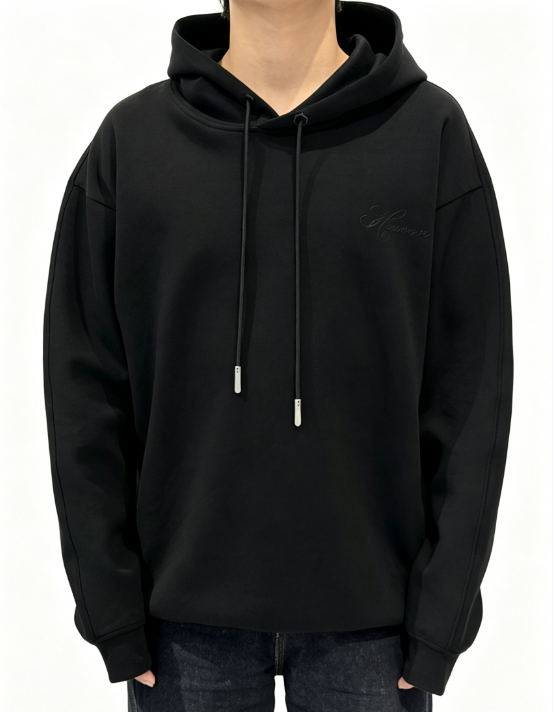
6–12 mm appliqué lettering creates a strong varsity effect with lower stitch coverage than a fully filled design. Chenille adds raised texture for large initials or crest-style artwork, but is unsuitable for tiny copy and high-detail logos. 1–2 decoration methods per garment usually maintain a premium hierarchy. Combine screen print for broad color fields with embroidery for the focal logo, keeping print and stitches clear of seams, pockets, and drawcord channels.
- Appliqué: large letters and badges
- Chenille: collegiate initials and emblems
- Embroidery plus print: layered streetwear graphics
Labels And Patch Placement

25–50 mm woven labels carry small brand marks more cleanly than embroidery and work well at the waistband, back pocket, or side seam. Embroidered or woven patches suit chest-like thigh placements, but their edge construction and attachment stitch must be approved on the target fabric. 100-unit programs benefit from one finalized patch sample and placement spec per style-color. Confirm backing type, edge finish, thread colors, and wash testing before releasing production.
- Damask woven labels retain fine detail
- Merrowed patches create a classic edge
- Heat-seal backings need fabric testing
6. Construction Quality That Buyers Should Inspect
Construction quality becomes visible long before a custom embroidered sweatpants order reaches final packing. Buyers should lock measurable tolerances at pre-production, then verify the same points against approved samples during final inspection.
Cutting And Seam Control
A 0.5–1.0 cm measurement tolerance is typical for key points such as inseam, front rise, back rise, and leg opening. Compare paired legs, pocket placement, and cuff height against the graded specification. A four-thread overlock seam suits most fleece and French terry joins, while flatlock can reduce bulk at activewear seams. Inspect seam allowance consistency, skipped stitches, puckering, and secured thread ends.
- Confirm grain alignment before cutting
- Measure both legs from the crotch seam
- Check crotch and pocket stress points for bartacks
Waistband, Pockets, And Cuffs

A waistband should recover close to its original circumference after repeated stretching, without twisting elastic or rolling at the drawcord channel. Specify elastic width, drawcord length, eyelet or grommet finish, and whether hardware must be nickel-free. A pocket opening needs even topstitching and secure attachment at both ends. Verify cuff rib depth, stretch recovery, and symmetrical leg openings after pressing.
- Stretch waistband three times before measuring recovery
- Pull pocket corners to check reinforcement
- Confirm drawcord ends, eyelets, and knots match the approved sample
Embroidery And Wash Approval

A clean embroidery panel has stable backing, no visible thread nests, balanced tension, and edges that lie flat after handling. Review placement from fixed garment landmarks rather than a rough center estimate. One approved wash test should check shrinkage, color change, pilling, embroidery distortion, and hardware damage before bulk release. Final inspection should repeat measurement checks after finishing and verify packed garments against the approved sample.
- Inspect embroidery on the face and inside
- Record wash method, temperature, and drying method
- Compare post-wash measurements with stated tolerances
7. How to Choose a Sweatpants Manufacturer
A 100-unit MOQ can suit a capsule, but it does not prove that a factory can control fit, embroidery, and repeat production. Approve an OEM partner only after comparing documented capability, communication discipline, and shipment terms.
Confirm Product Relevance
Request 3 recent sweatpants samples with comparable fleece weight, rib cuffs, drawcord construction, and logo placement. A capable supplier should explain stitch density, backing choice, and how the embroidery behaves after washing.
- Ask for inside-out construction photos
- Review matching size and color ranges
- Check comparable bulk-production references
Test Development Support
Submit a tech pack, sketch, or reference garment and ask for a written feasibility review before sampling. The response should identify missing measurements, Pantone references, fabric GSM, trim specifications, and embroidery artwork requirements. Request a prototype, revised sample, and graded size set when fit is central to the collection. For extended sizes, confirm that rise, thigh, inseam, and grading increments are developed rather than simply enlarged.
Verify Materials And Decoration

Compare swatches before bulk approval, including French terry or fleece, rib, pocketing, and embroidery backing. Ask for fiber content, GSM, shrinkage expectations, colorfastness test evidence, and available OEKO-TEX or GOTS documentation where required. Confirm whether flat, 3D puff, chain-stitch, applique, or patch embroidery is produced in-house or subcontracted. Request a stitched strike-off on the actual production fabric.
Audit Execution And Terms
Ask for the inspection flow covering incoming fabric, in-line sewing, measurements, decoration, and packed goods. Request a sample QC report, measurement tolerance policy, defect-handling process, and relevant WRAP or BSCI documentation if compliance is required. Get lead times in writing for sampling, fabric booking, bulk production, final balance, and export handoff. Clarify Incoterms, freight responsibility, carton specifications, insurance, and who resolves damage or delays.
8. Common Custom Embroidered Sweatpants Mistakes
At a 100-unit MOQ, development errors are costly because corrections affect every garment in the run. Custom embroidered sweatpants need documented decisions before bulk approval, especially where fabric, artwork, fit, color, and delivery intersect.
Buying Fabric By Price

At 280–350 GSM, a cheaper fleece can pill, shrink, or lose recovery after washing, making an otherwise sound embroidery look poor. Before sampling, compare hand feel, composition, shrinkage, and wash performance—not just landed fabric cost—and approve the actual bulk swatch.
Ignoring Embroidery Engineering
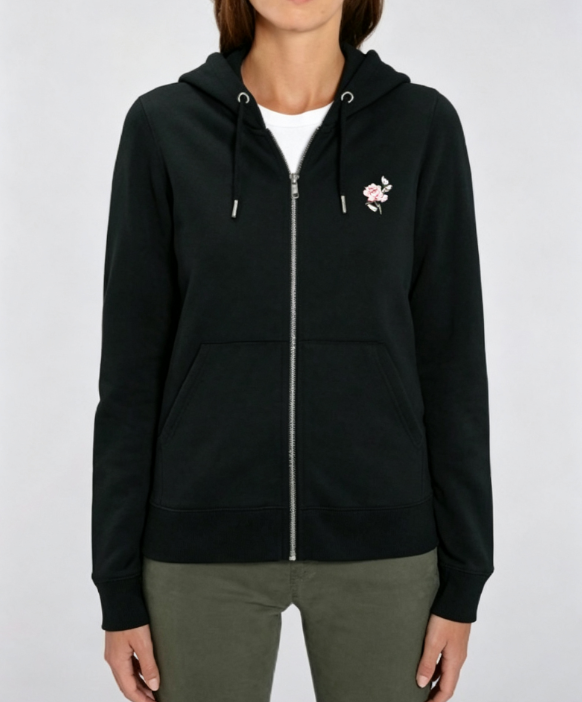
A 12-color file with tiny lettering or excessive stitch density can create puckering, thread breaks, and slow production. Before production, have the factory digitize and stitch out artwork; keep logos off elasticized waistbands, unstable seams, and heavily curved pockets.
Approving Incomplete Samples

One approved size cannot confirm grading from XS through 3XL, and an unwashed sample cannot reveal shrinkage, twisting, or embroidery distortion. Before bulk release, approve a size set, wash-test the decorated garment, and record measurement tolerances for inseam, waist, rise, and leg opening.
Leaving Color And Timing Vague
Pantone names alone may not control fabric dye lots, thread shades, or wash effects, creating mismatched sets at delivery. Before confirming dates, approve color standards and a production calendar covering fabric booking, sampling, embroidery, QC, and shipping; build contingency rather than assuming an immediate turnaround.
9. Steps to Launch Your Sweatpants Collection
A 100-unit-per-style-and-color program can move efficiently when commercial and technical approvals are separated. Document each gate in writing so the factory, merchandiser, and brand team work from one locked version.
Define Customer And Silhouette
Step 1: specify the customer, price position, channel, and intended wear before choosing a relaxed, straight-leg, cuffed, or wide-leg silhouette. Approve a measurement chart, target retail price, color count, and reference images before development begins.
Lock Technical Materials

Step 2: issue a tech pack with Pantone colors, points of measure, construction callouts, artwork placement, and label files. Approve fabric swatches, GSM, drawcord, rib, zipper, and pocket choices; retain the signed material and trim sheet.
- Record fabric composition and shrinkage target
- Confirm embroidery size and placement
- Approve label and packaging artwork
Review Samples And Fit

Step 3: digitize the embroidery, then review a prototype for stitch density, backing, puckering, and wash appearance. Approve corrected fit, graded XS–3XL measurements where required, and a size run; document all sample comments against the revision number.
Release Production And Delivery
Step 4: approve the pre-production sample as the bulk-production standard, including final measurement tolerances and packing method. Inspect incoming materials, in-line sewing, decoration, final measurements, and packed cartons; release shipment only after the final inspection report and balance confirmation.
- Sign the pre-production sample approval
- Approve carton marks and polybag warnings
- Keep inspection and shipment records
10. Custom Embroidered Sweatpants Pricing and MOQ
100 units per style and color is JUNSHEEN’s practical starting point for a capsule program; buyers should budget higher unit cost while development, embroidery digitizing, and material allocation are spread across fewer garments. A 280–320 GSM cotton-poly fleece jogger with a small 5,000–8,000-stitch logo normally costs materially less than a 400 GSM ring-spun cotton style with a large leg placement. 300–500 units generally improve fabric utilization and reduce per-unit cutting, sewing, and embroidery overhead, while 1,000+ units can support better bulk-material quotes. Embroidery cost rises chiefly with stitch count, placement count, backing, and thread changes—not merely the number of Pantone colors. 7–14 days is a typical sampling window after artwork, measurements, fabric, and trims are confirmed; bulk timing begins only after sample approval and material booking. Final landed cost also depends on labels, YKK-type hardware, custom packaging, inspection requirements, shipment mode, duties, and the destination country, so JUNSHEEN should quote from approved specifications and delivery details.
| Order quantity | Indicative ex-factory cost driver | Typical bulk lead time |
|---|---|---|
| 100–299 units | Highest setup allocation; standard fleece, one small embroidery placement | 25–35 days |
| 300–999 units | Improved fabric yield; moderate stitch count and standard trims | 25–40 days |
| 1,000+ units | Bulk fabric leverage; multiple sizes or placements require capacity planning | 30–45 days |
| Any tier | Higher GSM, oversized embroidery, custom drawcords, labels, packaging, sampling, and air freight increase landed cost | Quote after approval |
Start Your Custom Embroidered Sweatpants Sample
Send your tech pack, reference garment, sketch, or product idea for fit-focused development and a tailored 100-unit MOQ quotation.