
Tie Dye Sweatshirt Manufacturer for Private-Label Growth
JUNSHEEN is a tie dye sweatshirt manufacturer offering OEM development, fit-focused XS–3XL grading, and 100-unit MOQs for global fashion brands.
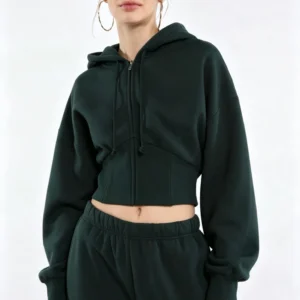
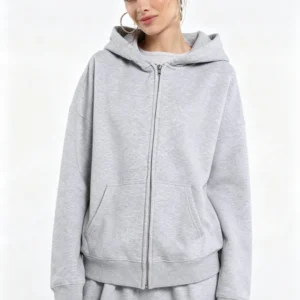
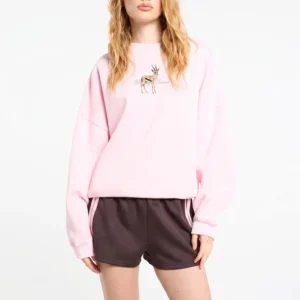
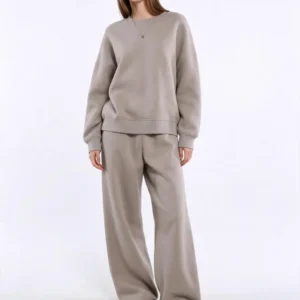
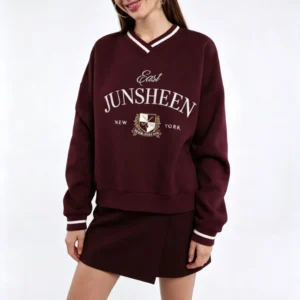
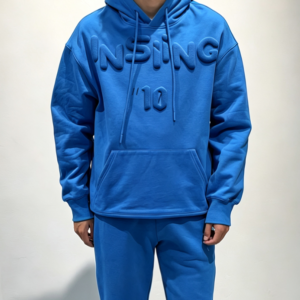
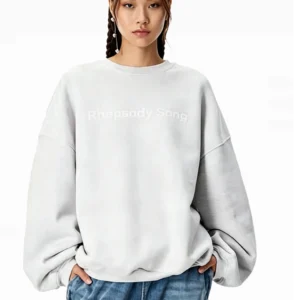
Featured Products for tie dye sweatshirt manufacturer Development


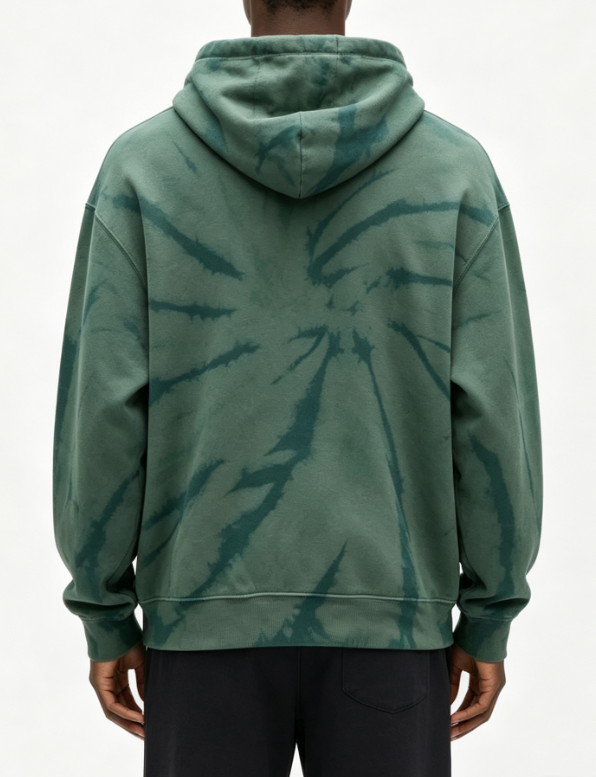
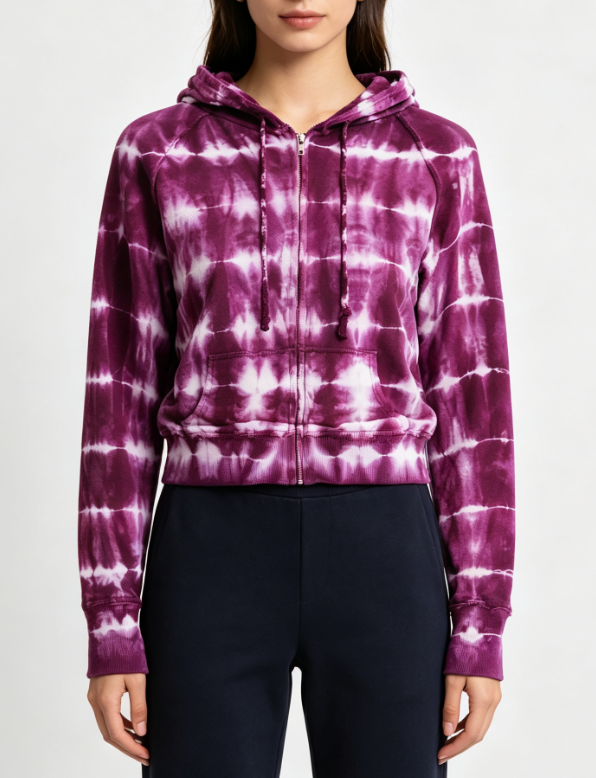


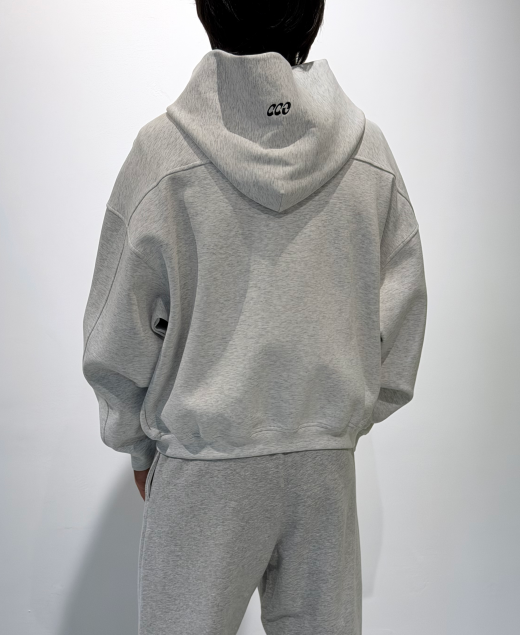


Related Product Catalogue and Quotation




Why Brands Choose Our Tie Dye Sweatshirt Manufacturer
From first samples to repeat bulk orders, JUNSHEEN combines flexible development, controlled decoration, dependable capacity, and export-ready service.
100-Unit Starting MOQ
Launch capsule tie-dye sweatshirt colors from 100 units per style and color while keeping development practical for emerging brands.
OEM and ODM Support
Bring a tech pack, sketch, reference garment, or mood board; our team refines specifications, fabrics, patterns, and production details.
Fit-Focused XS–3XL
Pattern makers develop balanced normal, oversized, extended-size, and plus-size fits with considered grading across the complete size range.
In-House Decoration Control
Combine tie-dye with screen printing, embroidery, patches, garment washes, custom labels, trims, and branded packaging through one supply chain.
Scalable Production Capacity
More than 200 skilled workers and monthly capacity above 80,000 units support dependable growth from capsule launches to bulk programs.
Global Export Readiness
Receive coordinated quality control, packing, and export support from a manufacturer serving fashion brands across major international markets.
Custom Apparel Programs, Built to Scale
From capsule launches to repeat bulk orders, Junsheen develops fit-focused casualwear, denim, knitwear and outerwear from 100 units per style and color.

Custom Hoodies
Develop custom hoodies in fleece, French terry or jersey with your fit block, fabric weight, embroidery, prints, washes and private labels. Pattern development and XS–3XL grading help keep proportions consistent from sample approval through bulk production.
Request a Quote
Custom T-Shirts
Create custom T-shirts in combed cotton, organic cotton or blended jersey with controlled weight, hand feel and silhouette. Junsheen supports screen printing, DTG, DTF, embroidery, garment dye and branded finishing for retail-ready programs.
Request a Quote
Custom Jeans
Produce custom jeans with fabric sourcing, fit development, stretch selection, wash trials and hardware coordination managed in one workflow. Refined grading supports standard, extended-size and oversized denim programs while maintaining rise, leg balance and mobility.
Request a Quote
Custom Sweaters
Source turtle neck sweaters in bulk with yarn, gauge, stitch construction and fit specifications aligned to your price point and market. Junsheen develops pull-on knitwear from prototypes through size sets, labels, packing and repeat production.
Request a Quote
Custom Jackets
Build custom jean jackets with denim weight, wash treatment, seams, closures and trim details specified for your collection. Development covers classic, cropped, oversized and extended-size fits, with embroidery, patches and private-label components available.
Request a Quote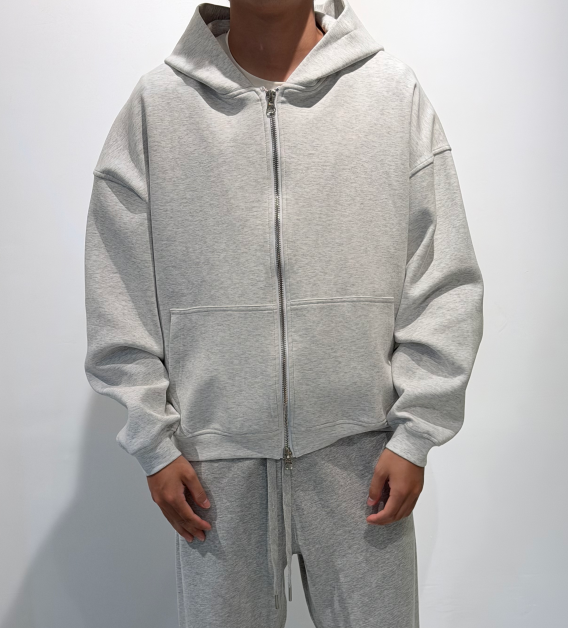
Custom Sweatshirts & Crewnecks
Develop custom crewneck hoodie and sweatshirt programs in fleece or French terry with precise rib, neckline, body-length and sleeve specifications. Add screen prints, embroidery, garment washes and branded trims while keeping measurements controlled across XS–3XL.
Request a Quote
Custom Cardigans
Produce custom cardigans with defined yarn composition, knit gauge, button selection, placket construction and grading requirements. Junsheen supports lightweight and heavier knit options for private-label collections, from development samples to scalable bulk orders.
Request a Quote
Custom Puffer & Down Jackets
Create custom puffer jackets with shell fabric, insulation, quilting layout, lining, zippers and branded hardware coordinated for your target use and cost. Sampling verifies construction, mobility and measurements before bulk outerwear production begins.
Request a Quote
Custom Denim Shorts
Develop custom jean shorts with denim sourcing, inseam, rise, hem treatment and wash effects matched to your customer profile. Junsheen manages distressing, garment finishing, embroidery, labels and grading for men’s, women’s and extended-size programs.
Request a Quote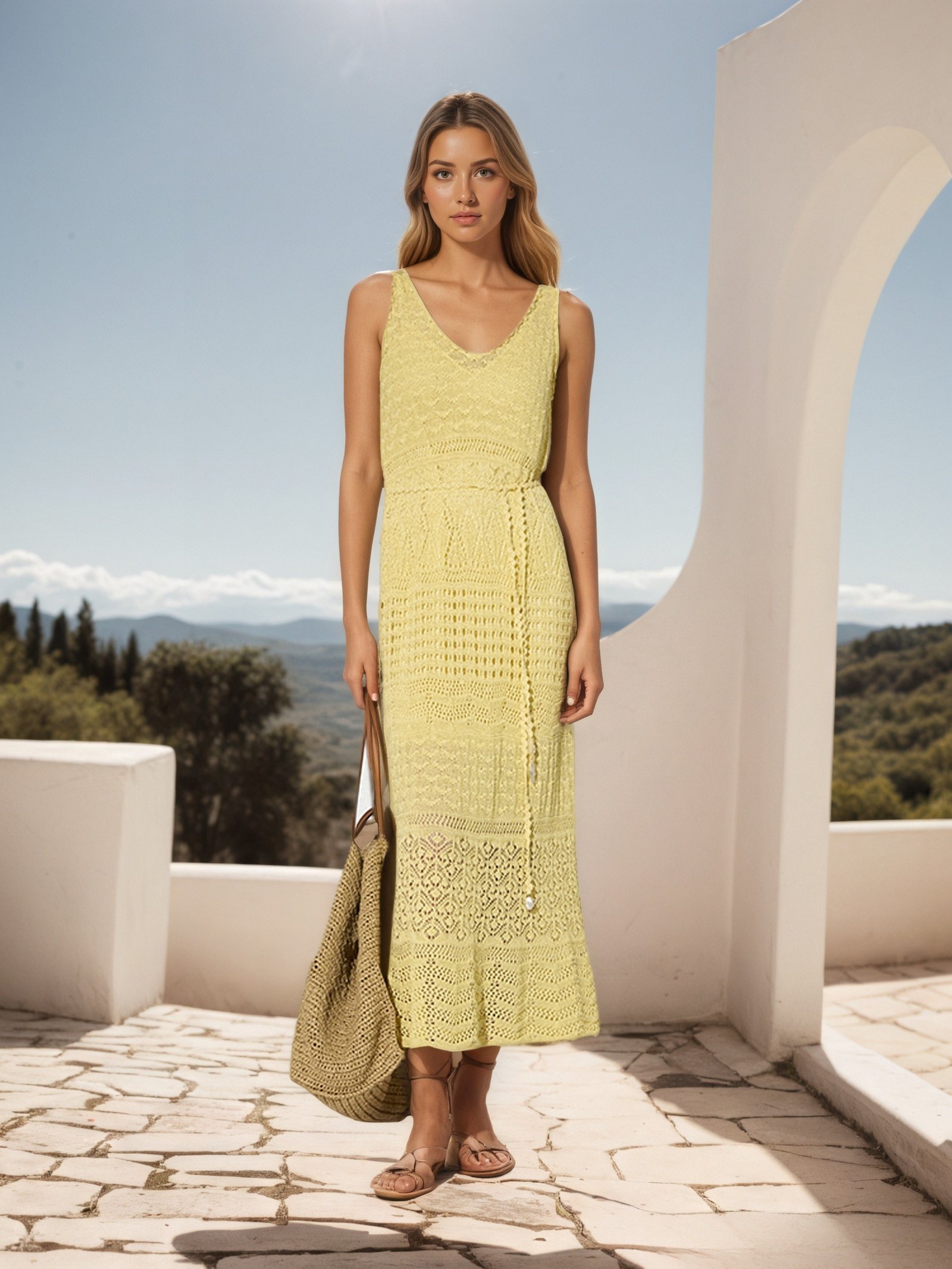
Custom Sweater Dresses
Produce custom sweater dresses with yarn selection, gauge, neckline, length and body shaping developed around the intended silhouette. Size-set sampling helps validate fit, stretch recovery and proportion across normal, plus-size and oversized ranges.
Request a Quote
Custom Denim Sets
Build men’s denim suits wholesale programs as coordinated jackets and trousers with matching fabric, washes, hardware and fit specifications. Junsheen can develop production-ready sets for wholesale assortments, maintaining consistency across repeat colorways and size runs.
Request a Quote
Custom Polo Shirts
Create custom polo shirts in pique, jersey or performance knit with collar construction, placket details, logo embroidery and color matching managed to specification. The team supports fit development, size grading and private labeling for uniforms, retail and branded apparel.
Request a Quote
Custom Sweatpants
Develop custom sweatpants in fleece, French terry or jersey with controlled rise, leg shape, cuff construction and waistband details. Coordinate them with matching tops, then add embroidery, printing, washes, labels and packaging for complete private-label sets.
Request a Quote
Custom Shorts
Produce custom shorts in jersey, fleece, twill, denim or woven fabrics with inseam, pocket, waistband and trim details tailored to your category. Junsheen supports sample review, grading, decoration and low-MOQ production from 100 units per style and color.
Request a Quote
Custom Pullovers
Create custom pullovers in jersey, fleece, French terry or knit constructions with fabric, neckline, fit and finishing specified for your line. Development includes pattern making, XS–3XL grading, decoration options and private-label components for scalable repeat orders.
Request a QuoteFabric Options for Custom Tie-Dye Sweatshirts

Cotton French Terry
A breathable loopback fabric with a soft, structured hand for premium year-round tie-dye sweatshirts. Commonly specified at 280–360 GSM, it absorbs color well while maintaining shape through repeated washing.

Brushed Cotton Fleece
Warm, plush fleece with a brushed inner face for cold-weather sweatshirts and loungewear. Typically 300–420 GSM, it delivers substantial comfort, rich dye saturation, and a soft finish after washing.

Combed Cotton Jersey
Smooth, lightweight knit suited to layering sweatshirts, relaxed pullovers, and coordinated casualwear. Its clean combed-cotton surface has a refined hand feel, usually around 220–280 GSM, and accepts tie-dye clearly.

Organic Cotton Blends
Responsibly sourced cotton blended for softness, recovery, or cost balance in private-label programs. Available across multiple weights, these fabrics offer a natural hand feel and dependable wash performance when dye recipes are tested.

Recycled Fleece Blends
Cotton and recycled-polyester fleece for brands seeking a durable, lower-impact sweatshirt option. The blend provides warmth, abrasion resistance, and improved dimensional stability, commonly in heavyweight 320–400 GSM constructions.

Performance Knit Blends
Stretch-enhanced knit fabrics for active-inspired sweatshirts and travel-ready casualwear. Their smooth hand, moisture-management potential, and resilient recovery support wearable tie-dye designs that retain comfort and proportion after laundering.
Tie Dye Sweatshirt Manufacturer Techniques for Distinctive Programs

Tie-Dye Application
Controlled dye placement creates one-of-a-kind spirals, clouds, washes, and tonal effects while maintaining repeatable color direction across approved bulk production for custom sweatshirt programs.

Garment Dyeing
Dyeing completed sweatshirts produces rich, lived-in color and natural tonal variation, making it ideal for pigment-dyed, vintage-inspired, and understated premium casualwear collections.

Screen Printing
Plastisol, water-based, puff, silicone, foil, and high-density screen prints deliver sharp artwork, strong opacity, and durable logo coverage suited to repeat wear and washing.

Logo Embroidery
Flat, 3D puff, chain-stitch, applique, and patch embroidery add tactile dimension and long-lasting brand detail, with placement and backing selected for sweatshirt fabric weight.

Dye Sublimation
Dye sublimation permanently bonds full-color artwork into compatible polyester-rich fabrics, producing vivid all-over graphics with a smooth hand feel that will not crack or peel.

Softening Finishes
Enzyme, softening, brushing, napping, and anti-pilling finishes refine surface texture, reduce unwanted fuzz, and help sweatshirts retain a comfortable premium hand through repeated laundering.
Custom Trims, Labels, and Packaging for Tie-Dye Sweatshirts

Woven Brand Labels
Custom woven main, size, and wash-care labels give every tie-dye sweatshirt clear brand identification and compliant garment information. Select woven, printed, leather, or specialty label constructions to suit your positioning and target price.

Branded Hang Tags
Add custom hang tags with your logo, product story, sizing details, barcode, or care messaging. They create a stronger first retail impression and help wholesale buyers receive presentation-ready private-label sweatshirts.

Custom Drawcords
Specify drawcord material, color, tipping, width, and length for hooded tie-dye sweatshirt styles. Branded aglets, contrast cords, and coordinated eyelets turn a functional detail into a recognizable design signature.

Zippers and Snaps
Choose zippers, snap buttons, and pullers for quarter-zip, full-zip, and convertible sweatshirt programs. JUNSHEEN matches hardware finishes and logo details to your garment design while checking secure application during production.

Custom Logo Patches
Use embroidered, woven, chenille, leather, silicone, or printed patches to add dimension to chest, sleeve, hem, or back placements. Patches make branded tie-dye pieces feel more distinctive without overloading the artwork.
Branded Packaging
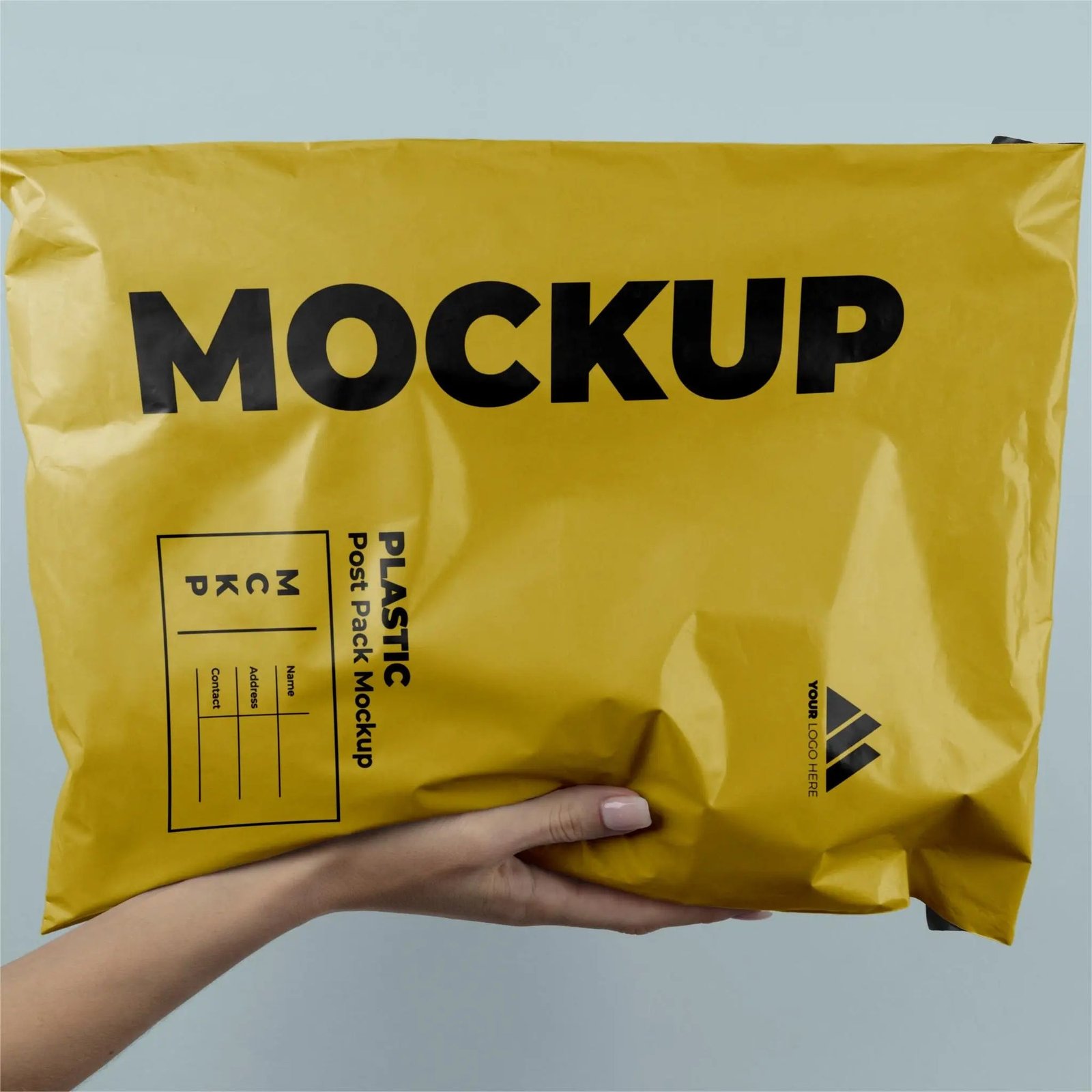
Finish orders with custom polybags, tissue paper, stickers, carton markings, and retail-ready packaging. Our team coordinates packing specifications with labels and hang tags to help protect goods through global shipment and retail handling.
About Our Tie Dye Sweatshirt Manufacturer
Founded in 2010 in Humen Town, Dongguan, JUNSHEEN helps global fashion brands turn tie-dye sweatshirt concepts into production-ready private-label programs. Our mission is to provide responsive OEM and ODM manufacturing that combines development support, dependable quality control, and scalable export service in one experienced apparel supply chain.
With more than 200 skilled workers and monthly capacity above 80,000 units, our tie dye sweatshirt manufacturer team supports capsule launches from 100 units per style and color through ongoing bulk production. Cut-and-sew, decoration, garment washing, custom labels, trims, packaging, and shipping coordination are managed through one connected operation.
What distinguishes JUNSHEEN is a fit-first manufacturing approach. We develop normal, extended, plus-size, and oversized silhouettes from XS through 3XL with refined grading rather than simple pattern enlargement, helping brands achieve more consistent proportions, fewer sampling revisions, and repeatable quality as their collections grow.

Tie Dye Sweatshirt Manufacturer Capabilities That Scale
Fit-Focused Patterns and Grading
Our pattern makers build tie-dye sweatshirts around your intended silhouette, from standard and oversized fits to extended-size programs. Shoulder balance, sleeve length, body proportion, mobility, and grading increments are refined from XS through 3XL before bulk approval.
- Custom patterns from tech packs, sketches, or reference garments
- XS–3XL, plus-size, and oversized grading
- Prototype, size-set, and pre-production samples
- Fit revisions documented for repeat-order consistency

Fabric and Color Effect Development
As a tie dye sweatshirt manufacturer, JUNSHEEN matches fabric weight, absorbency, hand feel, and wash behavior to the desired color effect. Our team develops French terry, fleece, and cotton-blend options with swatches and samples reviewed before bulk material confirmation.
- French terry, fleece, jersey, and cotton-blend sourcing
- Tie-dye, garment-dye, acid-wash, and enzyme-wash options
- Color-effect sampling before bulk commitment
- Material recommendations aligned with cost and durability

Integrated Decoration and Finishing
Keep artwork, tactile decoration, and garment finishing coordinated within one production workflow. JUNSHEEN applies embroidery, screen printing, DTF, transfers, labels, and wash treatments in-house, helping your sweatshirt collection maintain a consistent visual standard across colorways and sizes.
- Flat, puff, chain-stitch, and applique embroidery
- Screen print, puff, silicone, foil, DTG, and DTF
- Softening, anti-pilling, brushing, and napping finishes
- Private labels, hang tags, trims, and branded packaging

Controlled Production From 100 Units
JUNSHEEN combines low-MOQ flexibility with scalable factory control for fashion brands ordering from 100 units per style and color. Incoming materials, in-line construction, measurements, decoration, and packed goods receive inspection before global export shipment.
- Low MOQ from 100 units per style and color
- 200+ skilled workers and 80,000+ monthly units
- In-line and final quality inspections
- Global export support for growing brand programs

Why Choose JUNSHEEN as Your Tie Dye Sweatshirt Manufacturer
Evidence-led support from first sample through global delivery.
← 左右滑动查看 →
Our Tie-Dye Sweatshirt Production Process
A fit-focused OEM workflow that takes your custom sweatshirt from feasibility review to inspection, packing, and export-ready shipment.
Review Design Feasibility
Our team reviews your tech pack, reference, artwork, target fit, quantity, and budget, then confirms construction, dye method, timeline, and 100-unit MOQ feasibility.
Source Fabrics and Trims
We recommend fleece, French terry, or jersey based on weight, hand feel, dye performance, and target cost, then coordinate rib, labels, drawcords, and packaging.
Build Patterns and Samples
Pattern makers develop and grade fit-focused XS–3XL patterns, including oversized and extended-size proportions, before producing samples for measurement, wash, and approval review.
Dye and Decorate Garments
Approved styles move into controlled tie-dye, acid-wash, printing, embroidery, or custom finishing, with color placement and logo details checked against approved standards.
Inspect, Pack, and Ship
Quality teams inspect fabric, construction, measurements, decoration, and packed goods before branded packing and coordinated international shipment with export support.
Work With Our Tie Dye Sweatshirt Manufacturer
Move from concept to delivered bulk goods through a clear, fit-focused development and production workflow.
Send Your Product Brief
Share a tech pack, sketch, reference garment, or mood board with target quantities, sizing, decoration, fabric preferences, and private-label requirements.
Review Samples and Pricing
Confirm material recommendations, quotation, pattern details, and prototype samples. Our team refines fit from XS–3XL before bulk approval.
Approve Production Details
Sign off on the pre-production sample, graded size set, tie-dye placement, trims, labels, packaging, and delivery schedule for your order.
Receive Inspected Bulk Goods
JUNSHEEN manages in-line and final quality checks, export packing, and global shipping, starting from 100 units per style and color.
Custom Clothing Manufacturer Credentials and Compliance Documents



What Brands Achieve With Our Tie Dye Sweatshirt Manufacturer
JUNSHEEN helped us launch our first 120-piece tie-dye drop with revised oversized grading from XS to 3XL. The approved size set reduced fit-related returns by 18% during the first eight weeks.
Our second order increased to 600 units across three colorways because the wash effect, embroidery placement, and measurements matched the approved sample. That consistency let us restock without rebuilding the product specification.
The team translated our mood board into a production-ready sweatshirt in two sample rounds. Their fabric recommendation improved hand feel while keeping our target cost, helping us achieve a 32% stronger sell-through than the prior fleece program.
Tie Dye Sweatshirt Manufacturer FAQ
Clear answers on MOQ, development, production, fit, payment, and global delivery for custom tie-dye sweatshirt programs.
What is the MOQ for a custom tie dye sweatshirt manufacturer?
Can a tie dye sweatshirt manufacturer make samples before bulk production?
How long does a tie dye sweatshirt manufacturer need for sampling and bulk production?
Can you create custom tie-dye colors, washes, prints, and embroidery?
Can you grade tie-dye sweatshirts from XS to 3XL?
What payment terms does JUNSHEEN offer for custom sweatshirt orders?
Does JUNSHEEN ship custom tie-dye sweatshirts internationally?
How does a tie dye sweatshirt manufacturer protect my designs and private-label details?
The Complete Tie Dye Sweatshirt Manufacturer Buyer’s Guide
Use this practical framework to compare supplier capabilities, fabric and dyeing choices, quality controls, costs, and launch requirements—while avoiding sourcing mistakes that delay approvals, weaken color consistency, or inflate landed cost.
1. What Is a Tie Dye Sweatshirt Manufacturer?
100 units per style and color is a practical entry point for a custom tie dye sweatshirt manufacturer serving capsule labels, retailers, and growing wholesale programs. Unlike a blank-garment vendor that supplies undyed or stock sweatshirts, a true production partner converts an approved concept into a controlled garment specification, from fabric weight and pattern through grading, dye testing, and bulk approval. 280–420 GSM is a common working range for French terry and brushed fleece sweatshirts, but the dye process must be planned around fiber content, rib compatibility, shrinkage, and color placement before cutting. A capable factory can develop patterns, source ring-spun cotton or blends, run tie-dye trials, apply screen print or embroidery, add softening or anti-pilling finishes, and inspect measurements after wash. JUNSHEEN combines these steps with private-label trims, wash-care labels, hang tags, branded packaging, and export preparation, so the buyer manages one production workflow rather than several disconnected vendors. The essential sourcing question is not simply whether the supplier can tie-dye fabric; it is whether it can document approved color effects, maintain size and construction consistency, control decoration and finishing, and deliver packed goods ready for sale.
2. Evolution of Tie Dye Sweatshirt Manufacturing
1960s youth culture turned hand-tied resist dyeing into a widely recognized casualwear look, but early results were inherently variable: fold pressure, binding placement, dye concentration, water temperature, and rinsing all changed the final pattern. That irregularity remains valuable for expressive capsules, yet commercial buyers now define an acceptable variation range rather than expecting identical garments. 1970s reactive dyes made cotton tie dye more viable for repeat production because, when properly fixed and washed off, they bond chemically with cellulose and can deliver better wash fastness than loosely deposited color. Garment dyeing then moved color application later in the process, allowing a manufacturer to dye sewn cotton fleece or French terry blanks and create softer, worn-in character with less dependence on yarn-dyed inventory. 1990s streetwear and skate-led casualwear recast tie dye from a purely countercultural signal into a seasonal graphic language, often paired with oversized silhouettes, 280–400 GSM fleece, embroidery, or screen print. Buyers gained more control through documented dye recipes, approved lab dips, batch cards, and retain samples that specify the base fabric, colorway, tying method, wash sequence, and target hand feel. 2020s digital approvals have shortened the gap between creative direction and sourcing: annotated artwork, color references, sample photos, and pre-production comments create an auditable approval trail before bulk dyeing. For a tie dye sweatshirt manufacturer, that discipline supports 100-unit limited runs and vintage-inspired drops while protecting the intentional, hand-made-looking variation that customers expect.
3. Types of Tie Dye Sweatshirt Manufacturer Programs
Five program types create very different outcomes at the same 100-unit launch scale. Select the process before approving artwork: visual uniqueness, repeat tolerance, and replenishment volume determine whether a tie dye sweatshirt manufacturer can execute it reliably.
| Program | Visual Character | Repeatability | Best Fit |
|---|---|---|---|
| Hand tie-dye | Unique, irregular | Low | Capsules |
| Screen or spray | Placed effects | Medium-high | Streetwear |
| All-over print | Artwork-led | High | Graphic programs |
| Garment dye | Washed tonal | Medium | Vintage basics |
| Custom blank | Clean base | High | Fast private label |
Hand Tie-Dyed Small Batches

100-unit hand tie-dye runs produce the strongest one-of-one character because each binding and dye uptake differs. They suit artist-led capsules and premium drops, but exact repeats, placement matching, and fast scale-up are limited.
Screen And Spray Effects
2- to 4-color screen or spray effects place controlled bursts, spirals, or fades over a dyed ground. They fit graphic streetwear and replenishable programs, although layered effects need strike-offs to control registration and hand feel.
All-Over Printed Fleece
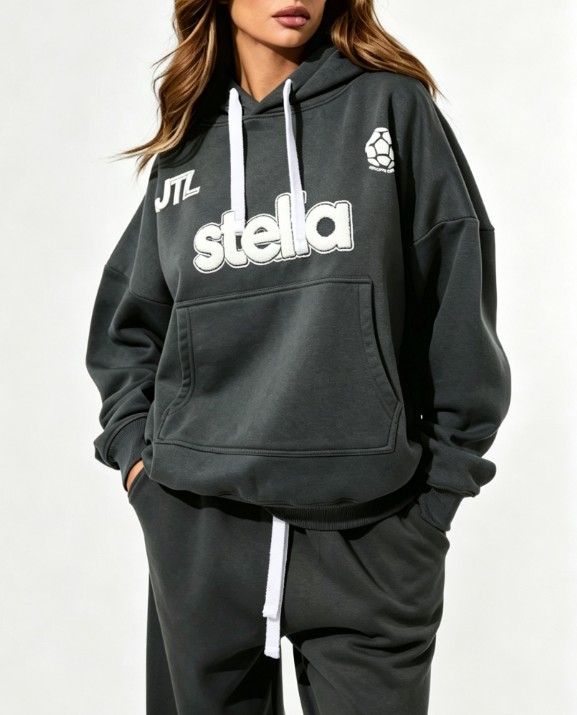
300 GSM printed fleece can carry precise, repeatable artwork across the fabric before cutting. This program suits licensed graphics and color-critical collections, but seams interrupt the image and printing may not replicate dye penetration.
Garment Dye And Blanks
100-unit garment-dyed washes deliver softened, lived-in color with less random variation than hand dyeing. Private-label blanks add labels, embroidery, or transfers efficiently, but neither option creates a true all-over tie-dye pattern.
4. Tie Dye Sweatshirt Manufacturer Fabric Choices
Fiber content controls both dye yield and downstream decoration. A capable tie dye sweatshirt manufacturer should match absorbency, surface texture, GSM, and seasonal target before approving lab dips or bulk fabric.
| Fabric | GSM | Dye Result | Strengths | Best Use |
|---|---|---|---|---|
| 100% cotton French terry | 280–340 | Bright, saturated | Breathable; print-friendly | Premium all-season |
| Cotton-poly fleece | 300–380 | Softer, heathered | Warm; stable; economical | Winter basics |
| Recycled cotton-poly | 280–360 | Variable, muted | Lower-impact option | Casual capsules |
| Loopback cotton | 260–320 | Crisp definition | Smooth face; lighter | Spring layers |
| Brushed fleece | 320–400 | Soft, diffused | Plush warmth; durable | Cold-weather sweatshirts |
Dye Absorption And Surface

100% cotton, especially combed ring-spun yarns, accepts fiber-reactive dye most vividly; pigment remains less predictable on polyester-rich faces. Brushed fleece creates a soft, color-muted surface, while smooth loopback keeps spirals and color breaks sharper.
Weight And Seasonal Use

280–320 GSM French terry suits spring and layering, whereas 320–380 GSM brushed fleece serves cooler-weather hoodies and crewnecks. Higher GSM improves perceived substance and warmth, but increases fabric, dye, freight, and drying costs.
Shrinkage And Color Testing
3–5% wash shrinkage is a practical pre-production benchmark to measure by length and width after the specified wash method. Test every approved colorway for crocking, wash fastness, and stain transfer before cutting bulk; retest after any fabric-lot or dye-recipe change.
5. Customization and Decoration Options
A tie dye sweatshirt manufacturer should lock color direction, repeat placement, and branded trim before sampling. Junsheen can develop dye, print, embroidery, labels, and packaging as one production specification, helping teams judge the complete retail-facing garment.
| Technique | Visual Effect | Durability | Setup Consideration |
|---|---|---|---|
| Screen print | Crisp flat artwork | High with correct cure | Screens and color separations |
| Puff ink | Raised soft logo | Good; avoid heavy abrasion | Test expansion on dyed ground |
| Embroidery | Textured premium mark | Very high | Stitch count affects cost |
| Appliqué or patch | Dimensional contrast | High when securely stitched | Requires cut shapes or patch tooling |
Color And Repeat Direction
2–4 target shades give a tie-dye program more control than an open-ended multicolor brief. Provide Pantone-inspired references, approved swatches, and placement artwork for spiral, stripe, cloud, or dip-dye repeats. 1 placement map should identify front, back, sleeves, and rib areas before cutting. Hand dye variation remains inherent, so approve a range rather than expecting every garment to match exactly.
Sequence Decoration Correctly

Pre-dye embroidery or appliqué can produce uneven ground color where threads or fabric resist dye uptake. Use it when contrast is intentional and test thread bleeding, shrinkage, and stitch distortion in the wash. Post-dye screen print, puff ink, patches, and neck prints usually give cleaner logo edges on an approved garment ground. Require strike-offs because print opacity changes across light and dark dye zones.
Build The Brand System
3 core identity points—main label, neck print, and hangtag—often establish a cohesive private-label program. Woven labels, custom patches, care labels, drawcords, and branded mailers should share logo files, color references, and placement dimensions. 100-unit style-and-color programs benefit from limiting custom components that need separate tooling. Confirm label fold type, hangtag stock, barcode responsibility, and packaging count before bulk approval.
- Specify logo artwork in vector format.
- Approve label and print placement in millimeters.
- Match packaging to retailer fulfillment requirements.
6. Construction Quality for Tie Dye Sweatshirts
A retail-ready tie dye sweatshirt manufacturer controls construction before dyeing, because wet processing can magnify skewed seams, puckering, loose thread ends, and uneven panels. Inspect an approved pre-wash sample and a washed sample, not appearance alone.
Ribs, Collar, And Shoulders
2×1 cotton-elastane rib should recover after repeated stretching without a permanently wavy cuff or hem. Check that rib seams align with side seams and that neck rib sits flat after wash. 1/4-inch neck tape or binding and reinforced shoulder seams reduce stretching at high-stress joins. Pull each shoulder lightly; stitches should neither pop nor expose seam allowance.
- Stretch cuffs and hem 10 times, then check recovery.
- Confirm collar remains round after laundering.
- Check shoulder tape is continuous and secured.
Stitches And Seam Finishing
8–12 stitches per inch is a practical starting range for sweatshirt seaming; the correct setting depends on fabric weight and seam type. Inspect overlock seams for balanced loops, trimmed edges, and no skipped stitches. 3-thread overlock may suit low-stress internal seams, while 4- or 5-thread constructions add security where required. Dye liquor can enter loose seams and make puckering, mismatched panels, and untrimmed threads more visible.
- No skipped stitches or needle holes.
- No roping along side seams.
- No raw or fraying seam allowances.
Pockets, Hoods, And Drawcords
2 bartacks at each kangaroo-pocket opening help resist tearing during wear. Verify pocket corners are symmetrical, the pouch lies flat, and attachment stitching is continuous. 3-panel hoods generally shape more cleanly than simple two-panel hoods when fit matters. Confirm drawcord ends, eyelets, cord length, and applicable childwear safety requirements before bulk approval.
- Measure left and right pocket placement.
- Check hood seam alignment at center back.
- Test eyelets for secure attachment.
Measurements And Wash Approval
±1 cm for key chest, body-length, and sleeve measurements is a common buyer tolerance for adult knit tops, subject to the tech pack. Measure at least five units per size during final inspection and record actual results. 1 complete wash test should check shrinkage, twist, rib recovery, color bleeding, and seam durability. Compare post-wash measurements and tie-dye placement against the approved control sample before releasing packed goods.
- Wash, dry, and remeasure the sample.
- Check dye does not expose sewing defects.
- Approve size-set and pre-production samples.
7. How to Choose a Tie Dye Sweatshirt Manufacturer
Choosing a tie dye sweatshirt manufacturer means testing repeatability, not just judging a striking first sample. Ask for documented dye controls, realistic production timing, and evidence from comparable sweatshirt programs before placing bulk orders.
Verify Relevant Production Experience
100-unit capsule orders need a supplier that understands sweatshirt construction as well as dye effects. Request dated factory photos, past French terry or fleece samples, and an explanation of whether dyeing is in-house or managed by a qualified subcontractor. 3 questions expose real capability: Which fabric weights have you dyed? How is each dye lot identified? Can you recreate this approved reference after a bulk reorder?
- Request factory and dye-floor photos
- Review comparable finished samples
- Confirm who controls outsourced dyeing
Control Sample And Color Approval
1 approved lab dip or strike-off is not enough for a multicolor spiral or wash effect. Approve a signed color standard, placement reference, garment size, fabric lot, and wash method before bulk cutting. 2 retained references—one for the buyer and one for production—make disputes easier to resolve. Request wash, crocking, shrinkage, and colorfastness test reports when the target market or retailer requires them.
- Pantone or physical color standard
- Approved tie-dye placement photograph
- Wash-tested pre-production sample
Check Commercial Readiness
100 units per style and color can suit a launch program, but MOQ must be confirmed by fabric, colorway, and decoration. Ask for a production timeline covering material booking, sampling, dyeing, sewing, final QC, packing, and export handoff. 200 skilled workers and capacity above 80,000 units monthly indicate scale, yet your order needs a named production window. Confirm export documents, payment milestones, communication cadence, and the final-inspection procedure.
- MOQ by style, color, and size run
- Weekly status contact and escalation path
- Final AQL or documented QC procedure
8. Common Tie Dye Sweatshirt Sourcing Mistakes
8 sourcing errors repeatedly turn a viable tie-dye program into markdowns, rework, or a missed launch. A capable tie dye sweatshirt manufacturer should force these decisions into the sample and purchase-order record before bulk approval.
Approve Representative Samples
1 approved sample is insufficient if it was dyed separately from the intended bulk lot. Approve a bulk-standard sample with the final fabric, wash, rib, print, and packing details to prevent costly shade or hand-feel disputes. 3 to 5 dye panels or garments should define the acceptable variation range. Treating every swirl as identical invites rejected goods and delayed inbound delivery; retain sealed approval references.
Match Fabric To Dye Method
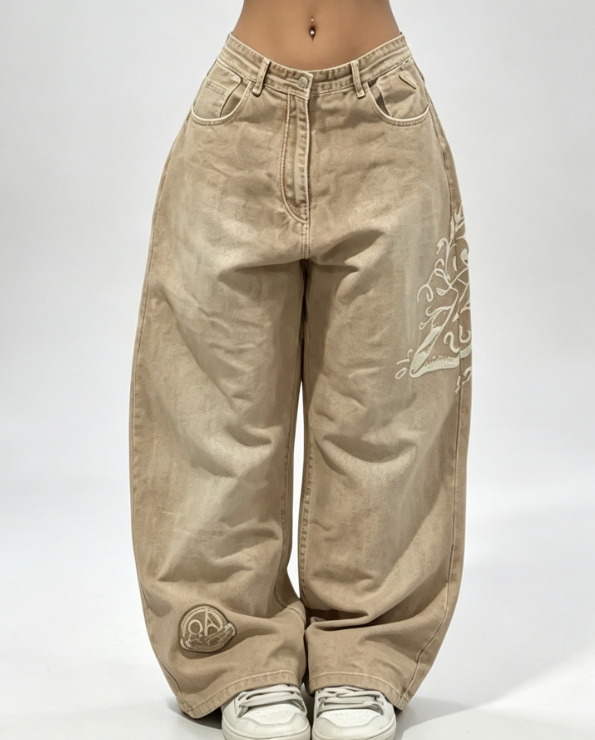
280–360 GSM fleece and French terry can react differently to garment dye, pigment dye, and discharge effects. Choosing fabric before confirming the dye route can cause poor saturation, bleeding, or a margin-eroding re-sample cycle. 2 wash tests should check shrinkage, twist, color transfer, and surface pilling. Confirm the target hand feel after dyeing, not from an undyed swatch.
Lock Fit And Artwork
2–3 cm of unplanned shrinkage can move a graded size outside the sellable measurement tolerance. Supply point-of-measure specs, tolerances, and post-wash measurements for every size, especially XS through 3XL. 1 artwork file needs exact placement from seams, finished dimensions, Pantone references, and an allowed rotation range. Vague placement instructions create inconsistent shelves and expensive rework.
Compare Complete Commercial Terms
4–8 weeks is a more realistic planning window once development, dye trials, bulk production, inspection, and freight preparation are included. A launch date set only from sewing time risks airfreight or stockouts. 100-unit quotations must be compared line by line: fabric weight, dye process, decoration, labels, packaging, testing, inspection, and shipping terms. A lower headline quote often excludes the elements that protect margin and on-time delivery.
9. Steps to Launch Your Tie Dye Sweatshirt Line
A controlled launch moves from approved specifications to repeatable bulk output. A capable tie dye sweatshirt manufacturer should document each sign-off so color, fit, decoration, packing, and delivery remain aligned.
Define The Assortment
3–6 launch SKUs usually give a new label enough variety without fragmenting fabric and dye minimums. Supply a tech pack, vector artwork, Pantone targets, measurement chart, construction notes, label files, target FOB cost, and planned size curve. 100 units per style and color can support a capsule at JUNSHEEN. Approve colorways, XS–3XL allocation, sales-channel packaging, and a reorder threshold before sampling.
Approve Fabric And Color

280–360 GSM cotton fleece or French terry is a common sweatshirt starting range, subject to desired hand feel and season. Review fabric swatches, composition, shrinkage expectations, and a tie-dye strike-off against your approved reference. 1 approved strike-off should define placement, saturation, white-space balance, and wash character. Provide acceptable variation limits because hand dyeing cannot produce identical garments.
Lock Fit Before Bulk
1 development sample validates pattern, sewing, rib recovery, artwork, and wash result. Approve measurements with tolerances, fit comments, fabric weight, trims, and a revised sample before ordering a graded size set. XS–3XL size-set approval catches grading errors before cutting. Sign a pre-production sample that becomes the factory’s bulk reference.
Schedule Production And Launch
2 inspection stages—in-line and final packed-goods review—should check measurements, dye consistency, decoration, defects, labels, and carton marks. Approve the packing specification, AQL standard if used, shipping marks, and freight documents before balance payment and shipment. 2–4 weeks before finished-goods readiness, schedule e-commerce photography from the approved pre-production sample. Retain patterns, color recipes, and size data to make a replenishment order faster and more consistent.
10. Tie Dye Sweatshirt Manufacturer Pricing and Costs
100 units per style and color is a practical capsule threshold, but its unit cost is normally higher because pattern work, tie-dye setup, sampling, fabric booking and inspection are spread across fewer garments. A tie dye sweatshirt manufacturer should quote the same specification before comparing prices: fabric composition, 280–420 GSM weight, dye pattern, size range and packing method. 300-unit and 500-unit runs usually improve material purchasing and line efficiency, while multi-color spiral, ice-dye or placement-controlled effects add labor and rejection risk. Fleece versus French terry, ring-spun versus open-end yarn, screen-print color count, embroidery stitches, woven labels and individual polybags all change the ex-factory figure. 1 landed-cost comparison should separate what is included from exclusions such as development samples, third-party tests, duties, insurance and freight. Request currency, Incoterm, packed-carton dimensions, defect allowance and production lead time; compare cost per approved, delivered unit rather than the headline garment price.
- Confirm whether the quote includes fabric, dyeing, cut-and-sew, standard QC, labels and export cartons.
- Price testing separately when OEKO-TEX, GOTS, CPSIA or retailer-specific reports are required.
- Match freight proposals by Incoterm, shipment mode, chargeable weight and destination postal code.
| Order tier | Indicative unit-price drivers | Typical bulk lead time |
|---|---|---|
| 100 units | Setup-heavy; 300–360 GSM fabric, two-color tie dye, basic label | 25–35 days after approval |
| 300 units | Better fabric yield; controlled dye repeat, print or embroidery | 30–40 days after approval |
| 500+ units | Lower setup allocation; bulk fabric booking, custom packaging | 35–50 days after approval |
Start Your Tie Dye Sweatshirt Manufacturer Project
Send your tech pack, reference garment, or product idea for a tailored OEM quotation from JUNSHEEN’s fit-focused production team.