Mens Denim Suits Wholesale, Built to Your Fit
Launch mens denim suits wholesale from 100 units per style and color with OEM, private-label, and fit-focused XS–3XL development.
Featured Products for mens denim suits wholesale Development


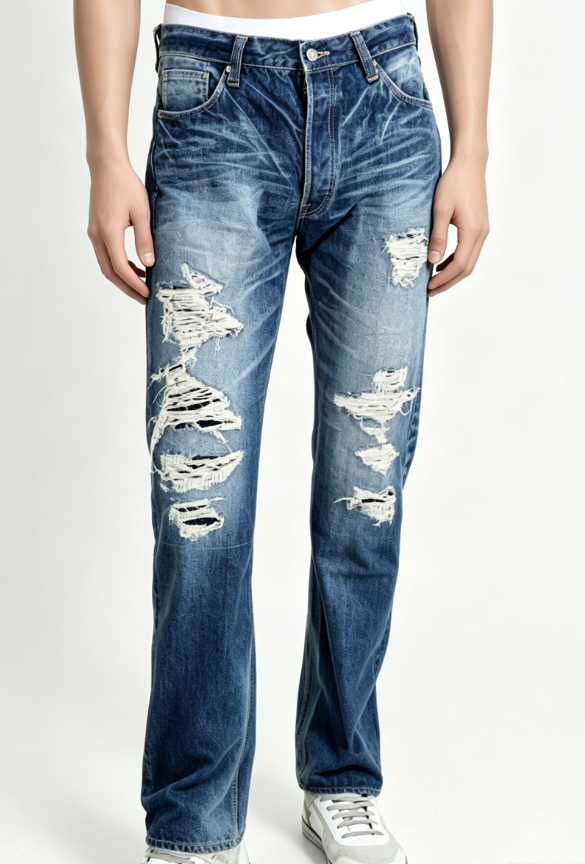


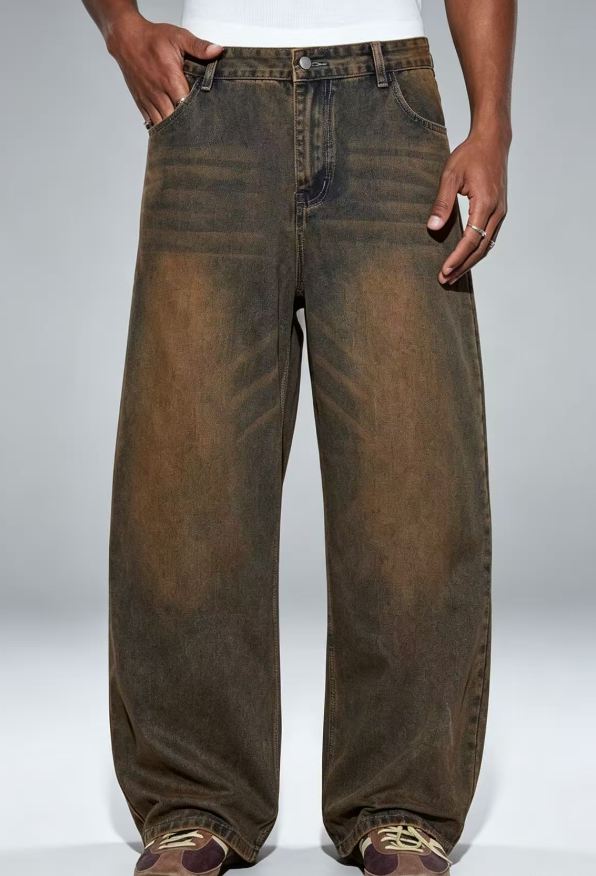

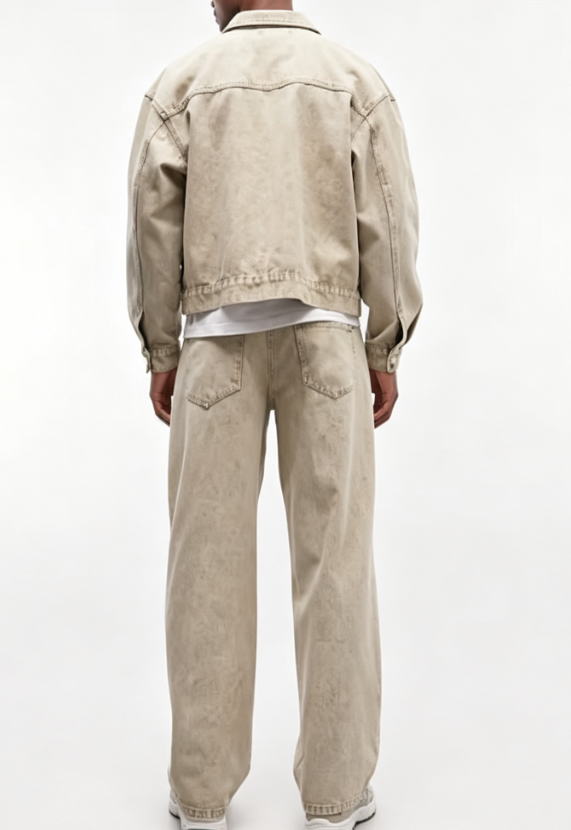


Related Product Catalogue and Quotation






Why Source Mens Denim Suits Wholesale from JUNSHEEN
Build distinctive denim suit programs with low-MOQ development, fit-focused production, integrated customization, and reliable global fulfillment.
100-Unit MOQ
Launch a denim suit capsule from 100 units per style and color, with practical support for emerging labels and wholesale buyers.
Scalable Production
Move from initial wholesale runs to repeat bulk programs through 200+ skilled workers and monthly capacity exceeding 80,000 units.
Fit-Focused Grading
Develop mens denim suits from XS to 3XL with refined proportions, mobility, shoulder balance, and grading across standard and extended sizes.
Integrated Customization
Coordinate embroidery, printing, washes, branded labels, trims, and packaging through one production partner for a cohesive private-label collection.
Global Export Support
Receive organized quality control, export coordination, and responsive order support for wholesale denim suit shipments to worldwide markets.
Custom Denim Sets for Wholesale Programs
Coordinated denim production for brands, retailers, wholesalers, and capsule collections—from first sample through scalable global bulk delivery.
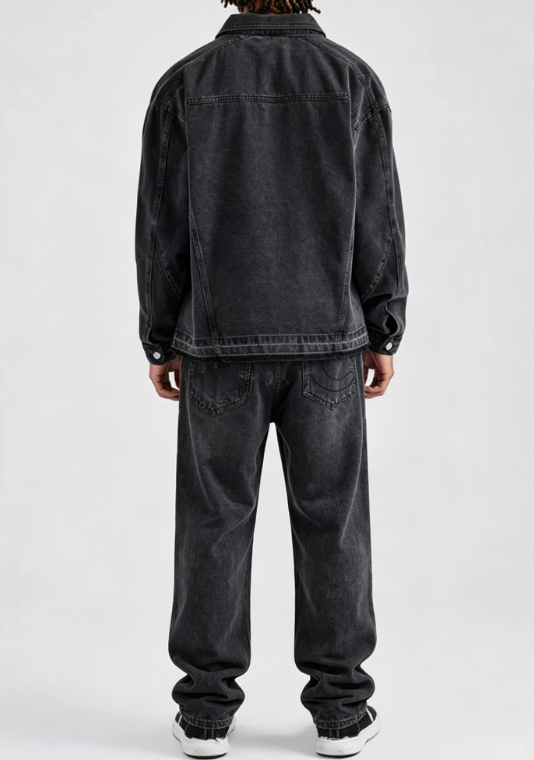
Custom Denim Sets / Co-ords
Develop custom denim sets with coordinated jackets, jeans, overshirts, skirts, shorts, or matching separates. Junsheen supports fabric sourcing, washes, fit-focused XS–3XL grading, custom trims, embroidery, printing, labels, and packaging, starting from 100 units per style and color.
Request a QuoteMens Denim Suits Wholesale Materials

Rigid Cotton Denim
A substantial, authentic denim with a dry hand and defined structure for sharper jackets, overshirts and straight-leg trousers. Its low stretch supports clean tailoring lines, durable seams and character-rich enzyme, stone or acid washes.

Stretch Denim Twill
Cotton-rich stretch denim combines a smooth hand with flexible recovery, making it ideal for fitted blazers, tapered trousers and travel-ready coordinated sets. Elastane improves mobility while helping garments retain shape through repeated wear and laundering.

Indigo Denim Blend
This versatile denim blend offers classic indigo depth with a softer hand for relaxed suit silhouettes, utility sets and fashion layering pieces. Fiber blends can improve drape, abrasion resistance and wash consistency across bulk production.

Cotton Twill Suiting
Clean-faced cotton twill delivers a polished yet casual appearance for denim-inspired suits needing more tailored definition. Its diagonal construction provides dependable durability, a crisp hand feel and strong compatibility with garment dye or pigment finishing.

Performance Woven Blend
A technical woven option with controlled stretch, smoother drape and quick-drying comfort for contemporary mens denim suits wholesale programs. Suitable for commuter tailoring and lightweight sets, it maintains a refined surface while supporting active movement.
Mens Denim Suits Wholesale: Decoration, Washing & Finishing

Logo Embroidery
Flat, 3D puff and chain-stitch embroidery add a refined branded detail to denim suit jackets, chest pockets and back panels. Durable stitching maintains definition through repeated wear and appropriate garment washing.

Screen Print Effects
Plastisol, water-based, high-density, puff, flocking and foil screen prints create bold artwork on denim suit separates. Junsheen matches ink, placement and curing methods to fabric weight for clear, lasting visual impact.

Patch Application
Custom woven, embroidered, leather-look and applique patches bring heritage, streetwear or premium private-label character to mens denim suits wholesale programs. Secure application methods help patches retain their shape and attachment during use.

Denim Wash Treatments
Enzyme, stone, acid and softening washes alter denim color, contrast and hand feel for a worn-in or elevated finish. Sample approval confirms the wash result before bulk production begins.

Garment Finishing
Brushing, napping, garment dyeing and anti-pilling finishing refine texture, softness and visual depth across denim suit components. Treatments are selected around the desired silhouette, durability requirements and coordinated set appearance.
Custom Trims, Labels & Packaging

Custom Snap Buttons
Add logo-engraved snap buttons to denim suit jackets, cuffs, pockets, and waistbands. We match finishes, sizes, and hardware colors to your collection while checking attachment strength for reliable bulk production.

Branded YKK Zippers
Specify YKK or approved custom zippers for jacket fronts, trouser flys, pockets, and detachable details. Choose metal finishes, tape colors, puller shapes, and logo options that align with your denim suit design.

Drawcords And Tips
Use custom drawcords and tipped ends for relaxed denim blazers, utility trousers, or coordinated casual sets. Select cotton, polyester, flat, round, woven, or reflective constructions with branded aglets for a finished look.

Woven Brand Labels
Create woven main labels, size labels, and wash-care labels for every mens denim suits wholesale order. Junsheen can coordinate label placement, fold style, yarn colors, and compliance information during sample development.

Custom Logo Patches
Apply leather, faux leather, woven, embroidered, rubber, or chenille patches to jackets, trousers, pockets, and back waistbands. Our team advises on material, stitching, and placement for durable branding after washing.
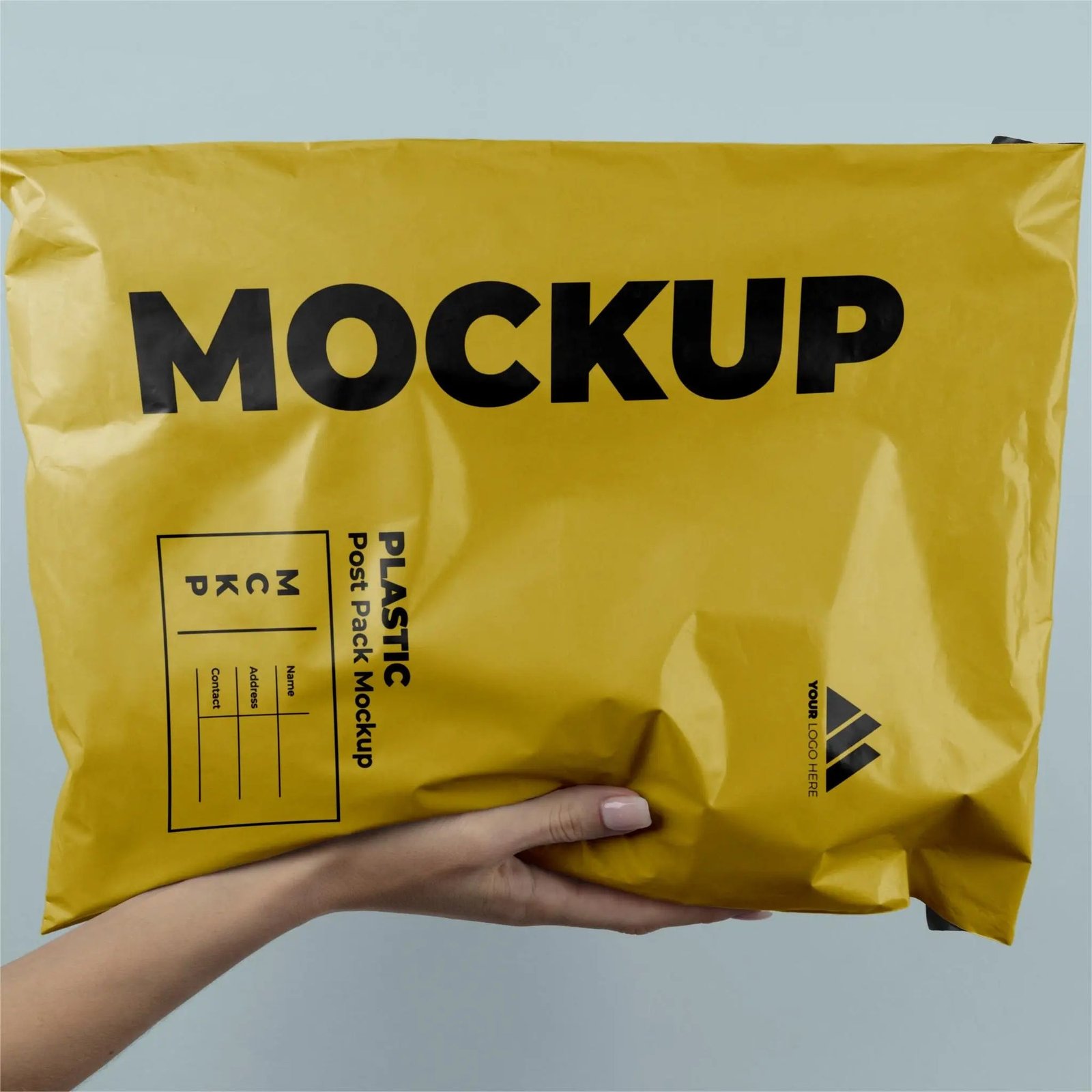
Branded Retail Packaging
Finish each denim suit with custom hangtags, polybags, tissue, stickers, cartons, and inserts. Packaging options support wholesale handling, retail presentation, and export protection while keeping your private-label identity consistent.
Mens Denim Suits Wholesale Manufacturer
Founded in 2010 in Humen Town, Dongguan, JUNSHEEN helps global fashion brands turn mens denim suits wholesale concepts into production-ready collections. Our mission is straightforward: combine responsive product development, dependable manufacturing and practical low-MOQ support for labels building from their first capsule to repeat bulk programs.
With more than 200 skilled workers and monthly capacity above 80,000 units, we manage cut-and-sew, knitting, fabric sourcing, pattern making, sampling, grading, bulk production, quality control and export support through one coordinated supply chain. Programs can begin from 100 units per style and color, with capacity designed to scale alongside your demand.
What distinguishes JUNSHEEN is fit-first development backed by hands-on finishing and private-label capability. We refine denim suit proportions across XS–3XL, extended-size and oversized ranges, then complete each program with embroidery, printing, washing, labels, trims, packaging and consistent production records for smoother reorders.

Mens Denim Suits Wholesale, Engineered for Fit
Pattern Development That Starts Right
JUNSHEEN turns tech packs, sketches, reference garments, and mood boards into production-ready denim suit patterns. Our team reviews construction, proportions, and manufacturability before sampling, helping brands resolve fit and design details early for a smoother bulk program.
- Tech-pack, sketch, and reference-garment support
- Jacket, trouser, vest, and coordinated-set development
- Construction and manufacturability review before sampling
- Prototype and pre-production approval workflow
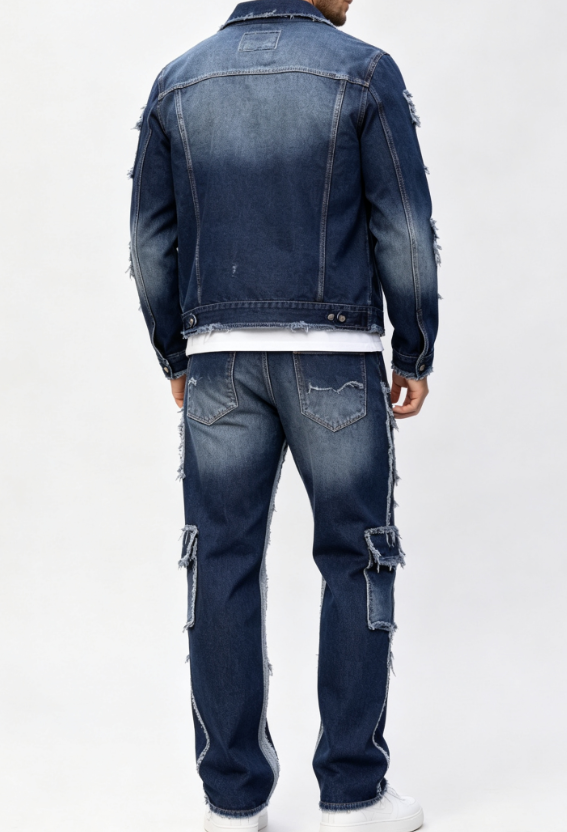
XS–3XL Grading With Proportion Control
For mens denim suits wholesale, grading must preserve a sharp silhouette across the size range. Junsheen refines shoulder balance, sleeve length, rise, body proportion, mobility, and grading increments from XS through 3XL instead of simply enlarging one base pattern.
- Fit-focused XS–3XL size development
- Extended-size, plus-size, and oversized options
- Balanced jacket and trouser proportions
- Size sets available before bulk approval

Materials Matched to Your Positioning
Select denim and suiting materials around the intended hand feel, structure, stretch, wash result, durability, and target cost. Through our supplier network, JUNSHEEN can source stretch denim, rigid denim, twill, suiting fabrics, performance blends, and recycled options for your program.
- Denim weights and stretch levels matched to design
- Fabric guidance for drape, recovery, and wash performance
- Swatches and sample garments for material review
- Material choices aligned with target cost
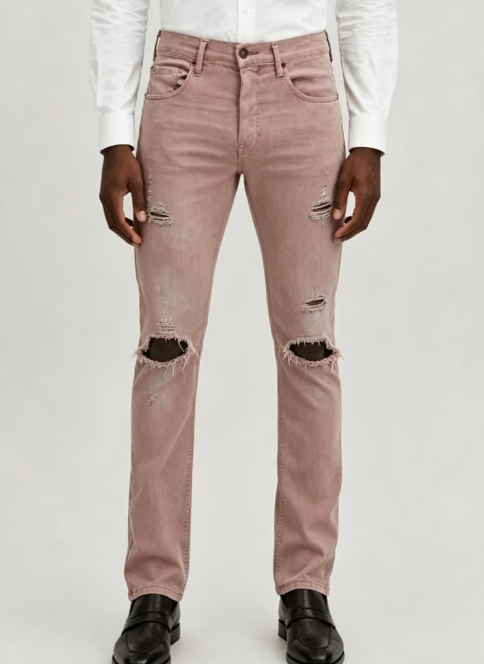
One Controlled Production Supply Chain
Keep mens denim suits wholesale programs coordinated from development through shipment. JUNSHEEN combines cut-and-sew production with decoration, washing, finishing, labels, trims, packaging, in-line inspection, and export support, starting from 100 units per style and color.
- Low MOQ from 100 units per style and color
- In-house embroidery, printing, washing, and finishing
- Measurements, construction, and packed-goods checks
- Scalable capacity for repeat and bulk orders

Mens Denim Suits Wholesale: JUNSHEEN vs. Typical Suppliers
Built for brands that need dependable development, fit control, and scalable repeat production.
← 左右滑动查看 →
Mens Denim Suits Wholesale Production Process
A controlled OEM workflow for custom denim suit programs, from feasibility and fabric selection through fit approval, bulk quality control, packing and global export.
Review Requirements and Feasibility
Our team reviews your tech pack, reference sample or concept, confirms construction, target fit, decoration, quantities, delivery needs and 100-unit MOQ feasibility.
Source Denim and Components
We recommend denim, suiting or stretch fabrics, then coordinate swatches, linings, buttons, labels, trims and washes around your cost, hand feel and performance goals.
Create Patterns and Samples
Pattern makers develop and grade fit-focused XS–3XL patterns, refining jacket balance, trouser rise and mobility before producing prototype samples for your review.
Approve Details and Production
After sample, size set and pre-production approval, we lock materials, measurements, artwork and packaging specifications before scheduling scalable cut-and-sew manufacturing.
Inspect, Pack and Ship
In-line and final inspections verify measurements, construction, decoration and packed goods; approved mens denim suits wholesale orders receive branded packing and global export support.
How to Source Mens Denim Suits Wholesale with JUNSHEEN
Move from concept to delivered denim suit program with clear approvals, fit-focused development, and scalable production support.
Send Your Product Brief
Share a tech pack, sketch, reference garment, or mood board with target quantities, sizes, fabric direction, branding requirements, and destination market.
Confirm Specifications and Quote
Review construction, denim or suiting materials, washes, trims, fit grading, MOQ, lead time, and pricing with our OEM team before development begins.
Approve Your Production Sample
Receive a prototype for fit, measurements, decoration, wash effect, and workmanship review. Refine details, then approve the final sample and materials.
Launch Bulk Production
Begin controlled bulk production with in-line measurement, construction, decoration, and finishing checks. Programs can start from 100 units per style and color.
Receive Export-Ready Orders
Complete final inspection, branded packaging, balance settlement, and global shipping coordination. Retained patterns and records help streamline reliable repeat denim suit orders.
Custom Clothing Manufacturer Credentials and Compliance Documents



Mens Denim Suits Wholesale Success Stories
JUNSHEEN refined the shoulder and trouser grading across XS–3XL during sampling. Our first bulk run of 600 denim suits passed retailer fit review with only two minor comments, helping us launch on schedule in the UK.
We moved from a sketch to approved denim suit samples in five weeks. The team matched our wash reference, added branded leather labels, and delivered 1,200 units with consistent measurements across every size for our U.S. wholesale accounts.
After a successful 300-unit capsule, we reordered three colorways within the same season. JUNSHEEN retained our patterns and fabric records, which made the second production cycle faster and kept the fit consistent for our Australian customers.
Mens Denim Suits Wholesale FAQ
Clear answers on MOQ, sampling, production, payment and secure OEM development with JUNSHEEN.
What is the MOQ for mens denim suits wholesale orders?
Can I order a sample before placing a mens denim suits wholesale order?
How long does mens denim suits wholesale production take?
Can you make custom denim suits under my private label?
How do you protect my designs, tech packs and patterns?
What payment terms are available for wholesale denim suit manufacturing?
Do you ship mens denim suits wholesale orders internationally?
Can you develop extended sizes or oversized denim suit fits?
Complete Buyer’s Guide to mens denim suits wholesale
Use this decision framework to select denim suit silhouettes, fabrics, customization, quality standards, and reliable suppliers while avoiding costly MOQ, sampling, pricing, and production mistakes.
1. What Is mens denim suits wholesale?
100-unit programs are a practical entry point for mens denim suits wholesale: coordinated denim jackets and trousers bought as a matched product line for resale, a branded collection, or a private-label launch. Buyers include independent labels, retailers, wholesalers, online stores, and sourcing teams that need a repeatable fit rather than isolated separates. 3 supply models should be separated before a quote is requested. Ready-stock wholesale means buying existing styles, colors, and size runs with limited changes; made-to-order manufacturing produces an approved design to the buyer’s specifications; custom private-label production adds brand-owned labels, hang tags, packaging, trims, and approved artwork to that manufactured program. 10-ounce to 14-ounce denim, stretch percentage, wash recipe, and fit block can change both cost and customer perception. Specify fabric weight and composition, jacket and trouser measurements, size grading, Pantone color, wash or distress level, hardware, decoration, and target quantity per style and color; these details let a factory assess feasibility, sampling needs, and an accurate MOQ-based quotation.
2. Evolution of mens denim suits wholesale
1873 marked the patenting of riveted denim workwear, but its later move into mens denim suits wholesale came through cleaner indigo cloth, controlled washing, and jacket-and-trouser coordination. The commercially durable cues are still recognizable: mid-to-dark indigo, straight or relaxed legs, practical pockets, and contrast topstitching that reads as denim without looking costume-like. 1970s and 1980s designer denim helped shift the fabric from utility into tailored casualwear, while later streetwear normalized oversized trucker jackets, loose jeans, and matching sets. For wholesale buyers, relaxed tailoring works when balance is engineered across the set—roomier shoulders paired with a proportionate rise and leg opening—rather than when an oversized jacket is simply matched to any jean. 2020s occasion dressing has expanded demand for tonal denim suits, washed two-pieces, and gender-fluid silhouettes, especially for retail capsules and contemporary menswear programs. Keep core buys to repeatable washes such as raw, rinse, mid-indigo, black, and vintage blue; treat heavy destruction, extreme acid wash, oversized logos, and sharply seasonal silhouettes as limited-color tests. A 100-unit-per-style-and-color starting point can let brands validate these fashion-led options while reserving bulk commitments for proven fits and washes.
3. Types of mens denim suits wholesale
Mens denim suits wholesale works best when the silhouette is matched to the selling channel before sampling. A 100-unit-per-style starting point favors focused colorways and fit blocks that can be reordered with confidence.
Classic Two-Piece Sets
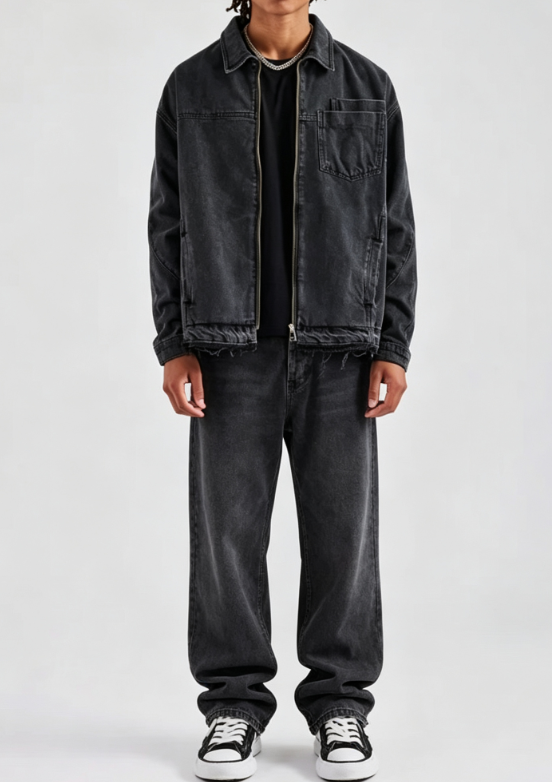
Two-piece denim sets pair a jacket with matched jeans for boutiques, streetwear retailers, and mid-market online stores. They sell across spring through autumn as a coordinated outfit or separated wardrobe pieces. A regular or relaxed jacket fit reduces return risk; confirm chest ease, rise, and inseam together. This answers whether a versatile, accessible set supports your retail price position.
Overshirt And Trucker Sets

Overshirt-and-trouser sets suit contemporary labels seeking a softer, layerable spring-summer offer. Their relaxed shoulder and straight leg create an easy smart-casual styling role. Trucker-jacket sets give denim specialists a more recognizable heritage silhouette for autumn drops. Check body length and armhole mobility, since a cropped trucker changes the buyer and price perception.
Relaxed Utility Sets
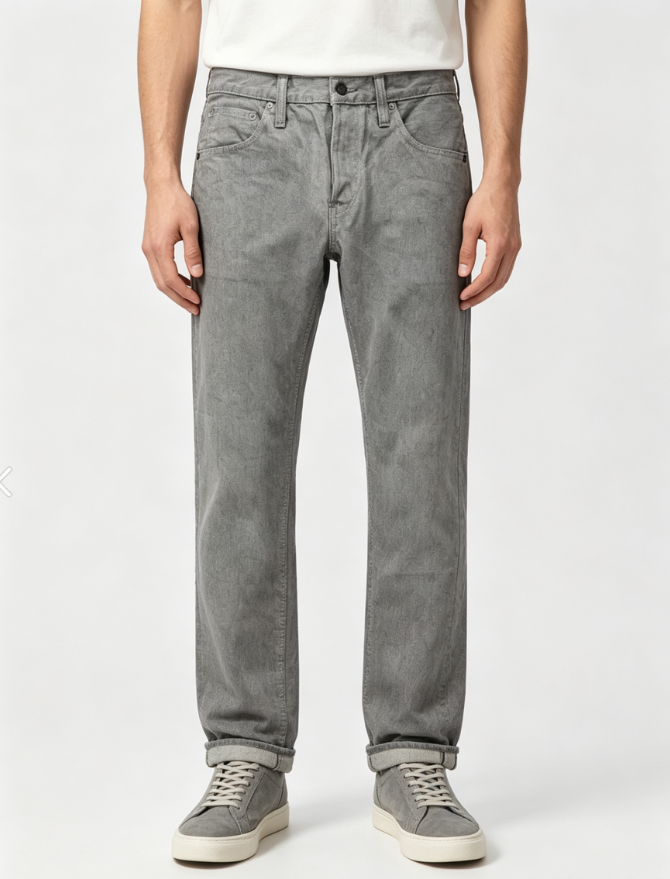
Utility sets use oversize shirts or chore jackets with loose trousers, pockets, and workwear detailing. They target fashion-forward ecommerce and specialty retail, especially for transitional seasons. XS through 3XL grading needs proportional sleeve, rise, and pocket placement adjustments rather than simple enlargement. This format answers whether trend-led volume and a stronger ticket justify added construction detail.
Tailored And Layered Options

Slim tailored denim suits use shaped jackets and cleaner trousers for premium boutiques, nightlife, and occasion-led assortments. Require a fit sample to verify shoulder balance, seat ease, and sitting comfort before bulk approval. Three-piece or layered options add a vest, overshirt, or removable layer for higher-priced capsules and colder seasons. This answers whether your channel can support a complete-look ticket instead of a single coordinated set.
4. Fabrics for mens denim suits wholesale
10–14 oz denim is the practical starting window for tailored sets: it holds a clean lapel and trouser crease without feeling like rigid workwear. Specify composition, weave, finished weight, stretch recovery, and wash target together.
| Fabric Option | Typical GSM | Indicative Fabric Cost | Best Use |
|---|---|---|---|
| Rigid cotton denim | 340–420 | US$4.50–8.00/m | Structured all-season suits |
| Stretch cotton denim | 300–380 | US$5.00–8.50/m | Slim trousers and fitted jackets |
| Cotton-Tencel denim | 250–340 | US$6.00–10.00/m | Soft drape and warm weather |
| Recycled cotton blend | 300–380 | US$5.50–9.50/m | Lower-impact casual tailoring |
| Workwear denim | 400–500 | US$6.00–10.50/m | Overshirt suits and cold seasons |
Core Denim Structures

100% cotton rigid denim at 340–420 GSM gives the sharpest silhouette, strong abrasion resistance, and pronounced wash character; use ring-spun yarns and a 3/1 twill for premium suiting. 240–300 GSM lightweight shirting denim drapes more easily for overshirts and warm-weather unstructured jackets, but needs reinforcement at pocket openings and seams.
- Rigid cotton: structured jackets and cool-season sets
- Shirting denim: resort suits and relaxed layers
- 12–14 oz: reliable all-season tailored weight
Stretch And Blend Choices

1–3% elastane with 97–99% cotton improves sitting comfort and trouser mobility; require recovery testing after wash, since excessive stretch can relax knees and seat areas. 20–35% polyester raises abrasion resistance and lowers drying time, but reduces the natural fade and softer break-in of all-cotton denim. Tencel blends add fluid drape and cooler hand feel.
- Cotton-elastane: fitted separates
- Cotton-poly: travel and uniform programs
- Cotton-Tencel: soft modern tailoring
Finish And Specification Control

15–30% recycled cotton can support a lower-impact specification, but fiber length and strength should be checked through a pre-production wash sample. State recycled-content documentation requirements before bulk approval. 3 wash points should be defined in the tech pack: initial shade, post-wash measurement tolerance, and hand feel. Enzyme washes soften fabric; stone washes create stronger contrast but may reduce surface strength.
- Name the wash recipe and target shade
- Approve shrinkage before pattern grading
- Test color rub on light linings
5. Customization and decoration options
A 100-unit-per-style-and-color starting point makes private-label mens denim suits wholesale feasible without treating every finish as a one-off. Lock wash recipes, placement maps, Pantone references, and approved artwork before bulk so repeat orders match the first run.
| Option | Best Placement | Cost And Repeatability | Durability Check |
|---|---|---|---|
| Laser detail | Panels away from seams | Moderate setup; highly repeatable | Contrast after wash |
| Embroidery | Chest, yoke, sleeve | Higher stitch count raises cost | Thread abrasion and puckering |
| Screen printing | Flat back or chest panels | Efficient for repeat artwork | Adhesion after laundering |
| Branded hardware | Front closure and pockets | Custom die adds setup cost | Pull strength and corrosion |
Wash And Surface Development

Three repeatable routes are enzyme wash, stone wash, and garment dye; each changes shade, softness, abrasion, and seam contrast. Laser whiskers, sanding, and localized fading need a placement file and an approved pre-production sample. One wash recipe should specify denim weight, base shade, chemicals, process time, and target appearance. Hand-applied distressing creates variation, so brands needing consistent replenishment should approve an acceptable tolerance range.
- Enzyme wash: softer hand, lower abrasion
- Stone wash: stronger contrast, more garment variation
- Garment dye: rich color, require wash testing
Branding, Hardware And Placement

Four high-visibility placements are the chest, back yoke, sleeve cuff, and trouser pocket; use embroidery, screen printing, patches, or laser art where construction will not distort it. Keep artwork clear of thick felled seams, pocket openings, and high-friction seat areas. Two hardware choices—branded buttons and rivets—require approved logo dies and finish samples. Metal components should be checked for attachment strength, sharp edges, corrosion, and laundering performance before production.
- Embroidery suits chest, yoke, and patch zones
- Screen print needs stretch and wash testing
- Patches need edge-stitch and peel testing
Artwork And Packaging Control

One production pack should include vector artwork, exact dimensions, thread or Pantone colors, placement measurements, and signed strike-off approval. JPG mockups alone are insufficient for embroidery, screen printing, metal molds, or woven labels. 100-unit programs can use standard labels, hangtags, and packaging more efficiently; custom molds, specialty patches, and individual packing increase setup cost and may raise minimums. Approve a decorated sample after wash, because dye and finishing can alter print adhesion, thread tone, and patch edges.
- Use AI, EPS, or editable PDF artwork
- Approve labels before bulk material booking
- Retain signed samples for repeat orders
6. Denim suit construction quality checklist
A 100-unit mens denim suits wholesale order deserves the same approval discipline as a larger program. Inspect a sealed pre-production sample beside the graded specification, then repeat checks at in-line and final-packed stages.
Pattern Balance And Fit
Two aligned front panels should hang level on a hanger, with lapels, side seams, sleeve pitch, rise, and inseams matching left to right. Thirty minutes of sitting, reaching, and walking should not pull the jacket hem forward or cause crotch, seat, or pocket strain. Check every size against the approved graded sample.
Seams And Reinforcement
Eight to 10 stitches per inch is a practical baseline for most denim seams; specify matching topstitch length and thread color. Visually reject skipped stitches, loose chain ends, uneven seam allowance, and roping beyond the approved wash standard. Two bartacks at pocket stress points, fly ends, belt-loop bases, and trouser openings help prevent early failure. Pull-test reinforced areas and compare placement with the approved sample.
Waistbands Pockets And Hardware

Four to six belt loops, securely caught into the waistband, should suit the trouser size and intended belt width. Confirm waistband extension, hook or button position, facing, and any jacket lining lie flat without twisting. One completed buttonhole must be cleanly bound, sized for its button, and free of loose threads. Test snaps, rivets, buttons, and zippers for secure attachment and smooth operation.
Wash Measurements And Approval

Three wash-tested garments per colorway should be measured after the agreed laundering method, because denim shrinkage and abrasion can alter inseam, chest, waist, and sleeve length. Approve shade, contrast, whiskering, and seam puckering under consistent lighting. A stated tolerance, often ±1 cm on key garment points, must be applied consistently rather than selectively. Production approval should match the signed sample, measurement chart, wash standard, and trim card.
7. Choosing a mens denim suits wholesale manufacturer
A 100-unit MOQ is useful only when the supplier can control fit, wash and repeat production. For mens denim suits wholesale, evaluate the development process and evidence behind each quoted capability.
Verify Denim Development

12–14 oz denim usually suits structured jackets, while 8–10 oz options suit lighter overshirts. Request labeled swatches, fiber content, stretch percentage and a finished reference sample before approving fabric. 1 complete size chart should show garment measurements, tolerances and grading from the intended base size. Ask whether patterns are made in-house and how sleeve pitch, shoulder balance and trouser rise are corrected after fitting.
Audit Wash And Sampling

2–3 wash trial stages are common for enzyme, stone or acid effects because shade, shrinkage and abrasion change together. Confirm whether the factory manages wash development directly or coordinates an identified wash house with approved wash standards. 7–21 days is a practical sample window after materials and specifications are confirmed. Require dated sample comments, revised measurement sheets and a production timeline that identifies fabric booking, pre-production approval and final inspection.
Request Production Evidence
3 documents reveal more than a polished website: a capacity plan, recent inspection records and export paperwork. Verify monthly output against your delivery window, especially when jackets and trousers must be matched by lot and shade. 1 transparent quote separates fabric, wash, trims, decoration, packaging, sampling and freight terms. Ask for test reports relevant to the product, such as colorfastness, shrinkage and restricted-substance testing where required.
- Material swatches with composition and weight
- Graded size chart and tolerance sheet
- Wash test or bulk shade approval
- Production timeline and inspection plan
- Recent shipping or export reference
Separate Factories From Traders
1 true manufacturer can normally explain cutting, sewing lines, pattern control, in-line checks and who owns each subcontracted step. Ask for a live factory walkthrough, production-floor photos dated for your order, and direct technical contact with development staff. 200 workers or 80,000 monthly units alone do not prove suitability; match capacity to your calendar and style complexity. Compliance claims such as BSCI, WRAP, GOTS or OEKO-TEX should be supported by current certificates and scope details, not logos alone.
8. Common wholesale sourcing mistakes
A 100-unit mens denim suits wholesale order can fail before cutting begins when decisions are based on incomplete references. Control fabric, specifications, approvals, and demand assumptions early to protect margin, consistency, and shipment dates.
Validate Fabric Beyond Photos

10–12 oz denim can look alike online yet differ sharply in stretch, skew, shade, and recovery. 1 swatch card and a washed proto sample should be approved against Pantone, hand feel, weight, and wash target before bulk booking.
Complete The Technical Package
1 missing measurement point can produce mismatched jacket and trouser proportions across a size run. 100% of critical details—BOM, construction, stitch count, artwork, label placement, and tolerances—should be signed off before quotation.
Test Wash And Grading

3–5% shrinkage is common in denim, while enzyme or stone washes can alter length, tone, and seam appearance. XS–3XL grading needs fit checks for shoulder balance, rise, thigh, and inseam; approve a size set after the intended wash.
Control Complexity And Demand

6 custom trims can add sourcing lead time, minimums, and avoidable assembly risk to one denim suit. 100 units per style and color should follow a demand check; start with proven colors and limit proprietary hardware until sell-through is validated.
Compare Like For Like
2 quotes are not comparable when fabric weight, wash, trim quality, packaging, inspection, or freight terms differ. 1 pre-production sample must match the approved tech pack and bulk materials; use it as the factory floor reference before cutting.
9. Launching a denim suit collection
A disciplined launch for mens denim suits wholesale begins with a defined customer, price band, and channel plan. Build each approval gate before committing bulk fabric, because fit, wash, and size errors become expensive after cutting.
Position The Assortment
Three competitor reviews should map retail price, washes, jacket proportions, and size availability before design starts. Two to four core colorways usually create a clearer opening range than many similar washes. Use a mood board and Pantone references to align denim tone, hardware, and styling.
Develop Production Files

One complete tech pack should specify measurements, stitch types, wash recipe, trims, artwork placement, and construction tolerances. 100-unit-per-style-and-color planning can suit a capsule launch at Junsheen. Confirm fabric weight, stretch recovery, shrinkage expectations, and approved swatches before sampling.
Approve Fit And Bulk
Two sample rounds are common when tailoring balance or denim wash needs refinement. Review shoulder pitch, sleeve length, rise, mobility, and paired jacket-trouser proportions on target body types. XS through 3XL grading should be approved as a size set, not assumed from a base sample. Lock packaging, labels, order quantities, and delivery requirements before bulk cutting.
Prepare Sales And Reorders
One photography sample per approved colorway gives ecommerce and wholesale teams consistent assets before shipment. Create a line sheet with SKU, fabric composition, size run, wholesale price, suggested retail, and delivery window. 30 days of sell-through data can reveal which wash and sizes merit replenishment. Retained patterns, graded size sets, and material records help make repeat mens denim suits wholesale orders more consistent.
10. mens denim suits wholesale pricing and costs
100 units per style and color is Junsheen’s practical starting point for a capsule mens denim suits wholesale program. A final quote should follow approved fabric, wash recipe, measurement specification, decoration placement, trim list, size range, packaging, and Incoterm—not a reference image alone. 12–14 oz denim commonly provides a midweight suit foundation, while heavier fabric, stretch content, enzyme or stone washing, and matching jacket-and-trouser color control raise material and processing cost. Extended sizes through 3XL, graded fit revisions, embroidery, custom hardware, branded packaging, and DDP freight can materially change landed cost versus an EXW quote.
| Quantity Tier | Indicative Ex-Works Unit Price | Typical Lead Time | Main Quote Drivers |
|---|---|---|---|
| 100–299 sets | US$48–78 | 30–45 days after approvals | Stock or readily sourced denim; simple wash; standard trims |
| 300–499 sets | US$42–70 | 35–50 days after approvals | Fabric weight, color count, jacket lining, size distribution |
| 500–999 sets | US$38–64 | 40–55 days after approvals | Custom wash panels, embroidery, metal buttons, labels |
| 1,000+ sets | US$34–58 | 45–60 days after approvals | Bulk fabric booking, wash complexity, inspection level, shipping terms |
Start Your Mens Denim Suits Wholesale Program
Send your tech pack, reference garment, or product idea for a tailored wholesale quotation and fit-focused OEM development from 100 units.