
Company Logo Tshirts From 100 Units
Fit-focused company logo tshirts with OEM, ODM and private-label support, in-house decoration, and scalable global production.
Featured Products for company logo tshirts Development
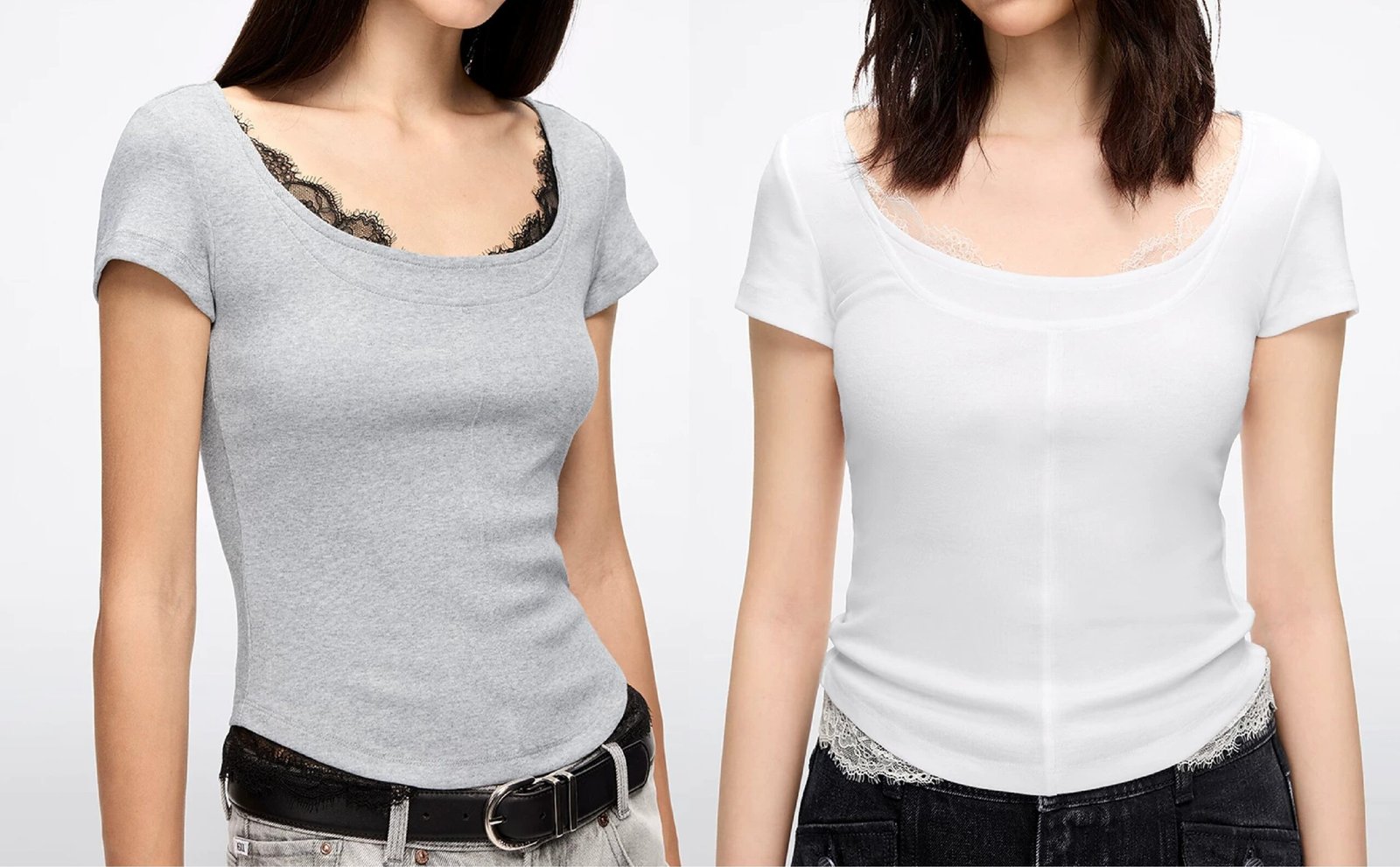




Related Product Catalogue and Quotation

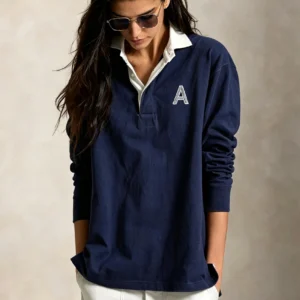


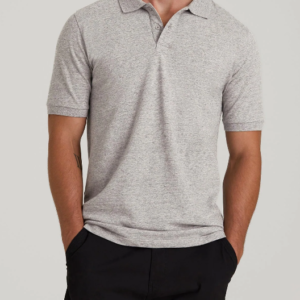


Why Brands Source Company Logo Tshirts With JUNSHEEN
One integrated apparel partner for fit-led development, branded decoration, private labeling, and scalable global delivery.
100-Unit MOQ
Launch company logo tshirts from just 100 units per style and color, ideal for capsules, tests, and growing branded programs.
XS–3XL Fit Development
Pattern makers refine proportions, mobility, and grading across normal, oversized, extended-size, and plus-size company logo tshirts.
In-House Logo Decoration
Match your artwork with screen printing, DTG, DTF, embroidery, patches, puff effects, and specialty finishes under one production team.
Complete Private Labeling
Build a retail-ready program with custom labels, hang tags, trims, packaging, and branded details coordinated alongside garment production.
Scalable Factory Capacity
More than 200 skilled workers and 80,000 monthly units support reliable progression from first launch to ongoing bulk production.
Global Export Support
From order confirmation through final inspection and shipping, JUNSHEEN supports worldwide brand delivery with clear production coordination.
Custom Logo Apparel We Produce
OEM and private-label categories for retail collections, uniforms, promotional programs, and scalable casualwear production from 100 units per style and color.
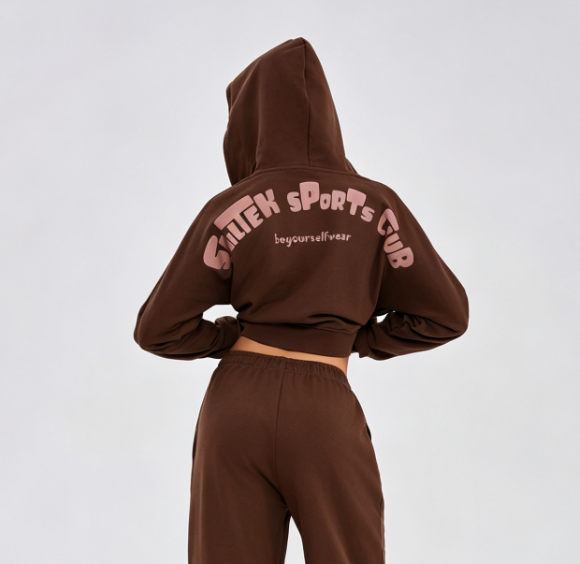
Custom Hoodies
Custom hoodies developed in fleece, French terry, jersey, or blended fabrics for branded retail, team, and promotional programs. Select pullover or zip styles, custom weights, fit grading from XS–3XL, embroidery, screen printing, labels, drawcords, and packaging.
Request a Quote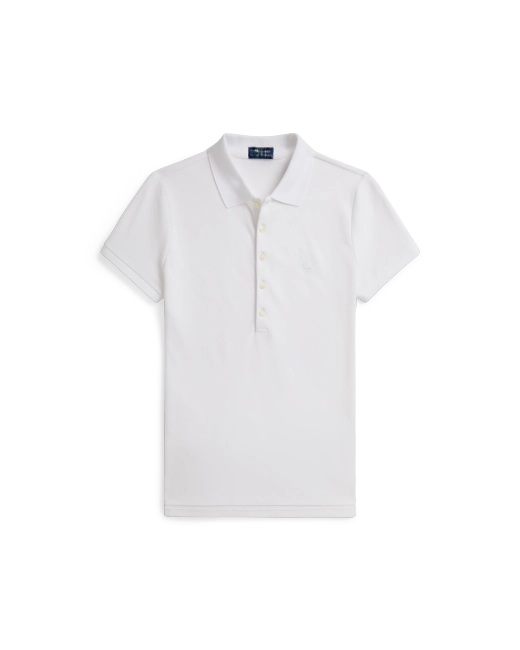
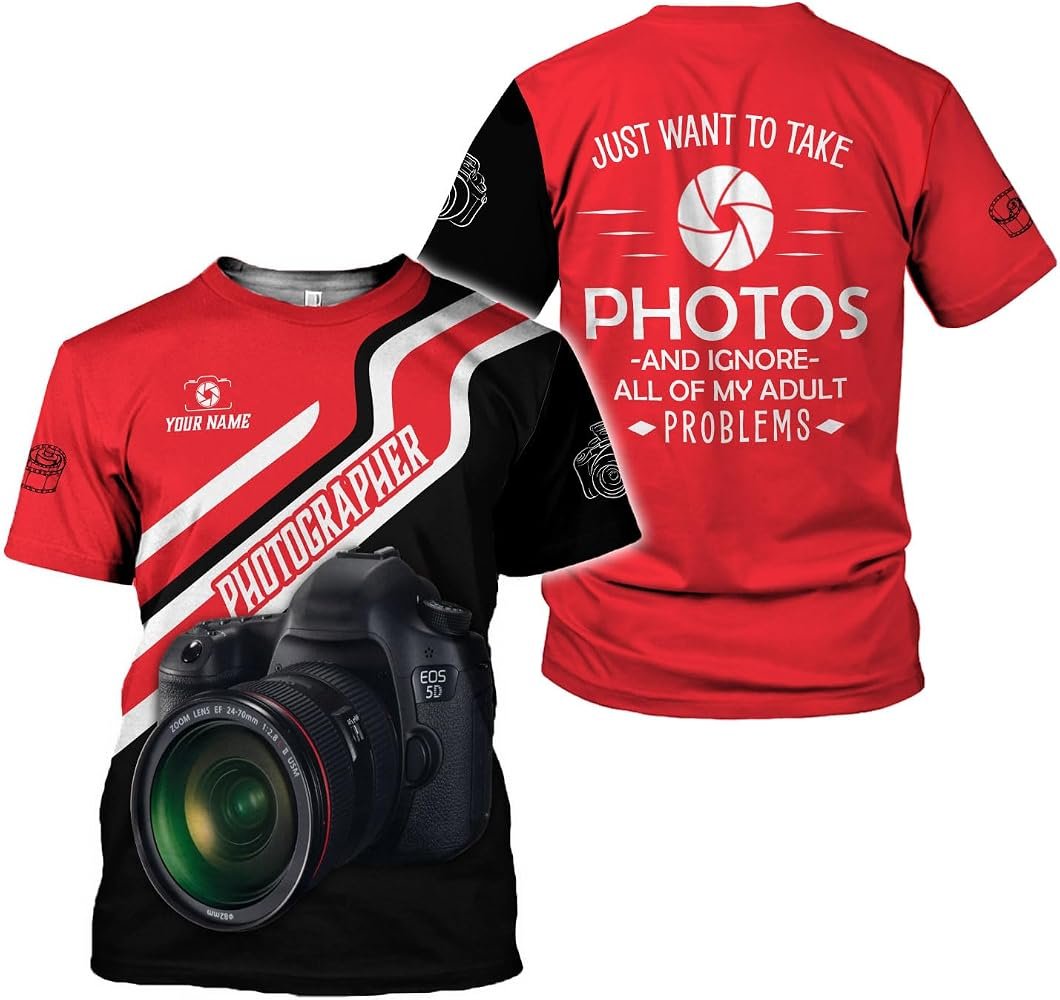
Custom T-Shirts
Custom tshirt production for logo merchandise, uniforms, events, and retail lines. Junsheen supports cotton, combed jersey, Pima cotton, organic and blended options, with screen print, DTG, DTF, embroidery, wash finishes, custom neck labels, and size grading.
Request a Quote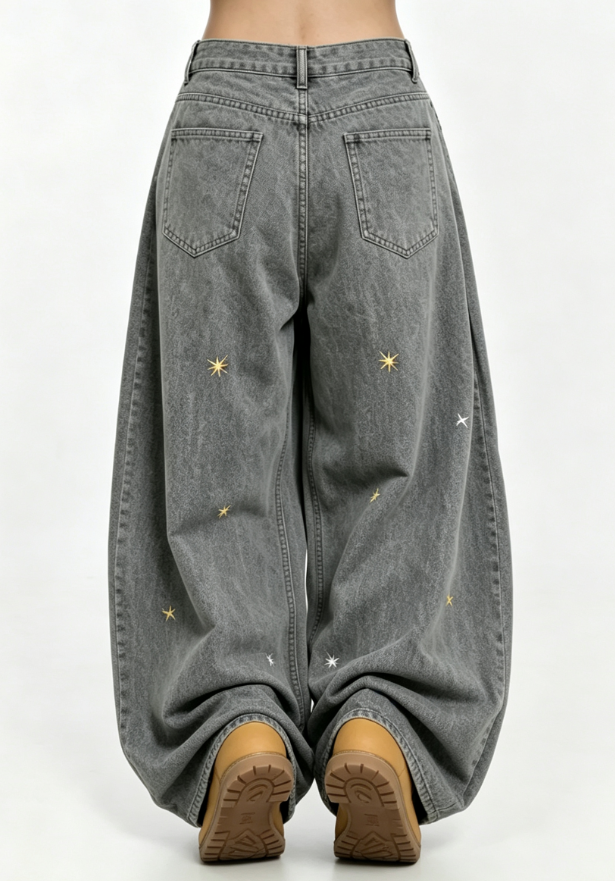
Custom Jeans
Custom jeans made through fit-focused denim development, from straight and relaxed fits to modern oversized silhouettes. Choose rigid or stretch denim, washes, distressing, branded hardware, embroidery, patches, labels, and graded XS–3XL size sets for retail-ready production.
Request a Quote
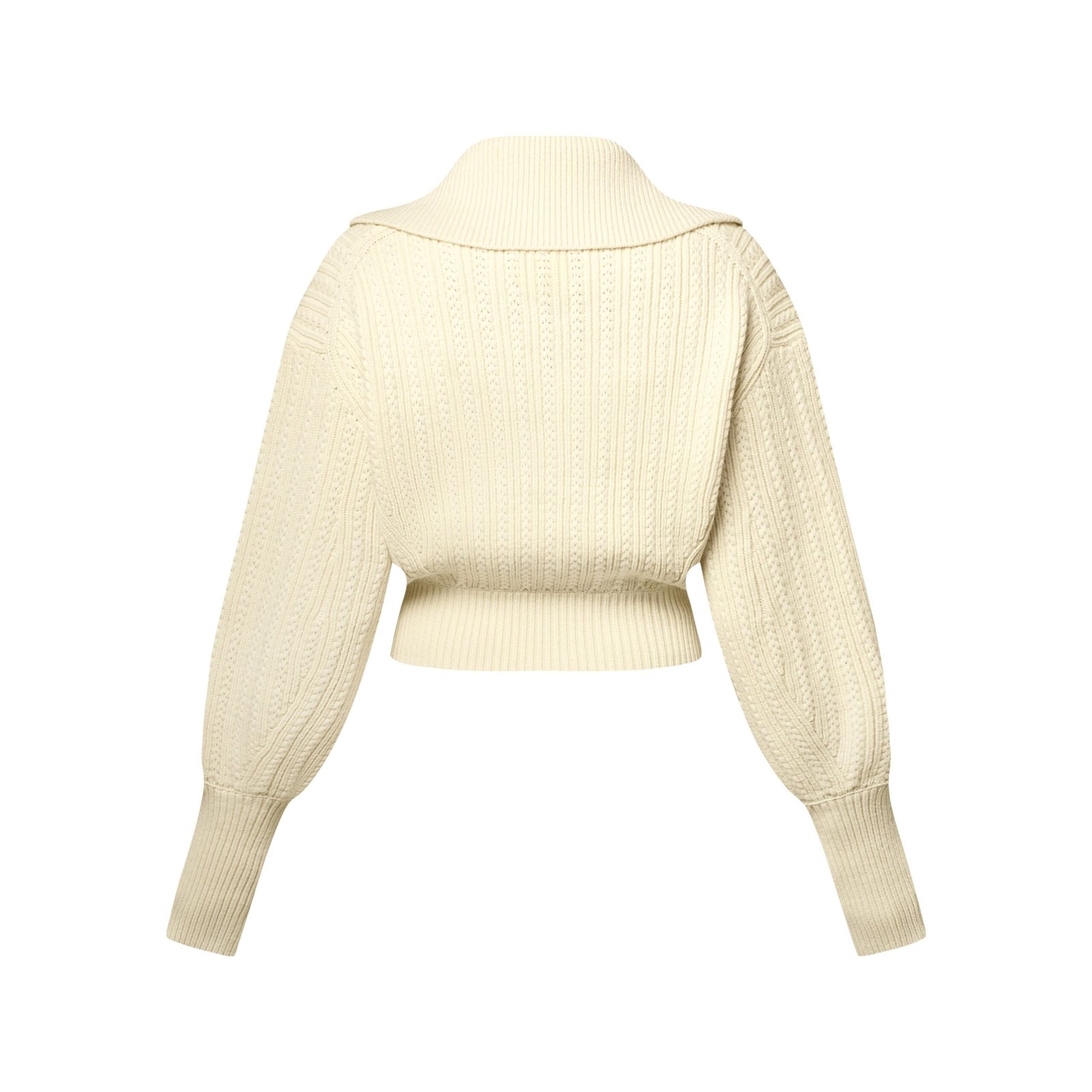
Custom Sweaters
Turtle neck sweater bulk programs produced in knit constructions suited to branded seasonal collections, uniforms, and wholesale assortments. Develop yarn blends, gauges, rib details, neckline shape, logo embroidery or patches, labels, and fit-focused grading for consistent size runs.
Request a Quote
Custom Jackets
Custom jean jacket development for branded denim collections, workwear-inspired uniforms, and promotional outerwear. Junsheen handles fabric sourcing, pattern making, washes, custom buttons, patches, embroidery, screen printing, labels, and coordinated denim sizing from sample through bulk.
Request a Quote
Custom Sweatshirts & Crewnecks
Custom crewneck hoodie and sweatshirt programs for retail, employee apparel, and logo merchandise. Choose fleece, French terry, brushed or unbrushed finishes, crewneck or hooded constructions, embroidery or printing, rib trims, custom labels, and fit-focused size grading.
Request a Quote
Custom Cardigans
Custom cardigans produced in knitwear constructions for private-label collections, school or hospitality uniforms, and layered logo apparel. Specify yarn, gauge, button or zipper closures, rib structures, logo embroidery, patches, woven labels, and graded fits from XS–3XL.
Request a Quote
Custom Puffer & Down Jackets
Custom puffer jacket development for branded outerwear programs requiring functional insulation, shell fabric, lining, quilting, and trim coordination. Options include logo embroidery, patches, reflective details, custom zippers, labels, packaging, prototype sampling, and bulk quality control.
Request a Quote
Custom Denim Shorts
Custom jean shorts developed in rigid or stretch denim for warm-weather retail, resort, and promotional collections. Define inseam, rise, leg shape, wash, distressing, pockets, branded hardware, patches, embroidery, labels, and consistent grading across the size range.
Request a Quote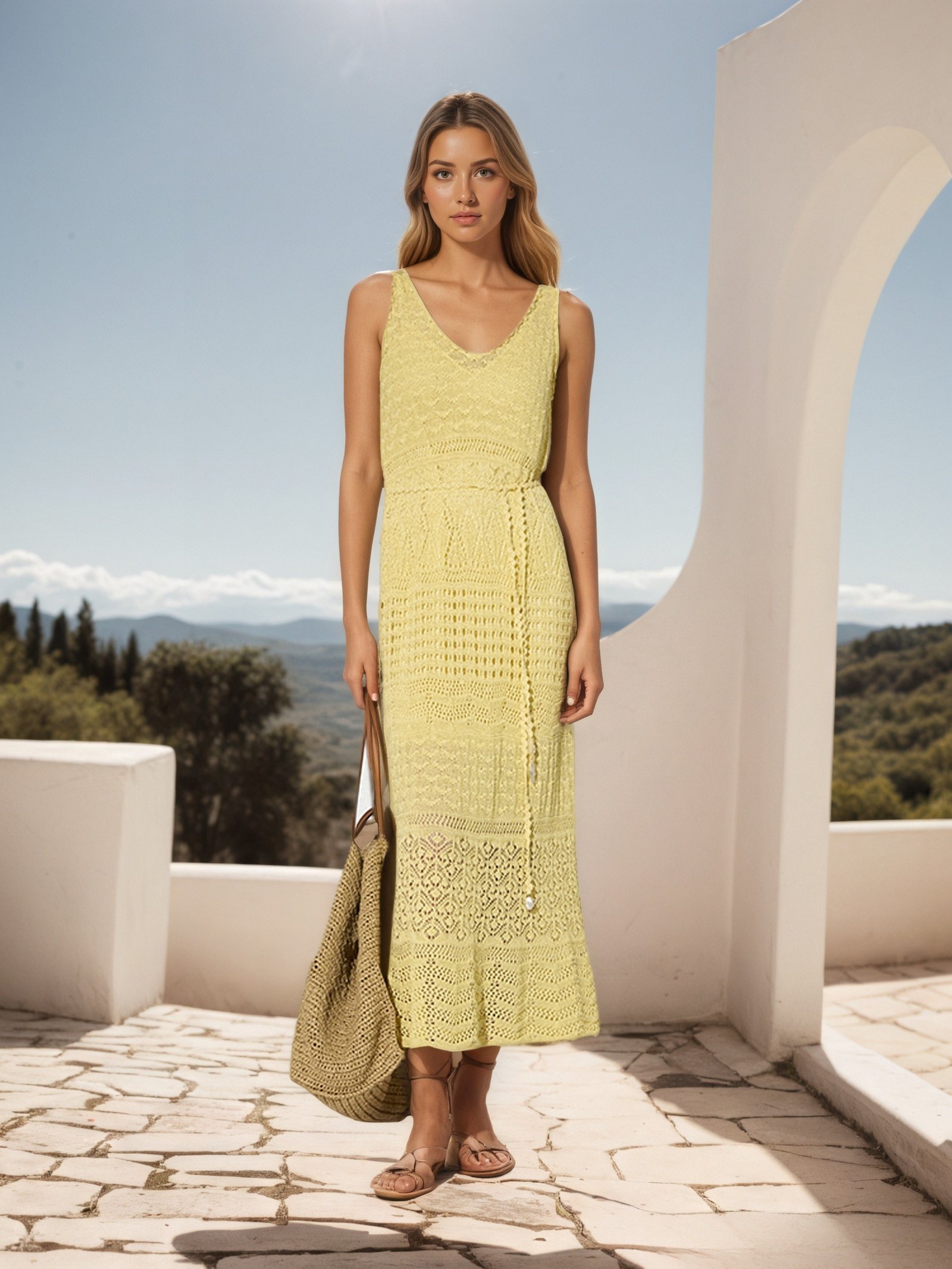
Custom Sweater Dresses
Custom sweater dresses made in knit constructions for private-label seasonal lines and coordinated apparel collections. Develop silhouette, length, neckline, gauge, yarn blend, rib details, logo embroidery or labels, then approve samples and graded size sets before bulk production.
Request a Quote
Custom Denim Sets
Mens denim suits wholesale programs developed as coordinated denim jackets and jeans for retailers, wholesalers, and branded capsule collections. Junsheen aligns fabric, wash, color, fit, hardware, logo details, labels, and size grading across both pieces for consistent bulk delivery.
Request a Quote
Custom Polo Shirts
Custom polo shirts for corporate uniforms, retail basics, golf programs, hospitality teams, and promotional apparel. Choose pique or performance knit fabrics, collar and placket construction, contrast trims, logo embroidery or printing, custom labels, and fitted or relaxed XS–3XL grading.
Request a Quote
Custom Sweatpants
Custom sweatpants produced in fleece, French terry, or performance knits for retail sets, uniforms, and branded lounge programs. Specify fit, rise, pockets, cuffs, waistbands, drawcords, embroidery or printing, wash finishes, labels, and coordinated hoodie or sweatshirt colors.
Request a Quote
Custom Shorts
Custom shorts developed for casualwear, sports-adjacent programs, uniforms, and summer promotions. Junsheen supports jersey, fleece, twill, woven, and denim options with adjustable waist details, pockets, logo decoration, custom labels, wash finishes, and graded production from 100 units.
Request a Quote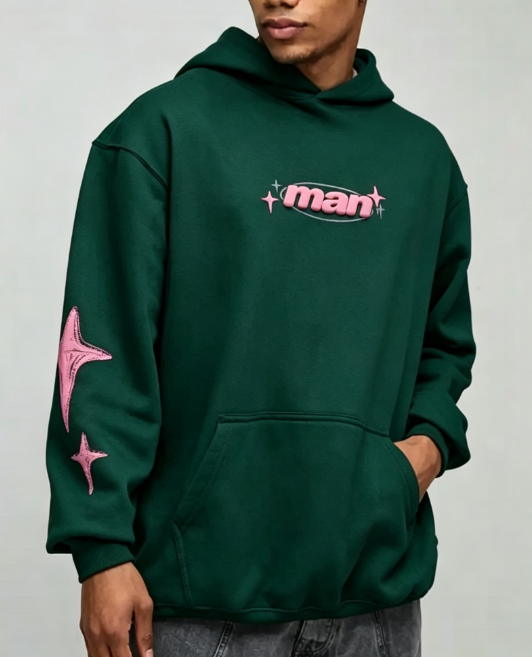
Custom Pullovers
Custom pullovers developed in knit, fleece, French terry, and performance fabric options for branded retail and uniform programs. Define neckline, closure, fit, weight, rib trims, logo embroidery or print placement, labels, packaging, and size-set approval before scalable bulk production.
Request a QuoteMaterials for Company Logo Tshirts

Combed Cotton Jersey
Smooth, breathable jersey for everyday branded tees, retail uniforms and promotional programs. Combed yarns create a cleaner hand feel and print surface, with common weights from 180 to 220 gsm.

Heavyweight Cotton Jersey
Dense, substantial cotton jersey suited to premium streetwear, oversized silhouettes and long-lasting company logo tshirts. A 240 to 300 gsm weight gives structure, opacity and a more elevated hand feel.

Cotton Polyester Blend
A practical blend for staff uniforms, event apparel and repeat-wear logo programs. Cotton keeps the fabric comfortable while polyester improves shape retention, color durability and quicker drying performance.

Organic Cotton Jersey
Soft organic cotton jersey for brands building responsible capsule collections and elevated essentials. Available in light to midweight constructions, it offers breathable comfort and a natural hand for screen printing or embroidery.

Pima Cotton Jersey
Premium long-staple cotton jersey for refined branded T-shirts and retail collections. Its smoother, softer hand and stronger fibers support a polished appearance, excellent color clarity and durable everyday wear.

Performance Knit Fabric
Moisture-managing knit for active staffwear, promotional sports apparel and performance-focused brand programs. Stretch fibers improve mobility, while lightweight 140 to 180 gsm constructions help garments dry quickly and stay comfortable.
Company Logo Tshirts: Decoration and Finishing Methods

Screen Printing
Plastisol, water-based, puff, silicone, high-density, foil, and discharge screen printing create bold branded graphics with controlled color coverage, strong wash durability, and finishes matched to your fabric and logo artwork.

Logo Embroidery
Flat, 3D puff, chain stitch, and applique embroidery add dimensional texture and a premium, long-lasting identity. Our team adjusts stitch density, backing, and placement for clean logo definition across garment weights.

Heat Transfer
DTF, heat transfer, and specialty transfer applications reproduce detailed logos, gradients, and smaller order graphics accurately. They deliver crisp edges, flexible wear, and dependable adhesion when paired with suitable fabrics and press settings.

Dye Sublimation
Dye sublimation permanently bonds full-color artwork into compatible polyester fabrics, producing lightweight graphics that will not crack, peel, or add surface texture. It is ideal for performance apparel, all-over designs, and vivid branded color programs.

Garment Finishing
Softening, enzyme, anti-pilling, garment-dye, acid-wash, stone-wash, brushing, and napping treatments refine hand feel and visual character. We sample finishes with your logo method to protect decoration quality and achieve a cohesive branded result.
Private-Label Trims for Company Logo Tshirts

Woven Brand Labels
Custom woven main labels, size labels and wash-care labels give company logo tshirts a finished retail identity. JUNSHEEN matches label materials, folds, placement and stitching to your garment construction and brand standards.

Custom Hang Tags
Printed hang tags communicate your logo, collection story, sizing and care information at retail. Choose custom shapes, stocks, finishes, strings and barcode-ready layouts for launch capsules, wholesale orders and ongoing apparel programs.

Logo Embroidered Patches
Woven, embroidered, applique and specialty patches add a durable branded focal point to tees, polos, hoodies and outerwear. Our team advises on backing, edge treatment and placement for dependable sewing and a clean finish.

Branded Zippers Snaps
Custom zipper pullers, snaps and buttons strengthen premium company uniform, jacket and hoodie programs. Select finishes, colors and logo details that coordinate with fabric weight, garment use and your private-label hardware specification.

Drawcords and Tipping
Custom drawcords, aglets and contrast tipping complete branded hoodies, sweatpants and casual sets. We coordinate cord thickness, color, end treatment and trim placement with your fit sample and approved production materials.
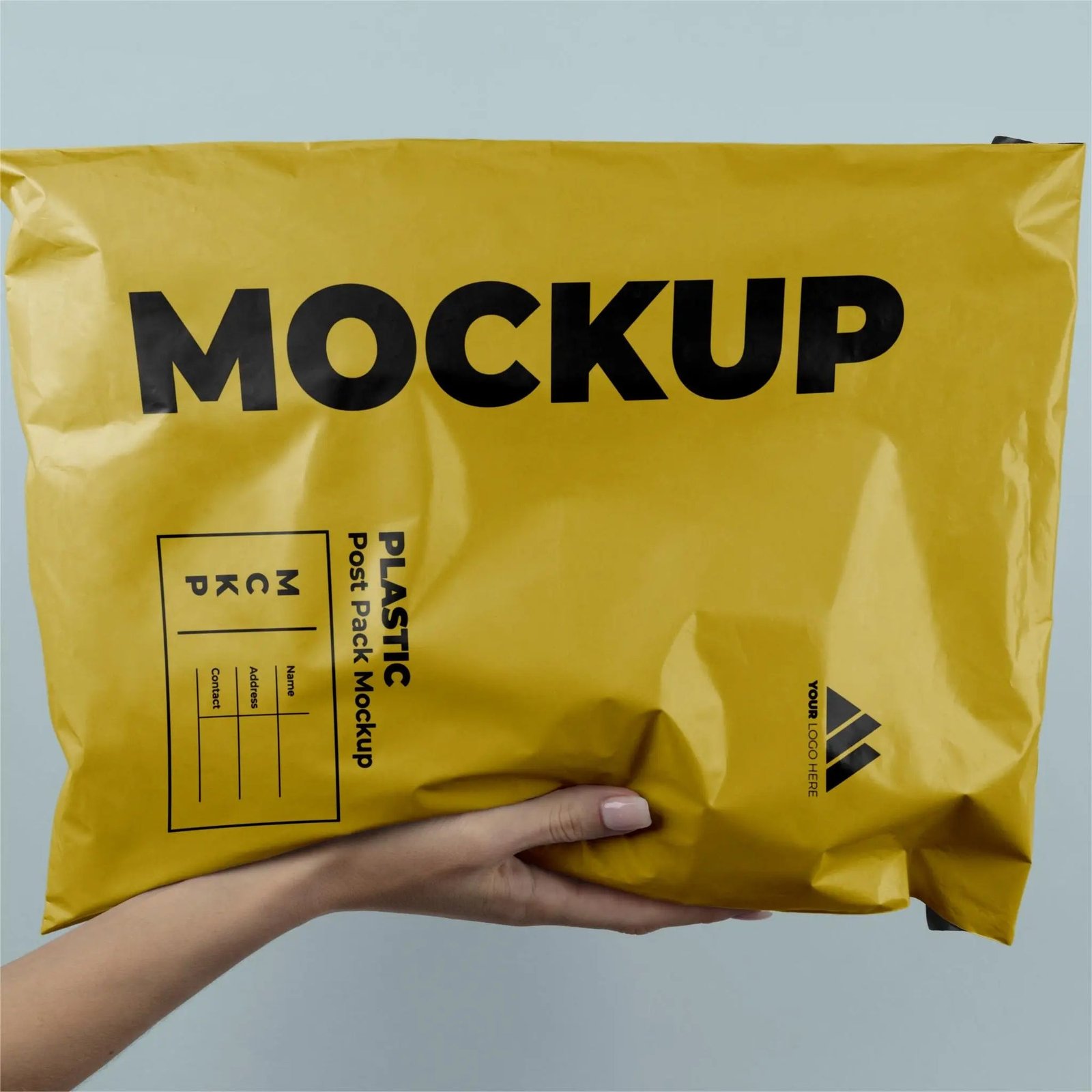
Branded Packaging Sets
Custom polybags, tissue paper, sticker seals, cartons and insert cards help protect finished garments and deliver a consistent unboxing experience. Packaging can be prepared for direct-to-consumer fulfillment, retail presentation or export shipping.
About JUNSHEEN Company Logo Tshirts
Founded in 2010 in Humen Town, Dongguan, JUNSHEEN helps fashion brands turn company logo tshirts and broader casualwear concepts into production-ready private-label programs. Our mission is straightforward: combine responsive product development, fit-focused construction, and dependable manufacturing for brands building at every stage.
With 200+ skilled workers and monthly capacity exceeding 80,000 units, we manage low-MOQ launches from 100 units per style and color through scalable repeat production. Our integrated team supports OEM, ODM, wholesale, pattern development, fabric sourcing, decoration, labels, packaging, quality control, and global export coordination.
More than 2,000 fashion-brand clients have chosen JUNSHEEN for practical collaboration and consistent technical execution. We develop XS–3XL, extended-size, plus-size, and oversized fits with considered grading, while in-house cut-and-sew, knitting, printing, embroidery, washing, and finishing keep brand details aligned from sample approval to shipment.

Deep Company Logo Tshirts Manufacturing Capability
Fit-First Pattern Development
JUNSHEEN develops company logo tshirts from XS through 3XL with refined shoulder balance, sleeve length, body proportion and grading increments. Our team turns tech packs, references or early concepts into production-ready patterns that reduce sampling revisions and support consistent branded fits.
- XS–3XL, plus-size and oversized grading
- Pattern making and prototype sampling
- Fit review before bulk approval
- 100-unit MOQ per style and color

Integrated Logo Decoration
Keep decoration decisions connected to garment construction, fabric behavior and brand standards. Our in-house capabilities support embroidery, screen printing, DTG, DTF, transfers and specialty effects, helping company logo tshirts retain clear artwork, dependable placement and the intended hand feel.
- Flat, 3D and puff embroidery
- Screen print, DTG, DTF and transfers
- Puff, silicone, foil and high-density effects
- Artwork placement and sample verification

Purposeful Material Sourcing
Material selection begins with the required cost, weight, drape, durability and wash performance of your program. JUNSHEEN sources cotton, organic cotton, combed jersey, blends and recycled options, then provides swatches and sample garments so buyers can approve the right base before bulk production.
- Cotton, organic cotton and blended jersey
- Fabric recommendations by target use
- Swatches available for review
- Weight, hand feel and wash-performance checks

Repeat-Order Quality Control
For ongoing company logo tshirts programs, JUNSHEEN retains patterns, graded size sets and material records to improve repeatability. Incoming fabric, in-line construction, measurements, decoration and final packed goods are checked throughout production, with global export support for growing wholesale and retail programs.
- Documented patterns and material records
- In-line measurement and construction checks
- Final decoration and packing inspection
- 80,000+ units monthly production capacity

Why Choose JUNSHEEN for Company Logo Tshirts
Built for fit accuracy, controlled branding, and reliable scale from first samples through repeat bulk orders.
← 左右滑动查看 →
Company Logo Tshirts Production Process
A clear, factory-led workflow for branded T-shirt programs, from initial feasibility through export-ready delivery.
Review Brief and Feasibility
JUNSHEEN reviews your tech pack, artwork, quantities, target price, fit requirements, and decoration method to confirm a production-ready route.
Source Fabrics and Components
Our team recommends jersey weights, colors, trims, labels, and packaging based on hand feel, durability, branding goals, and approved cost targets.
Develop Samples and Fit
We create patterns, graded size specifications, and prototype samples for approval, refining measurements, print placement, and construction before bulk production.
Manufacture Branded Apparel
After approval, skilled teams cut, sew, print or embroider, wash, finish, and assemble company logo tshirts from 100 units per style and color.
Inspect Pack and Ship
Layered quality checks verify fabric, measurements, construction, decoration, and packed goods before branded orders are carton-packed and prepared for global shipment.
How to Start Your Company Logo Tshirts Project
Send your concept and move from development to dependable bulk production with one fit-focused manufacturing team.
Send Your Concept
Share a tech pack, sketch, reference garment, mood board, or product idea with your target quantities, logo requirements, size range, and delivery market.
Confirm Specifications and Quote
JUNSHEEN reviews construction, fabrics, decoration, fit, and MOQ, then recommends practical options and provides a clear quotation for your company logo tshirts.
Approve Your Sample
Review prototype samples, fabric swatches, logo execution, measurements, and XS–3XL grading. Refine technical details before approving the production-ready sample and bulk materials.
Launch Bulk Production
After approval, our team manages cutting, sewing, decoration, in-line inspections, final quality control, branded packaging, and global export preparation for your confirmed order.
Custom Clothing Manufacturer Credentials and Compliance Documents



Company Logo Tshirts Client Results
JUNSHEEN helped us launch our first branded tee drop at the 100-unit MOQ without compromising on fabric weight or print detail. The revised size grading reduced fit-related returns by 18% in our first eight weeks.
Our repeat program now runs much more smoothly. Junsheen retained the approved patterns and color standards, so our second 1,200-piece company logo tshirts order moved from sample approval to shipment 12 days faster than the first.
The development team adjusted the shoulder, body length, and grading across XS–3XL instead of scaling one base size. After launch, our extended-size tees generated 31% of total sales, giving us confidence to expand the range.
Company Logo Tshirts FAQ
Clear answers on MOQ, sampling, production, payment, shipping, and confidential development for branded apparel programs.
What is the MOQ for company logo tshirts?
Can I order a sample before producing company logo tshirts in bulk?
How long does company logo tshirts production take?
Can JUNSHEEN help if I only have a logo or design concept?
Which logo decoration methods can you provide?
What payment terms apply to a first order?
Do you ship company logo tshirts internationally?
How do you protect my logo, designs, and product information?
The Complete Buyer’s Guide to company logo tshirts
Use this decision framework to select styles, fabrics, decoration methods, and a dependable OEM supplier while avoiding quality, pricing, and launch mistakes that can undermine branded apparel programs.
1. What Are company logo tshirts?
100-unit programs make company logo tshirts practical for more than staff uniforms: buyers use them for promotional giveaways, event teams, retail merchandise, and private-label collections. The shared feature is a visible company identifier, but the garment’s commercial job differs—uniforms prioritize repeatability, promotions prioritize reach, and retail pieces must earn a place in a customer’s wardrobe. 1 logo application is not the same as custom garment development. Adding screen print, embroidery, DTG, or a heat transfer to a stock blank usually fixes the base fabric, fit, seams, colors, and available sizes; full development can specify a 160–220 GSM jersey, ring-spun cotton blend, Pantone body color, neck rib, graded size range, labels, trims, and wash standard. 3 sourcing inputs should be settled before requesting quotes: intended wear, order scale, and brand position. A 100-unit capsule may need an oversized retail fit and woven labels, while a multi-location uniform order may favor durable 180 GSM cotton-poly jersey, stable color matching, and straightforward logo placement; these choices determine decoration method, sampling needs, MOQ feasibility, and the level of quality control required. 2010-founded Junsheen approaches the brief as a production specification rather than a logo-only order. A buyer can start from a tech pack, reference garment, sketch, or concept, then align fit, fabric, decoration, private labeling, and packing with the program’s actual use.
2. Evolution of Branded T-Shirts
1913 marked the U.S. Navy’s adoption of a short-sleeve cotton undershirt, establishing the simple tubular or cut-and-sew tee as a practical, low-cost base layer. Its plain surface soon made it an unusually efficient carrier for screen-printed names, events, and messages. 1950s film and youth culture moved the T-shirt from underwear into visible casual dress, while promotional programs turned it into a giveaway with long wear life. A logo tee could now function simultaneously as employee uniform, retail merchandise, event identifier, and mobile brand impression. 1960s advances in screen printing and counterculture graphics made the garment a canvas for identity rather than merely a promotional item. That shift still informs streetwear-led programs: oversized shoulders, dropped sleeves, 180–260 GSM ring-spun cotton, garment dye, and restrained chest placements often carry more perceived value than a large front print alone. 100-unit production tiers now let smaller brands develop company logo tshirts with consistent Pantone color targets, branded labels, and repeatable graded fits across markets. Buyers increasingly pair premium blanks with organic or recycled options and request OEKO-TEX or GOTS documentation where applicable, because material traceability, wash performance, and a consistent brand experience matter from wholesale racks to staff uniforms.
3. Types of company logo tshirts
Eight core formats cover most company logo tshirts programs, but the neck opening and silhouette change who will wear them and where a mark can sit. Match the blank to its job before approving artwork size.
| Format | Best Program | Logo Real Estate |
|---|---|---|
| Crewneck | Uniforms, events | Full chest or left chest |
| Oversized | Resale, streetwear | Large front, back, sleeves |
| Fitted | Promotions, activewear | Small chest mark |
| Casual retail | Pocket or upper chest | |
| Performance | Sports events | Upper back, sleeve |
| Long-sleeve | Seasonal campaigns | Chest plus sleeve |
Everyday Uniform Shapes
Crewnecks are the lowest-risk choice for staff uniforms, giveaways, and broad retail runs; the uninterrupted chest accepts a 3–4 inch left-chest logo or a large center print. V-necks suit hospitality, beauty, and warmer-climate teams, but the neckline reduces center-chest clearance. Polo-inspired tees read more polished for field sales or service teams; reserve the left chest because plackets interrupt large artwork.
Fashion And Retail Fits

Oversized tees create a relaxed, youth-led resale silhouette and support broad back prints, sleeve marks, or 10–14 inch front graphics. The tradeoff is a fit that can look untidy in conservative uniform settings. Fitted tees work for promotional teams, women’s assortments, and active brand presentations. Confirm the grade across the size range: stretched chest graphics distort faster than small left-chest embroidery.
Functional And Seasonal Options
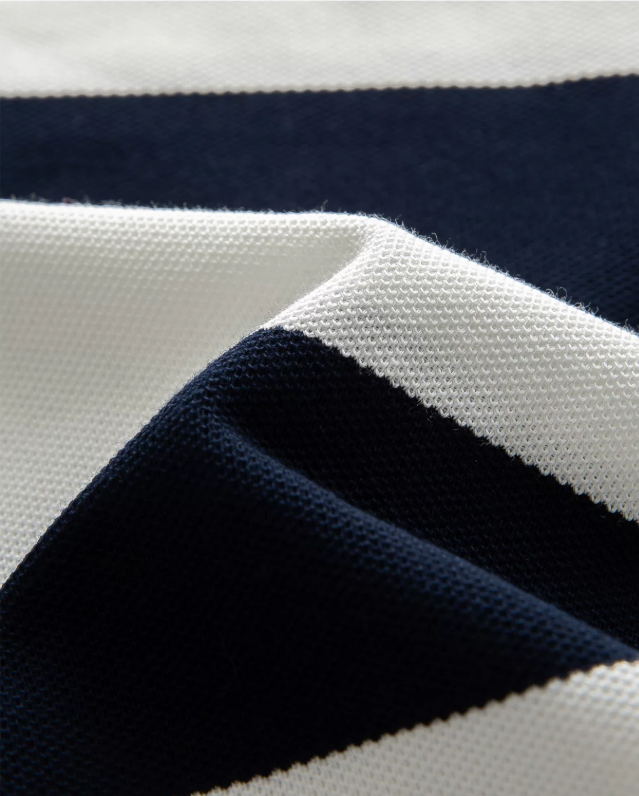
Pocket tees place a small woven label, embroidery, or 2–3 inch print above or on the pocket; they suit heritage retail and casual staffwear. Avoid detailed artwork that crosses the pocket seam. Performance tees fit runs, gyms, tournaments, and outdoor events, while long-sleeve tees extend campaign utility into cooler weather. Keep logos away from high-sweat zones and use sleeves or upper back for secondary marks.
4. Fabrics for company logo tshirts
Fabric weight and fiber content determine how company logo tshirts print, wear, and survive laundering. Specify both GSM and knit construction before approving color, because the same artwork behaves differently on each base.
| Fabric | Typical GSM | Knit / Hand Feel | Best Use |
|---|---|---|---|
| Cotton | 160–180 | Single jersey; soft, breathable | Everyday printed tees |
| Organic cotton | 160–190 | Soft jersey; natural hand | Certified-focused collections |
| Cotton-poly | 160–200 | Stable, durable blend | Uniforms and workwear |
| Recycled polyester | 140–180 | Smooth filament knit | Sublimation eventwear |
| Performance synthetic | 140–170 | Wicking interlock | Active teams |
| Heavy cotton jersey | 220–260 | Dense, structured jersey | Premium streetwear |
Choose The Base Cloth
160–180 GSM ring-spun cotton jersey is breathable, soft, and reliable for water-based or plastisol prints; allow controlled shrinkage testing. Organic cotton uses the same practical range but requires documented certification when a GOTS claim is made.
- Combed yarn: smoother print surface
- Open-end yarn: drier, more economical hand
- Single jersey: standard promotional T-shirt knit
Balance Durability And Performance
50/50 cotton-poly blends reduce shrinkage and retain color better than all-cotton, but high polyester content can limit discharge printing. Recycled polyester and performance synthetics wick moisture and suit sublimation, teamwear, and active uniforms; confirm recycled-content documentation separately.
- Cotton-poly: uniforms and repeat laundering
- Recycled polyester: sublimated event shirts
- Performance knit: moisture-management programs
Use Weight Intentionally
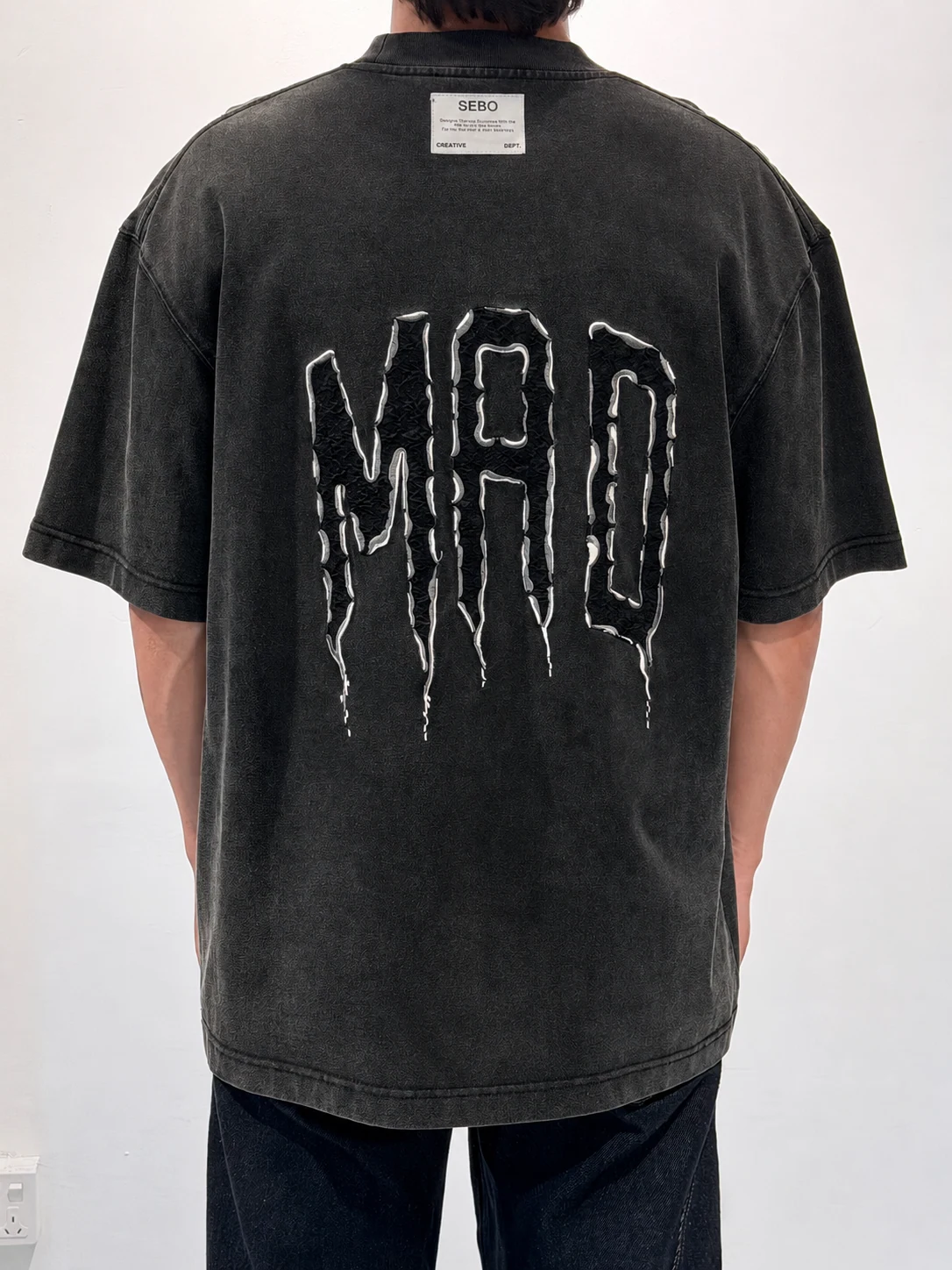
220–260 GSM heavyweight jersey creates a structured hand, stronger drape, and premium streetwear position, while 180–200 GSM suits retail basics. Ask for wash-tested measurements, spirality results, and Pantone-approved lab dips before bulk cutting.
- Rib neckband should recover after stretch
- Pre-shrunk fabric reduces size variance
- Dark shades need colorfastness testing
5. Logo Decoration and Customization Options
100-unit programs can use several decoration routes, but the best choice depends on artwork complexity, reorder volume, and placement. For company logo tshirts, confirm the final fabric color, Pantone references, print size, and wash-test expectation before approving production.
| Method | Best Use | Setup And MOQ | Durability And Cost |
|---|---|---|---|
| Screen print | Simple chest logos; 1-4 colors | Screens per color; best at 100+ units | High durability; low bulk unit cost |
| DTG | Detailed full-color cotton artwork | Minimal setup; short runs | Good wash life; higher unit cost |
| DTF or heat transfer | Variable names; mixed fabrics | Minimal setup; small batches | Good durability; moderate unit cost |
| Embroidery or patch | Premium small logos | Digitizing; stitch-count dependent | Very durable; higher cost |
| Woven label or neck print | Private-label identification | Artwork and placement approval | Low added cost at volume |
Print Method Selection

1-2 spot-color left-chest logos usually suit screen printing: crisp opacity, low unit cost at scale, and durable ink coverage. Each color needs a separate screen, so setup becomes inefficient for short runs or frequent artwork changes. Full-color gradients and photographic artwork favor DTG or DTF. DTG needs a smooth, cotton-rich surface and is most practical for detailed small runs; DTF transfers handle more fabric blends but can leave a more noticeable hand feel.
Branding Beyond The Front
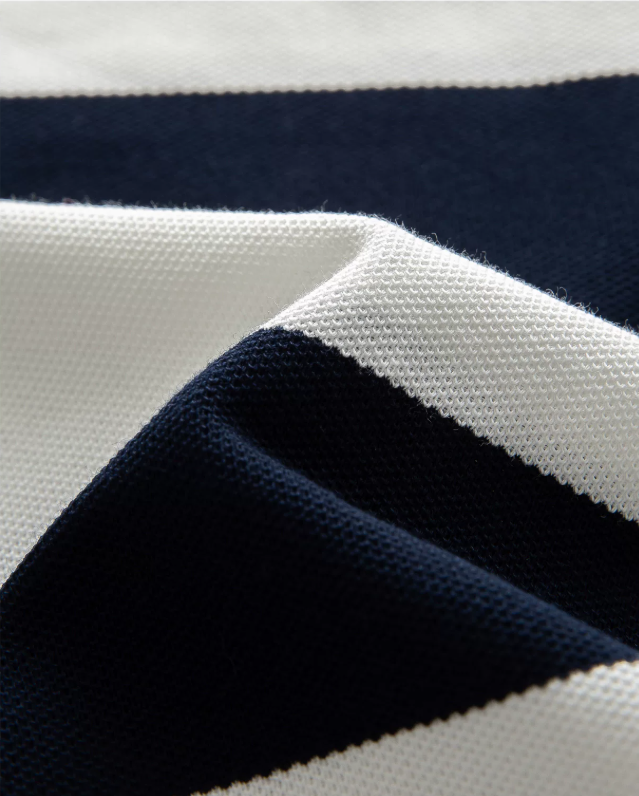
1-color inside-neck prints replace a separate neck label and reduce bulk, while woven labels create a more premium private-label signal. Lock label artwork, fiber-content wording, care symbols, and placement before the size-set approval. 3D embroidery, applique, chenille, silicone, puff ink, foil, and custom patches add texture but raise handling and rejection risk. Avoid dense embroidery across lightweight jersey, where stabilizer and stitch weight can distort the chest.
Variable Uniform Details
1-off names, numbers, or departmental identifiers are normally produced with DTF or cut heat transfer after the core logo is standardized. Supply a spreadsheet with exact spelling, size, location, and quantity; variable data should be checked before pressing.
6. Construction Details That Signal Quality
A T-shirt’s perceived value is often decided after five washes, not at the first fitting. For company logo tshirts, specify construction tolerances before bulk cutting so a repeat order retains the approved hand feel, shape, and measurements.
Collar And Shoulder Stability
1×1 or 2×1 rib collars should recover cleanly after stretching; match rib weight and elastane content to the body fabric. Request a collar-width specification, neckline stretch test, and shoulder-to-shoulder tape placement on the tech pack. 3 mm of visible waviness, collar twisting, or tape that misses the seam are follow-up defects. Check the pre-production sample after washing and hanging dry, not only when it is freshly pressed.
Seams And Stitch Density
8–12 stitches per inch is a practical starting range for jersey seams, adjusted for fabric weight and thread. Require twin-needle hems, secure sleeve seams, and overlock seam allowances that are trimmed without loose thread tails. Side seams improve shape control and give a reliable location for care labels. Open overlock loops, skipped stitches, seam grin, uneven hem coverstitch, or puckering should trigger supplier follow-up before production.
Weight, Shrinkage, And Fit
±5% GSM and clearly stated finished-measurement tolerances help control consistency across lots. List target GSM, allowed fabric-weight variance, garment measurements by size, grading increments, and the approved measurement method in the tech pack. 3–5% wash shrinkage may be acceptable only when it is built into the pattern and agreed in writing. Request pre-shrunk fabric status plus wash-test records for dimensional change, spirality, color change, print durability, and collar recovery.
7. How to Choose company logo tshirts Manufacturers
A 100-unit minimum can suit a controlled launch, but only if the supplier can develop patterns, source materials, decorate, inspect, and export the same specification. Evaluate operational evidence before comparing unit prices.
| Supplier Type | Best Use | Buyer Check |
|---|---|---|
| Factory | OEM and repeat bulk | Visit, sample, QC ownership |
| Trading company | Multi-factory sourcing | Named factory and inspection scope |
| Print shop | Blank-garment logo runs | Blank source and wash durability |
Match the Supplier Model
Factories control production planning, technical sampling, and in-line quality; trading companies coordinate outside factories; print shops usually decorate customer-supplied blanks. For OEM company logo tshirts, identify who owns the pattern, fabric booking, and final inspection. Two-week sampling and 30- to 45-day bulk windows are common planning benchmarks after approvals, but capacity, fabric availability, and decoration method determine the actual calendar.
Verify Development and Controls
100 units per style and color is a practical starting point only when the factory confirms fabric MOQ, trim availability, size ratios, and decoration setup cost. Request a written sample sequence: development sample, fit revisions, pre-production sample, then sealed approval. Pantone references, artwork size, print placement tolerances, embroidery backing, and wash-test requirements should be documented before bulk cutting. Ask for material composition, mill origin, test reports where required, and relevant compliance evidence such as OEKO-TEX, GOTS, WRAP, or BSCI.
Approve With Specific Questions
Three approval questions expose most execution risk: who is the daily production contact, what inspection checkpoints apply, and what happens if measurements or decoration fail tolerance? Confirm quoted lead time begins only after fabric, artwork, and sample approvals. One shipping plan should state Incoterms, carton marks, packing method, destination documents, balance-payment timing, and whether the supplier can arrange courier, air freight, or sea freight.
- Can you share a graded measurement chart and tolerances?
- Which mill and decoration process will produce this order?
- Will you send final inspection photos and an AQL report?
8. Common company logo tshirts Buying Mistakes
Most preventable failures in company logo tshirts appear after a quote is accepted: during sampling, washing, delivery, or the first reorder. A purchase order should lock measurable specifications, approvals, and replenishment assumptions before bulk fabric is cut.
Lowest Quote Trap
$1.00 saved per unit can disappear through lighter fabric, fewer print passes, weak trims, or excessive defect risk. Compare like-for-like quotes with fabric composition, GSM, decoration method, packing, inspection, and Incoterm stated. 100-unit launches need a realistic unit-cost comparison, not a headline price. Ask suppliers to identify excluded setup, label, testing, and freight charges before placing the deposit.
Artwork And Specification Gaps

300 DPI artwork, vector logos, Pantone references, print dimensions, and placement measurements prevent avoidable revisions. A low-resolution raster file can produce blurred edges or force an unplanned redraw. 180 GSM versus 240 GSM materially changes opacity, hand feel, and print behavior. Specify fiber content, GSM tolerance, measurement tolerance, shrinkage allowance, and approved color standard in the tech pack.
Rushed Sample Approval
One unwashed sample cannot confirm shrinkage, color migration, cracking, or decoration durability. Wash-test the approved sample using the intended care method and record results before bulk approval. XS–3XL programs require graded measurements, not a scaled-up medium. Review a size set on appropriate fit models, checking shoulder balance, body length, sleeve length, and chest increments.
Freight And Reorder Blind Spots
30-day ocean transit and customs variability can turn a successful launch into a stockout. Confirm carton dimensions, chargeable weight, Incoterm, destination duties, and a delivery buffer before setting launch dates. 2–3 repeat colors often outperform a broad first assortment with no replenishment plan. Retain approved artwork, Pantones, measurements, fabric references, and decoration settings so repeat orders match the initial run.
9. Steps to Launch a Branded T-Shirt Program
A controlled first order starts with a written launch brief, not artwork alone. For company logo tshirts, assign one brand owner to approve design, cost, fit, and delivery decisions before the supplier begins development.
Set The Commercial Brief
One target customer, retail price, channel, launch date, and landed-cost ceiling should be fixed first. The brand owner selects the initial color count and 100-unit MOQ split; finance confirms the cash available for samples, deposits, freight, and duties.
- Define customer and selling channel
- Set retail price and landed-cost ceiling
- Name one final approver
Freeze Artwork And Specifications

One production pack should include vector logo files, Pantone references, artwork placement, print dimensions, and label copy. Technical owner specifies silhouette, fabric weight, size range, measurement chart, seams, neck rib, wash standard, and packing method before quotation.
- Supply AI, PDF, or EPS artwork
- Specify GSM and fabric composition
- Confirm size chart and tolerances
Quote Sample And Revise
Two or three comparable supplier quotes should separate fabric, decoration, trims, packaging, sample fees, freight, and lead time. Development owner reviews the first sample against measurements, print registration, hand feel, shrinkage, and wash performance, then issues one consolidated revision list.
- Compare like-for-like quote assumptions
- Approve a signed pre-production sample
- Record every approved change
Approve Produce And Reorder

Before bulk release, the brand owner signs the pre-production sample and the supplier confirms final quantities, color breakdown, and ship window. During production, inspect measurements, construction, decoration, labels, and packed cartons; retain approved patterns, Pantones, and material records for the reorder forecast.
- Use an AQL inspection plan
- Approve carton marks and packaging
- Forecast reorder before stock falls below four weeks
10. company logo tshirts Pricing and Cost
100 units per style and color is Junsheen’s starting production scale, but it is not a universal price point. Use the table as an illustrative ex-works planning range for a standard 180–220 GSM cotton tee with one front placement; final quotations require approved specifications and artwork. 1–2 screen colors are usually the lowest-cost decoration route once volume rises, because screen preparation spreads across more units. DTF and DTG reduce setup risk for small runs or variable artwork, while extra Pantone colors, large back prints, puff effects, labels, custom packaging, samples, duty, and freight raise landed cost.
| Quantity tier | Illustrative ex-works unit cost | Print-method and cost considerations | Typical production lead time |
|---|---|---|---|
| 100–199 units | US$6.50–9.50 | DTF or one-color screen print; setup and sample costs carry across fewer units | 20–30 days after approvals |
| 200–499 units | US$4.80–7.50 | One- or two-color screen print becomes more efficient; standard neck label | 20–28 days |
| 500–999 units | US$3.90–6.20 | Screen setup spreads further; woven labels and folded bags add cost | 18–25 days |
| 1,000+ units | US$3.20–5.50 | Bulk fabric booking lowers unit cost; multi-placement prints and freight remain variables | 18–25 days |
Start Your Company Logo Tshirts Production
Send your tech pack, reference garment, or product idea to begin sampling and receive a clear OEM quotation from JUNSHEEN.