Custom Jeans for Men, From 100 Units
Fit-focused OEM, ODM and private-label custom jeans for men, with XS–3XL grading, custom washes and global production support.
Featured Products for custom jeans for men Development


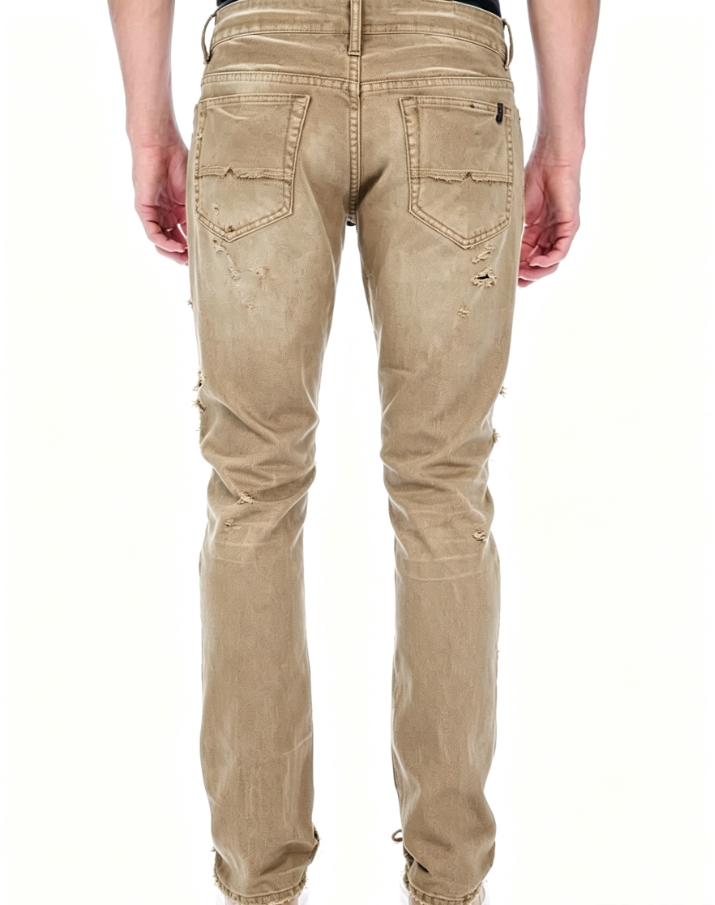


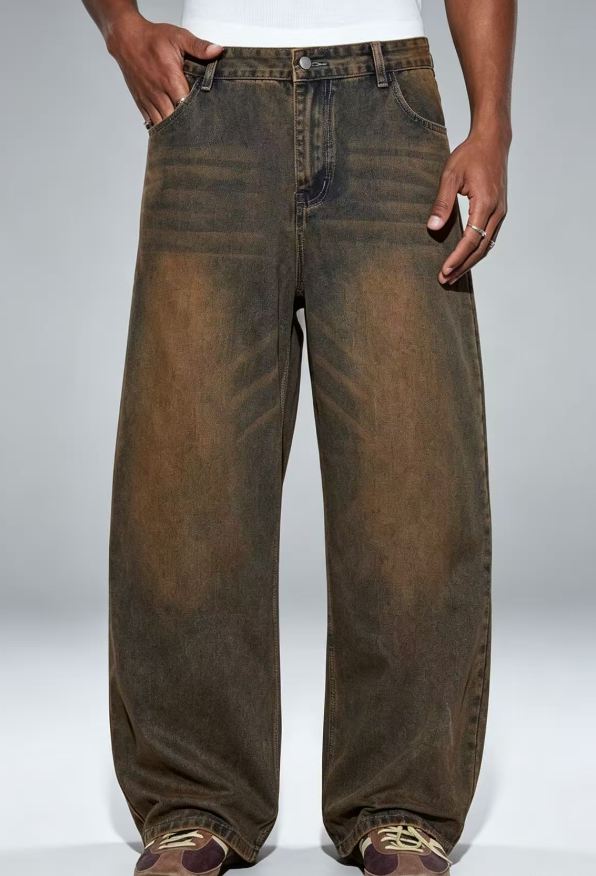
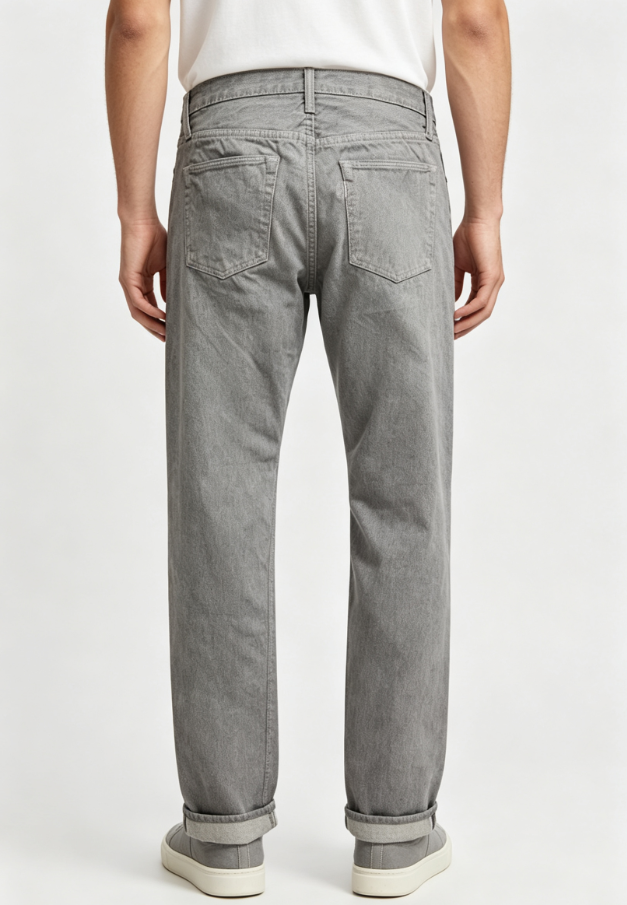

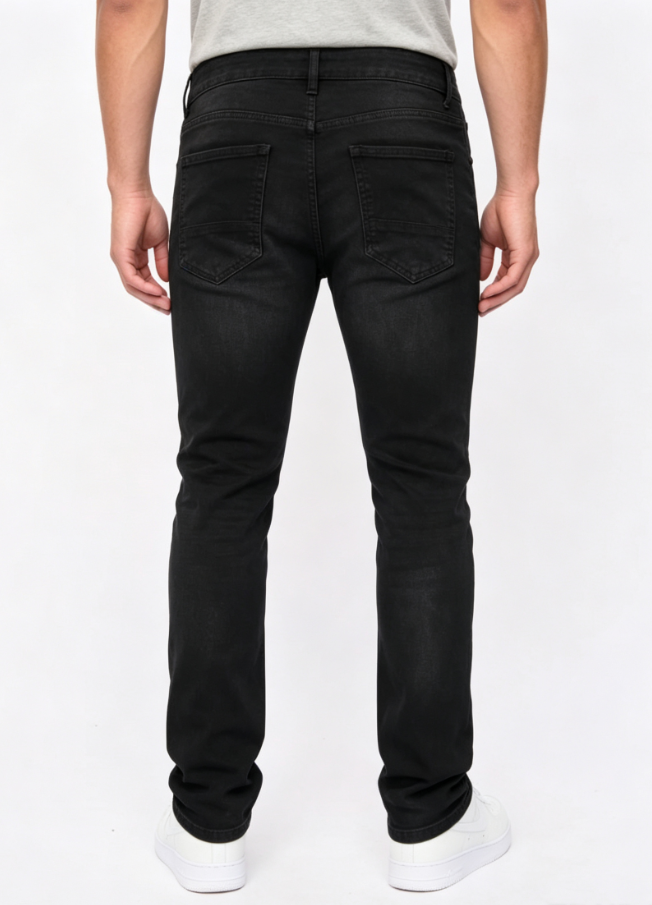
Custom Jeans for Men Catalogue & Quotation


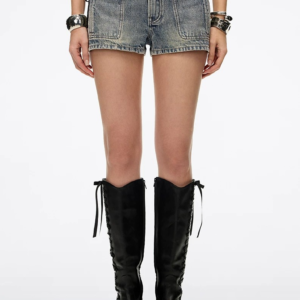


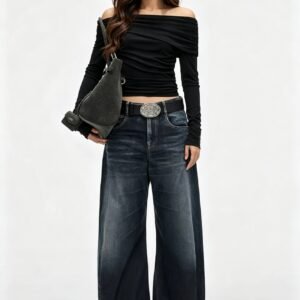


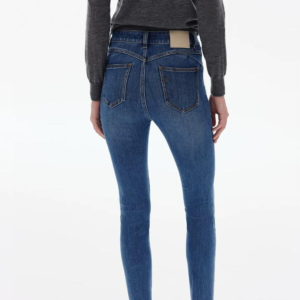
Custom Jeans for Men Built for Fit, Detail and Scale
Develop production-ready denim programs with fit-led grading, integrated branding and dependable global delivery.
Fit-First Size Grading
Patterns are refined from XS to 3XL for rise, seat, thigh and leg balance—not simply enlarged from one base size.
100-Unit Denim MOQ
Launch a capsule or test a new wash from 100 units per style and color, then scale successful programs confidently.
Integrated Brand Details
Coordinate embroidery, printing, washes, leather labels, custom hardware, hang tags and branded packaging through one experienced production team.
Denim Quality Control
Inspection covers incoming fabric, construction, measurements, wash appearance, decoration and final packed goods before shipment approval.
Global Export Support
Work with a responsive manufacturer supporting documentation, packing and export coordination for fashion brands selling across international markets.
Scalable Production Capacity
More than 200 skilled workers and 80,000 monthly units support repeat custom jeans for men orders as demand grows.
Custom Jeans and Coordinated Apparel Programs
Develop men’s denim, denim sets, shorts, jackets, and complementary casualwear with low-MOQ sampling, fit-focused grading, and scalable production.
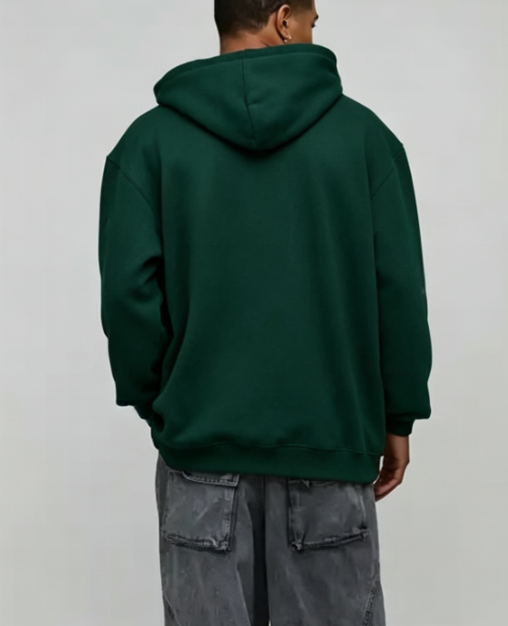
Custom Hoodies
Develop custom hoodies in fleece, French terry, or jersey with brand-specific weights, oversized or regular fits, embroidery, screen printing, washes, labels, and packaging. Available from 100 units per style and color.
Request a Quote
Custom T-Shirts
Produce custom T-shirts in combed cotton, organic cotton, blended jersey, or performance knits. Junsheen supports specification review, pattern development, XS–3XL grading, DTG or screen printing, neck labels, hang tags, and bulk export.
Request a Quote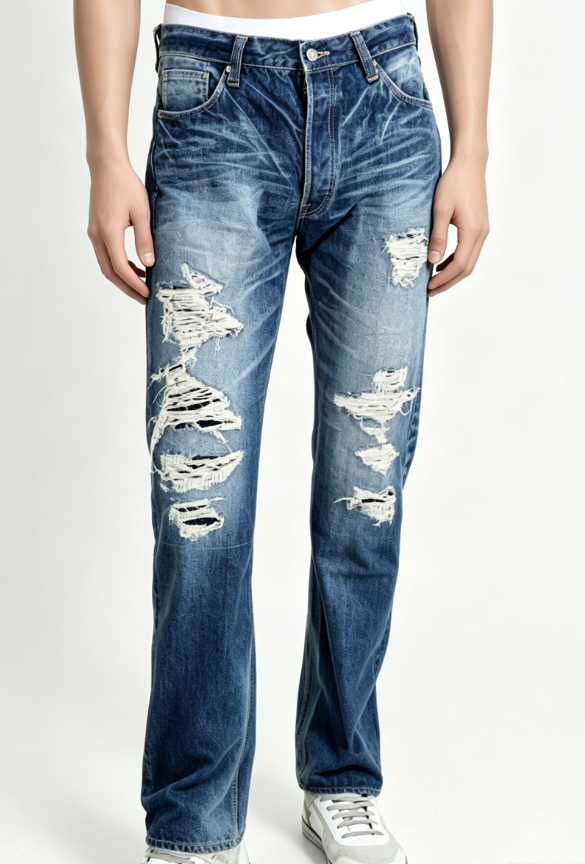
Custom Jeans
Build custom jeans for men’s collections in rigid, stretch, or recycled denim. Development covers fit blocks, rises, leg shapes, pocket construction, hardware, washes, distressing, embroidery, size grading, and coordinated production from samples through bulk orders.
Request a Quote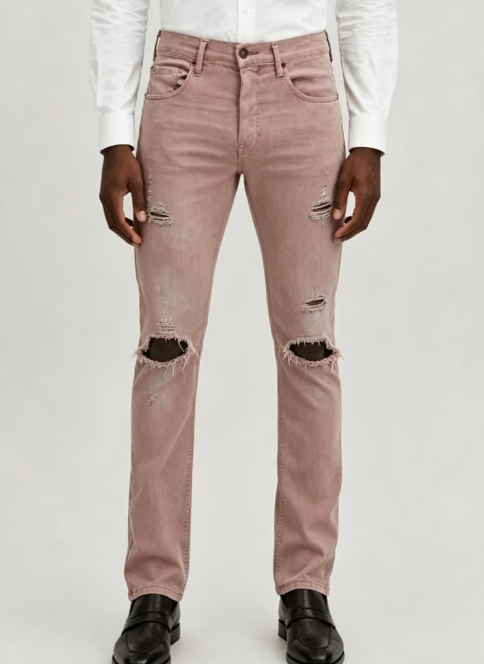
Custom Sweaters
Source turtle neck sweater bulk programs in knitted constructions suited to your target hand feel, gauge, warmth, and price point. Junsheen supports yarn selection, fit development, rib details, branded labels, size sets, and repeat production.
Request a Quote
Custom Jackets
Create custom jean jackets in denim, twill, or stretch woven fabrics with branded buttons, pocket layouts, contrast stitching, embroidery, patches, washes, and fit adjustments. Coordinate jacket specifications with jeans or denim shorts for consistent collection development.
Request a Quote
Custom Sweatshirts & Crewnecks
Produce custom crewneck hoodie and sweatshirt programs in fleece or French terry, including crewneck, hooded, oversized, and regular-fit options. Support includes rib specifications, print and embroidery placement, garment washes, labels, grading, and production control.
Request a Quote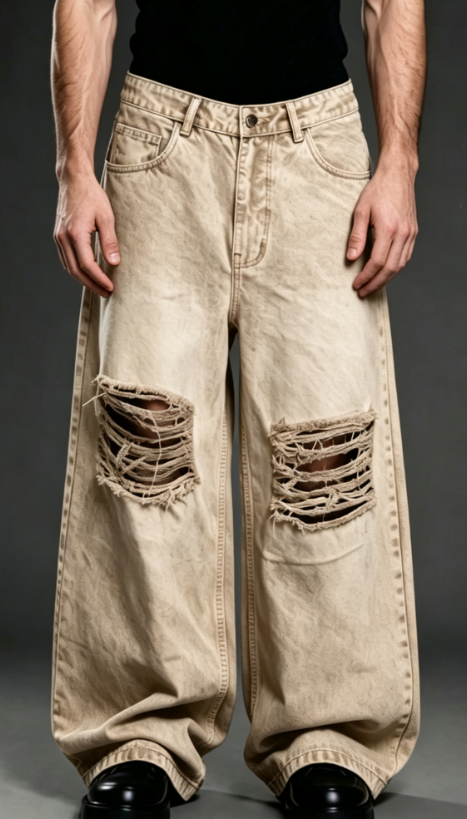
Custom Cardigans
Develop custom cardigans in knitwear constructions with selected yarns, gauges, button or zipper closures, pockets, rib trims, and branded labeling. Fit can be refined across standard, extended, plus-size, and oversized size ranges.
Request a Quote
Custom Puffer & Down Jackets
Manufacture custom puffer jackets with shell, lining, insulation, quilting, pocket, zipper, hood, and reflective-detail specifications aligned to your market. Sampling confirms construction, fit, fill performance, trims, branding, and packed-goods requirements before bulk production.
Request a Quote
Custom Denim Shorts
Produce custom jean shorts in rigid or stretch denim with selected inseams, rises, hems, pocket details, hardware, washes, distressing, embroidery, and size grading. Match fabrics and finishes with jeans or denim jackets across a coordinated range.
Request a Quote
Custom Sweater Dresses
Develop custom sweater dresses in appropriate knit constructions, from fitted silhouettes to relaxed oversized styles. Junsheen supports yarn and gauge selection, neckline, sleeve, hem, rib details, XS–3XL grading, labels, packaging, and bulk production.
Request a Quote
Custom Denim Sets
Create mens denim suits wholesale programs that pair denim jackets, overshirts, or tailored denim tops with matching jeans or trousers. Junsheen manages fabric matching, wash consistency, fit development, branded trims, size sets, and repeatable bulk production.
Request a Quote
Custom Polo Shirts
Manufacture custom polo shirts in pique, jersey, or performance fabrics with collar construction, plackets, buttons, embroidery, printing, and private-label details. Fit development supports men’s standard, extended-size, and oversized product programs from 100 units per color.
Request a Quote
Custom Sweatpants
Produce custom sweatpants in fleece, French terry, or knit fabrics with tapered, straight-leg, wide-leg, or relaxed fits. Specify elastic or drawstring waists, pockets, cuffs, embroidery, prints, washes, labels, and coordinated hoodie or crewneck sets.
Request a Quote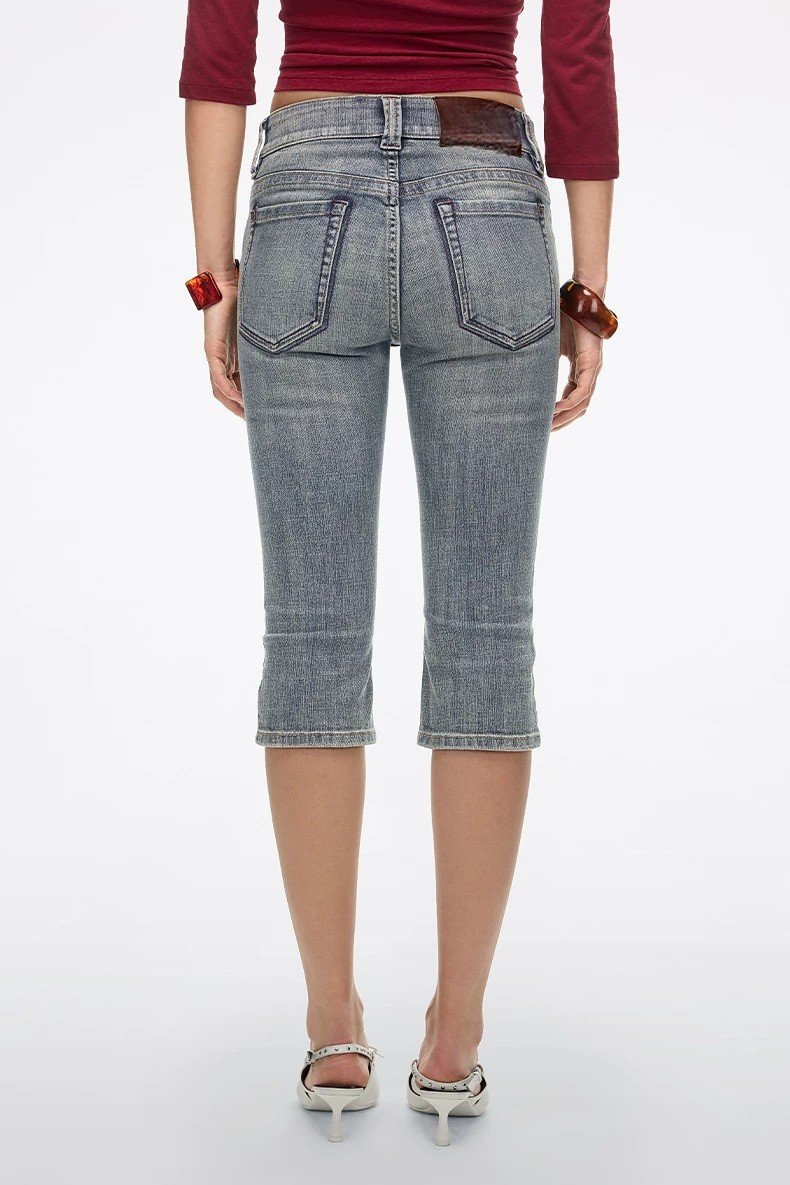
Custom Shorts
Develop custom shorts in woven, jersey, fleece, twill, or performance fabrics for casualwear collections. Junsheen supports inseam and rise specifications, pocket construction, waist details, printing, embroidery, washes, private labels, and scaled bulk delivery.
Request a Quote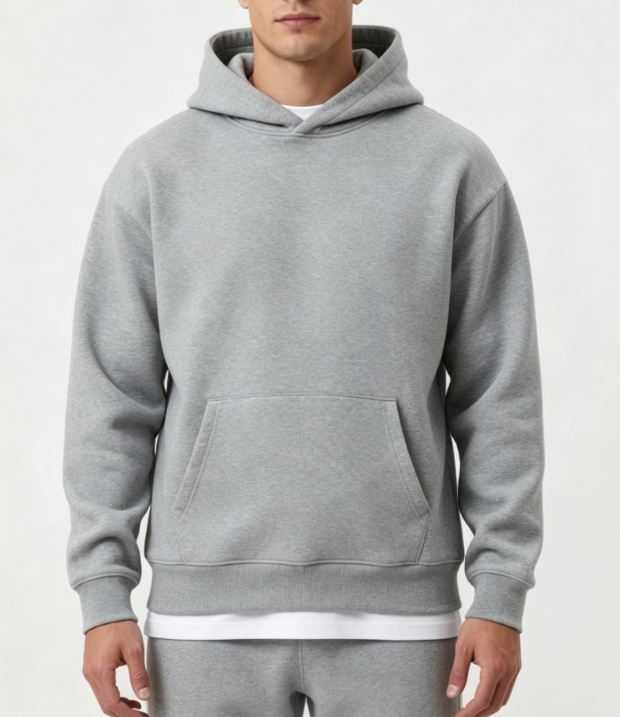
Custom Pullovers
Manufacture custom pullovers in jersey, fleece, French terry, or knitwear constructions, including half-zip, quarter-zip, mock-neck, and hoodless styles. Development covers fit, fabric weight, trims, decoration, grading, labels, and coordinated apparel production.
Request a QuoteCustom Jeans for Men: Denim Fabrics We Support

Rigid Cotton Denim
A structured, authentic-feeling denim for classic straight, relaxed and workwear-inspired jeans. Typically 12–15 oz, it develops distinctive fading through wear and delivers dependable abrasion resistance after repeated washing.

Stretch Cotton Denim
Cotton denim blended with elastane for slim, tapered and comfort-fit custom jeans for men. Its flexible hand improves mobility, while controlled stretch recovery helps retain shape through regular wear and laundering.

Comfort Stretch Denim
A balanced cotton-stretch construction with a softer hand than rigid denim, suited to everyday jeans and contemporary relaxed fits. Midweight fabrics commonly offer durable wear with moderate flexibility and stable recovery.

Recycled Blend Denim
Denim incorporating recycled cotton or recycled polyester for brands pursuing lower-impact material stories. Available in varied weights and washes, it can provide a firm denim hand while supporting traceable sourcing requirements.

Lightweight Denim Chambray
A lighter, breathable denim-look fabric for summer jeans, denim shirts and layered capsule pieces. Usually 5–8 oz, it offers a smooth hand, easy drape and faster-drying comfort than heavyweight denim.
Custom Jeans for Men: Washes, Printing and Decoration

Denim Washes
Choose enzyme, stone, acid or softening washes to create controlled fading, texture and hand feel. Our team tests wash recipes on samples so custom jeans for men retain the intended character through production.

Screen Printing
Apply plastisol, water-based, puff, high-density or foil screen prints for bold artwork on denim. Process selection is matched to fabric weight and placement to support clean coverage, flexible wear and lasting visual impact.

Logo Embroidery
Add flat, 3D puff, chain-stitch or applique embroidery to pockets, waistbands and leg panels. Dense, carefully digitized stitching creates a tactile branded detail designed to remain secure through repeated washing and wear.

Custom Patchwork
Use woven, leather-look, embroidered or custom-shaped patches to create recognizable jeans branding. We coordinate patch materials, edge treatment, placement and attachment methods for a premium detail that complements your denim construction.

Garment Finishing
Refine the final product with brushing, napping, garment dye, distressing and anti-pilling treatments. These finishing options help define color depth, surface character and comfort while supporting a consistent collection-level aesthetic.
Custom Jeans for Men With Branded Trims, Labels and Packaging

Custom Metal Buttons
Branded shank buttons, rivets and waistband hardware add a durable signature to custom jeans for men. Choose finishes, logo embossing and color treatments suited to your wash direction and target market.

Branded Zippers
Specify dependable zipper pulls, tape colors and logo details for fly fronts, pockets or denim jackets. JUNSHEEN aligns zipper selection with garment construction, finish requirements and the intended price point.

Leather Waist Labels
Custom leather or leather-look waistband labels create a premium back-waist identity for men’s denim. Add debossed logos, stitched edges, contrast colors and finishes that complement your jeans wash and hardware.

Woven Brand Labels
Woven main labels, size labels and care labels give each pair clear brand identification and essential product information. We coordinate placement, yarn color, folding style and attachment method during sampling.

Custom Hangtags
Hangtags help communicate collection stories, fit details and retail-ready branding before customers try on the garment. Select custom shapes, paper stocks, printing, strings and optional barcodes for your denim launch.
Branded Packaging
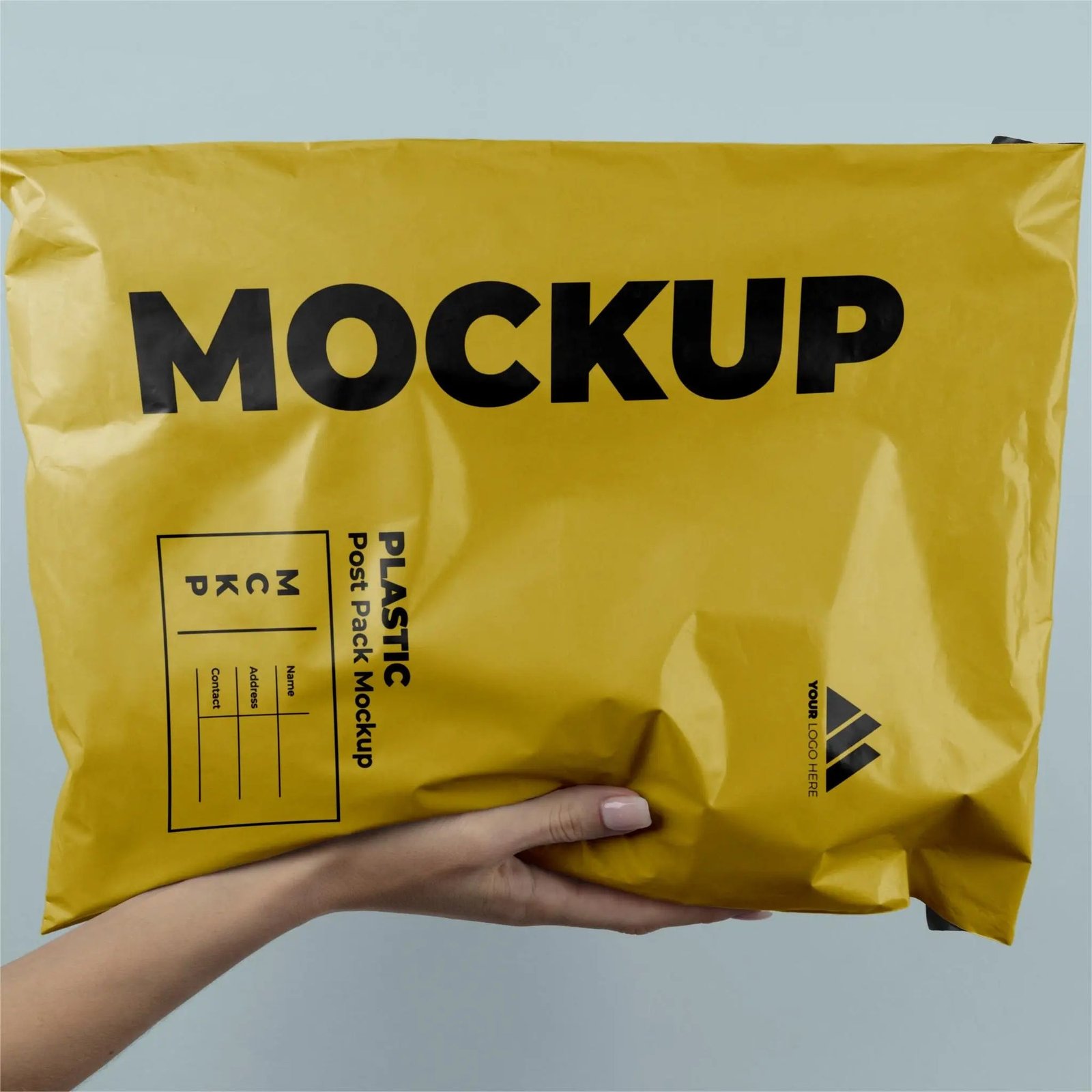
Complete your order with branded polybags, tissue, carton markings or retail packaging designed for efficient export handling. Packaging specifications can be matched to your retailer requirements, product protection and unboxing experience.
About JUNSHEEN Apparel Manufacturing
Founded in 2010 in Humen Town, Dongguan, JUNSHEEN helps fashion brands turn denim concepts into production-ready custom jeans for men. Our mission is to make dependable, fit-led apparel manufacturing accessible from a 100-unit style-and-color MOQ through scalable ongoing programs.
With 200+ skilled workers and monthly capacity above 80,000 units, we unite product development, pattern making, denim sourcing, cut-and-sew production, washing, decoration, labels, packaging and export support in one managed supply chain. We have served 2,000+ fashion-brand clients across global markets.
What sets JUNSHEEN apart is a fit-first approach. Our team refines rise, leg shape, mobility, wash performance and grading from XS through 3XL instead of simply scaling one base pattern, helping brands achieve consistent jeans that are ready for repeatable bulk production.

Fit-First Custom Jeans for Men Development
Patterns Built for Real Fits
JUNSHEEN develops custom jeans for men from measurements, sketches, reference garments, or tech packs. Our pattern team refines rise, thigh, knee, leg shape, and mobility before sampling, then grades each size intentionally from XS through 3XL instead of simply scaling one base pattern.
- Fit review for waist, rise, thigh, and leg balance
- XS–3XL, extended-size, plus-size, and oversized grading
- Prototype, size-set, and pre-production sample support
- Manufacturability feedback before bulk approval

Denim, Stretch, and Wash Development
Select denim construction and finishing around your target fit, price point, and brand direction. We source rigid and stretch denim, recommend weights and blends, and develop wash recipes that preserve the intended hand feel, color character, and garment shape through production.
- Rigid, stretch, cotton-blend, and recycled denim options
- Weight, recovery, durability, and hand-feel guidance
- Stone wash, enzyme wash, acid wash, and garment dye
- Wash samples reviewed before bulk material confirmation

Private Label Details, Integrated
Build a complete retail-ready denim program through one production partner. JUNSHEEN coordinates cut-and-sew, embroidery or printing, custom hardware, labels, hang tags, and packaging so every custom jeans for men order carries a consistent brand presentation from waistband to final carton.
- Woven, leather, main, size, and wash-care labels
- Custom buttons, rivets, zippers, patches, and hang tags
- Embroidery, printing, and specialty finishing options
- Branded packaging and export-ready packing support

Repeat Orders Stay Controlled
For repeat denim programs, JUNSHEEN retains approved patterns, graded size sets, material records, trim specifications, and wash references. This documentation helps protect fit and visual consistency while supporting efficient reorders, color extensions, and scalable production from 100 units per style and color.
- Approved patterns and grading records retained
- Fabric, trim, wash, and packaging specifications documented
- Incoming, in-line, measurement, and final inspections
- Scalable support from capsule launches to bulk programs

Why Brands Choose JUNSHEEN for Custom Jeans for Men
A fit-first denim manufacturing partner for brands that need low-MOQ flexibility, integrated production, and dependable global delivery.
← 左右滑动查看 →
Custom Jeans for Men, From Denim Sourcing to Global Delivery
A clear development-to-delivery process for denim programs starting at 100 units per style and color.
Review Feasibility and Specs
Share your tech pack, sketch, reference jean or concept. Our team reviews fit, construction, wash, trims, sizing and target quantity before development begins.
Source Denim and Components
We recommend denim weight, stretch, color and wash-ready fabric alongside zippers, buttons, labels and packaging aligned with your target cost and brand direction.
Develop Patterns and Samples
Pattern makers build fit-focused XS–3XL graded patterns, then produce prototypes and size sets for review, revisions and pre-production approval.
Manufacture and Inspect Bulk
Approved custom jeans for men move into bulk cutting, sewing, washing and decoration, with incoming, in-line and final checks covering measurements, construction and finish.
Pack and Ship Globally
We apply approved private labels, hang tags and branded packaging, complete final packed-goods inspection, then coordinate export-ready shipping for your destination.
How to Start Your Custom Jeans for Men Program
Move from concept to approved bulk denim with a clear, fit-focused manufacturing path.
Submit Your Design Brief
Send a tech pack, sketch, reference garment, mood board, or product idea. Share target fit, size range, wash direction, branding details, quantity, and destination.
Review Specifications Together
Our development team evaluates construction, denim weight, stretch, washability, trims, pattern requirements, and XS–3XL grading to confirm feasibility and improve production readiness.
Approve Quote and Sample
Receive a detailed quotation for your custom jeans for men, then review fabric swatches and prototype samples. Refine measurements, washes, decoration, labels, and packaging before approval.
Confirm Bulk Production
Approve the pre-production sample and final specifications, then place your order from 100 units per style and color. We retain approved patterns and material records.
Inspect and Ship Globally
JUNSHEEN checks materials, construction, measurements, fit, finishing, and packed goods throughout production. Final balances are settled before export coordination and worldwide delivery.
Custom Clothing Manufacturer Credentials and Compliance Documents



Customer Results From Custom Jeans for Men Production
JUNSHEEN rebuilt our tapered-jean grade from XS to 3XL instead of scaling one base size. Our second fit sample was approved, cutting development by three weeks and helping us launch a 600-unit capsule on schedule.
We needed 100 units across two washes for a first drop, with private labels and custom rivets. The team responded to sample comments within 48 hours, and 92% of the initial run sold through in six weeks.
After a successful 400-unit test order, we moved three repeat programs to JUNSHEEN. Measurement consistency improved across our size range, and all four bulk deliveries arrived within the confirmed shipping windows.
Custom Jeans for Men OEM FAQ
Clear answers on minimums, development, production and delivery for denim brands.
What is the MOQ for custom jeans for men?
Can I order a sample before producing custom jeans for men in bulk?
How long does custom jeans for men production take?
Can you develop fit grading from XS to 3XL?
Do you offer OEM, ODM and private-label denim services?
What payment terms do you offer for a first denim order?
Do you ship custom jeans for men internationally?
How do you protect my designs, patterns and brand details?
The Complete Buyer’s Guide to custom jeans for men
Use this decision framework to define your denim program, compare supplier capabilities, evaluate quality and costs, and avoid the sampling, fit, compliance, and production mistakes that delay a successful launch.
1. What Are custom jeans for men?
100 units per style and color is a practical starting point for custom jeans for men: a B2B program in which a brand commissions denim to its own commercial and technical specification rather than buying an unchanged stock jean. The brand defines the customer, price position, fit direction, target quantities and identity; the manufacturer turns those choices into a workable pattern, materials plan, sample and repeatable bulk process. 4 common models should not be confused. OEM uses the buyer’s design or tech pack; private-label adapts a proven manufacturer block with the buyer’s labels and details; made-to-measure produces individual measurements for each end customer; retail customization usually changes a finished garment through embroidery, patches or similar personalization. 10 or more specification decisions can affect the final program, including straight, slim, relaxed or oversized fit blocks; rigid or stretch denim; weight, shade and wash; pocket shape, thread, rivets, buttons and zippers; Pantone-approved branding; XS–3XL grading; hangtags, polybags and cartons. A custom program is warranted when stock denim cannot deliver the required fit, wash consistency, branded components, extended sizing, differentiated assortment or reorder control; for a capsule, Junsheen can develop from a tech pack, sketch, reference garment or product idea.
2. Evolution of custom jeans for men
1873 marks the patenting of riveted workwear trousers by Levi Strauss and Jacob Davis, establishing the stress-point logic buyers still expect in durable denim: reinforced pocket corners, stable seams, dependable hardware and fabric that holds shape. The later five-pocket format standardized a familiar product architecture, so a custom program must preserve these functional cues even when the silhouette moves from straight leg to relaxed, wide or tapered. 1950s–1980s denim shifted from utility to youth uniform and then designer product, making wash, shade and fit central to market position. Stone wash, enzyme wash, garment dye, abrasion and distressing require controlled test samples because the same process can change shrinkage, stretch recovery, color cast and measurements; production specifications should state the approved wash standard and measurement tolerance after laundering. 1990s–2010s streetwear made logo placement, oversized proportion and limited drops commercially important, while consumers began asking where cotton, dyes and washes originated. Buyers should request material records, wash recipes where available, trim specifications and traceability documents appropriate to their claims; branded leather patches, woven labels, custom buttons and hangtags should be approved alongside the garment, not after bulk cutting. 100-unit per style-and-color production now lets labels test custom jeans for men without committing to a traditional bulk run. A capable OEM should convert the reference fit into graded patterns, confirm a pre-production sample and retain approved patterns, fabrics and finishes so repeat orders can move faster without losing the heritage construction or current brand identity.
3. Types of custom jeans for men
Six core silhouettes cover most custom jeans for men assortments, but each needs its own balance of rise, thigh room, and hem width. A 100-unit launch is usually stronger with one proven fit block than six shallow variants.
| Silhouette | Rise | Leg Opening | Stretch | Core Customer |
|---|---|---|---|---|
| Straight | Mid | Regular | 0–2% | Everyday classic |
| Slim | Mid | Narrow | 1–3% | Clean contemporary |
| Tapered | Mid/high | Narrowed | 0–2% | Comfort-focused |
| Relaxed | Mid | Wide | 0–1% | Casual streetwear |
| Wide-leg | Mid/high | 18–22 in | 0–1% | Fashion-led |
| Carpenter | Mid | Regular/wide | 0–2% | Workwear customer |
Straight And Slim Fits
Two commercial staples are straight and slim jeans. Straight fits use a mid rise, nearly even leg, low-to-moderate stretch, and a versatile customer who wants everyday wear. A 14–16 inch hem opening typically gives straight jeans room for boots or sneakers; slim fits narrow the opening and usually use 1–3% elastane. Slim styling suits cleaner, body-conscious assortments but needs careful thigh and calf review.
Tapered And Relaxed Fits
Two comfort-led options are tapered and relaxed jeans. Tapered fits combine a mid or high rise, fuller thigh, narrowed hem, and moderate stretch for customers wanting mobility without a loose ankle. A relaxed block keeps more seat and thigh ease with a wider opening, usually in rigid or low-stretch denim. Its casual, skate, and workwear relevance makes it useful for younger or trend-driven ranges.
Wide Leg And Utility
Two directional silhouettes are wide-leg and utility or carpenter jeans. Wide-leg styles need a mid or high rise, broad 18–22 inch opening, and usually rigid denim to preserve the intended drape. A carpenter pattern adds a hammer loop, utility pockets, and a relaxed-to-wide leg for workwear styling. Develop a new pattern when the rise, thigh ease, or opening changes materially; modify an approved block for minor measurements only.
4. Materials for custom jeans for men
12–15 oz denim is the commercial middle ground for custom jeans for men: heavy enough to look authentic, yet manageable for all-season wear. Specify fiber, yarn, weave, stretch recovery, finish and test method together; an ounce weight alone does not define quality.
| Construction | Weight | Comfort And Wear | Best Use |
|---|---|---|---|
| Stretch denim | 10–12 oz | Soft, flexible; easier recovery checks | Summer and slim fits |
| Rigid ring-spun denim | 13–15 oz | Balanced durability; clear wash character | Core straight and relaxed jeans |
| Heavy rigid slub denim | 16–21 oz | Slow break-in; high abrasion resistance | Premium heritage styles |
Cotton And Yarn Choice

100% cotton can use conventional, organic, recycled or regenerative-origin fiber, but each claim needs traceable documentation. Long-staple cotton and ring-spun yarn generally produce a smoother, stronger face than lower-cost open-end yarn. 3–8% elastane is common in comfort-stretch denim, while rigid denim uses no stretch fiber and gains character through wear. Slub yarn adds deliberate irregular streaks; approve a bulk swatch because wash contrast can amplify them.
- Request fiber-content and origin records
- Define ring-spun or open-end yarn
- Approve slub level before washing
Weight And End Use
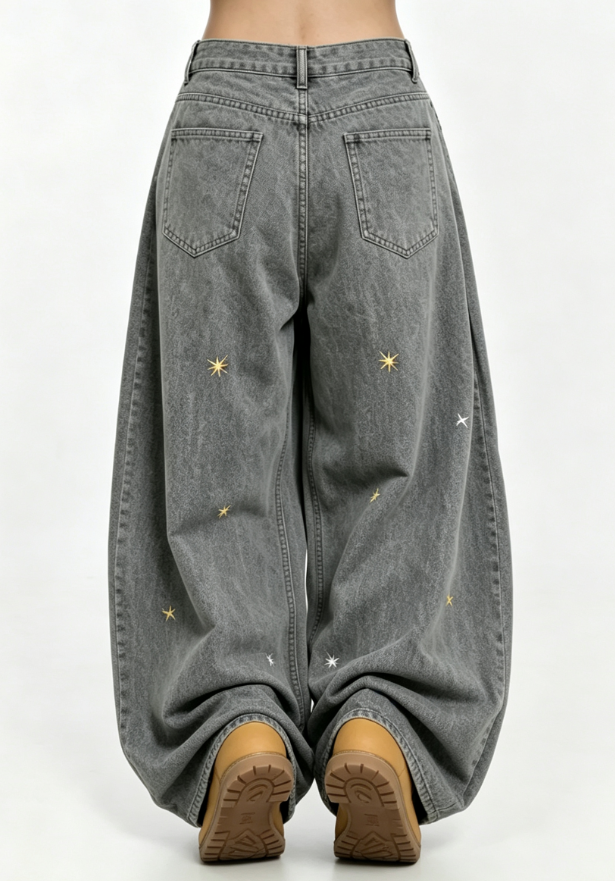
10–12 oz twill suits lightweight summer jeans and relaxed silhouettes, but it can show abrasion sooner than heavier cloth. 13–15 oz is the most versatile range for core five-pocket programs. 16–21 oz rigid denim delivers pronounced fading and long service life, although break-in is slower and sewing tolerances become less forgiving. Match pocketing, thread and wash recipe to the denim weight.
Claims And Testing
5% recycled cotton may affect tensile strength and shade consistency differently from virgin fiber, especially at higher recycled percentages. Confirm tear strength, tensile strength, shrinkage, skew, colorfastness and stretch recovery on the proposed construction. GOTS, organic, recycled-content and regenerative claims should follow the applicable chain-of-custody evidence rather than supplier wording. Keep test reports and transaction documents with the approved bulk material record.
5. Customization options for custom jeans for men
At a 100-unit-per-style-and-color starting point, customization should be specified as controlled production variables, not mood-board effects. For custom jeans for men, approve physical references before any finish that changes shade, surface, or abrasion.
| Option | Brand Impact | Repeatability | Cost Effect |
|---|---|---|---|
| Enzyme wash | Soft, broken-in identity | High with approved recipe | Low to medium |
| Laser fading | Precise signature graphics | High | Medium setup cost |
| Hand distressing | Artisanal, vintage character | Lower; sample-controlled | High labor cost |
| Embroidery or patches | Clear private-label recognition | High after placement approval | Medium to high |
Wash And Color Direction

3 scalable routes are enzyme or softener wash, garment over-dye, and controlled fading. They establish a recognizable hand feel and color language, but wash recipes need approved standards because denim lots, indigo depth, and garment load affect repeatability.
- Enzyme wash: softer hand with lower abrasion
- Over-dye: saturated seasonal color, higher shade risk
- Laser fading: repeatable placement without manual sanding
Distressing And Surface Effects

2 labor-heavy effects—hand scraping and ripped distressing—require a sealed reference sample, placement map, and acceptable tolerance. Extra abrasion can reduce yarn strength and increase cost; laser whiskers, print details, and programmed fading scale more consistently after approval.
Branding And Components
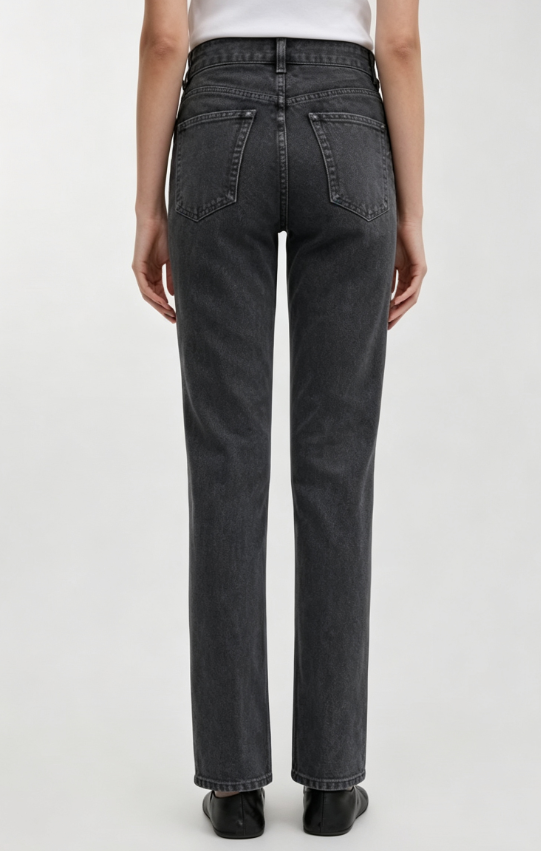
4 visible touchpoints—embroidery, patches, contrast stitching, and branded hardware—should match the intended price tier. Dense embroidery can stiffen the panel, while metal buttons, rivets, leather labels, wash-care labels, and packaging need durability, colorfastness, and market-compliance review.
- Specify Pantone thread and print colors
- Use nickel-safe hardware where required
- Confirm label fiber-content and care declarations
6. Construction quality that buyers should inspect
Two approved samples—the development sample and the pre-production sample—should be inspected side by side before custom jeans for men enter bulk cutting. Construction faults become expensive once wash, hardware, and grading are locked.
Pattern And Measurement Control
A balanced pattern keeps side seams vertical, inseams aligned, and the rise, knee, and hem positioned consistently across the graded size set. Inspect front-to-back waist balance and pocket placement against the approved specification. A practical finished-garment tolerance is typically ±1 cm at waist, hip, thigh, inseam, and outseam unless a stricter tech pack controls it. Re-measure after the specified wash because denim shrinkage changes both fit and leg twist.
- Check seam allowance is even and fully caught
- Confirm pocket angles and pair-to-pair symmetry
- Review shrinkage after wash, tumble, and hang dry
Stitching And Reinforcement
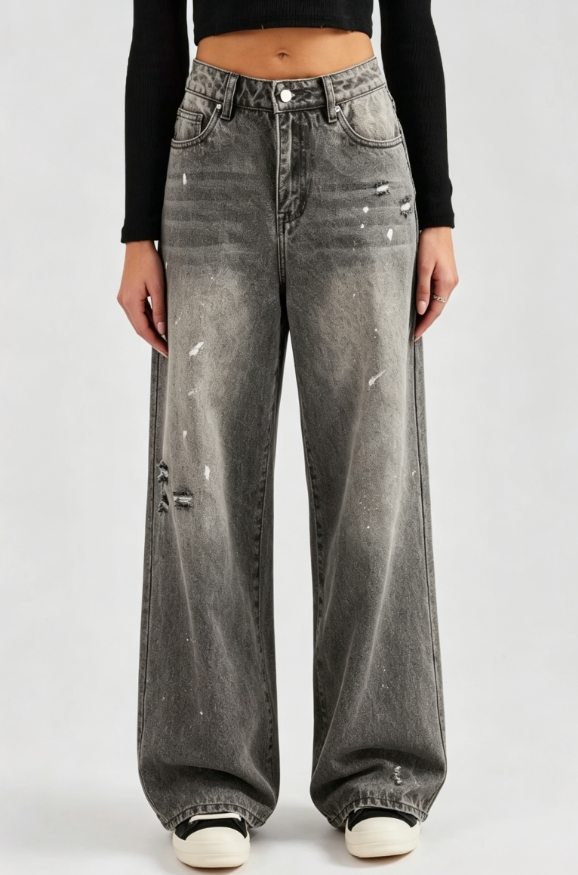
Eight to 10 stitches per inch is a common baseline for durable denim seams, while high-stress points need clean bartacks. Inspect chain stitching at hems and waist seams for even tension, without skipped stitches or loose thread tails. Five pull tests on belt loops, pocket corners, fly ends, and crotch reinforcement should show no seam opening or hardware movement. Verify fly construction closes smoothly and that buttonholes are cut cleanly without fraying.
- Bartacks at pocket corners and fly base
- Secure rivets with no sharp backs
- Firm waistband join and aligned belt loops
Wash, Shade, And Wear Approval
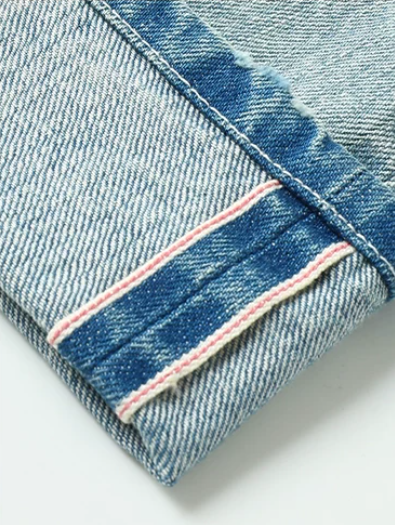
One approved wash standard should define shade, abrasion placement, hand feel, and contrast stitching before production begins. Compare multiple panels under neutral daylight to catch leg-to-leg shade variation and inconsistent fading. Ten repeated sit, squat, and pocket-load cycles should not cause seam popping, fly distortion, or waistband rolling. Inspect rivets, buttons, and labels after laundering, then retain the signed pre-production sample as the bulk reference.
- Compare shade across front, back, and pocket panels
- Check wash consistency against the approved standard
- Inspect hardware after laundering and wear cycles
7. How to choose a denim manufacturer
A denim supplier should be assessed through verifiable production evidence, not a quotation alone. For custom jeans for men, compare technical capability, development discipline, compliance records, and export execution before releasing a purchase order.
Verify Denim And Wash Capability

A capable factory should show comparable denim weights, stretch recovery, seam construction, and wash recipes—not only finished photos. Request physical wash panels and an approved reference sample for each colorway. Three questions expose depth quickly: whether washing is in-house or subcontracted, how shade bands are controlled, and how backstaining, shrinkage, and crocking are checked after washing.
- Ask for garment, washhouse, and QC process photos.
- Request fabric composition and test reports.
- Compare wash panels under consistent daylight.
Test Development And MOQ Fit
A 100-unit-per-style-and-color starting point can suit capsule launches, but confirm the MOQ separately for fabric, wash, hardware, and label components. Ask for a dated sample calendar covering pattern review, fit sample, size set, and pre-production sample. A strong pattern team refines rise, thigh, knee, leg opening, and grading rather than enlarging one base size. Send measurements, fit comments, target tolerance, and reference garments in one revision-controlled file.
- Request a graded measurement spec from XS through 3XL.
- Approve a size set before bulk cutting.
- Confirm who owns patterns and sample records.
Document Risk Controls
Monthly capacity above 80,000 units matters only when the supplier can identify available production windows and critical-path dates. Require incoming-fabric, in-line, measurement, wash, and final-inspection evidence, plus a written defect-resolution process. Recognized documentation may include OEKO-TEX or GOTS material records and WRAP or BSCI audit reports where applicable; request current scope and expiry dates. Confirm third-party testing support, export destinations, shipping terms, confidentiality controls, and IP-access restrictions before sharing artwork.
- Request recent inspection and test-report examples.
- Verify lead time from sample approval, not inquiry.
- Use an NDA and limit artwork access by role.
8. Common custom denim sourcing mistakes
Most custom-jeans disputes begin before cutting: an incomplete approval record leaves price, wash, fit, and delivery open to interpretation. Treat the sample and pre-production package as the production standard, not as a sales formality.
Price-Only Supplier Selection
A quote that is 15% lower can omit wash testing, better pocketing, inspection time, or the actual fabric weight. Compare like-for-like specifications and request a costed breakdown before appointing a factory.
- Confirm denim composition and ounces per square yard
- Specify wash, hardware, labels, and packing
- Compare sampling, inspection, and freight terms
Unclear Technical Specifications
A sketch without a measurement chart, stitch callouts, Pantone references, and wash direction creates factory assumptions. Issue a controlled tech pack and approve a size-set sample before bulk cutting.
Wash And Shrinkage Gaps
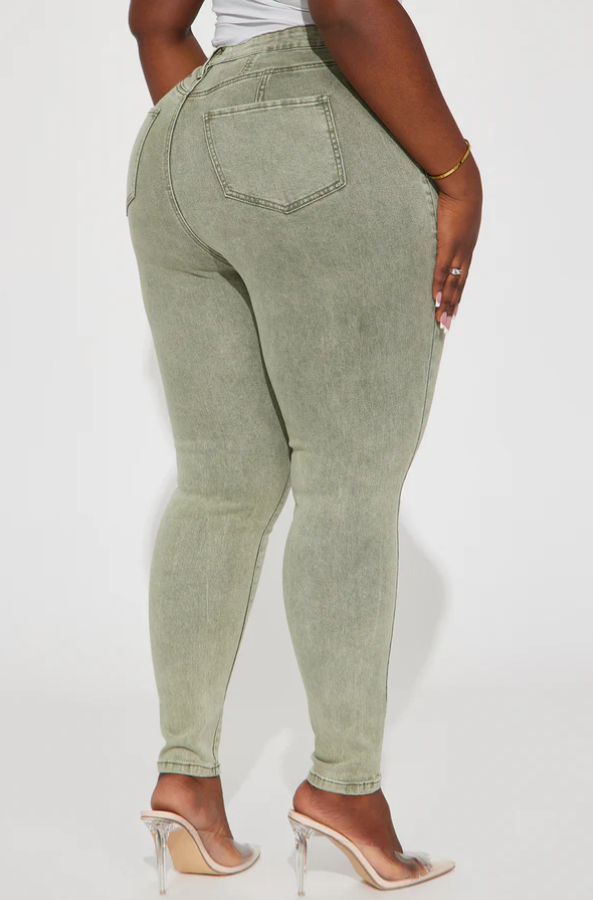
A stone wash can change shade, hand feel, and inseam length after laundering. Approve a physical wash standard and record shrinkage results from a wash test; adjust pattern allowances before production.
Late Changes And Timelines

A new zipper, rivet finish, or fit revision after fabric booking can trigger trim MOQs, re-sampling, and missed ex-factory dates. Freeze trims and allow roughly 2–4 weeks for samples plus 4–8 weeks for bulk after approvals.
Missing Compliance And Final Approval
A claimed OEKO-TEX, GOTS, WRAP, or BSCI status is not evidence unless the document matches the relevant mill or facility and validity period. Verify certificates, then sign off a pre-production sample covering measurements, wash, decoration, trims, labels, and packing.
9. Steps to launch a custom jeans label
A 100-unit MOQ can validate a custom jeans for men concept, but it cannot replace demand planning. Launch in approval gates: lock the customer, price and product decisions before committing bulk fabric, washes or branded trims.
Define Customer And Price
Week 1 should identify the target wearer, retail price, competitor fit and planned margin. Set a target landed cost before choosing 11–14 oz denim, stretch content, hardware or wash complexity. Three decisions must be signed off: fit category, retail channel and initial color count. Limit a first drop to one or two washes so inventory and replenishment data stay readable.
- Target retail price and margin
- Core fit and size range
- Launch quantity by wash
Build The Technical Package

A complete tech pack should specify measurements, construction, stitch count, Pantone colors, fabric composition, trims and artwork. Supply reference photos and a measurement chart; vague ‘relaxed fit’ language causes avoidable sampling rounds. A fabric swatch and trim approval gate should precede pattern work. Confirm shrinkage, stretch recovery, weight and supplier availability before finalizing the bill of materials.
Approve Fit And Wash

One prototype establishes pattern direction, while a fit sample tests rise, thigh, leg opening and inseam on the intended size model. Approve revised measurements before requesting graded XS–3XL or the selected commercial range. A separate wash sample is essential because enzyme, stone or acid washes can alter shade, hand feel and measurements. Approve a sealed wash standard and shade tolerance before bulk cutting.
Release Production Carefully
A pre-production sample should combine approved fabric, wash, labels, packaging and construction in one final check. Only release bulk production after written approval of this sample and the graded measurement specification. During production, inspect incoming denim, in-line sewing, finished measurements, decoration and packed goods. Plan replenishment before delivery: a 100-unit test may sell quickly, while repeat fabric and wash matching require lead-time allowance.
10. Pricing custom jeans for men
100 units per style and color is a practical starting point for custom jeans for men, but the smallest run usually carries the highest unit cost because patterns, markers, wash trials, and setup are spread across fewer pairs. Denim weight and fiber blend, stretch content, pocket construction, hardware, laser work, hand distressing, enzyme or stone washes, and premium trims such as YKK zippers all change the quote. 3 quote inputs make supplier comparisons meaningful: a tech pack or reference garment, graded size-and-color breakdown, and clear wash, trim, labeling, packaging, Incoterms, and delivery destination requirements. Freight, destination duties, import taxes, inspection requirements, and compliance testing should be shown separately where possible, rather than hidden in an ex-works garment figure. 1 development budget should be held apart from bulk production: prototypes may require pattern creation, fabric swatches, wash approvals, fit revisions, and a size set before a pre-production sample is signed off. JUNSHEEN can review feasibility from a tech pack, sketch, reference garment, mood board, or product idea, then retain approved patterns and material records to support repeat orders.
| Order quantity per style/color | Indicative unit-cost direction | Typical production lead-time range |
|---|---|---|
| 100-299 units | Highest; development and wash setup are less diluted | 30-45 days after approvals |
| 300-999 units | Lower; material purchasing and setup spread further | 35-50 days after approvals |
| 1,000+ units | Lowest direction; confirm fabric availability and capacity | 40-60 days after approvals |
Ready to Develop Custom Jeans for Men?
Send your tech pack, reference garment or concept to JUNSHEEN for fit-focused denim development, 100-unit MOQs and a clear production quote.