Sweater Wholesale for Custom Brands
Launch fit-focused XS–3XL knitwear with 100-unit MOQs, OEM/ODM development, private labeling, and scalable sweater wholesale production.
Featured Products for sweater wholesale Development




Related Product Catalogue and Quotation

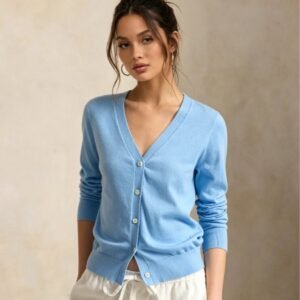


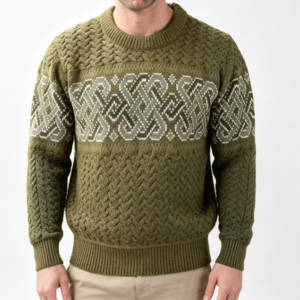


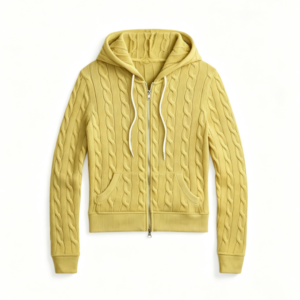
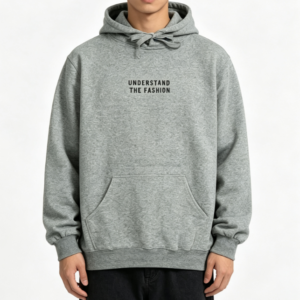
Sweater Wholesale Built for Flexible Sourcing
From low-MOQ launches to repeat bulk programs, JUNSHEEN combines knitwear development, fit control, private labeling and export-ready production.
100-Unit MOQ
Launch sweater wholesale styles from 100 units per style and color, ideal for capsule collections, new labels and market testing.
One-Stop Development
Turn a tech pack, sketch or reference into production-ready knitwear with material sourcing, sampling, grading and quality control.
Fit-First XS–3XL
Refined grading supports standard, extended-size, plus-size and oversized sweater fits without relying on simple pattern enlargement.
Scalable Production
More than 200 skilled workers and 80,000 monthly units support dependable growth from initial orders to ongoing wholesale programs.
Private-Label Details
Build a cohesive brand presentation with custom labels, hang tags, trims, embroidery, packaging and garment finishing options.
Global Export Support
Coordinate sweater wholesale production for international markets with clear order management, final inspection and export shipping assistance.
Production Programs for Every Collection
Develop fit-focused casualwear, denim, outerwear and knitwear from low-MOQ launches to scalable wholesale and private-label production.
Custom Hoodies
Develop custom hoodies in fleece, French terry, and jersey with your preferred weight, silhouette, rib details, pockets, washes, embroidery, and print treatments. Fit-focused XS–3XL grading supports standard, oversized, and extended-size programs from 100 units per style and color.
Request a Quote
Custom T-Shirts
Produce custom T-shirts from combed cotton, Pima cotton, organic cotton, or blended jersey selected for hand feel, weight, drape, and wash performance. We support pattern development, neck constructions, screen printing, DTG, embroidery, labels, and size grading for branded core collections.
Request a Quote
Custom Jeans
Build custom jeans with denim or stretch-denim sourcing, fit development, wash testing, hardware selection, and consistent grading across the size range. Pattern makers refine rise, hip balance, leg shape, and mobility before bulk production, helping denim programs reduce fit-related revisions.
Request a Quote
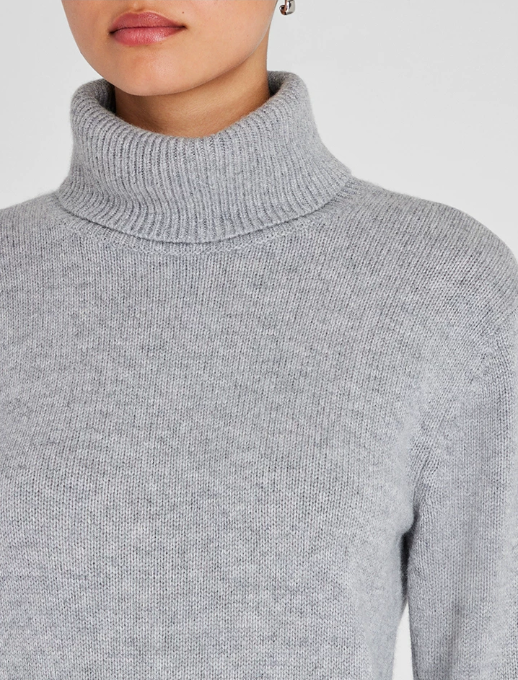
Custom Sweaters
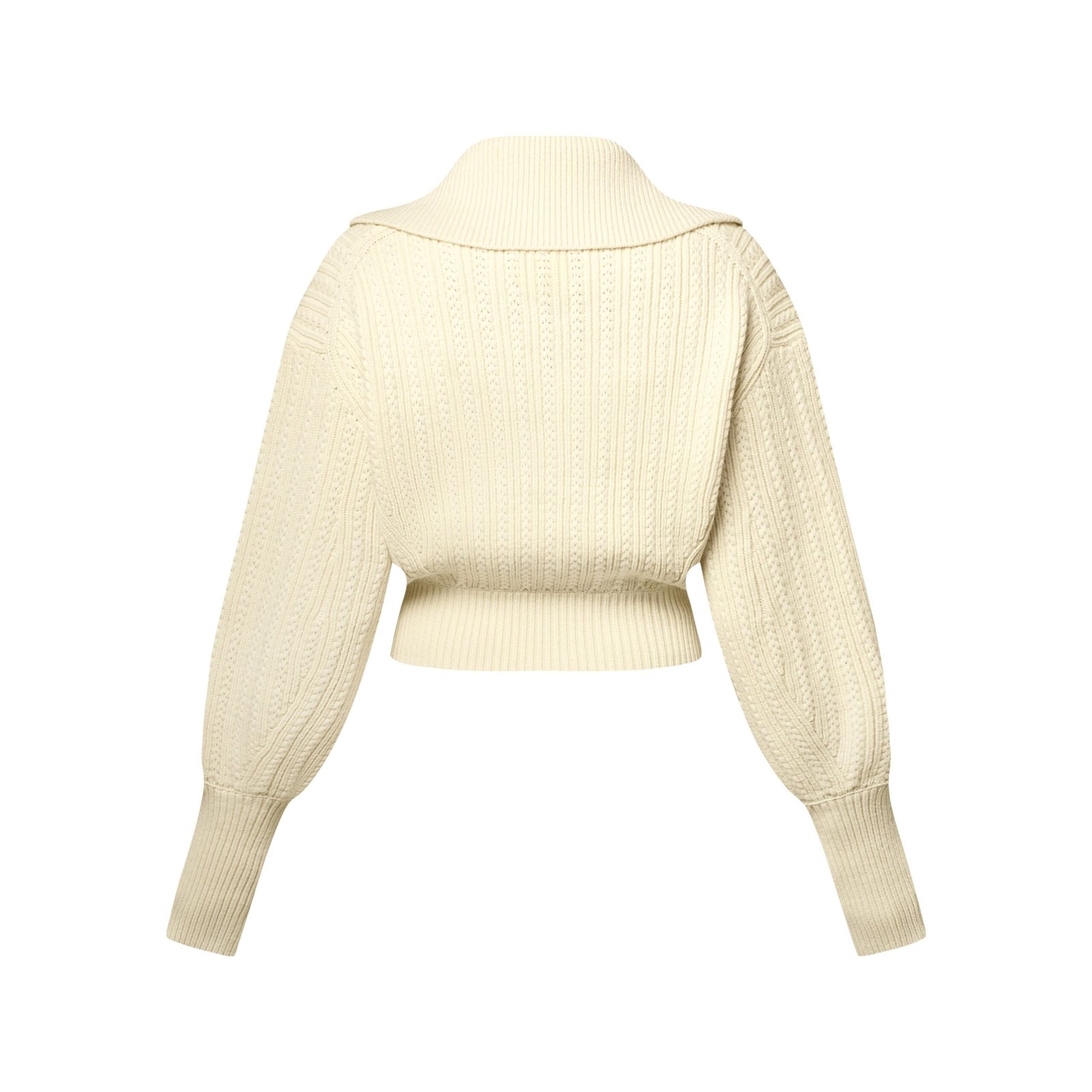
Source turtle neck sweater bulk programs with yarn, gauge, stitch, collar, and silhouette specifications matched to your collection. Our knitwear team develops samples, graded size sets, and production-ready sweater constructions for wholesale, private-label, and seasonal retail assortments.
Request a Quote
Custom Jackets
Manufacture custom jean jackets and other jacket styles with denim, twill, or woven fabric options, branded hardware, embroidery, patches, and garment washes. Development covers construction details, fit approval, size grading, and repeatable finishing for consistent bulk output.
Request a Quote
Custom Sweatshirts & Crewnecks
Create custom crewneck hoodie and sweatshirt programs in French terry, fleece, or jersey, with crewneck, hooded, oversized, or classic silhouettes. Specify fabric weight, rib trims, pocket details, printing, embroidery, washes, private labels, and XS–3XL grading.
Request a Quote
Custom Cardigans
Develop custom cardigans with defined yarn composition, gauge, stitch structure, button or zipper closures, rib details, and branded trims. Sampling verifies drape, shrinkage, proportion, and grading before production, supporting coordinated knitwear capsules and repeat wholesale orders.
Request a Quote
Custom Puffer & Down Jackets
Produce custom puffer jackets with shell fabric, insulation, lining, quilting layout, zipper, pocket, and trim specifications aligned to your target market. Sampling confirms bulk, warmth, mobility, and silhouette, while production includes labeling, packaging, inspection, and export support.
Request a Quote
Custom Denim Shorts
Manufacture custom jean shorts in rigid or stretch denim with your specified rise, inseam, hem treatment, pocket design, hardware, and wash effect. Fit development addresses hip, thigh, and leg opening balance across standard and extended sizes before bulk approval.
Request a Quote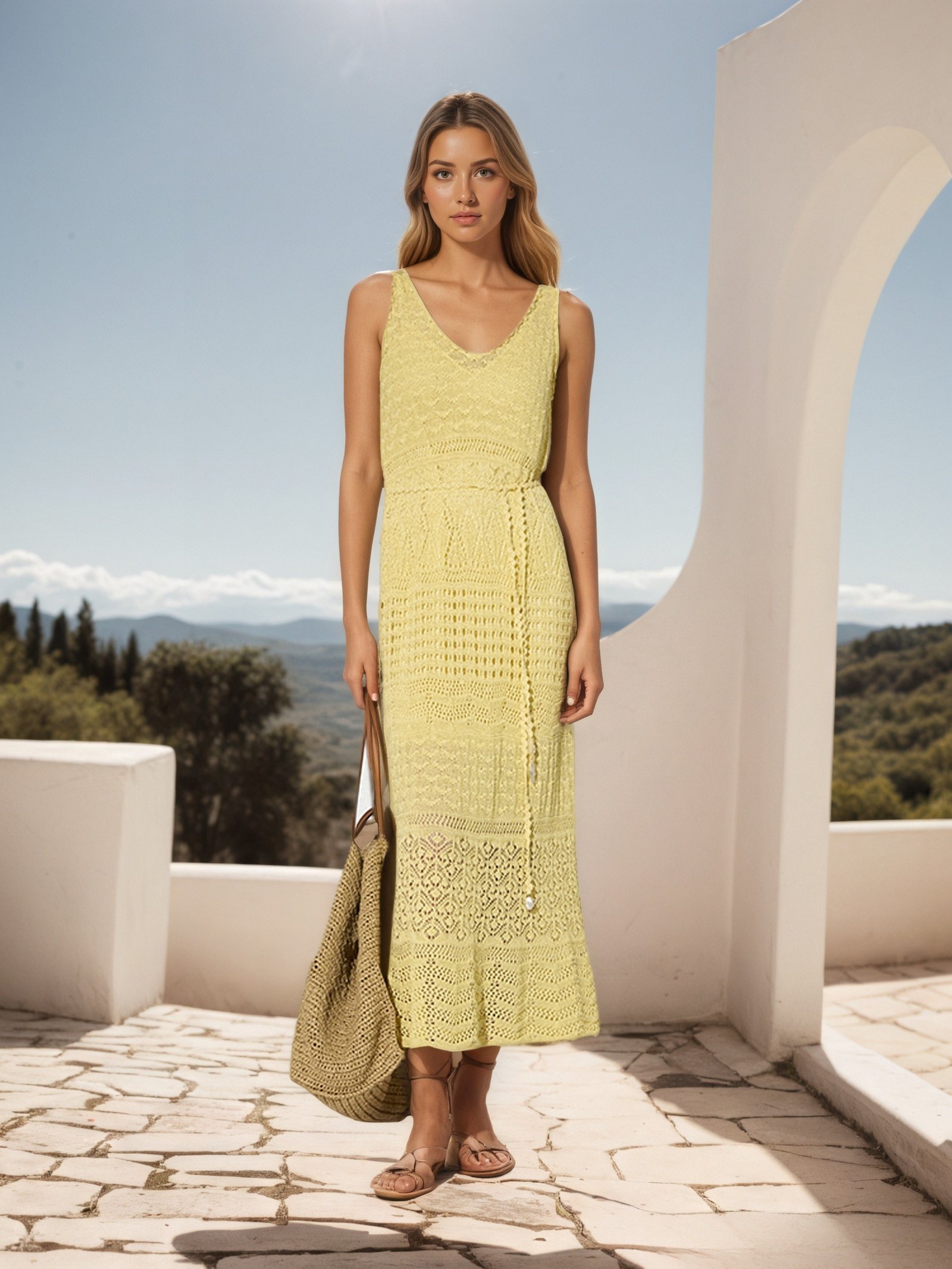
Custom Sweater Dresses
Create custom sweater dresses with yarn and gauge selection, stitch development, neckline, sleeve, length, and shaping specifications. We sample for drape, recovery, opacity, and size consistency, enabling brands to develop fitted, relaxed, ribbed, or oversized knit dress programs.
Request a Quote
Custom Denim Sets
Support mens denim suits wholesale programs with coordinated denim jackets, overshirts, jeans, and tailored denim separates. Align fabric weight, wash, color, hardware, and fit across the set, then retain approved patterns and material records for reliable replenishment production.
Request a Quote
Custom Polo Shirts
Manufacture custom polo shirts in pique, jersey, performance knit, or blended fabric, with collar construction, placket details, embroidery, printing, and branded trims. We develop samples for shrinkage, collar recovery, and fit consistency across retail, uniform, and private-label programs.
Request a Quote
Custom Sweatpants
Produce custom sweatpants in fleece, French terry, or jersey with tailored, relaxed, or oversized fits. Specify waistband, drawstring, pocket, cuff, print, embroidery, wash, and label details while pattern grading supports consistent comfort and proportion from XS through 3XL.
Request a Quote
Custom Shorts
Develop custom shorts in jersey, fleece, twill, woven, or performance fabrics for casual, active, and seasonal collections. Production can include elastic or fixed waists, pockets, linings, decoration, washing, branded trims, and fit grading suited to your target customer.
Request a Quote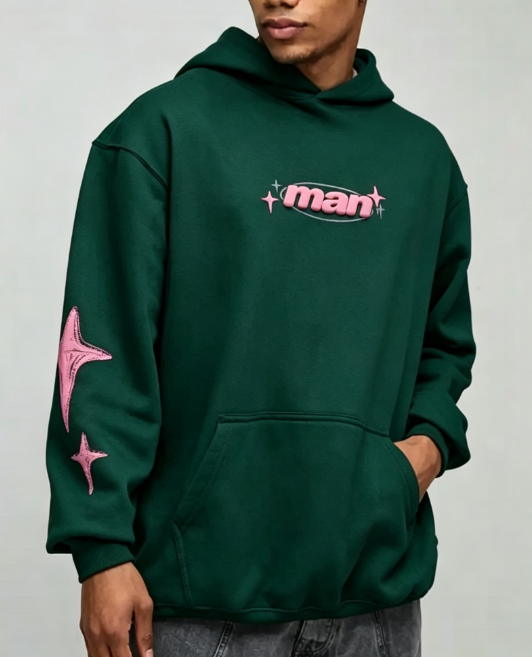
Custom Pullovers
Manufacture custom pullovers across knitwear, fleece, French terry, and jersey categories, from lightweight layering pieces to heavier seasonal styles. Development covers neckline, gauge or fabric weight, silhouette, trims, decoration, washing, labels, and fit-focused size sets before bulk production.
Request a QuoteSweater Wholesale Materials for Comfort, Structure and Wear

Wool Yarns
Warm, breathable wool yarns suit premium pullovers, cardigans and sweater dresses. Available in multiple gauges, they deliver natural insulation, resilient recovery and a substantial hand feel for elevated seasonal collections.

Cotton Knits
Cotton knitwear offers a soft, breathable feel for trans-seasonal sweaters and lightweight layers. Its comfortable hand feel and dependable wash performance make it a practical choice for everyday private-label programs.

Organic Cotton
Organic cotton provides a smooth, skin-friendly hand for conscious casual knitwear and lightweight sweaters. Junsheen can source suitable yarn weights while balancing breathability, softness and the durability needed for repeat wear.

Recycled Yarns
Recycled yarn options support lower-impact sweater collections without sacrificing commercial versatility. Blends can be selected for desired texture, warmth and shape retention, with swatches available to assess color, hand feel and performance.

Performance Knits
Performance knit constructions work well for active-inspired layers, travel sweaters and modern hybrid styles. Technical fibers add stretch, moisture management or quick-dry performance while maintaining a clean, comfortable knitted surface.

Blended Yarns
Wool, cotton, acrylic, viscose and synthetic blends can be engineered around target cost and product use. They help balance softness, warmth, weight, stretch recovery and anti-pilling performance across a scalable sweater wholesale range.
Sweater Wholesale Decoration and Finishing

Logo Embroidery
Flat, 3D puff, chain-stitch, and logo embroidery add tactile dimension to sweater wholesale programs. Stitch density and backing are matched to the knit construction to preserve shape, definition, and dependable wear performance.

Appliqué Application
Custom appliqué combines fabric panels, embroidery, or patches for layered collegiate and heritage-inspired sweater branding. Secure stitching creates a dimensional visual while helping edges remain neat through repeated wear and care.

Specialty Screen Prints
Plastisol, water-based, puff, flocking, silicone, high-density, foil, and discharge effects create bold graphic surfaces on suitable knitwear. Junsheen reviews placement and stretch behavior to support clear artwork and lasting adhesion.

Custom Patchwork
Woven, embroidered, leather-look, and custom logo patches give sweaters a defined private-label signature. Placement, attachment method, and trim weight are assessed against the garment construction for a polished, production-ready result.

Garment Dyeing
Garment dyeing delivers rich, lived-in color variation for selected sweater styles. Controlled dye trials help align shade, hand feel, and wash character before bulk production, supporting a distinctive collection-level finish.

Anti-Pilling Finish
Anti-pilling, softening, brushing, and napping finishes can refine the sweater surface and hand feel. Junsheen tests finishing options with the chosen yarn and knit structure to balance comfort, appearance, and long-term durability.
Private-Label Sweater Wholesale Trims and Accessories

Woven Brand Labels
Custom woven main labels give sweater wholesale programs a polished private-label identity. Add them at the neck, side seam, or hem with your logo, origin details, and brand-specific color palette.

Care and Size Labels
Durable care and size labels communicate fiber content, wash instructions, sizing, and required market information. JUNSHEEN can coordinate placement and specifications to suit knit constructions and international retail needs.

Custom Hang Tags
Branded hang tags turn each sweater into a retail-ready product before it leaves the factory. Choose custom shapes, stock, finishes, strings, barcodes, and product messaging for wholesale or direct-to-consumer launches.

Zippers and Buttons
Specify zippers, snap closures, or custom buttons for cardigans, zip sweaters, and layered knitwear. Options are selected for function, visual balance, durability, and alignment with your collection’s price point.

Drawcords and Patches
Add tipped drawcords, branded aglets, embroidered patches, or woven badges to hooded sweaters and casual knit styles. These details create recognizable product signatures while supporting your intended fit and finish.
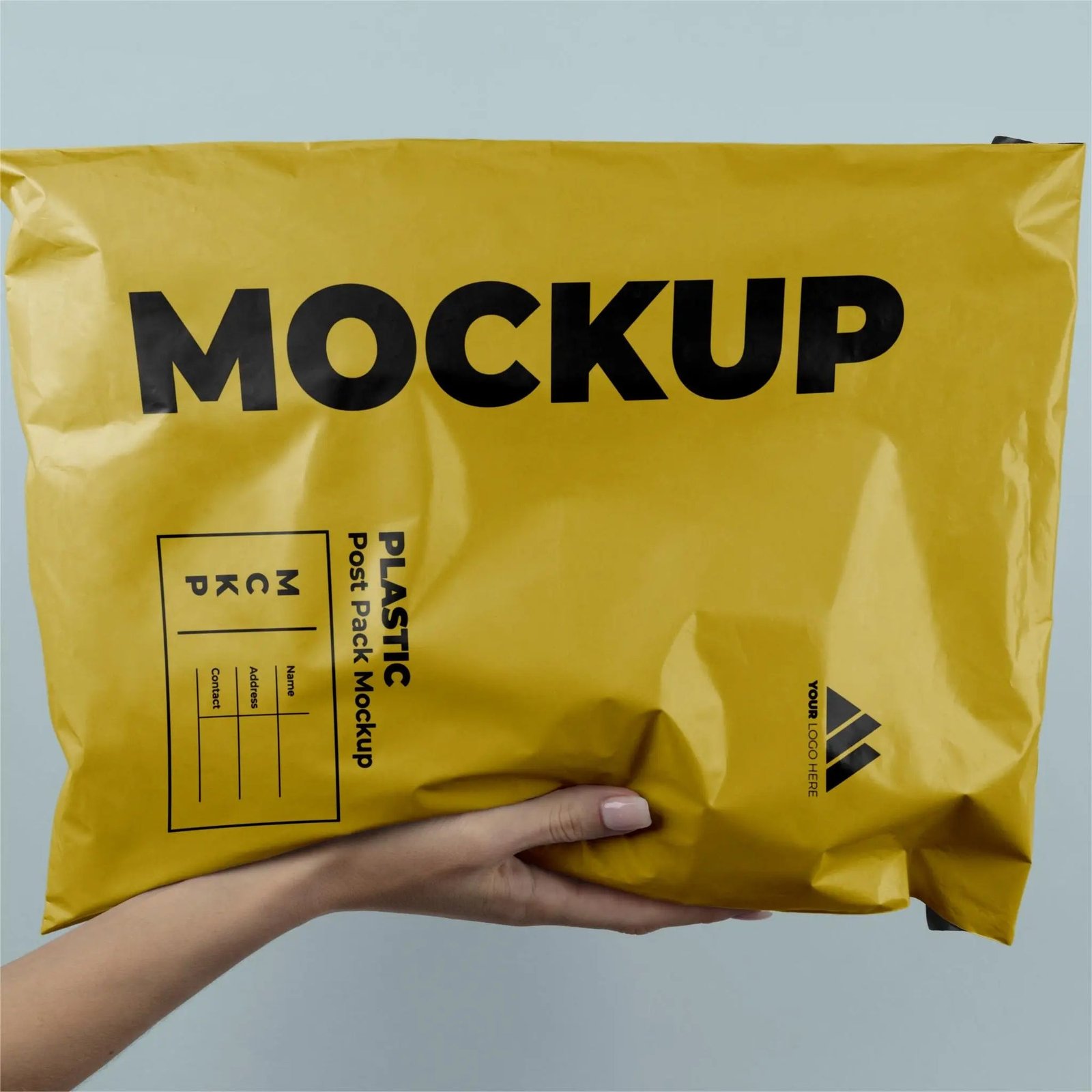
Branded Packaging
Complete production with custom polybags, tissue, stickers, cartons, and packing inserts. Branded packaging helps protect finished sweaters in export transit and delivers a consistent presentation to wholesale partners or customers.
About JUNSHEEN Sweater Wholesale
Founded in 2010 in Humen Town, Dongguan, JUNSHEEN helps fashion brands turn knitwear concepts into production-ready collections. Our sweater wholesale programs combine OEM, ODM, private-label and product-development support for labels, retailers and sourcing teams worldwide.
With more than 200 skilled workers and monthly capacity above 80,000 units, we support launches from 100 units per style and color through repeat bulk programs. Our integrated supply chain covers knitwear development, fabric sourcing, pattern making, grading, sampling, decoration, labels, packaging and export coordination.
What sets JUNSHEEN apart is fit-first development backed by practical production control. We refine normal, extended-size, plus-size and oversized fits from XS to 3XL, then retain approved patterns and material records to help more than 2,000 served fashion-brand clients reorder with confidence.

Fit-First Sweater Wholesale Development at Scale
XS–3XL Grading That Fits
JUNSHEEN develops sweater wholesale size sets from XS through 3XL with proportion-aware grading. Pattern makers refine shoulder balance, sleeve length, body shape and ease for standard, plus-size and modern oversized silhouettes, helping reduce fit revisions before bulk approval.
- Fit-focused patterns for XS–3XL
- Extended-size and plus-size development
- Oversized proportions engineered intentionally
- Size sets reviewed before bulk production

Knitwear and Cut-and-Sew Expertise
Build sweaters, cardigans, pullovers and coordinated casualwear through one development team. JUNSHEEN combines knitwear capability with cut-and-sew production, so brands can align silhouettes, color stories and technical standards across capsule launches and larger seasonal programs.
- Sweaters, cardigans and pullovers
- Coordinated casualwear development
- OEM, ODM and private-label support
- 100-unit MOQ per style and color

Materials and Trims Matched Precisely
Material recommendations balance hand feel, weight, drape, durability, stretch and target cost. Through established supplier networks, JUNSHEEN sources sweater materials, labels, zippers, buttons and branded packaging, with swatches and samples available before bulk material confirmation.
- Fabric and yarn recommendations
- Custom labels, trims and packaging
- Swatch and sample review support
- Options aligned to target cost

Quality Control for Scalable Orders
From incoming materials to final packed goods, JUNSHEEN checks construction, measurements, fit, decoration and finishing throughout production. With 200+ skilled workers and monthly capacity above 80,000 units, the team supports dependable sweater wholesale growth and repeat-order consistency.
- Incoming, in-line and final inspections
- Measurement and fit verification
- Production records retained for reorders
- Global export and shipping support

Why Brands Choose JUNSHEEN for Sweater Wholesale
One accountable manufacturing partner from fit development through export-ready delivery.
← 左右滑动查看 →
Sweater Wholesale: From Yarn and Specs to Global Delivery
A clear, fit-focused workflow for custom sweater programs, from feasibility and sampling through quality-controlled bulk production and export shipping.
Review Specs and Feasibility
Share a tech pack, sketch, reference garment, or concept. Our team reviews knit construction, target fit, grading, decoration, quantities, and manufacturability before development begins.
Source Yarn and Materials
We recommend yarns, blends, gauges, rib trims, labels, and packaging around your target hand feel, cost, durability, wash performance, and brand requirements.
Develop Samples and Fit
Pattern makers create fit-focused samples and refine proportions from XS through 3XL. Review swatches, measurements, construction, and branding details before approving a size set.
Confirm Order and Production
After approval, we lock materials and production specifications. Our 200-plus skilled workers scale sweater wholesale orders from 100 units per style and color.
Inspect, Pack, and Ship
Multi-stage checks cover materials, knitting, measurements, decoration, finishing, and packed goods. We apply private-label packaging and coordinate worldwide export support for delivery.
Start Your Sweater Wholesale Program
From first concept to global delivery, JUNSHEEN manages the technical, sampling and production details for a clear, scalable knitwear sourcing process.
Send Your Product Brief
Share a tech pack, sketch, reference garment or mood board with target quantities, size range, fabric direction, decoration requirements and delivery market.
Review Feasibility and Quote
Our team evaluates construction, yarn or fabric options, fit requirements, trims and manufacturability, then provides recommendations, MOQ guidance, timeline and quotation.
Develop and Approve Samples
We create patterns, graded XS–3XL size sets and prototype samples for review, refining fit, hand feel, colors, labels and finishing before approval.
Confirm Bulk Production
After sample approval, confirm quantities and production details. JUNSHEEN secures materials, retains approved specifications and schedules your sweater wholesale order for bulk manufacturing.
Inspect and Ship Globally
We monitor fabric, measurements, construction, decoration and packed goods, then coordinate export-ready packaging and global shipment after final balance settlement.
Custom Clothing Manufacturer Credentials and Compliance Documents



What Fashion Brands Say About JUNSHEEN Sweater Wholesale
JUNSHEEN helped us launch our first merino-blend cardigan program at 120 units per color. Their fit team resolved sleeve and shoulder issues in the second sample, allowing us to approve bulk production three weeks earlier than planned.
Our oversized knitwear collection needed consistent grading from XS to 3XL. The size set was approved with only one revision, and our 2,400-unit reorder matched the original fit and color standard closely across every size.
We moved from a 150-piece test order to 8,000 sweaters per season without changing suppliers. JUNSHEEN kept our private labels, embroidery placement, packaging, and delivery documentation organized, making each repeat order much smoother.
Sweater Wholesale FAQ
Clear answers on MOQ, sampling, production, private labeling, fit development, payment and delivery for custom knitwear programs.
What is your minimum order quantity for sweater wholesale?
Can I order custom sweater wholesale with my own designs?
How long do sweater wholesale samples and bulk orders take?
Can you add private labels, hang tags and custom packaging to sweaters?
Do you develop plus-size and oversized sweater fits?
What payment terms do you offer for sweater wholesale orders?
Do you ship sweater wholesale orders internationally?
How do you protect my sweater designs and production details?
The Complete Buyer’s Guide to sweater wholesale
Use this practical framework to compare sweater wholesale suppliers, evaluate materials and construction, plan customization and costing, and avoid sourcing mistakes that compromise fit, quality, timelines, or margin.
1. What Is sweater wholesale?
100 units per style and color is a practical starting point for sweater wholesale: a business-to-business purchase of sweaters for resale, branded distribution, or a planned apparel range. Unlike retail buying, the buyer commits to specifications, quantities, delivery timing, and commercial terms before production or allocation. Four common routes are ready-stock wholesale, private label, OEM, and ODM. Ready-stock means selecting finished inventory; private label adds the buyer’s labels and packaging to an established product; OEM makes a buyer-approved tech pack; ODM lets the supplier develop a production-ready design from a brief, sketch, reference, or mood board. Three buyer groups commonly use these programs: retailers and wholesalers seeking repeatable assortments, emerging labels testing a capsule, and sourcing teams managing larger seasonal ranges. Before requesting quotes, align the supplier on target quantity by style and color, fiber and yarn direction, gauge or knit construction, size range, decoration, quality standard, packing, destination, and required delivery date. A wholesale relationship should also establish sampling approval, measurement tolerances, payment terms, inspection expectations, and ownership of patterns, graded size sets, and material records.
2. Evolution of sweater wholesale
In the 1800s, sweaters developed from hard-wearing wool knitwear for fishermen, athletes, and outdoor workers into commercially produced garments as mechanized flat knitting improved repeatability. For buyers, that origin still matters: fiber choice, gauge, stitch density, and finishing determine warmth, weight, recovery, and service life. By the 1950s, fashion cycles had turned cardigans, pullovers, and sweater sets into seasonal retail categories, while cotton, acrylic, nylon, and blended yarns widened price and care options. Ring-spun cotton, anti-pilling acrylic, and wool blends let wholesale programs target distinct positions—from lightweight 180–250 GSM transitional layers to heavier cold-weather constructions—without relying on one yarn type. From XS through 3XL, modern sweater wholesale now combines global yarn sourcing, private-label development, and more deliberate grading. A buyer can specify Pantone color, branded labels, neck shape, gauge, stitch pattern, and size-set approval, then coordinate bulk production across overseas supply chains; inclusive sizing requires proportion changes in shoulders, sleeve lengths, body balance, and grading increments rather than simply enlarging a base pattern.
3. Types of sweater wholesale Programs
Six core silhouettes anchor most sweater wholesale assortments: crewnecks, pullovers, cardigans, vests, turtlenecks, and fashion-led knits. Buyers should select the category alongside the selling season, customer wardrobe need, price tier, and development model.
| Program | Best Use | Buyer Control |
|---|---|---|
| Stock style | Fast demand test | Lowest |
| Customizable blank | Branded core range | Medium |
| Made-to-order | Distinctive seasonal product | Highest |
Core Silhouettes
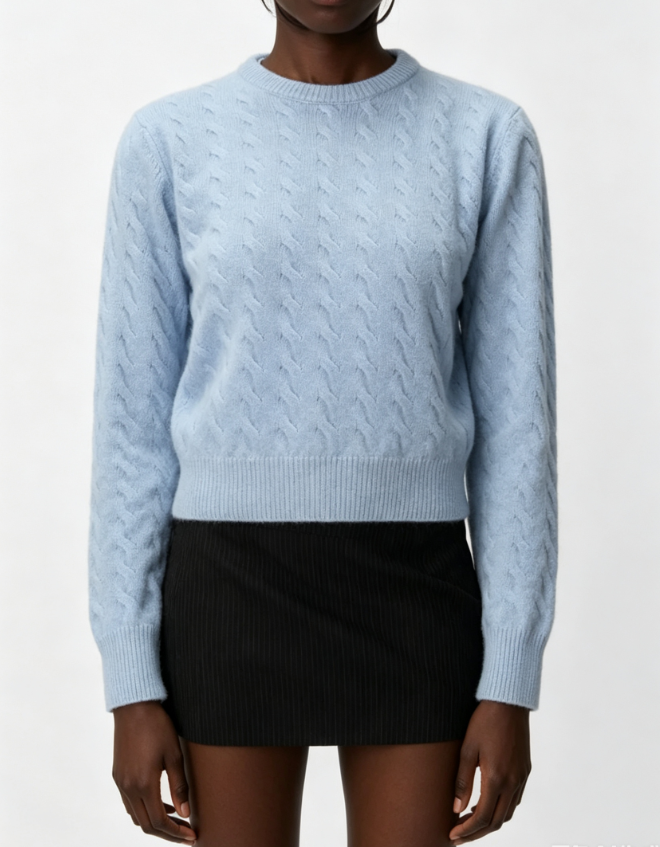
Crewnecks and pullovers provide the broadest unisex and everyday base for autumn-to-winter programs, especially when repeat colors are planned. Cardigans add layering value for womenswear, workwear, and transitional deliveries. Turtlenecks suit colder climates and premium-looking capsules, while sweater vests work over shirts or tees in pre-fall and campus-inspired ranges. Fashion knits—textured stitches, cropped shapes, polo collars, or sweater dresses—differentiate a directional collection but need tighter fit approval.
Stock, Blank, Or Development
Stock styles are existing supplier patterns offered in available yarns, colors, and size runs; they are the fastest route for buyers testing demand. Confirm inventory, composition, measurements, and whether the style can be reordered before committing. Customizable blanks retain a proven base pattern while adding labels, embroidery, prints, colors, or packaging. Made-to-order development starts from a tech pack, sketch, or reference and requires sampling, grading, and bulk approval.
Program Selection By Positioning
100-unit-per-style-and-color programs can fit capsule launches when a buyer needs a proprietary silhouette without committing to a large seasonal buy. Established wholesalers usually benefit from repeatable core styles with controlled color refreshes. 3XL-capable grading matters when extended sizing is part of the brand promise, because body and sleeve proportions need adjustment rather than simple enlargement. Junsheen can support stock-informed customization or developed knitwear through its OEM, ODM, and private-label workflow.
4. sweater wholesale Materials and Fabrics
Gauge and fiber determine drape, insulation, recovery, and retail position before color or trims are selected. For sweater wholesale, approve a knitted swatch and washed sample because yarn labels alone do not predict pilling or dimensional change.
| Material / Structure | Hand Feel And Warmth | Pilling / Care | Target Price Position |
|---|---|---|---|
| Combed cotton, 7–12 gauge | Soft, breathable, medium warmth | Low–medium; machine wash after testing | Mid |
| Merino wool blend, 7–12 gauge | Warm, resilient, refined | Medium; gentle wash | Premium |
| Cashmere-wool, 7–12 gauge | Very soft, warm, light | Medium–high; hand wash or dry clean | Luxury |
| Acrylic blend, 5–7 gauge | Bulky, warm, colorful | Medium–high; easy care | Entry–mid |
| Viscose blend, 12–18 gauge | Smooth, cool, draped | Medium; dry flat | Mid–premium |
| Recycled blend, 7–12 gauge | Varies by fiber mix | Confirm testing and certification | Mid–premium |
Fiber Selection Basics
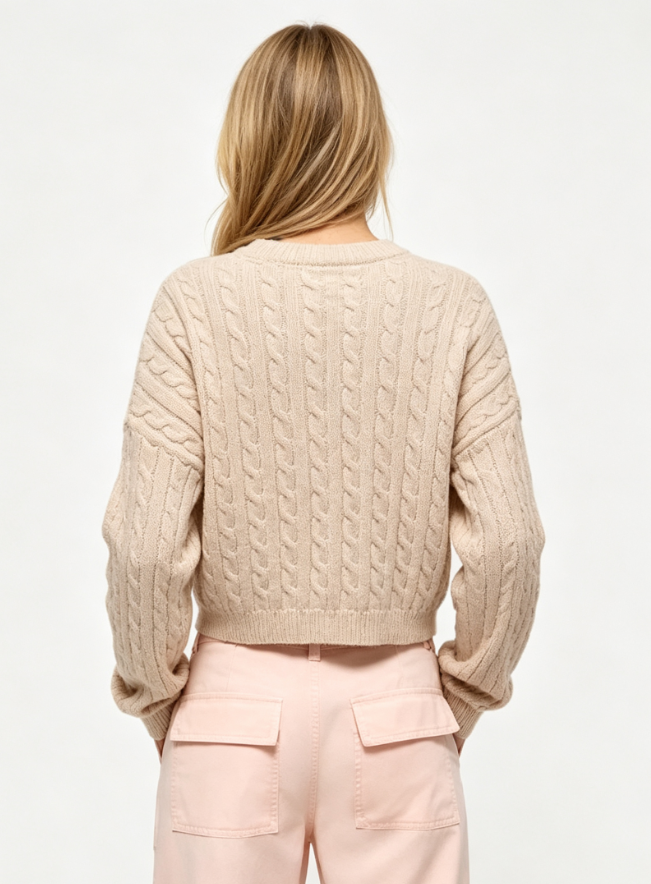
Cotton feels breathable and familiar, making it dependable for spring layers and structured everyday crews; it can shrink unless yarn and garment washing are controlled. Wool delivers stronger warmth at lower bulk, while 5–20% cashmere improves softness and premium perception but raises care sensitivity and pilling exposure.
- Use combed cotton for a cleaner, softer surface.
- Specify anti-pilling testing for cashmere blends.
- Request wash instructions matched to fiber content.
Man-Made And Recycled Yarns
Acrylic offers bright color, low cost, and easy care for value programs, yet loose staple yarns can pill quickly. Viscose adds cool touch and fluid drape, but needs a stabilizing blend for shape retention. Recycled polyester or recycled cotton can support material goals when certification, fiber percentage, and color-lot consistency are documented before bulk approval.
- Acrylic suits entry-price seasonal fashion.
- Viscose blends suit soft, draped silhouettes.
- Verify recycled-content documentation with suppliers.
Gauge And Seasonality
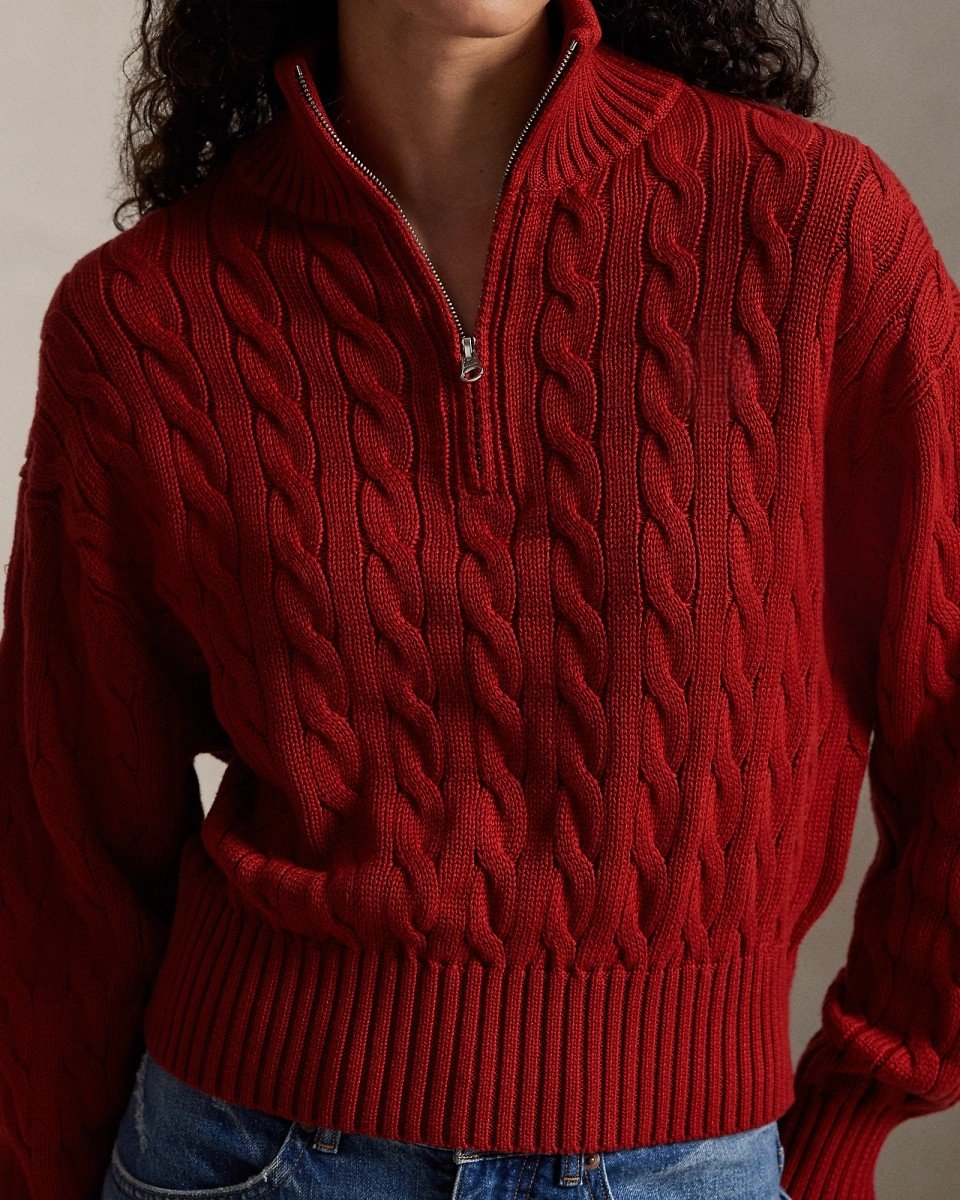
3–5 gauge knits create chunky, cold-weather texture; they consume more yarn and suit higher ticket outer layers. 7–12 gauge is the versatile range for crews, cardigans, and trans-seasonal programs. 14–18 gauge constructions feel lighter and finer for layering, although snag resistance and stitch definition should be checked on the approved sample.
- Lower gauge means larger, heavier stitches.
- Higher gauge favors refined lightweight layers.
- Match gauge to silhouette, climate, and target margin.
5. Customization for sweater wholesale
100-unit sweater wholesale programs can carry meaningful private-label detail when choices are locked before sampling. JUNSHEEN can coordinate knit specifications, fit development, trims, decoration, packing, and production records from one approved bill of materials.
| Customization Level | Typical Detail | Cost Effect | Lead-Time Effect |
|---|---|---|---|
| Core private label | Labels, hangtag, standard bag | Low | Minimal |
| Branded decoration | Small embroidery or patch | Medium | 3–7 days |
| Engineered knit | Intarsia, jacquard, custom yarn | High | 7–14 days |
| Premium presentation | Leather label, custom box | Medium–high | 5–10 days |
Build The Knit Specification

2 to 12 gauge is a practical starting range: finer gauges suit smooth merino-blend pullovers, while lower gauges create heavier texture. Specify Pantone-referenced yarn colors, stitch pattern, rib width, neck shape, body length, and graded measurements before yarn booking. 3D knit artwork must be simplified into repeatable stitches; tiny logos, photographic gradients, and very sharp curves can lose definition. Intarsia, jacquard, cable, and engineered stripes should be sampled at actual gauge.
- Pantone yarn color approval
- Gauge and stitch-density swatch
- XS–3XL grading and fit notes
Select Brand-Facing Details
1 brand tier can use woven main labels, size labels, wash-care labels, hangtags, and branded polybags without changing the sweater construction. Premium programs often add leather labels, custom zipper pulls, embroidery, applique, or sewn patches. 100 units per style and color is a workable capsule threshold, but bespoke yarn dyeing, custom hardware, and complex multi-color intarsia may require higher commitments. Decoration placement should avoid bulky seam intersections and excessive stretch zones.
- Woven or leather labels
- Custom hangtags and packaging
- Embroidery, applique, patches
Approve Artwork And Samples

300 dpi artwork at final print size, preferably vector AI, PDF, or SVG for logos, reduces redraw time and registration errors. Screen print is best reserved for stable knit panels; heat transfer, DTF, and small embroidery are more suitable for limited placements. 1 approved prototype should confirm hand feel, gauge, measurements, color, label position, decoration, and wash performance before bulk authorization. Retained samples and size sets make repeat orders more consistent.
- Confirm strike-off or embroidery sample
- Approve placement measurements
- Sign off pre-production sample
6. Sweater Construction Quality Checks
A sweater wholesale approval should test the actual knit construction, not only appearance. Compare the approved sample against measurements, hand feel, recovery and wash results before yarn and production settings are locked.
Knit Structure And Linking

Every panel should show even gauge, uniform stitch density and balanced yarn tension; inspect under daylight for barré, dropped stitches and uneven courses. Each shoulder, armhole and side link should lie flat without holes, bulky joins or twisting. Ask the factory which machine gauge, yarn count and linking method the bulk order will use.
Recovery And Wash Testing

A 24-hour laid-flat recovery check reveals whether cuffs, hem ribs and neckline return to specification after stretching. Poor rib recovery often becomes loose openings after wear. One approved wash test should assess shrinkage, torque, pilling and color transfer using the intended care method. Ask for the test method, wash cycles and acceptable tolerance before bulk approval.
- Stretch cuffs and hem, then remeasure after 24 hours
- Inspect pilling at underarm and side-seam friction zones
- Wash dark and light colors separately for transfer
Measurements And Grading
A development sample confirms silhouette, balance and construction; a pre-production sample confirms the exact bulk yarn, color, trims and workmanship. Measure chest, body length, sleeve length, shoulder and opening widths after relaxation. XS through 3XL grading should use deliberate increments rather than simple enlargement. Ask for the graded measurement chart, allowable tolerances and whether shrinkage has been built into the finished specification.
7. Choosing a sweater wholesale Manufacturer
100-unit starting quantities can suit a capsule, but the right sweater wholesale manufacturer is judged by repeatable development and delivery controls. Compare evidence from comparable knit programs, not only a low quote or attractive swatch.
Verify Knitwear Capability

3 comparable sweater samples reveal more than a factory portfolio: inspect gauge, linking, rib recovery, pilling resistance, measurements after wash, and neckline shape. 2010-founded Junsheen can support product development, pattern making, grading, knitwear production, and fit refinement from XS through 3XL; request the exact process owner for each stage.
Match Questions To Scale
100 units per style and color is a practical question for an emerging label: ask which yarns, gauges, colors, and trims remain feasible at that level, plus sample timing and revision limits. 80,000-plus monthly capacity matters more to retailers: ask for capacity allocation, approved supplier backups, inspection records, carton specifications, and a written critical-path schedule.
Build A Comparable Shortlist
7 checkpoints make quotations comparable: development response, yarn sourcing, MOQ, sample approval, QC, compliance documentation, and export coordination. Confirm lead times separately for yarn booking, sampling, bulk knitting, finishing, inspection, and shipment.
- Share one tech pack and target delivery date.
- Request swatches, size set, and pre-production sample.
- Ask who approves Pantone, measurements, and defects.
- Verify payment, packing, shipping, and balance milestones.
8. Common sweater Wholesale Mistakes
A 100-unit sweater wholesale order can absorb costly errors before the first carton ships. Most failures begin with an incomplete approval record, not with knitting or sewing itself.
Lowest Price Trap
A quote 10–15% below comparable offers may exclude yarn testing, tighter inspection, or proper trims. Compare fiber content, gauge, weight, construction, packaging, and Incoterms line by line before awarding production.
Wash And Specification Gaps
Three wash cycles can expose shrinkage, twisting, pilling, color bleeding, or shape loss that a new sample hides. Approve a wash-tested sample, then lock fiber composition, gauge, measurements, Pantone references, stitch details, and approved trims in the tech pack.
Fit And Tolerance Errors
A 1–2 cm measurement tolerance can materially change fit across XS–3XL, especially at chest, body length, sleeve, and neck opening. Supply target-customer size data, a graded measurement chart, and tolerance limits; approve a size set before bulk cutting.
Timing, Packing, And Claims
Four-to-eight-week yarn sourcing windows can extend when custom colors, specialty blends, or approved lab dips are involved. Confirm yarn availability, production calendar, folding method, polybag warnings, carton marks, defect allowance, inspection standard, and replacement or credit policy before deposit.
9. Launching Your Sweater Brand
Three launch decisions determine whether a first sweater capsule stays controllable: a defined customer, a narrow price band, and a small range. For sweater wholesale, begin with two to four styles, one or two colors each, rather than a broad first order.
Position The Capsule
Two to four styles can show a clear point of view: for example, a crewneck, cardigan, polo knit, and sweater dress. Set target retail price, channel, customer size range, and competitor references before requesting quotes. One range plan should list colorways, planned units, fabric weight, size curve, and margin target. Freeze silhouettes before development; changing yarn, gauge, or fit after sampling resets time and cost.
Build Production Documents
One complete tech pack per style reduces interpretation during manufacturer outreach. Include front and back flats, measurements, grade rules, Pantone colors, stitch details, yarn or fabric composition, labels, packaging, and decoration artwork. Three reference items are useful when a sketch cannot explain hand feel or construction. Add a bill of materials and revision log so every sample comment has an owner and date.
Sample And Approve
Two to three sampling rounds are typical: prototype, fit sample, then pre-production sample. Allow roughly 2–4 weeks per round, plus courier time, and approve measurements and workmanship against a signed specification. One pre-production approval is the bulk gate. Confirm graded size set, color standard, labels, packing ratio, final quantity, and acceptable quality level before bulk materials are committed.
Produce And Launch
Four to eight weeks is a practical bulk-production window after approval, depending on yarn availability and construction complexity. Request in-line updates, measurement reports, decoration checks, and final inspection before the balance and shipment release. Six weeks before arrival, prepare product photography, size charts, care copy, SKU data, ecommerce listings, and launch inventory allocation. Start with an MOQ-compatible capsule—JUNSHEEN can support production from 100 units per style and color—then reorder proven fits.
10. sweater wholesale Pricing and Cost
100 units per style and color is a practical starting point for sweater wholesale development at Junsheen; simpler stock-yarn programs usually sit at the lower end of the ranges below. These indicative FOB China ranges exclude destination duties and are planning figures, not binding offers. 7GG to 12GG gauge, yarn composition, stitch density, linking time, intarsia or jacquard complexity, and color count can change unit cost materially. Wool, cashmere blends, organic or certified yarns, custom-dyed shades, embroidery, patches, branded trims, testing, and individual packaging should be costed separately. 30–45 days is a common bulk-production window after approved samples, materials, labels, and purchase order; yarn booking or complex knit trials can extend it. Final quotations require an approved specification sheet, size range, construction details, packing requirements, Incoterm, and confirmed quantity; freight is quoted by destination and shipment method.
| Construction and quantity | Indicative unit price, FOB China | Typical bulk lead time |
|---|---|---|
| Basic cotton/acrylic crewneck, 100–299 units | US$8–14 | 30–40 days |
| Cotton-blend cardigan, 300–499 units | US$10–18 | 30–45 days |
| Fine-gauge viscose/nylon pullover, 500–999 units | US$11–20 | 35–50 days |
| Wool-blend jacquard sweater, 1,000+ units | US$16–30 | 40–55 days |
Start Your Sweater Wholesale Program Today
Send your tech pack, product idea, or sampling request for a tailored JUNSHEEN quotation with 100-unit MOQ support.