Jean Companies: OEM Apparel From 100 Units
JUNSHEEN helps jean companies develop fit-focused XS–3XL casualwear, denim, knitwear, and outerwear with one-stop OEM, ODM, and private-label production.
Featured Products for jean companies Development




Related Product Catalogue and Quotation






Why Jean Companies Choose JUNSHEEN
Fit-focused development, low-MOQ flexibility, and dependable global production for denim and casualwear programs.
100-Unit MOQ
Launch capsule collections from 100 units per style and color, with practical support for emerging labels and growing wholesale programs.
Fit-First XS–3XL
Pattern makers refine proportions, mobility, and grading increments across normal, extended, plus-size, and modern oversized fits.
Integrated Development
Move from sketch, tech pack, or reference garment to approved samples with fabric sourcing, patterns, trims, and specification guidance.
Scalable Production
Rely on 200+ skilled workers and 80,000+ monthly units for consistent production as your denim or casualwear demand grows.
In-House Customization
Build a distinct product with embroidery, printing, washes, finishing, labels, custom trims, and branded packaging managed in one supply chain.
Global Export Support
Coordinate quality control, packed-goods inspection, and export support with an experienced partner serving fashion brands worldwide.
Core Casualwear, Denim & Outerwear Programs
From first samples to scalable bulk orders, Junsheen develops fit-focused apparel across casualwear, denim, knitwear and outerwear.

Custom Hoodies
Develop custom hoodies in fleece, French terry or heavyweight jersey, with patterns graded from XS to 3XL. Choose screen printing, embroidery, garment washes, branded labels and trims for capsule launches or repeat bulk programs from 100 units per style and color.
Request a Quote
Custom T-Shirts
Produce custom T-shirts in cotton, Pima cotton, organic cotton and blended jersey, with fabric weight, hand feel and fit specified for your market. Junsheen supports oversized, standard and extended-size patterns plus DTG, DTF, screen print and embroidery decoration.
Request a Quote
Custom Jeans
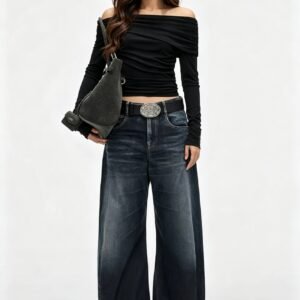
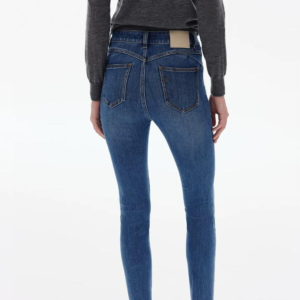
Develop custom jeans with fabric sourcing, pattern making, stretch selection, wash development and fit grading managed in one workflow. The team refines rise, leg shape and body proportion across XS–3XL, then supports trims, labels, distressing and bulk quality control.
Request a Quote
Custom Sweaters
Source turtle neck sweaters in bulk with knit constructions, yarn options and size grading aligned to your collection. Junsheen develops pullovers in wool, cotton blends and performance yarns, reviewing gauge, hand feel, stretch, neckline shape and wash performance before production.
Request a Quote
Custom Jackets
Build custom jean jackets with denim weight, wash, hardware and fit tailored to your brand. Development can include cropped, oversized, fitted and extended-size blocks, along with custom buttons, patches, embroidery, printing and branded packaging for wholesale or retail programs.
Request a Quote
Custom Sweatshirts & Crewnecks
Produce custom crewneck hoodies and sweatshirts in fleece, French terry or brushed jersey. Junsheen manages neckline, rib specifications, shoulder balance and graded sizing, then applies embroidery, screen print, puff effects, garment dye or washes for finished private-label pieces.
Request a Quote
Custom Cardigans
Develop custom cardigans with knit gauge, yarn blend, button selection and silhouette matched to your target price and market. The team supports fitted, relaxed, oversized and extended-size grading, with custom labels, woven patches and packaging prepared for bulk delivery.
Request a Quote
Custom Puffer & Down Jackets
Manufacture custom puffer jackets with shell fabric, insulation, lining, quilting and hardware selected for intended climate and price point. Junsheen develops fit and mobility across size sets, with options for down-style fills, recycled materials, reflective details and branded trims.
Request a Quote
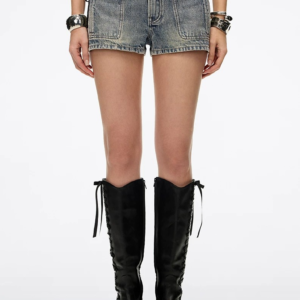
Custom Denim Shorts
Produce custom jean shorts with denim sourcing, inseam, rise, leg opening and wash treatment developed to specification. Fit-focused grading supports standard, oversized and extended-size programs, while custom rivets, buttons, patches, labels and distressing complete the product.
Request a Quote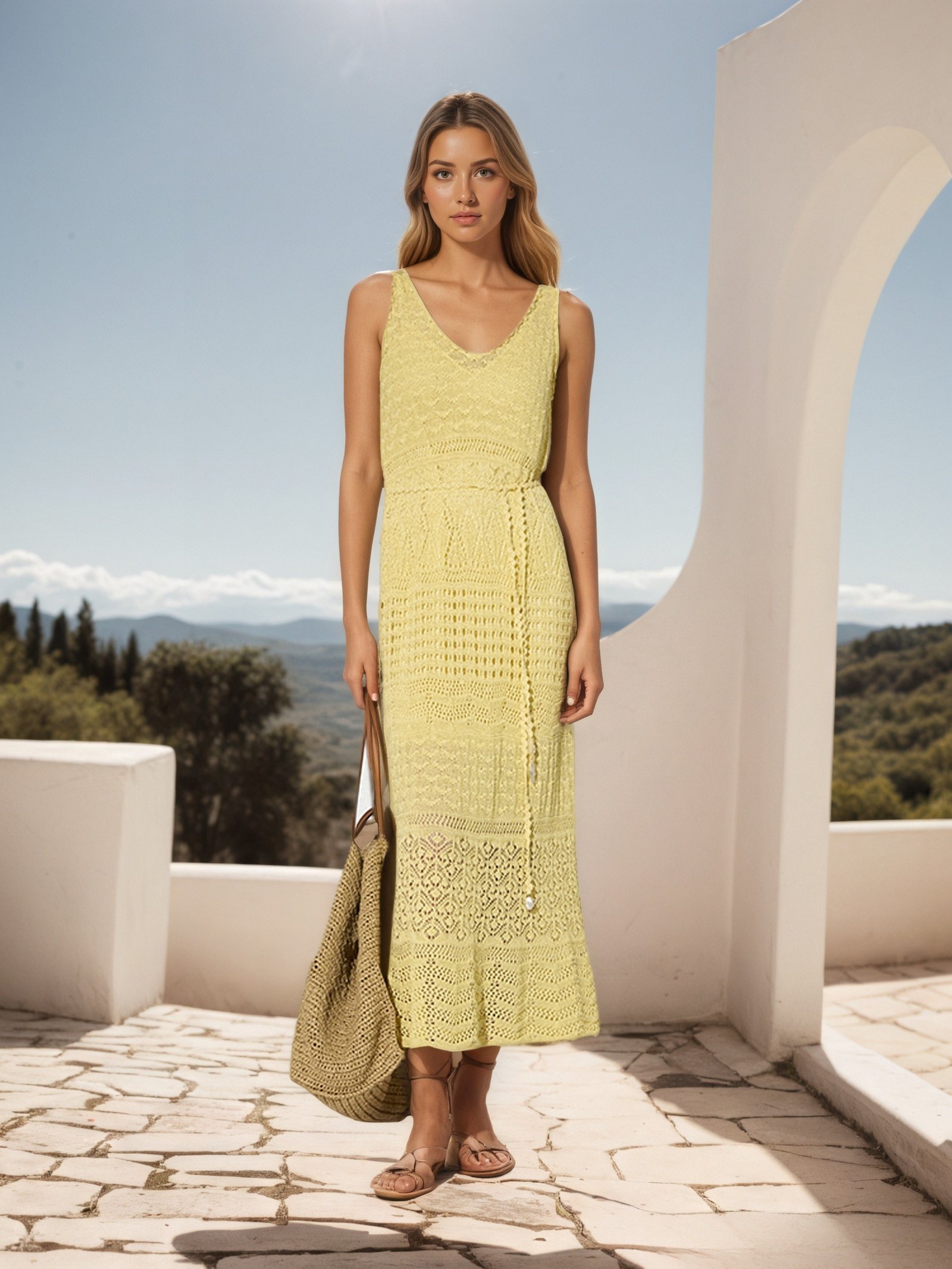
Custom Sweater Dresses
Create custom sweater dresses with knit structure, yarn, length and silhouette developed for your customer. Junsheen reviews stretch recovery, drape and size grading from XS to 3XL, supporting bodycon, relaxed and oversized fits with custom labels, trims and packaging.
Request a Quote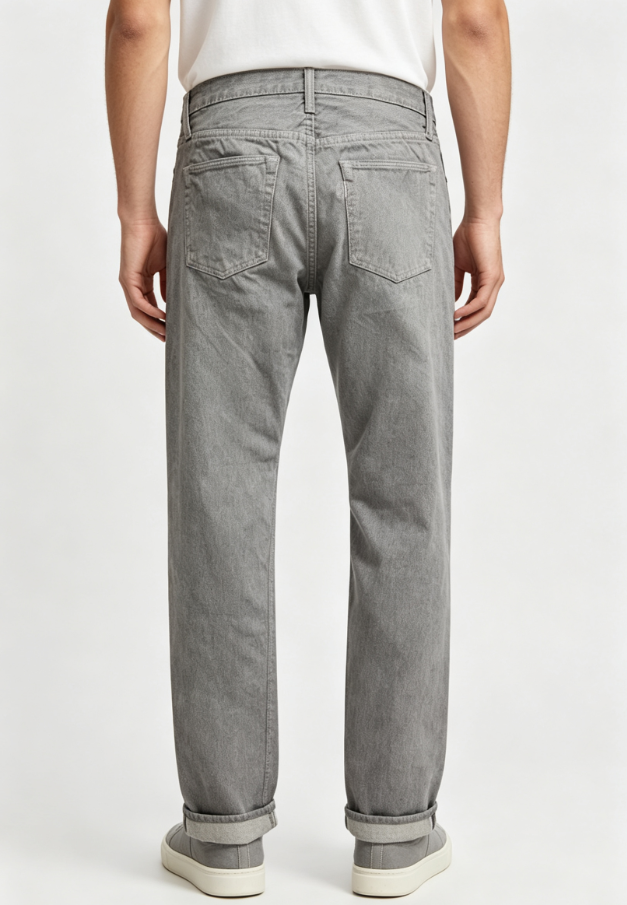
Custom Denim Sets
Develop mens denim suits for wholesale programs, including coordinated denim jackets and jeans with consistent fabric, wash and color control. Junsheen manages pattern development, size grading, hardware, labels and production records to support repeatable multi-unit and multi-market orders.
Request a Quote
Custom Polo Shirts
Manufacture custom polo shirts in pique, jersey or performance knits, with collar construction, placket, sleeve rib and fit developed for your use case. Add logo embroidery, screen printing, custom buttons, labels and packaging for retail, uniform or promotional programs.
Request a Quote
Custom Sweatpants
Produce custom sweatpants in fleece, French terry or jersey with waistband, drawcord, pocket and cuff details specified for the collection. Junsheen supports jogger, straight-leg, wide-leg and oversized fits, with XS–3XL grading, decoration and private-label finishing.
Request a Quote
Custom Shorts
Develop custom shorts in woven twill, jersey, fleece, denim or performance fabrics. The team sets inseam, rise, pocket construction, waistband and fit requirements, then supports printing, embroidery, washes, custom trims and branded packaging from 100 units per style and color.
Request a Quote
Custom Pullovers
Manufacture custom pullovers in knit, fleece, French terry or jersey constructions, with neckline, body proportion and sleeve balance developed for consistent fit. Junsheen supports quarter-zip, half-zip and standard styles, plus embroidery, printing, labels and scalable bulk production.
Request a QuoteJean Companies Materials for Denim, Knitwear & Casualwear

Rigid Cotton Denim
A structured, authentic denim with a dry hand and dependable durability for jeans, denim jackets and sets. Available in varied weights, it develops distinctive wash character and supports classic non-stretch silhouettes.

Stretch Denim
Cotton-rich denim blended with stretch fibers for a flexible, body-contouring feel in slim jeans, denim shorts and fitted dresses. Its recovery performance helps garments retain shape through movement and repeated washing.

Cotton Jersey
A soft, breathable knit with a smooth hand for T-shirts, polos and lightweight layering pieces. Weight and fiber blends can be specified to balance drape, opacity, stretch and everyday durability.

French Terry
A midweight knit with a smooth face and loopback interior, ideal for premium hoodies, sweatshirts and sweatpants. It offers breathable comfort, stable structure and adaptable garment-wash potential for year-round casualwear.

Brushed Fleece
A warm, plush knit with a brushed inner surface for hoodies, joggers and cold-weather sets. Available in different weights, it delivers insulation, softness and a substantial hand for elevated casual collections.

Recycled Cotton Twill
A durable woven fabric with a clean diagonal texture for workwear-inspired jackets, overshirts, pants and shorts. Recycled-content options provide a more responsible material route while maintaining structure and abrasion resistance.
Decoration, Washing & Finishing for Jean Companies

Logo Embroidery
Flat, 3D puff, chain-stitch and applique embroidery add dimensional branding to denim jackets, jeans and casualwear, delivering durable stitched detail that retains a premium appearance through regular wear and washing.

Custom Screen Printing
Plastisol, water-based, puff, flocking, silicone, high-density, foil and discharge screen prints create clear branded graphics with finishes selected for color impact, hand feel, stretch and long-term wash durability.

Digital Print Methods
DTG, DTF, heat transfer and dye sublimation support detailed artwork, gradients and small-run graphics. JUNSHEEN matches the method to fabric composition and placement for dependable color and adhesion.

Denim Wash Treatments
Enzyme, stone and acid washes develop worn-in character, softened hand feel and controlled tonal variation for private-label denim. Sample approvals help align wash intensity and garment appearance before bulk production.

Garment Dye Effects
Garment dye and tie-dye treatments create distinctive color depth and individual variation across casualwear. Process settings are reviewed with fabric weight and construction to achieve the intended wash performance and tone.

Softening And Finishing
Softening, anti-pilling washes, brushing and napping refine texture, comfort and surface performance. These finishing processes help brands tailor fleece, jersey, denim and knitwear to their target market and price point.
Custom Trims, Labels & Branded Packaging

Custom Drawcords
Add branded drawcords with metal tips, silicone aglets, contrast colors, or custom tipping to hoodies, sweatpants, shorts, and outerwear. They reinforce collection identity while supporting dependable everyday adjustment.

Snap Buttons
Choose custom snaps for denim jackets, jeans, overshirts, and outerwear, with finishes that complement your brand direction. Options can include engraved logos, matte coatings, antique effects, and coordinated hardware colors.

Branded Zippers
Specify zipper pulls, tape colors, finishes, and logo details for jackets, denim, cargo styles, and fleece layers. JUNSHEEN helps align zipper performance and appearance with the garment’s intended use and target price.

Woven Leather Labels
Create woven, printed, or leather-look labels for waistbands, necklines, side seams, and exterior branding. Private-label components can include main labels, size labels, wash-care labels, and clear fiber-content information.

Custom Hang Tags
Complete retail presentation with custom hang tags, string, seals, barcode layouts, and care messaging. These details help jean companies deliver a cohesive unboxing experience while keeping product information organized for wholesale channels.
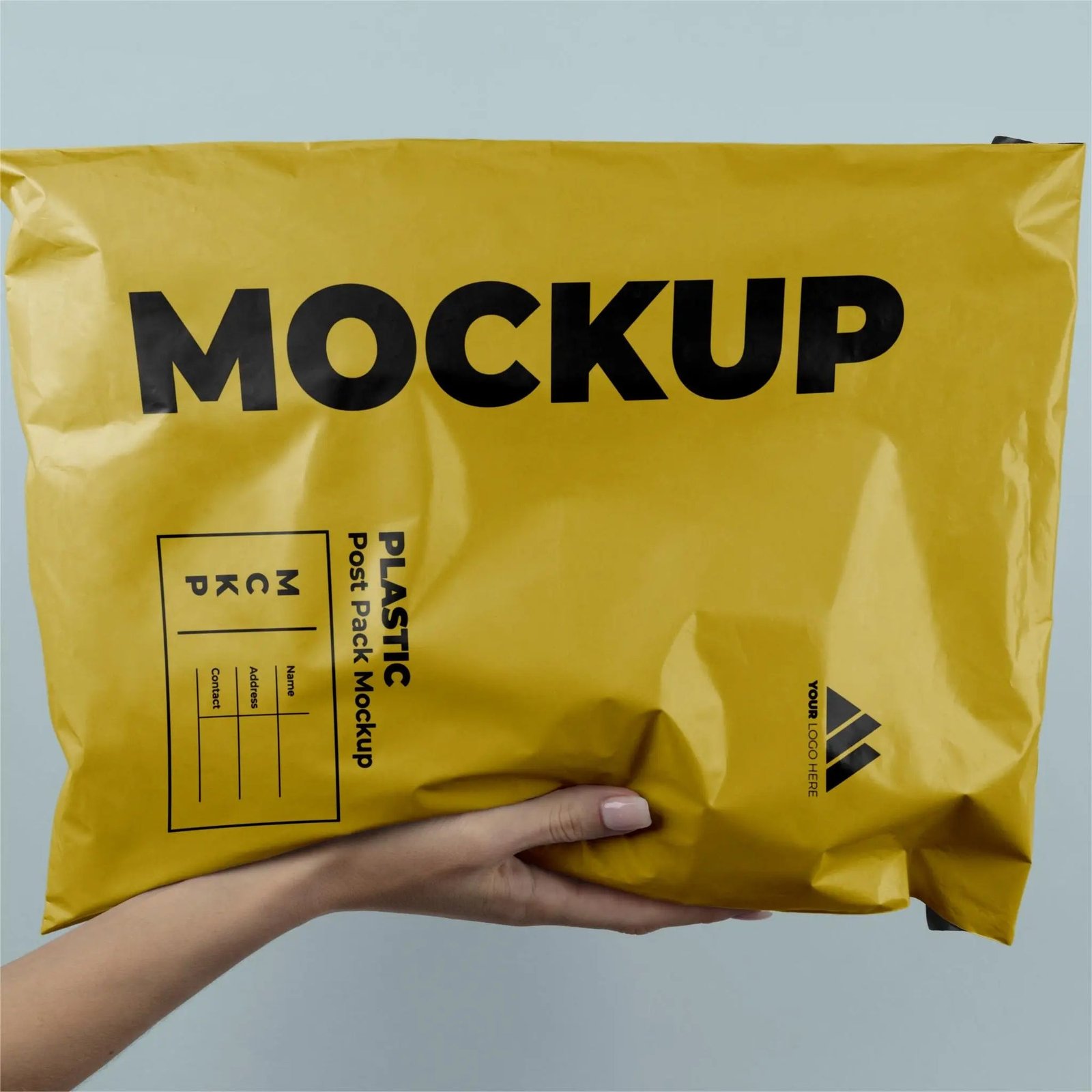
Branded Packaging
Select polybags, tissue paper, sticker seals, cartons, and other branded packaging suited to e-commerce, retail, or export requirements. JUNSHEEN coordinates packing details with final quality checks before global shipment.
Why Global Jean Companies Partner With JUNSHEEN
Founded in 2010 in Humen Town, Dongguan, JUNSHEEN helps global jean companies turn apparel concepts into production-ready collections. Our one-stop OEM, ODM and private-label operation connects development, fabric sourcing, pattern making, sampling, bulk manufacturing and export support in one responsive manufacturing partnership.
With more than 200 skilled workers and monthly capacity above 80,000 units, we support capsule launches from 100 units per style and color through scalable repeat programs. Our cut-and-sew and knitting capabilities span jeans, denim sets, casualwear, outerwear and sweater programs for brands, wholesalers and retailers worldwide.
What distinguishes JUNSHEEN is a fit-first approach from XS through 3XL. Rather than simply enlarging a base pattern, our team refines proportions, mobility and grading across the size set, then backs approved fits with in-house decoration, finishing, labels, packaging and consistent quality control.

Jean Companies: Fit and Production Depth
Fit-First Pattern Engineering
JUNSHEEN develops jeans and casualwear from XS through 3XL with pattern adjustments that respect real proportions. Our team refines shoulder balance, rise, sleeve length, mobility and grading increments instead of merely enlarging a base size.
- Normal, extended-size, plus-size and oversized fits
- Pattern making from tech packs, sketches or references
- Prototype and size-set reviews before bulk approval

Development Through Bulk Production
Give our team a product idea or production-ready specification, and we manage the technical path to launch. Fabric sourcing, trim selection, sampling, quotation and pre-production approval stay coordinated within one responsive manufacturing workflow.
- OEM, ODM and private-label development support
- Low MOQ from 100 units per style and color
- Cut-and-sew and knitwear capabilities in one supply chain
- Scalable capacity above 80,000 units monthly

Integrated Decoration and Finishing
Jean companies can build distinctive collections without moving garments between separate vendors. JUNSHEEN coordinates embroidery, printing, washes, finishing, labels, trims and branded packaging to keep visual details aligned with approved samples.
- Embroidery, patches, screen print, DTG and DTF
- Stone wash, acid wash, garment dye and softening
- Custom labels, hardware, hang tags and packaging

Repeatable Production Standards
For repeat programs, JUNSHEEN retains approved patterns, graded size sets and material records to support faster, more consistent reorders. Incoming, in-line and final inspections verify construction, measurements, fit, decoration and packed-goods quality before export.
- Documented approval records for repeat styles
- Quality checks from fabric receipt to final packing
- Global export support for growing brand programs

Why Jean Companies Choose JUNSHEEN Over Typical Suppliers
A fit-first, fully integrated manufacturing partner for launch-ready denim and casualwear programs.
← 左右滑动查看 →
Jean Companies: From Fabric Sourcing to Global Delivery
A controlled OEM timeline that carries approved materials through production, inspection, packing and export support.
Feasibility and Material Planning
JUNSHEEN reviews specifications, fit requirements, target cost and delivery needs, then recommends denim, trims and materials suited to your approved product direction.
Fabric Sourcing and Approval
Our team sources fabrics and components, confirms color and hand feel, and retains approved material records to support consistency across bulk and repeat orders.
Cutting and Bulk Production
After pre-production approval, skilled teams cut graded patterns and assemble garments with controlled construction checkpoints for normal, plus-size and oversized fits.
Decoration and Finishing
Embroidery, printing, washing and garment-finishing treatments are applied to approved standards, alongside private-label trims, labels and branded packaging components.
Inspection, Packing and Export
Quality teams inspect fabric, measurements, construction, decoration and packed goods before final packing, balance settlement and coordinated global export shipment.
How Jean Companies Start OEM Apparel Production
Move from an initial concept to approved bulk goods with clear development milestones, fit-focused sampling, and coordinated export support.
Share Your Product Direction
Send a tech pack, sketch, reference garment, or mood board. Our team reviews specifications, target fit, materials, decoration, and 100-unit MOQ feasibility.
Confirm Materials and Pricing
Select fabrics, trims, washes, labels, and packaging with our sourcing team. We provide a detailed quotation, production guidance, and timeline before sampling begins.
Develop and Review Samples
Pattern makers create fit-focused samples and grade XS–3XL as required. Review construction, measurements, hand feel, and branding details, then request refinements before approval.
Approve Bulk Production
Confirm the pre-production sample, final specifications, and order details. Our 200-plus skilled workers coordinate cutting, sewing, knitting, decoration, washing, and finishing.
Inspect and Ship Globally
We inspect materials, measurements, construction, decoration, and packed goods throughout production. After final balance settlement, your order is prepared for reliable global shipment.
Custom Clothing Manufacturer Credentials and Compliance Documents



What Jean Companies Say About JUNSHEEN
JUNSHEEN helped us take a denim capsule from approved sample to a 1,200-unit first run with clear communication at every checkpoint. The fit corrections across XS–3XL were resolved before bulk production, which kept our launch on schedule.
Our second order moved much faster because JUNSHEEN retained the graded patterns and material details. We reordered 3,600 jeans and overshirts with consistent measurements, washes and branded trims across every colorway.
The 100-unit MOQ gave us room to test a new extended-size jean program without overcommitting inventory. Their team improved the rise and thigh balance, and our first 4-style launch generated enough confidence to plan repeat production.
Jean Companies OEM Manufacturing FAQ
Clear answers on MOQ, sampling, fit, production, quality control, and global delivery for your next denim or casualwear program.
What MOQ do jean companies require for custom production?
Can jean companies develop samples before placing a bulk order?
How long does OEM denim sampling and bulk production take?
Do you offer XS–3XL and plus-size jean fit grading?
What quality control do your jean companies manufacturing programs include?
Can you source denim fabrics, trims, labels, and packaging?
How do you protect designs and product information?
What payment terms and shipping support does JUNSHEEN provide?
The Complete Buyer’s Guide to jean companies
Use this decision framework to evaluate jean companies, compare supplier capabilities and production criteria, avoid costly sourcing mistakes, and select an OEM partner aligned with your quality, MOQ, customization, and launch requirements.
1. What Are jean companies?
2010 is the founding year of Dongguan Junsheen Clothing Co., Ltd., but jean companies is a broad market label rather than one supplier type. It can describe consumer-facing denim brands, stock wholesalers, private-label suppliers, and OEM/ODM factories, each occupying a different point between fabric mill, product development, production, and retail. 100-unit per style-and-color programs are suited to a brand that needs its own fit, wash, trims, labels, and packaging. An OEM/ODM manufacturer is the appropriate category for custom development and repeat bulk production: OEM builds from an approved tech pack, while ODM can help turn a sketch, reference garment, or mood board into patterns, graded sizes, sample jeans, and production specifications. 2 common buying paths separate inventory purchasing from brand building. Wholesalers sell ready-made stock for fast retail replenishment, while private-label suppliers typically let buyers add branding to existing or lightly modified styles; neither offers the same control over rise, leg shape, denim weight, wash recipe, or size grading as a development-led factory. Buyers needing immediate units should approach a wholesaler; buyers testing branded basics may choose private label; labels creating a differentiated jeans line should approach an OEM/ODM denim manufacturer.
2. Evolution of Denim Manufacturing
1873 marked denim’s shift from hard-wearing workwear into a standardized garment category, built around indigo-dyed cotton warp yarns, riveted stress points, and repeatable sewing operations. As demand moved from regional mills to global supply chains, jean companies began separating fabric sourcing, cut-and-sew assembly, washing, trimming, and distribution across specialist partners. 1960s–1990s brought fashion washes and stretch construction into mainstream jeans, making finish control as important as the base fabric. Enzyme, stone, acid, and garment washes can change shade, hand feel, shrinkage, and seam abrasion; buyers should approve a sealed wash standard and retain a control sample for every production color. 2–5% elastane is a common stretch-denim range, while modern development increasingly combines digital tech packs, graded patterns, Pantone color references, and sample-review records. These tools help reduce revision loops, but buyers still need physical swatches, measurement tolerances, and wash-test approvals before bulk release. 2020s sourcing decisions increasingly require traceability and responsible material choices alongside speed and price. For flexible 100-unit capsule programs or repeat bulk orders, specify fiber content, mill or supplier records, wash chemistry expectations, restricted-substance requirements such as OEKO-TEX where applicable, and a clear approval path for finish consistency.
3. Types of jean companies
Jean companies occupy different points in the supply chain, from fabric development to finished-garment resale. Buyers should identify who owns the factory relationship, controls technical development, and can accept the required MOQ before requesting quotes.
| Company Type | Typical Service | Best Buyer Scenario | Main Limitation |
|---|---|---|---|
| Fashion label | Finished collections | Market benchmarking | No private-label production |
| Denim mill | Fabric development | Volume fabric programs | No garment assembly |
| Full-package factory | Development through shipment | New or scaling brands | MOQ and sampling approval required |
| Wholesaler or agent | Stock goods or coordination | Fast tests or supplier access | Less production control |
Brands And Fashion Labels
Heritage brands and fashion labels sell finished collections, trend direction, and retail credibility. They rarely produce another buyer’s private-label jeans. Best use: benchmark fit, washes, and price positioning. A brand is a market competitor or reference, not normally a manufacturing partner.
Denim Mills

Denim mills weave and finish fabric, commonly offering 8–16 oz rigid or stretch denim, wash trials, and color development. Their strength is fabric consistency at volume. Mill MOQs and lead times can be substantial, while they usually do not cut, sew, grade, or pack jeans. Best for established programs needing proprietary fabric.
Factories And Specialists
Full-package OEM/ODM factories coordinate patterns, sourcing, sampling, cutting, sewing, washes, trims, QC, and export. A capable partner can turn a tech pack or reference garment into a production-ready program. Cut-and-sew specialists may sew exceptionally well but require buyer-supplied patterns and materials. Choose them when the technical package and fabric supply are already controlled.
Wholesalers And Agents
Wholesalers sell ready-stock or repeatable styles, often with low entry quantities but limited exclusivity and customization. They suit retailers testing demand quickly. Sourcing agents coordinate suppliers and inspections for a fee, but may not own production. Ask who issues the production order, holds patterns, and performs final QC.
4. Denim Materials and Fabric Choices
12–15 oz denim suits most five-pocket jeans, but fiber blend and construction determine recovery, abrasion resistance, and the wash result. Specify the fabric before approving a silhouette, because finishing changes both hand feel and shrinkage.
| Fabric | Composition | Weight Range | Performance | Best Use |
|---|---|---|---|---|
| Rigid denim | 100% cotton | 12–16 oz | Structured, durable, authentic fading | Straight, loose, jackets |
| Stretch denim | 98/2 cotton-elastane | 10–13 oz | Recovery and mobility | Skinny, slim, women’s fits |
| Comfort stretch | 70–85% cotton with polyester/elastane | 11–13 oz | Improved retention, lower cost | Everyday slim jeans |
| Recycled denim | Cotton with recycled cotton | 11–14 oz | Resource-focused; verify strength | Relaxed jeans, capsules |
| Twill | Cotton or cotton stretch | 7–10 oz | Cleaner color, less denim fading | Chinos, colored jeans |
Fiber Blend And Stretch

98/2 cotton-elastane gives close-fitting jeans recovery; 99/1 suits firmer straight legs. 20–40% recycled cotton can reduce virgin-fiber use, but shorter fibers may require polyester support for strength.
Weight, Weave, And Dye

10–12 oz denim works for lightweight shirts and summer jeans; 13–15 oz is a versatile core range. 3×1 right-hand twill produces the familiar diagonal face, while ring-spun yarn generally yields a cleaner, softer surface than open-end yarn.
Finishes And Fabric Specs

Indigo rope dyeing creates contrast after abrasion; sulfur black and garment dye give different fade behavior. Request composition, GSM or oz/yd², weave, stretch direction, shrinkage tolerance, color standard, wash recipe, and test requirements in the tech pack.
5. Customization Options from jean companies
Capable jean companies convert a base fit into a branded program through controlled choices in shape, finish, trims, and labeling. Lock decisions that alter patterns, color, or wash behavior before the first development sample.
| Customization | Approve Before Bulk | Cost Or Timing Effect |
|---|---|---|
| Pattern and size grading | Fit sample and size set | Revisions delay sampling |
| Wash and distressing | Physical strike-off | Labor and wash complexity increase cost |
| Hardware and labels | Trim card and pre-production sample | Custom tooling extends lead time |
Fit And Size Architecture

XS–3XL programs need approved measurements, rise, leg shape, and grading rules before sampling. A relaxed straight jean and a high-rise flare may share fabric, but they require different blocks and fit reviews. 100-unit low-MOQ runs benefit from limiting launch colors and inseam options. Approve a full size set when extended sizing or stretch denim is involved; grading cannot be safely judged from one sample.
- Silhouettes: straight, wide leg, flare, cargo, slim
- Sizing: regular, petite, tall, extended sizes
- Details: pockets, yokes, hems, waistband height
Wash And Surface Effects
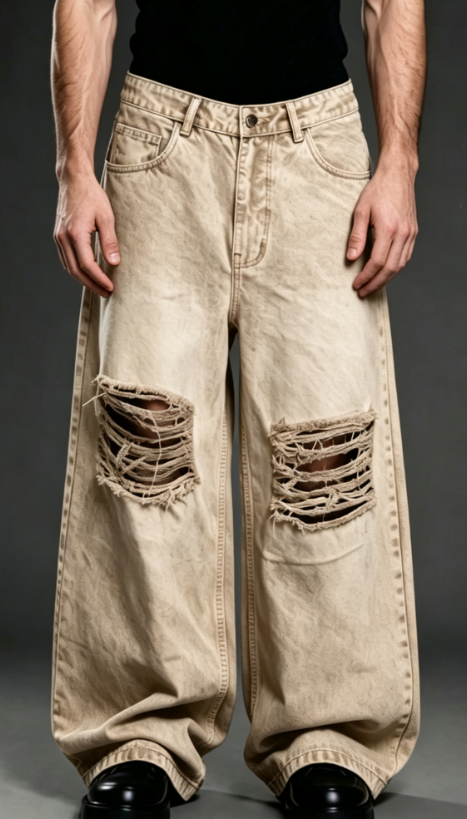
3–5 wash targets should be narrowed from references into a written recipe covering shade, abrasion, whiskers, rinse, and hand feel. Enzyme, stone, acid, bleach, garment-dye, and laser effects can change shrinkage, color cast, and panel-to-panel consistency. 1 physical wash strike-off per approved colorway is the practical minimum before bulk cutting. Heavy distressing and hand sanding add labor, while specialty dyeing commonly extends development time.
Branding And Trim Approval
Pantone-matched embroidery, patches, printed labels, rivets, buttons, hangtags, and branded packaging require artwork and supplier approval early. Custom molds, leather patches, and engraved hardware carry setup costs and longer procurement windows. 1 sealed trim card and pre-production sample should confirm placement, finish, logo scale, and care-label content. Retain those records for repeat orders and consistent private-label replenishment.
- Test embroidery on the actual washed fabric
- Approve hardware plating and logo engraving physically
- Check label content for target-market compliance
6. Construction Details That Signal Quality
A 10-ounce denim sample can look premium on a hanger yet fail quickly at stress points. Buyers should inspect construction against an approved sample and measurement specification, because these details govern wear life, repeatable fit, returns, and perceived value.
Seams And Stress Points

Eight to 10 stitches per inch is a common target for durable jean assembly, provided thread tension is balanced and seams lie flat. Inspect inseams, outseams, yokes, and crotch joins for skipped stitches, puckering, or uneven seam allowance. Bar tacks should reinforce predictable loads: pocket corners, belt-loop ends, fly base, and crotch intersections. Chain-stitch hems can create desirable roping after washing, while clean lockstitch construction usually offers easier repairability.
- Check bartack placement against the approved sample
- Pull-test belt loops and pocket corners
- Confirm no raw edges at high-friction seams
Fit-Critical Measurements
A 0.5-inch rise error changes how a jean sits and can make an otherwise correct waist feel wrong. Verify front rise, back rise, inseam, thigh, knee, hem opening, and pocket placement on graded sizes—not only the base size. Measurement tolerances should be documented by point of measure, typically tighter on waistband and rise than on leg length. Consistent grading reduces size-related returns and protects fit repeatability across reorders.
- Measure after the specified wash process
- Compare left and right pocket position
- Record tolerances on the approved spec sheet
Hardware, Waistbands, And Wash

YKK or equivalent tested zippers, securely set buttons, and stable waistband construction prevent highly visible failures. Check zipper smoothness, button pull resistance, belt-loop anchoring, and whether the waistband twists or stretches after laundering. Each wash lot should match the approved shade, abrasion level, hand feel, and dimensions within tolerance. Wash variation affects perceived quality immediately, especially when matching denim sets or replenishing a core style.
- Specify thread color and fiber compatibility
- Approve wash standards under consistent lighting
- Re-measure garments after finishing
7. How to Evaluate jean companies
A 100-unit MOQ is useful only when the supplier can repeat the approved fit, wash, and measurements in bulk. Compare jean companies on documented capability, risk controls, and responsiveness—not the lowest ex-factory quote.
| Evaluation Area | Evidence To Request | Decision Signal |
|---|---|---|
| MOQ flexibility | Style-color minimums and repeat-order policy | Supports launch and replenishment |
| Communication | Response time and technical clarification record | Prevents approval delays |
| Payment terms | Proforma invoice and balance schedule | Terms match order risk |
Verify Denim Specialization

Request 3 recent denim sample photos, a fabric specification, and references for comparable products. Confirm the factory can develop patterns, grade sizes, execute wash trials, and explain shrinkage, torque, and stretch recovery before sampling.
Audit Production Controls
Ask for business credentials, social-compliance certificates where required, and current test reports for colorfastness, dimensional change, and restricted substances. A qualified supplier should show incoming-fabric checks, in-line measurement records, final inspection standards, and corrective-action evidence.
- Factory registration and audit documents
- Fabric and wash test reports
- Sample photos with measurement sheets
- Written quality inspection checkpoints
Compare Commercial Readiness
Request a dated critical-path timeline covering fabric booking, sample approval, bulk cutting, washing, inspection, and shipment. Confirm capacity, packing specifications, export documents, payment milestones, and whether the supplier provides freight coordination or works with your forwarder.
8. Common jean companies Sourcing Mistakes
A 100-unit denim order can become costly when specifications, approvals, and freight assumptions are left to interpretation. Before issuing a purchase order, compare jean companies on documented controls rather than a quoted unit price alone.
Price And Landed Cost
A $2 lower FOB quote can disappear after duties, freight, inspection, and rework. Request an itemized quote covering fabric, wash, trims, packaging, Incoterm, destination freight estimate, and payment fees. Three comparable quotations should use identical fabric weight, wash recipe, and packing assumptions. Confirm the delivered cost per unit before approving the order.
Tech Pack And Fit
A vague sketch leaves rise, inseam, stitch count, hardware, and tolerances open to factory interpretation. Submit a measured tech pack with Pantone references, bill of materials, construction callouts, and a signed golden sample. XS–3XL grading cannot be assumed from a single base size. Approve a graded measurement chart and size set, including hip, thigh, rise, and inseam tolerances.
Fabric And Wash Approval

Denim can shrink 3–10% depending on fiber content, sanforization, and wash process. Require shrinkage testing after the intended wash and set cut dimensions from the test result. One unapproved wash can alter shade, hand feel, abrasion placement, and strength. Sign a wash standard with front, back, and close-up photos before bulk cutting.
Quality And Timeline
AQL 2.5 is a common general-inspection benchmark, but it must be written into the purchase order with defect definitions and measurement tolerances. Specify who pays for reinspection and corrective action when goods fail. Four to eight weeks of development is realistic when patterns, wash trials, and size sets need approval. Build approval dates backward from launch and allow time for final inspection and shipping.
9. Steps to Launch a Jeans Brand
A 100-unit-per-style-and-color starting point lets an emerging label test a tight denim capsule without committing to a broad, unproven range. Set decision gates before sampling so commercial, fit, and material changes do not reach bulk production.
Define A Focused Capsule
Three to five styles usually create a clearer first drop than 12 loosely related products. Choose one core fit, one complementary silhouette, two washes, and a target retail price before contacting jean companies. 100 units per style and color can support a capsule test when color and size complexity stay controlled. Confirm the customer, price architecture, and channel before developing details.
- Core fit: straight, wide-leg, relaxed, or slim
- Supporting item: denim jacket, short, or skirt
- Limit first-drop washes to two proven options
Lock Technical Specifications
A complete tech pack should state measurements, point-of-measure tolerances, construction, wash target, Pantone colors, trims, artwork, labels, and packing method. Reference photos alone leave fit and finish open to interpretation. Gate 1 is feasibility approval: confirm fabric availability, MOQ, wash capability, and target cost before a prototype is cut.
Approve Fit Before Bulk
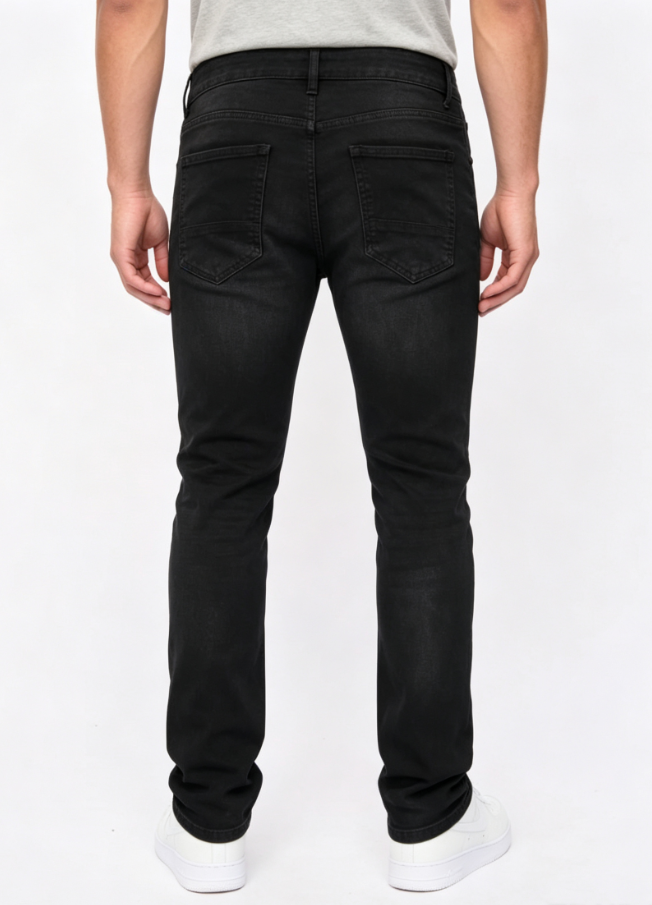
One prototype exposes pattern, wash, and construction issues; a size set verifies grading from XS through 3XL where applicable. Review rise, hip balance, inseam, leg opening, pocket placement, mobility, and post-wash shrinkage on relevant fit models. Gate 2 is signed fit and graded measurement approval. Freeze the pattern, fabric, wash recipe, hardware, and labels before requesting a pre-production sample.
Control Production And Reorders
A pre-production sample is the final bulk benchmark, including approved denim, sewing, wash, trims, labeling, and packaging. Inspect incoming fabric, in-line measurements, decoration, wash consistency, and final packed goods against that reference. Ship only after carton marks, packing ratios, export documents, and freight timing are checked. Retain patterns, grade rules, wash standards, and material records to make replenishment faster and more consistent.
10. Jeans Manufacturing Pricing and Costs
100 units per style and color is a practical starting point for many custom-jeans programs, but a quote changes first with denim weight, fiber blend, stretch percentage, and wash recipe. Rigid 12–14 oz denim, stretch denim, imported specialty fabric, enzyme or stone washing, hand sanding, distressing, and garment dyeing all add material, processing, labor, and yield costs. 3 cost groups should be separated before approving a quotation: recurring garment cost, one-time development cost, and delivered logistics cost. Trims such as YKK zippers, branded buttons, rivets, leather patches, woven labels, hang tags, cartons, third-party testing, size-set sampling, and destination freight must be specified rather than assumed. 2 quotations are comparable only when they match the same tech pack, fabric composition and GSM, wash standard, trim list, packing method, quantity by color and size, Incoterm, testing scope, and payment terms. Final pricing depends on approved specifications, order mix, and shipping destination; ask jean companies to identify exclusions, sample charges, and whether freight is estimated or confirmed.
| Order quantity | Illustrative ex-factory unit price | Typical bulk lead time |
|---|---|---|
| 100–299 units | US$18–35 | 35–55 days |
| 300–999 units | US$14–28 | 30–50 days |
| 1,000+ units | US$11–24 | 30–45 days |
Jean Companies: Start Your Next Collection
Send your tech pack, sketch, reference garment, or product idea for feasibility review, sampling, and a clear OEM production quote.