
Mens Polo Shirt Manufacturer for Fit-Focused Private Labels
JUNSHEEN is a mens polo shirt manufacturer offering OEM, ODM and private-label development from 100 units, with precise XS–3XL grading.
Featured Products for mens polo shirt manufacturer Development


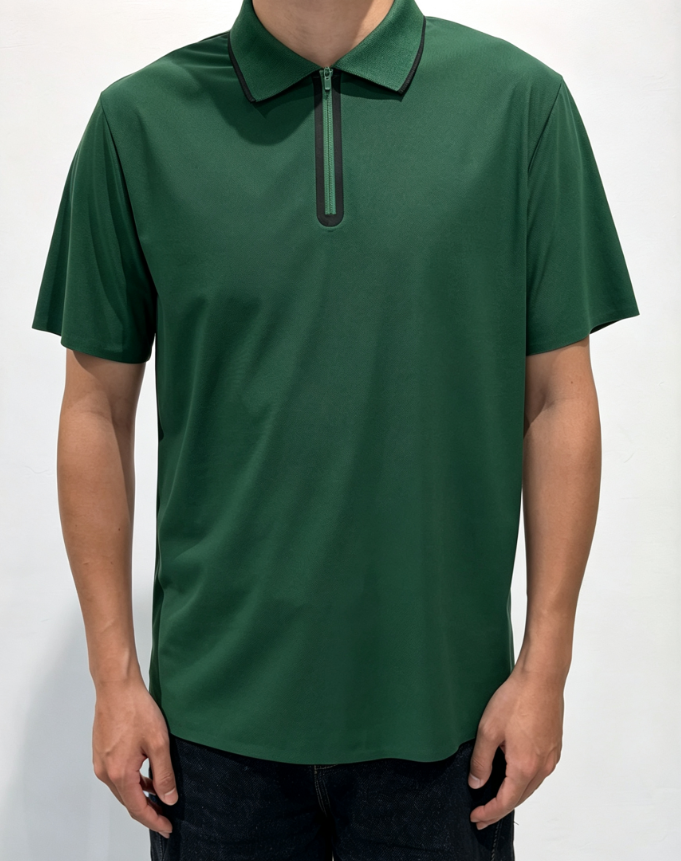


Mens Polo Shirt Manufacturer Catalogue & Quotations
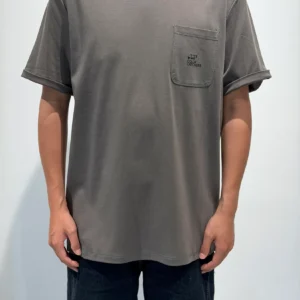

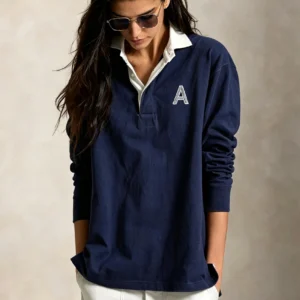


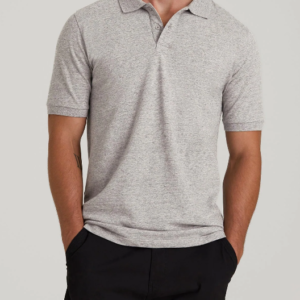


Mens Polo Shirt Manufacturer Built for Reliable Production
From 100-unit launches to repeat bulk programs, JUNSHEEN brings fit-led development, integrated finishing and export-ready support together.
100-Unit MOQ
Launch custom polo styles from 100 units per style and color, with flexible support for capsule collections and growing brand programs.
Fit-Led XS–3XL Grading
Pattern makers refine proportions, mobility and grading increments for normal, extended-size, plus-size and modern oversized polo fits.
Integrated Decoration
Add logo embroidery, screen printing, patches, labels, trims and branded packaging through one coordinated production supply chain.
Scalable Production Capacity
More than 200 skilled workers and 80,000-plus monthly units support reliable sampling, repeat orders and expanding wholesale demand.
Fabric Sourcing Support
Select piqué, jersey, performance knits and blends with recommendations based on hand feel, weight, durability, stretch and target cost.
Export-Ready Service
Coordinate quality control, packed-goods inspection and global shipping support for polo programs serving international brands, retailers and sourcing teams.
Custom Polo Programs for Every Brand Channel
Develop coordinated casualwear, denim and knitwear programs with low-MOQ production, private-label details and fit-focused grading from XS to 3XL.

Custom Hoodies
Custom hoodies for retail drops, teamwear and private-label collections, developed from your tech pack or concept. Choose fleece or French terry weights, pocket and hood construction, embroidery or print placement, washes, labels and branded packaging from 100 units per style and color.
Request a Quote
Custom T-Shirts
Produce custom T-shirts for promotional programs, core retail assortments and elevated private labels. Junsheen supports jersey selection, neck construction, oversized or fitted silhouettes, XS–3XL grading, screen printing, DTG, DTF, embroidery, washes and complete labeling.
Request a Quote
Custom Jeans
Build custom jeans with denim weight, stretch, wash and fit matched to your target customer. Development covers pattern making, rises, leg shapes, pocket details, hardware, distressing, garment washes, extended-size grading and private-label trims for repeatable bulk production.
Request a Quote
Custom Sweaters
Source turtle neck sweater bulk programs with knit structures and yarn blends aligned to retail price, warmth and hand feel. Junsheen develops neckline shape, gauge, rib trims, grading and labels for fitted, relaxed, oversized and extended-size sweater ranges.
Request a Quote
Custom Jackets
Develop custom jean jackets for contemporary retail, wholesale and branded uniform layers. Select denim, lining, hardware, pocket configuration, washes, embroidery, patches and labels, with construction and fit samples reviewed before bulk production.
Request a Quote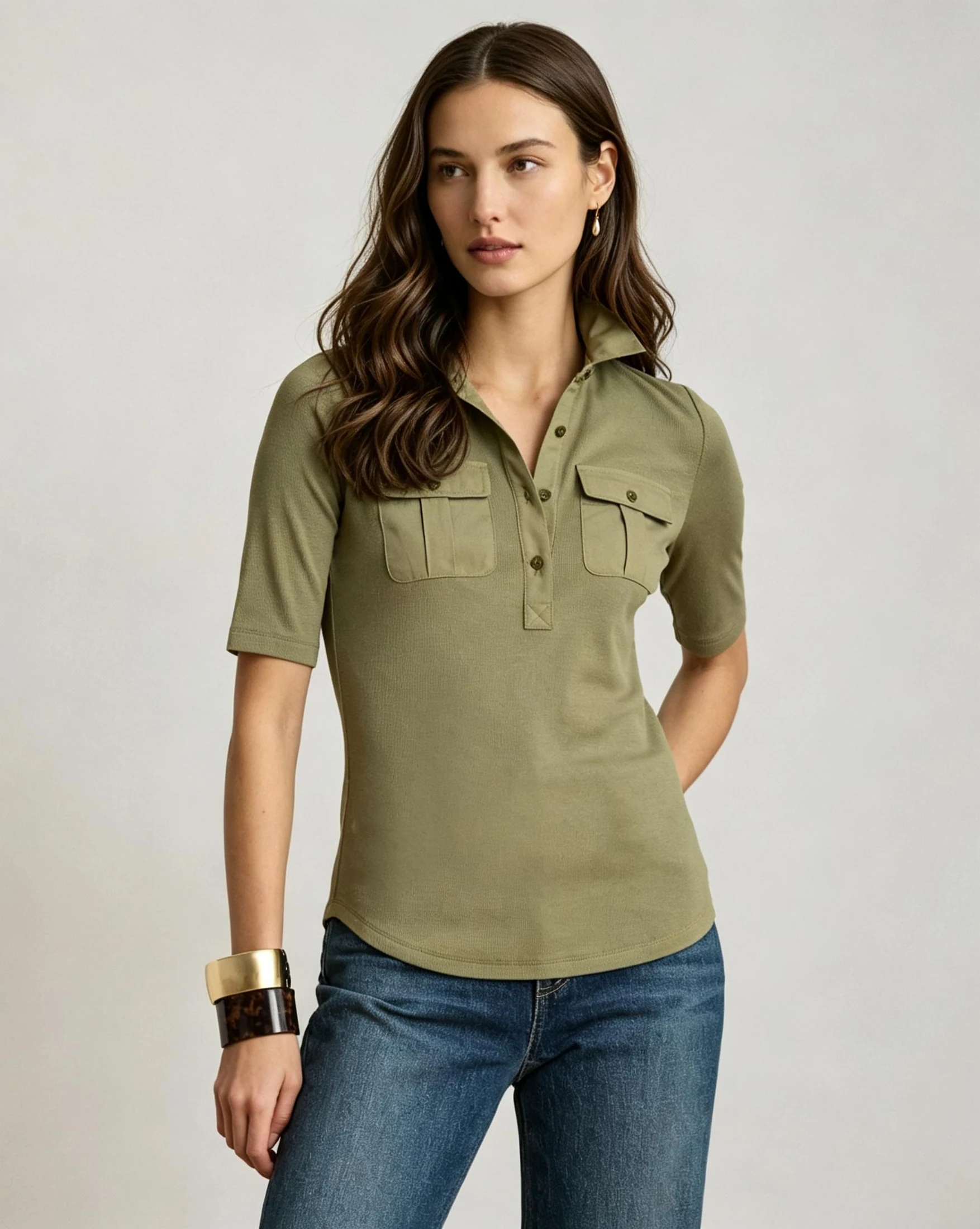
Custom Sweatshirts & Crewnecks
Create custom crewneck hoodie and sweatshirt programs for brand merchandise, retail basics and coordinated collections. Choose fleece or French terry, crewneck or hooded construction, rib specifications, fit grading, prints, embroidery, washes and private-label finishing.
Request a Quote
Custom Cardigans
Custom cardigans can be developed for layered knitwear collections, schoolwear or refined casual programs. Junsheen supports yarn and gauge selection, button or zip closures, rib details, pockets, silhouette development, XS–3XL grading and branded labels.
Request a Quote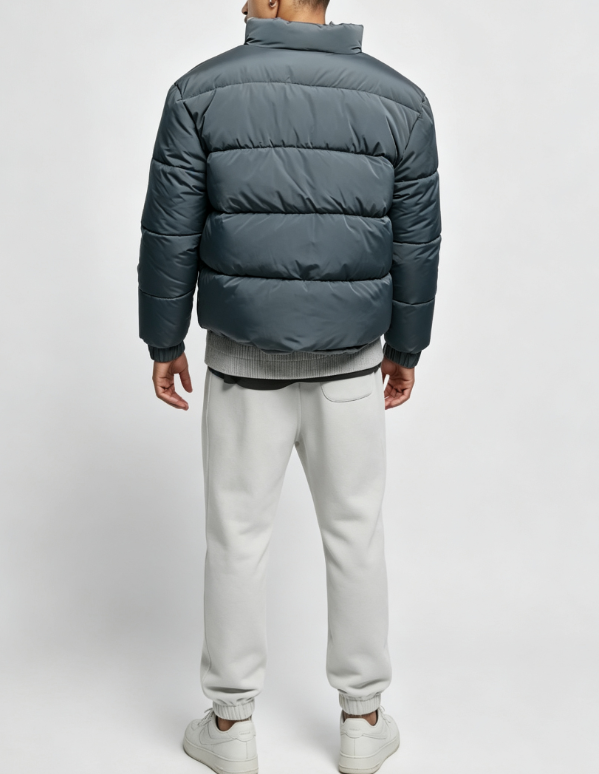
Custom Puffer & Down Jackets
Produce custom puffer jackets for outerwear collections requiring defined insulation, shell fabric and trim specifications. Development includes quilting layout, fill options, lining, zippers, pockets, reflective details, fit samples and quality checks before global shipment.
Request a Quote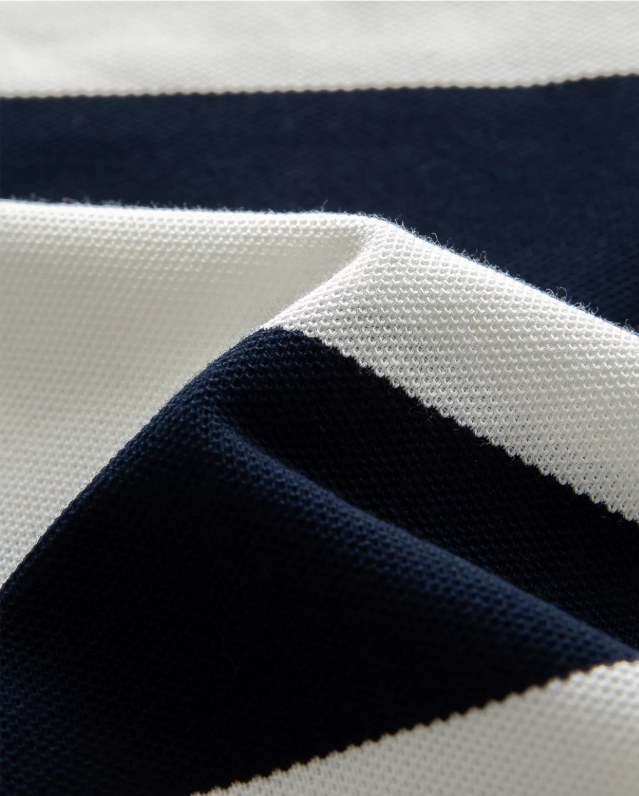
Custom Denim Shorts
Develop custom jean shorts with the same fit and wash control used for denim bottoms. Specify rise, inseam, leg opening, stretch, pockets, hems, distressing, hardware, labels and size grading for women’s, men’s or unisex private-label programs.
Request a Quote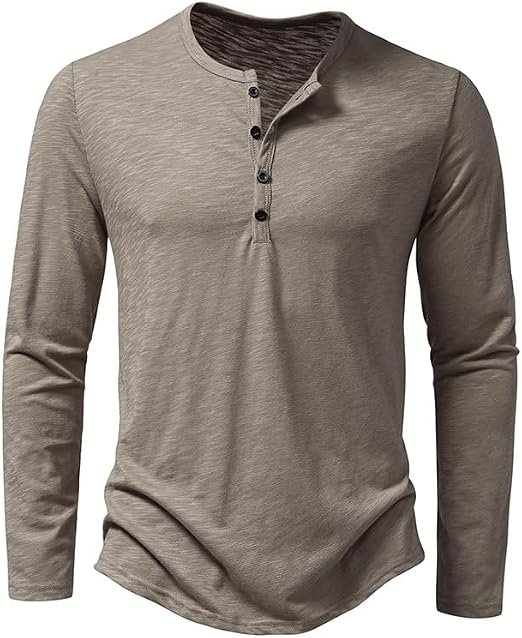
Custom Sweater Dresses
Custom sweater dresses are developed around silhouette, yarn hand feel and wearability across the size set. Choose gauges, necklines, length, rib construction, texture and closures, with fit-focused XS–3XL grading for fashion, resort or autumn-winter collections.
Request a Quote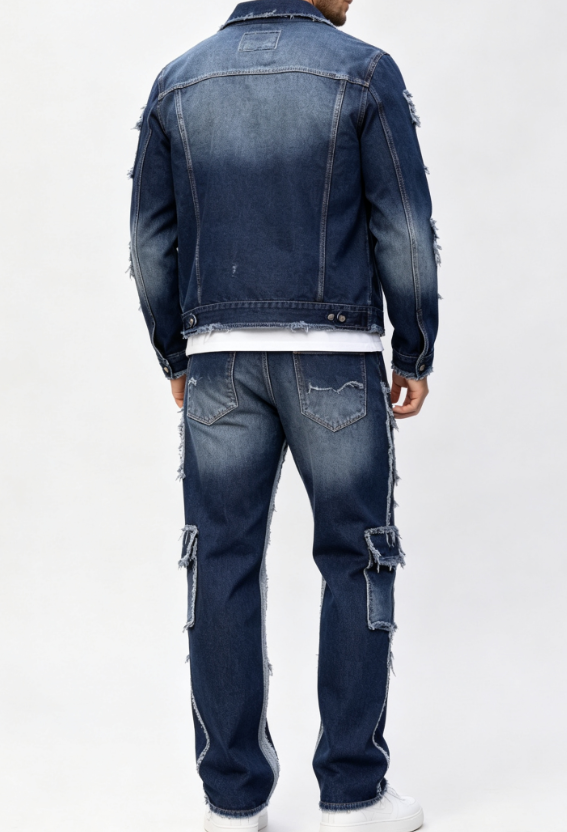
Custom Denim Sets
Support mens denim suits wholesale programs with coordinated denim jackets, overshirts and trousers built to shared wash, shade and trim standards. Junsheen manages fabric sourcing, pattern development, hardware, sizing, private labels and scalable bulk production.
Request a Quote
Custom Polo Shirts
Produce custom polo shirts for corporate uniforms, hospitality teams, golf programs and retail collections. Choose pique, jersey or performance knit fabrics, collar and placket construction, color blocking, logo embroidery, printing, fit grading and branded packaging.
Request a Quote
Custom Sweatpants
Custom sweatpants can be developed for loungewear, athleisure, teamwear and coordinated fleece sets. Specify fabric weight, brushed or unbrushed finish, waistband, cuffs, pockets, drawcords, prints, embroidery, XS–3XL grading and private-label trims.
Request a Quote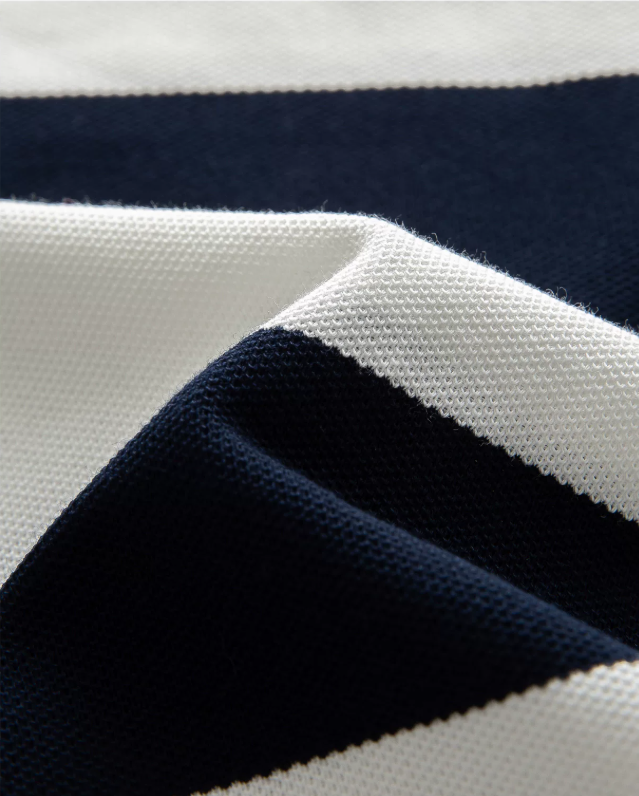
Custom Shorts
Produce custom shorts across jersey, fleece, twill and woven constructions for retail, uniform or resort programs. Development covers inseam, rise, pockets, waist treatments, fabric performance, decoration, washes and grading from standard through extended sizes.
Request a Quote
Custom Pullovers
Custom pullovers support knitwear, fleece and lightweight layering programs for private labels and wholesale collections. Junsheen develops neckline, fabric or yarn selection, sleeve and body proportions, rib details, decoration, washes, size grading and finished branding.
Request a QuotePolo Fabrics for Feel, Performance & Durability

Cotton Piqué
The classic breathable polo fabric, with a textured dry hand and structured appearance. Ideal for retail, golf and hospitality polos; commonly developed around 180–240 GSM for dependable shape retention.

Stretch Cotton Piqué
Cotton piqué blended with elastane for a softer, more flexible feel and easier movement. A strong choice for slim or modern fits, with controlled recovery that helps collars and bodies maintain their silhouette.

Performance Knit
Moisture-managing polyester or poly-spandex knit designed for active, uniform and golf programs. It offers lightweight comfort, quick-dry performance and practical stretch, typically in a smooth 150–200 GSM construction.

Cotton Jersey Blend
A smooth, soft-hand knit for casual polos and fashion-led private-label collections. Cotton-rich jersey can be blended for stretch and durability, delivering a relaxed drape with reliable print and embroidery compatibility.

Recycled Performance Knit
Recycled polyester knit for brands prioritizing lower-impact material options without losing functional performance. Suitable for teamwear and active polos, it provides quick drying, color durability and consistent lightweight comfort.

Organic Cotton Piqué
A premium natural-fiber option with the recognizable piqué texture and breathable comfort customers expect from a polo. Best for elevated sustainable collections, with fabric weight and finishing selected to balance softness and durability.
Mens Polo Shirt Manufacturer Decoration & Finishing Options

Logo Embroidery
Flat, 3D puff, chain-stitch, applique, and custom logo embroidery add a refined, long-lasting identity to polo chests, sleeves, and collars. Stabilized placement and stitch-density review help preserve a clean shape through repeated wear and washing.

Screen Printing
Plastisol, water-based, puff, silicone, high-density, foil, flocking, and discharge screen printing create bold graphics with controlled color and texture. JUNSHEEN matches ink systems to polo fabric, artwork detail, and expected wash performance.

DTG DTF Printing
DTG and DTF printing support detailed artwork, small text, tonal graphics, and multi-color branding without traditional screen setup. They are practical for low-MOQ polo programs, sample runs, and designs requiring sharp visual reproduction.

Heat Transfer
Heat-transfer applications deliver crisp logos, names, numbers, and specialty graphics with precise placement. Suitable transfer films are selected for knit polos to balance opacity, flexibility, adhesion, and a smooth finish that withstands routine laundering.

Garment Finishing
Softening, enzyme washing, anti-pilling treatment, garment dye, brushing, and other finishing options refine hand feel and appearance. These processes can create a softer premium touch, lived-in color character, or improved surface durability for branded polos.
Custom Trims & Private-Label Details

Custom Polo Buttons
Choose resin, metal, horn-look or recycled buttons with custom colors, logo engraving and contrast stitching. Button options help reinforce your brand identity across classic pique polos, long-sleeve styles and premium uniform programs.

Woven Brand Labels
Add woven main labels, size labels and wash-care labels designed around your brand system. JUNSHEEN applies them accurately during production, supporting clear sizing, compliance information and a finished private-label appearance.

Branded Hang Tags
Custom hang tags can carry your logo, product story, barcode, material information or care guidance. They give wholesale and retail polo orders a stronger point-of-sale presentation while keeping product identification organized.

Logo Zipper Pulls
For quarter-zip, half-zip and performance polo designs, branded zipper pulls and selected zipper finishes add function and a refined technical detail. Options can be matched to fabric color, logo hardware and intended use.

Contrast Drawcords
Drawcords and tipped cords suit hooded polo hybrids, hem-adjustable styles and sport-inspired collections. Select colors, aglets and cord thicknesses that complement your branding while maintaining dependable everyday wear performance.
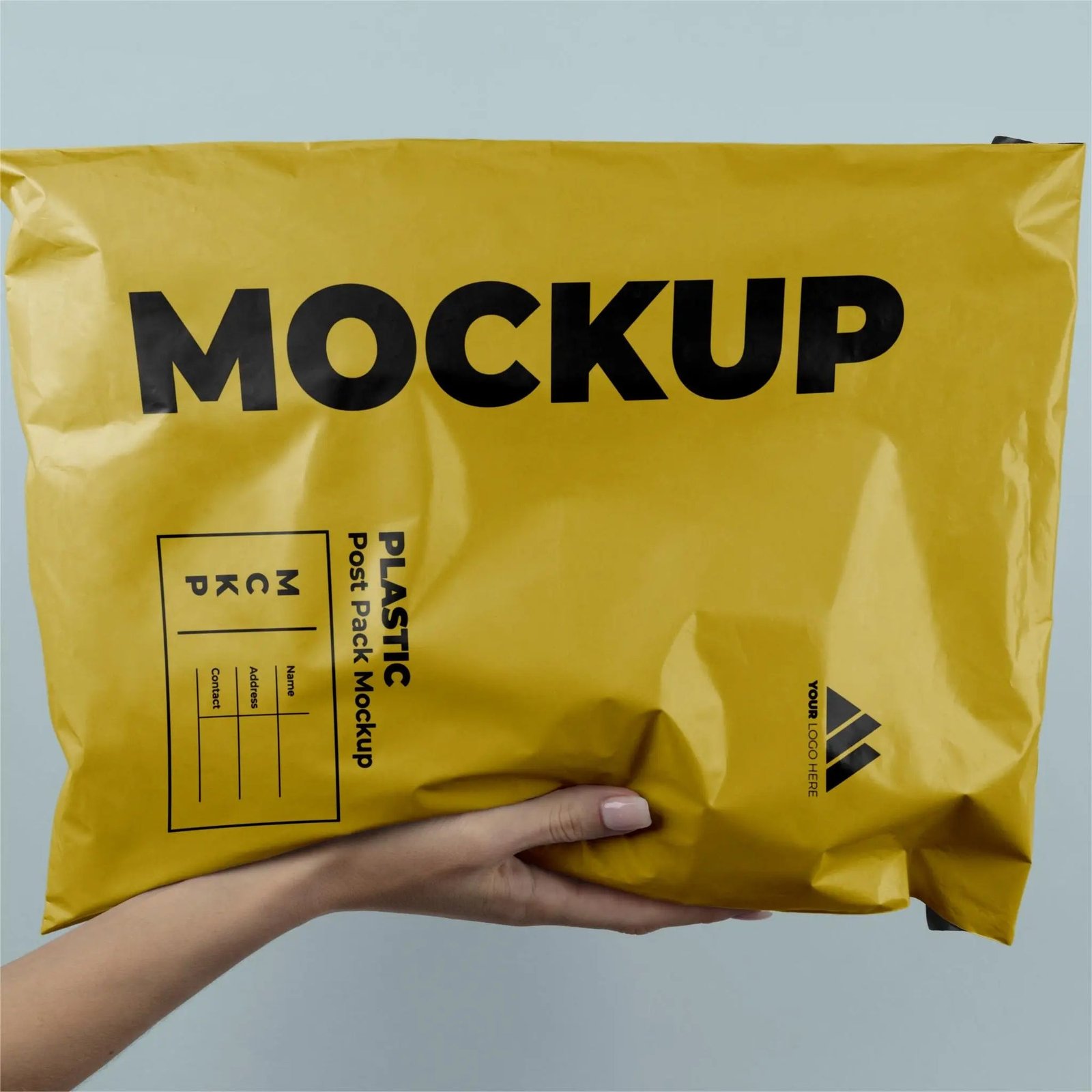
Custom Retail Packaging
Finish polo orders with branded polybags, folding instructions, size stickers, carton marks or gift-ready packaging. Packaging can be coordinated with labels and hang tags to support efficient fulfillment and a consistent unboxing experience.
About JUNSHEEN: Mens Polo Shirt Manufacturer
Founded in 2010 in Humen Town, Dongguan, JUNSHEEN helps global fashion brands turn polo concepts into production-ready private-label collections. As a mens polo shirt manufacturer, we combine OEM, ODM, pattern development, fabric sourcing, sampling and export support within one responsive apparel supply chain.
Our 200+ skilled workers and monthly capacity of more than 80,000 units support both focused capsule launches and scalable repeat programs. Starting from 100 units per style and color, we manufacture custom polos alongside casualwear, denim, outerwear and knitwear for brands, retailers, wholesalers and sourcing teams worldwide.
What distinguishes JUNSHEEN is fit-first development backed by integrated production control. We refine polo patterns and grading from XS through 3XL, then manage embroidery, printing, finishing, labels, trims, packaging and quality checks in-house—giving brands clearer development decisions and dependable consistency from sample approval to shipment.

Mens Polo Shirt Manufacturer: Fit to Bulk Production
XS–3XL Fit Engineering
As a mens polo shirt manufacturer, JUNSHEEN develops graded polo patterns from XS through 3XL, including extended-size, plus-size and oversized programs. Our pattern makers refine shoulder balance, chest ease, sleeve length and body proportions instead of simply scaling one base size.
- Fit-focused pattern creation and size grading
- Balanced proportions across standard and extended sizes
- Prototype, size-set and pre-production fit reviews
- Retained patterns for consistent repeat orders

Development From Any Starting Point
Bring a finished tech pack, sketch, reference garment, mood board or initial concept. Our OEM, ODM and private-label team reviews construction, recommends manufacturable details, prepares specifications and moves approved ideas into samples without requiring a fully finished production package.
- Technical review and construction guidance
- Pattern making and prototype sampling
- Low MOQ from 100 units per style and color
- Scalable support from capsule launches to bulk programs
Fabric and Trim Sourcing
Source polo materials and branded components through one coordinated supply chain. JUNSHEEN recommends piqué, jersey, performance knits and blends based on hand feel, weight, stretch, wash performance, durability and target cost, then matches them with production-ready trims.
- Cotton, Pima, organic and recycled options
- Fabric swatches and sample-garment review
- Custom collars, buttons, labels and hang tags
- Branded packaging and private-label details

Integrated Decoration and Quality Control
Keep embroidery, printing, washing, finishing and quality control aligned under one mens polo shirt manufacturer. Our team checks incoming materials, in-line construction, measurements, decoration and packed goods to help protect fit, logo clarity and repeatable bulk quality.
- Embroidery, screen print, DTF and heat transfer
- Washing, softening and anti-pilling finishes
- In-line measurement and construction inspections
- 200+ skilled workers and 80,000+ monthly capacity

Why Brands Choose JUNSHEEN Over Typical Suppliers
A mens polo shirt manufacturer built for dependable development, scalable production, and repeatable quality.
← 左右滑动查看 →
Mens Polo Shirt Manufacturer Production Process
A clear, fit-focused workflow for custom polo programs, from feasibility review through export-ready delivery.
Review Product Feasibility
Share your tech pack, sketch, reference polo, or concept. Our team confirms construction, target fit, decoration options, MOQ, cost direction, and production requirements.
Source Fabrics and Patterns
We recommend polo fabrics, trims, and color options, then develop patterns and XS–3XL grading that support balanced proportions, mobility, and consistent brand sizing.
Sample and Approve Details
Receive a prototype for review of fit, measurements, fabric hand feel, logos, collars, plackets, and finishing. Revisions are completed before pre-production approval.
Produce With In-Line QC
After approval, skilled teams cut, sew, decorate, and finish your polos. In-line inspections check construction, measurements, appearance, and workmanship throughout bulk production.
Pack and Ship Worldwide
Final goods receive packed-garment inspection, branded labels and packaging, then export coordination for reliable delivery to your warehouse, retailer, fulfillment partner, or distribution market.
Start With a Mens Polo Shirt Manufacturer You Can Scale With
From concept review to approved bulk delivery, JUNSHEEN keeps custom polo development clear, fit-focused and production-ready.
Submit Your Product Brief
Send a tech pack, sketch, reference garment, mood board, or product idea with target quantities, fabric preferences, sizing requirements, and branding details.
Review Feasibility and Quote
Our team reviews construction, fit, fabric, decoration, and private-label requirements, then recommends practical specifications and prepares a clear quotation for your program.
Approve Development Samples
Confirm fabric swatches, prototype samples, measurements, grading, and branding details. We refine fit from XS through 3XL before pre-production approval.
Launch Bulk Production
After approval, we source materials, manage cutting, sewing, decoration, quality control, packing, and export coordination for scalable production from 100 units per style and color.
Custom Clothing Manufacturer Credentials and Compliance Documents



What Global Apparel Clients Say About Our Mens Polo Shirt Manufacturer
JUNSHEEN turned our reference polo into a production-ready program in two sampling rounds. Their grading kept the fit consistent from XS to 3XL, and we launched 1,200 units on schedule for our spring drop.
We started with the 100-unit MOQ to validate a new private-label polo collection. The embroidery and branded trims arrived exactly as approved, helping us secure a repeat order for 2,500 additional pieces within four months.
Their team flagged sleeve and placket issues before bulk production, which saved us a costly revision. Across three colors and 18 size specifications, final measurement approval was completed without a single fit-related rejection.
Mens Polo Shirt Manufacturer FAQ
Clear answers on MOQ, development, fit, production, payment, shipping and confidentiality for custom polo programs.
What is the minimum order quantity for a mens polo shirt manufacturer?
How long does a mens polo shirt manufacturer take to make a sample?
How much does custom polo shirt sampling cost?
Can JUNSHEEN develop men’s polo shirts in extended sizes?
What is the bulk lead time with a mens polo shirt manufacturer?
What payment terms does JUNSHEEN offer for custom polo orders?
Does JUNSHEEN ship custom polo shirts internationally?
How does a mens polo shirt manufacturer protect my designs and brand details?
The Complete Buyer’s Guide to mens polo shirt manufacturer
Use this practical framework to compare mens polo shirt manufacturer capabilities, fabrics, customization, quality controls, minimums, pricing, and lead times—while avoiding sourcing mistakes that compromise fit, margins, and reliable delivery.
1. What Is a mens polo shirt manufacturer?
2010 is the founding year of Dongguan Junsheen Clothing Co., Ltd., a mens polo shirt manufacturer that can convert a tech pack, sketch, reference garment, or product idea into approved bulk goods. A capable supplier coordinates development, piqué or jersey sourcing, pattern making, grading, prototype and size-set sampling, cut-and-sew production, measurement checks, decoration, packing, and export handoff. 100 units per style and color is a practical starting point for a full-package partner serving a capsule label: the factory helps specify fabric weight, rib, placket, buttons, labels, and construction before bulk approval. This model suits new labels and retailers without an established supplier base because one accountable team manages technical decisions and material records. 3 common alternatives change the buyer’s responsibility. CMT—cut, make, trim—fits established brands that already provide approved patterns, graded specs, fabrics, and trims; private-label programs fit retailers seeking faster adaptation of proven base styles with branded labels and packaging; trading companies coordinate factories but may not directly control production. 200+ skilled workers and monthly capacity above 80,000 units allow Junsheen to support both development-led launches and repeat programs, while inspections should cover incoming fabric, in-line construction, measurements, decoration, and final packed goods. For an established brand, CMT or a tightly specified full-package program can preserve sourcing control; for a new label, full-package support normally reduces sampling gaps and handoffs.
2. Evolution of the Mens Polo Shirt
1926 marked a decisive shift when René Lacoste introduced a short-sleeve, knitted tennis shirt with a collar and button placket, replacing restrictive long-sleeve court attire. The garment’s breathable knit, easy movement and collar made it transferable from tennis to golf, resort wear and uniform programs. 1950s golf culture helped establish the polo as polished casualwear, while workwear buyers adopted it for a neat appearance with lower maintenance than woven shirting. A mens polo shirt manufacturer should therefore start with the intended role: a 180–220 GSM cotton piqué retail polo needs a different hand feel, shrinkage target and collar structure than a 150–180 GSM moisture-wicking team garment. 1990s streetwear and logo-led sportswear broadened the silhouette beyond the fitted club polo, bringing relaxed shoulders, longer sleeves, striped collars, embroidery and heavyweight jerseys into fashion collections. Premium programs may specify mercerized cotton, compact piqué, garment dye, enzyme washing, branded buttons and reinforced side vents; performance programs may prioritize polyester blends, stretch, anti-pilling and quick-dry testing. Positioning first prevents mismatched specifications, such as using a soft fashion collar on a hard-wearing uniform or a technical fabric where a luxury hand feel is the selling point.
3. Types of mens polo shirt manufacturer
Five supplier models dominate polo sourcing, and each prices development, fabric access, and minimums differently. Match the partner to your construction, launch volume, and quality target before requesting quotations.
Knitwear Specialists

200–500-piece minimums are common for fully fashioned or sweater-knit polos. They excel at collars, plackets, gauge selection, and shape retention, but are less efficient for cut-and-sew pique programs. 12–14 gauge designs suit refined labels needing engineered knit details; request a size set before bulk approval. Choose them when knit structure is the product story, not merely the fabric.
Cut-And-Sew Factories

100 units per style and color can be practical for a capsule through a flexible mens polo shirt manufacturer. These factories handle pique, jersey, woven trims, embroidery, patterns, grading, and private labels, though fabric mills may impose color minimums. 3XL grading and prototype revisions matter for brands selling extended sizes. This is the broadest fit for fashion polos, retail capsules, and repeatable private-label programs.
Performance Producers

300–1,000 units is typical when moisture-wicking yarns, UPF claims, bonded seams, or sublimation are involved. Their strengths are technical testing and synthetic knits; fashion washes and premium cotton hand feel may be secondary. 2–3 lab dips and wash tests should precede approval when colorfastness or performance claims drive the brief. Best for golf, uniforms, and active collections.
Vertical Factories And Agents
500+ units often favors vertical factories that control knitting, dyeing, and sewing; their consistency and lead-time control can outweigh less flexible development. Sourcing agents can compare factories and simplify communication, but add margin and require transparent factory access. 1 clear decision rule applies: use vertical capacity for stable bulk basics, and an agent only when local factory evaluation is unavailable.
4. Mens Polo Shirt Fabrics and Materials
180–240 GSM is the working range for most everyday polos; fiber, knit structure, and yarn quality determine whether that weight feels cool, stable, or overly dense. A mens polo shirt manufacturer should approve swatches after wash testing, not from composition alone.
| Fabric System | Typical GSM | Hand And Breathability | Shrinkage/Pilling | Best Use |
|---|---|---|---|---|
| Cotton piqué | 200–230 | Textured, breathable | Moderate shrinkage; low-medium pilling | Classic retail, uniforms |
| Cotton jersey | 160–200 | Smooth, soft, breathable | Higher shrinkage; medium pilling | Fashion, layering |
| Mercerized cotton | 180–220 | Crisp, lustrous, breathable | Low shrinkage; low pilling | Premium polos |
| Cotton-poly blend | 190–240 | Balanced, quicker drying | Low shrinkage; low pilling | Uniforms, everyday |
| Recycled polyester | 140–190 | Light, moisture-managing | Low shrinkage; low pilling | Sportswear |
| Polyester piqué | 140–190 | Textured, fast drying | Low shrinkage; low pilling | Golf, teamwear |
| Modal blend | 170–210 | Silky, breathable, drapey | Moderate shrinkage; test pilling | Soft fashion polos |
Piqué Versus Jersey
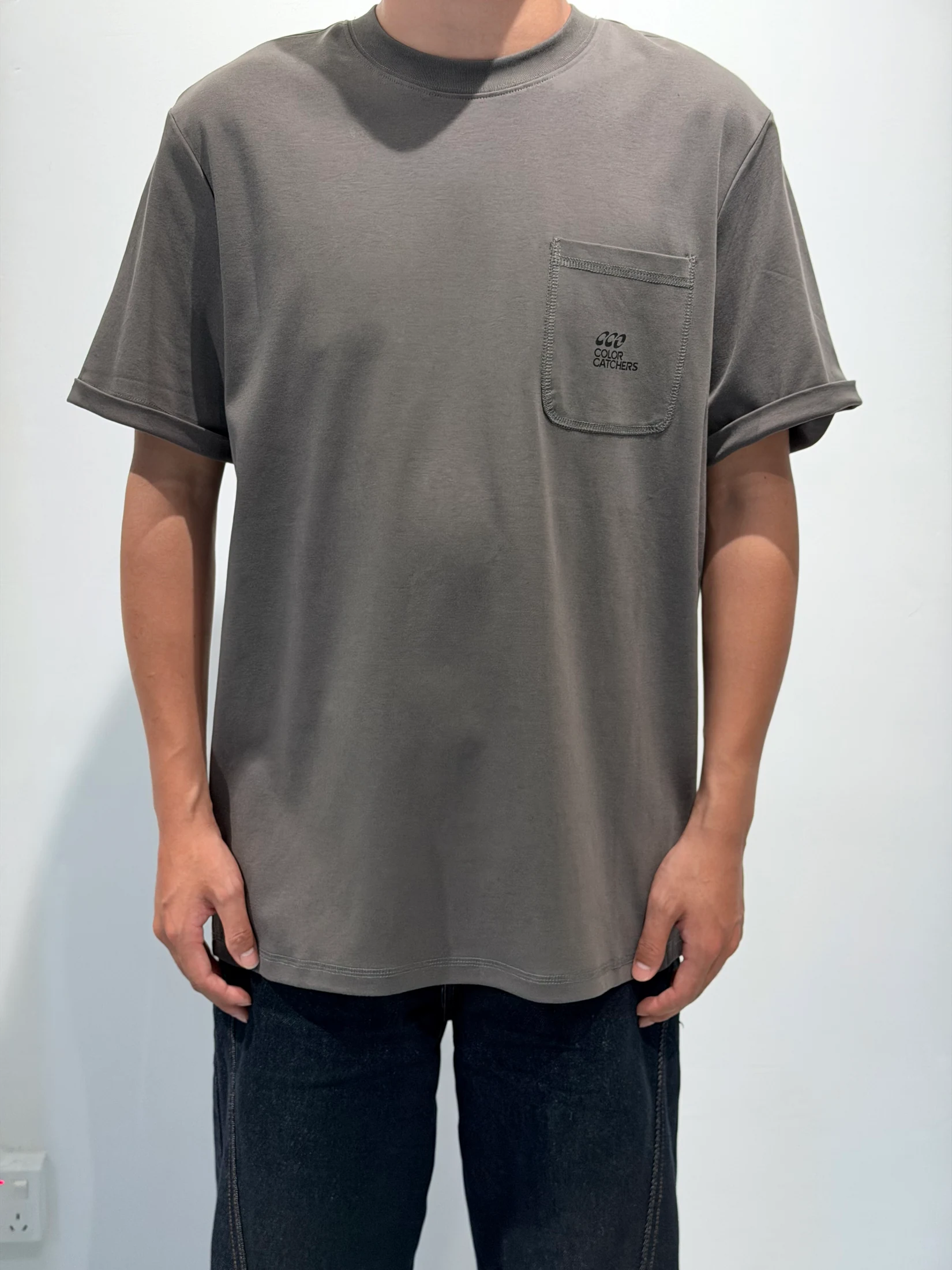
200–230 GSM cotton piqué has textured airflow, a structured hand, and reliable collar support for classic retail and uniform programs. Ring-spun yarn feels cleaner than open-end cotton. 160–200 GSM cotton jersey is smoother, softer, and better for fashion polos or layering. It can show shrinkage and collar distortion more readily unless compacted and stabilized.
Premium And Blended Yarns
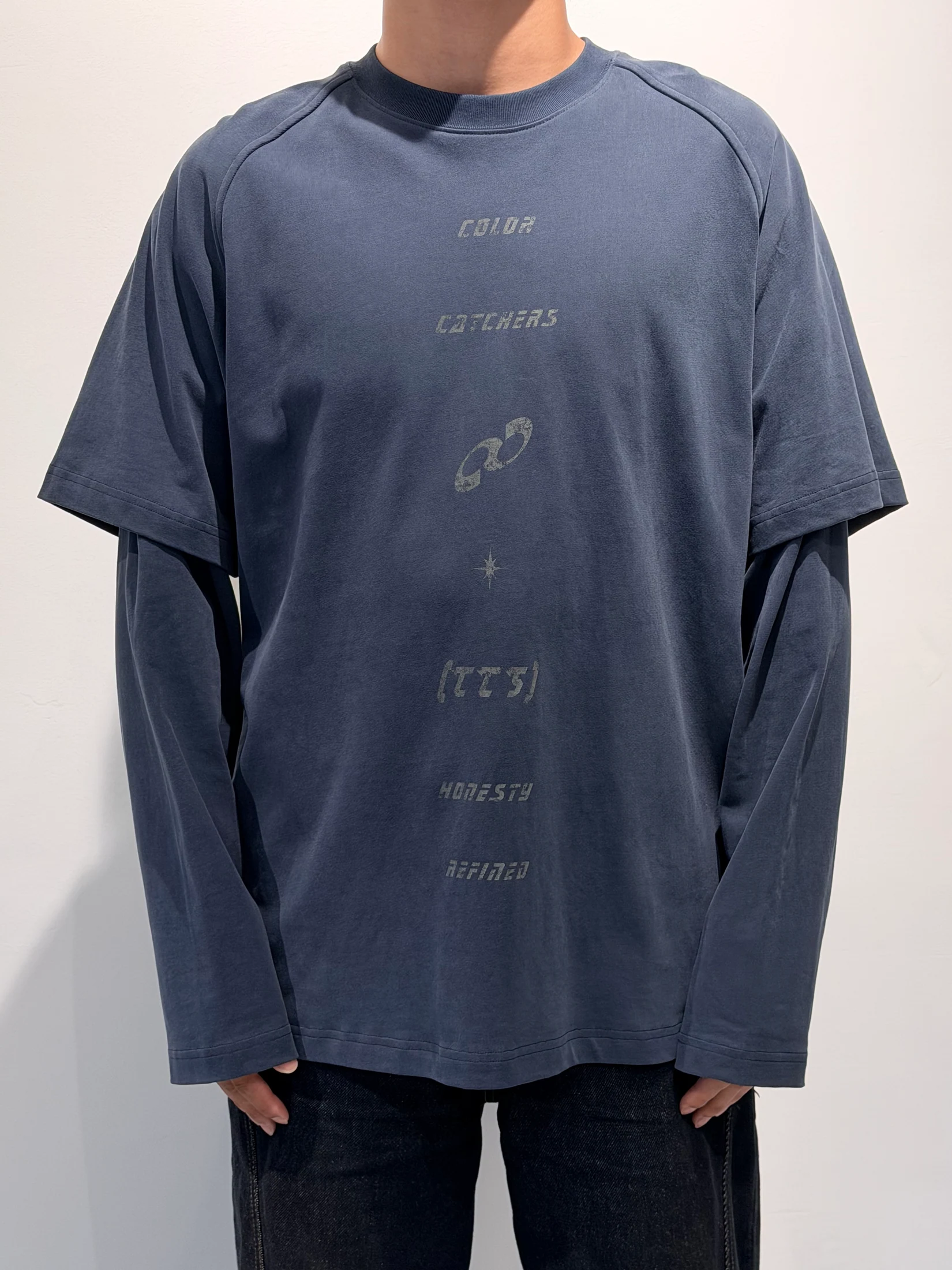
180–220 GSM mercerized cotton delivers sheen, stronger color uptake, and a crisp premium hand; it suits polished resort or corporate polos. Its higher yarn and process cost merits sample review. 190–240 GSM cotton-poly blends reduce shrinkage, improve color retention, and dry faster than all-cotton. Modal blends add drape and softness but need controlled abrasion testing for pilling.
Performance Material Selection

140–190 GSM polyester piqué and recycled-polyester piqué manage moisture, resist wrinkles, and retain shade well for golf, workwear, and teamwear. Specify recycled-content documentation when sustainability claims appear on labels. 3–5 wash cycles at the approved care temperature reveal shrinkage, torque, color bleed, and surface pilling before bulk fabric is locked. Match the test method to the buyer’s intended end use.
5. Customization Options From a mens polo shirt manufacturer
100-unit programs benefit from a focused specification: one fit block, one collar construction, and a limited trim palette. A mens polo shirt manufacturer can make that base distinctive through proportion, color, and one well-chosen branding method.
| Method | Durability | Detail Limit | Best Use |
|---|---|---|---|
| Embroidery | High | Fine text limited | Small premium logos |
| Screen Print | High with correct cure | Flat colors | Large graphics |
| DTF Transfer | Moderate to high | High detail | Multicolor artwork |
| Woven Patch | High | Fine woven detail | Heritage branding |
Fit And Proportion

XS–3XL grading should adjust shoulder width, body length, sleeve opening, and chest ease rather than merely enlarging a base size. Choose slim, regular, or relaxed fit before sampling. 2-button plackets suit classic retail polos, while 3-button plackets add coverage and a more formal line. Contrast tipping, side vents, and a shaped hem create recognition without changing every component.
Collars Trims And Branding

1×1 rib collars and cuffs are economical for pique polos; flat-knit collars allow engineered stripes and sharper shape retention. Match collar weight to the body fabric to avoid rolling after washing. Pantone-approved color, dyed neck tape, logo buttons, woven main labels, care labels, and individual polybags can support a private-label presentation. Reserve custom hardware and multiple contrast colors for programs with sufficient volume.
- Use durable neck tape to cover the back-neck seam.
- Specify button material, diameter, and attachment stitch.
- Approve a physical color standard before bulk dyeing.
Decoration Selection

6–10 mm embroidery delivers a premium, long-wearing chest logo but loses very fine lettering and can stiffen lightweight pique. Woven patches retain small detail, while screen printing is economical for larger flat artwork. DTF or heat transfers reproduce gradients and small multicolor graphics, yet their hand feel and wash testing need approval. Place branding on one chest, sleeve, or back-neck position to control setup cost and visual noise.
6. Construction Details That Signal Quality
A dependable polo is judged first by how its collar, placket, and shape look after wear and laundering. A mens polo shirt manufacturer should document these checkpoints before bulk approval, not treat them as finish-line corrections.
Collar And Placket Recovery

1×1 or 2×1 rib collars need adequate elastane and a stable collar stand so they recover instead of curling or waving. Inspect the sample after stretching and steaming for even rib, matched stripe alignment, and clean points. 2-needle placket topstitching should remain parallel, while a reinforced bottom box or bar tack prevents the opening from splitting. Check that buttonholes are dense, centered, and free of loose threads.
- Stretch collar width, then confirm recovery
- Inspect placket end reinforcement
- Check buttonhole density and placement
Seams, Vents, And Hem

4-thread overlock seams should be balanced with no needle cutting, skipped stitches, or puckering at the shoulder and armhole. Compare stitch density and seam allowance across several garments, not only the showroom sample. 6–10 cm side vents need bartacks or equivalent reinforcement at the vent peak, plus neatly turned tape or binding inside. Inspect the hem for an even coverstitch, consistent front-to-back drop, and no twisting after wash.
- Review armhole and shoulder seams
- Confirm vent peak reinforcement
- Measure hem level after laundering
Wash Tests And Reports
3–5 wash cycles on an approved sample reveal shrinkage, color change, collar distortion, and seam torque before production. Set tolerances by measurement point; a typical finished-garment target is within ±1 cm for key body measurements unless the tech pack specifies otherwise. 100% pre-shipment reports should record measurements, appearance, packing, and defect findings by order color and size. Review photos of collars, plackets, vents, labels, and random carton pulls alongside the inspection summary.
- Compare before-and-after measurements
- Record shrinkage and appearance changes
- Review photos by color and size
7. How to Choose a mens polo shirt manufacturer
Shortlist a mens polo shirt manufacturer with evidence, not a polished catalogue. Compare the same specification, quantity and delivery destination so MOQ, sample, quality and freight commitments are directly comparable.
Verify Polo Experience

3 recent polo samples reveal more than generic factory photos: inspect collar recovery, placket alignment, side seams and wash shrinkage. Request comparable styles, fabric weight, order quantities and destination markets. 100-unit starts can suit capsule launches, but confirm MOQ by color, fabric and decoration. Ask whether the supplier develops piqué, jersey and knit collars in-house or subcontracts them.
Audit Production Evidence
200-worker and 80,000-unit monthly-capacity claims, for example, should be supported by current factory video, line details and production calendars. Verify whether cutting, sewing, embroidery, printing and final packing are controlled or outsourced. 2 documents matter before bulk approval: an inspection plan and fabric traceability record. Ask for test reports or valid OEKO-TEX, GOTS, WRAP or BSCI documentation only when those standards are required.
- Can you share an anonymized in-line inspection report?
- Which mill supplied the approved bulk fabric?
- What is the correction process for measurement failures?
Control Samples And Timelines
1 approved pre-production sample should match the bulk bill of materials, Pantone references and graded measurements. Approve it in writing; a development sample alone is not enough. 30–45 days is a common bulk-production planning range after approvals, but fabric availability, washing and peak-season loading can extend it. Ask for milestone dates from material booking through final inspection and export handover.
Test Communication And Export
24–48 hour response discipline during quotation is a useful proxy for later production coordination. Give each finalist one technical scenario and compare the clarity of its questions, revision control and risk warnings. 3 export checks reduce landed-cost surprises: Incoterm, carton specification and destination documentation. Confirm who books freight, clears export paperwork and supplies packing lists, invoices and origin documents.
Investigate Red Flags
0 traceable references, vague capacity answers or a refusal to send measurement reports warrant investigation. So do quotations that omit fabric composition, tolerance, testing, packing or defect-resolution terms. 2 or 3 finalists are usually enough for a controlled sampling round. Choose the supplier that documents constraints early and produces the most repeatable sample—not simply the lowest initial quote.
8. Common Polo Sourcing Mistakes to Avoid
Eight recurring errors can turn an otherwise viable polo into costly rework or unsellable stock. A capable mens polo shirt manufacturer should resolve specifications, testing, minimums, packing, and delivery gates before bulk approval.
Avoid Generic Specifications
One copied generic spec sheet rarely defines placket length, collar stand, stitch density, or tolerance. Replace it with a style-specific tech pack, Pantone references, graded measurements, and labeled construction callouts before sampling.
Look Beyond Unit Price
A 10% lower quote can disappear through inconsistent fabric, repairs, or missed delivery windows. Compare landed cost, approved material weight, inspection scope, payment timing, and sample revision capacity—not unit price alone.
Test Fit And Wash
Two approvals—a fit sample and a washed garment—catch balance, torque, color loss, and collar distortion. Test shrinkage after the intended wash method, then update pattern allowances before the pre-production sample.
Clarify MOQ Terms
Three missing fields—MOQ by color, fabric, and size ratio—can trigger unexpected surcharges or excess units. Confirm these minimums in writing, including replenishment terms and whether stock fabric changes the threshold.
Specify Packing And Delivery
Four operational details—folding method, polybag warning labels, carton marks, and ship date—are often left until too late. Approve packing artwork, carton dimensions, destination compliance, and freight handoff milestones with the PO.
9. Steps to Launch a Custom Polo Brand
A 100-unit polo launch succeeds when decisions are locked in sequence, not when every option is explored at once. Give a mens polo shirt manufacturer a concise commercial brief before requesting development or prices.
Define The Market Gap
Three competing polos are enough to map retail price, silhouette, fabric weight, color range, and decoration. Choose one customer, one wearing occasion, and one price band before designing. One clear positioning statement prevents a capsule from mixing premium pique cues with discount-market specifications. Photograph and annotate competitor details that are essential rather than copying entire garments.
Prepare A Supplier Brief
Eight inputs make quotation and sampling faster: target customer, reference images, flat sketch, color count, size range, quantity, target price, and delivery market. Add logo artwork in vector format and Pantone references where available. One tech pack should specify measurements, tolerances, collar construction, placket, buttons, labels, packaging, and decoration placement. Suppliers can develop from a sketch, but unresolved specifications create revision costs.
- Target retail and landed-cost ceiling
- Reference garment measurements and photos
- Logo files, Pantone colors, and label copy
Sample Before Committing

Two fabric directions usually control a limited launch budget: a proven stock pique or a custom-developed knit. Review hand feel, shrinkage, colorfastness, pilling, and collar recovery on a physical sample. One fit sample should be revised before ordering a graded size set from XS through 3XL. Approve measurements, construction, color, trims, and decoration in writing before bulk production.
Control The 100-Unit Run
One style in one or two colors is the safest 100-unit MOQ launch because every extra color splits fabric, trim, and inspection attention. Spend first on fit, fabric, and readable branding; postpone custom hardware and complex packaging. Three checkpoints protect the order: pre-production approval, in-line measurement review, and final packed-goods inspection. Confirm shipping method, carton marks, commercial invoice data, and balance timing before goods leave the factory.
10. Mens Polo Shirt Manufacturing Pricing
100 units per style and color is a practical starting point for many custom polo programs. The indicative ranges below assume a standard cotton-piqué or cotton-blend polo with a rib collar, basic labels and one straightforward decoration; they are planning figures, not universal offers. 180–240 GSM piqué generally costs less than heavier mercerized, organic-certified, performance or yarn-dyed fabric, while ring-spun yarn, contrast tipping, branded buttons and YKK zippers add cost. Embroidery stitch count, screen-print color count, Pantone-matched colorways, individual polybags or gift boxes, and low-volume fabric minimums can materially change the unit quote. 2–3 approved sample rounds may be needed when fit, collar shape or grading is new. A final quotation should be based on a complete tech pack or reference sample, size breakdown, fabric and trim specifications, decoration files, packing method, order quantity, quality requirements, Incoterm and shipping destination; freight and duties are destination-dependent.
| Quantity tier | Indicative unit price (USD) | Typical production lead time | Primary cost drivers |
|---|---|---|---|
| 100–299 units | $9–$18 | 25–40 days after approval | Fabric MOQ, sampling allocation, decoration setup |
| 300–999 units | $7–$14 | 25–35 days after approval | GSM, collar construction, colorways and trims |
| 1,000–2,999 units | $5.50–$11 | 30–40 days after approval | Fabric yield, embroidery or print complexity, packaging |
| 3,000+ units | $4.50–$9.50 | 35–50 days after approval | Material booking, repeat colorways, inspection and delivery terms |
Choose Your Mens Polo Shirt Manufacturer Today
Send your tech pack, reference garment, or idea for fit-focused development, 100-unit MOQ pricing, and a clear production quote.