
Basketball Shorts Manufacturer for Custom Brand Programs
JUNSHEEN is a basketball shorts manufacturer offering OEM, ODM, and private-label production from 100 units per style and color, with scalable global support.
Featured Products for basketball shorts manufacturer Development




Related Product Catalogue and Quotation





Basketball Shorts Manufacturer Advantages for Growing Brands
JUNSHEEN brings fit-led development, flexible 100-unit MOQs, integrated decoration, and export-ready production together for custom basketball shorts programs.
Fit-Focused Size Development
Patterns are refined from XS to 3XL for balanced rise, mobility, leg opening, and proportions across normal, oversized, and extended sizes.
100-Unit MOQ Flexibility
Launch capsule collections from 100 units per style and color, then scale proven basketball shorts programs with dependable production capacity.
Integrated Decoration Options
Keep logos and team-inspired details coordinated with in-house screen printing, embroidery, patches, heat transfers, labels, and branded packaging.
Performance Material Sourcing
Select mesh, performance knits, twill, jersey, or recycled options with guidance on weight, stretch, breathability, durability, and target cost.
Export-Ready Quality Control
From sample approval through packed goods, inspections cover fabric, construction, measurements, decoration, and finishing for global shipment confidence.
One-Stop OEM Support
Turn a tech pack, reference garment, or product idea into production-ready basketball shorts with development, sourcing, sampling, and private-label support.
Custom Basketball Shorts and Apparel Manufacturing
Build coordinated basketball, casualwear and retail programs with fit-focused development, low MOQs and integrated decoration, finishing and private-label support.

Custom Hoodies
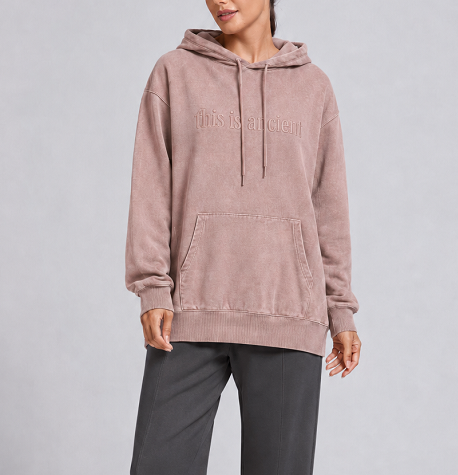
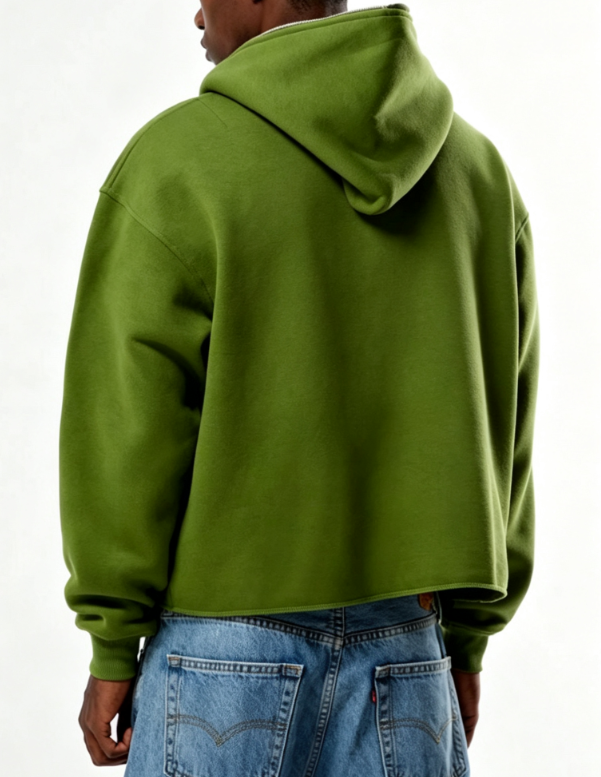
Develop custom hoodies for basketball collections, team travel sets and off-court retail. Choose fleece or French terry weights, refine oversized or XS–3XL fits, and add embroidery, screen print, patches, labels and branded packaging from 100 units per style and color.
Request a Quote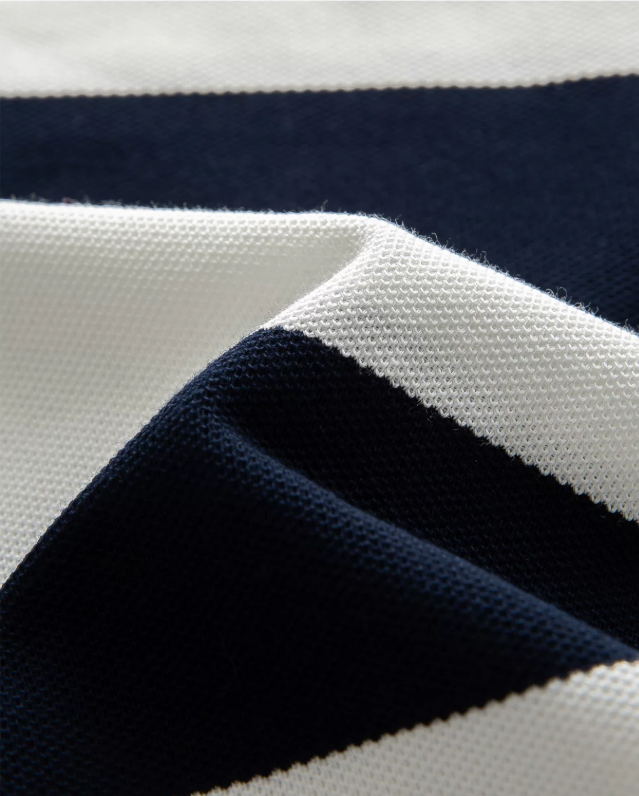
Custom T-Shirts
Produce custom tshirt programs that pair with basketball shorts or stand alone as merchandise. Junsheen supports jersey selection, relaxed and oversized grading, neck and sleeve specifications, logo printing, embroidery and wash finishes for consistent repeat production.
Request a Quote
Custom Jeans
Create custom jeans for lifestyle capsules that extend beyond the court. Pattern makers develop rise, leg shape and grading across XS–3XL, while denim washes, stretch options, trims, labels and decoration support a defined brand fit and finish.
Request a Quote
Custom Sweaters
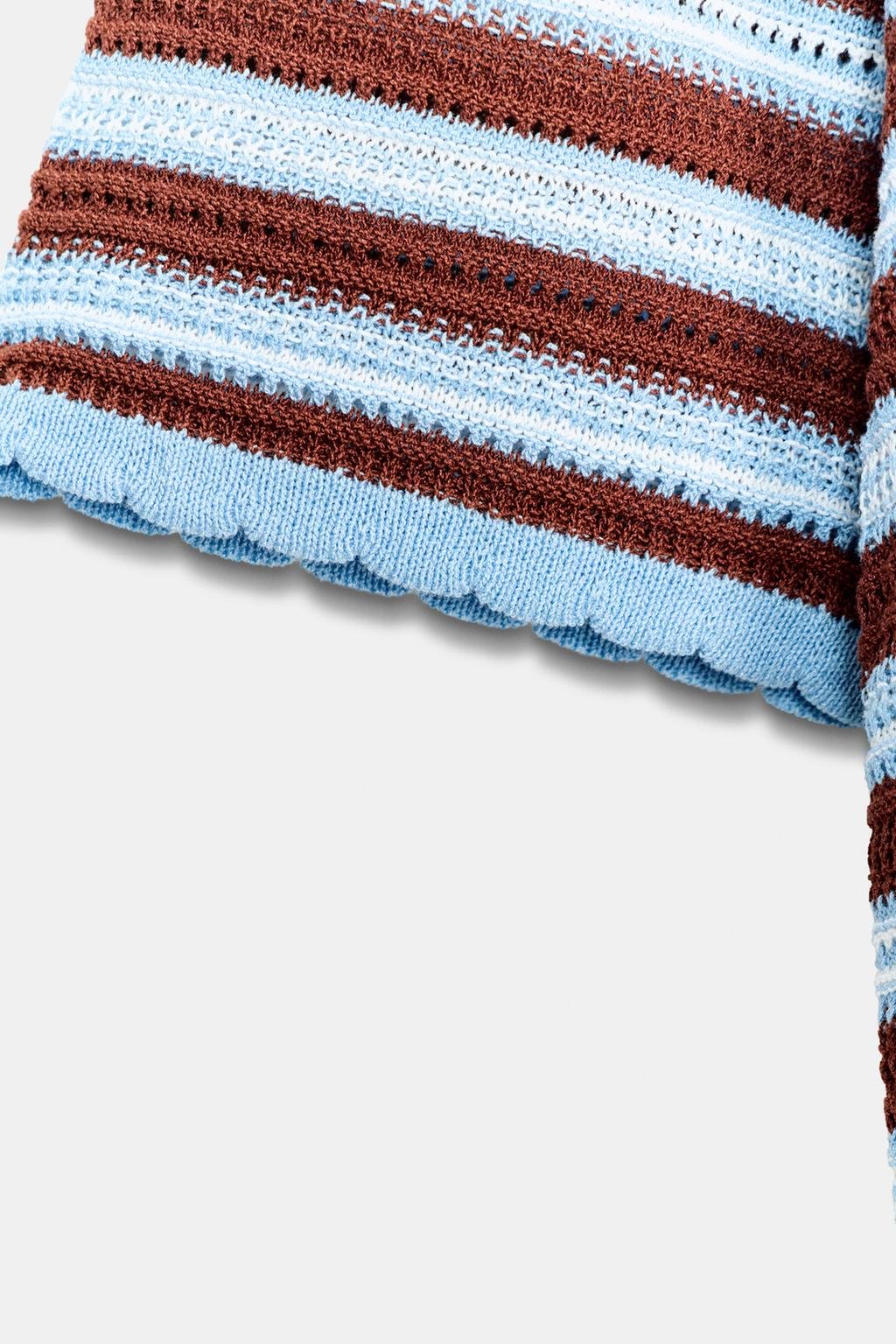
Source turtle neck sweater bulk programs with clear yarn, gauge and fit specifications. Junsheen supports sweater construction, size grading, label application and coordinated colorways, helping brands add polished knit layers to seasonal basketball-inspired assortments.
Request a Quote
Custom Jackets
Develop a custom jean jacket with the same wash, shade and trim direction as your shorts or jeans. Junsheen manages denim sourcing, pattern development, hardware, embroidery, patches and private-label details for retail-ready outerwear.
Request a Quote
Custom Sweatshirts & Crewnecks
Produce custom crewneck hoodie and sweatshirt styles for warm-up, travel and fanwear programs. Specify fleece weight, rib construction, fit, graphics and finishing, then approve samples before scalable bulk production from a 100-unit MOQ.
Request a Quote
Custom Cardigans
Build a custom cardigan range for layered team-lifestyle or retail collections. Select knit construction, yarn blend, button or zipper details, grading and labels, with development support to achieve reliable shape retention and consistent sizing.
Request a Quote
Custom Puffer & Down Jackets
Develop custom puffer jacket programs for colder-season team travel and outerwear launches. Junsheen supports shell and lining selection, insulation options, quilting layouts, zippers, reflective details, branded trims and fit approval before bulk production.
Request a Quote
Custom Denim Shorts
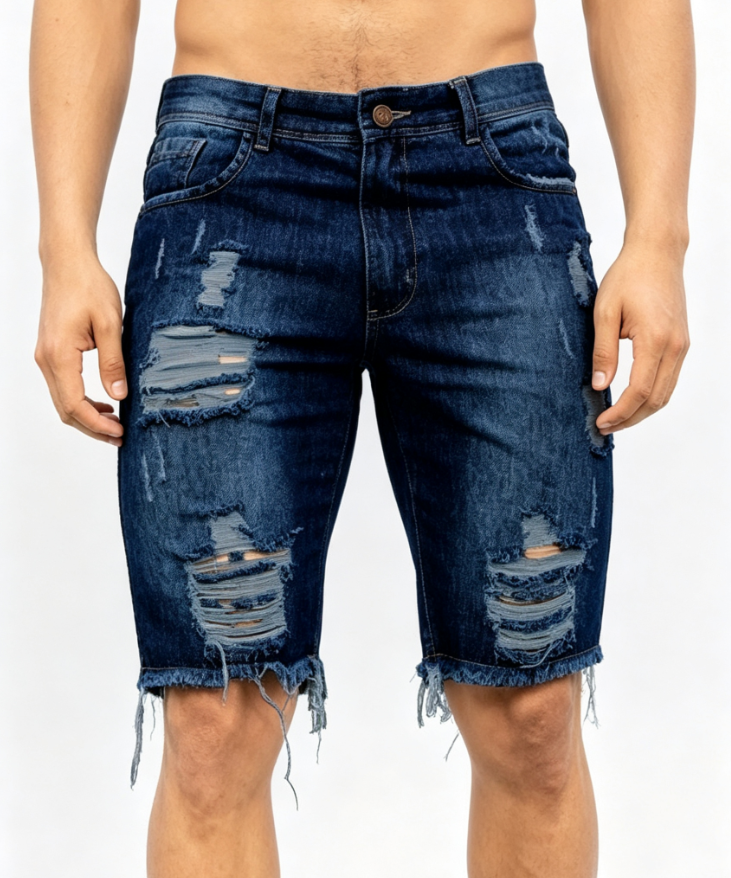
Produce custom jean shorts with controlled inseams, rises, leg openings and washes for casual or basketball-lifestyle assortments. Denim sourcing, stretch options, distressing, embroidery, labels and hardware can be aligned across a full collection.
Request a Quote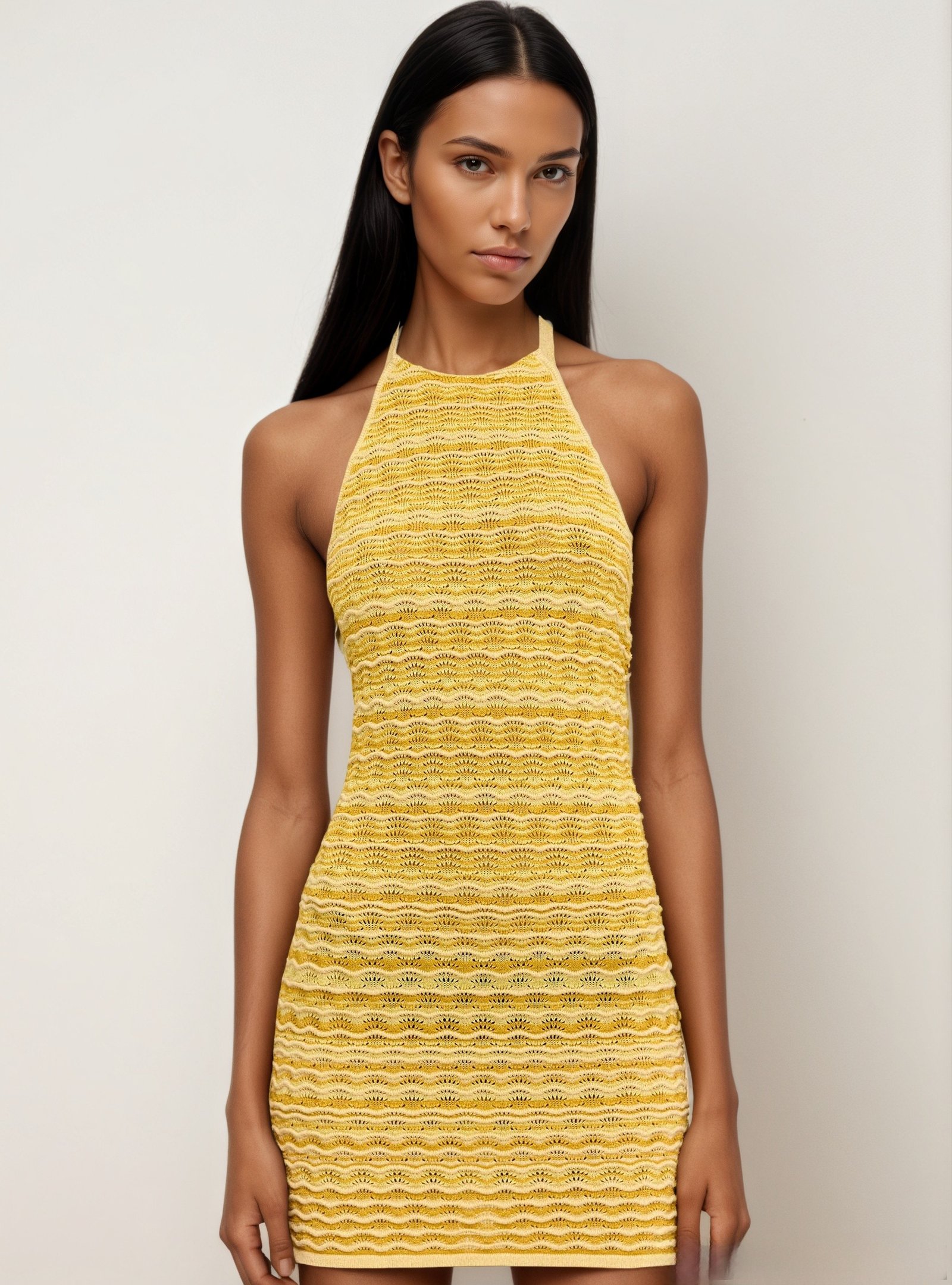
Custom Sweater Dresses
Create custom sweater dresses with specified yarns, gauges, silhouettes and length grading. The development team helps brands balance drape, recovery and wearability, then applies custom labels, trims and packaging for wholesale or direct-to-consumer programs.
Request a Quote
Custom Denim Sets
Develop mens denim suits wholesale programs with coordinated jackets and bottoms, consistent fabric lots and repeatable washes. Junsheen supports pattern development, grading, hardware, embroidery and private-label presentation for organized seasonal buying.
Request a Quote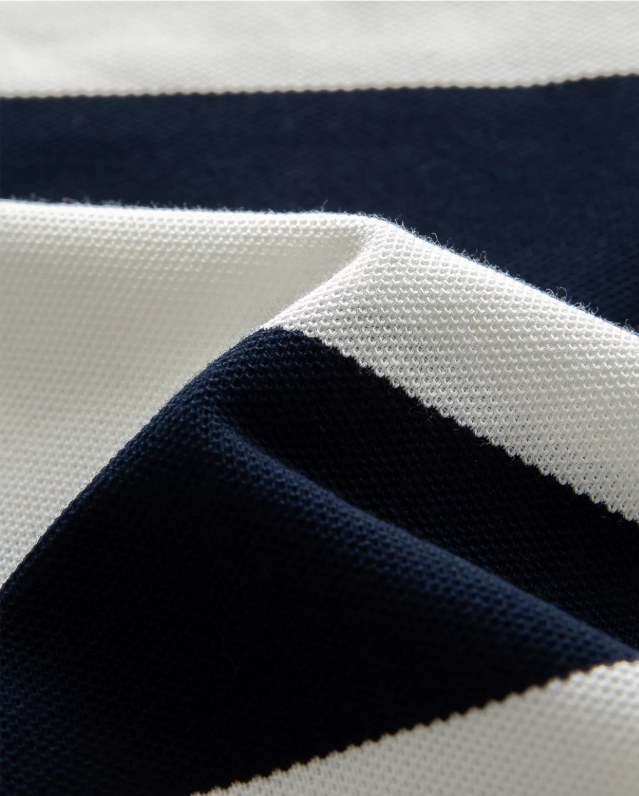
Custom Polo Shirts
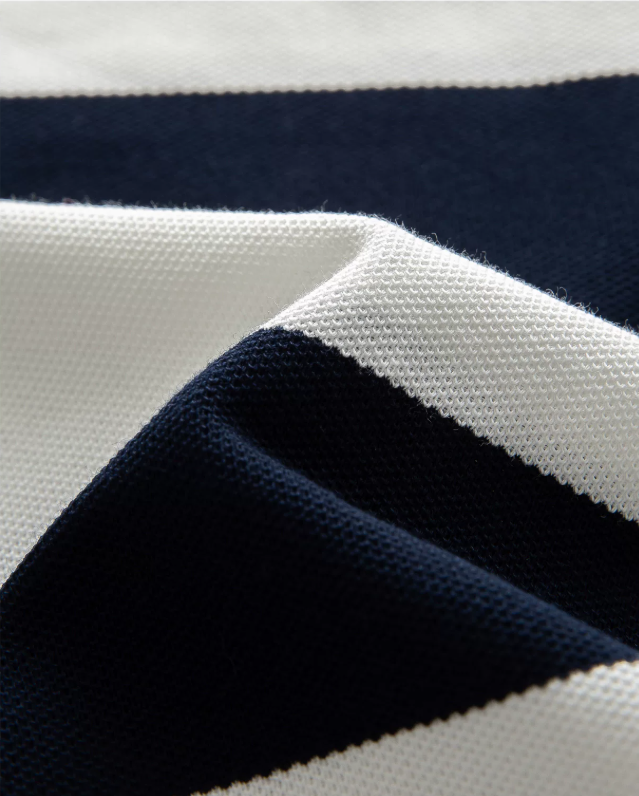
Produce custom polo shirts for staff uniforms, golf-inspired capsules or elevated team merchandise. Choose piqué or performance knit fabrics, collar and placket construction, fit grading, logo embroidery and custom labels for a professional finished product.
Request a Quote
Custom Sweatpants
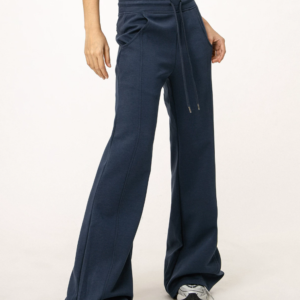
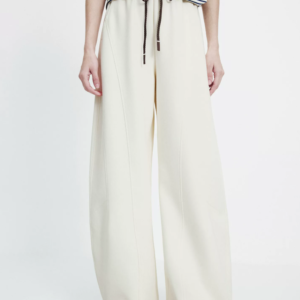
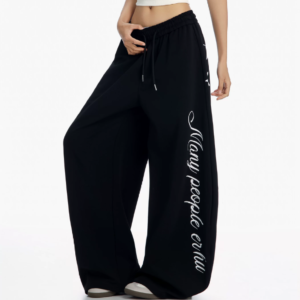
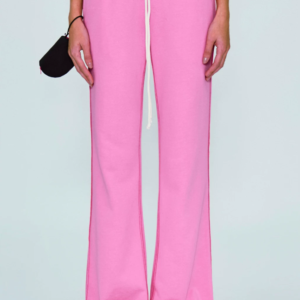
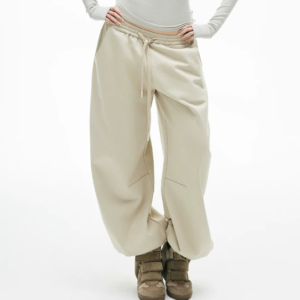
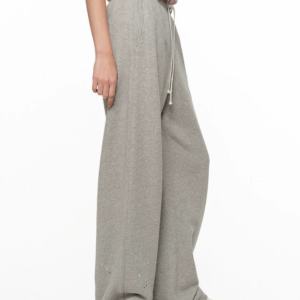
Develop custom sweatpants that match basketball shorts, hoodies or crewnecks in fabric, color and fit. Specify fleece or French terry, waistband construction, pockets, cuffs, prints and embroidery, with XS–3XL and extended-size grading available.
Request a Quote
Custom Shorts
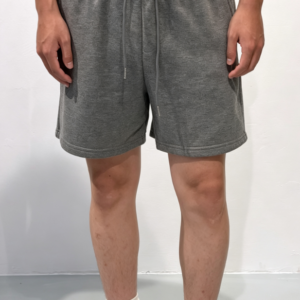
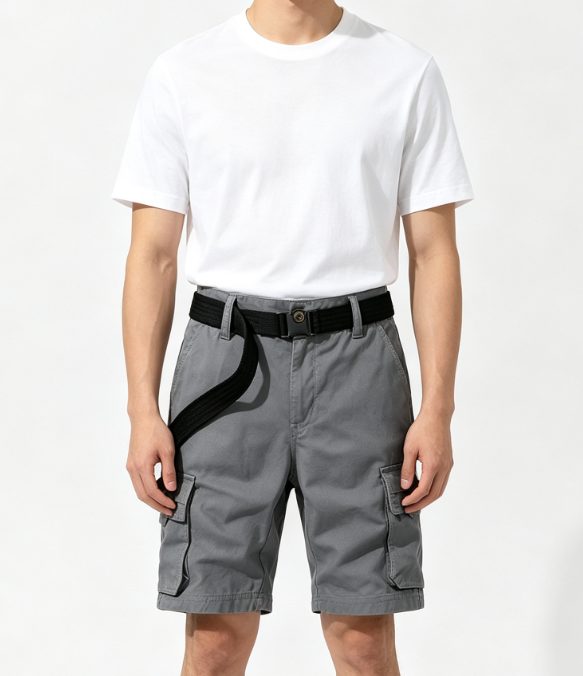
Produce custom shorts for basketball, training, streetwear and casual retail programs. Junsheen supports mesh, jersey, fleece, twill and denim options, plus inseam, pocket, waistband, liner, print and embroidery specifications from low MOQs.
Request a Quote
Custom Pullovers
Create custom pullovers for warm-up layers, travel apparel and retail capsules. Select fleece, French terry, knit or woven constructions, then refine collar, zipper, pocket, fit and branded decoration details through sampling and pre-production approval.
Request a QuotePerformance Materials for Custom Basketball Shorts

Polyester Mesh
Lightweight, airy mesh keeps players cooler during games and practice. Its open construction promotes breathability, while durable polyester resists snags and holds color well for sublimated team shorts.

Polyester Interlock
Smooth polyester interlock provides a clean, polished face for custom basketball shorts and uniforms. It offers reliable durability, moderate weight, and excellent print clarity for logos, numbers, and all-over graphics.

Stretch Performance Knit
A flexible performance knit combines polyester with elastane for active movement and recovery. Its soft, slightly stretchy hand supports training shorts and fitted silhouettes without sacrificing breathable, quick-drying performance.

Birdseye Mesh
Birdseye mesh has a subtle textured surface that feels light and breathable against the skin. It is a dependable option for basketball shorts manufacturer programs requiring moisture management, durability, and a professional athletic appearance.

Polyester Spandex Woven
Polyester spandex woven fabric delivers a more structured feel with controlled stretch and strong abrasion resistance. Suitable for premium basketball shorts, it balances mobility, durability, and a medium-weight hand for everyday wear.
Decoration and Finishing Options

Screen Print
Plastisol, water-based, puff, silicone, high-density, foil, and discharge screen printing create sharp team graphics and logos with color control, strong wash durability, and visual impact across basketball shorts and coordinated apparel.

Logo Embroidery
Flat, 3D puff, chain-stitch, and applique embroidery add dimensional branding to shorts, warm-up pieces, and streetwear. Reinforced stitching delivers a premium tactile finish designed to hold its shape through repeat wear and washing.

Dye Sublimation
Dye sublimation embeds all-over artwork, gradients, player-inspired graphics, and repeat patterns directly into compatible performance fabrics. The result is lightweight, breathable color that will not crack, peel, or add surface stiffness.

Heat Transfer
DTF, heat-transfer, and reflective logo applications support detailed artwork, small runs, names, and numbers. These processes produce clean edges and flexible decoration for custom basketball shorts, uniforms, and promotional capsules.

Garment Finishing
Softening, enzyme, anti-pilling, garment-dye, acid-wash, and brushed finishes refine hand feel and character. JUNSHEEN helps brands select treatments that support the intended streetwear look, comfort level, and reliable wash performance.
Basketball Shorts Manufacturer Accessories for Your Brand

Drawcord and Tipping
Choose durable drawcords with custom tipping, silicone ends, or woven color accents to secure elastic-waist basketball shorts while adding a recognizable branded detail at the waistband.

Elastic Waistbands
Specify waistband width, recovery, knit texture, and contrast striping for comfortable on-court movement. Junsheen develops elastic constructions that support reliable fit across XS–3XL size grading.

Secure Pocket Details
Add side-seam, mesh-lined, zippered, or welt pockets based on how athletes and customers use the shorts. Pocket placement and reinforcement are reviewed during sampling for function and clean shape.

Woven Brand Labels
Apply custom woven main labels, size labels, wash-care labels, and hem flags to create a consistent private-label identity. Label materials, fold styles, colors, and placement can match your basketball shorts collection.

Custom Hang Tags
Complete retail-ready shorts with branded hang tags, barcode stickers, swing strings, and care messaging. These details help wholesalers, retailers, and direct-to-consumer brands present product information clearly at sale.
Branded Packaging
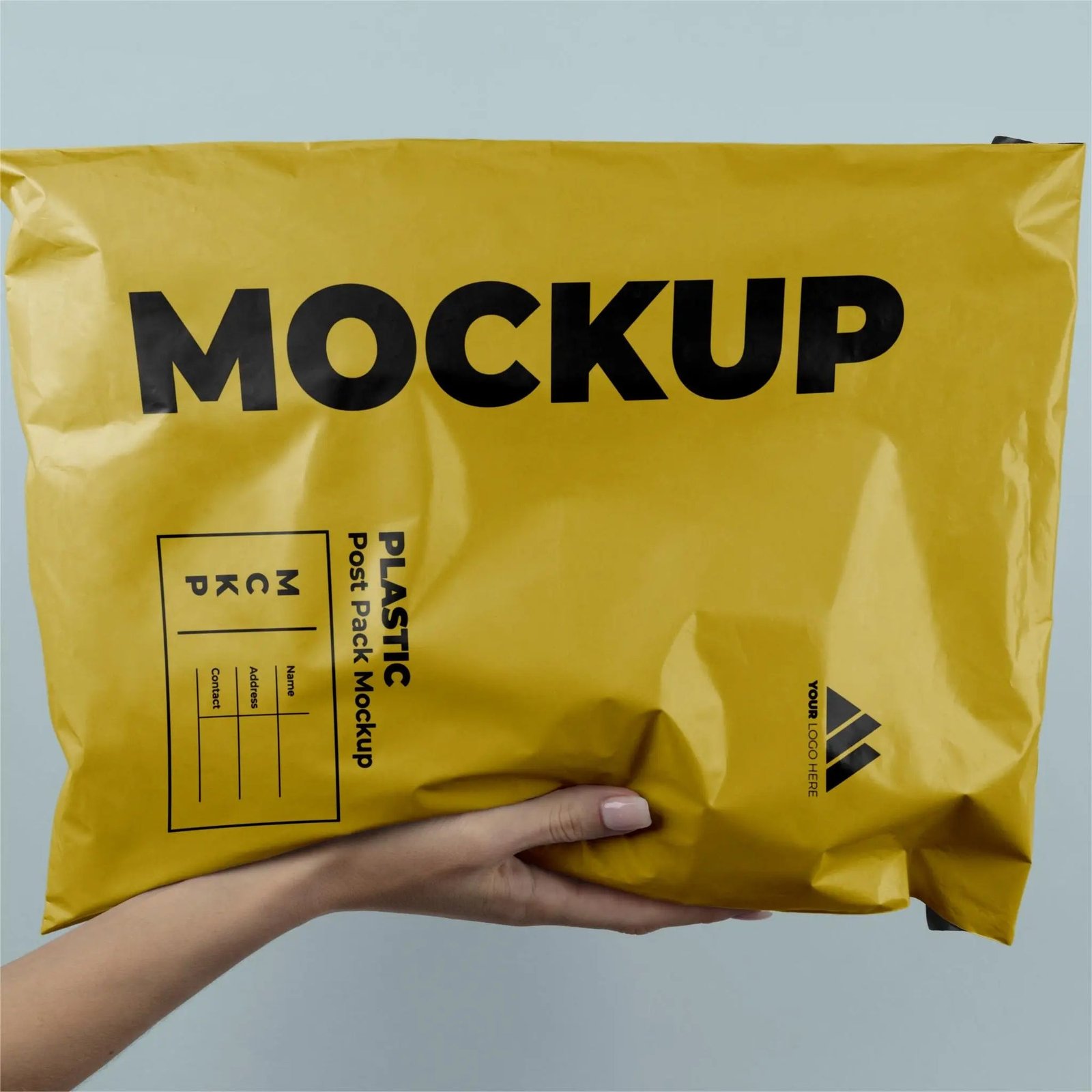
Choose custom polybags, resealable bags, tissue paper, carton markings, and packing inserts for a more polished unboxing experience. Packaging can be coordinated with labels and trims for consistent brand presentation.
About Our Basketball Shorts Manufacturer Team
Founded in 2010 in Humen Town, Dongguan, JUNSHEEN helps global fashion brands turn basketball shorts concepts into dependable OEM, ODM, and private-label production. Our basketball shorts manufacturer team supports projects from a finished tech pack, reference garment, or early product idea through sampling, approval, and export.
With more than 200 skilled workers and monthly capacity above 80,000 units, we can support 100-unit capsule launches as confidently as ongoing bulk programs. Cut-and-sew development, performance material sourcing, printing, embroidery, labels, trims, packaging, and quality control are coordinated through one responsive manufacturing supply chain.
What distinguishes JUNSHEEN is fit-focused product development. We refine patterns and grading from XS to 3XL, including extended-size, plus-size, and oversized options, rather than simply scaling one base size. Having served 2,000+ fashion-brand clients worldwide, we build production systems designed for consistency as your shorts program grows.

Basketball Shorts Manufacturer Capabilities in Depth
Fit Grading From XS–3XL
As a fit-focused basketball shorts manufacturer, JUNSHEEN develops balanced size sets from XS through 3XL. Pattern makers refine waist, rise, inseam, leg opening, mobility, and grading increments instead of simply enlarging a base pattern for extended-size, plus-size, or oversized programs.
- Fit development for standard, extended, plus-size, and oversized ranges
- Size sets reviewed before bulk approval
- Pattern and grading records retained for repeat orders
- 100-unit MOQ per style and color

Development That Starts Anywhere
Bring a production-ready tech pack, sketch, reference garment, mood board, or initial product idea. Our OEM and ODM team reviews specifications, improves manufacturability, recommends fabrics and trims, creates patterns, and produces prototype samples that turn your basketball shorts concept into an approvable program.
- Tech-pack review and specification support
- Fabric, mesh, waistband, and trim sourcing
- Pattern making and prototype sampling
- Private-label and wholesale development support
Decoration Under One Roof
Create basketball shorts with a finished brand identity through coordinated in-house decoration and private-label details. JUNSHEEN supports embroidery, screen printing, DTF, heat transfer, sublimation, patches, washing, custom labels, drawstrings, and branded packaging while keeping technical decisions aligned with the garment and production plan.
- Embroidery, patches, and logo applications
- Screen print, DTF, transfer, and sublimation options
- Custom labels, hang tags, and packaging
- Finishing selected for fabric performance and appearance

Scalable Quality-Controlled Production
From a 100-unit capsule launch to continuing bulk orders, JUNSHEEN combines more than 200 skilled workers with monthly capacity above 80,000 units. Incoming materials, in-line construction, measurements, decoration, and final packed goods are inspected to support reliable global delivery as your program grows.
- 200+ skilled workers and 80,000+ monthly units
- Quality checks from fabric receipt to packed goods
- Cut-and-sew and knitting capability in one supply chain
- Global export support for growing brand programs

Why Choose JUNSHEEN as Your Basketball Shorts Manufacturer
One accountable apparel partner for development, fit, production, and repeat-order consistency.
← 左右滑动查看 →
Our Basketball Shorts Production Process
A clear, managed workflow for custom OEM and private-label basketball shorts, from technical review through export-ready delivery.
Review Specs and Feasibility
Our team reviews your tech pack, reference samples, fit requirements, decoration placement, target quantity, and cost goals before confirming a production-ready development path.
Source Materials and Trims
We recommend performance mesh, jersey, twill, linings, elastic, drawcords, labels, and packaging based on hand feel, durability, breathability, wash performance, and budget.
Develop Samples and Fit
Pattern makers build and grade basketball shorts from XS to 3XL, then refine rise, inseam, mobility, waistband comfort, and proportions through sample approval.
Cut, Sew, and Decorate
After approval, our basketball shorts manufacturer team manages bulk cutting, sewing, embroidery, printing, appliqué, washes, and finishing under coordinated production control.
Inspect, Pack, and Ship
Quality teams check materials, construction, measurements, decoration, and packed goods before applying private labels, organizing export documents, and arranging global shipment.
Work With Our Basketball Shorts Manufacturer Team
Move from a tech pack or concept to approved bulk production with clear feasibility, sampling, and quality-control milestones.
Submit Your Design
Send a tech pack, sketch, reference sample, or product concept with target quantities, sizes, fabric preferences, logo placement, and delivery requirements.
Confirm Feasibility and Quote
Our OEM team reviews construction, fit, decoration, materials, and 100-unit MOQ requirements, then recommends production details and provides a clear quotation.
Approve Development Samples
Review prototype and size-set samples for measurements, mobility, fabric hand feel, branding, and finish before confirming all specifications for bulk production.
Launch Bulk Production
JUNSHEEN coordinates fabric sourcing, cutting, decoration, sewing, inspection, packaging, and export support while maintaining approved standards throughout your order.
Custom Clothing Manufacturer Credentials and Compliance Documents



What Fashion Brands Say About Our Basketball Shorts Manufacturing
JUNSHEEN reduced our sample cycle from four rounds to two by correcting the rise, inseam, and graded measurements early. Our first 600-unit basketball shorts launch arrived with consistent sizing across XS–3XL.
We started with a 100-unit colorway test, then reordered 1,800 units after sell-through exceeded our forecast. The fabrics, logo print, and private labels matched the approved sample closely on both runs.
Their basketball shorts manufacturer team turned our reference garment into a production-ready pattern in three weeks. The improved fit cut customer size-exchange requests by 28% during our summer drop.
Basketball Shorts Manufacturer FAQ
Clear answers on MOQ, sampling, fit, production, payment, shipping, and brand protection for custom basketball shorts programs.
What is the minimum order quantity for a basketball shorts manufacturer?
Can a basketball shorts manufacturer make samples before bulk production?
How long does custom basketball shorts production take?
Can you develop basketball shorts in extended sizes and oversized fits?
What printing, embroidery, and finishing options are available for basketball shorts?
What payment terms does JUNSHEEN offer for basketball shorts orders?
Does your basketball shorts manufacturer provide global shipping support?
How does JUNSHEEN protect my basketball shorts designs and brand information?
The Complete Basketball Shorts Manufacturer Buyer’s Guide
Use this decision framework to evaluate supplier capabilities, fabric and customization choices, quality controls, pricing, and production readiness—while avoiding the sourcing mistakes that delay launches or weaken your basketball shorts collection.
1. What Is a Basketball Shorts Manufacturer?
Since 2010, a basketball shorts manufacturer such as JUNSHEEN has operated as a development-to-delivery production partner, not merely a sewing line. Its work starts with feasibility review, specifications, pattern making and size grading, then moves through fabric and trim sourcing, prototype sampling, bulk cutting and sewing, inspection, packing and export coordination. 100 units per style and color can be enough to launch a capsule when the factory can translate a tech pack, sketch or reference garment into production-ready patterns. Emerging labels, independent designers, retailers and sourcing teams benefit because one accountable partner can align fit, Pantone color, decoration placement, target cost and repeat-order records before bulk approval. 200-plus skilled workers and monthly capacity above 80,000 units illustrate the difference between a production manufacturer and a trading company: the manufacturer manages technical execution and in-process control, while a trader typically coordinates third-party factories. A wholesaler sells finished inventory, and a blank-garment supplier provides undecorated stock; neither normally develops proprietary patterns, sources a specified mesh or woven fabric, approves samples, or controls construction and packed-goods quality for a custom program. XS through 3XL requires more than enlarging a base short: rise, leg opening, inseam, pocket position and grading increments must be checked across the size set. That capability makes the basketball shorts manufacturer responsible for whether a design remains consistent from first sample through export-ready bulk goods.
2. Evolution of Basketball Shorts Design
1970s basketball shorts were typically short-inseam, lightweight woven uniforms designed for unrestricted movement and fast laundering, with little room for lifestyle styling. By the late 1980s and 1990s, player preference shifted toward longer, looser silhouettes; wider legs and longer rises changed the pattern, waistband, pocket placement, and mobility testing a basketball shorts manufacturer needed to control. 1990s mesh and tricot polyester accelerated that shift because they could be engineered for lighter weight, moisture management, color retention, and durable team graphics. Modern development should specify inseam and outseam separately, leg-opening circumference, liner requirements, pocket depth, fabric weight, and wash shrinkage; a 150–220 GSM performance knit behaves very differently from a 220–300 GSM mesh intended for a heavier streetwear hand. 2020s athleisure demand has made basketball shorts a crossover product rather than a game-only uniform. Teams and brands now use Pantone color blocking, contrast piping, woven labels, embroidery, and all-over prints to express identity, while buyers must decide whether the target is court performance, casual styling, or both before approving samples and graded size sets.
3. Basketball Shorts Manufacturer Product Types
Six basketball-short formats let a basketball shorts manufacturer serve performance teams and streetwear programs without forcing one block across every channel. Buyers should set the silhouette, fabric direction, and end use before sampling.
| Type | Best Wearer | Silhouette And Features | Fabric Direction | Merchandising Use |
|---|---|---|---|---|
| Game | Competitive players | Relaxed; drawcord, mobility | Polyester interlock | Team uniform |
| Reversible | Schools and clubs | Two-color, two-layer | Sublimation polyester | Tournament kit |
| Practice | Training players | Relaxed; optional pockets | Performance knit | Academy program |
| Mesh | Recreational buyers | Breathable; lined | Mesh and tricot | Summer retail |
| Lifestyle | Streetwear customers | Longer, wider; premium details | French terry or jersey | Limited drop |
| Extended size | XS-3XL customers | Refined rise and thigh ease | Match core fabric | Inclusive range |
Game And Reversible Shorts
7-inch and 9-inch inseams are common for adult game shorts, with a relaxed leg, elastic waistband, drawcord, and side movement freedom for players. 2-layer reversible shorts suit schools, clubs, and tournament teams needing home-and-away colorways in one SKU. Lightweight interlock polyester supports sublimation and reduces decoration constraints.
Practice And Mesh Shorts

8-inch practice shorts prioritize repeat training, using a relaxed athletic silhouette, elastic waist, pockets when required, and durable seams. Polyester-spandex or moisture-managing performance knit fits academy and teamwear programs. 150-220 GSM mesh shorts give recreational players and retailers a breathable, lower-complexity option. Open-hole mesh with a tricot lining works for warm-weather capsules and promotional assortments.
Lifestyle And Extended Sizes
300-400 GSM premium lifestyle shorts use longer, wider proportions, substantial drawcords, and cleaner pocket placement for fashion labels. French terry, heavyweight jersey, or nylon blend fabrics support elevated streetwear drops. XS-3XL development needs adjusted rise, thigh ease, inseam, and grading increments rather than a scaled-up base block. Extended-size options help brands merchandise coordinated inclusive collections with consistent fit intent.
4. Materials for Basketball Shorts Manufacturing
140–320 GSM is the practical range for most basketball shorts, with fabric density affecting drape, opacity, and cost. A basketball shorts manufacturer should approve swatches after print and wash testing, not from fiber content alone.
| Material | Weight And Feel | Performance | Best Use |
|---|---|---|---|
| Polyester mesh | 140–180 GSM, airy | High breathability; may be sheer | Game shorts; sublimation |
| Polyester interlock | 180–240 GSM, smooth | Opaque, durable, moisture-managing | Teamwear; screen print |
| Knit blend | 200–260 GSM, soft stretch | Moderate wicking | Street-athletic shorts |
| Recycled polyester | 150–220 GSM, technical | Specification-dependent | Verified sustainable programs |
| Cotton blend | 220–320 GSM, substantial | Lower moisture management | Lifestyle; screen print |
| Mesh lining | Two-layer construction | More coverage, warmer | Youth or pale-color shorts |
Performance Fabric Choices

140–180 GSM polyester mesh provides maximum airflow and fast drying, but open-hole constructions can become translucent under stretch. Choose dense mesh or a liner for light colors. 180–240 GSM polyester interlock has a smoother hand, stronger opacity, and better abrasion resistance than mesh. Its flat face supports screen print, heat transfer, and sublimation cleanly.
Streetwear And Recycled Options

200–260 GSM knit blends add stretch and a softer, less technical hand for tunnel fits and fashion shorts. Polyester-rich blends manage moisture better than cotton-rich blends. 150–220 GSM recycled polyester can match virgin-polyester performance when yarn quality and knit specification are equivalent. Request transaction documentation before making recycled-content claims.
Lining, Feel, And Price

220–320 GSM cotton blends create a substantial hand and strong screen-print surface, but retain moisture longer during play. They suit lifestyle releases more than high-output competition. Two-layer lined constructions improve coverage and pocket stability but add fabric, sewing time, and retail cost. Use lining for youth, pale colors, or premium courtside programs.
5. Customization and Decoration Options
A basketball shorts manufacturer should match decoration to fabric, artwork and reorder plan before sampling. Junsheen can coordinate print, embroidery, trims and private-label packaging from a tech pack or approved reference.
| Method | Visual Impact | Color Flexibility | Durability | Setup And Volume |
|---|---|---|---|---|
| Sublimation | All-over, photographic | Very high on polyester | Permanent in fabric | Low setup; ideal 100+ units |
| Screen Printing | Bold, opaque graphics | Strong for spot colors | High when cured correctly | Screens add setup; best for repeats |
| Heat Transfer | Fine detail, fast samples | High | Good; test stretch and wash | Low setup; useful for short runs |
| Embroidery Or Appliqué | Premium, dimensional | Thread or fabric limited | Very high | Digitizing and labor; best for logos |
| Trims And Packaging | Finished private-label look | Custom colors available | Depends on component | MOQ and tooling vary by item |
Choose The Decoration Route

Sublimation embeds all-over graphics into compatible polyester, while screen printing gives opaque spot colors on many bases. Heat transfer suits detailed short-run graphics; embroidery and appliqué add dimensional branding.
Compare Impact And Scale

Setup cost rises with screens, embroidery digitizing and custom trim tooling. Confirm the method against forecast volume, because a 100-unit capsule and a repeat bulk program need different economics.
Build The Brand Package

Pantone references, vector logos and placement dimensions prevent avoidable sample revisions. Specify woven labels, contrast panels, piping, drawcord color and packaging artwork alongside the garment.
- Supply AI, EPS or editable PDF artwork
- List logo width and placement from seams
- Name Pantone colors and print layers
- Approve label copy, care content and barcode needs
6. Construction Quality That Matters
At a 100-unit launch MOQ, construction errors can affect every customer review. A capable basketball shorts manufacturer controls proportions, recovery, reinforcement, and shade consistency before bulk cutting begins.
Fit And Proportion Control
A 7- to 11-inch inseam should be approved alongside the outseam, rise, leg opening, and side-slit depth; inseam alone does not define silhouette. XS through 3XL grading needs tested increments at the waist, hip, thigh, and hem. Review a full size set on representative bodies rather than approving only a medium.
Waistband And Pocket Durability

A 3.5- to 5-cm elastic waistband should recover after repeated stretch without rolling or twisting. Check drawcord bar tacks or enclosed ends so cords cannot pull free during wear. Two pocket corners per side should receive bartack reinforcement, especially on heavier mesh or double-layer shorts. Test pocket opening shape with a phone-sized load and confirm the lining does not show through.
- Stretch and recover waistband 10 times
- Pull drawcord firmly at both exits
- Inspect bartacks at pocket stress points
Seams Hems And Color
Eight to 10 stitches per inch is a practical baseline for durable knit seams, with overlock construction kept even and free of skipped stitches. Flatlock seams can reduce chafing where the specification requires it. Pantone-approved lab dips should be checked under daylight and store lighting before cutting. Inspect mesh lining placement, hem width, loose threads, seam puckering, and left-to-right shade variation during final audit.
- Compare bulk fabric to sealed shade standard
- Measure hem and leg opening tolerance
- Check lining seams for snagging
7. How to Choose a Basketball Shorts Manufacturer
A first order should test a supplier’s technical discipline before it tests its price. The right basketball shorts manufacturer can document category experience, resolve specifications quickly, and scale without changing fit or finish.
Verify Category Experience
Two comparable production samples reveal more than a factory gallery: request inseam, rise, pocket, liner, and waistband specifications plus close-up construction photos. Three references should clarify whether the supplier has handled performance mesh, woven shorts, or reversible programs at your target quality level.
- Ask for recent basketball-short samples
- Request measurement tolerances
- Confirm decoration placement capability
Test Development And Fit
A 100-unit starting MOQ can suit a capsule, but confirm whether it applies per style, color, fabric, and size breakdown before quoting. XS through 3XL requires graded patterns, not simple enlargement; request the grade rule, size chart, sample timeline, and named communication contact.
- Approve fabric swatches before bulk
- Review a graded size set
- Set sample revision deadlines
Audit Production Readiness
80,000-plus monthly units may indicate useful scale, yet capacity proof should include current booking windows, in-line inspection steps, final-AQL process, and export experience. OEKO-TEX, GOTS, WRAP, or BSCI documents must be requested when your program requires them; verify scope, validity date, and facility name rather than accepting logos.
- Request quality-control checkpoints
- Confirm packing and carton marks
- Compare shipping options and Incoterms
8. Common Basketball Shorts Sourcing Mistakes
Most preventable delays begin before a basketball shorts manufacturer cuts fabric. Lock technical decisions at sampling, then approve a documented pre-production standard before bulk work starts.
Approve Complete Specifications
100-unit programs still need a complete tech pack: graded measurements, inseam, rise, pocket depth, seam construction, artwork placement, trim list, and tolerances. Missing details become paid revisions or inconsistent bulk goods.
- Add front, back, and inside construction callouts.
- State measurement tolerances and size range.
- Confirm labels, drawcord, lining, and packing.
Test Fabric And Fit

150–220 GSM performance mesh and heavier interlock can look similar online but differ in opacity, snag resistance, stretch recovery, and hand feel. Review swatches and a sewn sample after wash testing.
- Check color, weight, drape, and moisture handling.
- Fit-test movement in every planned size.
- Review grading instead of scaling one base pattern.
Control Color And Decoration
Pantone references do not guarantee identical results across polyester, cotton, plastisol, sublimation, and screen printing. Approve strike-offs under consistent lighting and reserve time for embroidery, patches, or multi-color registration.
- Submit Pantone codes and approved physical swatches.
- Approve print strike-offs before production.
- Build decoration sampling into the launch calendar.
Buy Production Certainty
The lowest unit quote can omit testing, revised patterns, better elastic, inspection, or export packing. Compare like-for-like quotations, including MOQ by color, sampling charges, lead time, defect handling, and freight terms.
- Request an itemized quotation.
- Approve a pre-production sample.
- Release bulk only against the signed standard.
9. Steps to Launch Your Shorts Collection
A 100-unit-per-style-and-color launch can stay controlled when decisions are approved in sequence rather than all at once. Build records from the first brief so the next colorway, reorder, or extended-size run starts from proven specifications.
Define The Product Brief
One positioning brief should name the player or lifestyle customer, retail target, competitor references, color count, and intended margin. Collect 5–10 reference images, then identify which details are essential versus merely inspirational.
- Target wearer and use case
- Reference garments and fit notes
- Planned colors and launch quantities
Turn References Into Specifications
One tech pack should convert references into measurable instructions: inseam, outseam, rise, leg opening, pocket dimensions, Pantone colors, artwork placement, and label locations. Add a graded measurement chart from XS through 3XL when extended sizing is planned.
- Front and back flats
- Bill of materials
- Decoration files and placement
- Tolerance measurements
Sample And Approve Fit
One prototype reveals whether a 160–220 GSM performance knit or a heavier mesh delivers the required drape, opacity, and durability. Review construction, print or embroidery, wash behavior, and mobility before issuing revisions.
- Approve fabric swatches first
- Revise one variable per sample
- Confirm a graded size set before bulk
Book Production And Delivery
A production booking follows final sample, size-set, packaging, and purchase-order approval; retain the approved tech pack and material records for repeatability. Incoming, in-line, measurement, decoration, and packed-goods checks should occur before final balance and shipment.
- Start with one core colorway
- Release additional colors after sales validation
- Use branded packaging after fit is proven
10. Basketball Shorts Pricing and Costs
100 units per style and color is a workable MOQ for a launch, but it carries higher material waste, setup, and sampling allocation per pair than a 300- or 500-unit run. Indicative pricing must be quoted against an approved tech pack, fabric, decoration, size range, and shipping terms; it is not a fixed catalog price. 150–220 GSM polyester mesh or interlock generally supports the most economical performance-short program, while double-layer mesh, recycled yarns, custom-knit rib, or heavyweight cotton-blend options increase material and sewing cost. At 100 units, buyers should simplify colorways and use stocked fabrics where possible to avoid minimum dye-lot charges and longer sourcing. 2–3 weeks is a typical development window once specifications and materials are available; bulk timing then depends on fabric booking, decoration capacity, and approval speed. Screen-print screens, embroidery digitizing, custom labels, branded mailers, and a size set are usually one-time or low-volume cost drivers worth budgeting separately. 3 specifications most often raise unit cost: all-over sublimation or multi-position decoration, complex pockets or contrast paneling, and premium trims such as branded drawcords, zipper pockets, or woven labels. Prioritize fit, fabric weight, and one durable branding method first, then add details only where they strengthen retail value.
| Order tier | Cost position | Lead-time effect |
|---|---|---|
| 100 units/style/color | Highest unit cost; best for a capsule | Allow sampling and material confirmation |
| 300–500 units/style/color | Lower setup cost per pair | Better fabric and decoration efficiency |
| 1,000+ units/style/color | Best scale economics | Requires earlier forecasting and approvals |
Start Your Basketball Shorts Manufacturer Project
Send your tech pack, sketch, reference garment, or product idea to receive a quote and begin fit-focused sampling from 100 units.