
Wholesale Shorts Manufacturing From 100 Units
Develop fit-focused wholesale shorts from XS–3XL with OEM, private-label, sampling, decoration and scalable global production support.
Featured Products for wholesale shorts Development
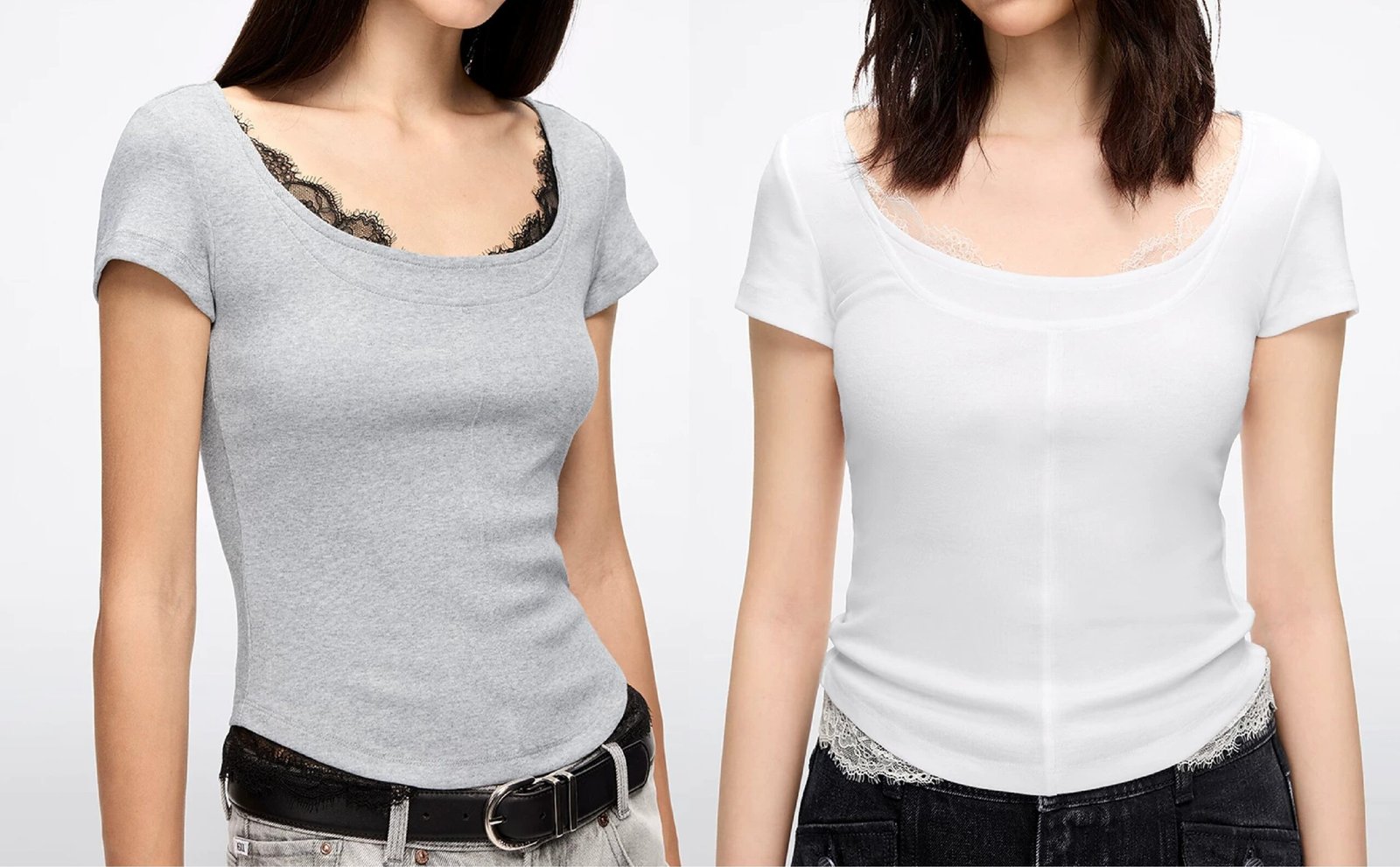


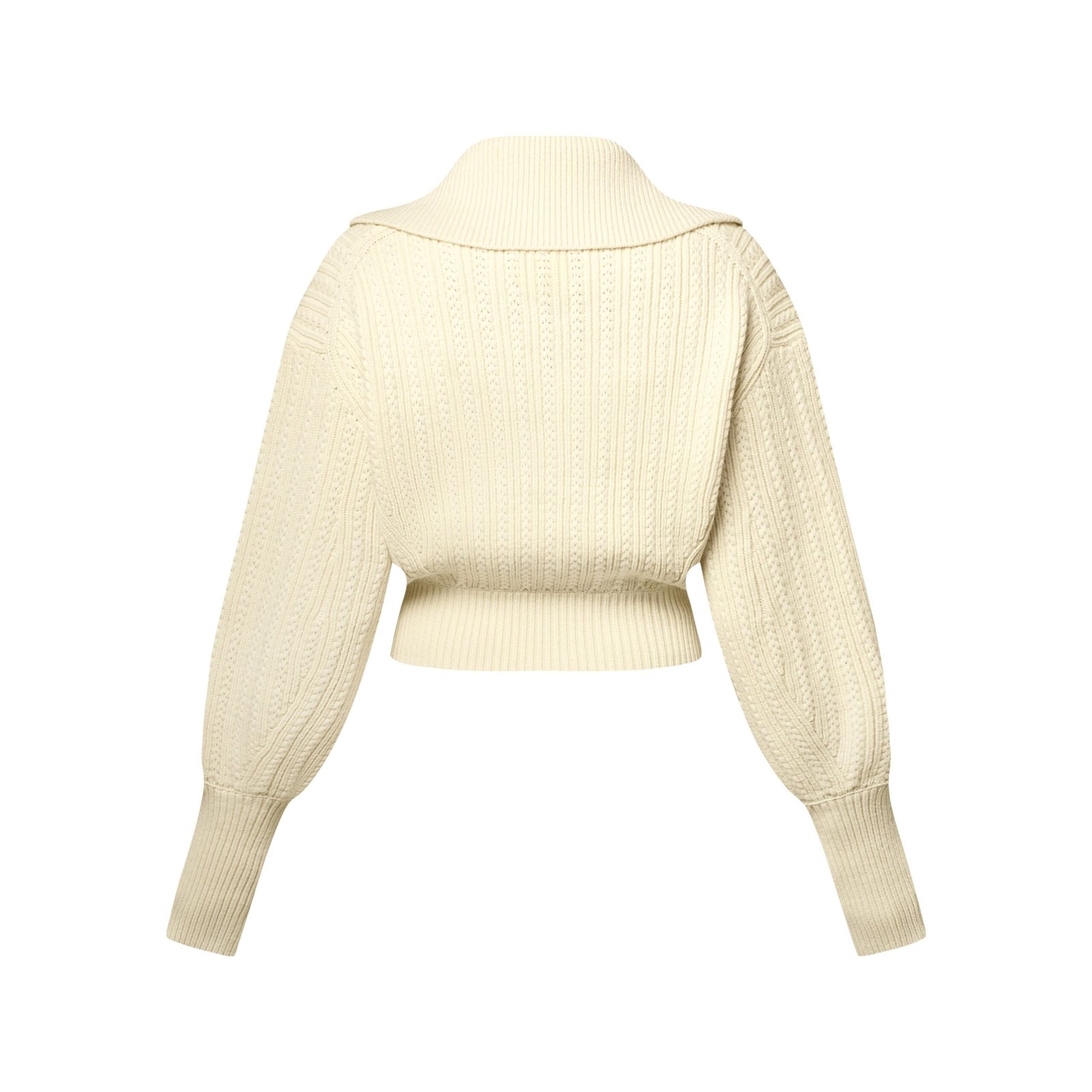


Related Product Catalogue and Quotation





Why Brands Source Wholesale Shorts from JUNSHEEN
A production partner built for flexible launches, technical development, and reliable scale.
100-Unit Starting MOQ
Launch wholesale shorts by style and color from 100 units, giving new collections a practical route from sampling to market.
Integrated OEM and ODM
Move from tech pack, sketch, reference garment, or concept through fabric sourcing, patterns, sampling, bulk production, and export support.
Fit-Focused Size Development
Develop regular, oversized, extended-size, and plus-size shorts from XS–3XL with refined rises, proportions, mobility, and grading increments.
Decoration and Wash Options
Add logo embroidery, screen printing, patches, garment dye, acid wash, softening, and custom finishing to create distinct branded shorts.
Capacity That Scales
Rely on 200+ skilled workers and 80,000+ monthly units for capsule launches, replenishment programs, and growing global wholesale demand.
Wholesale Shorts and Casualwear Manufacturing
Build capsule launches, private-label ranges, wholesale programs, and retail collections with low-MOQ development and scalable production.

Custom Hoodies
JUNSHEEN manufactures custom hoodies in fleece, French terry, and jersey, with fit development from XS to 3XL. Choose embroidery, screen printing, washes, custom labels, drawcords, and packaging for capsule drops or repeat wholesale programs.
Request a Quote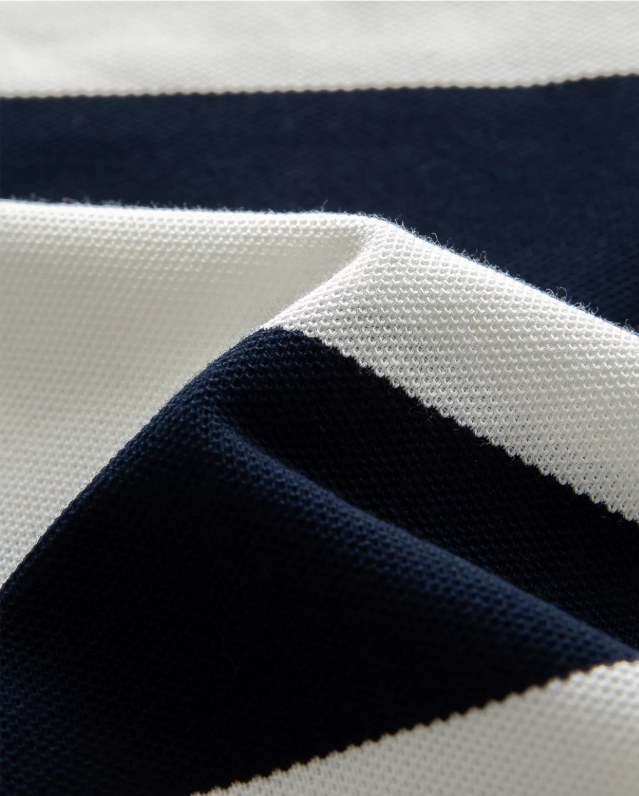
Custom T-Shirts
Develop custom T-shirts from combed cotton, Pima cotton, organic cotton, blends, and performance jersey. We support custom tshirt patterns, grading, neck constructions, prints, embroidery, garment dye, labels, and retail-ready packaging from 100 units per style and color.
Request a Quote
Custom Jeans
Our custom jeans production covers rigid and stretch denim, varied rises, leg shapes, washes, distressing, hardware, labels, and size grading. Pattern makers refine proportion and mobility across XS–3XL for private-label denim collections and ongoing bulk orders.
Request a Quote
Custom Sweaters
Source turtle neck sweater bulk programs and custom sweater collections in knitted constructions suited to your target hand feel, gauge, weight, and cost. JUNSHEEN supports yarn selection, fit grading, rib details, logo embroidery, labels, and scalable global production.
Request a Quote
Custom Jackets
Manufacture custom jean jacket programs in denim, stretch denim, twill, and woven fabrics. We manage pattern development, collar and pocket specifications, washes, embroidery or printing, branded buttons, labels, and fit grading for retail or wholesale collections.
Request a Quote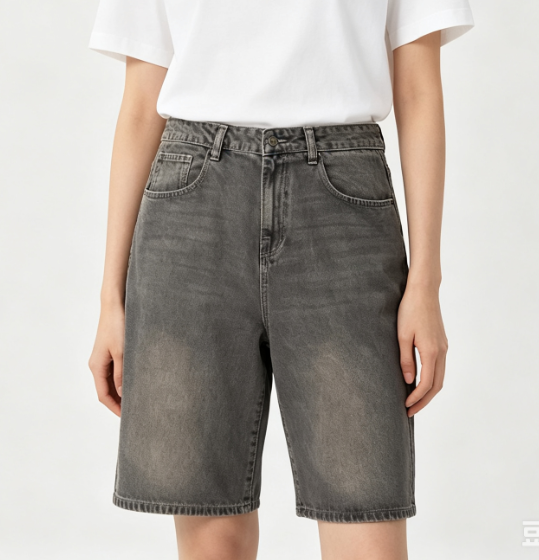
Custom Sweatshirts & Crewnecks
Create custom crewneck hoodie alternatives, crewneck sweatshirts, and fleece layers with tailored body proportions, rib specifications, decoration, and garment finishing. Available in French terry, fleece, and jersey, with low-MOQ sampling and production support for branded casualwear ranges.
Request a Quote
Custom Cardigans
JUNSHEEN produces custom cardigan styles in knit constructions with options for yarn selection, gauge, button or zipper closures, rib trims, pockets, and branded labels. Fit-focused grading supports regular, oversized, extended-size, and plus-size retail assortments.
Request a Quote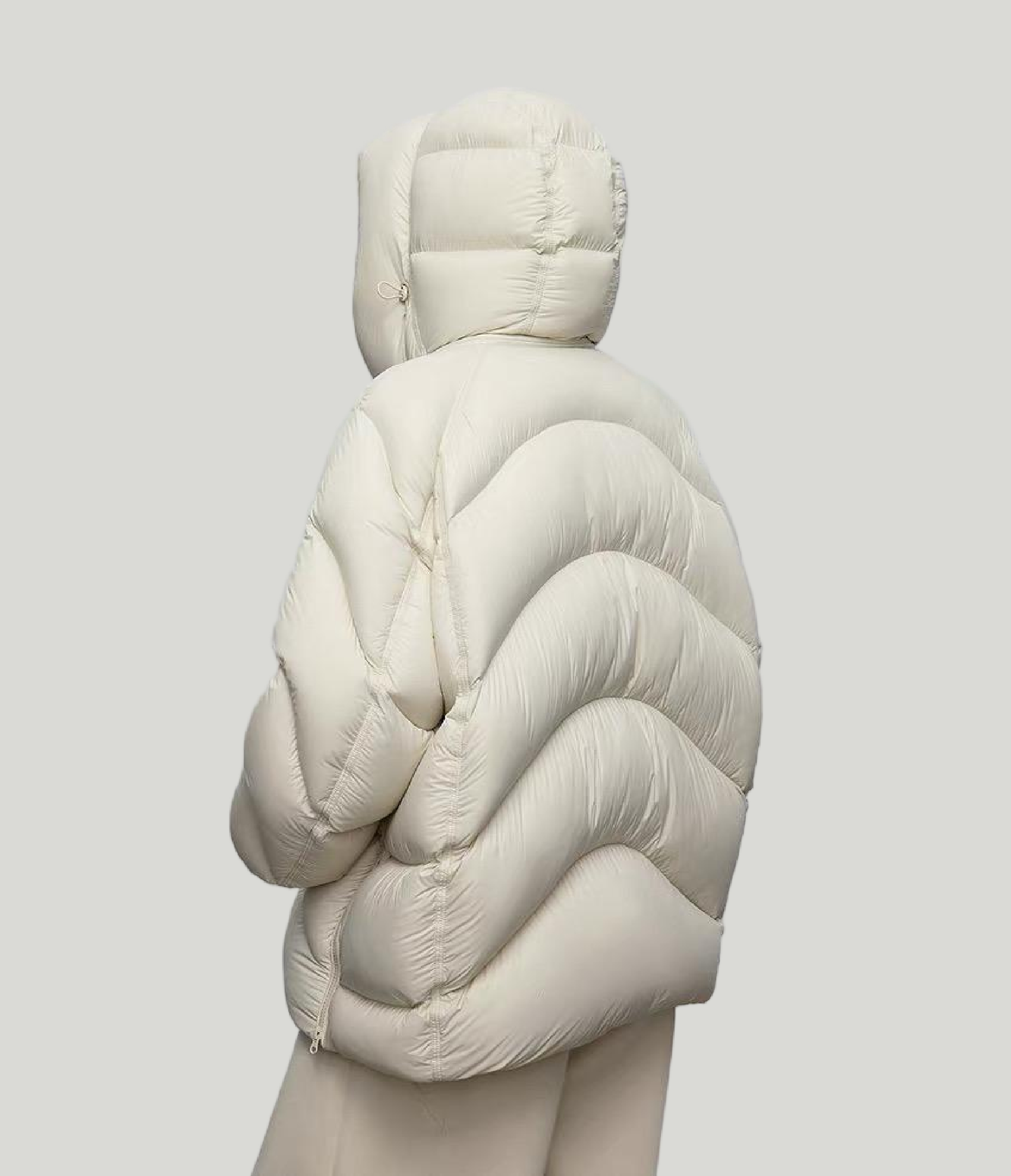
Custom Puffer & Down Jackets
Develop custom puffer jacket programs with shell fabric, insulation, lining, quilting, pocket, zipper, hood, and reflective-detail specifications matched to your market. We support prototype sampling, private labels, quality control, and scalable outerwear production.
Request a Quote
Custom Denim Shorts
Produce custom jean shorts in rigid or stretch denim with specified rise, inseam, hem treatment, wash, distressing, hardware, pockets, and branding. Our fit development and grading help create consistent women’s, men’s, unisex, extended-size, and oversized denim short ranges.
Request a Quote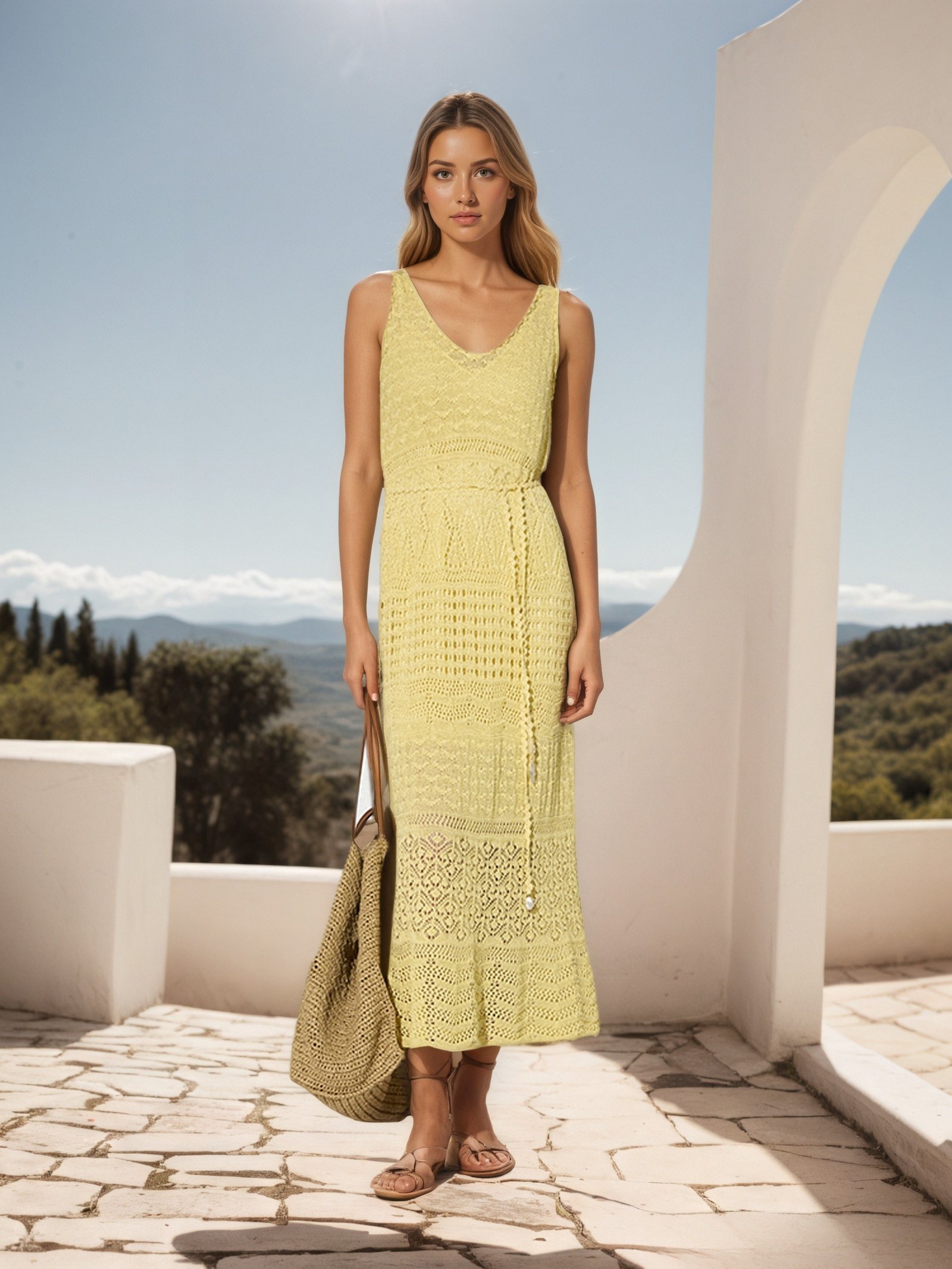
Custom Sweater Dresses
Custom sweater dresses can be developed in sweater knits with defined silhouettes, neckline, sleeve, length, gauge, and rib details. JUNSHEEN supports yarn and trim sourcing, sample approval, XS–3XL grading, labels, and packaging for private-label collections.
Request a Quote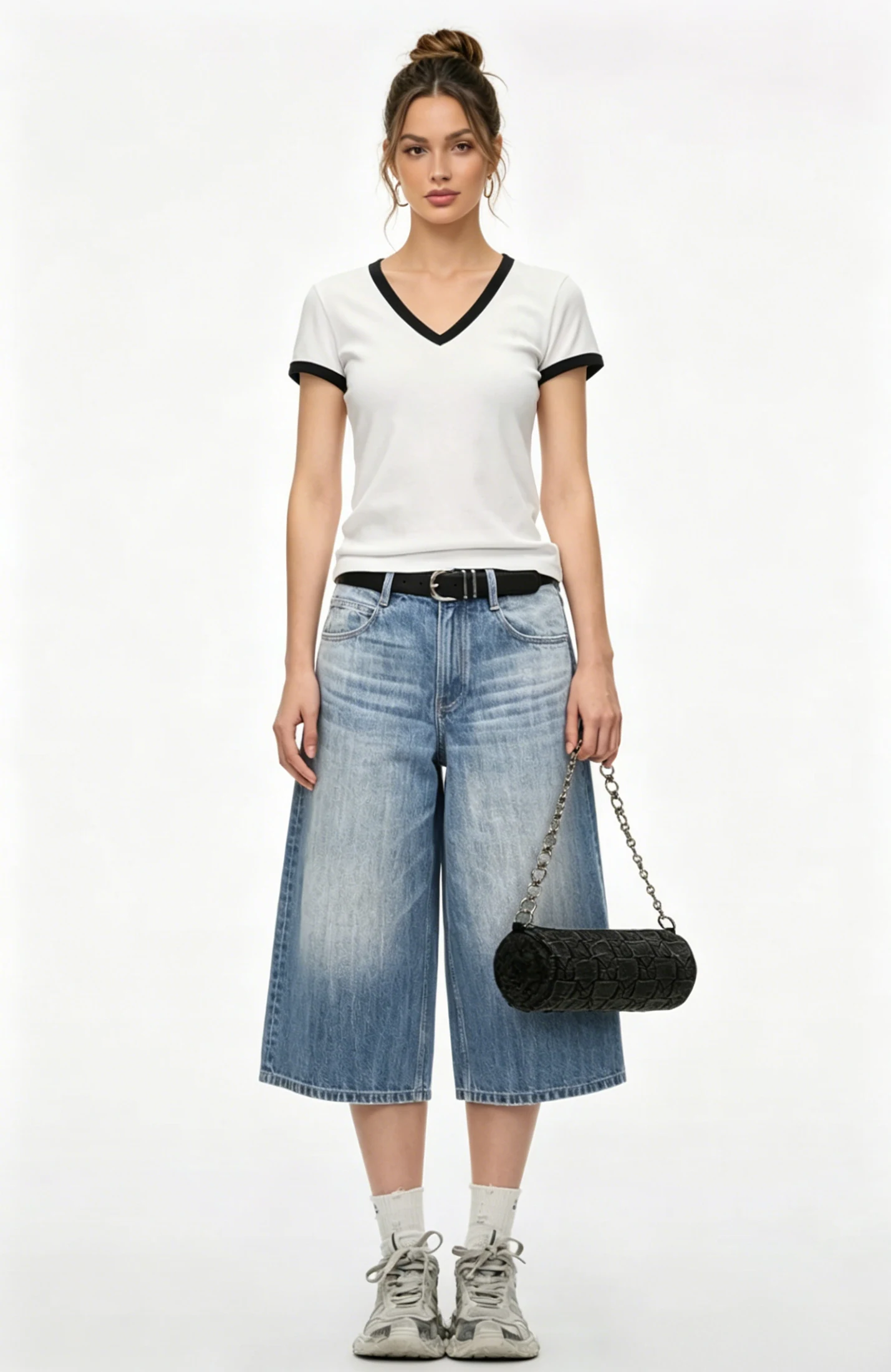
Custom Denim Sets
For mens denim suits wholesale and coordinated denim-set programs, we develop matching jackets, overshirts, jeans, and shorts with aligned fabric, wash, hardware, and fit specifications. This supports cohesive retail assortments, wholesale packs, and repeat seasonal deliveries.
Request a Quote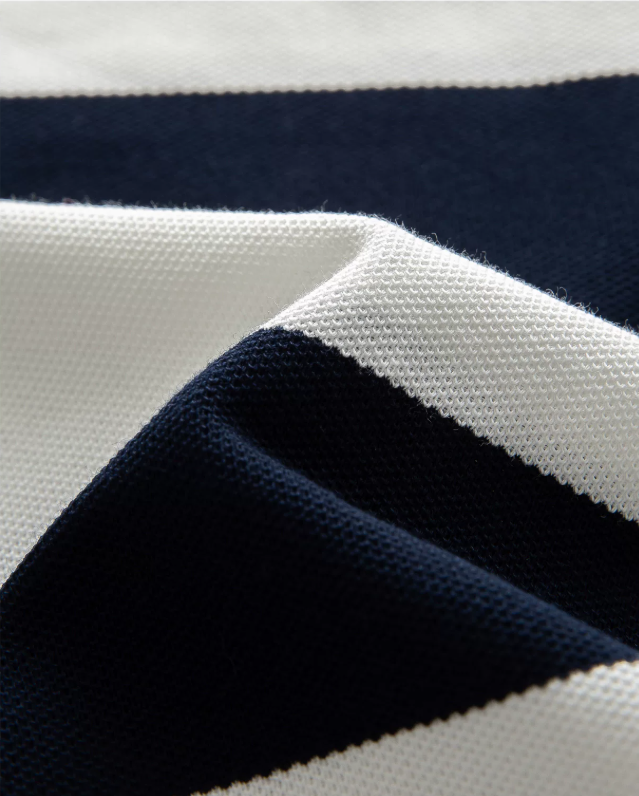
Custom Polo Shirts
Manufacture custom polo shirts in piqué, jersey, performance knits, and blended fabrics. Specify collar construction, plackets, buttons, contrast details, embroidery, printing, grading, labels, and packaging for uniforms, branded merchandise, wholesale, or retail programs.
Request a Quote
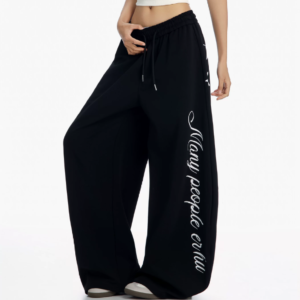
Custom Sweatpants
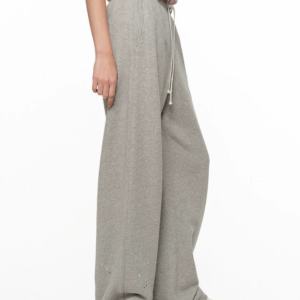
JUNSHEEN produces custom sweatpants in fleece, French terry, and jersey with specified rises, leg shapes, cuffs, pockets, waistbands, drawcords, prints, embroidery, and washes. Fit-focused grading supports coordinated sets and inclusive XS–3XL casualwear programs.
Request a Quote
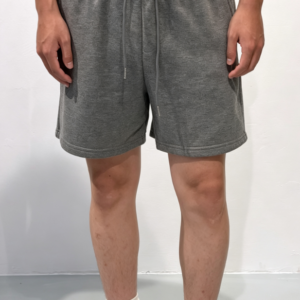
Custom Shorts
Develop custom shorts in jersey, fleece, French terry, twill, woven fabrics, and denim for lounge, sport, streetwear, and everyday ranges. Choose inseam, pocket, waistband, drawcord, decoration, finishing, labels, and packaging from a 100-unit MOQ per style and color.
Request a Quote
Custom Pullovers
Custom pullovers can be developed as knit, fleece, French terry, or jersey styles with defined necklines, body proportions, sleeve shapes, rib trims, pockets, prints, embroidery, and labels. We support technical review, sampling, fit grading, and scalable private-label production.
Request a QuoteWholesale Shorts Materials for Comfort, Structure and Wash Performance

Cotton Jersey
Soft, breathable cotton jersey suits casual lounge shorts, sport-inspired styles and lightweight summer programs. Its smooth hand feel and natural stretch support comfortable movement, with fabric weights commonly tailored from lightweight to midweight builds.

French Terry
French terry delivers a smooth face with soft loopback texture, making it ideal for premium sweat shorts and coordinated sets. Midweight constructions provide breathable warmth, absorbency and enough body to hold a relaxed silhouette.

Brushed Fleece
Brushed fleece is a warm, plush option for cold-weather shorts, streetwear drops and oversized casualwear. The napped interior adds softness and insulation, while heavier weights create a substantial, premium hand feel.

Rigid Denim
Rigid denim brings authentic texture and durable structure to fashion denim shorts, workwear-inspired silhouettes and washed collections. Its low-stretch construction supports defined shape, while stone, enzyme or acid washes create distinctive character.

Stretch Denim
Stretch denim combines the visual character of denim with improved recovery and mobility for fitted or comfort-led wholesale shorts. A controlled elastane blend helps maintain shape through wear and supports more flexible rises and leg openings.

Cotton Twill
Cotton twill offers a clean diagonal weave, durable hand feel and reliable structure for chino shorts, cargo styles and uniforms. Available in lightweight to heavyweight options, it holds pockets, panels and crisp garment silhouettes well.
Wholesale Shorts Decoration and Finishing Options

Logo Embroidery
Flat, 3D puff, chain-stitch, and applique embroidery add textured, premium logo detail to wholesale shorts. Placement, backing, thread color, and stitch density are reviewed to maintain clean shaping and dependable wear durability.

Screen Printing
Plastisol, water-based, puff, silicone, high-density, foil, and discharge screen printing deliver bold artwork with controlled color and hand feel. Junsheen matches ink systems to shorts fabric and use conditions for durable branded results.

Heat Transfers
DTF, heat transfer, and specialty transfer applications reproduce detailed logos, gradients, and small-run graphics efficiently. Proper temperature and pressure testing helps the decoration bond securely while preserving the comfort and stretch of custom shorts.

Dye Sublimation
Dye sublimation permanently infuses all-over color and artwork into compatible polyester fabrics. It produces vivid, lightweight designs without a raised print surface, making it well suited to performance shorts, teamwear, and promotional programs.

Garment Dyeing
Garment dyeing gives finished shorts rich color depth and a relaxed, lived-in character. Color trials and wash testing help control tone, shrinkage, and consistency across bulk production while supporting distinctive private-label collections.

Wash Effects
Enzyme, acid, stone, softening, brushing, napping, and anti-pilling washes shape the hand feel and visual character of denim and casual shorts. Junsheen samples wash recipes before production to achieve repeatable, brand-aligned results.
Private-Label Accessories for Wholesale Shorts

Drawcord Tipping
Add cotton, braided or flat drawcords with custom metal, silicone or dipped tips for jogger shorts, lounge styles and elastic-waist programs that need a more polished branded finish.

Elastic Waistbands
Choose covered, exposed or jacquard elastic waistbands engineered for dependable recovery and comfort. They suit active, lounge, denim and casual wholesale shorts across XS–3XL size grading.

Zipper Pockets
Specify nylon coil, metal-look or branded zipper closures for secure side, back and cargo pockets. Our team matches zipper weight, puller style and tape color to your shorts construction.

Snap Buttons
Use custom snaps on cargo pockets, adjustable hems and utility shorts for reliable closure and a stronger design statement. Options include matte, glossy, engraved and color-matched finishes.

Woven Labels
Create main labels, size labels and care labels that give each pair a clear private-label identity. We can coordinate woven, printed or leather-look label formats with your brand specifications.
Hangtags Packaging
Complete retail presentation with custom hangtags, barcode stickers, polybags, tissue paper and branded cartons. Packaging can be planned around your retailer requirements, export needs and sustainable material preferences.
Wholesale Shorts Manufacturing Since 2010
Founded in 2010 in Humen Town, Dongguan, JUNSHEEN helps fashion brands turn wholesale shorts concepts into production-ready collections. Our one-stop OEM, ODM and private-label service brings development, fabric sourcing, sampling, cut-and-sew manufacturing, decoration and export support under one accountable team.
With 200+ skilled workers and monthly capacity exceeding 80,000 units, we support capsule launches from 100 units per style and color through scalable bulk programs. Brands can develop casual shorts, denim shorts and coordinated sets with fit-focused pattern work and grading from XS to 3XL.
What differentiates JUNSHEEN is practical manufacturing depth: refined fit, dependable quality control and in-house finishing, labels, trims and packaging. Having served 2,000+ fashion-brand clients worldwide, we provide clear technical support and consistent global delivery as your shorts program grows.

Wholesale Shorts Capabilities for Consistent Production
Fit-First Pattern Development
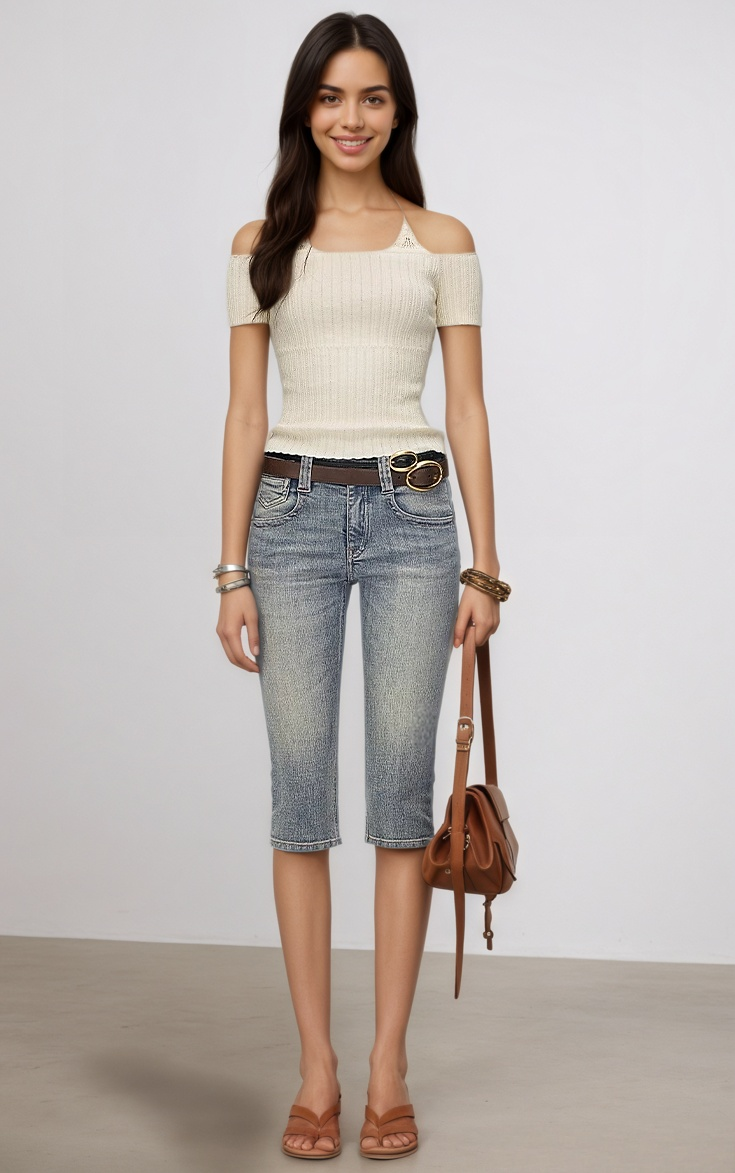
JUNSHEEN develops wholesale shorts from XS to 3XL with proportion-led patterns, not simple size enlargement. Our team refines rise, leg opening, inseam, waistband balance and grading increments to create reliable comfort and consistency across the full size range.
- Pattern making from tech packs, sketches or reference samples
- Extended-size, plus-size and oversized grading
- Prototype, size-set and pre-production fit approval
Fabric Sourcing With Purpose
Select materials that support the intended silhouette, hand feel and wash performance of your shorts program. We source denim, twill, jersey, fleece, French terry and stretch constructions while balancing target cost, durability, weight, drape and production requirements.
- Fabric and trim recommendations matched to your target market
- Swatches and sample garments available before bulk confirmation
- Options for cotton, recycled blends, denim and performance knits

Integrated Decoration and Finishing
Keep branding, decoration and garment finishing aligned within one production workflow. JUNSHEEN applies embroidery, screen printing, transfers, custom patches and washes with clear control over placement, color, hand feel and repeatability for private-label shorts collections.
- Embroidery, printing, patches and logo applications
- Garment dye, acid wash, stone wash and softening options
- Custom labels, drawcords, hardware, hang tags and packaging

Controlled Bulk Production
From 100 units per style and color to ongoing wholesale shorts programs, JUNSHEEN coordinates cut-and-sew production, in-line checks and final packing in one supply chain. More than 200 skilled workers and 80,000-plus monthly units support dependable scaling and global export.
- Incoming fabric, measurement and construction inspections
- In-line decoration and final packed-goods quality checks
- Retained patterns and material records for repeat orders

Why Choose JUNSHEEN for Wholesale Shorts Production
Compare a fit-focused, production-ready shorts manufacturer with typical apparel suppliers.
← 左右滑动查看 →
Wholesale Shorts Manufacturing Process
A fit-first, production-controlled workflow that moves custom shorts from feasibility review to export-ready delivery.
Review Design Feasibility
We assess your tech pack, sketch, reference garment, target price, fit requirements, quantities, and decoration details to confirm a practical production route.
Source Fabrics and Trims
Our team recommends denim, twill, fleece, jersey, or performance materials, then coordinates color, weight, stretch, wash performance, labels, and hardware.
Develop Patterns and Samples
Pattern makers build and grade shorts from XS through 3XL, refining rise, leg balance, pockets, mobility, and proportions before sample approval.
Cut, Sew, and Decorate
Approved wholesale shorts move into bulk cutting and construction, with in-house embroidery, printing, washes, finishing, custom labels, and private-label trims applied as specified.
Inspect, Pack, and Ship
We inspect materials, measurements, stitching, fit, decoration, and packed goods, then arrange export-ready packaging and global shipping support for your order.
How to Start Your Wholesale Shorts Order
Move from concept to approved bulk production with a clear, fit-focused process built for 100-unit MOQ programs and scalable reorders.
Submit Your Concept
Send a tech pack, sketch, reference garment, or mood board with target quantities, sizes, fabrics, decoration, and delivery requirements for feasibility review.
Review Your Quotation
Confirm recommended materials, construction details, MOQ, lead time, pricing, and sampling scope with our team before development begins on your wholesale shorts program.
Approve Your Sample
Review the prototype for fit, rise, inseam, grading, fabric hand feel, wash effect, and branding details, then request refinements before bulk approval.
Confirm Production Details
Approve the pre-production sample, graded size set, labels, trims, packaging, and final specifications so every production requirement is documented clearly before cutting.
Launch Bulk Manufacturing
JUNSHEEN manages fabric inspection, cutting, sewing, decoration, quality control, packing, and global shipping while retaining production records for consistent repeat orders.
Custom Clothing Manufacturer Credentials and Compliance Documents




Wholesale Shorts Programs That Earn Repeat Orders
JUNSHEEN turned our reference samples into production-ready wholesale shorts in three weeks. The revised rise and thigh grading cut our fit-sample revisions from four rounds to two, and our first 600-unit delivery sold through faster than forecast.
We launched five private-label short styles across XS–3XL with a 100-unit MOQ per color. Their team kept measurements consistent between chino and denim programs, helping us reduce size-related returns by 18% in the first season.
The sampling communication was unusually clear. JUNSHEEN matched our washed-fleece hand feel, completed logo embroidery and branded packaging under one program, then scaled our reorder from 300 to 2,400 units without changing the approved fit.
Wholesale Shorts FAQ
Clear answers on MOQ, sampling, fit development, production, payment and global delivery.
What is the minimum order quantity for wholesale shorts?
Can you make samples before I place a wholesale shorts bulk order?
How long does wholesale shorts production take?
Can you develop shorts fits from XS to 3XL?
What payment terms do you offer for custom shorts orders?
Do you ship wholesale shorts internationally?
How do you protect my shorts designs and branding?
Can you add custom labels, printing, embroidery and washes to shorts?
The Complete Buyer’s Guide to wholesale shorts
Use this practical framework to select styles, fabrics, customization routes, and reliable OEM suppliers, compare costs and quality standards, and avoid sourcing mistakes that can delay launches or weaken your collection.
1. What Are wholesale shorts?
100 units per style and color is a practical low-MOQ benchmark for wholesale shorts ordered as an OEM or private-label program. In B2B sourcing, the term can mean either ready-stock garments bought from an existing catalog or made-to-order shorts developed for a buyer’s own label, fit, fabric, color, trims, and packaging. 3 buyer groups commonly use these programs: fashion brands building seasonal collections, wholesalers supplying multiple accounts, and retailers or creators testing a capsule. Ready-stock purchasing is faster and usually limits changes, while private-label and OEM production give the buyer control of a graded size run, Pantone color, inseam, rise, pocket construction, logo treatment, and care-label information. XS through 3XL may require different quantities by size rather than equal units in every size; the size curve should reflect sales history, target customer, and intended fit. A production-ready specification sheet, approved fabric and trim swatches, a fit sample, and a pre-production sample reduce avoidable disputes over measurements, shade variation, decoration placement, and finishing before bulk cutting begins.
2. Evolution of wholesale shorts
1910s athletic uniforms and durable work shorts established the core buying logic: freedom of movement, abrasion resistance, secure closures and easy laundering. Early styles favored woven cotton, drill and twill, with roomier legs and longer rises that accommodated physical activity rather than fashion-led proportions. 1950s resortwear and 1970s surf, running and basketball culture broadened shorts from utility garments into seasonal lifestyle products. Shorter inseams, elastic waists, nylon shells and terry constructions created distinct use cases, while denim cutoffs and cargo styles showed buyers that silhouette and pocket configuration could signal a subculture as strongly as a logo. 5-inch, 7-inch and 9-inch inseams now function as practical assortment markers across streetwear, resort and athleisure, although finished outseam, rise and leg opening still determine the actual fit. Wholesale shorts buyers should specify the intended customer, fabric weight, stretch recovery, wash effect and decoration area before sampling: a 240–320 GSM French terry short, for example, serves a different demand profile from lightweight nylon sport shorts or enzyme-washed denim. 100-unit production minimums make targeted capsule testing more realistic, but each silhouette should retain clear measurement standards across sizes. Modern demand rewards a balanced range—relaxed knee-length utility, tailored resort, compact running and oversized fleece—rather than treating every short as a scaled version of one basic block.
3. Types of wholesale shorts
Six commercial short categories cover distinct wardrobes, price points, and selling seasons. Buyers should specify the intended wearer and channel before approving a silhouette, because pocket construction, rise, inseam, and fabric behavior drive both fit risk and unit cost.
Denim And Chino Shorts

5-pocket denim shorts suit trend-led labels, festival retail, and e-commerce from spring through late summer; specify rise, inseam, leg opening, wash recipe, stretch percentage, and tolerance in the tech pack. 8–10 oz chino shorts serve contemporary menswear, uniforms, and resort retailers; define front-pleat or flat-front construction, pocket bag depth, waistband interlining, belt-loop count, and graded hip measurements.
Cargo And Athletic Shorts
4–6 pocket cargo shorts target streetwear customers and outdoor-influenced marketplaces; identify every pocket dimension, flap closure, bartack position, drawcord, and knee-level placement to prevent bulky or uneven balance. 5–7 in athletic shorts fit activewear DTC and sporting-goods channels year-round; record liner type, outseam, inseam, stretch direction, waistband elastic width, and reflective placement.
Sweat And Resort Shorts
280–400 GSM sweat shorts appeal to lounge, collegiate, and casual DTC programs in transitional seasons; specify French terry or fleece, rib or self-fabric waistband, elastic recovery, drawcord length, and shrinkage allowance. 6–8 in tailored or resort shorts suit vacation collections, boutiques, and premium wholesale; define pleats, cuff turn-up, fly construction, lining, drape target, and finished waist measurement for a clean seated fit.
4. Materials for wholesale shorts
160–260 GSM is the practical starting range for warm-weather wholesale shorts, but weight alone does not determine performance. Fiber blend, construction, finishing, and stretch control hand feel, shrinkage risk, durability, and the quality customers perceive.
| Material | Typical Weight | Relative Cost | Best Use |
|---|---|---|---|
| Cotton twill | 200–280 GSM | Medium | Chino and cargo shorts |
| Denim | 8–12 oz | Medium–high | Five-pocket shorts |
| Jersey | 180–220 GSM | Low–medium | Lounge and pull-on |
| French terry | 280–350 GSM | Medium | Athleisure shorts |
| Nylon/poly stretch | 120–180 GSM | Medium–high | Performance and travel |
Wovens For Structured Shorts

200–280 GSM cotton twill has a dry, crisp hand, strong abrasion resistance, and a clean silhouette for chino, cargo, and workwear shorts. Pre-shrinking and enzyme washing reduce size movement; garment dye adds cost and variation. 8–12 oz denim offers durable character for five-pocket and denim shorts, while rigid denim softens with wear. A 1–3% elastane blend improves movement but requires controlled heat during washing and drying.
- Twill: breathable everyday structure
- Denim: durable, higher perceived value
- Linen blends: cool drape, wrinkle-prone
Knits And Performance Fabrics

180–220 GSM jersey suits lightweight pull-on and lounge shorts, with soft breathability but less abrasion resistance than twill. Ring-spun cotton feels smoother than open-end yarn and commonly commands a higher material cost. 280–350 GSM French terry provides year-round substance; brushed fleece is warmer and best for cooler programs. Nylon or polyester blends dry quickly and resist abrasion, while 4–8% elastane improves recovery for active shorts.
- Jersey: soft summer basics
- French terry: premium athleisure weight
- Nylon blends: travel and performance
Cost And Material Tradeoffs
3–5% shrinkage can occur in untreated cotton fabrics, so confirm wash testing before bulk approval. Higher weight, specialty washes, recycled fibers, and stretch yarns raise cost, but can improve drape, recovery, and retail positioning.
5. Customizing wholesale shorts
100-unit MOQ programs need customization choices that match fabric, decoration method, and target retail margin. Lock silhouette, inseam, rise, pockets, waistband, and branding placements before the first sample to prevent costly pattern changes.
| Method | Typical Setup Cost | Typical Per-Unit Add | Best Order Fit |
|---|---|---|---|
| 1-color screen print | US$20–60 per color | US$0.50–1.50 | 100+ units |
| Embroidery | US$30–80 digitizing | US$1.50–4.00 | 100+ units |
| Woven patch | US$20–70 | US$1.00–3.00 | 100+ units |
| All-over print | US$0–50 artwork prep | US$2.00–6.00 | 200+ units |
Fit And Construction
5- to 9-inch inseams suit running and casual styles; 10- to 12-inch options fit relaxed denim and basketball silhouettes. Rise, leg opening, and graded hip measurements should be approved on a size set. 2 pocket bags, back welt pockets, cargo panels, elastic waistbands, and drawcords each add sewing operations. Twill and denim carry structured pockets well; French terry favors elastic-waist pull-on shorts.
Branding And Finishing
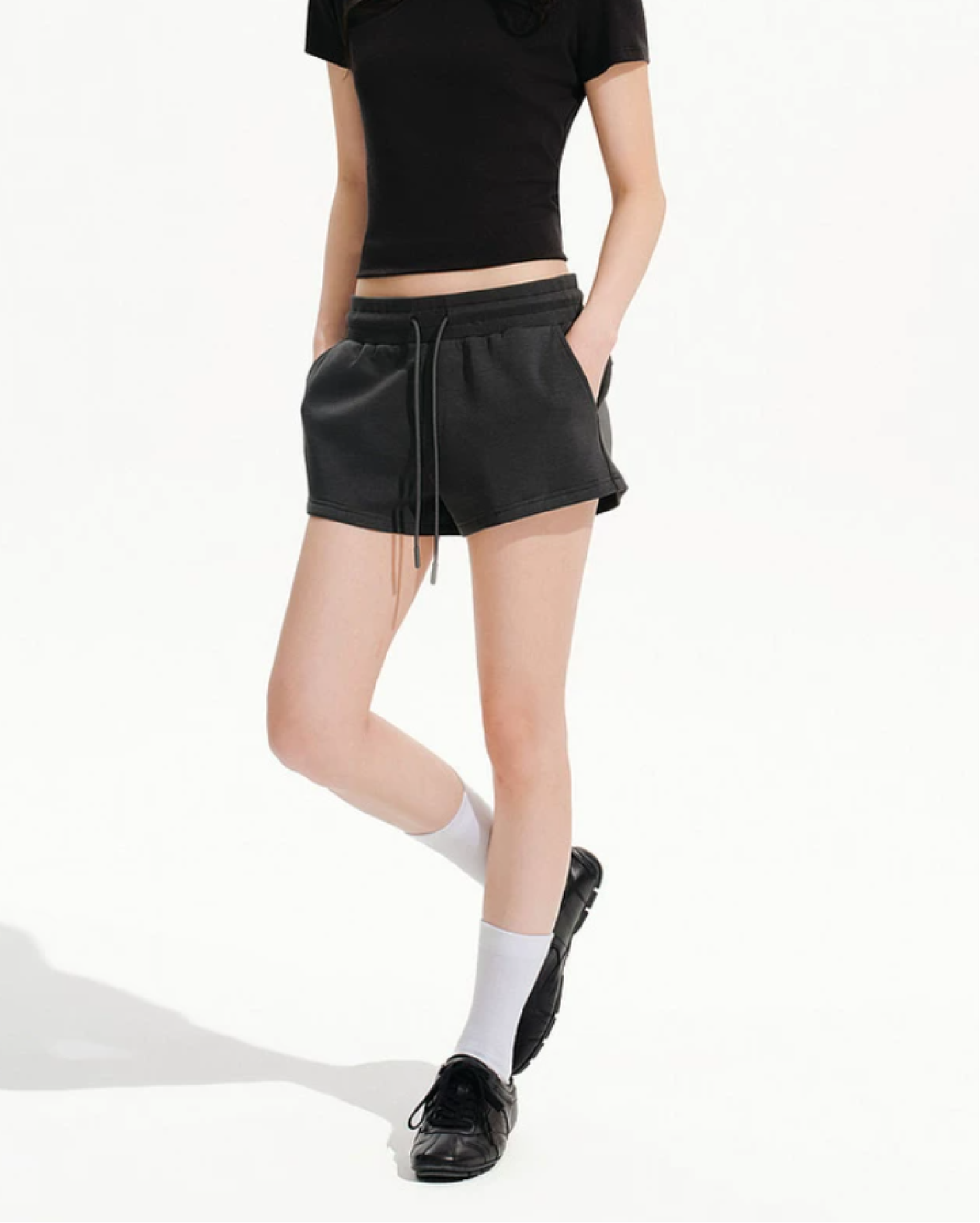
1-color screen prints are economical on cotton jersey and fleece at repeat quantities, while embroidery gives durable premium identity on twill, denim, and heavier fleece. Pantone approval and artwork separation are required before bulk. 3D embroidery, woven patches, labels, hangtags, garment dye, acid wash, and all-over prints increase development complexity. All-over printing needs panel placement and shrinkage testing before cutting.
Decoration Cost Planning
1 decoration location is the simplest starting point for a 100-unit launch. Confirm placement dimensions, color count, and wash testing on the approved pre-production sample.
6. Quality Elements in wholesale shorts
Quality in wholesale shorts is established before bulk cutting, not during final inspection. Buyers should convert every visible and functional requirement into an approved sample, measurement specification, and sealed trim standard.
Fabric And Stitching
180–320 GSM jersey, twill, or denim should show consistent color, weight, stretch recovery, and surface appearance across the approved lot. Compare swatches after the specified wash, especially for dark pigment dyes and enzyme finishes. 8–12 stitches per inch is a practical checkpoint for most woven seams; stitch density must suit fabric weight without puckering. Inspect inside seams for skipped stitches, loose thread tails, and uneven overlock coverage.
Stress Points And Hardware
2–4 bartacks at pocket corners, fly bases, belt loops, and side-slit starts prevent early seam failure. Reinforcement placement should match the approved construction sample exactly. 1 waistband must stay level after stretching and washing; elastic recovery, drawcord length, knotting, and eyelet or aglet attachment require a pull check. Test zippers, snaps, and buttons repeatedly for smooth operation, secure setting, and matching finish.
- Check pocket bags are deep enough for the intended phone size.
- Confirm drawcord ends resist fraying after wash.
- Match metal hardware color to the approved trim card.
Approval And Final Checks
1 pre-production sample should confirm fabric lot, Pantone color, wash recipe, graded measurements, labels, packing, and all approved trims before cutting. Junsheen can retain the pattern, graded size set, and material records for repeat-order consistency. 100% final inspection should check appearance, measurement, decoration, packed quantity, and carton marks against the purchase order. Set tolerances by point of measure—commonly ±1 cm on key garment measurements—rather than accepting vague ‘factory standard’ language.
7. Choosing a wholesale shorts manufacturer
A 100-unit MOQ can suit a capsule launch, but it does not prove a factory can control fit, washes, or replenishment. Compare manufacturers against the product brief, not the lowest quote.
Match Product Experience
Three recent shorts samples reveal more than a generic catalog: inspect inseams, pocket construction, waistband recovery, bartacks, and wash consistency. Ask for comparable denim, jersey, fleece, or twill work and references for the intended market.
- Request measured sample specifications
- Review close-up construction photos
- Confirm extended-size grading experience
Test Development Capability
A complete tech pack should trigger questions, not automatic acceptance: can the team flag tolerances, shrinkage risk, and decoration placement? Request a development timeline, pattern-review process, and pre-production sample approval procedure. Two graded sizes are usually more informative than one fit sample when XS–3XL is planned. Confirm whether patterns, grading files, and approved material records are retained for repeat orders.
Verify Materials And Quality
180–260 GSM jersey, 280–350 GSM French terry, and stretch denim each require different testing and sewing controls. Request swatches, fiber-content documents, wash-test results, inspection checkpoints, and any applicable OEKO-TEX, GOTS, WRAP, or BSCI documentation. AQL inspection terms should be written into the purchase order. Ask who checks incoming fabric, measurements, print or embroidery quality, and packed-goods quantities.
Confirm Commercial Readiness
80,000 monthly units is useful only when capacity is available during your delivery window. Confirm current lead time, production calendar, export destinations, Incoterms, freight support, and the named person responsible for daily communication. Three payment stages should be documented before funds move: deposit, sample or bulk approval, and final balance before shipment. At JUNSHEEN, first-order payment and later deposit structures are discussed according to cooperation history; obtain the agreed terms in writing.
- Request a formal quotation and MOQ by color
- Request a pro forma invoice and payment schedule
- Request export and shipping documentation examples
8. Common wholesale shorts sourcing mistakes
A 100-unit MOQ makes wholesale shorts accessible, but it does not remove development risk. Most costly failures begin before production, when specifications, approvals, and acceptance criteria are treated as informal conversations.
Chasing The Lowest Quote
A $0.50 lower unit quote can conceal lighter fabric, fewer inspections, or excluded trims. Compare like-for-like BOMs, Incoterms, packing, and defect allowances before awarding production.
Leaving Specifications Vague
A sketch without measurements, Pantone references, stitch details, and trim callouts invites interpretation. Issue a tech pack with graded POMs, construction sketches, artwork files, and approved samples.
Skipping Fit And Fabric Tests

A first sample can expose rise, inseam, pocket placement, shrinkage, and colorfastness issues before bulk cutting. Approve fit samples and test wash performance, pilling, stretch recovery, and shade consistency.
Compressing Decoration Schedules

A 3D embroidery, puff print, or custom patch program needs artwork separation, strike-offs, and approval time. Build sampling milestones into the critical path and approve production-ready artwork before fabric is cut.
Ignoring Size Curves And Tolerances
A size curve limited to S–L can leave high-demand sizes unavailable, while undefined tolerances create disputes over acceptable variation. Forecast by market, set the size ratio, and specify measurement tolerances and AQL inspection criteria.
9. Launching Your Shorts Collection
A 12- to 16-week calendar gives a new shorts program enough room for decisions that affect sell-through. Set launch date, channel mix, target retail price, and margin before development starts.
Define The Market Position
Week 1: audit 8-12 competing shorts listings by silhouette, inseam, fabric weight, colors, retail price, and reviews. Choose one customer, one price band, and a focused opening assortment instead of mixing unrelated athletic, denim, and tailored styles.
- Map direct competitors by channel and price
- Select 2-4 core styles and colorways
- Set target retail margin before costing
Lock Product Specifications
Week 2: turn each approved style into a tech pack with flats, measurements, construction callouts, Pantone colors, trim list, labeling, and packaging requirements. Confirm target MOQ, normally 100 units per style and color at Junsheen, before requesting development.
- State inseam, rise, hem, and pocket dimensions
- Specify fabric composition, GSM, and wash
- Include graded size chart XS through 3XL
Approve Samples And Grading
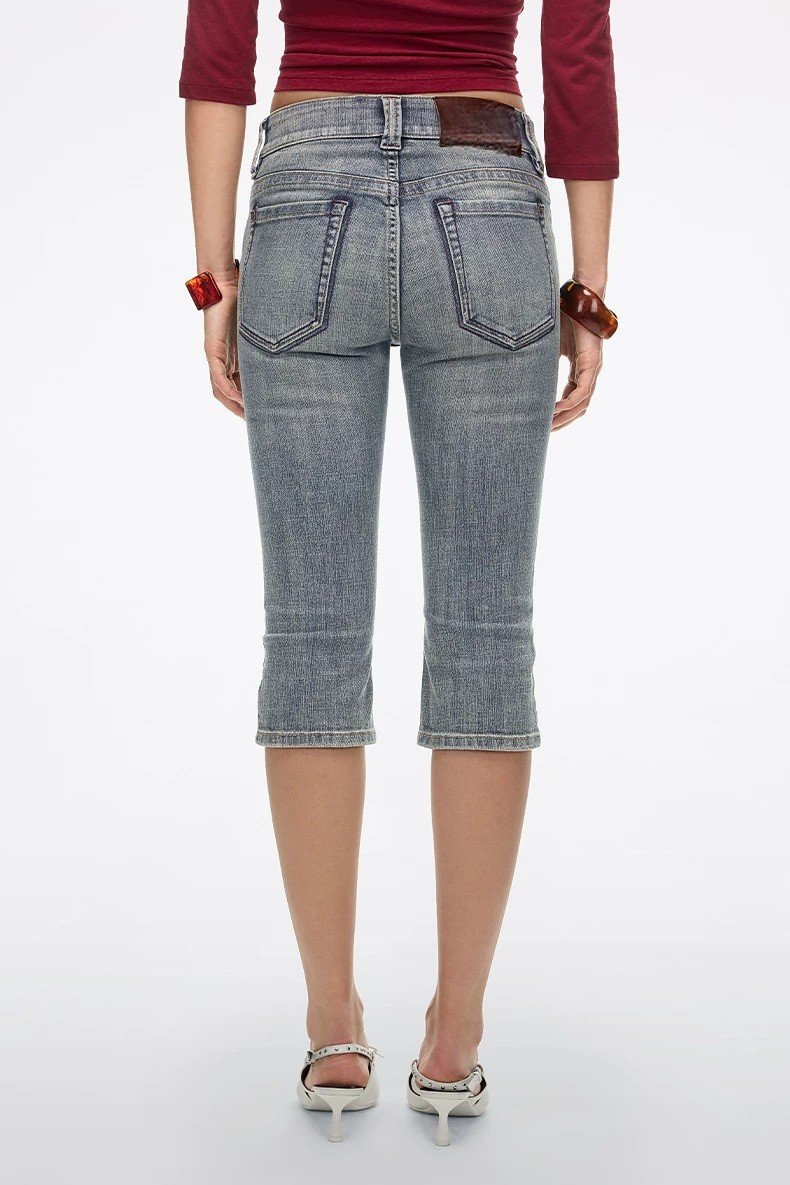
Weeks 3-7: approve fabric swatches and a prototype before fit changes accumulate in bulk. Review measurements, movement, shrinkage, decoration placement, and wash results; issue one consolidated revision list, then approve a size set for grading.
- Approve bulk fabric and color standard
- Consolidate comments by revision round
- Sign off size set before production booking
Book Production And Launch
Weeks 8-16: book capacity only after the pre-production sample, labels, packaging, and final purchase order are approved. Align factory ex-date, freight mode, warehouse receiving, product photography, ecommerce copy, and campaign assets with each sales channel’s delivery deadline.
- Reserve air freight for time-sensitive launches
- Prepare SKU, barcode, and carton instructions
- Schedule photography from approved samples
10. wholesale shorts Pricing and Costs
100 units per style and color is a practical starting point for Junsheen capsule programs, but it is not a fixed-cost guarantee. A 180–220 GSM cotton jersey short, one Pantone color and standard labeling usually carries fewer cost drivers than stretch twill, a garment-dye wash, custom hardware and dense embroidery. 7–14 days is a reasonable planning range for a development sample after materials and specifications are confirmed; sample charges cover pattern work, sourcing and one-off operations. Bulk economics improve when approved fabric, graded patterns, artwork and trims are reused, while freight, duties, Incoterms and destination handling must be added to calculate landed cost.
| Quantity tier | Indicative unit-price drivers | Typical production timing |
|---|---|---|
| 100–299 units | Higher cutting, setup and trim allocation; best for testing a style | 30–45 days after approval |
| 300–999 units | Fabric and decoration efficiencies begin to improve unit economics | 25–40 days after approval |
| 1,000–2,999 units | Better fabric booking and line utilization; confirm color splits early | 25–35 days after approval |
| 3,000+ units | Bulk purchasing can reduce unit cost; added colors, washes and packing still matter | 30–50 days after approval |
Ready to Develop Your Wholesale Shorts Collection?
Send your tech pack, reference garment, or concept for a tailored OEM/ODM quotation with 100-unit MOQs and fit-focused production.