
Down Jacket Manufacturer for Custom OEM & Private Label
JUNSHEEN is a down jacket manufacturer offering 100-unit MOQs, fit-focused XS–3XL development, and one-stop OEM, ODM, and private-label production.
Featured Products for down jacket manufacturer Development
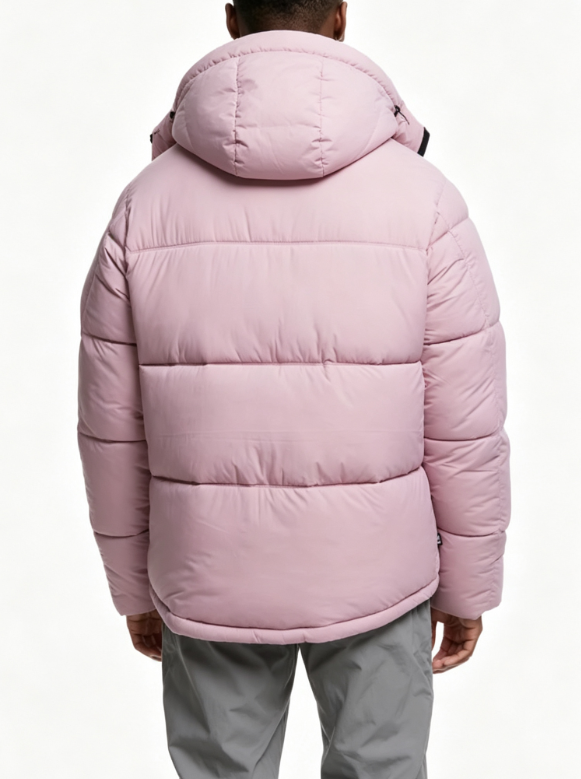
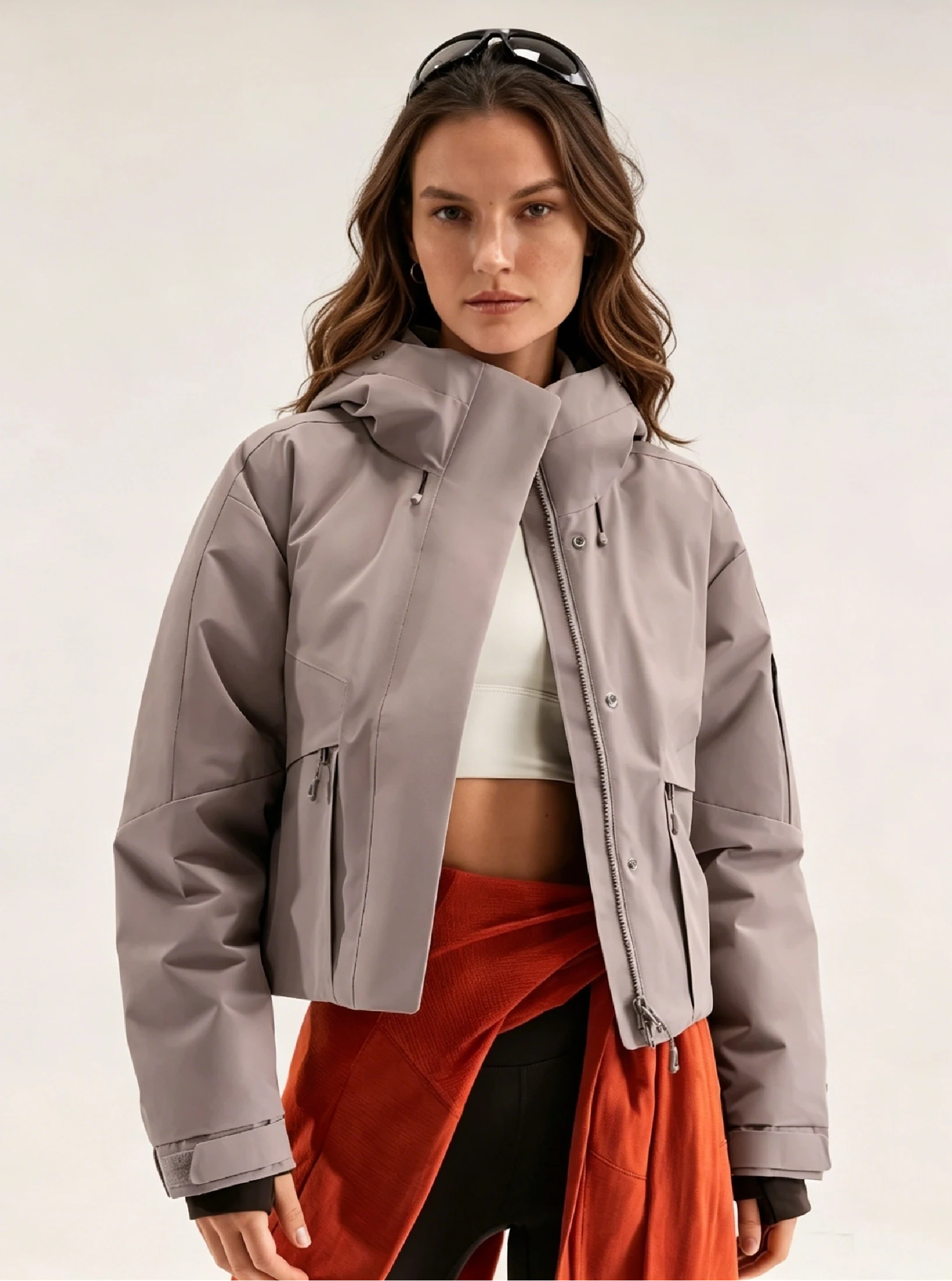

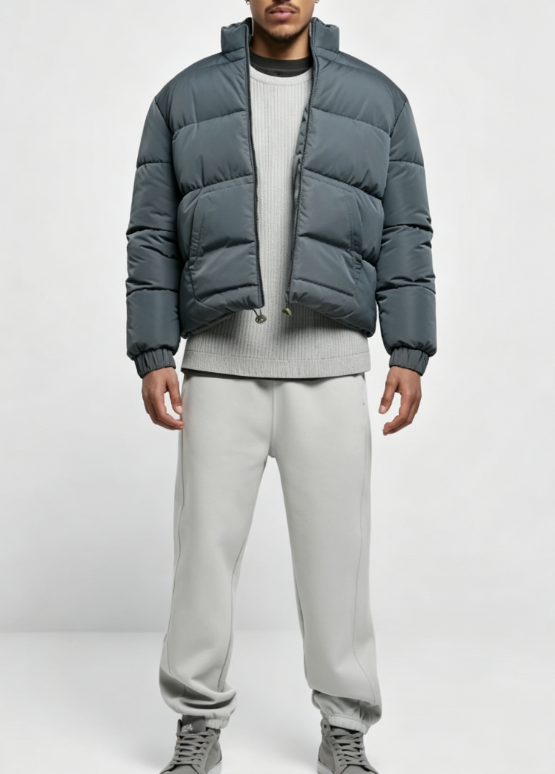
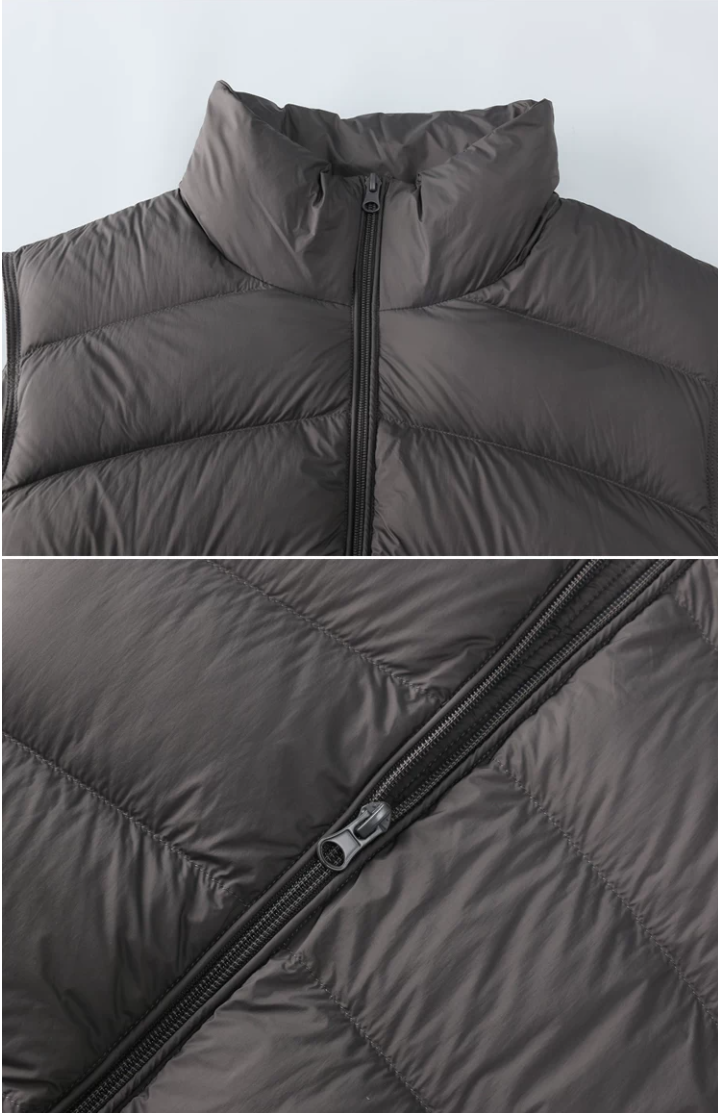


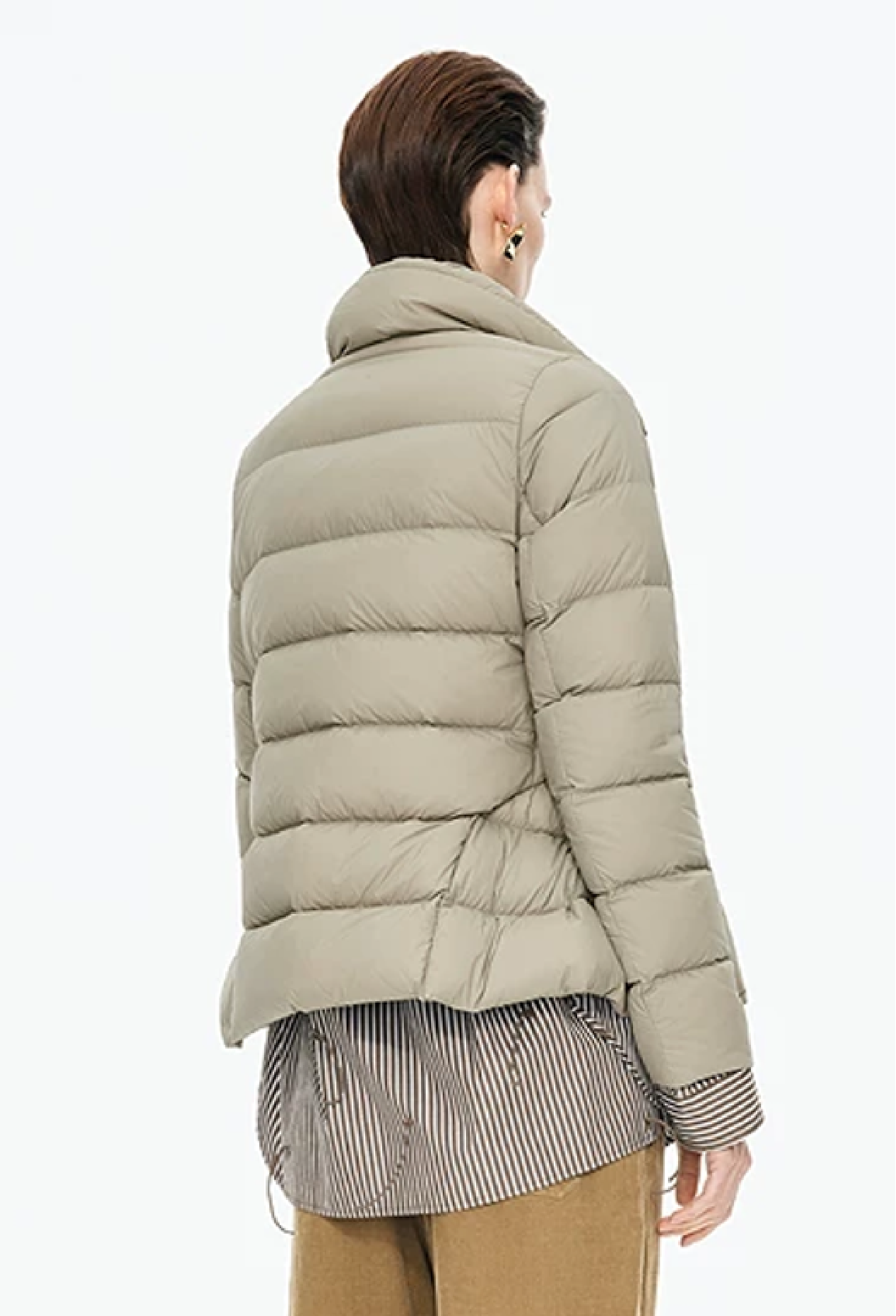


Related Product Catalogue and Quotation


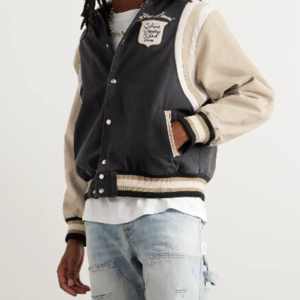


Reliable Down Jacket Manufacturer Support
From low-MOQ launches to repeat bulk orders, JUNSHEEN combines technical development, controlled sourcing and export-ready production.
100-Unit MOQ Scaling
Launch down jacket capsules from 100 units per style and color, then scale proven designs into dependable bulk production.
Technical Development
Turn tech packs, sketches or reference samples into production-ready specifications, patterns, prototypes and approval samples before bulk manufacturing.
Fit-Focused Size Grading
Develop balanced XS–3XL, plus-size and oversized fits with refined proportions, mobility and grading increments across the complete size range.
Material Sourcing Control
Source insulation, shell fabrics, linings and trims around target cost, warmth, hand feel, durability and wash performance requirements.
In-House Brand Details
Coordinate embroidery, printing, labels, zippers, patches, finishing and branded packaging through one accountable manufacturing supply chain.
Global Export Support
Support inspection, packed-goods quality control and worldwide shipping for sourcing teams, emerging labels and established outerwear brands.
Custom Outerwear and Apparel Manufacturing
Develop fit-focused apparel programs from 100 units per style and color, with development, decoration, finishing and private-label support in one supply chain.

Custom Hoodies
Develop custom hoodies in fleece, French terry or heavyweight jersey with custom fits from XS–3XL. Junsheen supports pattern making, rib trims, kangaroo pockets, embroidery, screen printing, washes, labels and branded packaging for low-MOQ and bulk programs.
Request a Quote
Custom T-Shirts
Produce custom T-shirts in combed cotton, Pima cotton, organic options and blended jersey. The team develops necklines, sleeve proportions and size grading, then applies screen print, DTG, DTF, embroidery, garment dye or specialty finishes to match your specification.
Request a Quote
Custom Jeans
Manufacture custom jeans in rigid, stretch or recycled denim with fit development across regular, oversized and extended-size ranges. Capabilities include pattern grading, custom washes, distressing, hardware, leather patches, embroidery, labels and coordinated private-label packaging.
Request a Quote
Custom Sweaters
Source and produce turtleneck sweaters in bulk using suitable yarns and sweater constructions for your target hand feel, weight and price point. Junsheen supports knit development, fit grading, color selection, trims, labels and pre-production samples before scalable manufacturing.
Request a Quote
Custom Jackets
Create custom jean jackets and other denim jacket programs with specified silhouettes, denim weights, washes and hardware. Development covers pattern work, fit review, pocket placement, embroidery or patches, custom buttons, labels and finishing for branded collections.
Request a Quote
Custom Sweatshirts & Crewnecks
Build custom crewneck sweatshirts and hoodie-adjacent fleece programs with refined body proportions, neck ribs and sleeve balance. Choose French terry, fleece or jersey constructions, then add puff print, embroidery, washes, custom labels and packaging for your brand.
Request a Quote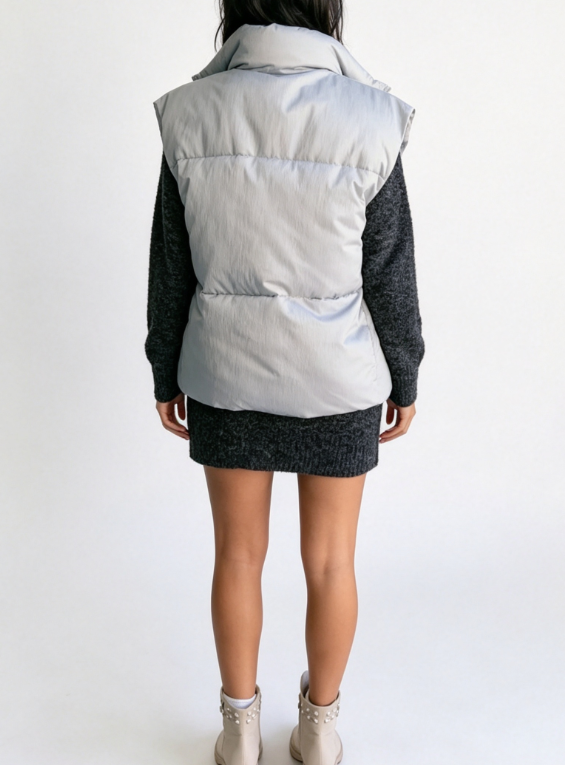
Custom Cardigans
Produce custom cardigans in knitwear constructions suited to lightweight layering, structured silhouettes or warmer seasonal assortments. Junsheen manages yarn and trim selection, button specifications, grading from XS–3XL, samples, labels and consistent repeat-order records.
Request a Quote
Custom Puffer & Down Jackets
Manufacture custom puffer jackets and down-jacket programs with development support for shell fabrics, insulation, quilting, linings, closures and functional details. The team reviews construction, fit and bulk-ready specifications while supporting low-MOQ launches and larger seasonal orders.
Request a Quote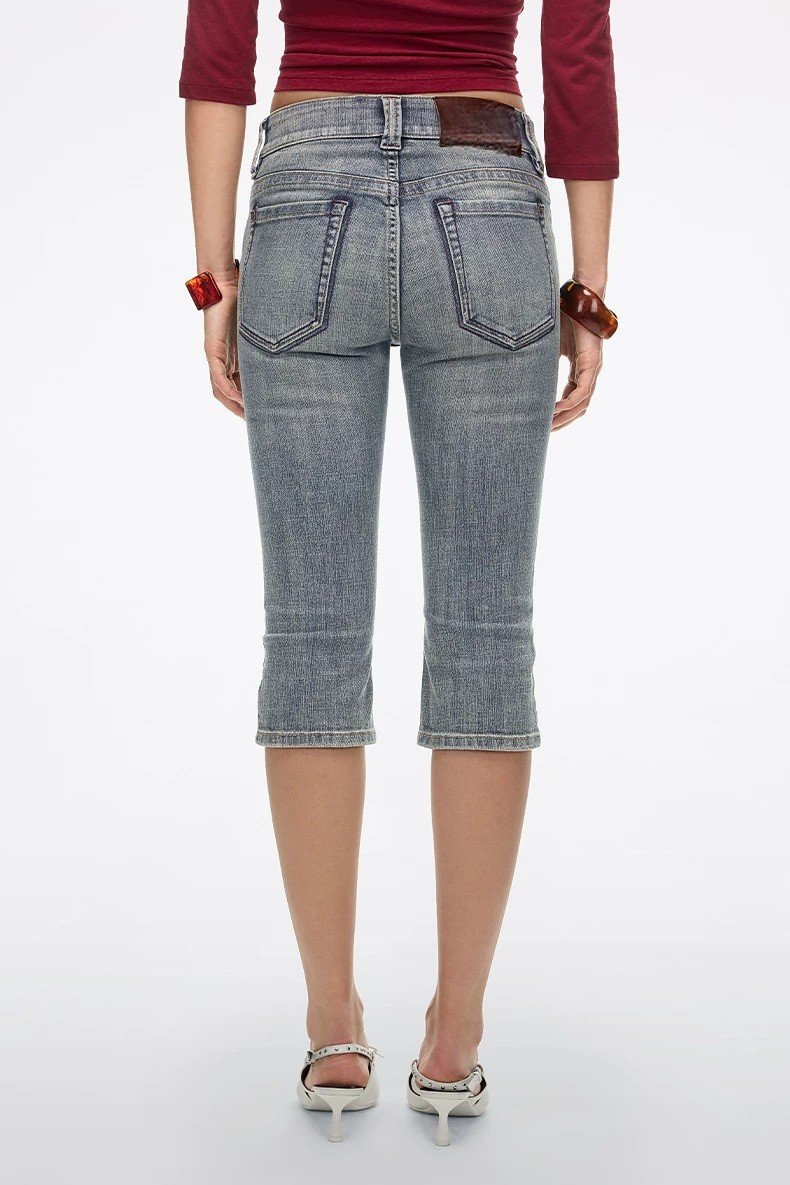
Custom Denim Shorts
Develop custom jean shorts in rigid or stretch denim with specified rises, inseams, hem treatments and wash effects. Junsheen supports fit grading, distressing, garment finishing, branded hardware, patches, embroidery, labels and packaging for men’s or women’s collections.
Request a Quote
Custom Sweater Dresses
Produce custom sweater dresses with knit constructions, yarn options and body proportions matched to your collection. Pattern and grading work addresses length, shoulder balance, sleeve shape and mobility across XS–3XL, followed by trim, label and packaging customization.
Request a Quote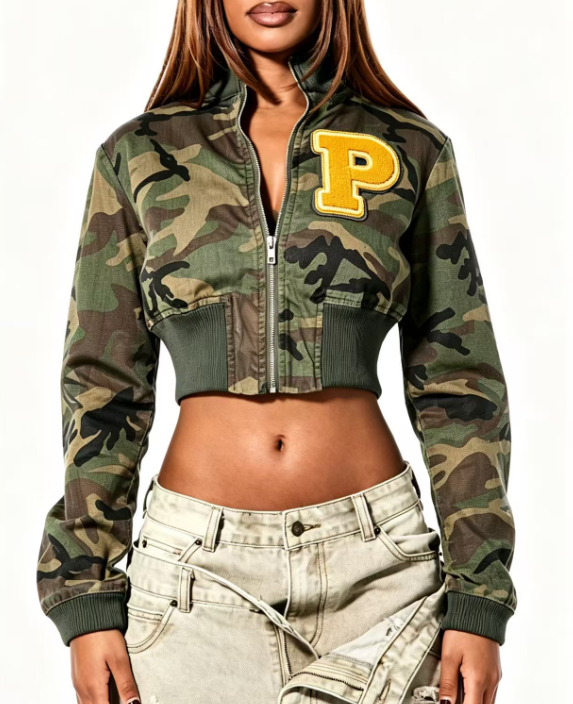
Custom Denim Sets
Manufacture men’s denim suits wholesale and coordinated denim sets with matched jackets, overshirts, jeans or shorts. Junsheen aligns fabric lots, washes, hardware and fit standards across pieces, then supports samples, private labels and scalable export production.
Request a Quote
Custom Polo Shirts
Create custom polo shirts in pique, jersey or performance knit fabrics with collar, placket and sleeve details built to specification. Options include embroidered logos, printed branding, contrast trims, size grading, labels and packaging for retail, uniform or wholesale programs.
Request a Quote
Custom Sweatpants
Produce custom sweatpants in fleece, French terry or jersey with fit-focused rises, inseams and leg proportions from XS–3XL. Customize elastic or drawstring waists, pockets, cuffs, prints, embroidery, washes, labels and coordinated hoodie or crewneck sets.
Request a Quote
Custom Shorts
Develop custom shorts for casualwear, denim, fleece, twill or performance-knit programs. Junsheen supports fabric selection, fit and inseam development, pockets, closures, decoration, garment washes, labels and packaging from 100 units per style and color.
Request a Quote
Custom Pullovers
Manufacture custom pullovers in knit, fleece, French terry or jersey constructions for seasonal layering and casualwear collections. Development includes neckline, sleeve and body proportion review, plus embroidery, printing, washing, custom trims, private labels and export-ready packing.
Request a QuoteDown Jacket Manufacturer Materials for Insulated Outerwear

Matte Nylon Shell
Lightweight, smooth and durable, matte nylon creates clean puffer jackets and technical down outerwear. Its tightly woven construction supports wind resistance, while optional water-repellent finishing improves everyday protection in wet, cold conditions.

Polyester Taslan Shell
Polyester Taslan offers a soft, cotton-like hand feel with dependable abrasion resistance for casual insulated jackets. It is suited to matte utility styles, and its textured yarn construction provides body without excessive weight.

Recycled Polyester Lining
Smooth recycled polyester lining helps jackets slide easily over layers while supporting responsible material choices. Commonly used inside puffers and parkas, it offers good tear strength, quick drying and reliable color consistency.

Down Feather Fill
Down and feather insulation delivers lofty warmth with a premium, lightweight feel for cold-weather jackets. Fill power and blend ratio can be specified to balance thermal performance, compressibility, garment weight and target price.

Synthetic Fiber Fill
Polyester fiberfill provides dependable insulation with a soft, cushioned hand and easier care than natural fill. Ideal for quilted jackets and moisture-prone markets, it retains warmth well and performs reliably after repeated washing.

Elastic Rib Trims
Cotton-polyester rib trims create comfortable cuffs, collars and hem bands that help seal in warmth. Their controlled stretch supports recovery during wear, making them practical for bomber-inspired down jackets and casual padded styles.
Down Jacket Manufacturer Decoration and Finishing Options

Logo Embroidery
Flat, 3D puff, chain-stitch, and applique embroidery adds dimensional branding to chest panels, sleeves, and back yokes. Stabilized placement and thread selection help retain a clean, durable appearance through regular wear.

Technical Screen Printing
Plastisol, water-based, silicone, high-density, foil, and puff screen printing creates bold logos and graphic details. JUNSHEEN matches ink systems to shell fabric and placement for strong visual definition and dependable adhesion.

Custom Patch Application
Woven, embroidered, leather, and custom-logo patches give down jackets a tactile private-label signature. Applied with suitable stitching or heat methods, they create durable identity details for heritage, streetwear, or performance-inspired collections.

Heat Transfer Graphics
DTF and heat-transfer applications support detailed multicolor artwork, small branding, and short-run customization. This method produces sharp graphics with controlled placement, making it useful for panels where conventional printing is less practical.

Garment Finishing Treatments
Softening, enzyme, anti-pilling, brushing, and napping treatments refine hand feel and surface character where fabric construction allows. The development team tests finishing choices to protect intended performance, color, and overall jacket appearance.
Custom Trims and Accessories for Your Down Jacket

Custom Zippers
Choose coil, molded or metal zippers with custom pullers, logo engraving and color-matched tape. Ideal for center fronts, pockets and ventilation openings where reliable closure and brand recognition matter.

Branded Snap Buttons
Add logo-embossed snap buttons for storm plackets, cuffs, pockets and detachable hoods. We coordinate finish, color and placement with your jacket fabric, insulation construction and intended retail position.

Drawcord Sets
Specify elastic or woven drawcords, branded aglets, cord locks and tipping for hoods and hem adjustments. These functional details help seal out wind while reinforcing your collection’s visual identity.

Woven Brand Labels
Create woven main labels, size labels and wash-care labels tailored to your private-label requirements. Labels can be sewn into necks, side seams or interior pockets for clear sizing and lasting brand presentation.

Custom Hang Tags
Pair every finished jacket with custom hang tags, barcode stickers and care inserts. We help align paper stock, finishes, messaging and attachment methods with your launch, wholesale and retail packaging needs.
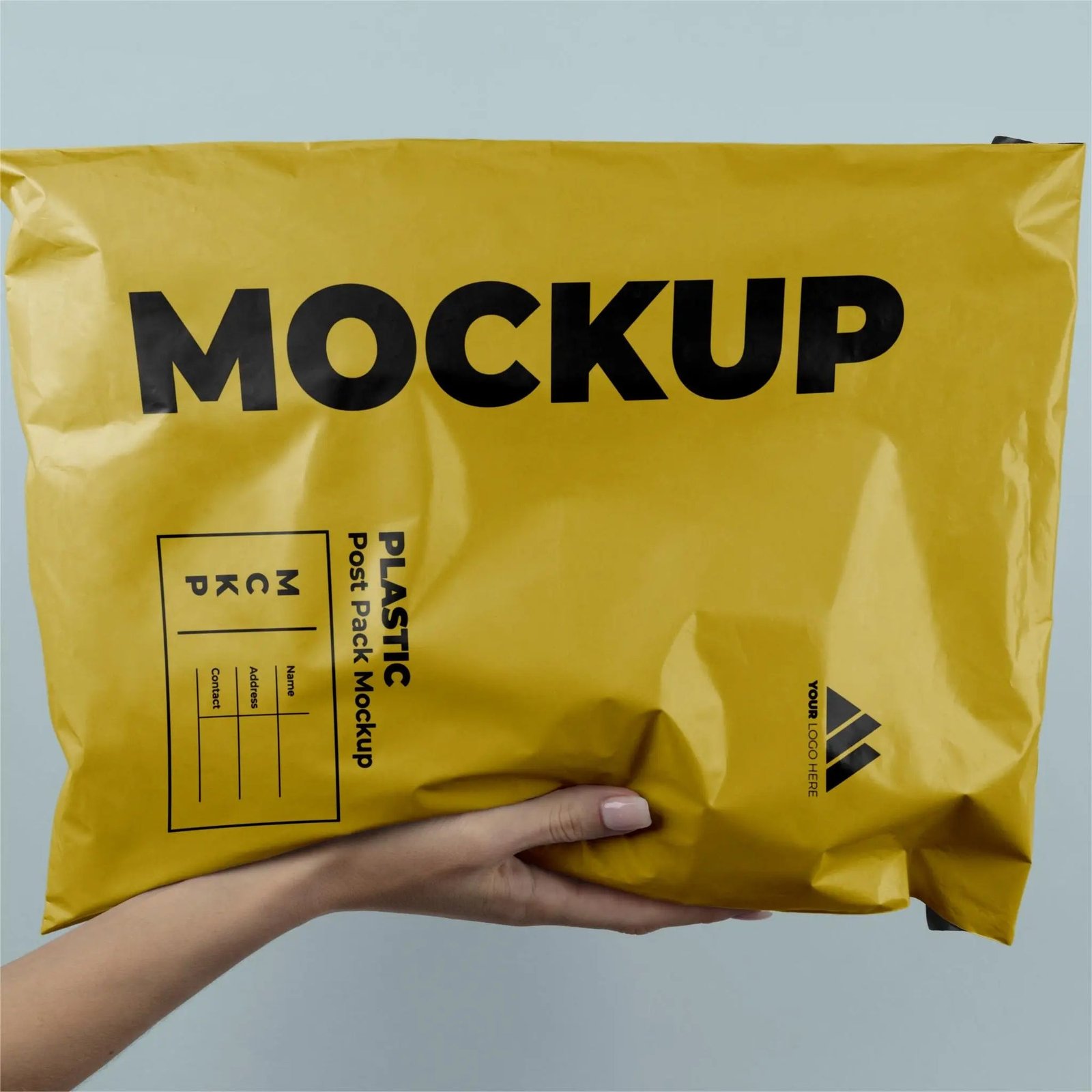
Branded Packaging
Complete your order with custom polybags, mailers, tissue paper, carton marks or garment bags. Packaging is prepared to protect down jackets in transit and deliver a consistent unboxing experience to buyers.
About JUNSHEEN, Your Down Jacket Manufacturer
Founded in 2010 in Humen Town, Dongguan, JUNSHEEN is a down jacket manufacturer and one-stop OEM, ODM, and private-label partner for fashion brands worldwide. We turn concepts, tech packs, sketches, and reference garments into production-ready outerwear with clear technical support from development through export.
Our 200+ skilled workers support cut-and-sew, knitwear, fabric sourcing, sampling, decoration, finishing, labeling, packaging, and quality control under one coordinated supply chain. With capacity above 80,000 units per month, we can support 100-unit capsule launches as confidently as scalable ongoing programs.
What distinguishes JUNSHEEN is fit-focused product development across XS–3XL, including extended-size, plus-size, and modern oversized grading. More than 2,000 fashion-brand clients have relied on our team for dependable construction, responsive communication, and global shipping support as their collections grow.

Down Jacket Manufacturer Capabilities, Explained
Fit Engineering Across XS–3XL
JUNSHEEN develops down jackets with balance, mobility, layering allowance and proportion considered across the full size range. Our pattern team refines shoulders, sleeve length, body volume and grading increments instead of merely enlarging a base size.
- Normal, extended-size, plus-size and oversized fit development
- Pattern making, grading and size-set review before bulk approval
- Layering-aware measurements for insulated outerwear
- Retained patterns and records for consistent repeat orders

Production-Ready Product Development
Bring a tech pack, sketch, reference garment or early concept to our development team. We review construction feasibility, recommend fabrics and trims, create prototypes and resolve details before your custom down jacket moves into scalable production.
- OEM, ODM and private-label development support
- Fabric, insulation, lining and trim sourcing guidance
- Prototype sampling and pre-production approval
- Low MOQ from 100 units per style and color

Integrated Outerwear Production
As a down jacket manufacturer with cut-and-sew and knitwear capability, JUNSHEEN coordinates development through packing in one supply chain. This helps protect construction consistency while giving brands more control over branding, decoration and finishing details.
- 200+ skilled workers and 80,000+ monthly unit capacity
- Embroidery, printing, washing and finishing options
- Custom labels, zippers, snaps, patches and branded packaging
- Scalable production for capsule launches and bulk programs

Quality Control at Every Stage
Quality checks begin with incoming materials and continue through in-line sewing, measurement, fit, decoration and final packed-goods inspection. Our team verifies approved specifications before export, helping brands reduce avoidable inconsistencies in custom outerwear orders.
- Incoming fabric and material inspection
- In-line construction and measurement checks
- Fit, decoration and final packing verification
- Global export support for fashion brands worldwide

Why Brands Choose JUNSHEEN as Their Down Jacket Manufacturer
One accountable team for fit, development, production and repeat-order consistency.
← 左右滑动查看 →
Down Jacket Manufacturer Production Process
A clear, fit-focused path from feasibility review to export-ready insulated outerwear.
Feasibility and Sourcing
We review your tech pack, sketch, or reference garment, confirm construction requirements, and recommend shell, lining, insulation, trims, and target-cost options.
Pattern and Fit Development
Our pattern makers build and grade fit-focused down jacket patterns from XS–3XL, refining proportions, mobility, sleeve balance, and oversized or extended-size requirements.
Prototype Sampling Approval
We produce a development sample for fabric, fill, construction, decoration, and measurement review, then incorporate your feedback before pre-production approval.
Bulk Production Setup
After approval, we secure materials, prepare cutting and sewing plans, confirm labels and packaging, and begin scalable production from 100 units per style and color.
Quality Control and Shipping
Inspections cover materials, construction, measurements, fill distribution, decoration, and packed goods before branded packing, export documentation, and global shipment coordination.
Work With Our Down Jacket Manufacturer
Move from concept to controlled bulk production with a clear, fit-focused OEM workflow.
Submit Your Concept
Send a tech pack, sketch, reference garment, or mood board. Our team reviews your down jacket design, fit goals, materials, and branding requirements.
Review Feasibility and Quote
Confirm construction, insulation, fabric, trims, decoration, MOQ, and target cost. We recommend production-ready improvements and provide a clear quotation for your program.
Approve Development Samples
Review prototype samples, measurements, fit, workmanship, and private-label details. Refine patterns and materials as needed before approving size sets and pre-production standards.
Begin Controlled Bulk Production
After approval, our 200-plus skilled workers manage fabric inspection, in-line checks, final quality control, packing, and global export support for consistent delivery.
Custom Clothing Manufacturer Credentials and Compliance Documents



Client Results from Our Down Jacket Manufacturer
JUNSHEEN turned our sketch into an approved down-jacket sample in two rounds instead of the five revisions we expected. Their team corrected the sleeve balance and grading, so our XS–3XL launch fit consistently across the full size range.
We started with 120 units per color and scaled to 3,600 units for our second winter drop. Sampling stayed organized, decoration matched the approved strike-off, and the finished jackets arrived ready for our retail fulfillment partner.
The fit comments from our first release dropped by 38% compared with our prior supplier. JUNSHEEN understood that plus-size outerwear needs more than a larger base pattern, and their production updates made the bulk order easy to manage.
Down Jacket Manufacturer FAQs
Clear answers on MOQ, development, production, payment, shipping, materials and confidentiality for custom insulated outerwear.
What is the minimum order quantity for a custom down jacket manufacturer?
Can a down jacket manufacturer make samples before bulk production?
How long does custom down jacket manufacturing take?
Which materials can you use for custom down jackets?
Can your down jacket manufacturer help with private-label branding?
What payment terms does JUNSHEEN offer for down jacket orders?
Do you ship custom down jackets internationally?
How does JUNSHEEN protect designs and product information?
The Complete Buyer’s Guide to down jacket manufacturer
Use this practical framework to evaluate down jacket manufacturing partners, compare materials and construction standards, set realistic costs and timelines, and avoid sourcing mistakes that undermine quality, margins, and brand credibility.
1. What Is a down jacket manufacturer?
100 units per style and color can be enough to launch a custom insulated outerwear program, but a down jacket manufacturer does more than sew shells. It translates a tech pack, sketch, or reference garment into a production-ready jacket through material sourcing, pattern development, prototype sampling, insulation specification, assembly, measurement control, and final inspection. A factory primarily executes cutting, sewing, filling, and packing against approved specifications; a trading company typically coordinates suppliers without owning the production floor. A private-label supplier may offer ready-made jacket bases with logo and label changes, while a full-package partner manages development through export, including fabrics, trims, size grading, samples, bulk production, and quality control. 3 critical approvals should precede bulk cutting: the fit sample, the pre-production sample, and the bulk-material confirmation. Brands should expect guidance on shell and lining selection, down or synthetic-fill options, fill weight, baffle construction, zippers, snaps, branded labels, packaging, inspection points, and shipment documentation. JUNSHEEN combines development and cut-and-sew production from Humen, Dongguan, supporting OEM, ODM, private-label, and low-MOQ programs. For a fashion label, the practical test is whether the supplier can identify manufacturability risks early, record approved specifications, and reproduce the jacket consistently as volumes grow.
2. Evolution of Down Jacket Production
1930s expedition garments established the down jacket as protective equipment: high-loft natural insulation was held between heavyweight woven shells, with warmth prioritized over silhouette. Early production emphasized compartment control, wind resistance and durable closures because wet-out, fill migration and seam leakage could quickly reduce thermal performance. 1970s ski and mountaineering demand pushed lighter nylon shells, narrower baffles and more packable constructions into mainstream retail. As outdoor styling crossed into streetwear, a down jacket manufacturer had to balance fill power, garment weight, hood shape, color direction and a clean fashion fit rather than build only for extreme weather. 2000s supply chains added recycled polyester shells, recycled down options, traceability documentation and water-repellent finishes to the development brief. Buyers now expect evidence for insulation origin and chemical compliance, plus testing aligned with the intended market; OEKO-TEX material documentation and responsible-down certification may be relevant where specified. 100-unit style-and-color programs have also changed the route to market for private labels. Lower-MOQ development lets a brand test cropped puffers, longline coats or oversized unisex fits by season, but approval still needs shell weight, fill specification, baffle map, trim performance and pre-production samples locked before bulk production.
3. Types of down jacket manufacturer Models
Manufacturer models determine who owns the design, who solves development issues, and how quickly a program can launch. A down jacket manufacturer may offer one model or combine several as a brand grows.
| Model | Design Ownership | Speed And MOQ | Best Fit |
|---|---|---|---|
| OEM | Buyer-owned | Longer development; volume-oriented | Established brands |
| ODM | Factory base, buyer adaptations | Fastest; often lower entry MOQ | Trend-led launches |
| Private label | Factory base, branded by buyer | Fast; low-risk testing | New labels and retailers |
| Full package | Buyer concept, developed jointly | Sampling first; flexible around 100 units | Independent designers |
| Technical specialist | Buyer or joint development | Slower; higher technical MOQ | Performance outerwear brands |
| Sourcing intermediary | Varies by supplier | Adds coordination time and margin | Buyers needing supplier access |
Core Production Models
OEM factories build buyer-owned tech packs and approved samples; they suit established brands with technical teams and repeat-volume forecasts. ODM factories start from factory-developed blocks or seasonal styles, shortening development but limiting exclusivity unless revisions are substantial.
Private Label And Full Package
Private-label programs apply a buyer’s labels, packaging, and selected trims to existing or adapted garments; they are practical for emerging labels testing demand. Full-package production adds fabric sourcing, patterns, grading, sampling, and production management. It gives independent designers deeper support from a sketch, reference garment, or mood board.
Specialists And Intermediaries
Technical outerwear specialists are appropriate when a style requires sealed seams, bonded constructions, waterproof membranes, or performance testing; their MOQs and development costs can be higher. Sourcing intermediaries coordinate several suppliers. They can reduce a new buyer’s workload, but add margin and may obscure the actual factory’s capability or quality-control responsibility.
4. Down Jacket Materials and Fabrics
20D–70D nylon and polyester shells balance abrasion resistance, packability, and cost; recycled versions need the same performance testing. A down jacket manufacturer should specify lining, insulation, trims, and finish as one moisture-management system.
| Material | Warmth/Weight | Water Resistance | Cost/Market |
|---|---|---|---|
| Nylon | Low insulation; very light | High with DWR | Mid; premium packable shells |
| Polyester | Low insulation; moderate weight | Moderate with DWR | Low-mid; broad retail |
| Recycled synthetics | Low insulation; moderate weight | Moderate with DWR | Mid; sustainability-led programs |
| Cotton blends | Low insulation; heavy | Low unless coated | Mid; heritage casualwear |
| Real down | High warmth; lowest weight | Low when wet | High; premium cold weather |
| Recycled down | High warmth; low weight | Low when wet | Mid-high; circular premium |
| Synthetic insulation | Moderate warmth; moderate weight | Better when damp | Mid; active and value outerwear |
Shells And Linings

20D nylon is lightweight and commonly used for premium packable jackets, while 50D–75D polyester better suits value-oriented outerwear. Cotton-blend shells add a matte heritage look but dry slower and weigh more. 210T polyester or nylon taffeta linings reduce friction and help insulation loft; verify downproof coating when using loose fill.
- Request tear-strength and colorfastness results.
- Specify DWR, PU, or breathable membrane.
- Match shell denier to intended abrasion exposure.
Insulation Selection
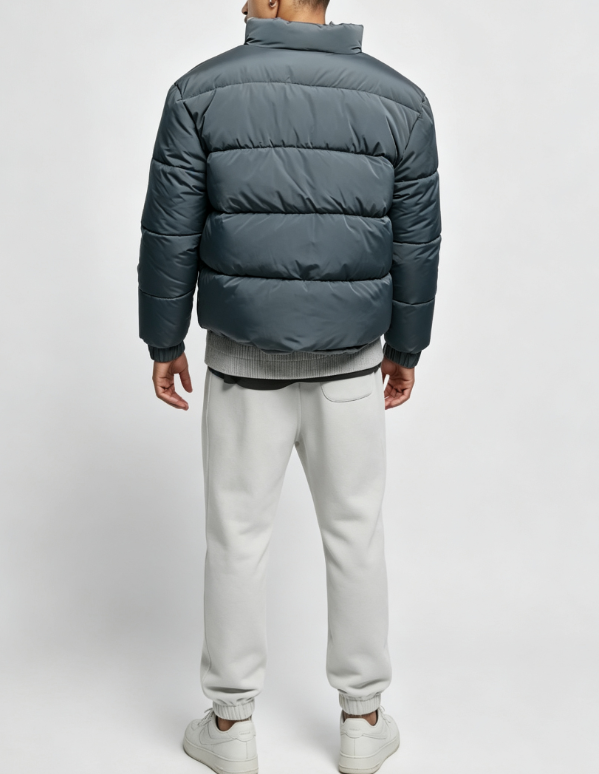
550–900 fill power measures down loft, not total warmth; fill weight determines how much insulation enters each chamber. A 700-fill-power jacket with adequate grams of fill can outperform a lightly filled 900-fill-power style. Real down targets premium warmth-to-weight, recycled down supports circular material stories, and synthetic insulation retains more warmth when damp. Confirm blend ratios, species, and finished-garment fill weight.
- Request RDS or equivalent traceability documentation.
- Ask for recycled-content transaction certificates.
- Approve fill weight by size, not only sample size.
Trims And Protective Finishes

YKK zippers, snap strength, elastic recovery, and cord-lock function should be tested on production-representative materials. Durable water-repellent finishes shed light precipitation but do not make a garment waterproof. 30–50 mm seam tape, storm flaps, brushed pocket bags, and rib cuffs should match the planned climate and retail tier.
- Check zipper operation after wash testing.
- Specify fluorine-free DWR when required.
- Document trim material composition for compliance.
5. Customization and Branding Options
A 100-unit color-and-style starting point makes customization possible, but each added material, hardware choice, or construction change must be documented. A down jacket manufacturer needs one aligned tech pack before sampling begins.
| Customization | Primary Effect | Complexity Signal |
|---|---|---|
| Silhouette, hood, pockets | Function and fit | Pattern revision |
| Quilting and finish | Warmth and appearance | Construction sampling |
| Labels and packaging | Brand presentation | Artwork and trim approvals |
| Custom hardware or colors | Function or identity | Higher MOQ or lead time |
Function-First Design Choices

Three silhouette decisions drive wear performance: cropped or long body, relaxed or shaped volume, and articulated or straight sleeves. Specify intended layering, finished measurements, hood adjustment, pocket access, and quilting layout before selecting branding. Five quilting variables affect insulation stability and labor: channel width, box size, stitch direction, baffle height, and fill distribution. Large bespoke baffles, removable hoods, waterproof zippers, and multiple pocket types usually require extra development time.
- State target body length and ease
- Map every pocket and closure
- Show quilting dimensions on flats
Branding And Finish Details

Pantone-approved shell colors, contrast linings, matte or glossy finishes, embroidery, patches, and print details primarily shape visual identity. Place logos away from seam allowances, zipper tapes, and high-abrasion zones to protect legibility. Four private-label components should be specified together: main label, size label, wash-care label, and hang tag. Branded polybags, cartons, zipper pulls, and woven patches should include artwork, material, dimensions, placement, and approval references.
- Use vector artwork for logos
- Approve color under production lighting
- Define packaging fold method
Control Complexity In Sampling
One base shell, one lining, and one approved hardware family keep early sampling focused on fit and construction. New custom colors, exclusive fabric finishes, molded pulls, and complex multicolor embroidery can raise minimums, sampling rounds, or unit cost. Two documents prevent conflicting requests: a technical flat with callouts and a bill of materials. Junsheen can review fabrics, trims, pattern feasibility, grading, and private-label details from a finished pack or an early design reference.
- Lock silhouette before logo placement
- Consolidate trims across colorways
- Record approved sample revisions
6. Construction Details That Define Quality
Construction quality is visible before wear testing: baffle geometry controls migration, while seam, fabric, and hardware choices determine whether insulation stays dry, contained, and evenly distributed. Ask a down jacket manufacturer for measurable evidence, not generic promises.
Baffles And Fill Control
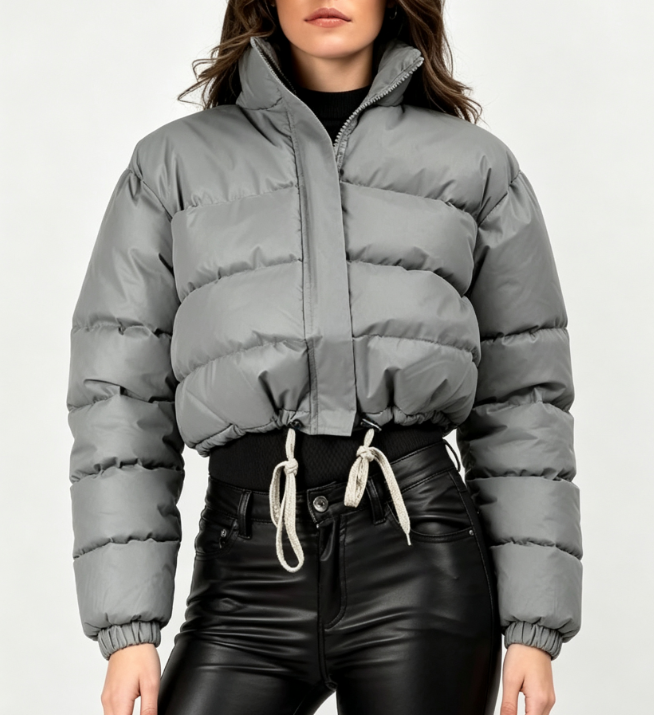
5–8 cm baffles suit many lightweight puffers; larger chambers can create cold spots unless fill weight is calculated per compartment. Compare front, back, sleeve, and hood fill placement against the approved specification. 3 production photos should show empty shell, partly filled chambers, and completed quilting. Inspect for matching baffle spacing, no visibly underfilled cells, and no feather accumulation at stitch lines.
Shell And Seam Integrity

20–40 denier downproof nylon or polyester is common for lightweight shells, but the fabric must be assessed with its coating, stitch count, and seam construction. Dense needle holes can become leakage paths if tension is wrong. 10 cm sample seam sections should lie flat without puckering, skipped stitches, or loose thread tails. Request closeups of armholes, pocket corners, and quilting intersections before bulk approval.
- Check needle-hole leakage after flexing
- Inspect consistent stitch tension and spacing
- Confirm seam allowances are fully enclosed
Hardware And Stress Points

1 zipper should run smoothly under light tension, with tape secured at both ends and a guard preventing fabric catches. Specify branded hardware, such as YKK, only when it is actually included in the bill of materials. 2 reinforcement areas deserve enlarged photos: pocket openings and the zipper base. Also inspect cuff attachment, hood drawcord exits, and bar tacks at stress points.
Wash And Wear Verification
1 approved sample should be washed and tumble-dried to the agreed care method before production release. Record loft recovery, fill migration, seam leakage, shrinkage, and zipper function after the cycle. 4 evidence requests keep inspection objective: measurement sheet, fill-weight record, pre-shipment photos, and wash-test results. Compare every item with the signed sample and tech pack.
7. How to Choose a down jacket manufacturer
100-unit per style-and-color flexibility can suit a capsule, but capacity alone does not prove outerwear competence. Evaluate the down jacket manufacturer through documented development control, material traceability, inspection ownership, and export-ready communication.
| Checkpoint | Ask Before Sampling | Evidence To Review |
|---|---|---|
| Materials | Can you source specified down, recycled fills, shell fabrics, and YKK-equivalent trims? | Swatches, supplier records, test reports |
| Quality | Are incoming, in-line, measurement, and final inspections in-house? | QC checklist and defect procedure |
| Compliance | Which OEKO-TEX, GOTS, WRAP, or BSCI documents apply? | Current scope-specific certificates |
| Delivery | What are sampling, approval, bulk, and export lead times? | Critical path and shipment history |
Verify Outerwear Evidence
3 reference styles should show baffle layouts, seam sealing where specified, fill handling, zipper installation, and finished interior views. Ask for comparable samples, factory-process photos, destination markets, and recent client references before approving development spend.
Test Sampling And Communication
1 paid sample should confirm the tech pack, measurement chart, fill specification, shell and lining, trims, label placement, and packing method. Ask who owns pattern revisions, how comments are recorded, what a revised sample costs, and the realistic sample-to-bulk timeline.
Audit Supply Chain Control
200-plus workers and 80,000-plus monthly units indicate Junsheen can support growth, while a 100-unit starting MOQ limits early inventory exposure. Its integrated sourcing, pattern making, grading, decoration, QC, packaging, and export support reduces handoffs between separate vendors.
8. Common Down Jacket Sourcing Mistakes
One missing fill specification or measurement tolerance can turn a competitively quoted jacket into an expensive rework. Before placing a first or repeat order, convert each risk into a written approval point with the down jacket manufacturer.
Lowest Quote Trap
Three quotes can describe three different jackets when shell weight, fill, hardware, and inspection scope vary. Compare a line-by-line bill of materials and confirm what sampling, labels, packaging, and defect handling include.
- Request fabric composition and GSM
- Confirm zipper and trim specifications
- Compare quoted Incoterms and inspection scope
Incomplete Technical Files
A tech pack without construction sketches, Pantone references, measurements, and tolerances invites interpretation during sampling. Supply a graded spec sheet, artwork files, label placements, and a reference sample before approving production.
- State shell and lining composition
- List stitch, pocket, and hood details
- Set critical measurement tolerances
Fill, Fit, And Approval
Fill power, fill weight, down-to-feather ratio, and chamber construction affect warmth, bulk, and cost differently. Confirm these values, then review a pre-production sample and size set rather than approving only photos. XS through 3XL requires proportionate grading, not simple enlargement of one base size. Check shoulder balance, sleeve length, chest ease, hem sweep, and mobility on the intended fit model.
- Specify fill type and target weight
- Approve a sealed pre-production sample
- Measure every graded size
Testing, Shipping, And Terms
Seven to 21 days of freight variability can disrupt a seasonal launch when testing, export documents, and final balance timing are left late. Confirm applicable testing, inspection level, Incoterms, carton marks, delivery window, payment stages, and written defect remedy before deposit.
- Confirm test method and pass criteria
- Book inspection before final packing
- Define rework, credit, or replacement terms
9. Launching With a down jacket manufacturer
A 100-unit MOQ lets a brand test one focused silhouette, color, and price position before committing to a broader range. Treat each approval as a decision gate: unresolved fit, materials, or branding details become costly once bulk cutting starts.
Define The Market Position
1 target customer and retail-price band should guide fill level, shell hand feel, length, and trim choices. Provide reference images, competitor links, target FOB cost, size range, color count, logo artwork, and intended sales channels.
Build A Production Brief
1 usable tech pack should specify measurements, construction callouts, bill of materials, Pantone colors, label placements, and packing requirements. A down jacket manufacturer can review a sketch or sample garment, but missing specifications must be resolved before quotation is comparable.
Approve Materials And Samples

2 approvals matter before bulk: the material swatch and the development sample. Confirm shell, lining, insulation, zipper, hardware, and print or embroidery against the approved standard; then revise fit, mobility, and measurement tolerances through a size set if needed.
Release Bulk And Inspect
100 units can be split by approved sizes and colors for controlled market testing, subject to style-color MOQ confirmation. Issue pre-production approval only after construction, labeling, packaging, and final measurements are signed off; inspect incoming materials, in-line sewing, decoration, and packed goods before shipment.
Plan Replenishment Early
1 repeat-order file should retain the approved pattern, graded measurements, fabric details, trim codes, and inspection notes. Review sell-through, return reasons, and customer fit feedback after launch, then adjust colors or proportions before placing the next run.
10. Down Jacket Manufacturing Pricing and Costs
100 units is a practical entry tier for custom down jackets, but sample development, low material utilization, and color-specific trims keep the per-unit cost above a repeat bulk program. A usable quote separates ex-factory garment cost from testing, packaging, duties, and freight so sourcing teams can compare suppliers on the same basis. 80–120 gsm shell fabrics and 120–250 g insulation packages can create materially different costs before quilting begins. Certified down, recycled insulation, higher fill power, baffle construction, waterproof membranes, YKK zippers, Pantone-matched trims, embroidery, lab testing, and destination-specific freight each change the final landed cost. 30–45 days is a typical bulk-production planning window after approval of materials and the pre-production sample; complex sourcing or testing can extend it. Final pricing requires a confirmed specification—fabric composition and weight, insulation type and fill amount, size range, colorways, decoration, packaging, order quantity, Incoterm, and destination.
| Quantity tier | Estimated ex-factory unit price | Typical lead time | Key cost drivers |
|---|---|---|---|
| 100–299 units | US$38–75 | 35–50 days | Sampling allocation, specialty fabrics, custom trims |
| 300–999 units | US$29–60 | 30–45 days | Insulation, quilting, branded components |
| 1,000+ units | US$23–48 | 30–45 days | Fabric volume, fill weight, testing, packing |
Start Your Custom Down Jacket Manufacturer Project
Send your tech pack, reference garment or product idea for feasibility review, fit development and production-ready sampling from 100 units.