Custom Jeans Made for Brands, From 100 Units
Fit-focused custom jeans made with OEM, ODM, and private-label support, from XS–3XL development through scalable global production.
Featured Products for custom jeans made Development
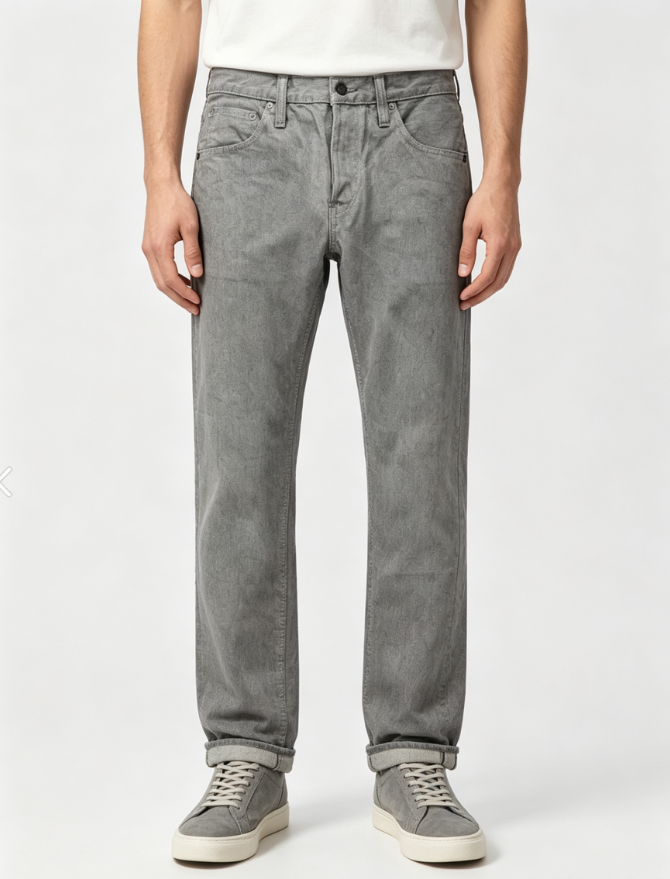

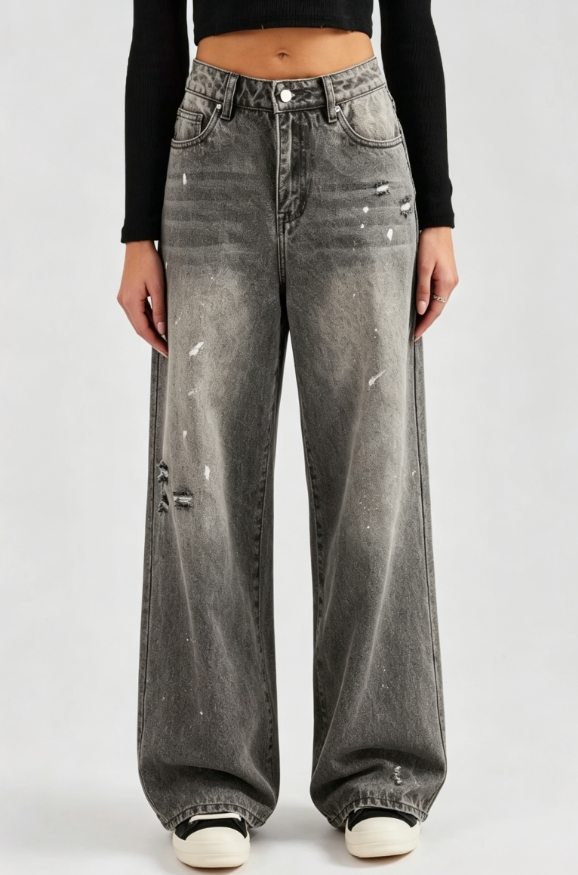


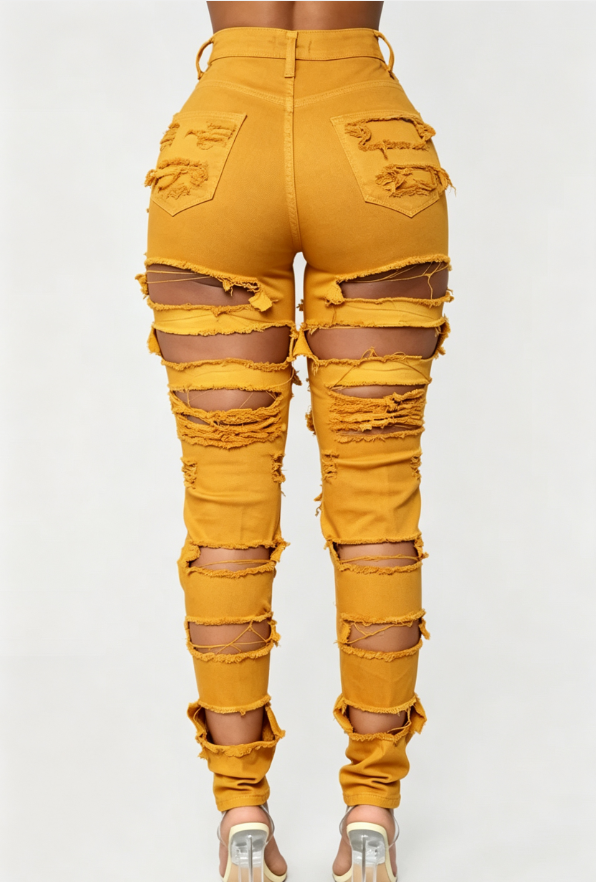
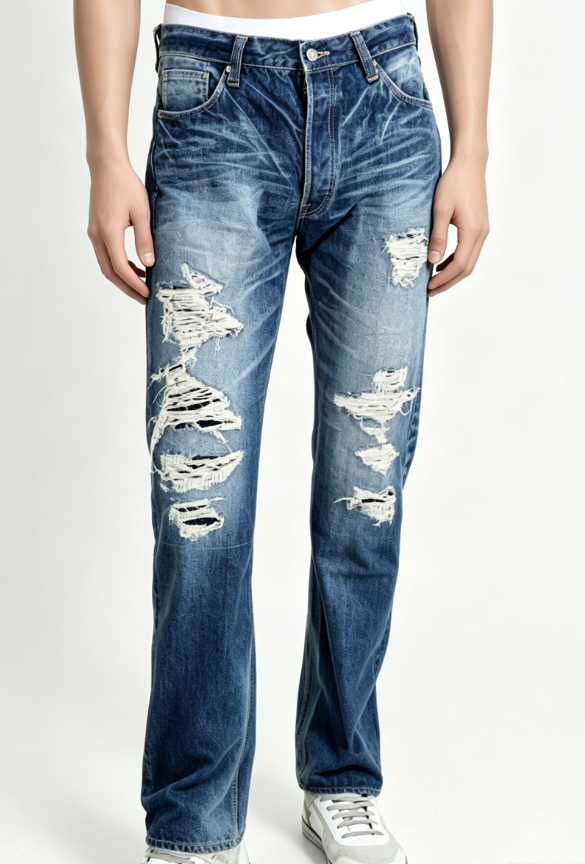
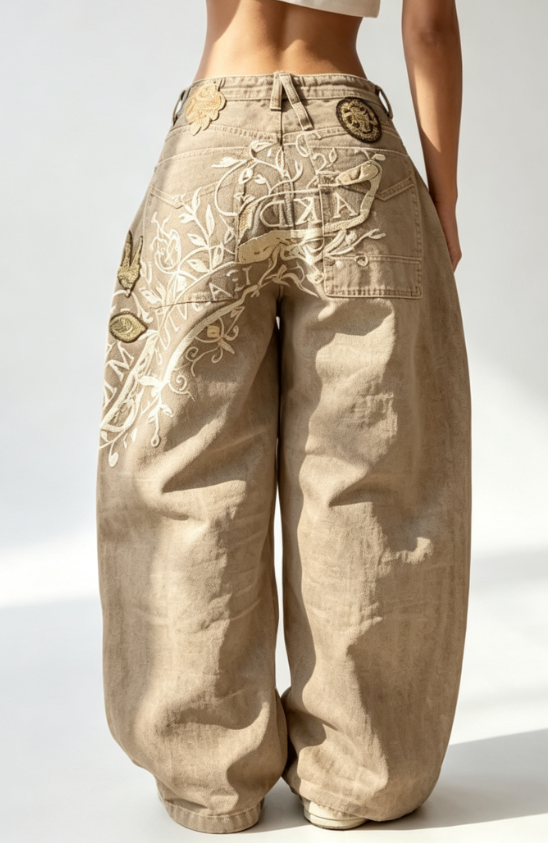

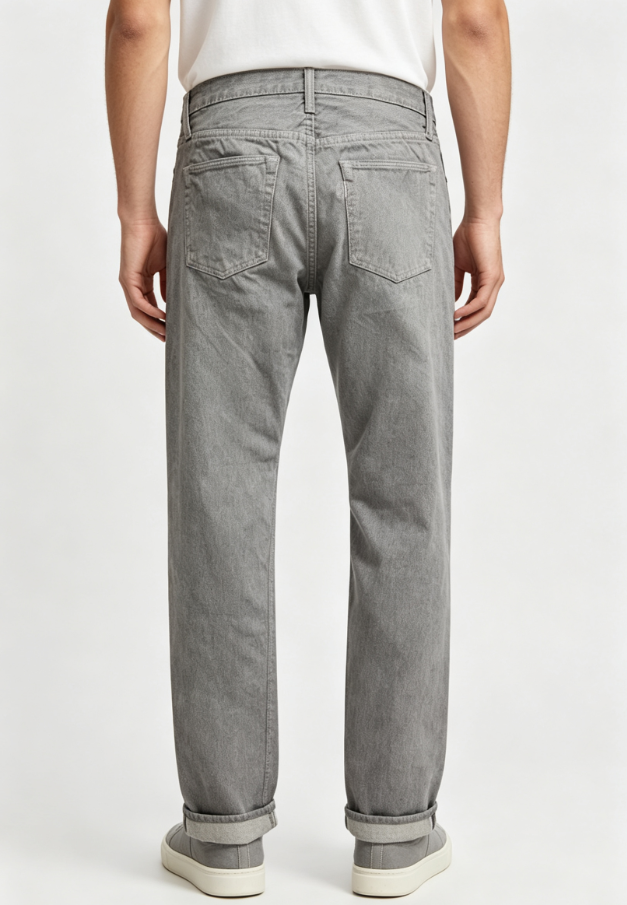


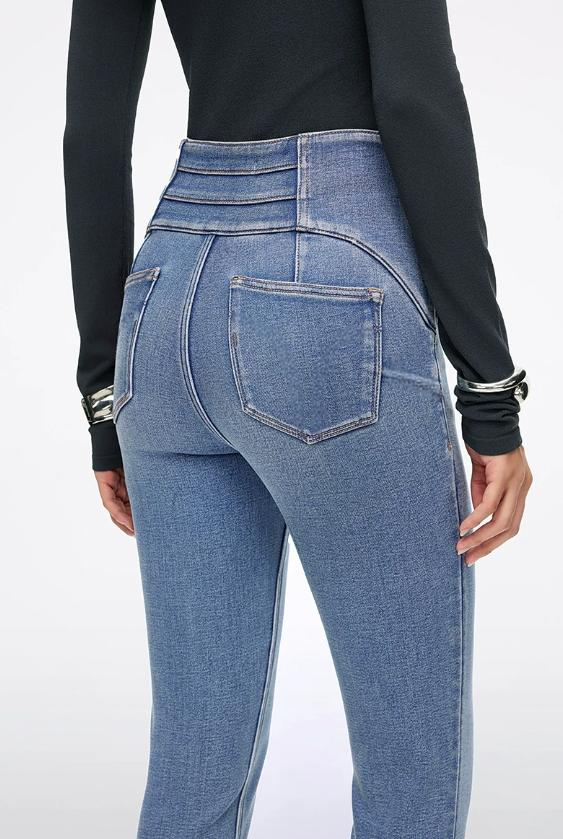

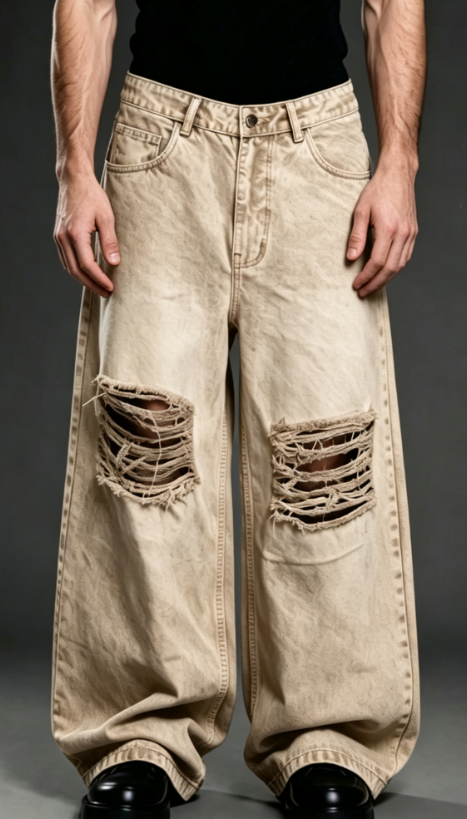
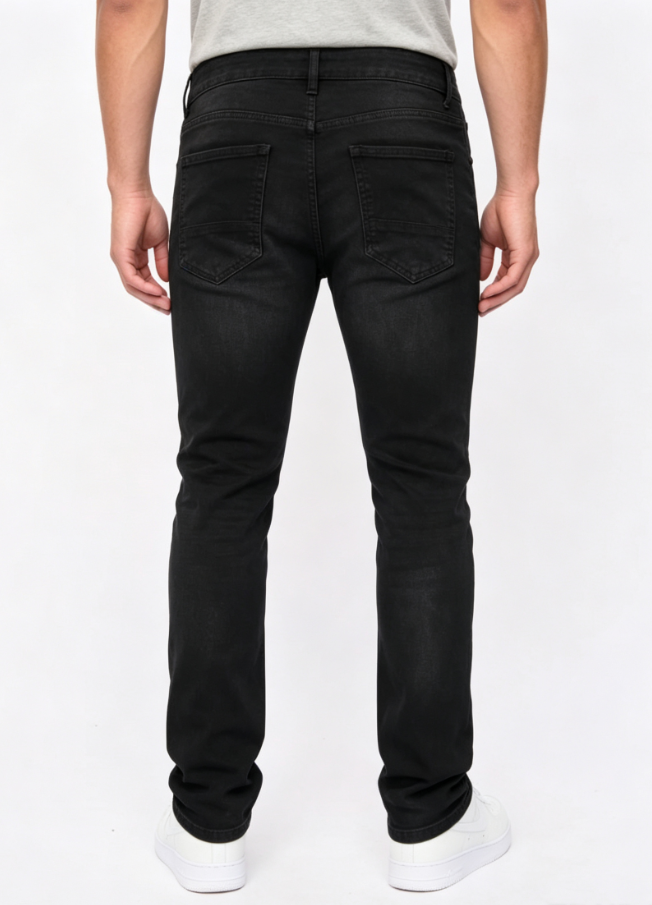
Related Custom Jeans Catalogue & Quotation






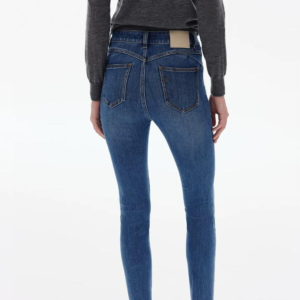
Why Brands Choose JUNSHEEN to Have Custom Jeans Made
From fit development to export-ready bulk production, we integrate the capabilities denim programs need to launch and scale.
100-Unit MOQ
Launch capsule denim collections from 100 units per style and color, with OEM, ODM, private-label, and wholesale support.
XS–3XL Fit Development
Patterns are developed and graded from XS to 3XL, refining rise, proportions, mobility, and consistency rather than simply enlarging sizes.
Integrated Denim Finishing
Coordinate embroidery, printing, washes, finishing, labels, trims, and branded packaging through one denim production partner for cleaner execution.
Scalable Production Capacity
More than 200 skilled workers and 80,000 monthly units support dependable sampling, repeat programs, and growth from launches to bulk orders.
Global Export Support
From material records and quality inspections to export-ready packing, Junsheen helps global sourcing teams move denim orders forward confidently.
Custom Denim for Every Program
Develop fit-focused casualwear, denim, knitwear, and outerwear from low-MOQ launches to repeat global production.

Custom Hoodies
Develop custom hoodies in fleece, French terry, or jersey with your required weight, fit, embroidery, printing, washes, labels, and packaging. Fit development from XS–3XL supports standard, extended-size, plus-size, and oversized assortments.
Request a Quote
Custom T-Shirts
Produce custom T-shirts from combed cotton, Pima cotton, organic options, or blended jersey. Junsheen supports custom tshirt specifications including weight, neckline, sleeve proportion, size grading, screen printing, DTG, embroidery, labels, and bulk-ready finishing.
Request a Quote
Custom Jeans
Build custom jeans from stretch or rigid denim with original fits, rises, washes, hardware, pockets, and branded trims. Pattern makers refine proportions across XS–3XL, helping denim programs maintain consistent fit through sampling and repeat production.
Request a Quote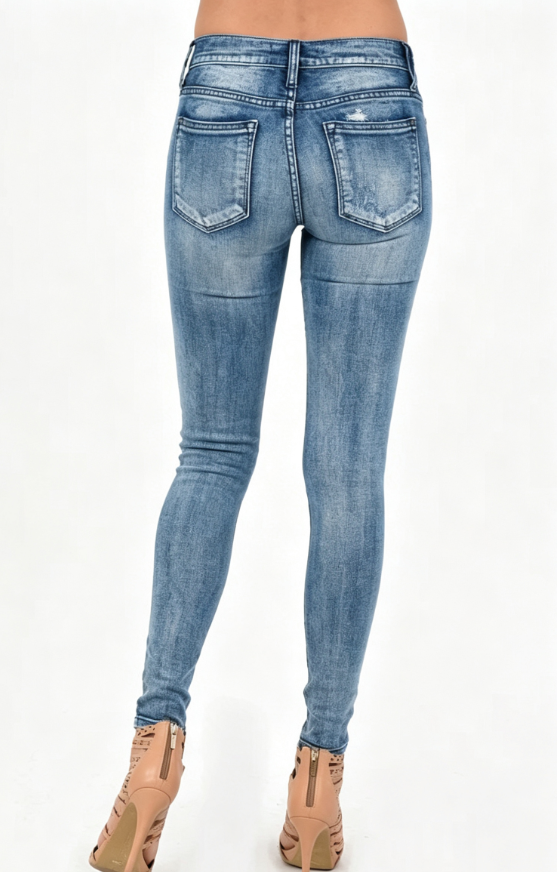
Custom Sweaters
Source turtle neck sweater bulk programs in yarns and constructions matched to target hand feel, warmth, and price. Junsheen develops gauges, neck shapes, body lengths, grading, labels, and packaging for private-label knitwear production.
Request a Quote
Custom Jackets
Create custom jean jackets in denim, twill, or stretch constructions with specified silhouettes, washes, hardware, pockets, embroidery, patches, and labels. Sampling verifies fit, construction, and decoration before bulk production begins.
Request a Quote
Custom Sweatshirts & Crewnecks
Develop custom crewneck hoodie and sweatshirt programs in French terry, fleece, or jersey. Define neckline, rib trims, weight, oversized or standard fit, decoration, washes, and size grading for coordinated casualwear collections.
Request a Quote
Custom Cardigans
Produce custom cardigans with selected yarn blends, knit gauges, button or zipper closures, pockets, rib details, and branded trims. Development includes fit review and grading for standard, oversized, and extended-size knitwear ranges.
Request a Quote
Custom Puffer & Down Jackets
Manufacture custom puffer jackets with specified shell fabrics, insulation, quilting, linings, zippers, snaps, reflective details, and branded packaging. The team reviews construction and sample performance before approving scalable bulk production.
Request a Quote
Custom Denim Shorts
Develop custom jean shorts in rigid or stretch denim with your required inseam, rise, hem treatment, wash, distressing, pockets, and hardware. Graded fit development supports men’s, women’s, oversized, and extended-size denim programs.
Request a Quote
Custom Sweater Dresses
Produce custom sweater dresses with selected yarns, gauges, silhouettes, necklines, lengths, and trims. Junsheen develops samples and graded size sets to help brands confirm drape, comfort, and body proportion before production.
Request a Quote
Custom Denim Sets
Build mens denim suits wholesale programs as coordinated denim sets, including jackets, overshirts, jeans, and matching shorts. Align fabric, wash, hardware, fit, and branding across both pieces for consistent wholesale-ready assortments.
Request a Quote
Custom Polo Shirts
Manufacture custom polo shirts in piqué, jersey, or performance knits with specified collars, plackets, buttons, embroidery, stripe details, and grading. Suitable for branded casualwear, retail collections, uniforms, and private-label programs.
Request a Quote
Custom Sweatpants
Produce custom sweatpants in fleece, French terry, or jersey with required leg shape, rise, pockets, cuffs, drawstrings, washes, prints, and embroidery. Coordinate fabric and color with hoodies or crewnecks for complete sets.
Request a Quote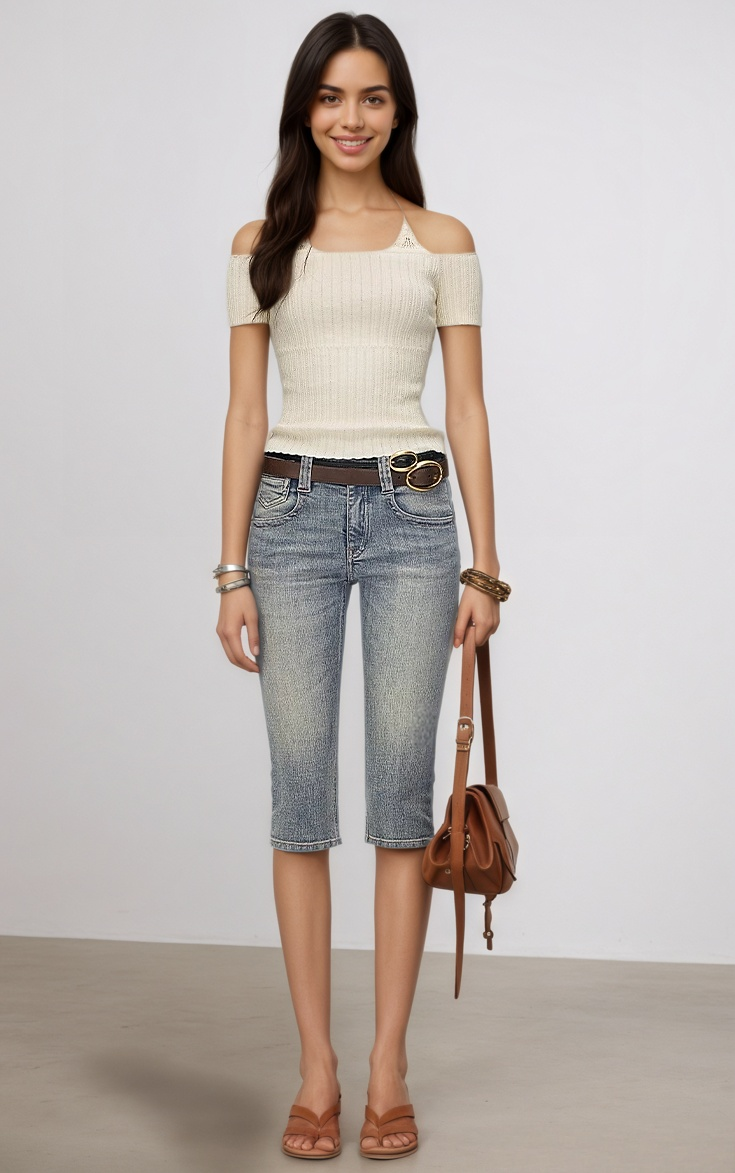
Custom Shorts
Develop custom shorts in jersey, fleece, twill, woven, or performance fabrics for casual, sport-inspired, and coordinated collections. Specify inseam, pockets, waistband, trims, printing, embroidery, and fit across XS–3XL.
Request a Quote
Custom Pullovers
Create custom pullovers in knit, fleece, French terry, or woven constructions with specified necklines, closures, proportions, decoration, labels, and packaging. Product development supports sketches, reference garments, and production-ready tech packs.
Request a QuoteCustom Jeans Made With Purposeful Denim Fabrics

Rigid Cotton Denim
A structured, authentic denim with a dry hand and minimal give, ideal for straight-leg, wide-leg, and vintage-inspired jeans. Available in varied ounce weights for durable silhouettes and distinctive wash development.

Stretch Denim
Cotton denim blended with elastane for controlled recovery and easier movement. A practical choice for slim, skinny, and body-contouring custom jeans, balancing a soft hand with dependable shape retention.

Cotton Blend Denim
Cotton blended with polyester, rayon, or modal creates a smoother hand feel, improved drape, or added durability. It suits contemporary denim programs requiring reliable wear performance and versatile finishing options.

Recycled Denim Options
Recycled cotton and recycled polyester denim support lower-impact material goals without sacrificing a commercial denim appearance. Fabric composition, weight, and wash testing are reviewed to match your quality and sustainability requirements.

Denim Weight Twill
Cotton twill delivers the diagonal texture and firm construction associated with denim while offering broader color options. It works well for colored jeans, utility styles, carpenter details, and structured casual bottoms.

Performance Stretch Denim
Engineered denim blends offer enhanced stretch, moisture management, abrasion resistance, or quick-dry performance. Designed for active-inspired jeans and travel denim, these fabrics maintain comfort while supporting repeated wear and recovery.
Custom Jeans Made With Washes, Prints & Decoration

Logo Embroidery
Flat, puff and chain-stitch embroidery adds dimensional logos, motifs or placement details to jeans and denim sets. Our team matches thread, backing and stitch density to create durable decoration that holds its definition through washing.

Screen Printing
Plastisol, water-based, puff, high-density and foil screen prints create bold artwork on denim garments. We assess fabric weight, placement and curing requirements so graphics retain strong color, adhesion and visual impact after wear and washing.

DTF Transfers
DTF transfers reproduce detailed, full-color graphics and small-run designs with clean edges. Applied under controlled heat and pressure, they provide flexible logo decoration for custom jeans made with complex artwork or variable placements.

Garment Dyeing
Garment dyeing delivers rich, lived-in color across finished denim pieces, helping brands create tonal collections beyond standard indigo. Dye and wash trials confirm the intended shade, hand feel and color consistency before bulk production.

Enzyme Washing
Enzyme washing softens denim while creating a naturally worn surface and reducing excess stiffness. The treatment is calibrated to your fabric and shade target, producing a comfortable hand feel with controlled fading and dependable repeatability.

Acid Stone Wash
Acid and stone washing create high-contrast fades, textured character and vintage-inspired denim depth. JUNSHEEN develops wash samples to control abrasion, shade variation and garment strength, ensuring the final effect aligns with your approved reference.
Custom Jeans Made With Branded Trims, Labels & Packaging

Custom Metal Hardware
Add branded jeans buttons, rivets, snaps, and buckle details in selected finishes. These durable components strengthen high-stress areas while giving custom denim a recognizable, premium signature at the waistband, pockets, and closures.

Branded Denim Zippers
Specify zipper length, puller shape, finish, and logo treatment for jeans flies, pocket openings, and detachable details. Junsheen sources dependable zipper options that match the garment’s wash, hardware color, and intended wear performance.

Drawcords and Tips
Use custom drawcords with metal or silicone tipping for elastic-waist denim, jogger jeans, and denim shorts. Choose cord texture, color, length, and branded end details to create a coordinated finish with your trims.

Woven Leather Labels
Apply woven labels or custom leather patches at the waistband, pocket, or side seam to establish clear brand recognition. We can coordinate artwork, dimensions, color, embossing, and stitching placement with your approved denim sample.

Custom Hang Tags
Create hang tags with brand messaging, sizing, care information, and barcode-ready details for retail presentation. Select paper stock, shape, printing, string, seals, and folding options that align with your jeans collection and price position.
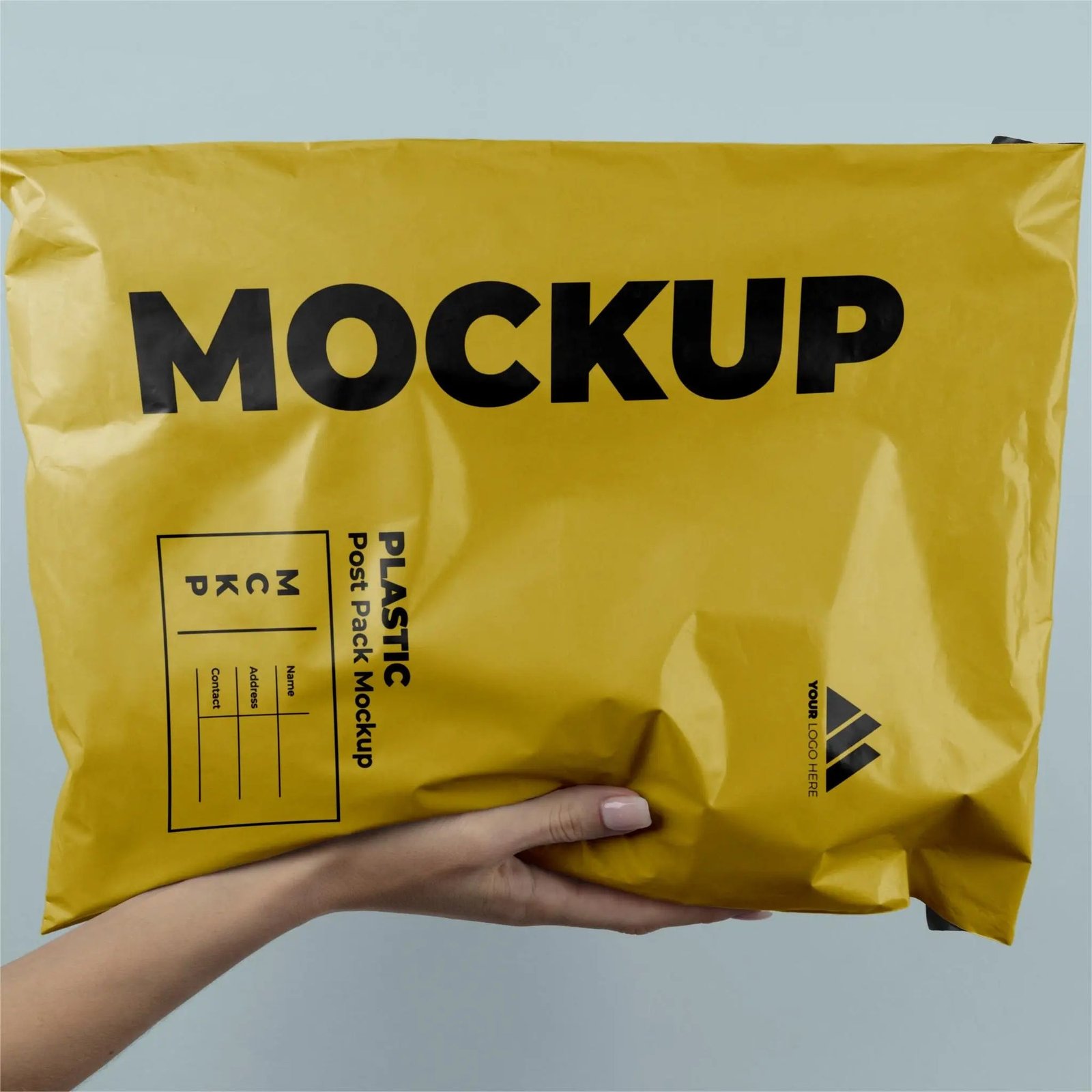
Branded Retail Packaging
Complete custom jeans made for retail with branded polybags, tissue, stickers, cartons, and shipping marks. Packaging specifications can be developed around folding method, protection needs, retailer requirements, and a more polished unboxing experience.
About JUNSHEEN Custom Jeans Manufacturing
Founded in 2010 in Humen Town, Dongguan, JUNSHEEN helps fashion brands turn denim concepts into production-ready custom jeans made for their market. Our mission is straightforward: provide responsive OEM, ODM and private-label manufacturing with the technical clarity, fit focus and dependable delivery brands need to grow.
More than 200 skilled workers support cut-and-sew development, denim sourcing, pattern making, washing, decoration, labeling, packaging and export coordination under one supply chain. With monthly capacity above 80,000 units, we can support a 100-unit capsule order per style and color, then scale into repeat bulk programs.
What differentiates JUNSHEEN is fit-first development from XS through 3XL. Rather than merely enlarging a base pattern, our team refines rise, proportions, mobility and grading across the size range. Having served 2,000+ fashion-brand clients globally, we bring practical production knowledge to every custom denim program.

Custom Jeans Made With Fit-First, Scalable Production
Fit-First Pattern Engineering
JUNSHEEN develops custom jeans made from balanced base patterns, not simple size enlargement. Our team refines rise, hip shape, thigh ease, inseam, leg opening and mobility to create a consistent intended silhouette from XS through 3XL.
- Normal, extended-size, plus-size and oversized grading
- Specification review from tech packs, sketches or reference garments
- Prototype samples and size sets before bulk approval
- Pattern adjustments documented for future programs

One-Stop Denim Development
Move from an initial concept to production-ready denim with one accountable team. We coordinate fabric sourcing, stretch and weight selection, trim development, pattern making, sampling and private-label details while keeping target cost and manufacturability in view.
- OEM, ODM and private-label support
- Denim, stretch denim, twill and recycled material options
- Custom buttons, rivets, zippers, leather labels and hang tags
- Low MOQ from 100 units per style and color

Integrated Washes And Finishes
Create denim with a distinct hand feel and visual identity through controlled in-house decoration and finishing options. Our process supports wash development, embroidery, printing and branded detailing while inspections help ensure approved effects carry through the bulk order.
- Stone, enzyme, acid wash and garment-dye options
- Softening, brushing, napping and anti-pilling finishes
- Embroidery, patches, screen printing and heat-transfer decoration
- Pre-production approvals aligned with bulk workmanship

Built For Repeat Orders
JUNSHEEN retains approved patterns, graded size sets and material records to make repeat custom jeans made programs faster and more consistent. With 200+ skilled workers and monthly capacity above 80,000 units, we can support capsule launches and growing replenishment demand.
- Retained technical records for reliable reorders
- Incoming, in-line, measurement and final inspections
- Scalable production for seasonal and ongoing denim programs
- Global export support for fashion brands worldwide

Why Choose JUNSHEEN for Custom Jeans Made?
Evidence-led denim production support from first fit through global delivery.
← 左右滑动查看 →
Our Custom Jeans Made Production Process
A fit-focused denim workflow that moves from feasibility review to inspected, export-ready bulk goods.
Review Design Feasibility
Share your tech pack, sketch, reference jean, or concept. Our team reviews construction, target fit, wash requirements, trims, MOQ, and production feasibility.
Source Denim and Trims
We recommend denim weight, stretch, color, durability, and wash performance, then source fabrics, buttons, zippers, labels, patches, and branded packaging components.
Create Patterns and Grades
Pattern makers develop the jean block and refine rise, leg shape, inseam, mobility, and proportions across XS–3XL, plus-size, extended-size, or oversized fits.
Sample and Approve Details
We produce prototype samples for fit, construction, decoration, and wash evaluation. Your feedback guides revisions before size-set approval and pre-production confirmation.
Produce and Inspect Bulk
After approval, skilled teams cut, sew, finish, wash, and pack your jeans. Multi-stage checks cover materials, measurements, construction, decoration, and final packed goods.
Pack and Ship Globally
Approved orders receive agreed private-label packaging and export documentation. We coordinate global shipping support so your finished denim program arrives ready for distribution.
How to Start Your Custom Jeans Made Order
Move from denim concept to export-ready bulk production with a clear, fit-focused process.
Send Your Design Brief
Share a tech pack, sketch, reference garment, or concept with target quantities, sizing, washes, fabrics, trims, and branding requirements.
Review Feasibility and Quote
Our team evaluates construction, fabric availability, fit grading, decoration, and MOQ, then provides practical recommendations, lead-time guidance, and a detailed quotation.
Approve Development Samples
Review prototype samples, measurements, washes, trims, and size-set fit. We refine approved specifications before recording final production standards for your program.
Confirm Bulk Production
Confirm quantities, colorways, materials, and private-label details. JUNSHEEN coordinates denim production, washing, quality checks, packaging, and inspection across every order stage.
Arrange Global Shipment
After final packed-goods approval and balance settlement, we prepare export documentation and coordinate reliable shipping support for delivery to your required destination.
Custom Clothing Manufacturer Credentials and Compliance Documents



What Global Fashion Brands Say About Custom Jeans Made
JUNSHEEN corrected the rise and thigh balance across our XS–3XL size set during sampling. We approved the second sample round and launched 600 pairs with only a 1.8% measurement-related return rate in the first month.
Our first 120-pair capsule needed custom leather patches, washed black stretch denim and branded packaging. The team kept the details consistent from sample to bulk, and we reordered 1,000 pairs within 90 days of launch.
We supplied a reference jean and a mood board, then received a production-ready sample with clearer construction notes than our previous supplier provided. Bulk delivery arrived on schedule for our retail launch, helping us place the style in 14 stores.
Custom Jeans Made: Manufacturing FAQ
Clear answers on MOQ, sampling, production timing, payment, shipping and confidential development for brand buyers.
What is the MOQ for custom jeans made by JUNSHEEN?
How long does it take to get custom jeans made from a sample?
How much does a custom jeans sample cost?
Can you make custom jeans made from my tech pack or reference garment?
What payment terms do you offer for custom jeans made orders?
Can you ship custom jeans internationally?
How do you protect my denim designs and brand information?
Can JUNSHEEN develop plus-size or oversized jeans?
The Complete Buyer’s Guide to custom jeans made
Use this decision framework to define your denim product, compare supplier capabilities, control quality and costs, and avoid the sourcing mistakes that derail custom jeans programs before bulk production.
1. What Are custom jeans made?
2010 is the starting point for the B2B definition: custom jeans made are denim garments developed to a brand specification, sampled, approved, and produced as a repeatable bulk program—not one-off made-to-measure retail jeans. A qualified manufacturer converts a tech pack, sketch, reference garment, or mood board into a bill of materials, construction specifications, pattern, graded size set, prototype, and production quotation. OEM means the buyer supplies the design direction and the factory executes it; ODM means the factory contributes an existing base, development input, or ready-to-adapt design. In either route, the buyer should receive documented measurements, wash and trim specifications, material options, sample feedback records, and a pre-production standard that can be checked during bulk manufacture. 100 units per style and color is a practical starting point for a capsule-scale factory program, while retail made-to-order jeans are typically individualized for a single wearer. Private-label denim applies the buyer’s branding to an established or adapted product; factory-developed bulk programs go further by engineering fit, fabric, pocket placement, rise, wash, hardware, labels, packaging, and size grading for consistent replenishment. XS through 3XL requires more than enlarging a base pattern: rise, hip balance, thigh ease, inseam, and grading increments must be reviewed across the size set. For brands, the deliverable is therefore a production-ready denim system—approved sample, retained pattern and material records, QC checkpoints, and repeat-order specifications—not simply a pair of jeans.
2. How custom jeans made Evolved
1873 marked the commercial breakthrough of rivet-reinforced blue jeans, built for workwear durability rather than seasonal fashion. Standardized five-pocket construction, copper rivets, belt loops, chain-stitched hems, and rigid cotton denim later gave buyers a repeatable production baseline for custom jeans made. 1960s premium denim shifted value from basic construction toward indigo character, wash recipes, and fit. Enzyme, stone, acid, and garment washes; elastane stretch blends; and ring-spun or slub yarns mean a straight-leg silhouette can perform, fade, recover, and cost very differently after repeated laundering. 100-unit development programs now let emerging labels test a color, fit, or finish before committing to bulk, but they require cleaner technical control. Digitally retained patterns, graded size sets, wash specifications, Pantone references, trim bills, and inspection records support faster resampling, private-label consistency, and traceability across repeat orders. 2026 denim sourcing therefore starts with fabric weight, fiber content, stretch-and-recovery targets, dye method, wash chemistry, shrinkage allowance, and compliance documentation—not silhouette alone. Buyers increasingly need mill and wash-process visibility, including recycled-content evidence or certifications such as OEKO-TEX or GOTS where relevant, because brand differentiation and responsible claims must survive production review.
3. Types of custom jeans made
At a 100-unit-per-style-and-color starting point, a focused denim range usually outperforms an eight-fit launch. Select custom jeans made around one customer, one wearing occasion, and two complementary silhouettes.
| Silhouette | Best Use | First-Collection Role |
|---|---|---|
| Straight | Fashion labels and wholesale | Core anchor |
| Slim | Contemporary menswear | Second core fit |
| Wide-leg or flare | Women’s fashion | Statement fit |
| Relaxed or carpenter | Streetwear and workwear | Differentiator |
Core Fashion Fits

Straight and slim fits are the lowest-risk foundation for men’s, women’s, and unisex labels because they merchandise across seasons. Skinny jeans remain relevant for body-conscious women’s and youth assortments, but require disciplined stretch-recovery testing. Wide-leg and flare styles create a clearer fashion point of view. Use them for women’s collections or unisex streetwear only when the target customer accepts longer hems and more directional proportions.
- Straight: versatile wholesale anchor
- Slim: cleaner contemporary profile
- Skinny: stretch-led youth or fashion
- Wide-leg and flare: directional statement fits
Relaxed Workwear Styles

Relaxed, carpenter, and utility jeans suit streetwear, skate, workwear-inspired labels, and retailers needing visible differentiation. Carpenter loops, patch pockets, hammer loops, and reinforced knees add cost and must be specified on the tech pack. One relaxed silhouette with a standard five-pocket backup is usually enough for a first capsule. Avoid adding every pocket treatment across multiple washes before fit approval.
- Relaxed: easy unisex volume
- Carpenter: heritage workwear signal
- Utility: pocket-led streetwear option
Fit Across Size Groups
XS through 3XL requires separate grading logic, especially at the rise, thigh, knee, and seat. Extended-size jeans should not be made by simply enlarging a straight-size pattern. Youth programs need age-appropriate rises, inseams, and waistband adjustment, while men’s and women’s fits need distinct block decisions. For unisex product, validate the fit on more than one body type before bulk approval.
4. Denim Materials and Fabric Specifications
11–14 oz denim is the usual starting point for five-pocket jeans, but fiber blend and weave matter as much as weight. Specify finished weight, warp/weft stretch, recovery, shrinkage target, and wash standard before approving bulk fabric.
| Denim Type | Typical Weight | Tradeoff | Best Use |
|---|---|---|---|
| Rigid cotton | 11–14 oz | Structure; low mobility | Straight, wide-leg |
| Comfort stretch | 10–13 oz | Easy wear; moderate recovery | Slim, regular |
| High-stretch blend | 9–12 oz | Maximum recovery; less rigid | Skinny, jegging |
| Recycled cotton | 11–14 oz | Lower virgin content; variable strength | Relaxed, washed |
| Organic cotton | 10–14 oz | Traceability requirements; premium cost | Premium basics |
| Lightweight denim | 8–10 oz | Cooler; less structure | Summer, loose-fit |
Specify Performance Before Sampling

98–100% cotton rigid denim gives a dry, structured hand and develops pronounced wear character; it suits heritage straight, wide-leg, and raw-denim programs. Ring-spun yarns generally feel cleaner and softer than open-end yarns. 2–3% elastane comfort stretch improves sitting and movement without turning the silhouette into jegging territory. Request wash testing for residual shrinkage, torque, crocking, and stretch recovery after repeated laundering.
- State finished, not greige, fabric weight
- Set acceptable shrinkage by length and width
- Approve indigo rub-off and color-retention standards
Match Fabric To Jean Category

8–10 oz lightweight denim reduces bulk for summer shirts, loose shorts, and relaxed jeans, although it will not hold sharp heavyweight structure. 11–14 oz constructions better support classic jeans and substantial washes. 20–35% recycled cotton can reduce virgin-fiber use, but fiber length variation may affect strength and surface consistency. Organic cotton requires valid transaction documentation when a certified claim will appear on the finished product.
5. Customization and Decoration Options
Three coordinated details usually outperform a garment crowded with effects. For custom jeans made, choose a wash, trim family, and branding treatment that match the target retail price before approving samples.
| Option | Durability Check | Development Load | Best Use |
|---|---|---|---|
| Enzyme or stone wash | Shade and shrinkage test | Medium | Core premium look |
| Laser fading | Artwork and wash test | Medium | Repeatable branding |
| Embroidery or patch | Abrasion and adhesion test | Medium–high | Focused logo detail |
| Custom hardware | Pull and corrosion test | High; mold minimums | Higher retail tiers |
Wash And Surface Effects

8–14 oz denim takes enzyme, stone, acid, garment-dye, and softener washes differently; test shade, shrinkage, and abrasion on the approved fabric. 1 laser artwork file can deliver repeatable fading or whiskers, while hand distressing adds labor variation. Limit tears at high-stress zones and verify wash chemicals, restricted substances, and buyer-market requirements.
Decoration And Trim Choices

2–3 decoration methods are usually enough for a cohesive program. Embroidery, patches, screen prints, contrast stitching, rivets, buttons, and custom hardware should be sampled after the wash because abrasion can change color and adhesion. 100 units per style and color can suit a capsule, but custom metal molds, woven labels, and specialized patches may require higher supplier minimums. Specify pull strength, corrosion resistance, needle damage limits, and placement tolerances.
Branding And Packaging

1 consistent logo system should connect back patches, main labels, size labels, wash-care labels, hang tags, and packaging. Leather labels need wash testing; printed care content must meet fiber, origin, and care-label rules in the destination market. 2 approval stages—artwork proof and physical pre-production sample—reduce costly mismatches. Junsheen can coordinate labels, trims, packaging, and export-ready packed goods within the development workflow.
6. Construction Details That Signal Quality
A denim sample can look premium yet fail at the points customers wear hardest: rise, seams, waistband, pockets, and closures. Specify measurable construction standards before approval; they control fit consistency, durability, return risk, and perceived value.
Pattern, Rise, And Grading
XS–3XL grading should adjust rise, hip, thigh, knee, and inseam proportions—not merely enlarge a base pattern. Check front and back rise balance while sitting, walking, and bending; poor balance causes waistband gaping, crotch stress, and avoidable returns. A full size set should be measured against the approved spec before bulk cutting. Junsheen pattern makers can refine mobility and grading increments for normal, extended, plus-size, and oversized fits.
- Confirm finished-garment measurement points
- Fit-test at least two body types
- Approve graded size-set measurements
Seams, Waistband, And Pockets

8–10 stitches per inch is a practical target for many denim seams, provided thread, seam allowance, and fabric weight are matched. Inspect inseam, outseam, yoke, and seat seams for skipped stitches, puckering, uneven topstitching, and loose thread ends. 5-pocket placement should be checked on a worn sample, not only a flat table. Specify waistband width, belt-loop count, bartacks at stress points, and whether the waistband includes interlining or stay tape.
- Bartack pocket corners and belt loops
- Verify pocket symmetry from center back
- Check topstitch tension after washing
Closures, Hardware, And Wash

A zipper or button fly must cycle repeatedly without snagging, sharp edges, or fabric catching in the tape. Pull-test rivets, shank buttons, snaps, and labels after wash; weak attachment becomes a safety, durability, and customer-service problem. One approved wash standard should define shade, cast, abrasion placement, hand feel, shrinkage, and acceptable variation. Review washed production panels or a pre-production sample under consistent lighting before releasing bulk.
- Cycle-test zipper or button closure
- Pull-test hardware after washing
- Compare wash against sealed reference
7. Choosing a custom jeans made Manufacturer
A 100-unit launch MOQ can be useful, but it is not proof of a capable denim supplier. For custom jeans made, evaluate the factory’s development evidence, wash control, quality records, export workflow, and responsiveness before accepting a quote.
Verify Denim Development

Request 3-5 recent denim samples showing different rises, fits, stretch levels, and wash effects. A competent OEM/ODM team should explain pattern revisions, grading increments, shrinkage allowance, and the sampling timeline. Ask for a tech-pack review, measurement chart, graded size set, and pre-production sample process. Junsheen can develop from a tech pack, sketch, reference garment, or product idea, then refine fit through sampling.
- Pattern and grading records
- Fabric and trim swatches
- Approved sample photos
- Sample turnaround commitment
Audit Wash And Quality

Request wash test evidence before approving any enzyme, stone, acid, garment-dye, or softening finish. Denim color, hand feel, abrasion, shrinkage, and seam torque can change materially after washing. Review incoming-fabric, in-line, measurement, decoration, and final-packed-goods inspection checkpoints. Ask which certifications—such as OEKO-TEX, GOTS, WRAP, or BSCI—apply to the specific factory or material, and request current documentation rather than relying on logos.
- Wash recipe and test swatch
- Shrinkage and colorfastness results
- Final inspection report
- Certification scope and expiry
Separate Factory From Intermediary
Ask for the production address, factory video, machinery list, capacity range, export references, and a live technical call with the development team. A reliable partner can discuss sewing sequence, wash risk, fabric lead time, and corrective actions without routing every answer through sales. Junsheen is based in Humen, Dongguan, employs more than 200 workers, and supports monthly capacity above 80,000 units. Confirm capacity against your delivery window and ask how repeat patterns, size sets, and material records are retained.
- Production address and audit access
- Named sample and QA contacts
- Export-market references
- Written quotation assumptions
8. Common custom jeans made Sourcing Mistakes
100-unit launches leave little room to absorb avoidable sampling or remake costs. Buyers sourcing custom jeans made should lock technical, material, fit, wash, and commercial decisions before bulk approval.
Incomplete Tech Packs
1 missing measurement or stitch callout can produce a sample that looks acceptable but cannot be repeated consistently. Specify POM tolerances, seam construction, pocket placement, hardware, Pantone references, artwork files, and wash target; request a pre-production checklist before cutting.
Fabric And Wash Assumptions

8–14 oz denim can share a similar visual finish while differing sharply in fiber content, shrinkage, stretch recovery, and abrasion response. Test the approved fabric and wash together, recording wash shrinkage, torque, color loss, hand feel, and recovery after repeated extension.
Low-Volume Feature Creep

100-unit programs spread development costs across few garments, so multiple washes, custom rivets, special labels, and complex embroidery can break the target margin. Prioritize one signature wash and reusable trims, then add variants after demand validates the core style.
Fit, Supplier, And Approval Gaps
XS–3XL grading cannot safely rely on enlarging one base pattern, and the lowest quote may omit inspection, wash testing, or rework capacity. Approve a washed size set, review grade rules and measurement tolerances, and compare quotations line by line for materials, QC, packaging, and lead-time assumptions.
9. Launching Your Denim Brand Step by Step
A 100-unit launch is manageable when choices are locked in sequence, not all at once. For custom jeans made, each approval gate should freeze one production variable before the next adds cost.
Define Customer And Range
Week 1 starts with a named customer, target retail price, competitor audit, and one or two silhouettes such as straight-leg or relaxed fit. Limit a first drop to 1–2 washes and compatible colors; approve the line plan before development begins.
Build The Production Brief

Week 2 converts the approved concept into a tech pack: measurement chart, Pantone references, construction callouts, wash target, hardware, labels, and packaging. Junsheen can develop from a sketch or reference, but the gate is a signed specification and target fabric cost before sampling.
Sample, Freeze, And Release

Weeks 3–6 cover fabric swatches, a prototype, fit revision, and graded size set from the approved base pattern. Freeze fit, fabric, wash, trims, and artwork at the pre-production sample; later changes can require new materials, wash trials, or revised patterns. Before bulk release, inspect the approved sample against measurements, pocket placement, stitch density, zipper or button function, and wash appearance. Approve final packing details, retain the sealed reference sample, then use in-line and final inspections before shipment.
10. custom jeans made Pricing and Lead Times
100 units per style and color is Junsheen’s practical starting point for a capsule program; use the ranges below only for initial budgeting. A final quote follows the approved tech pack, denim weight and composition, wash recipe, size range, hardware, artwork, labels, packaging, and destination. 30–45 days is a typical bulk-production window after sample and material approval, while development sampling commonly adds 10–20 days. Laser distressing, multi-step stone or acid washes, custom rivets, YKK zippers, embroidery, and individual retail boxes extend both cost and timing. 1 approved base block can lower cost more safely than reducing denim quality: keep the same fabric and fit across colorways, consolidate trims, limit wash variants, and use shared Pantone artwork. Confirm a pre-production sample before bulk cutting so fit, measurements, wash appearance, and decoration do not create expensive revisions.
| Order quantity | Indicative unit price, USD | Typical bulk lead time | Main cost pressure |
|---|---|---|---|
| 100–299 units | $22–$45 | 30–45 days | Premium denim, complex wash, custom hardware |
| 300–999 units | $16–$32 | 25–40 days | Wash process, decoration, branded trims |
| 1,000+ units | $12–$25 | 25–35 days | Fabric yield, packaging, color and size mix |
Start Your Custom Jeans Made Project Today
Send your tech pack, reference garment, sketch, or idea for a tailored OEM/ODM quotation from JUNSHEEN’s denim manufacturing team.