Custom Childrens Hoodies From 100 Units
One-stop OEM, ODM, and private-label custom childrens hoodies with fit-focused XS–3XL development, sampling, decoration, and global production support.
Featured Products for custom childrens hoodies Development
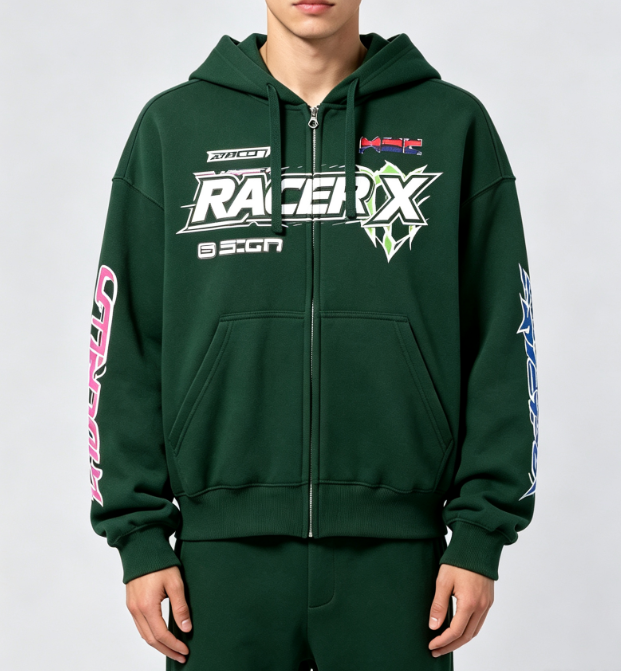
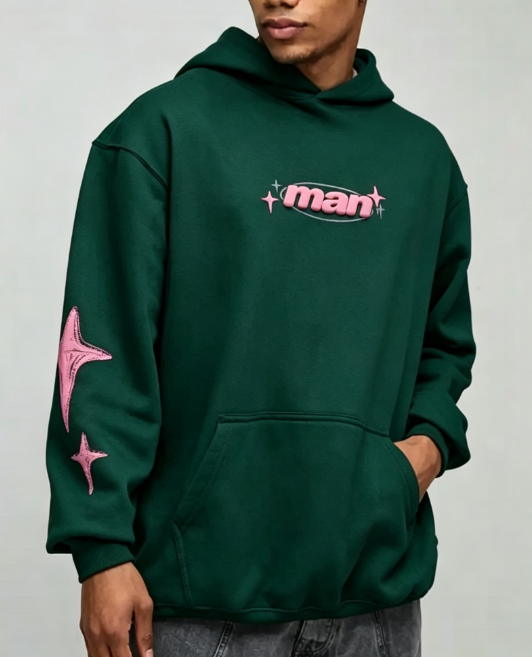

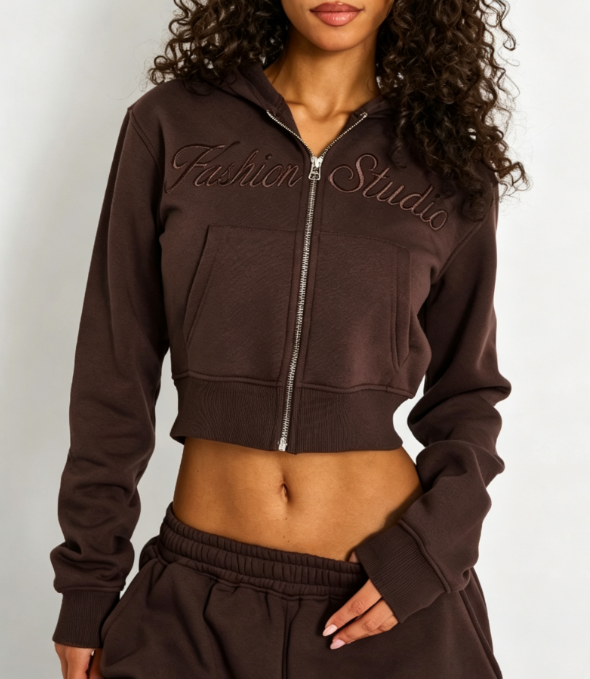


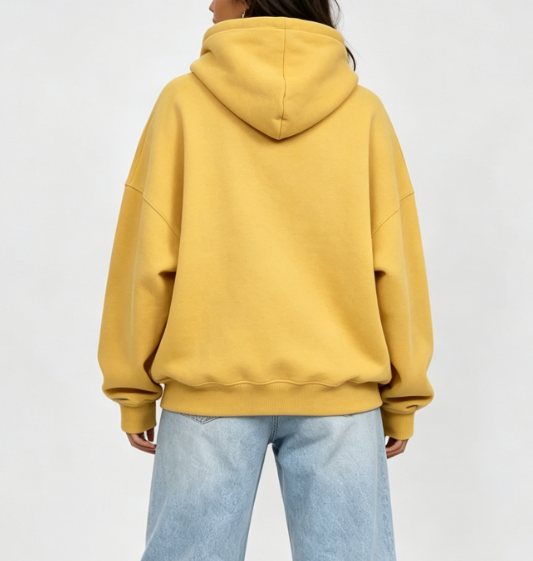
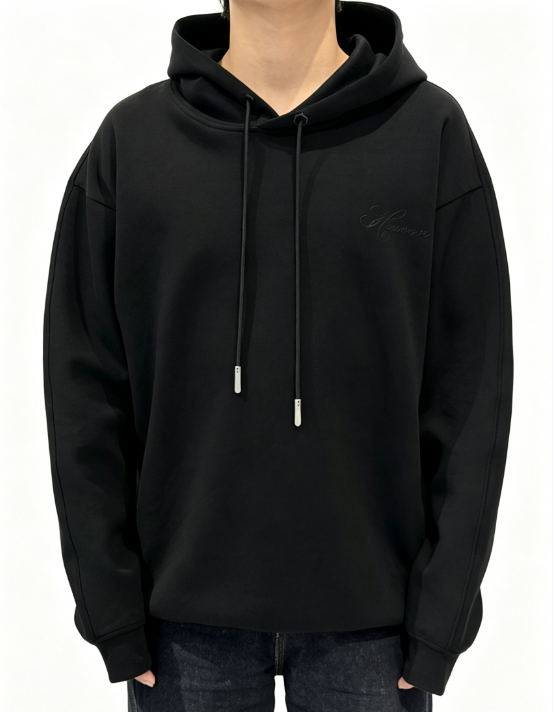


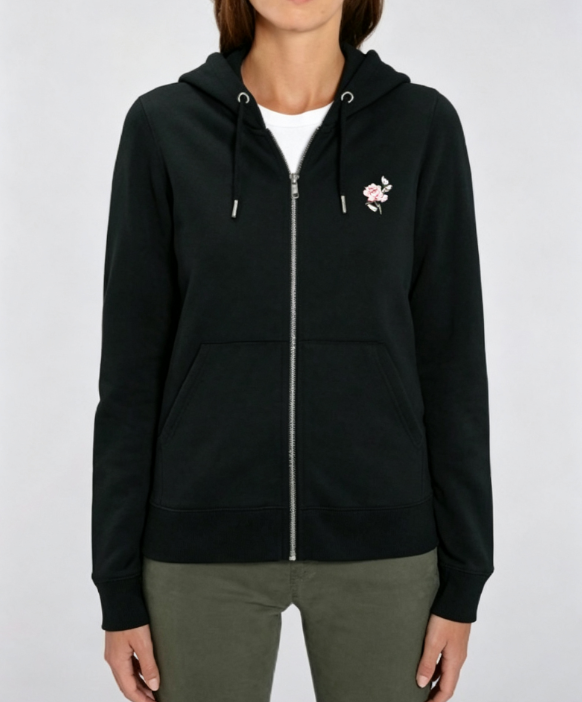
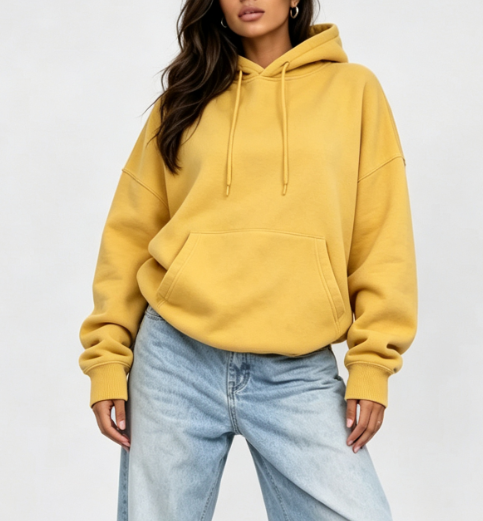
Related Product Catalogue and Quotation

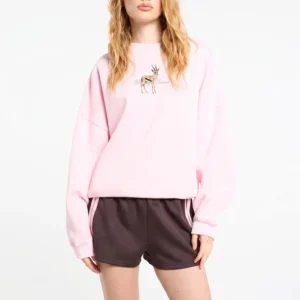
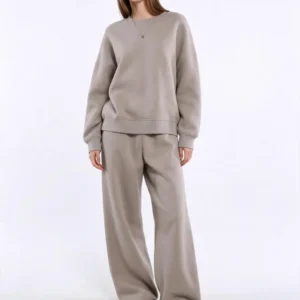

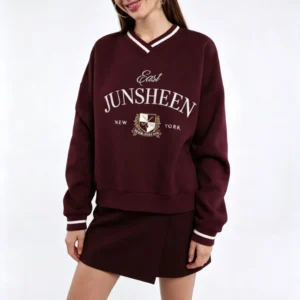

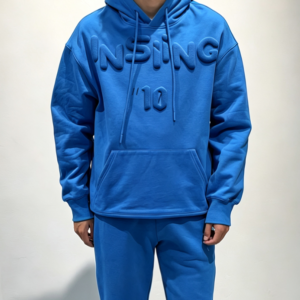

Why Brands Choose Our Custom Childrens Hoodies Manufacturing
One responsive production partner for fit-led development, low-MOQ launches, branded finishing, and scalable global delivery.
100-Unit Starting MOQ
Launch custom childrens hoodies from 100 units per style and color, helping brands test collections without oversized inventory commitments.
Fit-Focused Size Development
Pattern makers refine proportions, mobility, sleeve lengths, and grading for children’s hoodie size ranges, ensuring consistent comfort through approved size sets.
Integrated Decoration
Keep embroidery, screen printing, puff effects, patches, washes, and finishing coordinated within one manufacturing workflow for dependable visual consistency.
Complete Private Labeling
Add custom labels, care tags, hang tags, drawstrings, packaging, and branded trims to create a retail-ready hoodie program.
Scalable Global Production
With 200-plus skilled workers and 80,000-plus monthly units capacity, JUNSHEEN supports capsule launches through repeat bulk orders worldwide.
OEM to Production Support
Move from tech pack, sketch, reference garment, or idea through fabric sourcing, sampling, quality control, and export-ready delivery.
Custom Hoodies and Casualwear Manufacturing
Build coordinated casualwear collections with fit-focused development, low-MOQ sampling, consistent grading, and scalable production from one manufacturing partner.
Custom Hoodies
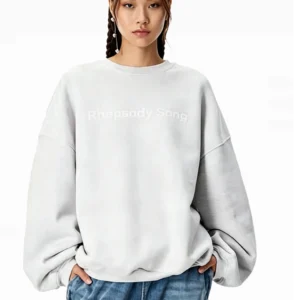
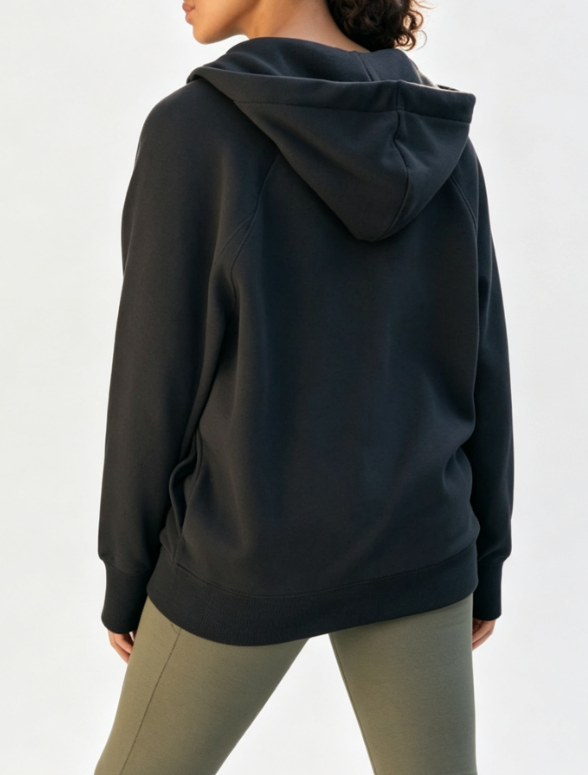
Custom hoodies developed from tech packs, references, or original concepts. Choose fleece, French terry, jersey, oversized proportions, embroidery, screen printing, custom labels, and branded packaging. Fit development and XS–3XL grading support consistent measurements across your hoodie program.
Request a Quote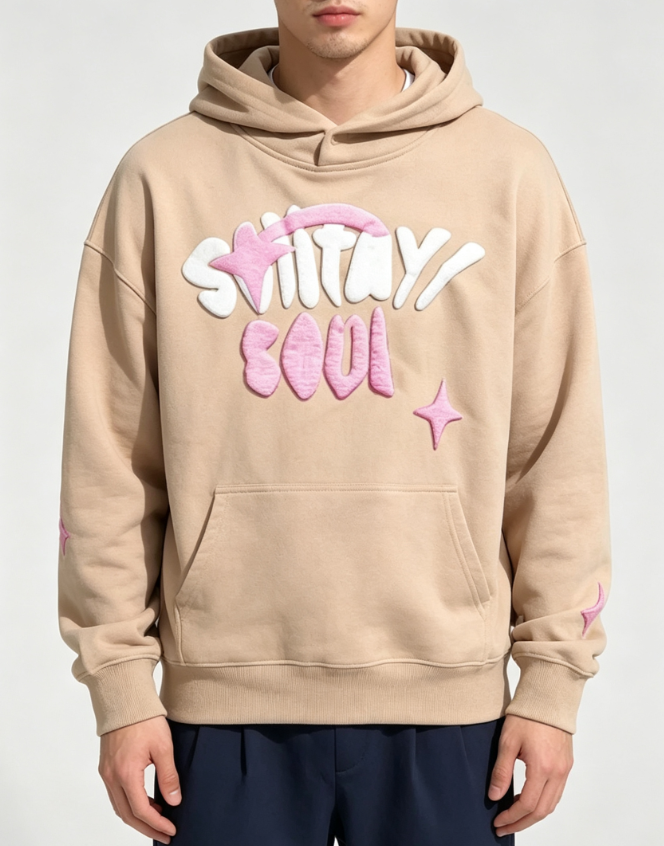
Custom T-Shirts
Custom T-shirts produced in combed cotton, Pima cotton, organic cotton, blended jersey, and performance knits. Junsheen supports custom tshirt pattern development, garment dye, DTG, DTF, screen printing, neck labels, and size grading from XS through 3XL.
Request a Quote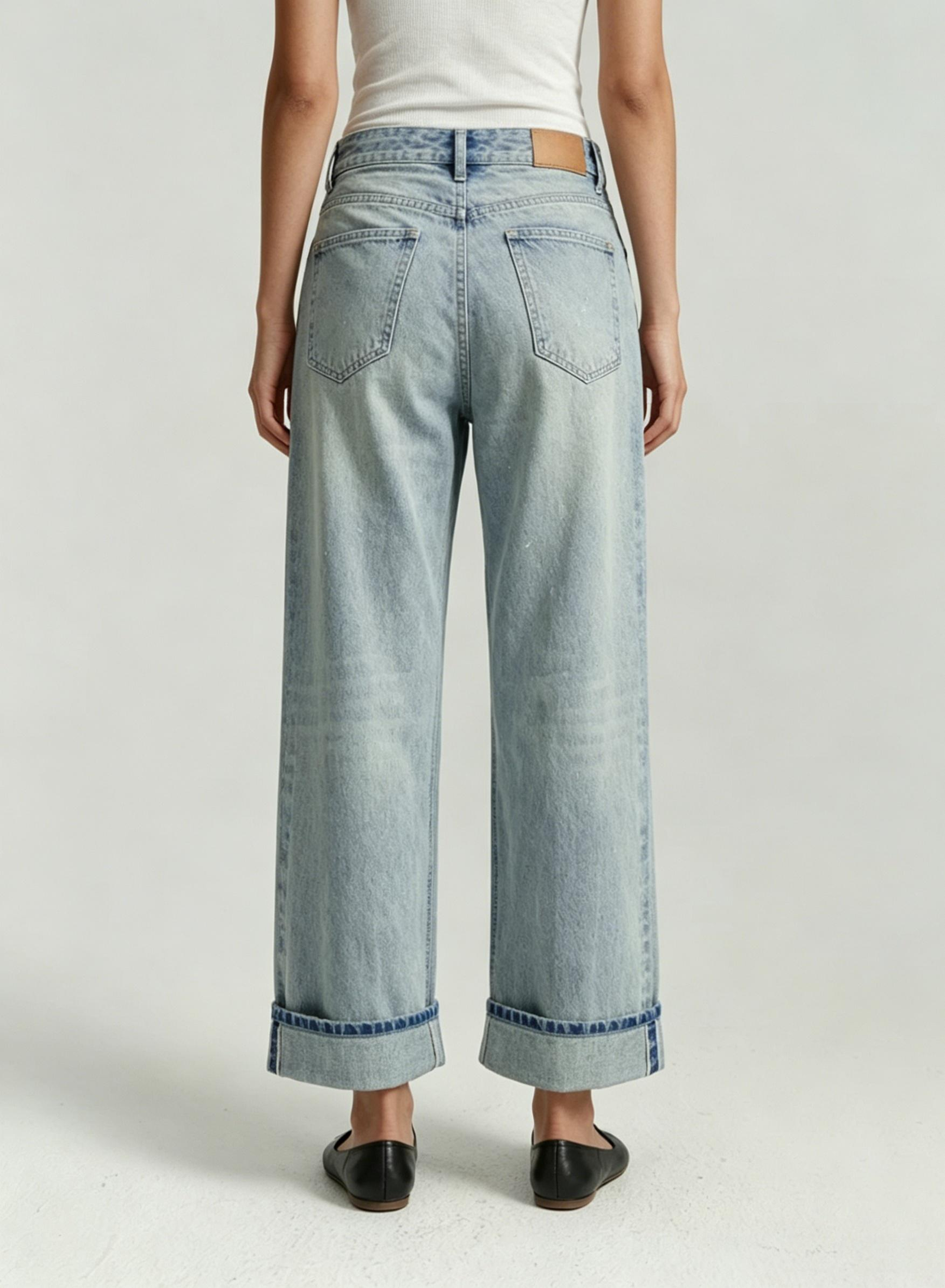
Custom Jeans
Custom jeans manufactured in rigid, stretch, and washed denim for fashion labels and wholesale programs. Development includes fit blocks, rise and leg-shape refinement, pocket construction, custom hardware, washes, distressing, labels, and coordinated grading across the full size range.
Request a Quote
Custom Sweaters
Custom sweaters and turtle neck sweater bulk programs developed in suitable knit constructions, yarn blends, gauges, and finishing options. The team manages silhouette, neckline, rib details, sleeve balance, sizing, labels, and sampling to keep repeat production aligned with approved specifications.
Request a Quote
Custom Jackets
Custom jackets, including custom jean jacket programs, developed with denim, twill, woven, and performance materials. Support covers pattern making, seam construction, lining, closures, patches, embroidery, washes, hardware, and graded size sets for cohesive outerwear collections.
Request a Quote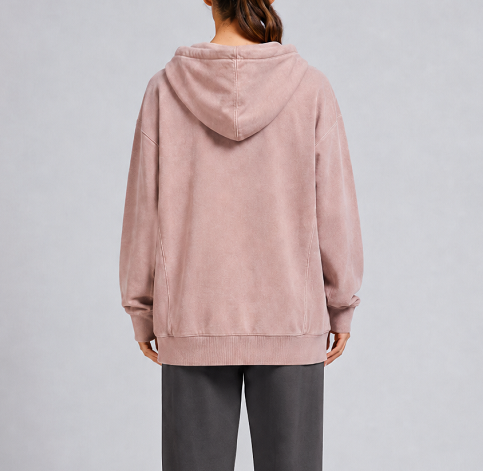
Custom Sweatshirts & Crewnecks
Custom sweatshirts and crewnecks produced in fleece, French terry, and jersey with standard, cropped, oversized, or relaxed fits. A custom crewneck hoodie program can include rib trims, embroidery, printing, garment washes, labels, and measurement-controlled size grading.
Request a Quote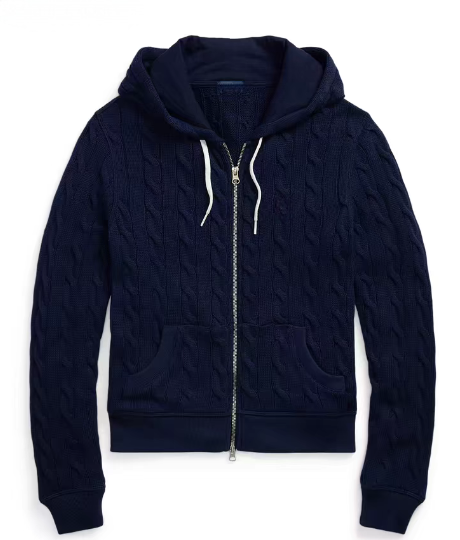
Custom Cardigans
Custom cardigans developed in knitwear constructions suited to your target hand feel, weight, and price point. Specify button fronts, zipper closures, rib finishes, jacquards, logo embroidery, yarn blends, and XS–3XL grading for retail-ready cardigan collections.
Request a Quote
Custom Puffer & Down Jackets
Custom puffer jacket production covers shell fabrics, insulation selection, quilting layouts, linings, zippers, snaps, reflective details, and branded trims. Junsheen develops custom puffer jacket samples with attention to warmth, bulk, mobility, fit, and pack-ready finishing.
Request a Quote
Custom Denim Shorts
Custom denim shorts developed from approved fit direction, including inseam, rise, hem treatment, pocket placement, and wash requirements. Choose rigid or stretch denim, distressed effects, garment dye, custom hardware, labels, and grading for consistent warm-weather assortments.
Request a Quote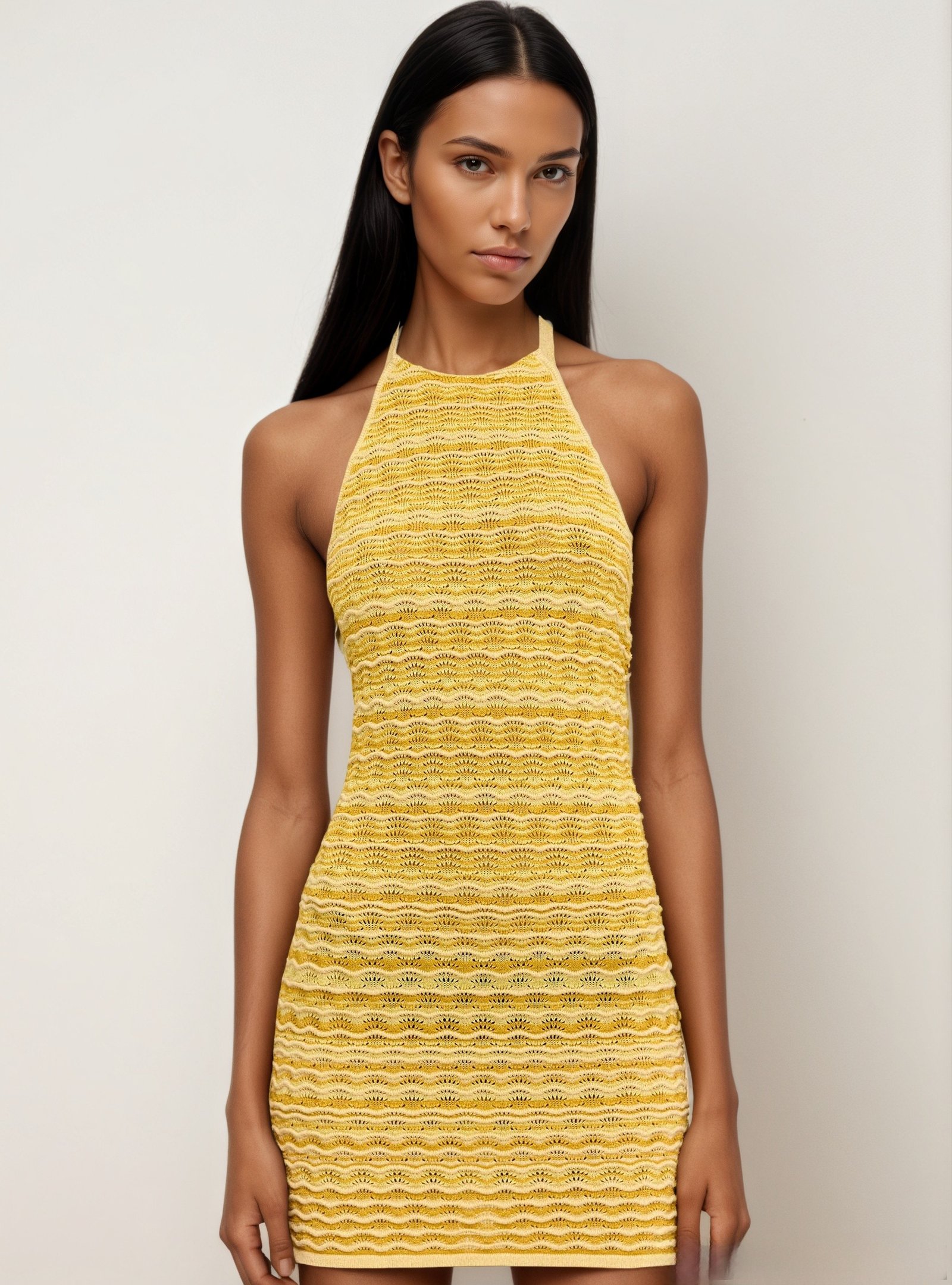
Custom Sweater Dresses
Custom sweater dresses developed in knit constructions that match the intended silhouette, stretch, drape, and wearability. Pattern and size work addresses body length, shoulder balance, sleeve proportion, neckline, and grading so extended-size and standard-size ranges remain consistent.
Request a Quote
Custom Denim Sets
Custom denim sets coordinate jackets, jeans, skirts, and denim shorts through shared washes, fabrics, trims, and fit standards. For mens denim suits wholesale or branded capsule programs, Junsheen supports repeatable specifications, private labels, and scalable bulk production.
Request a Quote
Custom Polo Shirts
Custom polo shirts manufactured in pique, jersey, and performance knit fabrics for casual, uniform, and branded retail programs. Specify collar construction, plackets, buttons, embroidery, contrast trims, printing, labels, and fit-focused grading from XS to 3XL.
Request a Quote
Custom Sweatpants
Custom sweatpants developed in fleece, French terry, and jersey with jogger, straight-leg, wide-leg, or relaxed fits. Production can include elastic or drawstring waists, zip pockets, rib cuffs, embroidery, printing, garment finishing, and coordinated hoodie color programs.
Request a Quote
Custom Shorts
Custom shorts produced in jersey, fleece, twill, woven, denim, and performance fabrics. Junsheen supports inseam selection, waistband construction, pockets, drawstrings, printing, embroidery, washes, labels, and grading that maintains proportion across standard and extended sizes.
Request a Quote
Custom Pullovers
Custom pullovers manufactured as knitwear, fleece, French terry, or jersey styles for layered casualwear collections. Development covers necklines, zippers, plackets, rib details, fit balance, decoration, private labels, and size sets before low-MOQ or bulk production.
Request a QuoteMaterials for Soft, Durable Custom Childrens Hoodies

Cotton French Terry
A breathable, loopback cotton fabric with a smooth face and soft interior. Ideal for transitional-season custom childrens hoodies, it offers comfortable structure in common midweight constructions around 280–360 GSM.

Brushed Cotton Fleece
Warm, plush, and kid-friendly, brushed fleece suits colder-weather pullovers and zip hoodies. Its raised inner surface improves insulation, while 300–420 GSM options provide dependable coverage and durability.

Cotton Polyester Fleece
A practical blend combining cotton comfort with polyester strength and shape retention. Recommended for schoolwear, promotional programs, and active everyday styles requiring durable color performance and reliable repeat-wash wear.

Organic Cotton Terry
A naturally soft, premium option for brands prioritizing responsible material choices. Organic cotton French terry gives breathable comfort and a refined hand feel, with sourcing support for suitable weights and certifications.

Stretch Jersey Knit
Soft, flexible jersey works well for lightweight hoodies, layering pieces, and younger-child styles. Added elastane improves movement and recovery, while the smooth hand feel supports comfortable all-day wear.
Custom Childrens Hoodies: Decoration and Finishing Options

Logo Embroidery
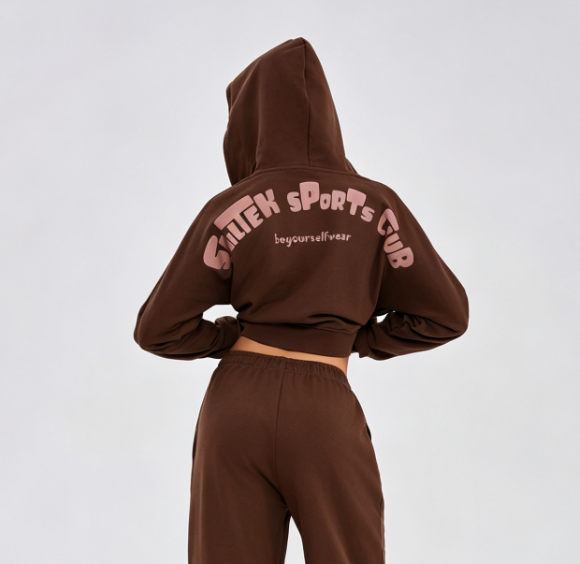
Flat, 3D puff, chain-stitch, and applique embroidery create a tactile, premium logo finish. Our team reviews stitch density and placement for clean detail, durable attachment, and comfortable wear on childrens hoodie styles.

Screen Printing
Plastisol, water-based, puff, flocking, silicone, high-density, foil, and discharge screen prints bring artwork to life with controlled color, texture, and opacity. We match the method to fabric weight, design detail, and intended wash performance.

Digital Printing
DTG, DTF, heat transfer, and dye-sublimation options support detailed artwork, gradients, and smaller production runs. We assess artwork, garment color, and fabric composition to deliver clear graphics with dependable adhesion and feel.

Custom Patchwork
Woven patches, embroidered badges, chenille, applique, and branded logo applications add dimension to custom childrens hoodies. Placement, edge treatment, and backing are specified to maintain a secure finish through regular wear and washing.

Garment Washing
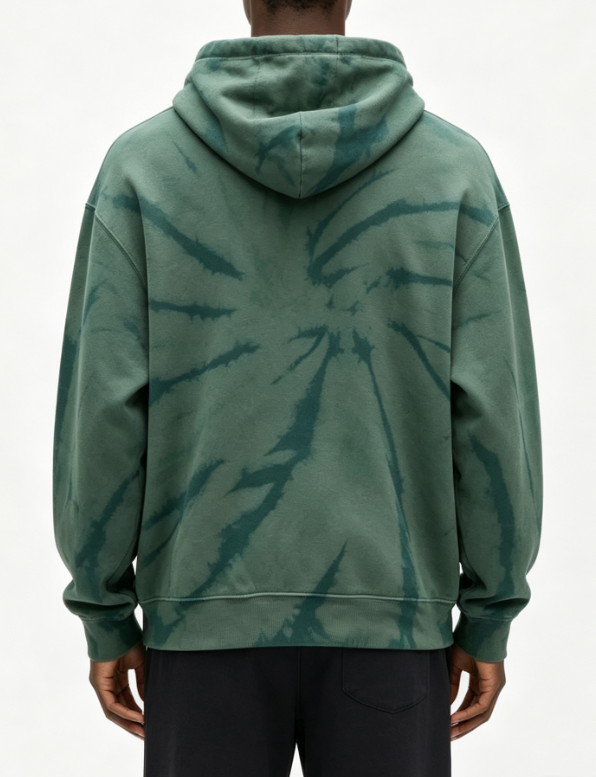
Softening, enzyme, anti-pilling, garment dye, tie-dye, acid wash, and stone wash processes develop the desired hand feel and visual character. Sampling confirms color, shrinkage, and surface results before approved bulk production.

Brushing Finishing
Brushing and napping refine fleece or French terry surfaces for a softer, warmer hand feel. We control the finishing level to support the target look while preserving fabric stability, comfort, and repeatable production quality.
Private-Label Trims for Custom Childrens Hoodies

Drawcords and Tipping
Select custom drawcord colors, widths, aglets and contrast tipping for age-appropriate hoodie styles. Our team helps match the trim to fabric weight, hood construction and your brand’s visual direction.

Custom Zipper Pulls
Add branded zipper pulls, metal or nylon zippers, and coordinated tape colors for zip-up custom childrens hoodies. Options are specified for smooth operation, repeat wear and a polished private-label finish.

Woven Brand Labels
Create woven main labels, size labels and wash-care labels with your logo, sizing system and fiber information. Placement and construction are reviewed to keep labels secure, legible and comfortable against the wearer.

Embroidered Logo Patches
Use embroidered, woven, chenille or applique patches to add recognizable branding to the chest, sleeve, hood or hem. We can coordinate patch backing, stitch density and placement during sampling for a clean result.

Snap Button Details
Choose custom snaps for hoodie pockets, detachable details or coordinated casualwear sets. Available finishes, colors and logo applications help reinforce your identity while supporting dependable everyday use.
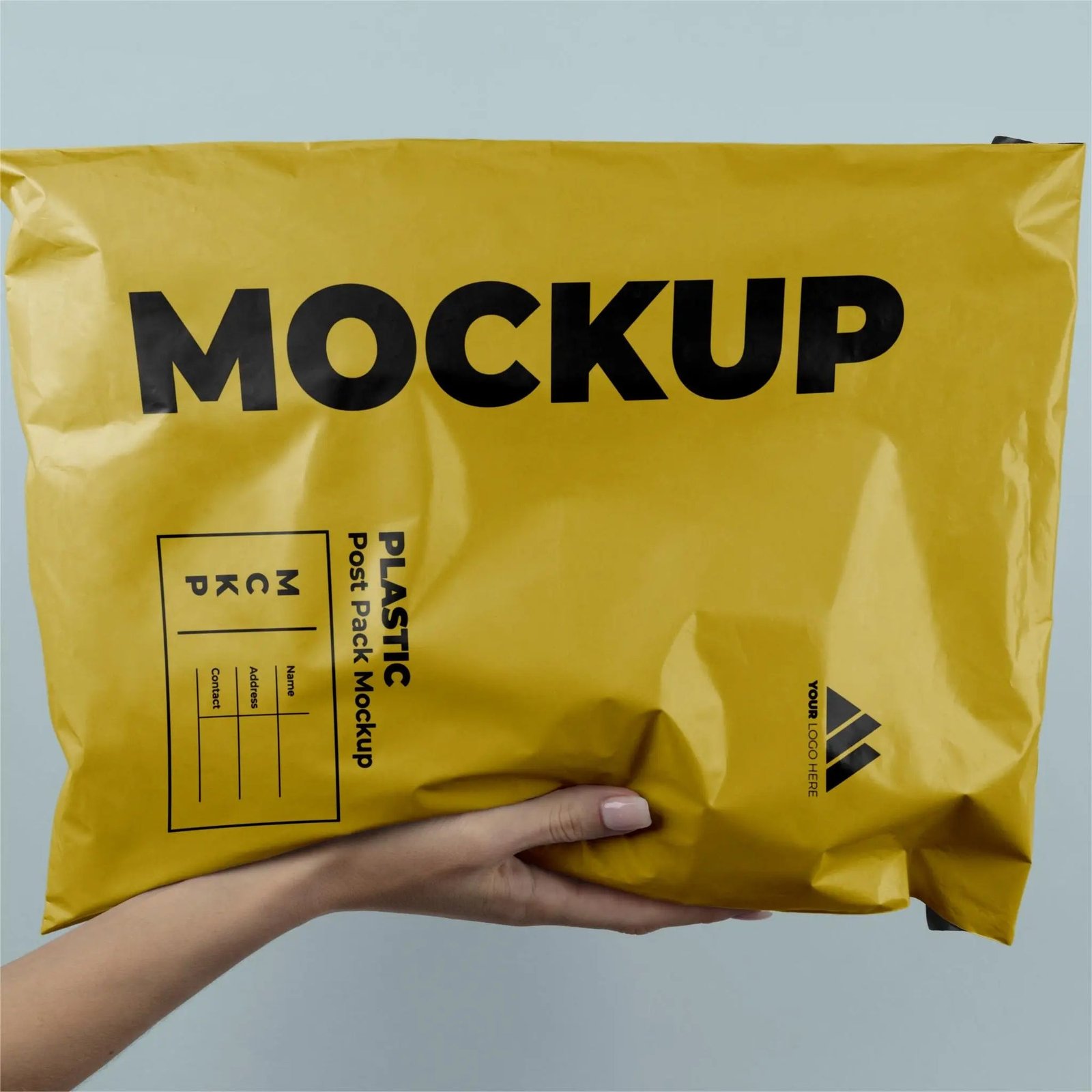
Branded Retail Packaging
Complete your order with custom hangtags, polybags, barcode stickers and branded packaging. JUNSHEEN coordinates the practical labeling and presentation details that help your hoodies arrive ready for wholesale or retail distribution.
Custom Childrens Hoodies, Made by JUNSHEEN
Founded in 2010 in Humen Town, Dongguan, JUNSHEEN is a one-stop OEM, ODM and private-label apparel manufacturer built to turn brand concepts into production-ready garments. We support custom childrens hoodies from early specifications and fabric selection through sampling, bulk production and export.
Our 200+ skilled workers and monthly capacity exceeding 80,000 units support both 100-unit capsule launches and scalable ongoing programs. Cut-and-sew, knitting, printing, embroidery, washing, labels, trims, packaging and quality control are coordinated within one responsive supply chain.
What distinguishes JUNSHEEN is fit-focused product development and practical brand support. We refine patterns and grading for consistent proportions, retain production records for repeatability, and bring experience from serving 2,000+ fashion-brand clients worldwide to every hoodie program.

Custom Childrens Hoodies Built for Reliable Production
Fit-Focused Size Development
JUNSHEEN develops custom childrens hoodies with child-appropriate proportions, movement and consistent grading. Our pattern team reviews body length, sleeve balance, hood scale and rib measurements across the approved size range before bulk production begins.
- Pattern development from tech packs, sketches or reference samples
- Size grading refined for consistent proportions and mobility
- Prototype, fit sample and size-set approval support
- Manufacturability review before bulk confirmation
Fabric Sourcing That Performs
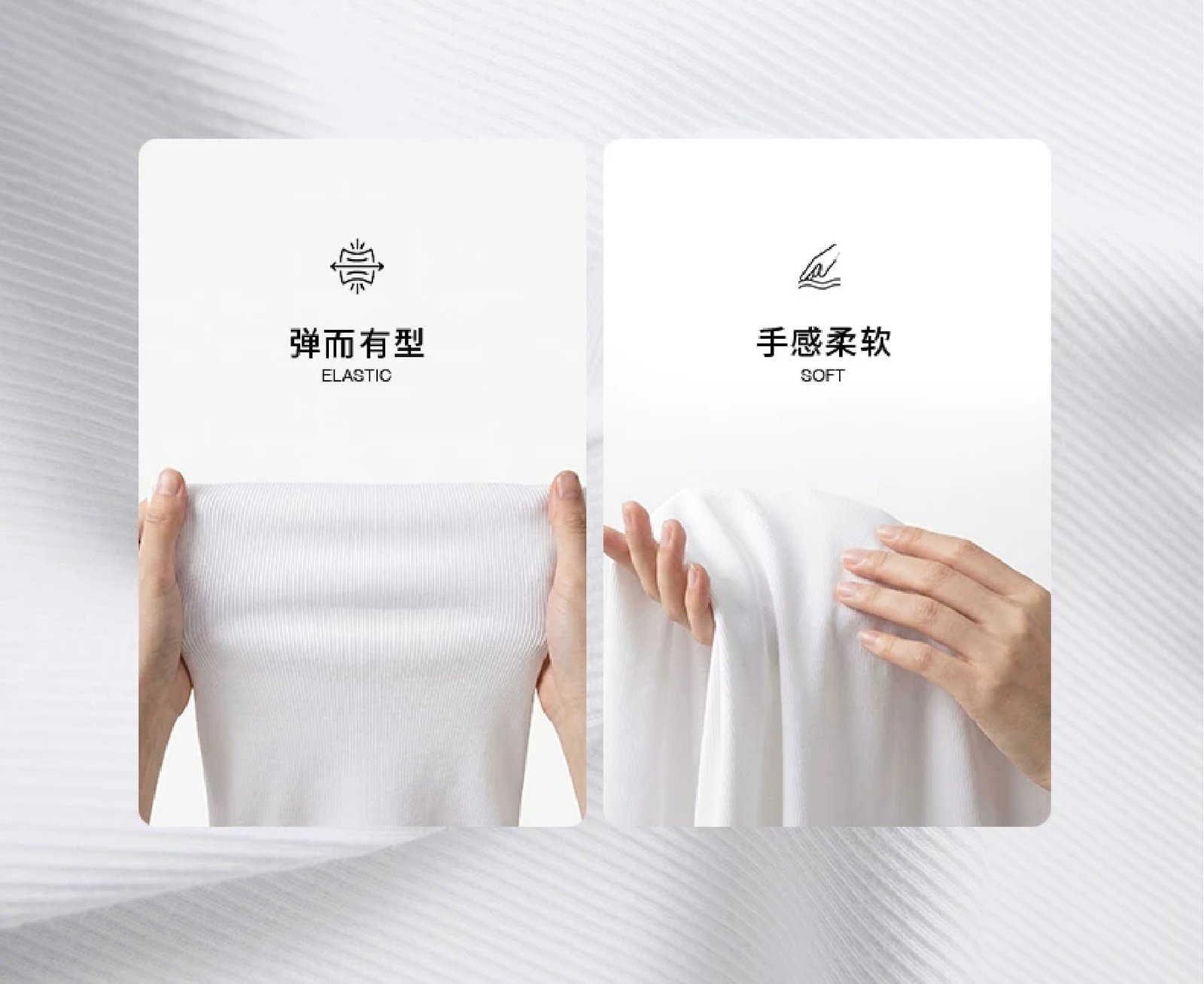
Select fleece, French terry, jersey or blended fabrics around the hand feel, weight, warmth and wash performance your collection requires. Our sourcing team provides material guidance and sample options that align with target pricing and hoodie construction.
- Cotton, combed blends, French terry and fleece options
- Fabric weight and hand-feel recommendations
- Swatch review before bulk material approval
- Durability and wash-performance considerations
Branding Beyond the Logo
Build a recognizable hoodie program with in-house decoration and private-label details. JUNSHEEN supports embroidery, screen printing, transfers, custom patches, labels, drawstrings, hang tags and branded packaging, coordinated from development through final packing.
- Embroidery, puff print, screen print, DTF and heat transfer
- Custom woven labels, size labels and wash-care labels
- Branded trims, patches, drawstrings and hang tags
- Retail-ready packaging options
Controlled Production at Scale
From 100 units per style and color to repeat bulk programs, JUNSHEEN manages production through fabric checks, in-line inspection, measurement review, decoration control and final packed-goods inspection. More than 200 skilled workers support dependable global delivery.
- Low MOQ from 100 units per style and color
- Incoming, in-line and final quality inspections
- 80,000+ units monthly production capacity
- Export coordination for global fashion brands

Why Choose JUNSHEEN for Custom Childrens Hoodies
A fit-focused, integrated manufacturing partner built for dependable development, production, and global delivery.
← 左右滑动查看 →
Custom Childrens Hoodies Production Process
A clear, managed workflow for developing safe, consistent private-label hoodies from concept through global delivery.
Review Brief and Feasibility
We assess your tech pack, artwork, references, target sizes, materials, decoration needs, budget, and 100-unit MOQ requirements before recommending a production path.
Source Fabrics and Trims
Our team selects soft, durable fabrics, ribbing, drawcord alternatives, labels, and packaging that match your quality, comfort, compliance, and target-cost requirements.
Create Patterns and Samples
Pattern makers develop fit-focused graded sizes, then produce prototypes for measurement, construction, decoration, and wash-performance review before bulk approval.
Confirm Details and Production
After sample approval, we confirm specifications, bulk materials, color standards, labels, and timelines, then coordinate cut-and-sew, printing, embroidery, and finishing.
Inspect, Pack, and Ship
Quality teams check fabric, measurements, stitching, decoration, and packed goods before branded packaging, export documentation, and global shipment of your finished hoodies.
Start Your Custom Childrens Hoodies Project
Move from an initial concept to approved bulk delivery with a clear, fit-focused manufacturing process.
Send Your Design Brief
Share a tech pack, sketch, reference garment, mood board, measurements, target quantity, and preferred fabric or decoration so our team can review feasibility.
Review Specifications and Quote
Confirm construction, XS–3XL grading needs, materials, trims, decoration, MOQ, timeline, and pricing with our development team before sample production begins.
Approve Your Production Sample
Review the prototype for fit, fabric hand feel, measurements, logo details, and finishing. We refine approved comments before creating the final production standard.
Confirm Bulk Production
Approve the pre-production details and place your order. Our 200+ skilled workers coordinate cutting, sewing, decoration, labeling, in-line inspection, and final quality control.
Receive Your Finished Order
After final inspection and packed-goods approval, JUNSHEEN prepares your custom childrens hoodies for reliable global shipping, with export support for your destination market.
Custom Clothing Manufacturer Credentials and Compliance Documents


What Global Clients Say About Custom Childrens Hoodies
JUNSHEEN helped us take a three-color childrens hoodie capsule from sketch to approved bulk production with a 100-unit MOQ per color. Their team corrected the grading, and our first delivery achieved a 98% on-time retailer allocation.
The fit review made a measurable difference. After revising sleeve length and hood depth across sizes, our returns for fit issues dropped 31% compared with our previous childrens hoodie program. Sampling feedback was clear and fast.
We needed private-label hoodies with custom neck labels, hang tags, puff print, and export-ready packing for 12 wholesale accounts. JUNSHEEN delivered 2,400 units with consistent color and print placement, helping us launch on schedule.
Custom Childrens Hoodies FAQ
Clear answers on MOQ, development, production and global delivery for your next children’s hoodie program.
What is the MOQ for custom childrens hoodies?
Can I order a sample before producing custom childrens hoodies in bulk?
How long does it take to make custom childrens hoodies?
Can you create children’s hoodie sizing and fit from a design idea?
What private-label options are available for children’s hoodies?
How do you protect my custom childrens hoodies designs and artwork?
What payment terms do you offer for hoodie manufacturing orders?
Do you ship custom childrens hoodies internationally?
The Complete Buyer’s Guide to custom childrens hoodies
Use this practical framework to select styles, fabrics, decoration methods, and a dependable supplier for children’s hoodie programs—while avoiding fit, safety, MOQ, costing, and production mistakes that can delay a launch.
1. What Are custom childrens hoodies?
100 units per style and color is a practical starting point for a fully developed private-label children’s hoodie program, whereas a blank wholesale hoodie is a finished stock garment that only receives an added logo. Custom childrens hoodies are specified for a buyer’s own market: silhouette, fabric weight, color, size range, trims, labeling, packaging and decoration are selected before bulk production. Ages 2–16 is a common planning range, but buyers should divide it into coherent fit blocks—such as toddler, child and youth—rather than scale one pattern indiscriminately. The intended wear determines the brief: schoolwear needs repeat-wash durability and clear identification; retail capsules need a distinctive hand feel and silhouette; licensed collections, events and promotional programs need artwork control, delivery timing and approved brand assets. 280–320 GSM French terry or brushed fleece may suit different climates and price points, but the commercial decision comes first: value basics, mid-market branded essentials or premium fashion pieces. Confirm the customization level, MOQ by style/color, Pantone approvals, decoration method, age-appropriate drawcord and trim choices, labeling, testing and destination-market compliance expectations before sampling; a manufacturer such as JUNSHEEN can then translate the brief into patterns, graded sizes and production-ready specifications.
2. The Evolution of Children’s Hoodies
1930s hooded sweatshirts emerged as practical cold-weather layers for workers and athletes, valued for warmth, easy movement, and a protective hood. As schools, teams, and youth recreation adopted fleece-based casualwear, the garment shifted from utility clothing into a dependable everyday uniform. 1970s and 1980s youth culture turned the hoodie into a recognizable canvas for team names, school graphics, licensed artwork, and brand identity. For custom childrens hoodies, that history matters: buyers now specify soft hand feel, wash-resistant decoration, reinforced high-wear seams, and color palettes that work across gender-inclusive assortments rather than copying adult streetwear unchanged. 100-unit capsule programs commonly use a 280–320 GSM French terry for transitional layering, while 300–360 GSM brushed fleece suits colder deliveries. Children’s specifications should prioritize age-appropriate hood depth, secure attachments, low-bulk neckline construction, and no hazardous loose drawcords or small detachable trims; these details affect safety, comfort, and repeat wear more than simply scaling down an adult pattern.
3. Types of custom childrens hoodies
Three variables—silhouette, warmth, and closure—determine whether custom childrens hoodies read as a school uniform layer, a core casual basic, or a seasonal fashion piece. Start with the age group and selling season before approving pockets, drawcords, or trims.
| Style | Best Use | Key Sourcing Check |
|---|---|---|
| Pullover | Core logo basic | Pocket reinforcement |
| Zip-up | Layering or schoolwear | Guarded zipper finish |
| French terry | Spring capsule | GSM and recovery |
| Brushed fleece | Winter program | Pilling wash test |
| Performance | Sports or schools | Moisture-management claim |
Pullover And Zip-Up Core Styles
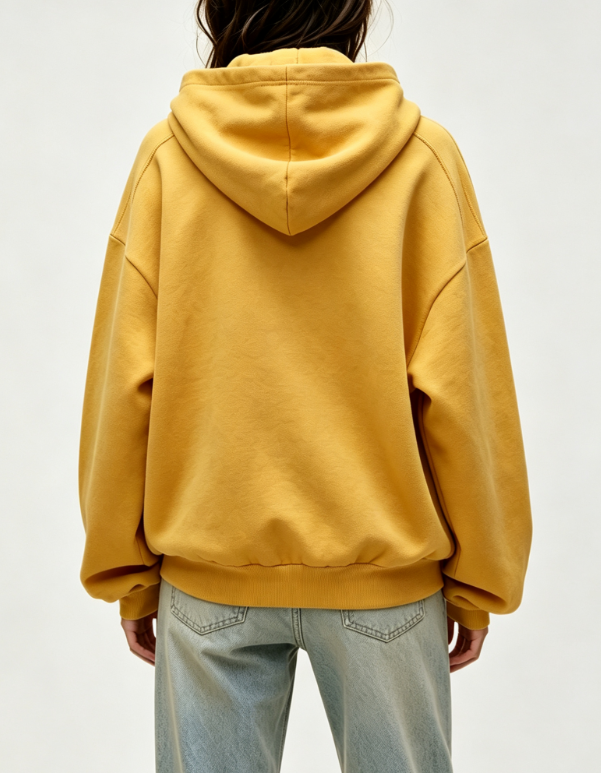
2 core blocks cover most programs: pullovers suit logo-led value basics, while zip-ups add layering convenience for school, travel, and retail sets. Kangaroo pockets work well on pullovers; zip styles need stable pocket openings and a zipper guard. 3- to 8-year ranges benefit from easy-grip zipper pulls and closed, protected top stops. Avoid functional neck drawcords on young-child styles; specify fixed decorative cords only where appropriate.
Oversized And Cropped Fashion Fits

10- to 16-year capsules can use dropped shoulders and relaxed bodies to create a premium oversized proposition. Control sleeve length and hem width through graded size sets so the fit remains intentional rather than merely large. 12+ fashion assortments may use modest cropped lengths when consistent with the brand’s market and local expectations. Keep coverage, mobility, and parent-facing size guidance central to approval.
Seasonal Fabric-Led Options

240–280 GSM French terry is a practical lightweight choice for spring, cool evenings, and indoor schoolwear. Its loopback interior is less bulky than brushed fleece and supports layering. 280–340 GSM brushed fleece suits autumn and winter drops, but requires wash testing for pilling and shrinkage. For active or school programs, moisture-managing performance knits and contrast panels support teamwear positioning.
4. Materials for custom childrens hoodies
280–320 GSM is a practical starting range for custom childrens hoodies: heavier fabric improves warmth, but can reduce all-day comfort. Select fiber, knit structure, and finishing together because they determine shrinkage, pilling, print results, and repeat-wash durability.
| Material | Typical GSM / Feel | Best Use |
|---|---|---|
| Cotton | 260–320; soft, breathable | Premium everyday, mild weather |
| Organic cotton | 260–320; soft, premium | Certified-focused collections |
| Cotton-poly blend | 260–330; stable, easy care | Value schoolwear |
| Recycled-poly blend | 240–320; durable, quick dry | Budget activewear |
| French terry | 240–300; loop-back, breathable | Spring and layering |
| Brushed fleece | 280–340; plush, warm | Cold-weather hoodies |
| Performance knit | 180–240; light, moisture-managing | Sport and humid climates |
Match Weight To Climate
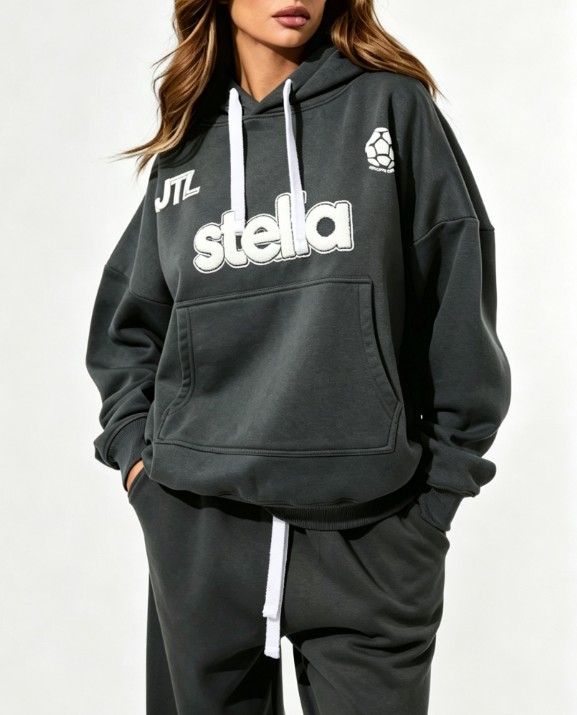
240–280 GSM French terry suits mild climates, spring drops, and active schoolwear; its loop back breathes better than fleece. Brushed fleece at 280–340 GSM provides a softer, warmer winter option. 180–240 GSM performance knits suit sports layers and humid regions when moisture management matters. Request pre-shrunk testing; cotton-rich fabrics commonly need controlled wash allowances.
Choose Fibers By Positioning

100% ring-spun cotton gives a natural hand and excellent screen-print surface, but needs shrinkage and pilling control. Organic cotton supports a premium story only when transaction documentation supports the claimed certification. 60/40 cotton-poly blends are economical, retain shape, and dry faster; recycled-poly blends fit durable value programs. Use low-pilling yarns and test dark colors for crocking before approval.
Set Safety Specifications Early
OEKO-TEX Standard 100, GOTS where organic claims apply, and destination-market restricted-substance limits should be written into the purchase specification. Require testing for azo dyes, formaldehyde, phthalates, lead, and colorfastness appropriate to the selling market. 3–5 wash cycles on a representative sample reveal shrinkage, seam distortion, print cracking, and surface pilling before bulk fabric is released. Junsheen can source swatches and sample garments for this approval stage.
5. Custom childrens hoodies Decoration Options
Three decoration decisions—artwork complexity, hand feel, and wash life—should be approved together before sampling custom childrens hoodies. Junsheen can match the method to fabric, order size, branding position, and target retail cost.
Print And Transfer Routes

1–6 spot-color screen prints suit bold logos and repeatable bulk runs; each color needs a screen setup, so short runs cost more. DTG handles photographic artwork, while DTF and heat transfers reproduce full color without screens but add a surface film. 60–90°C wash tests should be specified for decorated samples; screen print usually has the softest scalable result on cotton fleece. Request a strike-off on the actual garment color, not only a paper proof.
Decoration Comparison
4 routes create distinctly different cost and durability profiles. Confirm the intended production quantity before selecting a process.
| Method | Best Artwork | Color And Setup | Cost And Wear |
|---|---|---|---|
| Screen print | Bold vector logos | Spot colors; screens needed | Low at volume; durable |
| DTG | Photos, gradients | Full color; minimal setup | Higher unit cost; soft hand |
| DTF or heat transfer | Small full-color graphics | Full color; quick setup | Moderate; film hand feel |
| Embroidery or appliqué | Simple logos, letters | Thread colors; digitizing | Premium; very durable |
| Woven labels, patches, trims | Brand identifiers | Limited detail; tooling varies | Low-to-moderate; durable |
Child-Safe Branding Details

0–6-year sizing requires particularly cautious placement: avoid hard patches, rough embroidery backs, loose sequins, and bulky trims where a child lies or sits. Keep chest, sleeve, and neck branding smooth; use backing or a soft cover layer behind embroidery. 12–18 mm woven labels and printed neck labels reduce scratchiness compared with exposed folded tags. Inspect drawcord alternatives, zipper pulls, snaps, and patches against the destination market’s child-product requirements before bulk approval.
Artwork Package Before Sampling
300 dpi raster files at final print size work for DTG and transfers, while AI, EPS, PDF, or SVG vectors give screen printers and embroiderers cleaner separations. Supply Pantone references, placement measurements, artwork scale, and a colorway list. 1 approved mockup and 1 physical sample should confirm print size, thread density, label fold, and tactile comfort before production. Include wash-care expectations and any licensing approval in the tech pack.
6. Construction Quality for Children’s Hoodies
For custom childrens hoodies, construction determines whether a garment still fits, feels soft, and looks saleable after repeated laundering. A sample that looks correct on day one can still fail through shrinkage, seam distortion, fading, or detached decoration.
Fabric And Seam Stability
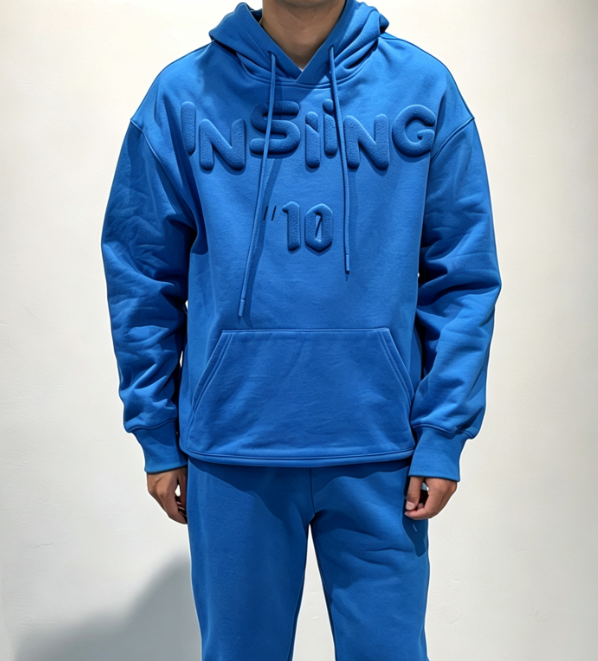
After three to five wash cycles, inspect body length, chest width, twisting, pilling, and shade change against the approved sample. Stable fleece or French terry should keep seams straight, while shoulder tape and reinforced pocket corners limit stretching at high-stress points.
- Check stitch density and skipped stitches
- Confirm overlock seams are fully captured
- Review rib cuff and hem recovery
Hood And Zipper Engineering
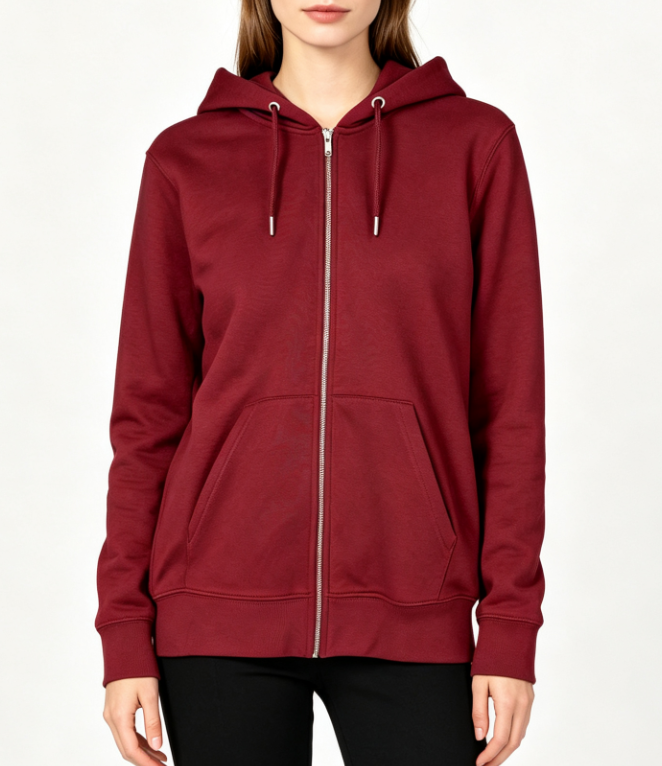
A child’s hood needs balanced depth and a clean neckline so it sits flat without pulling backward. For zip styles, specify a smooth nylon-coil or reputable YKK zipper, a zipper garage, and secure topstops to reduce chin scratches and snagging.
- Avoid neck drawcords on young-child styles
- Test zipper travel over 20 cycles
- Securely bar-tack pocket openings
Safety And Comfort Details

Small parts such as snaps, patches, zipper pulls, and decorative studs require pull-strength review and age-appropriate placement. Scratch-free printed neck labels or soft heat transfers are usually preferable to abrasive internal labels; verify local market requirements before approval.
- Inspect loose threads and sharp edges
- Confirm labels lie flat after washing
- Check decoration does not crack or peel
Sample And Pre-Shipment Checks
Before bulk release, compare measurements, hood shape, rib recovery, print adhesion, and colorfastness to the approved specification. During final QC, inspect packed units for stains, shade variation, missed stitches, incorrect labels, and functioning hardware across randomly selected cartons.
- Wash-test decorated samples before approval
- Measure key points against tolerance
- Photograph defects for corrective action
7. Choosing a Custom Hoodie Manufacturer
A 100-unit MOQ only works when the supplier can control patterns, materials, decoration, and approvals in-house. For custom childrens hoodies, evaluate technical evidence before comparing quoted unit prices.
Verify Product Capability

Request 3 recent children’s hoodie sample photos, a measurement chart, and fabric composition records. Confirm experience with age-appropriate proportions, rib recovery, hood depth, and safe drawstring alternatives. Ask whether the factory develops patterns and graded size sets rather than scaling an adult block. A capable team should explain tolerance limits, shrinkage allowance, and how it handles size-range revisions.
Test Sampling And MOQ
At 100 units per style and color, confirm the MOQ applies after fabric, color, and decoration choices—not only to a headline offer. Request a written sample timeline, revision limit, sample charge, and bulk lead-time estimate. Assess the sample after one wash: measure body shrinkage, inspect seam twisting, test rib recovery, and compare print or embroidery placement with the approved artwork.
Review Materials And Compliance
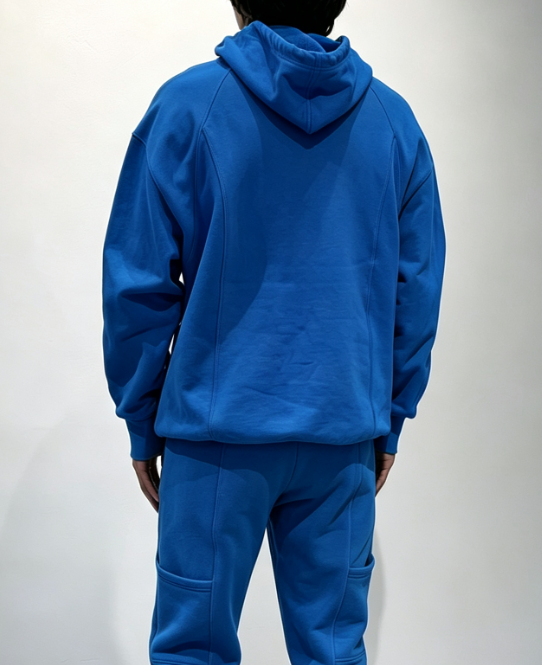
Request fabric swatches, GSM, fiber content, color standards, and test reports before approving bulk fabric. For children’s products, ask which OEKO-TEX, GOTS, BSCI, WRAP, or market-specific documents are available and verify certificates directly. Specify whether trims, inks, labels, and packaging need restricted-substance declarations. Ask how replacement fabric or failed color matching is handled before cutting begins.
Choose The Right Channel
A direct factory is usually best when you need pattern control, frequent sample feedback, transparent production questions, and repeat-order consistency. Ask for production-line photos, QC checkpoints, monthly capacity, export destinations, and a named communication contact. A trading intermediary can help when you need multiple unrelated categories or local consolidation. Require it to identify the actual factory, share inspection standards, and accept responsibility for defects and delivery coordination.
8. Common custom childrens hoodies Mistakes
The most expensive failures in custom childrens hoodies usually become visible after bulk cutting, not at quotation. Treat the pre-production sample as a risk-control document: fit, safety, wash behavior, artwork, timeline, and tolerances must be approved together.
Adult Specs And Safety
6–14 year patterns cannot be scaled-down adult blocks; long sleeves, deep hoods, and adult shoulder balance restrict movement and create returns. Approve a child-specific measurement chart and a graded size set. Under-3 styles require particular caution around cords, small detachable trims, and accessible components. Document market-specific safety requirements, cord policy, secure attachment tests, and age grading before bulk approval.
Fabric And Wash Approval

A low fabric price can conceal twist, excessive shrinkage, pilling, or color loss, turning a margin gain into replacement claims. Compare finished GSM, composition, hand feel, and wash performance rather than cost per meter alone. Three wash cycles on the approved sample reveal shrinkage, seam torque, print cracking, and rib recovery. Record the wash method and acceptable shrinkage before fabric is released for cutting.
Artwork And Size Grading

Large plastisol prints and stiff transfers can crack across a small chest or make a hoodie uncomfortable. Match artwork to fabric stretch and placement, then approve strike-offs for screen print, embroidery, DTF, or heat transfer. XS through 3XL grading cannot use identical increments across every point of measure. Require graded measurements for chest, body length, sleeve, hood opening, and rib dimensions; otherwise fit inconsistency drives exchanges.
Timing And Tolerances
Production calendars that omit fabric booking, lab dips, sample corrections, decoration lead time, and inspection invite missed launch dates. Lock a critical path with approval deadlines before issuing the purchase order. A measurement table without tolerances is not production-ready. Define permissible variance by point of measure, plus acceptable shade, placement, stitch, and print standards before pre-production approval.
9. Launching a Children’s Hoodie Collection
A 100-unit-per-style-and-color starting point lets emerging labels test a focused drop while established buyers protect a seasonal critical path. Lock the commercial calendar before sampling so approvals, freight, and launch photography do not compete for the same week.
Build The Production Brief
Week 1 should produce a tech pack with flat sketches, measurements, construction notes, Pantone references, artwork placement, label copy, and target FOB cost. Two or three core colors usually merchandise better than a broad first-drop palette. Define the size curve by sales channel and age range; do not simply scale adult proportions downward.
- Include a graded measurement chart
- Specify print dimensions by size
- Confirm main, size, and care labels
Approve Samples In Sequence

A prototype confirms silhouette, fabric weight, and decoration feasibility before fit is finalized. Choose French terry or brushed fleece against the intended season, hand feel, and wash target. One fit sample and consolidated revision sheet should precede the pre-production sample. The approved PPS becomes the factory reference for bulk construction, color, labels, packaging, and artwork.
- Prototype: design and feasibility
- Fit sample: measurements and mobility
- PPS: bulk-production standard
Control Bulk And Reorders
Bulk production should start only after written PPS approval and a confirmed delivery window. Inspections should check incoming fabric, in-line measurements, decoration, final packing, and carton counts. Four weeks before delivery, reserve repeat fabric or confirm an acceptable substitute for fast sellers. Retain the approved pattern, graded size set, color standards, and packaging specification to shorten reorders.
- Use branded hang tags and polybags
- Set carton assortments by size curve
- Plan replenishment before stockout
10. custom childrens hoodies Pricing and Cost
100 units is Junsheen’s starting production scale per style and color, but a 280 GSM cotton-poly fleece pullover with one screen print costs differently from a 340 GSM brushed-fleece zip hoodie with embroidery. The indicative ex-factory ranges below assume a basic youth hoodie, standard grading, one decoration location, and bulk-approved materials; they exclude sampling, freight, duty, and mandatory testing. 3 quote inputs prevent misleading comparisons: confirm fabric composition and GSM, style complexity, Pantone artwork and print-color count or embroidery stitch count, custom trims, labels, packaging, destination, and required OEKO-TEX, CPSIA, or other testing. Request each supplier price the same bill of materials, Incoterm, sample charge, and delivery date, then separate one-time setup costs from recurring unit cost.
| Quantity Tier | Indicative Ex-Factory Unit Price | Typical Bulk Lead Time | Cost Position |
|---|---|---|---|
| 100 units | US$12–20 | 30–40 days | Lowest volume; setup and material losses weigh heavily |
| 300 units | US$9–16 | 30–38 days | Better fabric utilization and decoration efficiency |
| 500 units | US$8–14 | 28–35 days | Common balance of unit cost and inventory risk |
| 1,000 units | US$7–12 | 28–35 days | Best leverage for fabric booking and repeatable trims |
Ready to Develop Custom Childrens Hoodies?
Send your tech pack, reference or product idea for fit-focused sampling, transparent pricing and scalable 100-unit MOQ production.