Customize Jean Jacket Programs Built for Global Brands
Launch fit-focused jean jackets from 100 units per style and color with OEM, ODM, and private-label support from XS to 3XL.
Featured Products for customize jean jacket Development




Related Product Catalogue and Quotation






Customize Jean Jacket Programs With OEM Advantages
From first sample to repeat bulk orders, JUNSHEEN combines low-MOQ denim development with reliable global production support.
100-Unit Denim MOQs
Launch a capsule or test new washes with production starting at 100 units per style and color.
Fit-Focused XS–3XL Grading
Pattern makers refine proportions, mobility, sleeve balance and grading increments for regular, oversized and extended-size denim jackets.
Integrated Decoration
Coordinate embroidery, printing, patches, custom hardware and garment washes through one experienced apparel production team.
Scalable Production Capacity
Work with 200+ skilled workers and monthly capacity above 80,000 units as your jean jacket program grows.
Complete Private Labeling
Add woven or leather labels, care labels, hang tags, branded packaging, buttons, zippers and other signature trims.
Global Export Support
Receive clear production coordination, quality inspections and export support for shipments to fashion markets worldwide.
Customize Every Layer of Your Collection
Develop denim-led and casualwear programs with fit-focused patterns, low starting quantities, coordinated materials, decoration, and private-label finishing.
Custom Hoodies
Develop custom hoodies in fleece, French terry, or jersey from 100 units per style and color. Junsheen supports hood, pocket, rib, weight, wash, embroidery, printing, labels, and XS–3XL grading decisions before bulk production.
Request a Quote
Custom T-Shirts
Build custom T-shirts around the intended hand feel, weight, silhouette, and decoration method. Choose cotton, combed blends, or performance jersey, then refine neckline, sleeve proportion, oversized fit, printing, embroidery, labels, and packaging for a production-ready program.
Request a Quote
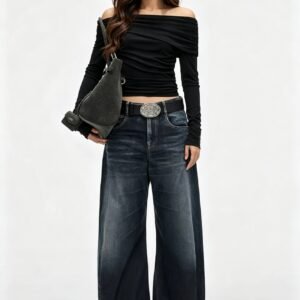
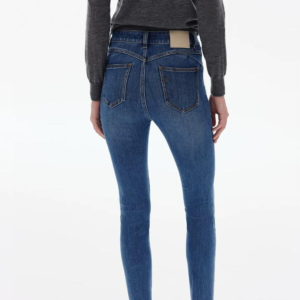
Custom Jeans
Produce custom jeans with denim weight, stretch, wash, rise, leg shape, hardware, and pocket construction aligned to your market. Pattern makers grade fit from XS through 3XL, while washing, embroidery, patches, and branded trims can be managed in one program.
Request a Quote
Custom Sweaters
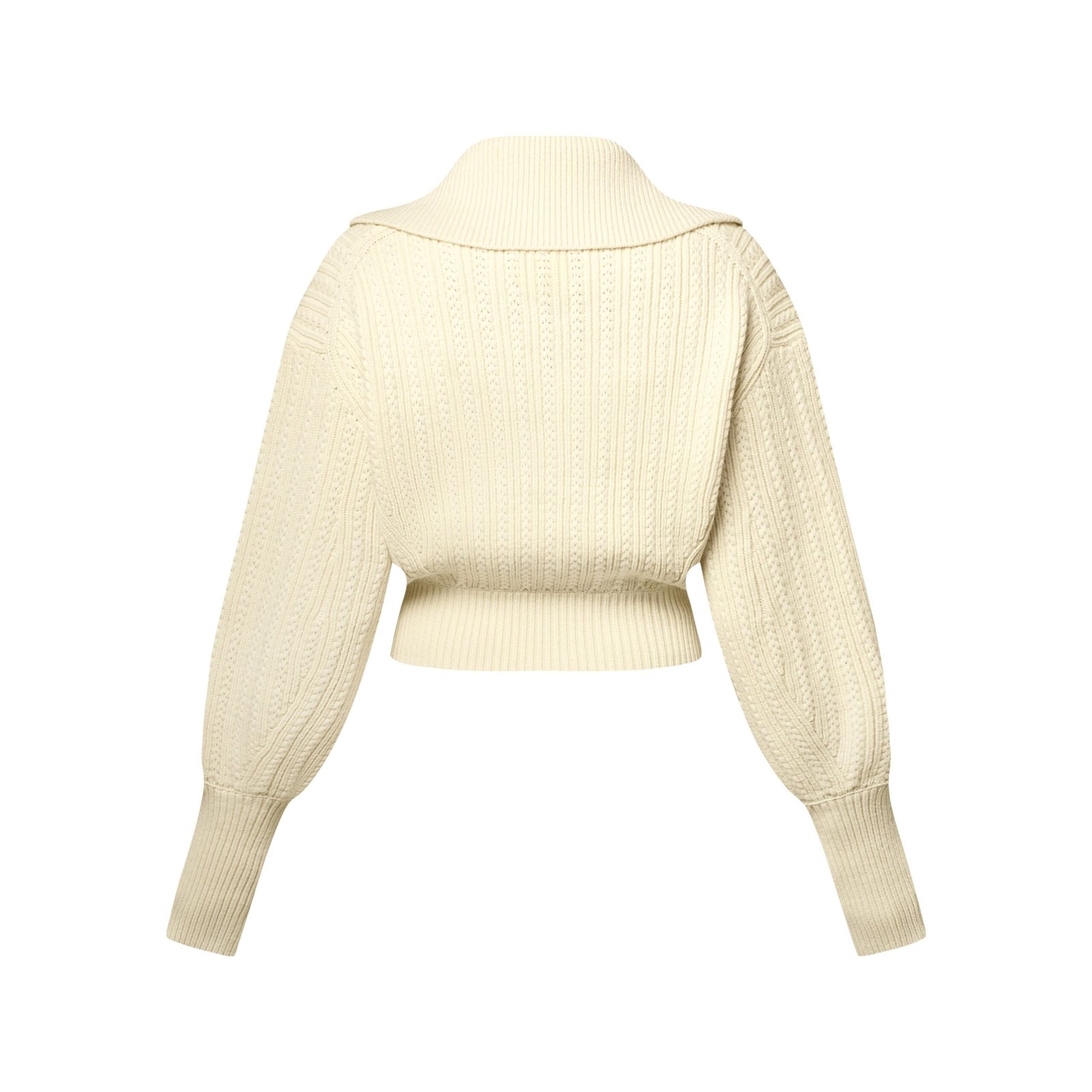
Source turtle neck sweaters in bulk with the yarn, gauge, collar height, body shape, and warmth level your collection requires. Junsheen develops sweater constructions, size grading, rib finishes, labels, and coordinated colorways for capsule or repeat wholesale orders.
Request a Quote
Custom Jackets
Create custom jean jackets with your preferred denim, silhouette, wash, seam details, pockets, closures, and branding. Development can begin from a reference garment or tech pack, with fit refinement, embroidery, patches, labels, and private-label packaging prepared for bulk production.
Request a Quote
Custom Sweatshirts & Crewnecks
Develop custom crewneck hoodies and sweatshirts with the right fleece or French terry weight, neckline, rib construction, and relaxed or oversized proportions. Add screen printing, puff effects, embroidery, washes, labels, and graded XS–3XL size sets before approving production.
Request a Quote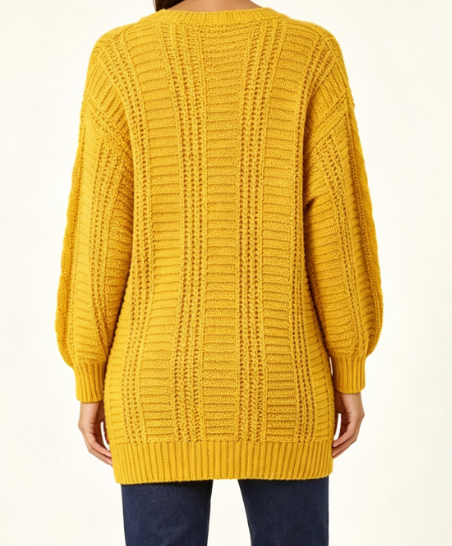
Custom Cardigans
Produce custom cardigans in selected yarns and gauges, with decisions on button fronts, plackets, pockets, rib trims, length, and fit. Junsheen supports sampling, color development, size grading, branded buttons, woven labels, and scalable knitwear production.
Request a Quote
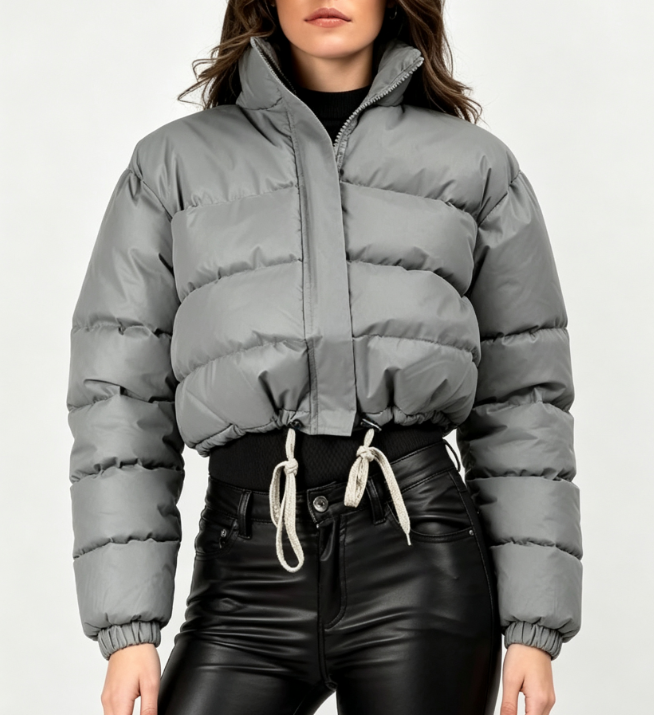
Custom Puffer & Down Jackets
Develop custom puffer jackets around shell fabric, insulation, quilting layout, fill weight, lining, hardware, pockets, and weather-use requirements. Junsheen can coordinate fit, branded zippers, reflective details, labels, and packaging from prototype through production.
Request a Quote
Custom Denim Shorts
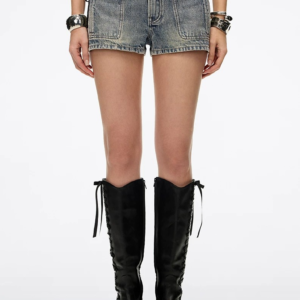
Create custom jean shorts with the denim weight, inseam, rise, leg opening, distressing, hem treatment, and wash direction suited to your customer. Fit-focused patterns, hardware, embroidery, patches, and labels can be approved during sampling before bulk cutting.
Request a Quote
Custom Sweater Dresses
Develop custom sweater dresses with yarn selection, gauge, neckline, length, shaping, rib details, and intended stretch considered together. Junsheen supports prototypes, XS–3XL grading, plus-size and oversized proportions, labels, and coordinated knitwear color programs.
Request a Quote
Custom Denim Sets
Build men’s denim suits for wholesale with matching jackets and jeans designed as a consistent set. Junsheen manages denim sourcing, fit balance, washes, pockets, hardware, logos, labels, and size grading for coordinated capsule launches or ongoing bulk programs.
Request a Quote
Custom Polo Shirts
Produce custom polo shirts in piqué, jersey, or performance knits with specified collar shape, placket, sleeve rib, button, and logo treatment. Develop retail or uniform-ready fits with embroidery, printing, labels, color matching, and reliable bulk quality control.
Request a Quote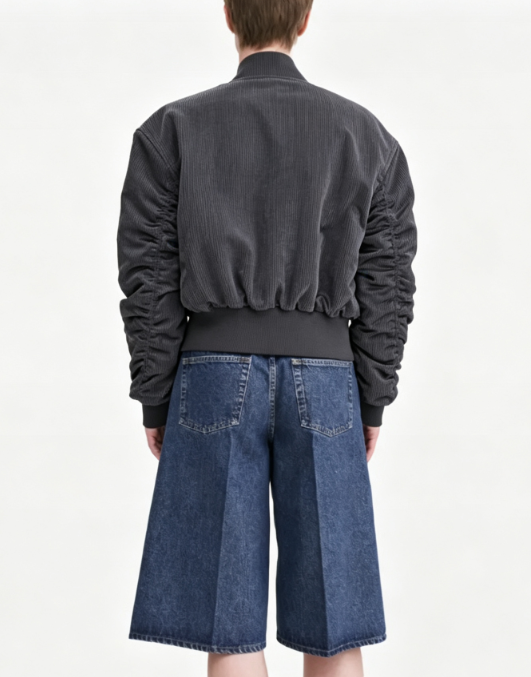
Custom Sweatpants
Develop custom sweatpants with fleece, French terry, or jersey suited to the required weight and drape. Refine rise, inseam, cuff, waistband, pocket, and oversized-fit details, then add prints, embroidery, washes, labels, and matching tops for complete programs.
Request a Quote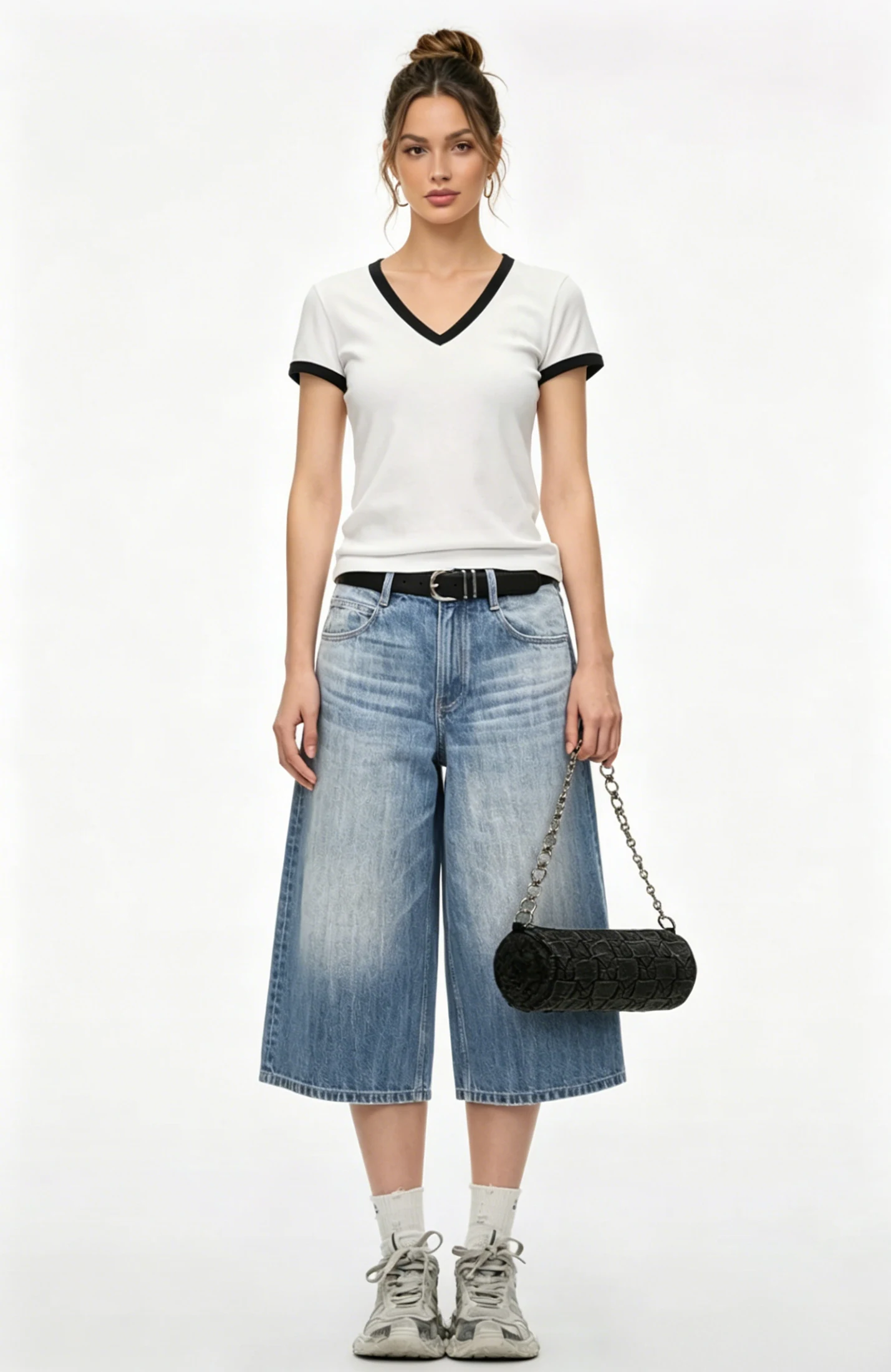
Custom Shorts
Produce custom shorts for casualwear, active-inspired, woven, or fleece collections with targeted fabric, inseam, waistband, pockets, and mobility. Junsheen supports pattern development, size grading, decoration, branded trims, washing, labels, and production from 100 units per style and color.
Request a Quote
Custom Pullovers
Create custom pullovers in knit, fleece, French terry, or jersey constructions matched to your desired fit and season. Develop necklines, plackets, pockets, cuffs, hem finishes, embroidery, printing, labels, and XS–3XL grading through sampling before bulk production.
Request a QuoteMaterials to Customize Jean Jacket Collections

Rigid Cotton Denim
A structured, authentic denim with a dry hand feel for classic trucker jackets, workwear silhouettes and vintage washes. Available in varied ounce weights, it gains character through enzyme, stone and acid-wash finishing.

Stretch Denim
Cotton-rich denim blended with elastane for a softer feel and comfortable recovery. Ideal for slim, fitted or extended-size jean jackets, it adds mobility through sleeves and shoulders while retaining a clean denim appearance.

Cotton Twill
A smooth, durable woven fabric with a crisp hand and diagonal texture, suited to lightweight denim-inspired jackets and transitional overshirts. Its stable construction supports sharp seams, embroidery and custom garment-dye programs.

Recycled Denim
A responsible denim option incorporating recycled cotton or recycled fibers for brands pursuing lower-impact collections. It delivers a textured, substantial hand while fabric composition, weight and wash performance can be matched to your target brief.

Brushed Cotton Lining
A soft cotton or cotton-blend lining that improves comfort in unlined-feel jackets, cool-weather layers and premium private-label programs. Its brushed surface adds warmth without excessive bulk and supports smoother on-body wear.

Quilted Polyester Lining
A lightweight, smooth lining paired with insulation for padded denim jackets and cold-season outerwear. It improves layering ease, resists wrinkles and can be specified in different fill weights to balance warmth, bulk and cost.
Customize Jean Jacket Decoration, Washing & Finishing

Logo Embroidery
Flat, 3D puff, chain-stitch and applique embroidery add dimensional branding to denim jackets. We reinforce placement areas and test stitch density to achieve clean definition, secure attachment and durable repeated-wear performance.

Screen Printing
Plastisol, water-based, puff, silicone, high-density and foil screen prints create bold artwork on custom denim jackets. Our team matches ink systems to fabric weight and garment washes for strong color, adhesion and visual impact.

Custom Patch Application
Woven, embroidered, leather and custom-shaped patches give jackets a tactile private-label finish. We develop patch materials, edge treatments and attachment methods for a secure result that complements your denim weight and wash.

Garment Dyeing
Garment dyeing creates rich, tonal color with a softened lived-in character after construction. We review dye compatibility, shrinkage and trim behavior during sampling so your custom denim jacket program maintains consistent shade and fit.

Denim Wash Finishing
Enzyme, acid and stone washes create authentic faded contrast, texture and vintage character. Junsheen samples wash recipes against your chosen denim to balance abrasion, softness, color variation and lasting garment strength.
Customize Jean Jacket Private-Label Trims

Custom Metal Buttons
Choose engraved logo buttons, shank buttons, or denim tack buttons in finishes that match your collection. Used at front plackets, cuffs, and waist tabs, they reinforce durability and a distinct brand signature.

Branded Snap Fasteners
Add logo snaps for trucker jackets, western-inspired styles, detachable collars, or pocket closures. JUNSHEEN can coordinate size, finish, color, and placement to support fast wearability while keeping hardware consistent across the range.

Custom Zipper Pulls
Specify metal or nylon zippers with branded pullers for zip-front jean jackets, chest pockets, and removable layers. We help select zipper construction and finish for dependable use, visual balance, and your target product cost.

Woven Leather Labels
Apply woven main labels or embossed leather patches at the neck, waistband, or back hem. These private-label details communicate sizing, brand identity, and a premium denim finish without compromising garment comfort.

Custom Hang Tags
Create hang tags with your logo, product story, barcode, care messaging, or collection information. They provide a polished retail-ready presentation for showroom samples, wholesale deliveries, and direct-to-consumer jean jacket launches.
Branded Packaging Sets
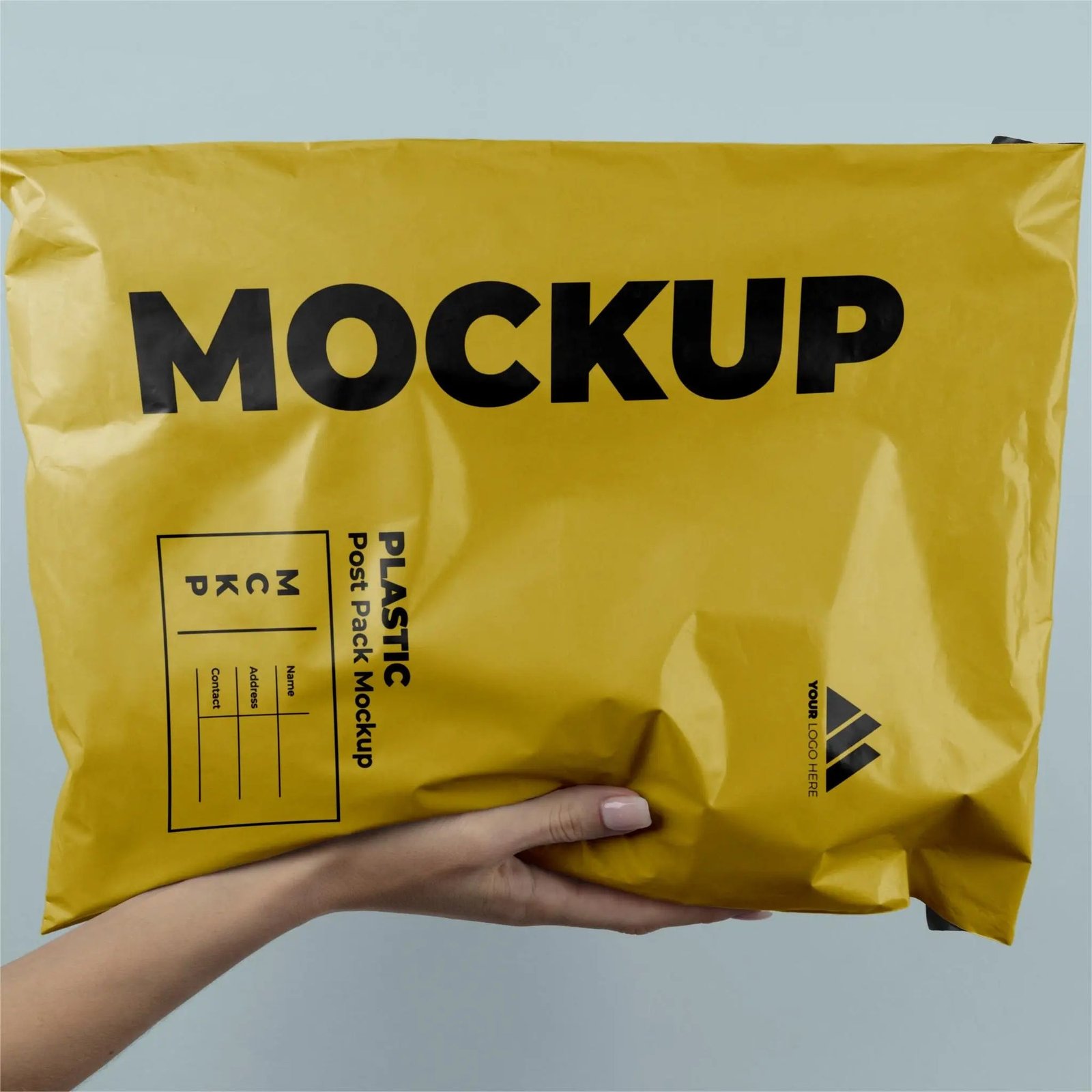
Complete each order with custom polybags, tissue, stickers, carton marks, and folded inserts. JUNSHEEN coordinates packaging specifications with final inspection and export packing, helping your jackets arrive organized and presentation-ready.
About JUNSHEEN Custom Apparel
Founded in 2010 in Humen Town, Dongguan, JUNSHEEN helps global fashion brands turn denim and casualwear concepts into production-ready collections. Our mission is fit-first development and dependable manufacturing, from a first customize jean jacket sample to repeat bulk programs.
With 200+ skilled workers and monthly capacity above 80,000 units, we support low-MOQ launches from 100 units per style and color as well as scalable wholesale production. Our integrated supply chain covers pattern making, fabric sourcing, cut-and-sew, knitting, decoration, washing, quality control, packaging and export support.
What sets JUNSHEEN apart is technical development built around real wearability. We refine normal, oversized, extended-size and plus-size patterns from XS to 3XL, then manage labels, trims and finishing in-house for clearer approvals, consistent quality and a smoother path from design idea to delivered apparel.

Deep-Dive Capabilities to Customize Jean Jacket Collections
Fit-First Pattern Development
JUNSHEEN turns sketches, tech packs, and reference garments into production-ready denim jacket patterns. Our team refines shoulder balance, sleeve pitch, body length, ease, and grading from XS to 3XL, including extended-size, plus-size, and modern oversized fits.
- Pattern making and technical specification review
- XS–3XL grading with proportion-focused adjustments
- Prototype, size-set, and pre-production approval support

Denim Sourcing and Wash Control
Select denim by weight, stretch, hand feel, color, durability, and target cost, then validate the result through sampling. We manage wash development for clean rinses, enzyme effects, stone washes, acid washes, garment dye, and softening while monitoring shrinkage and final measurements.
- Rigid, stretch, recycled, and specialty denim options
- Wash sampling to confirm shade and hand feel
- Measurement control after finishing and laundering
In-House Decoration Integration
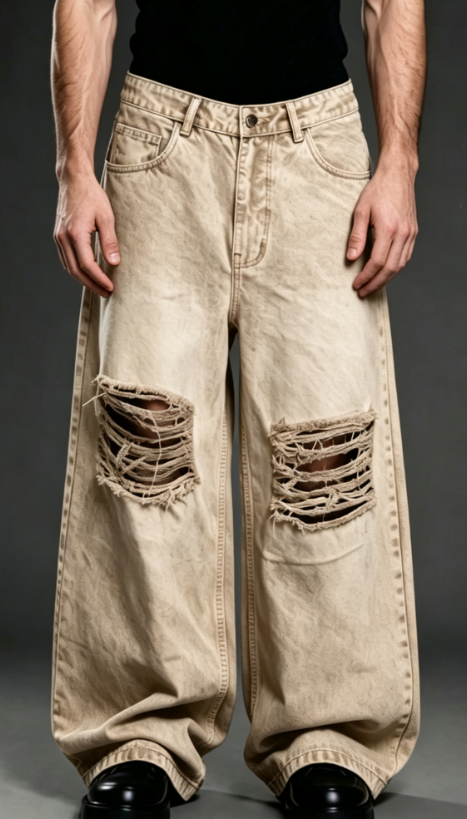
Build recognizable customize jean jacket programs with decoration planned alongside construction and washing. JUNSHEEN coordinates logo placement, embroidery density, patch application, and print compatibility so each technique performs reliably on denim without compromising the garment’s drape or finish.
- Flat, 3D, puff, chain-stitch, and applique embroidery
- Screen print, DTF, heat transfer, and specialty effects
- Custom patches positioned for production consistency

Private-Label Production Support
From a 100-unit capsule to repeat bulk orders, JUNSHEEN manages the details that make denim jackets ready for your brand. Labels, hardware, packaging, quality checks, and export coordination are handled within one responsive supply chain for global delivery.
- Woven or leather labels, hang tags, and wash-care labels
- Custom buttons, snaps, zippers, and branded packaging
- OEM, ODM, wholesale, and global shipping support

Why Brands Customize Jean Jacket Programs With JUNSHEEN
Evidence-led manufacturing support from first sample through repeat global orders.
← 左右滑动查看 →
Customize Jean Jacket Production, Step by Step
A controlled OEM workflow for brands developing denim jackets from 100 units per style and color.
Review Design Feasibility
Share a tech pack, sketch, reference garment, or concept. Our team reviews construction, target fit, decoration, quantities, and production requirements before development begins.
Source Denim and Trims
We recommend denim weight, stretch, wash performance, lining, hardware, labels, and branded trims to align hand feel, durability, target cost, and your collection vision.
Develop Patterns and Samples
Pattern makers build fit-focused XS–3XL grading, refine proportions and mobility, then produce prototype and size-set samples for your approval before bulk production.
Cut, Sew, and Decorate
Approved materials move into cutting and construction, followed by embroidery, printing, patches, washing, distressing, or finishing according to confirmed production specifications.
Inspect, Pack, and Ship
We check fabric, measurements, construction, decoration, and packed goods, then complete branded packaging and coordinate export-ready global shipping for your order.
How to Customize Jean Jacket Programs With JUNSHEEN
Move from concept to export-ready bulk production with a fit-focused denim manufacturing team.
Share Your Design Brief
Send a tech pack, sketch, mood board, or reference garment. Our team reviews construction, fit targets, washes, decoration, trims, and feasibility.
Confirm Materials and Pricing
Select denim, hardware, labels, and finishing options with our sourcing team. Receive a clear quotation based on specifications, quantities, and delivery requirements.
Approve Your Sample
We create patterns, grade XS–3XL where needed, and produce a prototype. Review measurements, fit, wash effects, and branding before production approval.
Launch Bulk Production
After approval, we manage cutting, sewing, decoration, washing, quality inspections, packing, and global shipping for orders from 100 units per style or color.
Custom Clothing Manufacturer Credentials and Compliance Documents



Customize Jean Jacket Results from Real Brand Partners
JUNSHEEN turned our reference jacket into an approved size set in two sampling rounds. Their revised shoulder and sleeve grading cut our fit comments by 40%, and we launched 600 units across XS–3XL on schedule.
For our first private-label denim drop, the 100-unit MOQ let us test two washes without overcommitting inventory. The bulk jackets matched the approved sample closely, and our reorder grew to 1,200 units within four months.
We needed custom embroidery, branded hardware, and a consistent oversized fit for three markets. JUNSHEEN consolidated development and production, reducing supplier coordination from five vendors to one and delivering 2,400 jackets with fewer than 1% measurement rejects.
Customize Jean Jacket FAQ for B2B Buyers
Clear answers on MOQ, sampling, fit, payment, shipping, and confidential production for global denim programs.
What is the MOQ to customize jean jackets with JUNSHEEN?
How long does it take to customize a jean jacket sample?
How much does it cost to customize a jean jacket?
Can you develop plus-size, oversized, and XS–3XL jean jacket fits?
Can I customize jean jackets from a sketch or reference garment?
What payment terms do you offer for custom jean jacket orders?
Do you ship custom jean jackets internationally?
How do you protect my designs and brand information?
The Complete Buyer’s Guide to customize jean jacket
Use this decision framework to select styles, materials, decoration methods, and a reliable supplier for custom denim programs—while avoiding costly sampling, fit, pricing, and production mistakes.
1. What Does Customize Jean Jacket Mean?
100 units per style and color is a practical starting point for a B2B customize jean jacket program: a denim jacket specified around a brand’s fit, fabric, wash, construction, trims, artwork, labels and final packaging. It is a production brief, not simply a logo added to a finished garment. 3 sourcing models need to be separated before a buyer requests pricing. Retail personalization modifies a stocked jacket with an embroidered name, patch or print; private label applies branded labels, hang tags or packaging to an existing factory style; full OEM/ODM development creates or substantially revises the pattern, grading, denim weight, wash recipe, hardware and decoration from a tech pack, reference or design direction. 2010 is the year Dongguan Junsheen Clothing began serving apparel clients, and its development process can start from a finished tech pack or an early product concept. Before quotation, define the target fit and size range, denim composition and weight, wash standard, Pantone colors, artwork placement, button or zipper specification, label pack, packaging, quantity by color and required delivery market; each choice affects sampling, compliance checks, cost and production timing.
2. Customize Jean Jacket: Evolution and Market Relevance
1880: Levi Strauss & Co. introduced riveted workwear that established denim’s reputation for durability; by the mid-20th century, the jean jacket had moved from rail yards and ranches into youth culture. That shift made the silhouette a repeatable fashion canvas rather than a purely functional layer. 1960s–1990s: stone wash, acid wash, garment dye, abrasion and repair details repeatedly refreshed the category, while music and streetwear made oversized truckers, cropped fits and logo-treated denim recognizable signals of belonging. Vintage revival still rewards irregular fades, authentic-looking wear and hardware with character, but brands should distinguish deliberate wash recipes from uncontrolled shade variation. 100-unit programs let a label use a customize jean jacket assortment to test a clear point of view: a clean dark-indigo core, a washed fashion colorway, or a limited artist-collaboration finish. Retailers can position the same base pattern differently through embroidery, patches, lining, labels and packaging while controlling inventory risk. XS–3XL coverage is now a positioning decision, not an afterthought. Inclusive sizing requires proportion-aware patterns and grading—especially shoulders, sleeve length, chest ease and body length—so uniform programs, teams and customer communities receive a consistent fit instead of an enlarged standard sample.
3. Types of Customize Jean Jacket Styles
Seven core silhouettes cover most customize jean jacket briefs. Select the base block before decoration: its proportion, lining, pockets, and grade determine target customer, seasonal use, labor content, and retail ceiling.
Trucker And Fitted Blocks

The 1960s-inspired trucker is the most recognizable unisex base: a boxy body, chest flap pockets, front placket, and waistband tabs support heritage, workwear, and street labels. A fitted block uses closer chest and bicep ease, shorter body balance, and carefully placed back seams. It suits women’s fashion and polished denim capsules, but needs size-set approval to avoid restricted reach.
- Trucker: patches, embroidery, contrast topstitching
- Fitted: shaping seams, custom hardware, cleaner washes
Oversized, Cropped, And Extended Sizes
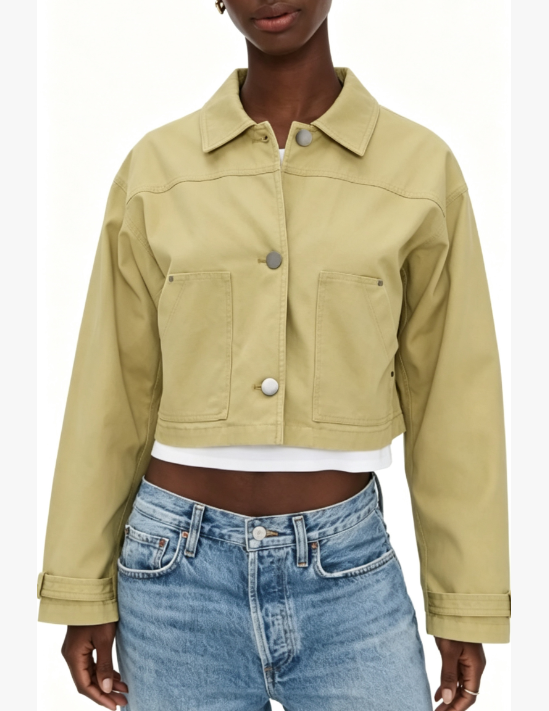
An oversized jacket typically adds 8–15 cm of chest ease and dropped shoulders for layering. It fits youth streetwear and gender-inclusive assortments, while longer sleeves and collar scale require prototype review. A cropped body can stop near the high hip for fashion-led womenswear; proportion matters more than simply shortening a trucker. XS–3XL extended-size programs need revised shoulder, sleeve, and body grading rather than uniform enlargement.
- Oversized: large back graphics and applique
- Cropped: branded buttons and statement washes
- Extended sizes: mobility-tested armholes and consistent grading
Sherpa And Utility Variants

Sherpa-lined denim adds insulation for autumn and winter deliveries, raising material and sewing cost through lining, seam finishing, and bulkier construction. It supports premium casual, outdoor-inspired, and gift-oriented programs. Utility jackets add 2–4 cargo, welt, or patch pockets for workwear and travel customers. Specify pocket dimensions, bartacks, snaps, and wash sequence early because hardware and pocket placement affect both appearance and labor.
- Sherpa-lined: contrast collar and warm hand feel
- Utility: cargo pockets, bartacks, metal snaps
4. Customize Jean Jacket Materials and Fabric Weights
10–14 oz denim suits most customize jean jacket programs because it holds a clean silhouette without feeling overly stiff. Fiber content, weave, wash and lining must be specified together, since each changes shrinkage, hand feel and delivered cost.
| Material | Comfort | Durability | Wash Behavior | Best Season |
|---|---|---|---|---|
| 100% cotton rigid | Structured, breaks in | High | Fades and softens | All-season |
| Cotton-elastane | Flexible, easy movement | Good | Needs recovery testing | Spring to fall |
| Recycled cotton blend | Variable, often softer | Blend-dependent | Test abrasion and shrinkage | All-season |
| Brushed or sherpa | Warm, bulky | Good with stable lining | Follow lining care | Fall and winter |
Set Weight And Stretch

10–12 oz denim works for spring layering and fashion overshirts; 12–14 oz gives classic jacket structure. A 1–2% elastane blend improves reach and recovery, but excessive stretch can bag after repeated washing. 3×1 right-hand twill is the standard durable denim weave, while broken twill reduces visible leg twist in matching bottoms. Request finished GSM, not only loom-state ounces, plus wash shrinkage tolerance.
Match Finish To Season

Enzyme and softener washes reduce initial stiffness with less abrasion than aggressive stone washing. Acid and bleach effects need approved wash standards because shade, seam puckering and strength loss vary by lot. 80–120 gsm quilt lining adds warmth with modest bulk, while sherpa creates a winter statement and raises sewing time. Brushed-back denim is a lighter cool-weather alternative when a full lining is unnecessary.
Specify Claims And Cost
20–50% recycled cotton can support a recycled-content claim when backed by supplier transaction documents. Recycled fibers may shorten staple length, so blend design and tear-strength testing matter more than a headline percentage. 100-unit launches should approve a swatch, washed sample and bulk shade band before cutting. Define fiber percentages, finished weight, wash recipe, color standard and acceptable shrinkage in the purchase order.
5. Customize Jean Jacket Decoration Options
At a 100-unit MOQ, decoration choice determines both the recognizable face of a customize jean jacket and its production economics. Plan artwork around seam lines, pocket edges, plackets, lining access, and the wash process before approving a sample.
| Method | Best Placement | Artwork Limit | Wash Durability | Cost Profile |
|---|---|---|---|---|
| Embroidery | Chest, yoke, sleeve | Small text and dense fills | High with backing | Digitizing plus mid unit cost |
| Screen Print | Back panel, flat sleeve | Avoid seams and heavy texture | High when cured correctly | Setup-heavy; efficient at volume |
| Rhinestones Or Studs | Collar, pockets, back | Simple lines; secure spacing | Moderate; test attachment | Higher labor and unit cost |
| Woven Labels | Neck, hem, pocket edge | Fine detail within weave limits | High | Low-to-mid unit cost |
Embroidery And Appliqué

6–10 cm left-chest logos, back yokes, and sleeve panels suit flat, puff, chain-stitch embroidery, patches, and appliqué. Dense stitches can pucker lightweight denim; simplify tiny type and keep embroidery clear of thick seams.
- Use backing to stabilize stretch denim.
- Choose patches for multicolor detail.
- Test abrasion after enzyme washing.
Print, Laser, And Wash Effects

1–4 spot-color screen prints are economical at repeat volume, while DTG suits short runs and tonal artwork but needs a smooth printable panel. Laser fading and discharge create integrated effects; sample them after the final wash because indigo and garment dye alter contrast.
- Screen print: highest setup, low repeat cost.
- DTG: minimal setup, higher unit cost.
- Laser: no added hand feel.
Labels And Custom Hardware

2-piece woven main-and-size labels, leather patches, logo snaps, and branded buttons create durable identity without covering the denim surface. Specify finish, logo depth, corrosion resistance, and placement early; hardware changes require supplier samples and can lengthen approvals.
- Use woven labels for fine type.
- Match rivet finish to zipper finish.
- Avoid hardware through pocket bags.
6. Construction Details That Signal Quality
A jean jacket’s perceived value is often decided at the seams and hardware, not the silhouette. Review these checkpoints on the approved sample and again during bulk inspection to prevent fit complaints, early failures, and returns.
Stitching And Seam Strength
8–10 stitches per inch is a practical benchmark for many denim seams; uneven spacing, skipped stitches, or loose thread tails weaken the garment’s finish. Two-row felled seams at high-stress areas improve abrasion resistance. Check sleeve joins, side seams, and armholes after wash testing, because seam torque can reduce comfort and distort fit.
Stress Points And Hardware
3–5 bartacks should reinforce pocket corners, placket ends, and other pull points. Missing or poorly positioned bartacks allow pockets and openings to fail long before the fabric wears out. Each button, rivet, and snap needs secure attachment without damaging surrounding denim. Test closures repeatedly and verify the placket lies flat without gaping or twisting.
Collar And Pocket Alignment
2 collar points should match in length and roll evenly around the neckline. A warped collar or uneven topstitching immediately lowers perceived value in wholesale and retail review. 1–3 mm visual tolerance for matched chest-pocket height helps maintain symmetry. Compare pocket angle, flap placement, and left-to-right spacing on a buttoned garment.
Wash And Size Consistency
3–5 washed units across a size range reveal shade variation, shrinkage, and puckering before bulk approval. Confirm wash recipes against the approved standard, especially for enzyme, stone, or acid finishes. XS–3XL grading must adjust shoulder balance, body length, sleeve length, and chest ease rather than simply enlarging one pattern. Consistent grade rules improve mobility and reduce size-related returns.
7. How to Choose a Jean Jacket Manufacturer
A factory should be approved on evidence, not its catalog. For a customize jean jacket program, verify the factory can translate your fit, wash, trim and labeling requirements into repeatable bulk production.
Verify Denim Development

100-unit MOQs can suit capsule launches, but confirm whether the minimum applies per style, color and wash. Ask to review comparable denim samples and their pattern, grading and wash-development process. 2 sample rounds are common before bulk approval; require a sealed pre-production sample with measurement tolerances. Ask who owns patterns, graded files and approved wash standards.
Check Materials And Decoration

10–14 oz denim is typical for many jackets, while stretch content, shrinkage and colorfastness affect final fit. Request mill composition, weight, usable width and test documentation before approving fabric. Pantone references, embroidery files and print placement sheets should be signed off before cutting. Ask how decoration is inspected after washing and whether replacement panels can be made.
Audit Controls And Communication
3 checkpoints—incoming fabric, in-line sewing and final packing—should be documented for each order. Ask for measurement reports, AQL standard, needle-control procedure and available OEKO-TEX, GOTS, WRAP or BSCI records where relevant. 24–48 hour replies during development are a practical expectation. Confirm one accountable contact, sample and bulk lead times, shipping terms, and how delays or defects are reported.
Demand A Comparable Quote
1 quotation should separate fabric, wash, trims, decoration, labels, packaging, sampling, freight and any development charges. A low unit price can omit testing, special hardware or post-wash rework. Before paying a deposit, ask: What changes after sample approval? What is the production tolerance? When is balance due? JUNSHEEN can support OEM and private-label programs from 100 units per style and color, subject to the confirmed specification.
8. Common Customize Jean Jacket Buying Mistakes
A 100-unit MOQ makes early decisions unusually consequential: one incomplete approval can tie up capital in unsellable inventory. Before bulk, buyers should convert aesthetic preferences into measurable specifications, tests, and packaging instructions.
Lock The Technical Brief
A tech pack should specify measurements, graded tolerances, stitch type, Pantone colors, hardware, artwork placement, and wash target; a reference photo alone cannot control production. Missing details invite supplier assumptions, creating resample costs and inconsistent bulk units. A 2–3 cm measurement tolerance may be acceptable on one point but not on sleeve length or chest width. Issue a revision-controlled tech pack and approve a measurement chart, size grade, and trim list before cutting.
Test Denim And Washes
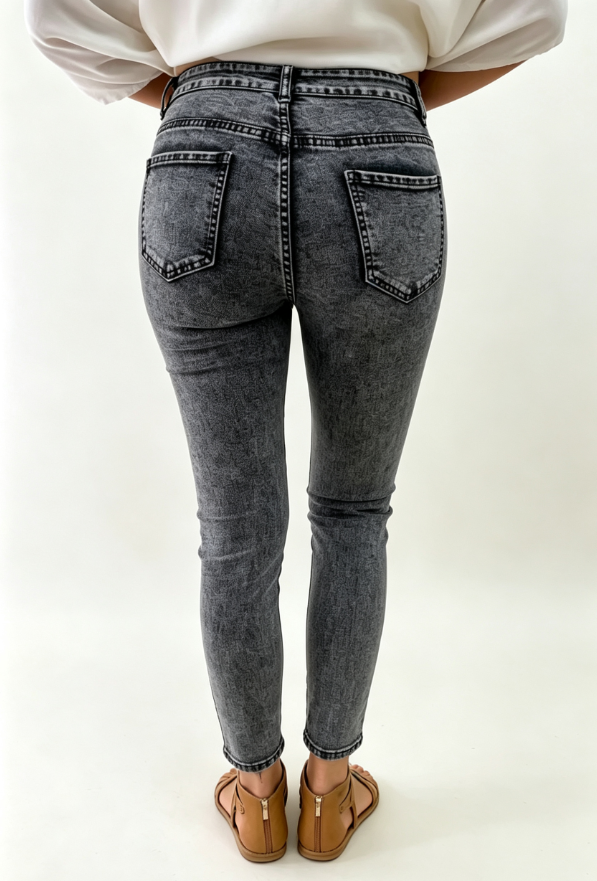
A 10–14 oz denim photo cannot reveal fiber content, stretch recovery, shade variation, or post-wash shrinkage. Selecting fabric from images alone can produce a different hand feel and fit, while unplanned shrinkage can make approved measurements fail in bulk. A washed sample should be measured before and after the intended enzyme, stone, or garment-dye process. Request physical swatches, confirm shrinkage allowance, and wear-test movement, seams, pocket durability, and wash performance.
Control Decoration And MOQ

Three decoration methods on one jacket—such as embroidery, patches, and high-density print—can increase setup time, reject risk, stiffness, and unit cost. Map artwork to seam locations and approve strike-offs so decoration remains durable after washing. A 100-unit program spreads pattern, sampling, custom labels, and special hardware over few garments, raising effective cost per unit. Confirm label, care-content, country-of-origin, hang-tag, and packaging requirements during quotation; late omissions can delay shipment or force relabeling.
9. Steps to Launch Your Custom Denim Program
A 100-unit first order works best when every approval is assigned before sampling begins. Treat the program as gated development: the brand approves aesthetics and fit, while the factory confirms manufacturability, materials, and production controls.
Brief And Technical Alignment
Week 1 starts with a mood board, target retail price, size range, colorways, reference garment, and required delivery date. The brand owner should nominate one person to consolidate feedback. A production-ready tech pack should specify measurements, denim weight, wash, stitch color, hardware, artwork, labels, and Pantone references. Junsheen can review a sketch or reference garment, but written approval prevents conflicting revisions.
- Confirm 100 units per style and color
- Lock target customer and size range
- Name one final approval owner
Materials And Prototype Gate

Week 2 typically covers denim swatches, trims, and wash direction before a prototype is cut. Select fabric by weight, stretch recovery, shade consistency, and expected wash change rather than appearance alone. One prototype should test construction and silhouette; it is not bulk authorization. Approve corrected measurements, mobility, pocket placement, decoration, and wash appearance in writing before size-set or pre-production work.
- Approve fabric and trim swatches
- Record post-wash measurements
- Freeze pattern and grading comments
Pre-Production Through Delivery
Before bulk cutting, approve a pre-production sample matching final fabric, wash, labels, packing, and workmanship. Any change after this gate can affect cost, timing, and shade consistency. During bulk production, inspect incoming materials, in-line stitching, measurements, decoration, and packed goods against the approved sample. Retain approved patterns, graded size sets, and material records so a successful capsule can become a repeat seasonal program.
- Approve pre-production sample before cutting
- Use an agreed inspection checklist
- Archive specifications for reorder consistency
10. Customize Jean Jacket Pricing and Lead Times
100 units per style and color is a practical starting point for a customize jean jacket program, but the lowest tier carries the highest sampling, pattern, and material-allocation cost per piece. The ranges below are planning figures for a midweight cotton or cotton-stretch denim jacket; confirm an itemized quote after the tech pack, wash standard, and packaging specification are approved. 10–14 oz denim generally costs less than heavyweight 14–16 oz fabric, while enzyme, stone, acid, or garment-dye washes add processing, handling, and yield risk. Custom metal hardware, YKK zippers, leather labels, multiple pockets, contrast topstitching, embroidery, screen print, and individual branded packaging each change the final landed factory price. 20–45 calendar days is a typical bulk-production window after pre-production approval and all materials arrive, excluding international transit. A first sample commonly needs 7–14 days; consolidate colors and repeat approved patterns, trims, and washes to reduce development time and unlock better volume pricing.
| Order quantity | Indicative unit price, USD | Main cost profile | Typical bulk lead time |
|---|---|---|---|
| 100–299 | $28–$45 | Higher setup allocation; stock denim or simple wash | 30–45 days |
| 300–999 | $22–$36 | Better fabric utilization; moderate trims and decoration | 25–40 days |
| 1,000+ | $18–$30 | Volume purchasing; repeatable wash and packaging program | 20–35 days |
Customize Jean Jacket Samples With JUNSHEEN
Send your tech pack, sketch, or product idea for fit-focused OEM development, 100-unit MOQ production, and a clear quotation.