Jeans Jacket Wholesale With 100-Unit OEM MOQs
Launch custom jeans jacket wholesale programs with OEM, ODM, and private-label support, fit-focused XS–3XL grading, and scalable global production.
Featured Products for jeans jacket wholesale Development




Related Product Catalogue and Quotation






Jeans Jacket Wholesale Built for Brand-Ready Production
From low-MOQ development to repeat bulk orders, JUNSHEEN gives global labels practical control over fit, branding, and supply.
100-Unit MOQ
Launch denim jacket capsules from 100 units per style and color, then scale proven designs without changing manufacturing partners.
Fit-Focused XS–3XL
Pattern makers refine proportions, mobility, sleeves, and grading for standard, extended-size, plus-size, and oversized denim jacket fits.
In-House Customization
Add logo embroidery, screen printing, patches, washes, labels, hardware, and branded packaging through one coordinated production team.
Denim Development Support
Move from tech pack, sketch, reference garment, or mood board to production-ready specifications, samples, fabrics, and trims.
Scalable Global Supply
Rely on 200+ skilled workers, 80,000+ monthly units of capacity, quality control, and export support for growing wholesale programs.
One-Stop OEM Partner
Combine cut-and-sew expertise, sourcing, sampling, private labeling, bulk production, and repeat-order records in a single denim supply chain.
Wholesale Denim Jackets and Custom Apparel
Production-ready categories for private-label, wholesale, and brand programs, from denim outerwear to coordinated casualwear with scalable low-MOQ manufacturing.

Custom Hoodies
Develop custom hoodies in fleece, French terry, or heavyweight cotton with refined XS–3XL grading, custom ribbing, pockets, drawstrings, embroidery, printing, labels, and branded packaging. Low MOQs support capsule drops and wholesale replenishment.
Request a Quote
Custom T-Shirts
Produce custom T-shirts in combed cotton, jersey blends, oversized silhouettes, or fitted cuts. Junsheen supports specification review, pattern development, screen printing, DTG, DTF, embroidery, washes, private labels, and size grading for consistent bulk production.
Request a Quote
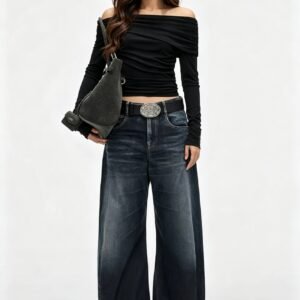
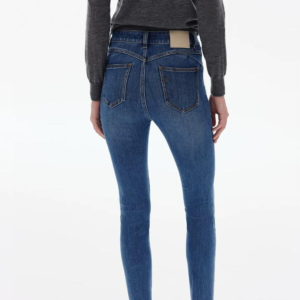
Custom Jeans
Build custom jeans in rigid or stretch denim with fit-specific rises, leg shapes, washes, hardware, stitching, and branded trims. Pattern makers grade proportions from XS–3XL to support regular, extended-size, plus-size, and oversized denim programs.
Request a Quote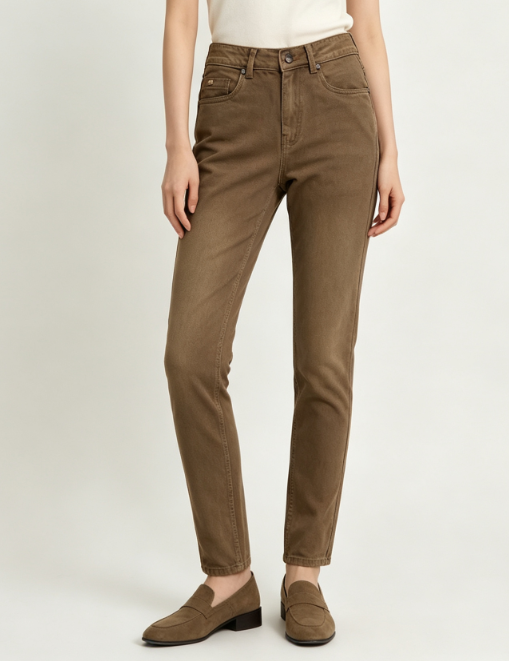
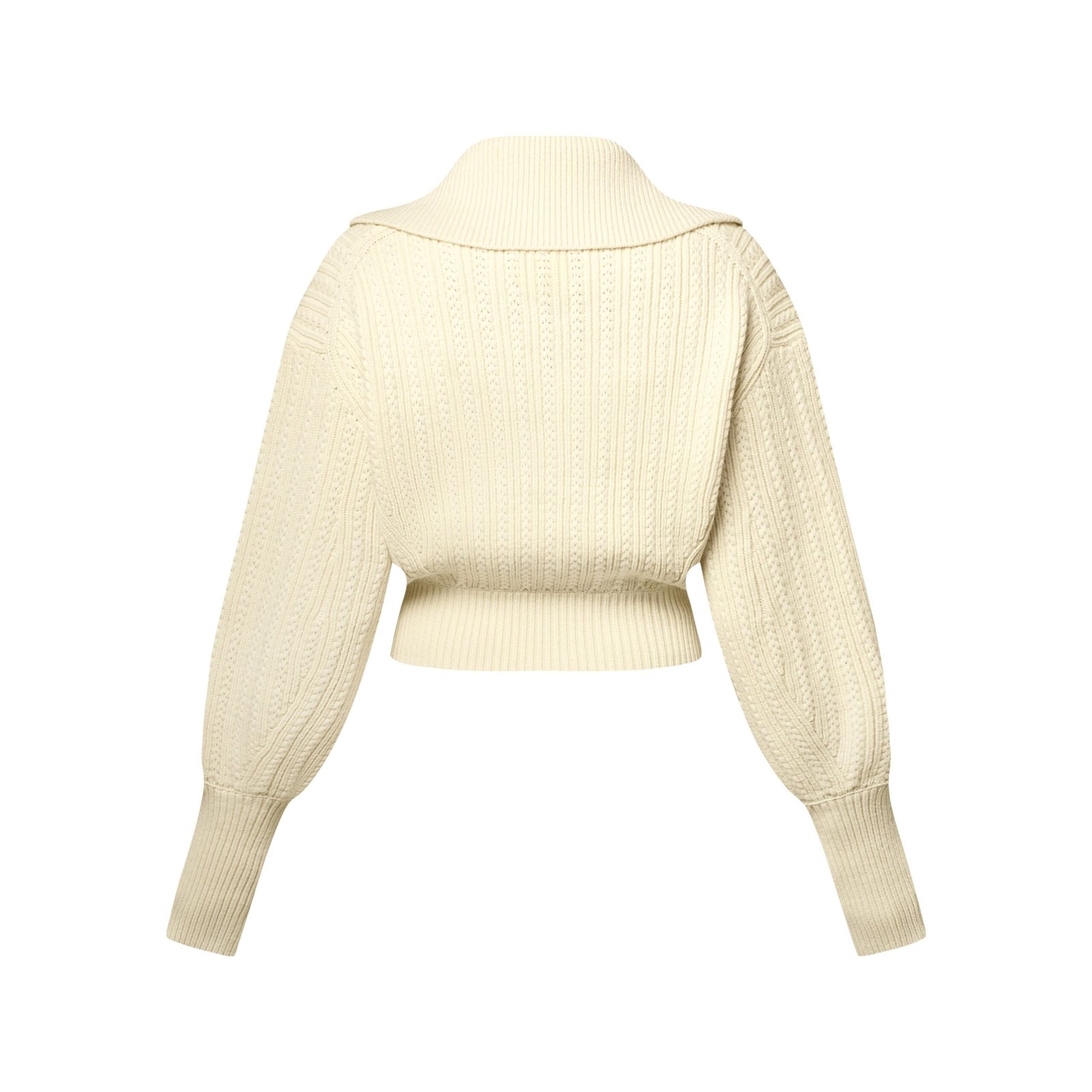
Custom Sweaters
Source turtle neck sweater bulk programs in knit constructions selected for hand feel, warmth, recovery, and target cost. Develop gauges, neck shapes, rib finishes, colorways, labels, and graded fits for private-label seasonal collections.
Request a Quote
Custom Jackets
Develop custom jean jackets and other woven outerwear from sketches, tech packs, or reference samples. Choose denim weight, wash, collar, pocket, hardware, lining, embroidery, patches, and branded trims for wholesale-ready jacket programs.
Request a Quote
Custom Sweatshirts & Crewnecks
Create custom crewneck hoodie and sweatshirt programs in fleece or French terry, including crewneck, hooded, cropped, oversized, and matching-set styles. Support printing, puff effects, embroidery, washes, private labeling, and production from 100 units per style and color.
Request a Quote
Custom Cardigans
Manufacture custom cardigans in sweater knits with selected yarn blends, gauges, button or zipper closures, pockets, rib trims, and logo details. Development includes fit review and size grading for retail, wholesale, and private-label assortments.
Request a Quote
Custom Puffer & Down Jackets
Produce custom puffer jackets with specified shell fabrics, insulation, quilting, lining, zippers, snaps, pockets, reflective details, and branded labels. Technical sampling helps confirm construction, warmth, mobility, and finish before scalable bulk production.
Request a Quote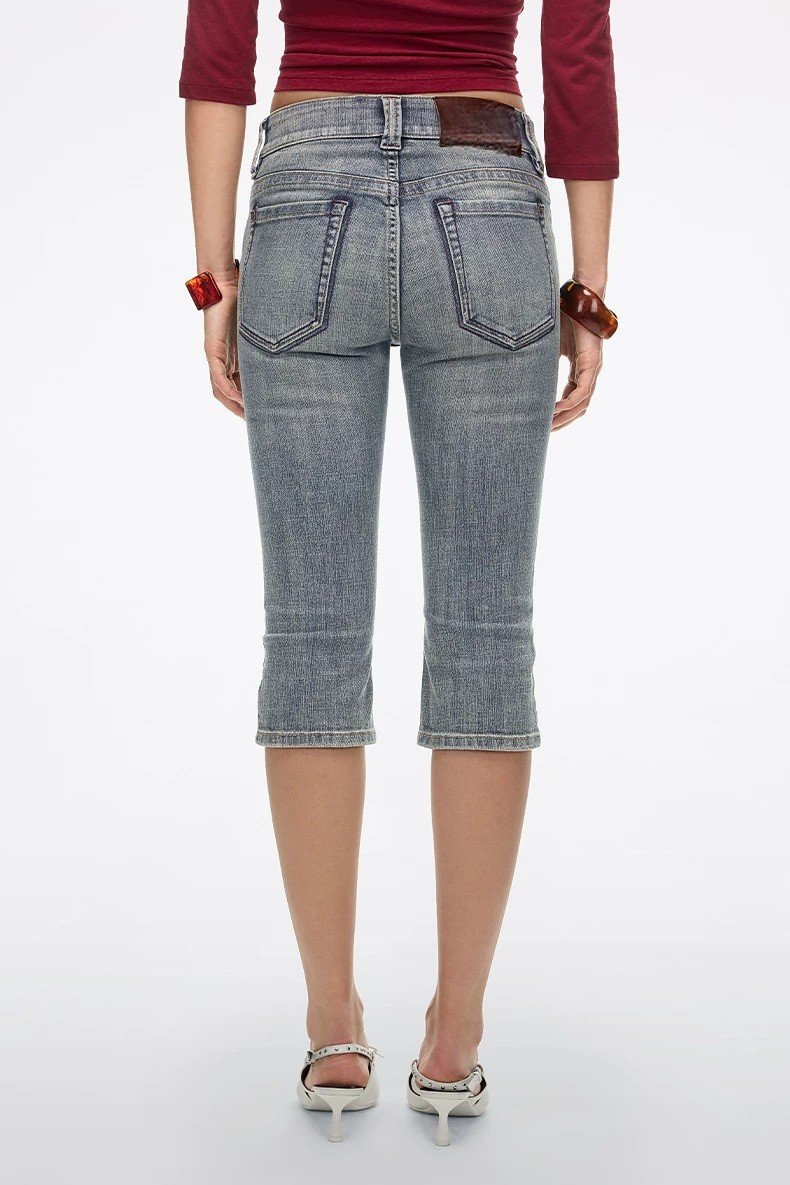
Custom Denim Shorts
Develop custom jean shorts in rigid or stretch denim with tailored rises, inseams, hems, distressing, washes, pockets, hardware, and branded trims. Fit-focused grading supports regular and extended-size denim short ranges for warm-weather wholesale programs.
Request a Quote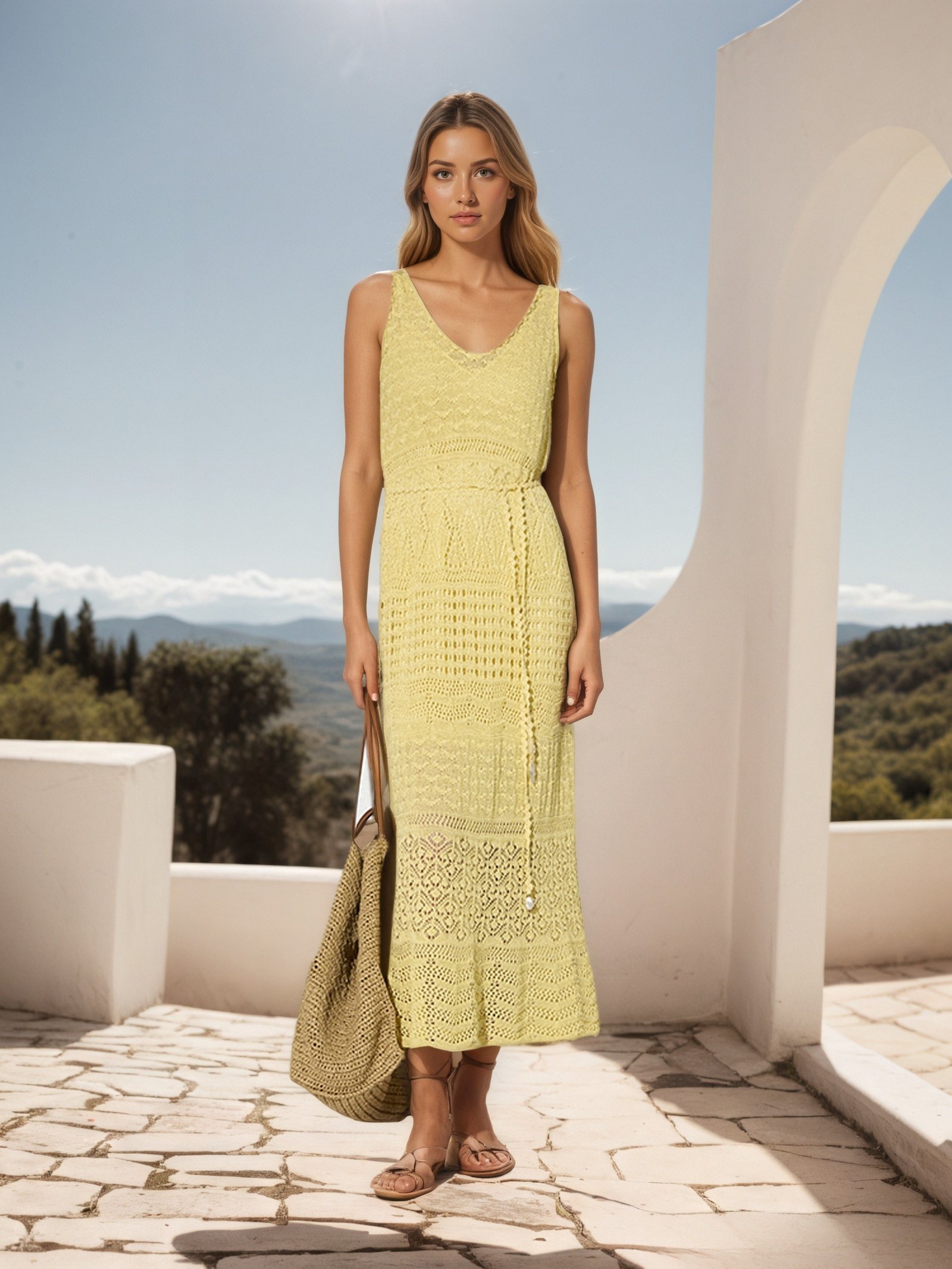
Custom Sweater Dresses
Create custom sweater dresses in selected knit structures, from fitted rib styles to relaxed silhouettes. Specify yarns, gauges, necklines, lengths, sleeves, belts, buttons, and grading to achieve consistent fit across XS–3XL size sets.
Request a Quote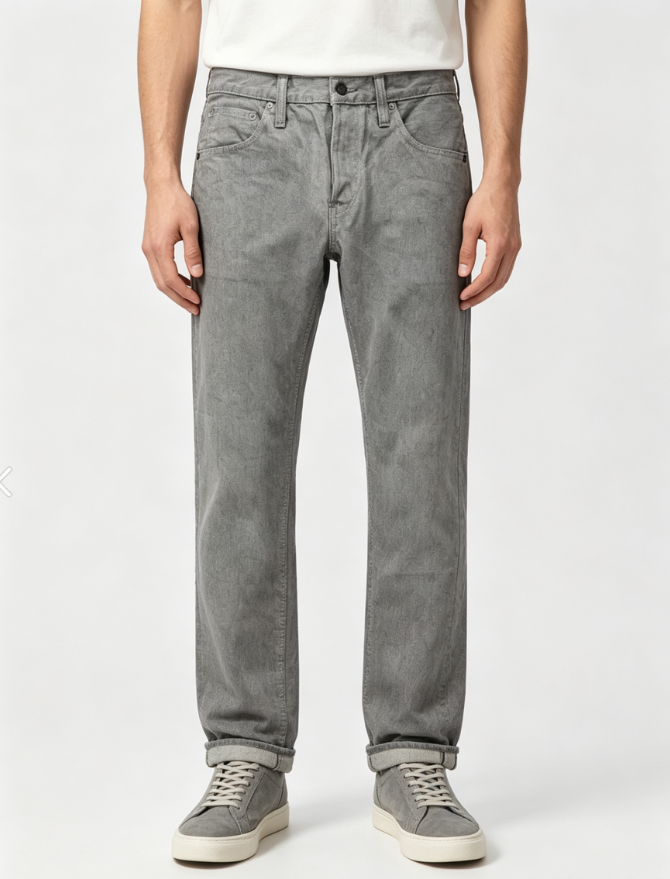
Custom Denim Sets
Produce mens denim suits wholesale programs with coordinated denim jackets and jeans, matched washes, consistent shade control, hardware, stitching, and logo details. Junsheen supports sampling, size sets, packaging, and repeatable bulk specifications for wholesale distribution.
Request a Quote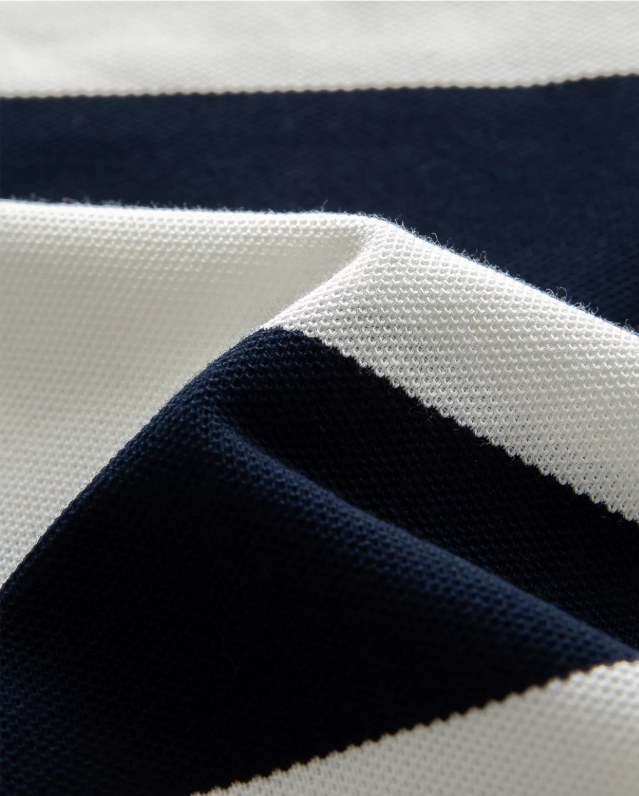
Custom Polo Shirts
Manufacture custom polo shirts in pique, jersey, performance knit, or blended fabrics. Develop collar construction, plackets, buttons, sleeve ribs, embroidery, printing, and graded fits for uniforms, retail collections, and private-label wholesale programs.
Request a Quote
Custom Sweatpants
Build custom sweatpants in fleece, French terry, or performance knits with jogger, straight-leg, wide-leg, or relaxed fits. Specify waistbands, cuffs, pockets, drawcords, printing, embroidery, labels, and matching hoodie or sweatshirt coordination.
Request a Quote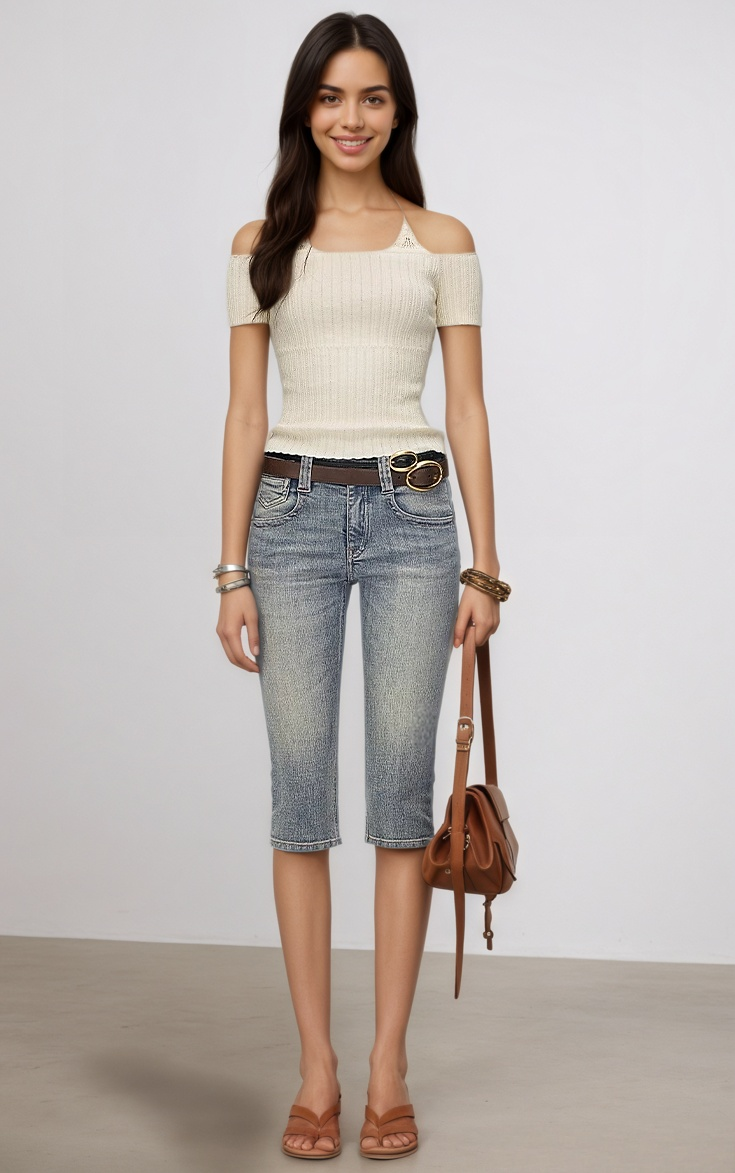
Custom Shorts
Produce custom shorts in jersey, twill, fleece, woven, or performance fabrics for casualwear and coordinated sets. Control inseam, rise, pockets, waist construction, trims, decoration, and fit grading for retail and wholesale production needs.
Request a Quote
Custom Pullovers
Develop custom pullovers in knit, fleece, French terry, or technical fabrics, including quarter-zip, mock-neck, oversized, and classic styles. Junsheen manages materials, pattern development, decoration, finishing, private labels, and scalable production.
Request a QuoteDenim and Supporting Materials for Jeans Jacket Wholesale

Rigid Cotton Denim
A structured, authentic denim with a dry hand feel for classic trucker jackets and vintage-inspired silhouettes. Typically 10–14 oz, it holds shape well, develops character through washing, and delivers dependable abrasion resistance.

Stretch Denim
Cotton-rich denim blended with elastane for fitted, cropped, or comfort-driven jeans jackets. Its controlled stretch improves mobility through sleeves and shoulders while retaining a denim appearance; common weights range from 9–12 oz.

Slub Denim
Textured denim with visible yarn variation and a tactile, irregular surface. Well suited to heritage, workwear, and washed jacket programs, it offers visual depth, a substantial hand feel, and strong response to enzyme or stone washes.

Recycled Cotton Denim
Denim incorporating recycled cotton content for brands pursuing lower-impact material options. Used for contemporary jackets and overshirts, it can be developed in multiple weights and washes while balancing sustainability targets, strength, and hand-feel requirements.

Cotton Twill Linings
Smooth, durable woven cotton for pocket bags, lightweight linings, collar reinforcement, and internal construction. Its stable hand feel supports clean sewing and repeated wear, with weight selected to complement the jacket’s denim shell.
Jeans Jacket Wholesale: Washes, Decoration and Finishing

Logo Embroidery
Flat, 3D puff, chain-stitch and applique embroidery add dimensional branding to denim jackets. Reinforced stitch settings and placement testing help preserve clean detail, secure attachment and dependable wear performance.

Screen Printing
Plastisol, water-based, high-density, puff, foil and discharge screen prints create bold artwork across selected denim panels. We match ink systems to the fabric and wash plan for strong color, adhesion and visual impact.

Garment Dyeing
Garment dyeing gives finished jackets a saturated, lived-in color character that is difficult to duplicate with piece dyeing alone. Controlled trials help align shade variation, hand feel and trim compatibility before bulk production.

Acid Wash
Acid washing produces high-contrast, weathered denim effects with a distinctive vintage edge. JUNSHEEN develops wash samples to control contrast, abrasion level, garment strength and the final appearance across production runs.

Stone Wash
Stone washing softens denim while creating authentic faded highlights and natural surface variation. Process settings are tailored to fabric weight, desired aging and construction details so jackets retain a balanced hand and durable seams.

Vintage Finishing
Enzyme washes, brushing, napping, distressing and softening treatments refine the jacket’s touch and visual depth. Combine effects selectively to create premium worn-in finishes while keeping measurements, construction and branded details under control.
Jeans Jacket Wholesale Custom Trims and Accessories

Custom Metal Buttons
Add logo-embossed shank buttons or jeans buttons to front plackets, cuffs and waist adjusters. We help match finishes, colors and durability requirements to your denim wash and brand direction.

Branded Snap Fasteners
Custom snaps provide a clean closure option for trucker jackets, pocket flaps and detachable details. Choose engraved logos, matte or polished finishes, and colors coordinated with your hardware package.

Custom Zipper Pulls
Specify metal or nylon zippers with branded pullers for zip-front denim jackets and functional pockets. Our team coordinates zipper length, tape color, finish and pull design during development.

Woven Leather Labels
Apply woven main labels, size labels or debossed leather patches to establish clear private-label identity. Placement, stitching method and material selection are reviewed for comfort, durability and visual impact.

Logo Patch Details
Use embroidered, chenille, woven or printed patches to add recognizable branding across chest, sleeve or back panels. We can develop patch dimensions, backing and attachment methods for your intended denim construction.
Hang Tags Packaging
Finish jeans jacket wholesale orders with custom hang tags, care cards, polybags, tissue paper and branded cartons. Packaging details support retail readiness while helping protect garments through global shipment.
About JUNSHEEN Jeans Jacket Wholesale
Founded in 2010 in Humen Town, Dongguan, JUNSHEEN helps fashion brands turn denim jacket concepts into production-ready collections. Our mission is to make jeans jacket wholesale sourcing more responsive, technically clear and scalable, from first sample through export-ready bulk orders.
With more than 200 skilled workers and monthly capacity above 80,000 units, we combine cut-and-sew denim production with fabric sourcing, pattern making, washing, decoration, private labels, trims, packaging and quality control. We support 100-unit MOQs per style and color while serving more than 2,000 fashion-brand clients worldwide.
What distinguishes JUNSHEEN is a fit-first development process from XS through 3XL. Our pattern makers refine proportions, shoulder balance, sleeve length and grading for standard, extended-size, plus-size and oversized jeans jackets, helping brands reduce revisions and build consistent fits as production grows.

Jeans Jacket Wholesale Manufacturing Expertise
Fit Engineering Across XS–3XL
JUNSHEEN develops jeans jacket wholesale programs with balanced shoulders, sleeve lengths, body proportions and mobility across XS–3XL. Our pattern makers refine each graded size instead of simply enlarging a base pattern, helping your brand reduce fit revisions before bulk approval.
- Normal, extended-size, plus-size and oversized grading
- Pattern creation, fit samples and size-set review
- Proportion adjustments for target markets and silhouettes

Development From Concept to Sample
Bring a tech pack, sketch, reference jacket or early concept. Our OEM and ODM team reviews construction, selects denim and trims, creates production-ready patterns and builds samples that support a clearer quotation and a more reliable path into production.
- Fabric, weight and stretch recommendations
- Custom collars, pockets, seams and closures
- Low MOQ from 100 units per style and color

Wash and Decoration Precision
Create a recognizable denim statement with controlled washes and branded surface details. JUNSHEEN coordinates enzyme, acid, stone and garment-dye effects with embroidery, patches, printing and custom hardware, then confirms appearance and hand feel through sampling before bulk execution.
- Acid wash, stone wash and softening options
- Embroidery, patches, screen print and transfers
- Custom buttons, snaps, zippers and leather labels

Scalable Quality-Controlled Production
From a 100-unit capsule to recurring jeans jacket wholesale orders, JUNSHEEN combines 200+ skilled workers with 80,000+ units of monthly capacity. Incoming materials, in-line construction, measurements, decoration and final packing are checked to support consistent global delivery.
- Cut-and-sew production and export coordination
- Quality checks from fabric inspection to packed goods
- Retained patterns and material records for repeat orders

Why Choose JUNSHEEN for Jeans Jacket Wholesale
Concrete sourcing advantages for brands moving from concept to repeatable denim jacket production.
← 左右滑动查看 →
Jeans Jacket Wholesale Production Process
A fit-first, traceable workflow for custom denim jackets, from feasibility review through global dispatch.
Feasibility and Fabric Sourcing
We review your tech pack, reference or concept, confirm construction feasibility, target cost and MOQ, then recommend denim, stretch, washes and supporting trims.
Patterning and Fit Development
Our pattern team builds and grades your jacket from XS to 3XL, refining shoulders, sleeve balance, body proportions, mobility and oversized or extended-size requirements.
Sampling and Approval
We produce prototype samples with selected fabrics, decoration and private-label details, then incorporate your feedback before size sets and pre-production approval.
Bulk Production and Finishing
After approval, 200+ skilled workers manage cutting, sewing, embroidery or printing, denim washing, finishing, labels, hardware and branded packaging at scalable capacity.
Multi-Stage Quality Control
Inspections cover incoming materials, in-line construction, measurements, fit, wash effects, decoration and final packed goods to keep every jeans jacket wholesale order consistent.
Packing and Global Shipping
Approved goods are packed to your requirements, balances are settled before dispatch, and our export team coordinates reliable shipment support for worldwide delivery.
Work with Our Jeans Jacket Wholesale OEM Team
Move from concept to monitored bulk production with clear development checkpoints and fit-focused denim manufacturing support.
Send Your Design Brief
Share a tech pack, sketch, reference jacket, mood board, or product idea. Our team reviews construction, wash, fit, fabric, trims, and private-label requirements.
Confirm Feasibility and Quote
We assess manufacturability, recommend denim materials and production details, confirm the 100-unit MOQ, and provide a clear quotation, sample timeline, and bulk-production plan.
Approve Development Samples
Review prototype samples, measurements, fit, washes, decoration, labels, and packaging. Pattern makers refine XS–3XL grading and technical details before pre-production approval.
Monitor Bulk Production
After approval, we manage fabric sourcing, cut-and-sew production, washing, finishing, inspections, packing, and export coordination for consistent jeans jacket wholesale delivery.
Custom Clothing Manufacturer Credentials and Compliance Documents



What Fashion Brand Clients Say About Jeans Jacket Wholesale
JUNSHEEN turned our reference jacket into an approved sample in two rounds instead of the four we planned for. Their team corrected sleeve balance across XS–3XL, and our first 600-unit launch had far fewer fit-related returns.
We needed a reliable jeans jacket wholesale partner for repeat colors, washes, and branded trims. Our third reorder matched the approved size set closely, and production scaled from 150 units to 1,200 units without disrupting our retail calendar.
The sampling process was unusually clear: fabric options, wash comments, measurements, and label placement were resolved before bulk approval. We launched two denim jacket styles at a 100-unit MOQ and received finished goods ready for our fulfillment team.
Jeans Jacket Wholesale FAQ
Clear answers on MOQ, sampling, payments, quality and global delivery for custom denim jacket programs.
What is your minimum order for jeans jacket wholesale?
Can I order custom jeans jacket wholesale from a sketch or reference sample?
How long do jeans jacket wholesale samples take?
Do you charge for denim jacket samples?
What payment terms do you offer for first wholesale orders?
Do you ship custom denim jackets internationally?
How do you control quality on jeans jacket wholesale orders?
How do you protect my denim jacket design and brand details?
The Complete Buyer’s Guide to jeans jacket wholesale
Use this practical framework to evaluate product types, fabrics, customization, construction, pricing, and supplier capabilities—so you can source confidently, protect margins, and avoid costly production mistakes before placing an order.
1. What Is Jeans Jacket Wholesale?
100 units per style and color is a practical entry point for OEM denim programs, while ready-stock jeans jacket wholesale means buying finished, supplier-designed jackets for immediate resale. Private-label purchasing sits between those models: the base garment may be established, but the buyer adds its own labels, hang tags, packaging, or limited trim changes. 3 buyer groups commonly use the term: retailers replenishing proven silhouettes, wholesalers purchasing resale inventory, and fashion brands developing a branded denim line. OEM/ODM buyers purchase development capacity as well as garments—patterns, graded size sets, fabric sourcing, wash samples, trim selection, and production control—so their program can begin from a tech pack, reference jacket, or design brief. 12 oz to 14 oz denim, fabric composition, wash recipe, fit block, stitching, hardware, decoration, and packed-unit requirements can change both feasibility and cost. A catalog price therefore only describes one specification; buyers should compare supplier proposals against the same measurement chart, material standard, color, wash effect, labeling scope, MOQ, and approval process. 2010-founded Dongguan Junsheen Clothing supports this manufacturing-led model from 100 units per style and color, including fit development from XS through 3XL. For a buyer, the search is ultimately for the right supply relationship: ready goods for speed, private label for differentiated resale, or OEM/ODM for a repeatable product built to the brand’s specifications.
2. The Evolution of Denim Jackets
1880s work jackets made from hard-wearing cotton denim established the category’s utility code: a short body, front placket, chest pockets and durable contrast stitching. Levi Strauss & Co. introduced its Type I 506XX in 1905, and later Type II and Type III designs progressively refined pocket layouts, proportion and wearability into the template buyers still recognize. 1960s youth culture recast the denim jacket from factory garment to personal canvas, while 1980s and 1990s fashion expanded it through acid washes, embellishment, cropped bodies and relaxed fits. The 2010s returned attention to oversized shoulders, dropped armholes and vintage washes; current buyers also increasingly expect recycled cotton options, traceable sourcing and wash processes that support lower-impact material choices. 3 core fit directions usually create the most commercially balanced jeans jacket wholesale range: a regular trucker for repeat demand, an oversized or boxy style for trend-led customers, and a cropped or fitted option for a defined fashion audience. Keep core indigo, black and ecru colorways available for replenishment, then test seasonal washes or decoration on smaller quantities; this separates durable volume sellers from styles whose demand depends on a short trend cycle.
3. Types of Jeans Jacket Wholesale
Seven core silhouettes cover most jeans jacket wholesale assortments, but each carries a different customer promise and margin role. Select the base block first, then add seasonal variants only when they reinforce your price point, fit strategy, and delivery calendar.
| Type | Best Customer | Merchandising Role | Complexity |
|---|---|---|---|
| Classic trucker | Broad market | Core replenishment | Low to medium |
| Oversized | Streetwear, unisex | Volume driver | Medium |
| Cropped | Youth, womenswear | Seasonal layer | Medium |
| Fitted | Contemporary womenswear | Shape-focused offer | Medium |
| Workwear | Utility customer | Premium casual | Medium to high |
| Lined | Cold-weather market | Outerwear upgrade | High |
| Fashion-led | Trend customer | Limited capsule | High |
Core Commercial Silhouettes

Classic trucker jackets serve broad menswear, womenswear, and unisex programs because their waist-length body and chest pockets read as perennial essentials. Oversized and fitted blocks split the customer sharply: oversized needs shoulder-drop, sleeve-volume, and body-length control, while fitted styles require closer grading through bust, waist, and upper arm.
Seasonal And Utility Programs

Cropped jackets create a high-turn womenswear or youth-fashion layer for spring and festival deliveries, but hem placement must be approved on a size set. Workwear and lined jackets suit fall and winter capsules. Multiple pockets, reinforced seams, quilted linings, or sherpa add sewing operations, material consumption, and sampling risk.
Fashion-Led Capsule Choices

Fashion-led variants—acid wash, patchwork, distressed, embellished, or hybrid denim—work best as controlled statement SKUs beside reliable core styles. One prototype should confirm wash shrinkage, placement balance, and decoration durability before bulk approval. Avoid building an entire range around a single runway-driven proportion unless repeat-order evidence supports it.
4. Jeans Jacket Wholesale Materials and Fabrics
10–14 oz denim determines drape, abrasion resistance, and the wash window before a jeans jacket wholesale order reaches sampling. Confirm fiber content, sanforization, shade standard, and target shrinkage before approving bulk fabric.
| Material | Typical Weight | Performance | Recommended Jacket Use |
|---|---|---|---|
| Rigid cotton denim | 400–475 GSM | Structured, durable, pronounced fading | Classic trucker and unisex core |
| Stretch denim | 340–425 GSM | Mobility; test recovery | Fitted and extended-size fits |
| Recycled cotton blend | 360–450 GSM | Lower virgin content; verify strength | Responsible-fashion capsules |
| Organic cotton denim | 340–450 GSM | Natural hand; document certification | Claim-led premium programs |
| Cotton poplin lining | 80–120 GSM | Breathable, low bulk | Spring and lightweight jackets |
| Quilted polyester lining | 120–200 GSM | Warm, stable insulation | Fall and cold-weather jackets |
Choose Weight And Weave

340–400 GSM, or 10–12 oz, 3×1 right-hand twill suits spring layers and fashion overshirts. Its softer hand reduces break-in time but needs wash testing to protect seam appearance. 400–475 GSM, or 12–14 oz, rigid denim delivers the structure expected in core trucker jackets. Ring-spun yarn generally gives a cleaner surface and stronger long-wear character than open-end yarn.
- Use sanforized fabric to target 3% or less residual shrinkage.
- Approve a washed size sample, not only a raw-yardage swatch.
- Match lighter weights to warm climates and layering programs.
Specify Fiber Content

98% cotton and 2% elastane denim improves reach and comfort in fitted silhouettes. Stretch recovery must be tested after laundering, because weak recovery can create bagged elbows and hems. 20–40% recycled cotton blends lower virgin-fiber use but may need polyester support for tensile strength. Certified organic cotton should be supported by current transaction documentation when a buyer makes a material claim.
- Rigid cotton: authentic fade potential and firm shape.
- Stretch denim: mobility for slim or women’s fits.
- Recycled blends: verify strength, shade, and pilling.
- Organic cotton: confirm certification scope before labeling.
Control Wash And Color

3–5 lab dips per colorway help buyers align indigo depth, cast, and contrast stitching before production. Test colorfastness to washing and crocking after the intended enzyme, stone, bleach, or garment-dye process. 2–4% dimensional change can be acceptable only when patterns and grading allow for it. Dark indigo requires a clear care label because early dry-rub transfer remains common.
- Keep a sealed wash standard at factory and buyer.
- Test hardware staining after wet processing.
- Review lining bleed against light denim interiors.
Select Seasonal Linings

80–120 GSM cotton poplin or lightweight mesh adds coverage without changing a spring jacket’s silhouette. 120–200 GSM quilted polyester lining suits fall programs, while fleece-backed constructions need bulkier armhole allowances. 100% cotton sleeve lining feels breathable but can raise friction during layering. Polyester sleeve lining improves slide-on comfort and should be checked for static and seam slippage.
- Poplin: breathable transitional jackets.
- Mesh: ventilated utility styling.
- Quilted lining: insulated autumn deliveries.
- Sleeve lining: smoother wear over knit layers.
5. Customization for Jeans Jacket Wholesale
100-unit programs can support a focused private-label jeans jacket wholesale launch when the fit, wash, trim, and artwork are locked before bulk. Start with one approved base block, then customize only the elements customers will notice.
| Customization Method | Visual Effect | Durability And Placement | Indicative Cost Impact |
|---|---|---|---|
| Flat embroidery | Raised thread detail | High; chest, sleeve, small back | Medium to high |
| Woven or leather patch | Branded badge | High; chest, hem, back neck | Medium |
| Screen printing | Flat graphic color | Good; broad back and sleeve areas | Low to medium |
| Distressing and wash | Worn denim character | Variable; whole garment | Medium to high |
Fit, Color, And Wash

XS–3XL grading should adjust shoulder width, sleeve length, chest ease, and body length rather than merely enlarging a sample. Supply a target measurement chart and tolerance points for every size. 8–14 oz denim is a practical range for trucker jackets; Pantone references, garment dye, enzyme wash, stone wash, and controlled distressing should be approved on a wash sample. Excessive sanding or untested bleach can weaken seams and create color variation.
- Choose regular, oversized, cropped, or relaxed blocks
- Specify whiskers, abrasions, and repair patches by location
- Approve a size set before production
Decoration And Branding

3–10 cm chest artwork suits embroidery, woven patches, or small screen prints; large back graphics need a placement measurement from the center back. Decoration should be tested after washing when the design includes a garment treatment. 1 label system normally includes a main label, size label, wash-care label, hang tag, and branded packaging. Buttons, snaps, zippers, leather patches, and contrast thread should be named by finish and color.
- Embroidery: textured, durable, higher stitch cost
- Woven patch: detailed logo, edge stitching required
- Screen print: broad graphics, economical at volume
Reference To Tech Pack
1 reference garment becomes production-ready when it is translated into front-and-back flats, a bill of materials, construction callouts, and artwork files. Record measurements, stitch types, wash recipe intent, label positions, and packaging dimensions. 2 revision rounds are usually more efficient than adding unapproved pockets, panels, and trims during sampling. Keep each change in a dated comment sheet so the approved sample matches the purchase order.
- Use vector artwork for prints and patches
- Mark placement from fixed garment points
- Separate must-have details from optional upgrades
6. Key Denim Jacket Construction Quality
Reliable jeans jacket wholesale quality is visible before the first wash: balanced construction, secure hardware, and repeatable measurements. Buyers should approve those standards on a sealed sample, then use it as the bulk-production control reference.
Seams And Reinforcement

8–10 stitches per inch is a practical target for denim topstitching; overly sparse stitches look weak, while excessive density can pucker washed fabric. Triple-needle felled seams or durable double-needle seams should be used where specified. Request bar tacks at pocket corners, placket stress points, cuff openings, and side-seam ends.
- Check seam allowance is caught evenly
- Confirm topstitch thread tension after washing
- Inspect bar tacks for clean, unbroken ends
Shape, Pockets, And Hardware

A collar must sit symmetrically with matched points and a stable neckline; uneven collar roll is difficult to correct after bulk washing. Front plackets should lie flat without twisting, and chest pockets must align in height, angle, and distance from center front. Rivets, tack buttons, snaps, and zippers need secure attachment without fabric damage.
- Compare left and right pocket placement
- Test every hardware type for pull security
- Button the placket on a laid-flat garment
Wash And Measurement Approval
A 1–2 cm tolerance is commonly specified for key finished-garment points, but each tech pack should define its own tolerance by measurement and size. Request wash-approved size sets, measurement reports, shade-band comparison, and final inspection against the signed sample. Junsheen should tie incoming, in-line, and packed-goods checks to that approved sample so fit, wash tone, and construction are judged against one agreed standard.
- Measure chest, body length, sleeve, and sweep
- Compare wash shade under consistent lighting
- Approve a pre-production sample before cutting bulk
7. Choosing a Jeans Jacket Wholesale Manufacturer
A capable jeans jacket wholesale supplier proves repeatable denim development before quoting a low unit price. Compare factories using sample evidence, documented controls, and their ability to support your launch volume and destination market.
| Evaluation Area | Evidence To Request | Decision Signal |
|---|---|---|
| Fabric sourcing | Mill swatches, composition, wash test | Stable shade and performance |
| Quality system | Inspection checkpoints, AQL report | Defects caught before packing |
| Export support | Incoterm and document checklist | Fewer customs handoff errors |
Verify Denim Experience
3 recent denim-jacket samples reveal more than a catalog: inspect collar roll, pocket alignment, topstitch consistency, wash variation, and hardware attachment. Request comparable styles, fabric specifications, and measurement reports. 100-unit minimums can suit a capsule, but confirm whether that applies per style, color, wash, and size ratio. Ask how the factory handles replenishment and larger repeat orders.
- Three comparable finished samples
- Fabric composition and ounce weight
- Graded measurement specification
- Written MOQ by color and wash
Test Development And Communication
1 approved pre-production sample should follow a documented prototype and fit-review cycle. Ask who owns patterns, how grading is checked from XS through 3XL, and how revisions are recorded. 24-hour response targets are useful only when supported by clear English-language updates, dated photos, and a single accountable contact. Confirm sample, approval, bulk, and freight milestones before issuing a purchase order.
- Pattern and grading files
- Sample revision log
- Critical-path production schedule
- Named merchandising contact
Audit Production Readiness
80,000-plus monthly units may indicate scale, yet your order needs reserved capacity and a realistic critical path. Request factory photos, line allocation details, incoming-fabric checks, in-line inspection records, and final AQL reports. 2 export documents often matter as much as sewing quality: confirm commercial invoice, packing list, origin support, labeling rules, carton marks, and the Incoterm quoted. Verify compliance claims with current certificates rather than logos.
- Current compliance certificates
- AQL final-inspection report
- Capacity and lead-time commitment
- Export-document checklist
8. Common Jeans Jacket Wholesale Buying Mistakes
Most jeans jacket wholesale failures begin before the purchase order: an unclear spec, untested wash, or incomplete landed-cost calculation turns a promising sample into costly rework. Lock technical and commercial decisions before bulk release.
Lock the Specification
1 missing measurement, stitch, trim, or wash callout invites a supplier interpretation. The result is inconsistent bulk garments and chargeable corrections. Before approval, issue a tech pack with graded measurement tolerances, Pantone references, hardware specifications, artwork files, and approved wash standard.
Test Wash and Fit

3%–5% shrinkage can materially change body length and sleeve fit after laundering. Skipping wash tests or size grading risks returns, especially across XS–3XL. Approve a washed size set, record post-wash measurements, and confirm grading increments rather than enlarging one base pattern.
Control MOQ and Samples

100 units per style and color may suit a capsule, but color splits, fabric minimums, and custom trims can raise the effective commitment. Underestimating these constraints produces last-minute substitutions or higher unit costs. Approve a pre-production sample in final fabric, wash, labels, and packaging; reconcile MOQ by color and component before the PO.
Compare Landed Cost
A lowest quote can exclude testing, wash development, premium hardware, inspection, freight, duty, or destination handling. The apparent saving disappears when delays and rejected goods require replacement. Compare like-for-like quotations and calculate landed cost through delivery, including Incoterms, carton data, insurance, duties, and clearance fees.
9. Steps to Launch Your Denim Jacket Brand
A 100-unit-per-style-and-color starting point can make a denim-jacket launch manageable, but only when each approval gate is documented. Build the calendar backward from your sales date, allowing time for development, revisions, production, inspection, and freight.
Define Customer And Product
Week 1 should identify the customer, price band, competitor set, and one clear silhouette: trucker, oversized, cropped, or lined workwear. Review retail measurements, wash direction, and color gaps before choosing no more than two launch colors. Gate 1 is a signed product brief with target landed cost, size range, sales channel, and delivery date. Retain competitor screenshots, measurement notes, Pantone references, and the approved style brief.
Build The Production Package

Week 2 should turn the chosen style into a tech pack covering front and back flats, points of measure, graded spec, stitch details, wash recipe, artwork placement, labels, and packing. State denim weight, stretch percentage, hardware finish, and thread color rather than relying on a reference photo. Gate 2 is approval of fabric swatches and trim samples before a prototype is cut. Keep supplier codes, fiber content, test requirements, zipper or button specifications, and version-controlled artwork.
Sample, Approve, And Launch
Weeks 3–6 commonly cover prototype sampling and at least one fit revision; assess shoulder balance, sleeve pitch, chest ease, hem sweep, and wash shrinkage on the intended size range. Do not place bulk production until the sealed sample and final measurement tolerances are approved. Weeks 7–12 should cover bulk production, in-line checks, final inspection, balance payment, and freight booking. Record inspection results, defect photos, carton marks, packing list, commercial invoice, and tracking milestones; prepare product photography and launch inventory before arrival.
- Approve a pre-production sample before bulk cutting
- Use AQL inspection criteria in the purchase order
- Book sea or air freight against the launch date
10. Jeans Jacket Wholesale Pricing and Costs
100 units per style and color is Junsheen’s stated starting scale; the ranges below are illustrative ex-factory planning figures, not a final quotation. A midweight 11–13 oz denim jacket with approved specs, wash recipe, trims, size range, and packing receives the most comparable costing. 2 like-for-like quotations are more useful than several incomplete ones: hold fabric composition and weight, wash, decoration, hardware, labels, carton packing, quality standard, and Incoterm constant. Protect margin by simplifying noncritical effects or consolidating colorways, while retaining fit approval, durable seam construction, reliable closures, and final inspection.
- Request freight separately by destination, shipment mode, carton dimensions, and Incoterm.
- Approve a pre-production sample before locking wash, trim, and packaging costs.
- Price screen-print colors, embroidery stitches, and custom hardware as separate line items.
| Quantity Tier | Illustrative Ex-Factory Unit Price | Estimated Lead Time | Included Cost Drivers |
|---|---|---|---|
| 100–199 units | US$22–32 | 25–35 days after approval | 11–13 oz denim, standard enzyme wash, woven labels, polybag |
| 200–499 units | US$18–28 | 30–40 days after approval | Fabric weight, wash complexity, snaps or zipper hardware, basic packaging |
| 500–999 units | US$15–24 | 35–45 days after approval | Stone or acid wash, screen print or embroidery, branded labels and hang tags |
| 1,000+ units | US$13–21 | 40–55 days after approval | Higher material yield; custom hardware, cartons, and freight quoted separately |
Start Your Jeans Jacket Wholesale Project
Send your tech pack, sketch, reference garment, or sourcing requirements for a fit-focused quote starting at 100 units per style and color.