
Custom Print Tshirt Manufacturing, Ready From 100 Units
Build custom print tshirt programs with fit-focused XS–3XL development, in-house decoration, private labels, and scalable global production.
Featured Products for custom print tshirt Development







Related Product Catalogue and Quotation





Why Brands Choose Our Custom Print Tshirt Service
Integrated product development and production support for launch-ready private-label printed apparel.
100-Unit MOQ
Launch custom print tshirt capsules from 100 units per style and color without committing to oversized inventory.
OEM and ODM Support
Move from tech pack, sketch, reference garment, or concept through development, sampling, sourcing, and production.
Fit-Graded XS–3XL
Build consistent normal, oversized, and extended-size fits with pattern grading refined for proportion, mobility, and wearability.
Integrated Decoration
Combine screen printing, DTF, DTG, embroidery, washes, labels, trims, and branded packaging within one managed supply chain.
Scalable Factory Capacity
Access 200+ skilled workers and monthly capacity above 80,000 units as your printed apparel program grows.
Export Coordination
Receive production oversight, final quality control, packing support, and global shipping coordination for dependable delivery.
Custom Apparel Categories We Produce
From first samples to repeat bulk programs, Junsheen develops fit-focused casualwear, denim, knitwear, and outerwear with coordinated materials, trims, decoration, and packaging.

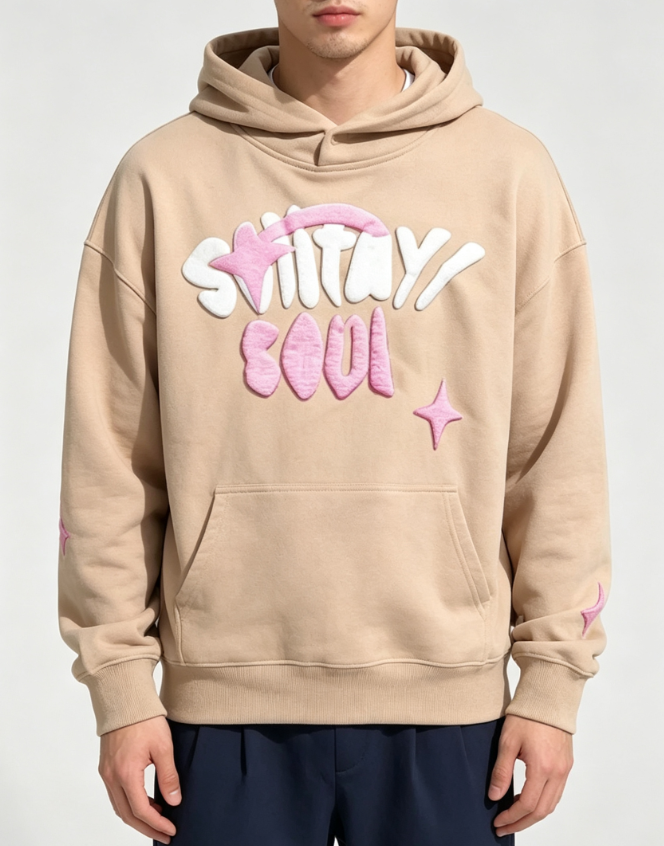
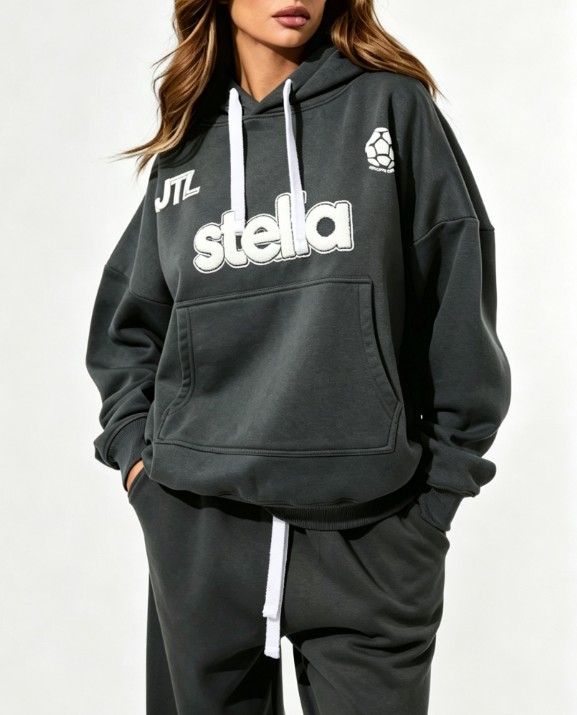
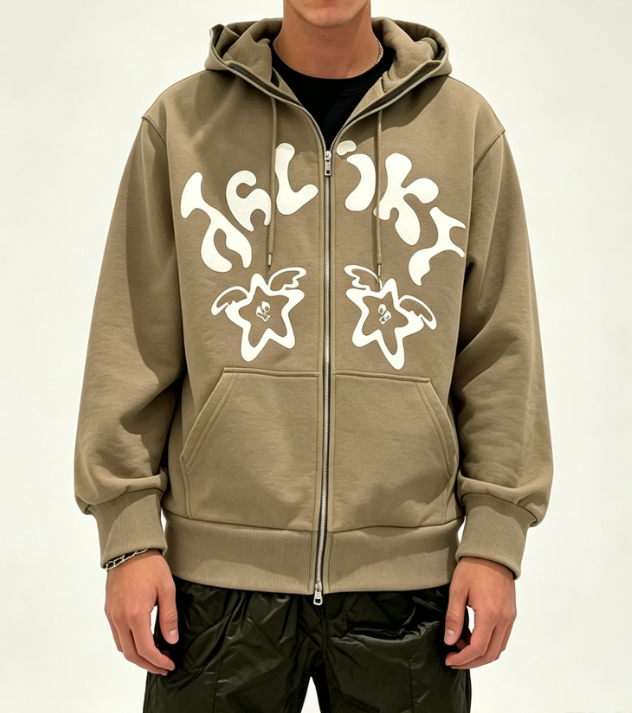
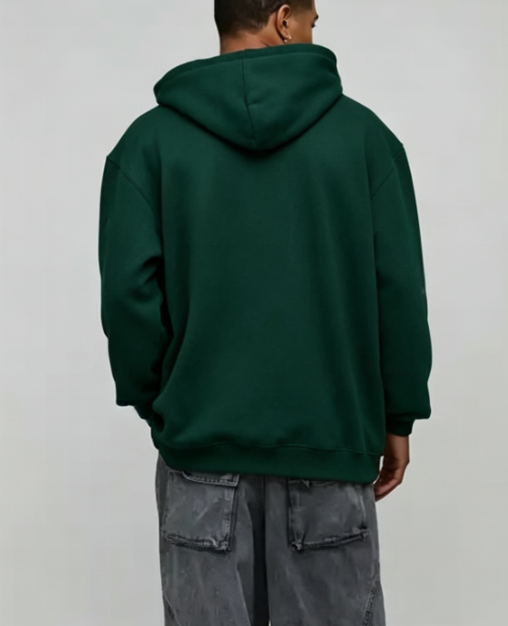
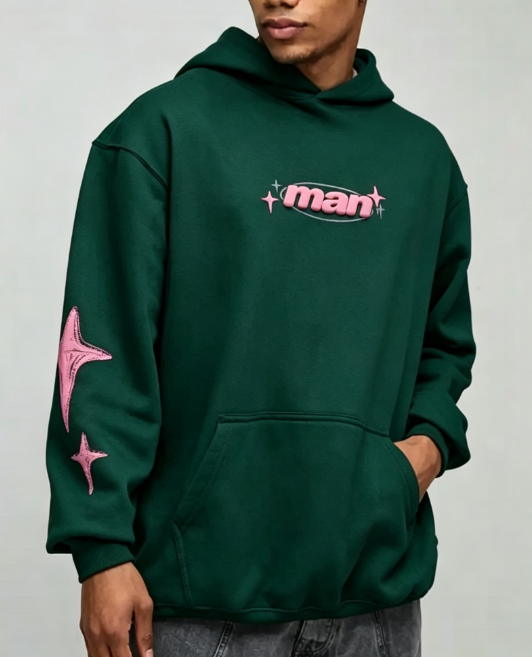
Custom Hoodies
Develop custom hoodies in fleece, French terry, or heavyweight jersey with refined XS–3XL grading. Junsheen supports fabric weight selection, hood construction, rib trims, embroidery, screen printing, washes, private labels, and production from 100 units per style and color.
Request a Quote
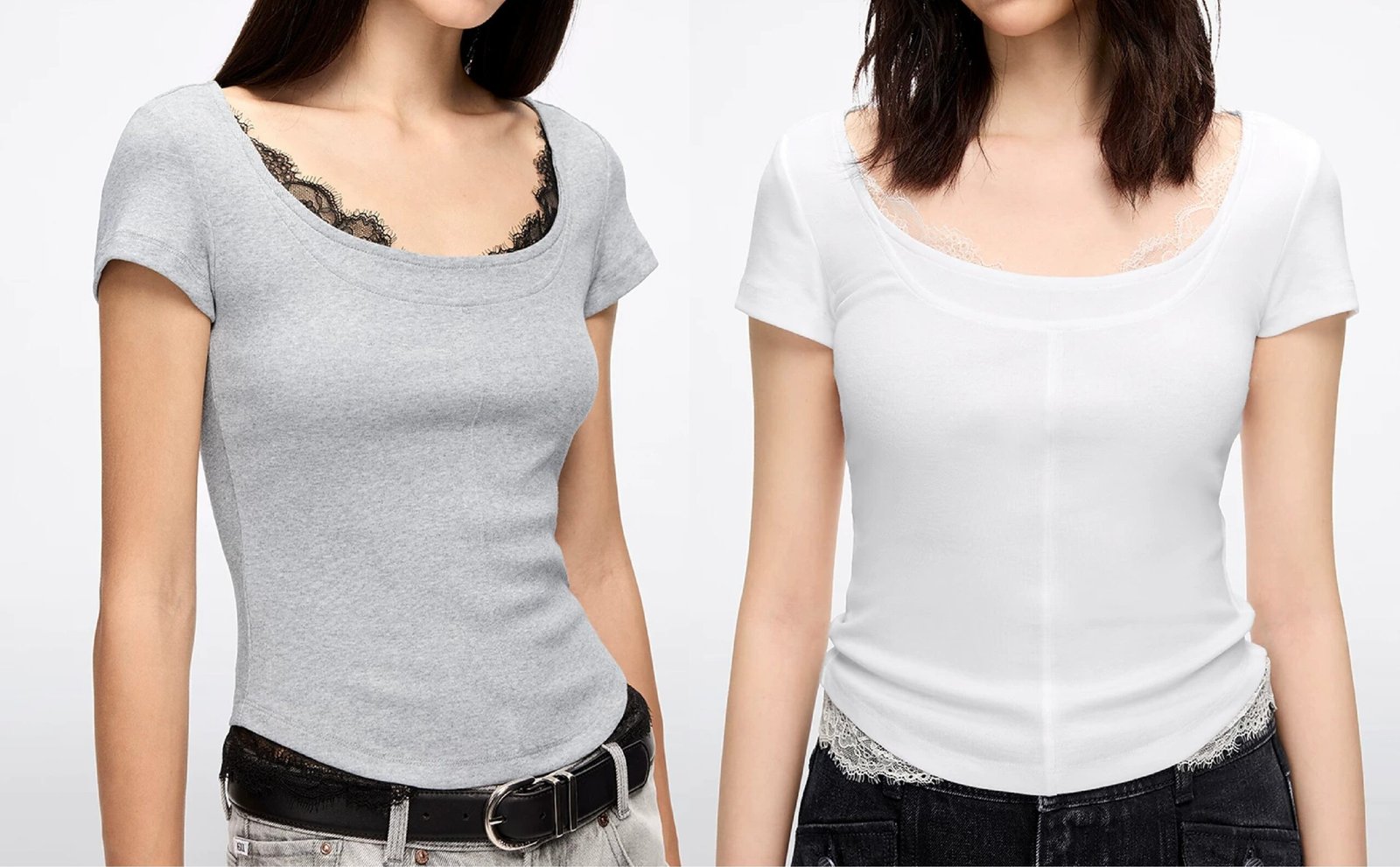
Custom T-Shirts
Build custom T-shirts from combed cotton, Pima cotton, organic cotton, blended jersey, or performance knits. Our team reviews fit, neckline, sleeve balance, fabric weight, print method, labels, and wash performance before sampling and scalable bulk production.
Request a Quote
Custom Jeans
Produce custom jeans with denim or stretch-denim sourcing, fit development, pattern grading, pocket specifications, hardware, washes, and branded trims. We refine rise, leg shape, mobility, and proportions across XS–3XL to support consistent fit through your size range.
Request a Quote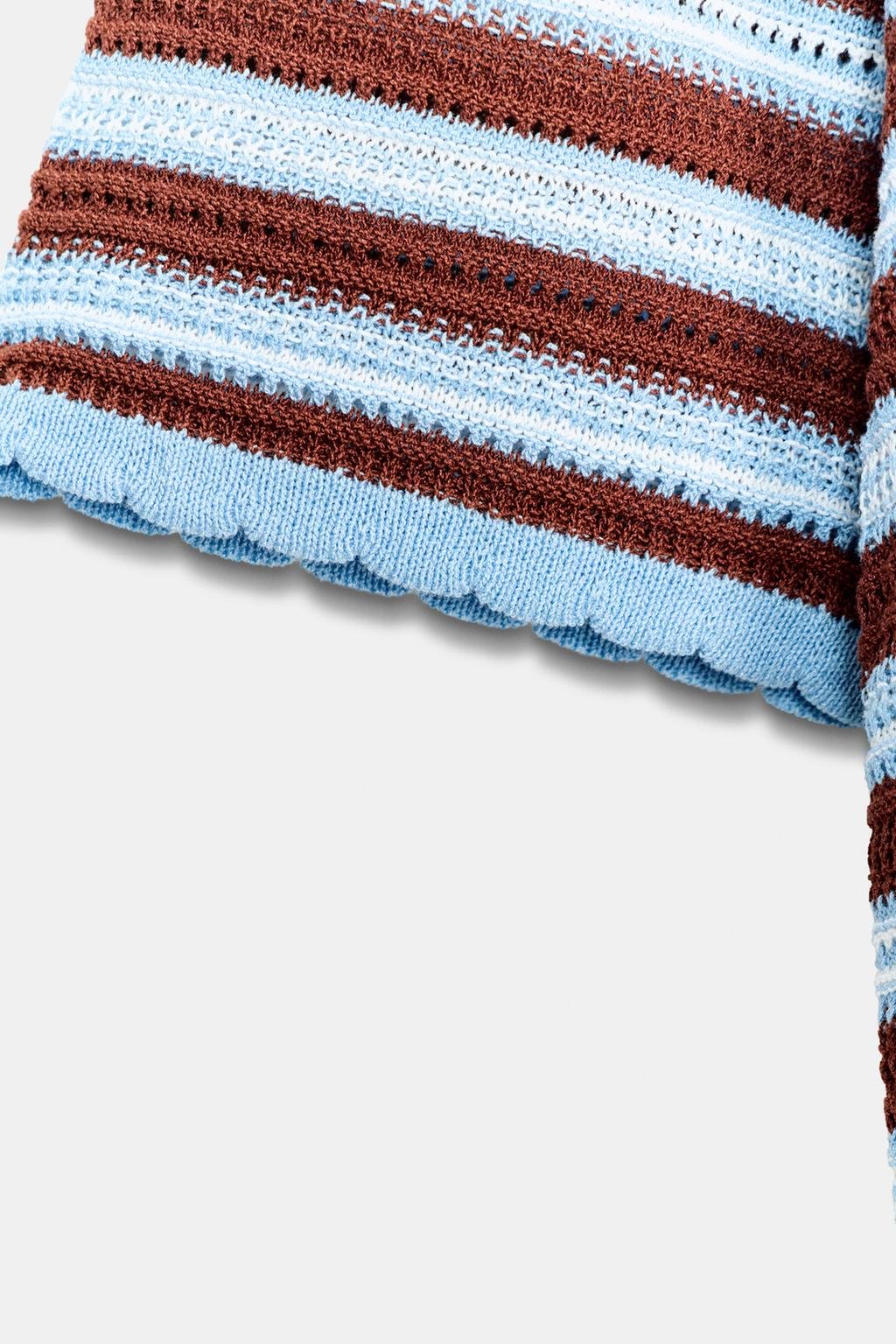
Custom Sweaters
Source and manufacture turtleneck sweaters in bulk with yarn, gauge, stitch, neckline, and hand-feel requirements matched to your target market. Junsheen supports sampling, size grading, labels, and repeat production for fitted, relaxed, extended-size, and oversized silhouettes.
Request a Quote
Custom Jackets
Develop custom jean jackets with denim weight, wash effect, collar shape, pocket placement, topstitching, snaps or buttons, and branded labels specified for production. Our team manages sampling and construction review to help achieve reliable fit and repeatable finishing.
Request a Quote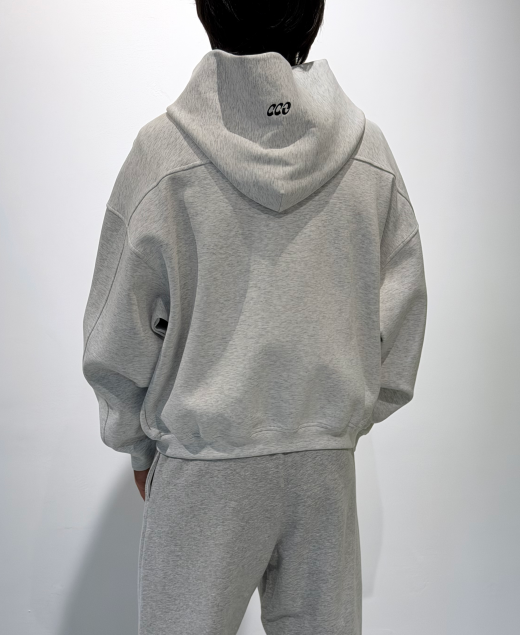
Custom Sweatshirts & Crewnecks
Produce custom crewneck hoodies, sweatshirts, and crewnecks in fleece, French terry, or jersey. We support neckline and rib specifications, fit-focused grading, embroidery or printing, garment washes, private-label trims, and low-MOQ launch quantities.
Request a Quote
Custom Cardigans
Create custom cardigans with the appropriate yarn blend, knit gauge, stitch structure, button or zipper details, and silhouette. Junsheen develops samples and graded size sets for classic, cropped, relaxed, plus-size, and modern oversized cardigan programs.
Request a Quote
Custom Puffer & Down Jackets
Manufacture custom puffer jackets with shell, lining, insulation, quilting layout, zipper, pocket, and hood specifications aligned with intended use. We review construction, warmth, fit, branded trims, and packing requirements before bulk production and export.
Request a Quote
Custom Denim Shorts
Produce custom jean shorts using denim or stretch denim selected for weight, comfort, and wash results. Junsheen develops rise, inseam, leg opening, pocket details, hardware, distressed effects, and XS–3XL grading for women’s, men’s, and unisex programs.
Request a Quote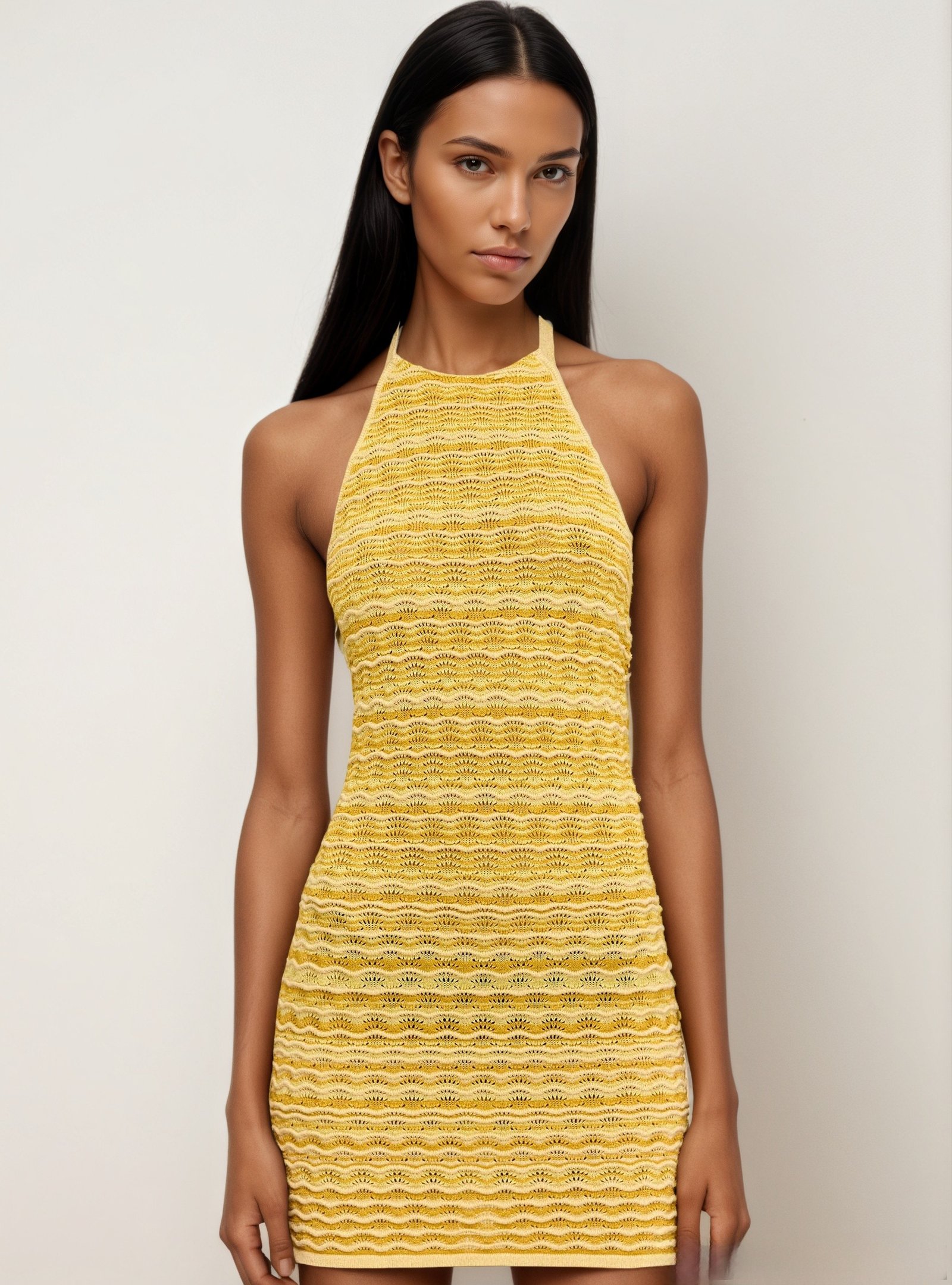
Custom Sweater Dresses
Develop custom sweater dresses with yarn, gauge, stitch, neckline, hem, and body-shaping details suited to your intended silhouette. Pattern and grading teams refine length, sleeve proportions, stretch recovery, and fit across normal, extended, and oversized size ranges.
Request a Quote
Custom Denim Sets
Develop men’s denim suits for wholesale programs with coordinated jackets and jeans, consistent denim washes, tailored construction, hardware, and branded trims. Junsheen manages matching fit standards, size grading, sampling, and scalable production for retail-ready assortments.
Request a Quote
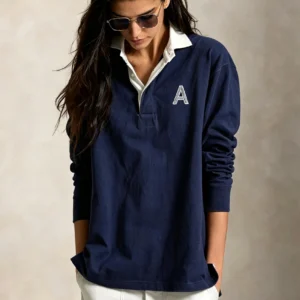
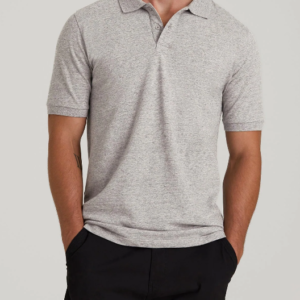
Custom Polo Shirts
Manufacture custom polo shirts in piqué, jersey, performance knit, or blended fabrics with specified collars, plackets, buttons, cuffs, embroidery, and labels. We support fit development, color matching, size grading, and bulk production for branded uniforms or retail collections.
Request a Quote
Custom Sweatpants
Produce custom sweatpants in fleece, French terry, or jersey with tailored waistbands, drawstrings, cuffs, pockets, and decoration options. Fit development addresses rise, leg shape, inseam, and grading for standard, plus-size, and oversized casualwear programs.
Request a Quote
Custom Shorts
Develop custom shorts in jersey, twill, denim, fleece, or performance fabrics based on intended wear and price target. Junsheen supports inseam, waistband, pocket, trim, print, wash, and fit specifications from prototype samples through bulk production.
Request a Quote
Custom Pullovers
Manufacture custom pullovers in knit, fleece, French terry, or jersey constructions with specified necklines, closures, ribs, and branded details. Our development team aligns fabric, silhouette, grading, decoration, and finishing requirements before approval for low-MOQ or ongoing production.
Request a QuoteCustom Print Tshirt Fabrics Built for Your Collection

Combed Cotton Jersey
Smooth, soft and dependable for premium custom print tshirt programs. Combed cotton jersey offers a clean print surface, breathable comfort and consistent everyday wear, commonly specified from 180 to 260 GSM.

Heavyweight Cotton Jersey
A substantial, structured cotton fabric suited to streetwear, oversized fits and elevated graphic tees. Its dense 240 to 300 GSM construction delivers durability, a premium hand feel and stable screen-print results.

Organic Cotton Jersey
A naturally soft option for responsible apparel collections and retail-ready basics. Available in multiple weights, organic cotton jersey provides breathable comfort, a refined hand feel and dependable compatibility with water-based or DTG printing.

Cotton Polyester Blend
A practical choice for promotional tees, uniforms and active casualwear requiring reliable shape retention. Cotton-poly blends balance softness with faster drying performance, reduced shrinkage and adaptable weights for different price targets.

Pima Cotton Jersey
An exceptionally smooth, long-staple cotton option for premium branded T-shirts and refined private-label collections. Pima jersey offers a silky hand feel, strong fibers and a polished surface for detailed print applications.

Recycled Performance Knit
Lightweight, moisture-managing knit fabric for activewear, event apparel and technical casual styles. Recycled polyester options provide quick-dry performance, controlled stretch and vibrant dye-sublimation capability where synthetic constructions suit the design.
Custom Print Tshirt Decoration and Finishing Options

Screen Printing
Plastisol and water-based screen printing create sharp, repeatable graphics for bulk custom print tshirt programs. Add puff, flocking, silicone, high-density, foil, or discharge effects for texture, dimension, and durable color.

DTG Printing
Direct-to-garment printing applies detailed full-color artwork directly onto compatible cotton-rich garments. It is suited to photographic designs, fine gradients, and lower-volume releases, delivering a soft hand feel with careful curing.

DTF Transfers
DTF transfers produce vivid, flexible graphics that work across cotton, blends, and many performance fabrics. This process supports intricate artwork and small details while maintaining strong adhesion and wash resistance.

Custom Embroidery
Flat, 3D puff, chain-stitch, applique, sequin, and patch embroidery add a premium dimensional finish to logos and artwork. Our team adjusts stitch density, backing, and placement to protect shape, comfort, and long-term durability.

Dye Sublimation
Dye sublimation permanently infuses full-color artwork into polyester-based fabrics for lightweight, breathable active and fashion apparel. The result resists cracking and peeling while preserving detailed all-over patterns and vibrant color.

Garment Washes
Enzyme, garment-dye, acid, stone, softening, anti-pilling, brushing, and napping treatments refine color, texture, and hand feel. Sampling helps align the final wash effect with your brand reference and production specification.
Custom Print Tshirt Labels, Trims and Packaging

Woven Brand Labels
Custom woven main labels add a durable, premium brand signature at the neck, hem or side seam. JUNSHEEN matches label construction, color, fold style and placement to your custom print tshirt specifications.

Care Size Labels
Printed or woven size and wash-care labels provide clear garment information for global retail programs. They can be developed for XS–3XL size ranges, fiber content, care instructions, country requirements and your private-label presentation.

Custom Hang Tags
Branded hang tags turn finished apparel into a shelf-ready product. Choose custom artwork, paper stock, shapes, finishes, string or safety-pin attachments to communicate collection details, pricing and your label story.

Drawcords And Tips
Custom drawcords, aglets and tipped ends add functional contrast to hoodies, sweatpants and outerwear. Select colors, materials and logo details that coordinate with printed graphics, embroidery and the intended retail price point.

Zippers And Snaps
Specify zippers, snap buttons and other closures for jackets, overshirts and utility styles. JUNSHEEN sources options suited to your design, durability needs and branding direction, including custom pulls and logo hardware.
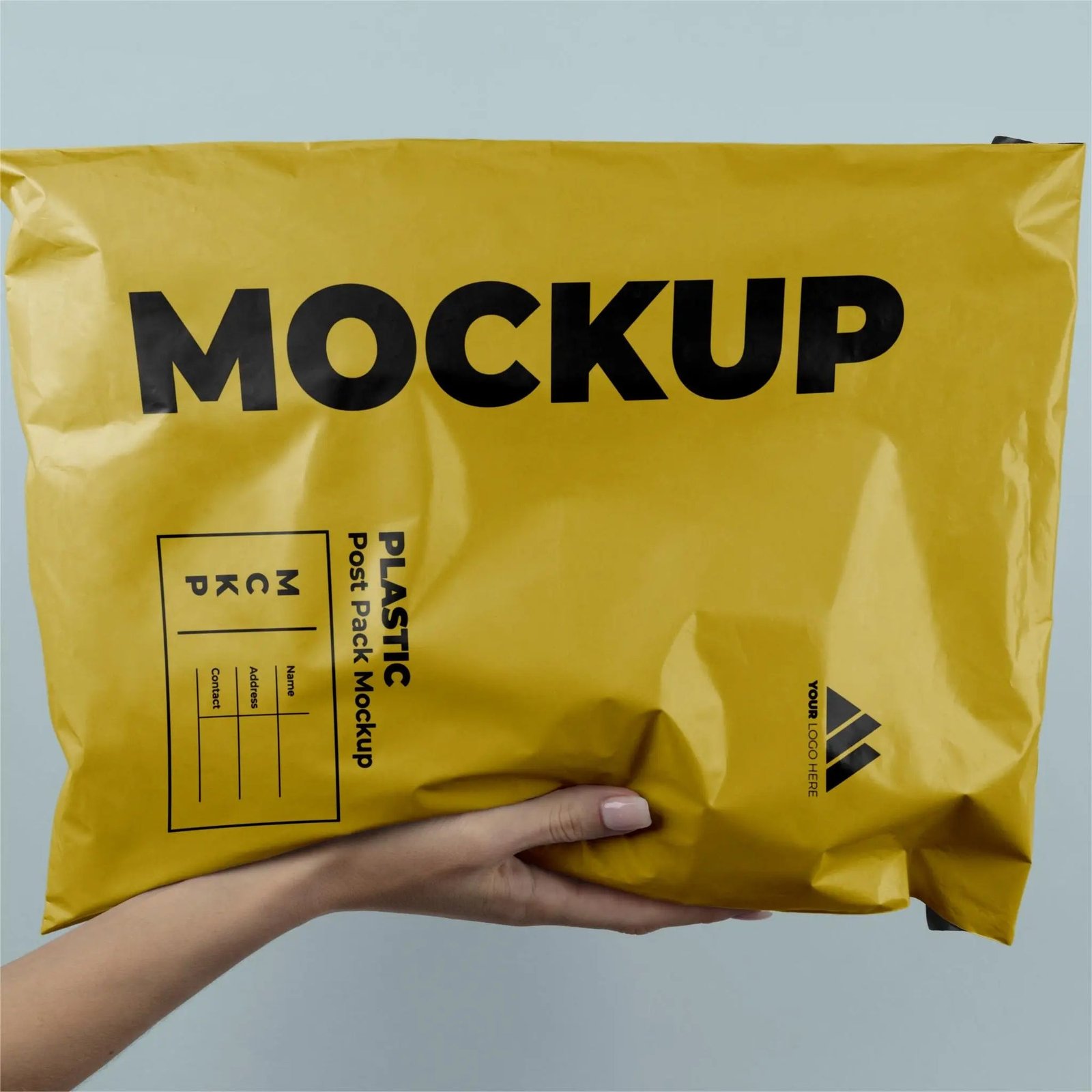
Branded Packaging
Retail-ready packaging can include custom polybags, boxes, tissue, stickers and shipping inserts. Coordinated packaging protects garments in transit while giving wholesale buyers and direct customers a consistent unboxing experience.
Custom Print Tshirt Manufacturing Since 2010
Founded in 2010 in Humen Town, Dongguan, JUNSHEEN helps global fashion brands turn custom print tshirt concepts into production-ready collections. Our OEM, ODM and private-label team supports emerging labels, independent designers, wholesalers and retailers with clear development guidance from initial idea through export.
With 200+ skilled workers and monthly capacity above 80,000 units, we combine cut-and-sew production, knitting, fabric sourcing, printing, embroidery, washing, labeling and packaging in one coordinated supply chain. Programs can begin at 100 units per style and color, then scale for repeat and bulk orders.
What distinguishes JUNSHEEN is fit-focused development across XS–3XL, including extended-size, plus-size and modern oversized styles. Rather than simply enlarging a base pattern, our team refines proportion, mobility and grading to help brands achieve consistent fits, fewer revisions and dependable long-term production.

Custom Print Tshirt Capabilities Built for Scale
Fit-First Pattern Development
JUNSHEEN develops custom print tshirt patterns from XS to 3XL with refined proportions for standard, plus-size and oversized fits. Our team reviews measurements, shoulder balance, sleeve length and grading before sampling, helping brands reduce revisions and achieve a consistent size range.
- Pattern making from tech packs, sketches or reference garments
- XS–3XL grading for standard, extended-size and oversized fits
- Prototype samples, size sets and pre-production fit approval
- Manufacturability review before bulk production

Integrated Apparel Manufacturing
From cut-and-sew construction to print application, embroidery, washing and packing, JUNSHEEN manages the production stages in one coordinated supply chain. This gives brands clearer control over quality, timing and finish details from a 100-unit launch through repeat bulk programs.
- Cut-and-sew and knitwear production capabilities
- Screen print, DTG, DTF, heat transfer and specialty effects
- Embroidery, patches, garment dye and wash finishing
- Private labels, trims and branded packaging

Material Sourcing That Performs
Fabric choices are matched to the intended custom print tshirt look, hand feel, decoration method and target cost. Our supplier network supports cotton, organic cotton, combed jersey, blends and performance knits, with swatches and samples available before bulk material confirmation.
- Cotton, Pima cotton, organic cotton and blended jersey
- Weight, drape, stretch and wash-performance guidance
- Fabric options matched to printing and finishing methods
- Swatches and sample garments for material approval

Repeat Orders Stay Consistent
JUNSHEEN retains approved patterns, graded size sets and material records to make repeat custom print tshirt orders more efficient and consistent. With 200+ skilled workers and monthly capacity above 80,000 units, we can support growing programs with documented quality control and global export coordination.
- Retained specifications for faster repeat development
- Incoming, in-line and final packed-goods inspections
- 100-unit MOQ per style and color for flexible launches
- Scalable production and global shipping support

Why Choose JUNSHEEN for Custom Print Tshirt Production
Fit-led development, integrated decoration and scalable manufacturing for brands that need reliable production from launch to repeat orders.
← 左右滑动查看 →
Custom Print Tshirt Production Process
A clear, fit-focused workflow that moves your custom printed apparel from feasibility review to export-ready delivery.
Review Project Feasibility
Our team reviews your tech pack, artwork, references, target quantity, sizing, decoration requirements, and budget to confirm a practical production route.
Source Fabrics And Trims
We recommend fabrics, colors, labels, and trims based on hand feel, weight, durability, print compatibility, target cost, and intended market.
Develop Patterns And Samples
Pattern makers build and grade fit-focused XS–3XL patterns, then produce prototypes and size samples for construction, measurement, and artwork approval.
Confirm Bulk Production Details
After sample approval, we finalize specifications, materials, decoration methods, packaging, production schedule, and purchase order details before cutting begins.
Produce And Inspect Garments
Skilled teams cut, sew, print, finish, and inspect each custom print tshirt program through incoming, in-line, measurement, decoration, and final-quality checks.
Pack And Ship Globally
Approved goods receive branded packing and export documentation, then ship through reliable global logistics support for your launch, wholesale, or replenishment schedule.
How to Start a Custom Print Tshirt Project
Move from concept to bulk production with clear feasibility, sampling and approval milestones.
Submit Your Concept
Send a tech pack, sketch, reference garment or mood board with target quantities, sizes, fabrics and decoration requirements for our development team to review.
Confirm Feasibility and Pricing
Review our recommendations on construction, fit, materials, printing and trims, then receive a production-focused quotation for your custom print tshirt program.
Approve Development Samples
Evaluate prototype samples, measurements, decoration and fit across XS–3XL where required; provide revisions before confirming the final pre-production standard.
Launch Bulk Production
Approve the order and let JUNSHEEN manage sourcing, manufacturing, inspections, packing and export coordination from our 100-unit MOQ through scalable repeat production.
Custom Clothing Manufacturer Credentials and Compliance Documents




Custom Print Tshirt Results From Brand Partners
JUNSHEEN turned our reference tee into a production-ready custom print tshirt in two sampling rounds. Their grading corrections gave us consistent fit from XS to 3XL, and our first 600-unit launch sold through 82% faster than forecast.
We needed a 100-unit colorway test with puff print, woven labels, and branded packaging. The team consolidated development and decoration under one schedule, cutting our sampling coordination time by roughly 40% and making repeat orders much simpler.
After our initial 300-unit custom print tshirt order, we expanded to 2,400 units across four colors. Measurement consistency and final inspection reports were strong enough that we approved the reorder without a third-party factory visit.
Custom Print Tshirt Manufacturing FAQ
Clear answers on MOQs, development, quality, payment, shipping and IP protection for OEM and private-label programs.
What is the MOQ for a custom print tshirt order?
How long does a custom print tshirt sample take, and what does it cost?
Can I order a custom print tshirt without a complete tech pack?
What payment terms do you offer for new apparel orders?
How do you control custom print tshirt quality before shipment?
Can you ship custom printed T-shirts internationally?
How do you protect my designs, artwork and brand information?
Can JUNSHEEN develop fits beyond standard unisex T-shirt sizing?
The Complete Buyer’s Guide to custom print tshirt
Use this practical decision framework to select fabrics, print methods, quality standards, and dependable suppliers while avoiding costly sampling, pricing, and production mistakes.
1. What Is a custom print tshirt?
100 units per style and color is a practical starting point for an OEM custom print tshirt program: the buyer specifies the garment and its decoration, rather than adding a logo to a finished blank. Blank-shirt personalization uses stock sizes, colors and silhouettes; private-label production can include a proprietary pattern, graded XS–3XL fit, selected jersey, trims, labels and packing. 2 common order models are stock-blank decoration and cut-and-sew development. The first is suited to fast promotional or merchandise runs; the second starts with a tech pack, sketch or reference garment, then moves through fabric selection, pattern making, sampling, print approval and bulk production. 160–240 GSM cotton jersey is a typical decision range, but weight alone does not define the result. Before requesting quotes, lock the target fit, fabric composition and hand feel, Pantone artwork and print placement, print method, quantity by color and size, and destination market; these inputs determine feasible decoration, labeling requirements, duties and landed cost. 2010 is the year Junsheen began manufacturing in Dongguan’s Humen apparel cluster. For a custom print tshirt, its development workflow places printing after the base garment, fit and fabric are confirmed, so artwork is approved on the actual surface rather than judged only from a screen proof.
2. Evolution of custom print tshirt Production
1960s screen printing made repeatable spot-color graphics economical at scale, but each color still requires a separate screen, setup time, and registration control. Buyers therefore grouped orders by artwork and colorway; for a custom print tshirt program, a Pantone-approved strike-off remains the practical safeguard against inconsistent ink color across factories or reorders. 1980s heat transfers widened access to small runs, names, numbers, and short-lived graphics because decoration could be applied after blank garments were made. The sourcing trade-off is durability: specify transfer type, peel strength, wash test method, press temperature, and placement tolerance rather than approving only a digital mockup. 1990s direct-to-garment and later DTF workflows reduced artwork setup and made photographic, gradient, and high-color-count designs viable for sampling and lower-volume launches. This changed buyer expectations from large screen-print commitments to sample-to-bulk flexibility, while requiring clear files, underbase instructions, fabric-color approval, and wash-tested samples because print hand feel and color can shift by substrate. 100-unit production starting points now let brands test a style and colorway before scaling, but on-demand logic does not remove factory controls. Request documented fabric composition, applicable OEKO-TEX or GOTS evidence where claimed, approved color standards, retained artwork and placement files, and sealed pre-production samples so the same graphic reads consistently across global sales channels.
3. Types of custom print tshirt Orders
A custom print tshirt order should be classified before sampling because the end customer determines fabric, fit, decoration, and repeat-risk priorities. At Junsheen, programs can begin at 100 units per style and color, from campaign runs to scalable branded ranges.
Promotional And Retail Graphics

100–180 GSM promotional tees suit events, giveaways, and wholesale campaigns where unit cost and fast artwork approval outrank refined fit. Plastisol screen printing is usually the most economical route for simple, high-volume spot-color artwork. 180–240 GSM retail graphic tees target customers who judge hand feel, silhouette, and wash durability at point of sale. Ring-spun cotton, Pantone-approved prints, and a retained approved sample cost more initially but protect reorder consistency.
Private-Label And Streetwear

1 core block with controlled neck width, sleeve pitch, and grading supports private-label basics that must reorder across seasons. Woven labels, wash-care labels, and consistent fabric lots add setup discipline but reduce brand inconsistency. 240–300 GSM oversized styles serve streetwear labels needing dropped shoulders, longer sleeves, and deliberate body volume. Puff, high-density, embroidery, and applique create stronger retail impact, while complex placements increase labor and sampling revisions.
Performance And Extended Sizes

140–180 GSM performance shirts suit teams and activewear programs requiring moisture-management knits, stretch recovery, and sublimation-compatible light colors. Test decoration after wash because heat, dye migration, and seam stretch can affect results. XS–3XL extended-size programs need separate proportion decisions for shoulder balance, body length, sleeves, and grading increments rather than simple enlargement. A full size set raises development cost, yet gives retailers better fit control and fewer repeat-order corrections.
4. custom print tshirt Materials and Fabrics
160–220 GSM fabric is the usual starting point for a custom print tshirt; weight, yarn quality, and knit structure determine feel, opacity, print results, and delivered cost. Request swatches and a washed sample before approving bulk yardage.
| Material | GSM Range | Strengths | Limitations | Recommended Applications |
|---|---|---|---|---|
| Ring-spun cotton | 160–220 | Soft; print-friendly; breathable | Can shrink; mid-price | Retail graphics; everyday tees |
| Cotton-poly blend | 150–210 | Durable; lower shrinkage | Migration risk; less natural hand | Workwear; active casualwear |
| Recycled cotton blend | 180–240 | Lower virgin-fiber use; textured | Variable strength; higher cost | Sustainable capsules |
| Modal-cotton | 150–190 | Smooth; drapey; premium hand | Less structure; higher price | Fashion fits; warm climates |
| Performance polyester | 140–180 | Fast-drying; durable; opaque options | Heat-sensitive printing choices | Sport and outdoor use |
Fiber Selection And Printability

100% ring-spun cotton gives a soft, breathable hand and strong screen-print opacity, but can shrink unless pre-shrunk. Open-end cotton is cheaper and tougher-feeling, suited to value promotions rather than premium retail. 50/50 cotton-poly reduces shrinkage and improves wear life, although dye migration can affect light prints on dark polyester. Modal blends add drape and softness but cost more and need careful print testing.
Weight And Knit Structure

140–160 GSM jersey suits hot climates and layering; 180–220 GSM offers a more substantial retail hand. Jersey has one smooth print face and natural stretch, while interlock is denser, more opaque, and typically more stable. 240 GSM and above creates a heavyweight, oversized silhouette, but raises fabric, freight, and drying-time costs. Specify finished GSM after washing rather than greige weight.
Shrinkage And Compliance
3–5% residual shrinkage is a practical tolerance for many cotton programs after controlled pre-shrinking; confirm the test method, wash temperature, and measurement points. Enzyme washing may soften the hand but should be approved against print durability. OEKO-TEX Standard 100 addresses harmful substances, while GOTS applies stricter requirements to eligible organic textile supply chains. Recycled claims should be supported by transaction-level documentation where required.
5. custom print tshirt Decoration Options
100-unit launches require decoration choices that balance setup cost, artwork detail, and the intended hand feel. For a custom print tshirt, approve a decorated strike-off after fabric, color, and wash method are fixed.
| Method | Best Artwork | Volume And Setup | Hand Feel / Durability | Environmental Note |
|---|---|---|---|---|
| Screen print | 1–6 spot colors, bold art | 100+; screens required | Ink-dependent; very durable | Water-based options reduce PVC |
| DTG | Photos, gradients | Low runs; file pretreatment | Soft on cotton; wash-test | Water-based inks; pretreatment required |
| DTF / heat transfer | Detailed multicolor, names | Low–medium; no screens | Film hand; durable when cured | Film and adhesive waste require review |
| Embroidery / labels | Small logos, brand ID | Digitizing or label sampling | Raised / low-bulk; durable | Select recycled yarns or labels where available |
Print Method Selection

1–6 spot-color logos and large opaque graphics suit screen print; screens and Pantone-matched inks create a durable, scalable result. DTG handles photographic art and color gradients with minimal setup, while DTF suits detailed multicolor placements on cotton blends.
- Screen print: strongest unit economics at 100+ pieces
- DTG: best for intricate art and low quantities
- DTF: vivid detail, slightly raised transfer hand
Finish And Durability

3D puff, high-density, silicone, foil, flock, and water-based inks create distinct retail cues; require an approved strike-off because texture and cracking behavior vary by fabric. Discharge removes dye on suitable dark cotton, leaving a soft hand, but dye chemistry and wash tests are essential.
- Puff: dimensional logos; avoid fine registration
- Water-based or discharge: softer hand; lower PVC use
- Plastisol: opaque coverage and dependable wash resistance
Branding Beyond The Print

1,000+ rub cycles are a useful internal benchmark for transfer adhesion checks, alongside customer wash testing. Embroidery gives premium texture for small chest logos but can pucker lightweight jersey; woven labels feel durable, while printed neck labels reduce bulk and irritation.
- Heat transfer: ideal for names, numbers, and short runs
- Embroidery: premium raised finish; limit dense large fills
- Printed labels: comfortable for next-to-skin necks
6. Construction Quality That Buyers Should Specify
A retail-ready custom print tshirt is defined by repeatable measurements, durable seams, and decoration that survives laundering. Buyers should convert these details into measurable tolerances before approving bulk production.
Base Garment Specifications
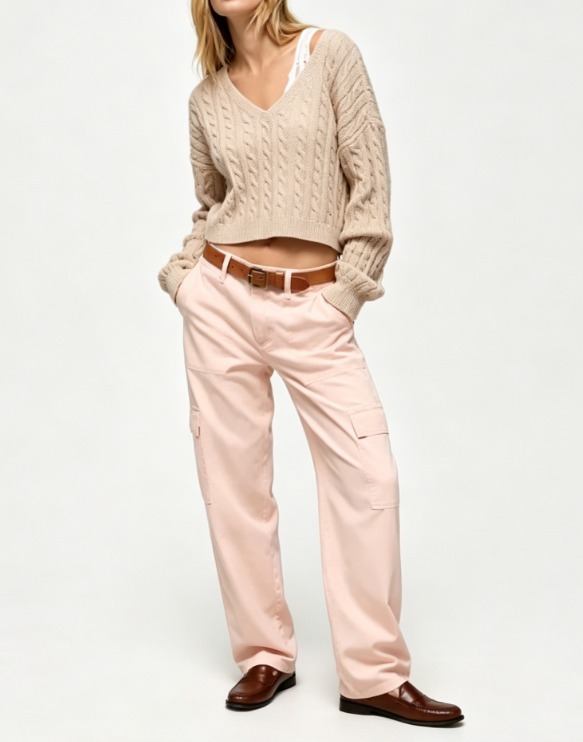
30/1 ring-spun cotton produces a smoother print surface than coarse open-end yarn; specify fiber content, yarn type, GSM, and allowable pilling level in the tech pack. 1×1 or 2×1 neck rib should recover after stretch, while shoulder-to-shoulder tape stabilizes the neckline. Request side seams, neckline width, hem shape, and sleeve opening measurements with ±0.5 cm tolerances.
- State fabric weight and composition
- Specify neck-rib composition and recovery
- Call out shoulder tape and side seams
Seams, Shrinkage, And Labels
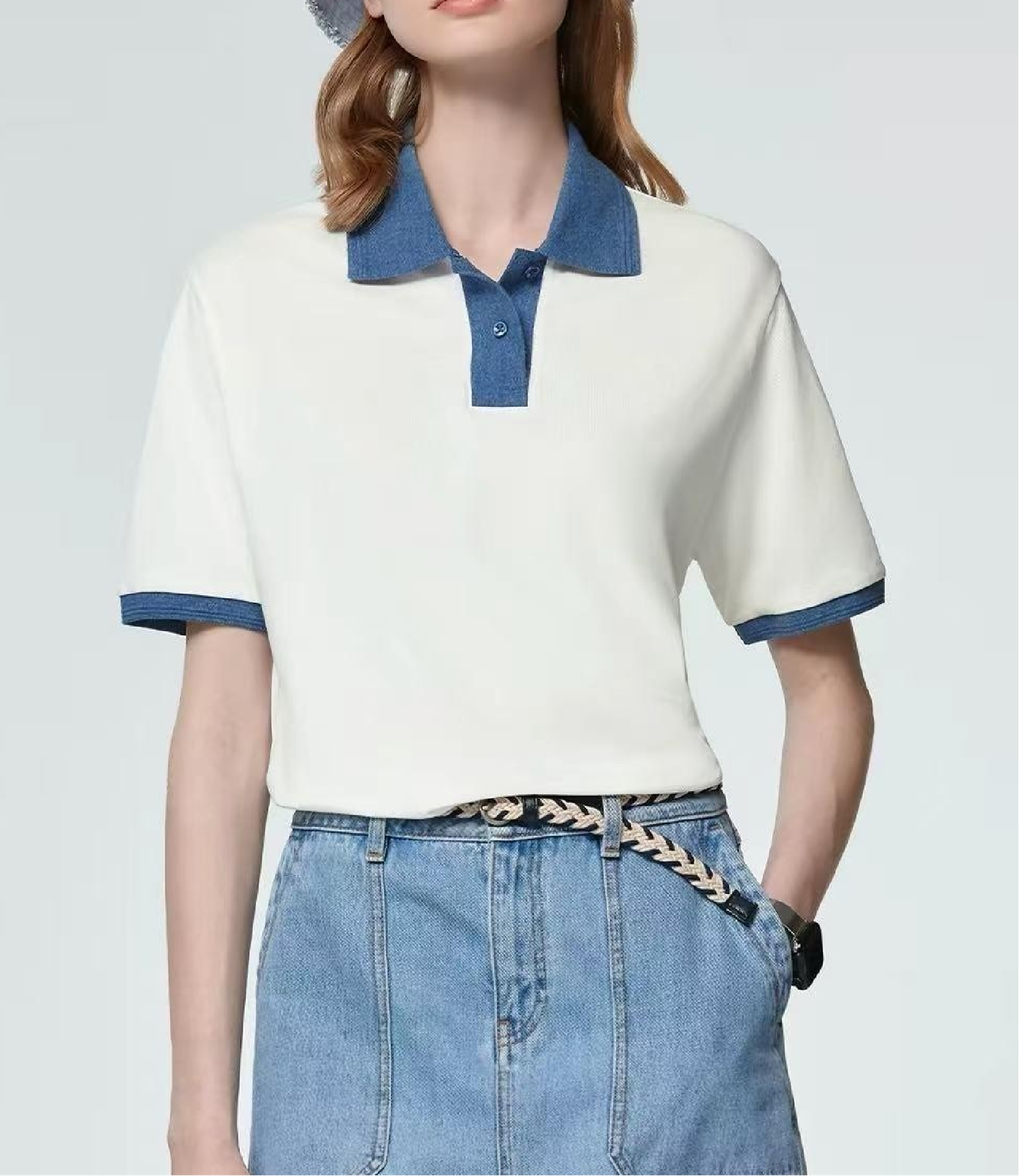
10–12 stitches per inch is a practical starting point for overlock and coverstitch seams on jersey, subject to fabric weight. Specify seam allowance, thread color, bartacks where needed, and no skipped stitches. 3–5% wash shrinkage is commonly planned into cotton patterns, but the approved sample must define the actual method. Mark main-label, size-label, and care-label positions from fixed garment points, including orientation.
- Test measurements after the stated wash
- Record label distance from neckline
- Inspect seam roping and loose ends
Sample And Final Inspection
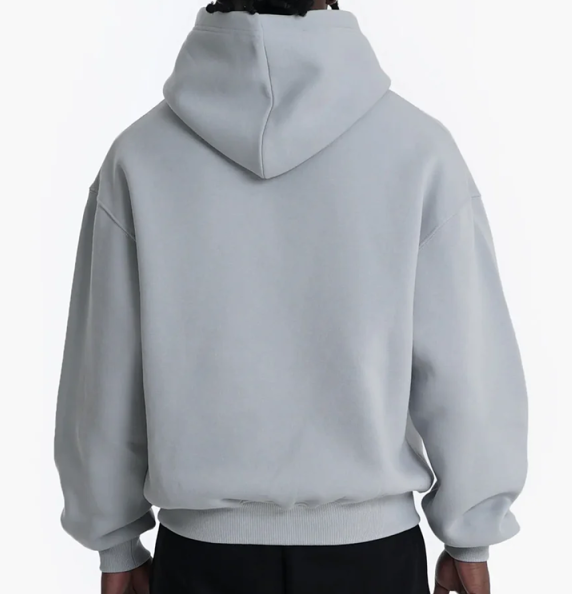
Pantone-referenced color and an agreed colorfastness test prevent avoidable shade disputes; request wash, rubbing, and perspiration requirements appropriate to the market. Confirm the approved sample after laundering, not only straight from production. 0.5–1.0 mm registration tolerance is a useful print target for multi-color artwork, depending on design complexity. Final inspection should compare random packed units against the approved sample for print placement, registration, cracking, measurements, labels, and workmanship.
- Approve a washed production sample
- Define print-placement measurement points
- Check random cartons before shipment
7. How to Choose a custom print tshirt Manufacturer
A 100-unit launch needs a supplier whose development controls are as credible as its quoted unit price. Compare evidence, not promises, before committing artwork, deposits, or delivery dates.
Verify Product And Print Expertise

Ask for three comparable custom print tshirt case studies showing fabric weight, print method, color count, and finished production photos. Request approved sample photos beside bulk goods and clarify whether screen printing, DTG, DTF, or transfers are produced in-house. Outsourced decoration requires named controls for strike-offs, Pantone matching, cure testing, and rework.
- Which print methods are in-house?
- Can you provide wash-test reports?
- Who approves bulk print strike-offs?
Test Development And Supply Controls

A 100-unit MOQ can work for a capsule, but confirm the MOQ by style, color, fabric, and decoration rather than accepting one headline figure. Ask for a sampling calendar, swatch options, pattern and grading ownership, and an approved-sample control retained for bulk inspection. Request fabric composition, GSM, shrinkage, colorfastness, and relevant OEKO-TEX, GOTS, WRAP, or BSCI evidence where claimed.
- What is the sample revision limit?
- Which fabric tests are available?
- Is the approved sample sealed?
Audit Delivery And Commercial Readiness
A factory claiming 80,000-plus monthly units should provide current line photos, capacity allocation, in-line inspection records, and final measurement reports. Confirm defect handling, AQL standard, export markets, Incoterms, and who manages packing lists and shipping documents. State payment timing in writing before production begins. JUNSHEEN’s published progression starts with full prepayment for a first order, while established relationships may qualify for lower deposits; balance is due before shipment.
- Can you share recent production-line photos?
- What AQL and measurement tolerance apply?
- Which payment milestones trigger production?
8. Common custom print tshirt Buying Mistakes
100-unit capsule orders can become expensive mistakes when buyers treat a custom print tshirt as a commodity. Most preventable claims begin before production, in incomplete specifications, rushed approvals, or unrealistic calendar assumptions.
Price Before Specification
Two quotes can differ by 20% because fabric weight, print coverage, labels, and inspection are not matched; choosing the lowest figure can cause substitutions and margin loss. One signed specification sheet should list GSM, composition, decoration method, approved Pantone colors, tolerances, and packaging before comparing like-for-like quotes.
Artwork And Color Gaps

300-DPI artwork, vector logos, and separated spot colors are essential for clean screen printing; low-resolution files create blurry edges or unexpected setup charges. One Pantone reference and physical strike-off prevent subjective color disputes. Confirm whether artwork includes underbase, gradients, transparency, and the final print dimensions.
Testing And Approval Shortcuts

Three wash cycles can reveal shrinkage, cracking, crocking, or dye migration that a fresh sample conceals. Skipping wash testing risks returns after retail delivery. One approved sample is not enough without measurement tolerances and a signed size set. Measure chest, body length, sleeve, print placement, and shade against the approved standard.
Calendar And Delivery Blind Spots
30 to 60 days may be needed for development, materials, bulk production, inspection, and freight, while seasonal launch windows do not move. Underestimating lead time can force costly air shipments or missed wholesale deliveries. One packing list review should confirm carton marks, polybag rules, barcode labels, HS code support, country-of-origin marking, and destination import requirements before bulk packing.
9. Steps to Launch Your Printed T-Shirt Line
A 100-unit first run lets a brand validate sell-through before committing to extra colorways or silhouettes. Move forward only at defined approval gates: market brief, sample, pre-production, finished-goods inspection, and reorder review.
Position The Launch
One target customer, price band, and launch channel should be set before artwork is commissioned. Define retail price, margin target, competitor references, and initial color count. Two launch colors usually create cleaner demand signals than five. Choose one core silhouette and a measured size curve before expanding the range.
Prepare Artwork And Specifications

One production pack should include vector artwork, Pantone references, print dimensions, placements, and garment views. State whether the artwork uses screen print, DTF, DTG, puff, or water-based ink. Three fit documents reduce ambiguity: a measurement chart, graded size spec, and construction callouts. Add fabric composition, target GSM, neck-rib specification, label files, and packaging requirements.
Quote, Sample, And Approve
Three to five capable suppliers are enough for a focused shortlist. Compare like-for-like quotations covering fabric, decoration colors, MOQ, sampling charge, lead time, packaging, and shipping terms. One prototype must be reviewed for fit, shrinkage, print registration, hand feel, and wash performance. Record revisions in writing, then approve a sealed pre-production sample before bulk cutting.
Control Production And Reorder
100 units per style and color can test conversion, returns, and size demand with limited inventory risk. During bulk production, inspect fabric, measurements, construction, decoration, and packed cartons against the approved sample. Thirty days after launch, review sell-through by size, color, channel, and return reason. Reorder proven winners first, then add colorways or silhouettes only when the data supports them.
10. custom print tshirt Pricing and Cost
100 units per style and color is a practical starting point for a custom print tshirt program. Comparable quotations require the same blank specification, GSM, Pantone colors, print locations, artwork readiness, label pack, packing method, inspection level, Incoterm, and destination. 180–220 GSM ring-spun cotton generally costs less than 240–280 GSM heavyweight jersey, while each extra screen, placement, specialty ink, woven label, or individual polybag adds handling or setup. Freight is separate from ex-factory cost and can materially change the landed unit price; confirm carton dimensions, shipping mode, duty responsibility, and whether the quote is EXW, FOB, or DDP.
| Quantity tier | Indicative ex-factory unit cost | Setup and cost drivers | Typical production lead time |
|---|---|---|---|
| 100–299 units | US$6–14 | Higher unit cost; screen setup often US$20–60 per color and placement | 20–30 days after approval |
| 300–999 units | US$4.50–10 | Setup spreads across more units; 1–3 spot colors remain economical | 18–28 days after approval |
| 1,000–2,999 units | US$3.80–8.50 | Volume helps; heavier GSM, front-and-back prints, neck labels raise cost | 18–25 days after approval |
| 3,000+ units | US$3.20–7.50 | Best leverage on fabric buying, custom packaging, and repeat artwork | 20–35 days after approval |
Start Your Custom Print Tshirt Project Today
Send your tech pack, sketch, reference garment, or product idea for a fit-focused OEM quotation from our team.