
Custom Embroidered Polo Shirts From 100 Units
Develop fit-focused custom embroidered polo shirts from XS to 3XL with OEM, ODM, private-label development, in-house embroidery, and scalable global production.
Featured Products for custom embroidered polo shirts Development






Related Product Catalogue and Quotation
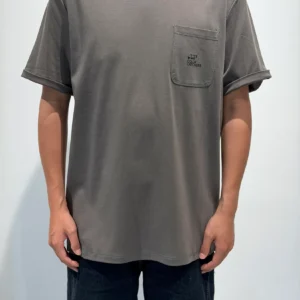

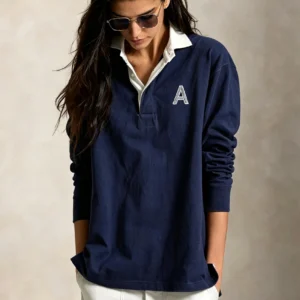


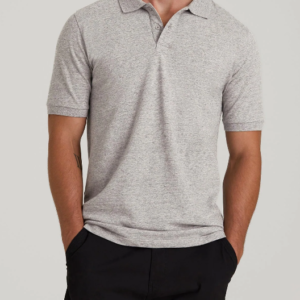


Why Source Custom Embroidered Polo Shirts from JUNSHEEN
One integrated manufacturing partner for development, decoration, private labeling, quality control and global delivery.
100-Unit MOQ Flexibility
Launch capsule collections from 100 units per style and color, then scale into repeat bulk programs as demand grows.
Fit-Focused Size Development
Refine polo patterns and grading from XS–3XL, including extended, plus-size and oversized proportions for consistent brand fit.
In-House Embroidery Control
Manage flat, 3D puff, chain-stitch, applique and logo embroidery with sampling oversight for accurate placement, texture and finish.
Complete Private Labeling
Add woven labels, wash-care labels, hang tags, branded buttons, packaging and custom trims through one coordinated supply chain.
Export-Ready Production
Rely on 200+ skilled workers, 80,000+ monthly units, layered quality checks and global shipping support for dependable delivery.
Core Apparel Manufacturing Options
From polo programs to denim, knitwear and outerwear, Junsheen develops fit-focused private-label apparel from 100 units per style and color.

Custom Hoodies
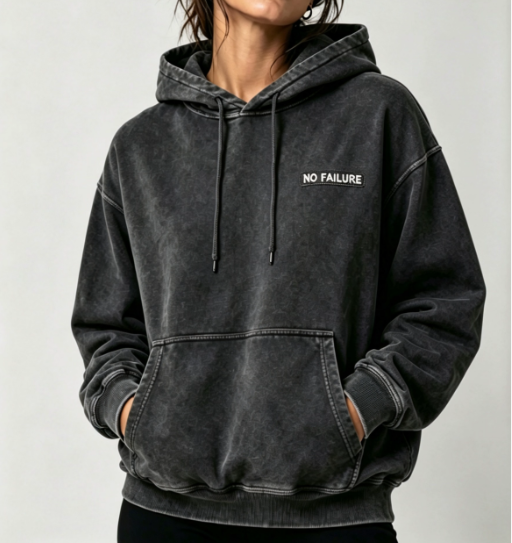
Develop custom hoodies in fleece, French terry or heavyweight jersey with fit development from XS–3XL. Choose oversized, standard or extended-size blocks, then add embroidery, screen printing, custom labels, drawstrings, rib trims and branded packaging.
Request a Quote
Custom T-Shirts
Produce custom tshirt programs from lightweight jersey basics to heavyweight fashion tees. Junsheen supports pattern making, size grading, fabric selection, DTG or screen printing, embroidery, washes and private-label finishing for capsule launches and repeat orders.
Request a Quote
Custom Jeans
Develop custom jeans in rigid, stretch or washed denim with fit-specific pattern work for rises, inseams, leg shapes and size grading. Production can include distressing, garment washes, custom hardware, embroidery, patches, labels and coordinated packaging.
Request a Quote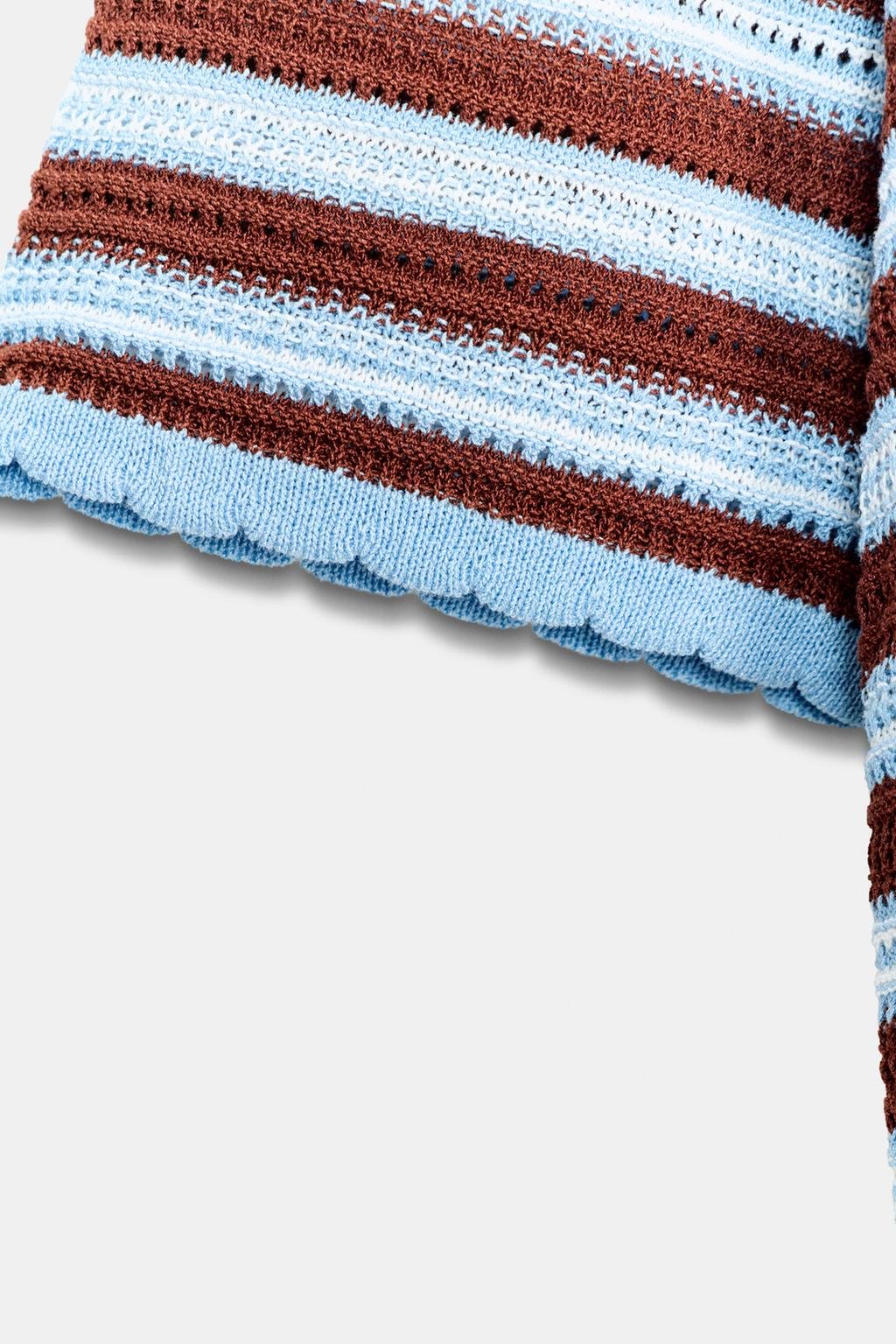
Custom Sweaters
Source turtle neck sweater bulk programs with knit constructions suited to your target hand feel, weight and price point. Junsheen supports yarn selection, sampling, grading, private labels and consistent production for wholesale, retail and private-label collections.
Request a Quote
Custom Jackets
Build custom jean jacket programs in denim, twill or mixed-material constructions. Junsheen manages patterns, fit samples, washes, distressing, embroidery, patches, snaps, zippers, labels and packaging for fashion or workwear-inspired collections.
Request a Quote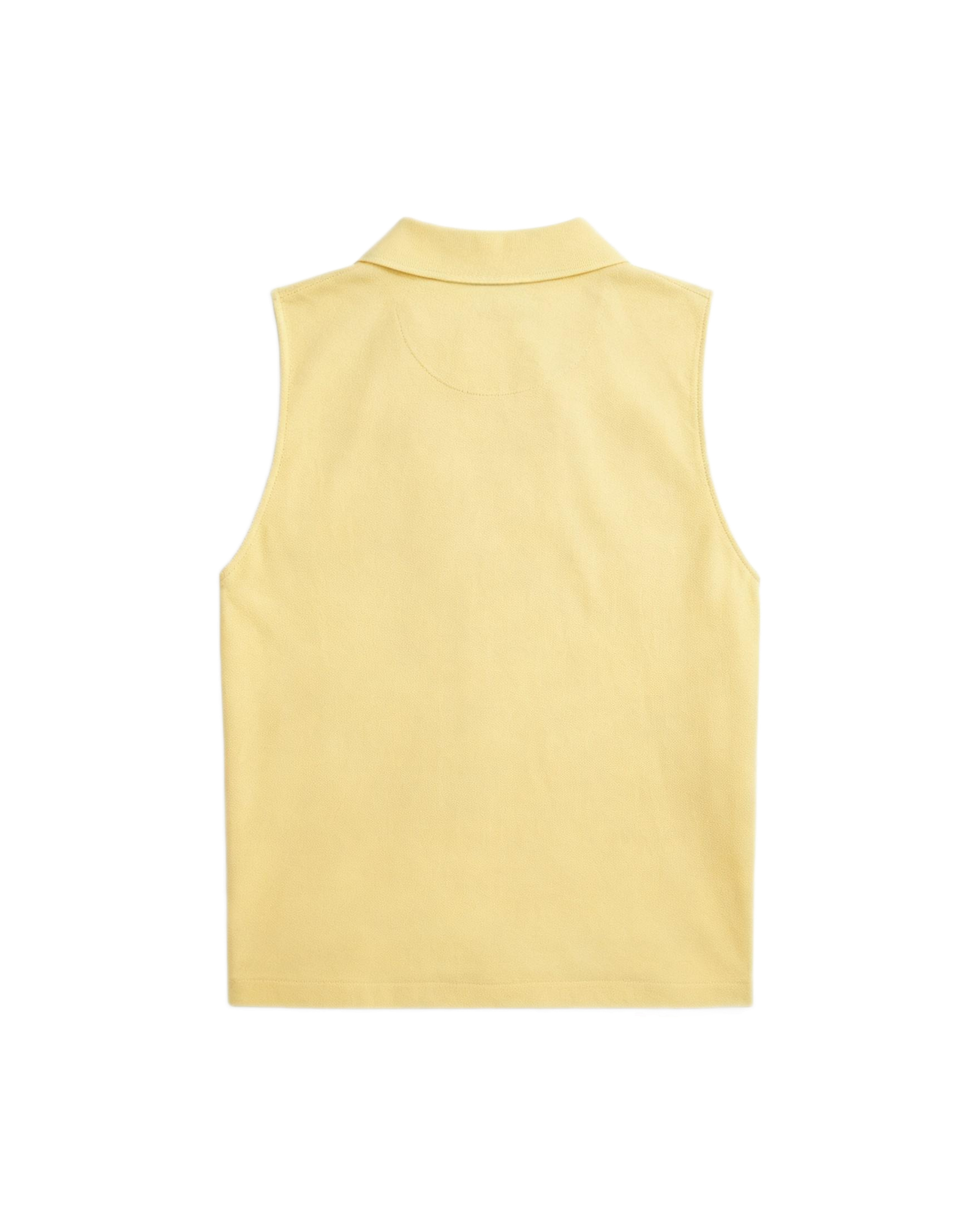
Custom Sweatshirts & Crewnecks
Create custom crewneck hoodie and sweatshirt styles in brushed fleece, French terry or jersey. Refine neckline, shoulder balance, body length and rib specifications, then add prints, embroidery, washes and private-label details for a production-ready program.
Request a Quote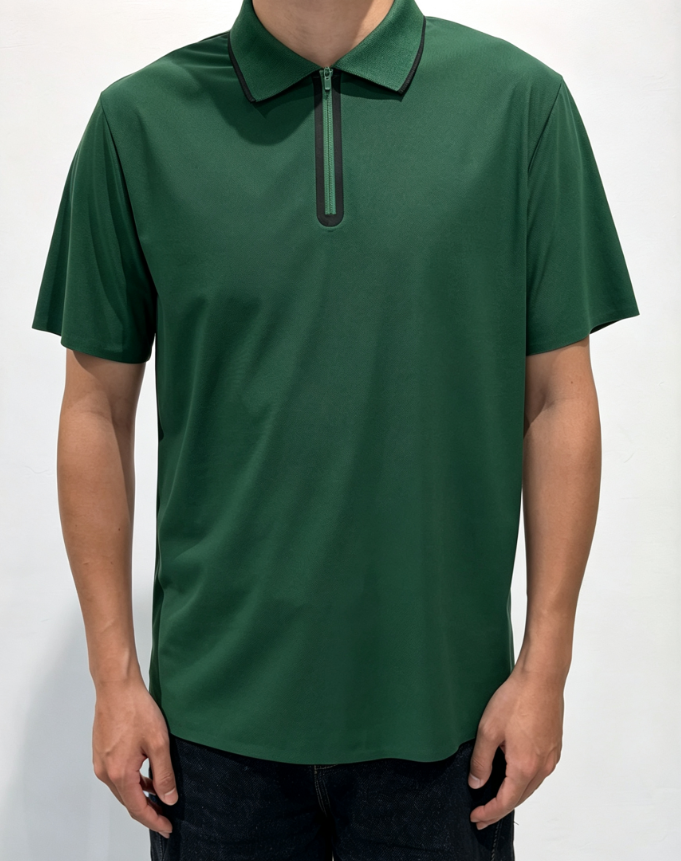
Custom Cardigans
Develop custom cardigan collections in knitted or cut-and-sew constructions, with control over yarn, gauge, button placement, neckline and silhouette. Junsheen supports fit grading, branded buttons, labels and packaging for women’s, men’s and unisex ranges.
Request a Quote
Custom Puffer & Down Jackets
Produce custom puffer jacket styles with development support for shell fabric, insulation, quilting layout, lining, hoods, closures and fit. Junsheen can source trims, apply logo decoration and manage private-label finishing for scalable outerwear programs.
Request a Quote
Custom Denim Shorts
Manufacture custom jean shorts in rigid or stretch denim with tailored rise, inseam and leg-opening specifications. Choose raw, garment-dyed, acid-washed, stone-washed or distressed finishes, plus custom hardware, labels, patches and embroidery.
Request a Quote
Custom Sweater Dresses
Create custom sweater dresses with development support for knit structure, yarn selection, neckline, length, shaping and XS–3XL grading. Sampling helps confirm drape, recovery and fit before adding private labels, trims and retail-ready packaging.
Request a Quote
Custom Denim Sets
Produce mens denim suits wholesale programs as coordinated denim jackets and jeans with matched fabric, wash and hardware standards. Junsheen supports specification alignment, graded patterns, sampling and reliable bulk production for retailers, wholesalers and brands.
Request a Quote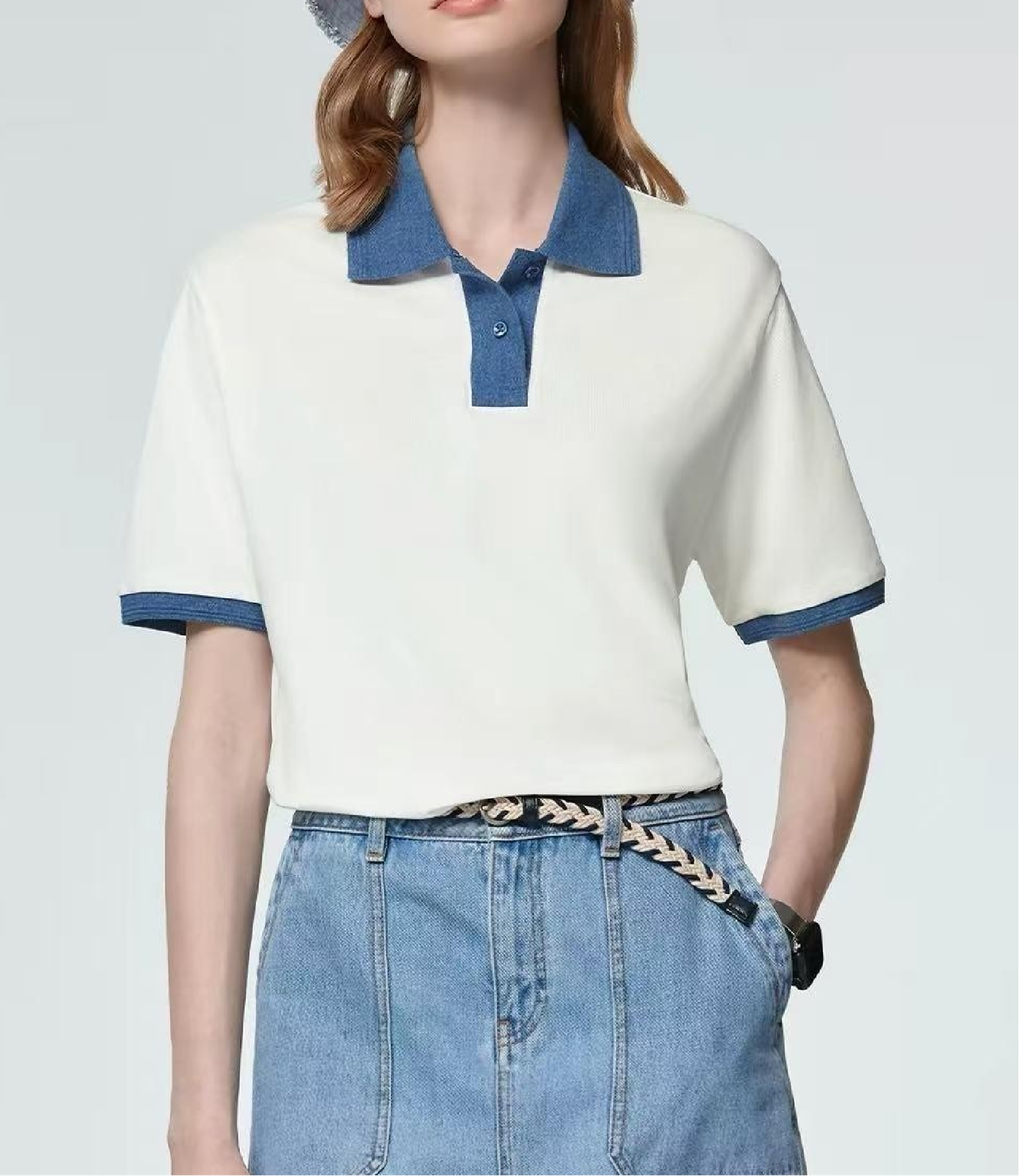
Custom Polo Shirts
Develop custom polo shirts in pique, jersey or performance knit fabrics for retail, uniforms and branded merchandise. Specify collar construction, plackets, sleeve ribs, fit, color blocking and logo embroidery, with low MOQs from 100 units per style and color.
Request a Quote
Custom Sweatpants
Manufacture custom sweatpants in fleece, French terry or performance knits with fit control across waist, rise, inseam and cuff details. Add pockets, drawcords, embroidery, printing, washes, labels and matching hoodie or crewneck programs.
Request a Quote
Custom Shorts
Produce custom shorts in jersey, fleece, twill, woven or performance fabrics for casual, active or coordinated apparel collections. Junsheen supports fabric sourcing, pocket construction, fit grading, decoration, custom trims and private-label packaging.
Request a Quote
Custom Pullovers
Develop custom pullovers in fleece, French terry, jersey or knit constructions, including quarter-zips, half-zips and hoodless styles. Junsheen supports fit refinement, fabric and trim sourcing, logo decoration, labels and quality-controlled bulk production.
Request a QuoteMaterials for Custom Embroidered Polo Shirts

Cotton Pique
A breathable, textured classic for uniform, retail and club polos. Its dry hand and stable knit structure support clean embroidery, while medium-weight constructions provide reliable shape retention through regular washing.

Cotton Interlock
Smooth, soft and more refined than traditional pique, cotton interlock suits premium fashion polos and elevated private-label programs. The double-knit construction delivers a substantial hand feel, opacity and a stable embroidery surface.

Cotton Jersey
Lightweight cotton jersey creates a softer, more casual polo with a relaxed drape. Best for lifestyle collections and warm-weather wear, it offers comfort and breathability while requiring suitable backing for detailed embroidered logos.

Cotton Polyester Pique
A durable performance-minded choice for workwear, golf and promotional polos. Cotton adds comfort while polyester improves color retention, moisture management and wash durability; common midweight qualities hold their shape well in repeat wear.

Stretch Pique Knit
Pique blended with elastane gives fitted and active polos comfortable recovery without sacrificing the recognizable textured surface. It supports mobility through the body and sleeves, making it suitable for modern uniform and sports-inspired programs.

Performance Knit
Technical polyester performance knits are lightweight, quick-drying and suited to golf, hospitality and activewear polos. Their moisture-wicking finish and colorfast wash performance help maintain a polished appearance in frequent-use programs.
Custom Embroidered Polo Shirts: Decoration Processes

Flat Embroidery
Clean, detailed logo stitching for chest crests, sleeves and collars. Flat embroidery delivers a polished, durable finish with reliable color definition, making it a strong choice for uniforms, retail polos and everyday brand programs.

3D Puff Embroidery
Raised foam-backed stitching creates bold dimension and a tactile logo profile. Best for simplified artwork and larger marks, 3D puff embroidery gives custom polo designs a premium, structured look that stands out after repeated wear.

Custom Patches
Woven, embroidered or branded patches add layered identity to polo shirts. They can be sewn or heat-applied in selected placements, creating durable contrast, heritage styling and flexible logo execution for teams, clubs and fashion collections.

Applique Detailing
Cut fabric panels are stitched onto the garment to build distinctive letters, numbers or logo elements. Applique adds texture, color blocking and a crafted dimensional appearance for varsity-inspired, promotional or elevated private-label polos.

Specialty Printing
Screen printing, silicone, high-density and heat-transfer options complement embroidery for fine artwork or bold graphics. Our team recommends the right process based on fabric, placement, wash performance and the visual impact your branded polos require.
Custom Embroidered Polo Shirts with Branded Trims

Woven Neck Labels
Custom woven main, size, and care labels give each polo a finished retail identity. We match label construction, fold style, color, and placement to your neckline, side seam, or hem specifications.

Logo Button Sets
Add branded buttons in corozo, resin, metal, or recycled materials for plackets and cuffs. Custom colors, engraved logos, and contrast stitching help transform a standard embroidered polo into a signature style.

Custom Woven Patches
Woven, embroidered, leather, or silicone patches add dimension beyond chest embroidery. Use them on sleeves, hems, back necks, or plackets to reinforce team, retail, resort, and lifestyle brand identities.

Zipper Pull Details
For quarter-zip and zip-placket polo programs, custom zipper tapes and branded pullers create a premium functional finish. Junsheen can coordinate zipper hardware with fabric color, logo artwork, and wear requirements.

Branded Hang Tags
Custom hang tags communicate sizing, fabric stories, care details, and your brand message at retail. Choose cardstock, kraft, recycled paper, foil, embossing, strings, and fasteners suited to your product positioning.
Retail Ready Packaging
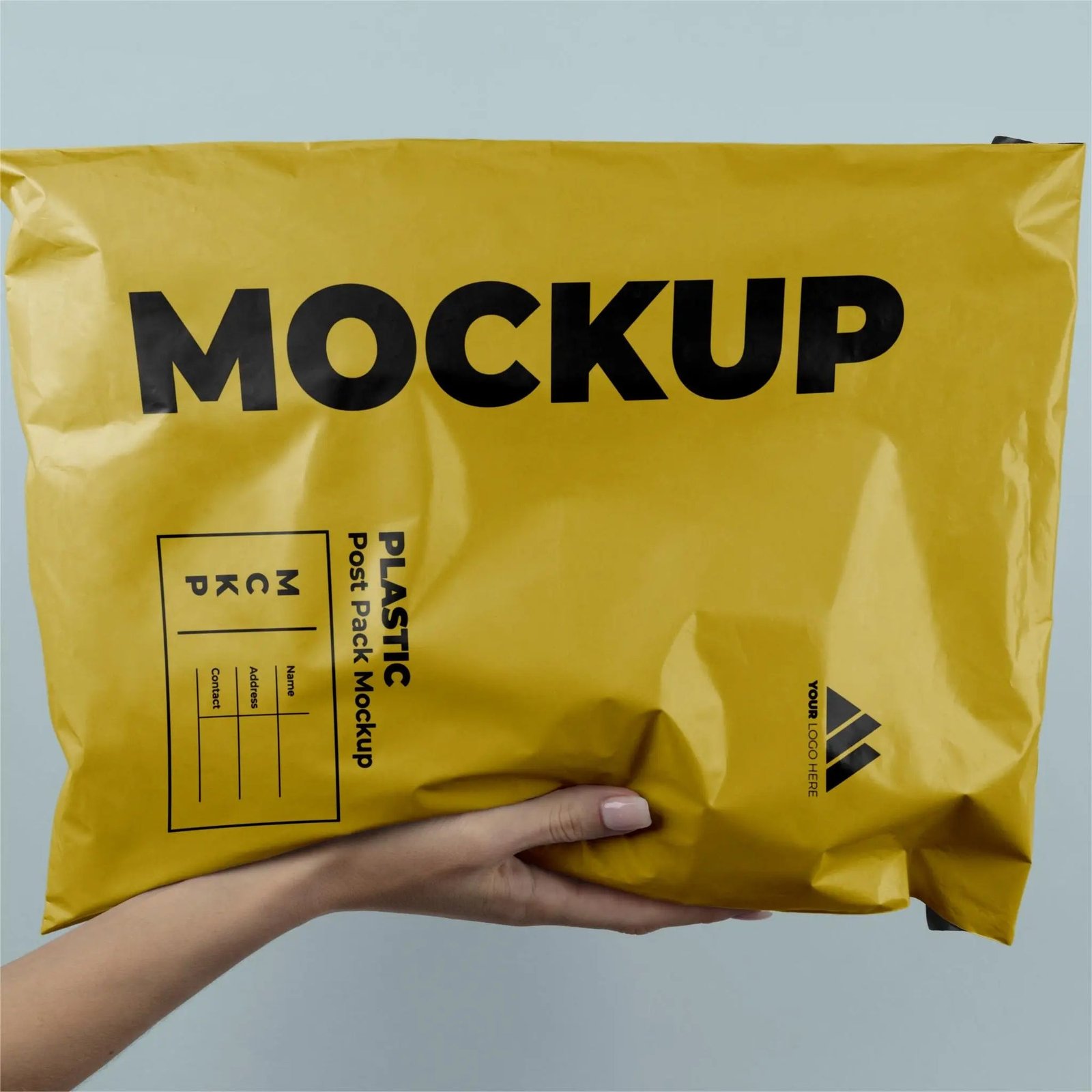
Complete your polo order with branded polybags, folding inserts, size stickers, tissue, cartons, and barcode-ready packaging. Packaging specifications are managed alongside production to simplify wholesale delivery and global fulfillment.
About JUNSHEEN Apparel Manufacturing
Founded in 2010 in Humen Town, Dongguan, JUNSHEEN helps global brands turn custom embroidered polo shirts and broader casualwear concepts into production-ready private-label programs. Our mission is practical: provide responsive OEM, ODM and development support that gives emerging labels and established sourcing teams a dependable path from idea to shipment.
With more than 200 skilled workers and monthly capacity above 80,000 units, we support capsule launches from 100 units per style and color through scalable repeat programs. Our integrated supply chain covers fabric sourcing, pattern making, XS–3XL grading, cut-and-sew production, embroidery, labels, packaging, quality control and export coordination.
What distinguishes JUNSHEEN is fit-focused development paired with hands-on manufacturing control. Rather than simply enlarging a base pattern, we refine proportions across regular, extended-size, plus-size and oversized fits. Having served 2,000+ fashion-brand clients worldwide, we retain production records to make reorders clearer, faster and more consistent.

Custom Embroidered Polo Shirts: Fit, Development and Production Detail
Fit Grading That Holds Shape
JUNSHEEN develops custom embroidered polo shirts from XS through 3XL with proportion-aware grading, not simple size enlargement. Our pattern team refines shoulder balance, chest ease, body length, sleeve proportion and movement so each size supports a consistent branded fit.
- XS–3XL, extended-size, plus-size and oversized grading
- Pattern adjustments based on target customer and fit direction
- Size-set sampling before bulk approval
- Measurement control throughout production
Development From Brief to Sample
Bring a finished tech pack, sketch, reference polo or early concept. Our OEM and ODM team reviews construction, fabric weight, collar details, plackets, colorways and decoration placement, then converts the brief into specifications ready for sampling and scalable production.
- Fabric, trim and construction recommendations
- Pattern making and prototype development
- Embroidery placement and artwork review
- Low MOQ from 100 units per style and color

Integrated Decoration and Labeling
Keep logo embroidery, garment construction and private-label finishing under one coordinated production workflow. JUNSHEEN supports flat embroidery, 3D puff embroidery, chain stitch, patches and appliqué alongside custom labels, hang tags, packaging and branded trims for a finished retail-ready polo.
- Flat, puff, chain-stitch and appliqué embroidery
- Embroidery samples for approval
- Woven labels, wash-care labels and hang tags
- Custom buttons, zippers and branded packaging

Consistency for Growing Reorders
For repeat custom embroidered polo shirts, JUNSHEEN retains approved patterns, graded size sets and material records to help maintain continuity. With 200+ skilled workers and monthly capacity above 80,000 units, we support capsule launches and ongoing global bulk programs with structured quality checks.
- Retained production records for faster reorders
- Incoming, in-line and final packed-goods inspection
- 80,000+ units monthly production capacity
- Global export support for established brand programs

Why Choose JUNSHEEN for Custom Embroidered Polo Shirts
Built for brands that need flexible development, dependable quality control, and production that scales.
← 左右滑动查看 →
Custom Embroidered Polo Shirts Production Process
From feasibility review to export-ready delivery, JUNSHEEN manages each production stage with clear specifications, fit control, and scalable manufacturing support.
Review Design Feasibility
Share your tech pack, sketch, reference polo, or concept. Our team reviews construction, embroidery placement, target sizing, materials, MOQ, and production requirements.
Source Fabrics And Trims
We recommend pique, jersey, performance knit, or blended fabrics based on hand feel, weight, durability, cost, and wash performance, then coordinate labels and trims.
Create Patterns And Samples
Pattern makers develop fit-focused XS–3XL graded patterns, refine proportions, and produce prototype samples with approved logo embroidery, colors, collars, and details.
Approve Specifications And Preproduction
After sample feedback, we finalize measurements, materials, decoration files, packaging, and bulk specifications. A pre-production approval confirms the production-ready standard before cutting begins.
Produce Inspect Pack Ship
Our 200+ worker team manages bulk cutting, sewing, embroidery, in-line inspections, final measurement checks, branded packing, and global shipping for orders from 100 units.
How to Start Your Custom Embroidered Polo Shirts Program
Move from concept to approved bulk production with a fit-focused OEM team and clear development checkpoints.
Submit Your Concept
Send a tech pack, sketch, reference garment, or product brief with logo artwork, target quantities, sizes, fabrics, colors, and market requirements.
Review Feasibility and Pricing
Our team confirms construction, embroidery method, material options, MOQ, lead time, fit requirements, and a production-ready quotation for your review.
Approve Samples and Details
Review prototype samples, fabric swatches, embroidery quality, graded XS–3XL measurements, labels, trims, and packaging before approving final specifications.
Launch Bulk Production
After approval, Junsheen manages material booking, cut-and-sew production, in-line quality checks, final inspection, packing, and global export coordination.
Custom Clothing Manufacturer Credentials and Compliance Documents



Custom Embroidered Polo Shirts That Earn Repeat Orders
JUNSHEEN turned our reference polo into an approved size set in two sample rounds. Their grading notes helped us correct sleeve balance across XS–3XL, and our first 600-unit launch sold through faster than our previous program.
The embroidery stayed clean after our wash testing, even on the heavier piqué option. We started with 120 units in two colors, then reordered 1,500 units within four months with the same measurements and logo placement.
Their team consolidated fabric, patches, labels, and export packing under one production plan. That reduced our supplier coordination from five vendors to one, and our 2,400-piece wholesale delivery shipped on schedule for the seasonal drop.
Custom Embroidered Polo Shirts FAQ
Clear answers on MOQ, samples, fit development, payment, production, shipping and confidentiality for global apparel buyers.
What is the MOQ for custom embroidered polo shirts?
How long does a custom embroidered polo shirt sample take?
How much do custom embroidered polo shirts samples cost?
Can you develop polo shirt fits from XS to 3XL?
What are your payment terms for custom embroidered polo shirts?
How long does bulk production take after sample approval?
Do you ship custom embroidered polo shirts internationally?
How do you protect our designs, logos and tech packs?
The Complete Guide to custom embroidered polo shirts
Use this decision framework to select fabrics, embroidery, construction, and suppliers for scalable polo production—while avoiding costly sampling, branding, fit, pricing, and compliance mistakes.
1. What Are Custom Embroidered Polo Shirts?
100-unit production runs can turn a standard polo into a custom embroidered polo shirt: a collared knit garment whose logo, crest, name, or emblem is stitched directly into the fabric. Unlike a blank polo, it carries permanent brand identification; unlike a printed polo, its decoration has dimensional thread texture and is less vulnerable to surface cracking. 3.5- to 4.5-inch left-chest embroidery is a common placement for uniforms, hospitality teams, golf programs, and premium casualwear because it remains legible without overwhelming the garment. A well-digitized logo on a stable pique, interlock, or jersey backing signals a more considered product than a promotional basic, while name embroidery and small sleeve marks support staff recognition. 2 factors determine whether embroidery is the right choice: logo scale and garment use. Choose it for compact artwork, repeated laundering, and a durable, elevated identity; choose screen print, DTF, or heat transfer for large gradients, photographic artwork, fine tonal detail, or oversized back graphics that would become heavy, stiff, and costly in thread.
2. The Evolution of Custom Embroidered Polo Shirts
1926 marked a turning point when René Lacoste introduced a short-sleeve, soft-collared tennis shirt in breathable cotton piqué, replacing the heavier woven shirts common on court. That sport origin established the core sourcing logic buyers still use: a textured knit that holds a collar, releases heat, and provides a stable ground for a small chest emblem. 1950s corporate uniforms turned the polo into an identity carrier, while golf clubs made the left chest logo, contrast tipping, and restrained color blocking recognizable commercial codes. For modern custom embroidered polo shirts, buyers should specify the artwork size and placement early—typically left chest, sleeve, nape, or placket area—because hoop access, backing, stitch density, and knit distortion differ at each location. 1990s streetwear widened the silhouette from fitted clubwear to relaxed and oversized looks, and elevated workwear added cleaner plackets, heavier collars, and more refined branding. A 180–220 GSM cotton piqué can suit everyday branded casualwear, whereas performance blends need recovery, moisture management, and embroidery testing; premium positioning also depends on balanced grading, collar shape after laundering, and a logo that reads as intentional rather than oversized.
3. Types of Custom Embroidered Polo Shirts
Start with the wearer and use case: fabric and fit then narrow the viable custom embroidered polo shirts format. A 100-unit style-and-color run suits a focused launch, uniform test, or wholesale capsule.
| Format | Best Wearer | Silhouette | Best Order Use |
|---|---|---|---|
| Classic piqué | Broad unisex | Regular | Uniforms and core retail |
| Jersey | Casual consumer | Soft, slim | Fashion capsules |
| Performance | Active teams | Athletic | Events and sport |
| Women’s or oversized | Targeted fashion buyer | Shaped or relaxed | Brand collections |
| Tipped or color-blocked | Style-conscious buyer | Regular | Seasonal statements |
Classic And Jersey Polos

Classic piqué polos suit uniforms, golf-adjacent retail, and broad unisex programs; their textured surface carries a left-chest logo cleanly. Jersey polos create a softer, slimmer casual option for fashion labels. Choose them for spring capsules or layered looks where a tee-like hand matters.
Performance And Workwear Polos

Performance polos target teams, hospitality, and active wearers, usually with a cleaner athletic silhouette and moisture-management fabric. Workwear polos prioritize repeat laundering, stable collars, and practical branding. Long sleeves add cool-weather coverage for service, trade, and field uniforms.
Fashion-Led Polo Variants
Women’s polos need a separately developed shoulder, bust, body length, and sleeve balance rather than a reduced men’s grade. Oversized cuts serve streetwear and younger retail assortments. Tipped collars and sleeves give a concise heritage cue; color blocking creates stronger team or collection identity. Both benefit from restrained embroidery placement so trim remains the visual anchor.
4. Fabrics for Custom Embroidered Polo Shirts
180–240 GSM is the practical starting range for custom embroidered polo shirts: fabric weight controls drape, opacity, and stitch support. Test the actual knit after wash, because shrinkage and hoop distortion can change collar-to-logo balance.
| Fabric | Handfeel/GSM | Air And Moisture | Shrinkage/Stability | Care/Tier |
|---|---|---|---|---|
| Cotton piqué | Textured; 180–240 | High air; low wicking | 3–5%; good backing | Warm wash; mid |
| Cotton-poly piqué | Crisp; 180–220 | Good air; moderate wicking | 1–3%; very stable | Easy care; value |
| Performance polyester | Smooth; 140–180 | High wicking; lower air | Low; excellent stability | Cool wash; value-mid |
| Mercerized cotton | Lustrous; 180–220 | High air; low wicking | 2–4%; stable | Gentle wash; premium |
| Recycled blends | Varied; 160–220 | Blend-dependent | Verify wash test | Easy care; mid |
| Stretch piqué | Soft; 190–230 | Good air; moderate wicking | 2–4%; hoop carefully | Low heat; mid-premium |
Match Climate And End Use

180–200 GSM cotton piqué suits temperate retail and heritage uniforms; choose cotton-poly for repeated laundering. 140–180 GSM performance knits suit heat, sport, and event teams where moisture transfer matters.
- Humid climate: performance or light piqué
- Corporate uniforms: cotton-poly piqué
- Premium retail: mercerized cotton
Protect The Embroidery

3–5% elastane improves recovery but requires cut-away backing and reduced stitch density. Request a washed strike-off on dark and light colors before approving thread tension, puckering, and logo placement.
5. Customization and Embroidery Options
100-unit runs give buyers room to test branded custom embroidered polo shirts without overbuilding inventory. Decoration should be specified with the fabric, placement, and label plan because each choice changes hand feel, stitch stability, and unit cost.
| Method | Visual Effect | Fabric Fit | Durability | Cost |
|---|---|---|---|---|
| Flat embroidery | Crisp, dimensional | Piqué, interlock | High | Medium |
| 3D puff | Raised, bold | Stable medium-weight knits | High | Medium-high |
| Appliqué | Layered texture | Piqué, fleece | High | Medium |
| Woven patch | Fine detail | Most stable fabrics | High | Medium |
Digitizing And Artwork

3 file types work best: AI, EPS, or editable PDF with Pantone references and final logo dimensions. Digitizing converts artwork into stitch paths; approve a sew-out before bulk production, especially for small lettering. 1 mm details, tight gradients, and very thin outlines can fill in or distort. Supply separate chest, sleeve, and back-neck artwork when placements differ.
- Specify finished logo width in millimeters.
- Provide Pantone colors and thread-color references.
- Approve backing type and final sew-out.
Technique Selection
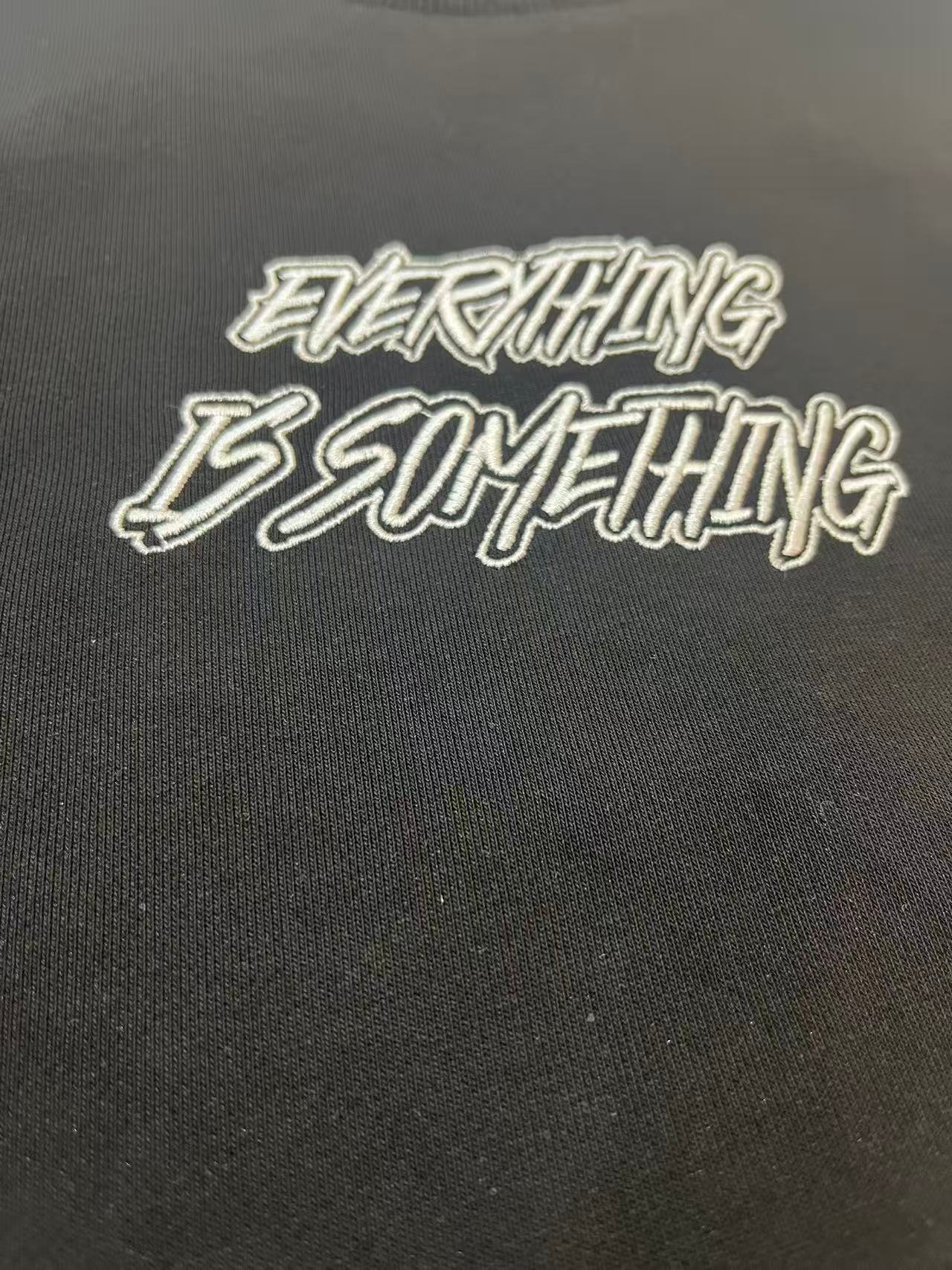
2D flat embroidery suits clean logos on piqué, interlock, and stable jersey; it is durable but dense stitch areas can pucker lightweight fabric. 3D puff creates raised, bolder marks but needs simple shapes and foam-compatible stitch coverage. 1 appliqué panel or woven patch adds texture while reducing dense stitches. Use print for photographic art or fine gradients, and woven labels for tiny type and detailed brand marks.
Placement And Brand Finish
70–100 mm left-chest logos are a common starting range, while sleeve marks and back-neck embroidery add hierarchy without crowding the front. Confirm placement from the garment’s center line and collar seam, not only a visual mockup. 2 contrast collar or cuff colors can frame the logo; coordinate thread, buttons, main labels, care labels, hang tags, and branded packaging as one approval set. On stretch knits, use suitable backing to protect recovery.
- Left chest: restrained everyday branding.
- Sleeve: secondary logo or campaign mark.
- Back neck: discreet premium identifier.
6. Construction Details That Signal Quality
A polo’s premium feel is decided by repeatable construction tolerances, not the logo alone. For custom embroidered polo shirts, record these points on the tech pack and approve them against a sealed sample before bulk cutting.
Collar And Placket Geometry

A 1×1 or 2×2 rib collar should recover after a 10-second stretch test without permanent waviness. Specify collar height, finished neck opening, placket length, and topstitch spacing in millimeters. Two- or three-button plackets need even button spacing and matched left-right edges when laid flat. Use fused placket support where the fabric weight requires it, then check for puckering after washing.
Seams, Tape, And Hem

Shoulder seams should sit symmetrically and use reinforcing neck tape to reduce stretch and abrasion. Inspect tape ends, seam allowance consistency, and stitch density at both shoulders. Side vents need bartacks or clean seam reinforcement at their upper ends. Compare front-to-back hem drop, coverstitch width, and loose-thread trimming against the approved sample.
Buttons And Thread Selection

Buttons should match the approved diameter, color, hole count, and attachment method; spare buttons belong in the packaging specification. A button pull check during approval helps reveal weak shanks or inconsistent stitching. Polyester core-spun thread generally offers stronger wash durability than low-grade spun polyester. Confirm thread color under the intended light source, especially on contrast plackets.
Embroidery Backing Inspection

Backing weight should support the logo without making the chest panel stiff or distorted. Approve the embroidery on the actual polo fabric, not only on a separate swatch. After one wash test, inspect outline sharpness, thread tension, interior scratchiness, and fabric tunneling around dense fills. Bulk approval should retain the logo file, backing type, placement measurement, and approved sample.
7. Choosing a Custom Embroidered Polo Shirts Manufacturer
A 100-unit-per-style-and-color starting point can suit capsule programs, but MOQ alone does not confirm production control. Evaluate custom embroidered polo shirts suppliers through documented development, factory access, inspection discipline and export-ready records.
Confirm Factory Ownership
A 2010-established manufacturer such as Junsheen should explain which steps it controls: pattern making, cutting, embroidery, sewing, packing and final inspection. Request a current factory video, production-floor photos, machine list and named technical contact. A trading intermediary may quote quickly yet cannot show real-time work-in-progress or resolve stitch-density issues directly. Ask: who digitizes embroidery files, approves samples and owns corrective actions?
Test Development Communication

A pre-production sample should confirm measurements, fabric weight, Pantone thread colors, placement, backing and wash behavior before bulk approval. Request the tech-pack markup, embroidery strike-off, measurement chart and written revision record. A 2–3 mm placement tolerance can matter on a small chest logo, so vague approval emails create avoidable disputes. Ask whether graded size sets, fit comments and approved material swatches are retained for repeats.
Verify Quality And Delivery
An 80,000-unit monthly capacity is meaningful only when supported by a production plan, in-line inspections and a realistic critical-path schedule. Request an inspection report, defect classification, packed-goods photos and stated sampling-to-shipment lead time. OEKO-TEX, GOTS, WRAP or BSCI documentation should be supplied only when applicable to the factory or nominated material. Ask for certificate scope, expiry date, export-market experience, carton specifications and shipping documents used for prior programs.
8. Common Buyer Mistakes to Avoid
At a 100-unit MOQ, small specification gaps become expensive because corrections affect every garment. Preventable errors in fabric, embroidery, approvals, supplier selection, and packing commonly cause rework, shipment delays, inconsistent branding, and higher landed cost.
Validate Fabric Beyond Swatches

180–240 GSM piqué can feel acceptable as a swatch yet behave differently after collar construction and washing. Request a sewn, washed sample in the approved colorway before bulk booking. 3%–5% shrinkage can shift body length and placket alignment if it is not specified. State the test method, acceptable tolerance, and post-wash measurement target in the tech pack.
Engineer The Embroidered Logo

6,000–10,000 stitches is a common range for a small chest logo, but stitch count alone does not ensure clean results. Specify finished logo dimensions, thread colors, backing, placement, and a production-size embroidery strike-off. 1 mm details and small lettering can fill in when density is excessive. Simplify artwork or adjust underlay and density before approving the sample.
Lock Measurements And Approvals
0.5–1.0 cm tolerances should be assigned to critical points such as chest, body length, sleeve opening, and collar stand. A vague size chart invites inconsistent grading and repeat sampling. 1 complete pre-production sample must include approved fabric, trims, labels, embroidery, wash treatment, and packaging. Do not approve a fit sample as authority for bulk appearance.
Control Supplier And Delivery Requirements
2 quotations with identical specifications reveal more than the lowest unit price. Confirm fabric composition, inspection standard, defect allowance, carton dimensions, labeling, and export terms before placing an order. 100% final packed-goods inspection or an agreed AQL plan prevents missing polybags, wrong barcodes, and mixed sizes. Carton data also helps estimate freight and avoidable landed-cost increases.
9. Steps to Launch Custom Embroidered Polo Shirts
A 100-unit custom embroidered polo shirts program succeeds when approvals are frozen in sequence, not when production is rushed. Plan roughly 8–12 weeks from a usable brief to delivery, allowing extra time for new fabrics, color matching, or multiple sample rounds.
Build The Production Brief
Day 1 starts with reference images, target retail price, sales region, colorways, and wearer profile. The brand owns the silhouette, logo placement, and commercial target; the sourcing team confirms feasible MOQ, calendar, and risk points. One tech pack should specify measurements, construction, Pantone colors, stitch locations, label artwork, and packing method. Include a measurement tolerance chart before sampling begins.
- Reference garment or clear front-and-back flats
- Bill of materials and trim specifications
- Artwork files in editable vector format
Select Materials And Digitize
180–240 GSM piqué is a practical starting range for many polos, while collar and cuff rib must recover after washing. Junsheen can source swatches against required hand feel, durability, stretch, and target cost. One approved logo file is converted into an embroidery digitizing program, then test-stitched on the actual fabric. The brand must approve thread color, stitch density, backing, and final logo size before bulk.
Approve Samples And Grading
One development sample verifies pattern, fabric, trims, and decoration; revisions should be consolidated into one written comment sheet. Retailers should nominate a single final approver to prevent conflicting feedback. XS–3XL grading requires more than enlarging the base size: shoulder balance, body length, sleeve proportion, and chest increments need review. Approve a size set or graded measurement chart before the pre-production sample.
Release Bulk And Preserve Records
One signed pre-production sample is the bulk-release gate, matching approved fabric, embroidery, labels, measurements, and packing. Changes after this gate can affect cost and delivery dates. During production, inspection should cover incoming fabric, in-line construction, measurements, embroidery, and packed goods. Retain the approved sample, digitizing file, graded patterns, material codes, and QC records so reorders reproduce the established standard.
10. Custom Embroidered Polo Shirts Pricing and Costs
100 units is Junsheen’s practical starting point per style and color, so a small launch carries higher pattern, sampling and embroidery-programming cost per garment than a repeat bulk order. Use the matrix as a budgeting guide, not a fixed price list. 180–240 GSM cotton piqué, cotton-poly piqué, and performance knit can price very differently before decoration starts. Ring-spun yarn, higher cotton content, recycled fibers, contrast collars, knitted ribs, custom buttons, Pantone-matched threads, and individual polybags each add material or labor. 3,000–10,000 embroidery stitches is a useful early planning range for a left-chest logo; dense fills, 3D puff, multiple locations, and extra thread colors increase run time and cost. Final quotes for custom embroidered polo shirts require approved specifications, artwork, size and color breakdown, packaging requirements, order quantity, and shipping destination; freight varies with carton volume, mode, and destination.
| Order quantity | Indicative unit-cost position | Sample or setup consideration | Typical production lead time |
|---|---|---|---|
| 100–299 units | Highest; development and decoration spread across fewer pieces | Prototype plus digitizing usually quoted separately | 25–35 days after approvals |
| 300–999 units | Lower per-unit cost; fabric and trim consolidation improves efficiency | Digitizing may be reused for unchanged artwork | 20–30 days after approvals |
| 1,000+ units | Best efficiency when colors, sizes, and artwork are standardized | Pre-production sample and final approval remain essential | 18–28 days after approvals |
Start Your Custom Embroidered Polo Shirts Project
Send a tech pack, reference garment, sketch, or product idea for feasibility review, sampling guidance, and a clear 100-unit MOQ quotation.