Custom Made Jeans OEM Manufacturing From 100 Units
Develop fit-focused custom made jeans from XS to 3XL with OEM, ODM and private-label support built for growing global brands.
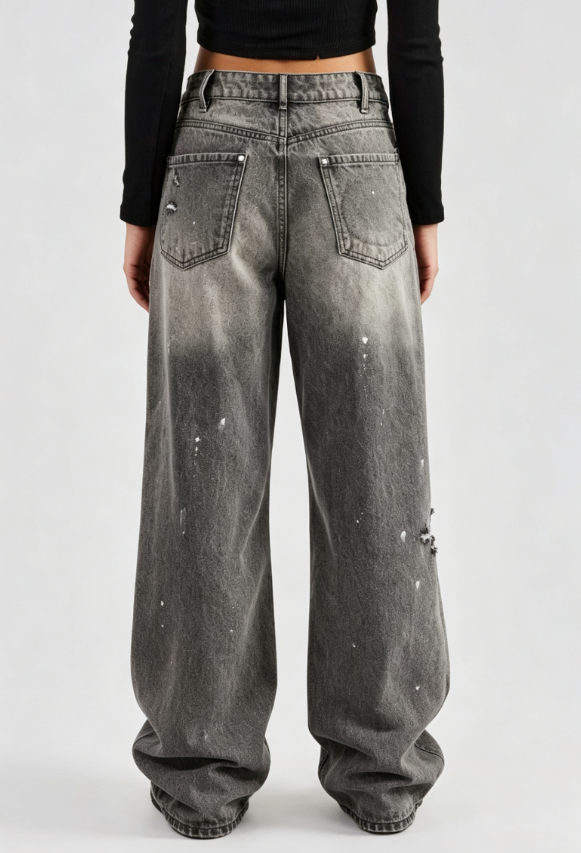
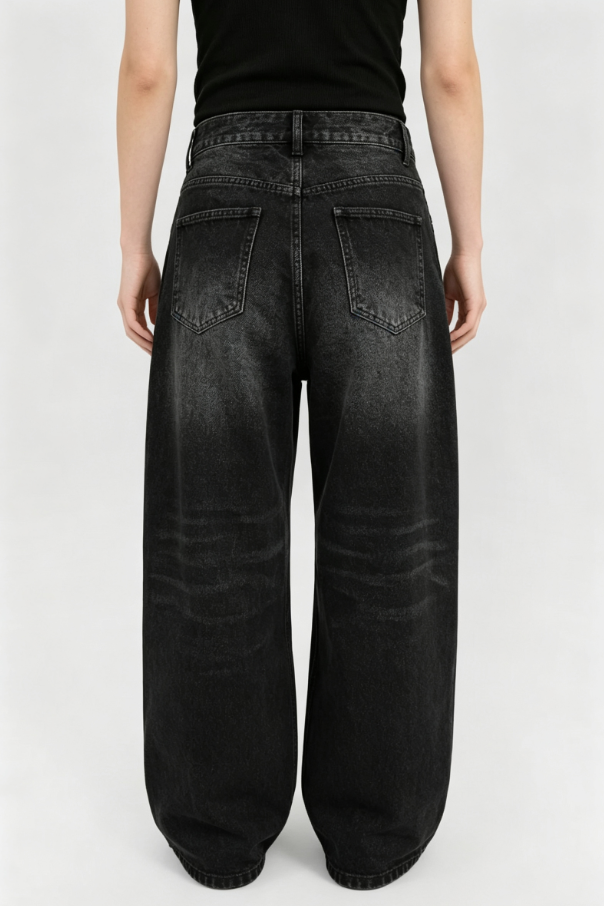
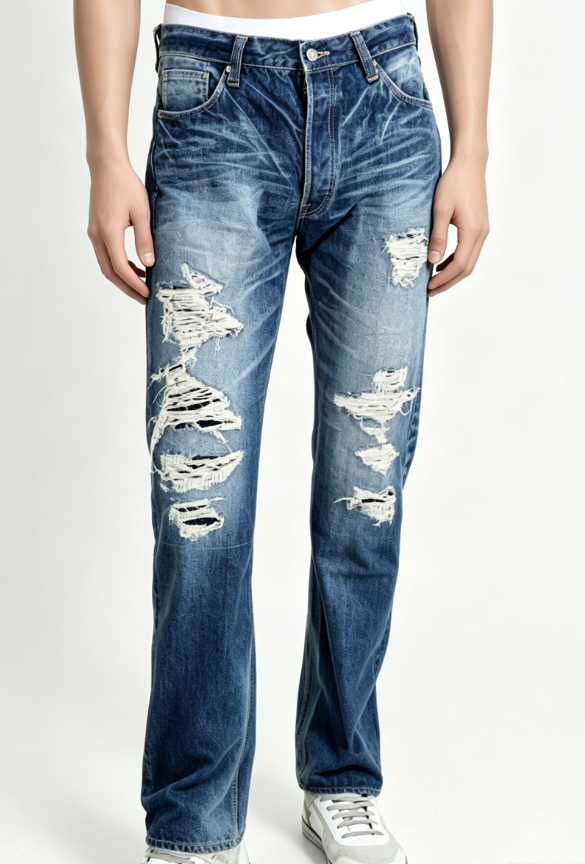
Featured Products for custom made jeans Development





Related Product Catalogue and Quotation


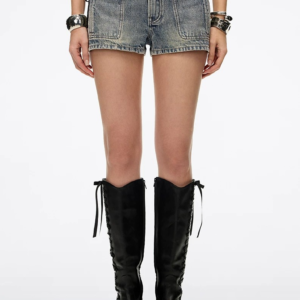


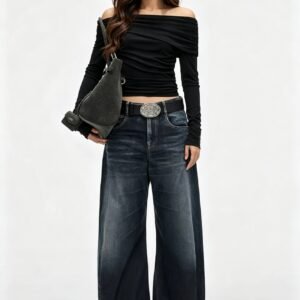


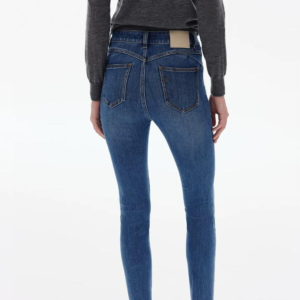
Custom Made Jeans Built for Fit, Scale and Private Labels
From first samples to repeat bulk programs, JUNSHEEN gives global brands a practical denim supply chain with dependable technical support.
100-Unit Denim MOQ
Launch custom made jeans from 100 units per style and color, giving new labels room to test focused denim capsules.
XS–3XL Fit Grading
Patterns are refined across normal, extended, plus-size and oversized fits for balanced rise, mobility, proportions and reliable size consistency.
One-Stop Private Label
Coordinate fabric sourcing, pattern development, cut-and-sew, decoration, washing, labels, trims, packaging and quality control through one experienced team.
Scalable Production Capacity
More than 200 skilled workers and 80,000-plus monthly units support pilot orders, replenishment programs and growing global denim collections.
Global Export Support
Receive responsive OEM guidance, clear production coordination and export support for denim programs serving brands, retailers and sourcing teams worldwide.
Custom Denim and Casualwear Programs
From capsule launches to bulk replenishment, JUNSHEEN develops fit-focused apparel with coordinated fabrics, trims, decoration, and scalable production.
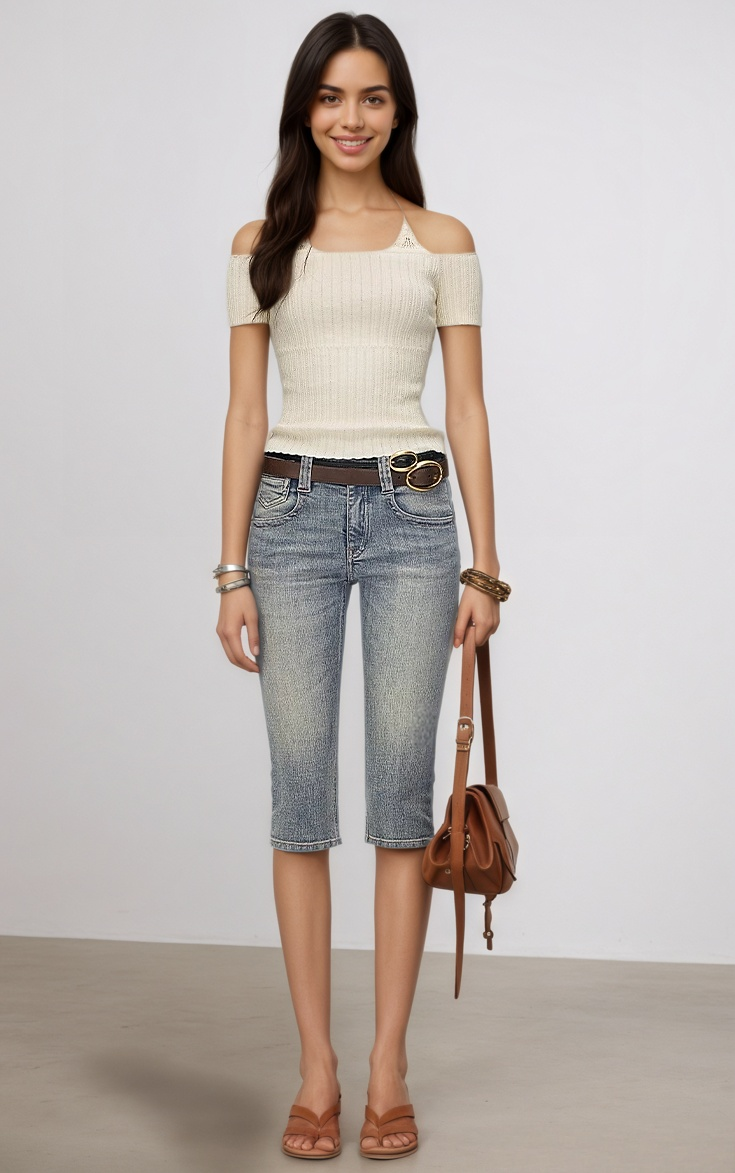
Custom Hoodies
Develop custom hoodies in fleece, French terry, or jersey with fit development from XS to 3XL. Choose pullover or zip styles, custom hoods, rib trims, embroidery, screen printing, washes, labels, and branded packaging from a 100-unit MOQ per style and color.
Request a Quote
Custom T-Shirts
Produce custom T-shirts with specification-led pattern making, size grading, and fabric selection for target weight, hand feel, and wash performance. JUNSHEEN supports jersey and blended constructions, oversized or standard fits, DTG, screen printing, embroidery, private labels, and export-ready packing.
Request a Quote
Custom Jeans
Develop custom jeans with denim sourcing, pattern engineering, fit testing, and grading for standard, extended-size, plus-size, or oversized programs. Select stretch denim, washes, distressing, hardware, pockets, embroidery, patches, labels, and coordinated packaging before bulk production.
Request a Quote
Custom Sweaters
Source turtle neck sweater bulk programs with knit construction, yarn selection, and size-set development suited to your target market. JUNSHEEN supports pullovers in wool, cotton, blended, and performance yarns, with rib details, custom labels, color matching, and scalable repeat production.
Request a Quote
Custom Jackets
Build custom jean jacket programs with denim weight, wash, hardware, pocket, and trim specifications aligned to your collection. Pattern makers refine shoulder balance, sleeve length, and body proportion across XS–3XL, while in-house decoration and finishing support distinctive branded executions.
Request a Quote
Custom Sweatshirts & Crewnecks
Develop custom crewneck hoodie and sweatshirt programs with French terry, fleece, or jersey fabric options. JUNSHEEN manages fit, ribbing, neck construction, logo placement, printing, embroidery, washing, labels, and packaging to reduce sampling revisions before bulk approval.
Request a Quote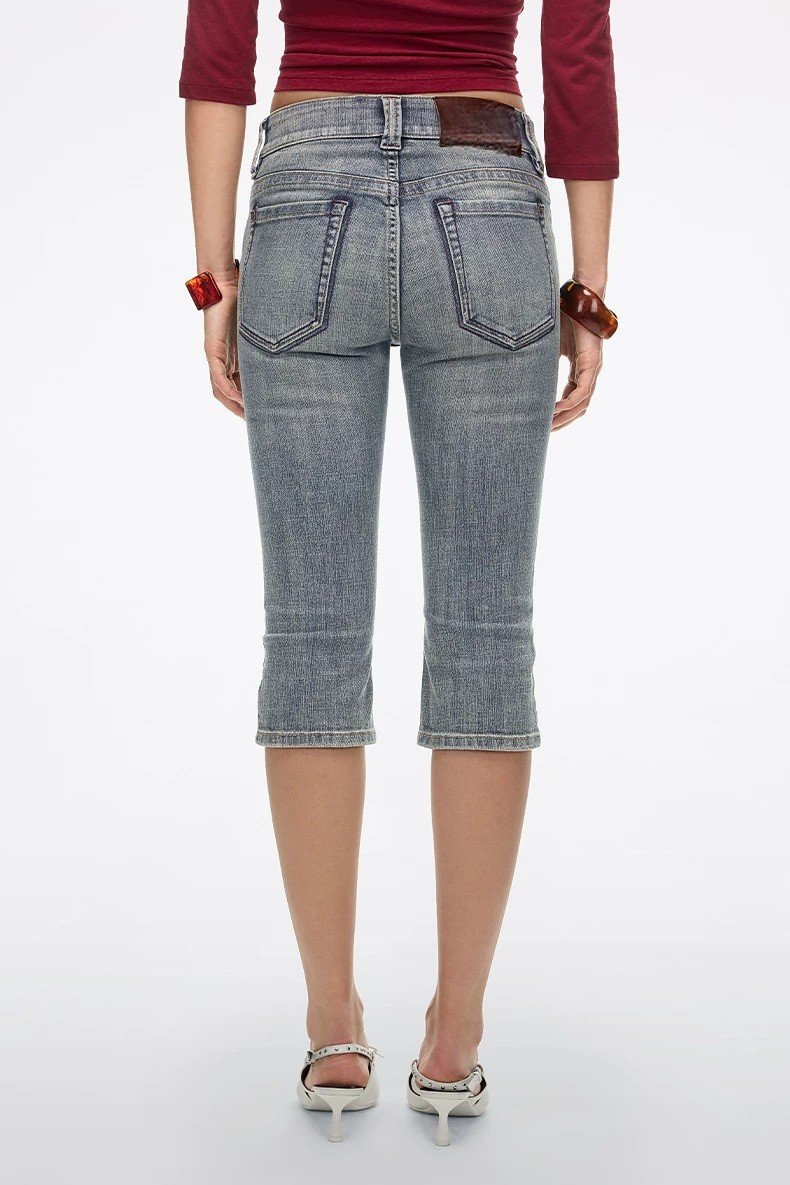
Custom Cardigans
Create custom cardigan styles through yarn and gauge selection, button or zip specification, and fit-focused grading. From lightweight cotton blends to warmer sweater constructions, JUNSHEEN supports woven labels, branded trims, color development, size sets, and production from 100 units per style and color.
Request a Quote
Custom Puffer & Down Jackets
Develop custom puffer jackets with shell, lining, insulation, quilting, zipper, pocket, and hood specifications matched to your target price and climate use. JUNSHEEN supports fit development, branding details, quality checks, packing, and global export coordination for seasonal outerwear programs.
Request a Quote
Custom Denim Shorts
Produce custom jean shorts with denim sourcing, rise and inseam development, grading, and wash testing. Choose rigid or stretch constructions, raw hems, distressing, pockets, hardware, embroidery, patches, and private-label details for men’s, women’s, or unisex collections.
Request a Quote
Custom Sweater Dresses
Develop custom sweater dresses with yarn, gauge, silhouette, neckline, and length specifications that maintain proportion across the size range. JUNSHEEN supports fitted, relaxed, and oversized styles with custom knit details, trims, labels, sample approvals, and repeatable bulk production.
Request a Quote
Custom Denim Sets
Produce mens denim suits wholesale programs with coordinated denim jackets and jeans, consistent washes, shared trims, and aligned size grading. JUNSHEEN develops matching sets for capsule or wholesale assortments, managing fabric continuity, pattern approvals, decoration, labels, packing, and scalable replenishment.
Request a Quote
Custom Polo Shirts
Create custom polo shirts in piqué, jersey, or performance knit fabrics with collar, placket, cuff, and fit specifications tailored to your brand. Add embroidered logos, printed details, custom buttons, labels, and packaging, supported by sample review and production quality control.
Request a Quote
Custom Sweatpants
Develop custom sweatpants in fleece, French terry, or jersey with accurate rise, inseam, leg shape, and waistband grading from XS to 3XL. Specify pockets, drawcords, cuffs, washes, embroidery, prints, labels, and matching hoodie or sweatshirt fabrications.
Request a Quote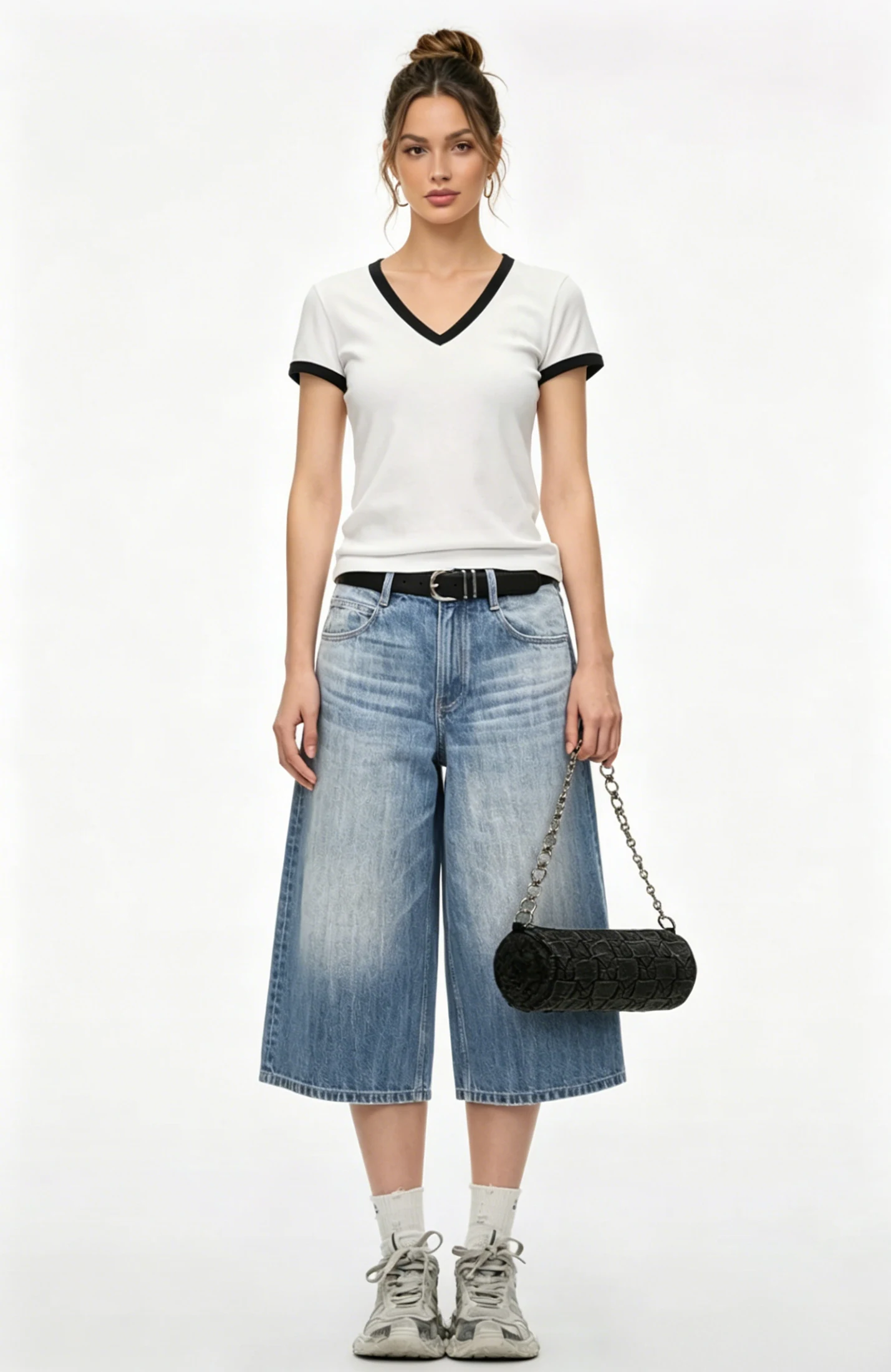
Custom Shorts
Produce custom shorts for casualwear, athleisure, and coordinated sets using jersey, fleece, twill, denim, or woven fabrics. JUNSHEEN supports inseam, pocket, waistband, and fit development, plus printing, embroidery, washing, labels, trims, and low-MOQ launch quantities.
Request a Quote
Custom Pullovers
Develop custom pullovers in knit, jersey, French terry, fleece, or woven constructions based on your intended silhouette and season. JUNSHEEN manages patterns, grading, fabric and trim sourcing, decoration, finishing, labels, packaging, and bulk production for consistent brand-ready results.
Request a QuoteCustom Made Jeans Materials for Fit, Feel and Wash Performance

Rigid Cotton Denim
A structured, authentic hand-feel for straight-leg, vintage and workwear custom made jeans. Typically 12–14 oz, this low-stretch denim develops character through stone, enzyme and garment washes while delivering durable everyday wear.

Stretch Denim
Cotton-rich denim with elastane provides comfortable recovery and easier movement for slim, skinny and fitted jean programs. Commonly 9–12 oz, it balances a soft hand-feel with shape retention and reliable wash performance.

Recycled Cotton Denim
Recycled cotton blends support lower-impact denim collections without losing a substantial, wearable feel. Suitable for relaxed jeans and denim sets, fabric weight and blend ratios can be selected to maintain durability, drape and finishing results.

Cotton Twill
A clean, versatile woven fabric for colored jeans, carpenter styles, utility pants and matching sets. Available in light to heavyweight constructions, cotton twill offers a smooth hand-feel, strong abrasion resistance and dependable garment-dye performance.

Tencel Blend Denim
Tencel-blend denim creates a softer, more fluid hand-feel for relaxed silhouettes, wide-leg jeans and premium lightweight programs. Its breathable drape and smoother surface work especially well with enzyme washes and fashion-forward finishes.
Custom Made Jeans Decoration, Washing and Finishing

Logo Embroidery
Add flat, 3D puff, chain-stitch or applique embroidery to pockets, waistbands and panels. Reinforced stitching creates a tactile branded detail engineered to retain shape and visual definition through repeated wear and washing.

Denim Screen Printing
Apply plastisol, water-based, puff, high-density, foil or discharge prints for bold artwork and logo placement. Our team matches ink systems to denim weight and wash plans for strong adhesion and reliable color impact.

Garment Dyeing
Garment dyeing delivers rich, lived-in color across finished custom jeans and denim pieces. Controlled dye recipes create tonal character while supporting consistent shade approval, hand feel and wash performance for repeatable bulk production.

Acid Wash Effects
Acid washing creates high-contrast, irregular fading with a vintage, broken-in appearance. Process controls protect construction quality while allowing brands to approve the level of contrast, placement variation and final hand feel.

Stone Enzyme Wash
Stone and enzyme washes soften denim, reduce stiffness and develop natural-looking abrasion. We can adjust wash time, fading intensity and softness to achieve a worn finish that remains commercially consistent across your production run.

Custom Finishing Effects
Complete your jeans with brushing, napping, softening, distressed details, whiskering or anti-pilling treatments. Each finish is tested during sampling to align appearance, durability and measurement stability before bulk manufacturing begins.
Custom Trims, Labels and Packaging for Custom Made Jeans

Branded Metal Buttons
Custom logo buttons add a durable signature to waistbands, fly closures and pocket details. Choose finishes, engraving, plating and color treatments that complement your custom made jeans collection and target price point.

Custom Denim Zippers
Specify zipper type, tape color, puller shape and branded metal hardware for jeans flies, pockets or detachable details. JUNSHEEN coordinates functional testing and installation during denim assembly.

Leather Waist Patches
Embossed leather or vegan leather patches create a premium identity at the back waistband. We support custom shapes, debossed logos, contrast stitching and materials aligned with your wash and wear requirements.

Woven Brand Labels
Woven main labels, size labels and wash-care labels give every pair clear brand identification and compliance information. Labels can be placed at waistbands, pocket bags, side seams or interior construction points.

Custom Hang Tags
Branded hang tags communicate fit, fabric, wash story and retail positioning before the garment reaches the customer. Select custom cardstock, finishes, string, barcode space and attachment methods for your denim launch.
Branded Gift Packaging
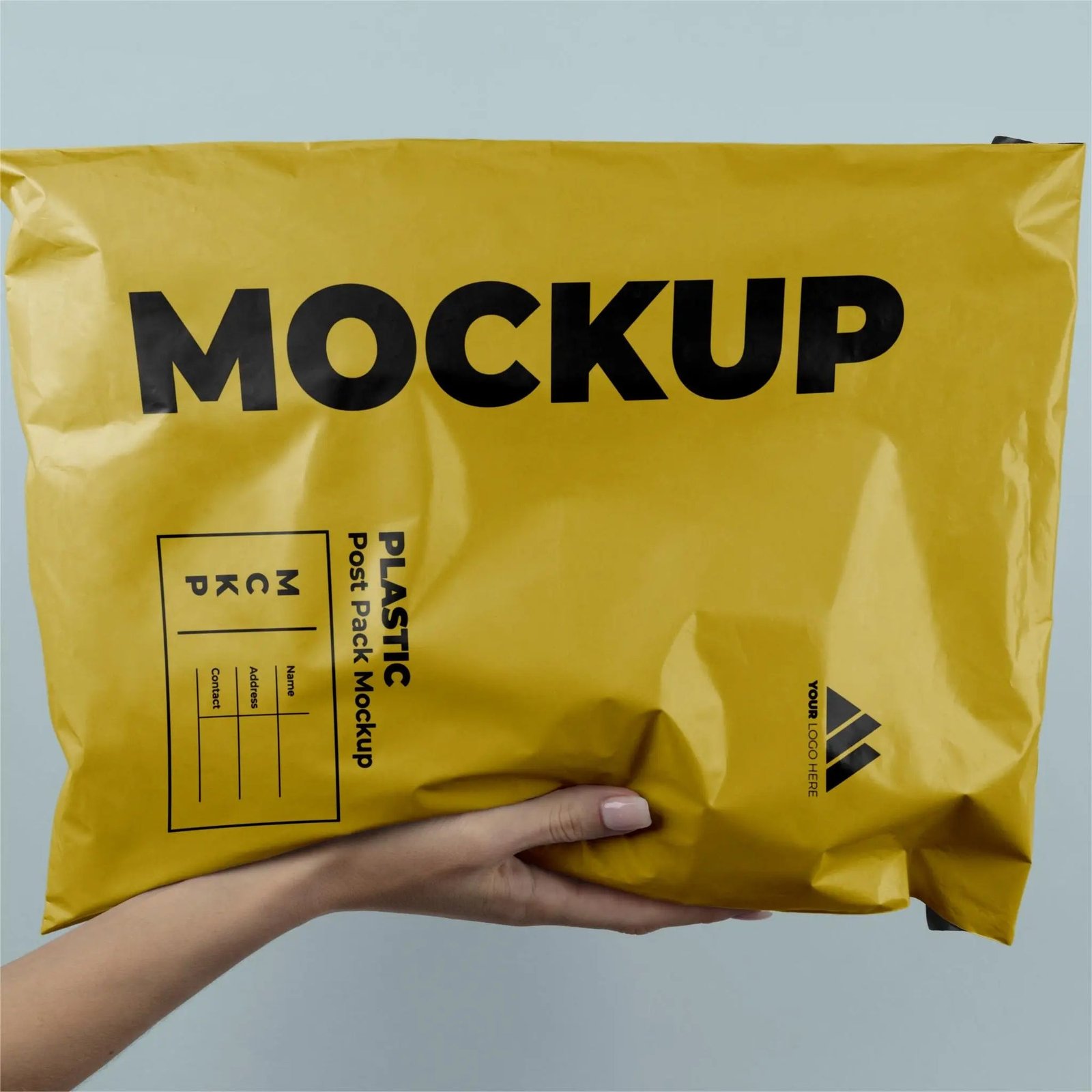
Complete custom made jeans orders with branded polybags, tissue, stickers, boxes or mailer-ready packaging. JUNSHEEN coordinates packing specifications to protect garments and present a consistent private-label unboxing experience.
About JUNSHEEN Custom Made Jeans
Founded in 2010 in Humen Town, Dongguan, JUNSHEEN helps fashion brands turn denim concepts into production-ready custom made jeans. Our one-stop OEM, ODM and private-label team supports everything from early product development and fabric sourcing to sampling, bulk manufacturing and export coordination.
With more than 200 skilled workers and monthly capacity above 80,000 units, we support capsule launches from 100 units per style and color as well as scalable ongoing programs. Our cut-and-sew, washing, decoration, labeling and packaging capabilities keep critical denim details managed within one responsive supply chain.
What distinguishes JUNSHEEN is fit-focused development across XS–3XL, extended sizes, plus sizes and modern oversized proportions. We have served more than 2,000 fashion-brand clients worldwide, combining practical pattern expertise, dependable quality control and clear communication for brands building long-term denim programs.

Custom Made Jeans, Developed Fit First
Pattern Making That Fits
Our denim team turns tech packs, sketches and reference garments into production-ready custom made jeans patterns, refining rise, hip balance, leg shape, pocket placement and construction details before sampling begins.
- Pattern development from concepts or tech packs
- Fit review for rise, seat and leg proportion
- Prototype and size-set sampling support
- Manufacturability improvements before bulk approval

XS–3XL Grading Control
JUNSHEEN grades denim from XS through 3XL with attention to movement, body proportion and wash behavior. We refine key measurement increments instead of simply enlarging a base size, supporting normal, extended-size, plus-size and oversized programs.
- Fit-focused grading across the full size run
- Extended-size and plus-size development
- Oversized silhouettes with balanced proportions
- Measurement records retained for repeat styles

Denim Sourcing and Finishing
Source the right denim weight, stretch, hand feel and wash performance through our supplier network. In-house decoration and finishing teams coordinate embroidery, printing, garment dye, acid wash, stone wash and softening treatments with your approved sample.
- Rigid, stretch and recycled denim options
- Fabric swatches and sample review
- Embroidery, patches and logo applications
- Custom washes, fades and finishing effects

Repeat Orders Stay Consistent
From 100-unit launches to scalable bulk programs, retained patterns, graded size sets and material records help keep repeat custom made jeans orders aligned. Incoming, in-line and final inspections verify construction, measurements, decoration and packed goods before export.
- Low MOQ from 100 units per style/color
- 200+ skilled workers and 80,000+ monthly capacity
- Stored development records for faster reorders
- Quality checks from fabric receipt to final packing

Why Source Custom Made Jeans From JUNSHEEN
A fit-first, integrated denim manufacturing partner for launches, repeat programs and scalable global supply.
← 左右滑动查看 →
Our Custom Made Jeans Production Process
A clear, fit-focused workflow for denim programs from 100 units per style and color through scalable global production.
Review Feasibility and Specs
We assess your tech pack, sketch or reference garment, target price, fit requirements, construction details and MOQ before recommending a practical denim development route.
Source Denim and Trims
Our team selects denim weight, stretch, wash-ready fabrics, hardware, labels and packaging based on hand feel, durability, brand positioning and budget goals.
Create Patterns and Samples
Pattern makers develop fit-focused XS–3XL grading, refine rise and proportions, then produce prototype samples for measurement, wash, decoration and construction approval.
Approve Details and Production
After sample confirmation, we lock approved materials, graded specifications, washes, trims and packaging, then schedule bulk cutting, sewing and finishing for your order.
Inspect Pack and Ship
Quality teams check fabric, measurements, fit, stitching, decoration and packed goods before branded packing and export coordination support reliable global delivery.
How to Start Your Custom Made Jeans Project
Move from concept to approved bulk production with a clear, fit-focused denim development process.
Submit Your Concept
Send a tech pack, sketch, reference garment or mood board with target quantities, fit requirements, washes, sizing and private-label details.
Review Specifications
Our OEM team assesses construction, fabric, grading, decoration and manufacturability, then recommends practical refinements for your custom made jeans program.
Confirm Your Quotation
Review the proposed materials, sample plan, lead time and pricing based on your specifications, beginning from 100 units per style and color.
Approve Your Sample
Evaluate the prototype for fit, measurements, wash effects, trims and branding; refine details before approving the production-ready sample.
Launch Bulk Production
We manage fabric preparation, cutting, sewing, washing, quality control, packing and export coordination for consistent delivery at your required scale.
Custom Clothing Manufacturer Credentials and Compliance Documents



Custom Made Jeans Results From Growing Brands
JUNSHEEN corrected the rise and thigh balance across our XS–3XL size set before bulk production. We approved the second sample round and launched a 600-piece denim capsule on schedule, with far fewer fit-related returns than our previous program.
Our first 120-unit custom made jeans run sold through in six weeks. The team kept our wash reference, leather patch, and measurement records organized, so the 500-unit repeat order moved from confirmation to production without restarting development.
We needed a reliable supplier for an oversized women’s denim program with two washes and extended sizing. JUNSHEEN delivered consistent measurements across 800 units, and their updates made pre-production approval straightforward for our UK buying team.
Custom Made Jeans FAQ
Clear answers on minimums, sampling, fit development, payment, shipping and confidentiality for denim programs with JUNSHEEN.
What is the minimum order quantity for custom made jeans?
How long does a custom made jeans sample take?
How much does a custom made jeans sample cost?
Can you develop jeans from a sketch or reference garment?
Can you grade custom jeans from XS to 3XL?
What payment terms do you offer for denim orders?
Do you ship custom jeans internationally?
How do you protect my designs and private-label details?
The Complete Buyer’s Guide to custom made jeans
Use this practical framework to specify custom made jeans, evaluate OEM suppliers, compare materials and construction, control costs, and avoid the sampling, fit, compliance, and production mistakes that delay a successful denim launch.
1. What Are custom made jeans?
100 units per style and color is a practical starting point for custom made jeans: denim produced to a brand’s approved specifications rather than purchased as finished stock. In B2B sourcing, the term can describe three different services, so buyers should define the required level before requesting quotes. Made-to-measure jeans are fitted to an individual wearer’s measurements and are usually unsuitable for scalable wholesale. Private-label OEM applies a buyer’s labels, selected wash, trims, and packaging to an existing or adapted factory block; fully custom development creates or materially revises the pattern, silhouette, pocket shape, rise, leg opening, and graded size set from a tech pack, reference, or concept. 12–16 oz denim is common for rigid five-pocket jeans, while stretch programs may use cotton denim with elastane and a specified recovery target. Buyers can control fabric composition and weight, Pantone thread, indigo or black wash effects, distress placement, buttons and zippers, leather or woven labels, wash-care content, hang tags, cartons, and XS–3XL grading. 2010 is the founding year of Dongguan Junsheen Clothing Co., Ltd., whose development workflow can turn those decisions into patterns, samples, and repeatable bulk records. Custom production is warranted when fit consistency, a differentiated wash or construction, branded presentation, or an extended-size range matters more than the speed of buying blanks or stock denim.
2. The Evolution of custom made jeans
1873 marked the patenting of riveted work trousers, establishing the durability logic still visible in reinforced stress points, copper-toned hardware, felled seams, and the classic five-pocket layout. For custom made jeans, those heritage cues remain commercial decisions: pocket shape, yoke angle, stitch contrast, button fly versus zipper, and selvage treatment signal a product’s intended price tier and customer. 1950s denim moved from utility clothing into youth culture and fashion, while later mills introduced lighter weights and stretch blends that changed silhouette expectations. A rigid 12–14 oz denim can deliver structure and authentic break-in, whereas 9–12 oz stretch denim with elastane better supports skinny, comfort-straight, and extended-size fits; each requires its own pattern, recovery testing, and wash approval. 1990s enzyme, stone, bleach, and laser-assisted finishing made wash character a central design asset, but buyers now also assess water use, chemical controls, and material traceability. Digital tech packs, 3D fit review, Pantone-controlled trim specifications, and retained graded patterns help a manufacturer translate a vintage reference into repeatable bulk production without losing the intended fade placement, fit balance, or compliance record.
3. Types of custom made jeans
Eight core silhouettes give a denim line enough range to serve different customers without multiplying patterns indiscriminately. Select custom made jeans by rise, leg volume, intended size range, and the fitting workload each block requires.
Close-Fit Core Styles
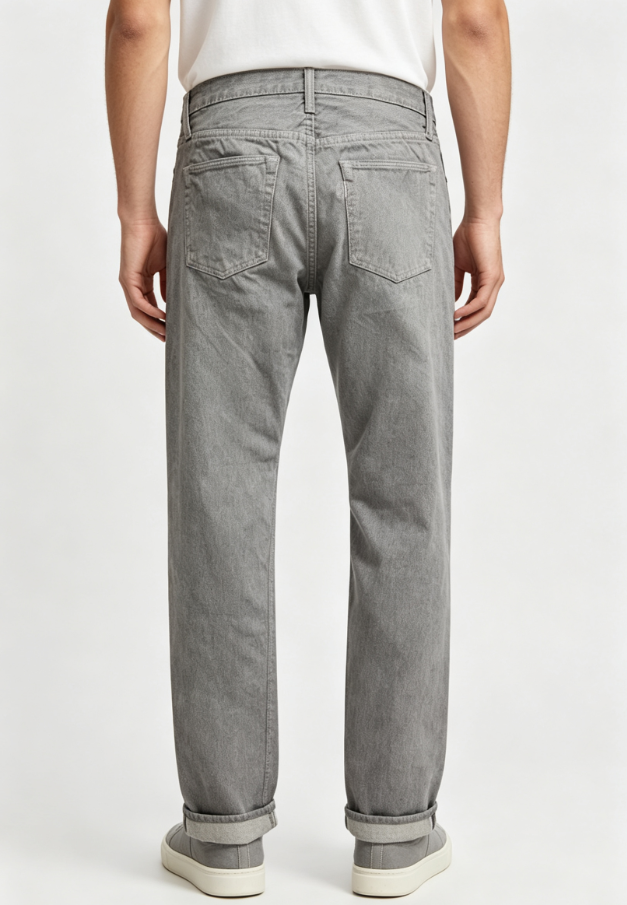
Mid-rise straight and slim jeans typically use a 9–11 inch front rise, with a straight leg retaining more knee-to-hem room than a slim block. They suit everyday premium, contemporary, and unisex assortments; confirm thigh, knee, and hem tolerances across XS–3XL. Skinny jeans require a close leg shape and usually stretch denim to preserve mobility. Fit approval must test recovery after wear and sitting, especially through extended sizes where grading cannot simply scale the base pattern.
- Straight: balanced leg, broad customer appeal
- Slim: tapered appearance without skin-tight fit
- Skinny: stretch-led fit and recovery testing
Volume And Statement Fits

Relaxed and wide-leg styles add room through the seat and thigh, then fall straight or open toward the hem. They fit streetwear, skate, trend-led womenswear, and comfort-focused lines; a 10–13 inch rise range should be matched to the intended waist position. Flare jeans stay closer through the thigh before widening below the knee. The flare break point, inseam, and hem sweep need size-set review because small grading changes alter the silhouette visibly.
- Relaxed: loose seat and thigh
- Wide-leg: broad hem and fluid drape
- Flare: fitted thigh with widened hem
Workwear-Inspired Styles

Carpenter jeans add utility pockets, a hammer loop, or reinforced panels to a relaxed straight block. They suit workwear and heritage assortments, but every added seam, bartack, and pocket placement increases sampling and sewing time. Utility jeans use cargo pockets, articulated knees, or adjustable hems on a relaxed or wide-leg foundation. Grade pocket position carefully from XS through 3XL so functional details remain reachable and proportionate.
- Carpenter: hammer loop and tool pockets
- Utility: cargo details and reinforcement panels
- Use bartacks at high-stress pocket points
4. Fabrics for custom made jeans
12–14 oz denim is the most versatile starting point for custom made jeans, balancing structure, sewability, and wash potential. Fiber blend, weave, and recovery should be approved on a washed sample, not from a swatch alone.
| Fabric | Composition / Weight | Best Use | Season / Wash Result |
|---|---|---|---|
| Rigid denim | 100% cotton, 12–16 oz | Straight, loose, workwear | All seasons; strong fading |
| Comfort stretch | 98/2 cotton-elastane, 11–13 oz | Slim, tapered | Year-round; controlled abrasion |
| High stretch | Cotton/polyester/elastane, 10–12 oz | Skinny, sculpting | Spring; softer fading |
| Recycled blend | Cotton/recycled cotton, 11–14 oz | Relaxed, utility | Year-round; textured wash |
| Organic cotton | 100% organic cotton, 12–14 oz | Premium rigid fits | All seasons; authentic fade |
| Specialty denim | Coated, slub, or colored, 10–13 oz | Fashion statements | Seasonal; test wash first |
Weight And Weave

10–11 oz denim suits warm-weather shirts, loose shorts, and lightweight wide legs; 14–16 oz supports rigid straight and workwear silhouettes. 3×1 right-hand twill is the standard diagonal construction, while left-hand twill often feels softer after washing. Ring-spun yarn generally gives a cleaner, stronger face than open-end yarn.
Stretch And Recovery
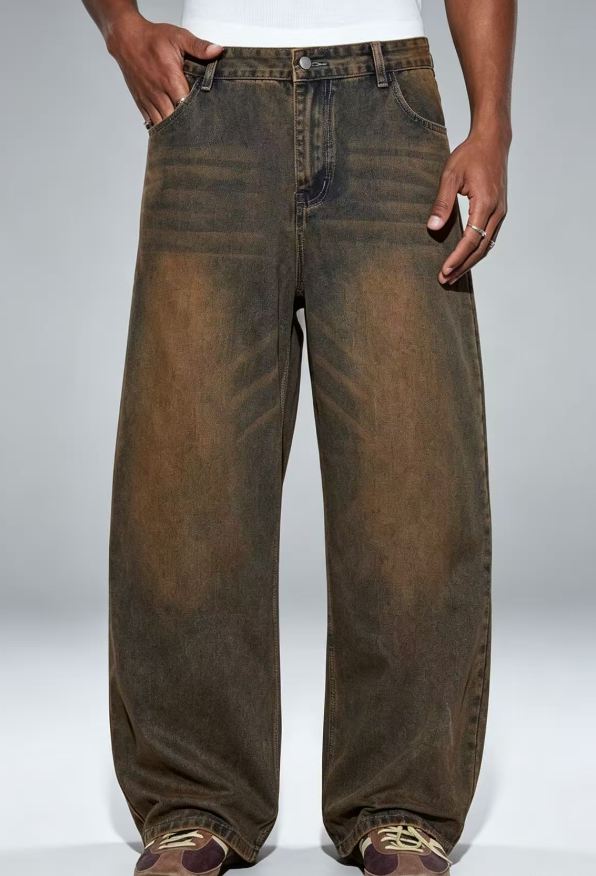
1–2% elastane creates comfort stretch for slim and tapered jeans without turning the garment into a legging. 2–4% elastane, often paired with polyester or T400, suits sculpting fits. Test recovery after laundering: poor recovery causes knee bagging and seat growth.
Color And Responsible Fibers

Indigo rope-dyed denim gives the clearest abrasion contrast in stone, enzyme, and bleach washes; sulfur black and ecru produce different fade behavior. 20–40% recycled cotton can add texture but may reduce yarn strength, so confirm tear performance. Organic cotton supports a traceable material story when certification documents match the bulk fabric.
5. Customization and Denim Finishing Options
A single wash recipe can make the same denim read as heritage, luxury, or streetwear. Lock the approved wash standard, trim bill, and placement artwork before bulk because each added variable raises sampling time and repeat-order risk.
| Option | Brand Effect | Production Impact | Repeatability |
|---|---|---|---|
| Enzyme wash | Soft, worn hand feel | Wet-process approval | High with fixed recipe |
| Hand distressing | Authentic irregular character | More labor and review | Moderate |
| Laser fading | Precise vintage contrast | Artwork setup required | High |
| Custom hardware | Distinctive brand cue | Tooling or MOQ risk | High after approval |
Wash And Fade Control
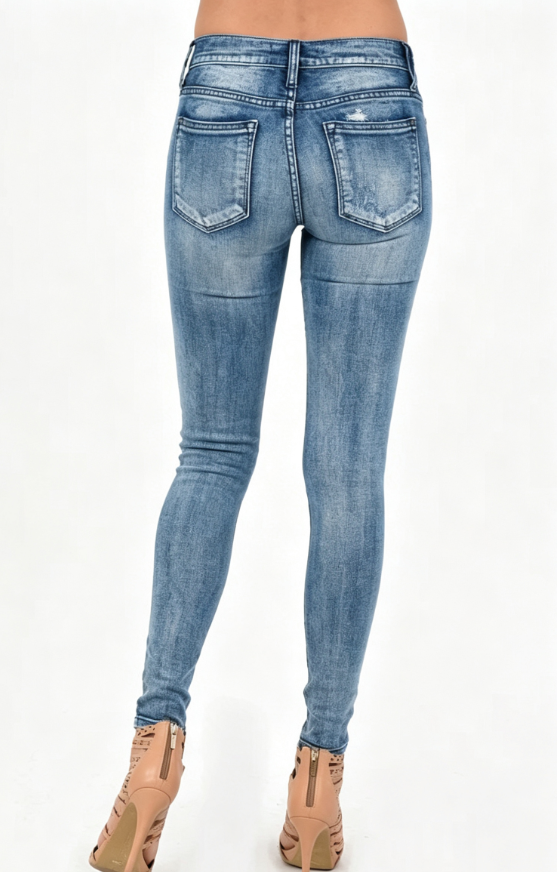
Three common routes are enzyme or stone wash, laser fading, and hand-applied whiskers. Washes soften denim but can change shade and shrinkage; laser is more repeatable, while hand work needs approved placement standards. OEKO-TEX-aligned chemical control, wastewater treatment, and restricted-substance review matter for every wet process. Ask suppliers to document wash formulas, color standards, and lot-to-lot tolerances.
Surface Effects And Decoration
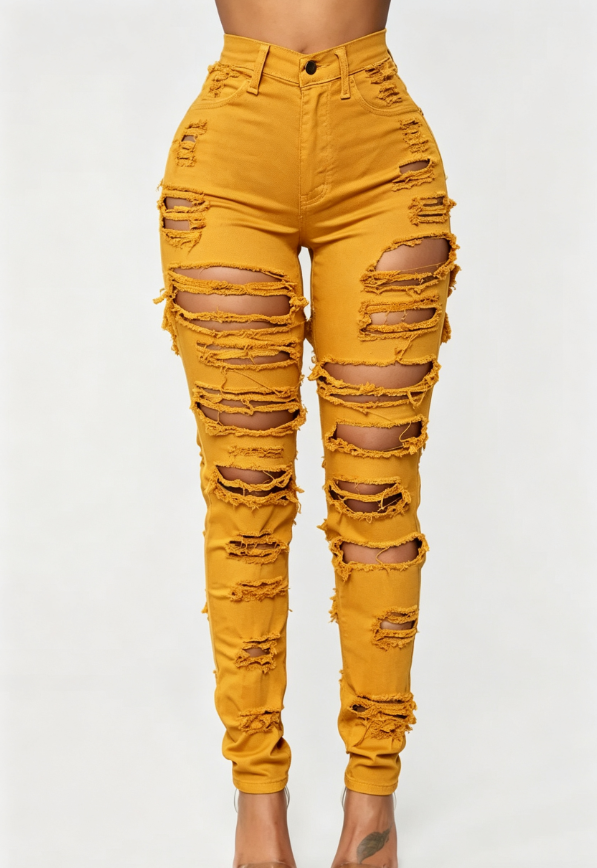
Acid wash, resin coating, distressing, embroidery, patches, and screen printing each create distinct brand signatures. Abrasion and heavy distressing can reduce local strength, while coatings and print adhesion require wash testing. 100-unit programs are practical for straightforward washes and standard artwork. Multi-placement embroidery, custom patch molds, or several hand-distressed zones usually increase sampling complexity and may require higher component minimums.
Hardware, Labels, And Packaging
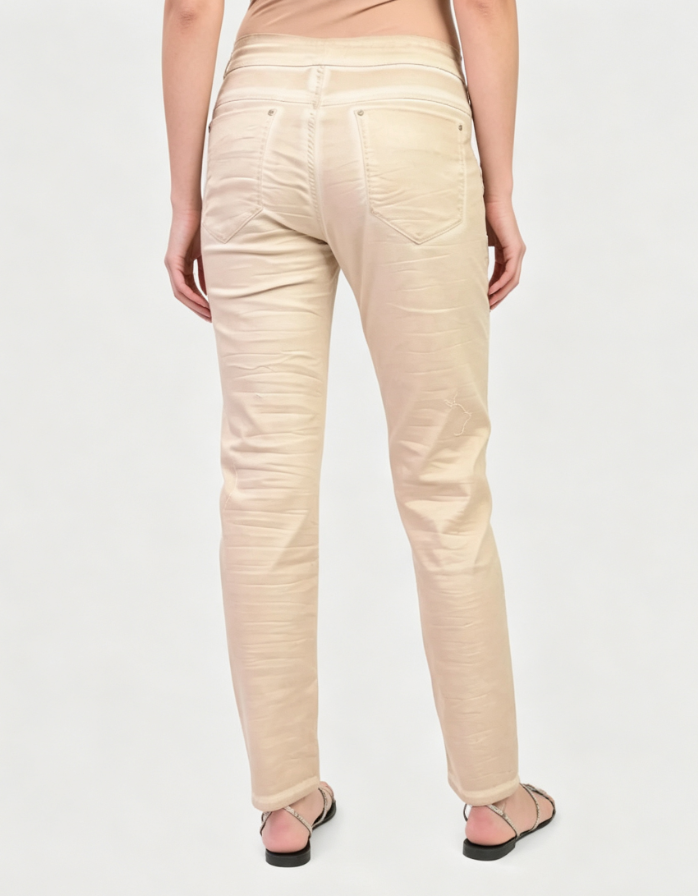
Contrast stitching, buttons, rivets, zipper pulls, leather labels, care labels, hang tags, and branded packaging should be specified by color, finish, location, and attachment method. Custom hardware improves recognition but carries tooling, plating, and replenishment considerations. Pantone references and retained trim samples make repeat orders more reliable. Verify nickel-release requirements, sharp-point safety, label fiber-content rules, and packaging-market obligations for each destination.
6. Construction Details That Define Quality
Four construction checkpoints determine whether custom made jeans keep their intended fit and survive repeated wear. Lock them into the tech pack, verify them on a washed sample, and inspect them again before shipment.
Pattern Balance And Grading
Three fit views—front, side, and back—should show a level waistband, balanced inseam and outseam, and no twisting at the leg. Specify rise, thigh, knee, hem, and tolerance measurements for every graded size. One washed size set reveals problems a flat pattern cannot: roping, seat drag lines, or uneven leg torque. Check movement in sitting, squatting, and walking before approving bulk.
- Record finished-garment measurement tolerances
- Confirm front and back rise balance
- Review shrinkage after the intended wash
Seams And Stress Points

Eight to 10 stitches per inch is a practical baseline for durable denim seams; extremely sparse stitching can open under load. Specify chain stitch or lockstitch by operation, thread color, and topstitch spacing. Five high-stress zones deserve reinforcement: crotch, pocket corners, belt-loop ends, fly base, and back yoke junctions. Require bartacks to be neat, aligned, and free of broken thread.
- Match bartack length and stitch count
- Inspect double-felled inseams for uniform feeding
- Check rivets for secure, smooth clinching
Waistband, Fly, And Pockets
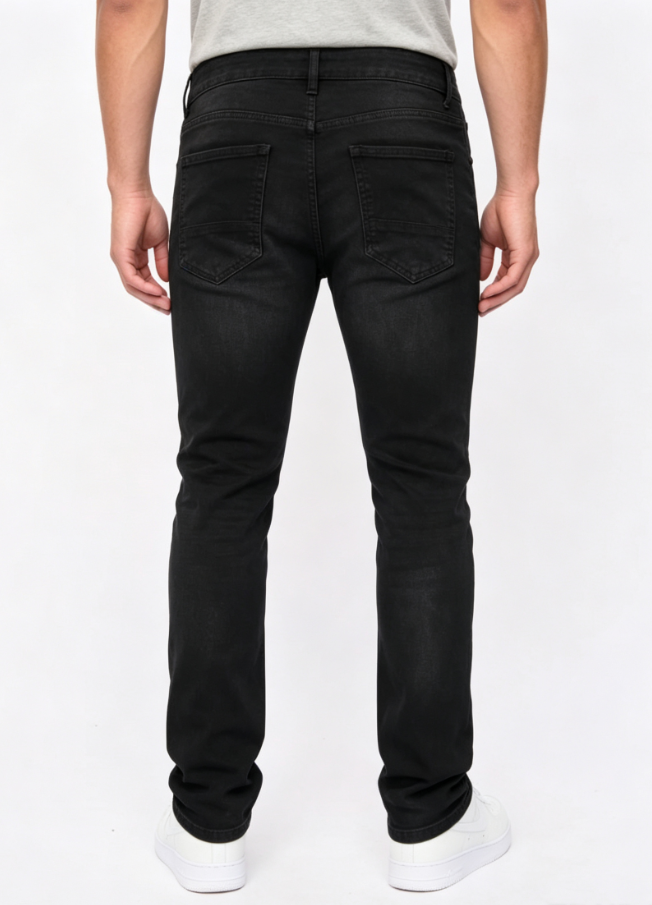
Five to seven belt loops are typical, with the center-back loop positioned to control waistband lift. Tech packs should state loop width, waistband construction, button type, zipper length, and fly topstitch route. Two rear pockets should match in height, angle, shape, and distance from the center back. On the sample, test zipper travel, button engagement, pocket opening strength, and rivet placement.
- Confirm coin-pocket dimensions
- Check zipper tape is fully covered
- Verify pocket symmetry on a laid-flat garment
Wash Control And Final Inspection
Three test stages—unwashed sample, washed approval sample, and packed-goods inspection—protect against unexpected shrinkage and shade variation. Record target length and width shrinkage after the approved wash recipe. A pre-shipment check should compare random units against approved measurements, appearance, hardware, and packing specifications. Inspect for leg twist, puckering, loose threads, stains, sharp rivet backs, and inconsistent wash contrast.
- Measure inseam after wash
- Compare shade across multiple cartons
- Confirm labels, size stickers, and carton counts
7. How to Choose a Jeans Manufacturer
A capable jeans supplier proves more than sewing capacity: denim development, controlled washing, and repeatable measurement must work together. For custom made jeans, assess the factory with documents, samples, and direct technical answers before committing deposits.
Verify Denim Depth

3 questions expose real specialization: Which denim weights, stretch constructions, and seam types run regularly? Ask to handle recent samples in 10–14 oz rigid denim and stretch denim, then inspect puckering, inseam roping, and waistband alignment. 100-unit MOQ can suit a capsule, but confirm whether it applies per style, color, wash, and size ratio. Request a written MOQ matrix and capacity schedule; Junsheen can support programs from 100 units per style and color.
Audit Development And Sourcing
1 usable tech pack should receive a feasibility review covering pattern, grading, fabric, trims, wash, and target cost. Ask who owns pattern corrections, how many sample rounds are quoted, and whether a pre-production sample is required. 2 evidence items matter most: fabric swatches with composition and weight, plus traceable mill or supplier details. Request shrinkage, stretch-recovery, colorfastness, and wash-test records for the approved lot.
Inspect Washing And Quality

5 wash-stage checkpoints—sample approval, wash recipe, measurement after wash, shade review, and packed-goods inspection—reduce bulk surprises. Ask whether washing is in-house or subcontracted and request comparable wash panels or factory photos. 4 documents should be available before bulk: measurement tolerances, inspection standard, defect report, and final audit format. For compliance, request current OEKO-TEX, GOTS, WRAP, or BSCI certificates only where applicable, including scope and expiry.
Test Communication And Export
24–48 hour response expectations should be agreed during development, especially for fit comments, Pantone approvals, and wash revisions. Ask for one named project contact, an approval calendar, and written confirmation of all changes. 2010-established Junsheen combines development, grading, sourcing, production, QC, packing, and export support in Dongguan. Request shipment examples for your destination, Incoterm options, carton specifications, and a realistic production lead-time plan.
8. Common custom made jeans Sourcing Mistakes
Most denim failures begin before cutting: an unclear approval record or untested material decision becomes expensive across a 100-unit launch. Treat each custom made jeans sample as a production-control document, not a visual prototype.
Lock The Tech Pack
1 tech pack should specify graded measurements, tolerances, stitch count, Pantone references, wash target, artwork placement, and bill of materials. A reference photo alone cannot control repeat production. 2 fit rounds are common when a new block, stretch denim, or extended-size grade is involved. Budget sample time and record every revision on the approved spec sheet.
Approve Washes Scientifically

3 wash panels can look different by fabric lot, enzyme time, stone load, and drying. Copying an online wash without a signed wash standard invites shade and hand-feel disputes. 1 sealed wash swatch should define front, back, abrasion zones, cast, and acceptable variation. Compare bulk panels against it before full production.
Test Fabric And Trims

2–5% residual shrinkage can alter inseam, rise, and waistband fit after laundering. Confirm post-wash measurements, stretch recovery, and torque before finalizing the pattern. 1 price-led fabric choice can cost more through returns, weak recovery, or poor wash performance. Test zippers, buttons, rivets, and label attachment on the actual denim.
Verify Claims Before Bulk
1 certification assumption is not evidence: request current, scope-matched documents for claims such as OEKO-TEX, GOTS, WRAP, or BSCI. Confirm which mill, facility, fabric, and transaction the document covers. 1 pre-production sample should be approved only after measurements, wash, trims, labeling, and packing match the signed standard. This protects margin, delivery dates, and customer satisfaction.
9. Steps to Launch custom made jeans
A 100-unit minimum per style and color makes launch planning especially dependent on locking technical decisions before bulk. Assign one brand-side approver and keep every revision in a dated specification file.
Brief And Technical Pack
Week 1 begins with the buyer’s brief: target customer, price, fit reference, wash direction, size range, quantity, and delivery market. The designer supplies sketches or reference jeans; the factory confirms construction feasibility. Version 1 of the tech pack should specify measurement points, seam details, pocket artwork, Pantone colors, fabric composition, trim list, labels, and packaging. The brand owner signs off on the final revision.
- Front and back flats
- Bill of materials
- Measurement specification
- Artwork placement files
Materials And Prototype

Weeks 1–3 cover denim and trim selection. Choose weight, stretch recovery, shrinkage target, zipper or button, rivets, thread, and wash tests before committing bulk yardage. One prototype confirms pattern interpretation and construction. A wash approval sample then verifies shade, abrasion, hand feel, and dimensional change; approve against a retained physical standard.
Fit, Grading, And Preproduction
Weeks 3–5 require a fit sample on the intended size model or dress form. Record all corrections by point of measure rather than marking a reference garment alone. After base-size approval, pattern makers grade XS–3XL using planned increments; extended sizes need separate balance checks. The pre-production sample is the final gate for bulk fabric, wash, labels, and packaging.
Bulk Control And Shipment
Bulk production starts only after the signed pre-production sample, purchase order, approved artwork, and packing instructions are aligned. Junsheen can inspect incoming materials, in-line sewing, measurements, decoration, and packed cartons. Before shipment, the sourcing team approves the final inspection report, carton marks, commercial invoice, and packing list. Confirm freight method and destination requirements early, since export documents and transit time affect launch dates.
10. custom made jeans Pricing and Costs
100 units per style and color is a practical starting point for OEM custom made jeans, but the smallest runs carry the highest cutting, pattern, wash and handling cost per pair. A basic 11–13 oz cotton-stretch five-pocket jean generally costs less than a heavier rigid denim program with multiple washes, distressing and custom hardware. $15–$45 per pair is a useful planning range for factory pricing before freight, depending on specifications and volume. Fabric composition and weight, wash recipes, laser or hand finishing, YKK-equivalent zippers, branded rivets, leather labels, hang tags and custom cartons can each move the unit price. 7–14 days is a typical development window after materials and measurements are confirmed, while bulk timing depends on fabric availability, wash capacity and approval speed. Landed cost also includes lab testing when required, inspection, duty, destination freight and shipment mode; final quotes require a complete tech pack or approved sample specifications.
| Order quantity | Indicative factory unit price | Development/setup | Typical bulk lead time |
|---|---|---|---|
| 100–299 pairs | $32–$45 | $150–$500 per style | 30–45 days |
| 300–999 pairs | $22–$32 | $100–$350 per style | 35–50 days |
| 1,000+ pairs | $15–$25 | Often amortized or reduced | 40–60 days |
Start Your Custom Made Jeans Sampling Project
Send your tech pack, sketch or reference garment to receive a fit-focused denim production quote from JUNSHEEN.