
Custom Performance Hoodies Built for Better Fit
Launch custom performance hoodies from 100 units per style and color with OEM/ODM development, private labeling, and fit-focused XS–3XL grading.
Featured Products for custom performance hoodies Development


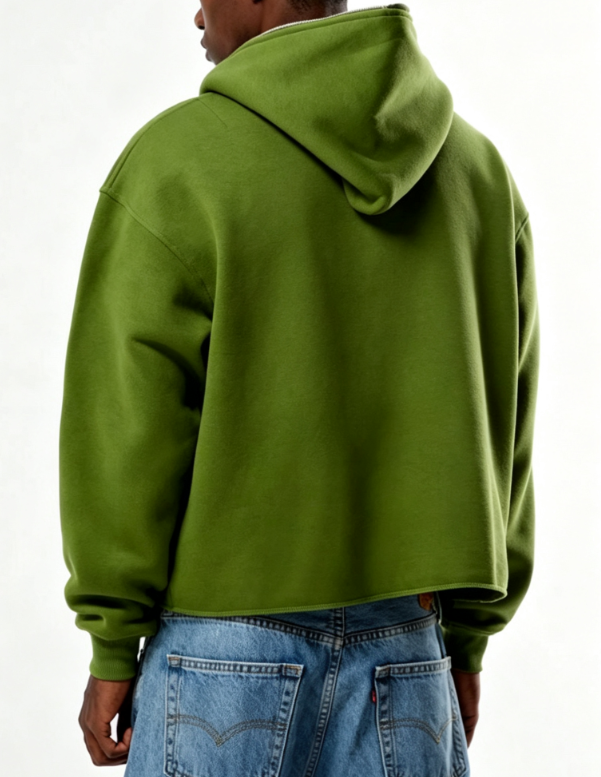


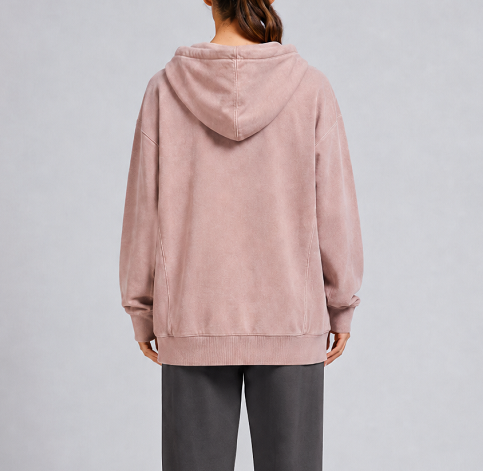

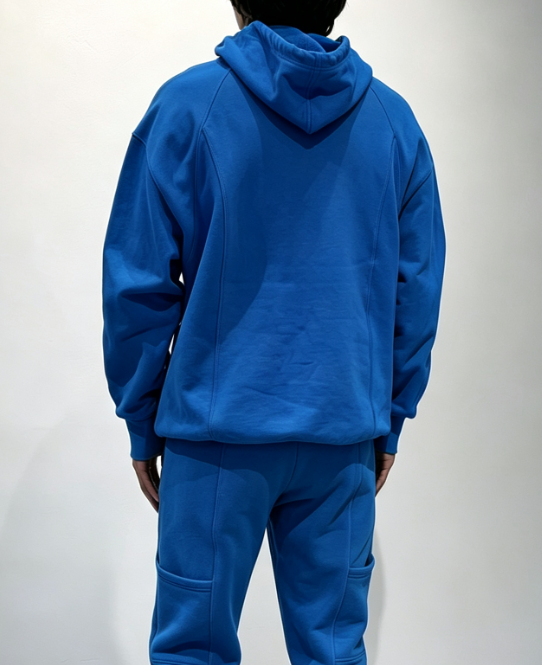
Related Product Catalogue and Quotation
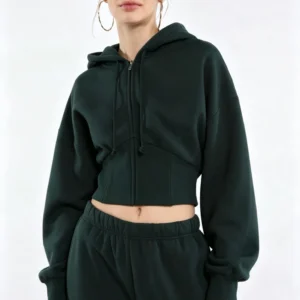
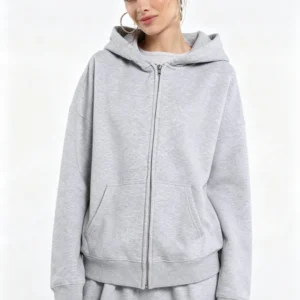

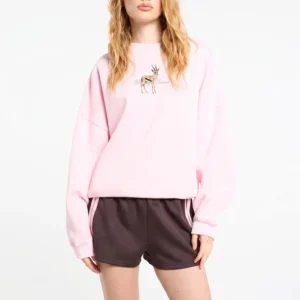
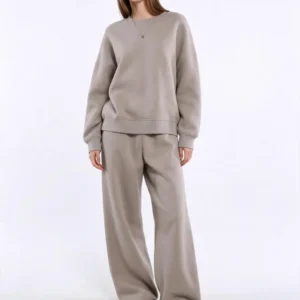

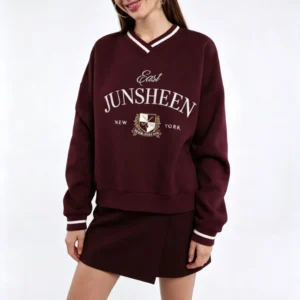

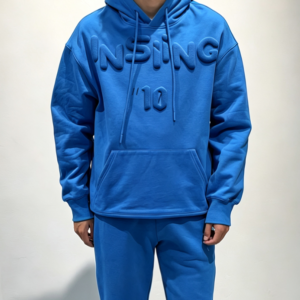
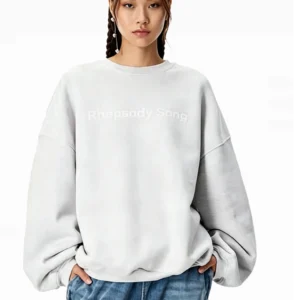

Why Brands Choose Custom Performance Hoodies by JUNSHEEN
From first sample to repeat bulk orders, JUNSHEEN combines low-MOQ development, fit precision, integrated decoration, scalable capacity, and export-ready support.
100-Unit MOQ Launches
Start performance hoodie capsules from 100 units per style and color, with practical support for emerging labels and focused product tests.
Fit-Led XS–3XL Grading
Pattern makers refine proportions, mobility, sleeve balance, and grading increments for regular, oversized, extended-size, and plus-size hoodie fits.
Integrated Decoration
Coordinate embroidery, screen printing, heat transfer, silicone details, reflective finishes, labels, trims, and branded packaging through one production partner.
Scalable Production Capacity
More than 200 skilled workers and 80,000-plus monthly units support reliable growth from capsule programs to ongoing global bulk orders.
Global Export Support
Receive clear production coordination, quality checks, packed-goods inspection, and export support for custom performance hoodies delivered to international markets.
Performance Hoodies and Related OEM Production
Source coordinated casualwear, denim, knitwear and outerwear with fit-led development, low 100-unit MOQs and scalable production support.

Custom Hoodies
Develop custom hoodies in fleece, French terry or performance knits with engineered hoods, pocket construction, rib balance and XS–3XL grading. Junsheen manages patterns, decoration, washes, labels and packaging from sample approval through bulk production.
Request a Quote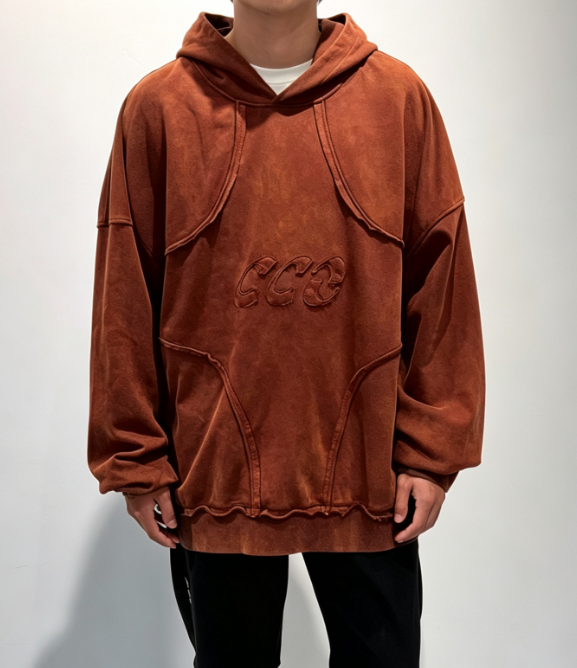
Custom T-Shirts
Build custom T-shirts with the right jersey weight, collar recovery, body proportion and print-ready surface. Choose cotton, blends or performance fabrics, then develop size grading, screen printing, DTG, embroidery or private-label finishing for launch or replenishment programs.
Request a Quote
Custom Jeans
Produce custom jeans with denim weight, stretch recovery, rise, leg shape and wash outcome specified before bulk. Junsheen supports pattern development, graded fits, pocket details, hardware, garment washing and branded trims for consistent repeat production.
Request a Quote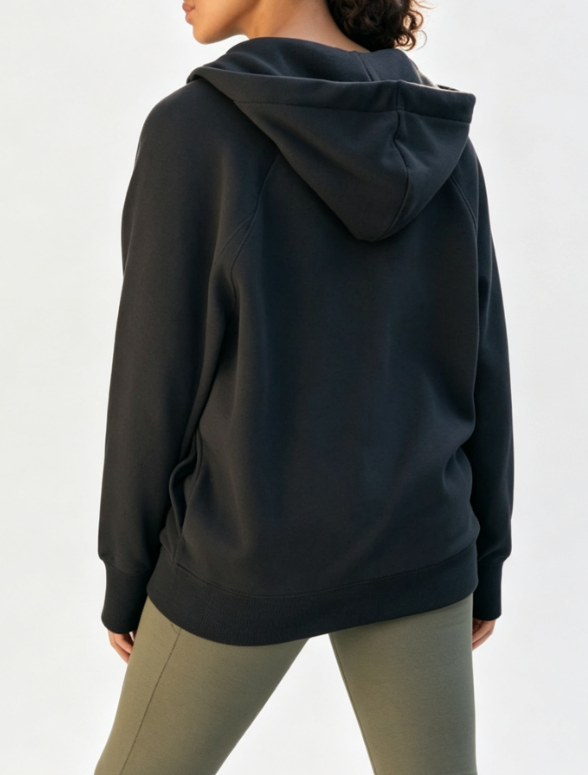
Custom Sweaters
Source turtle neck sweaters in bulk with controlled gauge, yarn composition, neckline structure and size consistency across the range. Junsheen develops sweater constructions for standard, oversized and extended-size fits, with labels, buttons and packaging prepared for wholesale or private-label orders.
Request a Quote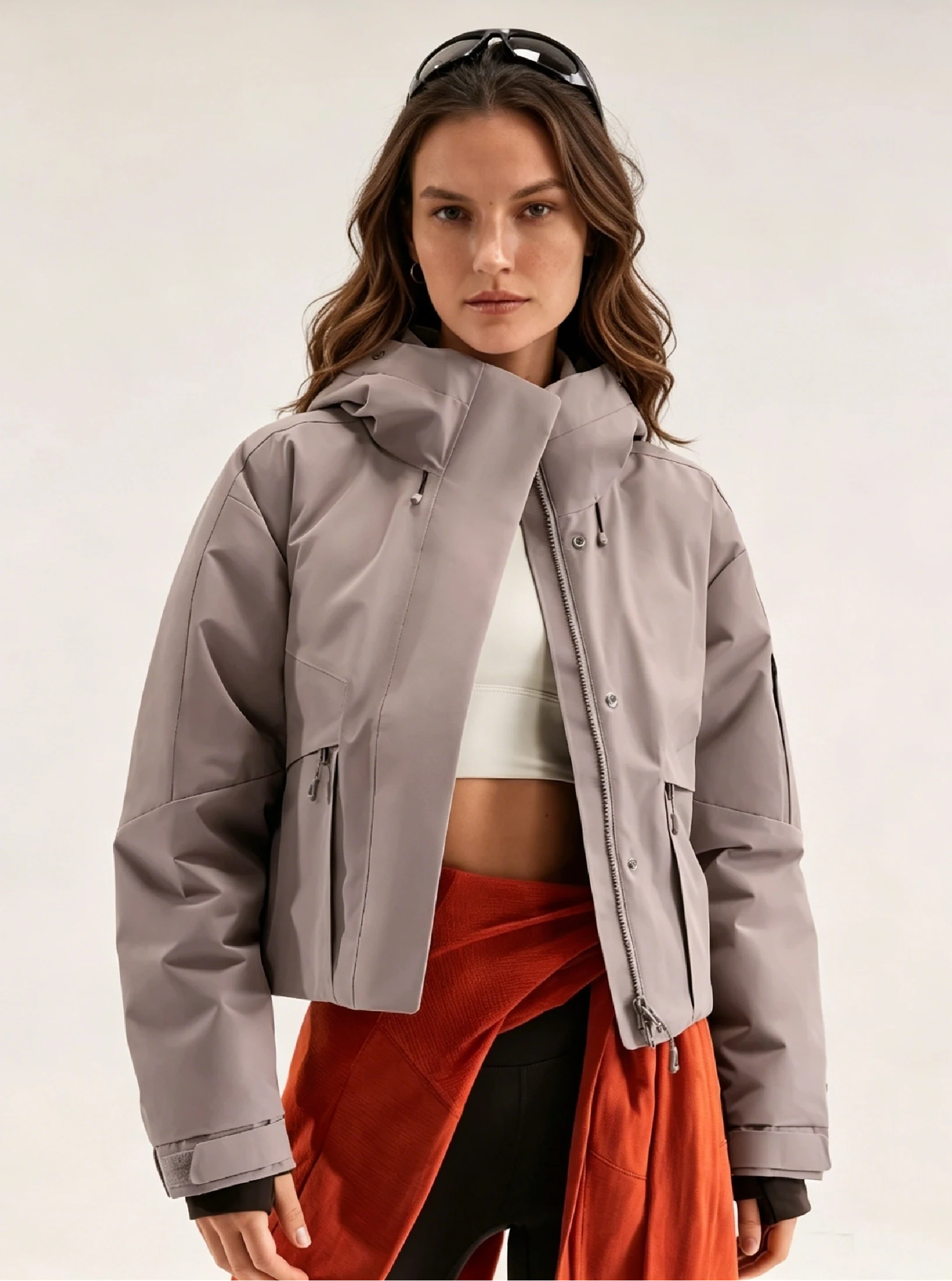
Custom Jackets
Develop custom jean jackets with balanced shoulder fit, sleeve mobility, denim weight and wash treatment aligned to the collection. Production can include contrast stitching, custom buttons, patches, embroidery, distressed finishing and XS–3XL grading.
Request a Quote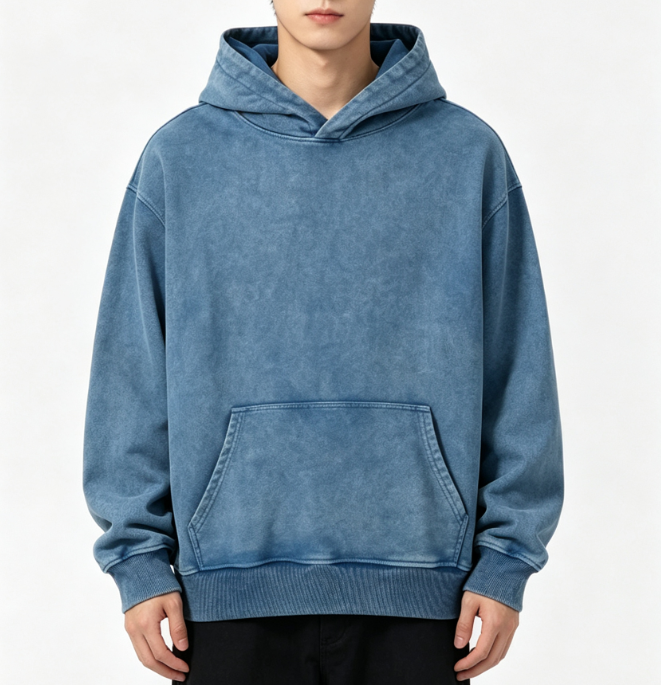
Custom Sweatshirts & Crewnecks
Create custom crewneck hoodie and sweatshirt programs with refined neckline, rib specifications, fleece weight and fit across the size set. Junsheen supports cut-and-sew construction, print or embroidery placement, washes and private-label components from 100 units per style and color.
Request a Quote
Custom Cardigans
Produce custom cardigans with selected yarns, gauge, placket stability and button specifications. The team develops proportions for regular, oversized and extended-size silhouettes, then coordinates knitting, labels, trims, quality checks and export-ready packing.
Request a Quote
Custom Puffer & Down Jackets
Develop custom puffer jackets with shell fabric, insulation level, baffle construction, zipper quality and mobility requirements defined during sampling. Junsheen coordinates outerwear pattern work, reflective details, branded hardware, labels and packed-goods inspection for global shipment.
Request a Quote
Custom Denim Shorts
Produce custom jean shorts with controlled rise, inseam, leg opening, stretch and wash appearance. Pattern makers grade proportions across XS–3XL, while production supports raw hems, distressing, hardware, embroidery, patches and private-label trims.
Request a Quote
Custom Sweater Dresses
Develop custom sweater dresses with yarn selection, knit gauge, length, stretch and body balance reviewed before bulk. Junsheen supports fitted, relaxed and oversized silhouettes with size grading, neckline development, labels and quality control for retail-ready delivery.
Request a Quote
Custom Denim Sets
Source mens denim suits wholesale with coordinated denim jackets and trousers, consistent wash lots and reliable size sets. Junsheen develops matching fits, fabric weight, hardware, stitching and branded finishing for wholesale assortments and private-label collections.
Request a Quote
Custom Polo Shirts
Produce custom polo shirts with piqué or jersey selection, collar shape, placket construction and wash durability suited to your market. Add embroidery, printed details, contrast trims and fit-focused XS–3XL grading for uniforms, retail or branded programs.
Request a Quote
Custom Sweatpants
Develop custom sweatpants with waistband recovery, rise, inseam, cuff construction and pocket placement engineered for the intended fit. Junsheen coordinates fleece or French terry sourcing, grading, decoration, washes, labels and bulk quality control.
Request a Quote
Custom Shorts
Produce custom shorts in jersey, fleece, twill, woven or performance fabrics with inseam, pocket depth, waistband and mobility tailored to the use case. Sampling confirms fit and fabric behavior before decoration, labeling and scalable production.
Request a Quote
Custom Pullovers
Develop custom pullovers in knit, fleece, French terry or woven constructions with neckline, shoulder balance and layering fit specified early. Junsheen supports patterns, fabric sourcing, grading, embroidery, printing, washing and private-label finishing through bulk delivery.
Request a QuotePerformance Fabrics for Custom Performance Hoodies

Performance Interlock
A smooth, stable double-knit with a clean technical hand, ideal for training hoodies and streamlined athleisure styles. Polyester-rich constructions support moisture management, shape retention, and dependable durability through repeated wear.

Stretch Jersey
Soft, breathable stretch jersey suits lightweight running, gym, and layering hoodies. Blended with elastane, it provides four-way mobility, a close-to-skin feel, and comfortable recovery for active silhouettes.

Brushed Fleece
Brushed fleece delivers a warm, soft interior for cold-weather training hoodies and recovery layers. Cotton-poly blends offer a substantial hand, insulation, and improved resistance to everyday abrasion and pilling.

French Terry
French terry provides a breathable loopback interior with a premium casual-performance feel. Its medium-weight construction works well for warm-up hoodies, offering moisture absorption, comfortable structure, and year-round versatility.

Recycled Polyester Knit
Recycled polyester knit supports performance collections with a lightweight, quick-drying hand and reliable color retention. It is suited to teamwear and outdoor hoodies where durability, moisture transfer, and sustainability goals matter.
Custom Performance Hoodies: Decoration & Finishing Methods

Performance Embroidery
Flat, 3D puff, chain-stitch, and applique embroidery create a premium textured logo for custom performance hoodies. We assess fabric weight and backing requirements to help maintain clean stitches, secure attachment, and reliable wear durability.

Screen Print
Plastisol, water-based, silicone, high-density, puff, foil, and discharge screen printing deliver bold artwork with controlled coverage. Our team matches ink systems to hoodie fabric and placement for clear color, flexible hand feel, and repeatable bulk results.

Heat Transfer
DTF, heat-transfer, and specialty film applications suit detailed logos, variable graphics, and smaller placement areas. Applied with controlled heat and pressure, they provide crisp edges and flexible branding while helping performance garments retain comfortable movement.

Dye Sublimation
Dye sublimation infuses full-color artwork directly into compatible polyester performance knits. It delivers lightweight, breathable graphics with no raised ink layer, making it well suited to all-over patterns, teamwear details, and active-use hoodie programs.

Wash Finishing
Softening, enzyme, anti-pilling, brushing, napping, garment dye, tie-dye, acid wash, and stone wash treatments refine hand feel and visual character. We recommend finishes that support the fabric’s intended performance, durability, and branded aesthetic.
Custom Trims & Accessories for Custom Performance Hoodies

Custom Drawcords
Choose cotton, polyester, reflective, flat or round drawcords with contrasting tips, metal aglets, or logo details. They add a polished, functional finish to performance hoodie hoods and adjustable hems.

Branded Zippers
Specify coil, nylon, metal, waterproof, or reverse-coil zippers for full-zip and pocket applications. Custom pullers, zipper tape, and branded finishes help align each hoodie with your intended price point.

Woven Labels
Add woven main labels, size labels, wash-care labels, and hem flags for clear brand identification. JUNSHEEN integrates label placement during production for consistent private-label presentation across XS–3XL size runs.

Custom Patches
Use embroidered, woven, silicone, rubber, or applique patches on chests, sleeves, hoods, and hems. Patches create durable logo visibility while supporting sport-inspired, technical, or elevated casualwear positioning.

Reflective Details
Incorporate reflective piping, heat-transfer logos, zipper tape, drawcords, or panel accents for low-light visibility. These performance-focused details add functional value without compromising the hoodie’s brand-led design direction.
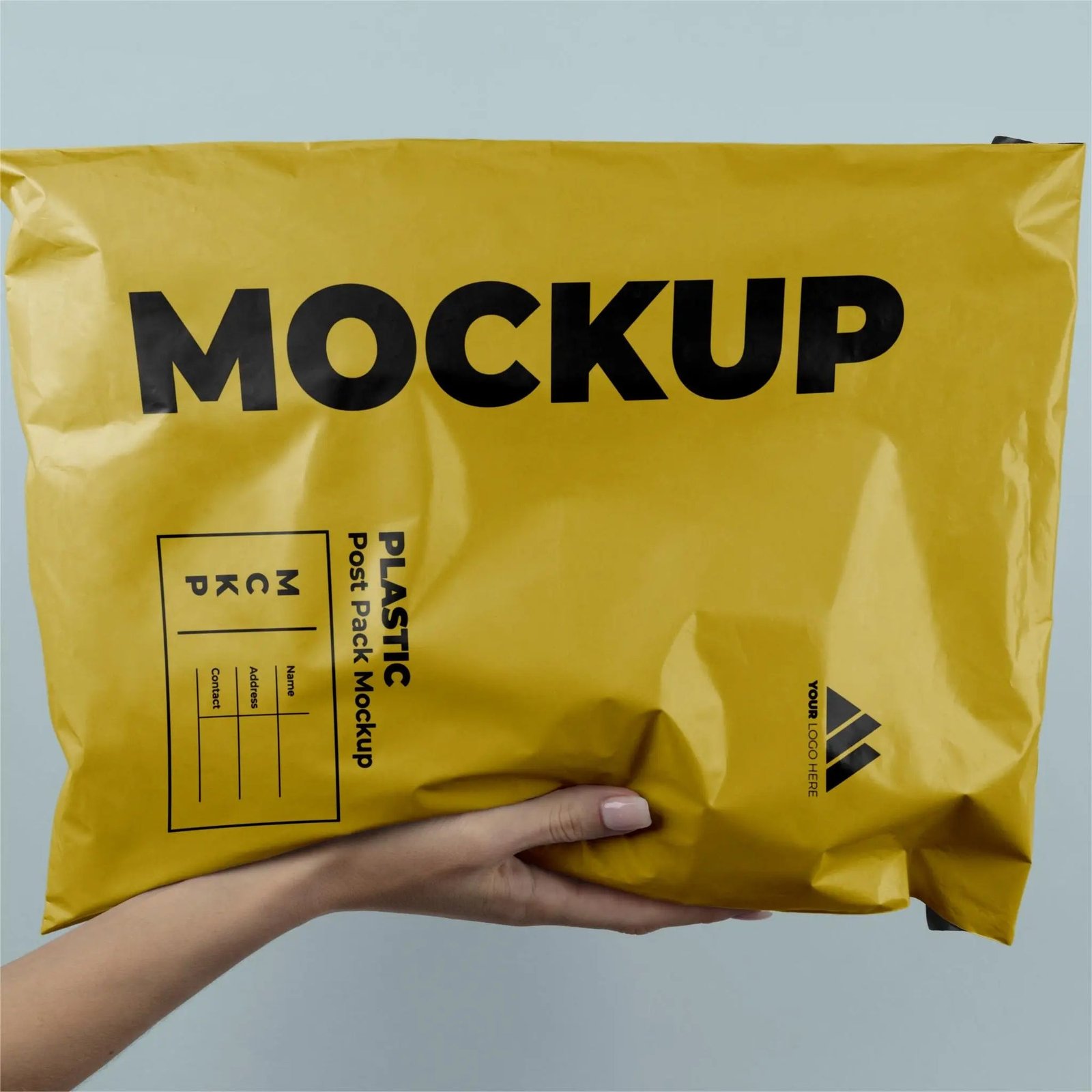
Branded Packaging
Complete your order with custom hangtags, polybags, size stickers, tissue paper, cartons, and packing inserts. Coordinated packaging helps your custom performance hoodies arrive retail-ready for wholesale, e-commerce, or direct delivery.
About JUNSHEEN Apparel Manufacturing
Founded in 2010 in Humen Town, Dongguan, JUNSHEEN helps global fashion brands turn custom performance hoodie concepts into production-ready private-label collections. Our mission is straightforward: combine responsive product development, fit-focused engineering, and dependable manufacturing in one clear supply chain.
With 200+ skilled workers and monthly capacity exceeding 80,000 units, we support capsule launches from 100 units per style and color through scalable ongoing programs. Our integrated capabilities cover fabric sourcing, pattern making, XS–3XL grading, cut-and-sew and knit production, decoration, finishing, quality control, packaging, and global export.
What differentiates JUNSHEEN is a fit-first approach backed by practical development expertise. Rather than simply scaling a base pattern, we refine proportion, mobility, and grading for normal, extended-size, plus-size, and oversized fits—helping brands reduce sampling revisions and build consistency as production grows.

Custom Performance Hoodies, Engineered for Reliable Production
Fit Engineering That Performs
JUNSHEEN develops custom performance hoodies from XS through 3XL with purposeful pattern grading. Our team refines shoulder balance, sleeve reach, body proportion and mobility so regular, oversized and extended-size fits retain a consistent silhouette and comfortable movement.
- XS–3XL, extended-size and oversized grading
- Pattern development from tech packs or references
- Size-set sampling before bulk approval
- Mobility-focused sleeve and body proportions

Performance Materials, Matched Precisely
Select fabrics around the intended wear experience, target cost and production requirements. Through our supplier network, JUNSHEEN sources performance knits, French terry, fleece and recycled options, reviewing weight, stretch, recovery, moisture management and wash durability before bulk confirmation.
- Performance knits, fleece and French terry
- Fabric weight, stretch and recovery review
- Swatches and sample garments available
- Cost-conscious material recommendations

Decoration Under One Roof
Bring branding, function and finish together without splitting production across multiple suppliers. Our in-house decoration and private-label capabilities support logo embroidery, technical printing, reflective details, custom trims, labels and packaging coordinated to your approved hoodie specification.
- Embroidery, screen print, DTF and heat transfer
- Reflective, silicone and high-density effects
- Custom labels, drawstrings and zipper options
- Branded packaging and hang tags

Repeatable Quality at Scale
From a 100-unit capsule to recurring global programs, JUNSHEEN maintains records for approved patterns, graded size sets and materials. Incoming-fabric, in-line, measurement, decoration and final packed-goods checks help keep repeat custom performance hoodies aligned with the approved standard.
- 100-unit MOQ per style and color
- Incoming, in-line and final inspections
- Retained patterns and material records
- 80,000+ units monthly production capacity
Why Choose JUNSHEEN for Custom Performance Hoodies
A fit-first manufacturing partner for low-MOQ launches and scalable global programs.
← 左右滑动查看 →
Custom Performance Hoodies: Our Production Process
A controlled OEM workflow that turns your performance hoodie concept into production-ready, quality-checked goods for global delivery.
Technical Review and Sourcing
We review tech packs, references, target pricing and performance requirements, then recommend suitable fabrics, trims, decoration methods and manufacturable construction details.
Pattern Development and Grading
Our team creates or refines patterns and fit specifications, grading balanced regular, oversized or extended-size performance hoodies from XS through 3XL.
Prototype and Size Sampling
We produce samples for fit, hand feel, function and branding review, incorporating approved revisions before confirming materials, measurements and pre-production details.
Bulk Cutting and Production
After approval, skilled teams cut, sew, decorate and finish your order using controlled production workflows scalable from 100 units per style and color.
Multi-Stage Quality Control
Inspections cover incoming materials, in-line construction, measurements, fit, decoration and final packed goods to help ensure consistent custom performance hoodie quality.
Packing and Global Shipment
We apply private-label packaging requirements, complete final balance and shipment coordination, then support export delivery to your market with clear production records.
How to Launch Custom Performance Hoodies With JUNSHEEN
Move from concept to approved bulk production with a clear, fit-focused manufacturing workflow.
Submit Your Product Brief
Send a tech pack, sketch, reference garment, mood board, or idea. Our team reviews construction, performance requirements, sizing, fabrics, decoration, and private-label details.
Confirm Specifications and Quote
Align on materials, XS–3XL grading, colors, trims, branding, quantities, and target cost. We provide a practical quotation from 100 units per style and color.
Approve Your Development Sample
We create patterns and samples for your review, refining fit, measurements, mobility, printing, embroidery, and wash performance before you authorize production-ready specifications.
Start Controlled Bulk Production
After approval, JUNSHEEN manages fabric sourcing, cut-and-sew production, decoration, in-line inspections, final quality control, packaging, and export coordination for your custom performance hoodies.
Custom Clothing Manufacturer Credentials and Compliance Documents




Client Results From Custom Performance Hoodie Programs
JUNSHEEN turned our initial tech pack into an approved size set in two sampling rounds. The XS–3XL grading finally gave our oversized training hoodie a consistent fit, and we reordered 1,200 units after launch.
We began with 100 units in two colors to test a new private-label collection. The fabric recommendations, reflective logo application, and branded packaging helped us launch on schedule and convert the style into a 2,500-unit repeat order.
Our previous supplier struggled to keep measurements stable across bulk runs. JUNSHEEN’s pre-production approval and in-line checks kept our 3,600-piece delivery within tolerance, reducing our post-delivery quality claims by 40%.
Custom Performance Hoodies FAQ
Clear answers on MOQ, sampling, timelines, fit, shipping, payment, and confidentiality for OEM and private-label programs.
What is the MOQ for custom performance hoodies?
How long does a custom performance hoodie sample take?
How much does a custom performance hoodie sample cost?
What payment terms does JUNSHEEN offer for new orders?
What is the production lead time for custom performance hoodies?
Can you ship custom performance hoodies internationally?
Can you grade performance hoodie fits from XS to 3XL?
How do you protect my hoodie design and brand information?
The Complete Buyer’s Guide to custom performance hoodies
Use this decision framework to define product requirements, compare fabrics and customization methods, vet capable suppliers, control costs, and avoid sourcing mistakes before launching a performance hoodie program.
1. What Are Custom Performance Hoodies?
100-unit programs are a practical starting point for custom performance hoodies: branded, activity-ready hooded garments engineered to combine everyday comfort, moisture management, unrestricted movement, and a recognizable visual identity. They are specified around use conditions—training, commuting, travel, teamwear, outdoor layering, or athleisure—rather than simply around warmth. 240–320 GSM performance knits, stretch panels, breathable mesh zones, quick-dry finishes, secure pockets, reflective details, and flatlock seams are common specification choices when the intended activity warrants them. Unlike a standard cotton fleece hoodie, whose priority is insulation and casual hand feel, a performance hoodie manages sweat, motion, recovery after washing, and trim function while still carrying a logo, color system, and private-label details. 3 buyer profiles most often justify the added development work: activewear labels needing credible training product, corporate or event teams requiring comfortable uniform layers, and fashion brands building technical athleisure capsules. A technical jacket usually prioritizes weather protection through membranes, taped seams, or structured shells; a performance hoodie occupies the lighter, softer middle ground, serving as a standalone layer or a breathable mid-layer. For JUNSHEEN buyers, the key is to define the wearer, climate, movement level, and decoration method before approving fabric and pattern development.
2. Evolution of Custom Performance Hoodies
1930s sportswear popularized the hooded sweatshirt as a practical warm-up layer, while team programs later made heavyweight fleece, school colors, and chest graphics standard. That model favored warmth and identity, but it offered limited breathability, stretch, or packability for athletes moving between training, commuting, and everyday wear. 1970s synthetic-fiber development widened the design brief: polyester knits, moisture-management finishes, elastane blends, and lighter 220–320 GSM constructions gave brands alternatives to traditional brushed fleece. Seams also evolved from basic overlock assembly toward flatlock panels, articulated sleeves, zip pockets, and reflective trims suited to gym, running, and travel use. 2010s athleisure made performance expectations commercial rather than niche. Consumers increasingly expect one hoodie to layer for workouts, resist frequent washing, retain shape, and still look appropriate for transit, casual retail, or content-led lifestyle marketing; that raises the value of deliberate fabric, fit, and trim choices. 100-unit-per-style-and-color production now lets emerging labels test custom performance hoodies without committing to a teamwear-scale run. For brands, the category supports distinct positioning through Pantone color blocking, extended-size grading, logo decoration, branded hardware, and performance-knit selection—while creating a repeatable core product that can return across seasonal drops.
3. Types of Custom Performance Hoodies
Six core formats cover different activity levels, layering needs, and retail price points. Buyers should choose custom performance hoodies by use case first, then align silhouette, pocket access, ventilation, and branding space with the assortment.
Pullover And Full-Zip

Pullover hoodies suit warm-ups, travel, and teamwear because the uninterrupted front supports large chest graphics and kangaroo pockets. A relaxed or athletic silhouette works best when customers need easy layering. Full-zip styles serve commuting and variable-temperature training, with two hand pockets and a zipper that lets athletes regulate heat quickly. They merchandise well as a premium outer-layer companion to matching joggers.
Quarter-Zip And Lightweight Training
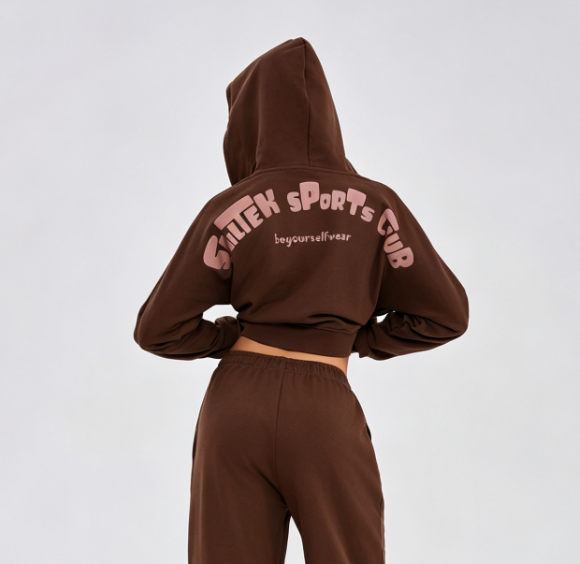
Quarter-zips fit running, golf, and studio training where a stand collar and short zipper provide ventilation without bulk. A streamlined silhouette gives retailers a technical alternative to the standard sweatshirt. Lightweight training hoodies commonly use 150–220 GSM knits for high-output workouts and packable travel layers. Raglan sleeves, thumbholes, and a low-profile hood improve movement while preserving a clean logo zone.
Thermal And Hybrid Styles
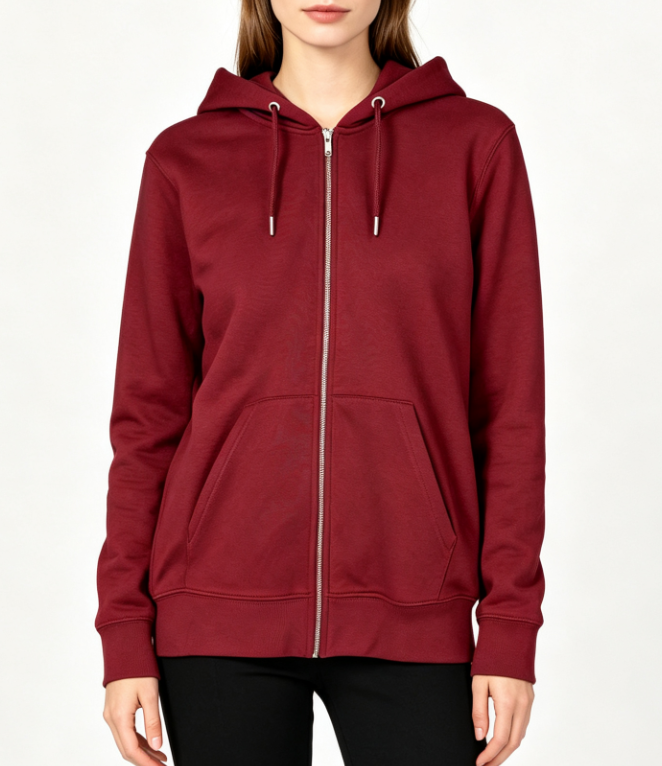
Thermal hoodies target cold-weather outdoor use, typically pairing a brushed interior with a closer-fitting hood and secure zip pockets. They extend an autumn-winter range without requiring a heavy jacket. Hybrid styles combine a knit body with woven panels, insulated chest sections, or stretch side panels for trail, commute, and athleisure programs. Place abrasion-resistant panels at shoulders or elbows when the garment will carry packs or see repeated outdoor wear.
4. Materials for Custom Performance Hoodies
Fabric selection sets the hoodie’s thermal range, recovery, drying speed, and perceived quality. Specify composition alongside GSM, knit structure, and finish; a fiber name alone cannot predict field performance.
| Fabric Specification | Best Use | Performance Tradeoff |
|---|---|---|
| 200–260 GSM polyester interlock | Running, gym, team layers | Breathable, quick-dry; cooler hand |
| 240–300 GSM recycled polyester/elastane | Stretch training hoodies | Recovery and wicking; verify recycled claims |
| 280–340 GSM cotton/poly French terry | Commuter and athleisure | Soft, breathable; slower drying |
| 300–380 GSM brushed polyester fleece | Cold-weather warm-up | Warm and soft; pilling risk |
| 260–330 GSM nylon/elastane bonded | Outdoor and travel | Abrasion and wind resistance; less breathable |
Weight And Thermal Range

220–280 GSM suits light training layers; 280–340 GSM gives most year-round performance hoodies a substantial hand. Above 340 GSM increases warmth and structure but slows drying and adds shipping weight.
Fiber And Knit Tradeoffs

Polyester manages moisture and dries quickly; recycled polyester offers similar performance, but verify yarn source and colorfastness documentation. Nylon blends improve abrasion resistance and a smoother hand, while 4–12% elastane adds stretch and recovery. Cotton-poly blends feel softer and less synthetic but retain more moisture; ring-spun cotton generally pills less than open-end cotton. Interlock is smooth and stable, French terry is breathable with loop-back texture, fleece is warmer after brushing, and bonded fabrics block wind but can reduce air permeability.
Care And Finish Controls

30–40°C wash testing should confirm shrinkage, color bleeding, pilling, and recovery before bulk approval. Anti-pilling finishes help fleece, but harsh heat and fabric softener can reduce elastane life and moisture-wicking effectiveness.
5. Customize Custom Performance Hoodies
At Junsheen, custom performance hoodies can begin at 100 units per style and color, making targeted capsule development practical. Lock silhouette, panel layout, pocket function, hood construction, trim, labels, and graded measurements before approving decoration.
| Method | Best Artwork | Durability | Performance-Fabric Fit |
|---|---|---|---|
| Embroidery | Small logos, lettering | High; may stiffen stretch zones | Best on stable chest or sleeve areas |
| Screen Print | Bold spot colors, large graphics | High with correct ink and cure | Use stretch ink on knits |
| Heat Transfer | Detailed multicolor logos | Moderate to high; test wash and stretch | Good for smooth polyester blends |
| Sublimation | All-over polyester artwork | Excellent; dye becomes fabric color | Polyester only; no cotton blends |
| Silicone Or Woven Badge | Minimal raised identity | High when securely bonded or stitched | Avoid high-flex, highly textured areas |
| Reflective Print | Safety marks and logos | Moderate; confirm wash standard | Best on smooth technical shells |
Build The Garment Blueprint

Three decisions drive usability: cropped, regular, or oversized body length; pullover or full-zip entry; and kangaroo, zip, or concealed pockets. Contrast panels and color blocking should follow seam lines so they remain stable through cutting and assembly. XS–3XL grading needs more than proportional enlargement. Shoulder balance, sleeve length, chest ease, hem sweep, and hood opening should be reviewed across a size set, particularly for extended-size or oversized fits.
- Choose a fixed, three-piece, or scuba hood
- Specify nylon-coil, molded, or waterproof zippers
- Add thumbholes, zip guards, drawcords, or reflective piping
Specify Branding By Performance

Front chests, sleeves, hoods, back yokes, and pocket zones each have different stretch and abrasion exposure. Keep artwork clear of zipper teeth, heavy seam intersections, and high-flex elbow areas; test the finished sample after laundering.
Finish The Brand Experience

Two brand touchpoints are standard: internal main/size and wash-care labels, plus external hang tags or packaging. Woven labels, silicone badges, custom zipper pullers, and branded polybags should be specified on the tech pack with dimensions, placement, and color references. Pantone references reduce avoidable color drift across shell fabric, rib, print, and packaging. Approve a production sample with all labels and decoration together before bulk release.
6. Construction Quality That Performs
Construction quality is visible before bulk production: seams, hardware, stretch recovery and wash behavior determine whether custom performance hoodies retain fit through repeated wear. A sample should be inspected under tension, inside out and after laundering—not judged only on its first appearance.
Stitches And Reinforcement
8–12 stitches per inch is a useful starting range for durable knit seams; uneven density, skipped stitches or puckering signal poor thread tension. Ask: Which seams receive bartacks or taped reinforcement at pocket corners, drawcord exits and zipper ends? 3-thread overlock joins panels efficiently, while coverstitch hems and flatlock seams reduce bulk on high-contact areas. Ask to stretch each seam by hand and confirm it returns without thread popping.
Hood, Rib And Pocket Finish

2-piece hoods follow head shape better than shallow single-panel hoods, and a center seam should lie flat without twisting. Ask for the finished hood opening, depth and seam allowance measurements on the sample. 1×1 or 2×2 rib must recover after repeated stretching; loose ribs create baggy cuffs and hems. Pocket openings need clean topstitching, secured corners and an interior that does not sag.
Hardware And Drawcord Safety
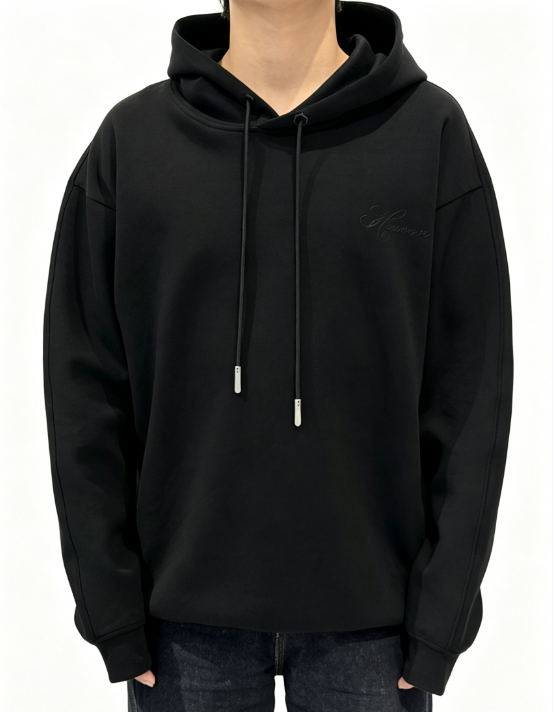
YKK or an equivalent verified zipper should run smoothly, sit flat and withstand repeated cycling without wave distortion. Ask for zipper tape, tooth type, puller finish and a working sample rather than an unapproved hardware swatch. 5 mm drawcords, metal aglets and eyelets require secure attachment; children’s products may require additional drawcord-safety rules. Ask which destination-market standard applies before approving the hood construction.
Wash Test And Final Inspection
3–5 wash cycles at the intended care condition can reveal shrinkage, color loss, pilling, seam torque and decoration cracking. Record before-and-after chest, body-length and sleeve measurements, then agree allowable tolerances before bulk. 100% final inspection is ideal for high-risk launches; at minimum, use an agreed AQL plan covering measurements, stains, construction and packed goods. Ask: What checkpoints occur at incoming material, in-line sewing and pre-shipment?
7. Choosing a Hoodie Manufacturer
Three comparable factories should be evaluated against the same specification, forecast, and delivery lane. A low quote means little without proof of technical experience, development control, and repeatable bulk execution.
Verify Technical Relevance
Two recent production examples should show comparable fleece or performance knit weight, seam construction, and decoration; request photos, measurement sheets, and wash-test records. Ask whether the factory has handled flatlock, coverstitch, bonded details, reflective trims, or moisture-management fabrics. 100-unit starting programs can suit a capsule, but confirm whether that MOQ applies per style, color, fabric, and size breakdown. JUNSHEEN supports production from 100 units per style and color; compare that rule with sampling charges and reorder minimums.
Audit Development And Materials
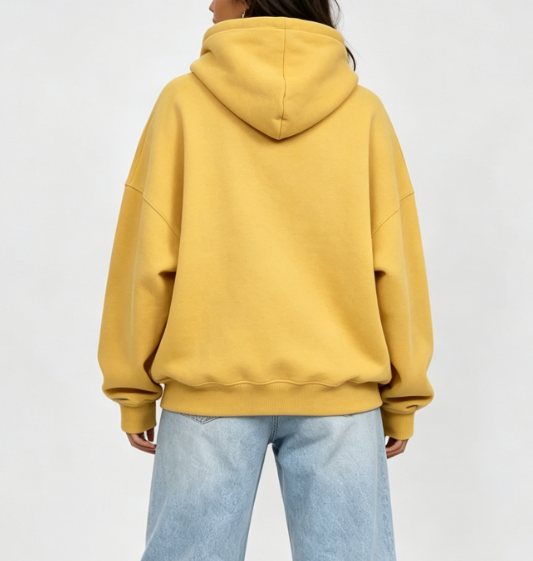
1 approved size set is more useful than a polished sales sample; request the pattern, grading logic, tolerance chart, and revision record. For extended sizes, ask how shoulder balance, sleeve length, mobility, and grading increments change rather than simply scaling up. 280–360 GSM French terry and 300–450 GSM brushed fleece require different shrinkage, pilling, and recovery checks. Request swatches, composition certificates where relevant, Pantone lab dips, and pre- versus post-wash measurements.
Inspect Controls And Compliance
4 inspection stages—incoming fabric, in-line sewing, measurement/decoration, and final packing—should be documented with defect standards and AQL targets. Ask for actual QC reports, not only a statement that inspection occurs. OEKO-TEX, GOTS, WRAP, and BSCI address different material, social, or facility scopes; request current certificates and verify the named legal entity. Confirm needle control, colorfastness testing, carton marks, and corrective-action ownership.
Test Communication And Delivery
24–48 hour replies during development are a practical indicator of whether changes will be controlled before bulk cutting. Give each candidate the same tech pack and ask for a feasibility review listing risks, missing details, lead time, and responsible contact. 80,000-plus monthly capacity is relevant only when the factory states available capacity for your calendar and production line. Compare ex-factory date, inspection window, export documents, freight options, and who manages delays before choosing on landed risk rather than unit price.
8. Common Custom Hoodie Sourcing Mistakes
Most hoodie sourcing failures are decided before the first sample is cut. A short testing plan, measurable specifications, and a realistic critical path prevent costly rework when custom performance hoodies move into bulk.
Test Fabric Beyond Appearance

280–360 GSM fleece can look premium yet shrink, pill, or bleed differently after laundering. Request a finished-fabric swatch, wash-test it against the intended care method, and approve shrinkage, colorfastness, stretch recovery, and hand feel in writing.
- Record before-and-after measurements
- Test dark colors against light trims
- Confirm anti-pilling requirements
Control Artwork And Specifications
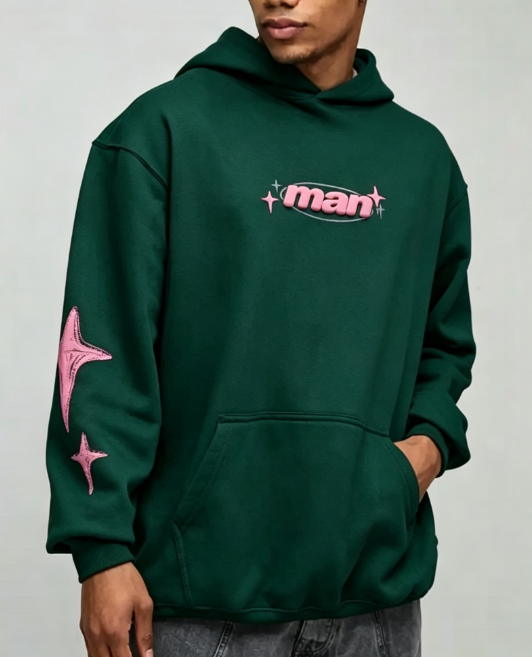
1 oversized back print can crack, distort over seams, or make a heavy hoodie uncomfortable. Supply production-scale artwork, specify print dimensions and placement from fixed garment points, and use a strike-off for puff, silicone, reflective, or high-density effects. ±1–2 cm measurement tolerances are common only when the points of measure and grading rules are defined. Put garment length, chest, sleeve, hood opening, seam allowances, trim, Pantone references, and acceptable tolerances into the tech pack.
Validate Fit, Schedule, And Supplier
XS–3XL grading needs a size set, especially for oversized and extended-size fits; enlarging one base pattern can upset shoulder balance and sleeve proportion. Fit-test representative wearers and approve the graded sample before bulk cutting. 6–12 weeks is a practical planning window once development, fabric booking, sampling, revisions, bulk sewing, inspection, and shipping are included. Compare suppliers on sample control, QC records, communication, capacity, and total landed cost—not unit price alone.
- Set approval dates before launch dates
- Allow time for one sample revision
- Verify capacity for repeat orders
9. Launching Your Performance Hoodie Line
A 100-unit launch can move efficiently when every approval is locked before bulk production. For custom performance hoodies, sequence matters: wearer, margin, specifications, samples, production release, inspection, then merchandising.
Set The Commercial Brief
One target wearer, one use case, and one landed-price target should define the first brief. Set the intended retail price and work backward through retailer margin, freight, duty, packaging, and factory cost. Three initial colorways are usually easier to merchandise and control than a broad first drop. Specify whether the hoodie is for training, travel, layering, or teamwear before selecting weight and features.
Freeze Specs And Materials

A complete tech pack should state measurements, tolerances, construction, bill of materials, artwork placement, labels, and packing requirements. Include a graded measurement chart rather than asking a factory to scale one base size. 280–340 GSM French terry suits many active layers, while brushed fleece favors colder conditions. Confirm fabric hand feel, composition, stretch recovery, zipper specification, drawcord, and Pantone color standards before sampling.
- Approve fabric swatches and trim cards
- Sign off lab dips under agreed lighting
- Assign one revision owner
Sample Before Bulk Release

One fit sample exposes balance, mobility, pocket placement, and hood volume before grading begins. Test it on the intended size range, including extended sizes when they are part of the line. Two decoration tests should include wash testing and stretch testing where prints cross rib or high-movement panels. Approve strike-offs for screen print, silicone, transfer, or embroidery against the final fabric color.
Control Production And Launch
A signed pre-production sample becomes the production reference for construction, color, trim, and packing. Release bulk only after fit, grading, decoration, labels, and carton marks match the approved file. Four inspection points—fabric receipt, in-line sewing, finished measurement, and packed-goods audit—catch issues earlier than final inspection alone. Prepare product photography, size guidance, care copy, SKU data, and launch inventory before goods ship.
10. Custom Performance Hoodies Pricing
100 units per style and color is Junsheen’s starting production scale, but performance-hoodie cost is set by the approved specification rather than MOQ alone. A 280–320 GSM French terry body generally uses less material than a 350–420 GSM brushed fleece, while recycled yarns, bonded knits, moisture-management finishes, and certified materials can increase cost. 2 decoration locations cost differently from one chest screen print: embroidery stitch count, silicone transfer size, reflective panels, seam taping, custom zippers, drawcords, labels, and branded cartons all add labor or components. Sampling, size-set approval, freight mode, duties, and destination must be included when comparing landed cost—not only the ex-factory unit price. 30–45 days is a practical planning range after fabric, trims, artwork, grading, and pre-production approval are confirmed; new fabric development or complex decoration can extend it. Request a final quote with Pantone colors, GSM, fabric composition, size breakdown, decoration files, packaging, Incoterm, and destination so quantities can be costed accurately.
| Order quantity | Indicative unit-price drivers | Typical production lead time |
|---|---|---|
| 100–299 units | Higher setup allocation; limit colors and decoration placements | 30–45 days |
| 300–999 units | Improved fabric and trim purchasing; shared colorways help | 25–40 days |
| 1,000+ units | Best scale on materials and production; confirm capacity early | 25–35 days |
Start Your Custom Performance Hoodie Project
Send your tech pack, reference garment, or product idea for a tailored quote from JUNSHEEN’s OEM team.