
Halifax Traders Women’s Puffer Jacket Manufacturing
Develop a Halifax Traders Women’s Puffer Jacket with 100-unit MOQs, fit-focused XS–3XL grading, and private-label production for global brands.
Featured Products for halifax traders women’s puffer jacket Development


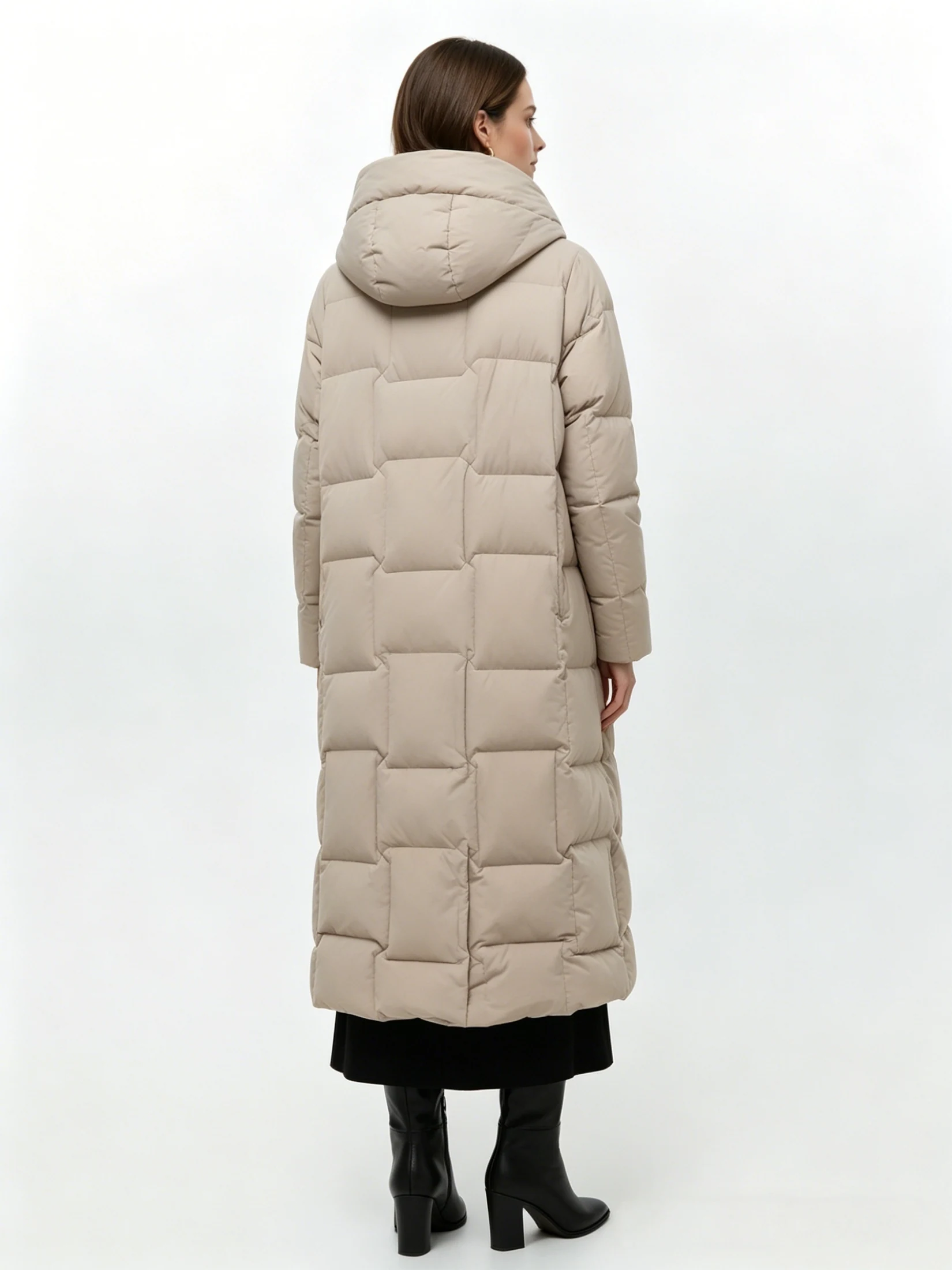


Related Halifax Traders Women’s Puffer Jacket Catalogue and Quotation


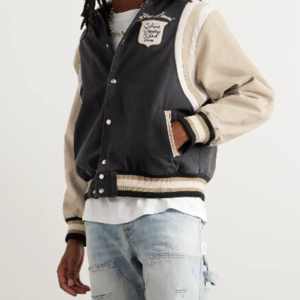

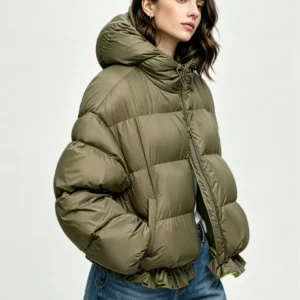


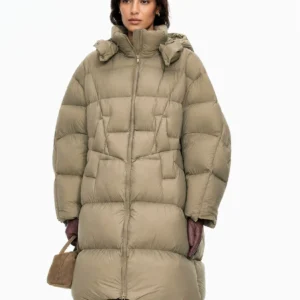


Why Brands Source Halifax Traders Women’s Puffer Jacket Programs from JUNSHEEN
Fit-focused development, flexible order quantities, and export-ready production for private-label women’s puffer jackets.
100-Unit MOQ
Launch a Halifax Traders women’s puffer jacket capsule from 100 units per style and color without sacrificing development support.
Fit-First Size Grading
Pattern makers refine proportions, mobility, sleeve length, and grading from XS to 3XL for consistent women’s outerwear fits.
Material Sourcing
Select shell fabrics, linings, insulation, and trims based on warmth, hand feel, durability, target cost, and wash performance.
Custom Branding
Add logo embroidery, patches, printed details, labels, custom zippers, hang tags, and branded packaging through one coordinated supply chain.
Scalable Production
More than 200 skilled workers and 80,000-plus monthly units support capsule launches, replenishment, and growing bulk outerwear programs.
Global Export Support
Coordinate quality control, final packing, and international shipping support for retailers, wholesalers, and fashion brands across global markets.
Women’s Puffer and Outerwear Production
Build coordinated casualwear, denim and extended-size collections with fit-focused development, low MOQs and scalable manufacturing support.

Custom Hoodies
Develop custom hoodies from 100 units per style and color, with jersey, fleece or French terry options. Support includes fit development from XS–3XL, oversized grading, embroidery, screen printing, custom labels and branded packaging.
Request a Quote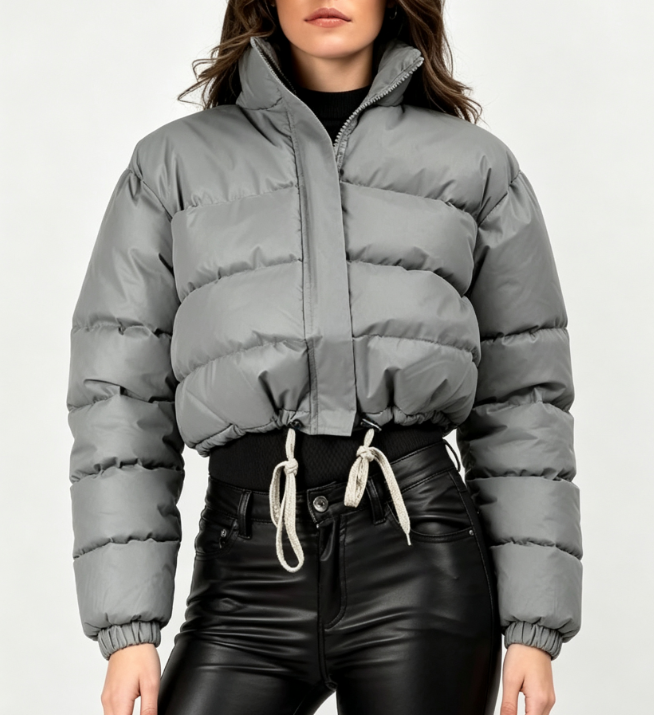
Custom T-Shirts
Produce custom T-shirts in cotton, Pima cotton, organic cotton and blended jersey weights matched to your target hand feel and price point. Pattern, grading, printing, washes and private-label trims are managed through one production workflow.
Request a Quote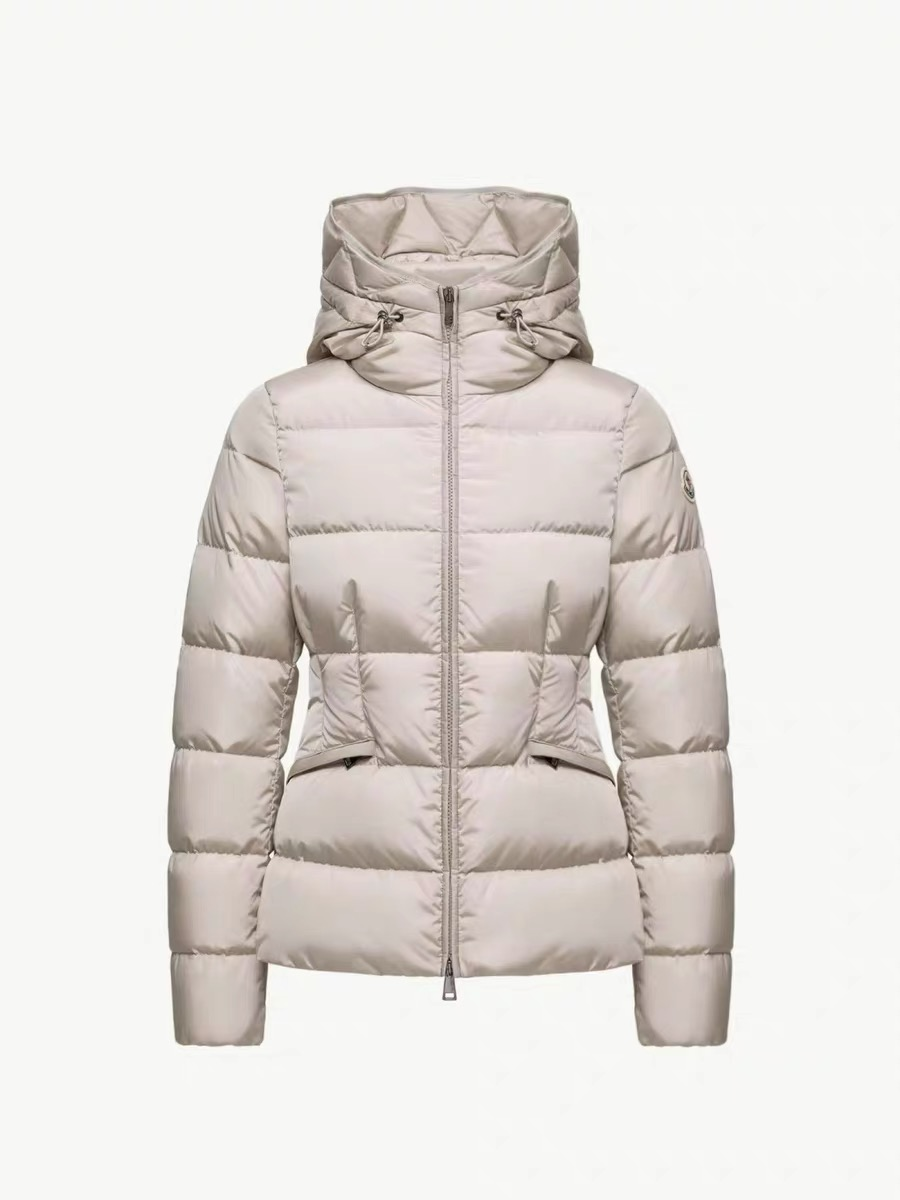
Custom Jeans
Create custom jeans with denim or stretch-denim sourcing, pattern development and size grading for regular, extended-size and oversized fits. Junsheen supports washes, distressing, hardware, labels and fit approval before bulk production.
Request a Quote
Custom Sweaters
Source turtle neck sweater bulk programs with yarn, gauge and construction selected for warmth, drape and target cost. Knitwear development covers size grading, neckline proportion, rib details, labels and coordinated collection colorways.
Request a Quote
Custom Jackets
Manufacture custom jean jackets and casual outerwear with denim, twill or woven fabric options. Development includes panel construction, fit refinement, washes, embroidery or patches, custom hardware and branded trims for retail-ready delivery.
Request a Quote
Custom Sweatshirts & Crewnecks
Produce custom crewneck hoodie and sweatshirt programs in fleece, French terry or jersey constructions. Pattern makers refine shoulder balance, body length and sleeve proportion across XS–3XL, while decoration and finishing are completed in-house.
Request a Quote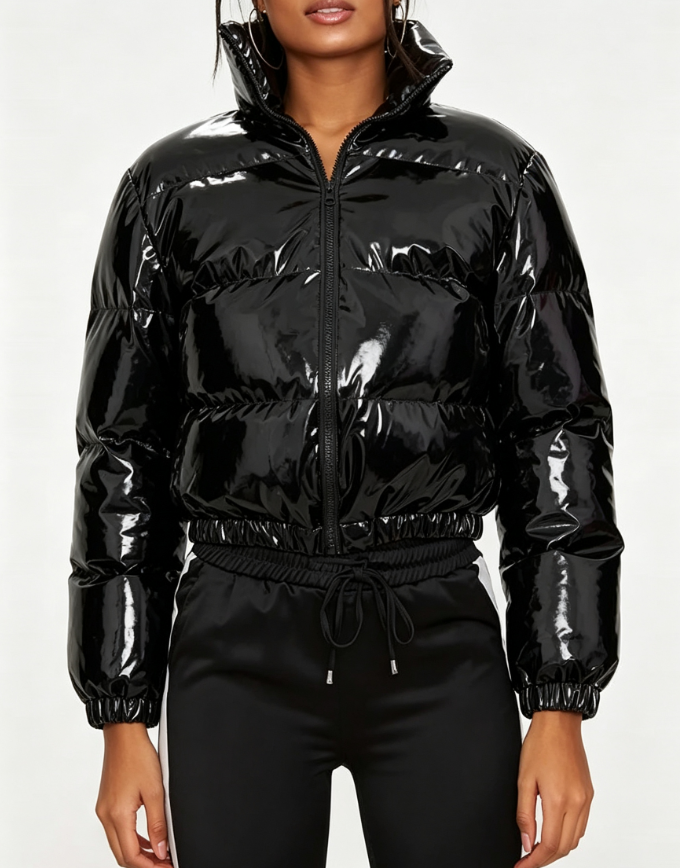
Custom Cardigans
Develop custom cardigans in sweater knits suited to lightweight layering or warmer seasonal programs. Choose yarn blends, gauge, button or zipper details, rib trims and extended-size grading, then approve samples before bulk production.
Request a Quote
Custom Puffer & Down Jackets
Manufacture custom puffer jackets with fabric, insulation, quilting layout and trim specifications aligned to your market. Junsheen supports women’s fits, extended sizes, oversized silhouettes, lining, zippers, labels, packaging and quality checks.
Request a Quote
Custom Denim Shorts
Produce custom jean shorts with denim-weight selection, rise and inseam development, plus regular and extended-size grading. Washing, distressing, raw hems, hardware, patches and private-label finishing can be specified for each program.
Request a Quote
Custom Sweater Dresses
Develop custom sweater dresses with knit constructions that balance shape retention, comfort and drape. Pattern and grading support cover body length, sleeve proportion and fit through XS–3XL, with labels and coordinated trims available.
Request a Quote
Custom Denim Sets
Produce custom denim sets, including coordinated jackets, jeans, skirts or shorts, with consistent fabric, wash and color control across the range. Suitable for wholesale programs requiring repeatable fits, hardware and scalable bulk production.
Request a Quote
Custom Polo Shirts
Manufacture custom polo shirts in pique, jersey or performance-knit fabrics for fashion, uniform or retail programs. Specify collars, plackets, embroidery, print details, grading and branded labels from sampling through shipment.
Request a Quote
Custom Sweatpants
Produce custom sweatpants in fleece, French terry or jersey with fit options from standard to oversized and extended sizes. Development covers rises, leg shapes, pockets, elastic, drawstrings, printing, embroidery and matching-set production.
Request a Quote
Custom Shorts
Develop custom shorts in woven, jersey, fleece, twill or denim fabrics for seasonal collections and coordinated sets. Junsheen supports fit development, inseam options, pockets, elastic or tailored waists, decoration and private-label finishing.
Request a Quote
Custom Pullovers
Manufacture custom pullovers in knitwear, fleece, French terry or jersey constructions based on the intended silhouette and season. Support includes pattern making, XS–3XL grading, fabrics, trims, decoration, washes and bulk quality control.
Request a QuoteMaterials for Halifax Traders Women’s Puffer Jacket Development

Matte Nylon Shell
A smooth, lightweight woven shell for refined everyday puffers. Its soft matte hand feel supports clean quilting and logo decoration, while a tightly constructed surface helps improve wind resistance and down-proof performance.

Recycled Polyester Shell
A versatile outer fabric for value-conscious and sustainability-led puffer programs. It offers dependable color retention, abrasion resistance and easy care, with optional DWR coating for added resistance to light rain and snow.

Premium Down Fill
Natural down insulation creates lofty, lightweight warmth for elevated winter jackets. Fill power and fill weight can be specified by climate and silhouette, helping brands balance compressibility, thermal performance and a premium hand feel.

Recycled Synthetic Fill
Recycled polyester insulation delivers reliable warmth, shape retention and easier care for active or everyday outerwear. Available in varied gram weights, it continues insulating well in damp conditions and supports animal-free product positioning.

Anti-Static Taffeta
A smooth, low-friction lining that makes a women’s puffer jacket easy to layer over knitwear and tops. Its lightweight, anti-static finish improves wear comfort while supporting clean internal construction and durable daily use.

Stretch Performance Woven
A flexible technical fabric for fitted, belted or movement-focused puffer styles. Mechanical stretch improves mobility through the shoulders and body, while optional membrane or DWR treatments add wind protection and water-repellent performance.
Halifax Traders Women’s Puffer Jacket Decoration and Finishing Options

Logo Embroidery
Flat, 3D, puff, chain-stitch, and applique embroidery create dimensional branded details on suitable shell panels, chest placements, sleeves, and patches, with reinforced backing selected to maintain a clean, durable result.

Screen Printing
Plastisol, water-based, puff, silicone, high-density, foil, and discharge screen-print options deliver bold graphics and precise logo color. JUNSHEEN reviews shell fabric, placement, and print scale to support adhesion and long-term wear.

Heat Transfer
DTF and heat-transfer applications suit detailed multicolor artwork, small-run logo programs, and placement-sensitive graphics. Proper temperature testing and panel selection help preserve crisp edges while protecting the puffer jacket shell and insulation.

Dye Sublimation
Dye sublimation produces vivid all-over color and engineered graphics on compatible polyester components. It is ideal for selected lightweight shell panels, linings, or contrast pieces where permanent color integration and a smooth hand are required.

Washing Treatments
Softening, enzyme, anti-pilling, garment-dye, acid-wash, stone-wash, brushing, and napping treatments can refine compatible garments and components. Junsheen samples each effect to confirm hand feel, color character, and construction stability before bulk production.

Performance Finishing
Fabric and garment finishing can support the desired hand feel, surface character, and practical wear performance for a Halifax Traders women’s puffer jacket. Material testing helps align finishing choices with shell durability, trim compatibility, and brand standards.
Custom Trims for Halifax Traders Women’s Puffer Jacket Programs

Branded Zippers
Specify custom zipper pulls, logo sliders, contrast tape, or premium front and pocket zippers for reliable closure performance and a more distinctive private-label outerwear finish.

Snap Button Sets
Add branded metal or coated snap buttons at plackets, cuffs, pockets, and detachable components to support easy wear while reinforcing the intended utility or fashion direction.

Drawcord Tipping
Choose adjustable hood or hem drawcords with custom aglets, toggles, and color-matched tipping to improve weather protection and give the jacket a considered technical detail.

Woven Labels
Create main labels, size labels, wash-care labels, and exterior flag labels with your branding, fiber details, and market-required information for a polished private-label program.

Reflective Patches
Use logo patches, silicone badges, woven emblems, or reflective details on sleeves, chests, and backs to build visibility, brand recognition, and a stronger outerwear identity.
Branded Packaging
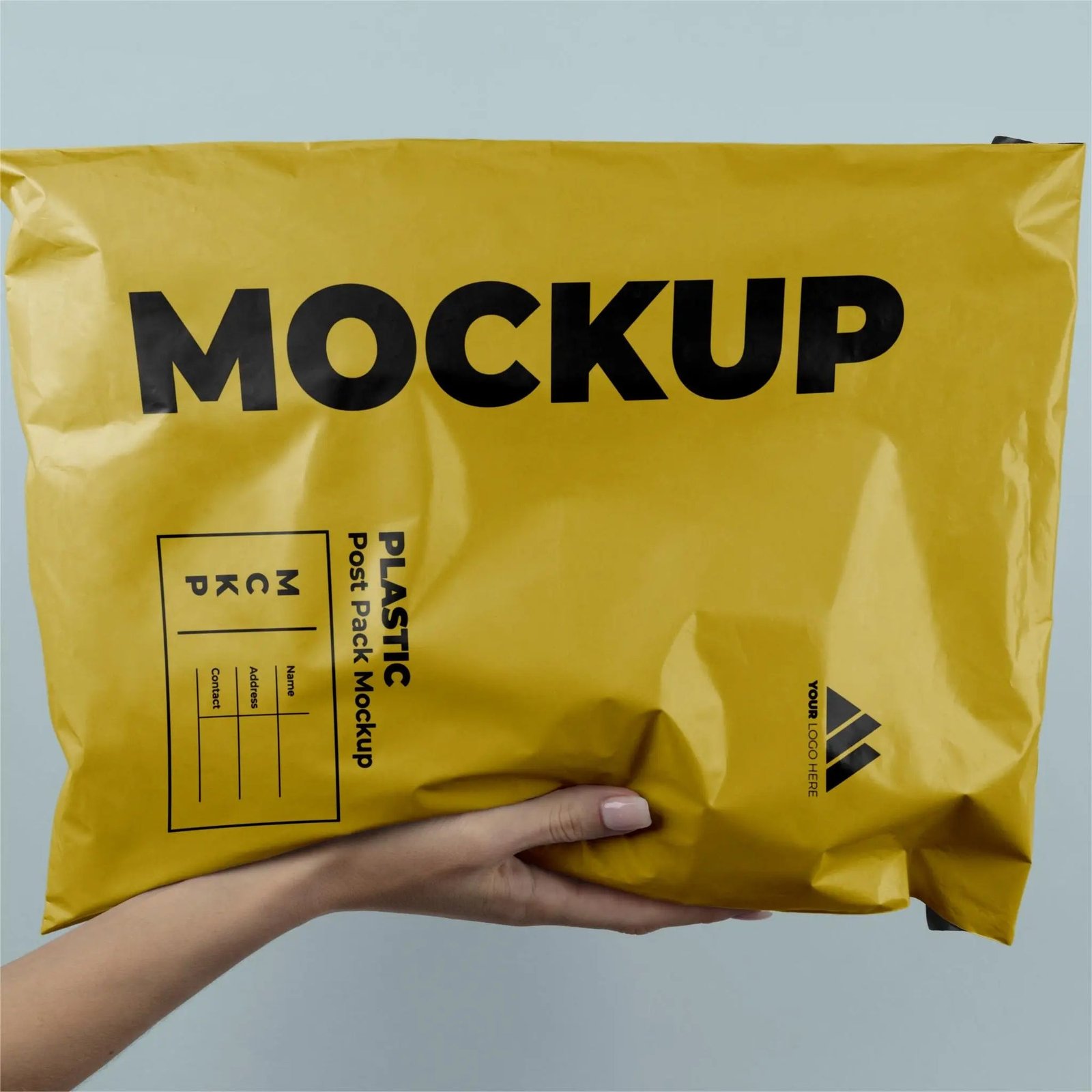
Finish bulk-ready puffer jackets with custom hangtags, polybags, tissue, cartons, and barcode-ready stickers, helping Halifax Traders women’s puffer jacket orders arrive retail prepared.
About Halifax Traders Women’s Puffer Jacket Manufacturing
Founded in 2010 in Humen Town, Dongguan, JUNSHEEN helps global apparel brands turn outerwear concepts into production-ready programs. For Halifax Traders women’s puffer jacket development, our team combines OEM, ODM and private-label support with practical specification review, fabric sourcing, pattern making and sampling.
More than 200 skilled workers support monthly capacity above 80,000 units, from 100-unit capsule launches to scalable bulk orders. We coordinate cut-and-sew outerwear production, decoration, custom labels, trims, packaging, quality control and export support through one accountable supply chain.
What sets JUNSHEEN apart is fit-first development for XS–3XL, extended-size, plus-size and modern oversized silhouettes. Rather than simply enlarging a base pattern, we refine balance, mobility and grading so women’s puffer jackets remain consistent across the size range and repeat orders.

Halifax Traders Women’s Puffer Jacket Development, Fit and Production Control
XS–3XL Fit Engineering
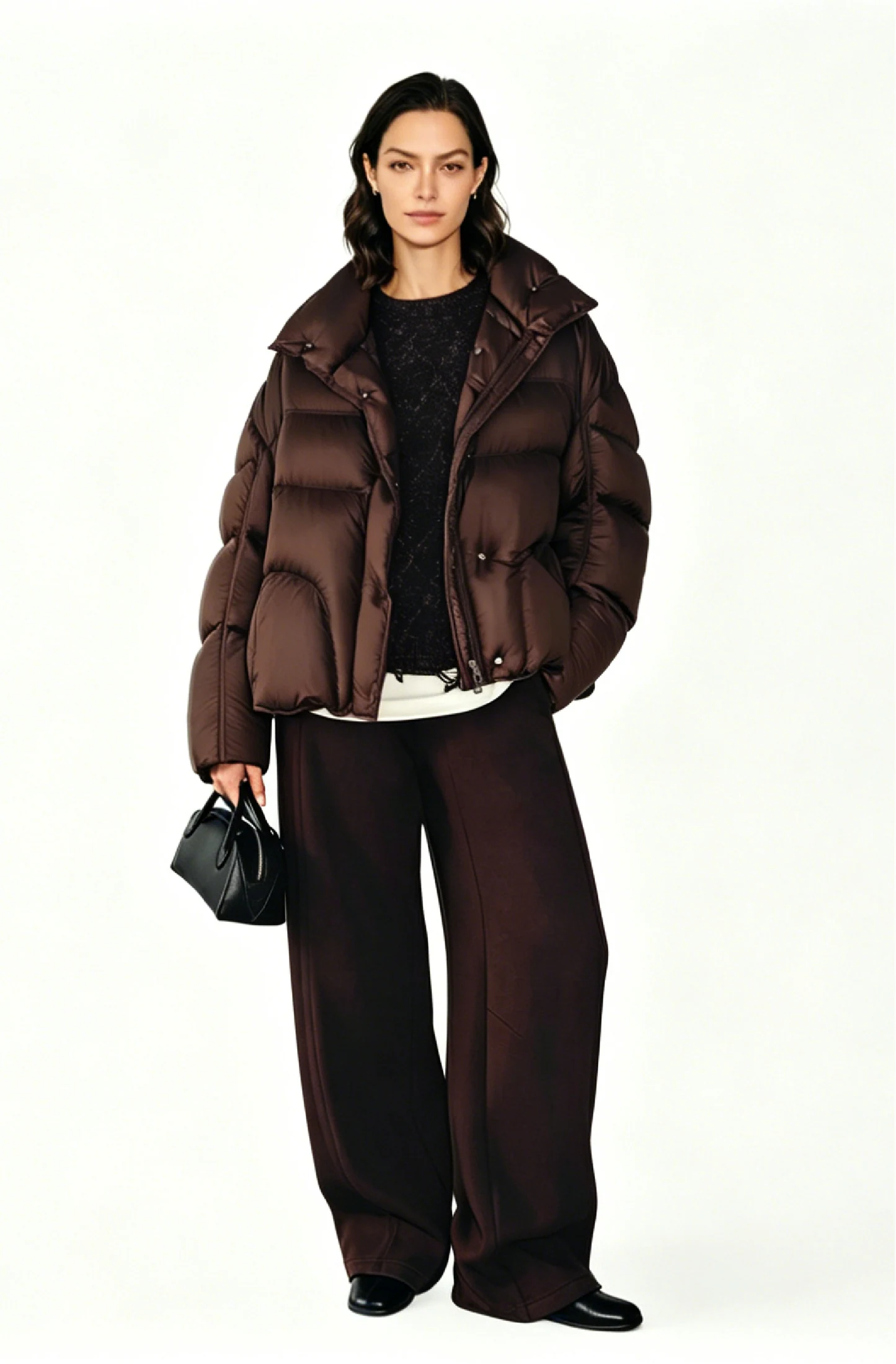
JUNSHEEN develops women’s puffer jackets with fit-focused patterns from XS through 3XL, including extended-size and modern oversized options. Our pattern makers refine proportions, mobility and grading increments instead of simply scaling a base size.
- Shoulder, sleeve and body-balance refinement
- Extended-size and plus-size grading support
- Size-set samples before bulk approval
- Fit records retained for repeat orders
Technical Development Support
Bring a tech pack, sketch, reference garment or product idea. Our development team reviews construction, insulation, fabrics, quilting and hardware to make your Halifax Traders women’s puffer jacket production-ready while aligning specifications with your target price.
- Construction and manufacturability review
- Fabric, fill and lining recommendations
- Prototype and pre-production sampling
- Low MOQ from 100 units per style/color

Integrated Branding Details
Keep decoration, trims and private-label components coordinated within one outerwear supply chain. JUNSHEEN manages logo embroidery, prints, patches, labels, zippers, snaps and branded packaging so each women’s puffer jacket delivers a cohesive retail-ready identity.
- Embroidery, patches and print applications
- Custom labels, hang tags and wash-care labels
- Zippers, snaps, pulls and reflective details
- Branded packaging and finishing options

Controlled Production Quality
Quality control follows your approved sample through incoming material checks, in-line construction inspections, measurement verification, decoration review and final packed-goods inspection. With 200+ skilled workers and 80,000+ monthly capacity, JUNSHEEN supports dependable scaling for global outerwear programs.
- Incoming fabric and trim inspection
- In-line measurement and construction checks
- Final fit, decoration and packing review
- Global export support for repeat programs

Why Choose JUNSHEEN for Halifax Traders Women’s Puffer Jacket OEM
Compare fit-first development, low-MOQ production, and repeatable quality for your halifax traders women’s puffer jacket program.
← 左右滑动查看 →
Halifax Traders Women’s Puffer Jacket Production Timeline
A controlled OEM workflow that moves custom outerwear from feasibility review to export-ready delivery.
Review Feasibility and Specs
Our team reviews your tech pack, references, target cost, size range, construction details, MOQ, and delivery requirements before confirming a practical development path.
Source Fabrics and Components
We recommend shell fabrics, insulation, linings, zippers, trims, labels, and packaging based on warmth, hand feel, durability, wash performance, and brand positioning.
Build Patterns and Samples
Pattern makers develop fit-focused XS–3XL grading, then produce prototype and size-set samples for measurement, mobility, silhouette, and approval before bulk production.
Cut Decorate and Assemble
Approved materials are inspected, cut, decorated, and sewn by skilled teams, with embroidery, printing, patches, quilting, and branded details managed in one supply chain.
Inspect Pack and Ship
We conduct in-line and final quality checks on construction, measurements, decoration, and packed goods, then arrange export-ready packing and global shipment support.
How to Order a Halifax Traders Women’s Puffer Jacket
Move from concept to export-ready bulk production with a clear, managed development path built for brands ordering from 100 units per style and color.
Send Your Design Brief
Share a tech pack, sketch, reference garment, mood board, or product idea with target quantities, sizing, fabric preferences, and required branding details.
Review Feasibility and Quote
Our team evaluates construction, insulation, fabrics, trims, fit requirements, decoration, and delivery needs, then recommends a production approach and detailed quotation.
Approve Development Samples
Review prototype samples, material swatches, patterns, graded XS–3XL sizing, measurements, and private-label details; refine specifications before authorizing bulk production.
Launch Managed Bulk Production
JUNSHEEN manages sourcing, cut-and-sew production, in-line inspections, final quality control, packaging, and global export support for your approved puffer jacket order.
Custom Clothing Manufacturer Credentials and Compliance Documents




Halifax Traders Women’s Puffer Jacket Client Results
JUNSHEEN refined the shoulder and sleeve balance across our XS–3XL size set in two sample rounds. We launched our first 240-unit women’s puffer capsule on schedule and reduced fit-related returns by 18% versus our prior program.
We began with a 100-unit colorway for a Canadian retail test. The fabric, embroidery, labels, and packing were managed through one team, helping us move from approved sample to delivered bulk order in 34 days.
After the first women’s puffer jacket run sold through, we placed three repeat orders with the same graded patterns and trim specifications. JUNSHEEN maintained measurement consistency and supported our increase to 1,800 units without disrupting delivery dates.
Halifax Traders Women’s Puffer Jacket OEM FAQ
Clear answers on MOQ, sampling, timelines, payment, shipping, and confidential product development for custom women’s outerwear.
What is the MOQ for a Halifax Traders women’s puffer jacket custom order?
How long does a Halifax Traders women’s puffer jacket sample take?
How much does it cost to develop a Halifax Traders women’s puffer jacket sample?
Can JUNSHEEN develop a puffer jacket from a sketch, reference garment, or tech pack?
What payment terms do you offer for custom outerwear orders?
What is the production lead time for custom women’s puffer jackets?
Do you ship Halifax Traders women’s puffer jacket orders internationally?
How do you protect my tech pack, logo, and jacket design?
The Complete Guide to halifax traders women’s puffer jacket
Use this decision framework to assess product positioning, insulation and construction, customization options, supplier capabilities, MOQ economics, and launch risks when sourcing a women’s puffer jacket without costly quality or compliance mistakes.
1. What Is Halifax Traders Women’s Puffer Jacket?
Halifax Traders women’s puffer jacket is best treated as a product-development reference: a women’s insulated outerwear category to benchmark, not a specification that can be copied from a retail name. The buyer is evaluating a quilted, fill-insulated jacket designed for cold-weather layering, daily commuting, travel, and casual fashion use. 100 units per style and color is a practical starting MOQ for a custom program at Junsheen, allowing a label to validate demand before scaling. Benchmark the target customer and silhouette first: cropped, hip-length, or longline; regular, relaxed, or oversized; then confirm shoulder balance, sleeve mobility, body ease, and graded fit through the intended size range. 60–120 g/m² insulation commonly serves light-to-moderate warmth, while 150–250 g/m² targets colder use depending on construction and shell wind resistance. Compare a woven polyester or nylon shell, recycled options where required, synthetic fill type, lining, quilting layout, durable water-repellent finish, zipper quality, and retail price tier; these choices determine hand feel, warmth, perceived value, and workable landed cost.
2. Evolution of Women’s Puffer Jackets
1940 marked the commercial arrival of the quilted down jacket, when Eddie Bauer introduced the Skyliner after a near-fatal cold-weather experience. Its utility formula—insulated chambers, wind-blocking shell, secure front closure, and a protective collar—still informs the commercially credible foundation of a women’s puffer. 1980s and 1990s fashion moved the category beyond expedition wear: cropped volumes, belted waists, longer coats, glossy nylons, and increasingly graphic horizontal baffles made insulation visible as a design language. A modern halifax traders women’s puffer jacket brief should treat baffle direction, collar height, hood shape, hem adjustment, and pocket placement as fit-and-brand decisions, not afterthoughts. 2020s collections favor lighter warmth-to-weight ratios, including recycled polyester fills and down alternatives, while buyers increasingly request traceable materials and certifications such as GRS or OEKO-TEX where applicable. For private label, retain proven utility features—storm plackets, secure zip pockets, elasticated cuffs, durable zippers, and practical warmth—then differentiate through an oversized, cropped, or longline silhouette, engineered quilting, Pantone color blocking, and size grading from XS through 3XL. 100-unit starting quantities make it practical to test one core silhouette in two colorways before extending the range. The strongest collection brief pairs a specific end use and target temperature with shell weight, fill type and weight, quilting map, finished measurements, trim specifications, and required sustainability documentation.
3. Types of Halifax Traders Women’s Puffer Jacket
At a 100-unit MOQ, the right halifax traders women’s puffer jacket starts with climate, customer lifestyle, and price position. Four silhouette groups let buyers build an entry SKU or a broader outerwear range without overlapping demand.
Cropped And Hip-Length
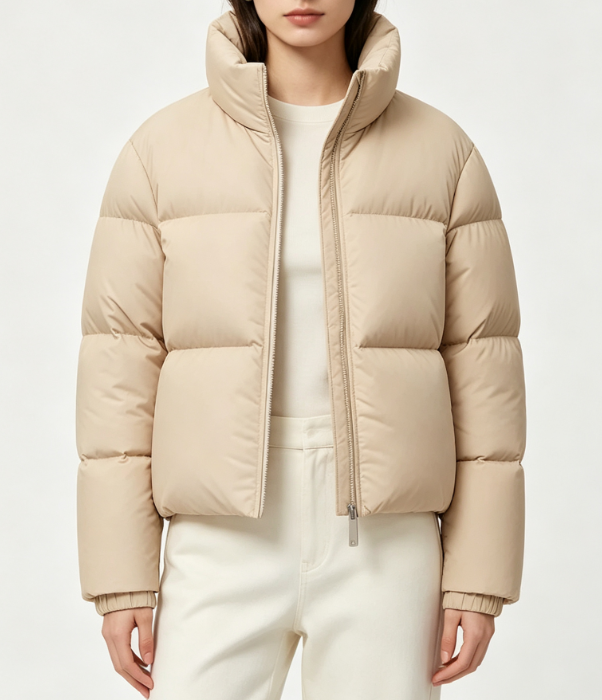
Cropped puffers suit trend-led shoppers, petite proportions, and mild urban winters; specify hem circumference and sleeve ease so the body does not ride up. Hip-length puffers fit commuters and everyday retail best, offering reliable coverage without longline bulk. This is the strongest entry-collection format because it serves the widest size and climate range.
Longline And Belted

Longline puffers target cold-weather markets, school runs, and travel, with coverage usually extending below the hip. Confirm walking ease through a two-way zipper, side vents, or a back vent. Belted puffers add a shaped fashion option for premium capsules; place belt loops carefully across graded sizes. Both styles belong in a broader outerwear range after a dependable hip-length core.
Packable And Hooded

Packable puffers suit travelers and transitional climates, where low bulk and easy storage outweigh maximum insulation. Use a self-pack pocket or separate pouch, and test recovery after compression. Hooded puffers answer wet, windy use cases and improve perceived utility. A detachable hood can widen merchandising, but fixed hoods are simpler for a first program.
Oversized And Performance-Inspired
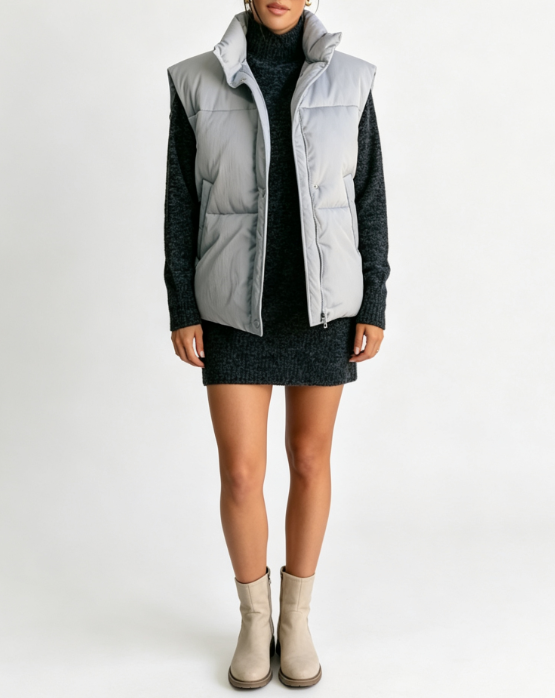
Oversized puffers serve streetwear customers and layering-focused markets; refine shoulder drop, armhole depth, and grading rather than merely enlarging a standard block. Performance-inspired puffers fit outdoor-commuter buyers when details such as storm plackets, zip pockets, reflective trims, and adjustable hems support the claim. Choose this format when the target market prioritizes function over fashion volume.
4. Halifax Traders Women’s Puffer Jacket Materials
Material selection sets the weather performance, silhouette, care burden, and cost of a halifax traders women’s puffer jacket. Specify shell, lining, insulation, coatings, and hardware together so the sample represents the bulk garment.
| Material | Typical Use | Performance | Care And Cost |
|---|---|---|---|
| Polyester | Shell or lining, 40–70D | Wind resistant; soft to smooth hand | Easy care; value-led |
| Recycled Polyester | Shell, lining, synthetic fill | Comparable performance; sustainability story | Easy care; moderate premium |
| Nylon | Premium shell, 20–40D | Strong, light, crisp hand | Easy care; higher cost |
| Down | Premium insulation | High loft and warmth-to-weight | Special care; higher sourcing cost |
| Synthetic Fill | 80–220 gsm insulation | Warm when damp; dependable recovery | Machine-wash friendly; scalable cost |
Shell And Lining

40–70D polyester is the practical shell range for everyday puffers; 50–90 gsm fabrics give a smooth hand, reliable wind blocking, and easy care. Nylon feels crisper and is more abrasion resistant, but usually costs more. 50–65 gsm polyester lining keeps bulk controlled and lets insulation recover after compression. Recycled polyester supports a clearer sustainability story when supplier certification and traceability are available.
- Use 20D–40D nylon for lighter premium shells.
- Request swatches after wash and coating tests.
- Match lining colorfastness to dark or saturated shells.
Insulation And Protection

80–120 gsm synthetic fill suits mild-weather fashion programs, while 140–220 gsm provides a warmer winter profile. Synthetic fill retains more insulation when damp and is simpler to wash than down. Down offers high loft at low weight, but needs responsible sourcing documentation, downproof construction, and more careful care labeling. A DWR coating improves light-rain shedding; it does not make seam-stitched puffers waterproof.
- Specify fill weight by body zone and sleeve.
- Choose YKK or tested equivalent zippers.
- Use elastic cuffs and storm plackets for wind control.
Best-Balance Package

A 50D recycled-polyester shell, 60 gsm recycled lining, 140 gsm synthetic fill, and PFC-free DWR is the strongest balance for a 100-unit launch. It communicates a credible material story, provides practical wind and light-rain protection, and avoids down’s higher sourcing and care complexity. JUNSHEEN can review target hand feel, price, and intended climate before sampling, then retain approved material records for repeat orders.
5. Customization and Decoration Options
A 100-unit MOQ can still produce a recognizable halifax traders women’s puffer jacket when color, quilting, trims, and fit are specified as one system. Confirm Pantone references, placement artwork, and a sealed sample before bulk approval.
| Customization | Best Placement | Approval Requirement |
|---|---|---|
| Woven label | Neck or pocket | Label proof and wash test |
| Rubber badge | Chest or sleeve | Vector art and strike-off |
| Heat transfer | Flat shell panel | Adhesion and abrasion test |
| Lining print | Interior lining | Color strike-off sample |
Color And Quilt Identity

Two to four Pantone colorways are practical for a capsule, provided shell, lining, zipper tape, and thread are approved together. Horizontal, chevron, diamond, or channel quilting must be sampled because stitch spacing controls fill migration and silhouette.
- Use strike-offs for custom lining prints.
- Keep quilting clear of badge zones.
- Approve shell color under daylight and store lighting.
Outerwear-Safe Branding

Woven labels, rubber badges, and embroidered patches work best on chest panels, sleeves, pockets, or interior neck areas with stabilizing backing. Heat transfers suit smooth shell panels, but test adhesion after wash and abrasion; dense direct embroidery or needle-heavy decoration can puncture coated fabric and disturb insulation.
- Supply vector artwork for badges and transfers.
- Use embroidery samples for stitch-density approval.
- Avoid decorations across baffle seams.
Hardware, Packaging And Fit
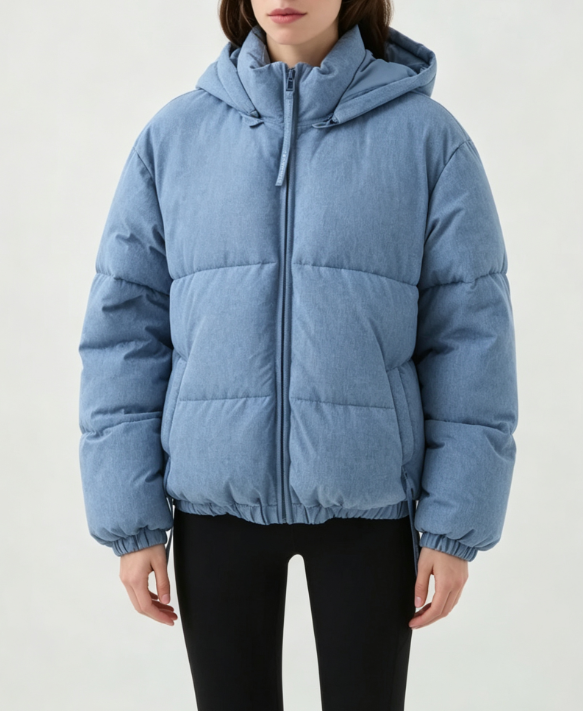
Custom zipper pullers, snaps, woven labels, hang tags, and polybags make repeat styles identifiable without altering the shell. A graded XS–3XL size set should be reviewed on bodies or fit forms, since shoulder balance, sleeve length, and body ease cannot be confirmed from a base size alone.
- Request branded-hardware samples before ordering.
- Specify carton marks and pack ratios.
- Retain approved patterns for repeat production.
6. Key Construction Quality Elements
At sample approval, construction—not only fabric weight—determines whether a halifax traders women’s puffer jacket stays warm, wears cleanly, and survives repeat use. Inspect the sealed pre-production sample against the approved specification before authorizing bulk cutting.
Baffles And Fill Control

10–15 cm baffle spacing is common for many fashion puffers; the approved design should prevent fill migration and cold gaps. Check every channel by hand for even loft, especially at shoulders, side seams, and pocket edges. 3 sample checks expose weak distribution: hang the jacket overnight, shake it, then lay it flat. Photograph any thin zones, exposed stitch holes, or fill leakage and require correction before production.
Seams And Reinforcement
8–12 stitches per inch is a practical starting range for shell seams, subject to fabric and needle selection. Stress points at pocket openings, zipper bases, armholes, and hood joins need secure back-tacks or bar-tacks without puckering. 20 cm of inspected seam should show balanced tension, no skipped stitches, and no loose thread tails. Pull-test reinforced points on the approved sample without distorting the shell.
Hardware And Edge Sealing

One approved zipper specification should state brand, gauge, finish, puller, tape color, and length; YKK is a common benchmark where specified. Zip the sample 20 times and confirm smooth travel, aligned teeth, and a protected top stop. 2 pocket checks matter: both openings must sit level and pocket bags must be caught securely into the seam. Verify hood adjusters, elastic cuffs, and hem drawcord exits operate cleanly and do not leave unsealed gaps.
Bulk Approval Checklist
100% of pre-production measurements should be checked against the graded specification before release. Approve a sealed sample, construction sheet, trim card, fill-placement map, and acceptable loose-thread standard. 3 final tests—wear movement, zipper cycling, and fill-shake inspection—give buyers a usable baseline. Record pass/fail photos and make the signed sample the reference for in-line and final inspection.
7. Choosing a Puffer Jacket Manufacturer
A capable halifax traders women’s puffer jacket supplier proves outerwear control through records and samples, not catalog claims. Evaluate development, materials, production discipline, and communication before approving a 100-unit order.
Verify Outerwear Development

Two approved samples should be requested: a fit prototype and a production-intent sample. Check balanced hood shape, baffle alignment, zipper wave, seam allowance control, and graded measurements from XS through 3XL.
- Ask for outerwear tech-pack and pattern examples
- Request size chart and grading rules
- Review comparable finished puffer samples
Audit Material And Fill Records

One material file should identify shell composition, GSM, lining, insulation type and weight, coating, and trim supplier. Request fill traceability documents for down, or recycled-content evidence for synthetic insulation, plus color and bulk-lot approvals.
- Shell and lining swatches
- Fill specification and traceability
- Zipper, snap, and thread approvals
Test Quality Systems
Three checkpoints—incoming fabric, in-line sewing, and final packing—should be documented on an inspection report. Ask which tests cover seam slippage, colorfastness, wash appearance, zipper cycles, water resistance, and needle detection where required.
- Inspection report template
- Third-party test reports when needed
- AQL standard and rework procedure
Confirm Commercial Readiness
100-unit feasibility depends on fabric availability, color count, construction complexity, and custom trims; obtain a written MOQ by style and color. Confirm sampling milestones, factory capacity, ethical-compliance certificates such as BSCI or WRAP if applicable, and one accountable production contact.
- Sampling timeline and revision limit
- Monthly capacity and peak-season plan
- Named contact with response-time commitment
8. Common Buyer Mistakes to Avoid
Most margin leaks in a halifax traders women’s puffer jacket program begin before bulk cutting: an untested spec, a low-cost fill, or a calendar built around assumptions. Lock physical approvals, graded fit, trims, and compliance details before confirming price.
Validate The Specification

1 copied reference garment rarely contains enough production data. Confirm shell GSM, fill weight, baffle dimensions, stitch density, zipper specification, and finished measurements through a prototype. 2 sample rounds usually cost less than correcting a finished bulk run. Freeze a signed measurement sheet and construction comments before bulk cutting.
Protect Fill And Fit

80 gsm insulation may meet a target cost yet fail the intended warmth, loft, or recovery expectation. Compare fiber type, fill weight, hand feel, compression recovery, and wash performance—not unit price alone. XS–3XL cannot be graded by simply enlarging the base. Review a physical size set for shoulder balance, sleeve length, chest ease, and hem sweep.
Control Materials And Approvals

Pantone approvals do not eliminate lot variation across shell fabric, lining, rib, and zipper tape. Approve lab dips and production swatches together under consistent lighting. 14–30 days is a common custom-trim window before assembly time. Reserve branded zippers, snaps, labels, and packaging early; approve physical samples rather than photos alone.
Plan Compliance And Capacity
1 missing care label can trigger relabeling, delayed shipment, or retailer rejection. Confirm fiber content, care symbols, country-of-origin rules, size labels, and market-specific requirements before artwork release. 100 units per style and color may suit a capsule, but custom fabrics and hardware can require higher commitments or longer lead times. Build sampling, material booking, bulk production, inspection, and shipping into the delivery promise.
9. Steps to Launch Your Brand
A 100-unit launch succeeds when each approval locks one decision before the next cost is committed. For a halifax traders women’s puffer jacket, turn customer evidence into a measurable brief, then protect the timeline with written sample and bulk sign-offs.
Research And Design Brief
10–20 comparable jackets can reveal target retail price, preferred length, color demand, and feature gaps. Define customer, channel, target margin, size range, launch date, and one hero color before development. 1 signed brief should specify shell, insulation concept, quilt layout, pocket count, closure, branding, and Pantone references. Give the manufacturer reference photos plus acceptable substitutions and a target ex-factory cost.
Tech Pack And Sourcing

1 production-ready tech pack converts the brief into measurements, bill of materials, construction notes, artwork, labels, and graded size chart. Junsheen can review feasibility from a sketch or reference garment, but the brand must approve cost-driving choices. 100 units work best with limited colorways and shared components. Approve fabric swatches, fill weight, zipper, lining, and trims before prototype cutting; late material changes can reset timing and minimums.
Samples And Fit Gates

1 prototype tests silhouette, quilting, workmanship, and decoration placement. Record every correction on one dated comment sheet, including chest, body length, sleeve length, hood shape, and mobility. 1 approved fit sample should precede a pre-production sample made in confirmed bulk materials. Sign the pre-production sample, final measurement tolerances, color standard, and packaging specification before authorizing bulk cutting.
Bulk Delivery And Feedback
100 units require a unit allocation plan before packing: sizes, colors, launch stock, samples, and replacement reserve. Approve label placement, hang tags, polybags, carton marks, inspection requirements, shipping method, and delivery address before final balance and dispatch. 30 days after launch, compare sell-through, returns, fit comments, and color performance by size. Feed those results into retained patterns and material records so the next order improves rather than restarting development.
10. Halifax Traders Women’s Puffer Jacket Pricing
100 units is Junsheen’s practical starting point per style and color, but a Halifax Traders women’s puffer jacket should be quoted from its tech pack, fabric, fill weight, quilting map, trims and destination. Budget separately for development: a first prototype, revised sample and size set commonly add fixed costs that are spread across bulk units. 300–500 units usually improve purchasing economics because fabric booking, cutting efficiency and line setup are shared across more jackets. Recycled shell fabric, certified premium fill, intricate channel quilting, custom molded snaps or zippers, logo labels, water-repellency testing and third-party inspections all raise the ex-factory price. 2.2–2.8× wholesale markup is a common planning range, while direct-to-consumer brands often model 4–6× their landed cost before discounts, returns and marketing. Landed-cost worksheets should include freight, duty, brokerage, packaging, sample amortization and a realistic rework allowance; confirm the final balance before shipment.
| Order quantity | Indicative cost position | Typical development / production timing |
|---|---|---|
| 100–199 units | Highest unit cost; best for a controlled launch | Prototype and revisions: 2–4 weeks; bulk: 30–45 days after approval |
| 300–499 units | Lower unit cost through material and setup allocation | Size set or pre-production sample: 1–2 weeks; bulk: 30–45 days |
| 500+ units | Strongest leverage on fabric, trims and repeat production | Bulk timing depends on fabric availability, approvals and shipping method |
Develop Your Halifax Traders Women’s Puffer Jacket
Send your tech pack, reference garment, or concept for a tailored OEM quotation with 100-unit MOQs and fit-focused XS–3XL development.