
Custom Pocket Tshirt Manufacturing From 100 Units
Launch a custom pocket tshirt with fit-focused XS–3XL development, OEM, ODM and private-label production for global fashion brands.
Featured Products for custom pocket tshirt Development




Related Product Catalogue and Quotation

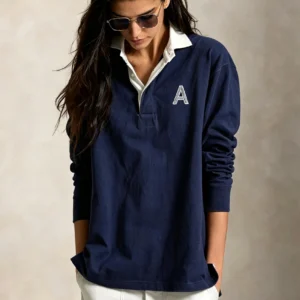


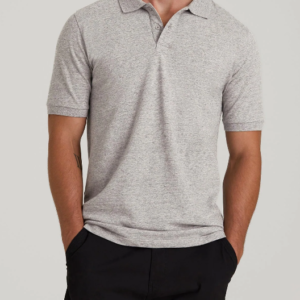


Why Source Custom Pocket Tshirts From JUNSHEEN
A fit-first, production-ready supply chain for branded pocket T-shirt programs from sampling through global delivery.
100-Unit MOQ
Launch capsule collections or test new colors with low minimums starting at 100 units per style and color.
Fit-Focused Development
Develop XS–3XL, oversized, and extended-size fits with refined grading, balanced proportions, and production-ready patterns.
Integrated Decoration
Match pocket placement with embroidery, screen printing, patches, labels, and finishing through one coordinated manufacturing team.
Purposeful Fabric Sourcing
Select cotton, organic cotton, blends, and performance jerseys based on target weight, hand feel, durability, and cost.
Controlled Bulk Quality
Verify fabrics, measurements, construction, decoration, and packed goods through inspections that protect approved sample standards.
Global Export Support
Scale with a 200-plus-worker team, 80,000-unit monthly capacity, export coordination, and dependable production for worldwide brands.
Custom Casualwear and OEM Production
From pocket T-shirts to denim, knitwear and outerwear, JUNSHEEN develops fit-ready styles for low-MOQ launches and scalable production.

Custom Hoodies
Custom hoodies developed in fleece, French terry, jersey or heavyweight blends, with fit grading from XS to 3XL. Choose pullover or zip constructions, custom ribbing, pockets, embroidery, screen printing, washes, labels and branded packaging from 100 units per style and color.
Request a Quote
Custom T-Shirts
Custom T-shirt programs include pocket T-shirts, oversized tees, fitted basics, heavyweight jersey and graphic styles. JUNSHEEN supports fabric selection, pattern development, size grading, neck and pocket specifications, printing, embroidery, garment dye and private-label finishing.
Request a Quote
Custom Jeans
Custom jeans are built around wash performance, fit balance and reliable grading. Develop skinny, straight, relaxed, wide-leg or oversized denim in rigid or stretch constructions, with custom pockets, hardware, labels, embroidery, distressing and approved wash recipes.
Request a Quote
Custom Sweaters
For turtle neck sweater bulk programs, JUNSHEEN develops knit structures, yarn blends and neckline proportions suited to your target market. Sampling covers gauge, hand feel, body length, sleeve balance and XS–3XL grading before repeatable bulk knitwear production.
Request a Quote
Custom Jackets
Custom jean jacket development covers classic trucker, oversized, cropped, lined and workwear-inspired constructions. Select denim weight, wash, seam details, pockets, metal trims, patches, embroidery and branded labels, with samples reviewed for fit and wash consistency.
Request a Quote
Custom Sweatshirts & Crewnecks
Custom crewneck hoodie and sweatshirt programs support crewnecks, hooded styles and oversized fleece layers. JUNSHEEN manages French terry or fleece sourcing, rib specifications, construction, graphics, embroidery, washes and fit-focused grading for consistent production.
Request a Quote
Custom Cardigans
Custom cardigans can be developed in fine-gauge, midweight or textured knit constructions. Define yarn composition, button or zipper closures, plackets, pockets, rib trims, stripe placement and labels, then confirm size sets and finishing before bulk production.
Request a Quote
Custom Puffer & Down Jackets
Custom puffer jacket development includes shell fabric, insulation or down-fill options, quilting layout, lining, zippers, snaps, pockets and reflective details. JUNSHEEN samples warmth, mobility and size balance to support dependable outerwear bulk production.
Request a Quote
Custom Denim Shorts
Custom jean shorts are developed in rigid or stretch denim with inseam, rise and leg-opening proportions aligned to the intended fit. Options include raw hems, rolled cuffs, distressing, washes, custom pockets, hardware, labels and embroidery.
Request a Quote
Custom Sweater Dresses
Custom sweater dresses combine knit construction with shape control across the full size range. JUNSHEEN develops body length, waist placement, neckline, sleeve volume, gauge and yarn selection for fitted, relaxed, ribbed or oversized dress programs.
Request a Quote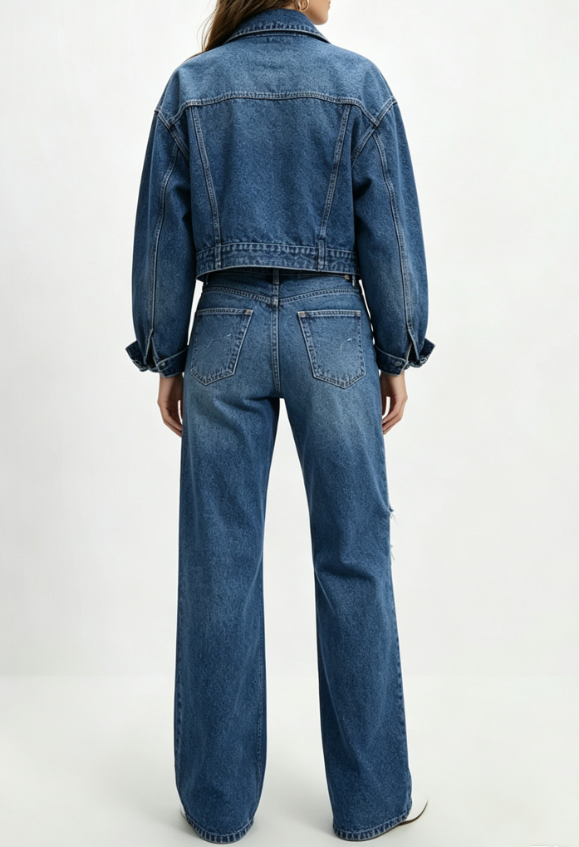
Custom Denim Sets
Mens denim suits wholesale programs include coordinated denim jackets, overshirts, jeans and matching separates. JUNSHEEN aligns fabric lots, wash recipes, trim specifications and graded measurements across each piece for consistent sets and scalable wholesale replenishment.
Request a Quote
Custom Polo Shirts
Custom polo shirts are available in piqué, jersey and performance-knit fabrics, with knitted collars, plackets, contrast tipping and logo decoration. Development includes collar recovery, button selection, sleeve balance and fit grading for uniforms, retail and private-label collections.
Request a Quote
Custom Sweatpants
Custom sweatpants are developed in fleece, French terry or jersey with jogger, straight-leg, wide-leg or relaxed fits. Specify waistband construction, drawcords, cuffs, pockets, embroidery, printing, washes and coordinated color matching with tops.
Request a Quote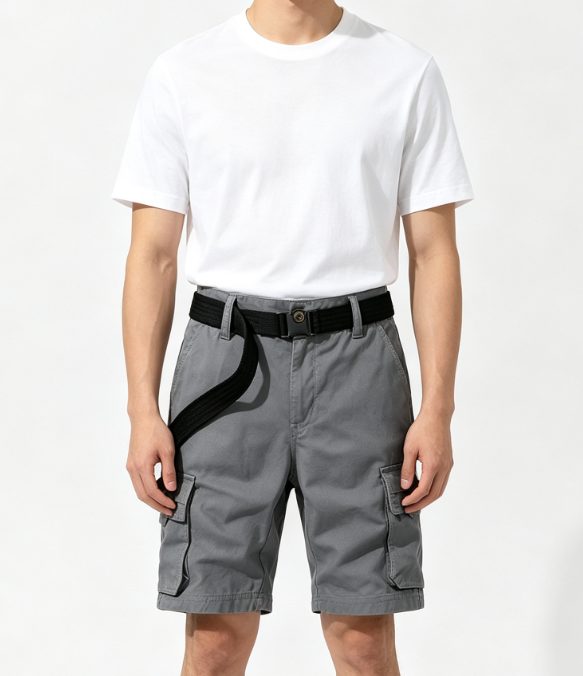
Custom Shorts
Custom shorts cover fleece, jersey, twill, woven and denim programs for casualwear, active-inspired and resort collections. JUNSHEEN develops inseam, rise, pocket configuration, waist construction, trims, decoration and XS–3XL grading to match your intended wearer.
Request a Quote
Custom Pullovers
Custom pullovers can be developed as knit, fleece, French terry or woven layers with quarter-zip, half-zip, mock-neck or classic pullover constructions. Fabric, fit, closures, pockets, logos, labels and finishing are confirmed through sampling before bulk production.
Request a QuoteMaterials for Custom Pocket Tshirt Development

Combed Cotton Jersey
Smooth, soft jersey with a clean surface for everyday custom pocket T-shirts and logo decoration. Commonly specified from 180–240 gsm, it offers breathable comfort, dependable shape retention and a polished retail-ready hand feel.

Pima Cotton Jersey
Long-staple Pima cotton creates an exceptionally soft, refined hand feel for elevated pocket T-shirts and premium private-label collections. Its stronger, smoother fibers help reduce surface fuzz while supporting lasting color and comfortable lightweight-to-midweight construction.

Organic Cotton Jersey
Organic cotton jersey gives casual pocket T-shirts a natural, breathable feel while supporting responsibly sourced material stories. Available in a range of weights, it works well for relaxed basics, garment dye programs and soft-wash finishing.

Cotton Blend Jersey
Cotton-blend jersey balances familiar softness with added recovery, durability or drape for versatile custom pocket T-shirt programs. Spandex or polyester blends can improve stretch, reduce wrinkling and support dependable wear across fitted or oversized silhouettes.

Performance Knit Fabric
Moisture-managing performance knits suit active, travel and utility-inspired pocket T-shirts requiring a lighter, technical hand feel. Polyester or nylon blends can provide quick-dry performance, mechanical stretch and durable color retention for repeated laundering.
Custom Pocket Tshirt Decoration and Finishing Options

Logo Embroidery
Flat, 3D puff, chain-stitch, or applique embroidery adds dimensional logo detail to the pocket or chest. Dense, securely stitched finishes retain definition through repeated wear and washing.

Screen Printing
Plastisol, water-based, high-density, silicone, foil, and discharge screen prints deliver bold color and reliable coverage. This production-ready method suits clean pocket logos, chest graphics, and larger back artwork.

DTF Transfers
DTF transfers reproduce detailed multicolor artwork, fine lettering, and gradients with flexible adhesion. They are ideal for smaller placement graphics when sharp visual accuracy and efficient low-MOQ customization matter.

DTG Printing
Direct-to-garment printing applies soft, full-color artwork directly onto compatible cotton-rich fabrics. It works well for detailed illustrations and photographic designs while preserving a lighter hand feel than heavy ink layers.

Puff Effects
Puff ink creates a raised, tactile graphic that makes logos and type stand out from the fabric surface. Combined with screen printing, it provides durable dimension for contemporary streetwear-focused pocket T-shirt programs.

Garment Washing
Enzyme, acid, stone, garment-dye, and softening washes adjust color, texture, and hand feel after construction. Controlled finishing can create lived-in character while supporting consistent wash performance across approved bulk production.
Custom Pocket Tshirt Trims and Accessories

Woven Brand Labels
Add woven main labels to the neck, side seam, or pocket edge to reinforce brand recognition while maintaining a clean, durable finish suited to repeated wear and washing.

Care Size Labels
Custom wash-care and size labels provide fiber content, care instructions, origin details, and size identification, helping your pocket T-shirts meet retail requirements while supporting a polished private-label presentation.

Branded Hang Tags
Develop custom hang tags with your logo, product story, barcode, and pricing information for retail-ready pocket tees, with coordinated strings, fasteners, and paper stocks selected for your positioning.

Pocket Detail Options
Customize chest pockets with contrast fabrics, woven tabs, logo embroidery, angled shapes, utility styling, or reinforced stitching to create a recognizable design feature without compromising garment balance.

Snap Button Details
Add branded snaps where a pocket, placket, or layered design needs functional closure or a technical accent. We can coordinate finishes, colors, placement, and reinforcement for production durability.
Custom Retail Packaging
Complete each order with custom polybags, tissue, sticker seals, cartons, or branded inserts, helping protect finished pocket T-shirts in transit and deliver a consistent unboxing experience.
About Custom Pocket Tshirt Manufacturing
Founded in 2010 in Humen Town, Dongguan, JUNSHEEN helps global fashion brands turn custom pocket tshirt concepts into production-ready private-label garments. Our mission is to make OEM and ODM sourcing clearer, more responsive and scalable for emerging labels, retailers, wholesalers and established apparel teams.
Our integrated supply chain brings product development, pattern making, fit grading, fabric sourcing, cut-and-sew production, knitting, decoration, quality control, packaging and export support together. With more than 200 skilled workers and monthly capacity exceeding 80,000 units, we support capsule launches from 100 units per style and color through repeat bulk programs.
What sets JUNSHEEN apart is fit-focused development from XS to 3XL, including extended-size, plus-size and oversized grading. We refine proportions instead of simply enlarging patterns, then retain technical records to help clients achieve more consistent samples, smoother reorders and dependable long-term production.

Custom Pocket Tshirt Fit, Development and Production
Fit-First Pattern Grading
JUNSHEEN develops custom pocket tshirt patterns from XS through 3XL with balanced shoulders, sleeve lengths, body proportions and grading increments. Our team refines the full size range instead of simply enlarging a base pattern, helping brands achieve a more consistent fit.
- XS–3XL, extended-size, plus-size and oversized development
- Pocket placement and proportion reviewed across sizes
- Size sets support fit approval before bulk production

Tech Pack to Sample
Bring a complete tech pack, sketch, reference garment or mood board. Our development team reviews specifications, recommends suitable jersey and trims, creates patterns, and produces prototype samples so your pocket T-shirt is production-ready before you commit to bulk quantities.
- Manufacturability review and specification support
- Fabric, pocket construction and trim recommendations
- Prototype, revised sample and pre-production approval options

Integrated Decoration Control
Keep construction, branding and finishing aligned through one manufacturing partner. JUNSHEEN combines cut-and-sew production with embroidery, screen printing, heat transfers, labels, washes and packaging, giving sourcing teams clearer coordination from logo placement through final packed goods.
- Embroidery, screen print, DTG, DTF and heat transfer
- Custom woven labels, hang tags and branded packaging
- Garment washes and finishes matched to the design

Reliable Repeat Production
For repeat custom pocket tshirt programs, JUNSHEEN retains approved patterns, graded size sets and material records to support faster reorders and dependable continuity. Incoming, in-line and final inspections check fabric, construction, measurements, decoration and packed goods before global shipment.
- 100-unit MOQ per style and color for flexible launches
- 200+ skilled workers and 80,000+ monthly capacity
- Quality-control checkpoints from fabric receipt to packing

Why Choose JUNSHEEN for Custom Pocket Tshirt Production
Built for dependable development, fit consistency, and scalable global delivery.
← 左右滑动查看 →
Custom Pocket Tshirt Production Process
A controlled OEM workflow that turns your pocket T-shirt concept into consistent, export-ready production.
Review Design Feasibility
We assess your tech pack, sketch or reference sample, confirm construction details, target fit, pocket placement, MOQ and commercial requirements.
Source Fabrics and Trims
Our team recommends jersey weight, fiber blend, color, labels and pocket materials based on hand feel, durability, budget and wash performance.
Develop Patterns and Samples
Pattern makers build and grade fit-focused XS–3XL specifications, then produce prototypes and size samples for construction, measurements and approval.
Cut, Sew and Decorate
After pre-production approval, skilled teams cut and sew bulk garments, then complete requested printing, embroidery, washing or private-label finishing.
Inspect, Pack and Ship
We inspect fabric, measurements, stitching and decoration, complete branded packing, and coordinate export documentation and worldwide shipment for your order.
Work With Our Custom Pocket Tshirt OEM Team
Move from concept to shipped bulk order with clear feasibility guidance, fit approvals, and production coordination.
Submit Your Concept
Send a tech pack, sketch, reference garment, or mood board with target quantities, markets, fabric preferences, pocket details, branding, and size requirements.
Review Feasibility and Pricing
Our team evaluates construction, materials, decoration, XS–3XL grading, and 100-unit MOQ requirements, then provides practical recommendations, lead-time guidance, and a quotation.
Approve Development Samples
Review prototype and size-set samples for pocket placement, fit, fabric hand feel, color, labels, and decoration before confirming production-ready specifications.
Confirm Bulk Production
Approve the final sample, materials, quantities, and order details. Junsheen manages cutting, sewing, decoration, finishing, in-line inspections, and packed-goods quality control.
Arrange Global Delivery
Settle the final balance before shipment, then receive export support and coordinated delivery for your custom pocket tshirt order to your selected destination.
Custom Clothing Manufacturer Credentials and Compliance Documents




Custom Pocket Tshirt Client Feedback and Production Results
JUNSHEEN adjusted the pocket placement and shoulder balance across XS–3XL during sampling. Our size set was approved after two rounds, and the first 600-unit custom pocket tshirt order arrived measurement-consistent and ready for retail.
We launched a 100-unit colorway test before committing to volume. The team matched our heavyweight jersey target, embroidery artwork, labels, and packaging; sell-through supported a repeat order of 1,200 units within four months.
Their sampling team identified grading issues in our reference shirt before bulk production. The revised fit reduced our internal revision cycle by three weeks, and JUNSHEEN has since produced three replenishment runs totaling 4,500 pieces.
Custom Pocket Tshirt FAQ for B2B Buyers
Clear answers on MOQ, development, production terms, fit and export support from JUNSHEEN.
What is the MOQ for a custom pocket tshirt order?
Can I order a custom pocket tshirt sample before bulk production?
How long does custom pocket tshirt production take?
Do you offer private-label pocket T-shirts?
Can you grade pocket T-shirt sizes from XS to 3XL?
What payment terms do you offer for OEM apparel orders?
How do you protect my custom pocket tshirt design and brand information?
Do you arrange international shipping for pocket T-shirt orders?
The Complete Buyer’s Guide to custom pocket tshirt
Use this practical framework to select custom pocket tshirt specifications, compare supplier capabilities, control quality and costs, and avoid the sourcing mistakes that delay launches or weaken your brand’s product value.
1. What Is a custom pocket tshirt?
100 units per style and color is a practical starting point for a custom pocket tshirt program: a purpose-built T-shirt with a specified chest pocket, rather than a stock blank or a logo applied to an existing tee. The pocket can hold small items, but its commercial value is equally visual—adding contrast, texture, placement detail, or a discrete branding surface to an otherwise simple silhouette. 2010 is the founding year of Dongguan Junsheen Clothing Co., Ltd., where OEM and private-label buyers can develop pocket tees from a tech pack, reference garment, sketch, or product idea. Typical programs include elevated merchandise basics, resort capsules, workwear-inspired collections, streetwear drops, uniform separates, and extended-size assortments; each needs a defined fit block instead of a one-size pattern scaled indiscriminately. 160–220 GSM cotton jersey is a common starting range, but the production specification must also set fiber and yarn quality, garment weight, shrinkage tolerance, neck rib, body length, sleeve balance, and XS–3XL grading where required. Buyers should lock pocket dimensions, corner shape, seam allowance, matching or contrast fabric, alignment, print or embroidery method, Pantone references, woven labels, care labels, hang tags, folding, polybags, and carton marks before bulk approval.
2. Evolution of the Pocket T-Shirt
1900s work shirts established the chest pocket as a practical place for cigarettes, pencils, notebooks, and small tools. When cotton T-shirts moved from military underlayers into civilian uniforms and casual dress, the pocket carried that utility cue forward while giving buyers an easy visual reference point. 1950s mass-market casualwear turned the pocket tee into a familiar everyday basic, and later surf, skate, and vintage-inspired labels used contrast fabrics, stripes, and worn washes to make it distinctive. A left-chest pocket remains commercially efficient because it separates a familiar silhouette from a plain tee without requiring all-over print or complex cut-and-sew panels. 100-unit production runs now let emerging labels test pocket-led capsules for streetwear, resort, promotional merchandise, and premium basics before scaling. For a custom pocket tshirt, brands can use the pocket as a controlled placement for embroidery, a woven label, a screen-printed mark, or a fabric contrast, while preserving a recognizable product across seasonal color updates.
3. Types of custom pocket tshirt
Six pocket-tee formats cover most opening assortments, from clean essentials to graphic statement pieces. Buyers should define the wearer, body volume, fabric weight and pocket role together, because each format supports a different price point and merchandising story.
Classic And Contrast Pockets
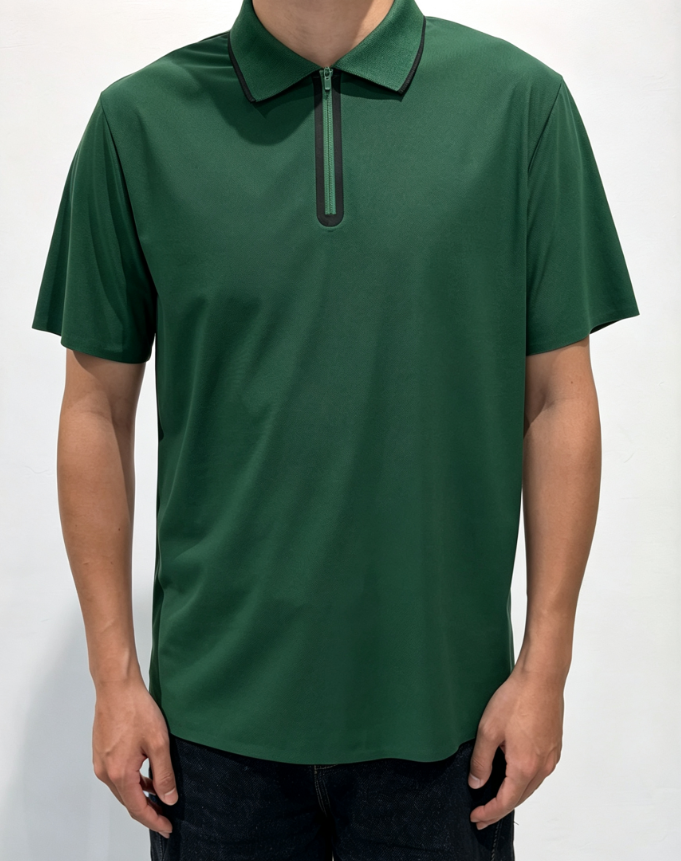
180–200 GSM ring-spun cotton suits a classic left-chest pocket tee for everyday menswear, unisex basics and retail uniform programs. Its regular silhouette gives brands a low-risk canvas for tonal embroidery, woven flags or discreet label storytelling. 160–180 GSM jersey supports contrast-pocket styles aimed at younger casualwear customers and seasonal drops. A printed, chambray or color-block pocket creates a clear colorway story, enabling coordinated caps, shorts or overshirts without changing the base body.
Oversized And Workwear Tees

220–280 GSM heavyweight jersey gives oversized pocket tees a dropped shoulder, wider chest and premium streetwear hand feel. This silhouette targets fashion-led customers and supports higher perceived value through puff embroidery, dense screen print or branded pocket patches. 200–240 GSM cotton twill or sturdy jersey fits workwear-inspired tees with square pockets, reinforced corners and a straighter body. Utility styling serves heritage and outdoor-influenced ranges, while pocket stitching and label placement become visible brand signatures.
Printed Pocket Concepts

150–180 GSM smooth jersey works for all-over printed bodies with matched or deliberately mismatched pockets. Resort, skate and promotional collections can use repeat artwork while controlling visual balance at the chest. 2-piece pocket placement requires print alignment approval before bulk cutting, especially with stripes, plaids or large motifs. The pocket can frame a logo, interrupt a repeat, or create a collectible series across multiple colorways.
Women’s And Extended-Size Fits

150–200 GSM combed cotton jersey suits women’s fitted, cropped or relaxed pocket tees, with pocket scale adjusted to the intended bust position. These shapes help brands build coordinated essentials beyond a unisex block. XS–3XL grading needs more than enlarged widths: shoulder balance, body length and pocket position must move with the size set. Extended-size programs reach underserved customers and reduce return risk when fit samples are approved across representative sizes.
4. custom pocket tshirt Materials and Fabrics
Fabric weight and yarn choice set drape, opacity, shrinkage risk, and print results before pocket placement is approved. For a custom pocket tshirt, match the pocket fabric to the body fabric and test washed samples together.
| Material | GSM | Positioning | Benefits | Limitations |
|---|---|---|---|---|
| Combed cotton | 160–180 | Core tee | Soft, breathable, print-friendly | May shrink |
| Organic cotton | 180–220 | Premium | Soft hand, natural story | Higher cost |
| Cotton-poly | 160–200 | Everyday active | Durable, quick-dry | Less discharge compatible |
| Recycled blend | 150–190 | Responsible capsule | Resource-conscious option | Verify pilling |
| Slub jersey | 150–180 | Textured casual | Visual texture, airy hand | Uneven print surface |
| Heavyweight jersey | 200–260 | Oversized premium | Opaque, structured, durable | Warmer, higher freight |
| Performance knit | 140–180 | Sport | Moisture management | Decoration constraints |
Natural Cotton Choices
160–180 GSM combed ring-spun cotton is breathable, soft, and suitable for retail basics; allow controlled wash testing for residual shrinkage. 180–220 GSM organic cotton supports premium positioning and soft water-based prints, but certification scope and fiber availability can affect cost.
Blends And Texture
160–200 GSM cotton-poly jersey dries faster, resists wrinkles, and holds shape well, although polyester can reduce discharge-print performance. 150–190 GSM recycled blends suit responsible capsule programs; confirm recycled-content documentation, pilling performance, and color consistency before bulk approval.
Weight And Performance

200–260 GSM heavyweight jersey delivers opacity, structure, and durable screen-print support for oversized or workwear-inspired tees. 140–180 GSM performance knits manage moisture for active use, but require compatible low-temperature transfers or sublimation-ready polyester constructions.
5. custom pocket tshirt Customization Options
At a 100-unit starting program, a custom pocket tshirt can carry brand cues without turning every component into a separate cost driver. Lock pocket dimensions, Pantone color direction, artwork method, labels, and packaging before approving the production sample.
| Method | Detail | Durability | Best Order Fit | Visual Effect |
|---|---|---|---|---|
| Screen print | Bold spot colors | High | 100+ units | Clean, graphic |
| DTG | Fine gradients | Medium | Small artwork runs | Soft photographic |
| DTF | Fine multicolor | High | Small to mid runs | Bright, crisp |
| Embroidery | Simple linework | High | Mid to premium | Raised texture |
| Appliqué | Large simple shapes | High | Premium capsules | Layered contrast |
| Woven patch | Small logos | High | Mid to premium | Heritage detail |
| Pocket-edge tab | Minimal logo | High | 100+ units | Subtle signature |
Pocket And Color Direction
3 common pocket shapes are square, rounded-bottom, and angled; chest placement is normally set from the wearer’s left side and confirmed on the graded pattern. 2 fabric directions create distinct price positions: self-fabric pockets give a clean core style, while denim, woven plaid, or contrast jersey creates a visible capsule accent.
- Specify pocket width, height, corner shape, and placement tolerance.
- Match or intentionally contrast pocket grain and garment color.
- Use topstitch color for subtle or high-contrast definition.
Branding Method Selection
1 artwork file should determine the method: fine gradients favor DTG or DTF, while simple spot-color graphics suit screen print. Test decoration on the actual pocket fabric because textured weaves and seams change edge clarity.
Labels And Packout
3 label zones—neck, side seam, and hem—serve different jobs: neck labels identify size and brand, hem labels add a discreet signature, and woven pocket-edge tabs create an immediate retail cue. 100-unit runs benefit from standardized hangtags and polybags; custom printed mailers, tissue, and inserts should be quoted separately because they add setup and freight volume.
- Confirm wash-care fiber content and country-of-origin requirements.
- Approve woven-label artwork at actual production size.
- Request a packed-garment sample for barcode and fold review.
6. Construction Quality for Pocket Tees
A premium pocket tee is decided by repeatable construction controls, not fabric weight alone. Before a 100-unit bulk run, buyers should approve measurable standards for shrinkage, recovery, alignment, stitching, and washed appearance.
Fabric And Collar Stability
5% is a practical maximum target for controlled length and width shrinkage after the agreed care wash; test the actual dyed fabric, not only a mill data sheet. 1×1 collar rib should recover cleanly after repeated stretch without rippling, while shoulder-to-shoulder tape stabilizes the neckline and prevents seam distortion.
- Review washed and unwashed measurements
- Check collar recovery after hand stretching
- Confirm shoulder tape is securely caught in seams
Seams And Stitching
2.5–3.5 mm stitch length is a common starting range for jersey construction, adjusted for fabric weight and required stretch. Inspect even coverstitch hems, balanced overlock tension, clean seam allowances, and no skipped stitches. Tubular bodies eliminate side seams but limit shape control; side-seamed bodies allow more consistent grading and side-label placement. Ask which construction matches the approved pattern.
Pocket Placement And Reinforcement
6–10 mm placement variance is a reasonable pocket-control point when measured from approved chest and placket references. Compare pocket height, angle, top-edge shape, print relationship, and corner symmetry against the sealed sample. 2 bartacks or equivalent reinforced stitching at upper pocket corners help resist pull-out. Check that thread tone, ply, and tension remain consistent after washing.
- Measure pocket position from fixed pattern points
- Inspect both upper corners for reinforcement
- Check pocket edges for puckering or twisting
Approval And Wash Reports
±1.0 cm is a common finished-garment tolerance for key tee measurements, though brands should set tighter or looser points by size and fit. Require production QC reports to show chest, body length, shoulder, sleeve, collar, and pocket readings. 3 wash cycles on the approved care method reveal torque, shade change, seam roping, print failure, and pocket distortion. Approve bulk only after sample and wash results match the signed specification.
7. Choosing a custom pocket tshirt Manufacturer
A capable custom pocket tshirt supplier should prove development control before quoting bulk. Compare factories against the same specification, target volume, delivery window, and required documents so apparent price differences are meaningful.
Match Experience And MOQ
2010 is Junsheen’s founding year, with cut-and-sew, knitwear, denim, and private-label experience relevant to pocket tees. 100 units per style and color is its stated capsule-launch starting point; confirm whether that MOQ applies by fabric, color, print placement, and size ratio.
Test Development Capability
1 approved pattern should precede bulk cutting. Ask who makes the pattern, how pocket placement is measured, and whether a fit sample, size set, and pre-production sample are included. XS through 3XL requires deliberate grading, not simple scaling. Request measurement tolerances, grading rules, and correction timing after sample comments.
Verify Materials And Decoration

160–220 GSM jersey is a common pocket-tee range, but hand feel, shrinkage, colorfastness, and pilling matter more than weight alone. Pantone references, strike-offs, and wash tests should be reviewed before approval. Confirm decoration methods, artwork limits, placement tolerance, and available fabric or chemical documentation.
Audit Production And Export
80,000+ units monthly is Junsheen’s stated capacity; ask for the current production slot rather than relying on headline capacity. 15–45 days is a useful planning range to request by sample, material, bulk, inspection, and freight stage. Confirm in-line and final inspection reports, compliance certificates, export documents, Incoterms, and one accountable English-speaking contact.
- What is the approved-sample-to-bulk lead time?
- Which documents accompany shipment?
- How are defects, rework, and delays reported?
8. Common Pocket T-Shirt Sourcing Mistakes
Eight preventable decisions cause most pocket-tee delays, rework, and margin erosion. Lock measurable material, fit, decoration, and testing requirements before a 100-unit custom pocket tshirt order is released.
Specify Fabric Beyond Composition

100% cotton alone does not define weight, hand feel, opacity, or recovery; a 160 GSM ring-spun jersey behaves very differently from 220 GSM combed cotton. Require fiber content, GSM tolerance, knit construction, finish, and approved swatches. 3% to 8% shrinkage can shift body length and pocket alignment after laundering. Approve wash-test results and a post-wash measurement chart before bulk fabric is booked.
Measure Pocket Placement

1 cm of pocket-placement variation is visible on a clean chest panel and can make a private-label tee look off-balance. Approve a graded placement spec from high-point shoulder, center front, and side seam. 2 pocket samples should include the final size, shape, opening width, and stitch distance. This prevents costly recutting, inconsistent size runs, and subjective factory interpretation.
Match Decoration To Fabric

180 GSM jersey may distort under dense embroidery, while discharge printing requires compatible dyed cotton and controlled wash behavior. Choose screen print, DTF, embroidery, or applique only after strike-offs on the actual fabric. 1 approved strike-off exposes cracking, dye migration, puckering, and hand-feel problems before they become bulk claims. Record artwork size, Pantone target, placement, and wash standard on the purchase order.
Control Fit, Tolerances, And Quotes
XS through 3XL cannot rely on simple pattern enlargement; shoulder balance, sleeve length, and pocket location must be graded. Define garment tolerances, preferably by point of measure, or rejectable variance becomes a dispute after delivery. 4 quote inputs must match—GSM, decoration, trims, and packing—before comparing unit prices. Confirm a pre-production sample and wash test; a lower quote without those controls commonly creates late revisions and higher landed cost.
9. Launching Your Pocket Tee Collection
A 100-unit minimum can validate a custom pocket tshirt launch when the product brief is disciplined before sampling begins. Lock decisions in sequence so cost, fit, decoration, and delivery do not shift during bulk production.
Build The Production Brief

One tech pack should lock the silhouette, pocket dimensions and placement, stitch type, target GSM, Pantone colors, labels, and packaging. Include a measurement spec with tolerances and front, back, and pocket artwork files. Two colorways are usually more workable than five at a 100-unit entry order. Allocate units to proven core shades, then reserve a smaller test color only when its size curve remains commercially viable.
- Specify fabric composition and target weight
- Supply vector artwork or 300-DPI print files
- Confirm decoration size and exact pocket location
Approve Samples In Order

One prototype should confirm construction, hand feel, and artwork execution before finalizing the fit. Record every revision in the tech pack rather than approving changes only by chat. A full XS through 3XL size set should be measured and worn before bulk cutting. Lock grading, pocket placement, approved fabric lot, trims, color standard, and wash result at this stage. One sealed pre-production sample becomes the bulk-production reference. Approve it only after comparing measurements, print or embroidery, labels, and packing against the signed specifications.
Manage Bulk And Delivery
100 units can support demand validation when the assortment concentrates on 1–2 colors and a realistic size curve instead of spreading units thinly. Use preorder data, past sales, or retailer commitments to set the curve. Three inspection points—incoming fabric, in-line sewing, and final packed goods—help catch shade variation, measurement drift, loose threads, and decoration defects. Confirm carton marks, destination documents, shipping method, and balance timing before goods leave the factory.
- Keep a small reserve for replacements and samples
- Approve final packing before shipment booking
- Retain patterns and records for repeat orders
10. custom pocket tshirt Pricing and Cost
100 units per style and color is a practical starting point for a capsule custom pocket tshirt program at Junsheen; lower volume concentrates pattern, sampling, print-screen, and trim setup across fewer garments. A complete OEM quotation should state fabric composition and GSM, pocket fabric and dimensions, construction, decoration method and color count, labels, packaging, quantity by color and size, sampling, freight terms, and payment terms. 180–260 GSM jersey commonly costs more than lighter open-end cotton because yarn quality, weight, shrinkage control, and finishing affect material consumption and yield. Contrast pockets, woven labels, individual polybags, and Pantone-matched multi-color screen printing should be quoted as specified components, not absorbed into an unexplained unit figure. 2 identical-looking quotes can differ materially when one includes ring-spun cotton, embroidery backing, wash testing, size grading, and export cartons while another excludes them. Compare approved tech packs, fabric swatches, decoration artwork, Incoterms, defect tolerance, and delivery destination on a like-for-like basis before selecting a supplier.
| Quantity tier | Indicative unit-cost position | Typical production lead time | Main cost effect |
|---|---|---|---|
| 100–299 units | Highest per-unit cost | 30–45 days after approvals | Sampling, screens, labels, and pocket cutting spread over fewer units |
| 300–999 units | Moderate per-unit cost | 25–40 days after approvals | Fabric purchasing and decoration setup become more efficient |
| 1,000–2,999 units | Lower per-unit cost | 25–35 days after approvals | Better fabric yield and consolidated colorway production |
| 3,000+ units | Program quotation required | 30–45 days after approvals | Capacity planning, fabric commitments, and packaging specification drive savings |
Start Your Custom Pocket Tshirt Project
Send your tech pack, reference garment or product idea for a tailored quote and sampling plan from JUNSHEEN’s OEM team.