
Custom Metal Hardware Apparel From 100 Units
Build custom metal hardware apparel with fit-focused XS–3XL development, integrated trims, and scalable OEM, ODM, and private-label production.
Featured Products for custom metal hardware apparel Development


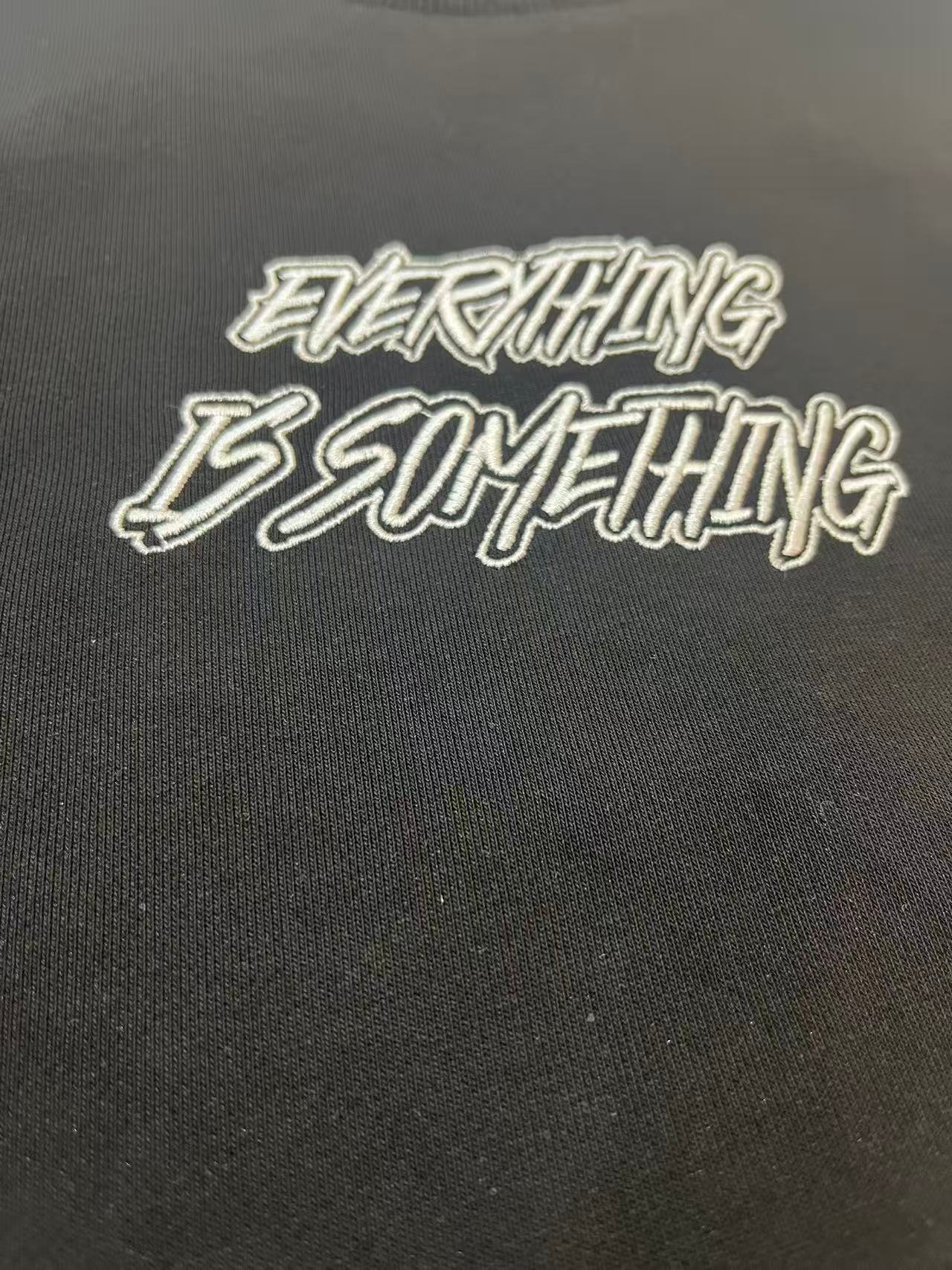
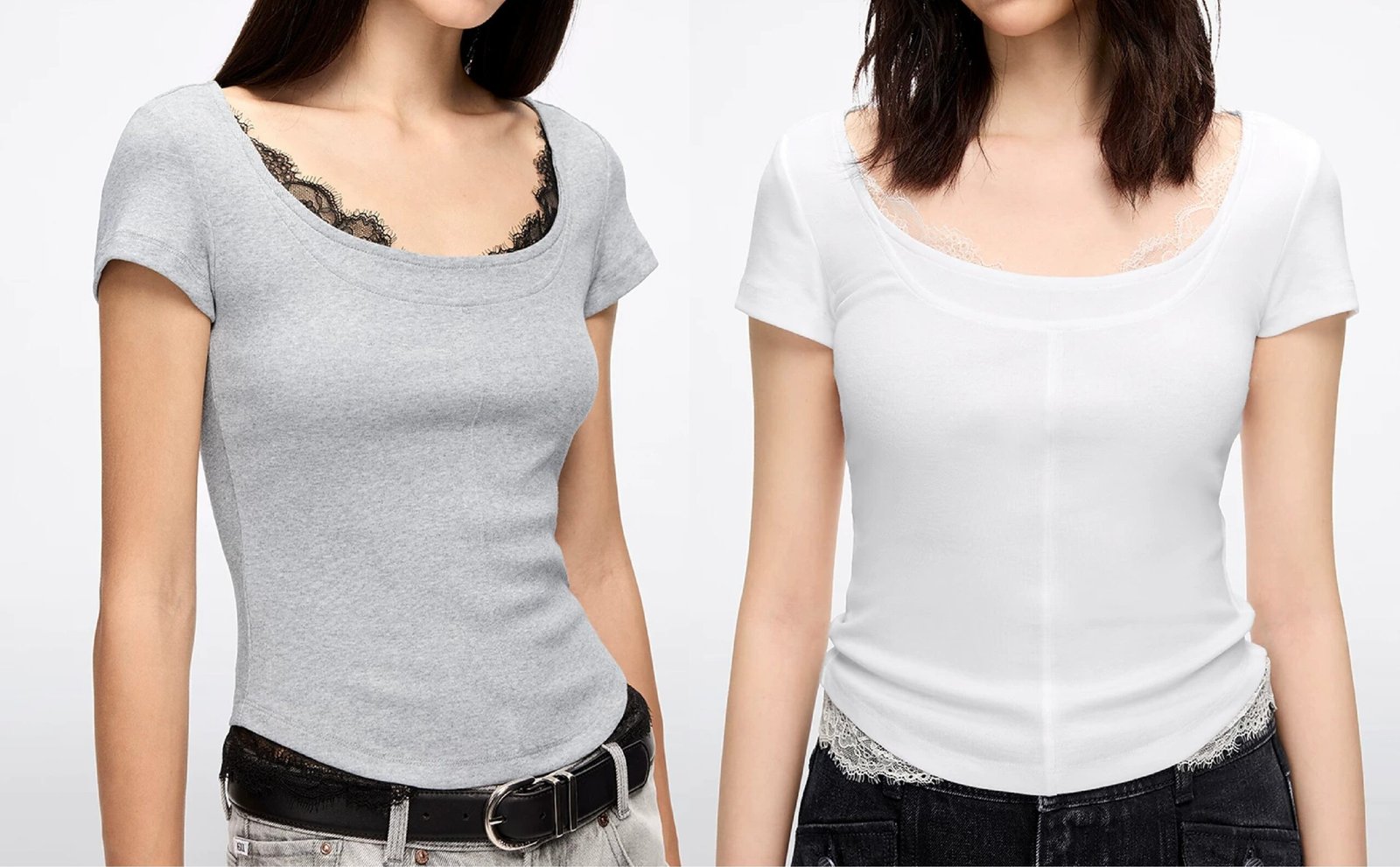


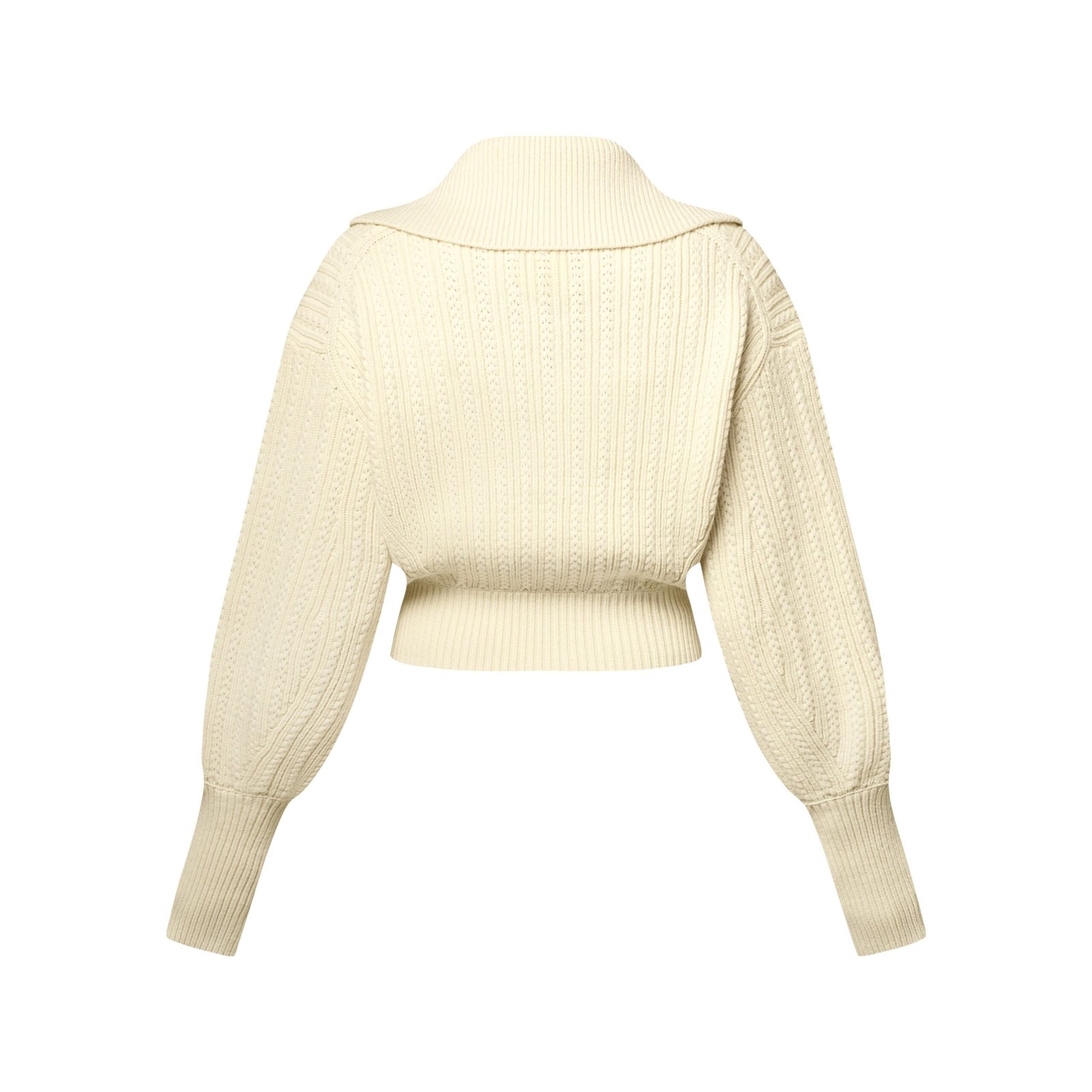


Related Product Catalogue and Quotation



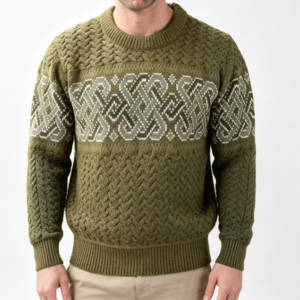
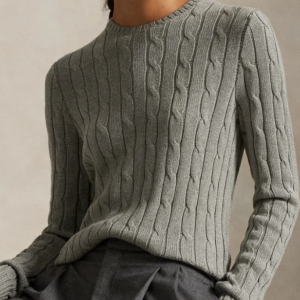



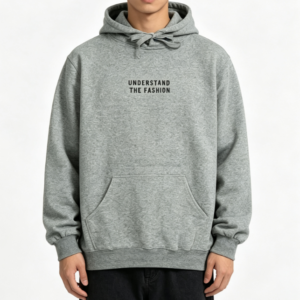
Custom Metal Hardware Apparel, Managed Together
One coordinated team aligns garment development, branded metal trims, quality control and export support from first sample to repeat production.
One Coordinated Supply Chain
Source garments, custom metal hardware, labels and packaging through one accountable team, reducing handoffs, communication gaps and avoidable production delays.
Consistent Brand Details
Match buttons, snaps, zippers and logo hardware to fabrics, decoration and labels for a cohesive private-label product across every size.
Low-MOQ Launch Support
Start capsule collections from 100 units per style and color with development guidance for custom metal hardware apparel and production-ready samples.
Fit-Focused Development
Refine patterns and grading from XS to 3XL while coordinating trim placement, proportions and garment function for reliable wearability.
Scalable Production Capacity
Move confidently from approved samples to ongoing bulk programs with 200+ skilled workers and monthly capacity above 80,000 units.
Global Export Readiness
Receive coordinated quality control, packing and export support for apparel and hardware programs shipped to fashion brands worldwide.
Custom Apparel Manufacturing Applications
From first sample to scalable bulk production, Junsheen develops fit-led casualwear, denim, outerwear, knitwear and private-label programs from 100 units per style and color.
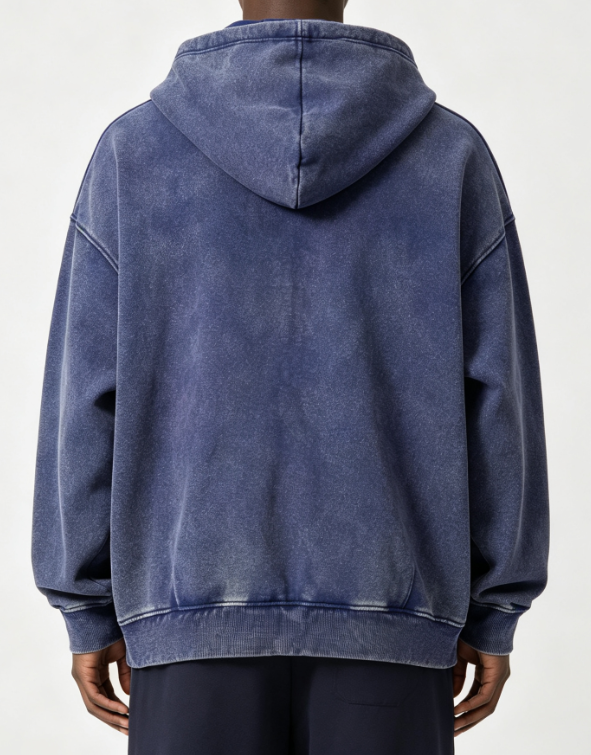
Custom Hoodies
Custom hoodies developed in fleece, French terry or jersey with fit-focused XS–3XL grading. Specify silhouettes, fabric weight, pockets, rib trims, drawstrings, embroidery, printing, washes and private labels for capsule launches or repeat bulk programs.
Request a Quote
Custom T-Shirts
Custom T-shirts manufactured in cotton, Pima cotton, organic cotton and blended jersey. Junsheen supports specification review, pattern development, extended-size grading, screen printing, DTG, DTF, embroidery, garment dye and branded packaging from low-MOQ sampling through bulk production.
Request a Quote
Custom Jeans
Custom jeans produced in rigid, stretch and washed denim with controlled fit, rise and grading across XS–3XL. Develop washes, pocket details, hardware, embroidery, patches, labels and trims for women’s, men’s, oversized or extended-size denim programs.
Request a Quote
Custom Sweaters
Source turtle neck sweater bulk orders with knit construction, yarn selection and size-set development aligned to your target market. Junsheen supports pullovers in wool, blended and performance yarns, with rib details, labels, color matching and scalable production planning.
Request a Quote
Custom Jackets
Custom jean jackets developed in denim, twill or stretch denim with pattern engineering for balance and mobility. Specify washes, distressing, custom buttons, snaps, zippers, patches, embroidery, lining and branded labels for coordinated denim collections.
Request a Quote
Custom Sweatshirts & Crewnecks
Custom crewneck hoodie and sweatshirt programs built in fleece, French terry or jersey. The team develops crewneck, oversized and hooded silhouettes with graded measurements, rib trims, prints, puff embroidery, washes and private-label finishing from 100 units per style and color.
Request a Quote
Custom Cardigans
Custom cardigans produced with knitwear capability for button-front, zip-front, cropped, oversized and extended-size styles. Junsheen helps select yarns, knit structures, rib finishes, closures, labels and packaging while reviewing fit through prototype and size-set samples.
Request a Quote
Custom Puffer & Down Jackets
Custom puffer jackets and down-style outerwear developed around insulation, shell fabric, quilting layout, warmth, bulk and target cost. Production can include recycled options, custom zippers, snaps, pockets, reflective details, labels and export-ready packing.
Request a Quote
Custom Denim Shorts
Custom jean shorts made in rigid or stretch denim with fit development for rise, inseam, leg opening and extended-size grading. Choose washes, fraying, distressing, hardware, embroidery, patches and labels for seasonal denim assortments.
Request a Quote
Custom Sweater Dresses
Custom sweater dresses developed in knit constructions that balance shape retention, drape and comfort. Junsheen supports turtleneck, bodycon, relaxed and oversized fits, with yarn selection, grading, rib details, labels and sample approval before bulk production.
Request a Quote
Custom Denim Sets
Men’s denim suits wholesale programs combine coordinated denim jackets and jeans with consistent fabric, wash and color control. Junsheen develops matching fits, custom hardware, branding and size ranges, supporting private-label assortments from low-MOQ launches to replenishment orders.
Request a Quote
Custom Polo Shirts
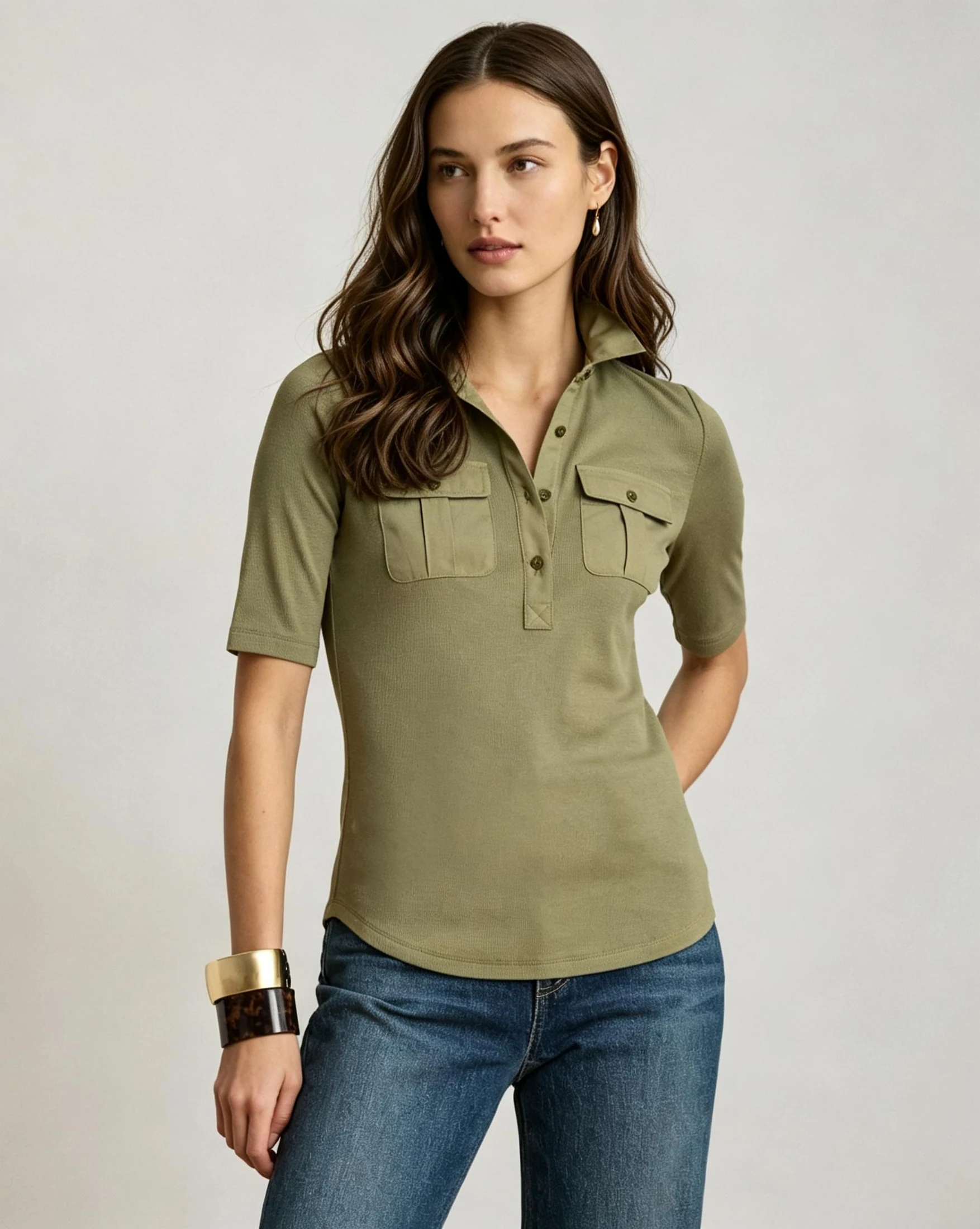
Custom polo shirts manufactured in piqué, jersey and performance-knit fabrics for retail, uniform and branded merchandise programs. Develop collars, plackets, sleeve finishes, embroidery, printing, size grading, labels and packaging to meet your quality and cost targets.
Request a Quote
Custom Sweatpants
Custom sweatpants developed in fleece, French terry and jersey with fit control through waist, rise, inseam and leg opening. Add elastic or cuffed hems, pockets, drawstrings, prints, embroidery, washes and private-label components for coordinated sets.
Request a Quote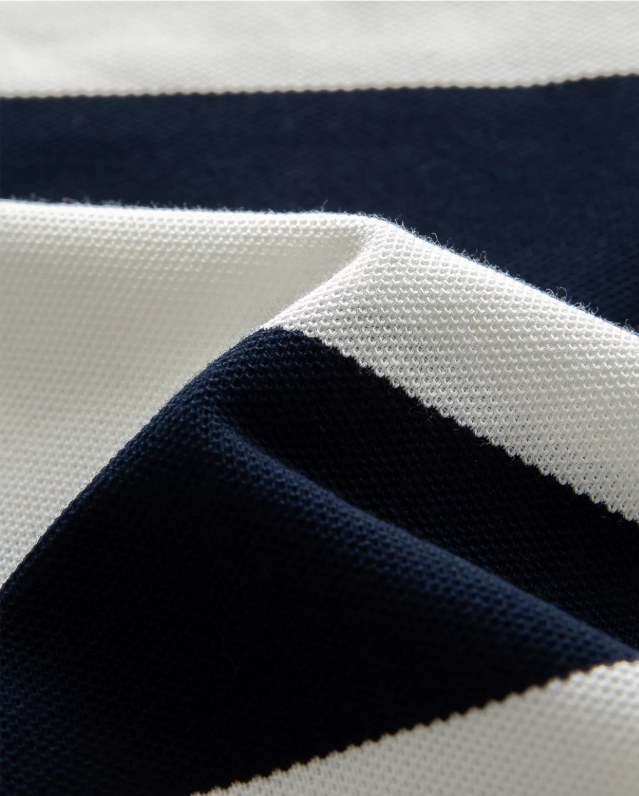
Custom Shorts
Custom shorts produced in jersey, fleece, twill, denim and performance fabrics for casualwear and seasonal collections. Junsheen supports fit development, inseam options, pockets, elastic waists, closures, decoration, washes, labels and scalable bulk production.
Request a Quote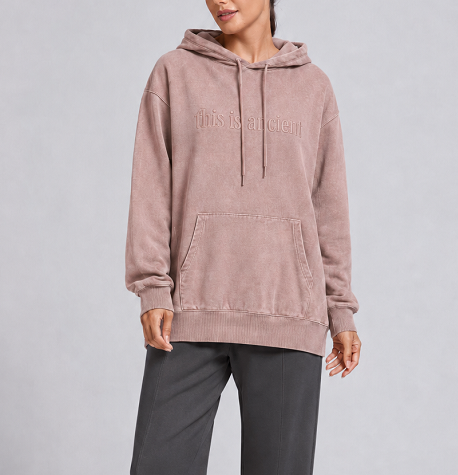
Custom Pullovers
Custom pullovers manufactured in fleece, French terry, jersey or knit constructions, depending on the intended silhouette and hand feel. Develop quarter-zip, mock-neck, oversized and extended-size styles with custom trims, decoration, finishing and branded packaging.
Request a QuoteCustom Metal Hardware Apparel Materials Matched for Performance

Stretch Denim
A durable cotton-rich denim with controlled elastane stretch for jeans, jackets, and denim sets. Its structured hand and strong tear resistance help support rivets, shank buttons, and metal zipper applications.

Heavyweight Cotton Twill
Crisp, substantial woven fabric for workwear-inspired jackets, cargo styles, uniforms, and overshirts. Available in practical mid-to-heavy weights, twill offers stable construction for snaps, buckles, eyelets, and reinforced hardware placement.

French Terry Fleece
Soft-faced knit fabric with a loopback or brushed interior, suited to premium hoodies, sweatshirts, and joggers. Its comfortable medium-to-heavy weight supports zipper plackets, metal aglets, and custom snap details.

Combed Cotton Jersey
Smooth, breathable jersey for T-shirts, polos, lightweight tops, and layered casualwear. A soft hand and optional stretch recovery make it ideal where metal badges, zipper necks, or subtle branded hardware need a comfortable base.

Performance Knit Fabrics
Moisture-managing, resilient knits for activewear, travel apparel, and technical casual styles. Lightweight stretch and recovery support functional zippers, adjusters, and reflective hardware while helping garments retain mobility and shape.

Recycled Fabric Blends
Recycled polyester, recycled cotton, and blended constructions for brands pursuing lower-impact material options. Fabric weight, durability, and surface finish can be specified to suit outerwear, casualwear, and securely attached custom metal hardware.
Custom Metal Hardware Apparel Decoration Processes

Logo Embroidery
Flat, 3D puff, chain-stitch and applique embroidery add dimensional branded detail around custom hardware apparel. Dense, colorfast stitching delivers a premium tactile finish designed to hold its definition through repeat wear and laundering.

Screen Printing
Plastisol, water-based, puff, flocking, silicone, high-density, foil and discharge screen printing create bold artwork with controlled texture. We match ink selection to fabric, placement and wash requirements for clean coverage and dependable durability.

Heat Transfer
DTF, heat-transfer and specialty logo applications reproduce detailed graphics, small lettering and multicolor artwork with precise edges. This flexible process suits targeted placements and complements branded zippers, snaps, buttons and metal badges.

Garment Dyeing
Garment dye creates rich, lived-in color after construction, helping apparel and metal hardware read as a considered collection. Color trials and wash testing support consistent tone, hand feel and compatibility with selected fabrics and trims.

Wash Finishing
Enzyme, softening, anti-pilling, acid, stone and garment washes refine hand feel, surface character and vintage depth. Junsheen tests finishing effects with custom metal hardware to protect function, appearance and long-term garment performance.
Branded Trims for Custom Metal Hardware Apparel


Logo Snap Buttons
Add engraved or embossed snap buttons to outerwear, denim sets, polos and utility styles. We help align size, finish and fastening requirements with fabric weight, reinforcement needs and the rest of your custom hardware.

Branded Zippers
Specify zipper pullers, teeth, tape color and logo branding for hoodies, jackets, pants and bags. Options are selected to match garment construction, opening length, daily use and your target price point.

Drawcords and Tips
Customize drawcord material, width, color, aglets and metal tipping for hoodies, sweatpants, shorts and outerwear. Coordinated cords create a finished private-label detail while maintaining practical adjustment and durability.

Woven Leather Labels
Use woven labels, leather patches, main labels, size labels and wash-care labels to establish a consistent brand identity. Junsheen can coordinate label placement and specifications during sampling, grading and bulk production.
Hangtags and Packaging
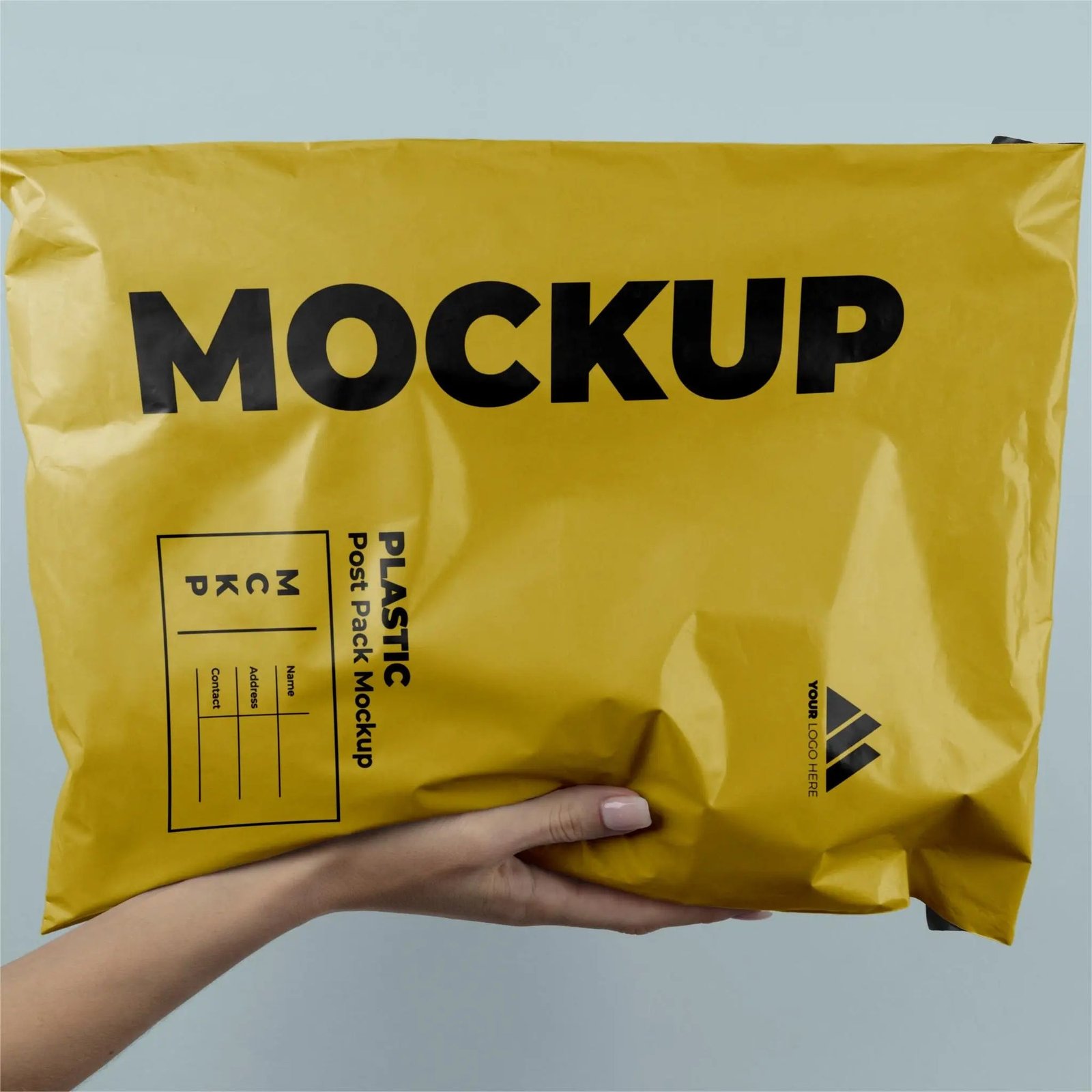
Complete your presentation with custom hang tags, barcode stickers, polybags, tissue paper and branded packaging. Export-ready packing details can be planned alongside your apparel order to simplify retail preparation and shipment.
About Junsheen Custom Metal Hardware Apparel
Founded in 2010 in Humen Town, Dongguan, JUNSHEEN helps global fashion brands turn custom metal hardware apparel concepts into production-ready collections. Our one-stop OEM, ODM and private-label team coordinates apparel development, fabric sourcing, custom trims, sampling and export support from one experienced manufacturing base.
With 200+ skilled workers and monthly capacity above 80,000 units, we support capsule launches from 100 units per style and color through scalable repeat programs. Cut-and-sew, knitwear, denim, outerwear, embroidery, printing, washing, labels, packaging and hardware integration are managed within a connected supply chain.
What distinguishes JUNSHEEN is fit-focused development alongside trim execution. We refine patterns and grading from XS to 3XL, including extended-size, plus-size and oversized fits, while matching buttons, snaps, zippers and metal details to the garment’s construction, cost target and brand direction.

Custom Metal Hardware Apparel Capabilities That Scale
Fit-First Pattern Development
JUNSHEEN develops custom metal hardware apparel from XS to 3XL with patterns refined for proportion, movement, and hardware placement. Our team reviews your tech pack, sketch, or reference garment before sampling to reduce avoidable fit and construction revisions.
- Normal, extended-size, plus-size, and oversized grading
- Hardware placement checked against seams, pockets, and wear zones
- Prototype, size-set, and pre-production sample support
- 100-unit MOQ per style and color
Matched Materials and Metal Trims
Fabric, hardware, and garment construction are sourced as one program. We match snaps, buttons, zippers, rivets, eyelets, and branded components to denim, twill, fleece, jersey, knitwear, and outerwear requirements for a consistent hand feel, performance, and target cost.
- Supplier-network sourcing for fabrics and branded metal components
- Recommendations based on weight, durability, stretch, and wash performance
- Swatches and sample garments available before bulk confirmation
- Custom labels, drawstrings, rib trims, packaging, and accessories

In-House Decoration and Finishing
Bring visual identity beyond the metal hardware with coordinated embroidery, printing, washing, and finishing. JUNSHEEN manages garment decoration alongside trim application, helping brands keep logo execution, texture, color effects, and production timing aligned across the full apparel program.
- Flat, 3D puff, chain-stitch, applique, patch, and logo embroidery
- Screen print, DTF, DTG, silicone, foil, flocking, and high-density effects
- Garment dye, enzyme, acid, stone, and anti-pilling wash options
- Cut-and-sew and knitting capability for casualwear through outerwear

Controlled Bulk Production
With 200+ skilled workers and monthly capacity above 80,000 units, JUNSHEEN applies structured checks from incoming materials to packed goods. Measurements, construction, decoration, hardware attachment, and final presentation are reviewed to support reliable repeat orders and global export delivery.
- Incoming fabric and trim inspection before production
- In-line checks for construction, fit, measurements, and attachment security
- Final inspection of decoration, packed goods, and presentation
- Retained patterns, graded size sets, and material records for reorders

Why Choose JUNSHEEN for Custom Metal Hardware Apparel
One production partner for garment development, branded hardware, quality control, and export coordination.
← 左右滑动查看 →
Custom Metal Hardware Apparel Production Process
A controlled, one-stop workflow that aligns garment construction, branded metal trims, quality checks, packing and export for launches from 100 units per style and color.
Review Specs and Feasibility
Our team reviews your tech pack, reference, fit requirements, logo hardware, target cost, quantities and delivery needs, then confirms a practical development route.
Source Fabrics and Hardware
We match fabrics, buttons, snaps, zippers, rivets, labels and finishes to your design, sharing material options that balance hand feel, durability and budget.
Develop Samples and Fit
Pattern makers create samples and refine XS–3XL grading, construction details and hardware placement for approval before bulk materials and production are released.
Produce Garments and Trims
Cut-and-sew, knitting, decoration, washing and custom metal hardware application are coordinated in one program, keeping components aligned throughout bulk production.
Inspect Pack and Ship
We conduct in-line and final checks for measurements, construction, decoration and trim attachment, then arrange branded packing and global export support.
How to Start Your Custom Metal Hardware Apparel Program
Move from concept to controlled bulk production with one coordinated apparel and trim manufacturing team.
Submit Your Design Brief
Send a tech pack, sketch, reference garment or mood board with your custom metal hardware apparel requirements, target quantities, sizing, materials and finishing preferences.
Review Feasibility and Pricing
Our OEM team assesses construction, hardware integration, fabric options, MOQ and production requirements, then provides practical recommendations and a clear quotation.
Approve Development Samples
Review prototype samples for fit, metal hardware placement, color, decoration and workmanship. We refine specifications before confirming graded size sets and bulk materials.
Launch Controlled Bulk Production
After pre-production approval, Junsheen manages manufacturing, in-line quality checks, final inspection, branded packaging and global export support for your confirmed order.
Custom Clothing Manufacturer Credentials and Compliance Documents



Custom Metal Hardware Apparel Results From Brand Partners
JUNSHEEN turned our hardware-led denim capsule into a production-ready 100-unit launch, coordinating custom snaps, woven labels, fit revisions, and packing in one workflow. The sampling feedback was clear enough for us to approve bulk with confidence.
Our second run matched the approved size set across XS–3XL, including the oversized proportions our customers expect. Keeping the graded patterns and trim specifications on file made repeat ordering faster and prevented the fit drift we had experienced before.
We needed a supplier that could scale a custom metal hardware apparel program without separating garments from trims. JUNSHEEN supported our growth from a 100-unit color launch into ongoing replenishment while maintaining consistent embroidery, hardware placement, and final inspection.
Custom Metal Hardware Apparel FAQ
Clear answers on MOQ, sampling, payment, quality control, shipping, and repeat production for branded apparel programs.
What is the MOQ for custom metal hardware apparel?
How long do custom metal hardware apparel samples take?
Can you make custom metal hardware apparel from a tech pack or reference garment?
What payment terms do you offer for first and repeat orders?
How do you protect our designs and branded hardware specifications?
What quality checks are performed before shipment?
Can JUNSHEEN arrange international shipping and export documents?
How do repeat orders stay consistent with the approved sample?
Complete Buyer’s Guide to custom metal hardware apparel
Use this practical framework to select hardware, align it with garment construction, evaluate capable suppliers, control costs, and avoid specification, sampling, compliance, and production mistakes before placing an order.
1. What Is custom metal hardware apparel?
100-unit capsule orders can qualify as custom metal hardware apparel when the garment’s metal components are specified as part of the brand’s product design, rather than treated as interchangeable trims. Zippers, snaps, buttons, rivets, eyelets, buckles, D-rings, cord ends and logo plaques may close, reinforce, adjust or visually identify a hoodie, denim piece, jacket, baggy trouser or outerwear style. 2 trim routes create very different development requirements: stock hardware uses supplier-catalogue shapes, finishes and sizes, while custom-developed pieces are engineered around an approved logo, artwork, dimension, attachment method and finish. A custom zipper pull or engraved snap can raise perceived value and brand recognition, but it also requires artwork confirmation, sampling and compatibility checks with the fabric and construction. 3 production factors make hardware a technical decision, not a final decoration: component weight can affect drape; button position and buckle adjustment can change fit; and sharp edges, poor plating or weak setting can create safety, corrosion and durability risks. For Junsheen programs, hardware specifications should be reviewed alongside pattern, fabric weight, wash process and decoration before bulk approval, especially where acid wash, stone wash or repeated laundering may change the trim’s appearance.
2. Evolution of custom metal hardware apparel
1873 marked a turning point when riveted waist overalls patented by Jacob Davis and Levi Strauss made copper hardware a practical answer to seam stress. Workwear buttons, buckles, hooks, and rivets were chosen for serviceability first, but their exposed placement quickly made durability visible and recognizable. 1913 brought the modern zipper patent associated with Gideon Sundback, accelerating its use in trousers, outerwear, and later leather-inspired jackets. By the mid-20th century, denim shank buttons, branded zipper pulls, and snap closures had become part of a garment’s identity rather than interchangeable components. 1980s streetwear and designer casualwear turned oversized eyelets, logo plaques, D-rings, and matte-black finishes into deliberate graphic details. Buyers of custom metal hardware apparel now expect logo artwork, plating tone, engraving depth, and puller shape to remain consistent across samples, replenishments, and colorways. 100-unit capsule programs still need the same technical discipline as bulk orders: hardware must suit fabric thickness, reinforcement, wash process, and skin-contact requirements. For modern denim, fleece, performance knits, and recycled blends, buyers should request approved trim swatches, finish specifications, supplier records, and wash-tested samples before bulk approval.
3. Types of custom metal hardware apparel
Eight hardware families cover most custom metal hardware apparel briefs, but each must be specified by garment zone and load. A tech pack should identify size, finish, attachment method, logo artwork, and approved pull or closure action before sampling.
| Hardware | Typical Application | Key Specification |
|---|---|---|
| Zipper | Front closure or pocket | Gauge, length, pull, tape |
| Button or snap | Placket or waistband | Diameter, attachment, opening force |
| Rivet or eyelet | Denim or drawcord zone | Cap, washer, flange, setting |
| Buckle, hook, D-ring | Adjustable strap | Inside width, bar, load |
| Branded plaque | Hem or pocket | Logo relief, fixing, finish |
Zippers And Pulls
No. 3, 5, and 8 zippers suit pockets, hoodies, denim, and outerwear; gauge should match seam bulk and intended load. One puller can carry a die-cast logo, engraved mark, or custom shape. Specify coil versus metal teeth, slider lock, tape color, length, end treatment, and finish.
Buttons And Snaps

15 mm to 25 mm buttons commonly close shirts, cardigans, and denim waistbands, while snaps speed closure on jackets and workwear. Specify sew-through, shank, prong, or press attachment. Confirm cap diameter, logo relief, back component, placement reinforcement, and opening force.
Reinforcement Hardware

6 mm to 10 mm rivets reinforce denim pocket corners, and eyelets protect drawcord or ventilation holes from abrasion. Choose single- or double-cap rivets, eyelet flange width, washer use, and setting method. Logo treatments are usually subtle on small pieces; finish consistency matters more.
Strap And Trim Hardware
20 mm to 40 mm buckles, hooks, and D-rings regulate straps on outerwear, utility pants, bags, and detachable garment details. Branded plaques add a fixed identity point on hems, pockets, or waistbands. Define inside width, bar thickness, attachment stitching or rivets, edge radius, logo scale, and plating color.
4. Materials for custom metal hardware apparel
Material selection determines how a branded button, zipper pull, or badge wears after repeated laundering. For custom metal hardware apparel, match base metal to garment weight, exposure, finish, and whether it touches skin.
| Material | Strength / weight | Corrosion and finish | Best use |
|---|---|---|---|
| Zinc alloy | Medium / medium | Excellent casting; plate or e-coat | Logo badges, pulls, casualwear |
| Brass | High / medium | Good; develops patina | Denim rivets, snaps, premium details |
| 304 stainless | High / medium | Very high; brushed or polished | Outerwear zips, exposed hardware |
| Aluminum | Medium / light | Good when coated | Lightweight tags, casualwear |
| Iron | High / heavy | Low uncoated; plating required | Economy buttons, denim hardware |
| Plated alternatives | Depends on base | Finish must pass wash testing | Color-matched fashion hardware |
Base Metal Tradeoffs

Zinc alloy is the usual choice for die-cast logos because it captures recessed detail and complex shapes. Brass is stronger for premium snaps and rivets, while aluminum reduces weight but dents more readily.
- Choose zinc alloy for dimensional cast ornaments.
- Choose brass for durable denim closures.
- Choose aluminum for lightweight casualwear.
Corrosion And Skin Contact
304 stainless steel offers the best routine corrosion resistance for exposed outerwear hardware and humid markets. Nickel-containing plating can concern sensitive wearers, so specify nickel-free finishes for direct skin-contact parts.
- Specify salt-spray testing for coated hardware.
- Confirm nickel-free requirements before sampling.
- Separate exposed hardware from wash-sensitive trims.
Finish Compatibility

Electroplating gives zinc alloy, brass, and iron bright nickel, antique brass, gunmetal, or black finishes. Iron is economical but needs reliable plating or e-coating to limit rust, particularly after denim washes.
- Use e-coating for improved corrosion protection.
- Test finishes after garment washing.
- Approve color against a physical sample.
5. Customization Options for Metal Hardware
For 100-unit custom metal hardware apparel programs, combine a recognizable logo treatment with finishes that survive abrasion and laundering. Junsheen reviews artwork, garment use, trim position, and target cost before committing to tooling.
| Option | Visual Impact | Feasibility Check |
|---|---|---|
| Laser marking | Precise, subtle | Best on flat accessible surfaces |
| Molded relief | High-dimensional | Needs simplified artwork and tooling |
| Enamel plus plating | Color-rich premium | Requires physical color approval |
| Antique matte coating | Vintage, low-gloss | Verify abrasion and wash resistance |
Choose The Marking Method
Engraving and laser marking create crisp recessed logos; laser suits variable artwork, while die engraving suits repeat production. Embossing, debossing, and molded shapes deliver stronger relief but require simplified geometry and dedicated tooling.
- Keep fine strokes above 0.3 mm.
- Avoid enclosed gaps below 0.4 mm.
- Submit vector artwork at actual size.
Specify Finish And Color

Pantone references guide enamel color, but enamel batches, metal ground color, and gloss can shift the perceived shade. Plating can be shiny, matte, antique, gunmetal, or black; protective clear coatings reduce oxidation and surface wear.
- Approve plated swatches under neutral light.
- Match enamel against the final metal finish.
- Confirm coating compatibility with wash tests.
Approve Before Bulk
Two approvals prevent expensive rework: a finish sample confirms color and surface character, then a fitted garment sample confirms placement and function. Junsheen should retain approved artwork, plating reference, and sample records for repeat orders.
- Check logo legibility after handling.
- Test snaps, zippers, and rivets on fabric.
- Sign off color, dimensions, and attachment.
6. Construction and Quality Requirements
Approve hardware only against the production fabric, seam build, and use case. A snap that survives a sample pull test can still distort 180 GSM jersey or tear an unreinforced denim placket after laundering.
| Garment Build | Hardware Approach | Approval Focus |
|---|---|---|
| 160–220 GSM jersey | Lightweight snaps with backing | No puckering or pull-through |
| 300–450 GSM fleece | Reinforced eyelets and zipper tape | Smooth operation under stretch |
| 10–14 oz denim | Rivets or heavy-duty snaps | Secure setting and wash resistance |
| Outerwear | Corrosion-resistant zipper and snaps | Plating adhesion and weather exposure |
Attachment And Reinforcement
10–15 mm snaps, rivets, and eyelets need a backing choice matched to load. Use fusible reinforcement or a fabric patch on lightweight jersey; use aligned holes and controlled setting pressure on denim, twill, and leather labels. 2-point bartacks, box stitches, or stay tape should support hardware carrying repeated tension, such as zipper ends, D-rings, and drawcord exits. Inspect attachment security on complete garments, not isolated trim panels.
- Check pull strength after setting and after wash testing
- Confirm caps, posts, and washers fully lock
- Verify reinforcement does not show through face fabric
Edges, Finish, And Color
0 exposed burrs, cracked edges, or rough casting seams are acceptable around necklines, cuffs, pockets, and children’s-adjacent products. Hand-check every touch point and require deburring before plating. Pantone-approved color standards and sealed finish samples should govern repeat orders. Compare plating tone under consistent light and inspect adhesion after flexing, abrasion, and wash trials.
- Check logo relief for sharp corners
- Reject flaking, blistering, or base-metal exposure
- Match zipper, snaps, and buckles by finish lot
Function And Wash Validation

50–100 open-close cycles are a practical zipper-screening minimum during sample review; the slider must travel smoothly without catching seam tape or lining. Confirm zipper length, stop position, and puller clearance against the garment pattern. 1–3 wash tests at the intended care setting reveal staining, corrosion, loosened hardware, color transfer, and fabric distortion. Salt-spray testing is especially relevant for coastal, workwear, and performance applications.
- Measure hardware placement from fixed seam points
- Test closures while the garment is worn
- Record acceptable dimensional tolerances in the tech pack
7. Choosing a custom metal hardware apparel Manufacturer
A 100-unit launch requires more coordination than a trim-only purchase: garment construction, hardware fit, and approval timing must align. For custom metal hardware apparel, assess the factory’s development ownership before comparing quoted unit prices.
Verify Category Experience

Three recent, comparable samples reveal more than a capability list. Ask for garments using the same closure type, fabric weight, wash process, and stress point as your proposed style.
- Request close-ups of attachment points
- Check hardware after wash testing
- Confirm experience with denim or outerwear
Confirm Development Ownership
One accountable development team should review the tech pack, pattern, trim specification, and placement together. Ask who owns the mold or tooling, where it is stored, and whether replacement or transfer terms are written into the order.
- Tooling cost and ownership
- Pantone or finish approval
- Trim drawing revision control
Audit Sampling And Controls
Two approval stages—prototype and pre-production sample—help isolate fit issues from bulk-material variation. Ask how incoming trims are checked for finish, dimensions, logo accuracy, attachment strength, sharp edges, and corrosion risk.
- Written measurement tolerances
- Pull-test or attachment checks
- Final packed-goods inspection
Test Commercial Reliability
100 units per style and color can suit a capsule only when the supplier can consolidate fabric, trims, and production planning. Confirm monthly capacity, critical-path dates, compliance documents available, response ownership, and escalation contacts before depositing.
- MOQ by color and hardware finish
- OEKO-TEX or material documentation
- Named sampling and production contact
8. Common Buyer Mistakes to Avoid
100-unit programs can expose specification gaps quickly because there is little volume to absorb a remake. Before approving custom metal hardware apparel, involve the supplier during sample review, wash testing, and any change that affects tooling or cost.
Approve Function, Not Appearance

2 sample pulls, snaps, or zips can look correct yet fail under repeated use or load. Prevent this by testing opening force, retention, alignment, and abrasion on the actual garment; involve the supplier before sample approval.
Match Hardware To Fabric And Wash

280 GSM fleece, stretch denim, and lightweight jersey react differently to hardware weight, backing, and wash processes. Send fabric swatches and wash targets before trim selection, then approve a washed garment sample before bulk release.
Specify Finish And Compliance

3 finish details—color, plating, and surface protection—are not enough when the specification omits gloss level, logo relief, corrosion resistance, or attachment method. Define Pantone reference, finish sample, sharp-edge criteria, and applicable restricted-substance requirements with the supplier before quotation.
Freeze Artwork And Compare Total Cost

1 artwork revision after a die, mold, or embossing tool is approved can add delay and replacement-tool expense. Freeze vector artwork, dimensions, and placement at pre-production approval; ask the supplier to compare landed cost, defect risk, MOQ, and lead time rather than selecting the lowest unit price.
9. Launching custom metal hardware apparel
A 100-unit launch succeeds when the garment and its metal details are approved as one system. Lock decisions in sequence, document each approval, and treat the pre-production sample as the bulk-production standard.
Build The Development Pack
1 tech pack should define silhouette, graded measurements, fabric, colorways, placement artwork, and a numbered hardware callout for every component. 2 reference photos per critical detail help distinguish design intent from a generic supplier interpretation. Confirm target retail price and maximum landed cost before sampling.
- Include Pantone colors and logo vector files
- State hardware location and attachment method
- Mark revision dates on every specification
Specify Hardware And Tooling
3 hardware decisions must be locked before custom tooling: base metal, finish, logo artwork, dimensions, post length, pull strength, and approved finish reference. 4 finish samples should be viewed beside the intended fabric, because matte black, antique nickel, and polished silver read differently against washed goods.
- Use vector artwork for dies and molds
- Approve logo legibility at production size
- Define acceptable color and plating variation
Sample, Test, And Revise

5 sample stages normally progress from prototype to fit sample, size set, and pre-production sample. Test closures, edges, comfort, wash performance, corrosion, and decoration before authorizing bulk. 6 wear-and-wash cycles can expose sharp edges, plating loss, puckering, or distorted attachment points. Record corrective actions directly against the approved sample.
- Check hardware alignment after laundering
- Measure shrinkage and garment torque
- Test snap or zipper function repeatedly
Approve Bulk And Inspect
7 pre-production approval should lock the bill of materials, graded pattern, approved trim card, packing method, and inspection criteria. Any post-approval change needs a written cost and timing confirmation. 8 final inspection should compare packed goods against the approved sample for measurements, finish consistency, secure attachment, logo orientation, and count accuracy. Junsheen can retain patterns, graded size sets, and material records to support repeat programs.
- Use an approved sample as the control
- Inspect incoming hardware before sewing
- Document defects by color and size
10. custom metal hardware apparel Pricing
100 units per style and color is Junsheen’s practical starting point for a capsule program; hardware pricing is quoted with the garment because attachment method, reinforcement, and packing affect labor. The ranges below are planning allowances for zinc-alloy or brass-look trims, not a substitute for an approved sample and final bill of materials. 2D die-struck logos with one finish generally cost less than raised 3D artwork, multi-color enamel, custom shapes, or separate molds. Antique, matte, gunmetal, and plated finishes should be approved against a physical swatch, since alloy base, coating specification, and corrosion expectations change cost. 7–21 days is a typical development window once artwork, placement, and material choices are clear; bulk timing starts after sample approval and material confirmation. Individually bagged hardware, branded polybags, cards, hang tags, or export-grade protective packing add components and packing labor.
| Order tier | Representative hardware allowance per garment | Setup or tooling | Expected lead time |
|---|---|---|---|
| 100–299 units | US$0.80–2.50 | US$80–250 sample, artwork, or simple mold | Sampling: 7–21 days; bulk: 25–40 days |
| 300–999 units | US$0.55–1.80 | US$150–450 custom mold when required | Sampling: 7–21 days; bulk: 25–35 days |
| 1,000+ units | US$0.35–1.30 | US$250–800 for complex 3D, enamel, or multiple molds | Sampling: 7–21 days; bulk: 20–30 days |
Start Your Custom Metal Hardware Apparel Project
Send your tech pack, sketch or reference garment for feasibility review, sampling guidance and a tailored production quote.