
Custom Oversized Tshirt Manufacturing From 100 Units
Develop fit-focused custom oversized tshirt collections from XS–3XL with OEM, ODM, private-label support and scalable global production.
Featured Products for custom oversized tshirt Development




Related Product Catalogue and Quotation
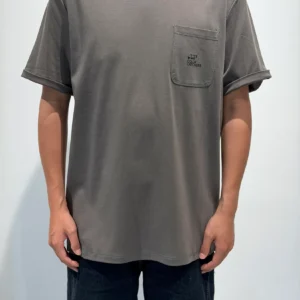

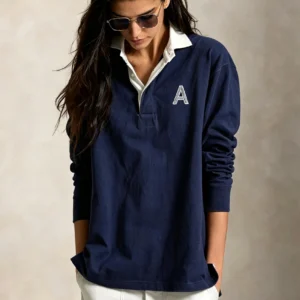




Custom Oversized Tshirt Production, Refined for Fit
JUNSHEEN combines fit-led development, flexible order quantities, in-house decoration and scalable production for modern oversized T-shirt collections.
Refined Oversized Patterns
Pattern makers balance dropped shoulders, body length, sleeve proportions and movement across XS–3XL instead of simply scaling a standard tee.
100-Unit MOQ Flexibility
Launch capsule drops and test colorways from 100 units per style and color, then scale proven custom oversized tshirt programs.
Integrated Decoration
Coordinate screen printing, puff effects, embroidery, DTG, DTF, labels and garment washes through one accountable manufacturing team.
Fabric Matched to Drape
Select jersey, heavyweight cotton, blends or sustainable options based on target weight, hand feel, structure and wash performance.
Scalable Global Production
With 200+ skilled workers and 80,000+ monthly units of capacity, JUNSHEEN supports repeat orders, bulk growth and export shipping.
Private-Label Ready
Add woven labels, size labels, hang tags, custom packaging and branded trims for a finished retail-ready oversized T-shirt program.
Custom Apparel Programs for Every Collection
From 100-unit capsule drops to scalable bulk production, JUNSHEEN develops fit-focused casualwear, denim, knitwear and outerwear from XS through 3XL.
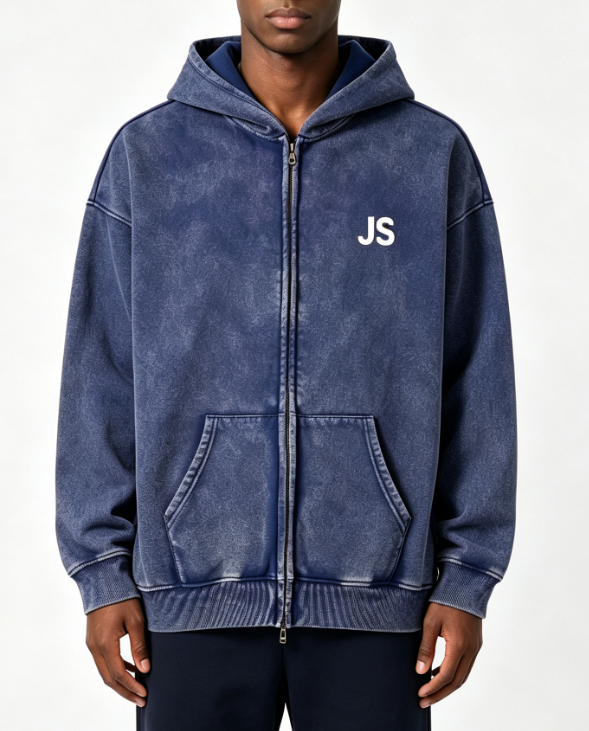
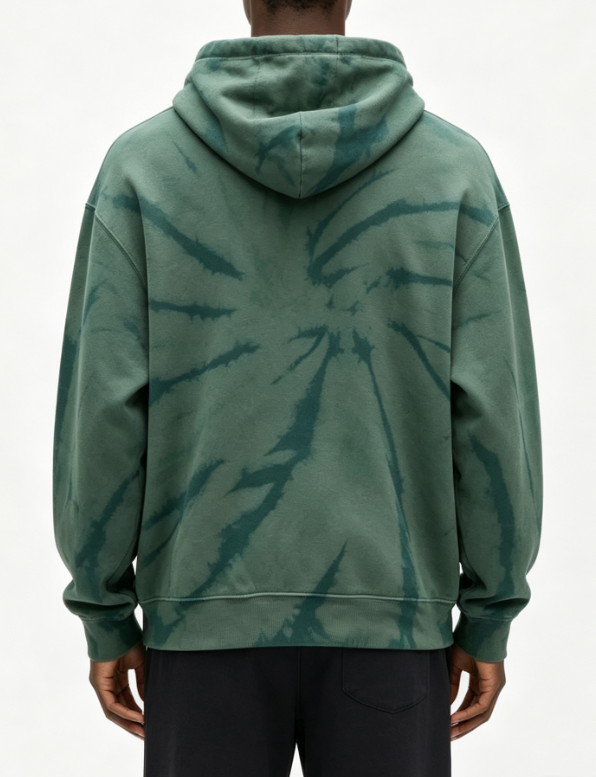
Custom Hoodies
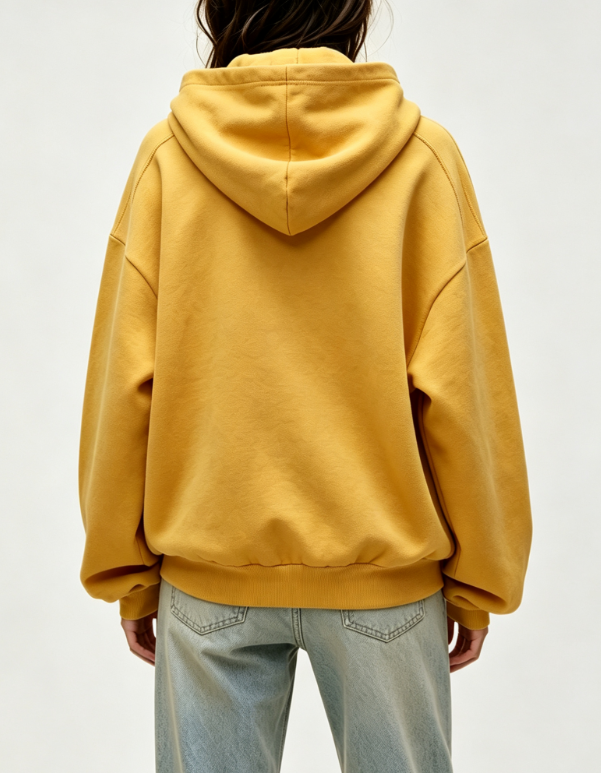
Develop custom hoodies in French terry, fleece or heavyweight jersey, with oversized, standard or extended-size fits. We manage patterns, grading, embroidery, screen printing, washes, labels and packaging from sample approval through bulk production.
Request a Quote
Custom T-Shirts
Build custom T-shirts from combed cotton, Pima cotton, organic options or blended jersey. Specify garment weight, neckline, fit, print method and finishing, then approve samples before scaling from 100 units per style and color.
Request a Quote
Custom Jeans
Produce custom jeans in rigid, stretch or recycled denim with brand-specific rises, leg shapes, washes and hardware. Our team develops patterns and graded size sets that refine proportion, mobility and fit across XS–3XL.
Request a Quote
Custom Sweaters
Source turtle neck sweater bulk programs in knitted constructions suited to your target hand feel, warmth and price point. Develop gauges, yarn blends, rib details and graded fits for wholesale assortments, private-label collections or seasonal replenishment.
Request a Quote
Custom Jackets
Develop custom jean jackets in denim, stretch denim or twill with tailored, oversized or extended-size proportions. Choose washes, distressing, embroidery, patches, custom buttons and branded trims, supported by prototype sampling and production quality control.
Request a Quote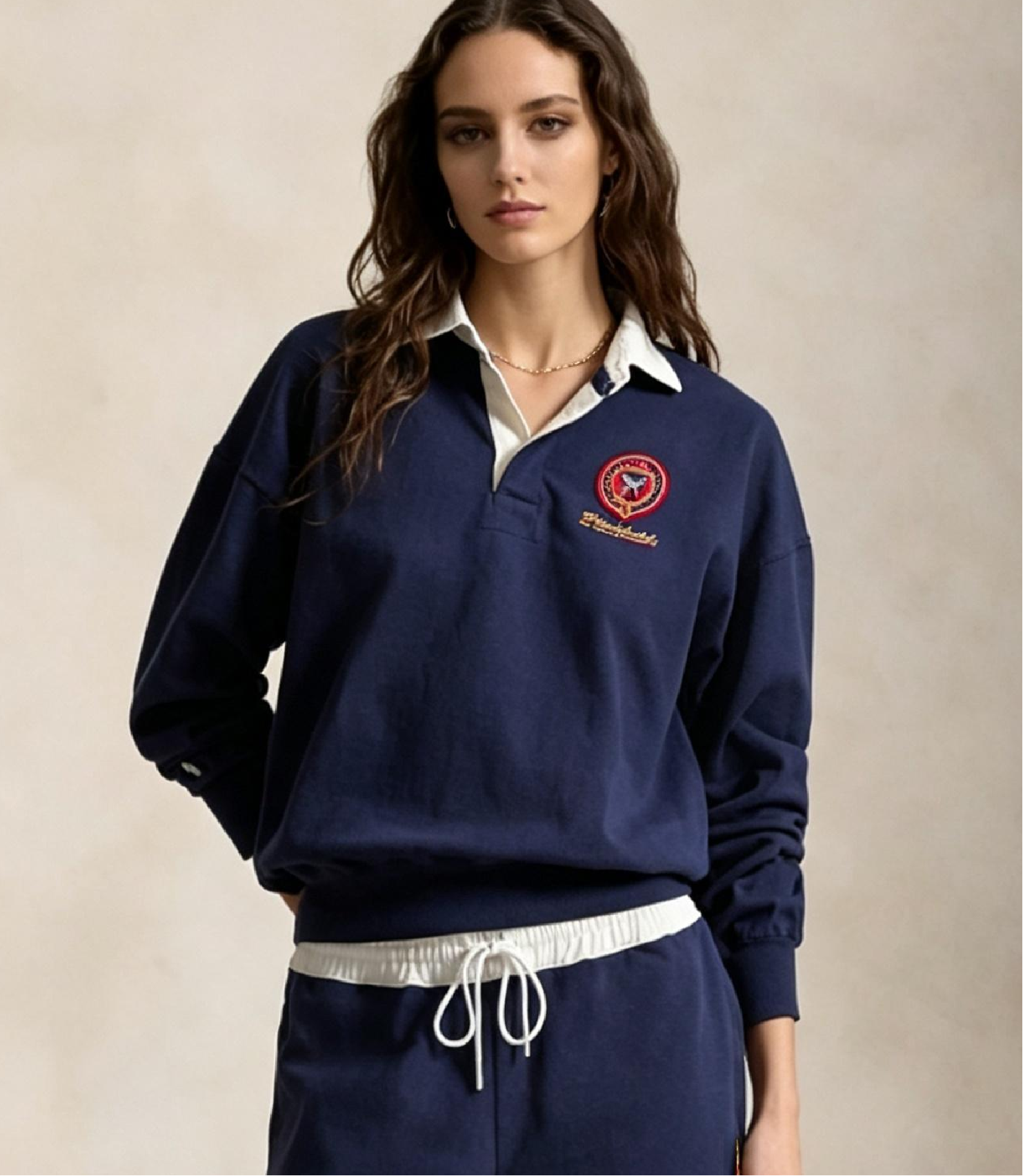
Custom Sweatshirts & Crewnecks
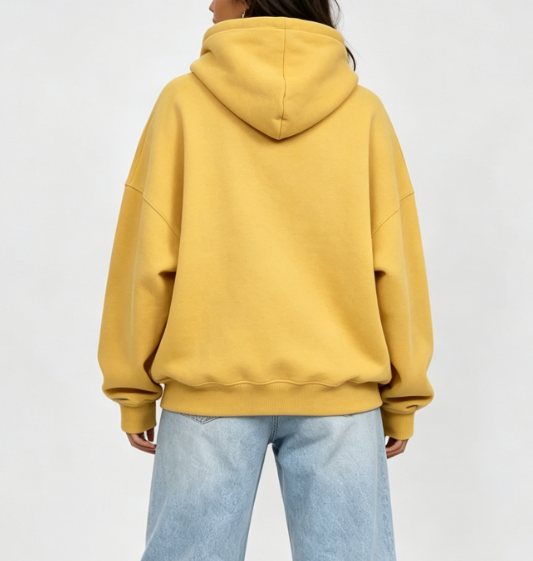
Create custom crewneck hoodie and sweatshirt programs in fleece, French terry or jersey. We support crewneck silhouettes, hooded layers, oversized fits, rib specifications, embroidery, screen printing and wash treatments for coordinated collections.
Request a Quote
Custom Cardigans
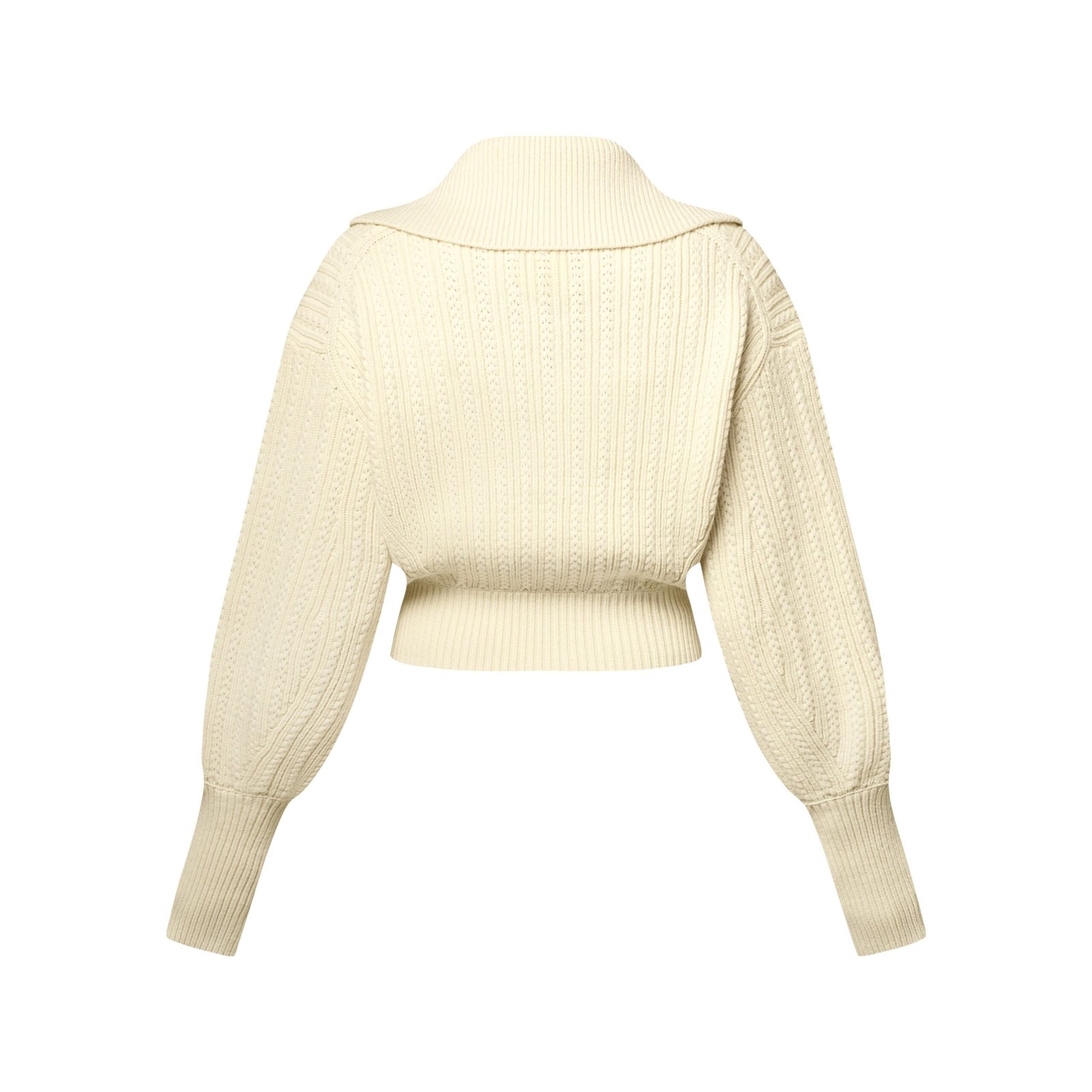
Produce custom cardigans in yarn blends selected for drape, warmth, durability and target cost. Define gauge, stitch texture, button or zipper closures, pockets, trims and size grading for women’s, men’s or unisex ranges.
Request a Quote
Custom Puffer & Down Jackets
Develop custom puffer jackets with shell fabric, insulation, quilting, lining, zipper and trim specifications matched to your market. Our team supports sampling, fit review, branded details and production inspections for outerwear programs.
Request a Quote
Custom Denim Shorts
Make custom jean shorts in rigid or stretch denim with selected inseams, rises, hems and wash treatments. Pattern makers refine fit and grading for standard, oversized and extended-size assortments, while branding details are integrated during production.
Request a Quote
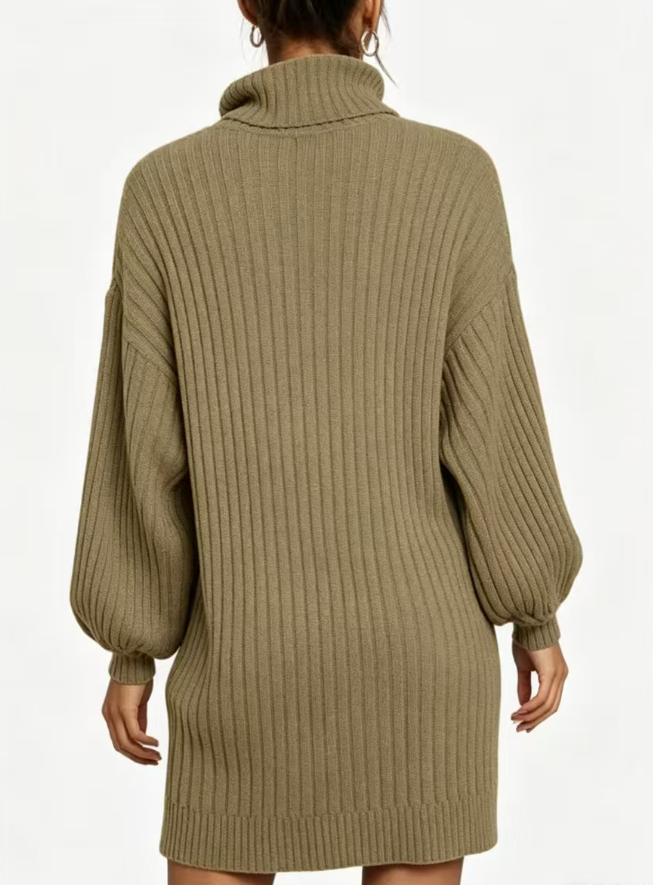
Custom Sweater Dresses
Produce custom sweater dresses in knit constructions that balance silhouette, coverage and movement. Choose yarns, gauges, necklines, rib structures and lengths, with fit-focused sampling and XS–3XL grading for size-inclusive collections.
Request a Quote
Custom Denim Sets
Build men’s denim suits wholesale programs with coordinated denim jackets and trousers in matching washes, weights and trims. We develop production-ready specifications, patterns, grading and branded packaging for private-label or wholesale distribution.
Request a Quote
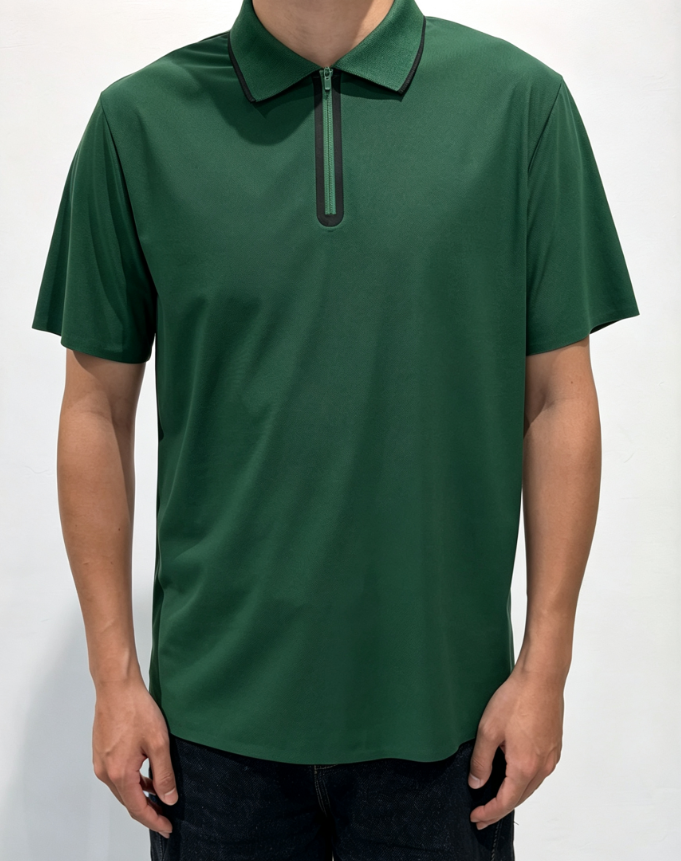
Custom Polo Shirts
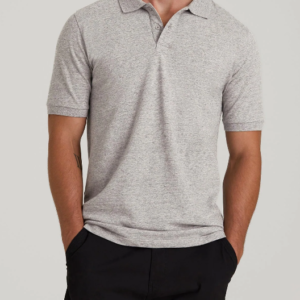
Develop custom polo shirts in pique, jersey or performance knit fabrics, with collar construction, plackets, embroidery and contrast details specified to your brand. Fit, grading and fabric selection are reviewed before bulk production.
Request a Quote
Custom Sweatpants
Produce custom sweatpants in fleece, French terry or jersey with jogger, straight-leg or wide-leg silhouettes. Specify rise, inseam, pockets, waistbands, cuffs, decoration and garment washes, with fit development from XS through 3XL.
Request a Quote
Custom Shorts
Create custom shorts across jersey, fleece, twill, denim and woven constructions. We support tailored, athletic, cargo and casual silhouettes, with fabric sourcing, pattern development, decoration, labels and low-MOQ manufacturing from 100 units.
Request a Quote
Custom Pullovers
Develop custom pullovers in knit, fleece or jersey constructions for layered casualwear programs. Define neckline, weight, rib details, texture, fit and decoration, then move from a tech pack, sketch or reference garment into production-ready samples.
Request a QuoteCustom Oversized Tshirt Materials for Weight, Drape and Everyday Wear

Heavyweight Cotton Jersey
A dense, substantial jersey for premium streetwear oversized tees, delivering a structured drape and durable hand feel. Typical weights range from 220 to 300 GSM for reliable shape retention and everyday wear.

Combed Cotton Jersey
Soft, refined jersey made with combed yarns for cleaner surfaces and reduced lint. Well suited to elevated retail tees, with a smooth hand feel, breathable comfort and consistent print-ready performance.

Cotton Spandex Jersey
Cotton jersey with a controlled amount of elastane for added recovery and mobility. A practical option for fitted neck ribs or relaxed tees needing gentle stretch without losing their oversized proportion.

Organic Cotton Jersey
A natural-feel option for brands building conscious casualwear collections. Organic cotton jersey offers breathable comfort and a soft hand, with fabric weight selectable from lightweight everyday tees to heavier premium programs.

Cotton Polyester Blend
A balanced blend that combines cotton comfort with polyester durability for repeat-wear programs. It provides dependable color retention, quicker drying and improved dimensional stability through washing compared with all-cotton constructions.

Pima Cotton Jersey
A premium long-staple cotton jersey with an exceptionally smooth, soft hand and elevated drape. Ideal for luxury oversized T-shirts, it offers strong fibers, reduced pilling potential and a polished surface.
Custom Oversized Tshirt Decoration and Finishing Options

Screen Printing
Plastisol, water-based, puff, silicone and high-density screen prints deliver bold color, controlled texture and dependable wash durability. Junsheen matches ink systems and curing methods to your oversized tee fabric and artwork.

DTG and DTF
DTG and DTF printing reproduce detailed artwork, gradients and short-run color variation with a soft, precise finish. These options suit graphic-led custom oversized tshirt capsules, sampling and smaller production programs.

Logo Embroidery
Flat, 3D puff and chain-stitch embroidery add dimensional branding with a premium, durable appearance. Our team reviews placement, backing and stitch density to maintain clean results across relaxed oversized silhouettes.

Patch Application
Custom woven, embroidered, chenille and applique patches create layered brand identity and tactile contrast. Secure application methods are selected to hold shape and stay refined through repeated wear and washing.

Garment Dyeing
Garment dye, tie-dye and acid-wash treatments build rich, broken-in color and individual character after construction. Controlled testing helps protect shrinkage, seams and intended oversized fit throughout bulk production.

Softening Washes
Enzyme, softening and anti-pilling washes improve hand feel while helping oversized T-shirts maintain a polished, wearable surface. We test wash effects against fabric weight, print compatibility and your target vintage or clean finish.
Custom Oversized Tshirt Trims and Accessories

Woven Brand Labels
Custom woven main labels, size labels, and wash-care labels give every custom oversized tshirt a consistent branded finish. Choose woven, printed, leather-look, or heat-transfer formats suited to neckline comfort, fabric weight, and care requirements.

Custom Hang Tags
Branded hang tags communicate sizing, fabric stories, collection details, and care information at retail. JUNSHEEN can coordinate tag stock, shapes, finishes, strings, and attachment methods to match your private-label presentation.

Drawcord and Tipping
For hooded layers and matching casualwear, custom drawcords add a deliberate color and texture detail. Select cotton, flat, round, reflective, or branded cords with metal, silicone, dipped, or woven tipping options.

Logo Patches
Embroidery, chenille, woven, PVC, silicone, leather, and applique patches create a tactile brand signature. They work well on chest areas, sleeves, hems, pockets, or back panels across oversized tees and coordinated collections.

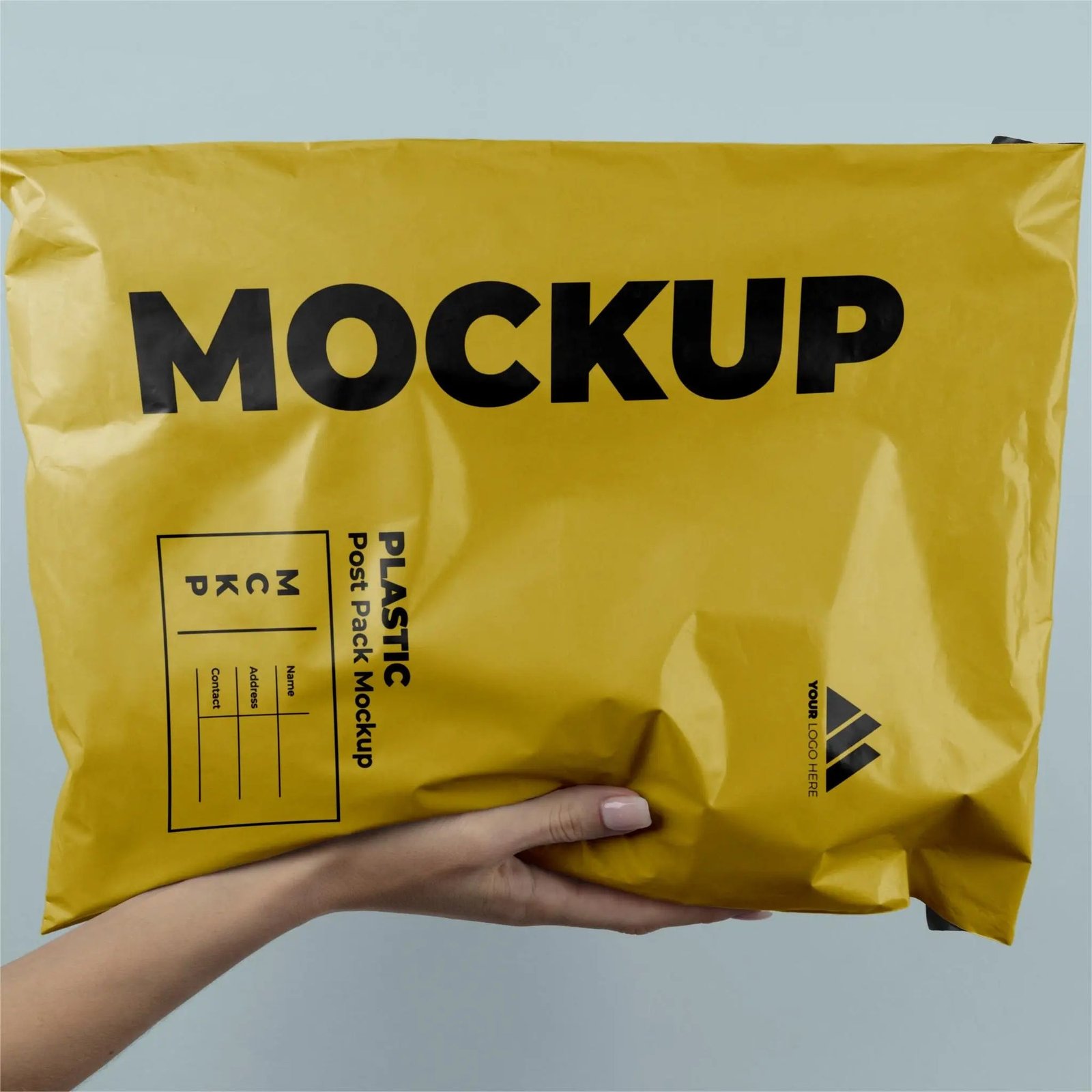
Custom Packaging
Finish production with branded polybags, tissue paper, cartons, stickers, barcode labels, and packing inserts. Packaging can be specified for e-commerce fulfillment, wholesale presentation, export protection, and a more cohesive unboxing experience.
Branded Hardware
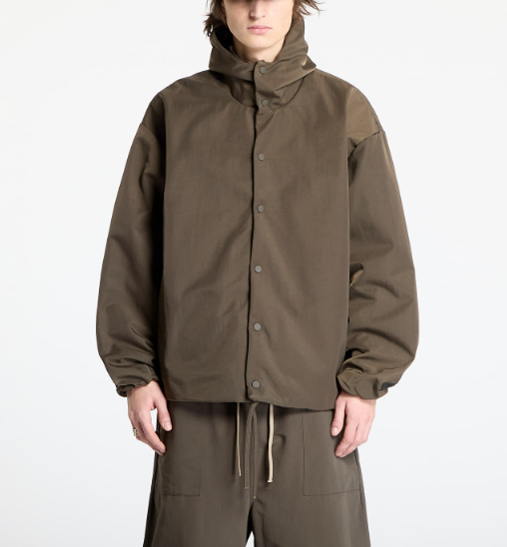
Custom buttons, snaps, zippers, rivets, and metal logo plates extend your identity beyond the garment body. JUNSHEEN helps match hardware finishes and attachment methods to the fabric, wash process, and intended product use.
About JUNSHEEN Apparel Manufacturing
Founded in 2010 in Humen Town, Dongguan, JUNSHEEN helps global labels turn concepts into production-ready casualwear. Our mission is to provide responsive, one-stop manufacturing—from development and fabric sourcing to sampling, bulk production, quality control and export support—so brands can launch confidently and scale with clarity.
With 200+ skilled workers and monthly capacity exceeding 80,000 units, we support capsule launches from 100 units per style and color through repeat bulk programs. Our cut-and-sew and knitting teams produce custom oversized tshirt collections alongside denim, fleece, outerwear and knitwear for more than 2,000 fashion-brand clients worldwide.
Our difference is fit-first development. Rather than simply enlarging a base pattern, we refine shoulder balance, sleeve length, body proportion, mobility and grading from XS to 3XL. Combined with in-house decoration, washing, trims, labels and packaging, JUNSHEEN delivers a controlled supply chain built for consistent oversized fits.

Core Capabilities for Custom Oversized Tshirt Production
Oversized Fit Engineering
JUNSHEEN develops custom oversized tshirt patterns from XS through 3XL with proportion-specific grading. Our pattern makers refine dropped shoulders, sleeve length, chest ease, body length and movement rather than simply scaling up a standard T-shirt block.
- Fit-focused patterns for XS–3XL and extended sizes
- Prototype, size-set and pre-production fit reviews
- Specification support from tech pack, sketch or reference sample
Fabric Matched to Your Vision
Fabric selection is planned around the weight, drape and wash performance your oversized silhouette requires. Our sourcing team recommends cotton, combed jersey, Pima cotton, organic options and blends that align with target cost, hand feel and durability.
- Fabric guidance for heavyweight, midweight and soft jersey tees
- Swatches and sample garments available before bulk approval
- Material choices assessed for shrinkage, color and wash performance
Decoration Built In-House
Bring brand artwork and garment character into one coordinated production workflow. JUNSHEEN supports screen printing, DTG, DTF, puff effects, embroidery, garment dye and wash finishes, helping your team control placement, texture and repeatability before bulk production.
- Screen print, puff, silicone, foil and high-density effects
- Flat, 3D and logo embroidery capabilities
- Garment dye, acid wash, enzyme wash and softening options

Quality Control That Scales
From a 100-unit launch to repeat global programs, our quality process checks incoming materials, in-line construction, measurements, fit, decoration and final packing. Retained patterns, graded size sets and material records support reliable reorders as your custom oversized tshirt volume grows.
- 200+ skilled workers and 80,000+ monthly-unit capacity
- Measurement and fit checks across approved size ranges
- Export-ready packing and global shipping support
Why Brands Choose JUNSHEEN for Custom Oversized Tshirt Production
Fit-focused development, low-MOQ production, and export-ready support in one accountable apparel supply chain.
← 左右滑动查看 →
Custom Oversized Tshirt Production Process
A fit-led OEM workflow that moves your oversized tee from feasibility review to export-ready delivery with clear approvals at every stage.
Review Design Feasibility
Share a tech pack, sketch, reference garment, or idea. Our team reviews construction, target fit, decoration, MOQ, cost expectations, and production feasibility.
Source Fabrics and Trims
We recommend jersey weight, cotton composition, drape, wash performance, labels, and trims, then provide swatches or sample options for approval.
Build Patterns and Grades
Pattern makers develop the oversized silhouette and grade XS–3XL with balanced shoulders, body length, sleeves, mobility, and consistent proportions across sizes.
Sample and Refine Fit
Receive a prototype for measurement, fit, fabric, print, embroidery, and finishing review. We refine approved comments before creating size sets or pre-production samples.
Produce and Inspect Bulk
After approval, our 200+ skilled workers begin bulk production. Incoming materials, construction, measurements, decoration, washing, and packed garments receive quality checks.
Pack and Ship Globally
We apply your private-label packaging, complete final inspection, settle shipment requirements, and coordinate export support for reliable delivery to your chosen destination.
Start Your Custom Oversized Tshirt OEM Project
Move from concept to approved bulk order with a clear development path tailored to your fit, fabric, branding and volume requirements.
Send Your Design Brief
Share a tech pack, sketch, reference garment or product idea, plus target quantities, fabric preferences, sizing range and required branding details.
Review Production Feasibility
Our team reviews construction, oversized-fit specifications, XS–3XL grading, materials and decoration methods, then recommends practical adjustments before sampling begins.
Approve Samples and Quotation
Review your prototype, size set or material swatches, confirm revisions, then approve the final specification, transparent quotation and production schedule.
Launch Bulk Production
After approval, JUNSHEEN manages fabric sourcing, cut-and-sew production, decoration, quality inspections, packing and global shipping from 100 units per style and color.
Custom Clothing Manufacturer Credentials and Compliance Documents




Custom Oversized Tshirt Results From Brand Partners
JUNSHEEN corrected the shoulder drop and sleeve balance during sampling, so our XS–3XL size set was approved in two rounds instead of the five revisions we expected. Our 180-unit launch sold through in six weeks.
We began with a 120-piece custom oversized tshirt capsule and reordered the same style three times. The retained pattern and material records kept measurements and wash feel consistent, which saved our team considerable QC time.
Their development team turned our mood board into production-ready specs, including custom neck labels and puff-print artwork. We launched two colorways at 100 units each and received customer feedback that the relaxed fit finally matched our brand direction.
Custom Oversized Tshirt FAQ
Clear answers on MOQ, sampling, fit development, payment, production and global delivery.
What is the MOQ for a custom oversized tshirt order?
How long does a custom oversized tshirt sample take?
How much does a custom oversized tshirt sample cost?
Can you develop oversized T-shirt sizing from XS to 3XL?
Can I provide my own tech pack or reference garment for a custom oversized tshirt?
What payment terms do you offer for OEM apparel orders?
How do you protect our designs and private-label details?
How should I plan bulk production and shipping for an oversized T-shirt launch?
The Complete Buyer’s Guide to custom oversized tshirt
Use this decision framework to define fit, fabrics, decoration, quality, MOQ, and supplier requirements for a custom oversized tshirt—while avoiding costly sampling, sizing, pricing, and production mistakes.
1. What Is a custom oversized tshirt?
100 units per style and color is a practical entry point for a custom oversized tshirt program, but the product is defined by proportion—not by ordering a regular tee several sizes larger. Its intended silhouette uses a relaxed chest, deliberately lowered shoulder seam, wider sleeve opening, longer or boxier body, and controlled neck rib so the garment looks designed rather than borrowed. 2 core buyers commonly use this format for streetwear capsules and merchandise, while fashion labels apply it to unisex essentials, artist drops, retail private labels, and extended-size assortments. The target customer expects an easy, contemporary fit with enough room for layering and movement, yet wants the shoulder, sleeve and body balance to remain recognizable across the size range. JUNSHEEN develops these decisions through a tech pack or reference garment: finished chest width, body length, shoulder drop, sleeve length, neck opening, hem sweep, fabric weight, wash allowance, and XS–3XL grading rules must be approved together. A commercially consistent style also specifies tolerance standards, Pantone color direction, decoration placement and the post-wash measurement point, preventing a generic blank from becoming an inconsistent bulk program.
2. Evolution of the custom oversized tshirt
1970s skate culture normalized roomy tees that could move over pads and survive repeated abrasion; 1990s hip-hop pushed the silhouette further through dropped shoulders, longer bodies, and broader sleeves. Vintage athleticwear added heavyweight cotton, tubular or near-tubular visual cues, and faded teamwear character rather than a close-to-body fit. 240–280 GSM jersey is now a common starting range for a premium custom oversized tshirt, while 180–220 GSM suits softer layering programs. Ring-spun cotton improves surface smoothness for print, and garment dye, enzyme wash, acid wash, or pigment wash can create the broken-in variation buyers associate with archive references. XS–3XL grading should preserve balance, not merely add width: specify shoulder point-to-point, chest, body length, sleeve opening, sleeve length, neck-rib width, and allowable measurement tolerances. Contemporary luxury often refines the same oversized language with controlled drape and cleaner proportions, so brands should turn every reference into a measurement sheet, fabric weight, wash standard, and sample approval criteria instead of copying its appearance.
3. Types of custom oversized tshirt Fits
Six fit families solve different merchandising problems; oversized is a proportion system, not simply added width. Before sampling, decide whether the collection needs fashion sharpness, skate coverage, premium weight, vintage character, or inclusive unisex sizing.
| Fit Family | Proportion | Typical Channel | Compatible Weight | Positioning Question |
|---|---|---|---|---|
| Boxy cropped | Wide chest, short body | DTC fashion | 180–240 GSM | Does the brand need a sharper fashion silhouette? |
| Classic drop-shoulder | Lower shoulder, balanced length | Wholesale, lifestyle | 180–260 GSM | Is broad commercial wearability the priority? |
| Longline | Extended body, curved hem | Urban menswear | 180–220 GSM | Will layering define the range? |
| Heavyweight streetwear | Wide, structured, shorter body | Premium graphics | 260–320 GSM | Can weight justify a higher price point? |
| Vintage-washed | Relaxed, softened proportions | Heritage retail | 220–280 GSM | Is aged character central to the story? |
| Unisex extended-size | Refined XS–3XL grading | Inclusive brands | 200–280 GSM | Does fit remain deliberate at every size? |
Boxy Cropped And Drop-Shoulder
Boxy cropped bodies typically use a wider chest, shortened body, and square hem; they suit youth-led DTC drops and fashion retailers. A 180–240 GSM ring-spun jersey keeps the shape clean without excessive bulk. Classic drop-shoulder fits move the shoulder seam 3–8 cm outward and add sleeve volume while retaining a balanced body length. This is the safest wholesale silhouette when a collection needs broadly wearable oversized appeal.
Longline And Heavyweight Streetwear
Longline fits add visible body length and often use a curved or split hem, making them useful for menswear, layered looks, and urban channels. A 180–220 GSM jersey preserves drape instead of creating a stiff tube. Heavyweight streetwear relies on a broad chest, dropped shoulder, substantial neck rib, and shorter relative body length. At 260–320 GSM, compact cotton jersey supports premium blanks, graphic programs, and higher-ticket positioning.
Vintage And Extended-Size Unisex
Vintage-washed fits pair relaxed proportions with garment dye, enzyme wash, or acid wash for a worn-in retail story. A 220–280 GSM cotton jersey provides enough surface stability for wash effects. Unisex extended-size fits require independent grading through 3XL, especially at shoulders, sleeves, chest, and body length. Ask whether the silhouette still looks intentional across the full size set rather than merely enlarged.
4. custom oversized tshirt Materials and Fabrics
Fabric choice determines whether a custom oversized tshirt hangs cleanly, survives repeated washing, and carries decoration sharply. Specify fiber content, knit construction, GSM, shrinkage tolerance, and finish together; GSM alone cannot predict drape or surface quality.
| Fabric | Typical GSM | Performance | Best Use |
|---|---|---|---|
| Cotton jersey | 160–200 | Soft, airy, more drape; allow shrinkage | Lightweight oversized tees |
| Combed cotton | 180–220 | Smooth, breathable, low pilling; strong print face | Core graphic programs |
| Compact cotton | 220–260 | Dense, clean, reduced hairiness | Premium blanks and fine prints |
| Cotton-poly blend | 180–240 | Lower shrinkage, quicker dry, variable pilling | Active-casual or value programs |
| Recycled fibers | 180–260 | Lot-dependent hand and color; test first | Sustainability-led capsules |
| Structured heavyweight knit | 240–320 | Firm body, limited drape, stable decoration | Boxy streetwear silhouettes |
Cotton Surface Quality

180–220 GSM ring-spun combed cotton is breathable, soft, and reliable for retail-weight tees. Combing removes short fibers, improving smoothness, pilling resistance, and screen-print detail versus basic open-end jersey. 220–260 GSM compact cotton has a denser, cleaner face and lower hairiness. It suits premium minimal graphics, though its firmer structure costs more and needs controlled wash testing.
Weight And Intended Use
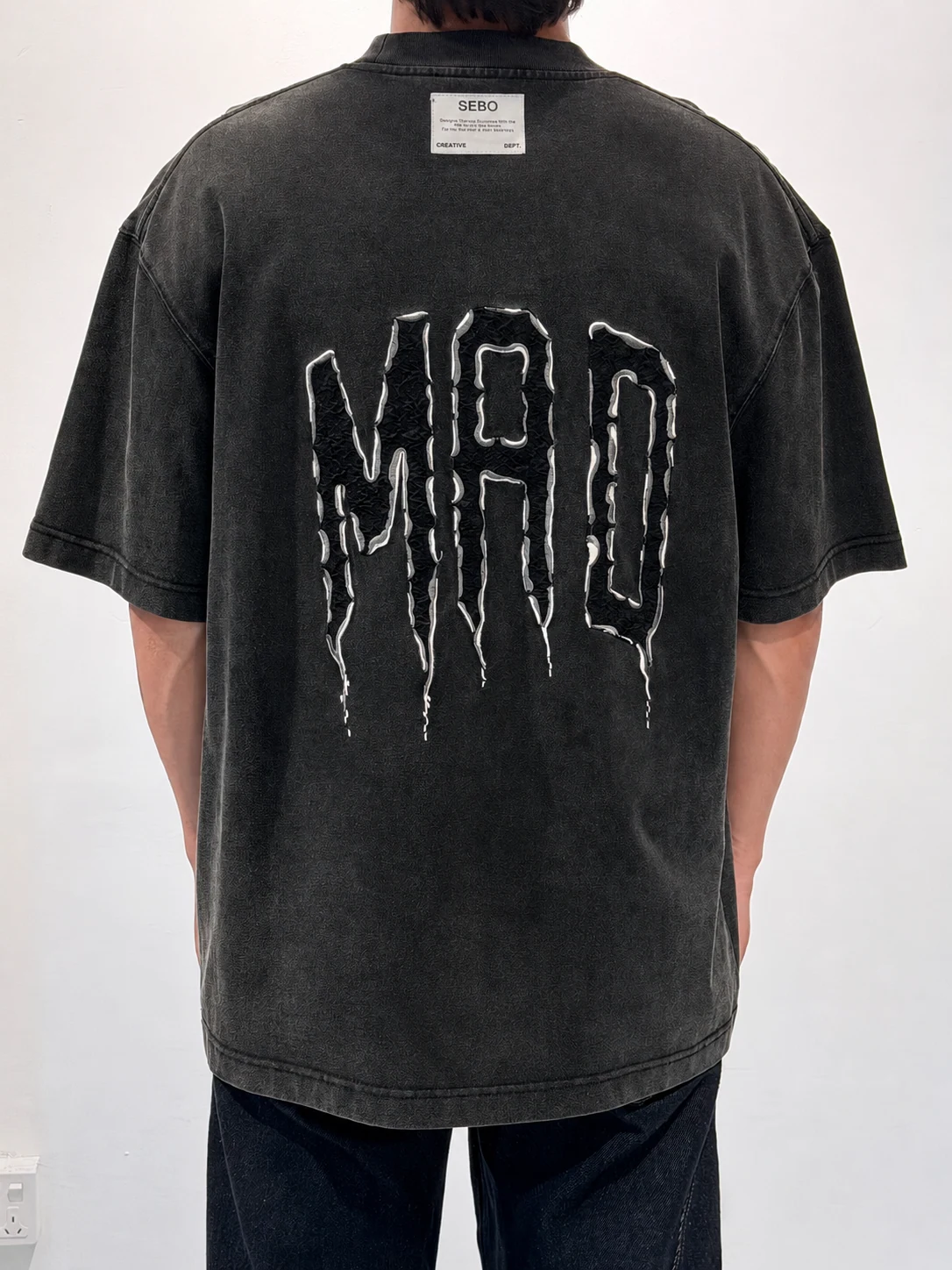
240–320 GSM structured heavyweight knits create the boxy shoulder line many oversized programs need. They drape less than lighter jersey, feel substantial, and support embroidery or high-density prints without excessive distortion.
Blends And Recycled Options
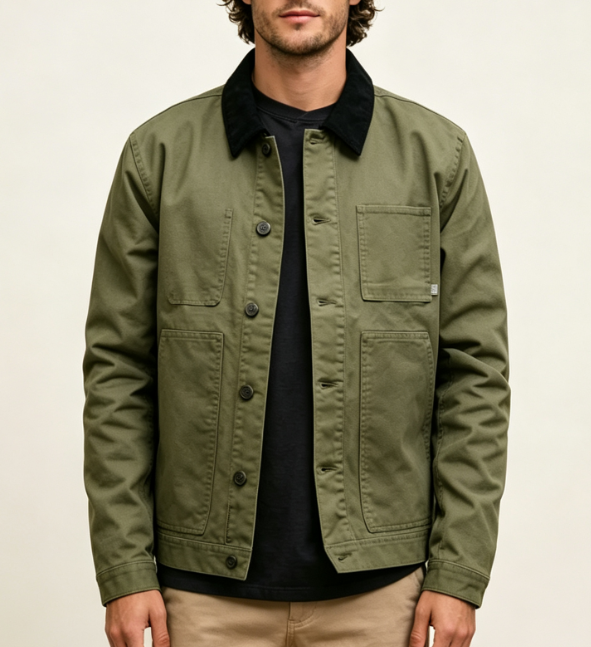
90/10 or 80/20 cotton-poly blends improve recovery, reduce shrinkage, and dry faster, but can feel less natural and may pill if low-grade polyester is used. Confirm whether a print system is compatible with the blend. Recycled cotton or recycled polyester options need a swatch and wash test before approval. Recycled content can alter shade consistency, hand feel, strength, and print absorbency between lots.
5. Customization and Decoration Options
A 100-unit custom oversized tshirt run needs decoration selected alongside fabric, placement, and retail target. JUNSHEEN can coordinate printing, embroidery, washes, labels, and branded packing from development through bulk production.
| Method | Visual Effect | Best Use | Cost Driver |
|---|---|---|---|
| Screen print | Opaque, durable | Bold graphics | Colors and print locations |
| DTG | Detailed, soft | Cotton photo art | Artwork coverage and pretreatment |
| Embroidery | Textured, premium | Small logos | Stitch count |
| Appliqué | Layered, collegiate | Patches and letters | Cutting and sewing labor |
| DTF | Vivid, versatile | Small runs, mixed fabrics | Film area and placement |
Print Method Selection

1–2 spot-color screen prints suit bold cotton-jersey graphics; plastisol gives opacity, while water-based ink preserves a softer hand. 4-color artwork, gradients, and photographic details favor DTG or DTF; DTG works best on smooth cotton, while DTF adds flexibility but can feel heavier.
Texture And Wash Effects
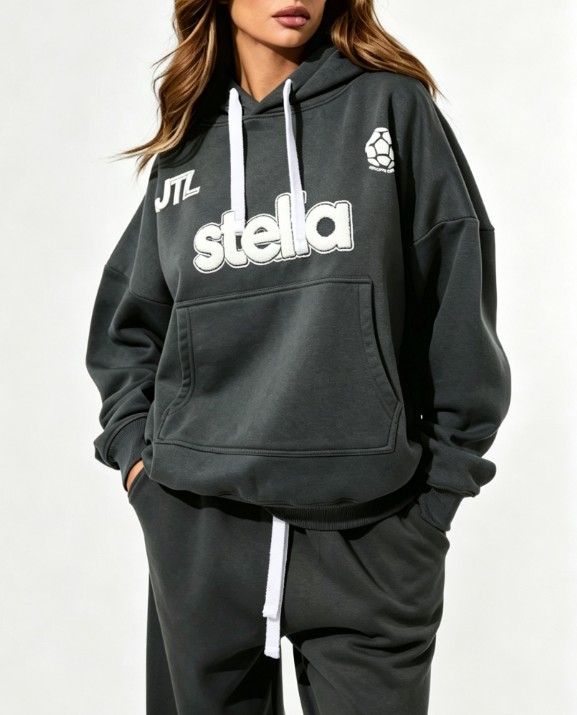
3D puff ink, high-density ink, and embroidery create premium texture on chest or sleeve placements, but dense stitches can distort lightweight jersey. 180–260 GSM cotton accepts discharge, garment dye, enzyme wash, acid wash, and stone wash; test approved artwork after washing because color and hand feel change.
Branding And Packout

1 neck print can replace a woven main label for comfort-focused basics; confirm heat resistance and Pantone color against the final fabric. 2–3 branded components—size label, wash-care label, hang tag, polybag, or mailer—support a higher retail position, while custom molds and many SKU variants raise cost.
6. Construction Quality for custom oversized tshirt
A 100-unit custom oversized tshirt run still needs production-grade measurement control, because loose silhouettes expose small balance errors. QC should verify construction against the approved sample before packing, not merely check whether garments look oversized.
Shoulder And Sleeve Balance
A 2–5 cm shoulder drop is common, but its final position must be measured from the high-point shoulder on both sides. Uneven drop or mismatched sleeve pitch makes a relaxed shirt twist forward or backward when worn. A 0.5 cm left-to-right tolerance for sleeve length and bicep circumference is a practical checkpoint. Match sleeve opening width and underarm seam placement across the size set to prevent visibly lopsided proportions.
- Measure shoulder drop from high-point shoulder
- Check sleeve pitch on a hanging garment
- Compare left and right sleeve openings
Collar Recovery And Stitching
A 1×1 or 2×1 rib collar should recover after repeated stretch without permanent waviness. Confirm collar width, rib weight, neck opening, and neck-tape alignment against the approved sample before bulk cutting. A 10–12 stitches-per-inch seam specification suits many jersey tees, subject to fabric weight and thread. Inspect shoulder seams and neck joins for skipped stitches, broken thread, and stretch distortion that can cause collar deformation.
- Stretch-test collar recovery after washing
- Verify consistent collar width
- Inspect neck tape and shoulder reinforcement
Side Seams And Hem
A 2.5–4 cm shrinkage allowance should be validated through a wash test before final pattern approval, depending on fabric and finish. Side seams must hang straight after laundering; spiraling indicates fabric relaxation, grain problems, or uneven sewing tension. A twin-needle hem with even coverstitch spacing gives a cleaner, durable finish. Check hem sweep, side-seam alignment, and stitch tension on flat-laid and hanging garments to catch puckering before shipment.
- Wash-test length and width shrinkage
- Check side seams for spirality
- Confirm even hem coverstitch spacing
Grading And Measurement Control
A 0.5 cm tolerance is typical for critical points such as chest width, body length, and sleeve length, while larger areas may allow 1 cm. Tolerances should be written in the tech pack and checked at in-line and final inspection. XS–3XL grading cannot rely on simple enlargement: shoulder width, body length, sleeve length, and chest increments need coordinated changes. Junsheen pattern makers can review graded size sets so oversized ease remains intentional rather than inconsistent.
- Measure approved points of measure
- Audit first, middle, and final cartons
- Compare graded samples before bulk approval
7. How to Choose a Manufacturer
A 100-unit MOQ is useful only when the supplier can hold fit, fabric, decoration, and delivery standards as volume grows. Evaluate evidence from development through shipment, not a sales promise or a single attractive sample.
| Checkpoint | Request | Decision Test |
|---|---|---|
| Fit | Pattern and graded chart | Reference remains balanced after wash |
| Materials | Swatches and test data | Hand feel matches approved sample |
| Quality | QC report and tolerance sheet | Defects are identified before shipment |
| Export | Packing list and shipping examples | Documents match destination requirements |
Test Pattern Development
1 reference garment should trigger questions about shoulder drop, sleeve pitch, body length, neck rib recovery, and grading—not a request to copy measurements. Ask for a measurement spec, pattern revision record, graded size chart, and pre-production sample approval process. 2 sample rounds are often enough for a well-prepared tech pack; unclear specifications can require more. Compare the sample against your reference after washing, then approve tolerances before bulk cutting.
- Request sample measurements by point of measure
- Ask who owns pattern corrections
- Review XS–3XL grading increments
Verify Production Evidence
80,000 units of monthly capacity means little without line planning, in-line inspection, and final packed-goods checks. Request recent factory audit or compliance documents where applicable, QC reports, production photos, and export-market references. 30–45 days is a common bulk-production planning range after approvals, but fabric booking, custom trims, washes, and peak-season congestion can extend it. Confirm the critical path in writing, including sample, material, production, inspection, and shipping dates.
- Ask about AQL level and rework procedure
- Confirm decoration is tested before bulk
- Verify export documentation experience
Match Capabilities To Your Program

3 decoration trials can reveal whether a factory controls print placement, opacity, curing, and wash durability on your chosen GSM. Ask for fabric swatches, Pantone matching method, strike-offs, and photos of comparable oversized garments. 100 units per style and color can suit a capsule, while repeat programs need retained patterns, material records, and communication ownership. Name one decision-maker for approvals and require written change confirmation.
8. Common Buyer Mistakes to Avoid
Eight recurring approval gaps create most preventable delays in a custom oversized tshirt program. Resolve fit, materials, decoration, color, and sample controls before bulk approval; a lower quote cannot repair an unspecified garment.
Define Fit And Tolerances
One reference photo cannot define shoulder drop, body width, sleeve opening, or length. Supply a measurement chart, graded size rules, and a marked reference garment. ±1 cm tolerances on key chest, length, and shoulder points should be written into the tech pack. Without them, a factory may produce an acceptable but commercially inconsistent fit.
Test Fabric Beyond GSM

240 GSM only states fabric mass; it does not confirm yarn quality, shrinkage, torque, hand feel, or opacity. Request composition, knit construction, and a cut swatch. 5% shrinkage after washing can materially change an oversized silhouette. Approve wash-test results and finished measurements before locking bulk fabric.
Approve Decoration And Color

Pantone references require approval under agreed lighting because screen, DTG, and heat-transfer results differ by fabric and ink. Sign off on strike-offs beside the approved fabric. 3D puff ink, for example, can crack or distort on unsuitable stretches and large solid areas. Choose the print method after artwork, placement, wash performance, and color are tested.
Match Samples To Quotes
One pre-production sample should match the approved fabric, trims, artwork, labels, packing, and measurement specification. Skipping it shifts unresolved risks into bulk production. 100-unit quotations are comparable only when every specification matches, including GSM, fabric composition, decoration colors, wash, labels, and packaging. Compare line-item scope, not unit price alone.
9. Launching Your custom oversized tshirt Program
A 100-unit custom oversized tshirt launch moves fastest when commercial decisions and technical approvals are separated. The buyer owns brand positioning, artwork, target cost and sign-offs; the factory owns feasibility, patterns, sourcing, production control and shipment coordination.
Lock The Product Brief
100 units per style and color can support a capsule, but only after the brief fixes customer, retail price, size range, colorways and required margin. A complete tech pack should specify garment measurements, 240–280 GSM jersey target, Pantone references, seam details, labels, packaging and artwork placement. Junsheen can review sketches, reference garments or mood boards for manufacturability.
Approve Materials And Fit
1 fabric swatch approval should confirm composition, weight, hand feel, shrinkage expectation and color before cutting a pattern sample. A first sample tests shoulder drop, body length, sleeve proportion and neck opening; fit revisions must be recorded in measured comments. Approve the revised pattern before requesting graded XS–3XL size sets.
Validate Decoration And Preproduction

1 decoration strike-off should be approved against the actual fabric for color, scale, placement, opacity and wash durability. Screen print, embroidery and specialty effects can change hand feel or registration. A pre-production sample is the final bulk gate. It must match approved fabric, trims, graded measurements, artwork, labels, packing method and workmanship before production funds are committed.
- Buyer: written approval of PP sample and delivery window
- Factory: sealed sample, BOM, production schedule and QC points
- Both: confirm balance payment timing before shipment
Control Bulk And Delivery
80,000-plus monthly unit capacity does not remove the need for a dated critical path: fabric arrival, cutting, sewing, finishing, final inspection and freight booking each need an owner. Incoming fabric checks, in-line measurement checks, decoration review and final packed-goods inspection should follow the approved sample. Book air or sea delivery from the required in-warehouse date, allowing time for customs and receiving.
10. custom oversized tshirt Pricing and Cost
100 units is Junsheen’s practical starting tier for a custom oversized tshirt program; an indicative FOB ex-China range is US$8.50–14.50 each for a 240–280 GSM cotton jersey, one-color screen print, woven main label, size label, polybag, and standard carton. Prices rise when Pantone dyeing, 300+ GSM fabric, oversized print coverage, enzyme or acid washing, specialty inks, embroidery, or custom boxes are specified. 7–14 days is a typical development window after artwork, measurements, and fabric are confirmed, while approved bulk orders commonly need 25–40 days before dispatch. A prototype sample is normally charged separately and credited only when agreed in the quotation; screen, embroidery, and custom-label setup charges should also be shown independently. 0 freight dollars are included in an FOB garment quote: buyers should budget separately for inspection, export handling, duties, destination clearance, and air or sea freight. Comparable quotes require identical fabric composition and GSM, color count, print dimensions, wash recipe, labels, packaging, quantity per color, and Incoterm.
| Order quantity | Indicative FOB unit price | Bulk lead time | Cost assumptions |
|---|---|---|---|
| 100–299 units | US$8.50–14.50 | 30–40 days | 240–280 GSM cotton; one placement screen print; standard labels and polybag |
| 300–499 units | US$7.20–12.20 | 28–38 days | Same specification; material and print setup spread across more units |
| 500–999 units | US$6.20–10.80 | 25–35 days | One to two colors; standard carton; no garment wash |
| 1,000+ units | US$5.50–9.80 | 25–35 days | Stable colorways and consolidated trims; freight excluded |
Start Your Custom Oversized Tshirt Collection Today
Send your tech pack, reference garment or concept for fit-focused OEM development, 100-unit MOQ options and a clear production quotation.