Wholesale Knit Cardigan OEM Manufacturing From 100 Units
Launch a wholesale knit cardigan program with 100-unit MOQs, private-label finishing, and fit-focused XS–3XL development from JUNSHEEN.
Featured Products for wholesale knit cardigan Development

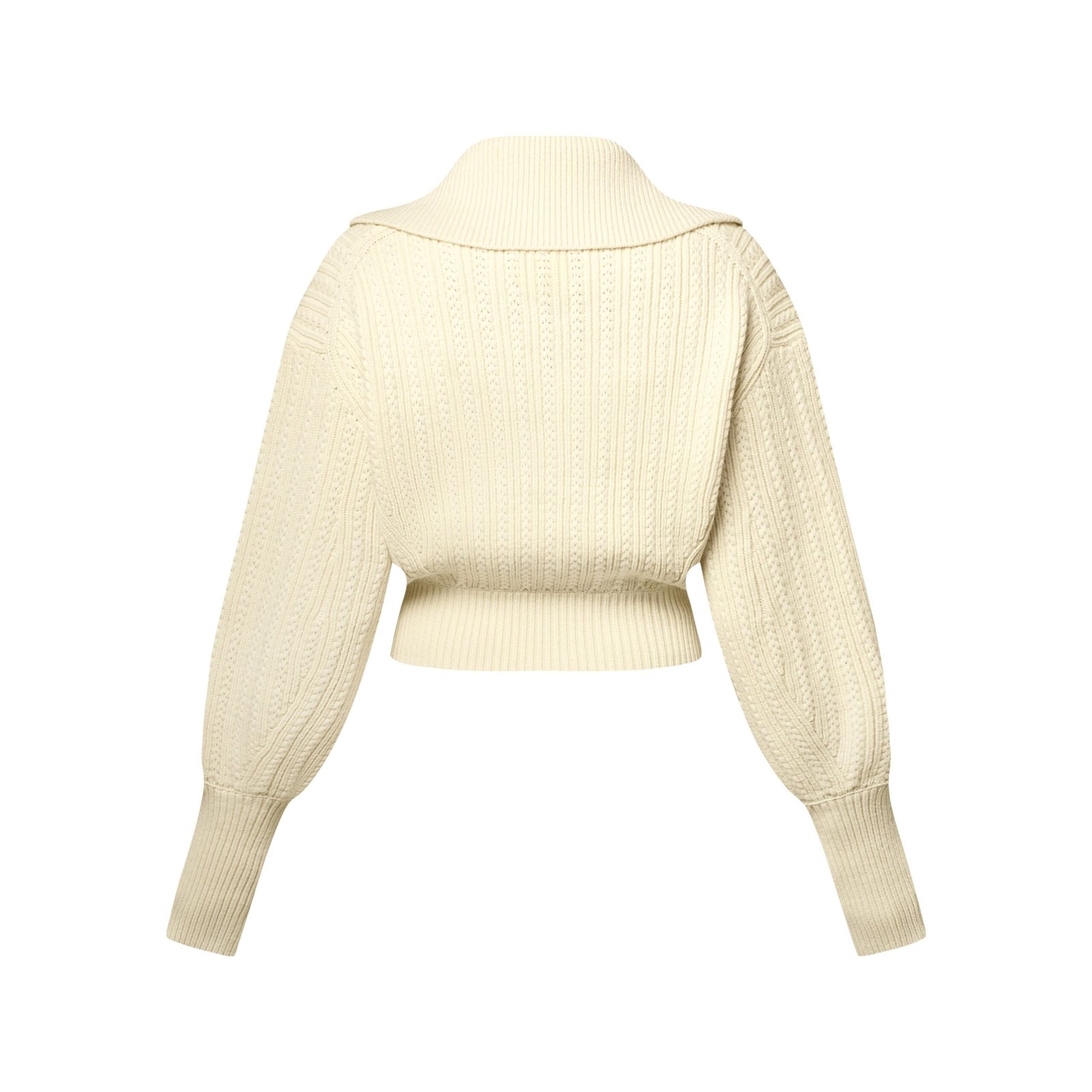


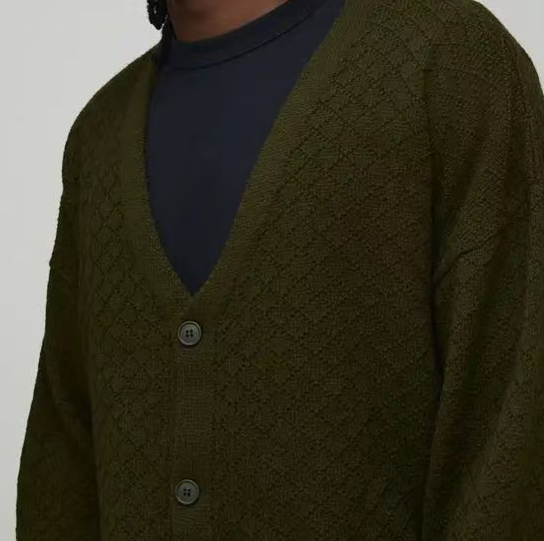


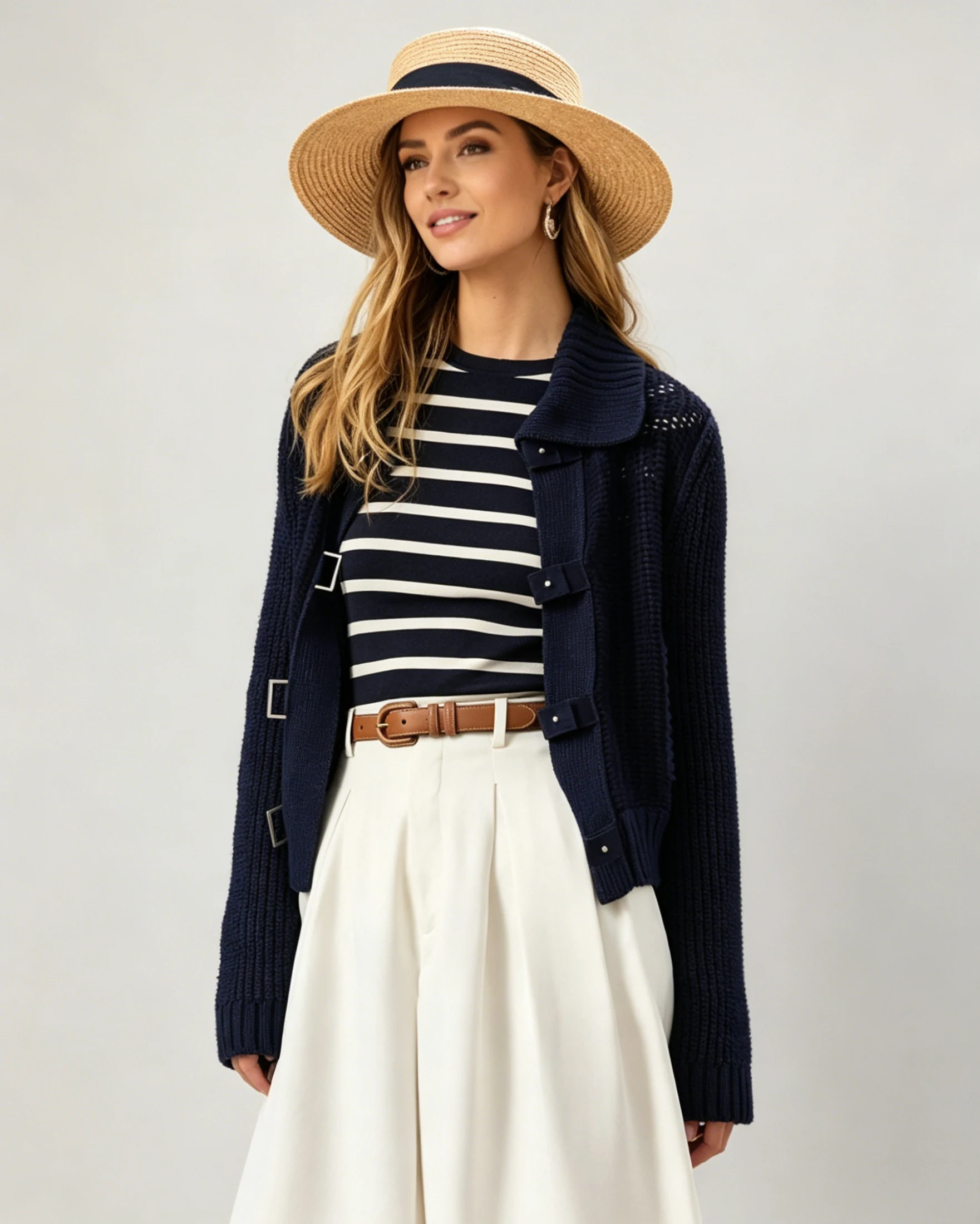


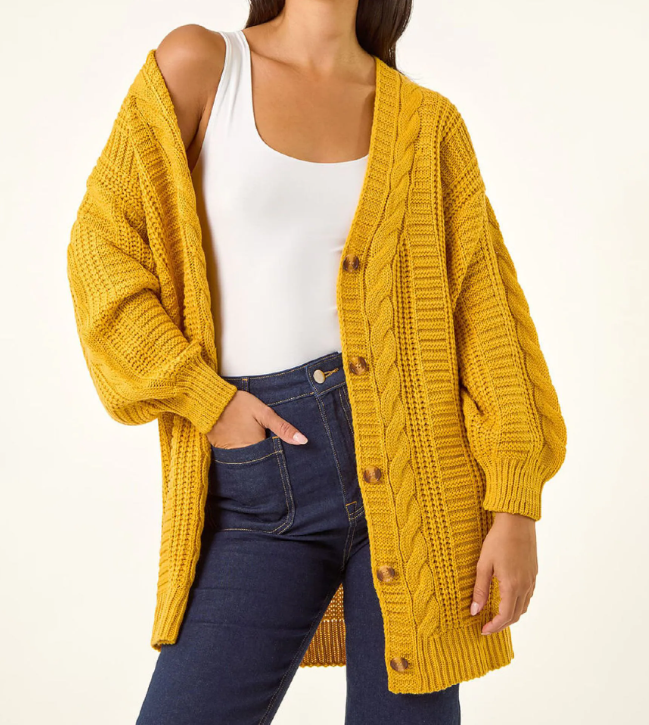

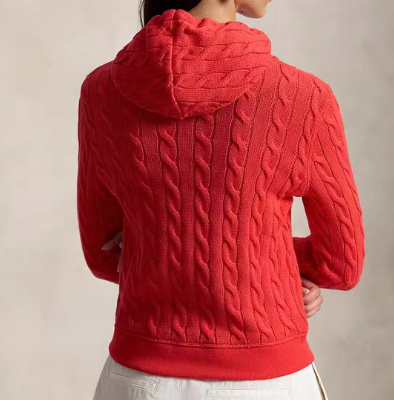


Wholesale Knit Cardigan Catalogue & Quotation





Why Brands Source Wholesale Knit Cardigans From JUNSHEEN
A fit-focused, production-ready partner for custom cardigan programs from first sample through global delivery.
100-Unit MOQ
Launch a focused cardigan capsule from 100 units per style and color, then scale proven designs with confidence.
OEM and ODM Development
Turn tech packs, sketches, reference garments, or concepts into production-ready knit cardigan specifications, samples, materials, and trims.
Fit-First XS–3XL Grading
Refined proportions, sleeve lengths, shoulder balance, and grading increments support consistent regular, oversized, and extended-size cardigan fits.
Integrated Brand Details
Coordinate logo embroidery, custom labels, buttons, trims, packaging, and finishing through one accountable apparel manufacturing supply chain.
Reliable Production Scale
More than 200 skilled workers and 80,000-plus monthly units support responsive sampling and dependable growth for wholesale knit cardigan programs.
Global Export Support
From final quality control to export coordination, JUNSHEEN helps fashion brands move approved knitwear orders to international markets.
Knitwear and Casualwear We Develop
From cardigan layering programs to denim and outerwear, Junsheen develops private-label apparel with scalable production, fit-focused grading, and low MOQs.

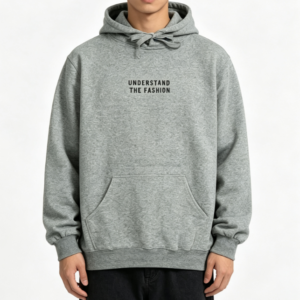
Custom Hoodies
Develop custom hoodies in fleece, French terry, and jersey with branded embroidery, screen printing, washes, labels, and packaging. Fit-focused patterns from XS to 3XL support standard, oversized, and extended-size programs from 100 units per style and color.
Request a Quote
Custom T-Shirts
Produce custom T-shirts in cotton, organic cotton, Pima cotton, combed jersey, and performance blends. Junsheen supports custom tshirt specifications, necklines, weights, prints, garment dye, private labels, and graded fits for capsule launches or repeat wholesale programs.
Request a Quote
Custom Jeans
Develop custom jeans in rigid or stretch denim with fit-specific rises, inseams, washes, hardware, and branded trims. Pattern grading from XS to 3XL helps maintain proportion through standard, plus-size, and modern oversized denim ranges.
Request a Quote
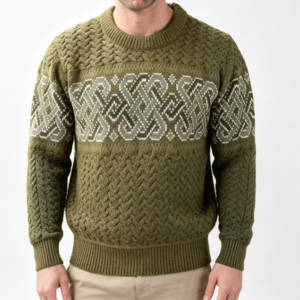
Custom Sweaters
Source turtle neck sweater bulk programs with yarn, gauge, neckline, rib, and silhouette specifications aligned to your target market. Junsheen develops pullovers, mock necks, and turtlenecks with private labeling, size grading, and bulk production support.
Request a Quote
Custom Jackets
Produce custom jackets, including custom jean jacket styles, in denim, twill, woven fabrics, and lined constructions. Development covers pattern work, pockets, washes, embroidery, patches, buttons, zippers, labels, and fit approval before bulk production.
Request a Quote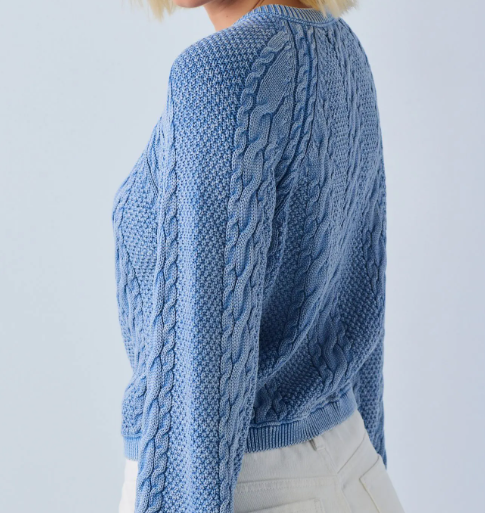
Custom Sweatshirts & Crewnecks
Develop custom crewneck hoodie and sweatshirt programs in brushed fleece, French terry, and jersey. Choose crewneck, dropped-shoulder, oversized, or fitted silhouettes, then add embroidery, printing, garment washes, labels, and consistent XS–3XL grading.
Request a Quote
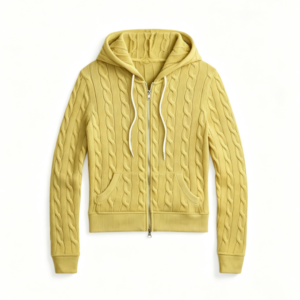
Custom Cardigans
Create custom cardigan programs for layering collections, uniforms, retail assortments, and private-label knitwear. Junsheen develops button-front, zip-front, cropped, longline, and oversized constructions with yarn selection, gauge control, rib details, branded trims, and size-inclusive grading.
Request a Quote
Custom Puffer & Down Jackets
Manufacture custom puffer jacket programs with shell fabrics, insulation, quilting layouts, linings, zippers, snaps, pockets, and reflective details. Technical sampling confirms construction, warmth, mobility, and fit before scalable bulk production and export packing.
Request a Quote
Custom Denim Shorts
Develop custom jean shorts in rigid or stretch denim with target inseams, rises, hems, distressing, washes, pockets, and branded hardware. Size grading supports women’s, men’s, unisex, extended-size, and wholesale denim-short collections.
Request a Quote
Custom Sweater Dresses
Produce custom sweater dresses with yarn selection, gauge, body length, sleeve shape, neckline, ribbing, and stretch recovery matched to your design brief. Junsheen supports fitted, relaxed, and oversized silhouettes with private labels and graded size sets.
Request a Quote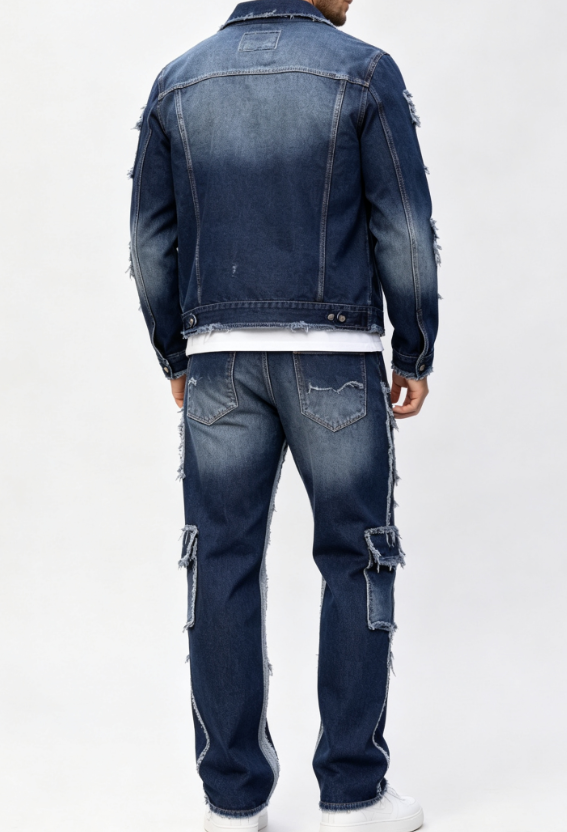
Custom Denim Sets
Build mens denim suits wholesale programs with coordinated denim jackets and jeans, matched washes, fabric lots, hardware, and sizing. Junsheen manages development and repeat production for fashion sets, retail capsules, and private-label assortments.
Request a Quote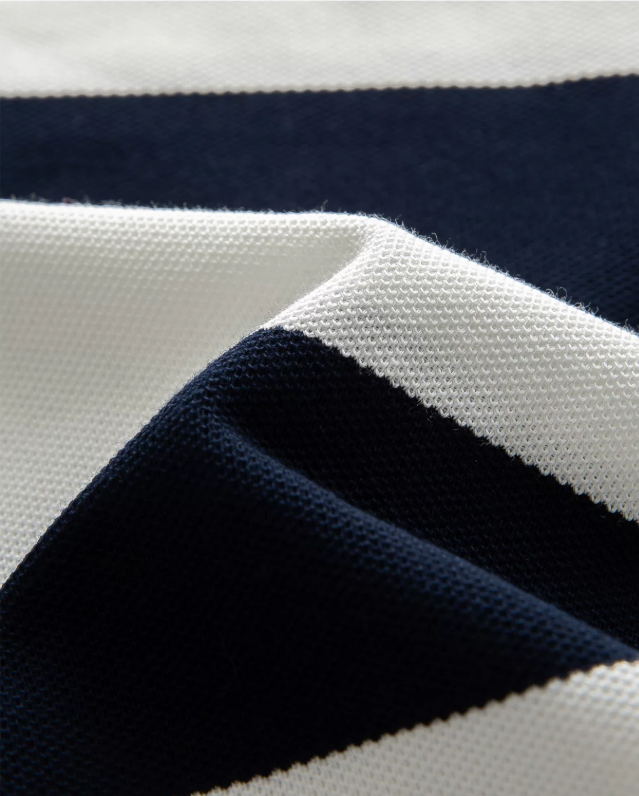
Custom Polo Shirts
Manufacture custom polo shirts in piqué, jersey, performance knits, and cotton blends. Specify collar construction, plackets, cuffs, contrast panels, embroidery, printing, labels, and grading for branded uniforms, retail ranges, and wholesale orders.
Request a Quote
Custom Sweatpants
Develop custom sweatpants in fleece, French terry, and jersey with jogger, straight-leg, wide-leg, and oversized fits. Production includes elastic or drawstring waists, rib cuffs, pockets, embroidery, printing, washes, and fit-focused XS–3XL grading.
Request a Quote
Custom Shorts
Produce custom shorts in woven, jersey, fleece, twill, and performance fabrics. Junsheen supports athletic, casual, tailored, cargo, and lounge silhouettes with pocket development, branded trims, decoration, wash testing, and private-label packaging.
Request a Quote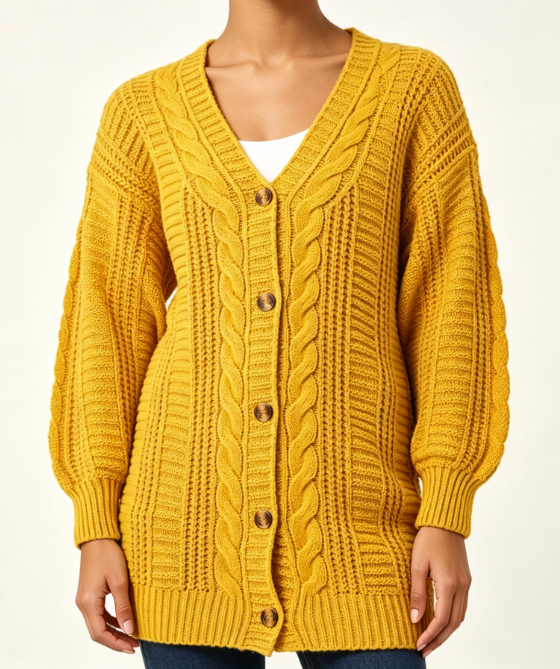
Custom Pullovers
Develop custom pullovers across knitwear, fleece, French terry, and jersey constructions. Define neckline, yarn or fabric weight, rib details, sleeve shape, fit, decoration, labels, and packaging, then move through sampling and scalable bulk production.
Request a QuoteWholesale Knit Cardigan Yarns & Materials

Wool Yarns
Naturally warm, resilient wool brings a premium hand feel to classic button-front and winter-layering cardigans. Gauge and blend ratio can be specified to balance insulation, softness, shape retention, and manageable garment weight.

Cotton Yarns
Breathable cotton delivers a clean, soft hand for trans-seasonal wholesale knit cardigan collections and everyday layers. Suitable for fine-gauge or textured stitches, it offers comfortable moisture absorption and dependable color presentation.

Organic Cotton
Organic cotton provides a soft, natural-touch option for brands developing responsible essentials and skin-friendly cardigan layers. Its breathable fiber character suits lightweight to midweight gauges, with yarn selection tailored for smoothness and durability.

Recycled Blends
Recycled yarn blends help support lower-impact cardigan programs without sacrificing commercial versatility. Combining recycled polyester, cotton, or wool can improve durability, recovery, and consistency while allowing targeted hand feel, warmth, and cost control.

Performance Knits
Performance knit yarns are made for active-inspired layers, travel cardigans, and easy-care uniform programs. Engineered fibers can add stretch recovery, moisture management, anti-pilling performance, and lighter weight while maintaining a polished knitted appearance.

Blended Yarns
Custom wool, cotton, viscose, nylon, and acrylic blends let brands tune softness, drape, warmth, and retail price. Junsheen can recommend fiber ratios and knit gauges for fitted, oversized, textured, or bulk-production cardigan styles.
Wholesale Knit Cardigan Decoration & Finishing Options

Logo Embroidery
Flat, 3D, chain-stitch, or logo embroidery adds dimensional branded detail to cardigan chests, sleeves, and pockets. Thread selections and placement are reviewed for clean stitch definition, stable knit construction, and durable wear.

Knit Applique
Applique combines shaped fabric or knit panels with embroidery or stitching to create layered motifs, varsity-inspired lettering, and tactile graphics. It delivers stronger visual depth while keeping the decoration aligned with your cardigan’s intended hand feel.

Custom Patches
Woven, embroidered, leather-look, and specialty patches create a clear private-label signature on knit cardigans. JUNSHEEN coordinates patch material, edge finish, backing, and secure application for a polished result that holds through regular use.

Garment Dye
Garment dye gives selected cardigan programs rich, lived-in color with subtle tonal variation. The process is evaluated against yarn composition and trims to achieve the desired shade, softness, and cohesive finish before bulk approval.

Anti-Pilling Finish
Anti-pilling finishing helps reduce loose fiber balls caused by friction during daily wear and laundering. It supports a cleaner surface appearance and helps wholesale knit cardigan collections retain a more premium, dependable presentation over time.

Softening Wash
Softening, enzyme, brushing, and napping options refine the final hand feel of compatible knitwear programs. These treatments can create a smoother, softer, or warmer-touch finish while preserving the intended drape and visual character.
Private-Label Trims for Wholesale Knit Cardigan

Custom Buttons
Choose branded resin, metal, horn-look, shell-effect, or covered buttons for front plackets, cuffs, and pockets. Junsheen helps match button size, color, finish, and attachment method to your cardigan design and target cost.

Branded Zippers
Add custom zipper pulls, tape colors, and metal finishes to zip-front wholesale knit cardigan styles. Suitable for full-zip, half-zip, and collar constructions where smooth operation and a refined branded detail matter.

Woven Labels
Create woven main labels with your logo, typography, and color palette for neck placement or side seams. Durable label options help establish a consistent private-label identity across cardigan collections and repeat production runs.

Size Care Labels
Include accurately specified size labels and wash-care labels for XS–3XL size ranges. Clear fiber, care, origin, and branding information supports retail readiness while fitting your market’s labeling requirements.

Custom Hang Tags
Finish each cardigan with custom hang tags, strings, seals, and barcode-ready layouts. Use them to communicate your brand story, material details, fit notes, or collection information before the garment reaches retail or wholesale buyers.
Rib Trims Packaging
Coordinate custom rib trims, drawcords, branded polybags, tissue, cartons, and inserts for a complete presentation. These details protect knitwear in transit and give your wholesale knit cardigan order a cohesive retail-ready finish.
About JUNSHEEN Knitwear Manufacturing
Founded in 2010 in Humen Town, Dongguan, JUNSHEEN helps fashion brands turn knit cardigan concepts into production-ready collections. Our one-stop OEM, ODM and private-label supply chain brings together product development, yarn and fabric sourcing, pattern making, knitting, cut-and-sew production, sampling, quality control, packaging and global export support.
With more than 200 skilled workers and monthly capacity exceeding 80,000 units, we support everything from 100-unit-per-style-and-color capsule launches to repeat wholesale knit cardigan programs at scale. Brands can develop cardigans alongside casualwear, denim and outerwear through one responsive manufacturing partner.
What sets JUNSHEEN apart is fit-first development across XS–3XL, including extended-size, plus-size and modern oversized grading. We refine proportions rather than simply scaling a base pattern, then coordinate labels, trims, embroidery, printing and finishing to deliver a consistent, brand-ready garment.

Wholesale Knit Cardigan Development, Built for Scale
Fit-First Pattern Engineering
JUNSHEEN develops wholesale knit cardigan patterns for regular, extended-size, plus-size, and oversized collections from XS to 3XL. Our team refines shoulder balance, sleeve proportion, body length, ease, and grading increments so each size feels intentionally developed rather than simply enlarged.
- XS–3XL size grading and size-set review
- Oversized and plus-size proportion refinement
- Tech-pack, sketch, or reference-garment development
- Pattern records retained for repeat orders

Yarn and Material Direction
Select cardigan materials around your target hand feel, weight, drape, durability, stretch, wash performance, and price point. Through our supplier network, we help brands compare suitable yarns and blends, review swatches, and confirm material choices before bulk commitments.
- Wool, cotton, recycled, and blended yarn options
- Material recommendations matched to target cost
- Swatch and sample-garment review support
- Construction guidance for gauges and textures

Sample-to-Bulk Knit Control
Development does not end with the approved sample. JUNSHEEN carries approved specifications, graded measurements, materials, and construction details into bulk production, with checks across fit, knit consistency, decoration, finishing, and packed goods to protect repeatable results at scale.
- Prototype, fit sample, and pre-production approval
- In-line measurement and construction checks
- Incoming material and final packed-goods inspection
- 80,000+ units monthly production capacity

Complete Private-Label Execution
Turn an approved cardigan into a retail-ready program through coordinated OEM, ODM, and private-label services. From branded labels and hang tags to buttons, zippers, patches, embroidery, finishing, packaging, and export support, JUNSHEEN manages the production details in one supply chain.
- MOQ from 100 units per style and color
- Custom labels, tags, trims, and packaging
- Embroidery, patches, printing, and finishing options
- Global shipping support for growing brands

Why Choose JUNSHEEN for Wholesale Knit Cardigan Production?
Compare fit-focused development, integrated production control, and scalable export support against a typical supplier.
← 左右滑动查看 →
Wholesale Knit Cardigan Production Process
A controlled development and production workflow for private-label cardigan programs from 100 units per style and color.
Feasibility and Yarn Sourcing
We review your tech pack, reference, target price, gauge, construction, and color needs, then recommend yarns, trims, and workable manufacturing specifications.
Pattern and Knit Development
Our team develops the cardigan construction, measurements, button placket, rib details, and XS–3XL grading for balanced fit across your required size range.
Sample Review and Approval
Receive a prototype sample to assess hand feel, fit, color, workmanship, branding, and finishing before confirming materials, specifications, and pre-production requirements.
Bulk Knitting and Assembly
After approval, we coordinate bulk knitting, linking, cut-and-sew components, decoration, washing, and finishing through scalable production controls for your confirmed order.
Quality Control and Packing
Inspections check yarn and fabric quality, measurements, construction, fit, decoration, labels, and packed goods before branded packaging is completed for export.
Global Shipping Support
We prepare finished wholesale knit cardigan orders for shipment and provide export coordination so your collection can move efficiently to its destination market.
Start Your Wholesale Knit Cardigan Order in Four Steps
Share your concept, approve production-ready details, and move into dependable bulk manufacturing with clear support at every stage.
Submit Your Design Brief
Send a tech pack, sketch, reference garment, or mood board with target quantities, sizing, materials, construction details, and private-label requirements.
Review Feasibility and Quote
Our team evaluates knit construction, yarn options, fit grading, decoration, timing, and MOQ requirements, then recommends manufacturable solutions and prepares your quotation.
Approve Samples and Details
Review prototype samples, swatches, measurements, labels, trims, and packaging. Refine fit from XS through 3XL before confirming final specifications for bulk production.
Confirm Bulk Production Shipment
Approve the pre-production details and place your order. We manage knitting, finishing, quality checks, packing, and global export support through final shipment.
Custom Clothing Manufacturer Credentials and Compliance Documents


What Fashion Brands Say About Our Wholesale Knit Cardigan Production
JUNSHEEN turned our sketch into approved cardigan samples in two rounds. Their grading kept the relaxed fit consistent from XS to 3XL, and our first 300-unit launch sold through 78% faster than forecast.
We needed a dependable wholesale knit cardigan supplier for repeat colors, not just a one-off sample. The second 1,200-unit run matched the first on hand feel, measurements, and branded trims, which saved our team weeks of rechecking.
The team helped us refine yarn weight and button placement before bulk production. We began with the 100-unit MOQ, then scaled to 900 units across three colors without losing the oversized fit our customers expect.
Wholesale Knit Cardigan FAQ
Clear answers on MOQ, sampling, fit, private labeling, production, payment, shipping, and confidentiality.
What is the MOQ for a wholesale knit cardigan order?
Can I order a sample before placing a wholesale knit cardigan bulk order?
How long does wholesale knit cardigan production take?
Can JUNSHEEN create custom private-label cardigan designs?
Do you offer plus-size and oversized cardigan grading?
What payment terms do you offer for new apparel orders?
Can you ship knit cardigans internationally?
How do you protect my cardigan design and brand information?
The Complete Buyer’s Guide to wholesale knit cardigan
Use this practical framework to select the right cardigan category, yarn, construction, customization, MOQ, and supplier—while avoiding costly sampling, fit, pricing, and production mistakes before placing a wholesale order.
1. What Is a Wholesale Knit Cardigan?
100 units per style and color is a practical wholesale knit cardigan starting point for brands that need production rather than a few retail pieces. A wholesale knit cardigan is a business-to-business purchase of knitted button-front or open-front layers, planned around sell-through, size runs, colors, delivery windows, and resale or uniform use. 3 purchasing models should be separated before requesting quotes: ready-stock wholesale offers existing styles for fast replenishment; private label applies a buyer’s labels and packaging to an established base; OEM/ODM develops or adapts the garment from a tech pack, sketch, reference, or specification. Ready stock usually favors lower commitment and limited changes, while custom programs require sampling, material confirmation, graded measurements, and bulk approval. XS through 3XL size planning matters as much as the opening price because retailers, independent labels, wholesalers, corporate-uniform buyers, and sourcing teams need a coherent assortment rather than isolated samples. At wholesale scale, buyers should expect a defined MOQ, approved yarn and color standards, a size breakdown, production lead time, inspection checkpoints, packed-goods specifications, and clear responsibility for labels, buttons, care content, and export documents. 2 seasonal selling periods commonly make cardigans useful as transitional layers: spring and autumn collections can support lightweight fine-gauge styles, while cooler deliveries may use heavier gauges or wool-blend constructions. They also sit naturally beside casualwear, workwear-inspired capsules, school or hospitality uniforms, and coordinated retail programs.
2. Evolution of Wholesale Knit Cardigan Markets
2010 marked the start of a faster shift from office-ready, fitted cardigans toward relaxed, cropped, longline and oversized layers that can anchor a casual outfit. For a wholesale knit cardigan program, this means silhouette decisions now affect gauge, shoulder construction, placket stability and size grading as much as color selection. 2XL to 3XL has become a practical development requirement for many labels, while gender-neutral assortments often rely on dropped shoulders, roomier bodies and carefully controlled sleeve lengths. A unisex fit should be graded from its intended block—not created by simply enlarging a standard women’s sample—because neckline, armhole depth and body balance change across the range. 5% to 30% recycled or certified fiber blends are increasingly requested alongside conventional cotton, wool and acrylic yarns, but the sourcing brief must define hand feel, pilling tolerance, care method and color consistency before sampling. Certifications such as GOTS or OEKO-TEX should be verified against the actual yarn and dyeing scope rather than treated as a generic material claim. 100-unit starting runs let emerging brands test a focused color palette, a single gauge and one or two proven fits before committing to replenishment. Suppliers should retain approved yarn, stitch, measurement and grading records so successful small runs can scale without changing the product’s fit or appearance.
3. Types of Wholesale Knit Cardigan
A wholesale knit cardigan range should separate silhouettes by wearing occasion, not merely color. Closure type, body length, and fit determine layering use, target customer, and the size curve buyers should reserve before sampling.
Button-Front And Zip-Up

3-gauge to 7-gauge button-front styles suit classic retail, school-inspired, and smart-casual programs; a full placket makes them easy to layer across autumn through spring. 5-gauge zip-ups read sportier and need stable zipper tape, rib recovery, and a bulk sample check for waviness along the center front.
- Use reinforced buttonholes for frequent-wear styles.
- Specify zipper length and puller finish early.
Open-Front And Longline

70–90 cm longline and open-front cardigans serve office, modest-fashion, and travel assortments where drape matters more than closure. They work best as transitional layers. 2–4 cm front bands require adequate stabilization; otherwise, extended fronts can stretch after hanging or washing.
Cropped, Oversized, And Fitted

40–50 cm cropped shapes target younger fashion customers and pair with high-rise bottoms, while oversized bodies support relaxed streetwear and unisex capsules. Both are strongest for autumn drops and spring layering. XS–3XL grading must change shoulder, sleeve, and body balance rather than simply enlarging a base pattern. Fitted cardigans need controlled ease at bust and armhole for a cleaner, polished look.
Polo And Collar Variations
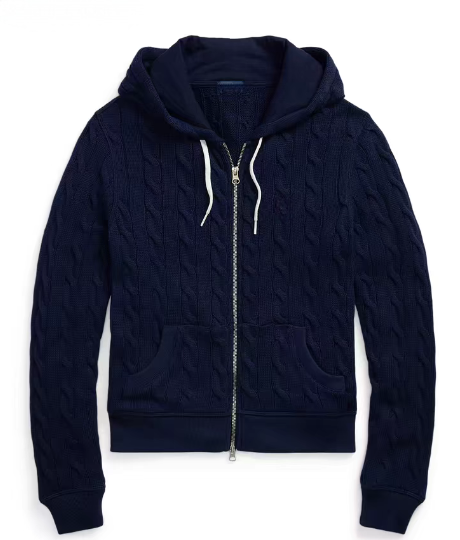
1 polo-collar cardigan can bridge sweater and shirt categories for preppy, golf-inspired, or elevated casual collections. A collar adds visual structure and supports button-front or half-zip treatments. 2-layer collar construction should be sampled with the intended yarn and wash method; poor recovery can cause curling or a limp collar edge.
4. Wholesale Knit Cardigan Materials and Yarns
Seven yarn families cover most wholesale knit cardigan briefs, from warm wool programs to value acrylic. Gauge, fiber blend, and finishing should be approved together because they determine hand feel, pilling, care labeling, and landed cost.
| Yarn Family | Hand Feel And Warmth | Gauge And Care | Cost Position | Best End Use |
|---|---|---|---|---|
| Cotton | Dry, breathable; low-medium warmth | 7-12 gauge; machine wash | Mid | Mild-climate basics |
| Acrylic | Soft; medium warmth; pills more | 5-12 gauge; easy care | Low | Value, colorful programs |
| Viscose Blend | Smooth, drapey; medium warmth | 7-14 gauge; reshape dry | Mid | Refined lightweight layers |
| Wool Or Merino | Resilient; high warmth; low-medium pilling | 5-12 gauge; wool wash | Premium | Cold-weather collections |
| Cashmere Blend | Luxurious, light warmth; pills without control | 7-12 gauge; hand wash | Luxury | Premium capsules |
| Recycled Or Performance Synthetic | Variable hand; durable, quick-dry options | 7-14 gauge; follow blend care | Mid | Active layers, sustainability claims |
Select By Climate

Cotton suits mild-weather cardigans and offers a dry, breathable hand, but can lose shape unless blended with nylon or elastane. Wool provides higher warmth at lighter weights and needs gentler laundering.
Balance Price And Wear
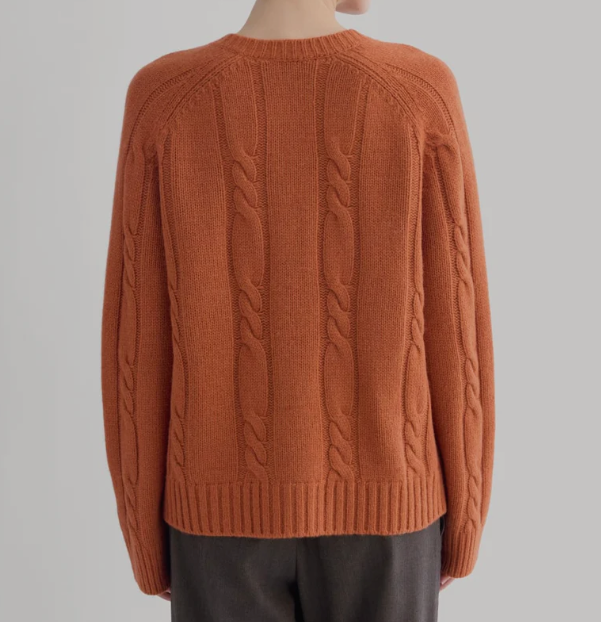
Acrylic is the lowest-cost mainstream option for color-rich, machine-washable programs, though friction can create visible pills. Viscose blends add drape and softness, while nylon reinforcement improves recovery and abrasion resistance.
Verify Sustainability Claims

Recycled polyester and recycled cotton require transaction records before hang-tag claims are approved. Merino and cashmere blends justify premium positioning, but fiber content, anti-pilling testing, and care instructions must match the final yarn.
5. Customizing a Wholesale Knit Cardigan
At a 100-unit-per-style-and-color starting point, customization must be chosen before sampling because knit programming, yarn ordering, and trim sourcing follow different lead paths. A wholesale knit cardigan gains the cleanest result when permanent graphics are engineered into the structure.
| Customization Route | Indicative Price Effect | MOQ Pressure | Durability | Sampling Complexity |
|---|---|---|---|---|
| Stock body with labels | Lowest incremental cost | Low | High | Low |
| Custom buttons or patches | Moderate incremental cost | Low to medium | High | Medium |
| Embroidery placement | Moderate incremental cost | Medium | High | Medium |
| Jacquard or intarsia artwork | Highest development cost | Medium to high | High | High |
Engineer Into The Knit

Jacquard logos, stripes, argyle, intarsia blocks, and contrast tipping should be programmed into the knit when they define the garment face. These options resist peeling and preserve appearance through washing, but each color and gauge change increases yarn management and sample review. Two to four colors are usually easier to control than a dense multicolor artwork at development stage. Confirm artwork scale, repeat placement, backing yarn, gauge, and approved Pantone references on the knit strike-off.
- Use jacquard for repeated logos and all-over patterns
- Use intarsia for large clean color blocks
- Use contrast ribs for cuffs, plackets, and hems
Add After Knitting

Embroidery, patches, buttons, zipper pulls, labels, and packaging are applied after knitting, so they can refresh a proven body without reprogramming it. They suit smaller graphic areas, although heavy embroidery can distort a lightweight gauge and patches require placement control. Three label components—main, size, and wash-care—should be specified before bulk approval. Request button, zipper-pull, patch, and folded-label samples against the approved cardigan color.
- Embroidery: premium focal logo
- Woven patch: removable branding flexibility
- Custom buttons: strong placket impact
- Hang tags: low-risk seasonal storytelling
Color And Sampling Control

One approved lab dip per yarn color reduces preventable shade variation between body panels, ribs, and replacement yarn. Color development should identify Pantone targets, fiber composition, dye-lot tolerance, and whether contrast trims use the same yarn base. One prototype plus one corrected sample is a practical minimum for a new custom program. Check logo placement, button spacing, label comfort, packing count, and measured dimensions before releasing production.
- Approve knitted swatches before full samples
- Keep a signed trim card with bulk records
- Avoid unapproved color substitutions
6. Construction Quality for Knit Cardigans
For a wholesale knit cardigan, construction faults show up first as twisting plackets, uneven measurements, popped seams, and premature surface wear. Approve quality against a sealed sample and measurable tolerances—not a factory photo.
Check Knit Structure

12-gauge panels should show even stitch density from hem to sleeve, with no laddering, dropped stitches, barre, or abrupt gauge change. Compare left and right fronts under flat light; mismatched density can distort drape after laundering.
- Measure body and sleeve lengths after relaxation.
- Inspect linked seams inside and out for gaps.
- Stretch shoulder and armhole joins by hand.
- Check rib cuffs and hems rebound after stretching.
Assess Front-Edge Stability

2.5–3 cm plackets need straight edges, consistently spaced buttonholes, and reinforcement that prevents elongation. Buttonholes should be cleanly bound, aligned with buttons, and tested through repeated fastening.
- Lay the cardigan buttoned on a flat table.
- Check collar points sit level without rolling.
- Confirm placket does not wave or torque.
- Pull each buttonhole gently across its width.
Verify Wash Performance

A pre-production sample should be measured before and after the agreed care test; record tolerances for length, width, sleeve, and opening. Request pilling and colorfastness testing appropriate to the yarn and intended care method.
- Wash and dry using the stated consumer-care route.
- Compare color transfer on light trims and labels.
- Photograph measurements and appearance before approval.
- Retain the approved sample as the bulk-production reference.
7. Choosing a Wholesale Knit Cardigan Manufacturer
A capable wholesale knit cardigan partner proves its process before asking for a purchase order. Evaluate knitting expertise, development control, factory access, and export discipline against your target fit, volume, and delivery date.
Verify Knit Capability
Ask which gauges, machines, and constructions the supplier runs; a cardigan factory should explain 3GG to 12GG options, linking, fully fashioned panels, and finishing tolerances. Request unedited production-floor video and two comparable samples. A trading-only vendor often relays generic answers, cannot identify machine capacity, or resists direct factory verification.
Check Development And Sizing
Request a yarn card, fiber composition, count, gauge, color-lab-dip process, and pilling or wash-test records before approving materials. Confirm prototype, fit sample, size-set, and pre-production sample stages. For XS–3XL, ask how shoulder, sleeve, body length, and grading increments are adjusted rather than merely scaled.
Audit Commercial Readiness
Confirm MOQ by style, color, and yarn; 100 units per style and color can suit a controlled capsule, while custom yarn dyeing may require higher commitments. Ask for a written quotation with Incoterms, sample charges, lead time, payment milestones, inspection standard, and destination-market export experience.
- Business license and factory address
- Social-compliance audit or certification evidence
- QC checklist and AQL inspection procedure
- References or shipment records for similar programs
Test Communication And Control
Set a short technical test: send a specification change and require a written response covering cost, timing, pattern impact, and approval needed. Reliable OEM teams name an owner, document revisions, and flag risks early. Junsheen can combine development, grading, sourcing, quality control, packaging, and export support within one production workflow.
8. Common Wholesale Knit Cardigan Buying Mistakes
First-time buyers often treat a knit cardigan as a cut-and-sew style, then discover that yarn behavior, gauge, and finishing determine its true bulk result. A disciplined sample-and-specification process prevents expensive rework after production begins.
Judge Yarn Beyond Swatches
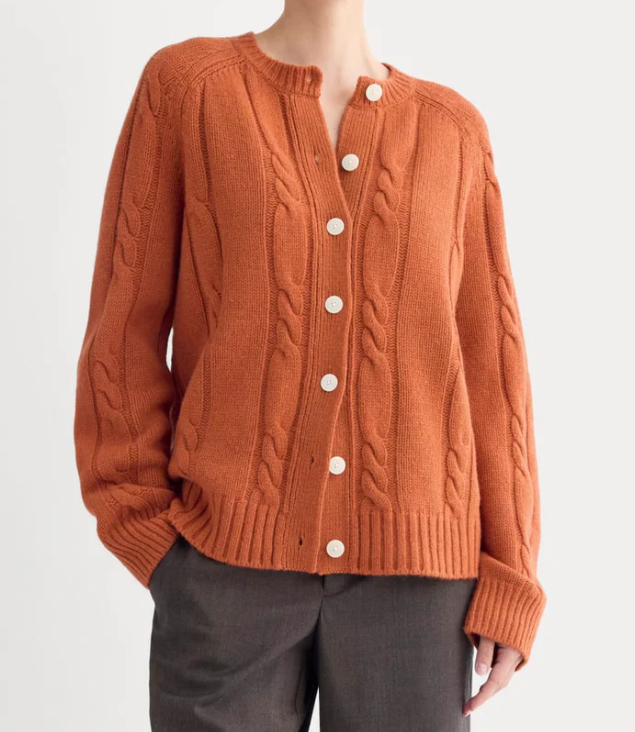
A 10 cm yarn swatch cannot show pilling, growth, recovery, or finished drape. Request a knitted panel or prototype, then compare hand feel and appearance after washing. Two yarns with similar color can perform differently at the same gauge. Confirm fiber blend, yarn count, twist, and approved supplier before bulk booking.
Specify Gauge Weight And Measurements

7GG and 12GG constructions can use similar yarn yet produce very different warmth, opacity, and costs. State gauge, target garment weight, stitch density, and tolerance on the tech pack. Six core points—chest, body length, shoulder, sleeve, cuff, and hem—should be measured on the approved size set. Include grading rules rather than enlarging a base size proportionally.
Test Wash And Color

One wash test can reveal shrinkage, twisting, color bleeding, and seam distortion before a 100-unit MOQ becomes sellable inventory. Approve wash method, dimensional tolerance, and appearance standards against a retained sample. Pantone references and lab dips are essential because screen color is not production color. Review physical color standards under agreed lighting before confirming yarn or dye lots.
Approve The Finished Pack

Three unapproved details—fold method, polybag warning label, and hang-tag attachment—can delay retailer intake or create avoidable repacking costs. Provide a packing specification with carton quantities, barcodes, labels, and moisture protection. One sealed pre-production sample should represent the exact yarn, color, measurements, trims, decoration, and packaging. Do not release bulk production until that sample is signed off in writing.
9. Launching Your Wholesale Knit Cardigan Collection
A wholesale knit cardigan launch moves fastest when positioning, fit, yarn, and merchandising are decided as one brief. Start with a defined customer, retail price target, and competitive gap before requesting development.
Build A Focused Range
Three to five opening SKUs usually give a 100-unit MOQ program enough visual breadth without fragmenting buying power. Use one hero shape, one commercial repeatable silhouette, and one fashion-led option; share yarn families, buttons, and labels across colors. Two target colorways per core style are often more productive than six weakly differentiated options. Reserve a distinctive stitch, stripe, jacquard, or branded trim for the hero piece.
Lock The Development Brief
One complete tech pack should specify measurements, gauge, stitch map, yarn composition, trims, Pantone references, artwork placement, labeling, and packing. Include competitor references only to communicate direction, not to copy protected designs. XS through 3XL needs deliberate grading and fit priorities, especially shoulder balance, body length, sleeve shape, and button-stand stability. Junsheen can develop from a sketch, reference garment, or finished specification.
Approve Samples In Sequence

Four checkpoints prevent bulk surprises: yarn and color approval, prototype, fit sample, and pre-production sample. Compare approved swatches under daylight and retail lighting, then record Pantone, lot, hand feel, and shrinkage decisions. One sealed pre-production sample becomes the production reference for measurements, stitch density, button placement, labeling, and finishing. Do not release bulk until the size set and wash results are signed off.
Calendar Production And Merchandising
Six to nine months before the selling season is a practical starting window for design, sampling, revisions, production, and freight planning. Build launch content around outfit pairings, close-ups of knit texture, fit imagery, and a clear size guide. 100 units per style and color can suit a capsule, but consolidate volume into proven options after early sales signals. Incoming-fabric, in-line, measurement, decoration, and final packed-goods inspections should precede delivery.
10. Wholesale Knit Cardigan Pricing and Costs
100-unit cardigan programs typically carry the highest unit cost because yarn purchasing, programming, linking, sample development, labels and packaging are spread across fewer garments. A wholesale knit cardigan quote changes most with fiber content—acrylic versus cotton, wool blends or recycled yarns—plus gauge, stitch density, intarsia or jacquard complexity, button quality, colorways and branded trims. 3 cost checkpoints should be confirmed before comparing factories: approved tech pack and measurement chart, confirmed yarn swatch or sample, and destination-specific packing, testing and freight requirements. Junsheen can quote from 100 units per style and color, but final pricing depends on approved specifications, sample decisions, carton dimensions, inspection requirements and the shipping destination.
| Quantity tier | Estimated unit price | Typical bulk lead time |
|---|---|---|
| 100–299 units | US$18–34 | 30–45 days after approvals |
| 300–499 units | US$14–27 | 30–45 days after approvals |
| 500–999 units | US$11–23 | 35–50 days after approvals |
| 1,000+ units | US$9–19 | 40–55 days after approvals |
Develop Your Wholesale Knit Cardigan Collection With Confidence
Send your tech pack, reference garment, or product idea for a tailored quote and fit-focused sample development from 100 units.