Cardigan Sweater Supplier for Custom Private-Label Programs
JUNSHEEN is your cardigan sweater supplier for OEM development, fit-focused XS–3XL grading, and scalable production from 100 units per style and color.
Featured Products for cardigan sweater supplier Development




Related Product Catalogue and Quotation

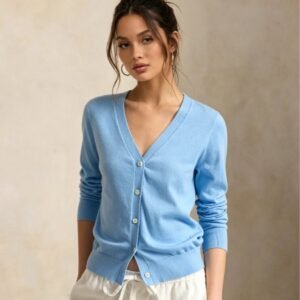


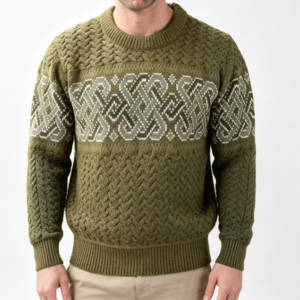


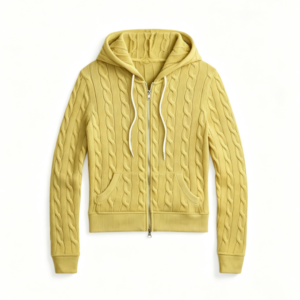
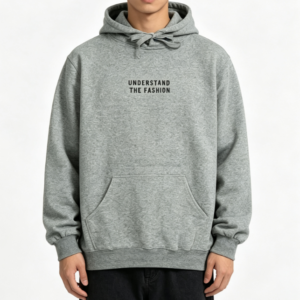
Why Choose JUNSHEEN as Your Cardigan Sweater Supplier
One integrated manufacturing partner for custom cardigan development, reliable fit, branded finishing, and global production growth.
100-Unit Starting MOQ
Launch cardigan colors and styles from 100 units per style and color, supporting capsule collections, testing, and disciplined inventory planning.
OEM, ODM, Private Label
Bring a tech pack, sketch, reference garment, or concept; our team supports development, sourcing, sampling, labels, trims, and production.
Fit-Focused XS–3XL Grading
Pattern makers refine proportions, shoulder balance, sleeve length, mobility, and grading increments for standard, oversized, extended-size, and plus-size cardigan fits.
Branded Finishing In-House
Add logo embroidery, custom patches, prints, labels, buttons, zippers, hang tags, and packaging through one coordinated apparel supply chain.
Scalable Knitwear Production
With 200+ skilled workers and monthly capacity exceeding 80,000 units, JUNSHEEN supports launches, replenishment programs, and growing global demand.
Export-Ready Coordination
From quotation and pre-production approval through quality control, packing, and shipping, our team keeps cardigan orders organized for international buyers.
Custom Knitwear & Apparel Manufacturing
From capsule-ready knitwear to scalable casualwear programs, Junsheen develops fit-focused styles with private-label details and low-MOQ production.
Custom Hoodies
Develop custom hoodies in fleece, French terry, jersey, or blended constructions. We support pattern development, XS–3XL grading, embroidery, screen printing, washes, labels, and packaging from 100 units per style and color.
Request a Quote
Custom T-Shirts
Produce custom T-shirts with targeted fabric weight, hand feel, neckline, fit, and decoration requirements. Our team develops regular, oversized, and extended-size silhouettes with screen print, DTG, DTF, embroidery, private labels, and export-ready packing.
Request a Quote
Custom Jeans
Develop custom jeans in rigid or stretch denim with fit-specific rises, leg shapes, washes, hardware, and branded trims. Pattern makers grade proportions from XS–3XL, supporting capsule launches, repeat programs, and bulk denim production.
Request a Quote
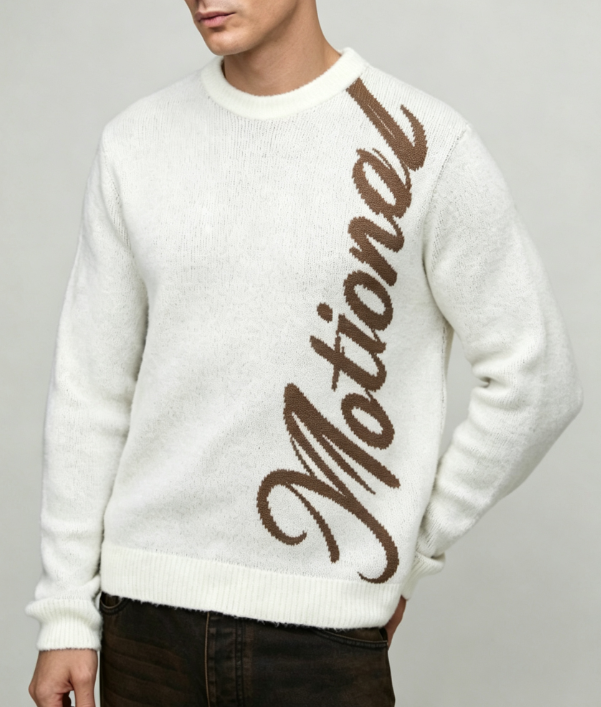
Custom Sweaters
Source turtle neck sweater bulk programs with yarn, gauge, stitch, and silhouette specifications matched to your price point. Junsheen develops fitted, relaxed, oversized, and extended-size sweaters with size grading, labels, and approved pre-production samples.
Request a Quote
Custom Jackets
Build custom jean jackets with denim weights, washes, closures, pockets, embroidery, patches, and branded hardware selected for your collection. We refine fit through sampling and grading, then manage cut-and-sew production, finishing, labeling, and final packing.
Request a Quote
Custom Sweatshirts & Crewnecks
Create custom crewneck hoodie and sweatshirt programs in fleece, French terry, or jersey. Choose crewneck, hooded, cropped, oversized, or extended-size fits, supported by screen printing, puff effects, embroidery, garment washes, rib trims, and private labeling.
Request a Quote
Custom Cardigans
Develop custom cardigans across knit gauges, yarn blends, button constructions, rib details, and length options. Junsheen supports size-inclusive grading, modern oversized fits, custom labels, branded buttons, and low-MOQ production for private-label knitwear launches.
Request a Quote
Custom Puffer & Down Jackets
Produce custom puffer jackets with shell fabric, insulation, quilting, lining, hood, pocket, zipper, and trim requirements defined for your market. Development includes fit review, sample approval, branded details, quality checks, and scalable outerwear production.
Request a Quote
Custom Denim Shorts
Manufacture custom jean shorts in rigid or stretch denim with chosen inseam, rise, hem treatment, wash, distressing, pockets, and hardware. We develop women’s, men’s, oversized, and extended-size fits with consistent grading across the size range.
Request a Quote
Custom Sweater Dresses
Create custom sweater dresses with yarn, gauge, stitch texture, neckline, length, and shape suited to your collection. Our knitwear team supports body-conscious, relaxed, and oversized silhouettes, plus XS–3XL grading, labels, and production-ready size sets.
Request a Quote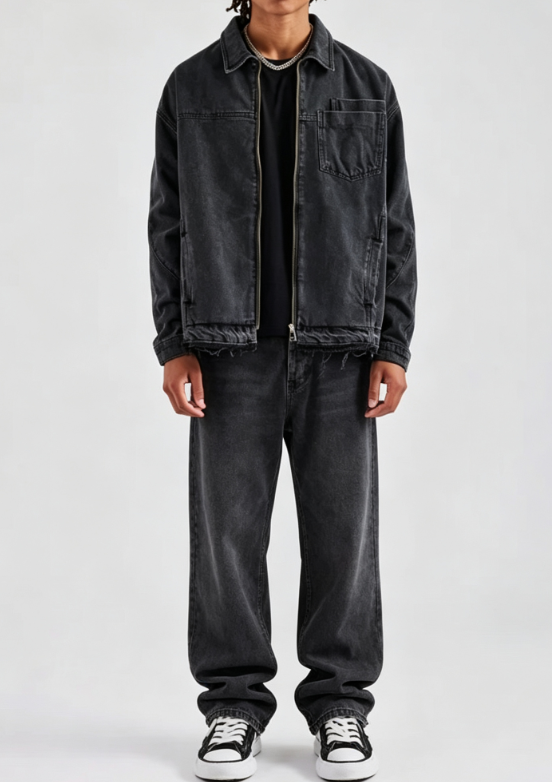
Custom Denim Sets
Develop mens denim suits wholesale programs combining coordinated denim jackets, overshirts, jeans, or trousers. We align fabric shade, wash, fit, hardware, and branding across each piece, supporting wholesale-ready size runs and repeatable bulk production.
Request a Quote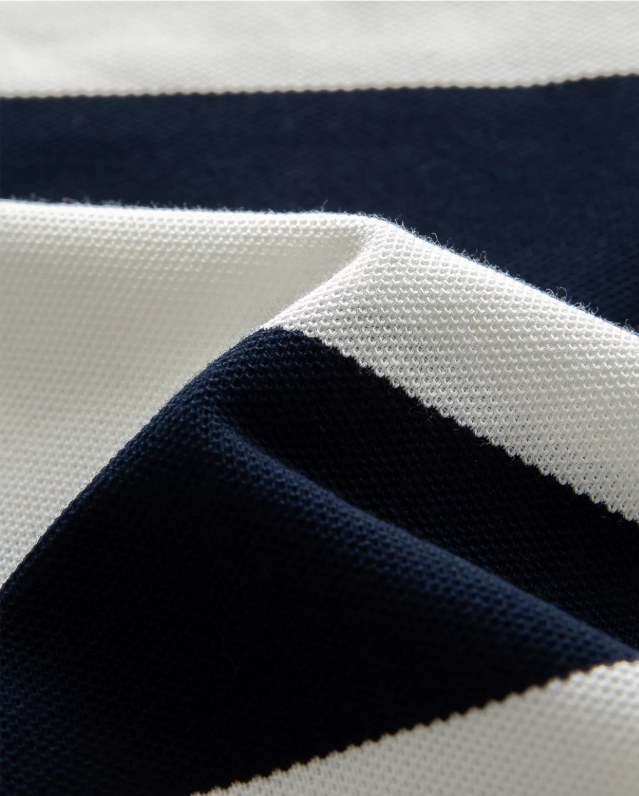
Custom Polo Shirts
Produce custom polo shirts in piqué, jersey, performance knits, or blended fabrics with specified collars, plackets, cuffs, fits, and logo decoration. Options include embroidery, patches, private labels, extended-size grading, and packaging for retail or uniform programs.
Request a Quote
Custom Sweatpants
Manufacture custom sweatpants in fleece, French terry, or jersey with defined rise, leg shape, waistband, cuffs, pockets, drawcords, and decoration. Fit-focused grading supports regular, oversized, plus-size, and coordinated set production from low MOQs.
Request a Quote
Custom Shorts
Develop custom shorts for casualwear, athleisure, denim, twill, and knit programs. Specify inseam, rise, pocket layout, waistband, stretch, washes, prints, embroidery, labels, and packaging while maintaining consistent fit across XS–3XL size sets.
Request a Quote
Custom Pullovers
Create custom pullovers in knit, fleece, French terry, or jersey constructions with chosen neckline, gauge, weight, fit, and finishing. We support quarter-zip, mock-neck, oversized, and size-inclusive styles with private-label trims and scalable production.
Request a QuoteYarns and Materials for Custom Cardigans

Combed Cotton Yarn
Soft, breathable combed cotton creates clean everyday cardigans with a smooth hand feel and dependable comfort. It suits lightweight to midweight gauges, offers low irritation, and performs well through repeated washing when properly finished.

Wool Blend Yarn
Wool-blend yarn brings warmth, resilience, and a refined natural texture to premium cardigans. Ideal for cool-weather layers, it provides body and recovery while blend ratios can be adjusted to improve softness, durability, and care performance.

Viscose Blend Yarn
Viscose-blend yarn delivers a silky hand feel and fluid drape for polished, feminine, or fashion-led cardigan silhouettes. Its smooth fibers create clear stitch definition, while blended construction can add strength, recovery, and easier wash care.

Cashmere Blend Yarn
Cashmere-blend yarn gives elevated cardigans a notably soft, lightweight, and warm hand feel. Used for premium collections and giftable knitwear, it can be engineered with supportive fibers to improve pilling resistance, shape retention, and durability.

Recycled Polyester Yarn
Recycled polyester yarn supports durable, color-stable cardigans for uniforms, layering programs, and performance-inspired collections. It offers strong abrasion resistance, quick drying, and reliable shape retention, with blends available to soften the synthetic hand feel.
Cardigan Sweater Supplier Decoration and Finishing

Logo Embroidery
Flat, 3D, puff, chain-stitch, and applique embroidery adds tactile brand marks with clean stitch definition. Our team positions logos for knit stability and long-wearing results across cardigan plackets, chests, sleeves, and back panels.

Knit Applique
Layered knit or fabric applique creates dimensional lettering, varsity motifs, and contrast-color artwork. Secure stitching and material matching help the design retain its shape, texture, and visual impact through repeated wear and washing.

Custom Patch Application
Woven, embroidered, leather, and rubber patches provide a flexible way to add identity without overwhelming the cardigan silhouette. We match patch backing, attachment method, and placement to the garment’s knit weight and intended durability.

Specialty Printing
Screen printing, DTF, heat transfer, foil, flocking, silicone, and high-density effects support bold graphics on suitable cardigan constructions. We review yarn content and surface texture first to recommend a print method with dependable adhesion and definition.

Washing and Finishing
Softening, enzyme washing, anti-pilling treatments, brushing, and napping refine hand feel and garment character. These controlled finishing options can create a softer, more premium surface while supporting consistent appearance across bulk production.
Custom Trims and Accessories from Your Cardigan Sweater Supplier

Custom Buttons
Choose horn-look, resin, metal, pearl-effect, or logo buttons for front plackets and cuffs. JUNSHEEN helps match button size, color, and attachment method to the cardigan gauge, yarn weight, and intended wear.

Branded Zippers
Add custom zipper pulls or reliable YKK zipper options to zip-front cardigans and knit jackets. We coordinate tape color, puller finish, zipper length, and reinforcement details for smooth operation and a polished branded look.

Woven Labels
Create main labels, size labels, and wash-care labels that carry your brand identity clearly. Woven, printed, leather-look, and heat-transfer options can be positioned for comfort, visibility, and compliance in each target market.

Custom Hang Tags
Finish retail-ready cardigans with branded hang tags, barcode labels, strings, and price-ticket attachments. Our team can coordinate paper stock, shape, printing, and packaging details to support wholesale presentation and direct-to-consumer launches.

Logo Patches
Use embroidered, woven, leather-look, silicone, or appliqué patches to add a signature detail to chest areas, sleeves, hems, or pockets. Patch materials and attachment methods are selected to complement knit texture and preserve garment comfort.
Rib Trim Details
Specify custom rib trims for necklines, cuffs, plackets, and hems, including contrast tipping and stripe effects. Fit-focused development helps maintain recovery, proportion, and a clean shape through wear and repeated washing.
JUNSHEEN Cardigan Sweater Supplier
Founded in 2010 in Humen Town, Dongguan, JUNSHEEN is a cardigan sweater supplier built for brands that need responsive development and dependable production. We combine OEM, ODM and private-label manufacturing to turn sketches, tech packs and reference garments into production-ready custom cardigans.
With 200+ skilled workers and monthly capacity exceeding 80,000 units, our team supports capsule launches from 100 units per style and color through scalable repeat programs. Knitting, cut-and-sew, fabric sourcing, labels, trims, finishing, quality control and export support are managed through one coordinated supply chain.
What distinguishes JUNSHEEN is fit-focused development from XS to 3XL, including extended-size, plus-size and modern oversized grading. We have served 2,000+ fashion-brand clients worldwide, helping sourcing teams create cardigans with clearer specifications, consistent fit and brand-ready finishing.

Cardigan Sweater Supplier Capabilities in Detail
Fit-First Pattern Development
JUNSHEEN develops cardigan patterns from XS through 3XL with deliberate adjustments to shoulder balance, sleeve length, body proportion, mobility, and grading increments. This fit-first approach helps brands approve samples faster and build reliable extended-size, plus-size, and oversized cardigan ranges.
- Pattern making from tech packs, sketches, references, or concepts
- Normal, extended, plus-size, and oversized grading
- Prototype, size-set, and pre-production fit approvals
- Manufacturability feedback before bulk commitment
Integrated Knitwear and Cut-and-Sew
As a cardigan sweater supplier with both knitwear and cut-and-sew capability, JUNSHEEN matches construction, yarn, trims, and finishing to your intended market position. One development team can coordinate cardigan programs alongside complementary casualwear, denim, and outerwear collections.
- Sweater constructions, performance knits, and blended yarn options
- Fabric and yarn recommendations for hand feel and durability
- Coordinated production across related apparel categories
- Swatches and samples reviewed before bulk material confirmation

Private Labels Built In
Turn approved cardigan samples into branded retail-ready goods with integrated private-label execution. JUNSHEEN manages custom labels, buttons, zippers, patches, embroidery, packaging, and finishing within one supply chain, reducing handoffs and keeping each production detail aligned with your specifications.
- Woven, leather, main, size, and wash-care labels
- Custom buttons, snaps, zippers, drawstrings, and rib trims
- Embroidery, patches, printing, washing, and anti-pilling finishes
- Branded hang tags and packaging support

Consistent Repeat-Order Control
JUNSHEEN retains approved patterns, graded size sets, and material records to make repeat cardigan orders more consistent and efficient. Incoming-material, in-line, measurement, decoration, and final-packing checks support dependable quality as your program grows from 100-unit launches to ongoing bulk production.
- Low MOQ from 100 units per style and color
- 200+ skilled workers and 80,000+ monthly capacity
- Documented specifications for faster repeat development
- Quality control from fabric inspection through packed goods

Why Choose JUNSHEEN as Your Cardigan Sweater Supplier?
Evidence-led production support for brands that need dependable fit, clear development, and room to scale.
← 左右滑动查看 →
Cardigan Sweater Supplier Production Timeline
A fit-focused, quality-controlled path from feasibility review to worldwide delivery.
Review Design Feasibility
Our team reviews your tech pack, sketch, reference sample, target fit, gauges, construction details, MOQ, and cost requirements before recommending a production approach.
Source Yarn and Trims
We align yarn composition, weight, color, buttons, labels, and packaging with your brief, providing swatches and material recommendations for approval.
Develop Fit Samples
Pattern makers create samples and refine XS–3XL grading, shoulder balance, sleeve length, button placement, and proportions before your size-set approval.
Knit and Assemble Bulk
After pre-production approval, we coordinate knitting or cut-and-sew assembly, linking, decoration, washing, finishing, and private-label details for your confirmed order.
Inspect, Pack, and Ship
Multi-stage quality checks verify materials, measurements, construction, appearance, and packed goods before branded packaging, export documentation, and global shipment arrangements.
Work with Your Cardigan Sweater Supplier
Move from concept to reliable bulk production with a clear, fit-focused development path.
Submit Your Product Brief
Send a tech pack, sketch, reference cardigan, mood board, or product idea. Share target quantities, sizing, materials, decoration, and delivery requirements.
Review Feasibility and Develop
Our OEM team reviews construction, yarn or fabric options, trims, fit grading, and target cost, then creates patterns and samples for evaluation.
Approve Sample and Quotation
Confirm the fit, measurements, materials, colors, branding details, and sample revisions. We finalize pricing, MOQ from 100 units per style and color, and production timing.
Launch Bulk Production
After order confirmation, JUNSHEEN manages material sourcing, knitting or cut-and-sew production, decoration, quality inspections, packaging, and export shipping for your approved cardigan program.
Custom Clothing Manufacturer Credentials and Compliance Documents


Cardigan Sweater Supplier Results from Global Brands
JUNSHEEN corrected our oversized cardigan grading from XS to 3XL during sampling. The approved size set reduced our planned revision cycle from three rounds to one, and we reordered two colorways within six months.
We launched a 120-unit private-label cardigan capsule with custom labels, horn-look buttons, and recycled-blend yarn. The team kept measurements and hand feel consistent with our approved sample, allowing us to replenish the best-selling color in four weeks.
For our wholesale program, JUNSHEEN delivered 2,400 cardigans across four colors with export-ready packing for Canada and the UK. Their in-line measurement checks helped us receive goods with fewer than 1% size-related claims from retailers.
Cardigan Sweater Supplier FAQ
Clear answers on custom development, order terms, fit, quality control and global delivery.
What is the minimum order quantity from your cardigan sweater supplier?
Can a cardigan sweater supplier develop my design from a sketch or reference sample?
How long does cardigan sampling and bulk production take?
Does your cardigan sweater supplier offer XS–3XL and plus-size grading?
Can I order private-label cardigans with custom labels, buttons and packaging?
What payment terms do you offer for cardigan orders?
How do you protect my cardigan design and product information?
Do you provide quality control and international shipping support?
The Complete Cardigan Sweater Supplier Buyer’s Guide
Use this practical framework to compare cardigan sweater supplier capabilities, materials, construction standards, MOQs, pricing, and customization options—while avoiding sourcing mistakes that delay samples, inflate costs, or compromise brand quality.
1. What Is a Cardigan Sweater Supplier?
2010 is the founding year of Dongguan Junsheen Clothing Co., Ltd., a vertically coordinated cardigan sweater supplier serving OEM, ODM, wholesale, and private-label programs. In practical terms, the supplier turns a buyer’s tech pack, sketch, reference garment, or concept into approved samples and repeatable bulk production, rather than merely selling finished stock. 3 common supplier models differ in control and accountability. A trading company typically coordinates factories and communication; a knitting factory specializes in knit construction but may outsource development, trims, packing, or export; a vertically coordinated manufacturer manages knitwear development, pattern making, grading, fabric and trim sourcing, production, quality control, packaging, and shipment through one operating workflow. 100 units per style and color is a workable starting MOQ for a capsule program at JUNSHEEN, while continuing programs can scale into bulk production. Buyers should expect feasibility review, yarn or fabric recommendations, prototype and size-set sampling, measurement and appearance checks, branded labels and packaging, final inspection, and export coordination—with approvals documented before goods ship. 80,000+ units of monthly capacity does not replace technical review: cardigan specifications still need confirmation for gauge, fiber blend, button placement, rib recovery, wash performance, grading, and finishing. A dependable cardigan sweater supplier identifies those production variables early, retains approved patterns and material records, and gives the buyer a clear point of responsibility from development through delivery.
2. Evolution of Cardigan Sweater Manufacturing
1850s saw the cardigan move from a military-inspired, button-front wool layer into everyday knitwear, then a fashion staple across menswear and womenswear. Early production depended on hand frames and skilled linking, so gauge, shaping and color variation were limited by labor time and local yarn availability. 1889 marked the commercialization of the flat knitting machine, accelerating production of fully fashioned panels that could be linked into more consistent garments. Industrial knitting widened access to fine-gauge merino, cotton and acrylic blends, while global sourcing separated yarn spinning, knitting, finishing and assembly across specialized supply chains. 1970s computerized flat knitting introduced programmed stitch structures, intarsia, cables and repeatable shaping with far less manual setup. For a cardigan sweater supplier, buyers now expect digital specifications, approved yarn and trim records, Pantone-controlled color standards, and retained patterns that make replenishment more dependable. 100-unit per style-and-color OEM programs reflect the current shift from large seasonal bets to controlled capsule launches and test orders. Modern development must also support XS through 3XL with deliberate grading—not simple enlargement—while traceable material choices, sample approvals and in-line measurement checks protect fit consistency as a successful cardigan scales.
3. Types of Cardigan Sweater Supplier Programs
Five program models cover most cardigan sourcing decisions, from immediate resale to engineered knit development. The right cardigan sweater supplier model depends on launch date, design ownership, and the cash tied up in sampling and minimums.
| Program | Best Buyer | Control | Speed | MOQ Effect |
|---|---|---|---|---|
| Stock wholesale | Demand test | Low | Fastest | Existing inventory |
| Private label | New retailer | Low-medium | Fast | Lower minimums |
| OEM | Established design | High | Moderate | Style-color based |
| ODM | Resource-limited label | Medium | Moderate | Development dependent |
| Custom knit | Signature collection | Highest | Slowest | Higher efficiency threshold |
Ready Stock And Private Label

7-14 days is a typical stock-wholesale route when buyers accept existing silhouettes, colors, and yarns. It suits retailers testing demand, but offers the least differentiation. 50-200 units can often support relabeling, hang tags, or packaging. Private label is faster than new development, yet button, gauge, fit, and color options remain constrained by available inventory.
OEM And ODM Development
100 units per style and color can be practical for an OEM capsule when the buyer supplies a tech pack, reference, or approved artwork. The buyer controls specifications, while the factory converts them into patterns, samples, and bulk production. 3-6 weeks for development is common when yarn sourcing and size-set approval are required. ODM suits buyers needing supplier-led silhouettes and material recommendations, trading some design exclusivity for faster decisions.
Fully Custom Knit Programs
2-3 sampling rounds may be needed for fully custom knitwear covering stitch structure, gauge, intarsia, jacquard, and shaped panels. This route fits brands building signature product, but requires the highest approval discipline and investment. 300+ units per color is often more economical because custom yarn, machine setup, and knitting waste raise fixed costs. It delivers the strongest uniqueness, but carries the longest calendar and greatest forecast risk.
4. Cardigan Sweater Supplier Materials and Fabrics
A cardigan sweater supplier should specify fiber content before approving color or trim, because yarn selection determines hand feel, warmth, durability, care, and target retail tier. Gauge, ply, yarn count, and finished weight translate that choice into a wearable seasonal product.
| Material | Performance And Care | Best Positioning |
|---|---|---|
| Cotton | Breathable; shrinkage risk | Spring basics |
| Acrylic | Affordable; pilling varies | Value color programs |
| Merino wool | Warm, soft; hand wash | Premium essentials |
| Cashmere blend | Luxurious; delicate care | Elevated capsules |
| Viscose blend | Fluid drape; growth risk | Fashion layers |
| Recycled blends | Traceability required | Responsible collections |
Core Fiber Tradeoffs

100% cotton is breathable, absorbent, and suitable for spring layers, but it can shrink unless yarn and garment wash testing are controlled. Acrylic delivers lower cost and color consistency, though low-quality staples pill more readily. 18–21 micron merino provides softer next-to-skin warmth than standard wool; wool needs controlled laundering to limit felting. Cashmere blends add premium softness, while nylon reinforcement improves abrasion resistance.
Drape And Responsible Options

12-gauge viscose blends create fluid drape and a cool hand for fashion cardigans, but require stabilization to prevent growth. Recycled cotton, recycled polyester, and recycled nylon can support material goals when traceability documents and color-lot consistency are reviewed. 50/50 cotton-acrylic balances cost, softness, and easy care; wool-acrylic blends improve warmth at a more accessible price. Request swatches and wash-tested samples from the cardigan sweater supplier before bulk approval.
Gauge Ply And Weight
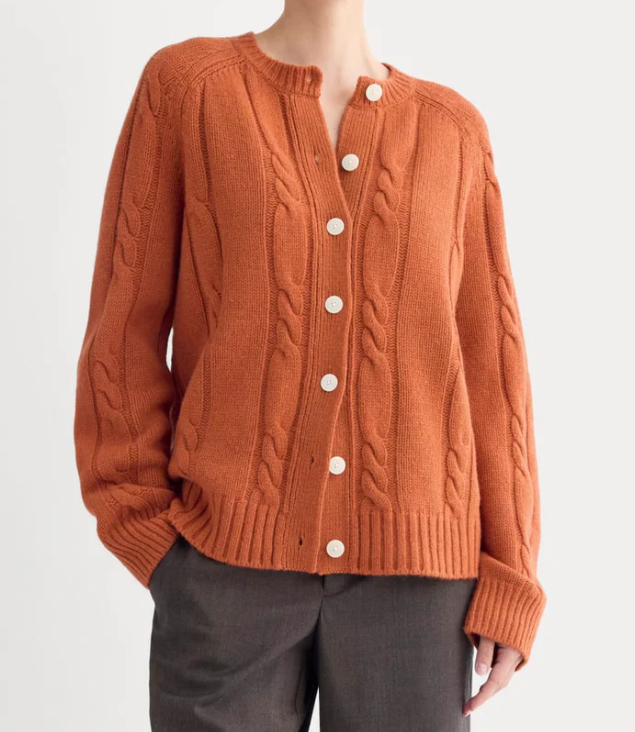
3–5 gauge, 2-ply yarns produce heavier, textured cold-weather cardigans; 7–12 gauge constructions suit versatile midweight programs. Higher ply can improve coverage and resilience, while yarn count and stitch density determine actual weight. 300–500 GSM finished knitwear generally reads as substantial outer layering, while lighter constructions suit transitional seasons. Pilling, spirality, shrinkage, and dimensional recovery should be tested after the intended care cycle.
5. Cardigan Sweater Supplier Customization Options
A cardigan sweater supplier should lock the knit specification before approving trims or branding. JUNSHEEN can develop silhouettes from a tech pack, reference garment, sketch, or mood board, then refine normal, extended, plus-size, and oversized fits from XS through 3XL.
| Customization | Best Use | Approval Point |
|---|---|---|
| Gauge | Weight and warmth | Knitted hand sample |
| Jacquard | Stripes or repeat graphics | Repeat and yarn colors |
| Knit-in logo | Simple durable branding | Stitch legibility |
| Embroidery or patch | Accent branding | Placement and backing |
| Labels and packaging | Private-label presentation | Copy and pack-out |
Silhouette And Knit Specification

3GG to 12GG gauge choices control bulk, warmth, recovery, and visual density; lower gauges suit chunky cardigans, while finer gauges suit lighter layers. Specify body length, shoulder drop, sleeve shape, placket width, rib depth, and pocket placement on the tech pack. Pantone-approved yarn shades should be confirmed against knitted lab dips, not only a screen rendering. Stripe repeats and jacquard artwork need repeat dimensions, yarn-color callouts, and an approved placement map.
Branding And Decoration
Knit-in logos work best for simple marks with adequate stitch resolution, especially chest motifs, hem signatures, and all-over jacquards. Small text, fine gradients, and photographic art lose clarity in knitted structures. Embroidery, appliqué, patches, and woven labels add identity after knitting but can affect drape or leave backing visible on lightweight panels. Supply vector artwork, Pantone references, dimensions, placement, and readable label copy before sampling.
Trims And Presentation

Custom buttons, snaps, zippers, drawstrings, rib trims, woven labels, wash-care labels, hangtags, and branded packaging can be specified as one private-label package. Button diameter, hole count, finish, and reinforcement should be approved with the trim card. One production sample should confirm color, fit, logo scale, button function, pocket alignment, labels, and packed presentation before bulk release.
6. Key Cardigan Construction Quality Elements
Three checkpoints—construction, dimensional stability, and appearance after care—reveal more than a showroom sample. A cardigan sweater supplier should convert each checkpoint into measurable tech-pack requirements before bulk approval.
Linking And Seam Finish

100% of shoulder, side, and armhole joins should be examined inside out for even linking, secure yarn tails, and no laddering. Specify allowable loose-thread length and seam appearance in the approved sample record. 2 placket edges must hang parallel from neckline to hem when buttoned. Record button spacing, placket width, collar shape, shoulder slope, and placement tolerances against the graded measurement chart.
- Inspect yarn joins away from visible panels
- Check tension consistency across body and sleeves
- Confirm no needle damage or dropped stitches
Recovery And Closure Performance
5 stretch-and-release cycles on cuffs, hem, and neck rib should show recovery without permanent waviness or excessive growth. Define the relaxed and stretched dimensions for each rib component. 10 buttoning cycles per sampled garment can expose weak buttonholes, shifting plackets, and insecure buttons. Require buttonhole density, button pull security, and aligned closure points in the QC plan.
- Rib recovery after stretch
- Buttonhole edge stability
- Placket alignment when buttoned
Wash And Shipment Controls
1 approved wash test should verify finished measurements, color change, twisting, pilling, and hand feel against the care-label method. Set acceptable measurement tolerances by point of measure; ±1 cm is common for many adult knitwear points. 4-point fabric inspection, in-line checks, and final packed-goods sampling should be documented for each color and size range. Include pilling method and rating target, colorfastness requirements, loose-thread removal, measurement audit, and final appearance standards.
- Wash shrinkage and shape retention
- Pilling resistance target and method
- Colorfastness to washing and rubbing
7. How to Choose a Cardigan Sweater Supplier
A cardigan sweater supplier should be vetted against the exact gauge, yarn, fit and delivery risk of your program. Request evidence before a deposit, then compare suppliers on the same specification rather than headline price.
Verify Knitwear Relevance
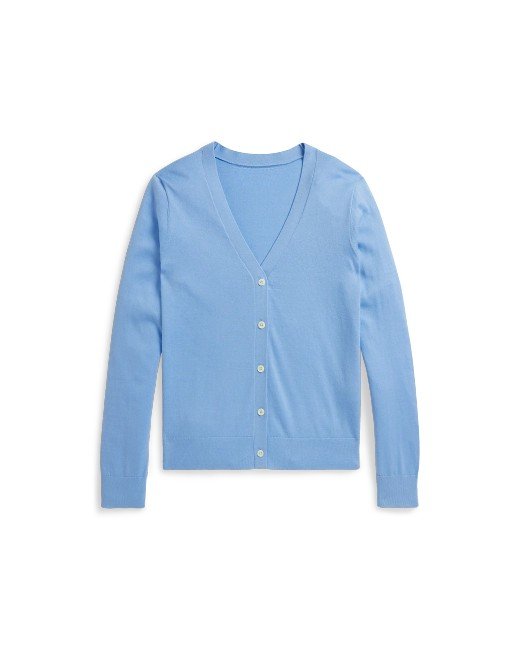
3 to 5 recent production samples reveal more than a capability deck: inspect placket stability, buttonhole density, linking, rib recovery and wash shrinkage. Ask which gauges, yarn counts and fully fashioned or cut-and-sew sweater methods the factory runs. 100-unit MOQs can suit a capsule, but confirm whether that threshold applies per style, color and size ratio. Request a comparable reference sample and its approved measurement chart.
Audit Development And Quality
A complete sample file should include the tech pack, BOM, Pantone callouts, graded spec, yarn or fabric composition, wash test and revision log. A competent development team flags manufacturability issues before a size set is approved. 4 inspection stages are practical: incoming materials, in-line checks, final measurements and packed-goods audit. Ask for the AQL standard, defect photos, corrective-action process and independent test reports where required.
- Request OEKO-TEX, GOTS, BSCI or WRAP documents if applicable
- Trace yarn supplier, lot number, composition and color approval
- Confirm retained patterns and graded size sets for repeats
Confirm Commercial Readiness
30 to 60 days is a common bulk-production range after approvals, but yarn booking, special trims and peak-season capacity can extend it. Obtain a written critical path covering sample approval, material arrival, production, inspection and shipping. JUNSHEEN combines knitwear development, sizing from XS through 3XL, quality control, packaging and export support; validate these services against your own cardigan brief. Confirm payment milestones, Incoterms, freight options, export documents and the named production contact.
- Ask for monthly capacity and current production loading
- Confirm T/T, PayPal or card payment terms in writing
- Request shipment references for your destination market
8. Common Cardigan Sweater Supplier Mistakes
A low quote can conceal costly yarn substitutions, rework, or delayed delivery. Treat each approval as a production control point: a capable cardigan sweater supplier should document materials, fit, color, packaging, and sample sign-off before bulk release.
Price Without Cost Control
100-unit programs need a landed-cost comparison, not only a unit-price comparison. Confirm yarn composition, gauge, trims, testing, labels, packing, and freight assumptions; otherwise a cheaper quote can become an expensive correction.
Unclear Specs And Yarn

12-gauge versus 7-gauge construction, stitch density, placket width, button type, and measurements must be written into a tech pack. Ask the supplier to reserve or confirm yarn availability before approving colorways, especially for seasonal blends and custom-dyed lots.
Skipping Tests And Color
3 wash cycles can reveal shrinkage, pilling, twisting, or button failure before bulk production. Approve a wear-tested sample and Pantone-referenced lab dip or shade band under daylight and retail lighting; screens are not color standards.
Fit, Packing, And Release
XS–3XL grading cannot be assumed from one base size. Review a graded measurement chart and fit sample on relevant bodies, then approve folding, polybag warnings, barcode placement, hangtags, and carton marks in writing. 1 signed pre-production sample should gate bulk cutting. Releasing production before this approval risks repeating every unresolved issue across the order.
9. Steps to Launch a Cardigan Collection
A 100-unit OEM minimum requires assortment decisions before development begins. Treat each style-color as a demand test, then align the target customer, retail price, size curve, and launch channel with the cardigan sweater supplier.
Define The Commercial Brief
100 units per style and color is a practical planning threshold for a capsule, so avoid spreading the opening order across too many colors. Set the target wearer, retail price, target landed cost, two to three core colors, and an XS–3XL or focused size curve. A 2.5–4.0x retail-to-landed-cost framework can reveal whether yarn, trims, freight, and duty leave room for margin. Record planned replenishment triggers before approving development.
Build And Approve Samples
A complete tech pack should specify measurements, stitch density, gauge, yarn composition, Pantone colors, buttons, labels, artwork, and tolerances. Send reference photos or a physical sample where construction details matter. One prototype and one fit revision are common before a size set or pre-production sample. Review the PP sample against approved fabric, color, labeling, measurements, button security, and wash results; only then release bulk production.
Manage Production Through Delivery
Three milestones—material approval, PP approval, and final inspection—keep responsibilities visible between the brand and supplier. Confirm the quotation after fabric selection, then lock purchase order quantities, packing method, ex-factory date, and balance-payment timing. AQL-based final inspection should check measurements, knit defects, shade variation, trim function, labeling, and carton counts before freight booking. Collect sell-through, return reasons, and fit comments within 30–60 days of launch to refine the repeat order.
10. Cardigan Sweater Supplier Pricing and Costs
100 units is JUNSHEEN’s starting production scale per style and color, so a capsule order normally carries a higher unit cost than a repeat bulk program. A cardigan sweater supplier needs a complete tech pack—construction, yarn specification, gauge, measurements, colors, trims, labeling and packing—to issue a dependable quote. $8–$32 per unit is a useful planning range for standard private-label cardigans quoted ex works, not a universal price list. Cotton blends and acrylic are usually lower-cost than wool, merino, cashmere blends or certified organic yarns; finer gauges, cables, jacquards, intarsia and fully fashioned details add machine time and yarn consumption. 30–45 days is a common bulk-production planning window after sample and material approval, while development sampling commonly adds 7–15 days. Pantone color count, custom buttons, YKK zippers, embroidery, woven labels, hang tags, branded packaging, sample iterations and destination freight should be budgeted separately or confirmed as quote inclusions.
| Order quantity per style/color | Indicative ex-works unit range | Typical bulk lead time |
|---|---|---|
| 100–299 units | $18–$32 | 30–45 days |
| 300–999 units | $12–$24 | 30–45 days |
| 1,000+ units | $8–$18 | 35–55 days |
Launch Your Cardigan Program With a Proven Cardigan Sweater Supplier
Send your tech pack, reference garment, or product idea for a tailored OEM quote, 100-unit MOQ, and fit-focused development.