
Blank Hoodies Wholesale, Starting at 100 Units
OEM, ODM and private-label blank hoodies wholesale with fit-focused XS–3XL development, reliable sampling and scalable global production.
Featured Products for blank hoodies wholesale Development




Related Product Catalogue and Quotation



Why Choose JUNSHEEN for Blank Hoodies Wholesale
A fit-focused, fully integrated supply partner for dependable hoodie programs from first sample through global bulk delivery.
100-Unit Starting MOQ
Launch a blank hoodie style and color from 100 units, giving emerging labels practical access to professional OEM production.
Fit-Focused XS–3XL Grading
Pattern makers refine proportions, mobility, sleeves and grading increments for standard, oversized and extended-size hoodie ranges.
Fabric Sourcing Expertise
Select French terry, fleece, cotton blends and other materials around target weight, hand feel, durability and cost.
Integrated Decoration Options
Add embroidery, screen printing, transfers, washes, labels and branded packaging through one coordinated production workflow.
Scalable Export Production
With 200+ skilled workers and 80,000+ monthly units capacity, JUNSHEEN supports repeat wholesale orders and global shipping.
OEM to Private Label
Bring a tech pack, reference garment or concept; our team manages development, sampling, quality control and production readiness.
Custom Hoodie and Casualwear Manufacturing
From low-MOQ launches to scalable programs, JUNSHEEN develops fit-focused casualwear, denim, knitwear and outerwear with integrated finishing and private-label support.

Custom Hoodies
Custom hoodies developed from your tech pack, reference garment or concept, with fabric-weight, fleece, French terry, fit and decoration options aligned to your target price. Pattern grading from XS to 3XL supports regular, oversized and extended-size hoodie programs from 100 units per style and color.
Request a Quote
Custom T-Shirts
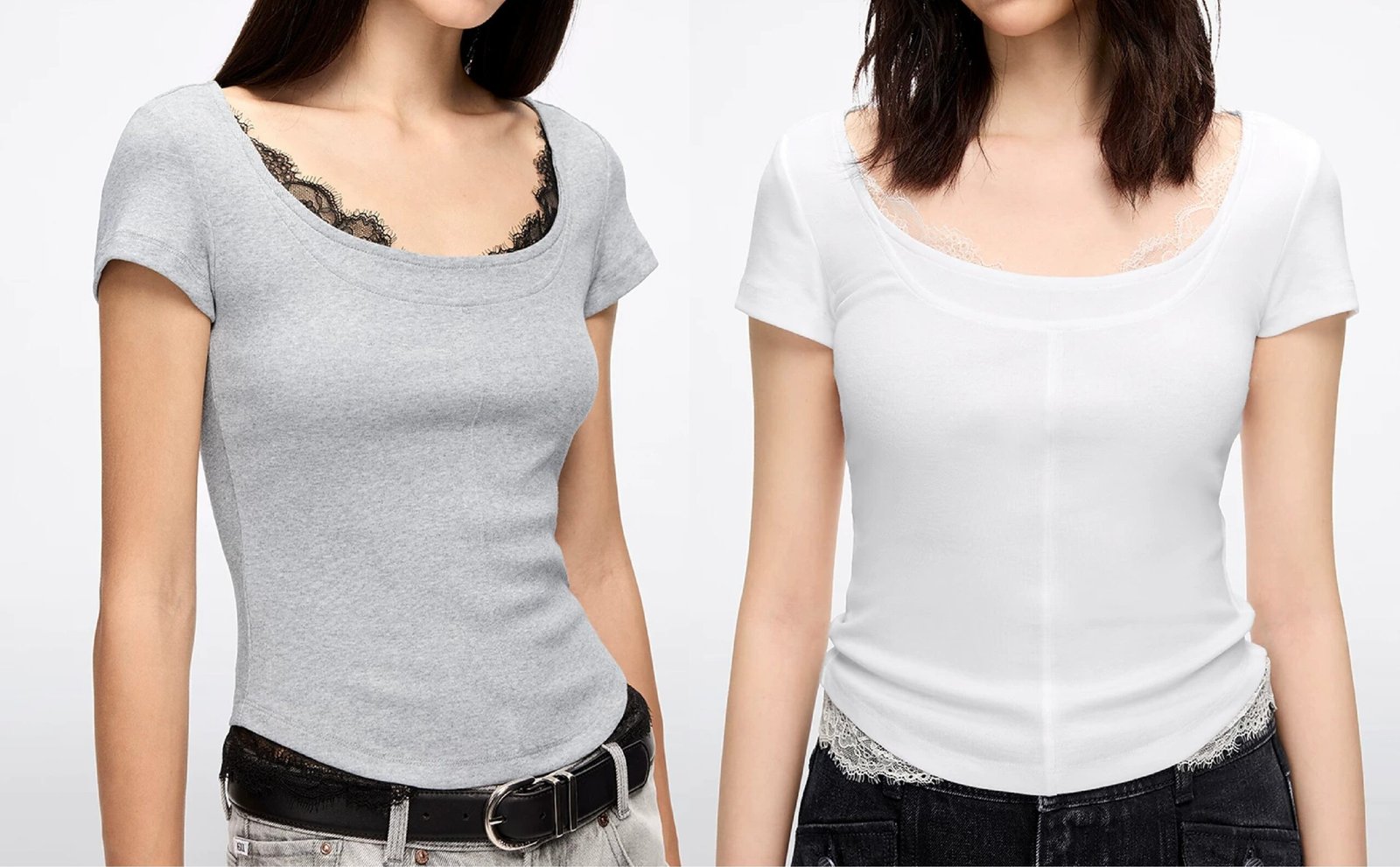
Custom T-shirts in cotton, combed jersey, blends and performance knits for retail basics, graphic drops and private-label collections. JUNSHEEN supports pattern development, size grading, neck construction, screen printing, embroidery, washes, labels and packaging for custom tshirt production.
Request a Quote
Custom Jeans
Custom jeans built with denim or stretch denim selected for weight, recovery, wash performance and intended silhouette. The team develops fit blocks, rises, inseams and graded size sets, then manages hardware, stitching, washes, distressing, labels and bulk quality control.
Request a Quote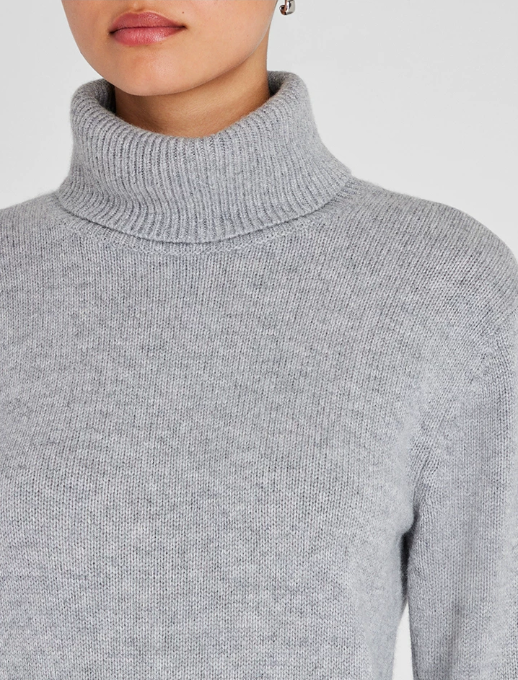
Custom Sweaters
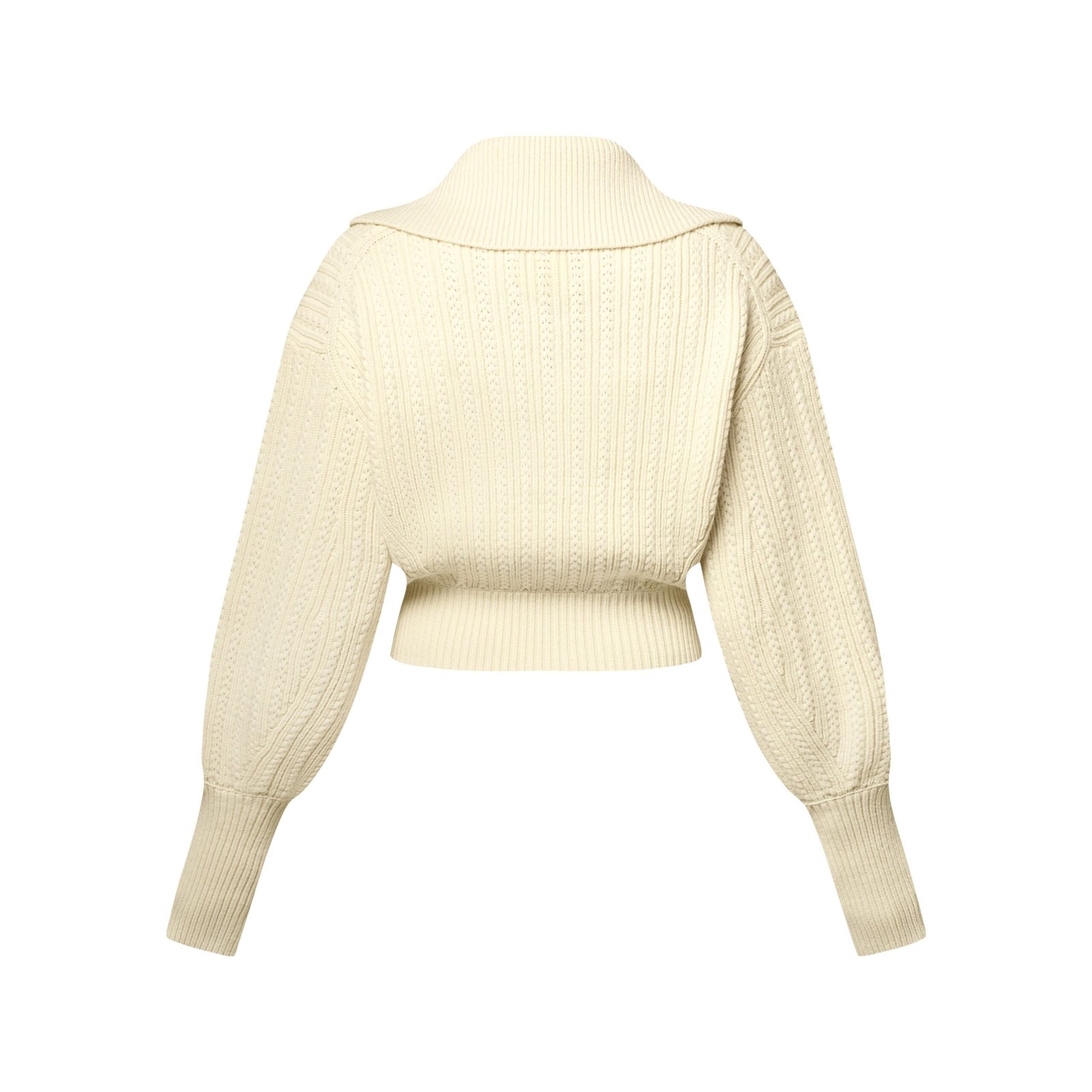
Custom sweaters and turtle neck sweater bulk programs produced with knitwear capability across yarn choices, gauges and constructions. JUNSHEEN reviews shape retention, hand feel, neckline construction and grading before sampling, helping buyers create consistent regular, oversized or extended-size sweater assortments.
Request a Quote
Custom Jackets
Custom jackets, including custom jean jacket programs, developed around silhouette, fabric weight, lining, closures and branded trim requirements. Cut-and-sew and denim production support prototypes through bulk runs, with embroidery, patches, washes and private-label components managed in one workflow.
Request a Quote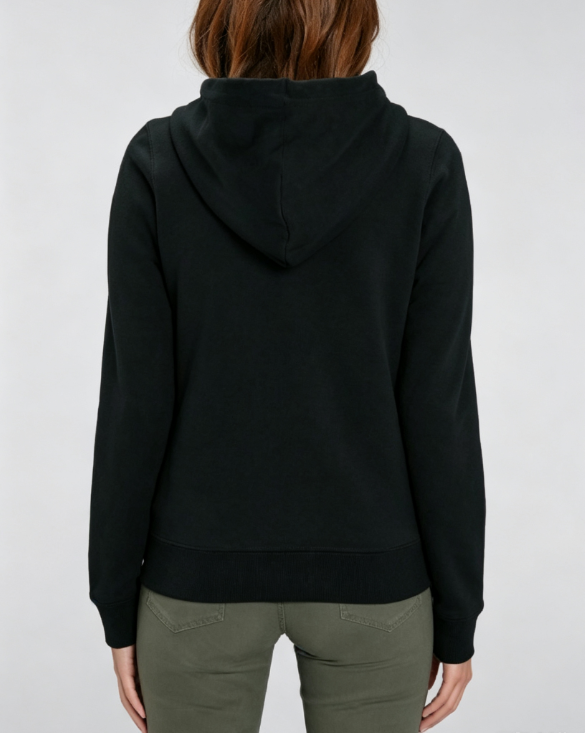
Custom Sweatshirts & Crewnecks
Custom sweatshirts and crewnecks for brands needing reliable fleece or French terry programs beyond a custom crewneck hoodie concept. Development covers rib specifications, shoulder balance, garment weight, oversized proportions, printing, embroidery, washing and XS–3XL grading.
Request a Quote
Custom Cardigans
Custom cardigans produced in knit constructions selected for drape, warmth, recovery and target cost. JUNSHEEN develops button or zipper details, plackets, rib trims and size grading, with samples used to confirm fit and construction before bulk production.
Request a Quote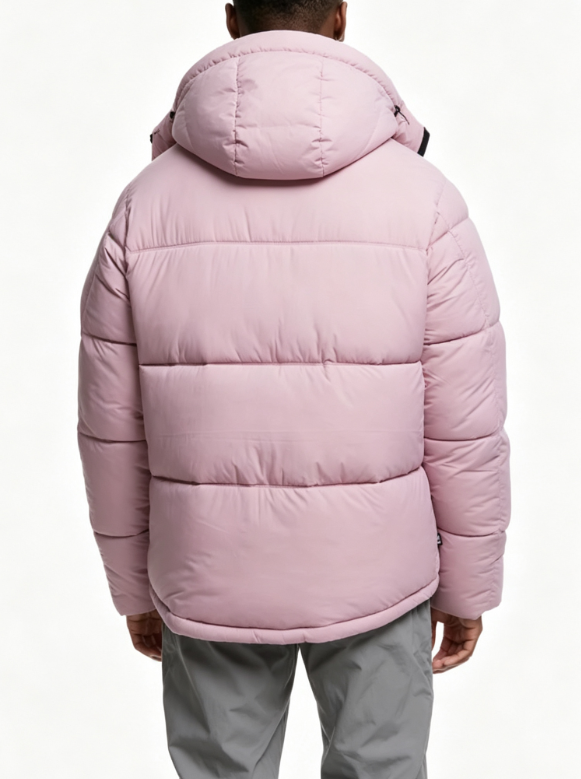
Custom Puffer & Down Jackets
Custom puffer and down jackets engineered around shell fabric, fill requirements, quilting layout, lining, insulation balance and hardware. JUNSHEEN supports custom puffer jacket development with fit review, branded zippers, reflective details, labels and packed-goods quality inspection.
Request a Quote
Custom Denim Shorts
Custom denim shorts developed with control over denim weight, rise, leg shape, inseam, stretch and wash effect. Buyers can specify distressing, raw hems, embroidery, patches and hardware while receiving graded fits for regular, extended-size or oversized assortments.
Request a Quote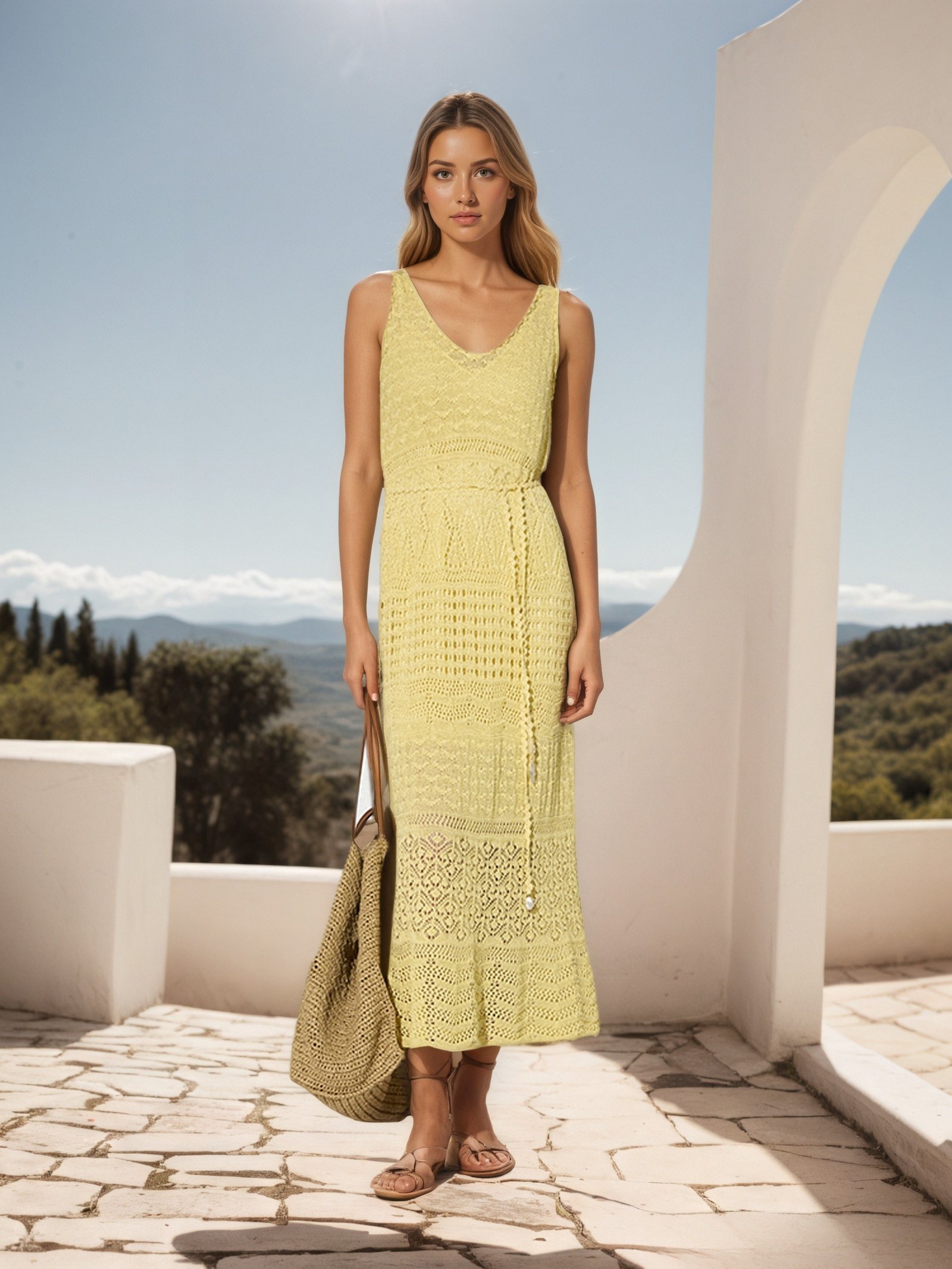
Custom Sweater Dresses
Custom sweater dresses combining knitwear construction with fit development for length, body proportion, neckline and mobility. JUNSHEEN helps brands select yarns and gauges, refine graded size sets from XS to 3XL, and approve samples before bulk production.
Request a Quote
Custom Denim Sets
Custom denim sets for mens denim suits wholesale and coordinated retail programs, including matching jackets, jeans and overshirts. JUNSHEEN aligns fabric lots, wash recipes, stitching, hardware and sizing across pieces so matched sets remain consistent in sampling and bulk production.
Request a Quote
Custom Polo Shirts
Custom polo shirts produced in pique, jersey or performance knit fabrics for branded uniforms, retail capsules and wholesale lines. Development includes collar structure, plackets, button selection, logo embroidery, print placement, fit grading and private-label finishing.
Request a Quote
Custom Sweatpants
Custom sweatpants developed in fleece, French terry and performance knits with attention to rise, leg shape, cuff construction and pocket placement. JUNSHEEN supports coordinated sets, embroidery, printing, garment washes and fit-focused XS–3XL grading from low MOQs.
Request a Quote
Custom Shorts
Custom shorts for casualwear, active-inspired and coordinated-set programs, available in jersey, fleece, twill, denim and woven fabrics. The team develops inseam, rise, waistband, pockets and trim details, then validates fit and measurements through sampling before bulk production.
Request a Quote
Custom Pullovers
Custom pullovers developed across fleece, French terry, jersey and knitwear options for seasonal layers and branded essentials. JUNSHEEN manages neckline, collar, placket or zipper details, fabric sourcing, decoration, size grading and private-label packaging through final shipment.
Request a QuoteMaterials for Premium Blank Hoodies Wholesale Programs

Cotton French Terry
A breathable loopback fabric with a soft, structured hand for year-round blank hoodies. Commonly used for premium pullovers and zip hoodies, it offers stable shape retention and reliable screen-print readiness at midweight constructions.

Brushed Cotton Fleece
Soft brushed fleece delivers a warmer, plush interior suited to cold-weather wholesale hoodie collections. Its insulating nap and substantial weight create a cozy feel while providing durable everyday performance for repeat-wear basics.

Heavyweight Cotton Fleece
Dense heavyweight fleece creates a substantial, elevated hand for oversized and streetwear-focused hoodies. Higher fabric weight improves drape, warmth, and silhouette stability, making it a strong base for embroidery and premium branding.

Cotton Polyester Blend
A practical cotton-polyester blend balances a familiar soft hand with improved durability and shrinkage control. Ideal for scalable promotional, retail, and uniform programs, it maintains dependable color and construction through frequent washing.

Organic Cotton Terry
Organic cotton French terry offers a natural hand and breathable comfort for sustainability-led hoodie programs. The loopback construction supports transitional layering, while its smooth face provides a clean surface for custom printing or embroidery.
Blank Hoodies Wholesale: Decoration and Finishing Options

Logo Embroidery
Flat, 3D puff, chain-stitch, and applique embroidery create dimensional branding with clean edge definition and durable stitch performance for chest logos, sleeves, hoods, and custom patches.

Screen Printing
Plastisol, water-based, puff, flock, silicone, high-density, foil, and discharge screen prints deliver strong color coverage, specialty texture, and wash-resistant graphics for wholesale hoodie programs.

DTF Transfers
DTF and heat-transfer applications reproduce detailed multicolor artwork and small-run logo placements with crisp resolution, flexible hand feel, and dependable adhesion after repeated washing.

Garment Dyeing
Garment dye, tie-dye, acid wash, and stone wash add lived-in color variation and fashion character, helping blank hoodies wholesale collections achieve a more individual retail-ready finish.

Softening Finishes
Enzyme washes, anti-pilling treatments, brushing, and napping refine surface texture and hand feel, producing softer, warmer hoodies while supporting lasting appearance through regular wear and laundering.
Custom Trims for Blank Hoodies Wholesale

Custom Drawcords
Choose cotton, polyester or flat drawcords with contrast tipping, metal aglets or branded ends. They add color control and a premium finish to pullover and zip-up blank hoodie styles.

Branded Zippers
Specify nylon, metal or molded zippers in colors matched to your fabric and hardware direction. Ideal for full-zip hoodies, pocket openings and elevated private-label capsule collections.

Woven Labels
Add custom main labels, size labels and wash-care labels with your logo, fiber details and care instructions. Junsheen positions them cleanly for consistent branding across XS–3XL size runs.

Custom Patches
Use embroidered, chenille, woven, leather-look or silicone patches to create a signature detail. Patches work well on chest panels, sleeves, kangaroo pockets and hood exteriors.

Snap Button Details
Apply branded snap buttons to hoodie pockets, detachable hoods or varsity-inspired closures. We help match finish, color and placement to the garment’s intended wear, construction and production budget.
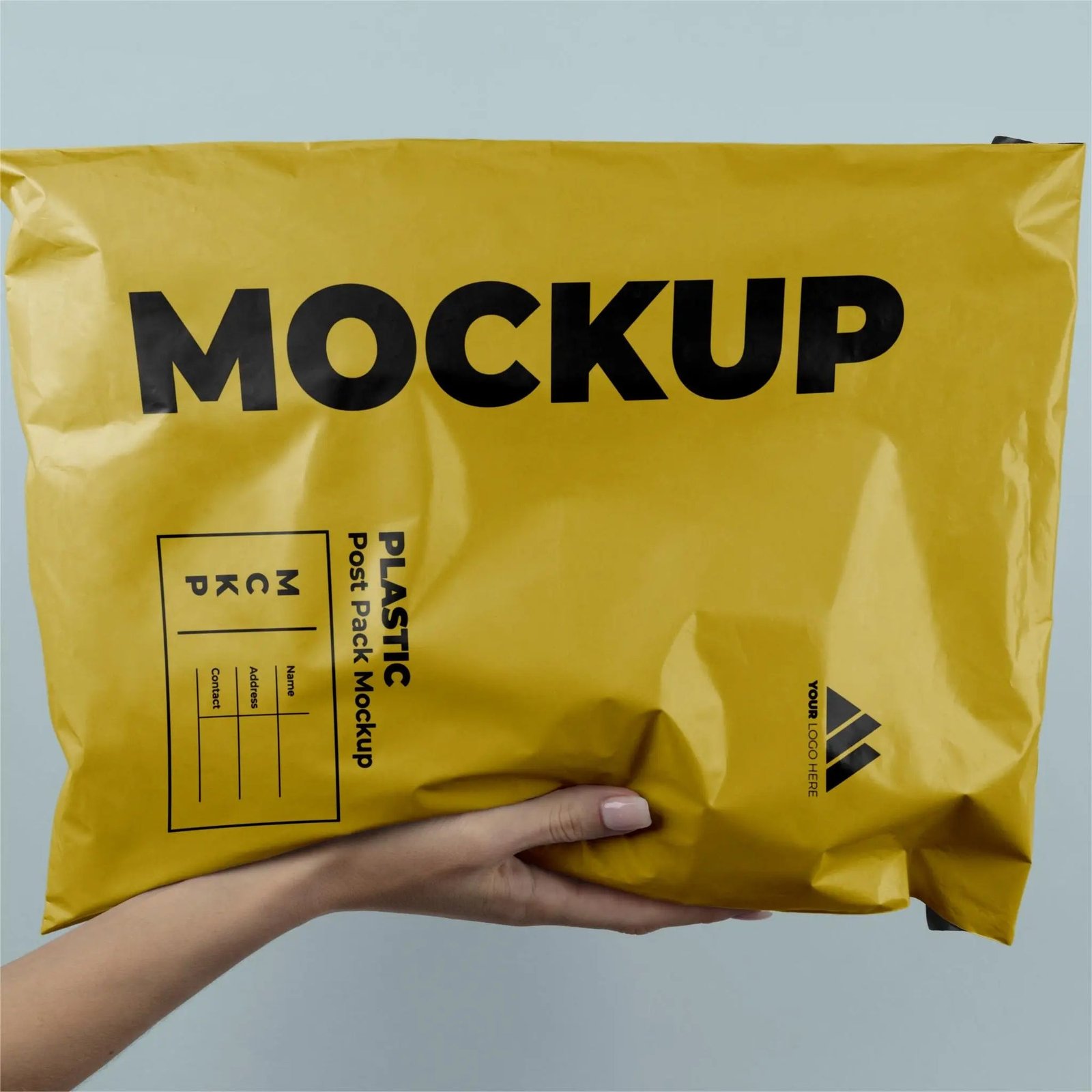
Branded Packaging
Complete your program with custom hangtags, polybags, barcode stickers and shipping-ready presentation. Coordinated packaging helps wholesale blank hoodie orders arrive organized and ready for retail handling.
About JUNSHEEN Blank Hoodies Wholesale
Founded in 2010 in Humen Town, Dongguan, JUNSHEEN brings 16+ years of apparel manufacturing experience to blank hoodies wholesale programs for global brands. Our mission is to make dependable OEM, ODM, private-label, and wholesale production accessible from early capsule launches through scalable repeat orders.
With 200+ skilled workers and monthly capacity above 80,000 units, we manage cut-and-sew, knitting, fabric sourcing, sampling, decoration, finishing, labels, packaging, quality control, and export support in one coordinated supply chain. We have served 2,000+ fashion-brand clients across major international markets.
What differentiates JUNSHEEN is fit-focused development from XS through 3XL, including extended-size, plus-size, and modern oversized grading. Starting at 100 units per style and color, our team turns hoodie concepts into production-ready garments with clear technical guidance and consistent bulk execution.

Blank Hoodies Wholesale, Built for Repeatable Production
Fit Development That Holds
JUNSHEEN develops blank hoodies wholesale programs from XS through 3XL with pattern grading that considers shoulder balance, body proportion, sleeve length and mobility. This fit-first approach helps reduce revisions before bulk approval and supports normal, oversized and extended-size collections.
- XS–3XL grading for regular, oversized and plus-size fits
- Pattern review from tech packs, references or initial concepts
- Prototype, size-set and pre-production approval support
- 100-unit MOQ per style and color

Materials Matched to Your Market
Our sourcing team recommends fleece, French terry, jersey and recycled options around your target weight, hand feel, durability, wash performance and cost. Review swatches and sample garments before bulk material confirmation, so the hoodie program matches its intended retail position.
- Cotton, blended fleece, French terry and recycled choices
- Fabric-weight and hand-feel guidance for each program
- Swatch review before bulk material approval
- Material selection aligned with target cost and finish

One Integrated Production Floor
From cut-and-sew construction to logo decoration and private-label packing, JUNSHEEN coordinates each production stage in one supply chain. In-house embroidery, printing, washes, labels and trims give brands clearer control over execution while keeping timelines practical for wholesale replenishment.
- Cut-and-sew manufacturing with knitwear capability
- Embroidery, screen printing, DTF and transfer options
- Washes, softening and anti-pilling finishing
- Custom labels, drawstrings, hang tags and packaging

Consistency for Reorders
With 200+ skilled workers and monthly capacity above 80,000 units, JUNSHEEN can support initial launches and scaling wholesale programs. Retained patterns, graded size sets and material records help maintain continuity, while incoming, in-line and final inspections protect repeat-order quality.
- 80,000+ units of monthly production capacity
- Incoming fabric, in-line and final packed-goods checks
- Retained specifications for faster repeat orders
- Global export support for growing brand programs

Blank Hoodies Wholesale: JUNSHEEN vs. Typical Suppliers
Built for flexible launches, fit consistency, and scalable global production.
← 左右滑动查看 →
Blank Hoodies Wholesale Production Process
A clear, controlled workflow for sourcing teams—from feasibility review through export-ready delivery.
Review Requirements
Share your tech pack, reference hoodie, or concept. Our team checks feasibility, target MOQ, fit requirements, decoration, materials, and production timeline.
Source Fabrics and Trims
We recommend fleece, French terry, jersey, rib, drawstrings, labels, and packaging based on hand feel, weight, target cost, and wash performance.
Develop Patterns and Samples
Pattern makers build and grade fit-focused XS–3XL specifications, then produce prototypes and size sets for approval before bulk materials are confirmed.
Confirm Bulk Production
After sample approval and quotation confirmation, we reserve materials, finalize private-label details, and begin scalable cut-and-sew production from 100 units per style.
Inspect, Pack, and Ship
Quality checks cover fabric, measurements, construction, decoration, and packed goods. Approved blank hoodies wholesale orders receive export-ready packing and global shipping support.
How to Work with Our Blank Hoodies Wholesale OEM Team
Move from concept to controlled bulk production with clear feasibility review, sampling, pricing and fit-focused approvals.
Submit Your Product Brief
Send a tech pack, sketch, reference garment or mood board with target quantities, sizes, fabric preferences and decoration requirements for your blank hoodie program.
Review Feasibility Together
Our development team reviews construction, XS–3XL grading, materials, trims and manufacturability, then recommends practical adjustments before sampling begins.
Approve Samples and Pricing
Review prototype samples, fit, fabric hand feel and branding details, then confirm the quotation, 100-unit MOQ, production specifications and delivery plan.
Launch Controlled Bulk Production
After approval, JUNSHEEN manages bulk cutting, sewing, decoration, inspections, packing and export coordination, retaining production records for reliable repeat orders.
Custom Clothing Manufacturer Credentials and Compliance Documents




What Fashion Brands Say About Our Blank Hoodies Wholesale
JUNSHEEN corrected the shoulder balance and sleeve grading across XS–3XL before our second sample. We approved the full size set in three weeks and launched 600 hoodies with noticeably fewer fit-related returns.
For our first blank hoodies wholesale order, the 100-unit MOQ let us test two colors without overcommitting. The 400-piece reorder arrived on schedule, and the fleece weight matched the approved sample exactly.
We moved from a 300-piece capsule to recurring 2,000-unit programs without changing suppliers. JUNSHEEN kept our labels, embroidery files, and measurements organized, which made each repeat order much faster to approve.
Blank Hoodies Wholesale FAQ
Clear answers on MOQ, sampling, lead times, payment, shipping, and confidential OEM production.
What is your MOQ for blank hoodies wholesale?
Can I order blank hoodies wholesale and add my own labels later?
How long does a blank hoodies wholesale sample take?
How much does a hoodie sample cost?
What are the production lead times for blank hoodies wholesale orders?
What payment terms do you offer for new hoodie orders?
Do you ship blank hoodies wholesale orders internationally?
How do you protect my designs and brand information?
The Complete Buyer’s Guide to blank hoodies wholesale
Use this practical framework to compare hoodie specifications, customization routes, supplier capabilities, costs, and production timelines while avoiding sourcing mistakes that weaken quality, margins, and brand consistency.
1. What Is Blank Hoodies Wholesale?
100-unit production runs and stock-case purchases both fall under blank hoodies wholesale, but they are not the same buying model. Stock blanks are pre-made, undecorated hoodies purchased in existing colors, fits, and fabric weights for fast resale, print shops, events, or staff uniforms; OEM/private-label blanks are made to an approved specification before branding. 280–400 GSM is a common adult hoodie weight range, yet two blanks with the same GSM can wear very differently because yarn type, fleece or French terry construction, rib recovery, shrinkage allowance, and hood pattern vary. Buyers planning screen print, embroidery, DTF, or heat transfer should control fiber content, surface smoothness, seam placement, and color consistency so decoration performs consistently across a reorder. 100 units per style and color is a practical low-MOQ starting point for a custom capsule, while stock-wholesale minimums are often set by carton, size-pack, or available inventory. Ready-made blanks suit resale and uniform programs when speed matters; a fashion label usually needs private-label control over fit, grading, Pantone color, labels, trims, and packaging to create a distinct product rather than resell a generic base. 2010-founded Dongguan Junsheen supports both development-led and wholesale-oriented buyers by translating a tech pack, sketch, reference garment, or product idea into a production-ready hoodie program. For custom labels, specification approval before bulk production protects repeatability in measurements, hand feel, decoration placement, and size-range consistency from XS through 3XL.
2. Blank Hoodies Wholesale: Evolution and Demand
1930s sportswear established the hooded sweatshirt as practical training and cold-weather gear; by the 1970s and 1980s, hip-hop, skate and collegiate culture made it a visible everyday uniform. It now serves streetwear drops, uniforms, retail basics and tour merchandise, so blank hoodies wholesale buyers must specify the intended wearer and selling channel before comparing quotes. 280–340 GSM French terry suits transitional layers and premium spring programs, while 350–500 GSM brushed fleece supports colder climates, structured silhouettes and higher perceived value. Trend cycles shift demand between cropped, regular and oversized bodies, dropped shoulders, heavyweight ribs and washed finishes; these choices change fabric consumption, pattern yield, decoration area and reorder risk. XS–3XL grading is increasingly a commercial requirement, not a last-minute scale-up, because shoulder balance, body length and sleeve proportion affect fit across the size run. Elevated blanks also require traceable material options and clear certification requests—such as GOTS or OEKO-TEX documentation where applicable—plus fabric swatches, wash tests and approved Pantone color standards before bulk commitment. 100-unit style-and-color programs can let emerging labels test a focused color palette, while established buyers can hold core neutrals and add seasonal colors in controlled quantities. A production partner such as Junsheen can translate a sketch or tech pack into fit, fabric, decoration and private-label specifications, helping buyers avoid treating a commodity blank as a finished branded product.
3. Types of Blank Hoodies Wholesale
Six core formats cover most blank hoodies wholesale assortments. Compare wearing occasion, retail channel, decoration area, and fabric weight before choosing; silhouette drives both conversion and production details such as zipper sourcing, grading, and hood balance.
| Format | Best Channel | Practical Advantage | Sourcing Watchpoint |
|---|---|---|---|
| Pullover | Streetwear | Largest print field | Hood and pocket alignment |
| Zip-up | Layering retail | Easy on-off wear | Zipper quality and symmetry |
| Oversized | Trend boutiques | Statement silhouette | Independent grading |
| Cropped | Youth fashion | Pairs with high-rise bottoms | Length by size |
| Heavyweight | Premium retail | Substantial hand feel | Shrinkage testing |
| Performance | Activewear | Mobility and quick drying | Fabric recovery |
Pullover And Zip-Up
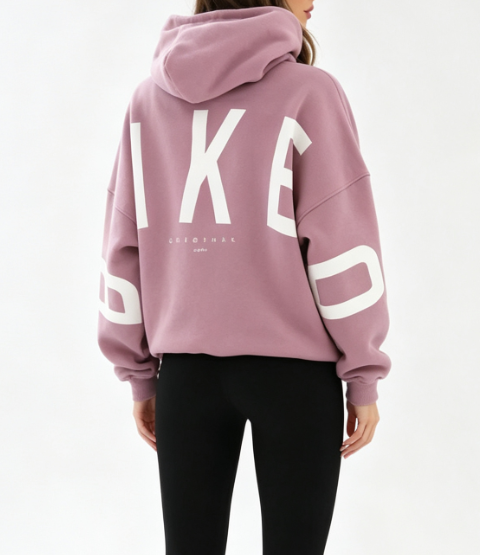
1 pullover remains the cleanest logo canvas for streetwear, campus, and promotional programs; its uninterrupted front supports large screen prints and applique. 1 full-zip serves layering-led retail and active customers, but specify zipper tape color, puller, pocket alignment, and whether a YKK-equivalent zipper is required.
Oversized And Cropped

2 fashion-led fits target trend boutiques and creator labels: oversized hoodies need revised shoulder, sleeve, and body proportions rather than simple upscaling. 1 cropped style suits women’s and youth assortments, but confirm finished body length by size and protect decoration placement from the hem and kangaroo pocket.
Heavyweight And Performance
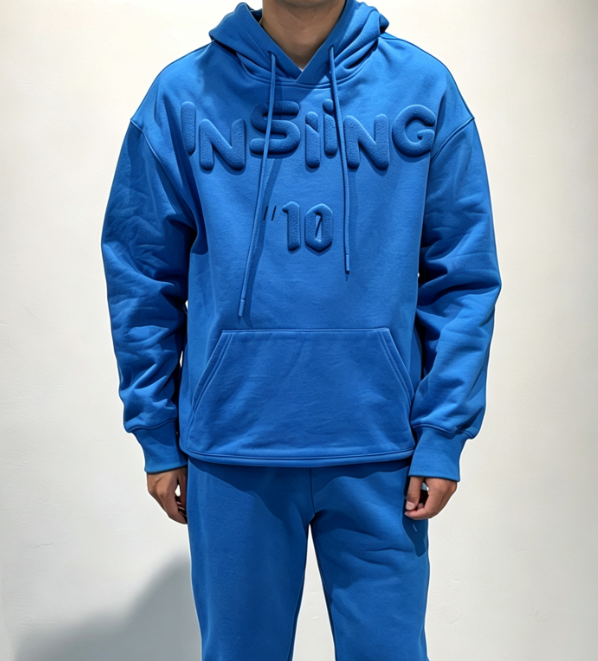
400–500 GSM heavyweight fleece positions a hoodie as a premium cold-weather piece; confirm shrinkage allowance, rib recovery, and embroidery backing before bulk approval. 240–320 GSM performance styles suit gym, travel, and outdoor capsules; source moisture-management knits and test stretch recovery, pilling, and print adhesion after washing.
4. Blank Hoodies Wholesale Materials and Fabrics
For blank hoodies wholesale, fabric weight and interior finish determine perceived value before decoration does. Specify the fiber blend, GSM, and brushed or unbrushed construction together so the sample matches the target climate and retail tier.
| Material And Weight | Climate And Hand Feel | Performance | Best Use And Decoration |
|---|---|---|---|
| 100% cotton, 300–340 GSM | Mild climate; natural, substantial | Breathable; higher shrinkage risk | Premium basics; water-based or discharge prints |
| Cotton-poly fleece, 320–360 GSM | Cool climate; soft brushed interior | Warm; good shape retention and pilling resistance | Core wholesale; screen print, embroidery |
| French terry, 280–320 GSM | Transitional; dry loopback hand | Breathable; less warm than fleece | Layering styles; screen print, DTG |
| Recycled cotton-poly, 330–380 GSM | Cool climate; structured hand | Verify fiber claim, pilling, and recovery | Sustainability-led ranges; patches or embroidery |
Fiber And Interior Choices

100% ring-spun cotton gives a natural hand, strong breathability, and a premium print surface, but allow controlled shrinkage testing. Cotton-poly blends usually dry faster, hold shape better, and resist pilling more effectively when polyester content and yarn quality are specified. French terry has unbrushed loopback yarns for breathable, transitional-weight hoodies. Brushed fleece raises those loops into a softer, warmer interior, making it better for cold-weather programs but less suitable for humid climates.
Weight Drives Wearability

280–320 GSM French terry suits spring, indoor retail, and layered streetwear, while 330–380 GSM fleece reads as a substantial core hoodie. Weights above 400 GSM create a heavyweight, premium feel but increase freight cost, drying time, and warmth. 5–10% recycled polyester can support a recycled-content direction when documentation is available; confirm the certified fiber claim with the mill. Recycled blends should still be tested for color consistency, pilling, and recovery after wash.
Sampling Specifications
3 wash cycles at the approved care setting reveal residual shrinkage, torque, surface pilling, and print stability before bulk approval. Request a cut swatch plus finished sample because brushing, garment dye, and softener treatments change both hand feel and GSM perception. 2 decoration tests are practical for most launches: test the intended screen print or embroidery on the actual bulk fabric, then inspect strike-through, hoop marks, and distortion. Junsheen can source swatches and develop samples before bulk material confirmation.
5. Customization for Blank Hoodies Wholesale
At a 100-unit MOQ, decoration should be specified before sampling because placement, colors, and label construction affect both cost and approval time. For blank hoodies wholesale, choose the process around wear life, artwork detail, and reorder volume—not only the initial quote.
| Customization | Setup Cost | Per-Unit Cost | Volume Fit | Lead-Time Effect |
|---|---|---|---|---|
| Screen printing | Medium | Low at scale | 300+ units | Adds screen and strike-off approval |
| DTG | Low | Higher | 100-200 units | Adds artwork test print |
| Embroidery | Digitizing required | Medium-high | 100+ units | Adds digitizing and stitch sample |
| Transfers and patches | Low-medium | Medium | 100-300 units | Adds placement and adhesion test |
| Custom dyeing | Lab dips required | Medium-high | Color programs | Adds color and wash approval |
Print Method Selection

1-6 spot-color screen prints suit repeat programs because screens spread setup expense across volume; supply vector artwork, Pantone references, and final print dimensions. DTG preserves fine gradients on cotton-rich hoodies, while DTF or heat transfer suits small runs and full-color artwork. Limit large chest and back prints on heavy fleece to avoid a stiff hand or cracking at stretch points.
- Screen print: durable, efficient at higher quantities
- DTG: detailed artwork, slower per garment
- DTF/transfer: flexible for low-volume colorways
Stitch And Patch Details

2-4 mm embroidery works best for logos with simplified shapes; tiny lettering, dense fills, and seams near pocket edges need digitizing review. Keep embroidery clear of drawcord channels, zipper tape, and high-stretch rib areas. Appliqué and woven patches create dimension but add sewing operations and sampling time. Use a backing and edge finish suited to washing, especially on brushed fleece or garment-dyed styles.
- Embroidery: premium texture and strong wash durability
- Appliqué: varsity or heritage visual effect
- Patches: replaceable branding with added labor
Labels, Tags, And Dyeing
1 neck label system should include brand, size, and legally required fiber and care information for the destination market. Woven main labels, printed neck labels, hangtags, and custom packaging should be approved with the production sample. Pantone-matched garment dyeing and acid-wash effects require lab dips and wash tests; shade variation is normal across lots. Reserve sufficient lead time for color approval and test decoration after finishing.
- Printed neck labels reduce bulk and irritation
- Woven labels strengthen a premium identity
- Hangtags support retail presentation and SKU control
6. Hoodie Construction Quality Checklist
A dependable hoodie sample reveals its quality at stress points long before bulk production begins. For blank hoodies wholesale, approve construction, measurements, and wash behavior against a written pre-production standard.
Ribs And Seam Reinforcement
2×2 cotton-elastane rib should recover cleanly at cuffs and hem without waviness; test stretch after five pulls. Shoulder, armhole, pocket, and hood seams need consistent stitch density, secure backtacks, and no skipped stitches.
- Check rib recovery against the approved sample
- Inspect seam allowance and loose thread trimming
- Pull-test pocket corners and hood joins
Hood And Hardware Checks
Three-piece hoods generally produce a rounder, more balanced crown than shallow two-panel hoods. Drawcord ends, metal eyelets, zipper tape, and zipper pulls must sit symmetrically, operate smoothly, and match the approved color and finish.
- Verify eyelets are reinforced and burr-free
- Open and close each zipper repeatedly
- Measure drawcord length on both sides
Fit, Shrinkage, And Wash Approval
XS through 3XL grading must adjust body, shoulder, sleeve, and hood proportions rather than merely adding width. Wash-test the sample using the intended care method, then compare shrinkage, twisting, pilling, color change, pocket alignment, and finished measurements to tolerances.
- Record before-and-after garment measurements
- Check side-seam and sleeve twisting
- Approve a sealed size set before bulk cutting
7. Choosing a Blank Hoodies Wholesale Manufacturer
A 100-unit starting MOQ can suit a capsule, but supplier selection should test repeat-order capability as carefully as initial price. For blank hoodies wholesale, request proof that development, bulk control, and export coordination are managed by accountable people.
Verify Factory Capability
200+ workers and 80,000-plus monthly units are meaningful only when supported by a factory profile, production-floor video, and current capacity plan. Ask who owns cutting, sewing, decoration, final inspection, and shipment. 100-unit MOQ flexibility should apply by style and color, not merely to a mixed assortment. Confirm fabric minimums, color minimums, replenishment terms, and whether the supplier is a manufacturer or a trading intermediary.
- Factory business license and export history
- Current production-line and QC evidence
- Named development and account contacts
Test Development And Fit

XS–3XL capability requires graded patterns, not a scaled-up medium sample. Request a measurement chart, grade rules, size-set photos, and a revised sample after fit comments. 280–400 GSM fleece or French terry selections should come with composition, weight tolerance, shrinkage results, and swatches. A capable OEM explains sourcing lead times, approves Pantone references, and identifies substitutions before bulk cutting.
- Sample timeline and revision policy
- Fabric test or wash results
- Approved pre-production sample process
Audit Risk And Terms
AQL inspection reports, incoming-fabric checks, in-line measurement records, and final packed-goods photos demonstrate a working QC system. Request applicable OEKO-TEX, GOTS, WRAP, or BSCI documentation when your market or retailer requires it. 100% prepayment may be normal for a first custom order, while staged deposits can follow proven cooperation. Confirm balance timing, Incoterms, freight documents, defect handling, and response times in writing before payment.
- QC checkpoints and defect remedy
- Compliance certificates relevant to the order
- Payment schedule and shipment terms
8. Common Wholesale Hoodie Buying Mistakes
A 5% sourcing saving can disappear after rework, delayed freight, or a poor first wash. For blank hoodies wholesale, preventable specification mistakes usually harm margin and launch timing more than the initial quote.
Buying On Unit Price
A $1 lower quote may reflect lighter fleece, open-end yarn, weaker rib, or excluded testing. Compare a landed-cost sheet covering fabric weight, trims, decoration, packing, inspection, freight, and defect allowance before awarding production.
- Request the exact GSM and fiber composition
- Confirm included labels, bags, and cartons
- Approve a sealed reference sample
Skipping Wash And Wear Tests
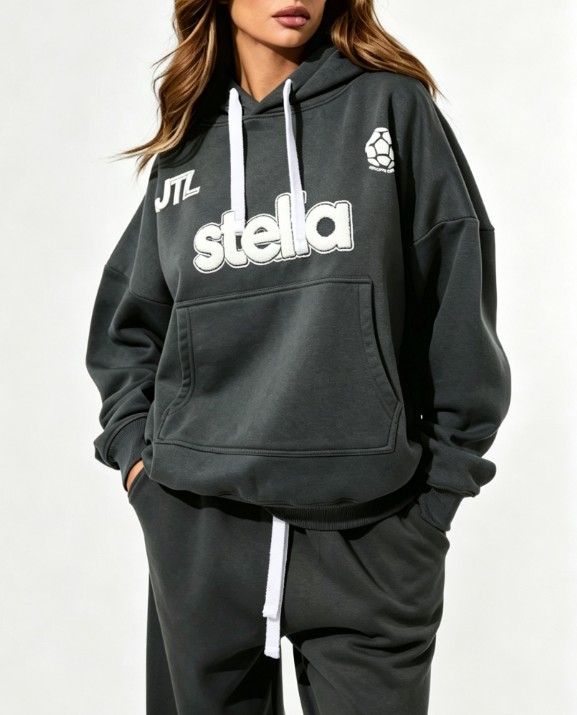
Three wash cycles can expose shrinkage, torque, pilling, color bleed, and cracked prints before bulk cutting. Test the approved sample using the intended care method, then record acceptable measurement tolerance and appearance standards.
- Measure body length and chest before and after
- Check rib recovery and seam twisting
- Review print stretch after washing
Leaving Specifications Unclear
One missing Pantone code or placement dimension can create a bulk result that differs from the intended sample. Supply a tech pack with graded measurements, construction callouts, artwork files, stitch details, and approved trim references.
- State print size and placement from landmarks
- Specify fabric GSM, composition, and finish
- List label copy and packaging sequence
Ignoring Fit, GSM, And Decoration
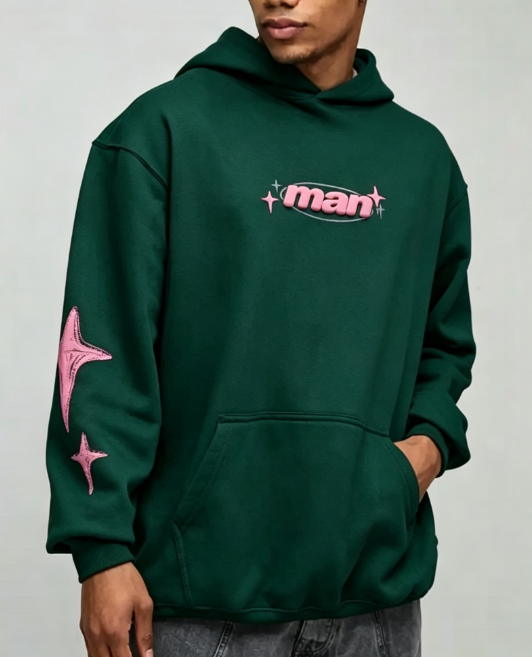
280 GSM French terry and 420 GSM brushed fleece serve different climates, silhouettes, and freight budgets. Review size grading through XS–3XL, decoration limits, and fabric behavior together; puff ink, embroidery, and large screen prints can distort or stiffen unsuitable panels.
- Approve a size set, not only one sample
- Match GSM to season and intended drape
- Test decoration on the final fabric
Compressing The Production Calendar
Four stages—development, sample approval, bulk production, and shipping—need calendar ownership before a launch date is announced. Build review buffers for fabric booking, revised samples, inspection, payment, and transit; a 100-unit program still requires approvals.
- Set approval deadlines for every sample round
- Book shipping against the retail launch date
- Reserve contingency for corrections
9. Launching Your Hoodie Brand Step by Step
A first launch is easier to control when it begins with one customer, one clear price band, and a tightly edited hoodie offer. For blank hoodies wholesale, turn the brand concept into specifications and approval gates before requesting quotations.
Define The First Drop

Two to four SKUs are usually enough for a first drop: for example, one pullover, one zip hoodie, and one weight or fit option. Limit the opening palette to 2–4 colors so fabric minimums, photography, and inventory remain manageable. 100-unit-per-style-and-color programs can suit a focused capsule, but demand still needs evidence. Use a landing page, waitlist, sample try-ons, retailer feedback, or small paid tests to compare color and fit interest before bulk commitment.
- Name the target wearer and selling price
- Choose regular, oversized, or extended-size fit
- Set the launch quantity by color
- Collect competitor price and review data
Prepare A Production Brief
One tech pack should specify the style name, bill of materials, measurement chart, graded sizes, construction details, and artwork placement. Include Pantone references, target fabric weight, stitch callouts, label positions, and clear reference photos. XS–3XL requires deliberate grading rather than simply enlarging a base size. Before contacting suppliers, assemble a mood board, logo files in vector format, desired delivery date, target cost, quantity, destination, and any required compliance documentation.
- AI or PDF tech pack
- Vector logo files
- Pantone color references
- Size chart and fit references
- Packaging dielines or examples
Sample, Approve, And Launch

One prototype reveals whether fabric hand feel, hood shape, shrinkage, decoration, and measurements match the brief. Record every revision in one dated comment sheet, then approve a sealed pre-production sample before bulk production starts. Four to six weeks before receipt, lock product photography, SKU codes, hang tags, care labels, polybags, cartons, product copy, and launch emails. Align branded packaging artwork with factory deadlines, because late labels or trims can delay an otherwise approved order.
- Approve fabric and color swatches
- Check graded size-set measurements
- Confirm artwork and label proofs
- Approve final packed-goods standard
10. Blank Hoodies Wholesale Pricing and Costs
100 units per style and color is JUNSHEEN’s practical starting point for a capsule blank program; 300–500 units usually improves fabric buying and cutting efficiency. Use the table as a budgeting range, not a binding quote: French terry or brushed fleece, GSM, yarn quality, rib specification, labels, packaging, destination, and approved decoration all change the final landed cost. 7–30 days is a typical planning range after sample and material approval, with custom-dyed fabric, special washes, or complex trims extending the schedule. Request an itemized quotation separating garment, decoration, packaging, freight, and any one-time setup so a lower unit price does not conceal higher launch costs.
| Quantity tier | Indicative FOB garment cost, USD | Main price drivers | Typical bulk lead time |
|---|---|---|---|
| 100–199 units | $11–$20 | 280–420 GSM fleece or terry, standard rib, stock colors | 20–30 days |
| 200–499 units | $9–$17 | Better fabric yield and shared cutting costs | 18–28 days |
| 500–999 units | $8–$15 | Consolidated fabric purchase; fewer colorways lower cost | 15–25 days |
| 1,000+ units | $7–$13 | Volume efficiency; custom fabric or trims may offset savings | 15–30 days |
| Decoration add-ons | Screen setup $25–$80/color; embroidery digitizing $30–$100 | Print coverage, stitch count, locations, Pantone matching | Add 3–7 days |
Start Your Blank Hoodies Wholesale Sampling Project
Send your tech pack, reference garment or product idea for a tailored 100-unit MOQ wholesale quotation from JUNSHEEN.