
tshirt factory for Scalable Private-Label Apparel
A one-stop tshirt factory for global brands, with 100-unit MOQs, fit-focused XS–3XL development, and scalable OEM, ODM, denim, knitwear and outerwear production.
Featured Products for tshirt factory Development
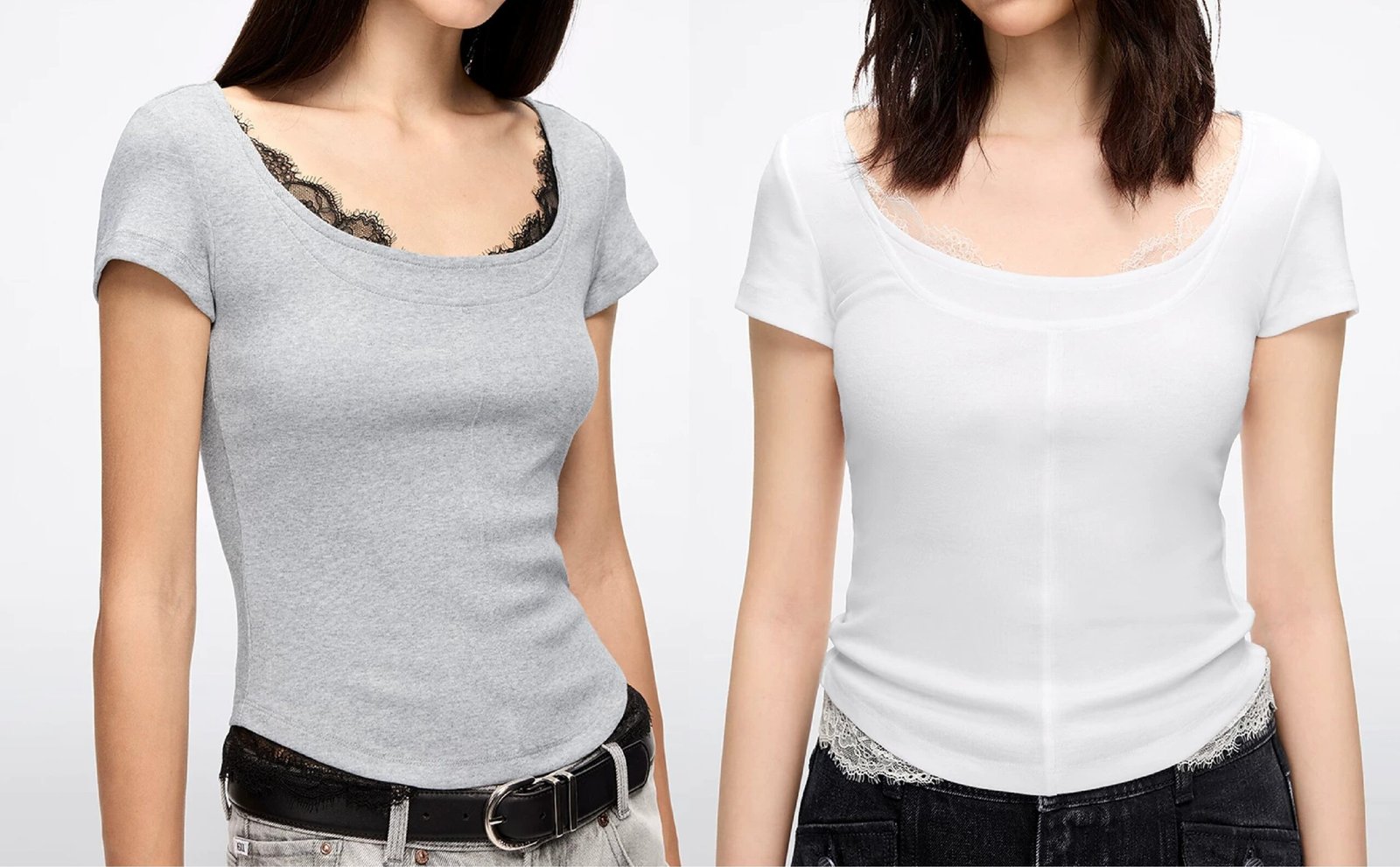


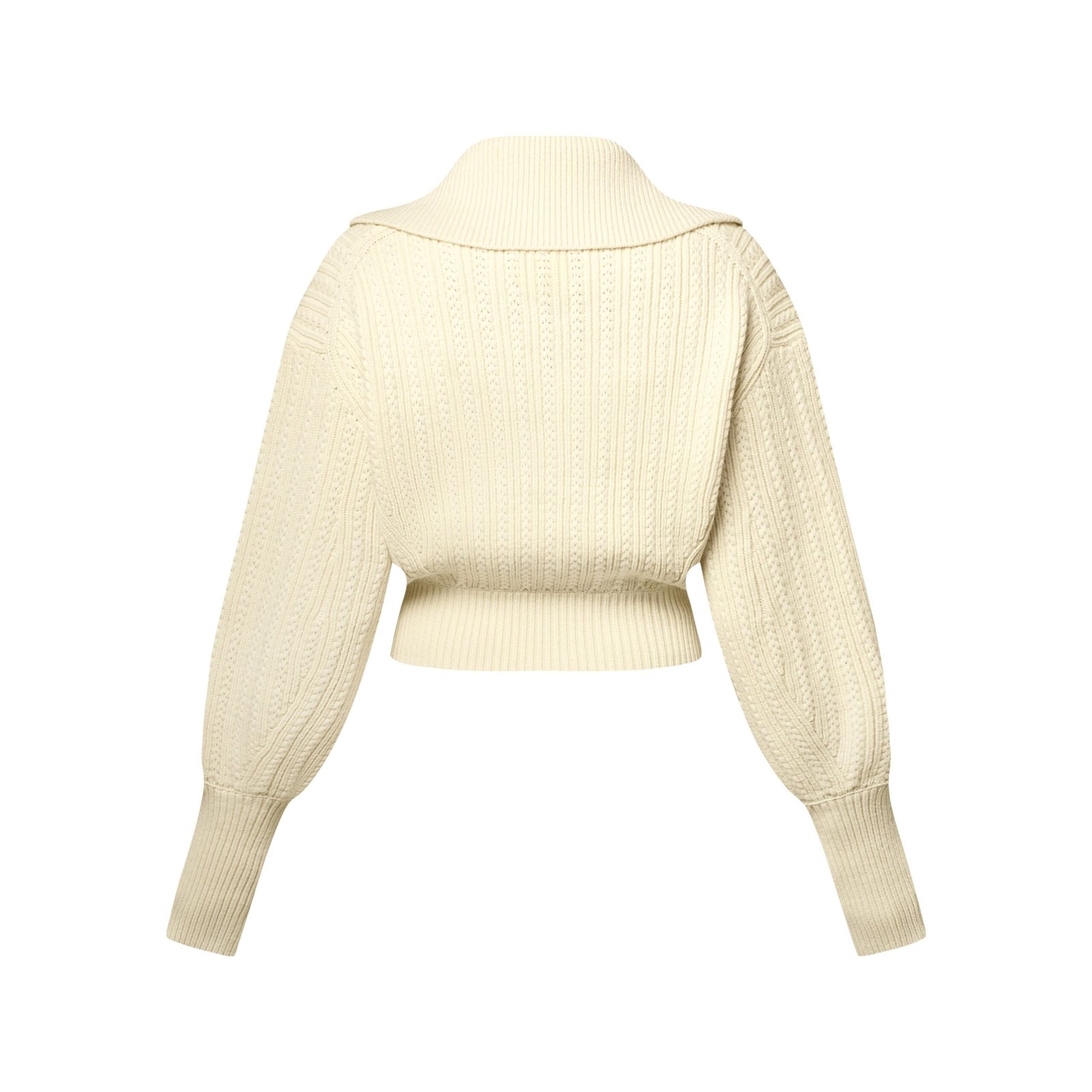


Related Product Catalogue and Quotation



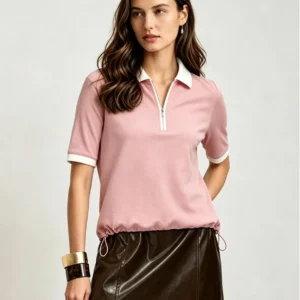
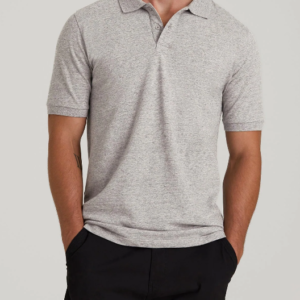
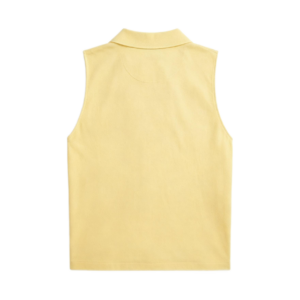


Tshirt Factory Advantages for Growing Brands
One integrated production partner for low-MOQ launches, fit-led development, scalable output and global delivery.
100-Unit MOQ
Launch new T-shirt styles and colors from 100 units, giving emerging labels practical access to professional OEM and private-label production.
Fit-Focused XS–3XL
Pattern makers refine proportions, mobility and grading increments across regular, extended-size, plus-size and oversized T-shirt fits.
Integrated Development
Move from a tech pack, sketch or reference garment through fabric sourcing, pattern making, sampling and production-ready specifications.
80,000+ Units Monthly
More than 200 skilled workers support dependable monthly capacity above 80,000 units for capsule drops, reorders and scaled programs.
In-House Custom Decoration
Add logo embroidery, screen printing, DTG, DTF, puff effects, washes, labels, trims and branded packaging through one coordinated team.
Global Export Support
JUNSHEEN manages quality control, packed-goods checks and export coordination for fashion brands sourcing from Dongguan to worldwide markets.
Custom Apparel Categories, Built to Scale
Develop fit-focused casualwear, denim, knitwear and outerwear programs from 100 units per style and color through reliable bulk production.

Custom Hoodies
Develop custom hoodies in fleece, French terry or heavyweight jersey with refined body proportions, rib specifications, hood construction and XS–3XL grading. Add embroidery, screen printing, washes, custom labels and branded packaging for capsule drops or repeat programs.
Request a Quote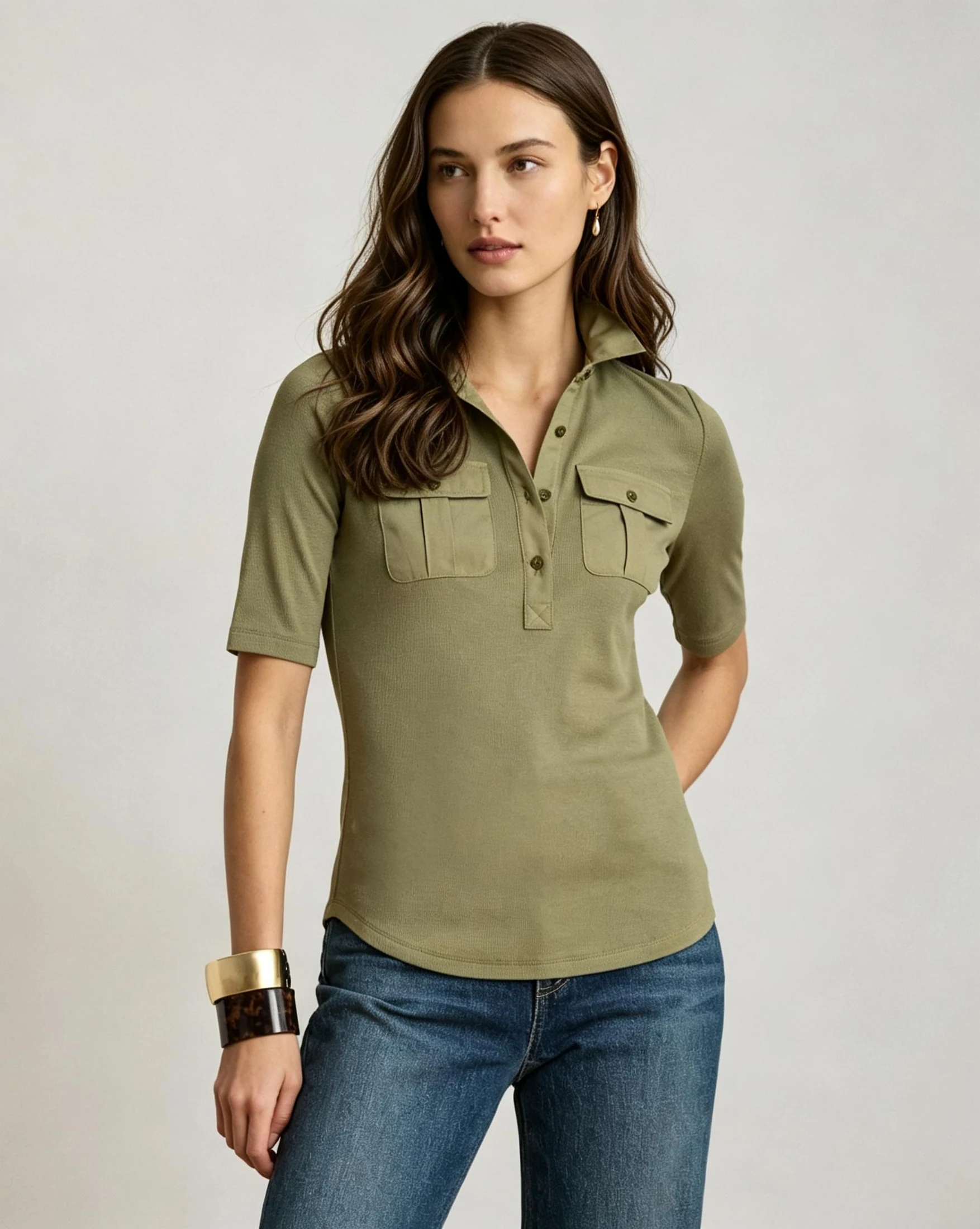
Custom T-Shirts
Produce custom tshirt programs from lightweight jersey to premium combed cotton, with specification support for neckline, shoulder balance, sleeve length and fit. Junsheen manages pattern development, print methods, garment dye, labels and scalable production from 100 units per style and color.
Request a Quote
Custom Jeans
Build custom jeans in rigid, stretch or washed denim with support for fit blocks, rises, leg shapes, pocket construction and size grading. Fabric sourcing, wash development, trims, embroidery and final quality checks are managed within one denim production workflow.
Request a Quote
Custom Sweaters
Source turtle neck sweater bulk programs with knit constructions matched to your target hand feel, warmth, gauge and price point. Develop turtleneck shapes, rib finishes and graded size sets for normal, extended-size and modern oversized collections.
Request a Quote
Custom Jackets
Manufacture custom jean jacket styles with denim weight, wash treatment, panel construction and hardware selected for your market. The team supports fit development, custom buttons, patches, embroidery, labels and consistent bulk finishing across repeat orders.
Request a Quote
Custom Sweatshirts & Crewnecks
Create custom crewneck hoodie and sweatshirt programs with fleece or French terry options, durable rib trims and fit-controlled grading. Choose crewneck, hooded or oversized silhouettes, then add printing, embroidery, washes and private-label components for launch-ready production.
Request a Quote
Custom Cardigans
Develop custom cardigan collections in knitted or sweater constructions, including button-front, zip, cropped and oversized silhouettes. Junsheen supports yarn and gauge selection, placket engineering, fit refinement, size grading, custom buttons and branded labeling.
Request a Quote
Custom Puffer & Down Jackets
Produce custom puffer jacket programs with shell fabrics, lining, insulation, quilting layouts and functional trims aligned to your climate and price target. Development covers mobility, body proportion, size grading, zipper selection, logo decoration and packed-goods inspection.
Request a Quote
Custom Denim Shorts
Manufacture custom jean shorts in rigid or stretch denim with controlled inseams, rises, hems and pocket details. Junsheen develops washes, distressing, garment finishing and graded fits, then manages trims, labels and bulk quality control for wholesale or direct-to-consumer programs.
Request a Quote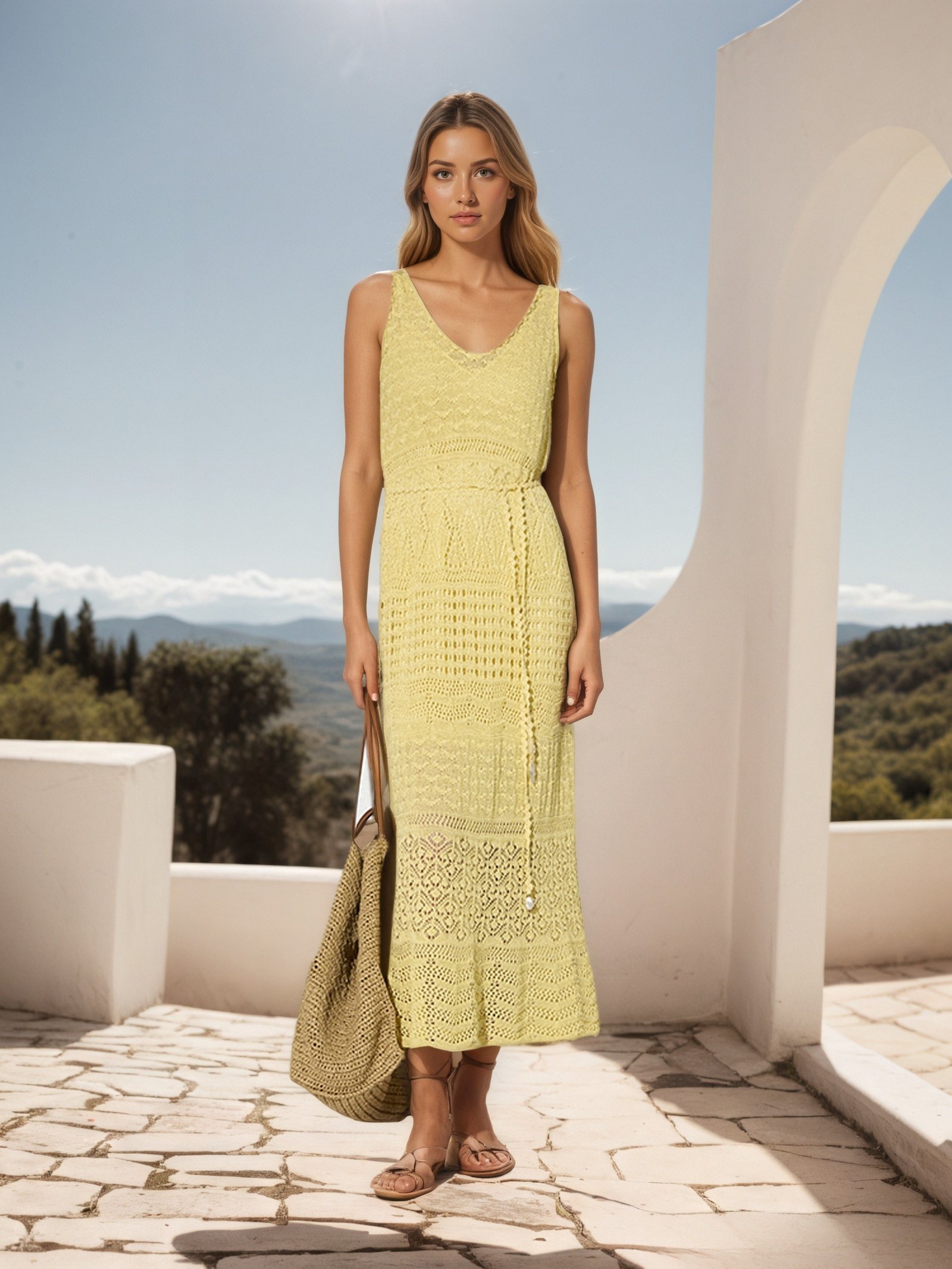
Custom Sweater Dresses
Create custom sweater dresses with knit structures, yarn blends and silhouettes designed for drape, recovery and seasonal wear. Pattern and grading support addresses shoulder balance, body length and extended-size proportions, with labels, trims and packaging completed in-house.
Request a Quote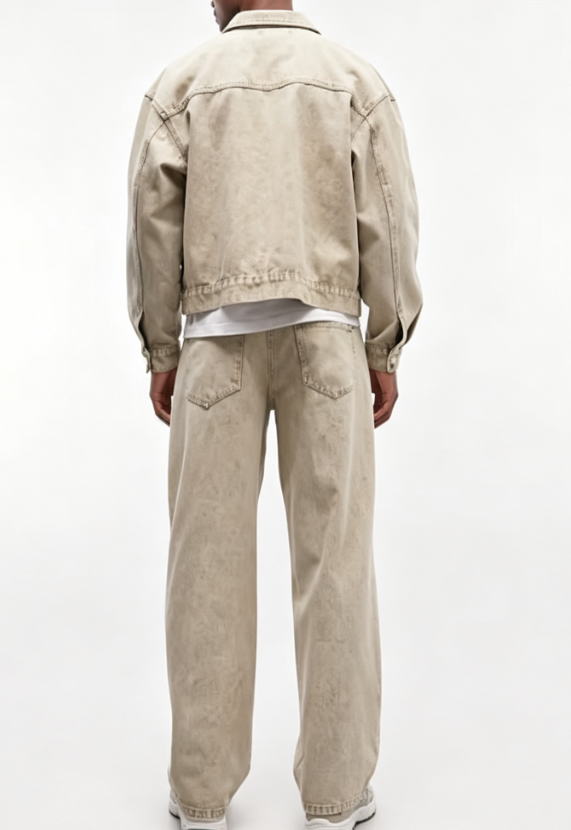
Custom Denim Sets
Develop mens denim suits wholesale programs that coordinate jackets and jeans through matched denim, wash consistency and production specifications. Support includes fit blocks, hardware, pockets, branded patches, embroidery and scalable bulk quantities for retailers and distributors.
Request a Quote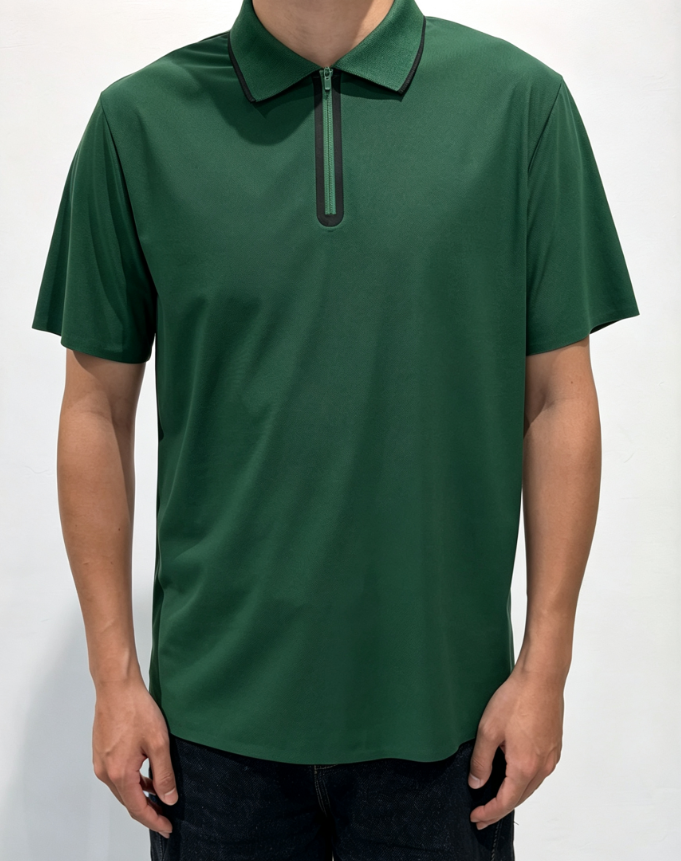
Custom Polo Shirts
Produce custom polo shirts in pique, jersey or performance knit fabrics, with options for collars, plackets, contrast details and logo decoration. Junsheen refines fit, grading and wash performance while managing embroidery, printing, private labels and export-ready packing.
Request a Quote
Custom Sweatpants
Manufacture custom sweatpants in fleece, French terry or jersey with tapered, straight-leg, wide-leg and oversized fits. Development covers rise, inseam, pocket placement, waistband construction and XS–3XL grading, plus printing, embroidery and branded trims.
Request a Quote
Custom Shorts
Create custom shorts across jersey, fleece, twill and woven fabrics for casual, athletic or resort collections. Junsheen supports inseam selection, pocket construction, waistband details, fit grading and decoration, starting from a tech pack, reference garment or concept.
Request a Quote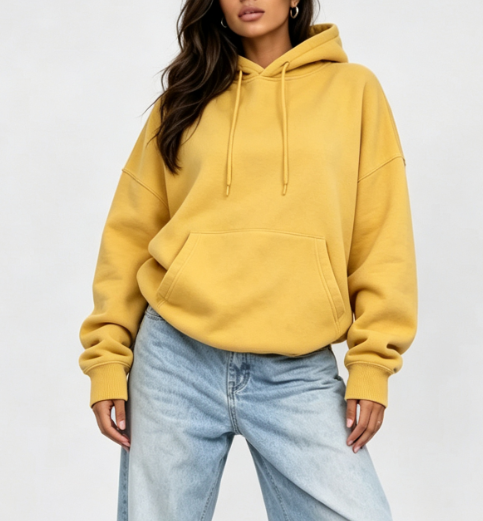
Custom Pullovers
Develop custom pullovers in knit, fleece or woven constructions with fit specifications tailored to your silhouette and end use. The team manages fabric selection, pattern making, grading, embroidery or printing, finishing, labels and production quality from sampling through shipment.
Request a QuoteMaterials for Custom Casualwear, Denim & Knitwear

Cotton Jersey
Soft, breathable cotton jersey is a core choice for custom T-shirts, polos, and lightweight layers. Available in combed, Pima, organic, and blended qualities, it offers a smooth hand feel with weight options for everyday or premium tees.

French Terry
French terry delivers a comfortable loop-back interior, moderate warmth, and flexible drape for hoodies, sweatshirts, shorts, and joggers. Its breathable structure works well for transitional casualwear, with fabric weight selected to match the desired silhouette.

Brushed Fleece
Brushed fleece has a soft, insulating inner surface suited to heavyweight hoodies, sweatpants, and cold-weather sets. JUNSHEEN can specify cotton-rich or blended constructions, balancing warmth, anti-pilling performance, and a substantial premium hand feel.

Stretch Denim
Stretch denim combines authentic denim texture with added recovery for jeans, denim shorts, and fitted sets. Available in multiple weights and wash-ready finishes, it supports mobility while retaining shape through wear, treatment, and repeated laundering.

Performance Knits
Performance knits provide stretch, moisture management, and resilient recovery for active casualwear, fitted tops, and modern layers. Material selection can prioritize a cool hand feel, four-way stretch, breathable construction, or durable shape retention.

Recycled Blends
Recycled cotton and polyester blends offer responsible material options for T-shirts, fleece programs, outerwear, and knitwear. JUNSHEEN reviews fiber content, weight, hand feel, durability, and wash performance to align sustainability goals with production requirements.
Tshirt Factory Decoration, Washing & Finishing

Precision Embroidery
Flat, puff, 3D, chain-stitch, applique, sequin, and patch embroidery add textured dimension and lasting logo definition for premium tees, fleece, jackets, and knitwear.

Screen Print
Plastisol, water-based, puff, flocking, silicone, high-density, foil, and discharge screen prints create bold color, crisp detail, and durable coverage for branded apparel programs.

DTG DTF
DTG and DTF printing reproduce detailed artwork, gradients, and small-run graphics with flexible color options, making them practical for samples, capsule collections, and complex designs.

Dye Sublimation
Dye sublimation infuses all-over artwork into compatible performance fabrics, delivering lightweight, breathable graphics with vivid color and no raised print feel after repeated wear.

Garment Dyeing
Garment dyeing develops rich, lived-in color after construction, giving tees, sweatshirts, and casualwear a distinctive tonal character while supporting coordinated private-label collections.

Specialty Washes
Enzyme, anti-pilling, acid, stone, softening, brushing, napping, and tie-dye washes refine hand feel, surface texture, and visual depth for intentional vintage or premium finishes.
Custom Trims, Labels & Packaging for Your T-Shirt Factory Program

Woven Brand Labels
Custom woven main, size and care labels give every garment a consistent brand signature. JUNSHEEN can add them at necklines, side seams or hems for polished private-label T-shirts and casualwear.

Leather Logo Patches
Debossed or printed leather patches add a premium identity to denim, outerwear and heavyweight casualwear. They are commonly placed at waistbands, chest panels, sleeves or hem areas for durable brand recognition.

Custom Hang Tags
Branded hang tags communicate your logo, size, product story and care information before the garment reaches the customer. Choose custom shapes, stocks, finishes and strings to support a cohesive retail presentation.

Zippers And Snaps
Specify branded zippers, snap buttons and custom pulls for jackets, hoodies, denim and functional casualwear. Our sourcing team matches hardware finish, durability and color to your design and production requirements.

Drawcords Rib Trims
Custom drawcords, tipped ends and matched rib trims refine the fit and visual balance of hoodies, sweatpants and jackets. Options can be selected for color, width, stretch, hand feel and wash performance.
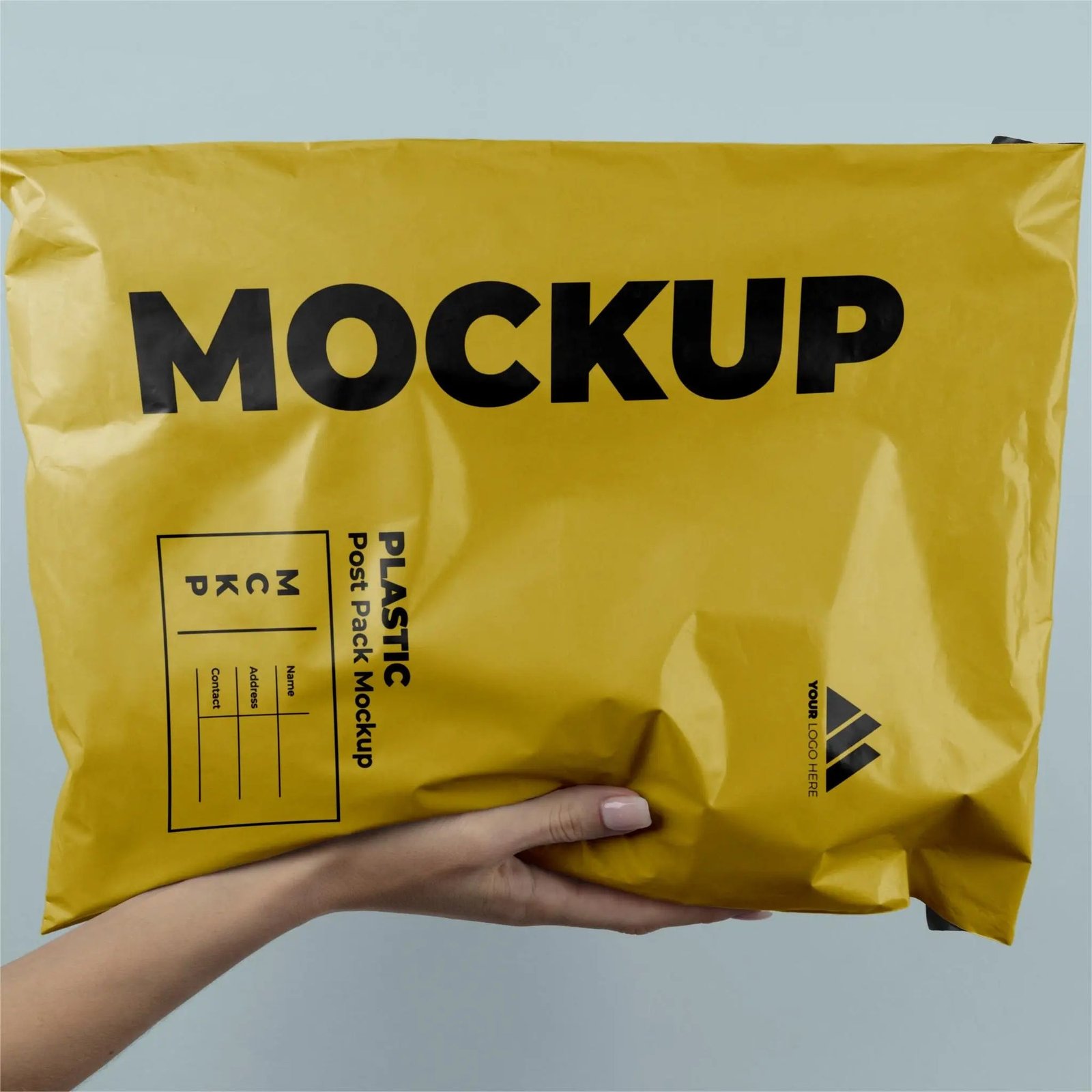
Branded Packaging Details
Complete your private-label order with logo polybags, tissue, stickers, carton marks and other packing details. Coordinated packaging helps protect garments in transit while creating a more professional unboxing experience.
Your tshirt factory Partner in Dongguan
Founded in 2010 in Humen, Dongguan, JUNSHEEN helps fashion brands turn apparel ideas into dependable production. As a fit-first tshirt factory and one-stop OEM, ODM, and private-label partner, we support projects from tech packs, sketches, and reference garments through sampling, approval, and export-ready delivery.
Our 200+ skilled workers and monthly capacity exceeding 80,000 units support both 100-unit capsule launches and repeat bulk programs. Cut-and-sew, knitwear, fabric sourcing, pattern making, printing, embroidery, washing, labels, trims, packaging, and quality control are coordinated through one integrated supply chain.
What sets JUNSHEEN apart is development built around the wearer. We refine patterns and grading from XS to 3XL, including extended-size, plus-size, and oversized fits, instead of simply scaling a base size. That technical focus has helped more than 2,000 fashion-brand clients build consistent products and scale with confidence.

tshirt factory Capabilities for Production-Ready Apparel
Technical Development Support
JUNSHEEN turns tech packs, sketches, reference garments, and early concepts into manufacturable T-shirt programs. Our development team reviews construction, materials, measurements, trims, and cost drivers before sampling, helping brands resolve production details early.
- Tech-pack and specification review
- Pattern making and prototype sampling
- Fabric, trim, and construction recommendations
- OEM, ODM, and private-label development

Fit-First XS–3XL Grading
As a fit-focused tshirt factory, we develop normal, extended, plus-size, and oversized silhouettes from XS through 3XL. Pattern makers adjust proportions, shoulder balance, sleeve length, mobility, and grading increments instead of simply scaling one base size.
- XS–3XL and extended-size development
- Oversized and plus-size fit refinement
- Size sets for pre-production approval
- Consistent grading across body proportions

Decoration and Finishing In-House
Build a more distinctive T-shirt collection with coordinated embroidery, printing, washing, labels, and packaging. Integrated capabilities help JUNSHEEN manage decoration placement, garment effects, and branded details with clearer control from sample approval through bulk production.
- Screen print, DTG, DTF, and specialty effects
- Flat, puff, 3D, and chain-stitch embroidery
- Garment dye, acid wash, softening, and brushing
- Custom labels, hang tags, patches, and packaging

Controlled Repeat-Order Quality
JUNSHEEN retains patterns, graded size sets, and material records to support faster, more consistent repeat orders. With 200+ skilled workers and capacity above 80,000 units monthly, we inspect fabric, construction, measurements, decoration, and packed goods at key production stages.
- Incoming, in-line, and final inspections
- Measurement and fit verification
- Retained production records for reorders
- Scalable programs from 100 units per style/color

Why Choose JUNSHEEN as Your Tshirt Factory Partner?
Production support engineered for launch-ready apparel and scalable repeat orders.
← 左右滑动查看 →
Tshirt Factory Production Process
A clear, fit-focused workflow that moves your custom T-shirt program from feasibility review to inspected, export-ready shipment.
Inquiry and Feasibility Review
Share your tech pack, sketch, reference garment, or concept. Our team reviews construction, quantities, target cost, sizing, fabrics, and production viability.
Patterning and Material Sourcing
Pattern makers build and grade fit-focused XS–3XL specifications while sourcing fabrics, trims, colors, labels, and decoration options aligned with your brief.
Prototype Sampling and Approval
We produce samples for fit, measurements, construction, wash performance, and artwork review. Revisions are resolved before size-set or pre-production approval.
Bulk Production and Decoration
Approved specifications move into scalable cut-and-sew production, with coordinated printing, embroidery, washing, finishing, labels, trims, and branded packaging.
Multi-Stage Quality Control
Inspections cover incoming materials, in-line workmanship, measurements, fit, decoration, and final packed goods to help maintain consistency across your order.
Packing and Global Shipment
We pack approved garments to your requirements, finalize export documentation, and coordinate global shipping support for reliable delivery to your destination.
Work With Our T-Shirt Factory OEM Team
Move from an initial apparel concept to export-ready production with clear development checkpoints, fit review, and scalable manufacturing support.
Send Your Product Brief
Share a tech pack, sketch, reference garment, mood board, or product idea. Our team reviews construction, fit targets, fabric needs, decoration, and MOQ feasibility.
Confirm Pricing and Sampling
Receive a detailed quotation based on materials, trims, decoration, quantities, and packaging. We develop patterns and samples for your review before bulk commitments begin.
Approve Fit and Details
Review the sample, size set, colors, labels, and finishing. Our pattern makers refine XS–3XL grading, proportions, measurements, and production specifications before approval.
Launch Bulk Production
After pre-production approval, our t-shirt factory coordinates fabric, cutting, sewing, printing, embroidery, finishing, and in-line quality checks for consistent scalable output.
Inspect and Ship Globally
Final inspections verify measurements, construction, decoration, and packed goods. We arrange export-ready packaging and global shipping support for your approved apparel order.
Custom Clothing Manufacturer Credentials and Compliance Documents




What Brands Achieve With Our tshirt factory
JUNSHEEN corrected the shoulder balance and sleeve grading across our XS–3XL tee program before bulk approval. We reduced our second-round sample revisions by 40% and launched the collection on schedule.
Their 100-unit MOQ let us test two garment-dyed T-shirt colors without overcommitting inventory. The first run sold through in six weeks, and the repeat order moved into production with the same approved measurements.
We scaled from a 300-piece private-label T-shirt order to 8,000 units per month while keeping print placement and packed measurements consistent. Their team made repeat production far easier for our wholesale accounts.
tshirt factory FAQ for OEM Buyers
Clear answers on low-MOQ custom T-shirt development, production, payment and global delivery with JUNSHEEN.
What is the minimum order quantity at your tshirt factory?
Can your tshirt factory make samples before bulk production?
How long does tshirt factory production take?
What do I need to provide for an accurate T-shirt quotation?
Can you develop XS–3XL, plus-size or oversized T-shirt fits?
What payment terms do you offer for new apparel orders?
Do you ship custom T-shirts internationally?
How does JUNSHEEN protect my designs and brand information?
The Complete Buyer’s Guide to tshirt factory
Use this decision framework to evaluate tshirt factory capabilities, fabrics, customization, quality controls, pricing, and supplier fit—while avoiding sourcing mistakes that delay launches, weaken margins, or compromise your brand standards.
1. What Is a tshirt factory?
2010 is the year Dongguan Junsheen Clothing Co., Ltd. began operating from Humen, Dongguan; in OEM/ODM sourcing, a tshirt factory is the production partner that turns a tech pack, sketch, reference garment, or concept into approved and repeatable T-shirts. It coordinates development, fabric and trim selection, pattern making, grading, prototype and size-set sampling before bulk work begins. 100 units per style and color is a practical low-MOQ starting point for a capable factory serving capsule brands, while larger programs require the same controlled workflow. Core factory operations include fabric inspection and relaxation, marker planning, cutting, sewing, neck-rib attachment, decoration, washing or finishing, measurement checks, final inspection, packing, and export preparation. 3 business models are often confused: a trading company manages suppliers but may not control the production floor; a print shop decorates customer-supplied blanks; and a wholesaler sells ready-made inventory with limited specification control. A true factory should directly own or closely manage technical development, cutting and sewing, in-line quality control, and final packed-goods inspection, with clear accountability for any subcontracted specialty process. 80,000+ units of monthly capacity matters less than process visibility: buyers should be able to confirm fabric specifications, Pantone references, stitch and measurement tolerances, approved samples, inspection records, labels, packaging, and shipping documents. That ownership is what makes quality, fit, and repeat orders manageable rather than dependent on an intermediary.
2. How tshirt factory Production Evolved
1920s jersey T-shirts moved from underwear into standardized sportswear, making tubular knitting, repeatable sizing, and high-volume cutting practical. Postwar mass production then favored a narrow set of white and colored basics, often open-end cotton, with efficiency driven by long runs rather than brand-specific development. 1970s screen printing turned the blank tee into a merchandisable identity product, while private-label programs added Pantone color control, neck labels, hang tags, and differentiated fits. Modern buyers can now choose ring-spun jersey, 160–240 GSM weights, garment dye, DTG, DTF, and water-based printing without committing to container-scale volumes. 100-unit-per-style-and-color programs reflect the current shift toward test launches, replenishment, and controlled inventory risk. A capable tshirt factory should shorten the path from tech pack or reference sample to graded fit approval, including XS–3XL or extended-size proportions, while documenting fabric origins, certifications such as OEKO-TEX or GOTS where applicable, and inspection records; these controls also help buyers diversify suppliers and plan around freight, material, and geopolitical disruption.
3. Types of tshirt factory Models
Factory models divide responsibility differently: some develop the garment, others only sew or decorate it. For a 100-unit launch or a repeat basic program, the right tshirt factory starts with the work your team can reliably own.
| Model | Handles | Best For | Main Trade-Off | Buyer Question |
|---|---|---|---|---|
| Full-package OEM | Development through shipping | New brands, custom fits | Higher coordination fee | Who can own the process? |
| ODM/private label | Existing styles and branding | Fast launches | Less design exclusivity | Can a stock block work? |
| CMT | Cut, sew, trims | Experienced sourcing teams | Buyer manages materials | Can we control inputs? |
| Vertical integration | Multiple production stages | Reliable ongoing programs | Less supplier choice | Is lead-time control critical? |
| Print specialist | Decoration only | Artwork-led merchandise | Separate garment supplier | Is print the core risk? |
| Basic-volume maker | Standard tees at scale | Large repeat orders | High MOQ, less flexibility | Do we need lowest unit cost? |
Full-Package OEM
A full-package OEM handles development, fabric sourcing, patterns, grading, sampling, cut-and-sew, decoration, packing, and export coordination. At 100 units per style and color, this model suits brands with a tech pack, sketch, or reference garment. It trades a higher unit cost for fewer supplier handoffs and faster problem-solving.
ODM And Private Label
ODM programs start with factory-ready silhouettes that buyers adapt through fabric, color, labels, and artwork. A private-label order usually moves faster than a ground-up pattern, but offers less exclusive design control. Ask: can an existing block deliver my target look without costly revisions?
CMT And Specialists
CMT factories cut, make, and trim against buyer-supplied patterns and materials; the buyer controls sourcing and specifications. Specialist print factories focus on screen print, DTG, DTF, or transfers rather than garment engineering. Ask: do we have the technical team and material control to manage separate vendors?
Scale-Focused Producers
Vertically integrated producers combine key steps such as knitting, dyeing, cutting, and sewing, improving lead-time control when capacity is available. Large-volume basic manufacturers optimize repeatable blank tees and high runs, often requiring larger MOQs. Ask: is low landed cost more important than flexibility, fit development, and small replenishments?
4. Fabrics a tshirt factory Can Source
Fabric selection sets a T-shirt’s hand feel, opacity, recovery, wash behavior, and price. A capable tshirt factory should translate the brand’s target retail position into a testable fiber, knit, GSM, and finish specification.
| Fabric | Typical GSM | Best Use | Buyer Check |
|---|---|---|---|
| Combed cotton jersey | 160–180 | Core retail tee | Shrinkage and pilling |
| Heavy cotton jersey | 220–280 | Oversized premium tee | Collar recovery |
| Cotton/poly blend | 180–220 | Active or workwear tee | Colorfastness |
| Modal/cotton/elastane | 180–210 | Fitted soft tee | Stretch recovery |
| Recycled polyester blend | 140–180 | Performance tee | Certification evidence |
Fiber Choices And Positioning
100% ring-spun combed cotton gives a smoother, softer surface than open-end cotton and suits elevated basics. Pima cotton raises fiber-length expectations, while organic cotton needs documented chain-of-custody claims. Recycled polyester lowers virgin-fiber dependence and adds durability, but can feel less natural against skin. Viscose or modal improves drape; 3–8% elastane improves recovery for fitted silhouettes.
- Ring-spun: soft premium jersey
- Open-end: economical, structured hand
- Organic: verify GOTS scope certificate
- Recycled blends: request fiber-content evidence
Knit, Weight, And End Use
Single jersey is the standard T-shirt knit, while interlock creates a denser, cleaner two-sided face. Rib knit belongs mainly at neckbands because its elasticity helps the collar recover after wear.
Wash Tests And Compliance
3–5% residual shrinkage after the agreed wash method is a common acceptance target, but the approved specification controls. Test colorfastness to washing, rubbing, and perspiration before bulk approval. OEKO-TEX Standard 100 addresses harmful-substance testing, while GOTS covers defined organic-textile processing requirements. Request current certificates from the relevant mill rather than relying on a fabric label.
5. Customization at a tshirt factory
A capable tshirt factory turns a base tee into a branded product through fit, color, surface treatment, and trim decisions. Lock the silhouette and artwork method before sampling so grading, placement, and cost stay aligned.
| Method | Best Artwork | Durability | Color Capability | Setup And Order Fit |
|---|---|---|---|---|
| Screen print | Bold spot-color graphics | High | Strong; Pantone matched | Screens; efficient for repeat bulk runs |
| DTG | Photo-detail cotton artwork | Medium-high | Full color | Minimal setup; short runs |
| DTF/transfer | Fine detail, mixed fabrics | Medium-high | Full color | Low setup; samples and small runs |
| Embroidery/appliqué | Logos and dimensional details | High | Limited thread colors | Digitizing; best for simple repeat motifs |
Fit And Product Options

XS–3XL programs need graded shoulder, chest, body-length, and sleeve increments; simply enlarging one pattern distorts oversized and extended-size fits. 180–260 GSM jerseys can be specified with crew, ribbed mock, V, or polo necklines; choose dropped, raglan, cap, or long sleeves. Pantone dyeing, garment dye, acid wash, and enzyme softening should be approved on the actual fabric.
Branding Components

Neck prints remove a sewn main label, but wash-care labels remain necessary for fiber and care information in destination markets. Woven labels, size tabs, hangtags, custom bags, tissue, and cartons should be finalized with artwork, placement, and barcode requirements before bulk packing.
Decoration Method Matching

Screen printing suits repeat artwork and scalable runs, while DTG is practical for detailed short runs on cotton-rich garments. Request strike-offs for dark-fabric opacity, stretch, hand feel, and wash testing. Embroidery and appliqué add texture but need stabilizer and placement review; dense designs can pucker lightweight jersey.
6. Construction Quality That Matters
100-unit launches still need production-grade specifications: retail-ready tees depend on repeatable construction, not a soft sample alone. A capable tshirt factory turns quality expectations into measurable checkpoints before bulk cutting.
Stitches And Seams
8–12 stitches per inch is a practical target for most jersey seams; specify the count by seam, not merely ‘strong stitching.’ 4-thread overlock side seams, coverstitch hems, and reinforced shoulder seams reduce popping and distortion through wash cycles.
- Specify SPI by seam location
- Call out overlock and coverstitch
- Require clean thread trimming
Collar And Fabric Stability
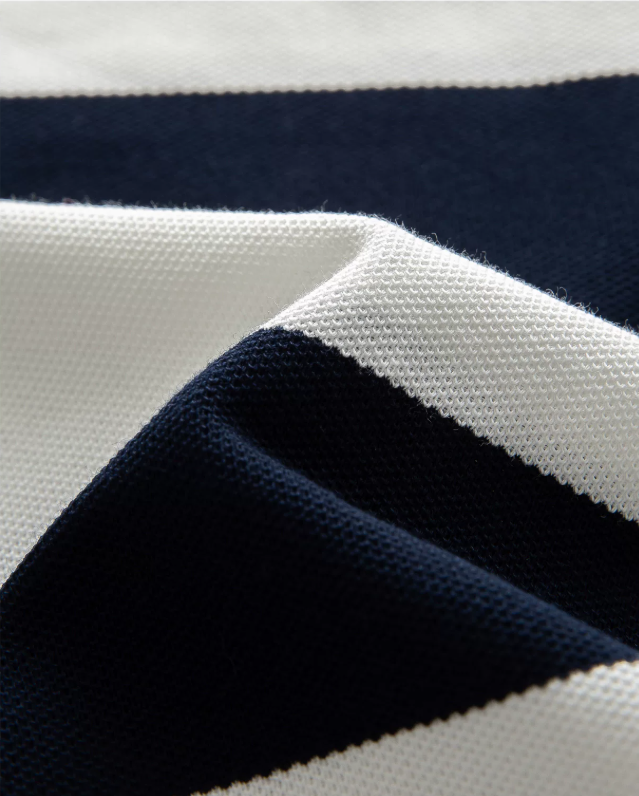
1:1 rib collars should recover after stretch testing and sit flat after laundering; define rib composition, finished width, and neck opening measurement. 3–5% residual shrinkage is a common approval ceiling when measured by the agreed wash method. Require pre-shrinking where needed, control fabric skew, and approve wash/softening finishes against a retained sample.
- Add shoulder tape width and material
- Test collar recovery after washing
- Record lengthwise and crosswise shrinkage
Tech Pack And Final Approval
±1 cm tolerances on key adult tee points can be appropriate, but neck width, body length, and chest must be listed point by point with grading rules. AQL 2.5 final inspection should define the acceptable defect threshold, inspection level, measurement method, wash standard, and sealed golden sample. JUNSHEEN can retain approved patterns, graded sets, and material records for repeat-order consistency.
- Attach annotated measurement spec
- Approve pre-production sample
- Set AQL, defect definitions, and carton checks
7. Choosing the Right tshirt factory
A tshirt factory should be qualified against evidence, not its quotation alone. Before any deposit, compare the supplier’s category depth, development discipline, traceability, export record, and ability to repeat an approved standard at volume.
Verify Category Capability
100-unit minimums suit capsule launches, but confirm the MOQ applies per style, color, fabric, and size breakdown. Ask for recent comparable jersey programs, factory-floor photos, and a current capacity plan. 200-plus workers or a stated monthly capacity matters only when supported by line allocation, production calendars, and subcontracting disclosure. Confirm who cuts, sews, decorates, and packs the garment.
- Request comparable product references
- Confirm MOQ by color and fabric
- Ask whether any process is subcontracted
Approve Samples And Materials
1 sealed approval sample should define measurements, tolerances, stitch density, print placement, shade, labels, and packing. Measure it after wash testing; compare shrinkage, torque, pilling, and print cracking against the specification. Pantone references and fabric swatches should accompany the sample when color or hand feel is critical. Request fiber content, GSM, finished width, mill details, and available OEKO-TEX or GOTS documentation where applicable.
- Review graded measurement chart
- Retain approved trim card
- Document wash-test results
Check Commercial Reliability
3 documents reduce avoidable risk: business registration, export references, and a written quotation stating Incoterms, lead time, payment milestones, and defect handling. Ask for destination-market experience and whether the factory can prepare commercial invoices, packing lists, and origin documentation. 30/70 or other deposit structures should be tied to sample approval and pre-shipment inspection, with the balance settled before shipment. Obtain a pro forma invoice listing bank beneficiary details, quantities, unit prices, and the approved specification revision.
- Verify legal entity and bank account
- Define inspection and rework process
- Confirm shipping document responsibility
8. Common tshirt factory Sourcing Mistakes
A tshirt factory quote is only useful when specifications, approvals, and commercial terms are equally clear. Most costly sourcing failures begin before production: an unpriced variable becomes a late revision, delay, or quality dispute.
Price-Only Supplier Selection
A quote that is 10% lower can omit fabric weight, shrinkage allowance, inspection scope, or packaging. The consequence is a higher landed cost after claims and remakes; compare like-for-like quotations against a signed specification sheet.
- Match GSM, fiber content, decoration, packing, and Incoterms
- Request sample and bulk-quality inspection points
- Compare landed cost, not unit price alone
Uncontrolled Product Specifications
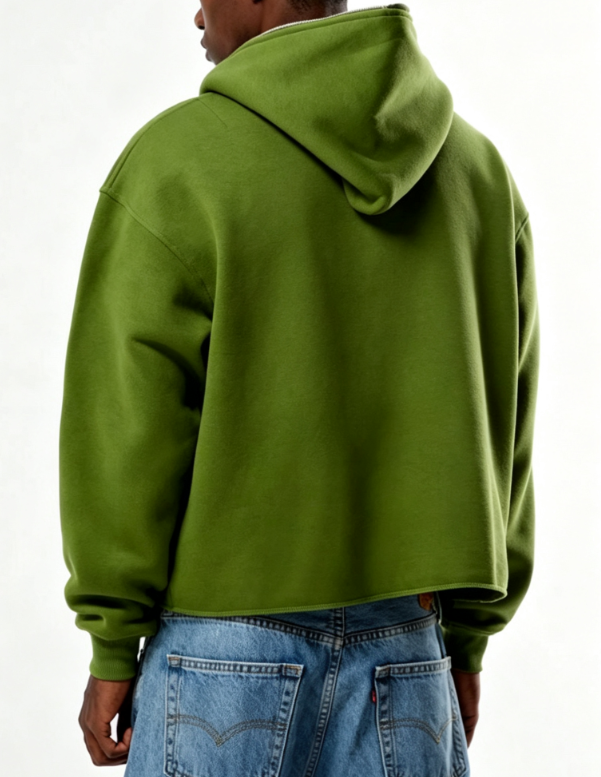
A sketch without Pantone references, measurement tolerances, stitch details, or label placement invites interpretation. The control is a production-ready tech pack plus approved fabric swatch, artwork proof, fit sample, and graded size set before bulk cutting.
- Specify tolerance for key measurements
- Approve color, hand feel, and wash result
- Test screen-print or transfer artwork on fabric
MOQ And Lead-Time Blind Spots

A 100-unit minimum may apply per style and color, not across five colors combined. Splitting quantities can raise cost or block production; confirm MOQ, color allocation, fabric availability, and trim lead times before launching.
- Reserve custom labels and zipper lead time
- Confirm stock versus custom-dyed fabric
- Set a realistic critical-path calendar
Weak Delivery And Payment Controls
A promised ship date without an approved sample date, material arrival date, and inspection window is not a production schedule. Use milestone dates, written acceptance criteria, and staged payment terms; do not release the final balance until agreed pre-shipment checks are complete.
- Document deposits, balances, and shipment release
- Define rework responsibility for failed inspections
- Keep approvals and change orders in writing
9. Launching a T-Shirt Brand Step by Step
A 100-unit first run can validate a focused customer promise before cash is tied up in broad inventory. Start with one hero silhouette, two colorways, and a target retail price that supports fabric, decoration, freight, and margin.
Define The Product Brief
Week 1 should identify the wearer, occasion, fit direction, competitors, and retail price. The decision gate is a one-page brief: if the product cannot be described clearly, do not request samples. Two colorways reduce inventory risk while preserving a recognizable launch identity. Specify oversized or regular fit, intended GSM, logo placement, Pantone references, and required labels.
Build And Test Samples
One complete tech pack should show measurements, graded size chart, construction, artwork, trims, and packaging. A tshirt factory can then assess manufacturability from a tech pack, sketch, reference garment, or mood board. One prototype is the decision gate for fabric hand, shrinkage, print quality, and fit. Revise measurable issues first, then approve a size set from XS through 3XL before bulk cutting.
Approve Production And Replenishment
100 units per style and color is a practical capsule threshold for testing demand without eliminating differentiation. Approve a pre-production sample only after measurements, artwork, wash results, and labeling match the signed specification. Three inspection stages—fabric receipt, in-line sewing, and packed-goods review—catch defects before shipment. Book freight after carton dimensions and destination are confirmed, then retain sell-through data, patterns, and material records for replenishment.
10. tshirt factory Pricing and Lead Times
100 units per style and color is a practical starting point for a capsule program at a tshirt factory, but it is not a universal unit-price benchmark. Larger runs spread pattern, screen, and fabric-booking costs across more garments; each added colorway can create separate fabric, dye-lot, and print setup requirements. 160–180 GSM jersey usually uses less material than a 220–260 GSM heavyweight tee, while ring-spun cotton, organic cotton, and specialty washes add further variables. A one-color screen print is generally simpler to quote than multi-location puff, high-density, DTG, DTF, embroidery, or Pantone-critical artwork. 7–14 days is a typical development window for a first prototype after materials and specifications are confirmed; bulk timing begins only after sample approval and material booking. A complete JUNSHEEN quotation should state garment specifications, quantity by size and color, fabric and decoration, trims, labels, packaging, sampling, production timing, QC scope, and shipping-ready date—rather than promising a generic price.
| Quote driver | Typical effect on cost | Planning effect |
|---|---|---|
| 100–299 units | Higher setup cost per unit | Confirm MOQ by style and color |
| 300–1,000+ units | Better cost absorption | Allow fabric booking time |
| Custom labels, hangtags, polybags | Adds components and assembly | Approve artwork before bulk |
| Prototype and size set | Separate development cost | Protects bulk schedule |
| Freight-ready packing | Carton and export details vary | Set a shipping-ready date |
Start Your Tshirt Factory Sampling Project Today
Send your tech pack, reference garment, or product idea to JUNSHEEN for a tailored OEM/ODM quote and fit-focused development plan.