
Ringer T Shirt Manufacturer for Fit-Ready Private Label
JUNSHEEN is your ringer t shirt manufacturer for OEM, ODM and private-label production, with 100-unit MOQs and XS–3XL fit development.
Featured Products for ringer t shirt manufacturer Development





Ringer T Shirt Manufacturer Catalogue & Quotation

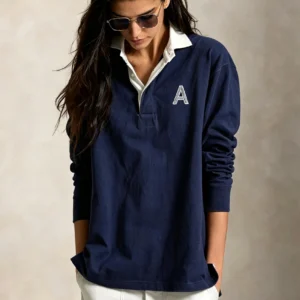


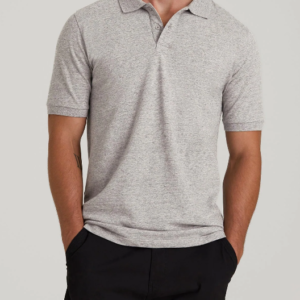


Why Brands Choose JUNSHEEN as Their Ringer T Shirt Manufacturer
Low-MOQ development, fit-led production, integrated decoration, and dependable global delivery for custom ringer tee programs.
100-Unit MOQ
Launch capsule ringer tee collections from 100 units per style and color, with practical support for growing labels and repeat programs.
Fit-Focused Size Grading
Pattern makers refine proportions, sleeves, shoulders, and grading from XS to 3XL for normal, oversized, and extended-size fits.
Integrated Decoration
Coordinate contrast rib details with screen printing, embroidery, washes, labels, trims, and branded packaging through one manufacturing partner.
Scalable Production Capacity
More than 200 skilled workers and 80,000-plus monthly units support sample-led launches and reliable bulk production as demand grows.
Global Export Support
JUNSHEEN manages quality checks, packed-goods inspection, and export coordination for fashion brands, retailers, and sourcing teams worldwide.
Ringer Tees and Custom Casualwear
Develop coordinated apparel programs with one manufacturer, from fit development and sampling to decoration, finishing, private labeling, and scalable bulk production.
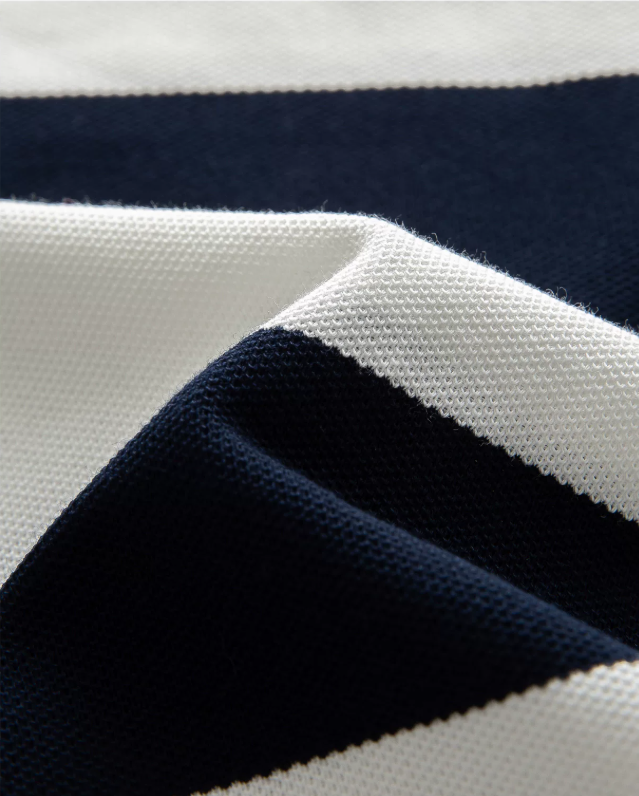
Custom Hoodies
Develop custom hoodies that coordinate with ringer tee collections, including pullover or zip styles in fleece, French terry, or jersey. Junsheen supports fit development from XS–3XL, custom rib trims, embroidery, printing, washes, labels, and production from 100 units per style and color.
Request a Quote
Custom T-Shirts
Build custom tshirt programs beyond ringer styles, including heavyweight jersey, fitted basics, oversized silhouettes, graphic tees, and polos-inspired constructions. Pattern makers refine proportions and grading across XS–3XL, while in-house printing, embroidery, washes, and private-label details keep collection standards consistent.
Request a Quote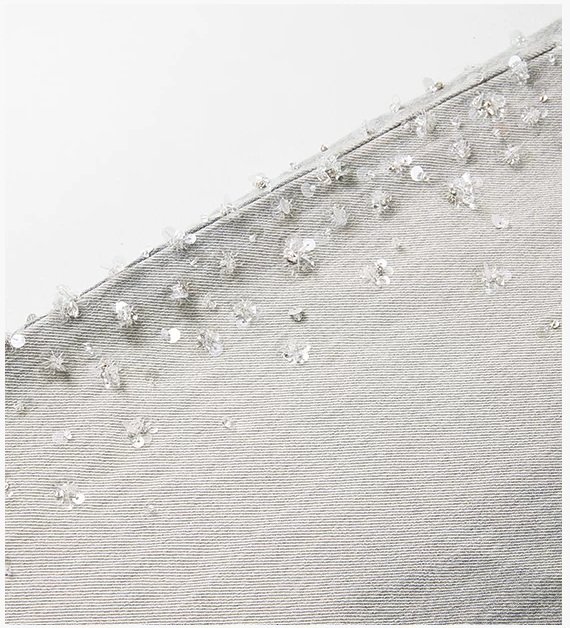
Custom Jeans
Source custom jeans with development support for fit, rise, leg shape, stretch, wash performance, and size grading. Junsheen produces denim programs from reference garments or tech packs, adding custom hardware, labels, embroidery, printing, and garment treatments for coordinated casualwear collections.
Request a Quote
Custom Sweaters
Produce turtle neck sweater bulk programs with clear yarn, gauge, hand-feel, and fit requirements. Junsheen supports knitted sweater development, from fitted and oversized turtlenecks to graded XS–3XL size sets, with sampling and bulk planning suited to seasonal or repeat wholesale orders.
Request a Quote
Custom Jackets
Develop a custom jean jacket alongside denim bottoms or branded tees, with support for silhouette, fabric weight, wash, hardware, and placement details. Junsheen can add embroidery, patches, printed graphics, custom buttons, labels, and packaging for a production-ready denim layer.
Request a Quote
Custom Sweatshirts & Crewnecks
Create custom crewneck hoodie and sweatshirt programs for coordinated basics, graphics, and elevated fleece collections. Choose French terry, brushed fleece, or jersey constructions, then refine body length, rib balance, sleeve shape, and XS–3XL grading before applying custom decoration and private-label trims.
Request a Quote
Custom Cardigans
Produce custom cardigan styles in sweater knits suited to layered casualwear, from button-front basics to textured or oversized silhouettes. Development covers yarn selection, gauge, fit, grading, custom buttons, labels, and finishing so retail-ready cardigans align with the rest of your collection.
Request a Quote
Custom Puffer & Down Jackets
Develop custom puffer jacket programs with practical control over shell fabric, insulation, quilting, lining, pockets, hardware, and branded trims. Junsheen supports sampling, fit review, extended-size grading, custom labels, and packed-goods quality control for outerwear programs requiring dependable specifications.
Request a Quote
Custom Denim Shorts
Source custom jean shorts with control over denim weight, stretch, inseam, rise, hem treatment, and wash effect. Junsheen develops men’s, women’s, oversized, and extended-size options, adding branded hardware, embroidery, patches, labels, and coordinated finishing for warm-weather denim collections.
Request a Quote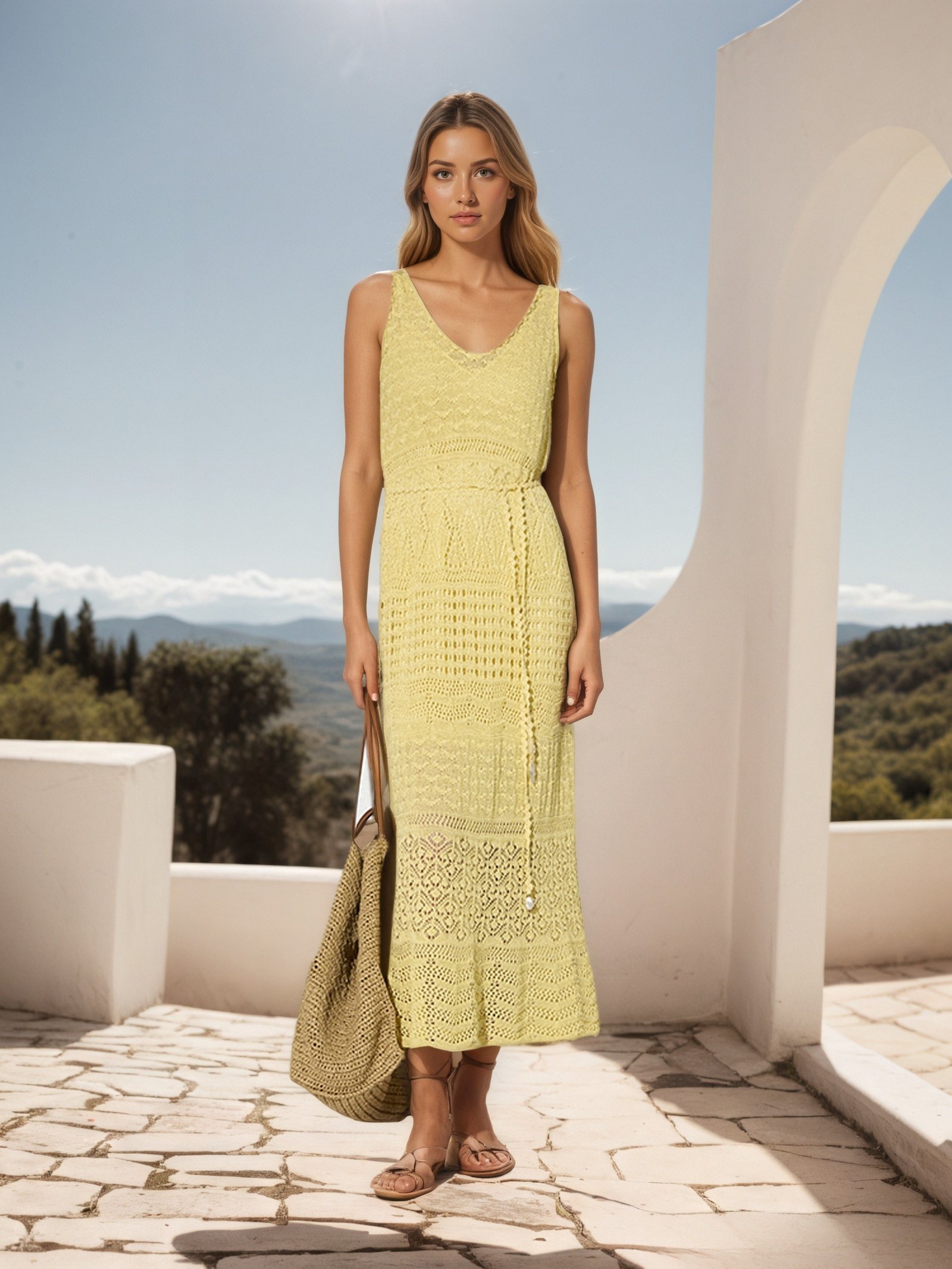
Custom Sweater Dresses
Develop custom sweater dresses with knit construction, yarn, gauge, length, and body proportion matched to your target customer. Junsheen supports fitted, relaxed, and oversized silhouettes with XS–3XL grading, prototype sampling, custom trims, labels, and bulk production planning for seasonal launches.
Request a Quote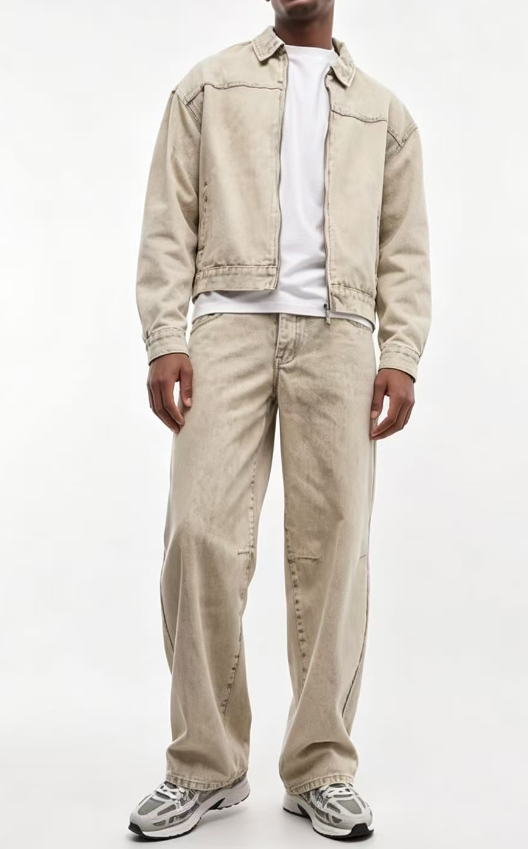
Custom Denim Sets
Build mens denim suits wholesale programs as coordinated denim sets, with jackets, overshirts, jeans, or matching shorts developed to consistent fabric and wash standards. Junsheen manages fit, hardware, embroidery, labels, packaging, and scalable production for wholesale-ready assortments.
Request a Quote
Custom Polo Shirts
Produce custom polo shirts in piqué, jersey, or performance knit fabrics for branded uniforms, retail basics, and casual collections. Junsheen supports collar construction, plackets, embroidery, print details, fit grading, custom buttons, labels, and low-MOQ sampling through bulk production.
Request a Quote
Custom Sweatpants
Develop custom sweatpants with fleece, French terry, or jersey options and fit control across waistband, rise, leg shape, cuffs, and pockets. Junsheen supports standard, oversized, and extended-size grading, plus embroidery, screen printing, washes, drawstrings, labels, and matching-set production.
Request a Quote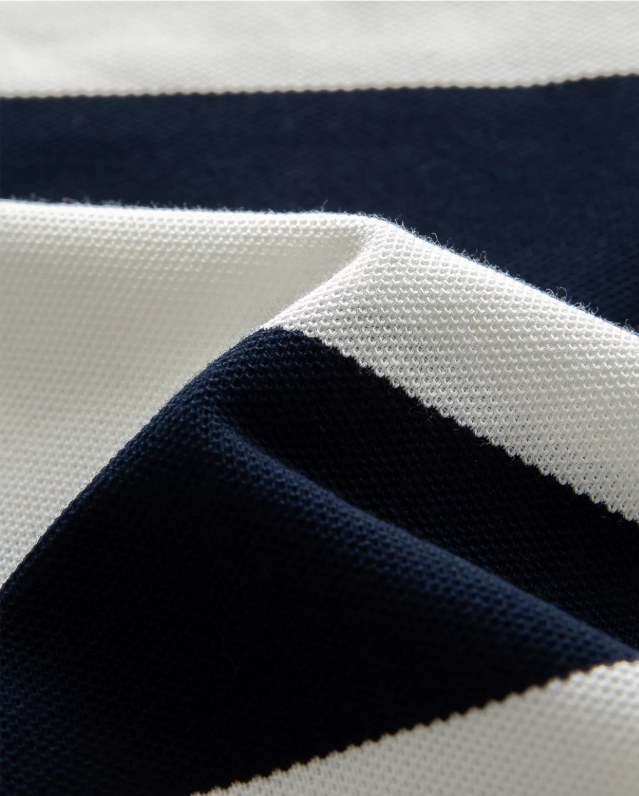
Custom Shorts
Create custom shorts for casual, athletic-inspired, denim, twill, or fleece programs. Junsheen helps define inseam, rise, pocket construction, fabric weight, and fit across XS–3XL, then applies branded prints, embroidery, labels, trims, and packaging for coordinated seasonal assortments.
Request a Quote
Custom Pullovers
Produce custom pullovers in knit, fleece, French terry, or jersey constructions, from lightweight layers to substantial cold-weather styles. Junsheen supports pattern development, sleeve and body proportion, size grading, decoration, washes, custom trims, private labels, and repeat bulk orders.
Request a QuoteMaterials for Custom Ringer T-Shirts

Combed Cotton Jersey
Smooth, breathable combed cotton jersey creates a clean everyday ringer tee with a soft hand feel. Commonly used at 180–220 GSM, it supports crisp contrast neck and sleeve ribs while maintaining reliable wash durability.

Heavyweight Cotton Jersey
Dense cotton jersey gives premium ringer tees a structured drape and substantial hand feel. Typically 240–280 GSM, it holds its shape through repeated washing and suits heritage, streetwear, and elevated retail programs.

Cotton Stretch Jersey
Cotton jersey blended with elastane adds comfortable recovery and easier movement without losing a natural cotton feel. Its controlled stretch works well for fitted ringer tees, baby tees, and size-inclusive XS–3XL collections.

Organic Cotton Jersey
Organic cotton jersey offers a soft, breathable hand feel for brands prioritizing responsible material options. Available in multiple weights, it performs well for casual ringer tees when paired with compatible contrast rib and tested wash finishes.

Cotton Polyester Jersey
Cotton-polyester jersey balances a soft casual feel with improved color retention, strength, and drying performance. A practical choice for promotional, uniform, and high-repeat programs, it helps contrast panels and bindings stay consistent after laundering.
Ringer T Shirt Manufacturer Decoration & Finishing Options

Screen Printing
Plastisol, water-based, puff and high-density screen printing create bold, repeatable artwork with strong color coverage and dependable wash durability for branded ringer tees, from simple chest logos to large-format graphics.

Logo Embroidery
Flat, 3D puff and chain-stitch embroidery add tactile dimension to ringer tee logos, badges and small graphics. Stabilized placement and thread selection help preserve clean detail, shape and durability through regular wear.

DTG Printing
Direct-to-garment printing applies detailed, full-color artwork directly onto suitable cotton-rich ringer tees. It delivers soft-hand photographic graphics and smooth gradients, making it practical for complex designs and lower-volume colorways.

DTF Transfers
DTF transfers produce crisp, vibrant graphics across cotton, blends and many fabric colors. This flexible option supports fine lettering and multicolor logos while providing consistent placement and durable adhesion after correct heat application.

Heat Transfer
Heat transfer decoration applies logos, names and precise graphic elements with controlled placement. It is well suited to small runs, personalization and detailed branded artwork, with film and adhesive choices matched to intended stretch and use.

Garment Washing
Enzyme, softening, garment-dye and acid-wash treatments refine the hand feel and visual character of ringer tees. Controlled sampling helps brands achieve a worn-in, softened or vintage-inspired finish while monitoring shrinkage and color consistency.
Custom Trims & Private-Label Details

Woven Neck Labels
Custom woven main and size labels give every ringer tee a polished brand signature. JUNSHEEN can match your logo, color palette, fold style, and placement for private-label production.

Contrast Rib Trims
Specify rib-knit collars and sleeve cuffs in your chosen contrast colors to define the classic ringer look. We align rib weight, recovery, and color matching with the jersey body fabric.

Custom Hang Tags
Branded hang tags communicate sizing, product stories, care guidance, and retail presentation at first touch. Choose custom shapes, stocks, finishes, strings, and barcode-ready layouts for your sales channel.

Logo Patch Details
Add embroidered, woven, leather, or applique patches for a more dimensional brand statement. Patches work well on chest areas, hems, sleeves, and back neck positions across casualwear collections.

Drawcord And Tipping
For coordinated shorts, hoodies, and layered capsule pieces, custom drawcords and tipped ends reinforce your identity. Select color, thickness, aglets, and logo treatments to match the ringer tee program.
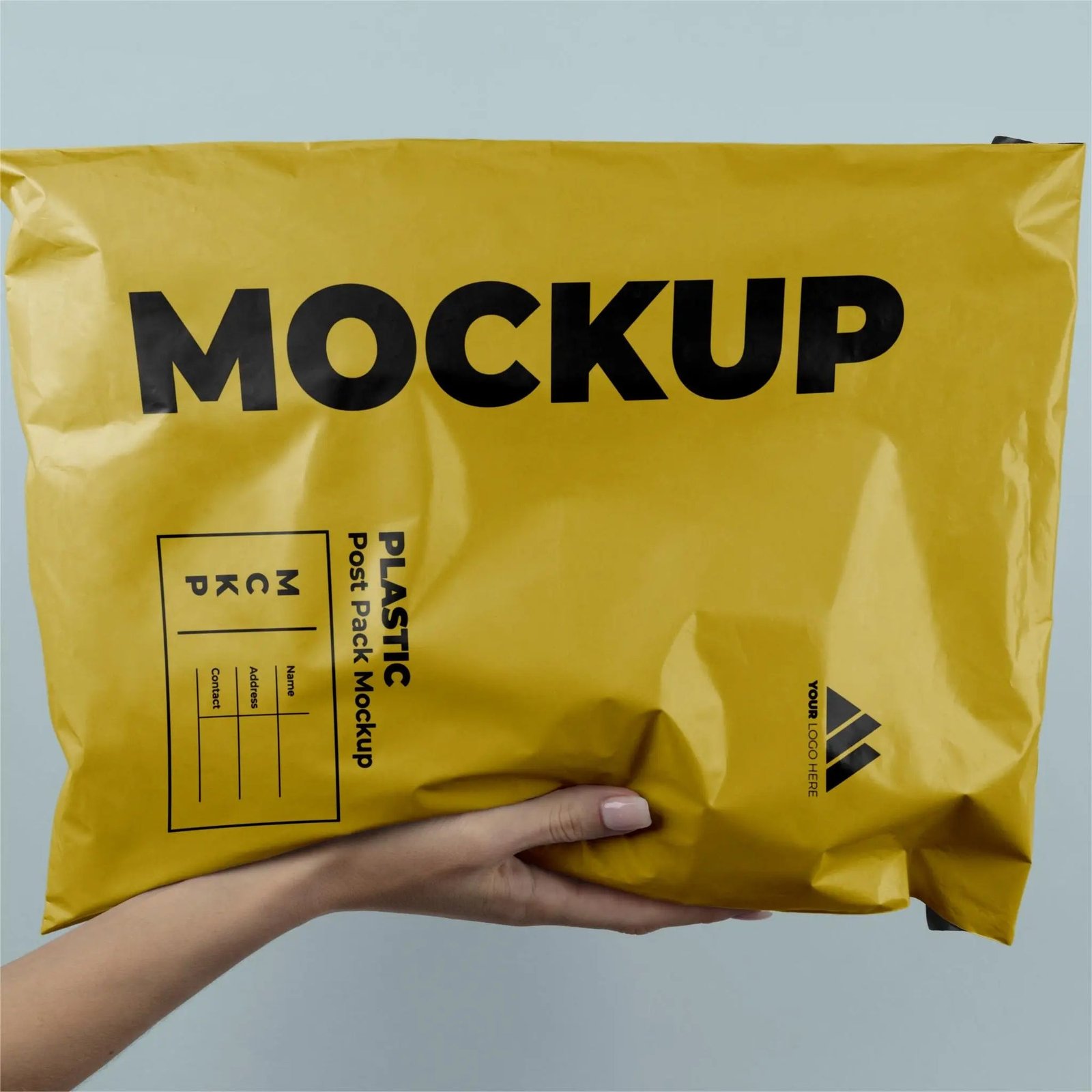
Branded Retail Packaging
Finish packed goods with custom polybags, stickers, tissue, cartons, and packing inserts. JUNSHEEN coordinates labels, trims, and packaging so your ringer t shirt manufacturer program arrives retail-ready.
About JUNSHEEN, Your Ringer T Shirt Manufacturer
Founded in 2010 in Humen Town, Dongguan, JUNSHEEN helps global fashion brands turn ringer tee concepts into production-ready private-label apparel. Our mission is straightforward: provide responsive OEM, ODM and product-development support that gives emerging labels and established sourcing teams a dependable route from idea to delivery.
With more than 200 skilled workers, monthly capacity above 80,000 units and over 2,000 fashion-brand clients served, JUNSHEEN supports capsule launches from 100 units per style and color through scalable repeat programs. Cut-and-sew production, fabric sourcing, printing, embroidery, washing, trims, packaging and export coordination are managed through one supply chain.
What distinguishes our ringer t shirt manufacturer team is a fit-first approach. We develop and grade normal, extended-size, plus-size and oversized styles from XS to 3XL by refining proportion, shoulder balance, sleeves and mobility—not simply enlarging a base pattern—so brands can approve samples with greater confidence.

Ringer T Shirt Manufacturer Capabilities, In Depth
Technical Product Development
JUNSHEEN turns tech packs, sketches, reference garments, and early concepts into production-ready ringer tees. Our team reviews measurements, collar-to-body contrast placement, seam construction, fabric weight, and manufacturability before sampling, helping brands resolve details before bulk commitments.
- Specification and construction review
- Prototype, fit sample, and size-set support
- Contrast rib and binding placement planning
- OEM, ODM, and private-label development

Fit-Focused Size Grading
As a ringer t shirt manufacturer, JUNSHEEN develops balanced fits from XS to 3XL, including extended-size, plus-size, and modern oversized programs. Pattern makers refine body proportion, shoulder balance, sleeve length, mobility, and grading increments instead of simply enlarging one base size.
- XS–3XL and extended-size grading
- Regular, oversized, and gender-specific fits
- Measurement tolerances defined before bulk
- Fit records retained for repeat styles
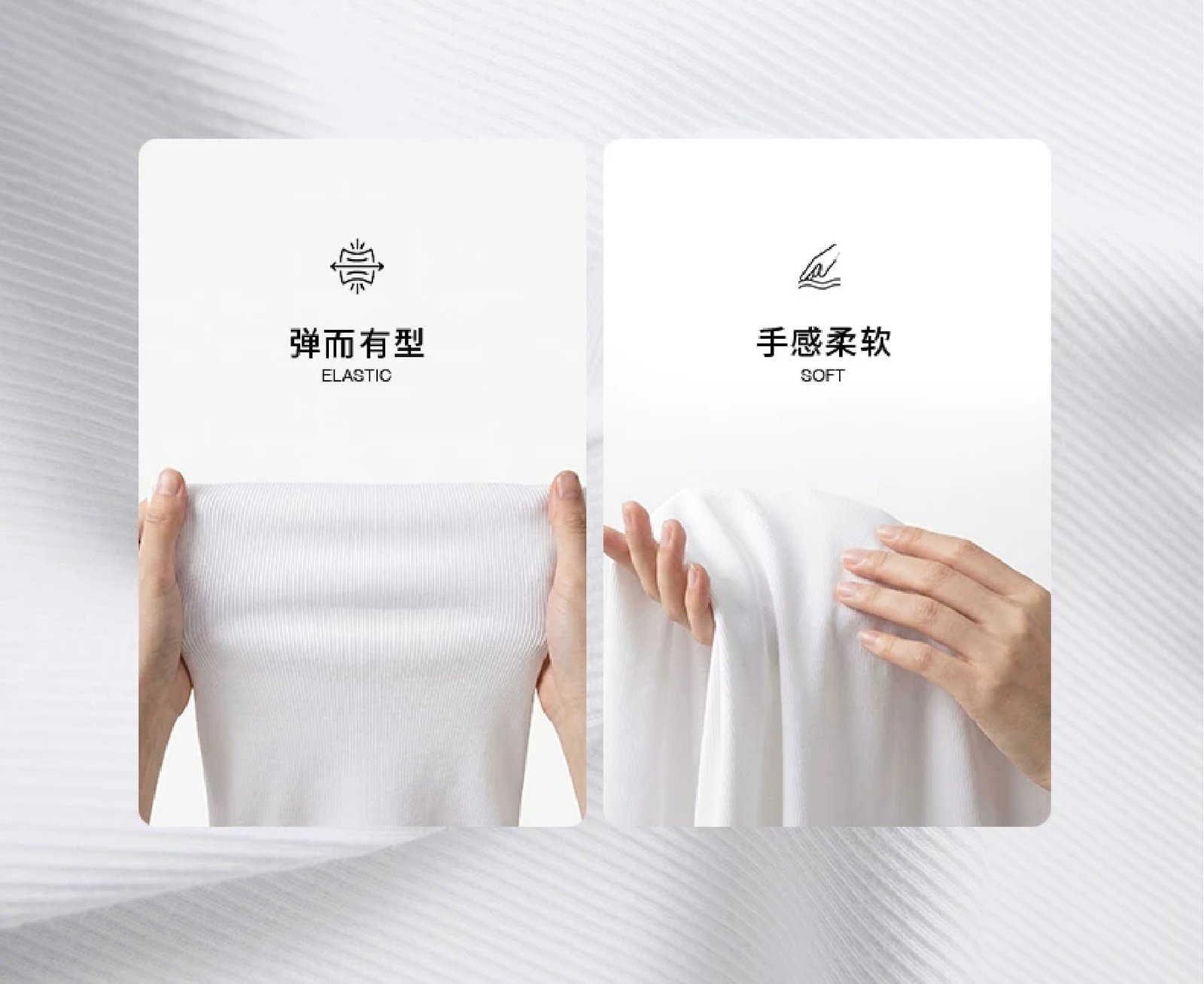
Fabric, Trim, and Decoration Control
Source jersey, combed cotton, organic cotton, blends, contrast ribs, labels, and branded packaging through one coordinated supply chain. We align printing, embroidery, wash effects, and trims with fabric behavior so the finished ringer tee delivers the intended hand feel, color contrast, and durability.
- Fabric and contrast-rib sourcing
- Screen print, DTG, DTF, and embroidery coordination
- Custom labels, hang tags, and packaging
- Wash and finishing recommendations

Repeat-Order Production Consistency
From 100 units per style and color to scalable global programs, JUNSHEEN maintains repeatable ringer tee production through retained patterns, graded size sets, approved materials, and quality records. In-line and final inspections verify measurements, decoration placement, construction, and packed-goods presentation before shipment.
- 100-unit MOQ per style and color
- Retained patterns and material records
- In-line, measurement, and final QC
- 80,000+ units monthly production capacity

Why Choose JUNSHEEN as Your Ringer T Shirt Manufacturer
Built for flexible launches, fit-consistent repeat orders, and scalable global production.
← 左右滑动查看 →
Ringer T Shirt Manufacturer Production Process
A clear, fit-focused path from feasibility review to inspected, private-label ringer tees delivered worldwide.
Review Your Brief
Our team reviews your tech pack, sketch, reference garment or idea, confirms feasibility, target MOQ, fit requirements, decoration needs and production schedule.
Source Fabrics and Trims
We recommend suitable jersey weights, contrast rib options, labels, packaging and decoration methods based on your target cost, hand feel, durability and brand direction.
Develop Patterns and Samples
Pattern makers create and grade ringer tee patterns from XS through 3XL, then produce prototypes and size samples for fit, construction and color approval.
Confirm Production Details
After sample approval, we finalize specifications, bulk materials, measurements, artwork, labels, packing details, quotation and order confirmation before production begins.
Produce and Inspect Bulk
JUNSHEEN manages cut-and-sew production, printing or embroidery, finishing and in-line inspections, checking measurements, stitching, fit, decoration and final packed goods.
Pack and Ship Globally
Approved ringer tees receive branded packing and export preparation. We coordinate global shipment support so your 100-unit capsule or bulk order arrives production-ready.
Work With a Ringer T Shirt Manufacturer
Move from concept to inspected, shipment-ready ringer tees with one responsive JUNSHEEN team.
Submit Your Design
Send a tech pack, sketch, reference garment, or product idea. Our team reviews construction, fit, decoration, fabrics, and 100-unit MOQ feasibility.
Review Quote and Sample
Confirm specifications, pricing, materials, and lead time, then evaluate a development sample or size set before committing to bulk ringer tee production.
Approve Production Details
Approve fit, graded XS–3XL measurements, colors, trims, labels, packaging, and decoration. We retain approved records to keep repeat orders consistent.
Receive Inspected Goods
JUNSHEEN checks fabric, measurements, construction, decoration, and packed goods throughout production, then coordinates export-ready shipping for your approved order.
Custom Clothing Manufacturer Credentials and Compliance Documents




Client Results With Our Ringer T Shirt Manufacturer
JUNSHEEN refined our ringer tee grading from XS to 3XL during sampling, cutting our fit revisions from four rounds to two. The first 600-unit launch arrived on schedule and became a repeat seasonal program.
We started with a 120-unit colorway test and needed a vintage wash, contrast rib, and custom labels. The sample matched our reference closely, and we expanded to 1,800 units across three colors within six months.
Their team kept measurements and trim details consistent across five repeat orders. Our on-time delivery rate improved to 98%, while the factory scaled with us from a small capsule to 4,200 ringer tees.
Ringer T Shirt Manufacturer FAQ
Clear answers for sourcing teams planning custom ringer tee sampling, production, private labeling, and international delivery with JUNSHEEN.
What is the MOQ for a custom ringer T-shirt order?
Can a ringer t shirt manufacturer make a sample before bulk production?
How long does a ringer t shirt manufacturer need for samples and bulk orders?
Can you develop XS–3XL and plus-size ringer T-shirt grading?
What custom decoration and private-label options are available?
What payment terms does JUNSHEEN offer for ringer tee production?
Do you provide international shipping and export support?
How does a ringer t shirt manufacturer protect my designs and artwork?
The Complete Buyer’s Guide to ringer t shirt manufacturer
Use this practical framework to evaluate ringer tee suppliers, compare fabric and decoration options, verify construction quality, estimate costs, and avoid the sourcing mistakes that delay launches or weaken your brand.
1. What Is a Ringer T Shirt Manufacturer?
Two contrast rib bands—one at the crew neck and one at each sleeve hem—define a ringer tee. A ringer t shirt manufacturer has to control the rib color, width, recovery, attachment tension, and body-to-trim balance so the garment keeps its recognizable framed look after washing. 100 units per style and color is a practical starting point for brands testing a capsule, while larger programs require repeatable grading, fabric booking, cutting, sewing, inspection, and packing. Unlike a blank-tee vendor that supplies stock garments, or a print shop that decorates buyer-provided blanks, a production supplier can develop a pattern from a tech pack, sketch, or reference, make samples, approve Pantone-matched trims, and manage bulk manufacturing. JUNSHEEN supports emerging labels, retailers, wholesalers, and established brands needing custom casualwear from XS through 3XL, including extended and oversized fits. A full-package ringer t shirt manufacturer should also source jersey and rib, coordinate screen print or embroidery, apply private labels and hang tags, perform measurement and final-goods checks, and prepare export-ready packaging and shipping documents.
2. Evolution of the Ringer T Shirt
1950s athletic T-shirts established the visual code now associated with the ringer: a light jersey body framed by contrast rib at the crew neck and sleeve openings. Campus teams, gym programs, and youth-oriented sportswear used the contrast to make basic uniforms more recognizable without adding complex panels or heavy decoration. 1970s youth culture turned that practical trim treatment into a graphic fashion signal. Fitted bodies, short sleeves, warm-white cotton, and red, navy, or forest-green bindings appeared alongside collegiate lettering, souvenir graphics, music references, and screen prints; brands recreating this era should specify whether they want a close vintage silhouette or merely vintage-inspired color blocking. 1990s and 2000s vintage revival brought ringer tees back through thrift culture, skate and streetwear, then into contemporary collections. A ringer t shirt manufacturer now commonly develops them for retro merchandising, staff uniforms, event programs, and lifestyle capsules, adapting the reference rather than copying it wholesale. 2020s collections often balance heritage details with current fit expectations: 160–220 GSM ring-spun cotton jersey for a softer hand, 1×1 rib with elastane for neck recovery, and a body length that works with modern proportions. Trim should be matched to approved Pantone references, while print placement and ink coverage must respect the shirt’s deliberately simple, period-informed construction.
3. Types a Ringer T Shirt Manufacturer Produces
A ringer t shirt manufacturer should build the silhouette before selecting contrast trims, because neck opening, body width, and sleeve balance change the garment’s market position. Six core formats cover most capsule and repeat-order briefs.
| Format | Fit Cue | Best Weight | Trim Focus |
|---|---|---|---|
| Classic crewneck | Regular unisex ease | 180–220 GSM | 1×1 contrast rib |
| Baby tee | Close, short body | 160–190 GSM | Narrow stretch rib |
| Oversized | Dropped shoulder | 220–260 GSM | Stable neck rib |
| Athletic | Clean set-in sleeve | 180–220 GSM | Matched bands |
| Cropped | Waist-focused length | 180–220 GSM | Secure hem |
| Long sleeve | Controlled arm length | 190–230 GSM | Recovery cuffs |
Classic Crewneck And Baby Tee

180–220 GSM ring-spun cotton suits a classic crewneck: regular body length, moderate chest ease, and 1×1 rib neck and cuffs. It serves unisex basics and heritage-inspired programs. 160–190 GSM stretch jersey suits a baby tee, with a shorter body, closer chest, and 3–5% elastane recovery. Specify a narrower contrast rib and confirm shrinkage before grading.
Oversized And Athletic Fits

220–260 GSM jersey supports oversized streetwear, using dropped shoulders, wider sleeves, and a relaxed neck rib. Brands should approve sleeve pitch and shoulder width on a physical sample. 180–220 GSM cotton or cotton-poly jersey fits athletic-inspired styles, with set-in sleeves and a cleaner, less boxy body. Contrast collar and sleeve bands should match after laundering.
Cropped And Long-Sleeve Styles

180–220 GSM stretch jersey keeps cropped silhouettes stable without excessive cling, usually finishing above or near the natural waist. A ringer t shirt manufacturer should confirm hem turnback and intended rise against the target customer. 190–230 GSM jersey works for long sleeves, where cuff recovery and arm length control the fit. Use matching rib cuffs or self-fabric bands, then measure sleeve shrinkage after wash testing.
4. Ringer T Shirt Manufacturer Fabric Options
160–220 GSM is the practical starting range for most ringer tees: it balances a clean contrast collar with everyday breathability. A capable ringer t shirt manufacturer should match yarn, knit weight, and shrinkage control to the intended price tier before sampling.
| Material and Weight | Best Ringer Tee Use | Positioning | Key Trade-Off |
|---|---|---|---|
| 160–180 GSM combed cotton | Everyday logo tee | Mid | Soft, breathable; may shrink |
| 180–200 GSM organic cotton | Certified premium basics | Premium | Higher cost; verify certification |
| 160–180 GSM cotton-poly | Active or color-critical tees | Value-mid | Stable color; less natural hand |
| 180–220 GSM recycled blend | Sustainability-led capsules | Mid-premium | Check pilling and shade variation |
| 170–190 GSM slub jersey | Vintage-inspired tees | Mid-premium | Textured hand; uneven print surface |
| 200–240 GSM heavyweight cotton | Boxy fashion tees | Premium | Structured; warmer and costlier |
GSM And Yarn Selection

160–180 GSM combed ring-spun jersey feels smooth, prints cleanly, and suits retail basics. Open-end yarn lowers cost but usually feels drier and can show more surface fuzz after washing. 180–240 GSM heavyweight knit gives a structured, vintage-inspired silhouette and better opacity. Confirm compacting or pre-shrinking, because untreated cotton jersey commonly changes after its first wash.
- Combed yarn: softer hand and cleaner surface
- Ring-spun yarn: finer, stronger feel
- Slub yarn: irregular vintage texture
- Heavyweight knit: firmer premium drape
Fabric Matrix
100-unit capsule runs benefit from choosing one core fabric and validating the rib contrast against it. Swatches should be washed beside the body fabric because collar and binding colors can react differently.
Performance And Positioning

100% cotton offers natural breathability and a familiar hand, while organic cotton supports certification-led programs when supplier documentation is available. Cotton-poly blends improve color retention and dimensional stability, though they feel less natural and are less suitable for some vintage washes. Recycled blends reduce virgin-fiber use but require review of composition, pilling, and shade consistency. Use slub jersey for textured heritage styles, not sharp graphic programs where an even print surface matters.
5. Customization and Decoration Options
Two color decisions define a convincing ringer tee: the body shade and its contrast neck and sleeve ribs. A capable ringer t shirt manufacturer should approve Pantone references, strike-offs, labels, packaging, and fit changes before bulk production.
| Technique | Best Artwork | Durability | Minimums | Visual Effect |
|---|---|---|---|---|
| Screen print | Bold spot colors | High | Best at bulk | Classic flat ink |
| DTG | Detailed full color | Medium | Low | Soft photographic |
| Embroidery | Small logos | High | Low to medium | Textured premium |
| Heat transfer | Names or short runs | Medium | Low | Crisp film finish |
| Puff ink | Simple outlines | Medium | Medium | Raised vintage accent |
| Appliqué | Letters or patches | High | Medium | Layered varsity look |
Color And Stripe Control
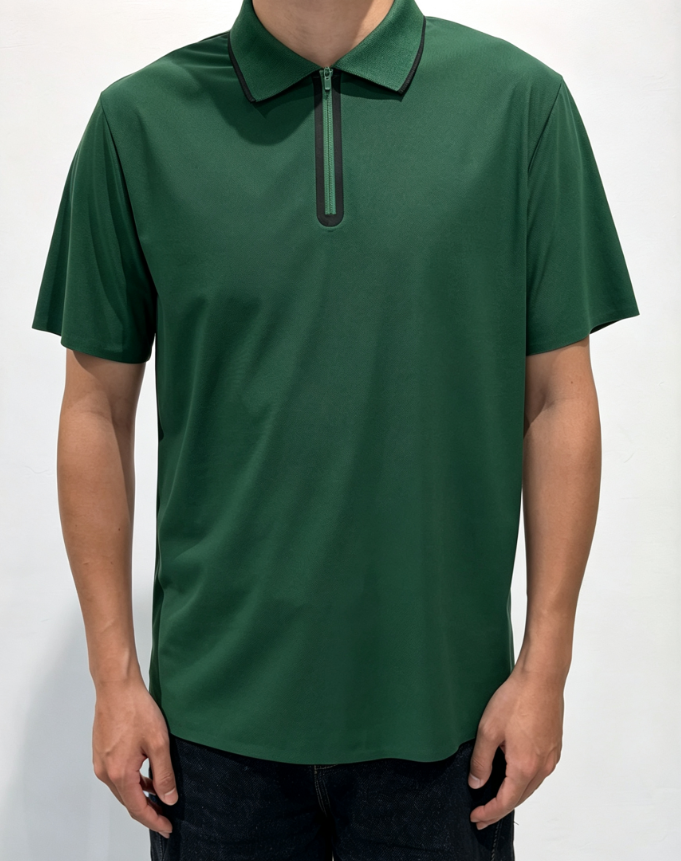
Pantone TCX or TPG references keep contrast ribs, custom-dyed bodies, and striped sleeve bands aligned across production lots. Request a lab dip and sewn swatch before approving the colorway. Two-color contrast usually reads more authentically retro than busy all-over palettes. Keep stripe width, spacing, and rib stretch specified on the tech pack.
Branding And Fit Details

Three label positions cover most private-label needs: printed neck label, woven main label, and woven hem tag. Add size, care, fiber content, country-of-origin, and packaging requirements to the approved artwork file. XS–3XL grading requires more than enlarging the chest; shoulder width, body length, sleeve opening, and rib recovery need review. Polybag warnings, folded inserts, and custom hangtags should be approved with the production sample.
Choose A Restrained Decoration

One chest graphic or small appliqué typically preserves the clean retro silhouette better than layered placements. Match the technique to the artwork, hand feel, and order quantity before sampling. 100-unit programs can suit DTF or DTG, while screen-print setups become more efficient on repeatable bulk runs. Test decoration after washing, especially over contrast-color fabrics.
6. Construction Details That Signal Quality
Premium ringer tees reveal quality at stress points, not simply through fabric weight. Before bulk approval, buyers should inspect a washed size-set and pre-production sample against agreed measurement, appearance, and decoration standards.
Neck And Sleeve Rib
1×1 cotton-elastane rib should recover after a 10% manual stretch without waviness. Check that the collar lies flat and sleeve bands have matched tension; loose bands flare, while excess tension puckers jersey.
- Approve rib width within ±2 mm.
- Match collar seam circumference to the neckline.
- Reject twisting, grin-through, and roping.
Seams And Fabric Stability
10–12 stitches per inch is a practical target for clean, durable T-shirt seams. Inspect shoulder tape or a stabilized shoulder seam, plus even overlock coverage without skipped stitches or seam grin. After one wash-and-tumble-dry cycle, body length and chest should remain within the approved tolerance, commonly ±2 cm on size M. Check side seams for torque and hems for spiraling, which signal unstable knit or poor cutting alignment.
Print Registration And Wash Tests
2–3 mm is a workable placement tolerance for a centered chest print on an approved sample. Verify artwork registration against the collar and side seams, especially where contrasting ringer bands make off-center graphics obvious. Before production, wash-test the decorated sample for cracking, dye bleed, print migration, and hand-feel change. Record the approved Pantone reference, print location, measurements, and wash result on the pre-production approval.
7. How to Choose a Ringer T Shirt Manufacturer
A 100-unit opening MOQ can suit a capsule, but the right ringer t shirt manufacturer must also show repeat-order discipline. Evaluate evidence before comparing quotes, because the lowest unit price can conceal sampling, quality, and freight risk.
Verify Product Experience

Three recent ringer-tee samples reveal more than a factory gallery: inspect neck-rib recovery, contrast-color alignment, seam appearance, and wash results. Two references from comparable brands should confirm order size, defect handling, and whether color approvals matched bulk production.
- Request photos of inside seams and wash-tested samples
- Ask for ringer-specific production references
- Confirm experience with your target fit range
Test Development And Materials

One approved pattern, graded size set, and pre-production sample reduce bulk surprises; ask who owns revisions and how measurement tolerances are controlled. Three fabric proofs matter: composition, GSM, and test or certification records. Request swatches, shrinkage results, and applicable OEKO-TEX, GOTS, WRAP, or BSCI documentation rather than accepting unsupported claims.
- Review pattern and grading capability
- Approve Pantone rib and body swatches
- Confirm fabric availability for reorders
Assess Execution And Scale
Two communication checkpoints per week during sampling and production create an early warning system for fabric delays, decoration issues, and approvals. One factory should explain incoming, in-line, and final inspection; request an AQL standard, capacity range, lead-time plan, packing photos, and shipping options. Emerging labels should pay for responsive development first, then scale only after bulk quality is proven.
- Ask for a written critical-path schedule
- Confirm final balance and shipping responsibilities
- Compare service, MOQ flexibility, and scalable capacity
8. Common Ringer Tee Sourcing Mistakes
100-unit capsule orders leave little room to absorb preventable sampling or delivery errors. A capable ringer t shirt manufacturer can flag risks early, but the buyer must approve complete specifications and a workable calendar.
Treating Rib As Trim

1×1 rib and body jersey can shrink at different rates, making neck and sleeve bands ripple after laundering. 2 approvals prevent this: specify rib composition, width, stretch recovery, and wash-test the sewn sample before bulk.
Buying Only On Fabric Price

140 GSM open-end cotton may meet a target cost yet feel thinner and twist more than a comparable ring-spun jersey. 3 criteria—hand feel, shrinkage, and opacity—should accompany price review; otherwise returns or a heavier replacement fabric erase savings.
Approving Unwashed Samples
5% shrinkage can shift chest, body length, and contrast-rib appearance enough to miss the approved fit. 1 wash standard should be written into the tech pack, then measurements taken before and after laundering to prevent bulk rework.
Leaving Artwork Or Color Vague

1 missing print file, Pantone reference, or placement dimension can delay strike-offs and invite subjective color decisions. 2 production controls help: supply vector artwork and approved Pantone codes, then sign off on a physical lab dip or print strike-off.
Ignoring Tolerances And Timeline
1–2 cm measurement tolerances must be stated by point of measure; vague size charts create disputes during final inspection. 6–10 weeks is a typical planning window for development and bulk work, so lock sampling, material approval, production, and freight milestones before placing the order.
9. Launching a Ringer Tee Collection
A 100-unit minimum per style and color lets a first ringer tee drop stay commercially testable. Start with a focused concept, then reserve calendar space for sampling, fit corrections, bulk approval, inspection, packing, and delivery.
Build a Focused First Drop
Three to six SKUs is usually enough for a debut: limit colors, body blocks, and collar combinations while testing demand. Confirm the ringer t shirt manufacturer MOQ by style and color before promising a wide size run.
- Choose one core fit and one optional oversized fit
- Use two to three proven colorways per body
- Allocate units across XS–3XL from target-customer data
Lock Production Specifications

One complete tech pack should define garment measurements, 160–220 GSM jersey target, Pantone body and rib colors, stitch details, labels, and packing method. Supply vector artwork, print dimensions, placement references, and color separations before sampling.
- Measurement chart with tolerances
- Fabric, rib, and trim swatches
- AI, EPS, or print-ready PDF artwork
Sample and Collect Fit Feedback
Two sampling rounds are a practical allowance when fit, rib recovery, or print placement is still unproven. Gather wear-test feedback from at least three intended body types, recording chest ease, body length, sleeve balance, neckline comfort, and wash results.
- Approve a graded size set when sizing is critical
- Consolidate feedback into one revision sheet
- Freeze all changes before pre-production approval
Plan Bulk Release and Delivery
Six to ten weeks from finalized specifications is a safer launch-planning window, depending on fabric availability, decoration, and freight route. Approve the pre-production sample, then inspect incoming material, in-line construction, measurements, decoration, final packed goods, and branded packaging before balance payment and shipment.
- Add one to two weeks for corrections
- Book freight after carton counts are confirmed
- Retain approved samples and material records for repeats
10. Ringer T Shirt Manufacturer Pricing and Costs
100 units per style and color is a practical starting point for a capsule order at JUNSHEEN, but unit cost depends on the approved specification rather than a headline price. A 160–180 GSM open-end cotton jersey generally costs less than a 180–220 GSM ring-spun or combed jersey, while custom Pantone-dyed neck and sleeve rib adds material minimums and development time. 1 prototype sample should be budgeted separately from bulk goods because it may require pattern work, grading, fabric booking, and correction rounds. Screen printing commonly carries per-color setup charges; a one-color chest print is materially different from a four-color front-and-back artwork, puff ink, DTG, embroidery, or discharge effects. 2 quote comparisons are useful only when fabric composition, GSM, rib specification, measurements, print method, labels, packaging, Incoterm, and destination are identical. Request a specification-matched quote from a ringer t shirt manufacturer, then review sampling, production, inspection, and freight as separate cost lines.
| Order quantity | Main unit-price drivers | Sampling and setup | Typical production lead time |
|---|---|---|---|
| 100–299 units | Fabric minimums, custom rib, size range | Prototype plus artwork or screen setup | 25–35 days after approval |
| 300–999 units | GSM, colorways, print coverage, labels | Size-set or pre-production sample if required | 20–30 days after approval |
| 1,000+ units | Fabric yield, repeat colors, packing efficiency | Setup spread across more units | 18–28 days after approval |
Start Your Ringer T Shirt Manufacturer Project
Send your tech pack, reference garment or concept for a fit-focused sample plan and production quotation from JUNSHEEN.