Custom Denim Jeans From 100 Units
One-stop OEM, ODM and private-label custom denim jeans with fit-focused XS–3XL development, washes, trims and global production support.
Featured Products for custom denim jeans Development





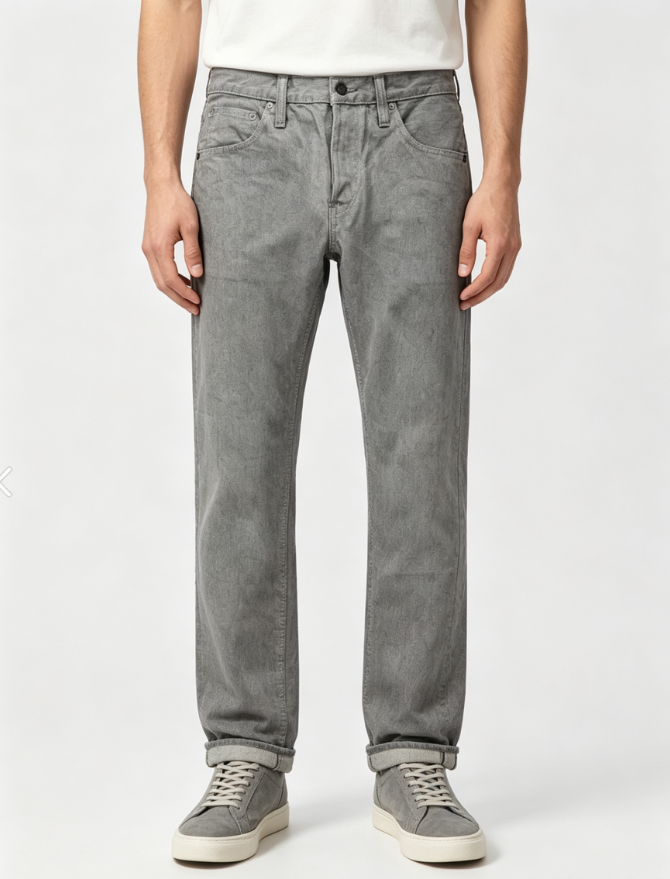
Related Product Catalogue and Quotation






Why Brands Source Custom Denim Jeans With Junsheen
Build production-ready denim programs with flexible entry quantities, fit-led development and integrated finishing.
100-Unit Denim MOQ
Launch a focused custom denim jeans capsule from 100 units per style and color, then scale proven designs confidently.
Fit-Graded XS–3XL
Pattern makers refine rise, leg balance, mobility and grading increments for normal, extended-size, plus-size and oversized denim fits.
Integrated Denim Washes
Coordinate enzyme, stone, acid and garment washes with brushing, softening and finishing to achieve your intended denim character.
Private-Label Details
Complete each program with custom leather or woven labels, buttons, zippers, hang tags, care labels and branded packaging.
One-Stop Development
Turn a tech pack, sketch or reference sample into production-ready jeans through fabric sourcing, sampling, grading and quality control.
Scalable Global Supply
Work with 200+ skilled workers, 80,000+ monthly units of capacity and export support for repeat and growing denim orders.
Custom Denim and Casualwear Manufacturing
Develop coordinated, fit-consistent apparel programs from 100 units per style and color, with product development, decoration, finishing and private-label support in one supply chain.
Custom Hoodies
Custom hoodies developed in fleece, French terry or jersey with fit-focused grading from XS to 3XL. Choose pullover or zip styles, custom weights, rib trims, drawstrings, embroidery, screen printing, washes, labels and branded packaging.
Request a Quote
Custom T-Shirts
Custom T-shirts produced in cotton, combed jersey, Pima cotton, organic options and performance blends. Junsheen supports silhouette development, fabric-weight selection, XS–3XL grading, DTG or screen printing, embroidery, garment dye and full private-label finishing.
Request a Quote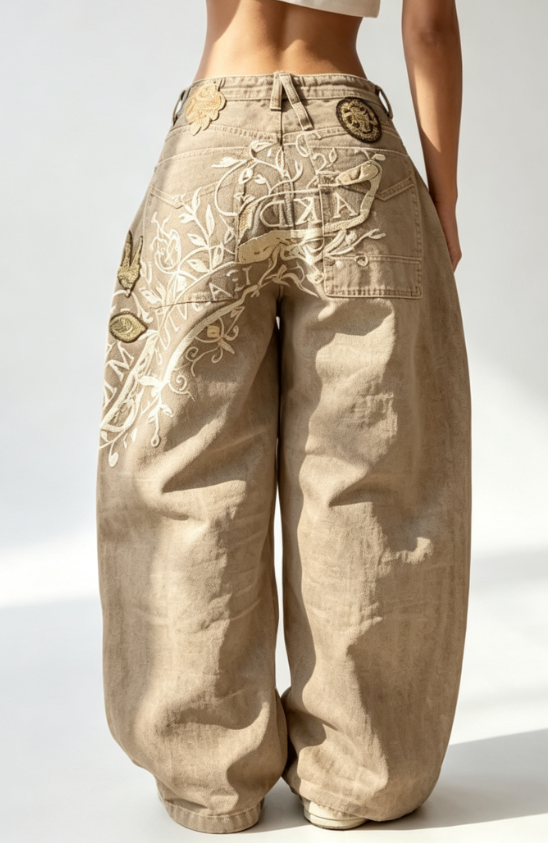
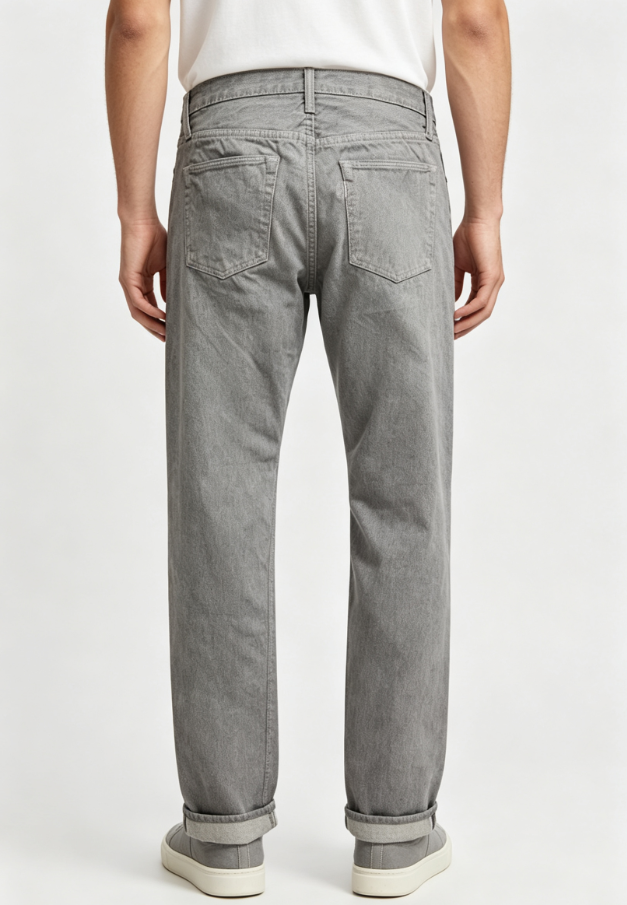
Custom Jeans
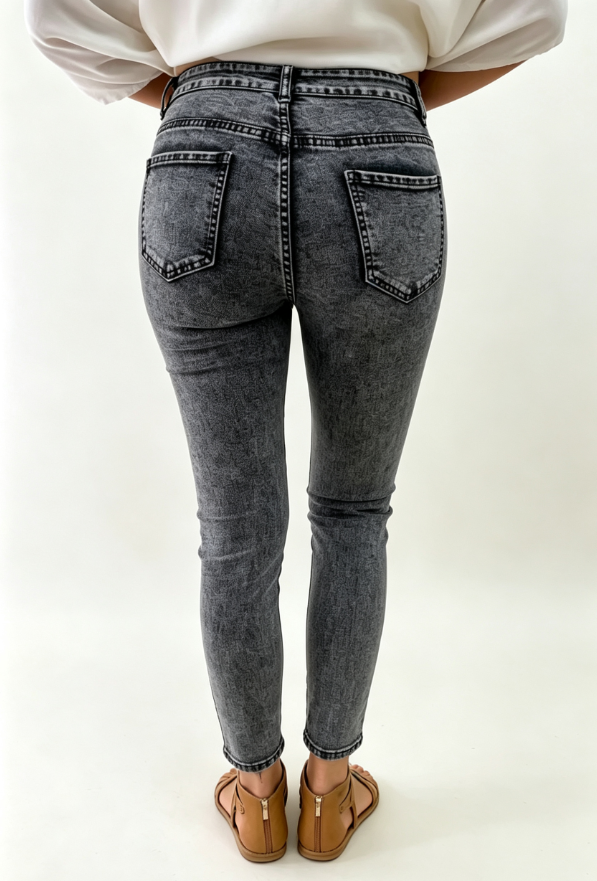
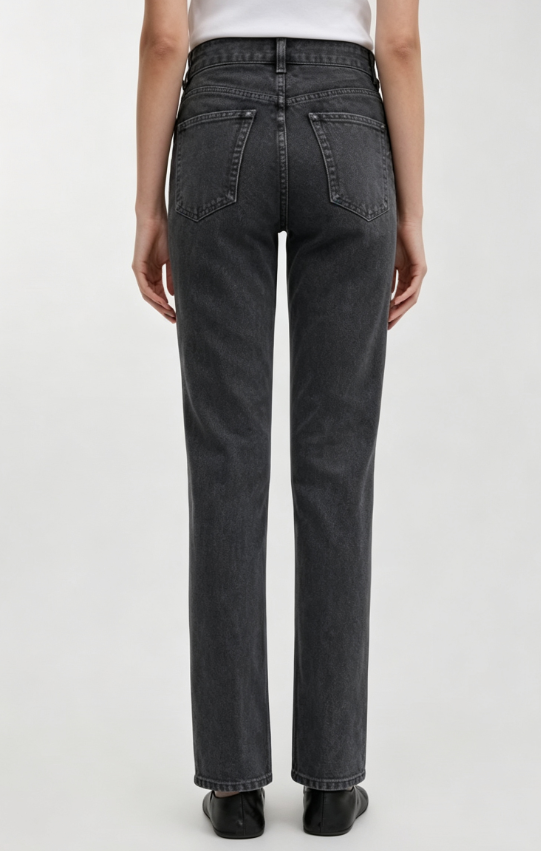
Custom jeans manufactured in rigid, stretch and recycled denim with development support from pattern through bulk approval. Specify rises, leg shapes, washes, distressing, hardware, embroidery and branded trims while maintaining proportionate fit across XS–3XL size ranges.
Request a Quote
Custom Sweaters
Bulk turtleneck sweaters and related knitwear developed in suitable yarn blends and gauges for your target hand feel, warmth and price point. Programs can include rib structures, fully fashioned details, extended sizing, labels and coordinated knitwear colorways.
Request a Quote
Custom Jackets
Custom jean jackets built in denim, stretch denim, twill or mixed-material constructions. Development covers fit, pocket placement, seams, washes, distressing, branded buttons, patches, embroidery and size grading for regular, oversized or extended-size programs.
Request a Quote
Custom Sweatshirts & Crewnecks
Custom crewneck hoodies, sweatshirts and crewnecks produced in fleece, French terry and jersey. Define neck shape, body volume, rib specifications, fabric weight, decoration and wash treatment, with consistent graded measurements for capsule or recurring bulk orders.
Request a Quote
Custom Cardigans
Custom cardigans developed as button-front, zip, cropped, oversized or longline knitwear. Junsheen supports yarn selection, knit construction, plackets, buttons, pockets, color blocking, embroidery, labels and XS–3XL grading suited to your customer profile.
Request a Quote
Custom Puffer & Down Jackets
Custom puffer jackets and down-style outerwear developed with appropriate shell fabrics, insulation options, quilting layouts and trims. Specify fill targets, lining, pockets, zippers, reflective details, labels and packaging while reviewing samples before bulk production.
Request a Quote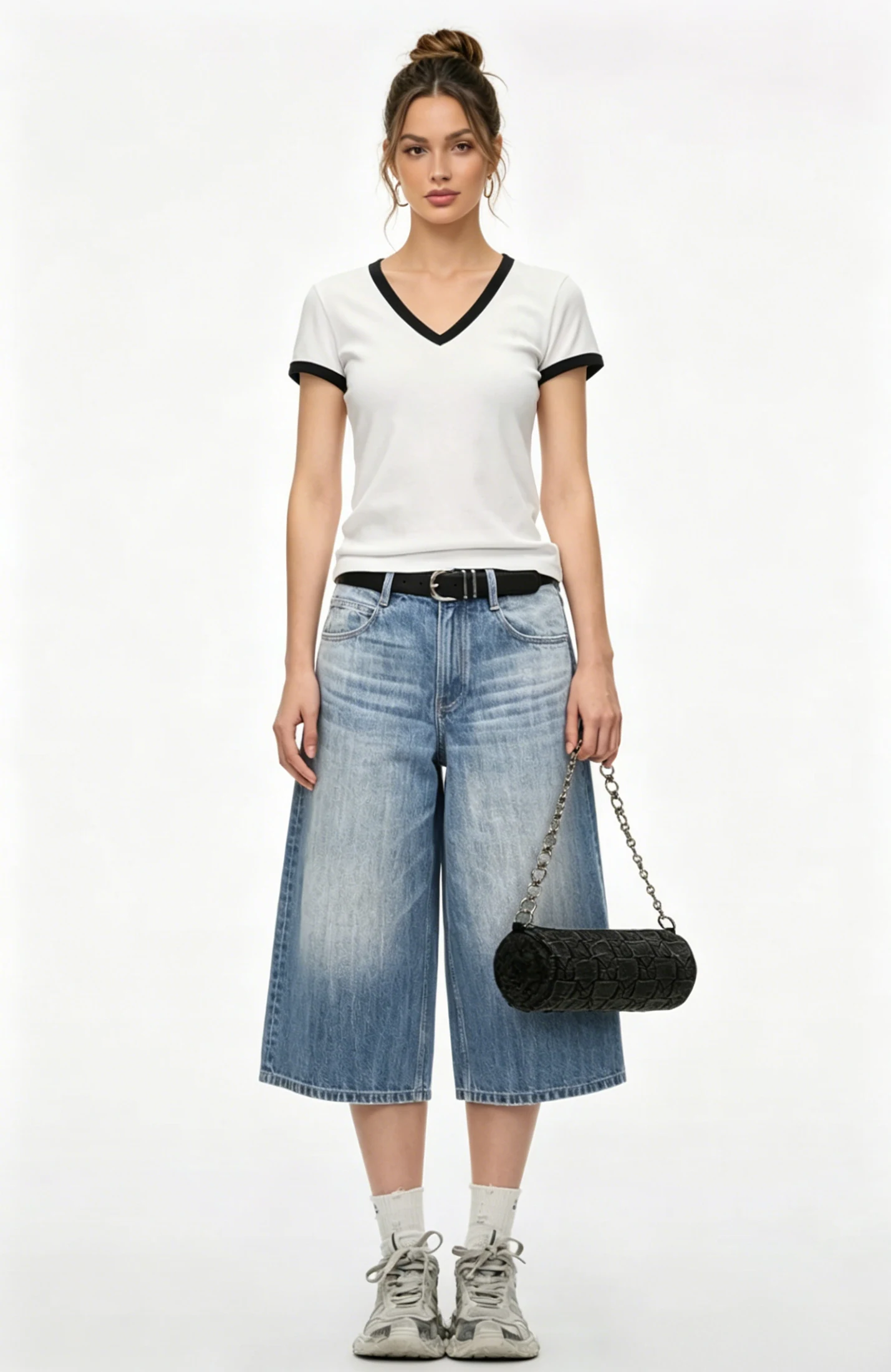
Custom Denim Shorts
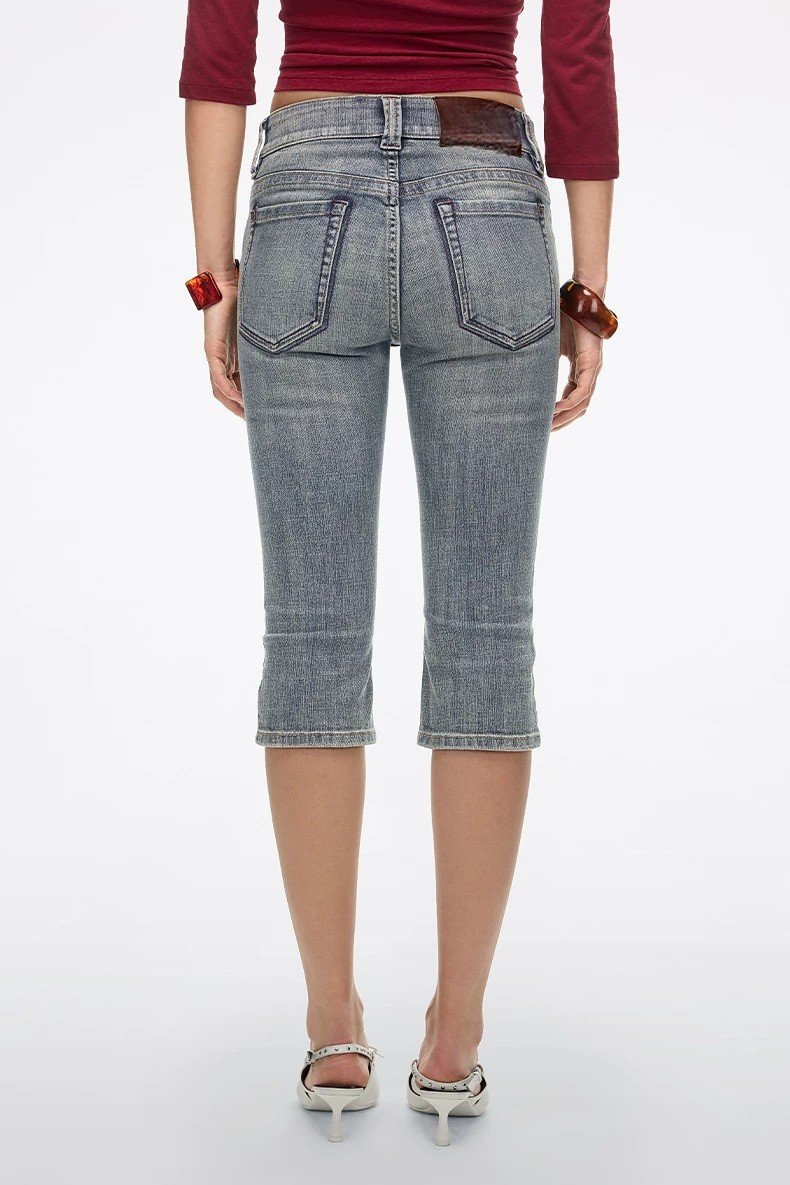
Custom jean shorts produced in rigid or stretch denim for men’s, women’s or unisex collections. Choose inseam, rise, leg opening, hem treatment, washes, distressing, hardware and branding, with pattern adjustments for regular, oversized and extended-size fits.
Request a Quote
Custom Sweater Dresses
Custom sweater dresses manufactured in knit constructions selected for drape, recovery and seasonality. Develop fitted, relaxed, ribbed, turtleneck or oversized silhouettes with controlled length, sleeve proportion, grading, labels and coordinated cardigan or pullover options.
Request a Quote
Custom Denim Sets
Men’s denim suits and coordinated denim sets developed as matching jackets, overshirts, jeans, shorts or trousers. Junsheen aligns fabric, wash, color, hardware and fit across each component, supporting wholesale-ready assortments from 100 units per style and color.
Request a Quote
Custom Polo Shirts
Custom polo shirts produced in pique, jersey, performance knits and blended fabrics. Specify collar construction, placket, buttons, sleeve finish, embroidery placement, color blocking and grading for retail, uniform, wholesale or private-label programs.
Request a Quote
Custom Sweatpants
Custom sweatpants developed in fleece, French terry or jersey with jogger, straight-leg, wide-leg or oversized proportions. Manufacturing includes waistband and cuff specifications, pockets, drawstrings, printing, embroidery, washes and consistent XS–3XL grading.
Request a Quote
Custom Shorts
Custom shorts manufactured in jersey, fleece, twill, woven or performance fabrics for casualwear and coordinated sets. Define inseam, waistband, pockets, liners, trims, decoration and garment finish, with low-MOQ production for new launches and replenishment programs.
Request a Quote
Custom Pullovers
Custom pullovers developed across knitwear, fleece and jersey categories, including quarter-zip, mock-neck, hooded and oversized styles. Junsheen supports fabric or yarn selection, pattern development, embroidery, printing, washes, branded trims and size-set approval before bulk production.
Request a QuoteDenim Fabrics for Custom Denim Jeans

Rigid Cotton Denim
A structured, authentic denim with a dry hand and minimal give, ideal for straight-leg, wide-leg and vintage-inspired jeans. Typically 11–14 oz, it develops distinctive fading and character through wear and washing.

Comfort Stretch Denim
Cotton-rich denim blended with elastane for easy movement and recovery, suited to slim, skinny and fitted custom jeans. Commonly 10–13 oz, it balances a familiar denim hand with flexible everyday comfort.

Power Stretch Denim
A high-recovery stretch construction designed for body-contouring silhouettes, including sculpting skinny jeans and women’s fitted styles. Usually 9–12 oz, its enhanced elastane content helps retain shape after repeated wear.

Recycled Cotton Denim
Denim incorporating recycled cotton fibers for brands pursuing lower-impact material options without losing a recognizable denim appearance. Available in varied weights, it can deliver a softly broken-in hand and wash-ready surface.

Cotton Poly Denim
A durable cotton-polyester denim blend suited to value-driven programs, workwear-inspired jeans and repeat bulk orders. Its stable construction improves abrasion resistance, color retention and dimensional consistency while maintaining a practical denim feel.

Tencel Blend Denim
Cotton denim blended with Tencel for a smoother, softer hand and fluid drape, ideal for relaxed fits, wide legs and lightweight denim styles. Often 7–10 oz, it provides breathable comfort with refined surface texture.
Custom Denim Jeans Washing, Decoration and Finishing

Screen Print
Apply plastisol, water-based, puff, high-density or foil graphics to selected denim panels. Proper ink selection and curing create bold logo placement with dependable adhesion through regular wear and laundering.

Logo Embroidery
Add flat, 3D puff, chain-stitch or applique embroidery to pockets, waistbands and panels. Reinforced stitch programs produce tactile branding with clean definition and durability suited to premium custom denim jeans.

Garment Dyeing
Color finished denim garments for tonal depth, softened character and cohesive all-over color effects. Development sampling helps confirm shade, shrinkage and wash performance before bulk production begins.

Enzyme Washing
Use enzyme washing to reduce surface fuzz, soften the hand feel and create a naturally worn appearance. Controlled processing preserves garment structure while delivering a cleaner, more comfortable denim finish.

Stone Washing
Develop authentic faded contrast and vintage texture through calibrated stone-wash recipes. Junsheen tests wash intensity, abrasion placement and color loss to help maintain a repeatable signature look across production runs.

Distress Development
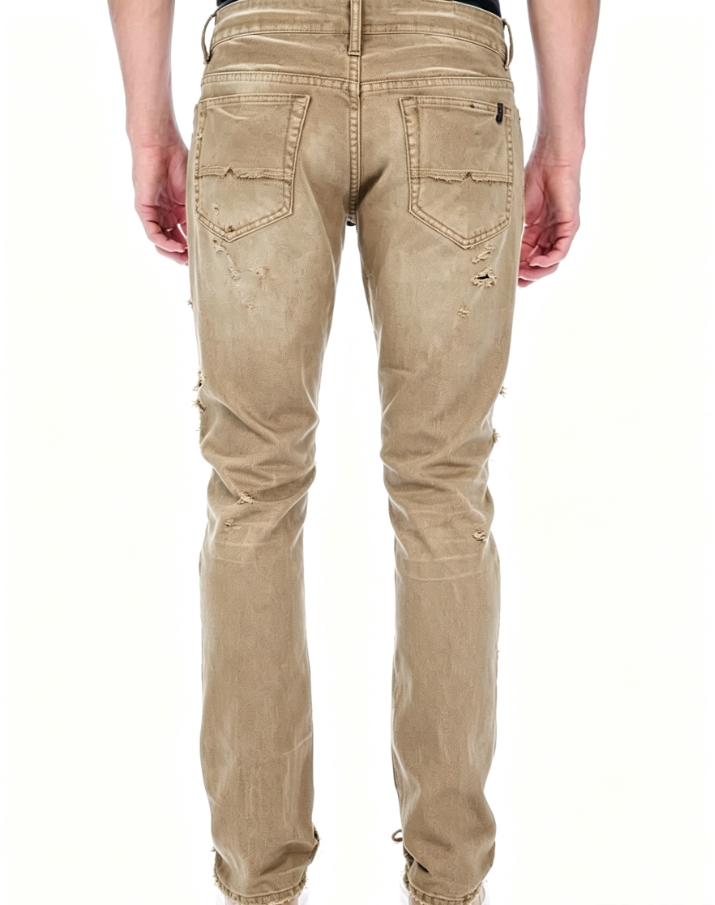
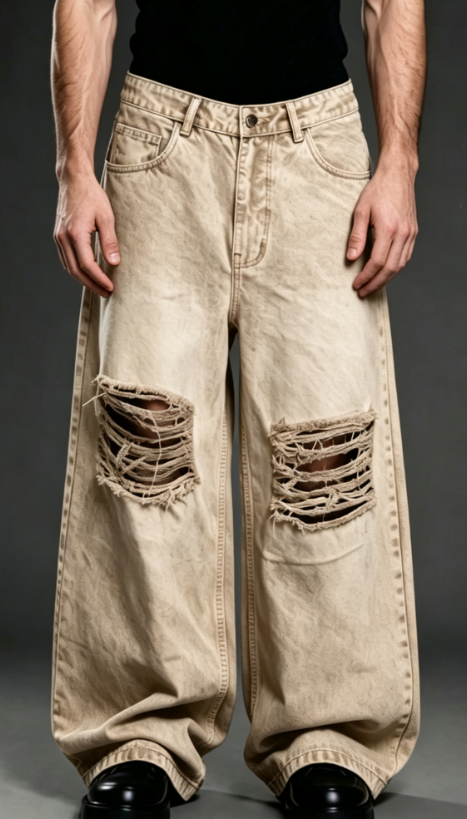
Create whiskers, sanding, abrasions, frayed hems, tears and repair details matched to your reference or tech pack. Sampling confirms placement, edge character and reinforcement for a deliberate worn-in result.
Custom Denim Jeans Trims and Private-Label Accessories

Branded Metal Hardware
Custom buttons, rivets, snaps, and logo hardware reinforce high-wear areas on custom denim jeans while giving your collection a recognizable premium signature. Junsheen can coordinate finishes, engravings, colors, and placement during sampling.

Custom Denim Zippers
Select metal, coil, concealed, or branded zipper options for jean flys, pockets, and denim jackets. Our team matches zipper finish, puller style, tape color, and performance requirements to your fabric weight and wash process.

Leather Waist Labels
Add debossed, printed, laser-etched, or embossed leather patches at the waistband for an elevated denim identity. Junsheen sources suitable materials and tests placement against garment washes so labels retain their intended appearance.

Woven Brand Labels
Custom woven main labels, size labels, and wash-care labels create a consistent private-label finish inside every garment. We can coordinate yarn colors, folded constructions, multilingual care content, and secure attachment methods for scalable denim production.

Custom Hang Tags
Build retail-ready hang tags with your logo, product story, sizing, barcode, or care messaging. Choose paper stocks, shapes, finishes, strings, and fasteners that support your brand positioning from sample approval through final packed goods.
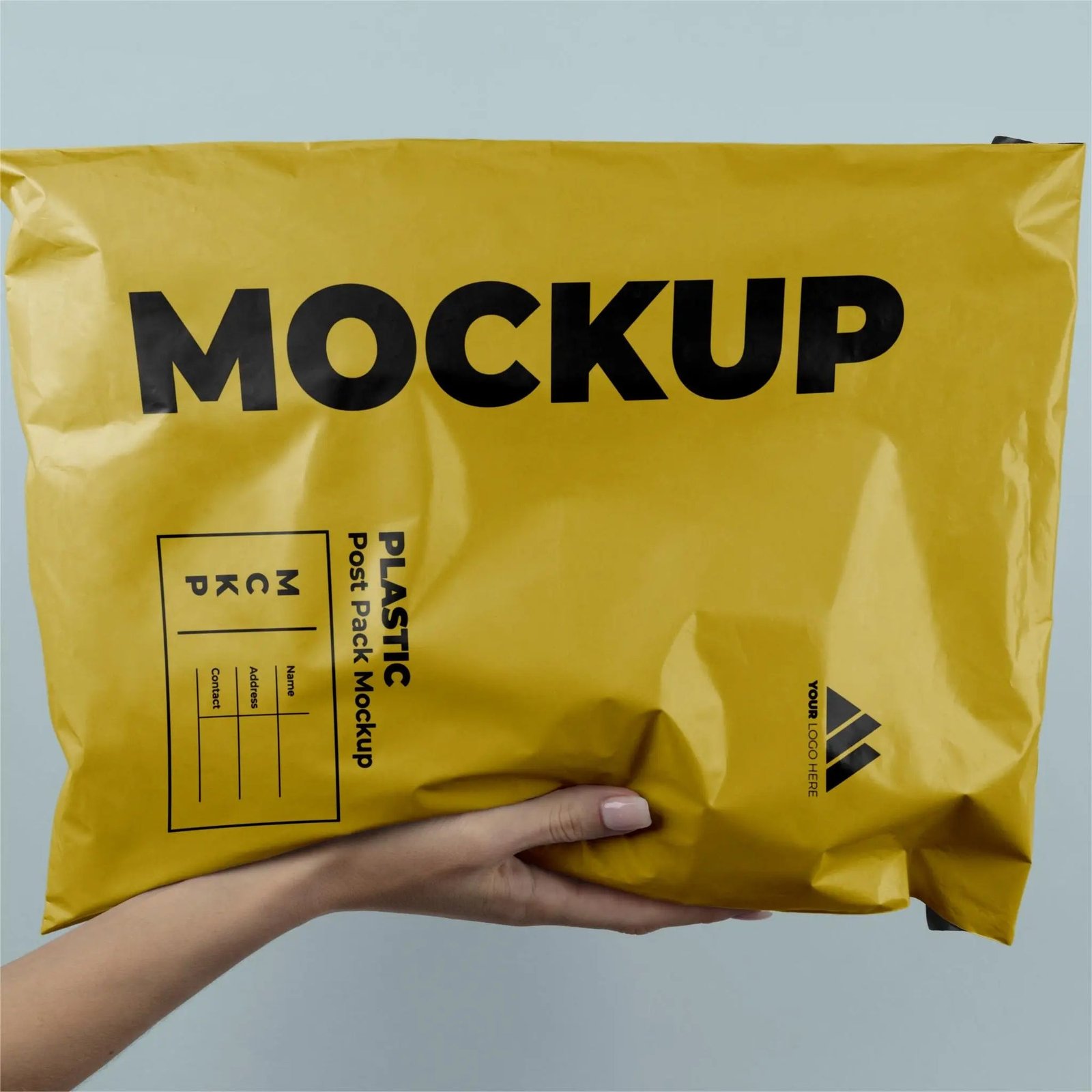
Branded Denim Packaging
Complete your custom denim jeans order with branded polybags, tissue paper, stickers, cartons, and packing inserts. Packaging specifications are coordinated with export requirements to protect garments while delivering a polished unboxing experience.
About Junsheen Custom Denim Jeans
Founded in 2010 in Humen Town, Dongguan, JUNSHEEN helps fashion brands turn denim concepts into production-ready custom denim jeans. Our one-stop OEM, ODM and private-label team supports every stage, from fabric sourcing and pattern development to sampling, washing, finishing, labeling and export coordination.
With more than 200 skilled workers and monthly capacity above 80,000 units, we can support a 100-unit capsule launch or scale dependable bulk denim programs. We serve brands, retailers and sourcing teams worldwide with responsive communication, disciplined quality control and production records that support repeat orders.
What sets JUNSHEEN apart is a fit-first approach. Our pattern makers refine rise, hip balance, leg shape, mobility and grading from XS to 3XL instead of simply scaling a base pattern, helping brands develop consistent regular, oversized, extended-size and plus-size denim fits.

Custom Denim Jeans Capabilities Built for Brand Development
Fit-First Pattern Engineering
JUNSHEEN develops custom denim jeans from original patterns or refines existing specifications across XS–3XL. Our team adjusts rise, hip balance, leg shape, mobility, and grading increments by size, helping brands avoid the inconsistency that comes from simply scaling one base pattern.
- Pattern making from tech packs, sketches, references, or samples
- Normal, extended-size, plus-size, and oversized fit development
- Prototype samples and graded size sets before bulk approval
- Measurement and fit reviews throughout development

Fabric and Wash Development
Select denim construction and finishing around your target silhouette, price point, hand feel, and wash result. From rigid and stretch denim to enzyme, stone, acid, garment-dye, and softening treatments, JUNSHEEN helps turn a denim concept into a repeatable production specification.
- Denim and stretch-denim sourcing through established suppliers
- Weight, stretch, durability, drape, and wash-performance guidance
- Custom wash trials for color, fading, texture, and softness
- Swatches and sample garments available for approval
Integrated Private-Label Details
Create a cohesive custom denim jeans program without coordinating separate trim and packaging vendors. JUNSHEEN manages garment decoration, branded hardware, labels, and presentation details within one production workflow, reducing handoffs while keeping your product identity consistent from sample through shipment.
- Woven and leather labels, wash-care labels, and hang tags
- Custom buttons, snaps, zippers, patches, and branded packaging
- Embroidery, screen printing, DTF, heat transfer, and specialty effects
- Trim and decoration checks during in-line quality control

Scalable Repeat Production
Launch from 100 units per style and color, then scale with a manufacturer supported by 200+ skilled workers and 80,000+ monthly units of capacity. Retained patterns, graded size sets, material records, and approved specifications support faster, more consistent repeat custom denim jeans orders.
- Low MOQ programs for capsule launches and market testing
- OEM, ODM, private-label, and wholesale production support
- Retained development records for repeat-order consistency
- Quality control from incoming materials to packed goods
Why Choose Junsheen for Custom Denim Jeans
Built for fit-led denim development, low-MOQ launches, and dependable scale.
← 左右滑动查看 →
Our Custom Denim Jeans Production Process
A clear, fit-first workflow for turning your denim concept into quality-controlled, private-label production at scalable volumes.
Feasibility and Fabric Review
We assess your tech pack, reference or concept, confirm construction feasibility, recommend denim weight and stretch, and align target pricing, MOQ and timeline.
Patterning and Fit Development
Our pattern team builds or refines patterns, grades XS–3XL when required, and adjusts rise, leg shape, balance and mobility for your target customer.
Sample and Wash Approval
We produce prototype samples, test washes, distressing, embroidery or prints, and submit garments for fit, fabric, trim and finishing approval before bulk commitment.
Bulk Production and Inspection
Approved custom denim jeans move into controlled cutting, sewing, washing and finishing, with in-line checks for measurements, construction, decoration and wash consistency.
Packing and Global Shipping
Final goods receive packed-garment inspection, branded labels and packaging, then are prepared for export with coordinated shipping support to your chosen destination.
Work With Our Custom Denim Jeans OEM Team
Move from concept to export-ready denim with a clear, sample-led production process.
Send Your Denim Brief
Share a tech pack, sketch, reference garment, mood board, target quantity, sizing needs, and preferred denim wash or trim direction for feasibility review.
Review Quote and Samples
Confirm fabric, construction, fit grading, decoration, washing, lead time, and pricing, then assess prototype and size-set samples before approving final specifications.
Approve Bulk Production
Sign off on the pre-production sample and production details. Our team coordinates materials, cut-and-sew, washing, labels, in-line inspections, and final quality control.
Receive Export-Ready Goods
Your custom denim jeans are packed with approved branding and documentation, then prepared for global shipment with consistent records retained for efficient repeat orders.
Custom Clothing Manufacturer Credentials and Compliance Documents



Custom Denim Jeans Results for Brand Clients
Junsheen refined the rise and thigh grading across our XS–3XL size set, and we approved the second sample round with only two minor comments. Our 180-unit launch sold through 72% of inventory in six weeks.
We launched a 300-piece custom denim jeans capsule with custom leather patches, enzyme wash and branded packaging. The team kept our delivery schedule on track, and the retailer reordered 240 units after the first four weeks.
Our previous supplier could not maintain fit consistency between samples and bulk. Junsheen’s retained patterns and wash records made our repeat program much smoother; we scaled from 120 units to 1,200 units across three seasonal drops.
Custom Denim Jeans OEM FAQ
Clear answers on MOQ, sampling, fit, wash development, payments, shipping, and confidential production support.
What is the MOQ for custom denim jeans?
Can I order a sample before producing custom denim jeans in bulk?
How long does custom denim jeans production take?
Can you develop custom denim washes and finishes?
Do you offer plus-size and extended-size grading for custom denim jeans?
What payment terms do you offer for denim OEM orders?
Can JUNSHEEN ship custom denim jeans internationally?
How do you protect my custom denim designs and brand details?
The Complete Buyer’s Guide to custom denim jeans
Use this practical framework to define specifications, compare supplier capabilities, control quality and costs, and avoid sourcing mistakes before launching custom denim jeans at production scale.
1. What Are custom denim jeans?
100 units per style and color is a practical starting point for custom denim jeans: jeans produced to a buyer’s approved specification rather than selected unchanged from inventory. A brief can define silhouette, rise, inseam, leg opening, pocket shape, stitch color, graded sizing, and denim weight or stretch; it can also specify ring-spun cotton content, wash recipe, hardware, leather or woven labels, hang tags, and branded packaging. OEM means the factory develops and manufactures a buyer-owned design from a tech pack, sketch, reference garment, or approved sample. Private label usually applies an existing or adapted factory block with the buyer’s branding and selected fabrics, trims, or washes; it is faster, but offers less pattern ownership and fit differentiation. Made-to-measure refers to individually adjusted garments using personal body measurements, a different model from production grading across XS–3XL or extended sizes. Ready-stock modification is the lightest option: buyers decorate or relabel finished jeans, typically without changing core construction, fabric, or wash. 2010 is when Dongguan Junsheen Clothing Co., Ltd. began operating in Humen, Dongguan; its development workflow supports OEM and private-label denim programs from feasibility review through sampling, graded size sets, quality control, and export. Custom production is appropriate when fit, wash identity, margin protection, branded details, or repeatable replenishment matter more than the speed of buying ready stock.
2. The Evolution of Denim Manufacturing
1873 marked the patenting of riveted waist overalls, establishing the durable workwear logic still visible in reinforced stress points, heavy twill, felled seams, bar tacks, and dependable pocket construction. For custom denim jeans, those heritage details remain commercially useful because they signal durability and help a product survive repeated wear and laundering. 1950s and 1960s youth culture turned denim from utility clothing into a fashion canvas, while stone washing, enzyme washing, bleaching, sanding, and garment dye later made shade, contrast, and hand feel central product decisions. A wash should therefore be specified with a target shade, abrasion placement, whisker reference, and approved sample—not simply described as ‘vintage’ or ‘washed.’ 1970s onward saw stretch-denim blends broaden jeans silhouettes beyond rigid five-pocket fits; elastane can improve recovery and mobility, but excessive stretch can weaken long-term shape retention. Fit innovation now depends on separate pattern blocks and grading for rises, thighs, knees, and seat balance, especially across XS–3XL and extended sizes. 2020s sourcing increasingly weighs lower-impact finishing alongside appearance and cost: laser distressing, ozone, enzyme treatments, recycled water systems, and reduced chemical processes can lower resource use when properly controlled. Modern private-label programs must balance these options with authentic construction, reproducible wash standards, fabric testing, and a 100-unit-per-style-and-color production plan that suits the brand’s launch risk.
3. Types of custom denim jeans
Eight core silhouettes cover most opening denim assortments: straight, slim, skinny, relaxed, wide-leg, flare, cargo, and extended-size. For a 100-unit launch, choose two fits with distinct customer roles rather than dilute development across every shape.
| Type | Target Customer | Primary Fit Risk | Assortment Role |
|---|---|---|---|
| Straight | Broad everyday buyer | Rise and seat balance | Core bestseller |
| Slim | Modern fitted buyer | Knee restriction | Reliable second fit |
| Skinny | Stretch-led buyer | Recovery and comfort | Niche fitted option |
| Relaxed | Streetwear customer | Seat volume | Core fashion basic |
| Wide-Leg | Trend customer | Leg proportion | Seasonal statement |
| Flare | Fashion-led customer | Hem sweep | Editorial silhouette |
| Cargo | Utility customer | Pocket bulk | Premium capsule |
| Extended-Size | Inclusive customer | Grading and mobility | Dedicated growth line |
Core Leg Silhouettes
Straight and slim jeans suit repeat-purchase customers because their proportions work across casual and polished styling. Skinny jeans remain relevant for stretch-led, body-conscious customers, but they carry the highest comfort and recovery risk. A 1–3% elastane fabric can support slim or skinny fits, yet the pattern must account for stretch direction, rise, knee placement, and post-wash growth. Approve a worn fit sample, not only a flat measurement sample.
Fashion Volume Fits
Relaxed, wide-leg, and flare jeans create clearer fashion separation and often justify a higher average selling price. Their larger leg shapes make inseam, hem sweep, and balance more visible during fitting. A 2–3 size set is especially useful for wide-leg and flare programs because grading changes the visual proportion quickly. Use relaxed fits as volume basics; reserve wide-leg or flare for seasonal color and wash stories.
Utility And Extended Sizing
Cargo jeans add pocket engineering, reinforcement, and bulk at side seams, so they need earlier prototype review than five-pocket styles. Extended-size jeans require independent grading decisions for waist, hip, thigh, rise, and mobility. XS–3XL development should refine body proportion instead of simply enlarging a base pattern. Merchandise extended-size fits alongside core silhouettes when the brand can support dedicated fit approval.
4. Materials for custom denim jeans
10–16 oz denim (about 340–540 GSM) covers most custom denim jeans, but weight alone cannot predict fit or wash behavior. Specify fiber blend, weave, stretch recovery, shade, and finish together before sampling.
| Fabric Specification | Typical Weight | Best Product Use | Key Watchpoint |
|---|---|---|---|
| 100% cotton rigid twill | 12–14 oz | Straight and relaxed jeans | Allow for shrinkage |
| Cotton-elastane comfort stretch | 10–13 oz | Skinny and fitted jeans | Check stretch recovery |
| Recycled-cotton blend | 11–13 oz | Lower-impact fashion denim | Verify yarn strength |
| Selvedge rigid denim | 13–16 oz | Premium limited runs | Narrow fabric width |
Fiber Content And Weave

100% ring-spun cotton gives rigid jeans their dry hand, fading potential, and structured silhouette. Organic cotton can support preferred-material programs when certified supply and documentation are confirmed. 20–40% recycled cotton usually needs virgin cotton or polyester support to protect yarn strength. Right-hand twill is the standard diagonal weave; selvedge denim uses narrow shuttle-loom cloth and suits premium limited runs.
Weight And Stretch
9–11 oz fabrics suit lightweight shirts, summer jeans, and soft wide-leg styles. 12–14 oz is the versatile core range for straight, relaxed, and fashion denim. 1–2% elastane creates comfort stretch; test recovery after washing because bagging at knees and seat can damage the final fit. 15–16 oz rigid denim suits workwear-inspired and heavyweight silhouettes.
Color And Finish

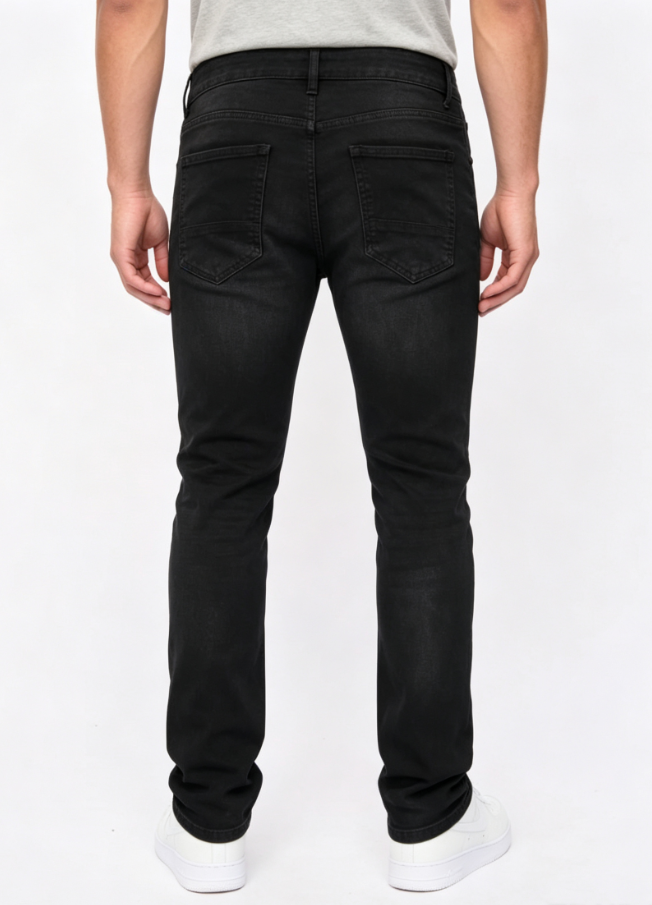
Indigo, black, ecru, and sulfur-dyed shades should be approved against a physical lab dip, not a screen image. Dark indigo requires colorfastness expectations for crocking and wash-down to be set early. 3 common finishing directions are enzyme wash for a softer hand, stone wash for abrasion, and resin or whiskering effects for worn contrast. Confirm the wash recipe on the approved sample before bulk cutting.
5. Custom Denim Jeans Decoration Options
Two decoration layers usually create a stronger signature than stacking five treatments. For custom denim jeans, lock the wash and distress level before approving logos, hardware, labels, and packaging.
| Option | Visual Impact | Durability | Compliance And Cost Driver |
|---|---|---|---|
| Enzyme or acid wash | High | High with tested colorfastness | Chemical controls; wash labor and rework |
| Laser fading | High | High | Artwork setup; laser time |
| Embroidery or patches | Medium-high | High when secured | Backing, stitch count, placement |
| Rivets and buttons | Medium | High | Nickel rules; custom molds and finish |
| Labels and packaging | Medium | High | Material, print colors, order quantity |
Wash And Surface Effects

Enzyme, stone, acid, and garment washes change shade, hand feel, and shrinkage behavior. Laser whiskers, fading, and abrasion add repeatable placement, but the approved wash standard must travel with the production sample. Two rinse tests should be reviewed for dark indigo: dry rub and wet rub. OEKO-TEX-compliant chemicals and controlled discharge protect workers, wash consistency, and export readiness.
- Enzyme wash: softer hand, lower abrasion
- Laser fading: precise, repeatable artwork
- Hand distressing: irregular character, higher labor
Decoration And Hardware
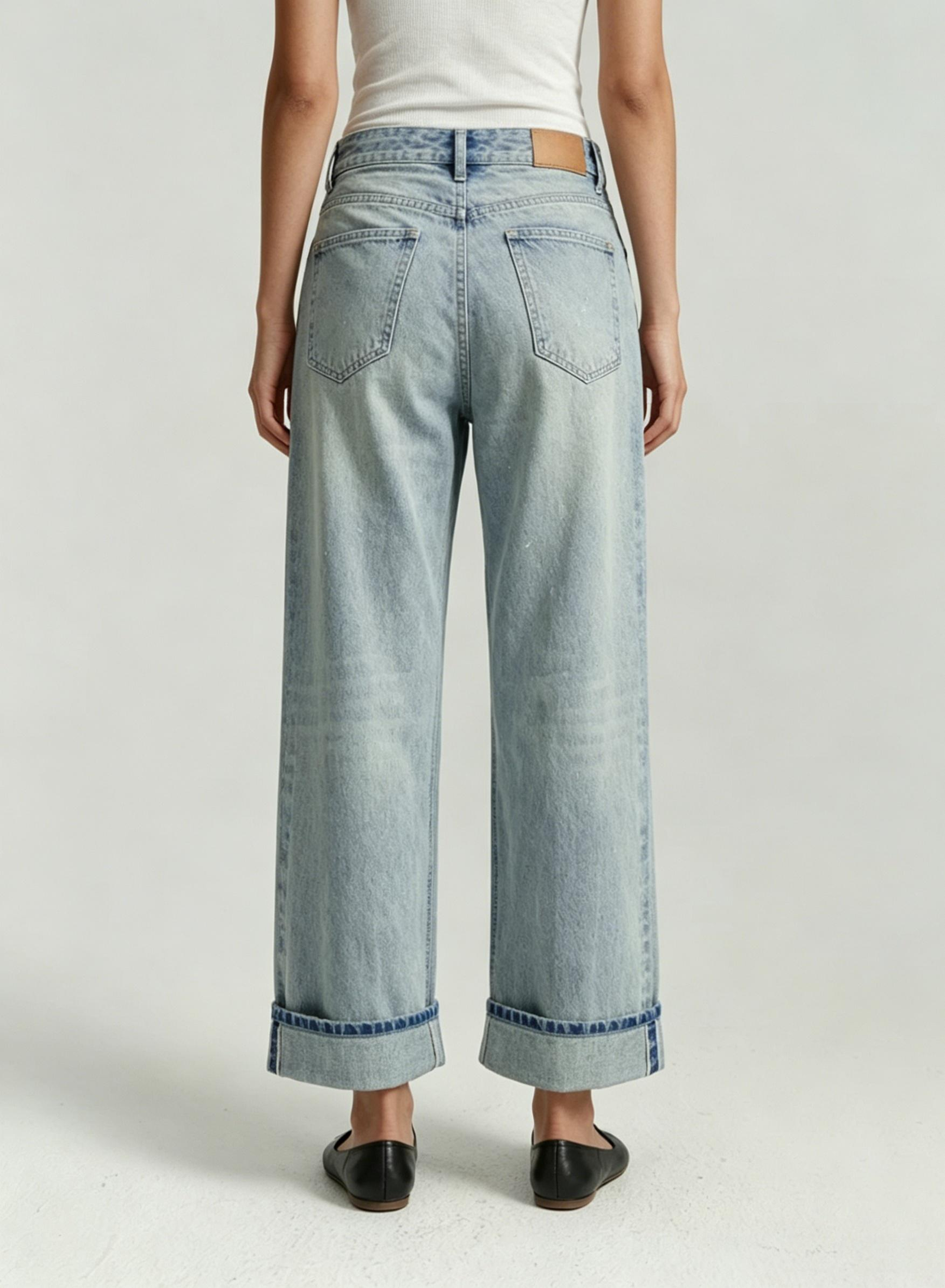
Embroidery, chenille patches, screen prints, and leather or woven labels work best when their placement avoids pocket bags, heavy seams, and high-friction zones. Test embroidery backing and patch adhesion after at least three home-laundry cycles. Rivets, buttons, snaps, and zipper pulls should be nickel-free where required by the destination market. Specify finish, logo artwork, pull strength, and corrosion expectations in the tech pack.
- Chain stitch: heritage texture
- Screen print: broad graphic coverage
- Branded rivet: subtle repeat recognition
Build A Controlled Identity

Three branded touchpoints are usually enough: a back-patch, hardware detail, and hang tag or mailer. Start with one hero effect per colorway so sampling identifies wash, trim, or decoration failures without masking their source. 100-unit programs benefit from shared hardware and one packaging format across colorways. Junsheen can coordinate custom labels, buttons, trims, and branded packaging alongside fit and bulk approvals.
6. Construction Quality That Matters
A production sample reveals more than its denim weight: it shows whether fit survives wear, washing, and repeat orders. For custom denim jeans, approve construction specifications alongside measurements before bulk cutting begins.
Fit, Rise, And Grading
XS–3XL grading requires more than adding width at each size. Review rise, hip, thigh, knee, inseam, and leg opening measurements on a complete size set; confirm the back rise and seat retain mobility without pulling. 1–2 cm placement shifts can change perceived proportions. Check waistband pitch, belt-loop spacing, and rear-pocket height on a worn sample, not only on a flat measurement sheet.
Seams And Stress Points
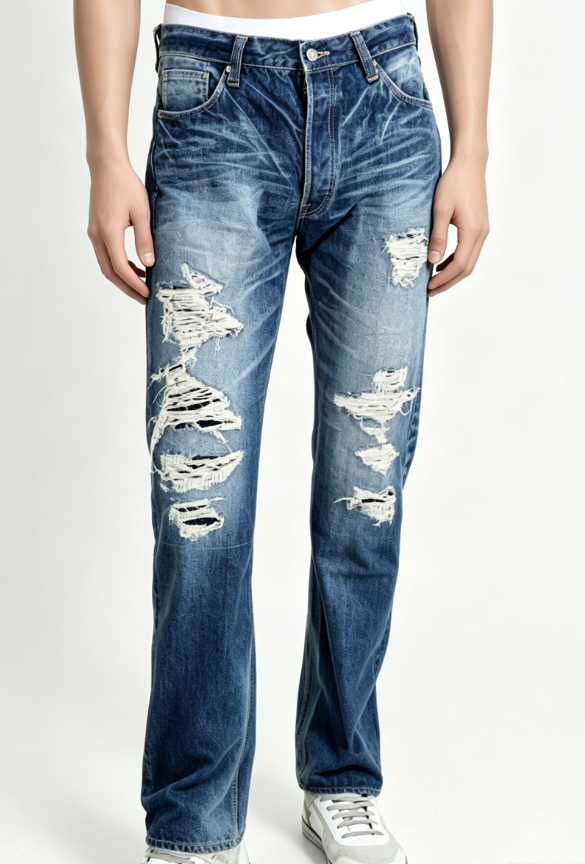
8–10 stitches per inch is a practical denim benchmark, with consistent tension and no skipped stitches. Inspect flat-felled or double-needle inseams, secure chain-stitch hems, and clean overlock finishing where appropriate. 5 high-stress zones deserve close inspection: crotch junction, pocket corners, fly base, belt loops, and waistband closure. Specify bartacks or reinforced rivets at the locations your fit and wash process require.
- Pull inseams gently to check seam slippage
- Inspect bartacks for dense, centered stitching
- Verify fly alignment when zipped and buttoned
Hardware And Wash Approval

YKK or equivalent zippers should run smoothly without wave distortion at the fly. Confirm zipper length, button shank strength, rivet finish, and metal color against approved trims before production. 3 wash checks—appearance, measurement, and abrasion—should follow the intended finishing recipe. Re-measure inseam, waist, and rise after washing; approve shade, puckering, hand feel, and pocket distortion on the final washed sample.
7. Choosing a custom denim jeans manufacturer
A 100-unit MOQ can suit a launch, but it does not prove a factory can reproduce a denim fit or wash at scale. Evaluate custom denim jeans suppliers through documented technical capability, approvals, and communication discipline before paying a deposit.
Verify Denim Development

One approved sample is the minimum evidence: request comparable jeans, a measurement spec, pattern revision history, and fabric test reports. Ask whether the factory develops block patterns, grades XS–3XL, and adjusts rise, thigh, and leg balance rather than enlarging one base size.
- Request fabric composition and ounce weight
- Review size-set measurements and tolerances
- Confirm sample and bulk approval stages
Audit Wash And Quality

Three wash references—raw, development sample, and approved bulk standard—help control shade, abrasion, shrinkage, and hand feel. Ask for wash recipes, shrinkage results, inspection reports, and photos of in-line and final checks.
- Confirm wash capacity and wastewater compliance
- Check bartacks, seams, hardware, and measurement tolerance
- Request OEKO-TEX, GOTS, WRAP, or BSCI evidence if required
Test Commercial Readiness
100 units per style and color is a practical low-MOQ benchmark only when fabric, wash, and trim minimums are confirmed separately. Obtain a written quotation covering sample fees, lead time, payment terms, packaging, freight terms, and re-order pricing.
- Ask for monthly capacity and peak-season schedule
- Confirm export markets and shipping documents
- Name one contact for technical approvals
Check Communication Discipline
24-hour acknowledgement targets and dated approval records reduce costly ambiguity across time zones. Send a small technical change request and assess whether the supplier returns a revised spec, cost impact, and production risk clearly.
- Request a production timeline with milestones
- Verify English-language export documentation
- Keep signed approvals for fabric, fit, wash, and labels
8. Common Denim Sourcing Mistakes
A 100-unit capsule can expose the same sourcing gaps that become expensive at 10,000 units. Treat denim approval as a controlled sequence of material, wash, fit, and cost decisions—not a comparison of photos and quotations.
Test Fabric Beyond Appearance
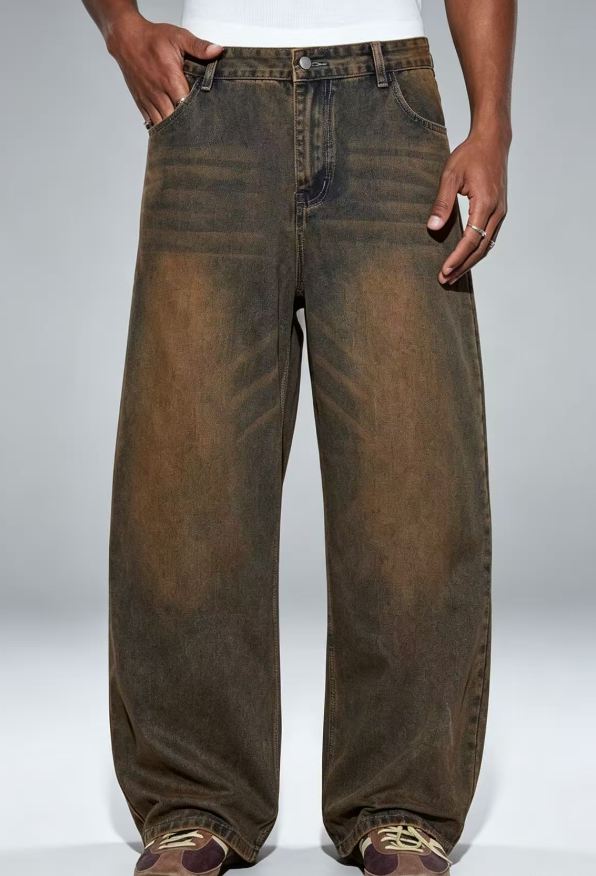
10 oz and 14 oz denim can look similar online while differing sharply in stretch recovery, abrasion resistance, and shrinkage. Request composition, finished weight, stretch percentage, and wash test results before approval. 3% to 8% residual shrinkage can materially change inseam and waist measurements after laundering. Approve a washed garment sample against the target measurement chart, not only an unwashed fabric cutting.
- Review weight, fiber content, stretch, and recovery
- Test color loss and crocking after wash
- Record post-wash measurements for bulk tolerance
Control Wash And Fit

1 approved wash recipe is safer than a mood-board reference because enzyme, stone, bleach, and tint processes alter shade, hand feel, and dimensions. Require a sealed wash standard with front, back, and close-up photos. XS through 3XL cannot be graded by simply adding equal increments everywhere. Review a full size set for rise, thigh, knee, inseam, and waistband balance before releasing bulk production.
- Approve wash panels under consistent lighting
- Measure every size after the final wash
- Define acceptable shade variation by production lot
Specify Cost-Critical Details

8 separate custom details—such as rivets, leather patches, embroidery, special pockets, and branded hardware—can create avoidable sampling delays and defect points. Prioritize the two or three details that visibly support the brand concept. 100-unit pricing should be evaluated against fabric, wash, construction, inspection, and packing scope. Compare like-for-like quotations and confirm what changes trigger surcharges before placing a deposit.
- Supply a dimensioned tech pack and Pantone references
- Confirm hardware, labels, and packaging quantities
- Choose suppliers on repeatability, not unit price alone
9. Launching custom denim jeans Successfully
A 100-unit-per-style-and-color launch needs fixed approval gates before bulk fabric is committed. Assign one brand owner to consolidate feedback, while the factory owns feasibility, patterns, sourcing, production control, and inspection records.
| Approval Gate | Primary Owner | Decision Before Next Step |
|---|---|---|
| Brief and tech pack | Brand | Specifications and target cost |
| Prototype and fit | Brand with factory | Pattern and construction |
| Wash and size set | Brand | Appearance and grading |
| Pre-production sample | Brand and factory | Bulk release |
| Final inspection | Factory with brand review | Shipment release |
Freeze The Development Brief
Week 1 should lock the target customer, retail price, fit block, size range, wash direction, Pantone references, trims, labels, and delivery date. A tech pack should include measurement tolerances, stitch details, pocket artwork, and bill of materials. One named brand approver should return consolidated comments; conflicting stakeholder notes create avoidable sample rounds. Junsheen can review a finished pack, sketch, reference garment, or mood board for manufacturability before quoting.
- Confirm style, colorway, and size breakdown
- Set approved reference and measurement tolerances
- Name one person for final sign-off
Approve Samples In Sequence

Weeks 2–6 typically cover fabric and trim swatches, a prototype, fit revision, and wash approval; timing varies with custom denim development and supplier availability. Do not approve a wash from photos alone when shade, abrasion placement, hand feel, or stretch recovery matters. A size set validates graded proportions from XS through 3XL where applicable, then a pre-production sample becomes the bulk benchmark. Written approval at each gate protects both the brand and factory from changing specifications mid-run.
- Fabric and trim confirmation
- Prototype fit approval
- Wash panel or garment approval
- Size-set approval
- Pre-production sample sign-off
Control Bulk And Delivery
After pre-production approval, bulk manufacturing follows retained patterns, graded size sets, and material records. Junsheen inspections can cover incoming fabric, in-line construction, measurements, decoration, and final packed goods. Plan freight backward from the required in-market date, allowing time for final balance, export documentation, and destination clearance. Keep a written change log: late changes to fabric, wash, hardware, or grading can affect cost and delivery.
- Approve production sample before cutting
- Review measurement and packing reports
- Book shipping against the launch date
10. custom denim jeans Pricing and Cost
100 units is Junsheen’s practical starting point for a style-and-color run, but custom denim jeans pricing changes with the specification rather than quantity alone. The ranges below are planning estimates in USD for a five-pocket jean; request a specification-based quote after confirming fabric weight, wash, trims, artwork, size range, and packaging. 12–14 oz cotton denim, stretch content, and wash recipe usually drive the largest cost movements. Enzyme, stone, acid, bleach, tint, hand-sanding, whiskering, distressing, embroidery, branded YKK hardware, leather patches, and individual retail packaging all add labor or material cost. 7–14 days is a common sampling window after materials and patterns are confirmed, while revised fit samples can extend it. Sampling, pattern development, grading, test washes, and courier charges should be quoted separately; approving a complete pre-production sample protects both margin and delivery timing.
| Quantity Tier | Indicative USD/Unit | Typical Bulk Lead Time | Typical Specification |
|---|---|---|---|
| 100–299 units | $24–$42 | 35–50 days | 12–14 oz denim, basic wash, standard trims |
| 300–499 units | $20–$35 | 30–45 days | Stretch denim, moderate wash, woven labels |
| 500–999 units | $17–$30 | 30–40 days | Custom hardware, patch, controlled distressing |
| 1,000+ units | $14–$26 | 25–35 days | Repeat program; costed fabric and wash plan |
Start Your Custom Denim Jeans Project
Send your tech pack, sketch or reference garment for a production quote and fit-focused sampling consultation from Junsheen.