
Custom Patches From 100 Units, Ready for Apparel
Develop durable custom patches with OEM support, apparel integration, labels, trims and global production for your brand.
Featured Products for custom patches Development
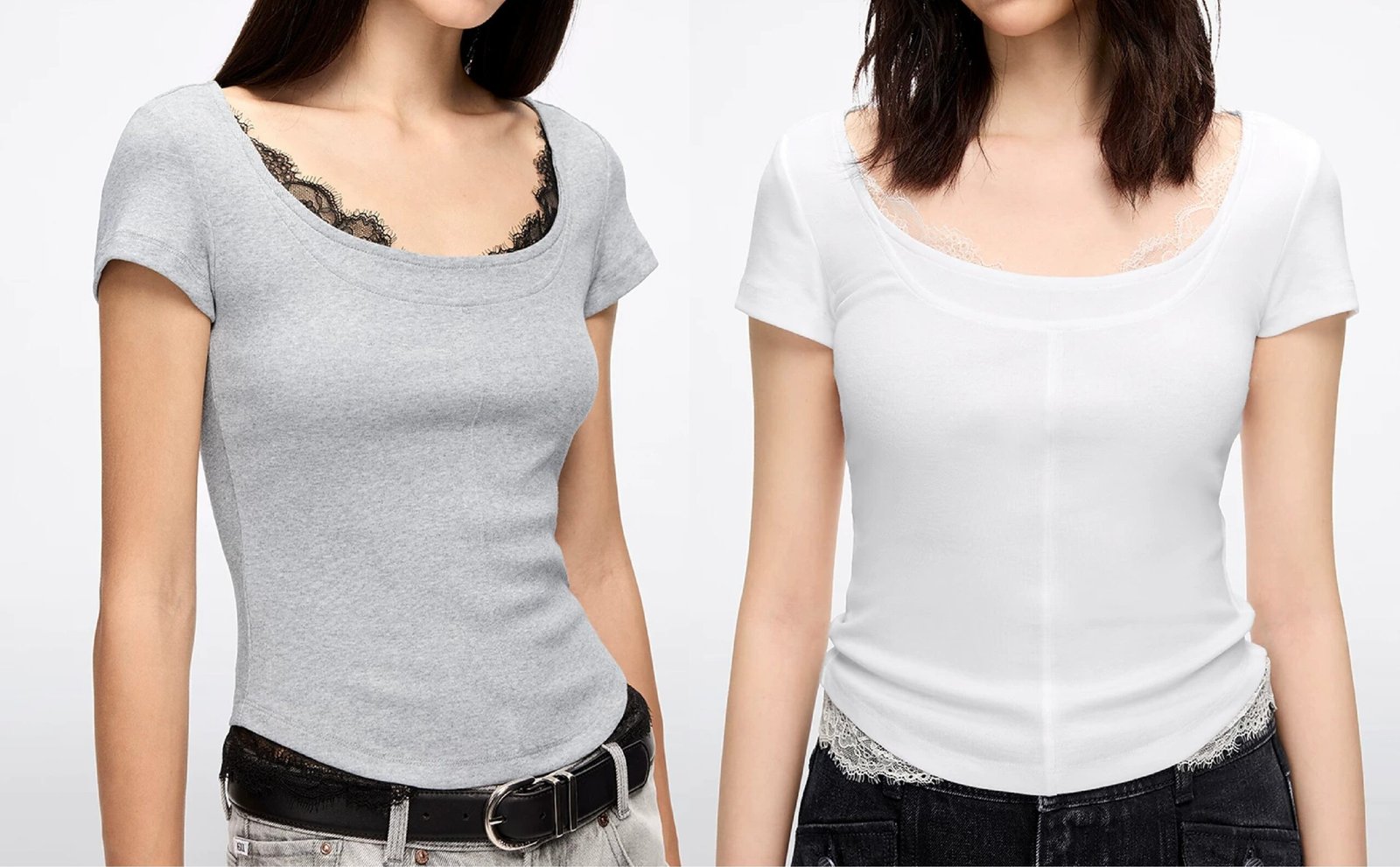


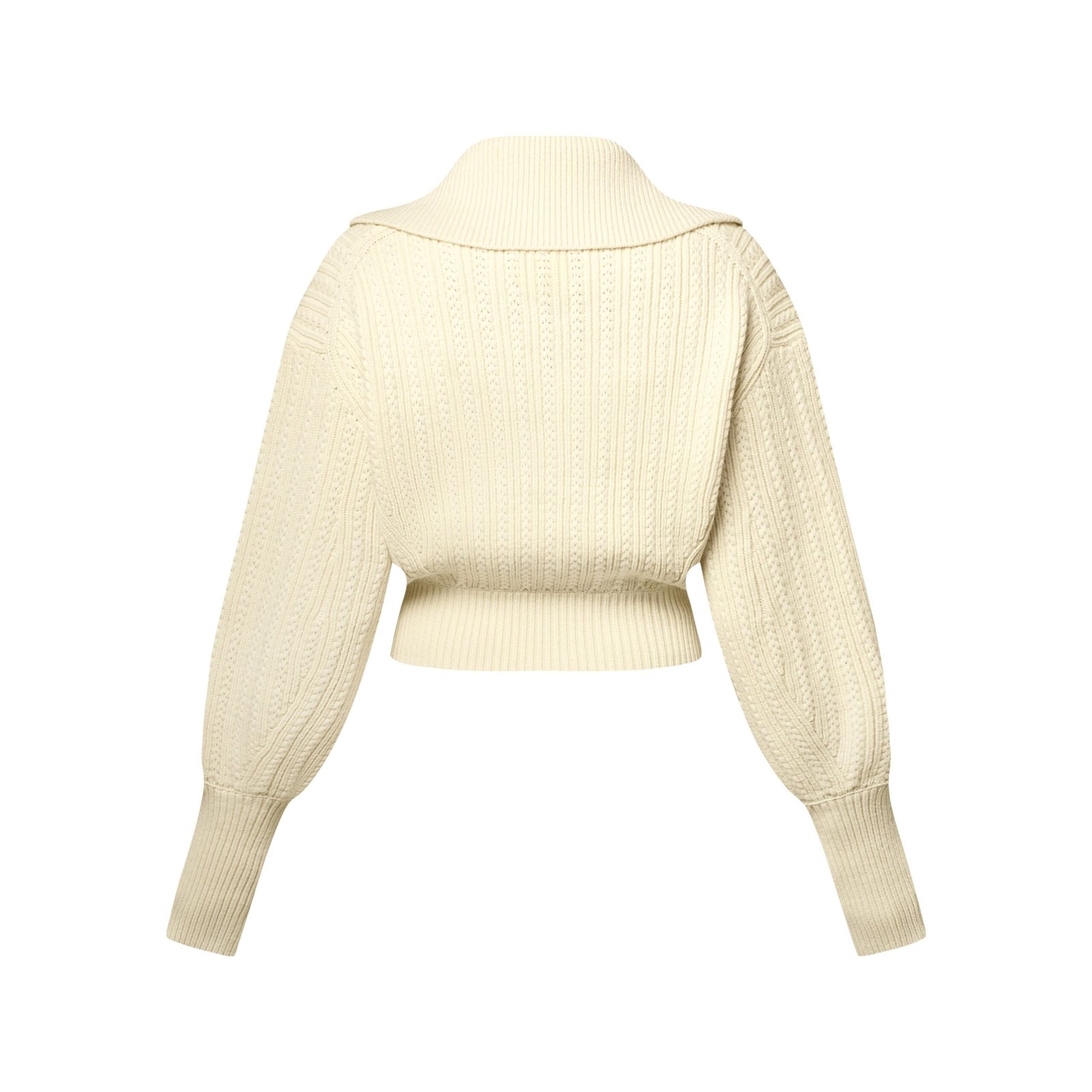


Related Product Catalogue and Quotation



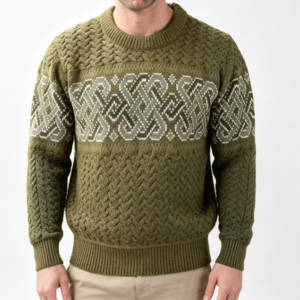


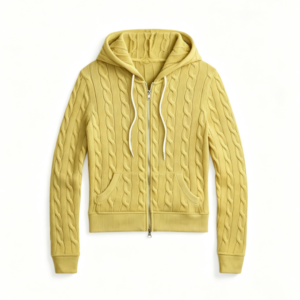
Why Brands Source Custom Patches From JUNSHEEN
Integrated apparel development, decoration and export support for patch programs that move from concept to repeatable production.
100-Unit MOQ
Launch custom patches and decorated garments from 100 units per style and color, ideal for capsules, test drops and growing labels.
Integrated Decoration
Combine embroidery, appliqué, chenille and custom patches with printing, washing, labels and packaging through one coordinated production team.
Fit-Aware Development
Apply patches to garments developed with refined XS–3XL grading, including extended-size, plus-size and modern oversized proportions.
Scalable Manufacturing
Access 200+ skilled workers and monthly capacity above 80,000 units as successful patch programs grow into ongoing bulk orders.
Global Export Support
Work with an experienced OEM partner for quality control, packed-goods inspection and dependable shipping support for worldwide fashion brands.
Custom Patch Applications
Integrated patch development for branded casualwear, denim, outerwear and private-label collections.

Woven & Embroidered Patches
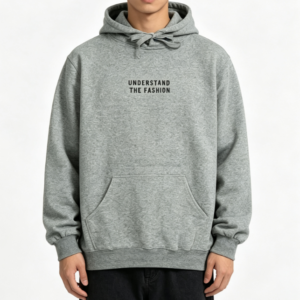
Custom woven patches and embroidered patches are developed for brand logos, artwork and garment identification. Junsheen supports size, backing, thread color and placement review, then applies patches across hoodies, jackets, knitwear and other cut-and-sew programs.
Request a Quote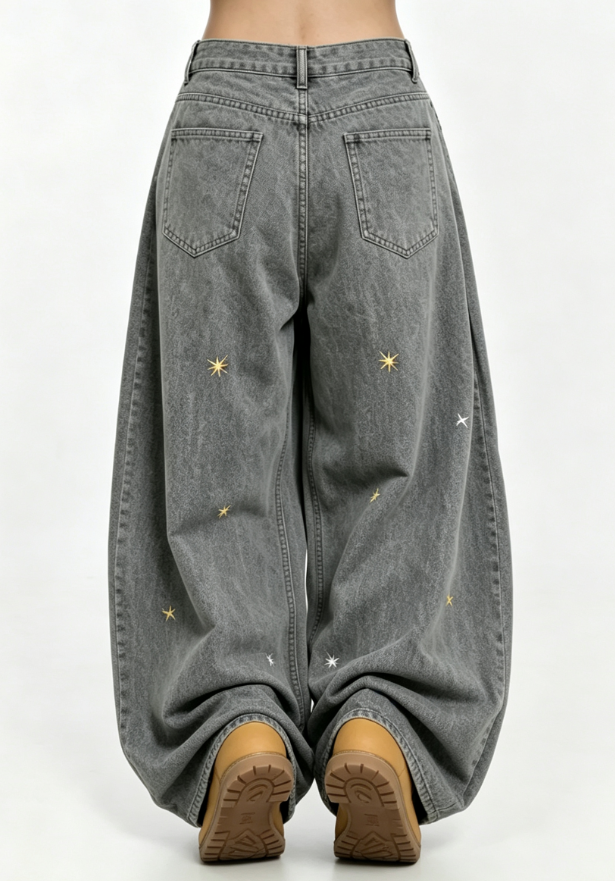
Patchwork & Patched Denim
Custom patched jeans combine denim development with planned patch placement, stitching and wash compatibility. Junsheen reviews fabric weight, patch materials, reinforcement and finishing before sampling, helping brands produce durable patched denim with consistent fit from XS through 3XL.
Request a QuoteMaterials for Durable Custom Patches

Cotton Twill
A firm, matte woven fabric suited to embroidered, woven, and printed custom patches on uniforms, caps, workwear, and bags. Its stable diagonal weave helps hold stitches cleanly while providing durable medium-weight structure.

Denim Fabric
A rugged cotton or stretch-denim base for jeans, jackets, overshirts, and heritage-inspired patch programs. Its substantial weight and textured surface create a durable, authentic look for applique, embroidery, and leather patches.

French Terry
A soft cotton-blend knit with smooth face fabric and looped interior, ideal for hoodies, sweatshirts, and casual sets. Midweight construction supports embroidered or applique patches while retaining comfortable flexibility and drape.

Fleece Knit
A brushed, warm knit commonly used for hoodies, sweatpants, and outer layers. Its soft hand feel works well with embroidery and custom patches when backing and attachment methods are matched to fabric weight.

Nylon Shell
A lightweight, tightly woven performance fabric for puffer jackets, windbreakers, and technical outerwear. Its smooth surface supports carefully specified heat-applied or sewn custom patches, with backing selected to protect the shell.

Canvas Cotton
A dense, plain-woven cotton fabric for tote bags, utility jackets, aprons, and accessories. Its sturdy hand feel and high abrasion resistance make it a dependable base for bold embroidered, chenille, and leather patch applications.
Custom Patches: Decoration and Production Techniques

Embroidery Stitching
Flat, 3D puff, chain-stitch, and logo embroidery create dimensional custom patches with defined texture and durable thread coverage. Our team matches stitch density, backing, and edge treatment to your artwork and garment fabric.

Applique Construction
Applique layers fabric, twill, denim, or textured materials over a base for bold color blocking and tactile brand detail. Clean-cut edges and secure stitching produce a substantial patch effect built for repeated wear.

Woven Label Patches
Fine woven construction reproduces small lettering, intricate logos, and detailed color changes with a smooth, low-profile finish. It is ideal for branded patches where sharp definition matters more than raised embroidery texture.

Screen Print Effects
Screen printing adds crisp graphics, large color areas, and specialty effects to patch applications or supporting garment artwork. Choose plastisol, water-based, puff, flocking, silicone, high-density, foil, or discharge finishes for the intended visual impact.

Heat Transfer Application
DTF, heat-transfer, and sublimation methods deliver precise full-color artwork, gradients, and photographic detail where stitched construction is not the best fit. Proper heat settings and material selection help maintain adhesion and wash durability.

Specialty Finish Details
Combine custom patches with sequins, reflective accents, laser-cut shapes, garment washing, or branded trims for a more distinctive finished piece. JUNSHEEN coordinates decoration choices with sampling, fit development, and scalable apparel production.
Custom Patches, Labels and Branded Trims

Patch Backings
Choose heat-seal, iron-on, hook-and-loop, sew-on or adhesive backing options based on garment fabric, placement and expected wear. Our team tests attachment performance before approving samples for bulk production.

Snap Buttons
Add branded metal or resin snaps to jackets, denim, overshirts and detachable patch details. We source finishes, colors and logo treatments that align hardware with your collection’s durability and visual direction.


Drawcord Tipping
Pair custom drawcords with metal, rubber or dipped tips for hoodies, sweatpants and outerwear. Matching cord color, length and finish helps turn a simple silhouette into a cohesive private-label product.

Woven Labels
Create woven main labels, size labels and care labels with clear artwork and durable construction. Labels can be sewn beside custom patches or inside garments to maintain consistent branding across XS–3XL size runs.
Branded Packaging
Complete finished goods with custom hangtags, polybags, tissue paper, carton markings and barcode-ready packaging. JUNSHEEN coordinates packing specifications to help wholesale, retail and direct-to-consumer orders arrive presentation-ready.
Custom Patches Manufacturing Since 2010
Founded in 2010 in Humen Town, Dongguan, JUNSHEEN helps fashion brands turn custom patches and apparel concepts into production-ready collections. Our one-stop OEM, ODM and private-label team supports product development, material selection, embroidery, finishing, quality control and export coordination from a single manufacturing base.
With more than 200 skilled workers and monthly capacity above 80,000 units, we serve capsule launches from 100 units per style and color as well as scalable repeat programs. Our cut-and-sew and knitwear capabilities support custom patches across casualwear, denim, outerwear and branded apparel programs.
What sets JUNSHEEN apart is fit-focused development alongside decoration expertise. We refine patterns and grading from XS to 3XL, including extended-size, plus-size and oversized fits, then coordinate patch application, logo embroidery, labels, trims and packaging for consistent, brand-ready delivery worldwide.

Custom Patches Built for Production-Ready Apparel
Artwork Feasibility Review
Send a finished file, sketch, reference garment, or mood board. JUNSHEEN reviews custom patches for stitch density, edge clarity, color separation, placement, scale, and garment compatibility before sampling, helping prevent decoration issues from reaching bulk production.
- Artwork and logo detail review
- Patch size and placement guidance
- Embroidery and applique feasibility checks
- Production-minded specification support

Material and Backing Selection
Choose patch materials and backings around your intended garment, wear conditions, hand feel, and price target. Our team coordinates options such as embroidery, applique, woven details, leather labels, and attachment methods with the fabric and construction of your apparel.
- Material matched to garment fabric
- Backing options for secure attachment
- Durability and wash-performance consideration
- Cost-conscious sourcing recommendations

Integrated Garment Decoration
JUNSHEEN produces custom patches within the same OEM apparel workflow that manages embroidery, printing, labels, trims, washing, and packaging. This reduces handoff risk and helps your hoodies, denim, jackets, and knitwear arrive with coordinated branded details.
- In-house embroidery and applique capability
- Decoration coordinated with cut-and-sew production
- Labels, trims, and packaging in one supply chain
- Suitable for casualwear, denim, outerwear, and knitwear

Repeat-Order Consistency
Patterns, graded size sets, material records, and approved decoration details are retained for repeat programs. With 200+ skilled workers and monthly capacity above 80,000 units, JUNSHEEN supports 100-unit capsule runs and scalable custom patches production for growing brands.
- Approved specifications retained for reorders
- Fit-focused XS–3XL apparel development
- Low MOQ from 100 units per style and color
- Global export support for ongoing programs

Why Choose JUNSHEEN Custom Patches Over Typical Suppliers
Compare a one-stop apparel OEM partner with patch-only sourcing for development, production, quality control, and export coordination.
← 左右滑动查看 →
Our Custom Patches Production Process
A clear, production-ready path from artwork review to globally shipped finished goods.
Review Artwork And Requirements
Share your logo, placement, garment details and target quantity. Our team reviews construction, dimensions, colors, backing needs and technical feasibility before development begins.
Source Materials And Components
We recommend patch bases, threads, appliqué fabrics, backings and trims that balance hand feel, durability, wash performance, decoration detail and your target cost.
Develop Samples And Approvals
Pattern makers and technicians prepare prototype custom patches or decorated garment samples for review, refining scale, stitch density, color matching, placement and attachment methods.
Confirm Bulk Production Details
After sample approval, we finalize specifications, graded size sets where needed, bulk materials, labels, packaging and the production schedule for your confirmed order.
Inspect Decoration And Construction
In-line and final quality checks verify patch placement, embroidery or print clarity, measurements, attachment strength, garment construction and packed-goods consistency before release.
Pack And Ship Worldwide
Finished orders receive branded packaging options and export-ready documentation. JUNSHEEN coordinates worldwide shipping support so your custom patches arrive ready for retail or fulfillment.
Work With Our Custom Patches OEM Team
From artwork review to bulk delivery, JUNSHEEN gives global apparel buyers a clear, production-ready path.
Send Your Artwork
Share your patch artwork, tech pack, reference garment, dimensions, backing requirements, target quantities, and application details for an initial manufacturing review.
Review Feasibility and Quote
Our team confirms suitable materials, embroidery or print techniques, construction details, MOQ, lead time, and pricing based on your custom patches requirements.
Approve Your Samples
Review development samples for color, texture, sizing, backing adhesion, and garment placement. We refine approved details before releasing your order to production.
Launch Bulk Production
JUNSHEEN manages in-house production, quality inspections, labeling, packaging, and export coordination, supporting scalable apparel programs from 100 units per style or color.
Custom Clothing Manufacturer Credentials and Compliance Documents



What Global Fashion Brands Say About Custom Patches
JUNSHEEN turned our embroidery references into approved hoodie samples in 18 days. The patch edge coverage and puff height stayed consistent across our 1,200-piece run, which let us reorder the same program without revising artwork.
Our first 100-unit denim capsule needed three patch placements and branded labels. Their team caught a backing issue during sampling, corrected it before bulk, and delivered all cartons to our U.K. forwarder on the agreed date.
We have now repeated four colorways with JUNSHEEN. Measurements, chain-stitch patch placement, wash finish, and packing stayed aligned with the approved sample across 2,800 total units. That consistency made our wholesale replenishment far easier to manage.
Custom Patches FAQ for OEM Buyers
Clear answers on minimums, sampling, timing, payment, shipping, design files and confidentiality.
What is the minimum order quantity for custom patches?
Can I order custom patches attached to hoodies, denim jackets or other apparel?
What design files do you need for custom patches?
Can I get a sample before placing a bulk custom patch order?
How long do custom patches take to produce?
What payment terms do you offer for OEM orders?
Do you ship custom patches internationally?
How does JUNSHEEN protect my patch artwork and brand IP?
The Complete Buyer’s Guide to custom patches
Use this decision framework to select custom patches, compare materials and decoration methods, evaluate suppliers, control costs, and avoid production mistakes before placing an OEM order.
1. What Are custom patches?
100-unit production runs can use custom patches as separate branded components applied to garments, caps, bags, footwear, uniforms, or retail accessories. A patch carries a logo, artwork, identifier, or functional information while allowing the base product to remain unchanged; brands, teamwear buyers, workwear programs, retailers, and independent labels use them for recognition, limited collections, repair, and membership-style merchandise. 3 common alternatives solve different problems. Direct embroidery is stitched into the finished item and is durable but cannot be moved or stocked separately; a printed graphic sits directly on fabric and is best for larger artwork or color transitions, while a woven label is usually a small sewn-in brand or care identifier and a hangtag is removable point-of-sale information. 1 patch is the right solution when a buyer needs a distinct tactile emblem, repeatable branding across multiple product categories, or a component that can be applied late in production. It is especially useful for heavy denim, outerwear, fleece, caps, and bags where a Pantone-matched badge can create contrast without placing dense stitching or a large print directly on the garment. 2 sourcing checks matter before approval: confirm the intended attachment method and test the patch on the actual fabric, wash process, and garment position. A well-specified patch should support the collection’s use case—brand decoration, uniform identification, retail storytelling, or replaceable repair—rather than merely add a logo.
2. The History of custom patches
19th-century military units used embroidered insignia to identify rank, regiment and service, establishing the patch as a durable marker of belonging rather than a purely decorative trim. Rail, utility and industrial workwear later adopted sewn identifiers because a replacementable emblem could distinguish a company uniform without rebuilding the garment. 1920s American varsity programs popularized chenille letter patches, turning achievement into a visible, collectible garment story. By the 1950s and 1960s, motorcycle clubs, scouts and racing teams used back patches and sleeve badges to signal membership, route, role and event history—an approach still useful for limited drops and community-led brands. 1970s punk and DIY scenes made patched denim and surplus jackets personal canvases, while 1990s skate, hip-hop and streetwear labels recast patches as an alternative to conventional logo placement. For current private-label buyers, custom patches can carry a seasonal emblem, location, club reference or numbered capsule identity across denim, outerwear, fleece and bags. 100-unit capsule programs benefit most when the patch has a defined narrative and repeatable placement, not when it merely fills empty space. Choose a construction that fits the story—chenille for varsity nostalgia, embroidery for heritage detail, woven labels for fine lettering, or leather-look patches for workwear—and retain approved artwork and color standards for future reissues.
3. Types of custom patches
Seven principal patch formats cover most apparel programs, from dimensional varsity marks to fine-detail woven labels. Shortlist by logo line weight, garment wash exposure, hand feel, and whether the patch must read as premium, technical, or heritage.
| Type | Best Applications | Value And Limitation |
|---|---|---|
| Embroidered | Caps, denim, outerwear | Textured and durable; poor for tiny detail |
| Woven | Labels, badges, shirts | Crisp detail; flatter appearance |
| Chenille | Varsity, fleece | Premium pile; can snag |
| PVC/rubber | Bags, technical outerwear | Weather-resistant; heat-sensitive |
| Leather | Denim, caps | Heritage premium; needs wash testing |
| Printed | Detailed artwork | Full detail; surface can abrade |
| Appliqué | Sportswear, sweatshirts | Layered depth; adds bulk |
Thread-Based Patches
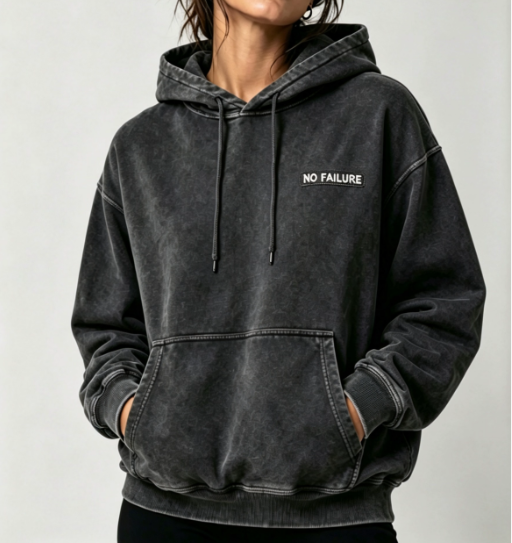
Embroidery uses raised thread and strong color blocking; it suits caps, hoodies, workwear, denim, and outerwear. It signals durable, established value but loses tiny lettering and can pucker lightweight jersey. Woven patches use finer yarns for small type, gradients simulated through thread, and crisp edge detail. They fit labels, chest badges, and fashion shirts, yet have a flatter, less tactile presence than embroidery.
Textured Heritage Styles

Chenille creates a fuzzy, high-pile varsity surface for letterman jackets, heavyweight sweatshirts, and collegiate capsules. Its perceived value is high, although pile can snag and fine logos require simplified shapes. Appliqué layers fabric, felt, twill, or denim onto a garment, usually with satin or zigzag stitching. It gives oversized sportswear graphics depth but adds seam bulk and needs stable base fabrics.
Technical And Leather Patches

PVC or rubber patches deliver molded 2D or 3D relief, weather resistance, and a modern utility look for bags, outerwear, uniforms, and performance styles. They withstand moisture well but feel less breathable and may crack under unsuitable high-heat laundering. Leather patches bring a premium heritage cue to denim, caps, and knitwear, especially with debossed logos. Natural leather varies in tone and needs wash testing; vegan alternatives reduce variation but change the hand.
Printed Patches

Printed patches reproduce photographic artwork, gradients, and micro-detail that thread methods cannot resolve. They work for event merchandise and detailed logos, but abrasion and repeated laundering can reduce surface clarity unless ink, coating, and attachment are tested. 100-unit capsule orders should use an approved strike-off on the actual garment fabric. Compare edge finish, wash cycle, and logo legibility before bulk approval.
4. Materials for custom patches
Polyester, cotton, and specialty substrates change a patch’s surface, edge definition, and service life. Match the material to garment wash conditions, attachment method, and the texture customers should feel.
| Material | Texture And Color | Wash Performance | Best Uses |
|---|---|---|---|
| Polyester thread | Glossy; vivid color | High | Denim, uniforms, outerwear |
| Cotton or woven yarn | Matte or fine detail | Medium | Knitwear, casualwear |
| Twill or felt | Structured or soft | Medium | Applique, sweatshirts |
| Chenille yarn | Raised pile | Medium | Varsity jackets, casualwear |
| PVC | Molded; exact color | High | Outerwear, workwear |
| Leather or vegan leather | Premium; limited fine detail | Medium | Denim, jackets |
Thread And Woven Surfaces
Polyester embroidery thread delivers saturated Pantone-matched color and strong abrasion resistance after repeated laundering. It suits denim, uniforms, and outerwear exposed to friction. Cotton thread creates a softer, matte vintage finish, but color may fade sooner than polyester. Woven yarn patches reproduce small lettering and fine lines better than dense embroidery.
Dimensional And Molded Options

Chenille yarn builds a raised, varsity-style pile that works best on sweatshirts, jackets, and casualwear. Felt provides a softer base for applique but needs controlled edge finishing. PVC produces crisp molded detail, weather resistance, and easy wipe-clean performance. Use it for outerwear, bags, and workwear rather than heat-sensitive knitwear.
Leather And Backing Choices
Genuine leather develops patina and gives denim or premium outerwear a durable heritage look. Vegan leather offers more uniform color and may simplify material-policy requirements. Iron-on, sew-on, adhesive, and hook-and-loop backings must match the garment’s heat tolerance and end use. Test adhesion after the intended wash cycle before bulk approval.
5. Custom Patches Decoration Options
Decoration changes how a logo reads at arm’s length versus across a sales floor. For custom patches, select the process after fixing artwork scale, intended viewing distance, garment placement, and target unit cost.
| Option | Best Visual Result | Budget Effect |
|---|---|---|
| Woven | Fine text and detail | Efficient for detailed designs |
| Embroidery | Tactile, dimensional logo | Cost rises with stitch count |
| Screen or Sublimation | Bold or photographic color | Screen favors fewer colors |
| 3D, Metallic, Glow, Reflective | High-impact accents | Use selectively to control cost |
Prepare Production Artwork

Vector artwork in AI, EPS, or PDF keeps outlines clean for digitizing, woven construction, and print separation. Supply Pantone references, final patch dimensions, and a 1:1 placement file. 1 mm gaps and strokes are a practical starting point for embroidered details; smaller features may fill in under thread. Digitizing converts artwork into stitch paths, so approve a sew-out rather than judging only a screen proof.
Choose Detail Or Texture
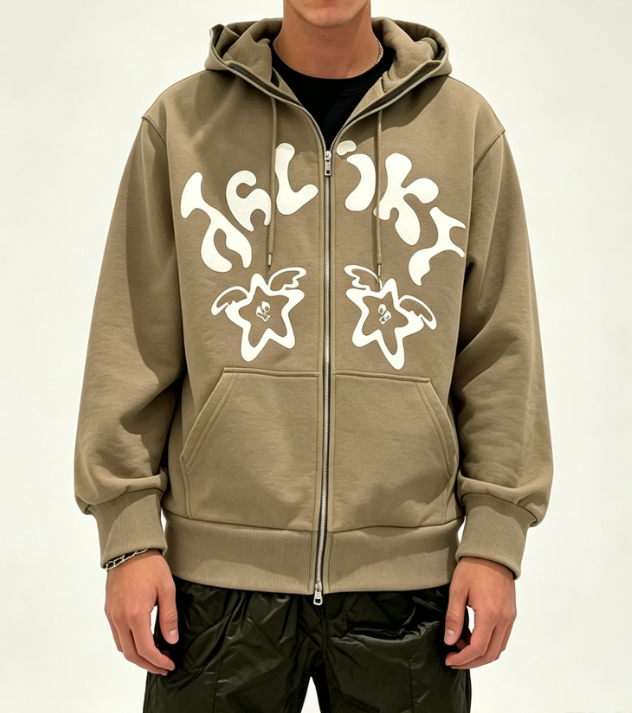
6–10 thread colors usually suit a clear embroidered logo, while woven patches reproduce small lettering, fine lines, and dense color transitions more accurately. Flat embroidery reads crisply; 3D foam creates raised, tactile lettering. Metallic thread adds premium shine but needs simpler artwork and careful stitch density. Glow thread and reflective accents work best as limited highlights, not intricate logos.
Match Finish To Identity

100-unit capsule runs benefit from limiting colors and effects because each added process can raise setup, sampling, and inspection complexity. Screen printing suits bold opaque graphics; sublimation preserves full-color artwork on compatible polyester patch bases. Debossed leather or silicone marks create restrained texture for premium or outdoor identities. Merrowed edges are classic and durable, while laser-cut, heat-cut, or stitched borders suit sharper modern shapes.
6. Custom Patches Quality Elements
Premium custom patches are judged at the stitch, edge, backing, and color level—not only by artwork. A signed production sample should define measurable acceptance criteria before bulk cutting, embroidery, or heat application begins.
Embroidery And Registration
A 0.4–0.5 mm stitch pitch is a useful starting point for dense embroidered detail, but excessive density can pucker lightweight grounds. Thread coverage should hide the base fabric without flattening small lettering. A 1 mm registration shift can make borders, layered applique, or multicolor logos look visibly uneven. Inspect outlines, thread trims, and repeated placements against the approved artwork.
Edges And Backings
A 2–3 mm merrowed border protects many standard embroidered shapes, while laser-cut or satin-stitch edges require especially clean contour control. Check that corners are fully covered and no backing shows through. A 24-hour room-temperature cure check can expose weak heat-seal adhesion before garments enter production. For sew-on patches, verify backing stiffness does not distort the garment panel.
Color And Stability
Pantone references should be matched under agreed lighting, because thread sheen and substrate color alter perceived shade. Approve thread cards or strike-offs for critical brand colors, especially reds, blacks, and fluorescents. Three wash cycles at the intended care condition can reveal shrinkage, fraying, color bleed, or lifting edges. Abrasion checks should focus on locations exposed to bags, sleeves, and frequent rubbing.
Sample Approval Controls
One sealed golden sample should record dimensions, placement, artwork version, backing type, edge method, and approved color standard. Junsheen can use this reference alongside retained material records during in-line and final inspection. AQL inspection plans should define defect categories before shipment, including loose threads, wrong colors, poor adhesion, and off-center placement. Measure finished patch width and height against tolerances stated on the approved specification.
7. How to Choose a Manufacturer
100-unit launches need a supplier that can reproduce approved patch detail, not merely quote a low unit price. Compare factories on development discipline, material access, documented controls, and the clarity of their answers before placing bulk production.
Verify Relevant Capability
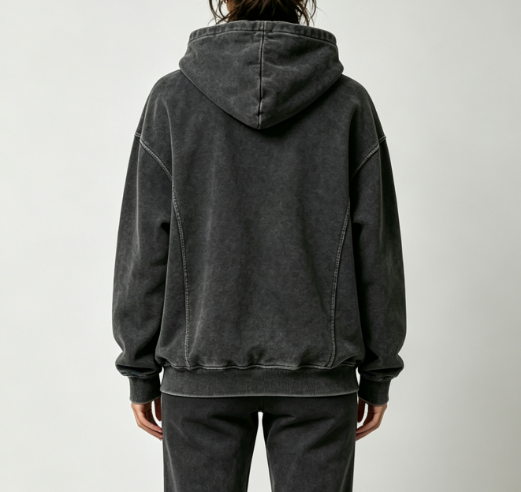
3 core samples reveal more than a catalog: request comparable woven, embroidery, or appliqué work on the intended garment fabric. Confirm the factory can control edge finish, backing, stitch density, placement, and wash performance. 100-unit MOQ flexibility matters for a new colorway, but ask whether the minimum applies per design, color, and size. A supplier with cut-and-sew capability can coordinate patch application with garment assembly and grading.
Lock Sampling And Artwork
1 written specification should state finished dimensions, Pantone references, material, backing, border, placement coordinates, stitch direction, tolerances, and test wash method. Supply vector artwork plus a scaled placement file rather than relying on a phone image. 2 approval stages reduce ambiguity: approve a digital artwork proof, then approve a physical sample on the production fabric. Retain the signed sample, measurement sheet, and revision history as the bulk-production standard.
Assess Operations Beyond Price
200-worker factories with defined capacity can be suitable only when their production calendar supports your delivery window. Request a realistic sampling and bulk lead-time plan, identify critical-path materials, and ask how delays are communicated. 1 lower quote can omit inspection, upgraded backing, packaging, or rework allowances. Ask for an itemized quotation, incoming-material checks, in-line inspection points, final AQL standard, and available OEKO-TEX, GOTS, WRAP, or BSCI documentation where relevant.
- Comparable physical samples
- Written tech pack and approval record
- Capacity and lead-time commitment
- Inspection and compliance documents
8. Common Buyer Mistakes to Avoid
Most patch failures are decided before production begins: at artwork handoff, construction selection, and sample approval. A written approval trail prevents costly remakes and keeps a collection’s branding consistent across repeat orders.
Prepare Production-Ready Artwork

300 dpi raster art is usually the minimum for printed patches, while embroidery needs clean vector paths and simplified details. Supply AI, PDF, or SVG artwork with Pantone references, finished dimensions, and the intended border. 2 mm lettering and hairline outlines often disappear in thread or woven construction. Ask the manufacturer to flag stitch-density, color-count, and minimum-detail limits before sampling.
Define Use Before Technique
1 end use determines the right construction: a soft neck-label patch needs different materials than a durable denim-jacket badge. Confirm garment fabric, wash method, abrasion exposure, and expected wear cycles first. Heat-seal backings can fail on textured fleece or low-melt synthetics, while sew-on borders add labor. Request an attachment recommendation and test it on the actual garment panel.
Control Samples And Color
1 approved digital proof is not a physical color standard. Thread, twill, PVC, and printed ink reflect light differently; compare the sample under daylight and retail lighting against Pantone chips. 2 approval checkpoints reduce rework: approve strike-off color and construction first, then approve an attached, washed garment sample. Record placement, edge type, backing, and allowable measurement and color tolerances.
Buy Total Value, Not Price
100-unit pricing can look attractive while excluding sampling, backing, excess-color charges, inspection, or attachment labor. Compare quotations on the same specifications, Incoterm, lead time, defect standard, and packed quantity. 1 lower unit price is rarely economical if inconsistent borders or weak adhesion require a remake. Choose a supplier that documents approvals and inspects bulk goods against the signed sample.
9. Launching custom patches for Your Brand
100-unit per style-and-color programs let an emerging label test a patch story without committing to a large seasonal buy. JUNSHEEN can translate approved artwork and garment specifications into a production-ready patch program.
Prepare Artwork And Brief
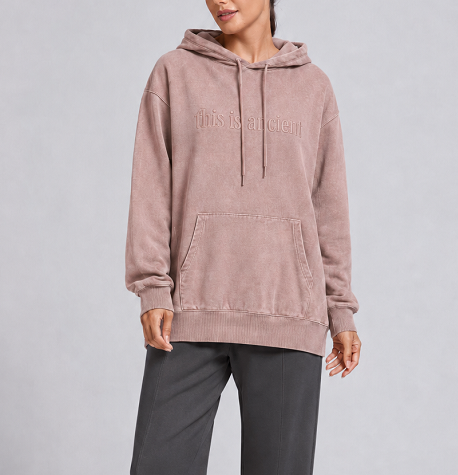
Pantone codes, vector artwork, finished dimensions and border type should be locked before sampling; raster logos often lose edge definition in embroidery. One production brief should also state backing, attachment method, placement, thread colors and permitted tolerance. Three placement measurements—distance from neckline, center front and side seam—prevent inconsistent application across sizes. A reference photo should show the patch on the actual hoodie, jacket, cap or bag fabric.
Sample, Test And Approve
Three common choices are embroidered patches for texture, woven patches for fine lettering and silicone patches for weather-resistant branding. Two stitched prototypes are useful when comparing thread density, edge coverage and backing stiffness on the intended garment. Five wash-and-wear cycles should check curl, color bleed, thread breakage and adhesion before bulk approval. Approve a sealed sample, placement template and Pantone callout rather than approving artwork alone.
Plan Merchandising And Reorders

One patch design can anchor a hoodie chest, denim jacket sleeve, cap front and tote bag, but scale should change with the product surface. Three merchandising views—flat lay, close-up and worn image—make the decoration legible to wholesale buyers and online customers. 30-60 days before a planned replenishment, review remaining patch stock, fabric availability and repeat-order quantities with the factory. Care labels and customer instructions should specify sew-on, heat-press or hook-and-loop application, plus wash temperature and whether ironing is permitted.
10. Custom Patches Pricing and Costs
100 units is a practical starting point for many custom patches, but unit cost varies first by construction. Embroidered patches are priced by finished size, thread colors, stitch count, backing, and merrowed or laser-cut edges; PVC and metal designs depend more heavily on mold complexity, colors, and relief detail. 2 to 4 inches is the common size band for chest, sleeve, cap, and bag applications. Iron-on, hook-and-loop, adhesive, sew-on, and pin backings add material and labor, while Pantone color matching, unusually dense embroidery, individual polybags, barcoded cards, and export cartons affect the landed cost. 7 to 21 days is a typical production window after artwork and sample approval, excluding international transit. A final JUNSHEEN quotation should be based on approved vector artwork, dimensions, patch type, colors, backing, edge finish, quantity, packaging, destination, and shipping method because each changes materials, setup, and labor.
| Order quantity | Indicative unit price | Typical production lead time |
|---|---|---|
| 100–299 | US$1.50–5.00 | 14–21 days |
| 300–999 | US$0.90–3.50 | 10–18 days |
| 1,000+ | US$0.45–2.50 | 7–15 days |
Ready to Develop Your Custom Patches?
Send your artwork, reference garment, or tech pack to our OEM team for a production-ready quote with 100-unit MOQs.