
Custom Sublimated Hoodies, Made for Your Brand
Launch fit-focused custom sublimated hoodies with OEM, ODM and private-label support from 100 units per style and color.
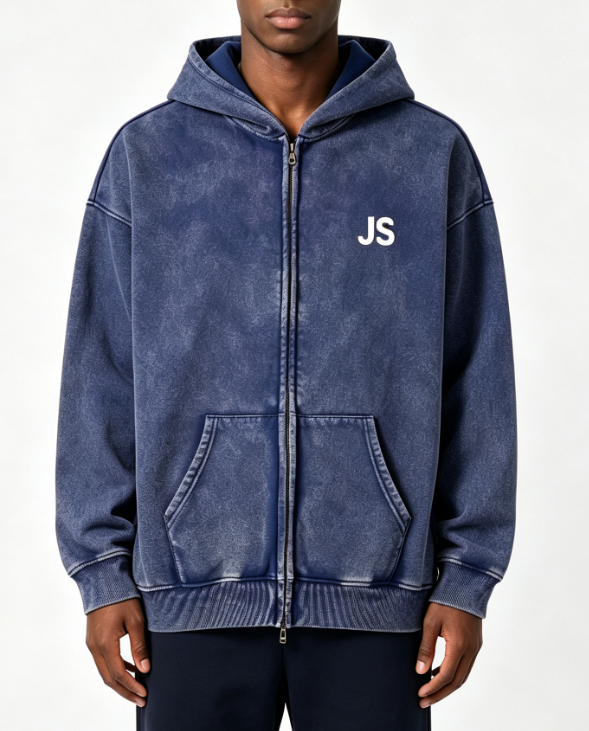
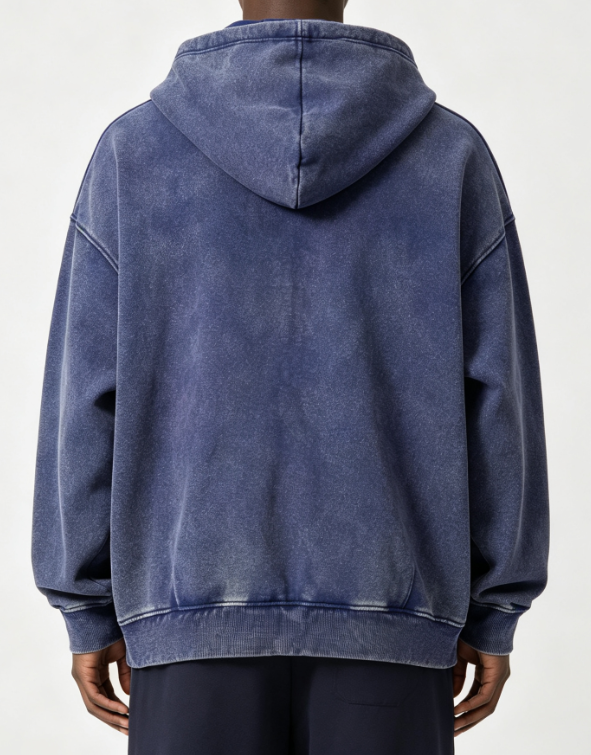
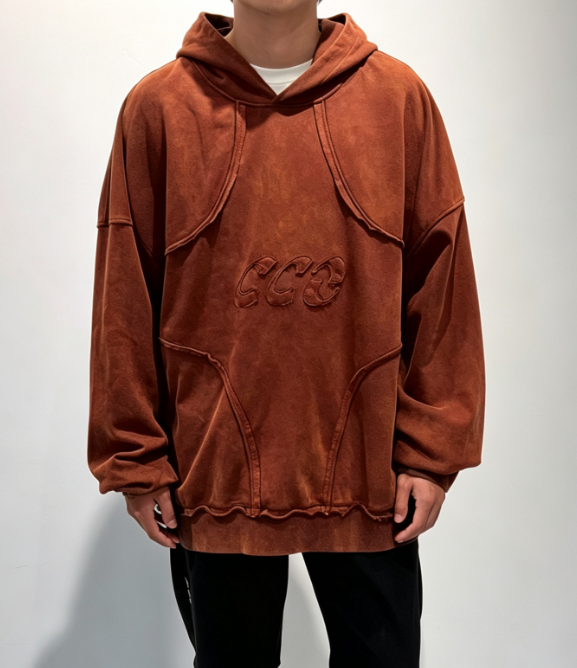
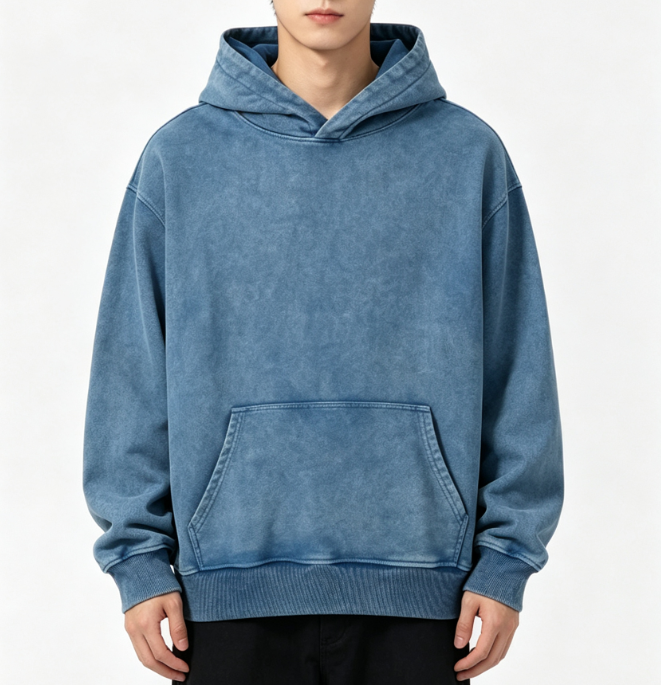
Featured Products for custom sublimated hoodies Development




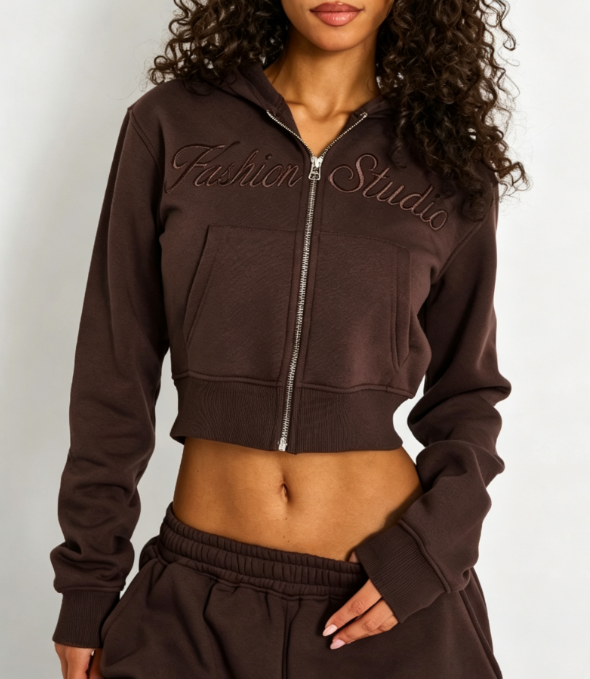


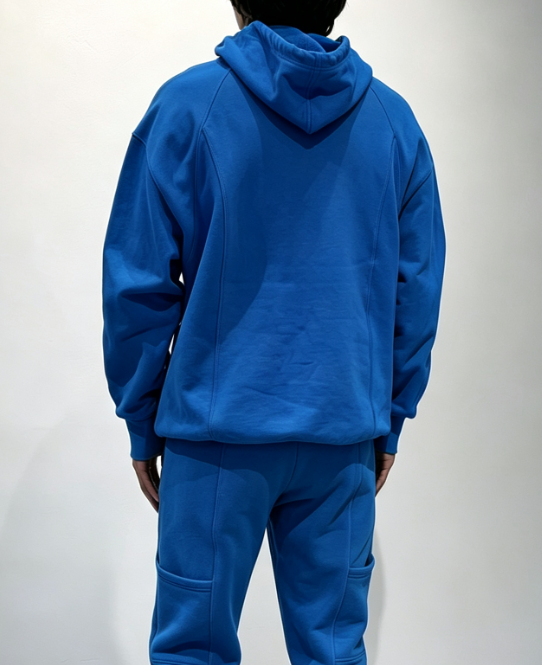

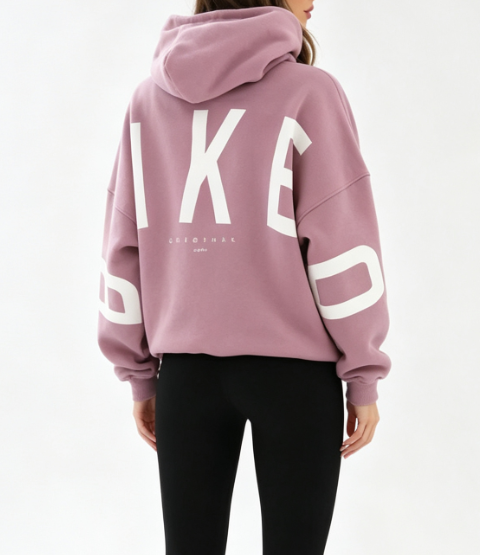
Related Product Catalogue and Quotation



Why Brands Source Custom Sublimated Hoodies from JUNSHEEN
From low-MOQ launches to repeat bulk programs, JUNSHEEN combines fit development, in-house decoration, quality control, and export-ready production.
100-Unit MOQ
Launch custom sublimated hoodies from 100 units per style and color, with practical support for capsules, tests, and growing collections.
Fit-Focused XS–3XL
Pattern makers refine proportions, mobility, and grading across regular, oversized, extended-size, and plus-size hoodie fits instead of simply scaling one base pattern.
In-House Decoration
Coordinate dye sublimation, screen printing, embroidery, labels, trims, and finishing through one experienced apparel manufacturing team for clearer quality control.
Scalable Production
More than 200 skilled workers and monthly capacity above 80,000 units support reliable progression from approved samples to ongoing bulk hoodie orders.
Global Export Support
Receive responsive production coordination, final inspection, packing support, and worldwide shipping assistance for fashion brands sourcing from international markets.
Custom Hoodies and Coordinated Casualwear
Develop fit-focused hoodie programs and adjacent categories from 100 units per style and color, with scalable OEM, ODM, and private-label production.
Custom Hoodies
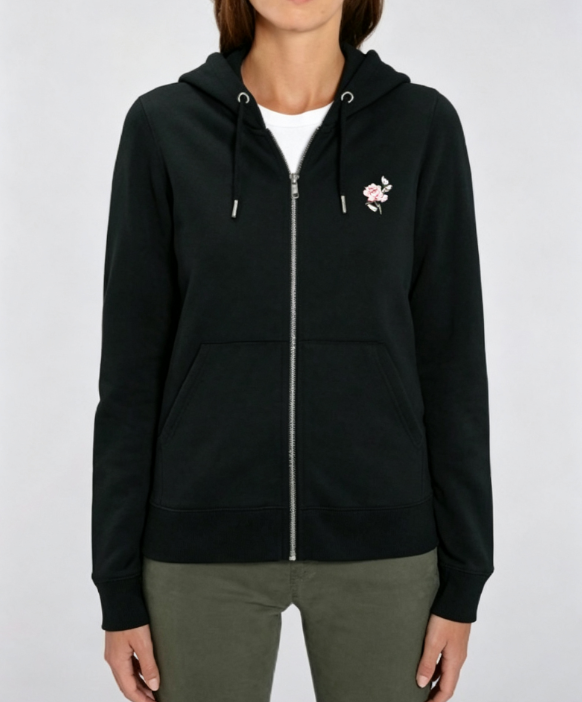
Develop custom hoodies in fleece, French terry, or jersey with your preferred weight, fit, hood construction, pockets, rib trims, labels, and decoration. Pattern development supports XS–3XL, plus-size, and oversized silhouettes for capsule launches or repeat bulk programs.
Request a Quote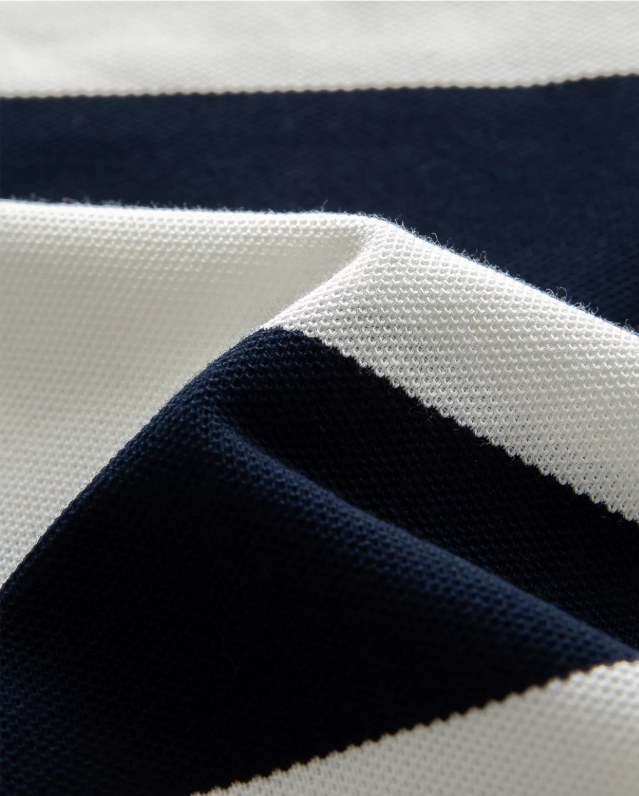
Custom T-Shirts
Produce custom T-shirts in combed cotton, organic cotton, blends, or performance jersey. Junsheen supports neckline, sleeve, fit, wash, print, embroidery, labeling, and packaging specifications so tees align with your hoodie collection and target price point.
Request a Quote
Custom Jeans
Manufacture custom jeans in rigid, stretch, or recycled denim with brand-specific rises, leg shapes, washes, hardware, patches, and labeling. Fit-focused pattern making and grading help maintain proportion across normal, extended, and oversized size ranges.
Request a Quote
Custom Sweaters
Source turtle neck sweater bulk programs in knitted constructions selected for gauge, hand feel, warmth, stretch, and durability. Develop neck height, rib details, silhouette, grading, labels, and packaging for private-label collections and wholesale replenishment.
Request a Quote
Custom Jackets
Create custom jean jackets and other woven outerwear with denim weight, wash, seams, pockets, closures, lining, patches, embroidery, and branded trims specified to your design. Sampling verifies construction, fit, and finish before bulk production.
Request a Quote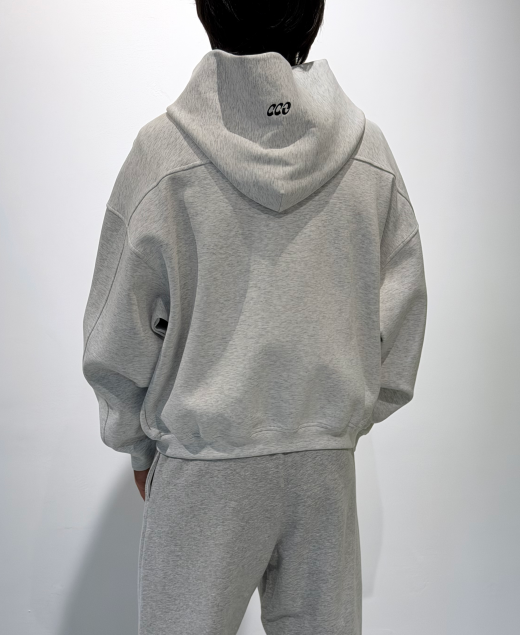
Custom Sweatshirts & Crewnecks
Produce custom crewneck hoodie programs, including crewneck sweatshirts and hooded styles, in fleece or French terry. Coordinate fabric weight, ribbing, fit blocks, prints, embroidery, washes, and labels across a complete casualwear range.
Request a Quote
Custom Cardigans
Develop custom cardigans in sweater constructions suited to your intended drape, gauge, button front, trim, and fit. Junsheen supports yarn and material selection, grading from XS–3XL, private labels, and production for coordinated knitwear capsules.
Request a Quote
Custom Puffer & Down Jackets
Manufacture custom puffer jackets with shell fabric, insulation, quilting, lining, pocket, zipper, hood, and reflective-detail options matched to your market requirements. Development reviews bulk, mobility, warmth, and packability before approving production.
Request a Quote
Custom Denim Shorts
Produce custom jean shorts in rigid or stretch denim with specified inseam, rise, hem, pocket, wash, distressing, hardware, and branding details. Shared denim materials and washes help coordinate shorts with jeans and jacket programs.
Request a Quote
Custom Sweater Dresses
Create custom sweater dresses with knit construction, yarn selection, neckline, length, ribbing, shaping, and grading tailored to your collection. Fit development considers body proportion and mobility across XS–3XL, extended-size, and plus-size programs.
Request a Quote
Custom Denim Sets
Supply mens denim suits wholesale programs as coordinated denim sets, including jackets and matching jeans or shorts. Control fabric lot, wash, color, hardware, fit blocks, and labels across both pieces for consistent wholesale-ready assortments.
Request a Quote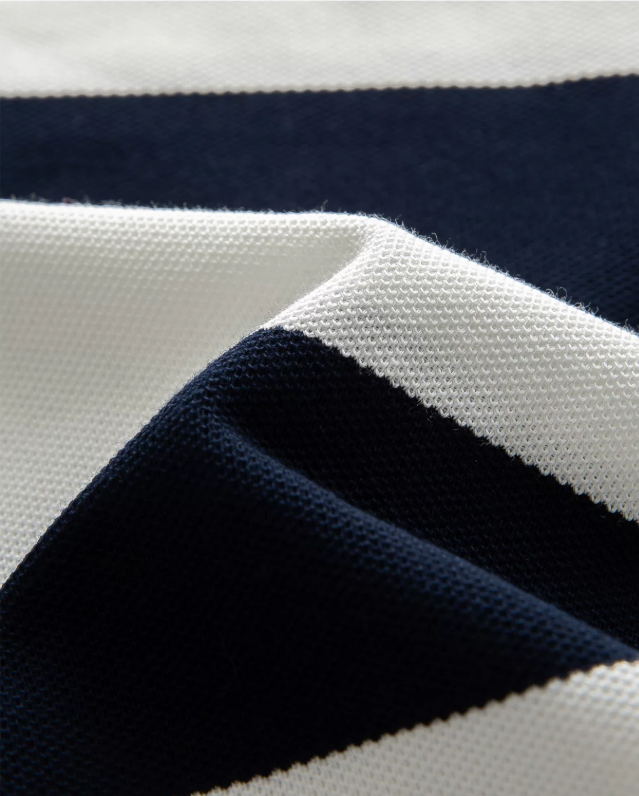
Custom Polo Shirts
Manufacture custom polo shirts in piqué, jersey, or performance knit fabrics with specified collars, plackets, cuffs, embroidery, prints, labels, and packaging. Fit and grading can support uniforms, retail collections, and extended-size requirements.
Request a Quote
Custom Sweatpants
Produce custom sweatpants in fleece, French terry, jersey, or performance fabrics with your preferred rise, leg shape, waistband, cuffs, pockets, drawcords, decoration, and washes. Match fabric and color standards to hoodies and crewnecks.
Request a Quote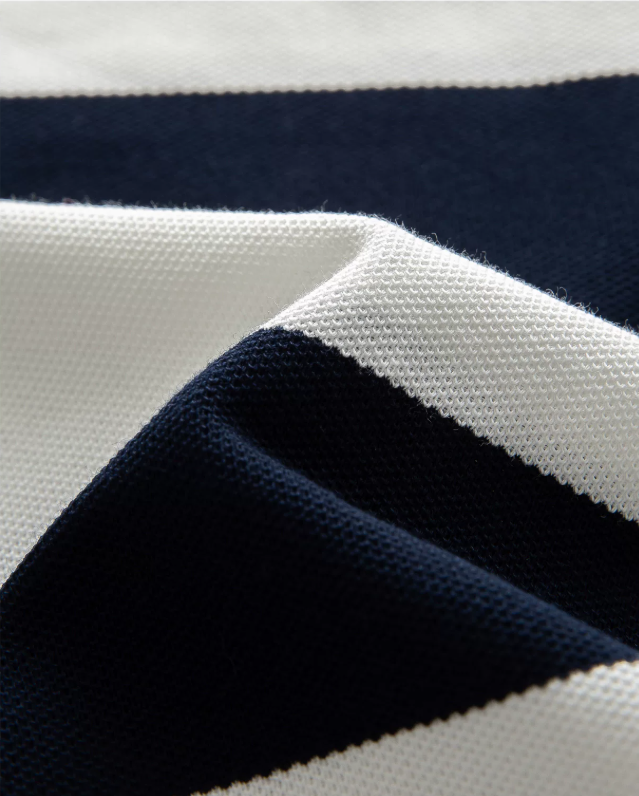
Custom Shorts
Develop custom shorts in jersey, fleece, twill, denim, or woven fabrics for casual, active, or coordinated seasonal ranges. Specify inseam, pocket construction, waistband, closures, prints, embroidery, labels, and graded sizing from XS–3XL.
Request a Quote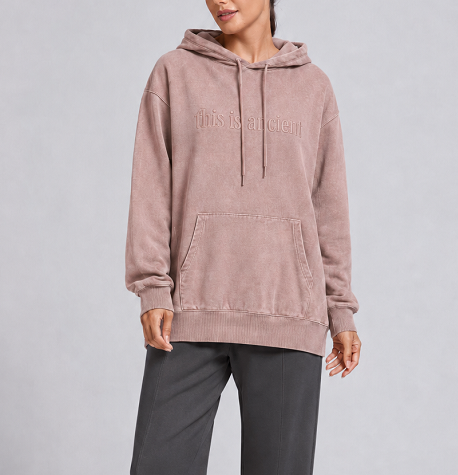
Custom Pullovers
Manufacture custom pullovers across fleece, French terry, jersey, and knit constructions. Develop neckline, collar, placket, pockets, rib trims, fit, decoration, washes, and private-label components to create distinct layers within a casualwear collection.
Request a QuoteMaterials for Custom Sublimated Hoodies

Polyester Performance Knit
Smooth, lightweight performance knit engineered for vivid dye-sublimation color and activewear-inspired hoodies. Its moisture-managing polyester construction offers dependable shape retention, fast drying, and a clean print surface across repeat production.

Brushed Polyester Fleece
Soft brushed fleece brings warmth and a plush interior to cold-weather sublimated hoodies. Available in varied GSM weights, it combines insulating loft with a durable polyester face that supports saturated, full-coverage artwork.

Poly French Terry
Loopback French terry delivers breathable comfort for transitional layers, teamwear, and lifestyle hoodies. Its midweight construction provides a structured drape, while the polyester-rich face accepts sharp sublimated graphics and repeat color.

Cotton Polyester Blend
Cotton-polyester blends create a more natural hand feel for everyday hoodie programs while improving durability and shrink control. Blend ratios and fabric weight can be specified to suit relaxed fits, oversized silhouettes, and selective decoration.

Recycled Polyester Knit
Recycled polyester knits offer a responsible material route without sacrificing bright sublimation results. Made with recycled-content yarn options, they provide lightweight resilience, color consistency, and flexible performance for sportswear or modern casual collections.

Rib Knit Trims
Elastic rib knit is used at cuffs, hems, and neck openings to give hoodies a secure, finished silhouette. Rib composition, recovery, stripe detail, and weight can be matched to the body fabric for consistent wear and branding.
Custom Sublimated Hoodies: Printing and Embroidery Techniques

Dye Sublimation
Full-color artwork is transferred into compatible polyester fabrics for vivid, all-over custom sublimated hoodies. The design becomes part of the fabric, delivering a lightweight hand feel, sharp detail, and long-lasting color performance.

Screen Printing
Screen printing applies bold logos, graphics, and specialty inks with dependable opacity and wash durability. Choose plastisol, water-based, puff, silicone, high-density, foil, flocking, or discharge effects to match your collection direction.

DTF Printing
DTF printing transfers detailed multicolor artwork onto selected hoodie panels with flexible, consistent coverage. It is well suited to smaller graphics, gradients, and complex logo artwork where crisp edges and production efficiency matter.

Logo Embroidery
Flat, 3D puff, chain-stitch, applique, and sequin embroidery add dimensional texture to custom hoodie branding. Our team reviews stitch density and placement to help logos hold their shape through regular wear and washing.

Custom Patch Application
Woven, embroidered, leather, and custom logo patches create a tactile premium finish for labels and teamwear programs. Patch placement can be coordinated with embroidery, prints, and private-label trims for a cohesive branded garment.

Fabric Finishing
Softening, anti-pilling, brushing, napping, garment dye, and wash treatments refine the final hoodie hand feel and appearance. These finishing options help align comfort, surface character, and durability with your target market.
Custom Sublimated Hoodies with Branded Trims

Drawcord and Tipping
Choose custom-color drawcords, metal or silicone tips, and branded aglets to complement sublimated artwork. Ideal for pullover hoodies where small trim details reinforce a premium, cohesive private-label finish.

YKK Zippers
Specify reliable YKK zippers or approved alternatives for full-zip custom sublimated hoodies. Match tape, teeth, pullers, and zipper length to the garment design while improving daily wear performance and perceived quality.

Custom Snap Buttons
Add branded snaps to hoodie pockets, detachable features, or varsity-inspired closures. Available in selected finishes and colors, snap hardware creates functional detail without interrupting the visual impact of all-over sublimation.

Woven Brand Labels
Create woven main labels, size labels, and wash-care labels for a complete private-label program. JUNSHEEN places labels accurately during production, helping your hoodie line arrive retail-ready for global distribution.

Custom Logo Patches
Use embroidered, woven, silicone, chenille, or applique patches for chest, sleeve, hem, and pocket branding. Patches add dimension to custom sublimated hoodies and work especially well for teamwear, streetwear, and capsule collections.
Hang Tags Packaging
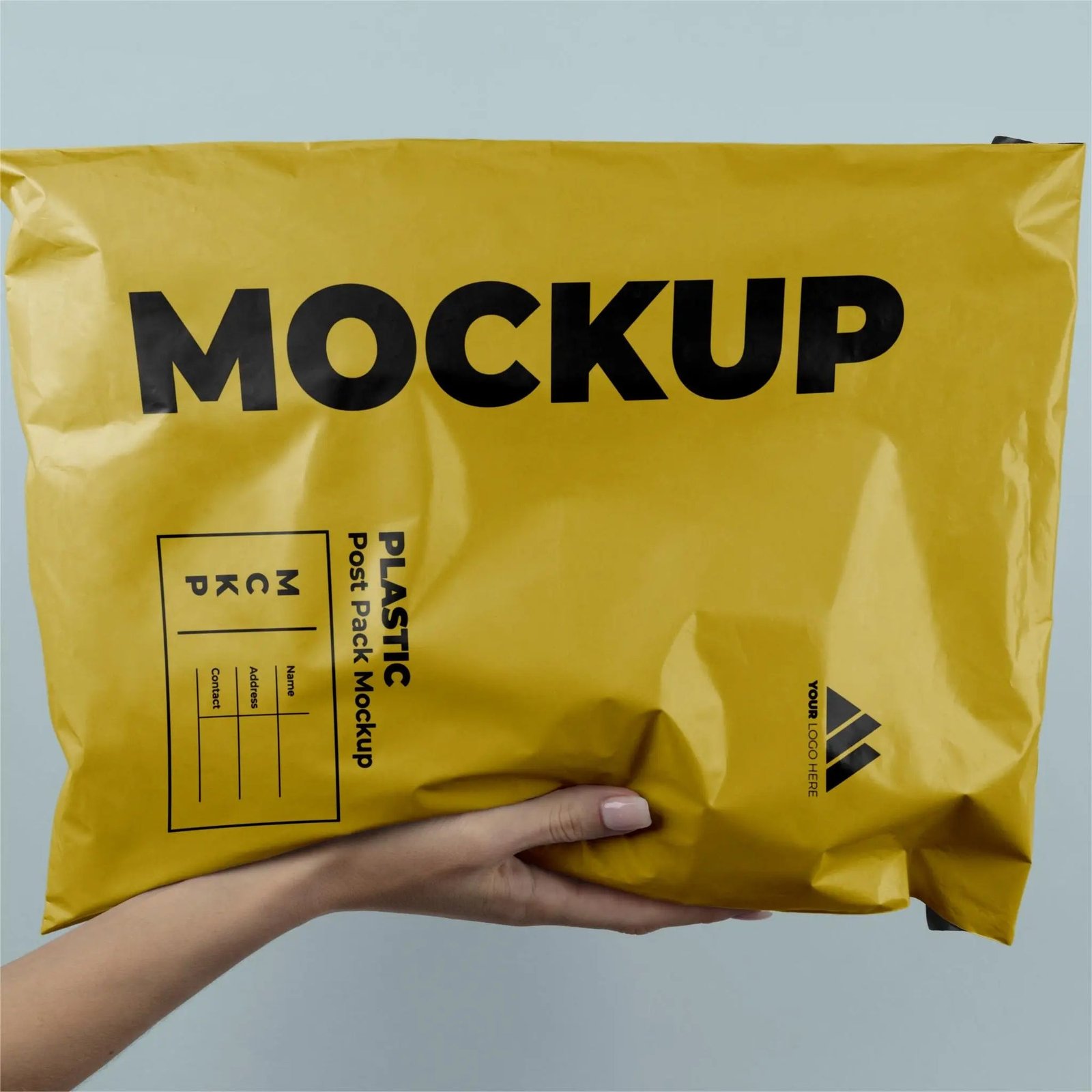
Finish each order with custom hang tags, polybags, barcode stickers, and branded packaging options. These details support organized wholesale handling, stronger unboxing, and a consistent brand presentation from factory to customer.
About JUNSHEEN Apparel Manufacturing
Founded in 2010 in Humen Town, Dongguan, JUNSHEEN helps global fashion brands turn product ideas into production-ready apparel. Our one-stop team supports custom sublimated hoodies alongside casualwear, denim, knitwear and outerwear, from early development and fabric sourcing through sampling, bulk manufacturing and export coordination.
With more than 200 skilled workers and monthly capacity above 80,000 units, we support focused capsule launches and scalable repeat programs. Low MOQs from 100 units per style and color give emerging labels, independent designers, wholesalers and established retailers a practical route to build and grow collections.
Our difference is fit-first development. Rather than simply enlarging a base pattern, JUNSHEEN refines proportion, mobility and grading from XS through 3XL, including extended-size, plus-size and modern oversized fits. In-house decoration, finishing, labeling and packaging keep technical details aligned under one accountable manufacturing partner.

Custom Sublimated Hoodies Built for Reliable Production
Fit and Grading Precision
JUNSHEEN develops custom sublimated hoodies from XS to 3XL with pattern adjustments that preserve shoulder balance, sleeve proportion, body length and mobility. This fit-first approach supports standard, oversized and extended-size collections without relying on simple pattern enlargement.
- XS–3XL grading for standard, oversized and plus-size fits
- Pattern review before sampling to catch proportion issues early
- Size sets available for approval before bulk production

Fabric Sourcing and Development
Our sourcing team matches hoodie fabrics to your intended use, print result, hand feel and target cost. From performance knits to brushed fleece, we help buyers select materials that support vivid sublimation, dependable wear and repeatable bulk production.
- Fabric options matched to weight, stretch and moisture performance
- Swatches and sample garments for pre-production review
- Material records retained to support repeat orders

In-House Decoration Control
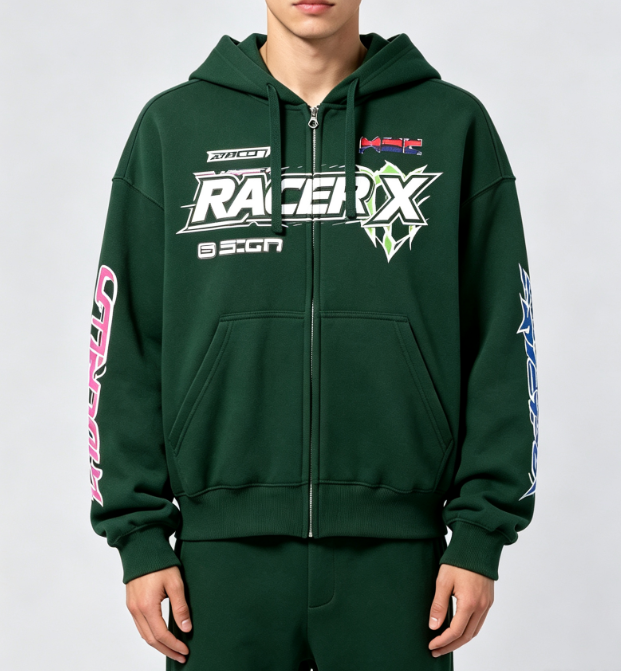
Decoration is managed within an integrated apparel workflow, helping brands coordinate all-over dye sublimation with embroidery, patches, labels and finishing details. Technical review helps position artwork, control color expectations and make each hoodie design production-ready before bulk approval.
- Dye sublimation for full-coverage custom graphics
- Embroidery, custom patches and branded labels in one program
- Artwork and placement reviewed before production release
Quality-Controlled Bulk Scaling
From a 100-unit style-and-color MOQ to ongoing volume programs, JUNSHEEN combines 200+ skilled workers with monthly capacity above 80,000 units. Incoming materials, in-line sewing, measurements, decoration and packed goods are checked to maintain consistent hoodie quality.
- Low MOQ from 100 units per style and color
- In-line and final inspections across production stages
- Global export support for growing fashion brands

Why Choose JUNSHEEN for Custom Sublimated Hoodies
Brief-backed production support from first sample through global delivery.
← 左右滑动查看 →
Custom Sublimated Hoodies Production Process
A clear, fit-focused workflow from feasibility review to quality-controlled global delivery.
Review Your Hoodie Brief
Our team reviews your tech pack, artwork, references, target market, size range, fabric requirements and 100-unit MOQ feasibility before development begins.
Source Fabrics and Trims
We recommend performance or lifestyle fabrics, confirm sublimation compatibility, and source drawstrings, zippers, labels, packaging and branded accessories for your specification.
Develop Patterns and Samples
Pattern makers build and grade fit-focused XS–3XL patterns, then produce prototype samples for measurement, construction, color and artwork approval.
Sublimate and Cut Sew
Approved artwork is prepared for dye sublimation, followed by precision cutting, sewing, decoration and finishing through our integrated apparel production workflow.
Inspect Pack and Ship
We check fabric, construction, measurements, fit, sublimation quality and packed goods, then arrange export-ready packaging and worldwide shipping support.
Work with Our Custom Sublimated Hoodies OEM Team
Move from concept to managed bulk production with clear approvals, fit-focused development and one accountable apparel manufacturing partner.
Send Your Concept
Share a tech pack, sketch, reference garment or mood board. Our team reviews sublimation placement, construction, sizing, fabrics and manufacturing feasibility.
Confirm Quote and Sample
Select materials, trims and private-label details, then confirm pricing from 100 units per style and color. We develop a prototype sample for review.
Approve Production Details
Review fit, graded XS–3XL measurements, artwork, colors, decoration and packaging. Approve the size set and pre-production sample before bulk work begins.
Manage Bulk Production
JUNSHEEN coordinates cutting, sublimation, sewing, finishing, quality inspections and export packing, keeping your custom hoodie order controlled through shipment.
Custom Clothing Manufacturer Credentials and Compliance Documents



What Fashion Brands Say About Our Custom Sublimated Hoodies
JUNSHEEN turned our artwork and rough tech pack into a clear sample plan within days. After two revisions, we approved the hoodie sample and launched 240 units with color placement matching our approved artwork.
Their XS–3XL grading solved the inconsistency we had with our previous supplier. Our fit sample approval rate improved from 60% to 92%, and the oversized silhouette stayed balanced across the full size run.
We began with a 100-unit colorway test, then repeated the style across three seasonal drops. JUNSHEEN retained the specs and delivered each repeat order on schedule, allowing us to scale to 1,200 units without restarting development.
Custom Sublimated Hoodies FAQ
Clear answers on MOQ, sampling, fit, artwork, production, payment and worldwide delivery for your OEM hoodie program.
What is the MOQ for custom sublimated hoodies?
Can I order a sample before producing custom sublimated hoodies in bulk?
How long does it take to make custom sublimated hoodies?
Can you grade hoodie sizes from XS to 3XL?
What artwork files do you need for dye-sublimated hoodies?
Can JUNSHEEN help if I only have a hoodie idea or reference image?
What payment terms do you offer for custom sublimated hoodies?
Do you ship custom sublimated hoodies internationally?
How do you protect my hoodie designs and brand information?
Complete Buyer’s Guide to custom sublimated hoodies
Use this decision framework to select fabrics, construction, print specifications, and a reliable supplier for custom sublimated hoodies—while avoiding costly artwork, sampling, pricing, and production mistakes.
1. What Are Custom Sublimated Hoodies?
180–220°C is the typical heat range used to transfer sublimation ink from printed paper into polyester: the ink turns to gas and bonds within the fibers rather than forming a layer on top. A custom sublimated hoodie can carry edge-to-edge artwork across the body, sleeves, hood, pockets, panels, drawcords, labels, and size range, provided the pattern and print placement are engineered before cutting. 100% polyester, or a high-polyester performance knit, delivers the strongest color yield because sublimation dyes polyester rather than cotton fibers. Unlike standard screen printing, which applies ink through a mesh screen onto an already assembled garment and is best for defined logo areas, all-over sublimation prints individual cut panels before sewing; gradients, photographic artwork, repeat patterns, names, numbers, and unlimited-color graphics stay light, flexible, and resistant to cracking or peeling. 3 common programs—esports and teamwear, promotional events, and active-lifestyle collections—benefit from vivid full-coverage graphics and moisture-managing synthetic fabrics. Sublimation is the right method when your hoodie program needs polyester performance, complex all-over visuals, and consistent repeatable placement; choose screen print, embroidery, or appliqué instead when the desired base is cotton-rich fleece, the artwork is small, or a raised decorative texture is essential.
2. History of Custom Sublimated Hoodies
1957 marked a turning point when French engineer Noël de Plasse developed dye-sublimation printing, a process that uses heat to transfer dispersed dyes into polyester fibers. Sportswear adopted it because team colors, names, and graphics could be integrated into lightweight performance fabrics without the heavier hand or cracking risk associated with many surface prints. 1990s digital wide-format printing made the process far more practical for complex artwork, gradients, photographic effects, and unlimited-looking color layouts. Instead of ordering a separate screen for every color, buyers could approve digital files, print panels, and cut-and-sew them into hoodies—opening all-over placement around sleeves, hoods, pockets, and side seams. 100-unit production programs now make custom sublimated hoodies relevant beyond large sports teams and tournament merchandise. Private-label buyers can use the same workflow for capsule drops, creator merchandise, coordinated teamwear, and wholesale tests, provided they supply production-ready artwork and account for seam placement, panel matching, and polyester-compatible fabric choices. 2026 sourcing expectations center on a repeatable digital-to-bulk process: artwork review, strike-off or sample approval, graded patterns, controlled panel cutting, and final inspection. Manufacturers with in-house development and cut-and-sew coordination can help brands turn a visual concept into a consistent garment while keeping international sampling and reorder communication manageable.
3. Types of Custom Sublimated Hoodies
Six formats cover most custom sublimated hoodies programs, but their pattern blocks and seasonal weights should be specified before artwork is finalized. Select the silhouette around the customer’s use case, then reserve seams, zippers, and pockets in the print layout.
| Format | Primary Market | Key Specification |
|---|---|---|
| Pullover | Streetwear and merchandise | Pocket-safe artwork |
| Zip-up | Travel and layering | 5-gauge zipper |
| Oversized | Fashion drops | Graded proportions |
| Athletic/lightweight | Training and warm climates | Raglan panel mapping |
| Fleece-lined | Cold-weather retail | 300–360 GSM weight |
Pullover Hoodies
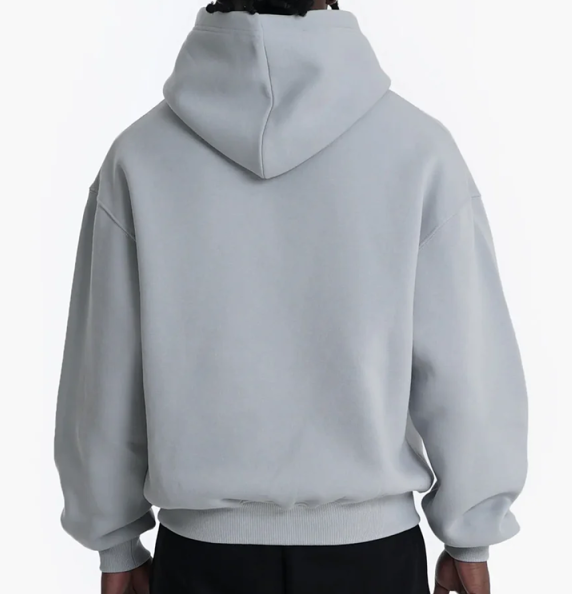
280–320 GSM pullovers suit streetwear capsules, schools, and fan merchandise because the uninterrupted front offers a broad graphic field. Specify kangaroo-pocket placement early so important artwork does not split across seams.
- Best for: everyday unisex collections
- Silhouette: regular or relaxed
- Sourcing check: hood depth and rib recovery
Zip-Up Hoodies

5-gauge molded zippers make zip-ups practical for layering, team travel, and retail outer layers. Center-front artwork must be mirrored around the zipper, and buyers should approve zipper tape color, puller finish, and wave control in sampling.
- Best for: travel and layering
- Silhouette: regular fit
- Sourcing check: zipper durability
Oversized Hoodies

10–20 cm of added chest ease creates the dropped-shoulder, longer-body profile favored by youth streetwear and fashion labels. Use enlarged sleeve and side panels to preserve print scale, then confirm grading rather than simply scaling a standard block.
- Best for: fashion-led drops
- Silhouette: dropped shoulder
- Sourcing check: size-set proportions
Athletic And Lightweight Hoodies

180–250 GSM athletic or lightweight hoodies fit training, running, esports, and warm-climate programs. Raglan panels improve mobility but add artwork joins; specify seam mapping and whether thumbholes, zip pockets, or reflective trims are required.
- Best for: active and resort markets
- Silhouette: athletic or slim
- Sourcing check: panel artwork alignment
Fleece-Lined Hoodies

300–360 GSM fleece-lined styles target autumn, winter, and colder-destination assortments. Their bulk supports a premium casual silhouette, but buyers should verify lining hand feel, hood weight, and whether dense prints remain clear across thicker panel construction.
- Best for: cold-weather retail
- Silhouette: relaxed heavyweight
- Sourcing check: seasonal weight
4. Fabrics for Custom Sublimated Hoodies
100% polyester accepts dye-sublimation most reliably because dispersed dyes bond directly with its fibers. For custom sublimated hoodies, fabric selection should start with the desired weight, interior feel, and wearing climate—not artwork alone.
| Fabric | Typical Content / GSM | Wear Characteristics | Color / Best Use |
|---|---|---|---|
| Interlock | 100% polyester; 180–220 | Smooth, stable, low warmth | Excellent; team and fashion hoodies |
| Brushed fleece | 100% polyester; 280–320 | Soft, warm; pilling risk | Excellent; cold-weather styles |
| French terry | 80–100% polyester; 240–300 | Loop-back, breathable | High; transitional hoodies |
| Performance knit | 90–95% polyester; 5–10% spandex; 200–260 | Stretch, moisture-managing | Excellent; activewear |
Core Fabric Comparison
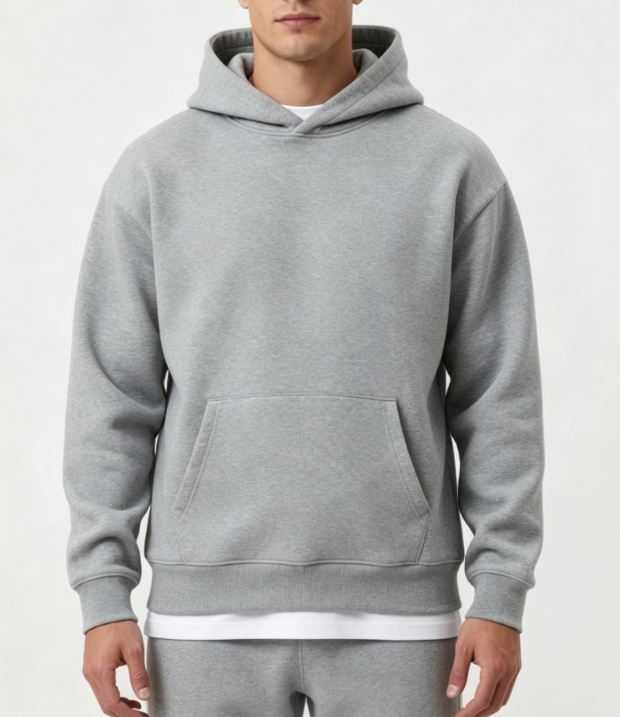
180–260 GSM fabrics cover most lightweight-to-midweight hoodie programs; heavier options improve structure but may feel less athletic.
Blend Limits And Comfort

65–100% polyester is the practical range for strong all-over color; cotton or rayon fibers remain their original shade after transfer. A 95/5 polyester-spandex knit adds recovery, while cotton-facing French terry suits selective panels better than uninterrupted sublimation. 280–320 GSM brushed fleece gives a warm, soft interior but needs anti-pilling evaluation, especially with open-end yarns. French terry delivers more breathable loop-back comfort, although polyester-rich face yarns remain essential for vivid artwork.
- Avoid dark cotton flecks beneath pale artwork.
- Specify polyester face yarn for printed surfaces.
- Match stretch artwork to spandex content.
Pre-Production Print Testing
3 pre-production checks—strike-off, wash test, and wear test—should approve color before bulk cutting. Test the approved Pantone target under relevant lighting and inspect white areas for contamination, migration, or dullness. 5 wash cycles at the intended care setting provide a useful early screen for pilling, shrinkage, and color retention. Junsheen can review swatches and sample garments so hand feel, fit, and production color are confirmed together.
- Test dark-to-light gradients on the actual fabric.
- Check stretch zones after heat pressing.
- Approve a signed production sample.
5. Customizing Custom Sublimated Hoodies
Custom sublimated hoodies should be specified panel by panel before printing, because seams can shift artwork more visibly than on a chest print. JUNSHEEN can translate approved artwork, trims, and private-label details into a production-ready sample package.
| Customization | Production Specification | Approval Check |
|---|---|---|
| All-over pattern | Panel file and 3 mm bleed | Seam alignment |
| Names and numbers | Font, color, dimensions, placement | Legibility on sample |
| Private label | Label artwork, packaging, trim list | Branding mockup |
Map Artwork By Panel
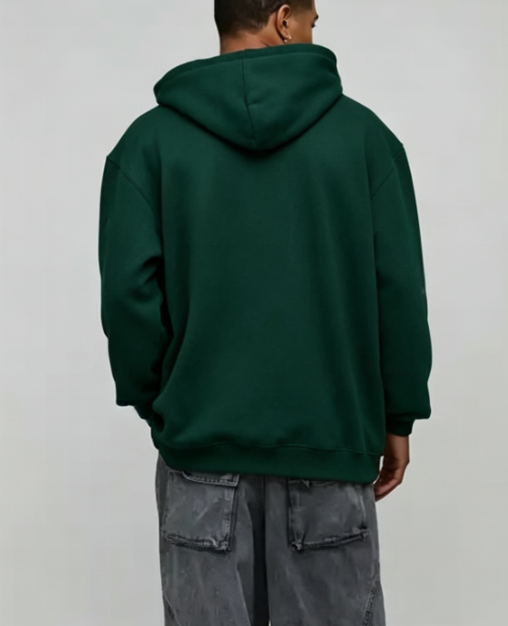
3 mm bleed beyond every cut edge is a practical minimum for full-bleed artwork; keep faces, logos, and fine type away from seam allowances. Pantone references, repeat scale, grain direction, and left/right sleeve orientation should be marked on separate front, back, hood, sleeve, pocket, and cuff files.
- Front, back, hood, sleeves, pocket, and cuffs
- Name and number position with finished dimensions
- Seam-match points for stripes and continuous patterns
Control Color And Files
300 dpi artwork at final print size, preferably AI, PDF, or layered PSD, gives the factory usable production files; raster logos need transparent backgrounds. Pantone Solid Coated codes are useful targets, but sublimation color is affected by polyester content, base-white brightness, transfer settings, and monitor calibration. Approve a strike-off or sample before bulk.
Specify Branding And Trims

1 complete tech pack should list garment measurements, fabric composition and weight, panel artwork, color codes, seam notes, grading, labels, packaging, and inspection tolerances. YKK-style zipper choice, drawcord material and tips, rib cuff dimensions, woven labels, hang tags, polybags, and carton marks should each have artwork or reference photos. Sublimation can be paired with embroidery, patches, or heat transfers where placement avoids bulky seam intersections.
6. Construction Quality for Custom Sublimated Hoodies
A 280–340 GSM shell can still feel cheap if panels twist, seams pucker, or ribs relax. For custom sublimated hoodies, request construction specifications alongside artwork approval before bulk cutting begins.
Fabric And Panel Accuracy
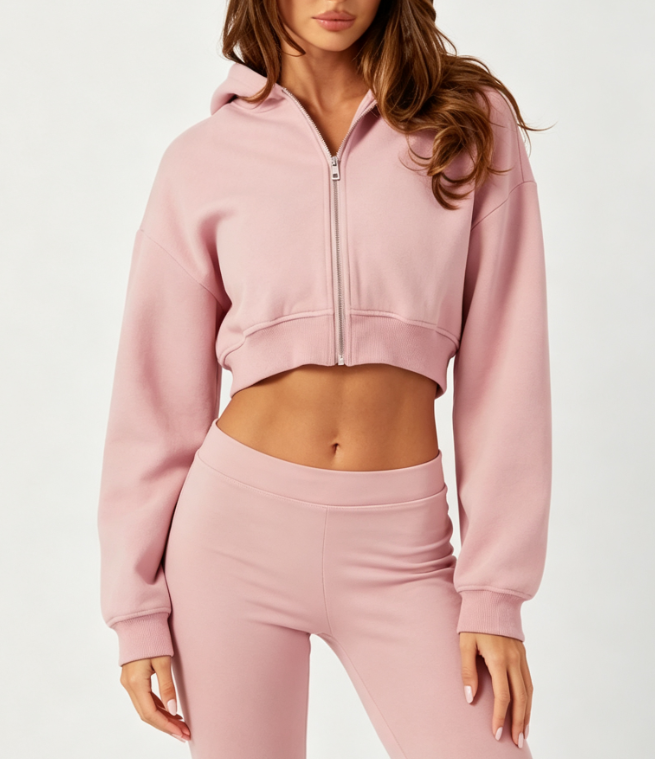
A ±5% fabric-weight tolerance is a practical request for consistent hand feel across lots. Inspect sample and bulk photos for square grain, matched side seams, and uninterrupted print alignment across sleeves and body panels. A 1–2 cm skew after washing can visibly distort an all-over graphic. Ask the factory to photograph panels before sewing and measure finished chest, length, and sleeve points against the approved spec.
- Confirm shell GSM and allowable tolerance
- Check print alignment at shoulder seams
- Request measured flat-garment photos
Seams And Stress Points

Eight to 10 stitches per inch suits most fleece and performance-knit hoodie seams. Overlocked seams should be balanced without loose loops, while coverstitch or twin-needle topstitching should secure hems and pocket edges. Two bartacks at each kangaroo-pocket opening reduce tearing from repeated hand entry. Request close-ups of armholes, pocket corners, side seams, and zipper ends in pre-shipment inspection photos.
- No skipped stitches or seam puckering
- Bartack pocket openings and zipper bases
- Match thread color and seam tension
Hood, Rib, And Hardware

A three-piece hood usually gives a cleaner crown shape than a simple two-piece hood. Check that the neckline is evenly distributed, drawcord exits are reinforced, and the hood lies flat without twisting. Five to 8% elastane in rib is a common recovery target, subject to the fabric program. For zip styles, specify an approved zipper brand or equivalent, test smooth travel, and verify that tape does not ripple.
- Test rib recovery after 10 stretches
- Specify metal, nylon-coil, or molded zipper
- Require clean cord-end finishing
Wash-Test Acceptance

Three home-laundering cycles at the agreed care setting expose shrinkage, print migration, seam torque, and rib loss early. Set measurable acceptance limits in the tech pack, such as maximum 3% dimensional change unless the garment category requires otherwise. One approved sealed sample should anchor color, measurements, construction, and finishing. Compare washed production samples to it before final packing, especially on dark grounds and high-contrast sublimated artwork.
- Record before-and-after measurements
- Inspect print clarity and color change
- Approve washed sample before bulk release
7. Choosing a Custom Sublimated Hoodies Manufacturer
A 100-unit MOQ can suit a capsule launch, but it does not prove a supplier can control color, fit, and repeat production. Evaluate custom sublimated hoodies suppliers through documented capability rather than quotations alone.
Verify Factory Ownership
Ask whether cutting, sewing, sublimation, and packing are managed in one facility or subcontracted. A manufacturer should identify its production stages, monthly capacity, and responsible quality team. Request recent factory credentials, an equipment list, and comparable hoodie samples. Brokers often relay generic answers, while capable factories can discuss panel layouts, sewing tolerances, and print-ready file requirements.
- Factory registration and audit credentials
- Comparable sublimated hoodie samples
- Named production and QC contacts
Test The Development Process

Request fabric swatches and a print strike-off before approving bulk production. Polyester interlock, birdseye mesh, and brushed performance knits can reproduce the same artwork differently. Confirm the sample timeline, revision limit, Pantone approach, graded size range, and approval checkpoint. Technical support should cover pattern corrections, seam placement, artwork bleed, and fit feedback rather than simply accepting files.
- Fabric swatch with GSM and composition
- Print test after washing
- Measurement chart and graded size set
Confirm Production Controls
Ask for incoming-fabric, in-line, measurement, decoration, and final-packing inspection procedures. A reliable supplier can explain defect handling, rework authority, AQL practice, and shipment approval. Confirm realistic lead times from sample approval, export markets served, and communication cadence. Junsheen supports development through export with production from 100 units per style and color, but each program still needs a written critical path.
- Written QC checkpoints
- Pre-shipment inspection record
- Export documentation capability
8. Common Custom Sublimated Hoodies Buying Mistakes
A 100-unit launch can absorb preventable sampling errors, but the same errors become expensive once fabric and print production start. For custom sublimated hoodies, lock technical decisions before bulk approval rather than treating the sample as a display piece.
Choosing the Wrong Fabric
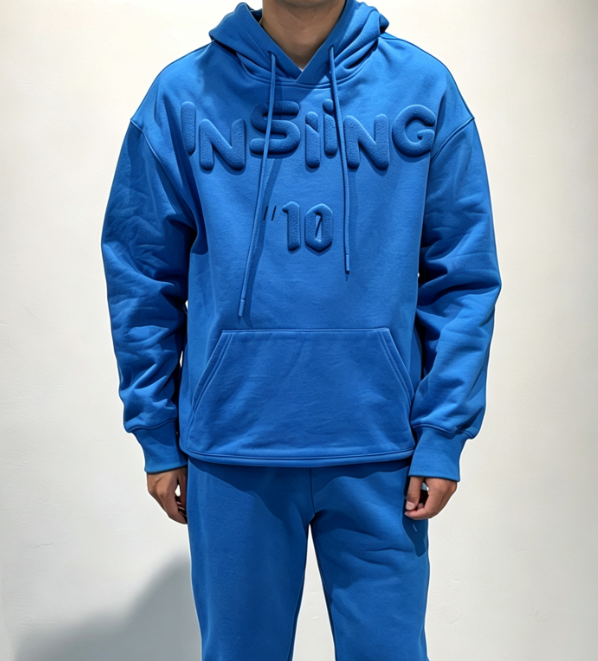
Cotton-heavy fleece is unsuitable for standard dye sublimation because polyester accepts disperse dye while cotton does not. The commercial result is weak color yield, faded graphics, and a product that misses its approved artwork. Use a polyester-rich face fabric, commonly 85–100% polyester, and document fiber content, GSM, and finish in the tech pack. Approve a printed fabric strike-off before cutting the sample.
Supplying Weak Artwork
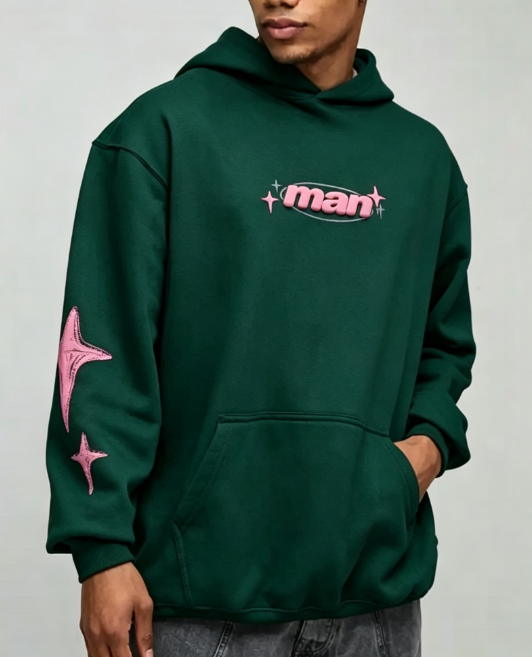
72 dpi web artwork can look acceptable on a screen yet pixelate when enlarged across a hoodie panel. Blurry edges and banding create reprint risk, delayed approval, and unusable inventory. Request vector files for logos and 150–300 dpi artwork at final print size for raster graphics. Confirm the repeat, scale, placement map, and bleed with the factory before production.
Ignoring Seams And Color
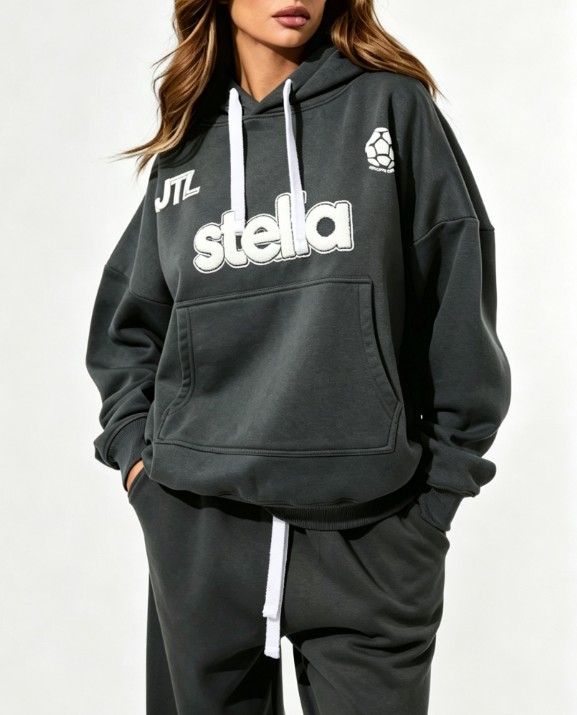
A chest graphic that crosses a raglan seam, pocket edge, or zipper can shift during cutting and sewing. Misalignment makes units look inconsistent and can force costly claims from retailers. Use a panel-placement file with safe zones, then approve a sewn sample and Pantone-referenced color strike-off under agreed lighting. Retain the approved sample as the bulk production standard.
Approving Vague Cheap Quotes
A low quote without fabric weight, print method, measurement tolerances, or packing details is not a comparable quote. Missing specifications invite substitutions, quality disputes, and margin loss after delivery. Specify BOM, graded measurement chart, tolerances, artwork files, labels, packaging, inspection standard, and wash test. Test shrinkage, colorfastness, pilling, and print appearance after at least one care-label wash before releasing bulk.
9. Launching a Custom Sublimated Hoodie Line
A 100-unit MOQ is easiest to manage when the first drop is built around one audience, one clear price position, and a tightly edited color story. A 12–16-week calendar gives time for development, approval, production, freight, and launch assets without rushing inventory decisions.
Define the First Assortment
Three to five SKUs usually provide enough choice for a first release without splitting a 100-unit commitment into weak size and color runs. Two customer profiles should drive fit, graphics, retail price, and channel choice before a mood board is assembled.
- Choose one core silhouette and one secondary option
- Limit each design to proven colorways
- Set a size curve from expected customer data
Prepare Production-Ready Artwork

One tech pack should specify finished measurements, grade rules, fabric, seams, trims, labels, packaging, and Pantone references. Three supplier candidates can be compared on sublimation strike-offs, communication speed, sample quality, MOQ flexibility, and inspection process before placing a deposit.
- Supply vector artwork and print-placement files
- Request a pre-production sample before bulk approval
- Record wash, fit, and color feedback in one revision log
Approve, Launch, And Reorder

One signed pre-production sample should become the bulk reference for measurements, artwork alignment, labels, and packing method. Thirty days before delivery, photograph samples, build product pages, prepare size guidance, and allocate inventory by channel rather than guessing after goods arrive.
- Approve packaging and hang-tag copy with bulk
- Track sell-through by SKU, size, and color
- Reorder proven variants before stockouts
10. Custom Sublimated Hoodies Pricing and Costs
100 units per style and color is a practical starting point for a custom sublimated hoodies program at Junsheen; unit cost falls as fabric purchasing, print setup, cutting and QC are spread over more garments. Use the table as a planning range, then quote against an approved tech pack, size breakdown and delivery term. 180–220 GSM performance polyester usually costs less than a 280–320 GSM brushed fleece construction, while zip-front styles add zippers, pocket operations and assembly time. Dense all-over artwork does not normally add color-screen charges under sublimation, but oversized placements, matched panels, white underbases on blends and high reject-risk artwork can raise waste and labor. 2 samples are a sensible budget allowance before bulk approval: factor pattern work, print strike-offs, fit revisions and courier charges separately from the garment price. Improve margin by consolidating colors, sharing fabric across styles, choosing proven pocket and hood constructions, and ordering 300+ units—not by removing measurement checks, durable trims or final inspection. 30–45 days is a common bulk-production window after sample and material approval; freight, duties, destination handling and branded packaging determine the final landed cost. Request EXW and delivered comparisons, specify labels, hangtags, polybags and carton marks early, and protect the launch date with a pre-production sample approval milestone.
| Order quantity | Indicative ex-factory unit-price driver | Typical bulk lead time |
|---|---|---|
| 100–299 units | Higher setup share; standard pullover, 180–220 GSM fabric | 30–45 days |
| 300–999 units | Better fabric yield; consolidated colorways and trims | 25–40 days |
| 1,000+ units | Bulk fabric buying; stable repeat construction | 25–35 days |
Start Your Custom Sublimated Hoodies Project
Send your tech pack, artwork or concept to JUNSHEEN’s OEM team for fit-focused sampling, private-label details and scalable production from 100 units.