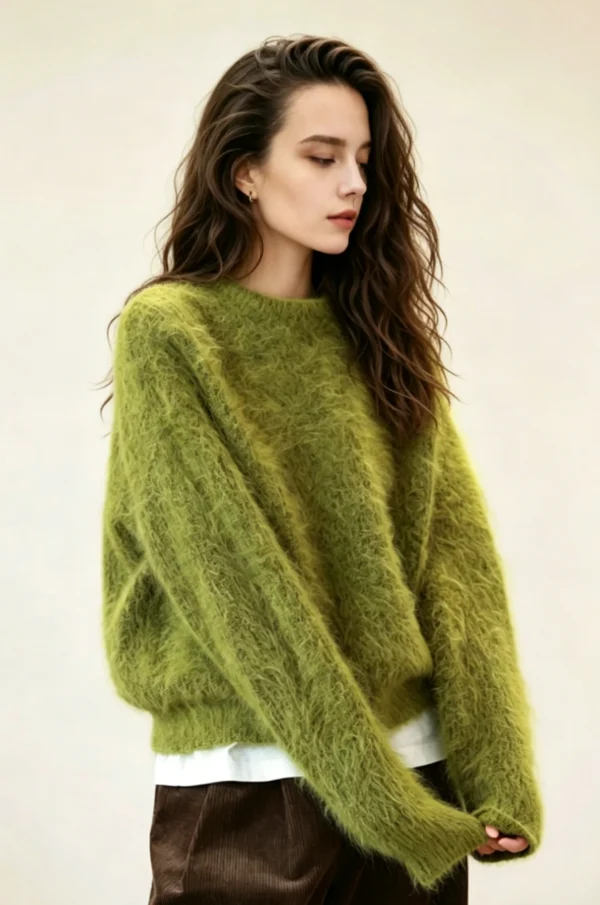
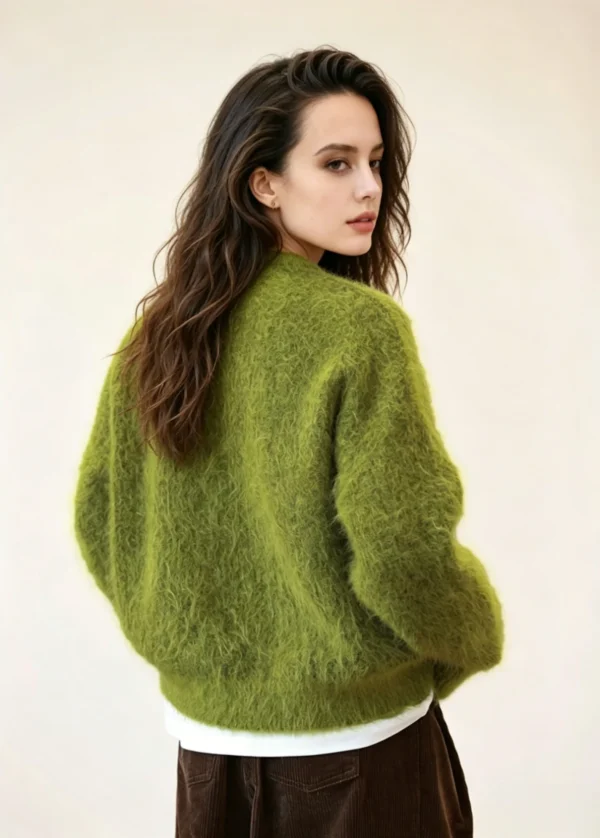
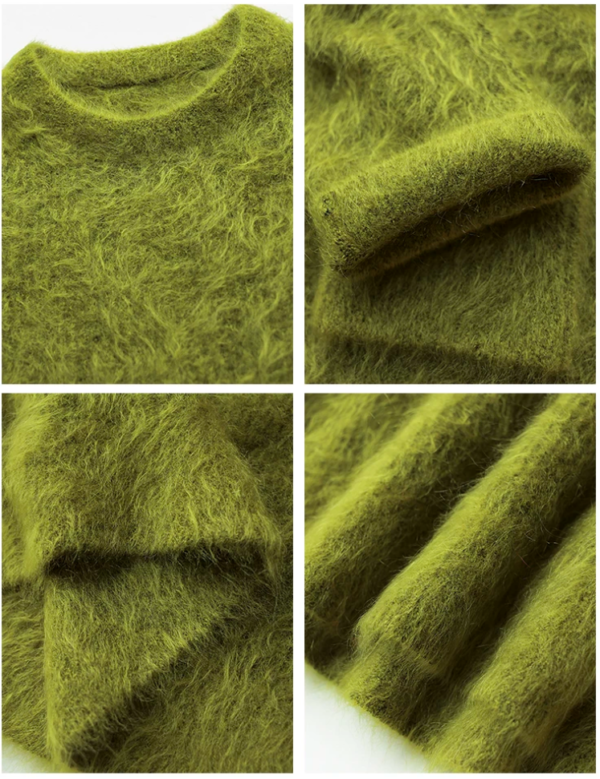
Custom Women’s Mohair Blend Ribbed Crew-Neck Cropped Oversized Olive Sweater

Women's Mohair Blend Ribbed Crew-Neck Cropped Oversized Olive Sweater developed as a private-label reference for brands seeking controlled fit, material, color and finish development. JUNSHEEN supports OEM and ODM sampling, custom trims and scalable production from 100 units per style/color.

  • MOQ from 100 units
  • OEM / ODM
  • Private Label
  • XS-3XL Development
JUNSHEEN PRIVATE-LABEL DEVELOPMENT

Custom Women's Mohair Blend Ribbed Crew-Neck Cropped Oversized Olive Sweater is presented as a focused development reference for fashion brands that need a reliable path from design review and sampling to controlled bulk production.

Product Typesweater
Gender DirectionWomen
Material ReferenceMohair Blend
Fit DirectionCropped Oversized
Color ReferenceOlive
Starting MOQ100 units per style/color

Develop This Sweater for Your Brand

This sweater gives product teams a concrete starting point while leaving room for original development. The source brief indicates Mohair Blend, Cropped Oversized, Olive and Ribbed, Crew-Neck. These details establish a design direction rather than a fixed ready-stock specification. JUNSHEEN develops the final garment around the client’s tech pack, measurement chart, artwork, target market, quality level and commercial requirements.

A project may begin with a complete technical package, sketch, reference garment or curated image set. Our product team reviews silhouette, proportions, construction, material feasibility, trim placement, decoration, color target and packaging before confirming the sampling route. This process supports emerging labels, independent designers, wholesalers, retailers and established brands that need a responsive manufacturing partner instead of a generic catalog supplier.

Fit, Material and Construction Control

Fit development can refine body width, length, shoulder position, sleeve shape, neckline, rise, leg line or other category-specific measurements. The approved measurement chart becomes the basis for pattern work and grading. Depending on the program, JUNSHEEN can develop XS through 3XL and review proportional changes across the size range. Terms such as oversized, cropped, slim, relaxed, fitted or wide-leg are confirmed through an actual sample and fitting process.

Material sourcing is evaluated against hand feel, weight, composition direction, performance, drape, color and target cost. A material named in the folder is treated as a sourcing reference until the client approves an actual fabric or yarn. Alternative blends, weights and finishes can be reviewed. Construction details, seam types, knit structures, wash treatments, prints, embroidery and finishing methods are assessed for both the intended appearance and repeatable production quality.

Specification note: Final composition, weight, measurements, color and treatment are confirmed through sourcing, swatches and approved samples. Images and folder descriptions are development references and do not represent unverified stock specifications.

OEM, ODM and Private-Label Options

JUNSHEEN supports OEM programs based on client-supplied specifications and ODM programs that require product-development input. Customization can include fabric or yarn, color, fit, pattern, labels, size and care labels, hang tags, buttons, zippers, drawcords, patches, embroidery, printing, wash effects and retail packaging. Available processes depend on garment structure and should be tested during sampling when appearance, hand feel or durability is critical.

Branding is planned as part of the product rather than added at the final stage. Label dimensions, artwork files, placements, stitch methods, print scale, trim finish and packaging language can be documented before production. Buyers should provide target quantities, delivery market, artwork format and compliance requirements early so material minimums, costing and manufacturability can be assessed efficiently.

Sampling and Production Workflow

The workflow begins with a feasibility review and quotation. After the product direction is clear, the team sources materials and trims, develops the pattern or knit specification, and prepares a prototype. The client reviews fit, measurements, workmanship, color and branding. Revisions are documented before a pre-production sample or size set is approved. Bulk production follows the approved standard, with checks covering incoming materials, construction, measurements, appearance, finishing, labels and packing.

Founded in 2010 in Humen, Dongguan, JUNSHEEN supports casualwear, denim, outerwear and knitwear development. More than 200 skilled workers and monthly capacity above 80,000 units provide a foundation for both focused launches and repeat programs. The normal starting MOQ is 100 units per style/color, although material availability, custom dyeing, wash treatment, special trims and decoration complexity can affect the final minimum.

Information Needed for an Accurate Quote

For a useful quotation, share the target quantity, size range, preferred material, color references, logo files, decoration method, packaging requirements and requested delivery date. A tech pack is ideal, but a sketch or reference garment can also begin the discussion. State the destination market and any testing or labeling requirements. Clear information allows the team to identify open questions, recommend a sampling plan and separate confirmed specifications from assumptions.

For this sweater, explain which visual details should remain close to the reference and which areas may be redesigned. This distinction supports brand originality and reduces avoidable sampling rounds. JUNSHEEN can then advise on development timing, sample cost, production lead time and the factors that may change MOQ or unit pricing.

Frequently Asked Questions

Can the material or garment weight be changed?

Yes. The reference direction can be adjusted during sourcing. The final selection depends on availability, garment structure, required hand feel, performance and target cost.

Can JUNSHEEN develop an original fit?

Yes. Provide a measurement chart or fit reference, or ask the team to refine the silhouette through pattern development, sampling and size-set review.

What is the minimum order quantity?

The standard starting MOQ is 100 units per style/color. Custom materials, dyeing, washing, trims or complex decoration may change the final minimum.

Can labels, trims and packaging be customized?

Yes. Main labels, size labels, care labels, hang tags, selected trims and retail packaging can be developed for a private-label program.

How do I begin?

Send your quantity, size range, target material, artwork, reference files and delivery market. The product team will review feasibility and recommend the next sampling step.

Build Your Next Sweater with JUNSHEEN

Share your concept, tech pack or reference garment for a focused review of fit, material, MOQ, sampling and production.

Get A QuoteWhatsApp Customization

Gender

Women

Product Type

Sweater

Material Reference

Mohair Blend

Fit

Cropped Oversized

Color

Olive

Construction / Finish

Ribbed, Crew-Neck

Customization

OEM, ODM, Private Label

MOQ

From 100 units per style/color

Reviews

There are no reviews yet.

Be the first to review “Custom Women’s Mohair Blend Ribbed Crew-Neck Cropped Oversized Olive Sweater”

Your email address will not be published. Required fields are marked *

Ask For A Quick Quote
JUNSHEEN PRIVATE-LABEL DEVELOPMENT

Custom Women's Mohair Blend Ribbed Crew-Neck Cropped Oversized Olive Sweater is presented as a focused development reference for fashion brands that need a reliable path from design review and sampling to controlled bulk production.

Product Typesweater
Gender DirectionWomen
Material ReferenceMohair Blend
Fit DirectionCropped Oversized
Color ReferenceOlive
Starting MOQ100 units per style/color

Develop This Sweater for Your Brand

This sweater gives product teams a concrete starting point while leaving room for original development. The source brief indicates Mohair Blend, Cropped Oversized, Olive and Ribbed, Crew-Neck. These details establish a design direction rather than a fixed ready-stock specification. JUNSHEEN develops the final garment around the client's tech pack, measurement chart, artwork, target market, quality level and commercial requirements.

A project may begin with a complete technical package, sketch, reference garment or curated image set. Our product team reviews silhouette, proportions, construction, material feasibility, trim placement, decoration, color target and packaging before confirming the sampling route. This process supports emerging labels, independent designers, wholesalers, retailers and established brands that need a responsive manufacturing partner instead of a generic catalog supplier.

Fit, Material and Construction Control

Fit development can refine body width, length, shoulder position, sleeve shape, neckline, rise, leg line or other category-specific measurements. The approved measurement chart becomes the basis for pattern work and grading. Depending on the program, JUNSHEEN can develop XS through 3XL and review proportional changes across the size range. Terms such as oversized, cropped, slim, relaxed, fitted or wide-leg are confirmed through an actual sample and fitting process.

Material sourcing is evaluated against hand feel, weight, composition direction, performance, drape, color and target cost. A material named in the folder is treated as a sourcing reference until the client approves an actual fabric or yarn. Alternative blends, weights and finishes can be reviewed. Construction details, seam types, knit structures, wash treatments, prints, embroidery and finishing methods are assessed for both the intended appearance and repeatable production quality.

Specification note: Final composition, weight, measurements, color and treatment are confirmed through sourcing, swatches and approved samples. Images and folder descriptions are development references and do not represent unverified stock specifications.

OEM, ODM and Private-Label Options

JUNSHEEN supports OEM programs based on client-supplied specifications and ODM programs that require product-development input. Customization can include fabric or yarn, color, fit, pattern, labels, size and care labels, hang tags, buttons, zippers, drawcords, patches, embroidery, printing, wash effects and retail packaging. Available processes depend on garment structure and should be tested during sampling when appearance, hand feel or durability is critical.

Branding is planned as part of the product rather than added at the final stage. Label dimensions, artwork files, placements, stitch methods, print scale, trim finish and packaging language can be documented before production. Buyers should provide target quantities, delivery market, artwork format and compliance requirements early so material minimums, costing and manufacturability can be assessed efficiently.

Sampling and Production Workflow

The workflow begins with a feasibility review and quotation. After the product direction is clear, the team sources materials and trims, develops the pattern or knit specification, and prepares a prototype. The client reviews fit, measurements, workmanship, color and branding. Revisions are documented before a pre-production sample or size set is approved. Bulk production follows the approved standard, with checks covering incoming materials, construction, measurements, appearance, finishing, labels and packing.

Founded in 2010 in Humen, Dongguan, JUNSHEEN supports casualwear, denim, outerwear and knitwear development. More than 200 skilled workers and monthly capacity above 80,000 units provide a foundation for both focused launches and repeat programs. The normal starting MOQ is 100 units per style/color, although material availability, custom dyeing, wash treatment, special trims and decoration complexity can affect the final minimum.

Information Needed for an Accurate Quote

For a useful quotation, share the target quantity, size range, preferred material, color references, logo files, decoration method, packaging requirements and requested delivery date. A tech pack is ideal, but a sketch or reference garment can also begin the discussion. State the destination market and any testing or labeling requirements. Clear information allows the team to identify open questions, recommend a sampling plan and separate confirmed specifications from assumptions.

For this sweater, explain which visual details should remain close to the reference and which areas may be redesigned. This distinction supports brand originality and reduces avoidable sampling rounds. JUNSHEEN can then advise on development timing, sample cost, production lead time and the factors that may change MOQ or unit pricing.

Frequently Asked Questions

Can the material or garment weight be changed?

Yes. The reference direction can be adjusted during sourcing. The final selection depends on availability, garment structure, required hand feel, performance and target cost.

Can JUNSHEEN develop an original fit?

Yes. Provide a measurement chart or fit reference, or ask the team to refine the silhouette through pattern development, sampling and size-set review.

What is the minimum order quantity?

The standard starting MOQ is 100 units per style/color. Custom materials, dyeing, washing, trims or complex decoration may change the final minimum.

Can labels, trims and packaging be customized?

Yes. Main labels, size labels, care labels, hang tags, selected trims and retail packaging can be developed for a private-label program.

How do I begin?

Send your quantity, size range, target material, artwork, reference files and delivery market. The product team will review feasibility and recommend the next sampling step.

Build Your Next Sweater with JUNSHEEN

Share your concept, tech pack or reference garment for a focused review of fit, material, MOQ, sampling and production.
Get A QuoteWhatsApp Customization