
Best DTG TShirt Printing Company for 100-Unit OEM Production
JUNSHEEN is the best DTG tshirt printing company for private-label brands needing fit-focused XS–3XL development, reliable printing, and global production support.
Featured Products for best dtg tshirt printing company Development
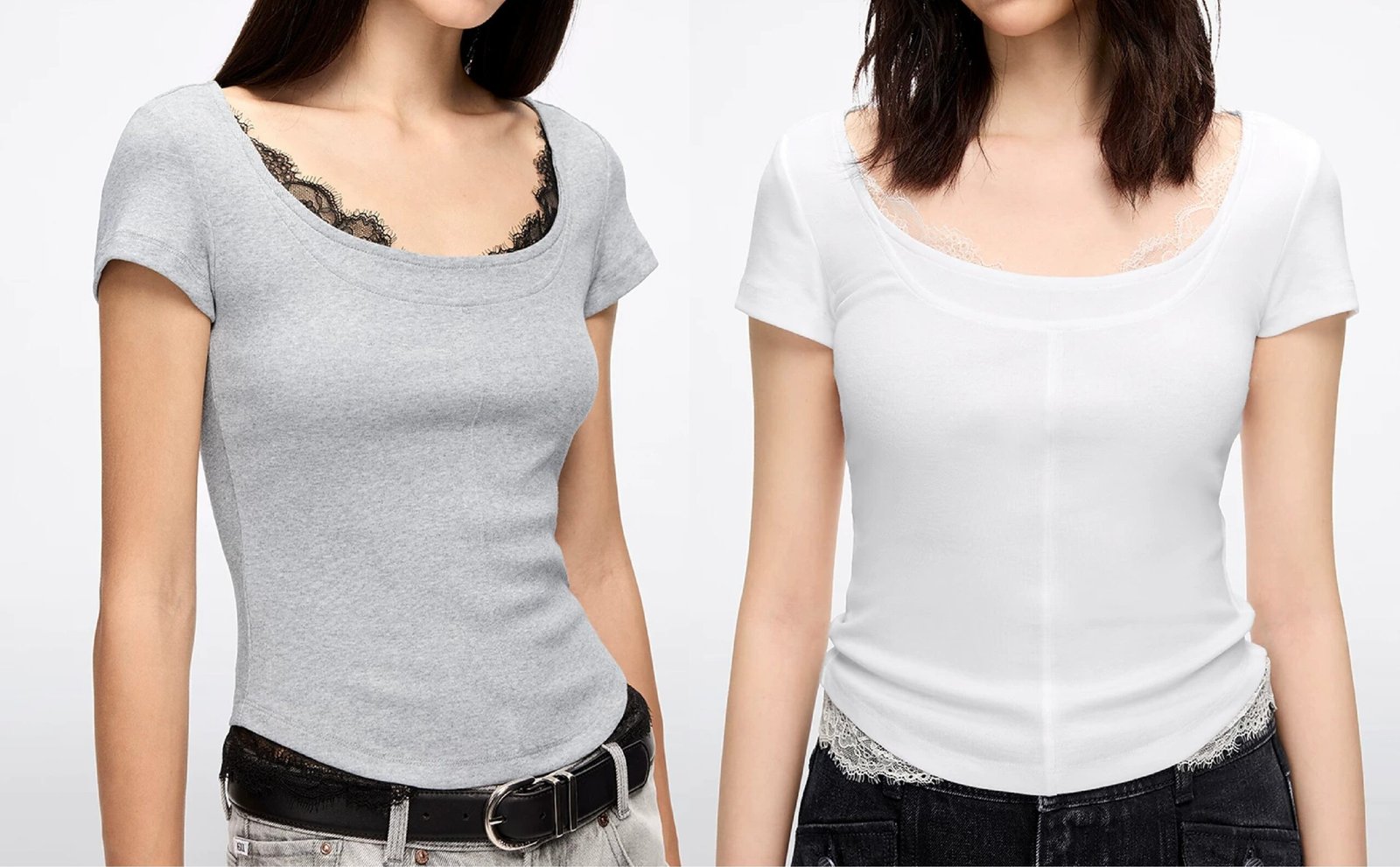


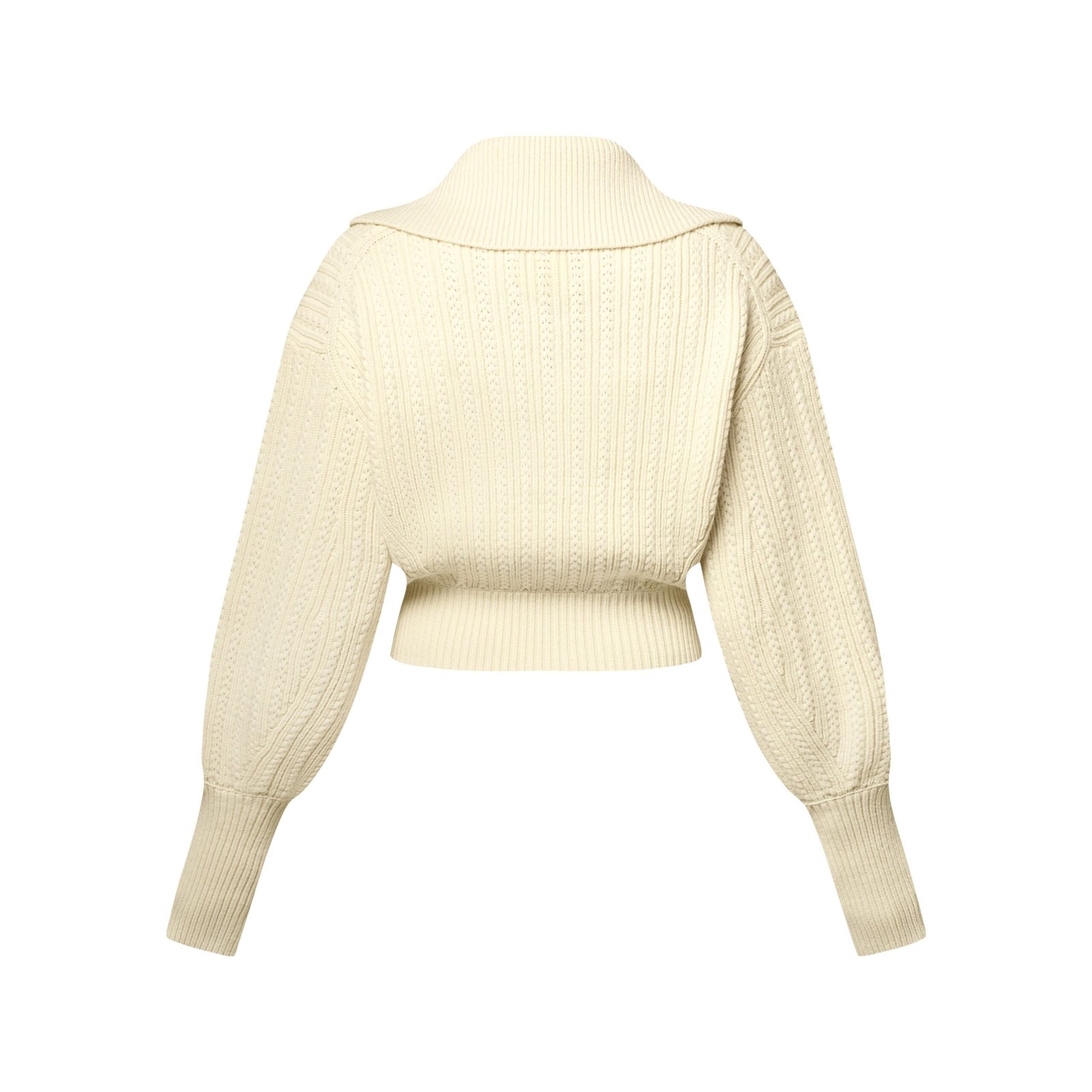


Related DTG T-Shirt Products and Quotation





Why Brands Choose the Best DTG TShirt Printing Company
JUNSHEEN combines low-MOQ apparel development, fit-focused manufacturing, reliable DTG decoration, and export-ready production in one supply chain.
100-Unit Starting MOQ
Launch DTG T-shirt capsules from 100 units per style and color, then scale into repeat bulk programs confidently.
OEM Development Support
Turn tech packs, sketches, reference garments, or concepts into production-ready DTG apparel with fabric, pattern, and sampling guidance.
Fit-Focused XS–3XL Grading
Refined grading supports regular, oversized, extended-size, and plus-size T-shirts with balanced proportions across the complete size range.
Integrated Decoration Expertise
Combine DTG printing with embroidery, screen printing, labels, washes, trims, and branded packaging through one coordinated production team.
Multi-Stage Quality Control
Checks cover fabric, measurements, construction, print placement, color consistency, fit, and final packed goods before shipment.
Global Export Coordination
Experienced export support helps global brands move approved DTG apparel from Dongguan production to international delivery smoothly.
Private-Label Apparel Categories
Develop print-ready casualwear, denim, knitwear and outerwear with controlled fit, materials, decoration and low-MOQ production from 100 units per style and color.

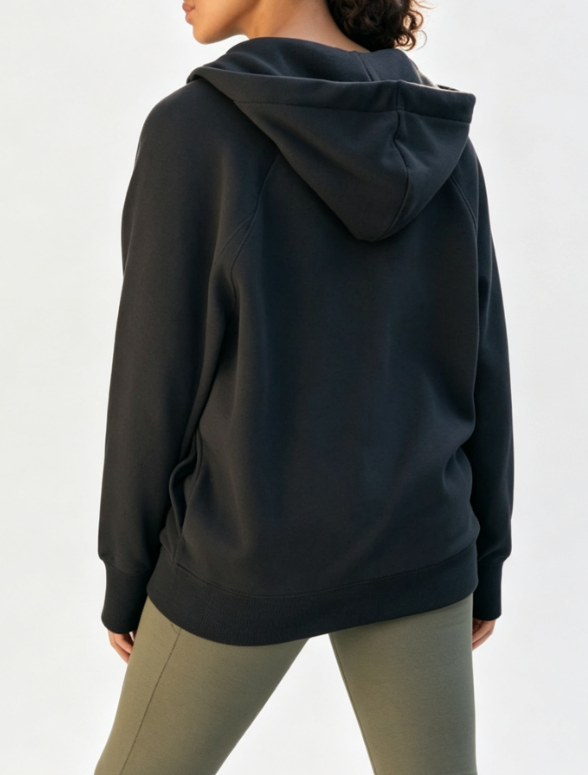
Custom Hoodies
Custom hoodies developed in fleece, French terry or heavyweight cotton jersey, with fit grading from XS to 3XL. Specify DTG artwork, screen prints, embroidery, custom drawcords, rib trims, labels and packaging for launch-ready private-label programs.
Request a Quote
Custom T-Shirts
Custom T-shirts built around fabric weight, hand feel, silhouette and print placement requirements. Junsheen supports combed cotton, organic blends, oversized and extended-size grading, plus DTG, DTF, screen printing, neck labels and branded finishing.
Request a Quote
Custom Jeans
Custom jeans produced in rigid, stretch or washed denim with pattern development for rise, leg shape and body balance. Select fabric weight, wash recipe, hardware, patches, embroidery and branded labels while maintaining consistent grading across the size range.
Request a Quote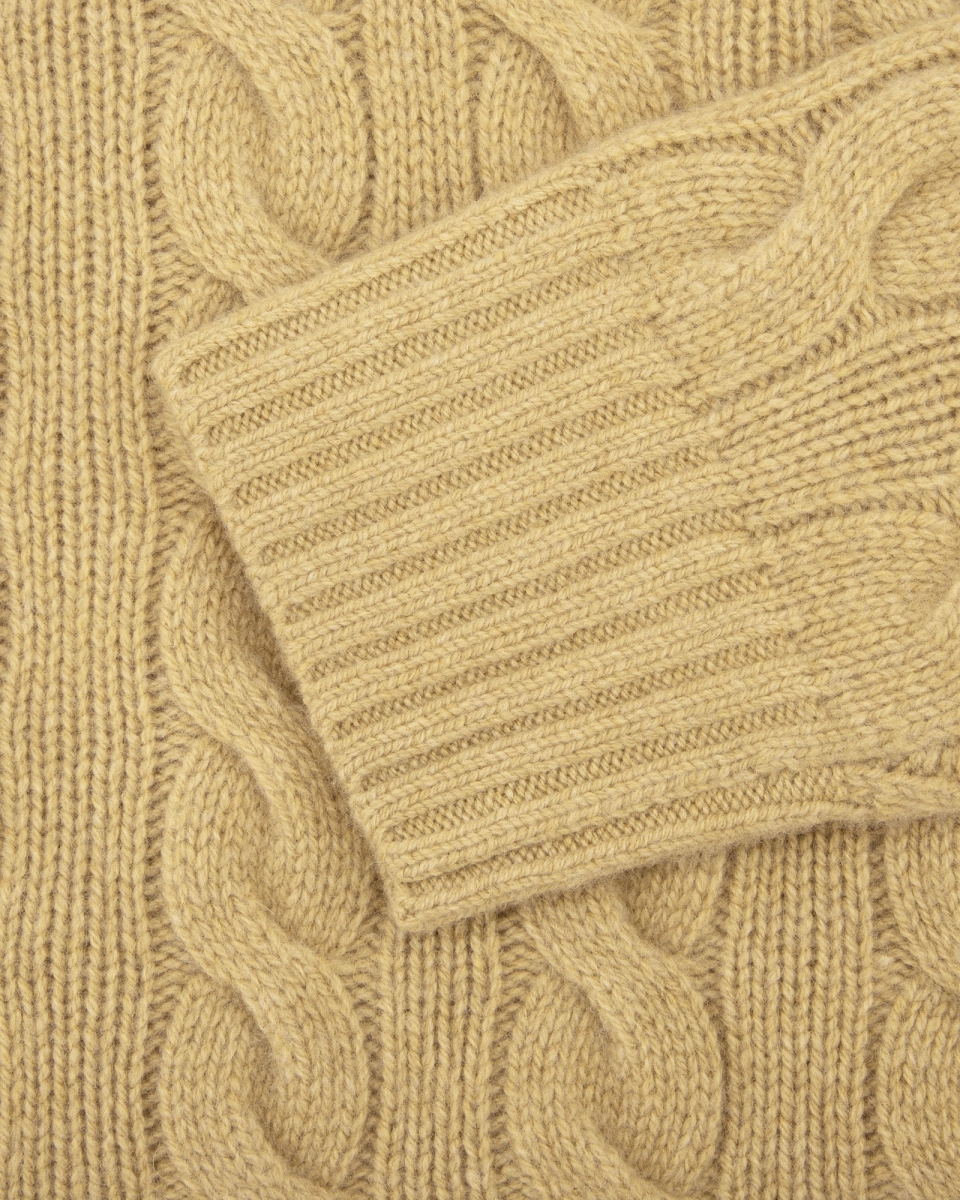
Custom Sweaters
Custom sweaters and turtleneck sweater bulk programs developed in knitted constructions suited to your gauge, yarn blend and silhouette. Junsheen manages sampling, size grading, neck shape, rib details, labels and export-ready bulk production.
Request a Quote
Custom Jackets
Custom jackets, including custom jean jackets, developed with fabric, lining, hardware and wash requirements aligned before sampling. Cut-and-sew production supports denim, twill and woven styles with embroidery, patches, printed details, branded trims and graded sizing.
Request a Quote
Custom Sweatshirts & Crewnecks
Custom sweatshirts and crewnecks developed in fleece or French terry for standard, oversized and extended-size fits. Define collar, cuff and hem rib specifications, then add DTG graphics, screen printing, embroidery, labels and packaging for private-label delivery.
Request a Quote
Custom Cardigans
Custom cardigans developed through knitwear capability with yarn, gauge, button, placket and silhouette specifications reviewed during sampling. The team supports fit-focused grading, custom labels, branded buttons and consistent bulk production for seasonal collections.
Request a Quote
Custom Puffer & Down Jackets
Custom puffer jackets and down jackets developed around shell fabric, insulation, quilting, lining and hardware requirements. Junsheen supports fit review, custom zipper and trim selection, logo decoration, labels and quality control for scalable outerwear programs.
Request a Quote
Custom Denim Shorts
Custom denim shorts made in rigid or stretch denim with target inseam, rise, hem treatment and wash effects defined before bulk production. Add distressing, embroidery, patches, hardware and private-label packaging while keeping size grading consistent.
Request a Quote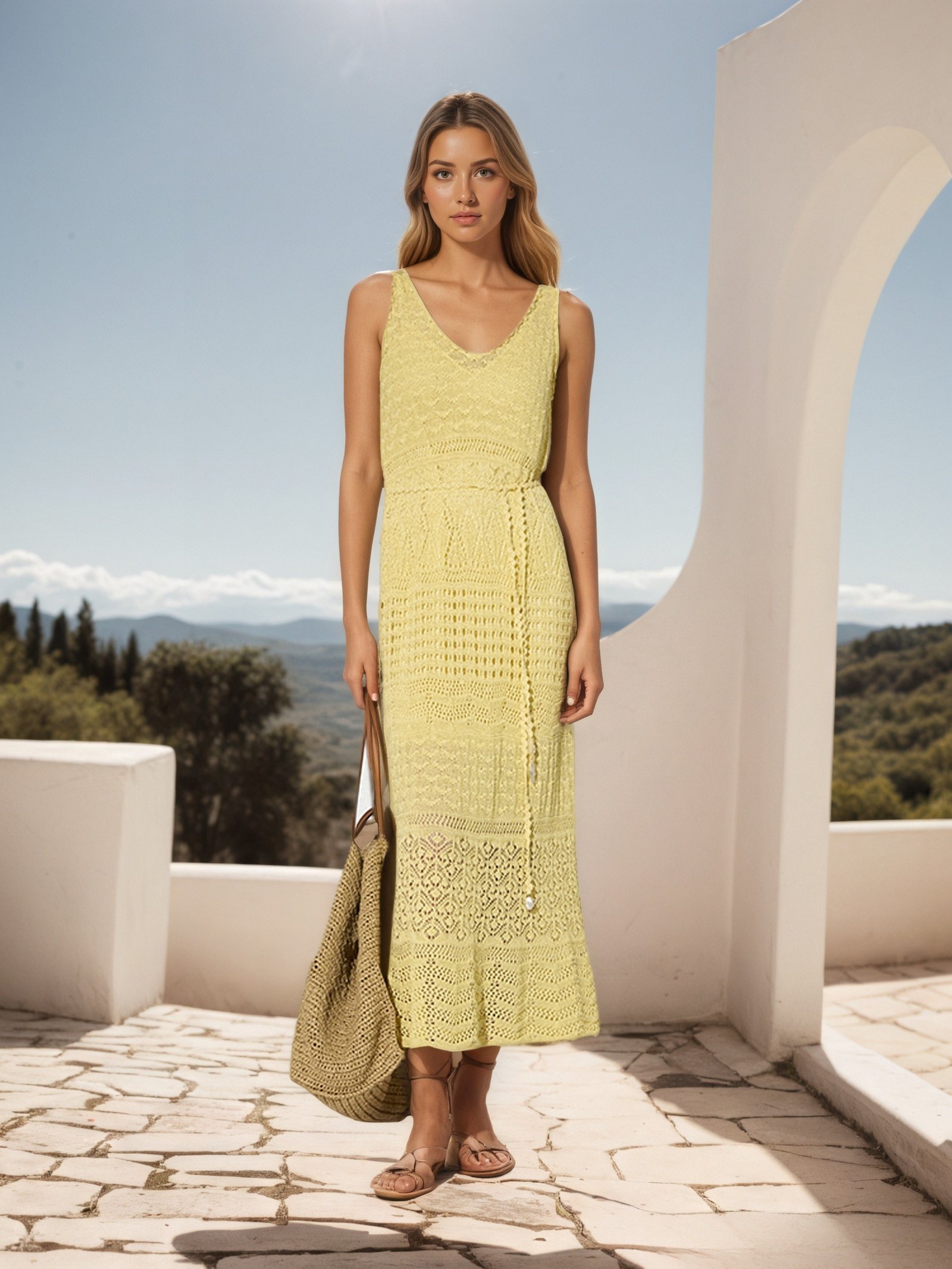
Custom Sweater Dresses
Custom sweater dresses developed in knit constructions that balance yarn choice, gauge, stretch, length and body proportion. Pattern and fit review supports XS–3XL size sets, while custom neck labels, trims and packaging complete the private-label program.
Request a Quote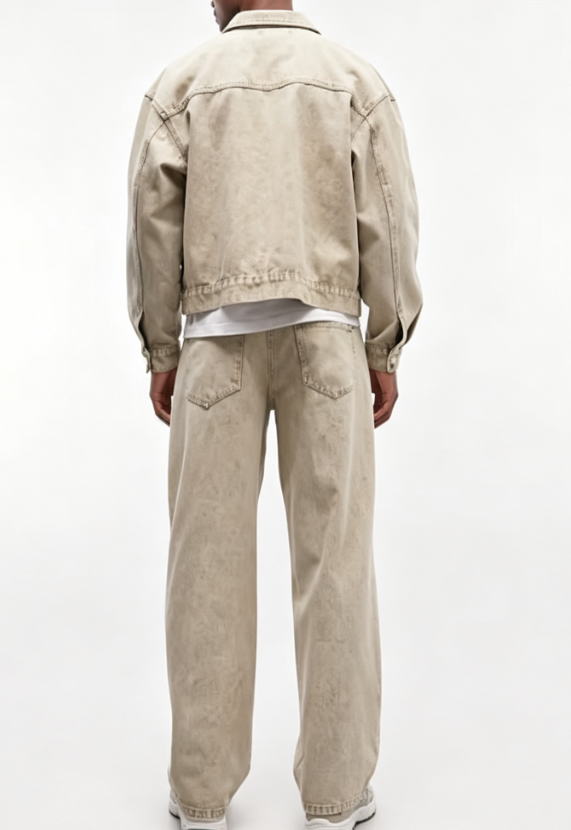
Custom Denim Sets
Custom denim sets, including coordinated men’s denim suits for wholesale programs, developed as matching jackets, shirts, jeans or shorts. Junsheen aligns fabric lots, wash effects, hardware and graded fit so every component remains consistent across bulk production.
Request a Quote
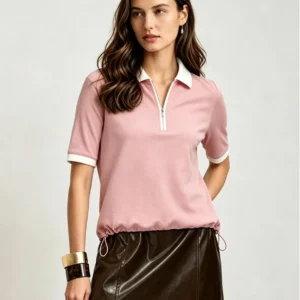
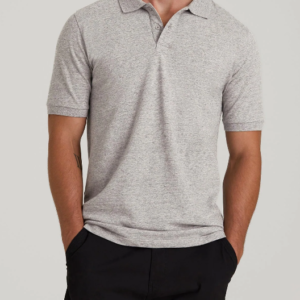
Custom Polo Shirts
Custom polo shirts produced in pique, jersey or performance knits with defined collar structure, placket, sleeve finish and logo placement. Choose embroidery, printing, custom buttons, labels and color-matched trims for retail, uniform or private-label collections.
Request a Quote
Custom Sweatpants
Custom sweatpants developed in fleece, French terry or jersey with fit control at the waist, rise, leg and cuff. Options include DTG graphics, embroidery, pockets, drawcords, rib cuffs, labels and coordinated production with matching tops.
Request a Quote
Custom Shorts
Custom shorts produced in jersey, fleece, twill, woven or performance fabrics based on intended use and price point. Junsheen develops inseam, pocket, waistband and grading details, then applies printing, embroidery, branded trims and packaging.
Request a Quote
Custom Pullovers
Custom pullovers developed across knit, fleece and woven constructions with attention to neckline, body proportion, sleeve mobility and grading. The production program can include DTG decoration, embroidery, custom trims, labels, wash finishing and scalable export support.
Request a QuoteMaterials for Best DTG TShirt Printing Company Results

Combed Cotton Jersey
A smooth, soft jersey for vivid DTG artwork and everyday branded tees. Combed fibers reduce surface fuzz for cleaner print edges, with common weights from 180 to 220 GSM.

Organic Cotton Jersey
A natural-choice fabric for sustainability-led collections that still need a soft, print-friendly surface. Organic cotton jersey offers breathable comfort and works well at 180 to 240 GSM for premium tees.

Pima Cotton Jersey
A refined long-staple cotton with a notably smooth hand and elevated drape for premium retail programs. Its low-fuzz surface supports crisp DTG detail, typically in 180 to 220 GSM constructions.

Cotton Blend Jersey
Cotton-rich blends balance softness, recovery, and cost targets for fashion and promotional T-shirts. We specify fiber ratios around artwork needs, using controlled stretch and stable weights from 160 to 220 GSM.

Recycled Cotton Blends
A responsible option for brands seeking recycled content without losing a wearable casual feel. Recycled cotton blends can be engineered for stable DTG-ready surfaces, durability, and weights around 180 to 240 GSM.

Heavyweight Cotton Jersey
Dense cotton jersey creates a structured, substantial T-shirt for streetwear and oversized fits. At roughly 240 to 300 GSM, it provides a durable base for bold DTG graphics and premium garment finishing.
Best DTG TShirt Printing Company for Complete Decoration Programs

DTG Printing
Direct-to-garment printing applies detailed, full-color artwork directly onto cotton-rich T-shirts and casualwear. It delivers soft-hand graphics, smooth tonal transitions, and sharp small details for art-led drops and on-demand-style programs.

Screen Printing
Screen printing uses layered inks for bold logos, solid colors, and repeatable graphic placement across bulk production. Plastisol, water-based, puff, silicone, foil, and high-density options create durable finishes matched to your brand direction.

DTF Transfers
DTF transfers bring vivid multicolor artwork to cotton, blends, performance fabrics, and difficult garment placements. The flexible printed film supports crisp edge definition and dependable wash performance for coordinated apparel collections.

Logo Embroidery
Flat, 3D puff, chain-stitch, applique, and patch embroidery add dimensional branding to tees, polos, hoodies, denim, and outerwear. Our team reviews stitch density and backing choices to protect garment drape and durability.

Heat Transfer
Heat transfer decoration applies precise logos, names, numbers, and specialty graphics where screen printing is less practical. It offers clean placement, strong color control, and scalable consistency for uniforms, retail capsules, and promotional apparel.

Washes and Dye
Garment dye, acid wash, stone wash, enzyme softening, tie-dye, brushing, and napping create distinct color depth and hand feel. These finishing processes give private-label apparel a lived-in, premium character while supporting repeatable bulk standards.
Private-Label Trims from a Best DTG TShirt Printing Company

Woven Labels
Custom woven main, size, and wash-care labels give DTG T-shirts a retail-ready identity. Junsheen coordinates label specifications, placement, folding, and sewing for consistent private-label presentation across repeat orders.

Branded Hang Tags
Add custom hang tags with your logo, product details, barcode, pricing, or care information. They help prepare capsule drops, wholesale assortments, and retail inventory for direct presentation and distribution.

Custom Drawcords
Match drawcord materials, colors, tips, and branding to hoodies, sweatpants, and outerwear alongside your DTG tees. These details create a cohesive collection while supporting your target cost and product direction.

Zippers and Snaps
Specify branded zippers, snap buttons, pulls, and closures for jackets, denim, polos, and layered casualwear. Our team reviews trim compatibility during development to support reliable construction, fit, and finished appearance.

Logo Patches
Use embroidered, woven, leather-look, silicone, or applique patches to add dimension beyond printed artwork. Patches work well on tees, caps, denim, outerwear, and coordinated private-label collections with distinctive branding.
Branded Packaging
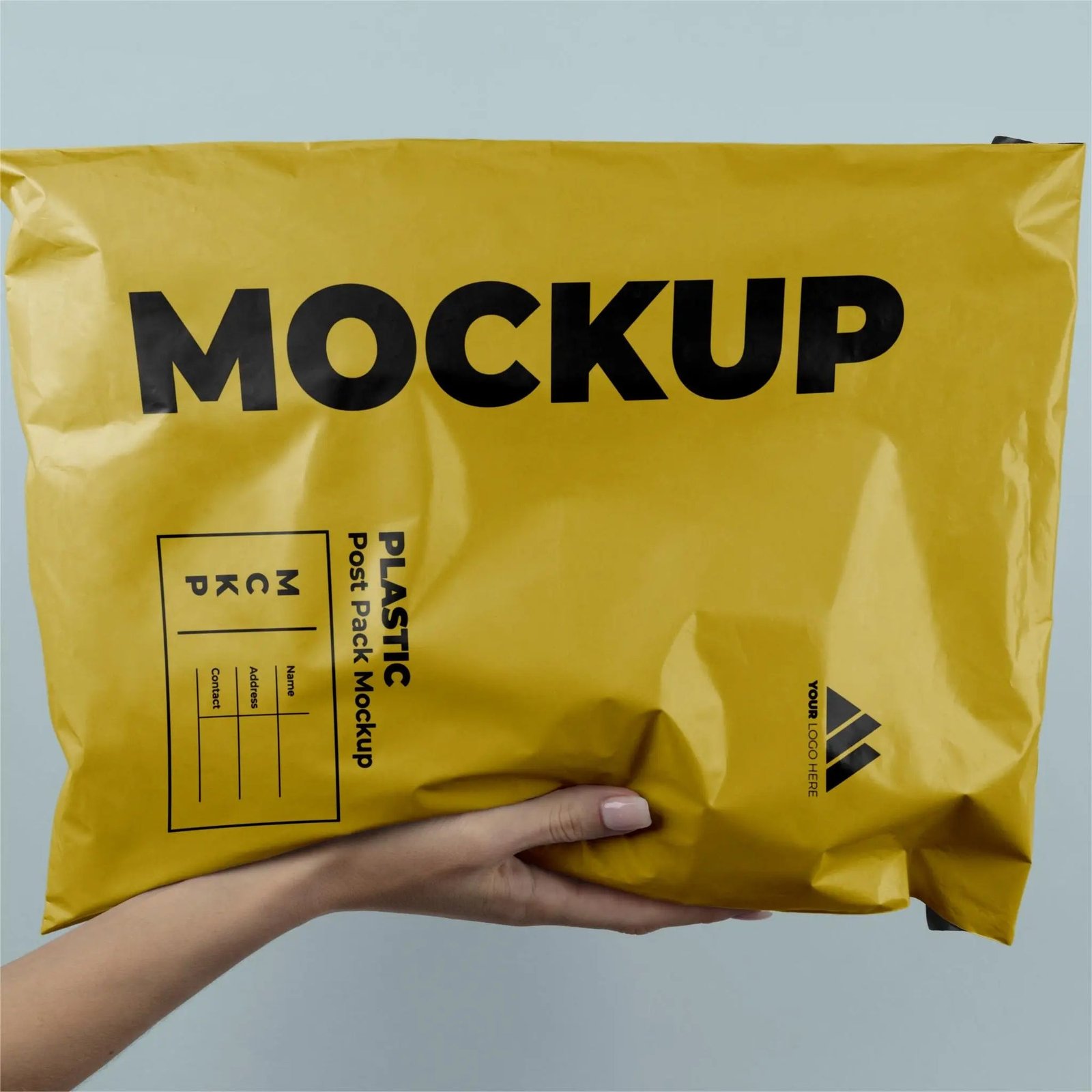
Finish your order with custom polybags, folding instructions, stickers, tissue, cartons, and branded inserts. Packaging is coordinated with final inspection and export preparation to help protect garments and strengthen the unboxing experience.
About the Best DTG TShirt Printing Company
JUNSHEEN was founded in 2010 in Humen Town, Dongguan, a leading garment-production hub. We help global fashion brands, independent designers and sourcing teams turn DTG T-shirt concepts into production-ready private-label apparel, supported by practical development advice, clear specifications and dependable export coordination.
With more than 200 skilled workers and monthly capacity above 80,000 units, JUNSHEEN supports launches from 100 units per style and color through repeat bulk programs. Our team combines cut-and-sew, knitwear, fabric sourcing, pattern making, XS–3XL grading, DTG printing, quality control and packaging within one responsive supply chain.
What distinguishes the best DTG tshirt printing company for growing brands is control beyond the print itself. JUNSHEEN aligns fabric hand feel, fit, artwork, labels, finishing and inspection so each garment supports your brand standard, whether you are building a first capsule or scaling an established collection.

Best DTG TShirt Printing Company Capabilities
Fit-First Pattern Development
JUNSHEEN develops DTG-ready T-shirts and coordinated apparel with fit-focused patterns from XS to 3XL. Our team refines proportions, mobility, sleeve balance, and grading increments before bulk production, helping brands reduce sampling revisions and build a dependable size range.
- Normal, oversized, extended-size, and plus-size development
- Pattern making, grading, prototypes, and size-set approval
- Support from tech packs, sketches, references, or concepts
- Retained pattern records for consistent repeat orders

Fabric Sourcing With Purpose
A strong DTG result begins with the right garment base. JUNSHEEN sources cotton, Pima cotton, organic cotton, combed jersey, blends, and performance knits while balancing print clarity, hand feel, weight, durability, wash performance, and target cost.
- Fabric recommendations aligned to print method and budget
- Swatches and sample garments available before confirmation
- Options for lightweight, heavyweight, stretch, and recycled fabrics
- Material review for shrinkage, color, and wash performance

Precise Print And Decoration
As a best dtg tshirt printing company for private-label programs, JUNSHEEN pairs DTG capability with screen print, DTF, embroidery, patches, and garment finishing. This gives buyers one production partner for artwork-led tees, elevated branding details, and complete capsule collections.
- DTG for detailed, full-color artwork and smaller runs
- Screen print, DTF, transfers, and specialty print effects
- Flat, puff, chain-stitch, and logo embroidery options
- Washing, garment dye, labels, trims, and branded packaging

Scalable Controlled Production
From a 100-unit style-and-color launch to ongoing bulk programs, JUNSHEEN combines 200+ skilled workers with monthly capacity above 80,000 units. Incoming material, in-line construction, measurements, decoration, and final packing receive documented quality checks before global shipment.
- Low MOQ from 100 units per style and color
- Cut-and-sew and knitting capability in one supply chain
- Quality checks from fabric receipt through packed goods
- Export support for brands worldwide

Why the Best DTG TShirt Printing Company Outperforms Typical Suppliers
JUNSHEEN combines 100-unit DTG production with fit engineering, integrated manufacturing, quality control, and global export support.
← 左右滑动查看 →
Best DTG TShirt Printing Company Production Process
A controlled OEM workflow for private-label DTG apparel, from feasibility review through export-ready delivery.
Review Design Feasibility
Our team reviews your tech pack, reference artwork, fit requirements, target quantity, and decoration placement to confirm production feasibility and recommend the right garment base.
Source Fabric and Blanks
We source suitable cotton or blended jersey, confirm weight and hand feel, then align colors, labels, trims, and private-label packaging with your brand requirements.
Prepare Artwork and Samples
DTG files are checked for resolution, color separations, print size, and placement. We develop samples and size details for approval before bulk production begins.
Print Bulk Production
After approval, skilled operators produce your order with controlled pretreatment, DTG printing, curing, cut-and-sew assembly, and requested finishing for consistent repeatable results.
Inspect Pack and Ship
Quality control checks measurements, print clarity, color, construction, labeling, and packed goods before export support coordinates global shipment for your 100-unit or scaled order.
How to Start With the Best DTG TShirt Printing Company
Move from a concept to approved DTG apparel and dependable bulk delivery with one fit-focused OEM manufacturing partner.
Send Your Project Details
Share a tech pack, sketch, reference garment, artwork, or idea. Our team reviews specifications, print placement, fit goals, quantities, and target market.
Confirm Materials and Pricing
Select suitable T-shirt fabrics, DTG print requirements, labels, trims, and packaging. Receive a clear quotation for your 100-unit minimum or scalable program.
Approve Development Samples
Review prototype samples, measurements, color, print quality, and XS–3XL grading. We refine construction and details before you release the approved production standard.
Launch Controlled Bulk Production
JUNSHEEN manages fabric checks, in-line inspections, DTG printing, finishing, final quality control, packing, and export coordination for consistent global delivery.
Custom Clothing Manufacturer Credentials and Compliance Documents




Why Brands Choose JUNSHEEN as Their Best DTG TShirt Printing Company
JUNSHEEN turned our artwork and fit notes into a launch-ready 180-piece DTG tee program. The first size set needed only one revision, and every XS–3XL sample matched the measurement chart we approved.
Our second production run increased from 300 to 1,200 shirts without losing print consistency or packing accuracy. Having one team manage DTG, labels, hang tags, and export made our reorder far easier to coordinate.
The pattern team corrected shoulder balance and body length across our extended-size range before bulk production. We launched six sizes from XS to 3XL and reduced fit-related customer returns by 22% in the first season.
Best DTG TShirt Printing Company FAQ for OEM Buyers
Clear answers on MOQs, sampling, lead times, payment, shipping, fabric, IP protection and bulk quality control.
What is the minimum order for the best dtg tshirt printing company?
Can the best dtg tshirt printing company make a sample before bulk production?
How long does DTG T-shirt sampling and bulk production take?
What payment terms do you offer for custom DTG T-shirt orders?
Does the best dtg tshirt printing company ship internationally?
How do you protect my DTG artwork, tech packs and brand information?
Which fabrics work best for DTG T-shirt printing?
How do you control quality on a bulk DTG T-shirt order?
Best dtg tshirt printing company: Complete Buyer’s Guide
Use a practical decision framework to compare DTG suppliers, assess print and garment quality, validate production capabilities, control costs, and avoid sourcing mistakes before placing an OEM order.
1. What Defines the Best DTG Tshirt Printing Company?
100 units per style and color is a practical starting point for a brand testing a DTG line, but the best dtg tshirt printing company is defined by repeatability—not simply a machine count. A serious supplier should approve artwork at production size, manage Pantone-informed color targets, control pretreatment and white-ink opacity on dark garments, and validate wash durability on the actual fabric and colorway. 2 production models serve very different buyers: a local print shop typically decorates buyer-supplied blanks, while print-on-demand prioritizes one-off fulfillment and catalog convenience. An OEM apparel partner adds fabric and garment sourcing, pattern and fit development, sample approval, private labels, packing, in-line inspection, and capacity planning so a successful launch can move into repeat bulk orders without changing suppliers. 200+ skilled workers and monthly capacity above 80,000 units illustrate the operational scale B2B buyers should seek from a manufacturing partner, alongside clear communication on file requirements, strike-offs, lead times, and corrective actions. For custom programs, look for flexible MOQs, retained production records, traceable materials, and the ability to support requested standards such as OEKO-TEX, GOTS, WRAP, or BSCI where applicable rather than assuming certification from a marketing claim. 3 checkpoints protect the commercial result: artwork and placement approval before sampling, wash-and-rub testing before bulk release, and final checks for measurements, print defects, shade variation, labels, and packed quantities. Junsheen combines DTG with cut-and-sew development, garment sourcing, quality control, and export support, which is the broader capability set brands need when a printed T-shirt is a product program rather than a single reorder.
2. Evolution of DTG Tshirt Printing
2004 marked the commercial arrival of early direct-to-garment systems, which made full-color artwork possible without separate screens but were slow, maintenance-sensitive, and most reliable on light cotton. Dark garments exposed the limits of uneven pretreatment, unstable white underbases, and inconsistent heat curing. 2010s improvements in water-based pigment inks, automated pretreatment, white-ink circulation, and RIP software changed that equation. Better RIP workflows could generate controlled underbases, ink limits, choke settings, and color profiles; conveyor dryers and heat presses then cured prints more consistently for wash durability and softer hand feel. 100-unit capsule programs are now commercially realistic when artwork, fabric, and approvals are planned together. A best dtg tshirt printing company should combine DTG for photographic detail and variable small runs with screen print, DTF, or embroidery where volume, special effects, or placement economics favor a hybrid workflow. Buyers still need to specify ring-spun cotton content, garment color, print area, expected wash performance, and whether the water-based decoration must meet a particular restricted-substance or certification requirement.
3. Types of Best DTG Tshirt Printing Company Services
Five service models dominate DTG sourcing, and each shifts responsibility for inventory, approvals, and quality. The best dtg tshirt printing company is the one whose operating model matches your volume, development needs, and replenishment risk.
| Model | Typical MOQ | Speed | Customization/QC Owner | Best For |
|---|---|---|---|---|
| Print-on-demand | 1 | 2–7 days | Low; platform | Demand testing |
| Local contract | 12–24 | 1–3 days | Medium; buyer | Urgent local runs |
| DTG specialist | 25–250 | 5–15 days | Print-focused; shared | Detailed art drops |
| Full-package OEM | 100+ | Sampling plus production | High; manufacturer | Private-label collections |
| Hybrid partner | 100–1,000+ | Volume dependent | High; shared | Scaled repeat graphics |
Print-On-Demand Platforms
One-piece ordering and 2–7 business-day fulfillment suit test designs, creator stores, and unpredictable demand. The trade-off is limited blank choices, standard placements, and less direct control over print consistency.
Local Contract Printers
Typical 12–72 hour turnaround makes local printers useful for events, samples, and urgent small runs. Brands usually supply finished art and blanks, while fabric testing, fit development, and final QC remain the buyer’s responsibility.
Specialist DTG Factories
Runs of 25–250 units can work well for artwork with many colors, photographic detail, or frequent drops. A specialist should document pretreatment, white-ink opacity, curing, and wash testing before approving production.
Full-Package OEM Manufacturers
Starting around 100 units per style and color, full-package OEM combines pattern work, grading, fabric sourcing, cut-and-sew, DTG, labeling, packing, and export. This model gives a brand one accountable production partner for a custom garment program.
Hybrid Print Partners

At 100–1,000-plus units, hybrid suppliers can use DTG for variable artwork and screen printing for repeat graphics. The right method depends on color count, image detail, placement, and expected reorder volume.
4. Fabrics for Best DTG Tshirt Printing Company Results
DTG ink performs best on clean, stable cotton faces because the print sits near the yarn surface. A capable best dtg tshirt printing company matches fiber, knit, weight, and garment color to the artwork before approving a sample.
| Fabric Base | Typical Weight | Recommended Use | DTG Suitability |
|---|---|---|---|
| Combed ring-spun cotton | 160–220 GSM | Detailed artwork, soft retail tees | Excellent |
| Organic cotton jersey | 160–220 GSM | Sustainability-led collections | Excellent with sample approval |
| Cotton-poly blend | 180–240 GSM | Athleisure or cost-balanced styles | Good; test color and hand |
| Heavyweight cotton jersey | 200–240 GSM | Oversized premium tees | Excellent when face is smooth |
| Dark cotton jersey | 180–220 GSM | High-contrast graphics | Excellent with underbase |
Fiber Content And Yarn Quality
100% combed ring-spun cotton typically gives finer detail and a softer hand than open-end cotton. Long, smooth fibers reduce surface fuzz, helping small type and halftones print more cleanly. 100% organic cotton can deliver comparable results when its knit face is even, but natural shade variation should be sampled. Cotton-rich blends remain practical; higher polyester content can reduce ink absorption and alter color appearance.
Weight, Knit, And Finish

160–180 GSM jersey suits lightweight retail tees, while 200–240 GSM heavyweight jersey gives a more substantial silhouette and stable print ground. Neither weight automatically prints better; smoothness and dimensional stability matter more. Single jersey with low hairiness is the safest DTG base. Avoid heavy silicone softeners, loose slub textures, and uneven garment washes unless a strike-off confirms sharpness and wash performance.
Dark Garment Preparation
Dark navy, black, and saturated garments generally need a white underbase before color ink. Correct pretreatment coverage and curing prevent dull color, stiff patches, and wash-off around fine artwork. Pantone expectations should be managed through physical samples because DTG gamut, fabric tone, and underbase opacity interact. Test dark fabrics after multiple home-laundry cycles, not only immediately after printing.
5. DTG Customization and Decoration Options
300-dpi artwork at final print size gives the RIP a dependable starting file, while transparent PNG or layered AI/PDF preserves edges and color intent. A capable best dtg tshirt printing company should separate full-color photo art from Pantone-led logo requirements before approval.
| Method | Best Use | Key Approval Point |
|---|---|---|
| DTG | Photographs and tonal artwork | White underbase and color detail |
| Screen Print | Repeat logo colors | Pantone match and ink effect |
| Embroidery | Caps, chest marks, patches | Stitch density and backing |
| DTF | Small multicolor graphics | Edge feel and heat placement |
Artwork And Print Readiness
2 file routes usually work best: CMYK-ready full-color art for DTG photographs, or named Pantone spot colors for screen-print matching. Request a digital proof showing print dimensions, placement from neck and side seams, garment color, and any white underbase.
Choose The Decoration Method

1 garment can combine DTG for a detailed front image with embroidery, patches, or high-density screen print for durable branding. Use DTF for small multicolor placements or difficult fabric zones; use specialty screen effects for puff, foil, flock, silicone, or discharge accents.
Approve The Full Branded Sample

100-unit OEM programs benefit from a physical pre-production sample when artwork, fit, or finishing is new. Confirm print hand feel, opacity on dark goods, photo detail, wash appearance, thread color, label placement, hangtag stock, folding method, and branded packaging before bulk release.
6. Construction and Print Quality Checks
A production sample should prove both garment stability and image durability before bulk release. For the best dtg tshirt printing company, measurable approvals prevent subjective disputes at final inspection.
Inspect The Blank First
After one care-label wash, set an approved shrinkage limit—commonly 3–5% in length and width for cotton jersey. Check collar recovery after stretching, twisting side seams, skipped stitches, puckering, and measurement tolerances stated by size. At 180–220 GSM, ring-spun cotton blanks should remain balanced through the body; spirality or a rolling collar merits a hold before printing.
- Record washed and unwashed measurements
- Specify stitch density and seam allowance
- Approve collar rib, neck tape, and label placement
Verify Print Registration
For a centered chest print, define placement from the high-point shoulder or collar seam, with a practical tolerance such as ±5 mm unless artwork is unusually small. Compare the approved sample against the production piece under consistent lighting. White underbase opacity, edge sharpness, and Pantone-referenced color appearance require review on the actual fabric color, not a monitor proof. Inspect for visible pretreatment staining, especially on dark cotton.
- Confirm artwork scale and placement reference
- Check fine lines, highlights, and edge halos
- Use a signed physical color standard
Confirm Cure And Wash Performance
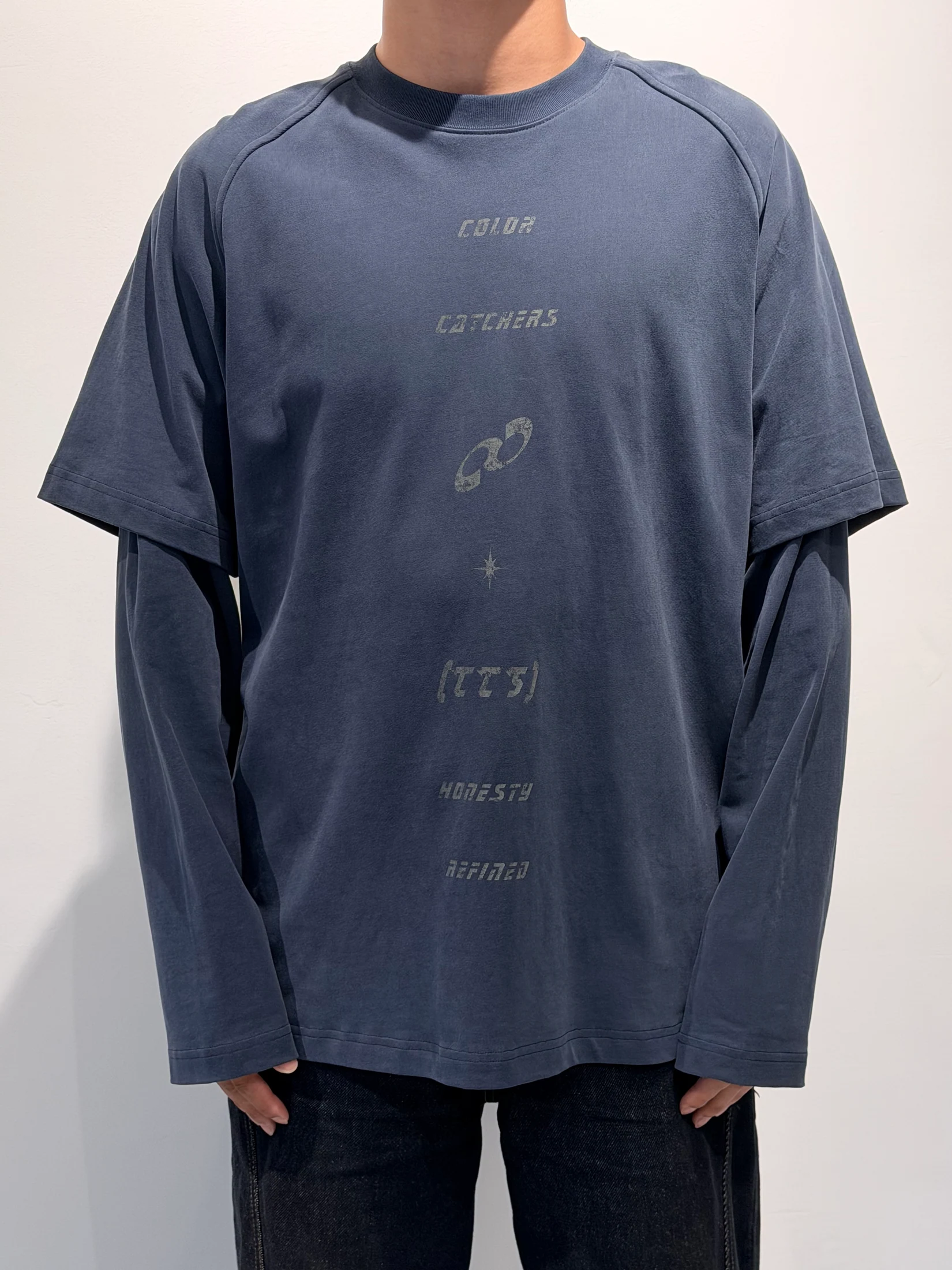
After 3–5 wash-and-dry cycles at the agreed care conditions, DTG ink should show no material cracking, peeling, tackiness, or unacceptable fading. Record the washer temperature, detergent, drying method, and before-and-after photos. A QC checklist should tie each pass/fail point to a retained golden sample, approved artwork file, garment specification, and acceptable defect limit. Junsheen can review these checkpoints during sampling and in-line production inspection.
- Attach signed sample photos to the PO
- State rework, reject, and AQL rules
- Retain wash-test results with bulk records
7. How to Choose the Best DTG Tshirt Printing Company
A capable best dtg tshirt printing company proves its process with a production sample, documented color approvals, and a realistic delivery plan. Evaluate the supplier’s system before comparing a unit price.
| Evaluation Area | Evidence To Request | Risk If Missing |
|---|---|---|
| Capacity | Machine list, shifts, backup plan | Missed launch dates |
| Garments | Blank specifications and sourcing record | Inconsistent fit or print results |
| Quality | Golden sample and wash-test report | Bulk differs from approval |
| Communication | Named contact and response timetable | Unresolved artwork or shipment errors |
Verify Production Capability
Ask how many DTG machines, shifts, and daily finished garments the facility can support, then ask what happens if one machine fails. Confirm the ink system, white-ink circulation, pretreatment method, curing equipment, and backup capacity.
- Which machine models and inks are used?
- Is pretreatment applied consistently by garment color?
- What contingency capacity protects agreed ship dates?
Approve Color And Samples
Request a sample on the exact blank, color, and print placement planned for bulk. A reliable workflow uses approved artwork, Pantone references where applicable, RIP settings, white-underbase control, wash testing, and a signed golden sample.
- Compare hand feel after curing
- Check white opacity on dark garments
- Wash-test for cracking, fading, and staining
Assess Commercial Control
Compare quotations line by line: blank quality, print coverage, color count assumptions, pretreatment, labels, packing, defect allowance, freight terms, sampling charges, and lead time. The lowest price can exclude the controls that prevent reprints or late delivery.
- Ask for Incoterms and export destination experience
- Request QC checkpoints and final inspection criteria
- Confirm certifications relevant to your market
8. Common DTG Sourcing Mistakes to Avoid
A 100-unit DTG order can expose process gaps that are invisible in a one-piece sample. The best dtg tshirt printing company will document artwork, fabric, color, testing, approval, and delivery decisions before bulk release.
Price Without Specifications
A low quote can omit pretreatment, white underbase, color matching, or reprint allowance. Prevent this by comparing like-for-like specifications and a written production calendar; it avoids margin-eroding change orders and late launches.
Artwork And Fabric Mismatch
A 300 DPI file at final print size is the practical starting point; enlarged web graphics often print soft or jagged. Send layered artwork and approve a test print on the exact shirt fabric to avoid blurry edges, weak opacity, and unexpected hand feel. A 180–220 GSM ring-spun cotton jersey commonly accepts DTG more predictably than heavily textured, water-repellent, or unstable blends. Confirm fiber content, color, and pretreatment compatibility before ordering to avoid poor adhesion or wash loss.
Dark Garment Assumptions

Dark garments require a controlled white underbase, curing profile, and pretreatment; black, navy, and pigment-dyed blanks can behave differently. Approve each dark color separately and run wash tests to avoid dull colors, cracking, staining, or inconsistent opacity.
Rushed Approval And Color
A single visual approval is insufficient for bulk: check measurements, placement, Pantone tolerance, and print appearance after washing. Retain a signed golden sample and define acceptable color variation to avoid disputes and retailer rejections. A dated critical-path plan should reserve time for artwork review, sampling, bulk printing, QC, and freight. Confirm approval deadlines and shipment dates before deposit to avoid missed campaign, wholesale, or seasonal delivery windows.
9. Steps to Launch a DTG Tshirt Collection
A 100-unit launch can validate a focused customer position before inventory risk expands. Treat the first run as a repeatable production system: document the blank, artwork, fit, packaging, approvals, and inspection standard.
Define Customer And Garment
One customer profile should determine the tee’s silhouette, price point, and 2–4 launch colors. Specify fabric weight, such as 180–220 GSM ring-spun cotton, plus target fit and wash hand feel. XS–3XL grading needs review before printing, especially for oversized or extended-size styles. Retain the approved measurement chart and pattern revision for later reorders.
- Target wearer and retail price
- Fabric, GSM, color, and fit
- Core size range and sales forecast
Prepare Artwork And RFQ
300 DPI transparent PNG files suit DTG artwork, while layered AI or PSD files preserve editability. Supply print dimensions, placement from HPS, Pantone references where relevant, and separate files for each colorway. Three comparable RFQs should state quantities by size and color, blank specification, print locations, labels, packaging, shipment destination, and required date. Ask whether DTG is appropriate versus screen print, DTF, or transfer for the artwork and volume.
Approve Samples And Size Run
One prototype should confirm artwork scale, pretreatment, print opacity, construction, and wash performance before bulk release. Approve a physical sample against a written checklist rather than approving only photographs. A 100-unit program can concentrate demand in 1–2 designs and a controlled color range. Build a size curve from audience data, then keep approved files, print settings, and labels archived for repeat orders.
Lock Production And Delivery
Two approval gates—pre-production sample and packed-goods inspection—reduce preventable variance. Confirm label placement, folding, polybags, hang tags, carton marks, AQL expectations, and final balance timing before production. 100% of packed cartons should be checked for count, assortment, and shipping marks, with measurements and decoration inspected during production. Book freight only after the supplier shares final quantities, carton dimensions, weight, and delivery documentation.
10. Best DTG Tshirt Printing Company Pricing and Costs
100 units per style and color is a practical OEM starting point for a DTG program, but it does not create a universal unit price. The best dtg tshirt printing company should quote against an approved blank, print file, placement, colorway, labels, packing method, Incoterm, and delivery destination. 3 quantity bands usually clarify the commercial trade-off: 100–299 units absorb more sampling, handling, and print preparation per garment; 300–999 units improve material and production efficiency; 1,000+ units can reduce fixed-cost allocation further. A separate prototype or pre-production sample is advisable before bulk approval, particularly for dark-color pretreatment, detailed artwork, and wash testing. 7–25 working days is a typical production-planning range after approvals, with sampling, fabric availability, print coverage, and destination logistics affecting the schedule. Dark garments, oversized chest or all-over artwork, premium ring-spun or organic blanks, custom woven labels, hang tags, and branded packaging raise cost; freight, duties, and destination charges remain separate unless the quotation states otherwise.
| Order quantity | Indicative unit-price driver | Setup or sampling cost | Expected lead time |
|---|---|---|---|
| 100–299 | Higher fixed-cost share; blank and print coverage dominate | Prototype or size-set sample quoted separately | 15–25 working days |
| 300–999 | Better blank purchasing and line efficiency | Artwork review and sample approval still required | 12–20 working days |
| 1,000+ | Lower fixed-cost allocation; complexity still controls price | Pre-production sample recommended | 10–18 working days |
Choose the Best DTG Tshirt Printing Company Today
Send your tech pack, artwork, reference garment, or product idea for feasibility review, sampling, and a clear 100-unit quote.