
Vintage Tshirt Custom Manufacturing From 100 Units
Develop private-label vintage tshirt custom programs with fit-focused patterns, custom printing, garment dyeing, and authentic wash finishes.
Featured Products for vintage tshirt custom Development
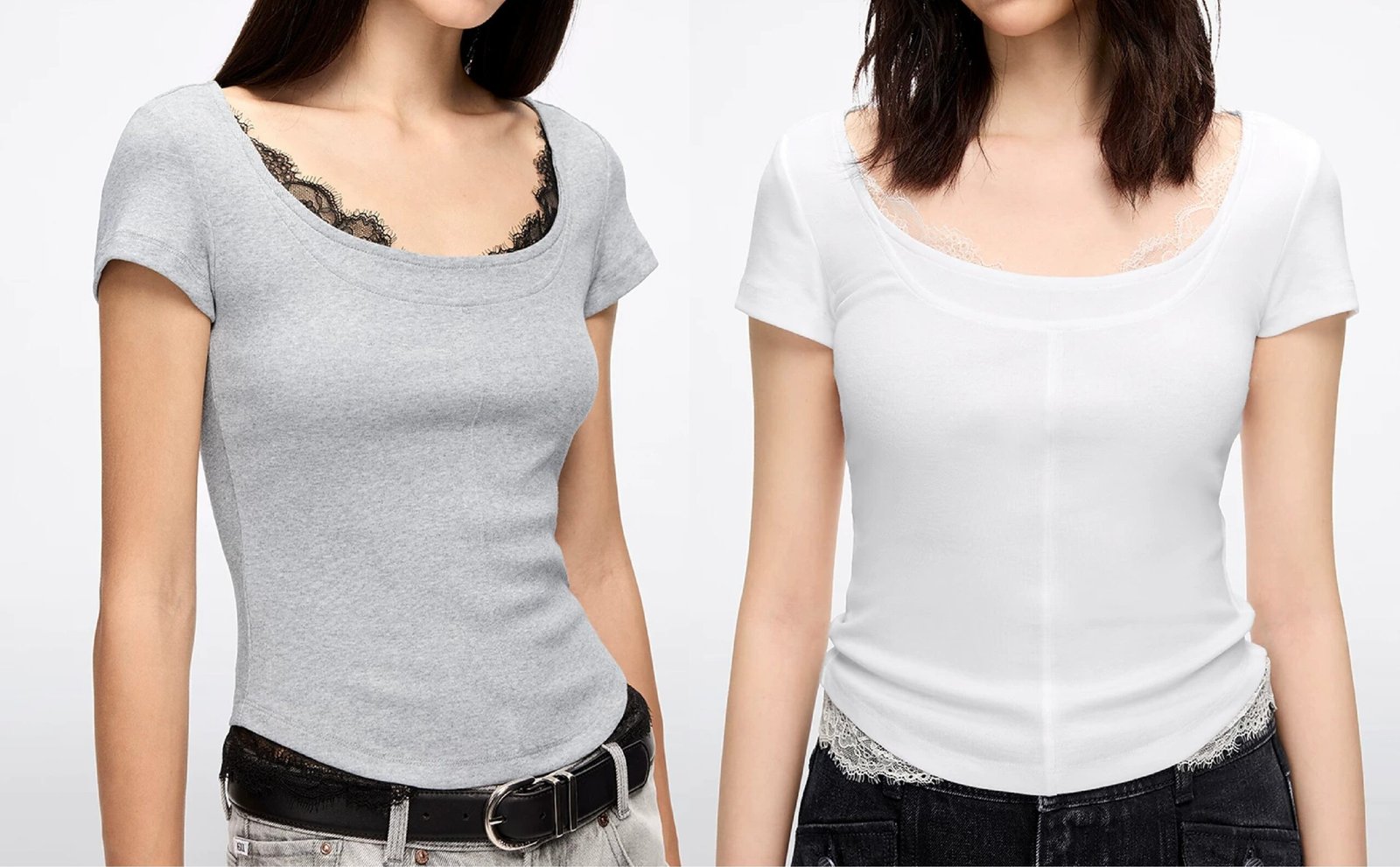


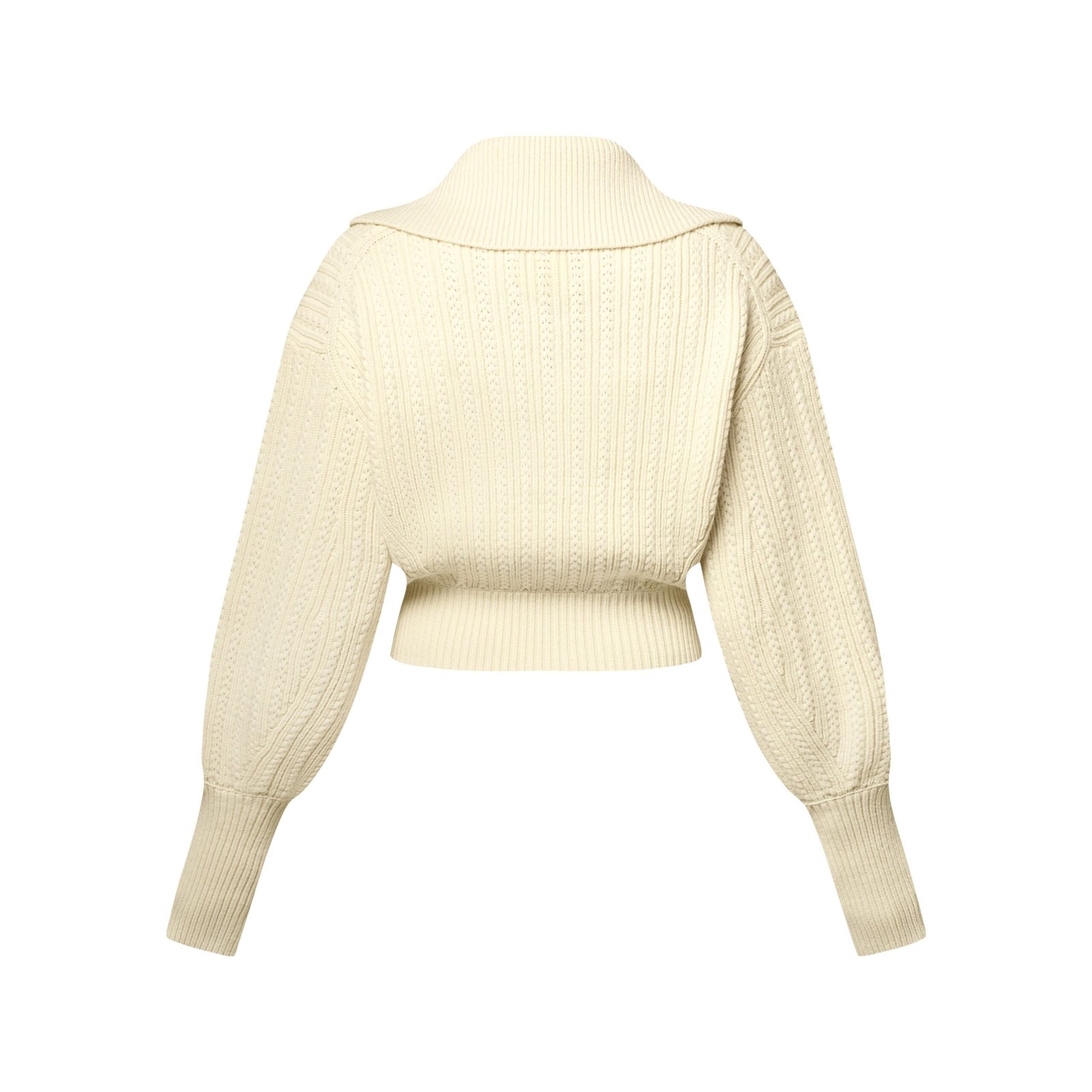


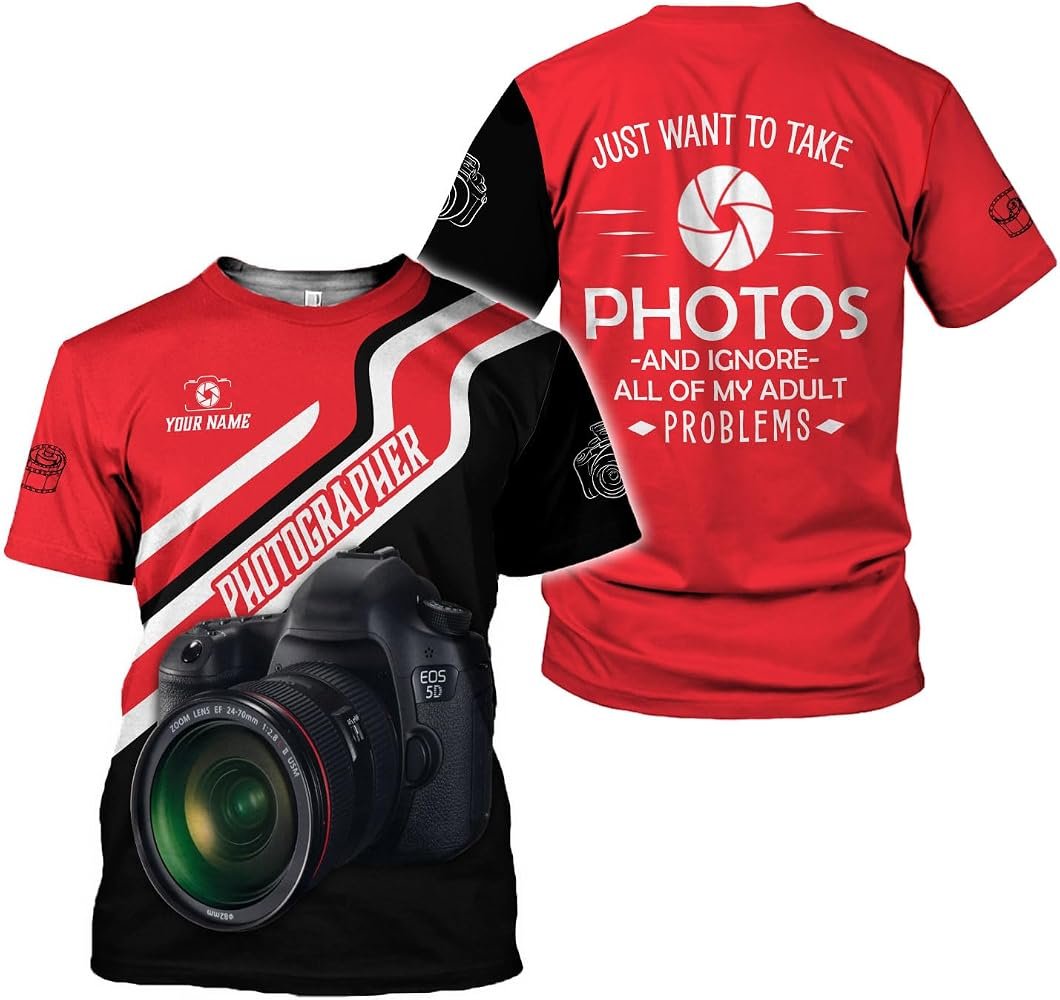

Related Product Catalogue and Quotation





Why Brands Choose Our Vintage Tshirt Custom OEM Service
From first sample to repeat bulk orders, JUNSHEEN combines authentic vintage effects with fit-focused, production-ready execution.
100-Unit MOQ
Launch a vintage tee capsule from 100 units per style and color while retaining professional OEM development and private-label options.
Fit-Focused Size Grading
Develop regular, oversized and extended-size vintage T-shirts from XS to 3XL with balanced proportions across the full size range.
Authentic Wash Effects
Create worn-in character through garment dye, acid wash, enzyme wash, stone wash and softening treatments selected for your fabric.
Flexible Decoration
Match your artwork with screen printing, discharge, puff, high-density, DTG, embroidery or custom patches for a distinctive vintage finish.
Scalable Production
Move confidently from a small launch to ongoing bulk programs with 200+ skilled workers and monthly capacity above 80,000 units.
Custom Apparel Programs for Your Collection
From low-MOQ launches to scalable wholesale production, Junsheen develops fit-focused casualwear, denim, outerwear and knitwear for global brands.

Custom Hoodies
Develop custom hoodies from 100 units per style and color, with French terry, fleece, heavyweight jersey, custom ribbing, embroidery, screen printing, washes, labels and branded packaging. Pattern development supports standard, oversized and extended-size fits from XS to 3XL.
Request a Quote
Custom T-Shirts
Create custom T-shirts from a tech pack, sketch or reference sample. Choose jersey weight, cotton blend, neckline, silhouette, print method, embroidery and garment wash, then approve prototypes and graded size sets before bulk production.
Request a Quote
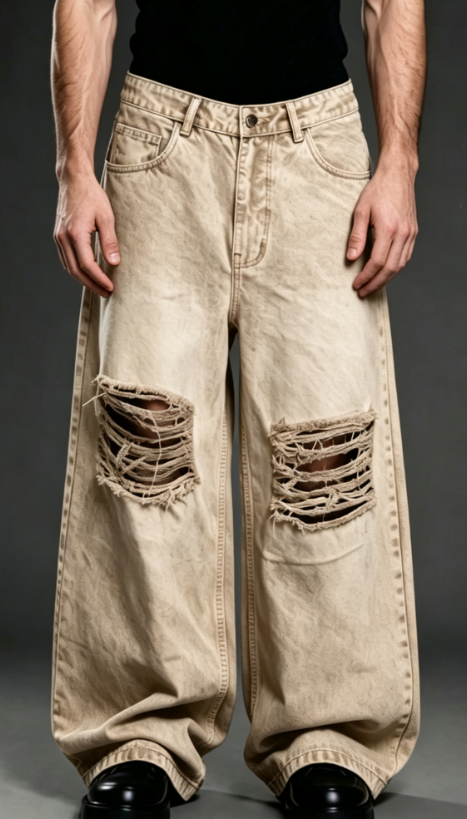
Custom Jeans
Develop custom jeans with denim or stretch-denim sourcing, fit engineering, wash development and branded hardware. Junsheen supports straight, relaxed, wide-leg, skinny and oversized silhouettes, with grading refined for XS through 3XL programs.
Request a Quote
Custom Sweaters
Source turtleneck sweater bulk programs with knit construction, yarn selection and size grading aligned to your target market. Options include cotton, wool, blended and recycled yarns, with rib details, labels, embroidery and approved size-set sampling.
Request a Quote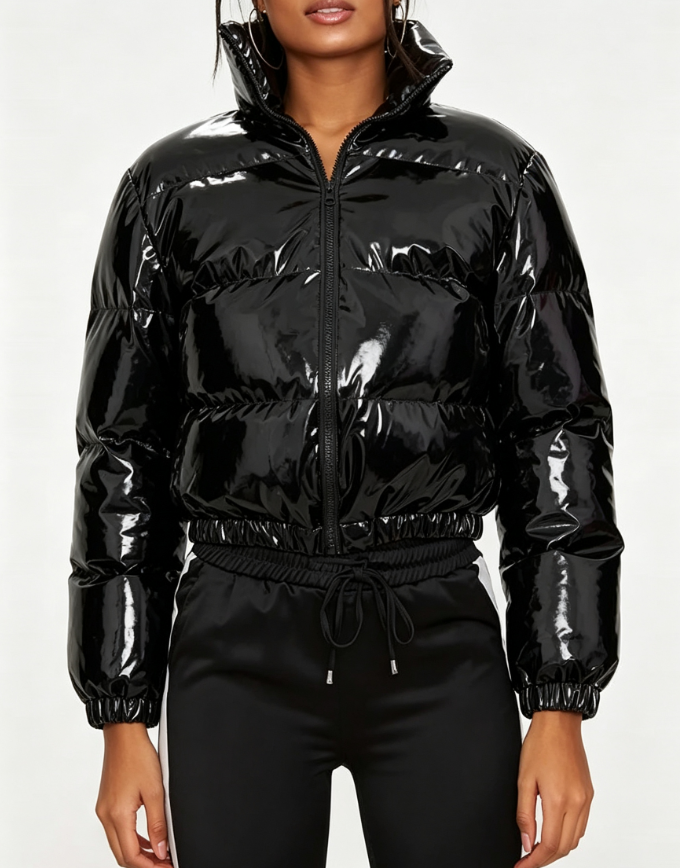
Custom Jackets
Produce custom jean jackets with denim weight, lining, wash, pocket placement and branded trim specified for your collection. Development covers classic trucker, cropped, oversized and lined constructions, plus embroidery, patches, prints and custom metal hardware.
Request a Quote
Custom Sweatshirts & Crewnecks
Build custom crewneck hoodie and sweatshirt programs with fleece, French terry or jersey fabrics. Specify neckline, hood construction, rib trims, fit, prints, embroidery, washes and private labels, supported by prototype and pre-production approvals.
Request a Quote
Custom Cardigans
Develop custom cardigans in cotton, wool, blended or recycled yarns with planned gauge, stitch structure and fit. Add buttons, zippers, pockets, jacquard patterns, logo embroidery, woven labels and XS–3XL grading for retail-ready knitwear.
Request a Quote
Custom Puffer & Down Jackets
Produce custom puffer jackets with shell fabric, insulation, lining, quilting layout and functional trim selected around target cost and climate use. Programs can include down or alternative fills, reflective details, branded zippers, labels and packaging.
Request a Quote
Custom Denim Shorts
Create custom jean shorts with denim sourcing, inseam, rise, hem treatment, distressing and wash development matched to your brand direction. Junsheen supports men’s, women’s and unisex fits, including extended-size grading and branded hardware.
Request a Quote
Custom Sweater Dresses
Develop custom sweater dresses with yarn, gauge, silhouette and length planned for your customer. Choose fitted, relaxed, ribbed or oversized constructions, then add neck treatments, slits, belts, jacquards, labels and graded XS–3XL size sets.
Request a Quote
Custom Denim Sets
Produce men’s denim suits wholesale programs that coordinate jackets, overshirts, jeans or matching shorts in consistent denim shades and washes. Junsheen manages pattern alignment, fit approval, branded hardware, decoration and scalable bulk production.
Request a Quote
Custom Polo Shirts
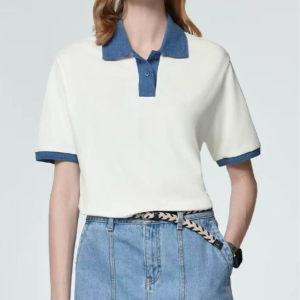
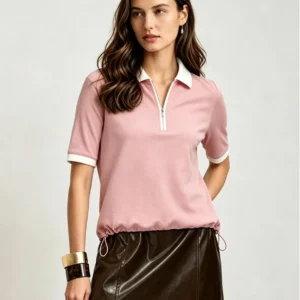
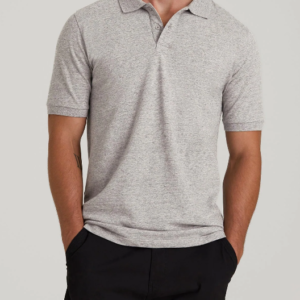
Develop custom polo shirts in piqué, jersey, performance knit or blended fabrics. Set collar construction, placket, sleeve finish, fit and logo placement, with embroidery, printing, custom buttons, labels and size grading prepared for your sales channels.
Request a Quote
Custom Sweatpants
Produce custom sweatpants in fleece, French terry or jersey with fit, rise, leg shape and waistband engineered for your collection. Add pockets, drawcords, rib cuffs, embroidery, prints, washes, labels and coordinated hoodie or crewneck sets.
Request a Quote
Custom Shorts
Create custom shorts for casualwear, sportswear or coordinated sets using jersey, fleece, twill, denim or performance fabrics. Development covers inseam, pocket layout, waistband, lining, trims, decoration and fit-focused grading from XS to 3XL.
Request a Quote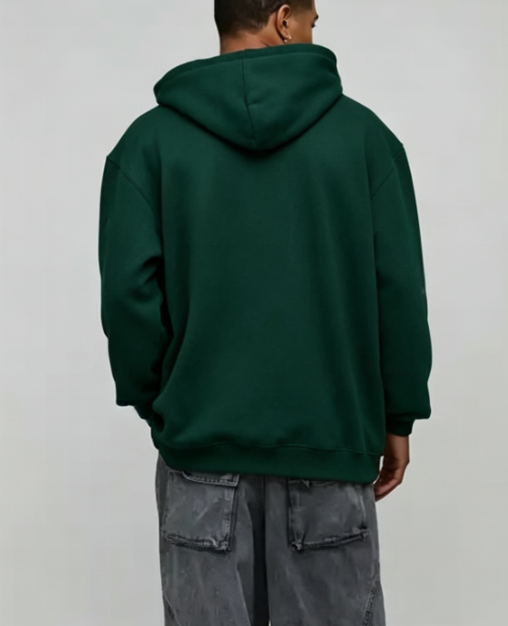
Custom Pullovers
Develop custom pullovers in knit, fleece, French terry or jersey constructions, from quarter-zips and mock necks to lightweight layers. Specify silhouette, collar, trim, decoration, wash and private-label details, then approve samples before bulk production.
Request a QuoteVintage Tshirt Custom Fabrics for Authentic Hand Feel

Open-End Cotton
A dry, slightly textured cotton with an authentic vintage hand feel. Ideal for pigment dye, enzyme wash and heritage graphics; commonly developed around 180–240 GSM for structured everyday tees.

Combed Cotton Jersey
Smoother and softer than open-end yarn, combed jersey suits premium vintage tshirt custom programs needing cleaner print detail. Its refined surface and stable knit construction work well from 180–220 GSM.

Organic Cotton Jersey
Organic cotton provides a soft, natural hand for responsible vintage collections. Best for garment dye and water-based prints, it can be specified in lightweight or heavyweight jersey while retaining breathable comfort.

Pima Cotton Jersey
Long-staple Pima cotton delivers exceptional softness, strength and a more elevated drape. Use it for premium vintage-inspired tees where a smooth hand, reduced pilling and dependable repeat wear matter.

Cotton Blend Jersey
Cotton blends with polyester, modal or elastane balance vintage appearance with targeted performance. They can improve shape retention, softness or stretch, making them practical for fitted, oversized and frequent-wash styles.

Recycled Fiber Blends
Recycled cotton and recycled polyester blends support lower-impact material stories without sacrificing commercial durability. Fiber ratios and yarn quality are matched to the desired hand feel, weight, print method and wash treatment.
Vintage TShirt Custom Printing, Dyeing and Finishing

Screen Print
Plastisol, water-based, discharge and high-density screen printing deliver bold retro graphics with controlled ink texture, strong color coverage and dependable wash durability for repeatable bulk production.

DTG and DTF
DTG and DTF printing reproduce detailed artwork, small color transitions and short-run graphics with crisp definition, making them practical options for vintage-inspired tees with complex illustrations or photo-based designs.

Logo Embroidery
Flat, puff and chain-stitch embroidery add dimensional branding, textured lettering or heritage-style chest details. Stitch settings and backing are selected to maintain a clean appearance and durable performance after washing.

Garment Dye
Garment dyeing creates rich, lived-in tonal variation after construction, giving each tee a softer, less uniform character. Junsheen can align dye shades with your fabric weight, trims and desired wash effect.

Acid Enzyme Wash
Acid and enzyme washes soften the fabric and create faded, worn-in depth without sacrificing production control. Treatment intensity is sampled to balance vintage appearance, hand feel, print compatibility and garment strength.

Distress Finishing
Targeted distressing, brushing and abrasion details create authentic broken-in character at hems, seams and graphic areas. Placement is reviewed during sampling so the final effect stays consistent across your production run.
Vintage Tshirt Custom Trims and Accessories

Woven Neck Labels
Custom woven main labels and size labels give vintage tshirt custom programs a finished brand identity. Choose folded, flat or loop constructions, with logo, fiber details and sizing developed to suit your neckline and garment wash.

Branded Hang Tags
Add custom hang tags for retail presentation, product storytelling and care information. JUNSHEEN can coordinate paper stock, print finishes, strings and attachment methods so every shipped tee arrives ready for store display.

Custom Woven Patches
Woven, embroidered, leather-look or appliqué patches add a recognizable heritage detail to vintage-inspired tees. Position them at the chest, hem, sleeve or back neck while matching your logo, palette and intended wash character.

Drawcords and Tipping
For coordinated hoodies, shorts and layered capsule pieces, custom drawcords, metal tips and contrast tipping reinforce your private-label identity. Materials and colors can be aligned with the tee collection’s trims and packaging.

Buttons and Zippers
Custom buttons, snaps and zippers support matching overshirts, jackets and other vintage collection layers. Select finishes, pullers and logo treatments that complement your brand direction while meeting functional production requirements.
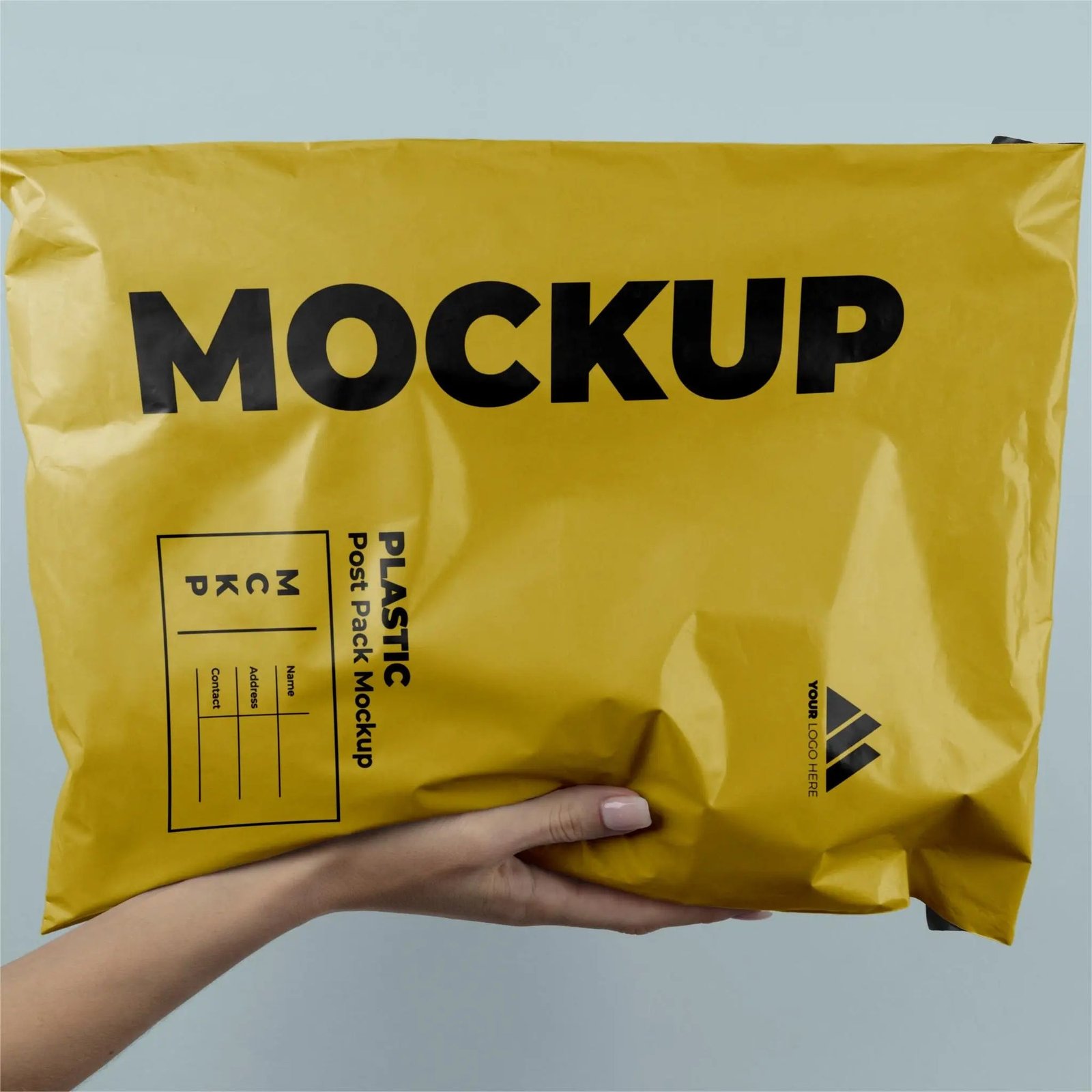
Branded Packaging
Finish each order with custom polybags, size stickers, barcode labels, tissue, cartons or mailer-ready packaging. JUNSHEEN coordinates packing specifications to protect garments in transit and simplify wholesale or direct-to-consumer fulfillment.
About JUNSHEEN Vintage Apparel Manufacturing
Based in Humen Town, Dongguan, JUNSHEEN has helped fashion businesses bring apparel concepts to market since 2010. We provide one-stop OEM, ODM and private-label manufacturing for vintage tshirt custom programs, supporting global labels from early design review through sampling, production and export.
Our 200+ skilled workers combine cut-and-sew, knitwear, printing, embroidery, washing, finishing, labeling and packaging in one coordinated supply chain. With monthly capacity above 80,000 units and low MOQs from 100 units per style and color, we support capsule launches as confidently as ongoing bulk programs.
What distinguishes JUNSHEEN is fit-focused development and practical production partnership. Our team refines patterns and grading from XS to 3XL, including extended-size, plus-size and oversized fits, while retaining technical records that help repeat orders move faster and stay consistent for more than 2,000 fashion-brand clients worldwide.

Vintage Tshirt Custom Capabilities That Protect Your Launch
Fit-Focused XS–3XL Development
For every vintage tshirt custom program, our pattern team develops balance, length, mobility, and grading across XS–3XL. We refine each size rather than simply enlarging a base pattern, helping your collection deliver a deliberate vintage silhouette for more body types.
- Normal, extended-size, plus-size, and oversized fit development
- Pattern making, graded size sets, and prototype sampling
- Specification review before bulk approval

Fabric Sourcing With Intent
Vintage character starts with the right base fabric. Junsheen sources cotton jersey, combed blends, organic options, and heavier weights around your target hand feel, drape, cost, durability, and wash response. Swatches and sample garments help confirm the material before production.
- Fabric weights and constructions matched to your design
- Supplier-network sourcing for scalable bulk availability
- Swatch review and material confirmation before bulk

Decoration and Wash Control
Bring graphics and surface character together in one controlled process. In-house screen printing, DTG, DTF, embroidery, garment dye, acid wash, enzyme wash, and softening are selected for the intended vintage effect while protecting print clarity, hand feel, and repeatability.
- Water-based, plastisol, puff, discharge, and high-density prints
- Garment dye, acid wash, stone wash, and softening options
- Tested decoration and finishing sequences for sample approval
Quality Checks That Scale
From a 100-unit capsule to repeat bulk orders, Junsheen checks incoming fabric, in-line construction, measurements, fit, decoration, and packed goods. Retained patterns, graded size sets, and material records support more consistent reorders as your vintage T-shirt program grows.
- Incoming, in-line, and final packed-goods inspections
- Measurement and fit checks against approved specifications
- Production records retained for repeat-order consistency

Why Choose JUNSHEEN for Vintage Tshirt Custom Production
A fit-focused, production-ready partner from first sample through global delivery.
← 左右滑动查看 →
Vintage Tshirt Custom Production, Managed End to End
A clear OEM workflow for developing vintage-inspired tees with approved materials, fit, finishing, quality control and export-ready delivery.
Review Design Feasibility
Share your tech pack, sketch, reference tee or mood board. Our team confirms construction, vintage effects, decoration methods, fit requirements and 100-unit MOQ feasibility.
Source Materials and Trims
We recommend jersey weight, cotton composition, rib, labels and packaging based on target hand feel, wash character, durability, price point and market expectations.
Create Patterns and Samples
Pattern makers develop and grade your fit from XS through 3XL, then produce samples for measurement, print placement, wash testing and approval revisions.
Approve Specifications and Bulk
After sample approval, we lock fabric, color, artwork, trims, size specifications and packaging details before scheduling scalable cut-and-sew bulk production.
Inspect, Pack and Ship
JUNSHEEN checks fabric, measurements, construction, decoration and packed goods, then completes branded packing and coordinates global export support before shipment.
How to Start Your Vintage T-Shirt Custom Project
Move from concept to shipment with a fit-focused OEM team, clear approvals and scalable production from 100 units per style and color.
Send Your Design Brief
Share a tech pack, sketch, reference garment or mood board with target quantities, sizing, fabric preferences, vintage wash direction and branding requirements.
Review Feasibility and Quote
JUNSHEEN reviews construction, decoration, fit and materials, then recommends workable options and provides a clear quotation, MOQ and sampling timeline.
Develop and Approve Samples
Confirm fabrics, trims, graded XS–3XL patterns, prints and vintage finishing through prototype and size-set samples before approving bulk production.
Confirm Bulk Production
Approve the pre-production details and order terms; our 200-plus-worker team manages cutting, sewing, decoration, washing, labels and in-line quality control.
Inspect and Ship Goods
Final inspections verify measurements, workmanship, finishing and packed quantities before JUNSHEEN coordinates export-ready shipping for your approved vintage T-shirt order.
Custom Clothing Manufacturer Credentials and Compliance Documents




What Fashion Brands Say About Our Vintage Tshirt Custom Production
JUNSHEEN helped us launch our first vintage tee capsule at 100 units per color without sacrificing the washed hand feel. Their sampling feedback cut two weeks from our development timeline, and the final prints matched our approved artwork.
The graded fit was the difference for us. We approved XS–3XL after one size-set revision, and our first drop saw returns for fit fall 18% compared with our previous supplier. Communication stayed clear through bulk production.
We started with a 300-unit vintage tshirt custom run and have reordered four times in nine months. JUNSHEEN kept our enzyme wash, neck rib, labels and screen-print placement consistent as we expanded from three to eight colorways.
Vintage Tshirt Custom FAQ for OEM Buyers
Clear answers on MOQs, sampling, production, fit, finishing and export support for your private-label vintage tee program.
What is the MOQ for vintage tshirt custom production?
Can I order a vintage tshirt custom sample before bulk production?
How long does vintage tshirt custom production take?
Can you create authentic-looking vintage washes and distressed prints?
Do you offer XS–3XL grading and oversized vintage T-shirt fits?
What payment terms apply to a custom vintage T-shirt order?
How do you protect artwork and designs for vintage tshirt custom projects?
Can JUNSHEEN ship custom vintage T-shirts internationally?
The Complete Buyer’s Guide to vintage tshirt custom
Use this practical framework to define an authentic vintage look, compare fabric and decoration choices, evaluate supplier capabilities, control costs, and avoid production mistakes before placing your custom T-shirt order.
1. What Is vintage tshirt custom?
100-unit production runs can qualify as vintage tshirt custom when the tee is newly manufactured but deliberately engineered to recall a worn-in garment. The brief normally specifies a heritage-style silhouette, fabric character, graphic treatment, wash recipe, trim details, and controlled fading rather than relying on random aging. 180–260 GSM cotton jersey is a common starting point, with ring-spun yarn chosen for a softer hand and open-end yarn for a drier, more rugged surface. Garment dye, enzyme wash, pigment wash, acid wash, distressing, cracked-print artwork, and a relaxed or boxy fit can be combined, but each affects shrinkage, color variance, print adhesion, and repeat-order consistency. 3 categories must remain separate in a buying brief: authentic secondhand stock is a previously worn garment with unique condition; licensed reproduction uses approved protected artwork or brand identifiers; custom vintage-wash production is a new private-label product inspired by an era without copying protected assets. Buyers should confirm artwork ownership, wash approvals, size grading, fabric weight, and tolerance standards before bulk release. 2010-founded Dongguan Junsheen Clothing Co., Ltd. supports this route for labels, retailers, wholesalers, and creators that need repeatable vintage character from development through export. The sourcing choices in this guide help teams balance the target hand feel and visual age against MOQ, cost, compliance, durability, and the ability to reorder the same style.
2. Evolution of Vintage T-Shirt Style
1950s athletic and souvenir tees established the first widely copied vintage cues: tubular or lightly seamed bodies, contrast ringer collars, collegiate numerals, destination graphics, and compact left-chest prints. A buyer briefing a vintage tshirt custom program can translate that period into a faded single-color screen print, cream body, narrow rib neck, and slightly shrunken-looking proportions without copying a specific school or tourism mark. 1960s and 1970s band, political, and workwear shirts moved the graphic to center stage, using concert-style type, oversized back prints, union-inspired badges, service-station lettering, and ink that softens after washing. Specify the intended visual age separately from the artwork: water-based or discharge printing, enzyme wash, garment dye, and restrained distressing create different results than an artificially cracked plastisol print. 1980s skate graphics and 1990s streetwear popularized louder color, hand-drawn illustration, sponsor-style layouts, dropped shoulders, wider sleeves, and roomy bodies. These signals remain commercially useful because they combine recognizable cultural references with relaxed fit and a lived-in finish, but protected logos, album art, team insignia, brand names, and recognizable artist work require documented authorization before sampling or production.
3. Types of vintage tshirt custom
Six core directions give a vintage tshirt custom range distinct price points and visual stories. Choose the silhouette first, then pair decoration and wash treatment with the customer’s expected level of wear.
| Direction | Silhouette | Best Merchandising Use |
|---|---|---|
| Faded graphic | Relaxed regular | Story-led graphic drop |
| Heavyweight boxy | Wide and cropped | Premium hero blank |
| Ringer | Trim regular | Retro sports capsule |
| Pigment-dyed basic | Relaxed regular | Core color program |
| Distressed | Relaxed worn-in | Limited collector drop |
| Oversized | Dropped shoulder | Fashion-led unisex line |
Faded Graphics And Distress

150–180 GSM faded graphic tees suit music, skate, and streetwear capsules; a regular or relaxed fit keeps artwork readable. Water-based screen print or discharge ink supports a broken-in face after enzyme or acid washing. 2–6 controlled distress points—neck rib abrasion, hem wear, or pinholes—make a tougher collector-style option. Merchandise distressed tees as limited drops, since identical damage placement is difficult to repeat exactly.
Heavyweight Boxy And Oversized

220–280 GSM heavyweight boxy tees use a short, wide body, dropped shoulder, and substantial collar for premium unisex or fashion-led customers. High-density print, puff ink, applique, and chain-stitch embroidery read well on the firmer surface. 1–2 sizes of added body width create vintage-inspired oversized styles without making every wearer look swallowed by the garment. Use garment dye or a light enzyme wash, then sell these as hero blanks and elevated logo programs.
Ringer And Pigment Basics
Contrast rib at the neck and sleeves defines a ringer tee, usually in a trim regular silhouette for retro sports, collegiate, and youth-oriented assortments. One- or two-color screen prints and chest emblems preserve the period reference better than oversized full-front graphics. 3–8 pigment-dyed colors can build an easy replenishment program, with each garment developing tonal variation after washing. Keep these clean, lightly enzyme-washed basics for boutiques, wholesale color stories, and private-label essentials.
4. Fabrics for vintage tshirt custom
180–240 GSM jersey is the usual starting range for a vintage tshirt custom: lighter weights drape and fade quickly, while heavier jerseys keep a denser silhouette. Yarn choice and dye route should be specified before sampling, not inferred from a reference photo.
| Jersey Option | Vintage Effect | Trade-Off |
|---|---|---|
| Carded open-end cotton | Dry hand, irregular fade | More lint and surface variation |
| Combed ring-spun cotton | Soft, refined drape | Less naturally rugged |
| Recycled cotton blend | Flecked, lower-impact look | Strength and shade vary |
| Cotton-poly blend | Shape retention, faster drying | Less breathable, less natural fade |
Yarn And Cotton Character

Carded open-end cotton gives a dry, slightly irregular hand and naturally washed-looking surface; ring-spun yarn is smoother, stronger, and cleaner in print detail. Combed cotton removes shorter fibers, improving softness but reducing the rougher heritage character many buyers want.
Weight, Knit, And Season

160–180 GSM single jersey suits warm-weather, loose vintage tees; 200–240 GSM creates more opacity, durability, and year-round structure. A looser knit increases drape and visual slub, whereas a tighter knit better controls twist and decoration registration.
Dyeing And Verification

3–5% dimensional change after washing is a practical approval threshold to confirm with the supplier, alongside spirality, pilling, colorfastness, and seam appearance tests. Garment dyeing can create uneven fading and softness, but requires allowance for shade variation; request wash-test samples before bulk approval.
- Confirm fabric weight after wash.
- Review light and dark shade panels.
- Test print adhesion after laundering.
5. Vintage Customization and Decoration Options
Vintage graphics depend on ink behavior as much as artwork: a 1–3 color print can look convincingly worn when its opacity, hand feel, and wash response fit the blank. Choose the process before finalizing separations, not after sampling.
| Method | Visual Character | Best MOQ Fit | Limits And Setup |
|---|---|---|---|
| Water-based screen print | Soft, faded hand | 100+ units | Best on light cotton; screen separations needed |
| Discharge print | Dye-removed, embedded look | 100+ units | Dark discharge-reactive blanks; color results vary |
| Distressed plastisol | Opaque vintage cracking | 100+ units | Spot colors; screens and distressed separations |
| DTG | Detailed, low-volume art | Samples or short runs | CMYK-ready file; pretreatment required |
| Puff ink | Raised accent texture | 100+ units | Use sparingly; screen setup required |
| Embroidery or patches | Tactile heritage detail | 100+ units | Stitch or patch file; placement approval needed |
Print Methods And Tradeoffs

Water-based screen print leaves the softest hand and suits absorbent cotton; discharge removes dye on discharge-reactive dark blanks, so results vary by garment color and dye chemistry. Plastisol accepts reliable spot-color matching and distressed halftones, while DTG suits detailed short runs but needs a smooth, well-pretreated print area. Puff ink works best as a restrained accent because large raised areas can crack or look contemporary.
Dimensional Vintage Details
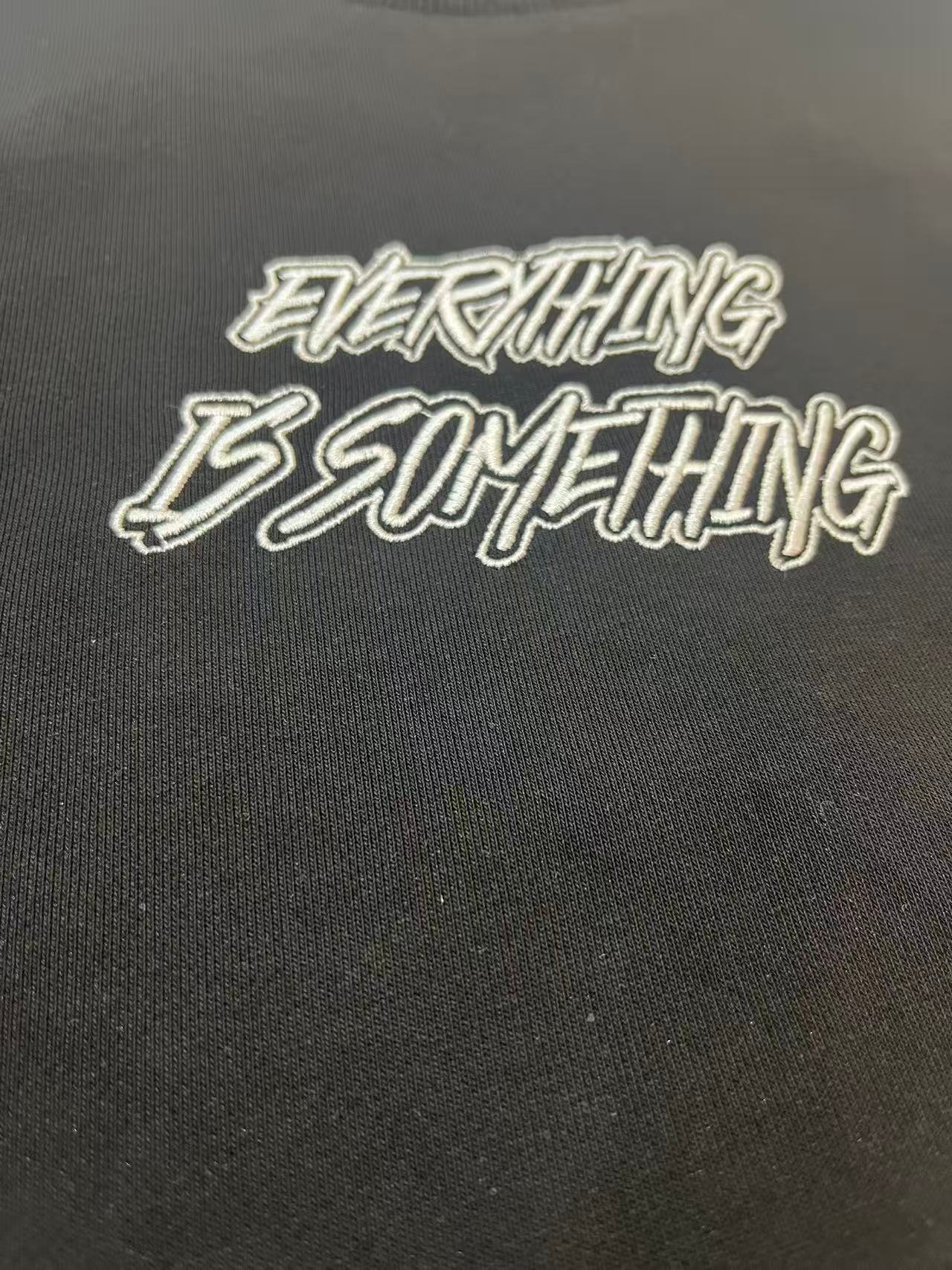
3–6 mm embroidery, chain stitch, appliqué, and woven patches add tactile character without forcing a full front graphic. Keep embroidery away from very thin jersey where backing can distort the drape. 100-unit programs can combine a screen-printed chest with a small patch or embroidery placement, but each added technique requires an approved strike-off. Specify stitch count, patch edge, thread colors, and placement tolerance on the tech pack.
Original Era References
1970s-style collegiate lettering, 1980s airbrush color, and 1990s photocopy textures are usable visual directions, not assets to copy. Build new type treatment, illustrations, slogans, and composition from documented references. Clear trademarks, artist imagery, team marks, album art, and recognizable characters before production. Retain dated source files, licenses, and approval records so the factory receives production-ready artwork rather than legally uncertain inspiration.
6. Construction Details That Signal Quality
A 1×1 rib collar, clean seam alignment, and repeatable measurements distinguish a durable vintage tshirt custom from a merely convincing sample. Approve construction against a written specification, then inspect the same points throughout bulk production.
Collar And Shoulder Build
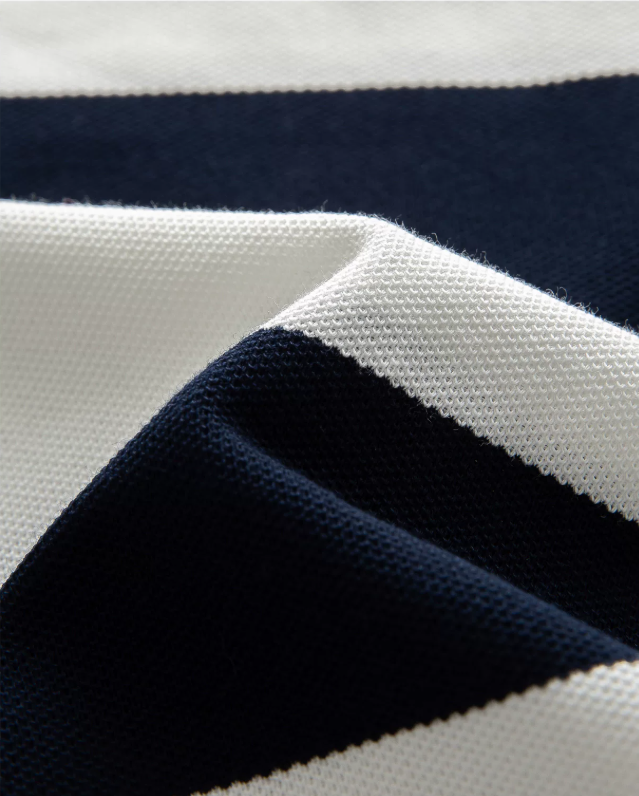
A 1×1 cotton-spandex rib neckband should recover after stretching and sit flat after washing; specify finished rib width and neck opening measurement. A back neck tape stabilizes the shoulder-to-shoulder seam and improves comfort. Check shoulder seam placement, balanced overlock coverage, and no twisting at the neckline.
- Stretch collar and confirm recovery
- Check neck tape ends are secured
- Match both shoulder seam lengths
Body, Sleeves, And Hem

A tubular body eliminates side seams but can limit shape control; a side-seamed body offers more consistent side shaping and alignment. A set-in or dropped sleeve must match the approved armhole curve. Confirm even twin-needle hem stitching, flat coverstitch appearance, and reinforced underarm junctions.
- Verify sleeve pitch and opening
- Check hem depth around the circumference
- Inspect underarm and side-seam stress points
Measurements And Bulk Inspection
A 3–5% wash shrinkage allowance can materially change chest, body length, and neck opening. Record whether the approved sample is measured before or after enzyme, pigment, acid, or garment-dye processing. A practical sample sheet lists point-of-measurement tolerances, often ±1 cm for key body measurements, plus stitch count and construction references. During bulk checks, compare garments to the sealed sample after the specified wash test.
- Measure chest, length, sleeve, and neck opening
- Count skipped stitches and loose thread ends
- Check wash appearance against the approved standard
7. Choosing a vintage tshirt custom Manufacturer
100-unit programs can suit a capsule, but a vintage tshirt custom supplier must prove repeatable wash, print, and fit control before bulk approval. Evaluate the factory’s technical ownership, documentation, and response speed—not its gallery alone.
Verify Process Ownership
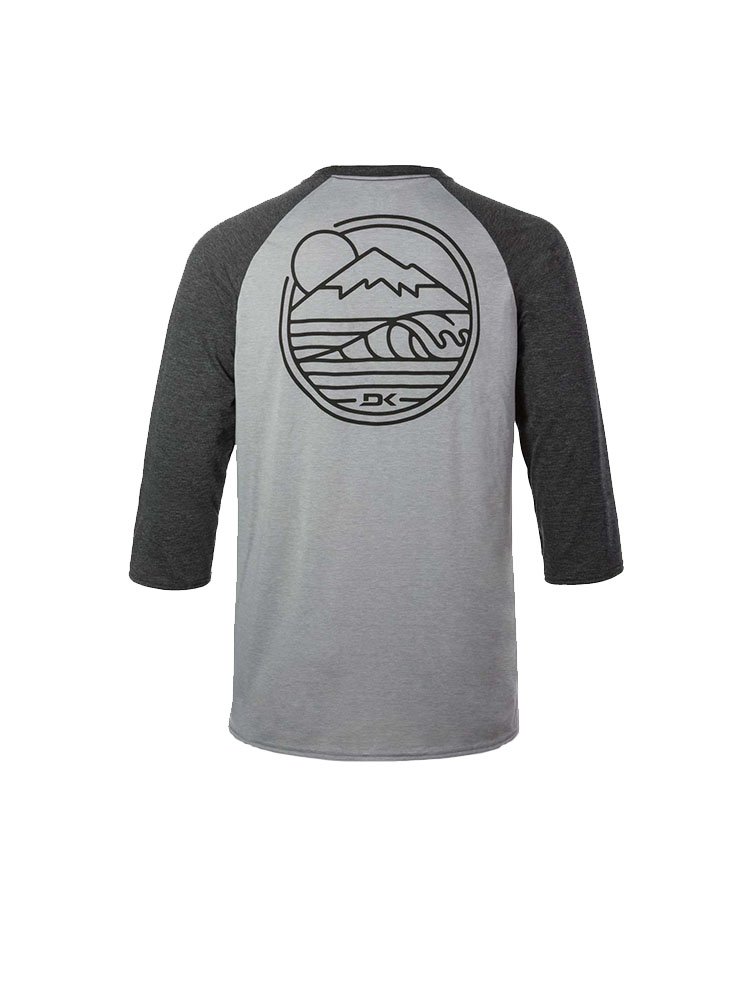
2 questions reveal risk quickly: Which washing and printing steps are in-house, and which are subcontracted? Ask who signs off on wash recipes, Pantone targets, and rework when a test fails.
- Request a washed, printed production sample
- Ask for subcontractor quality handoff records
- Confirm fabric lot and wash-batch traceability
Test Development Capability
3 physical samples are more useful than a sales presentation: an approved fit sample, a size-set garment, and a bulk-standard wash/print sample. Compare shoulder balance, shrinkage, print cracking, neck recovery, and measurement tolerance after laundering.
- Ask for pattern and grading ownership
- Review XS–3XL measurement specifications
- Confirm revision rounds and sample timing
Compare The Full Quote
10–20 business days is a realistic sampling range once fabric and artwork are confirmed; bulk timing depends on materials, wash capacity, and inspection. A low unit price can exclude testing, labels, packing, freight preparation, or defect allowances.
- Separate fabric, decoration, wash, trims, and packaging
- Confirm MOQ by style, color, and size ratio
- Ask about OEKO-TEX, GOTS, WRAP, or BSCI evidence
- Set inspection checkpoints and final AQL terms
8. Common Vintage T-Shirt Buying Mistakes
Vintage T-shirt failures usually begin before bulk cutting, when a visual approval is treated as a production specification. For vintage tshirt custom, document wash, print, color, distressing, tolerances, and rights clearance in the tech pack.
Approve Washed Physical Samples

One digital mockup cannot predict pigment fade, torque, print cracking, or hand feel after enzyme or acid washing. Require a signed pre-production sample washed to the stated care method, with retained approval photos and measurements.
Set Shrinkage And Color Controls

A 3–8% knit shrinkage range can turn an approved size chart into a failed delivery, while garment dye creates lot variation. State target finished measurements after wash, allowable tolerances, Pantone reference, and whether shade-band approval is required.
Match Print To Wash

Heavy plastisol may crack or lose adhesion under aggressive stone washing, and discharge ink depends on fiber content and dye chemistry. Specify print method, ink test standard, wash sequence, and an approved washed strike-off before bulk production.
Define Distressing And Artwork Rights
Three vague words—’worn vintage look’—can produce inconsistent holes, fraying, and placement across 100 units. Mark distress zones, dimensions, count ranges, reinforcement rules, and reference photos; confirm artwork ownership and avoid protected logos or copyrighted graphics.
Evaluate More Than Unit Price
A low quote can omit fabric testing, grading, rework allowance, inspection, or export-ready packing, creating higher landed cost later. Put fabric composition, GSM, construction, AQL level, inspection scope, packaging, lead time, and defect remedy in the purchase order.
9. Steps to Launch a Vintage T-Shirt Line
A 3–5-style capsule gives a new label enough market signal without multiplying fabric, wash, and artwork risk. Assign one owner on the brand side and one development contact at the factory before any sample is cut.
Define Audience And Margin
2 price points should be set first: target retail and target landed cost. The brand owner validates competitor range, channel margin, and buyer profile before approving concepts. 3 core styles, 1 body block, and 2 colorways per style are a practical opening gate. Hold back extra washes and silhouettes until sell-through or wholesale feedback supports them.
- Set retail, wholesale, and target FOB
- Choose age, fit, and graphic direction
- Approve a focused capsule scope
Build Production-Ready Briefs
1 concept board should specify references, Pantone direction, wash level, placement scale, and intended hand feel. The designer owns artwork files; the factory checks printability and construction feasibility. 1 tech pack per style should state measurements, tolerances, BOM, labels, stitch details, and graded sizes. Junsheen can develop patterns and grading from a sketch, reference garment, or finished pack.
Sample, Fit, And Approve

180–260 GSM ring-spun cotton jersey is a common starting range for a substantial vintage tee. Approve fabric swatches, shrinkage expectations, and test print or wash panels before the prototype. 1 fit sample and, where needed, a graded size set are the decision gates before bulk. Brand signs off measurements, shoulder balance, sleeve length, artwork color, and wash appearance; factory records the approved standard.
Release Bulk And Delivery
100 units per style and color can support a controlled capsule with Junsheen. Before production approval, confirm care-label content, fiber claims, market compliance requirements, packaging, carton marks, and inspection standard. 1 delivery plan should work backward from launch date through bulk production, final QC, balance payment, and freight booking. Expand only proven styles into new colors, washes, or oversized blocks after the first delivery is evaluated.
10. vintage tshirt custom Pricing and Cost
100 units is JUNSHEEN’s practical starting point per style and color, so the first quotation should separate recurring garment cost from one-time development charges. Confirm the target fabric weight, pattern complexity, wash recipe, artwork separations, trims, packing method, destination, and Incoterm before comparing supplier prices. 180–260 GSM ring-spun cotton is a common base for a vintage tee, while garment dye, acid wash, enzyme wash, stone wash, distressing, and brushing add labor, yield loss, and wash-test risk. A one-color screen print is usually simpler to cost than multi-color, puff, foil, discharge, DTG, or DTF artwork; each added screen color can introduce setup and registration time. 7–15 days is a typical sampling window after specifications and materials are approved; bulk timing depends on fabric availability, wash capacity, decoration scheduling, and order size. Freight, duties, and destination handling are separate from ex-factory garment pricing, so request both an EXW breakdown and a landed-cost estimate for the intended market.
| Quantity tier | Indicative cost drivers | Lead-time implication |
|---|---|---|
| 100–299 units | Fabric, cut-and-sew, wash, print, labels, packaging; sample and screen setup spread over few units | Highest unit cost; allow sampling plus material confirmation |
| 300–999 units | Same components, with better fabric utilization and setup allocation | More efficient production scheduling after approval |
| 1,000+ units | Bulk fabric booking, repeatable wash/print setup, carton optimization | Best cost stability; confirm capacity and shipping plan |
| One-time charges | Pattern/sample development, wash trials, Pantone matching, screen or embroidery setup | Usually occurs before bulk release |
| Freight and import | Air or sea freight, insurance, duties, taxes, destination fees | Varies by Incoterm, carton volume, and delivery market |
Ready to Develop Your Vintage Tshirt Custom Program?
Send your tech pack, reference garment or product idea to begin fit-focused sampling with 100-unit MOQ support from JUNSHEEN.