
Denim Jacket Supplier for 100-Unit OEM Programs
Partner with a denim jacket supplier for OEM, ODM, and private-label production, with fit-focused XS–3XL development and scalable global delivery.
Featured Products for denim jacket supplier Development





Denim Jacket Supplier Catalogue & Quotations




Why Brands Choose JUNSHEEN as Their Denim Jacket Supplier
Integrated development, fit engineering, finishing, and export support for denim programs that launch confidently and scale smoothly.
100-Unit Starting MOQ
Launch capsule collections or test new washes from 100 units per style and color without sacrificing professional production support.
Fit-Focused XS–3XL Grading
Refined patterns balance shoulders, sleeves, body proportions, and movement across regular, oversized, extended-size, and plus-size denim jackets.
Denim Washes and Decoration
Coordinate embroidery, printing, patches, garment dye, enzyme, stone, acid, and softening washes through one experienced production team.
Scalable Factory Capacity
More than 200 skilled workers and monthly capacity above 80,000 units support growth from initial drops to repeat bulk programs.
Global Export Support
From final quality checks and packing to shipment coordination, JUNSHEEN helps international brands move finished denim jacket orders worldwide.
Denim, Outerwear & Private-Label Production
Develop coordinated casualwear programs with fit-led patterns, flexible 100-unit MOQs, and integrated sourcing, decoration, finishing, labeling, and export support.

Custom Hoodies
Custom hoodies developed in fleece, French terry, or heavyweight jersey, with fit specifications from XS–3XL. Choose oversized, standard, or plus-size blocks, then add embroidery, screen printing, washes, custom rib, drawcords, labels, and branded packaging.
Request a Quote
Custom T-Shirts
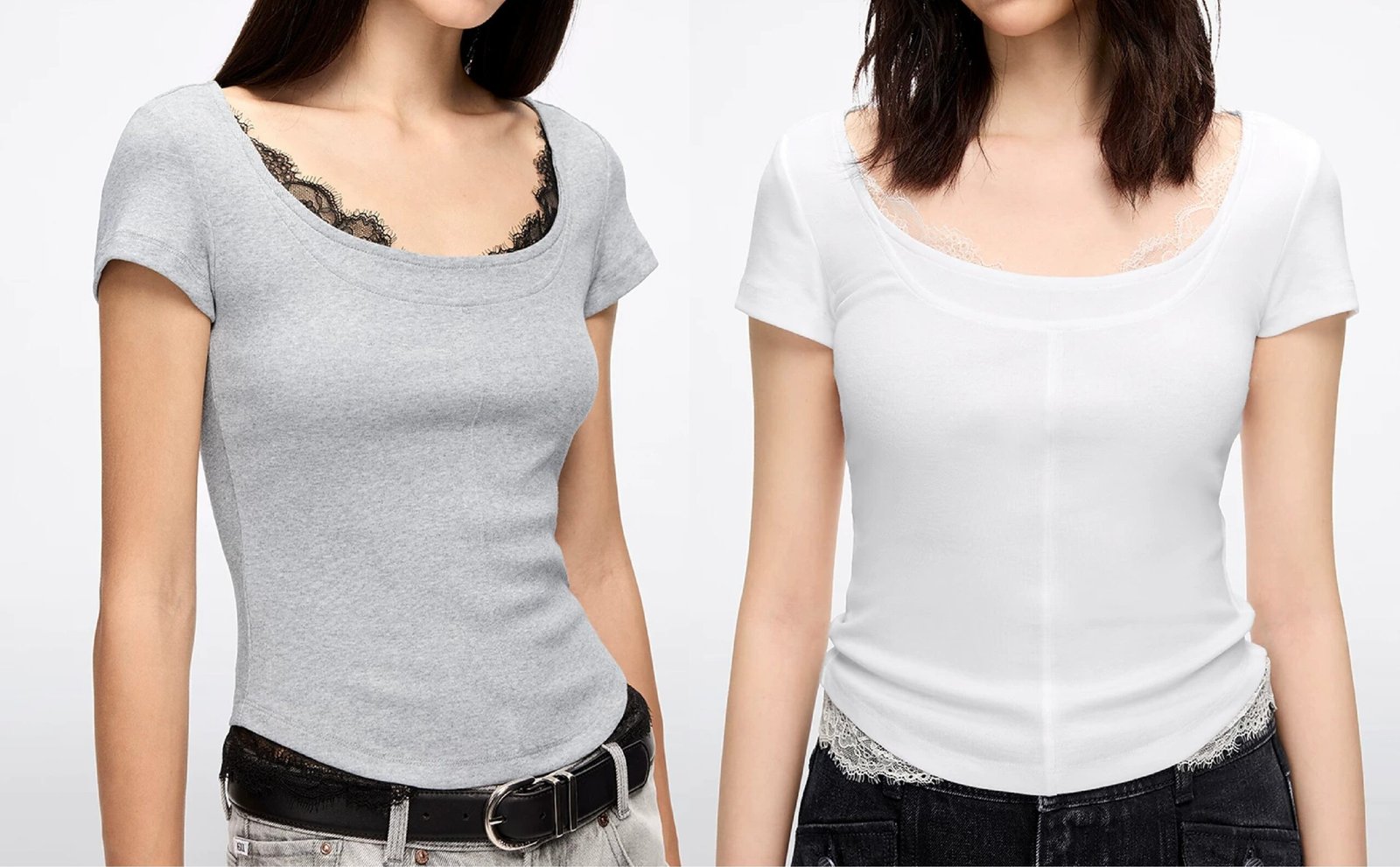
Custom T-shirts produced in cotton, Pima cotton, organic cotton, and blended jersey weights selected for hand feel, drape, and target price. Junsheen supports custom tshirt patterns, size grading, screen print, DTG, DTF, embroidery, washes, labels, and low-MOQ launches.
Request a Quote
Custom Jeans
Custom jeans developed from stretch or rigid denim with reviewed rise, leg shape, pocket placement, wash effects, hardware, and grading. Pattern makers refine fit across XS–3XL so brands can approve a production-ready denim program before bulk manufacturing.
Request a Quote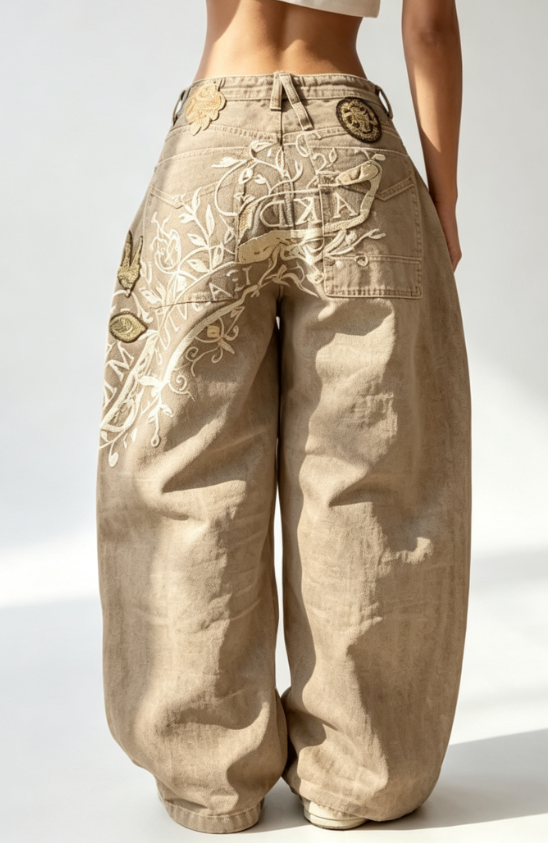
Custom Sweaters
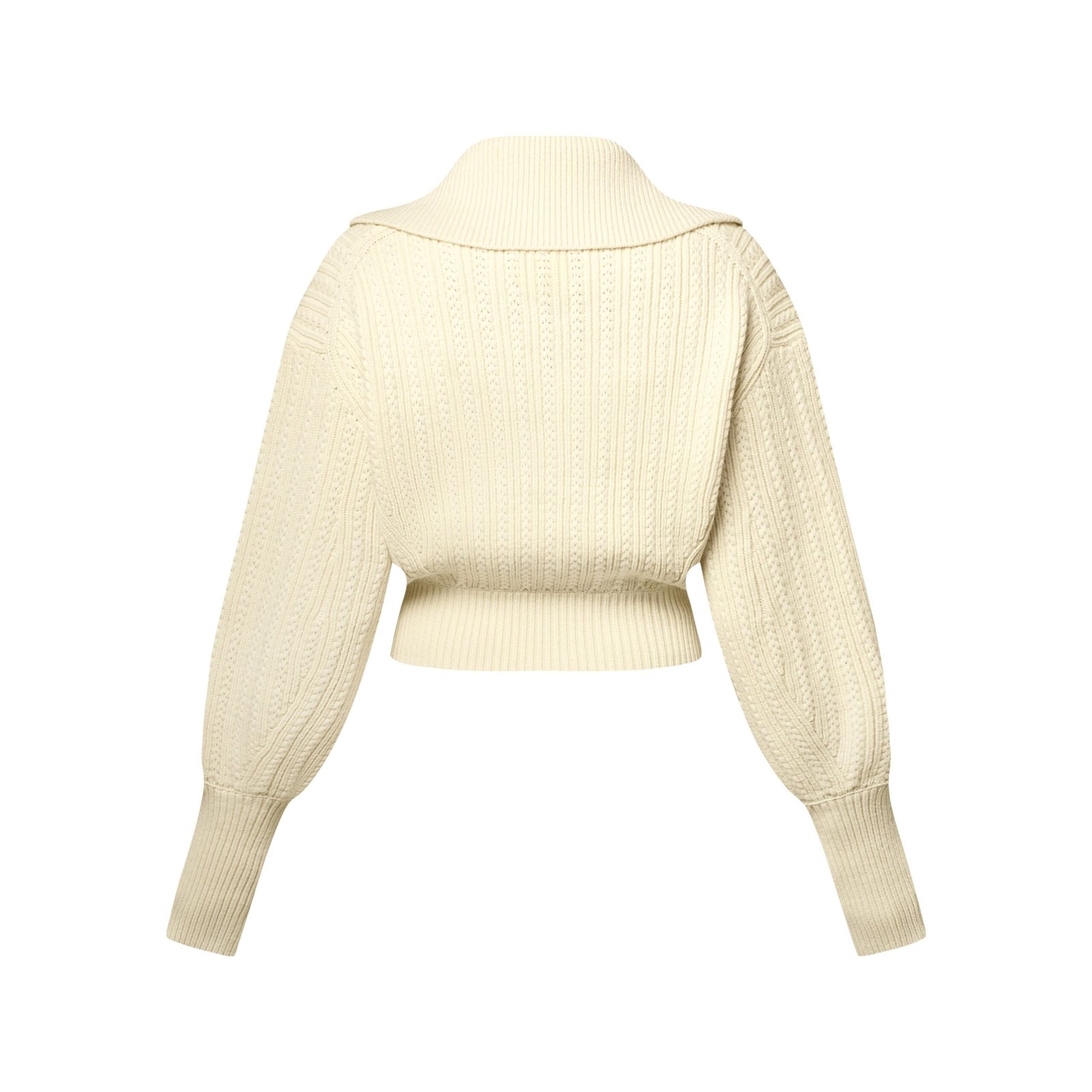
Turtleneck sweater bulk programs can be developed in knit constructions and yarn blends suited to warmth, recovery, texture, and target cost. Junsheen supports neckline shaping, gauge selection, grading, labels, trims, sampling, and scalable repeat production.
Request a Quote
Custom Jackets
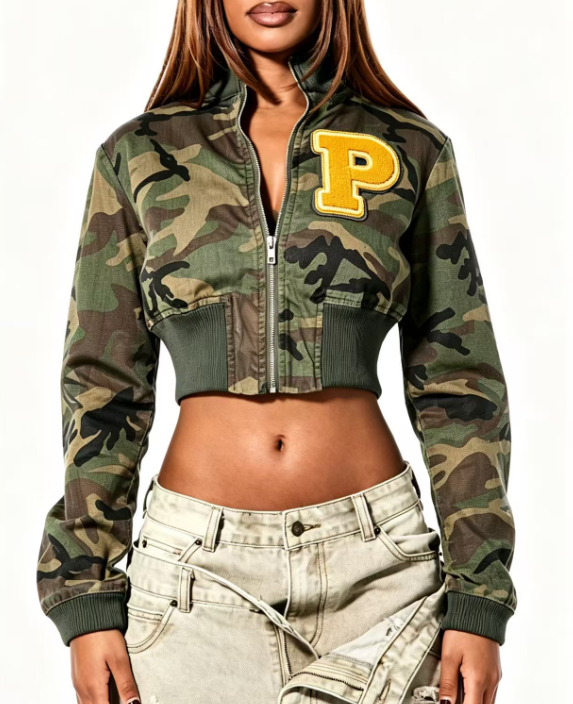
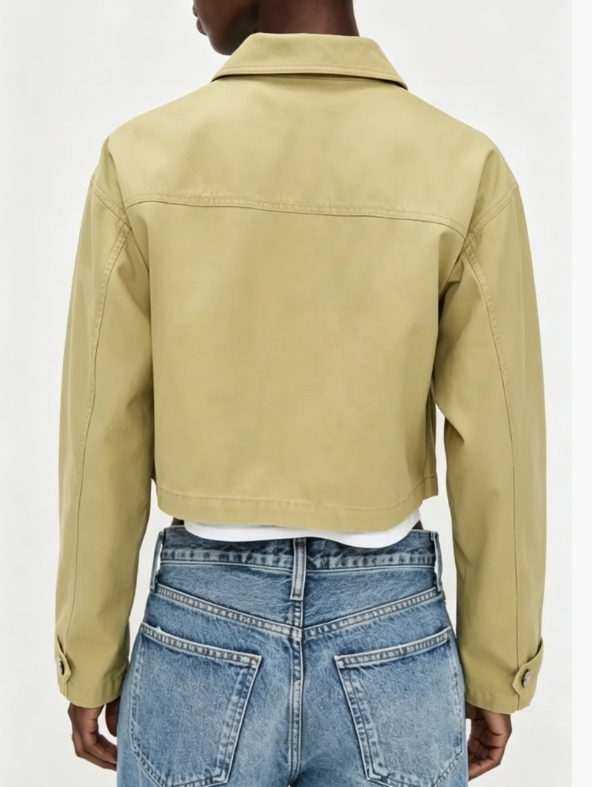
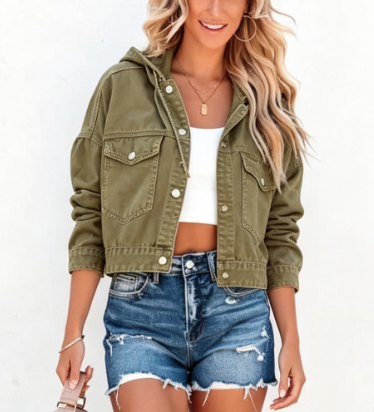
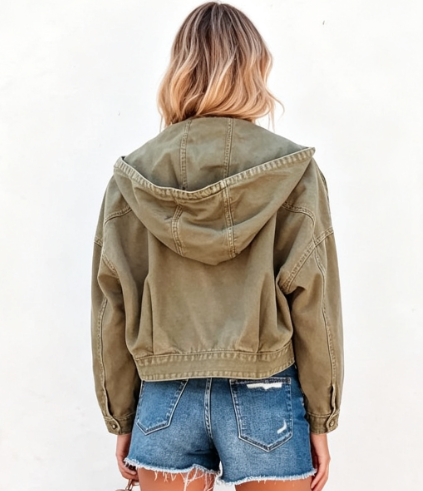
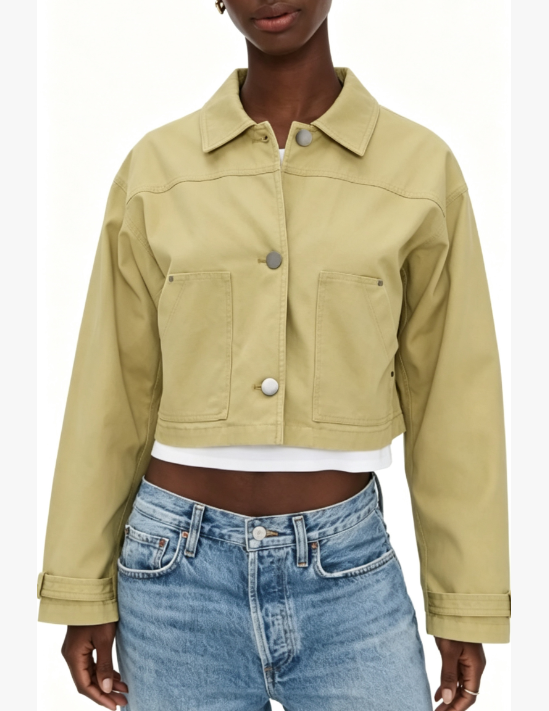
Custom jean jacket programs cover classic trucker, oversized, cropped, lined, and fashion-wash silhouettes. Junsheen manages denim sourcing, pattern development, pocket and seam details, hardware, embroidery or print, washing, labeling, and bulk quality control.
Request a Quote
Custom Sweatshirts & Crewnecks
Custom crewneck hoodie and sweatshirt programs are built in fleece or French terry with defined body balance, sleeve proportions, rib specifications, and graded size sets. Add logo decoration, garment dye, washes, custom labels, hang tags, and packaging for private-label delivery.
Request a Quote
Custom Cardigans
Custom cardigans developed in knitwear constructions with specified gauge, yarn blend, button or zipper closures, placket shape, and fit grading. Sampling confirms hand feel, recovery, proportion, and branding details before production is scaled for wholesale or retail programs.
Request a Quote
Custom Puffer & Down Jackets
Custom puffer jacket development includes shell, lining, insulation, quilting, pocket, zipper, hood, and reflective-detail specifications. Junsheen supports fit sampling, material sourcing, private-label trims, and in-line inspection for outerwear programs requiring consistent construction and packed-goods quality.
Request a Quote
Custom Denim Shorts
Custom jean shorts can be developed in rigid or stretch denim with tailored inseams, rise, hem treatments, pocket details, and wash recipes. Fit-focused grading supports standard, oversized, and extended-size assortments, while labels, hardware, and packaging complete the private-label program.
Request a Quote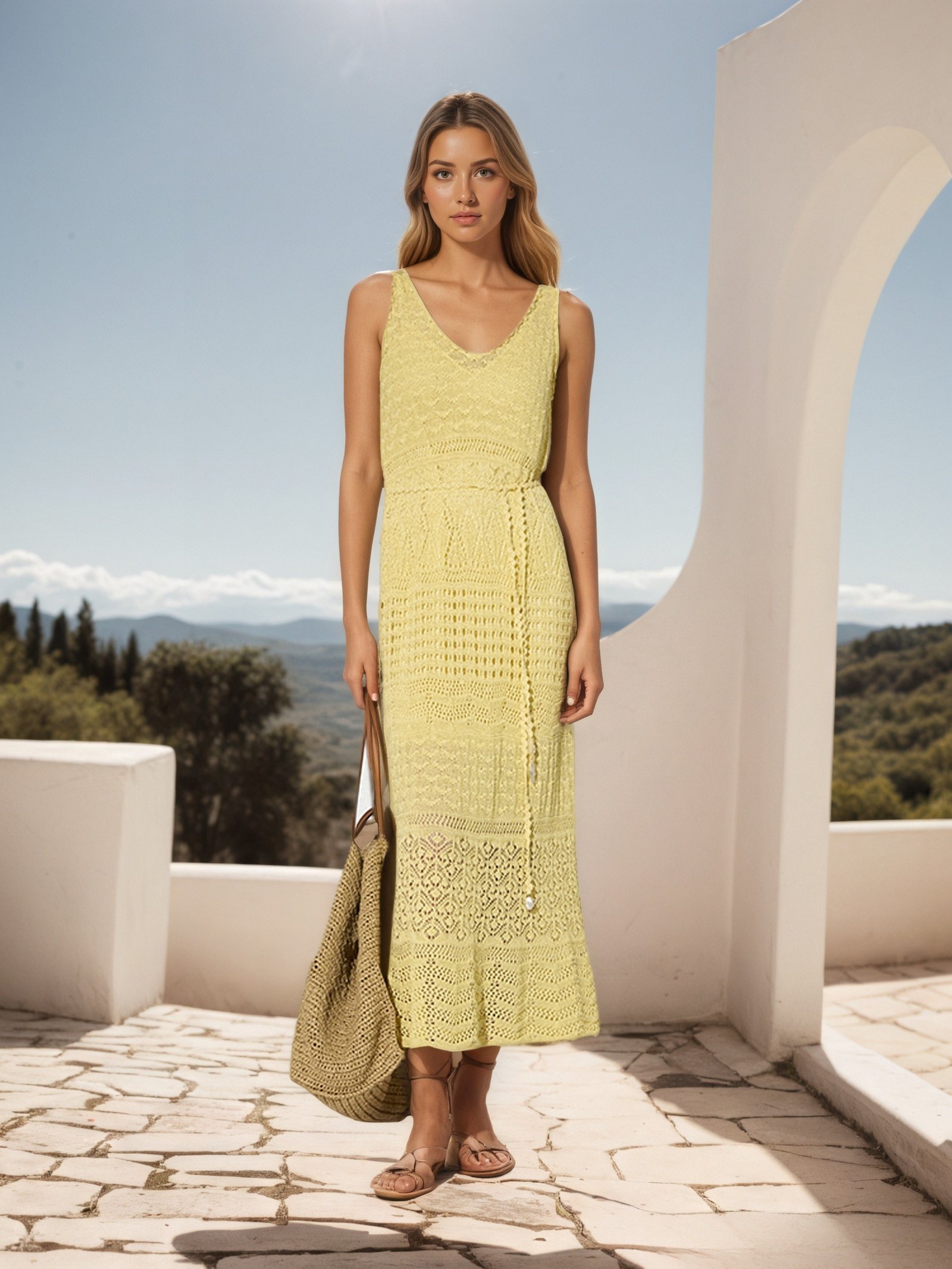
Custom Sweater Dresses
Custom sweater dresses combine knitwear development with silhouette-specific fit control across body length, waist shaping, sleeves, and necklines. Junsheen can source yarns, create samples, grade XS–3XL, add labels or trims, and prepare coordinated seasonal knitwear collections.
Request a Quote
Custom Denim Sets
Mens denim suits wholesale programs can combine matching denim jackets, overshirts, jeans, or tailored denim separates. Junsheen aligns fabric lots, wash appearance, hardware, fit blocks, and branded details across each piece for coordinated wholesale-ready sets.
Request a Quote
Custom Polo Shirts
Custom polo shirts are produced in pique, jersey, performance knits, or blended fabrics selected for structure, breathability, and wash durability. Define collar construction, plackets, buttons, embroidery placement, size grading, labels, and packaging for retail, uniform, or brand collections.
Request a Quote
Custom Sweatpants
Custom sweatpants developed in fleece, French terry, or performance knits with specified rise, leg shape, elastic, cuffs, pockets, and drawcords. Pattern development supports XS–3XL and oversized fits, with embroidery, printing, washing, labels, and matching-set production available.
Request a Quote
Custom Shorts
Custom shorts produced in jersey, fleece, twill, denim, or woven fabrics with defined inseam, rise, pocket, waistband, and trim requirements. Junsheen supports sample review, fit grading, decoration, washes, and flexible 100-unit MOQ production by style and color.
Request a Quote
Custom Pullovers
Custom pullovers developed as knit, fleece, French terry, or woven layering pieces with controlled necklines, sleeve shape, body proportions, and grading. Fabric, trim, decoration, washing, labels, and packaging are coordinated through one production workflow for reliable repeat orders.
Request a QuoteDenim Jacket Supplier Materials for Every Collection

Rigid Cotton Denim
A structured, authentic denim with a crisp hand feel for classic trucker jackets, workwear silhouettes, and vintage washes. Typically 10–14 oz, it builds character through garment washing and wear.

Stretch Denim
Cotton-rich denim blended with elastane for easier movement and a close, comfortable fit. Ideal for fitted jackets, women’s styles, and contemporary silhouettes; common constructions offer controlled two-way stretch.

Cotton Twill
A smooth, durable woven fabric with a clean diagonal texture and lighter hand than traditional denim. Well suited to utility jackets and overshirts, usually available in versatile midweight constructions around 7–10 oz.

Recycled Denim Blends
Denim incorporating recycled cotton or recycled polyester to support lower-impact collection goals. The hand feel can range from soft to structured, with fiber ratios selected to balance durability, color, and wash performance.

Sherpa Lining
A plush, insulating pile fabric that adds warmth and a tactile contrast inside cold-weather denim jackets. Commonly paired with rigid denim shells, it delivers a soft hand feel with dependable heat retention.

Performance Woven Fabrics
Technical woven fabrics for lightweight, weather-conscious denim-inspired outerwear and hybrid jackets. Options can provide water resistance, quick drying, or mechanical stretch while maintaining a durable, structured surface.
Denim Jacket Supplier Decoration, Washing & Finishing Options

Logo Embroidery
Flat, 3D puff and chain-stitch embroidery add tactile logos, artwork or lettering with clean edge definition. Reinforced stitching and placement testing help the detail stay sharp through repeated wear and washing.

Screen Printing
Plastisol, water-based, puff, high-density and foil screen prints create bold graphic coverage on denim jackets. Junsheen tests ink behavior against fabric weight and wash treatments for strong adhesion and lasting color.

Custom Patch Application
Woven, embroidered, chenille, leather and applique patches give jackets a branded, collectible finish. Secure stitching, clean placement and compatible backing materials support dimension, texture and dependable attachment.

Garment Dye
Garment dye produces rich, lived-in color with subtle tonal variation across finished denim pieces. It is ideal for custom seasonal shades and can be paired with softening treatments to refine hand feel.

Enzyme Stone Wash
Enzyme and stone washes soften denim while creating controlled fading and a broken-in character. Wash trials help balance contrast, fabric strength and consistent results across your approved bulk production.

Acid Wash Effects
Acid washing creates high-contrast, irregular fading for a vintage or streetwear-led denim statement. Junsheen develops sample references first to control the visual intensity, placement and final garment hand.
Custom Trims and Private-Label Accessories

Custom Metal Buttons
Add logo-engraved shank buttons, tack buttons, or decorative metal hardware for front closures, cuffs, and waist adjusters. Finishes can be matched to your denim wash, brand direction, and durability requirements.

Branded Snap Fasteners
Use custom snaps on denim overshirts, trucker jackets, detachable collars, and utility pockets. Choose branded caps, antique finishes, color-matched coatings, and reliable closing strength suited to repeated wear.

Custom Zipper Pulls
Specify metal or nylon zippers with logo pullers for zip-front denim jackets, chest pockets, and convertible styles. Junsheen can coordinate tape color, teeth finish, pull shape, and garment construction details.

Woven Leather Labels
Finish denim jackets with woven, faux-leather, or genuine leather labels at the neck, hem, pocket, or back waistband. Labels reinforce private-label identity while supporting clear size, care, and origin information.

Hang Tags Packaging
Create coordinated hang tags, barcode stickers, polybags, tissue paper, and branded cartons for retail-ready delivery. Packaging options help your denim jacket supplier program arrive organized for wholesale, ecommerce, or store distribution.
Drawcords And Tipping
Add custom drawcords, aglets, cord ends, and contrast tipping to hooded denim jackets and hybrid outerwear. Material, color, length, and branding can be developed to complement your garment’s wash and hardware.
Your Denim Jacket Supplier Since 2010
Founded in 2010 in Humen Town, Dongguan, JUNSHEEN is a denim jacket supplier built for brands that need responsive development and dependable production. We combine OEM, ODM, private-label and wholesale support in one connected apparel supply chain, turning tech packs, references and early concepts into production-ready denim programs.
Our 200+ skilled workers support cut-and-sew, fabric sourcing, pattern making, washing, decoration, quality control, labels, trims, packaging and export coordination. With monthly capacity above 80,000 units and low MOQs from 100 units per style and color, we serve capsule launches as confidently as ongoing bulk orders.
More than 2,000 fashion-brand clients have chosen JUNSHEEN for a fit-first approach that goes beyond scaling a base pattern. From XS to 3XL, including extended-size, plus-size and oversized fits, our team refines proportions and grading to help denim jackets wear consistently across the full size range.

Denim Jacket Supplier Capability for Consistent Production
Fit and Grading Precision
As a fit-focused denim jacket supplier, JUNSHEEN develops XS–3XL, plus-size and oversized fits with refined shoulder balance, sleeve length, body proportions and grading increments. The result is a more consistent size range before bulk production begins.
- XS–3XL, extended-size and oversized development
- Pattern adjustments beyond simple size enlargement
- Size-set reviews for fit and mobility
- Graded specifications retained for reorders

Development That Resolves Details
Bring a tech pack, sketch, reference garment or early concept. Our product-development team reviews construction, fabric weight, wash direction, trims and manufacturability, then turns the idea into a production-ready denim jacket sample for clear approval.
- Tech pack and feasibility review
- Denim fabric and trim sourcing
- Pattern making and prototype sampling
- Pre-production approval before bulk cutting

Decoration and Finish Control
Keep embroidery, printing, washing, labels and branded details coordinated within one manufacturing workflow. JUNSHEEN matches decoration and finishing choices to the denim fabric, desired hand feel and target look, helping protect consistency across every production run.
- Embroidery, patches and logo applications
- Screen printing, DTF and heat transfers
- Stone wash, enzyme wash and garment dye
- Custom labels, hardware and packaging

Quality Built for Reorders
JUNSHEEN checks incoming materials, in-line construction, measurements, fit, decoration and packed goods throughout production. Retained patterns, graded size sets and material records help repeat denim jacket programs move faster while preserving approved specifications and quality expectations.
- Incoming fabric and trim inspection
- In-line measurement and construction checks
- Final packed-goods quality control
- Saved production records for repeat orders

Why Brands Choose JUNSHEEN as Their Denim Jacket Supplier
One accountable manufacturing partner for flexible denim development, fit-focused sizing, production control, and export-ready delivery.
← 左右滑动查看 →
From Denim Concept to Global Delivery
A clear, fit-focused process for taking custom denim jackets from feasibility review to export-ready shipment.
Review Design Feasibility
Share a tech pack, sketch, reference garment, or mood board. Our team reviews construction, target cost, fit requirements, decoration, and production readiness.
Source Denim and Trims
We recommend denim weight, stretch, wash potential, hardware, labels, and packaging based on your desired hand feel, price point, and brand direction.
Build Patterns and Samples
Pattern makers develop and grade fits from XS through 3XL, then create prototype samples for measurements, mobility, wash effects, and branding approval.
Confirm Specs and Production
After sample approval, we lock materials, graded size sets, decoration details, and packing requirements before scheduling bulk production from 100 units per style and color.
Inspect, Pack, and Ship
Quality checks cover fabric, construction, measurements, washes, decoration, and final packed goods. Approved denim jackets receive branded packing and global export support.
Start Your Custom Denim Jacket Order
Share your concept, approve a production-ready sample, and move into controlled bulk manufacturing with one denim jacket supplier.
Send Your Design Brief
Submit a tech pack, sketch, reference garment, mood board, or idea with target quantities, sizing, wash direction, branding details, and delivery market.
Review Feasibility and Quote
Our team reviews construction, denim weight, washes, trims, decoration, XS–3XL grading, and MOQ requirements, then provides clear manufacturing recommendations and pricing.
Develop and Refine Samples
We source materials, create patterns, and produce a prototype for fit, measurements, wash effects, labels, and hardware review before final specifications are confirmed.
Approve Production Details
Confirm the sample, graded size set, materials, packaging, and order specifications. Retained records help keep repeat denim jacket production accurate and consistent.
Launch Bulk Production
JUNSHEEN manages cutting, sewing, finishing, inspections, packing, and export support, scaling from 100 units per style and color to ongoing global programs.
Custom Clothing Manufacturer Credentials and Compliance Documents



What Brand Clients Achieve With JUNSHEEN
JUNSHEEN turned our reference jacket into an approved sample in two rounds. Their team corrected the shoulder balance and sleeve grading across XS–3XL, helping us launch a 240-unit denim capsule on schedule.
We started with 100 units in one wash and quickly reordered 600 more. The sample matched bulk measurements closely, and the custom leather patch, metal buttons, and garment wash arrived exactly as approved.
Our previous supplier needed repeated fit revisions for plus-size denim. JUNSHEEN delivered a consistent 1X–3X size set in the first development cycle, cutting our sampling timeline by three weeks and making launch planning far easier.
Denim Jacket Supplier FAQs
Clear answers on MOQ, development, fit, finishing, payment, and worldwide delivery for custom denim jacket programs.
What is your minimum order quantity for custom denim jackets?
Can a denim jacket supplier make a sample before bulk production?
How long does a denim jacket supplier need for sampling and bulk production?
Can you develop denim jacket fits in extended sizes and oversized silhouettes?
What denim fabrics, washes, and finishes can you offer?
Can you add private labels, embroidery, patches, and custom hardware?
What payment terms do you offer for denim jacket orders?
Do you ship custom denim jackets internationally?
How do you protect my denim jacket designs and product information?
The Complete Buyer’s Guide to denim jacket supplier Selection
Use this practical framework to compare denim jacket suppliers, evaluate materials and construction, plan customization and pricing, and avoid sourcing mistakes that delay launches or compromise your brand’s quality standards.
1. What Is a Denim Jacket Supplier?
100 units per style and color is a common practical threshold for a factory-oriented denim jacket supplier: a partner that turns a brand’s specifications into repeatable production, rather than simply reselling finished jackets. Buyers use one when they need control over fit, washes, trims, labeling, packaging, quantities, and replenishment instead of choosing from a distributor’s existing catalog. OEM means the buyer supplies the production-ready design or tech pack and the factory manufactures it; ODM adds supplier-led design and development from a sketch, reference garment, or brief. A private-label manufacturer applies the buyer’s brand identity to a developed or adaptable product, while a trading company coordinates orders through third-party factories and a stock wholesaler sells ready-made inventory with limited alteration. 2010 is the founding year of Dongguan Junsheen Clothing Co., Ltd., a Humen-based manufacturer that combines pattern making, size grading, denim sourcing, sampling, cut-and-sew production, inspection, packing, and export support. A capable denim jacket supplier should also provide fabric and wash swatches, pre-production approval, in-line and final measurement checks, applicable material or social-compliance documentation on request, and shipping coordination; those services matter most when a collection must be technically distinct and commercially repeatable.
2. Evolution of Denim Jacket Manufacturing
1880 marked a defining shift when Levi Strauss & Co. patented riveted workwear, establishing the hard-wearing denim logic that later shaped trucker jackets: durable cotton twill, reinforced stress points and repairable construction. By the mid-20th century, the jacket had moved from rail yards and ranches into youth culture, making fade, creasing and wear marks intentional parts of the product story. 1960s garment washing turned rigid indigo into a design variable, while stone wash, enzyme wash, acid wash and garment dye later expanded the range from clean raw finishes to convincing vintage surfaces. Modern laser finishing can place whiskers, abrasions and patterns with more repeatability than hand sanding, but buyers should approve wash panels and sealed samples because the same recipe can react differently across fabric lots. 2–5% elastane blends changed expectations for fitted silhouettes, mobility and recovery, while cotton-rich rigid denim remains central to authentic vintage and oversized programs. A denim jacket supplier now has to balance desired hand feel against shrinkage, colorfastness, skew, stretch growth and wash durability—not simply match an inspiration image. 100-unit MOQ OEM programs have widened access for capsule labels that once needed bulk-scale commitments, increasing demand for traceable cotton, recycled fibers and documented mill and wash-house inputs. For sourcing teams, the useful brief combines a reference era, target weight and wash appearance with performance tests, fiber-content evidence and a clear tolerance for shade variation.
3. Denim Jacket Supplier Types and Styles
Eight core silhouettes cover most denim-jacket assortments, but a denim jacket supplier should match each to customer, climate, and price architecture. Build around reliable volume styles, then add directional fits and insulated options to control sampling risk.
Core Volume Silhouettes

1 classic trucker jacket suits broad unisex and heritage customers; preserve shoulder width, chest ease, and usable pocket placement. Its panel seaming, metal shanks, and collar topstitching create moderate production complexity. 2 fitted and cropped jackets target womenswear or trend-led drops; test bust shaping, sleeve pitch, hem sweep, and mobility before grading. Cropped bodies require especially accurate length tolerances because a 1 cm shift changes the fit.
Relaxed And Layering Styles

3 oversized jackets serve streetwear and gender-inclusive customers, using dropped shoulders and deliberate body ease rather than simply upsizing a trucker. Larger panels can increase fabric consumption, while balance across XS–3XL needs separate grading review. 4 denim overshirts suit transitional weather and layered casualwear; lighter construction, shirt cuffs, and snap fronts can reduce sewing time. Workwear jackets add utility pockets, reinforced seams, and heavier hardware, raising operation count.
Seasonal Statement Options
5 sherpa-lined jackets sell strongest in cool-weather capsules, where lining attachment, sleeve insulation, and wash compatibility add complexity. Confirm shrinkage and seam bulk before approving bulk production. 6 varsity-inspired denim jackets appeal to collegiate and premium-streetwear buyers; rib trims, contrast sleeves, embroidery, and snap alignment require tighter component control. Keep these as higher-value accents beside repeatable trucker or overshirt programs.
4. Denim Jacket Supplier Materials and Fabrics
12–14 oz denim suits most year-round trucker and workwear jackets, while fiber blend determines shrinkage, hand feel and wash response. A capable denim jacket supplier should approve fabric before any wash or color process is locked.
| Material | Typical Weight | Performance | Best Use |
|---|---|---|---|
| Cotton rigid denim | 340–510 GSM | Durable; high-contrast fading | Trucker, workwear |
| Organic cotton denim | 340–440 GSM | Structured; certification dependent | Premium capsule |
| Recycled cotton blend | 300–420 GSM | Softer; verify strength | Fashion denim |
| Tencel-cotton blend | 280–380 GSM | Soft, drapey, comfortable | Oversized jackets |
| Stretch denim | 300–410 GSM | Better recovery and mobility | Fitted silhouettes |
Fiber And Weight Selection

100% ring-spun cotton denim gives the highest abrasion resistance and develops defined fading, but requires shrinkage testing before grading. 10–13 oz fabrics balance structure and comfort; 14 oz-plus rigid constructions suit heritage, utility and colder-season outerwear.
- Organic cotton supports certified material programs.
- Recycled cotton blends need tensile-strength review.
- Tencel blends add softness and drape.
Stretch, Color And Finishing

1–3% elastane improves mobility in fitted silhouettes, whereas rigid denim gives cleaner vintage fading and a more stable jacket shape. Indigo, black and ecru each react differently to enzyme, stone and acid washes; test the approved base cloth with trims before bulk.
- Use stretch denim for slim or cropped fits.
- Use rigid denim for vintage trucker styles.
- Match wash recipes to fabric weight and shade.
Lining And Insulation
120–180 GSM quilted padding adds warmth without turning a denim jacket into heavy outerwear; sherpa and fleece linings create bulkier seasonal styles. 100% cotton poplin lining keeps lightweight jackets breathable, while polyester lining improves sleeve slip and drying speed.
5. Denim Jacket Supplier Customization Options
A denim jacket supplier can turn a core trucker block into a brand-specific product through fit, wash, decoration, trim, and packaging choices. At a 100-unit-per-style-and-color starting point, prioritize details that remain repeatable across sampling and bulk runs.
| Customization | Technical Input | Durability Or Cost Watchpoint |
|---|---|---|
| Oversized or cropped fit | Graded spec and measurement chart | New pattern and fit rounds add development time |
| Heavy wash or distressing | Wash reference and placement map | Abrasion can weaken seams and vary by panel |
| Embroidery or appliqué | Vector artwork and stitch dimensions | Dense coverage adds stiffness and labor |
| Custom hardware and packaging | Logo files, finish, and packing spec | Higher minimums may apply to bespoke components |
Silhouette And Size Range

Three fit levers—body length, shoulder drop, and sleeve volume—change the identity of a trucker, cropped jacket, oversized layer, or workwear overshirt. A tech pack should specify finished measurements, tolerances, construction sketches, and graded points of measure from XS through 3XL. 2–5 cm changes in chest ease or body length should be approved on a fit sample before wash development. Extended sizing needs revised shoulder balance, armhole mobility, and grading increments rather than simple pattern enlargement.
Wash And Decoration Choices
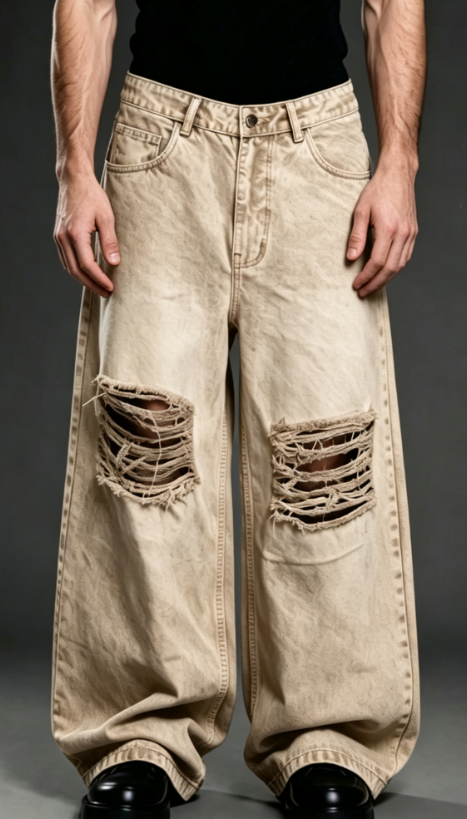
10–14 oz denim generally supports enzyme, stone, acid, garment-dye, and softening treatments, while stretch content, coating, and dark indigo may limit abrasion or create shade variation. Place distress marks away from high-stress seams when longevity matters. Pantone artwork, placement dimensions, thread colors, and vector files help control embroidery, screen print, appliqué, and patches. Dense embroidery and large prints can stiffen lightweight denim; test decoration after the final wash, not before.
Trim And Budget Priorities
Four high-visibility details—branded buttons, zipper pulls, woven labels, and hang tags—usually create stronger recognition per dollar than adding multiple complex effects. Specify metal finish, logo artwork, attachment method, and label positions in the tech pack. 1 pre-production sample should combine the confirmed fabric, wash, decoration, and hardware. Reserve development budget first for fit and wash approval, then add premium trims or custom packaging after the base garment is stable.
6. Denim Jacket Construction Quality Checklist
A denim jacket sample should be judged as a construction system, not just by its wash or silhouette. A capable denim jacket supplier locks approved measurements, stitch standards, hardware, and wash behavior before bulk cutting.
Seams And Reinforcement
8–10 stitches per inch is a common target for denim topstitching; inspect straight, balanced lines without skipped stitches, loose thread, or puckering. Flat-felled or lapped seams should sit evenly at side seams and sleeves. 2–3 bar tacks commonly reinforce pocket corners, placket bases, sleeve vents, and stress points. Confirm thread color, tack position, and back-tack security against the approved sample.
Front, Collar, And Pockets
3–5 mm placket variation can make a button-front look visibly crooked. Buttonholes must align with button centers, be cleanly cut, and hold hardware securely without fraying. 10–15 mm pocket-placement drift is often noticeable on a symmetrical chest-pocket design. Check collar-point symmetry, stand shape, pocket flap alignment, and snap or shank attachment after pull testing.
Wash And Measurement Control

2–5% shrinkage can occur depending on denim construction and wash process, so approve a washed pre-production sample rather than an unwashed garment. Compare shade, abrasion, whiskering, and hand feel across multiple units. 1 cm is a practical tolerance for many key jacket measurements, while critical paired features need tighter visual control. Record chest, body length, shoulder, sleeve, collar, and pocket specifications on the measurement sheet.
Inspection Gates
100% of bulk work should follow the sealed pre-production sample, including fabric lot, wash recipe, trims, and packaging. An inline check catches seam, alignment, and measurement drift before the full order is assembled. Final inspection should review appearance, measurements, functionality, loose threads, stains, and packed quantities using the agreed AQL standard. These three gates create evidence for correction before shipment and reduce post-delivery quality claims.
7. How to Choose a Denim Jacket Supplier
A capable denim jacket supplier should prove its process before you approve bulk, not merely show attractive finished photos. Compare evidence across development, wash control, quality, capacity and export execution against your launch calendar.
Verify Denim Experience
Request 3–5 recent denim samples spanning rigid, stretch and washed constructions, plus measurement sheets and wash test results. Check collar roll, sleeve pitch, bartacks, seam puckering and shade consistency after laundering.
- Ask which denim weights they run regularly
- Review shrinkage and colorfastness reports
- Request matching reference-style samples
Test Development Support
100-unit MOQ flexibility can suit capsule launches, but confirm whether it applies per style, color and fabric. Request a sampling timeline, revision policy, graded size chart and pre-production sample sign-off process.
- Confirm pattern-making and size-grading ownership
- Ask for fabric swatches and Pantone lab dips
- Set measurable fit and wash approvals
Audit Production Controls
200-plus workers and 80,000-plus monthly units indicate potential scale at Junsheen, but buyers should still match capacity to their delivery window. Request incoming, in-line and final inspection checkpoints, an AQL standard, and evidence of traceable fabric and wash records.
- Ask for QC reports from comparable orders
- Request OEKO-TEX, GOTS, WRAP or BSCI documents if applicable
- Confirm wastewater and chemical-management practices
Confirm Communication And Shipping
24-hour response expectations and a named technical contact reduce missed approvals across time zones. Before paying a deposit, ask for the export quote, Incoterm, carton specification, shipping lead time and balance-payment milestone.
- Confirm who approves changes in writing
- Request packing photos before final balance
- Ask for destination-specific export experience
8. Common Denim Jacket Sourcing Mistakes
A 100-unit denim launch can absorb costly errors because fixed development and freight charges are spread across few pieces. A capable denim jacket supplier should turn approvals into documented production controls before cutting begins.
Buying On The Lowest Quote
A quote that omits wash development, trims, testing, or export packing is not comparable to an all-inclusive quote. Request a line-item costing sheet with fabric weight, wash, hardware, labels, MOQ, and Incoterm. A US$1 saving per jacket can disappear after a rejected wash or rushed replacement shipment. Compare approved specifications and total landed cost, not unit price alone.
Approving Incomplete Development

One unwashed sample cannot confirm shrinkage, abrasion placement, color loss, or seam torque. Approve a wash-tested size set against a signed measurement chart before bulk fabric is cut. A tech pack missing stitch count, Pantone references, artwork scale, hardware finish, or placement invites factory interpretation. Lock revisions with dated files; late details can add sampling cycles and delay delivery.
Skipping Production Controls
A 1–2 cm measurement tolerance should be agreed by point of measure, size, and fabric behavior. Unclear tolerances can turn a technically finished order into retailer returns and fit-related brand damage. A 3–6 week fabric lead time may extend when custom dyeing, specialty denim, or bulk wash trials are required. Confirm label rules, care content, country-of-origin marking, and final inspections before shipment.
- Inspect incoming fabric before cutting
- Check in-line measurements and decoration
- Approve final packed-goods inspection
9. Steps to Launch a Denim Jacket Brand
A 100-unit-per-style-and-color starting point can make a denim launch testable without treating the first drop as a full-scale buy. A disciplined sequence protects cash, fit consistency, and the reorder window before marketing spend begins.
Define The Customer Brief
Two target customer profiles should set the jacket silhouette, retail price, and use case before design work starts. Three direct competitors reveal gaps in wash, fit, hardware, and price positioning. A one-page mood board should specify wash direction, Pantone accents, pocket placement, and trim references. A technical pack should convert those choices into measurements, construction notes, bill of materials, and artwork files.
- Set target retail price and gross-margin goal
- Choose core, oversized, or extended-size fit
- Plan XS–3XL size curve from expected demand
Shortlist And Sample Suppliers
Three qualified factories are enough to compare MOQ, denim sourcing, sample cost, lead time, and communication quality. A capable denim jacket supplier should flag manufacturability issues before quoting. One first prototype should test silhouette, fabric weight, wash, and decoration rather than chase perfection. Two fit rounds are common; record every approved change in the tech pack and graded measurement chart.
- Request relevant denim sample photos
- Confirm MOQ by style and color
- Review payment timing against available cash
Approve Bulk And Launch

100 units per style and color is a practical decision gate only when deposits, sampling, packaging, freight, and duties are fully funded. A pre-production sample must match the approved fit, wash, trims, labels, and packaging before bulk cutting. Four checkpoints—fabric, in-line sewing, measurements, and packed goods—reduce preventable claims. Two weeks before dispatch, book freight, finalize product photography, inventory receiving, and launch messaging.
- Inspect size-set measurements before bulk approval
- Set a reorder trigger by sell-through
- Retain patterns, wash standards, and trim records
10. Denim Jacket Supplier Pricing and Costs
100-unit capsule orders carry the highest unit cost because pattern work, markers, wash trials and line setup are spread across fewer jackets. A 10–12 oz cotton denim shell usually costs less than 13–14 oz rigid ring-spun denim, while stretch content, recycled fibers, contrast panels and quilted lining add material and sewing time. 2-stage enzyme or stone washing costs less than multi-step acid wash, tinting, whiskering, abrasion and hand-sanding because each treatment needs trials, handling and wash approval. YKK zippers, custom snaps, woven labels, embroidery, screen printing, branded cartons, third-party testing and pre-production samples should be itemized rather than assumed in a base price. 30–45 production days is a practical planning range after sample and material approval; custom fabric, complex washes or peak-season capacity can extend it. A usable denim jacket supplier quote needs the finalized tech pack, size range, fabric and wash specification, trim list, decoration placements, packaging requirements, quantity by color, testing needs and shipping destination; freight varies materially by carton volume, Incoterm and transport mode.
| Order quantity | Indicative FOB unit price | Typical production lead time |
|---|---|---|
| 100–299 units | US$24–42 | 35–45 days |
| 300–999 units | US$19–34 | 30–40 days |
| 1,000+ units | US$15–28 | 25–35 days |
Start Your Denim Jacket Supplier Project Today
Send your tech pack, sketch, or reference garment for a fit-focused OEM or private-label quotation from JUNSHEEN.